

🧭 A Quick Reality Check Before Diving In
Most blockchain explanations fail in one of two ways:
❌ Too shallow → sounds like marketing
❌ Too technical → reads like a textbook
This article takes a third path.
Instead of equations, think of Dusk Network as a well-designed financial machine, where every part has a job, a boundary, and a reason to exist.
At the center of this machine sits Dusk Foundation, stewarding a protocol built not for hype cycles, but for predictable, confidential finance.
🧱 The Three Pillars of Dusk Network (Simple but Precise)
Dusk Network stands on three interlocking systems:
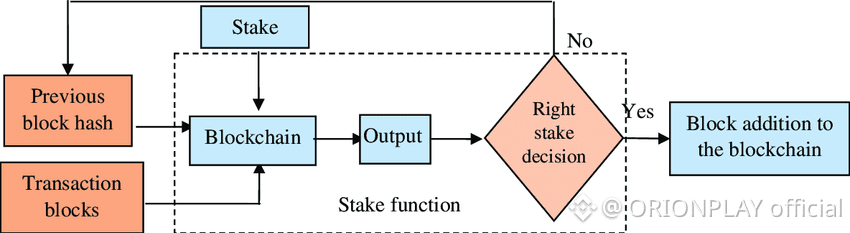
1️⃣ SBA (Segregated Byzantine Agreement) → How blocks are finalized
2️⃣ Phoenix → How value moves privately
3️⃣ Zedger → How regulated assets stay compliant
Remove one, and the system collapses.
Let’s open each layer—slowly, logically, and cleanly.
⚖️ SBA: Why Dusk Rejected “Longest Chain Wins”
Most Proof-of-Stake chains still think like Bitcoin:
“The longest chain is the truth.”
That model has problems:
Forks happen
Finality is probabilistic
Reorgs are always possible
For finance, this is unacceptable.
Dusk Network replaces this with Segregated Byzantine Agreement (SBA), a consensus model where:
✅ Each block is finalized once
✅ No competing histories survive
✅ Agreement is reached in structured steps
This is not faster for the sake of speed.
It is safer for the sake of certainty.
🕶️ Privacy Inside Consensus (The Rare Part)
Here’s where Dusk becomes unusual.
In most networks:
Validators are visible
Stake amounts are public
Voting power is obvious
This creates:
🎯 Targeting risk
🤝 Cartel behavior
🧠 Governance manipulation
Dusk Network treats this as a design flaw.
Instead, it uses a mechanism called Proof-of-Blind-Bid, formally defined in the protocol .
🎲 Proof-of-Blind-Bid: Leadership Without Exposure
Think of validator selection like a sealed auction:
Validators lock stake privately
Each round computes a score
Only the winner can prove eligibility
What is revealed:
✔️ “A valid bid exists”
✔️ “The score meets threshold”
What stays hidden:
❌ Identity
❌ Stake size
❌ Strategy
This dramatically reduces:
MEV-style manipulation
Validator intimidation
Stake centralization pressure
Leadership exists—but it is cryptographically masked.
🧠 Why This Matters More Than People Realize
In open PoS systems:
Large validators attract attention
Attention attracts risk
Risk leads to centralization
Dusk Network quietly sidesteps this by making stake power invisible.
No spotlight.
No leaderboard.
No ego layer.
Just math.
🔄 Committees, Not Kings
SBA divides responsibilities:
👑 Generators → propose blocks
🛡️ Provisioners → validate & finalize
Both are selected dynamically.
Both rotate constantly.
Neither dominates long-term.
This segregation:
Limits attack surfaces
Prevents permanent power
Increases fault tolerance
Consensus becomes a process, not a hierarchy.
🔥 Phoenix: The Privacy Engine Beneath Everything
Now that blocks are finalized safely, value must move confidentially.
This is where Phoenix enters.
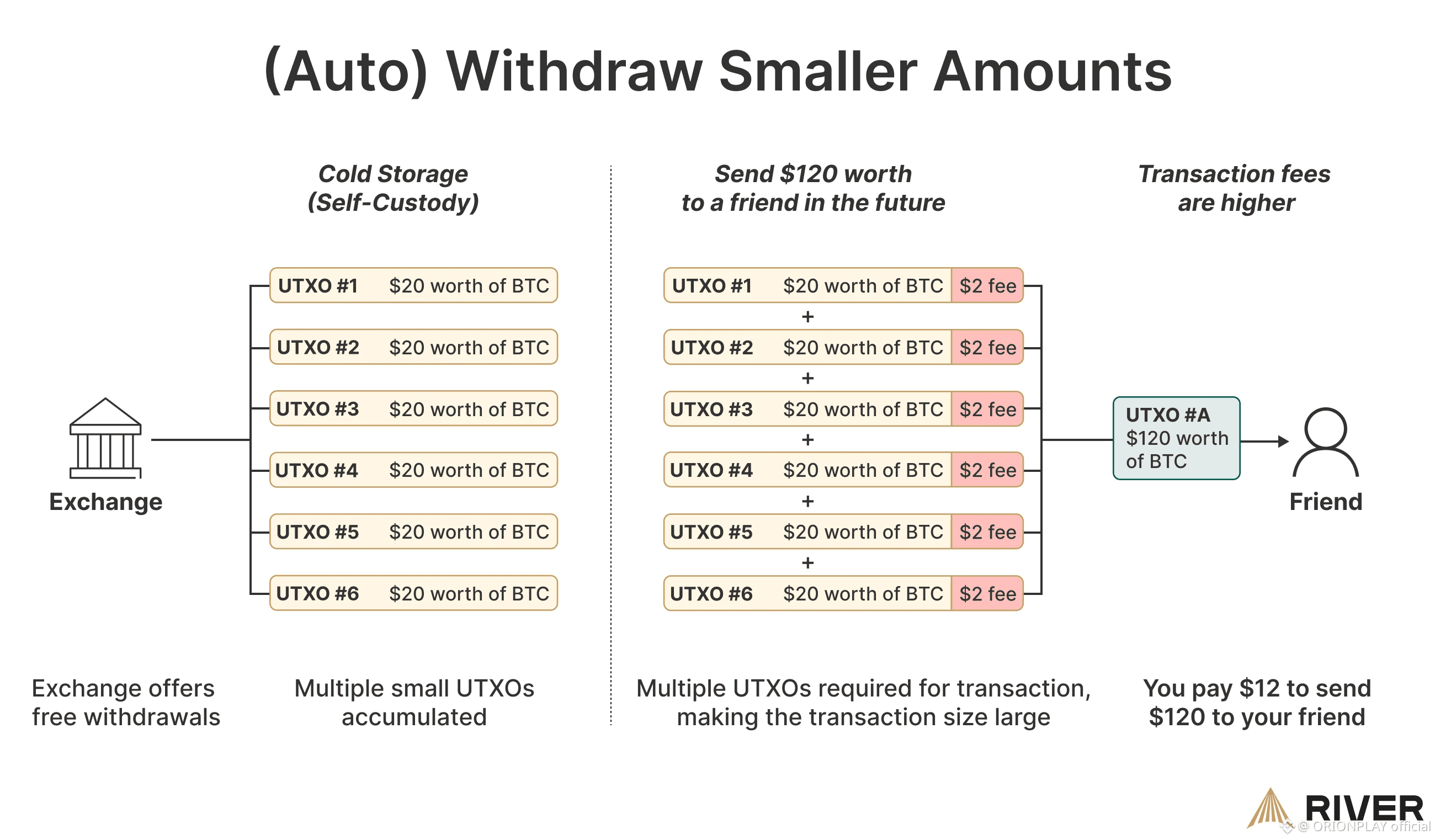
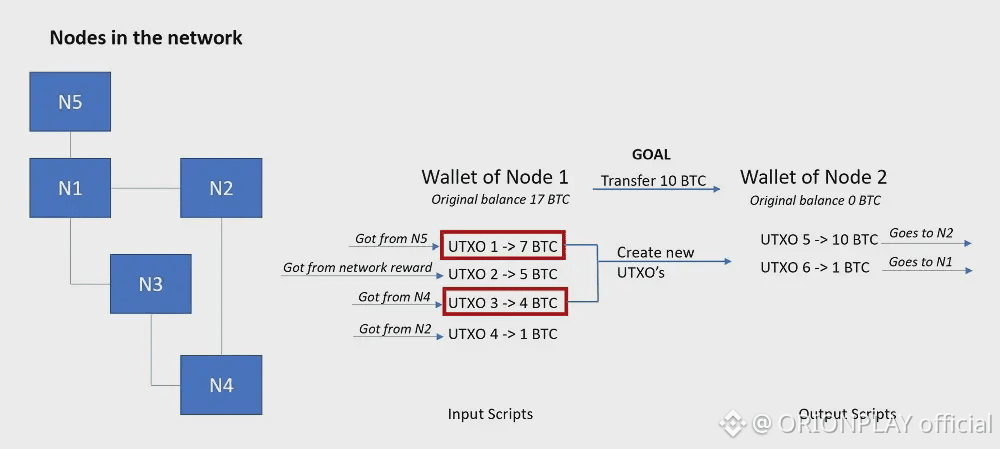
Phoenix is a UTXO-based privacy model, but not like Bitcoin and not like mixers.
Key ideas:
Every output is a commitment
Spending requires zero-knowledge proof
Inputs and outputs cannot be linked
Most importantly:
📈 The anonymity set grows forever
Each transaction increases privacy for future users—a rare property in blockchain design .
🧾 Why Phoenix Avoids Classic Privacy Traps
Older privacy systems struggle with:
Small anonymity pools
Miner behavior leakage
Transparent/shielded bridges
Phoenix avoids these by:
Using stealth addresses by default
Avoiding ring-signature limits
Eliminating optional privacy
There is no “private mode”.
Privacy is the default state.
🏛️ Zedger: When Privacy Meets Regulation Head-On
Pure privacy fails institutions.
Pure transparency fails users.
Zedger exists between these extremes.
Zedger is a hybrid model designed for:
Tokenized securities
Compliance-bound assets
Regulated lifecycle management
It enforces rules like:
✔️ One account per identity
✔️ Whitelisted participation
✔️ Explicit transaction acceptance
But still preserves:
🔐 Confidential balances
🔐 Private transaction history
Auditors don’t see who.
They verify correctness.
That difference matters.
🧠 Sparse Merkle-Segment Trie (Why This Is Clever)
Zedger uses a structure that:
Logs balance changes privately
Exposes only cryptographic roots publicly
This allows:
Snapshot audits
Dividend verification
Voting eligibility checks
Without publishing:
Individual balances
Transaction graphs
Counterparty relationships
It’s accounting without surveillance.
🎭 Small Humor Break 😄
Most blockchains say:
“Transparency builds trust.”
Dusk quietly replies:
“Math builds trust. Transparency leaks data.”