

On May 13, 2025, during President Trump's visit to Saudi Arabia, the two countries signed an arms sale agreement worth nearly $142 billion, described by the White House as 'the largest arms sale agreement in history.' This agreement is part of a larger package in which Saudi Arabia agreed to invest $600 billion in the US. Relevant details are as follows:
Agreement Content: Air Force Upgrades and Space Capability Development: Saudi Arabia will upgrade its F-15SA fighter jets, potentially bringing them close to F-15EX standards. Transport aircraft such as the C-130J-30 'Hercules' and C-17 'Globemaster III' may also be reconfigured for special missions and upgraded in navigation, electronic warfare, and communication systems.

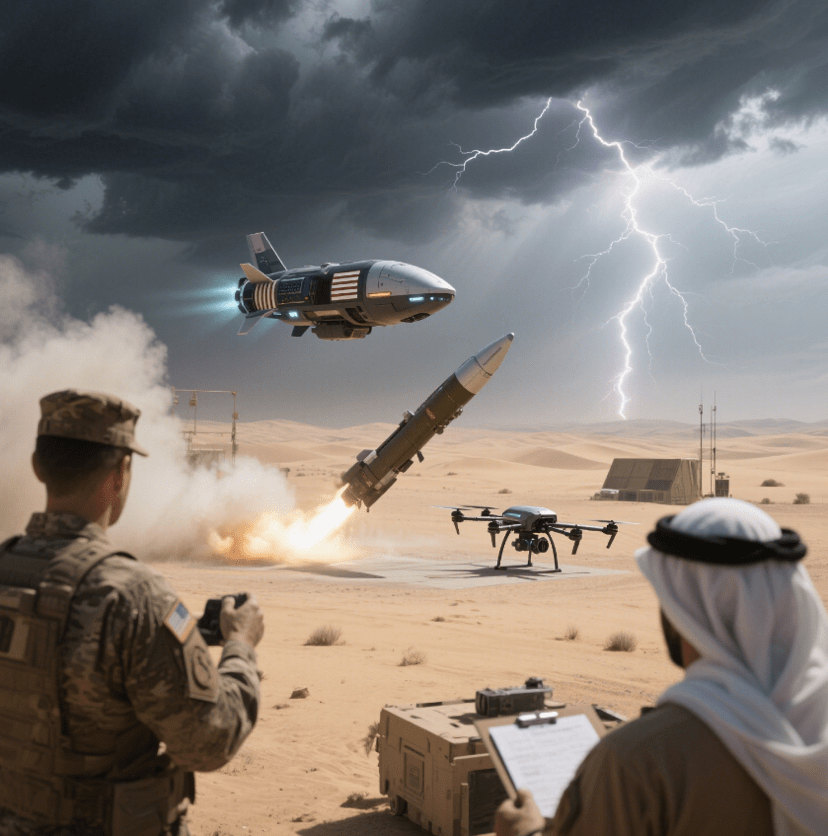
Missile Defense: The agreement includes the expansion and enhancement of the 'Patriot' PAC-3 MSE system, which may add active electronically scanned array (AESA) radar, advanced fire control software, and integration with other layered defense systems. It may also involve the development of integrated command systems and networked sensor platforms to support Saudi Arabia's space surveillance ambitions.
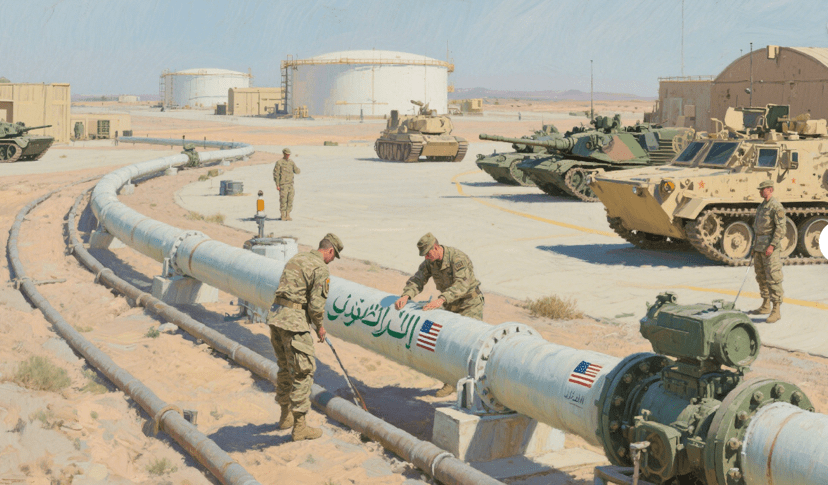
Maritime and Coastal Security: The Royal Saudi Navy may strengthen its coastal surveillance and energy infrastructure protection capabilities by procuring sensors, unmanned surface systems, and advanced monitoring technologies.
Land and Border Security: The agreement involves the modernization of armored forces, border protection, and the defense of strategic infrastructure, potentially including armored vehicles, ground surveillance radar, anti-tank missile systems, and short-range defense solutions against emerging threats such as armed drones and unconventional incursions.
Information and Communication Systems: Covering encrypted communication networks, battlefield data links, and cybersecurity technologies to ensure information security and efficient interoperability for joint operations.
Supporting Measures: The United States will provide comprehensive support measures to Saudi Arabia, including advanced personnel training, development of military academies, long-term maintenance of delivery systems, and enhanced military medical services.

Involved Companies: More than a dozen American defense giants, such as Lockheed Martin, Raytheon, Boeing, Northrop Grumman, and Palantir, are participating.
Agreement Impact: On US-Saudi Relations: Marks a new phase of deep binding in the US-Saudi 'Oil-Security' alliance, further consolidating the strategic partnership between the two countries, which has lasted for over eighty years. Saudi Arabia has committed to additional investments in the US exceeding one trillion dollars, covering areas such as AI infrastructure and clean energy, achieving a deep integration of security and economic interests.
Impact on the Middle East Landscape: This agreement may reshape the geopolitical landscape of the Middle East. In the context of regional tensions, Saudi Arabia's enhanced military capabilities could affect the regional military balance and influence neighboring countries like Iran, leading to a series of changes in the regional security situation.
Impact on American Defense Contractors: Companies like Raytheon and Lockheed Martin will benefit directly. According to the American Defense Industry Association, every billion dollars in arms sales can create 15,000 jobs, and this agreement is expected to generate 2.1 million American jobs.

Previous Arms Sale Situations and Issues
In the $110 billion arms sale agreement signed between the US and Saudi Arabia in 2017, approximately $95 billion was merely a letter of intent and not a binding purchasing commitment. Most of these transactions, such as the purchase of the $13.5 billion 'THAAD' missile defense system from Lockheed Martin, ultimately did not materialize. Weapons provided to Middle Eastern countries by the US are not only expensive but also come with numerous political terms, and delivery timelines are often delayed.
US-Saudi arms sales are influenced by various factors, including regional security situations, domestic US politics, and the strategic interests of both countries. Additionally, the implementation of arms sale agreements also faces uncertainties, constrained by the progress of negotiations and changes in international situations.