


1. Hardware wallet
Digital assets need to be protected just like cash or bank accounts. Exchanges and online wallets are constantly subject to rapid changes. Just recall the hack of the Mt.Gox exchange in 2014, when investors lost over 850,000 BTC.
One solution is a hardware wallet, a physical device that stores private keys offline. It minimizes the risks of phishing attacks, viruses, hacking, etc.
The best options on the market
Ledger Nano X: supports over 5,500 assets, has Bluetooth for convenience
Trezor Model T: open source, touchscreen, additional layer of security
Keystone Pro: works without being connected to a computer, making it resistant to online threats
The basis of using a hardware wallet is a unique seed phrase that must be written down on paper and stored in a safe place.
2. Two-factor authentication (2FA) and password manager
Every day hackers breach thousands of crypto investors' accounts. Using the same password for multiple services or storing passwords in the browser are the most common mistakes that lead people to lose their assets.
Two-factor authentication adds an extra layer of protection, as even if your password becomes known to hackers, without 2FA they will not be able to access your account.
The best solutions
Authy: allows you to recover data in case of phone loss.
Google Authenticator: generates one-time confirmation codes for backup sites and apps.
YubiKey: a physical key that protects against remote hacking.
It is also important to use password managers (1Password, Bitwarden, KeePass) - they help store complex unique passwords for each service.
3. Binance application
Trading cryptocurrency requires speed. The price of Bitcoin can change by 5-10% within minutes, and the volatility in the altcoin market is even higher.
Through the Binance app you can:
Buy cryptocurrency in seconds
Use staking and liquidity pools for passive income
Receive notifications about important market events
For investors who want to have control over the market and their accounts 24/7, a mobile application is a key tool.
4. BTC in account
Buying Bitcoin is more than just an investment; it is participation in a decentralized economy. Even if you have a small amount, it is already a way to protect your money from inflation.
Many regret not buying Bitcoin earlier, but even now it's better to start than to wait a few more years. As one of the most popular strategies, invest small amounts regularly (DCA, dollar-cost averaging).
5. Tools for market analysis
Trading cryptocurrency without analysis is like gambling in a casino. The market may seem chaotic, but there are patterns behind it: cycles, behavior of large players, liquidity flows.
Using quality analytical tools helps to recognize these patterns and make informed decisions.
Why is it important to analyze the market?
Preventing impulsive decisions. Many traders buy during the peak of FOMO or sell in panic. Data analysis can help avoid these mistakes.
Understanding market trends. Should you enter the market now, or is it better to wait? Analytical services show which phases of the cycle to focus on.
Assessing the activity of institutional players. It is important to know when large investors buy or sell assets. This shows the overall picture and market trends.
Top tools for market analysis
Santiment is a platform for analyzing social sentiment and on-chain activity. It allows tracking the behavior of large players, wallet activity, and key market indicators.
Messari provides deep analytics of crypto projects, tokenomics, and financial reporting. Useful for investors assessing the long-term prospects of assets.
Glassnode is a leading service for on-chain analytics. It shows how crypto assets move between exchanges and cold wallets, allowing for the prediction of potential market movements.
Using analytical tools is what distinguishes professional investors from casual market players.
6. Crypto Ticker
The cryptocurrency market operates 24/7, and prices change every second. Traders, investors, and cryptocurrency holders must have quick access to current rates to react to changes in time.
Instead of opening the exchange every 5 minutes, you can use a physical Crypto Ticker or cryptocurrency widgets for websites or smartphones.
How to conveniently track the price?
Through physical devices - Lametric Time, Tickeron (mini displays showing the price of BTC, ETH, and other assets in real-time).
Through cryptocurrency widgets for smartphones - can be set up in CoinMarketCap, Binance, or TradingView.
Through Telegram bots - automatic notifications about price changes.
7. Account on a decentralized exchange (DEX) and Web3 wallet
Decentralized finance (DeFi) is changing the way assets are managed, enabling users to trade cryptocurrency without intermediaries. One of the key components of DeFi is decentralized exchanges (DEX) like Uniswap and PancakeSwap, where users can trade without the involvement of banks or centralized platforms.
To interact with DEX, you need a Web3 wallet - this is a crypto wallet that allows you to connect directly to blockchain applications and manage assets (for example, Binance Wallet or MetaMask).
8. Non-fungible tokens (NFT)
NFT (Non-Fungible Token) - unique digital assets that exist on the blockchain and confirm ownership of a specific object. Unlike regular cryptocurrencies (such as Bitcoin or Ethereum), each NFT is unique and cannot be replaced by another token.
NFTs are used not only in art but also in many other areas:
Gaming - in-game items that can be bought, sold, and used in virtual worlds.
Exclusive access - passes to closed clubs or events.
Digital real estate - buying virtual land in metaverses.
NFTs expand the possibilities of blockchain, allowing for the creation of new models of ownership, monetization, and interactivity in the digital world.
9. Books about cryptocurrency
To better understand the world of cryptocurrencies, some books may help you.

This book takes the reader through the history of money - from shell trading to modern financial systems, and explains how Bitcoin fits into this context. Ammous analyzes in detail the economic properties of Bitcoin and its impact on the economy and society. It is a fundamental work for those who want to understand why Bitcoin can become the new standard of money.
2. "Mastering Bitcoin" by Andreas Antonopoulos and David Harding
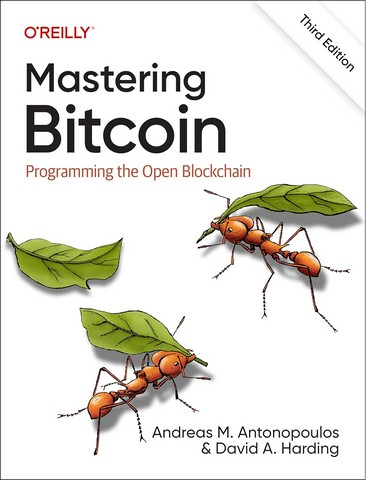
This is a technical guide that dives deep into Bitcoin and blockchain technology. The book covers everything from the basics of cryptography to creating your own Bitcoin applications. It is suitable for both developers and those who want to understand the inner workings of Bitcoin better.

This book is a guide for investors in the world of cryptocurrencies. It explains the different types of crypto assets, methods of their evaluation, and investment strategies. The authors provide readers with tools for market analysis and making informed investment decisions in the ever-changing world of digital assets.
Each of these books offers a unique perspective on cryptocurrencies and will help you better understand this dynamic market.
10. Subscription to current cryptocurrency news
The market changes every day, and tracking events is the key to understanding the situation and making the right decisions.
Sources you can trust
Binance Research - analytics
CoinDesk, CoinTelegraph - news
The Block - deep market research
Binance Square - a content platform for social interaction
Tracking similar sources will help you minimize risks and leverage opportunities in the cryptocurrency market to the fullest.
The products, services, and examples mentioned in the article are provided solely for informational purposes. Binance does not promote or endorse the use of any of the mentioned services or solutions.