
After acquiring your own cryptocurrency, where should you store it to ensure safety? Of course, you can store it in an exchange account, but be aware that exchanges are centralized and face many issues. Never authorize unknown links and ensure the safety of your funds.
At this time, cryptocurrency wallets come in handy. Today, let's briefly introduce a few commonly used cryptocurrency wallets.
1: MetaMask Wallet
MetaMask Wallet, also known as the Little Fox Wallet, is a multi-chain wallet that supports the storage of various cryptocurrencies. The main chain is Ethereum, and the wallet supports exchanges between multiple currencies. It is a hot wallet that can be used via an app or as a browser extension, making it very lightweight and convenient to use. I personally use this wallet as well.
2: imToken Wallet

3: HyperPay Wallet

HyperPay is a four-in-one digital asset wallet that innovatively integrates custodial wallets, self-managed wallets, co-managed wallets, and hardware wallets. Upholding the core idea that 'security is the original intention, and value-added is the mission,' HyperPay is dedicated to integrating the personal finance field with mainstream third-party payment platforms. Through continuous technological innovation, it builds a convenient and secure one-stop service platform for digital assets, providing asset custody, wealth management, consumer payments, and other financial services for global cryptocurrency users and businesses, solving all cryptocurrency-related issues with a single digital wallet. HyperPay's custodial wallet supports over 43 main chain currencies and over 157 mainstream currencies, while also offering rich features such as wealth management, currency trading, fiat trading, lightning exchanges, collateral lending, market tracking, and multi-signature co-management.
4: Coinbase Wallet
Coinbase is one of the largest digital currency wallets in the world. It is located in San Francisco but supports cryptocurrency asset storage for over 190 countries/regions. It also supports trading in 32 different fiat currencies. Particularly, because it can store a large amount of cryptocurrency on its platform, this wallet has become very popular.
5: Ledger Hardware Wallet
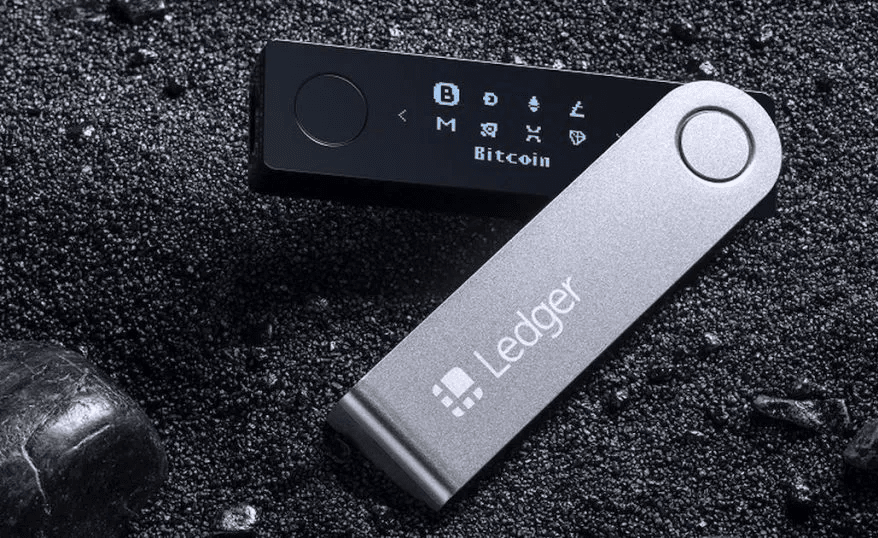
Bitcoin hardware wallet manufacturer Ledger is one of the leading technology companies in the field of digital currency security, providing reliable hardware for consumers and businesses. Ledger is a smart card-based Bitcoin hardware wallet that offers the highest level of protection with leading-edge technology, balancing usability and control. The Ledger hardware wallet is a multifunctional wallet, a hardware device for securely storing private keys. When viewing the wallet and sending transactions, the hardware wallet needs to work in conjunction with the software wallet. It also supports secure storage of Bitcoin, Ethereum, platform tokens, Zcash, and more. Its projects have been open-sourced on GitHub. Based on its hardware, you can use Ledger's software wallet or other teams' software wallets, which can work with Ethereum web wallets like MyEtherWallet or Parity wallets. Ledger has issued two hardware wallets: Ledger Nano S and Ledger Nano X.