

#bnbchain
bnbchain
9.4M visualizações
27,674 a discutir
Popular
Mais recente

·
--
Em Alta
Parcialmente verdadeiro
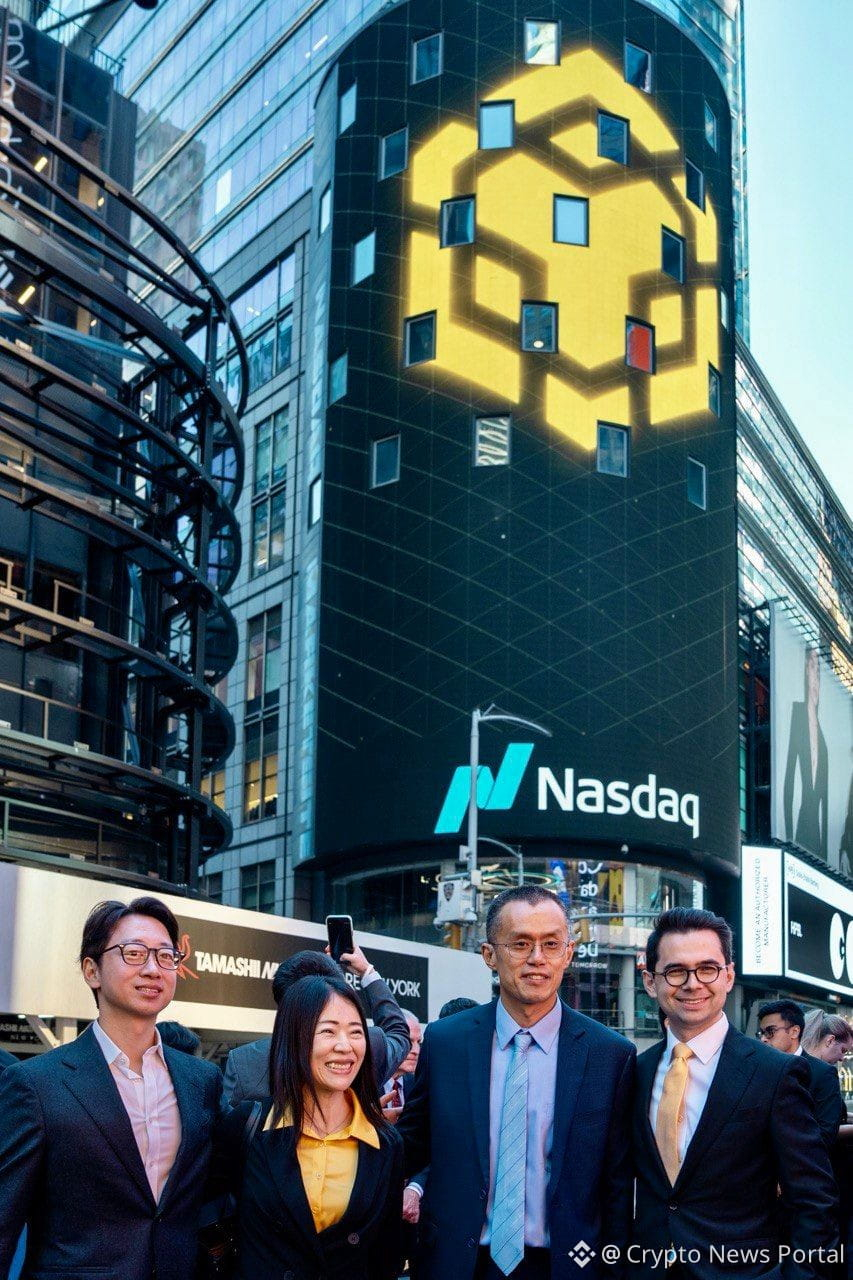
A BNB Chain será agora negociada como $BNCB (BNB Standard Corporation) na Nasdaq. Ele participou da listagem na CZ. Um sucesso de que o setor das criptomoedas se pode orgulhar... Este sucesso trará ganhos muito importantes para as principais altcoins, especialmente a BNB. $BNB abriu caminho...
#BNC #BNCB #BNBChain #Bullish
{future}(BNBUSDT)
{spot}(BNCBUSDT)
A BNB Chain será agora negociada como $BNCB (BNB Standard Corporation) na Nasdaq. Ele participou da listagem na CZ. Um sucesso de que o setor das criptomoedas se pode orgulhar... Este sucesso trará ganhos muito importantes para as principais altcoins, especialmente a BNB. $BNB abriu caminho...
#BNC #BNCB #BNBChain #Bullish
#BNC #BNCB #BNBChain #Bullish
Feed-Creator-fcd41e5fd:
Bu adam için başarı bir tesadüf değil. Bilgi,çalışkan ve azminin vücut bulmuş hali. BNB yatırımcısı olmak ayrıcalıktır. Yatırımcısını korkutmaz ,üzmez,iflas ettirmez. BNB benim gözümde BTC nin kardeşi gibi. Teşekkürler Binance&CZ
1
7
5.9k

·
--
🚨🚨🚨🚨🚨🚨🚨
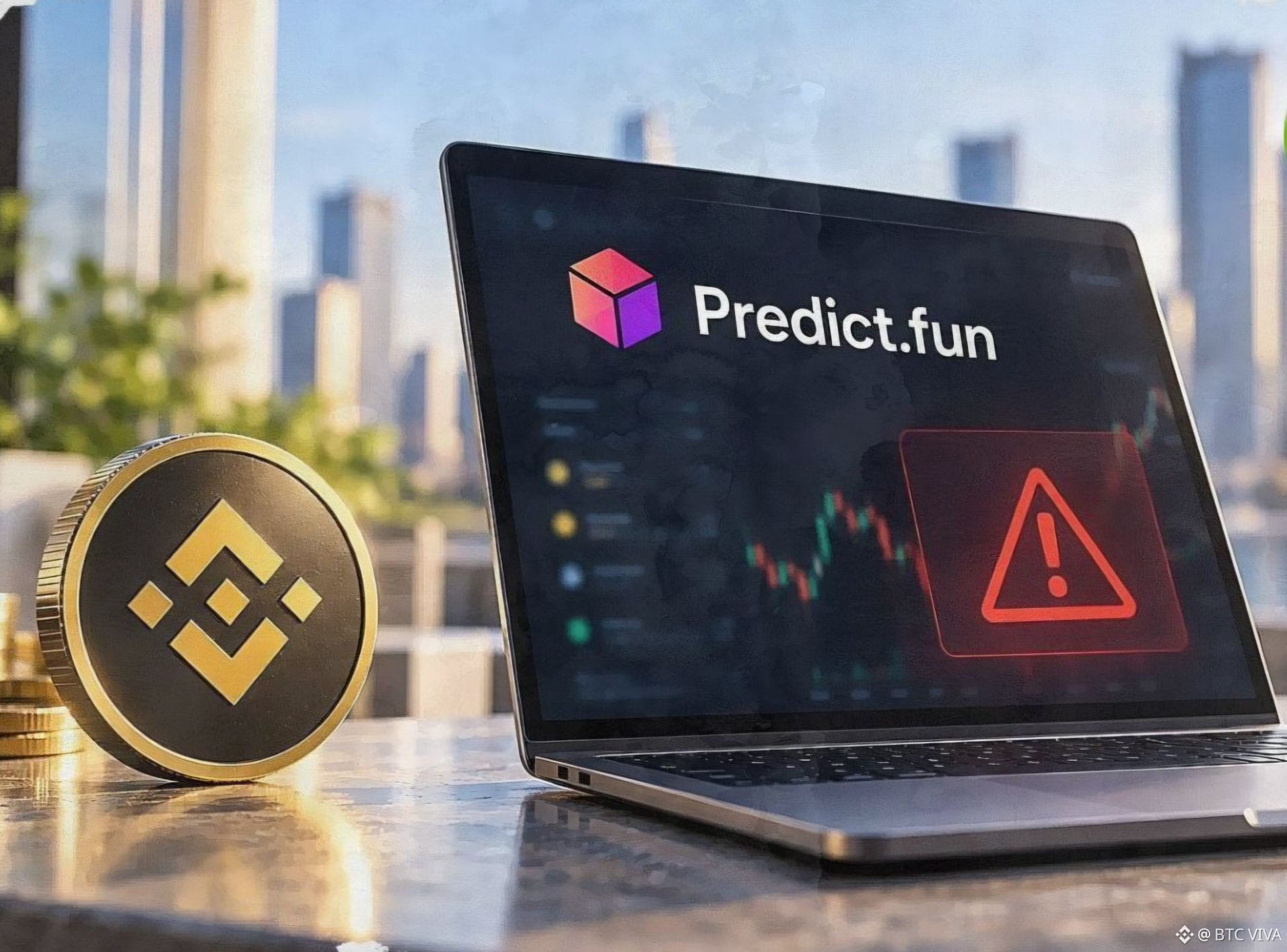
Suspeita de invasão hacker na Predict.fun
Aproximadamente US$ 300.000 foram retirados dos contratos inteligentes da Predict.fun na BNB Chain em 27 de outubro de 2026.
🔎 Os fundos passaram por um serviço de retransmissão e acabaram no misturador de criptomoedas Tornado Cash.
O incidente ainda não foi confirmado, e o motivo das transferências permanece desconhecido.
#predict #predictons #BNBChain
$BNB
{spot}(BNBUSDT)
🚨🚨🚨🚨🚨🚨🚨
Suspeita de invasão hacker na Predict.fun
Aproximadamente US$ 300.000 foram retirados dos contratos inteligentes da Predict.fun na BNB Chain em 27 de outubro de 2026.
🔎 Os fundos passaram por um serviço de retransmissão e acabaram no misturador de criptomoedas Tornado Cash.
O incidente ainda não foi confirmado, e o motivo das transferências permanece desconhecido.
#predict #predictons #BNBChain
$BNB
Suspeita de invasão hacker na Predict.fun
Aproximadamente US$ 300.000 foram retirados dos contratos inteligentes da Predict.fun na BNB Chain em 27 de outubro de 2026.
🔎 Os fundos passaram por um serviço de retransmissão e acabaram no misturador de criptomoedas Tornado Cash.
O incidente ainda não foi confirmado, e o motivo das transferências permanece desconhecido.
#predict #predictons #BNBChain
$BNB
5
161

·
--
O mercado de memes subiu 18,8% (mas a Robinhood Chain está morrendo em silêncio) 📈💀
O volume total de memes chegou a US$ 193M em 24 horas, uma alta de 18,8%. A Solana está na liderança. A BNB Chain está disparando. E a Robinhood Chain — a rede que deveria dominar o mercado — está sangrando até morrer.
Aqui está o relatório de rotação:
🔹 A Solana ainda é a rainha — US$ 100M em volume**, **52,1% de participação de mercado**. **A STONK liderou o top 10 com US$ 17,1M, seguida pela LAUNCH e pela ELON2028. Os veteranos estão mantendo suas posições.
🔹 A BNB Chain é a que mais cresce — o volume chegou a US$ 28,2M**, alta de **78,8% em relação ao dia anterior**. **A GANG disparou +88%** e chegou a uma **capitalização de mercado de US$ 7,1M — é uma plataforma de lançamento de tokens de agentes de IA, uma frase que nunca imaginei escrever sobre um meme**. O ecossistema de memes da BNB está encontrando seu nicho peculiar.
🔹 A Robinhood Chain continua sangrando — US$ 56,7M em volume, mas a tendência é péssima. A rede que deveria superar a Solana agora está só... por aí. A rotação é real e está se afastando da experiência de «ações tokenizadas + memes».
🔹 Mas há uma sombra que ninguém está observando — os tempos de bloco mais rápidos da Solana não impediram os bots. 53% dos novos tokens da Pump.fun ainda são alvos de snipers em menos de 1,3 segundos. Os ataques sandwich continuam acontecendo a uma taxa de 33 por 10.000 swaps. O imposto de degen é estrutural.
A conclusão? O mercado de memes está em rotação, mas o jogo continua o mesmo. A Solana tem volume. A BNB tem impulso. A Robinhood tem... um cofre cheio de stablecoins e uma cidade fantasma de memes mortos. Quando a música parar, vence a rede com mais traders ativos.
Dica profissional: o crescimento de 78,8% no volume da BNB Chain é o sinal. Quando uma rede cresce tão rápido em 24 horas, a liquidez é nova — e as portas de saída ainda estão abertas. Fique de olho na GANG e na BNCB.
#memecoin #BNBChain $SOL $BNB #BinanceSquare
O mercado de memes subiu 18,8% (mas a Robinhood Chain está morrendo em silêncio) 📈💀
O volume total de memes chegou a US$ 193M em 24 horas, uma alta de 18,8%. A Solana está na liderança. A BNB Chain está disparando. E a Robinhood Chain — a rede que deveria dominar o mercado — está sangrando até morrer.
Aqui está o relatório de rotação:
🔹 A Solana ainda é a rainha — US$ 100M em volume**, **52,1% de participação de mercado**. **A STONK liderou o top 10 com US$ 17,1M, seguida pela LAUNCH e pela ELON2028. Os veteranos estão mantendo suas posições.
🔹 A BNB Chain é a que mais cresce — o volume chegou a US$ 28,2M**, alta de **78,8% em relação ao dia anterior**. **A GANG disparou +88%** e chegou a uma **capitalização de mercado de US$ 7,1M — é uma plataforma de lançamento de tokens de agentes de IA, uma frase que nunca imaginei escrever sobre um meme**. O ecossistema de memes da BNB está encontrando seu nicho peculiar.
🔹 A Robinhood Chain continua sangrando — US$ 56,7M em volume, mas a tendência é péssima. A rede que deveria superar a Solana agora está só... por aí. A rotação é real e está se afastando da experiência de «ações tokenizadas + memes».
🔹 Mas há uma sombra que ninguém está observando — os tempos de bloco mais rápidos da Solana não impediram os bots. 53% dos novos tokens da Pump.fun ainda são alvos de snipers em menos de 1,3 segundos. Os ataques sandwich continuam acontecendo a uma taxa de 33 por 10.000 swaps. O imposto de degen é estrutural.
A conclusão? O mercado de memes está em rotação, mas o jogo continua o mesmo. A Solana tem volume. A BNB tem impulso. A Robinhood tem... um cofre cheio de stablecoins e uma cidade fantasma de memes mortos. Quando a música parar, vence a rede com mais traders ativos.
Dica profissional: o crescimento de 78,8% no volume da BNB Chain é o sinal. Quando uma rede cresce tão rápido em 24 horas, a liquidez é nova — e as portas de saída ainda estão abertas. Fique de olho na GANG e na BNCB.
#memecoin #BNBChain $SOL $BNB #BinanceSquare
O volume total de memes chegou a US$ 193M em 24 horas, uma alta de 18,8%. A Solana está na liderança. A BNB Chain está disparando. E a Robinhood Chain — a rede que deveria dominar o mercado — está sangrando até morrer.
Aqui está o relatório de rotação:
🔹 A Solana ainda é a rainha — US$ 100M em volume**, **52,1% de participação de mercado**. **A STONK liderou o top 10 com US$ 17,1M, seguida pela LAUNCH e pela ELON2028. Os veteranos estão mantendo suas posições.
🔹 A BNB Chain é a que mais cresce — o volume chegou a US$ 28,2M**, alta de **78,8% em relação ao dia anterior**. **A GANG disparou +88%** e chegou a uma **capitalização de mercado de US$ 7,1M — é uma plataforma de lançamento de tokens de agentes de IA, uma frase que nunca imaginei escrever sobre um meme**. O ecossistema de memes da BNB está encontrando seu nicho peculiar.
🔹 A Robinhood Chain continua sangrando — US$ 56,7M em volume, mas a tendência é péssima. A rede que deveria superar a Solana agora está só... por aí. A rotação é real e está se afastando da experiência de «ações tokenizadas + memes».
🔹 Mas há uma sombra que ninguém está observando — os tempos de bloco mais rápidos da Solana não impediram os bots. 53% dos novos tokens da Pump.fun ainda são alvos de snipers em menos de 1,3 segundos. Os ataques sandwich continuam acontecendo a uma taxa de 33 por 10.000 swaps. O imposto de degen é estrutural.
A conclusão? O mercado de memes está em rotação, mas o jogo continua o mesmo. A Solana tem volume. A BNB tem impulso. A Robinhood tem... um cofre cheio de stablecoins e uma cidade fantasma de memes mortos. Quando a música parar, vence a rede com mais traders ativos.
Dica profissional: o crescimento de 78,8% no volume da BNB Chain é o sinal. Quando uma rede cresce tão rápido em 24 horas, a liquidez é nova — e as portas de saída ainda estão abertas. Fique de olho na GANG e na BNCB.
#memecoin #BNBChain $SOL $BNB #BinanceSquare

175

·
--
Ver tradução
$NLYRA
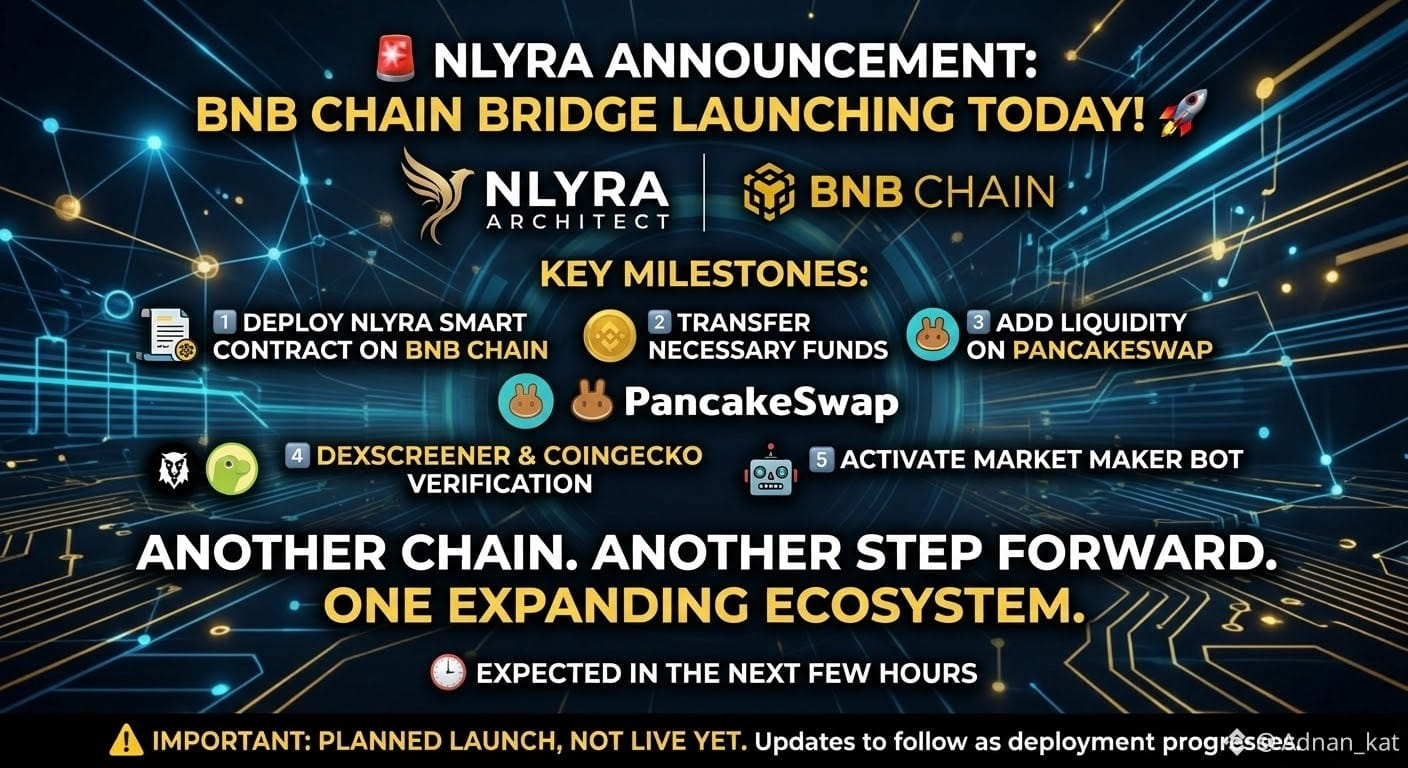
🚨 NLYRA ANNOUNCEMENT: BNB CHAIN BRIDGE LAUNCHING TODAY! 🚀
The NLYRA Architect has announced that the BNB Smart Chain bridge is expected to launch within the next few hours, marking another important milestone in the project's ecosystem expansion.
According to the Architect, the launch process includes:
🔹 Deploying the NLYRA smart contract on BNB Chain. 🔹 Transferring the necessary funds. 🔹 Adding liquidity on PancakeSwap. 🔹 Completing free verification on DexScreener and CoinGecko. 🔹 Activating the Market Maker Bot to help maintain price alignment across supported chains.
The Architect emphasized that today is a major day for NLYRA and that he will be fully focused on completing the deployment and ensuring everything runs smoothly.
🌐 Another chain. Another step forward. One expanding ecosystem.
⚠️ Important: The announcement confirms the planned launch, not that the bridge is already live. Further updates are expected as the deployment progresses.
#NLYRA #BNBChain #PancakeSwap #DeFi #RobinhoodChain #Crypto
$NLYRA
🚨 NLYRA ANNOUNCEMENT: BNB CHAIN BRIDGE LAUNCHING TODAY! 🚀
The NLYRA Architect has announced that the BNB Smart Chain bridge is expected to launch within the next few hours, marking another important milestone in the project's ecosystem expansion.
According to the Architect, the launch process includes:
🔹 Deploying the NLYRA smart contract on BNB Chain. 🔹 Transferring the necessary funds. 🔹 Adding liquidity on PancakeSwap. 🔹 Completing free verification on DexScreener and CoinGecko. 🔹 Activating the Market Maker Bot to help maintain price alignment across supported chains.
The Architect emphasized that today is a major day for NLYRA and that he will be fully focused on completing the deployment and ensuring everything runs smoothly.
🌐 Another chain. Another step forward. One expanding ecosystem.
⚠️ Important: The announcement confirms the planned launch, not that the bridge is already live. Further updates are expected as the deployment progresses.
#NLYRA #BNBChain #PancakeSwap #DeFi #RobinhoodChain #Crypto
🚨 NLYRA ANNOUNCEMENT: BNB CHAIN BRIDGE LAUNCHING TODAY! 🚀
The NLYRA Architect has announced that the BNB Smart Chain bridge is expected to launch within the next few hours, marking another important milestone in the project's ecosystem expansion.
According to the Architect, the launch process includes:
🔹 Deploying the NLYRA smart contract on BNB Chain. 🔹 Transferring the necessary funds. 🔹 Adding liquidity on PancakeSwap. 🔹 Completing free verification on DexScreener and CoinGecko. 🔹 Activating the Market Maker Bot to help maintain price alignment across supported chains.
The Architect emphasized that today is a major day for NLYRA and that he will be fully focused on completing the deployment and ensuring everything runs smoothly.
🌐 Another chain. Another step forward. One expanding ecosystem.
⚠️ Important: The announcement confirms the planned launch, not that the bridge is already live. Further updates are expected as the deployment progresses.
#NLYRA #BNBChain #PancakeSwap #DeFi #RobinhoodChain #Crypto
65
·
--
🔥 ATUALIZAÇÃO DO BNB: 1,64 milhão de BNB queimados! 🚀
A #BNB Chain concluiu a sua 37.ª queima trimestral de tokens, retirando 1.646.196,44 BNB da oferta total em 19 de outubro de 2026.
📊 Dados principais:
🔸 BNB queimados: 1.646.196,44 BNB
🔸 Valor estimado na altura: 1,197 mil milhões de dólares
🔸 Oferta total restante comunicada: 131.512.085 BNB
🔸 Meta de oferta a longo prazo: 100 milhões de BNB
💡 Porque é que isto é importante?
O mecanismo Auto-Burn do BNB foi concebido para reduzir gradualmente a sua oferta total. No entanto, a queima de tokens, por si só, não garante uma subida de preço. A procura do mercado, o volume de negociação e o sentimento geral em relação às criptomoedas continuam a ser importantes.
👀 O que vem a seguir para o BNB?
Será que o crescimento da atividade do ecossistema e a redução da oferta de tokens vão favorecer o BNB a longo prazo, ou serão as condições de mercado a ditar o rumo?
📢 Partilhe a sua opinião abaixo!
Está otimista quanto ao potencial do BNB a longo prazo? Conte-nos porquê nos comentários. 👇
#BNB #BNBChain
🔥 ATUALIZAÇÃO DO BNB: 1,64 milhão de BNB queimados! 🚀
A #BNB Chain concluiu a sua 37.ª queima trimestral de tokens, retirando 1.646.196,44 BNB da oferta total em 19 de outubro de 2026.
📊 Dados principais:
🔸 BNB queimados: 1.646.196,44 BNB
🔸 Valor estimado na altura: 1,197 mil milhões de dólares
🔸 Oferta total restante comunicada: 131.512.085 BNB
🔸 Meta de oferta a longo prazo: 100 milhões de BNB
💡 Porque é que isto é importante?
O mecanismo Auto-Burn do BNB foi concebido para reduzir gradualmente a sua oferta total. No entanto, a queima de tokens, por si só, não garante uma subida de preço. A procura do mercado, o volume de negociação e o sentimento geral em relação às criptomoedas continuam a ser importantes.
👀 O que vem a seguir para o BNB?
Será que o crescimento da atividade do ecossistema e a redução da oferta de tokens vão favorecer o BNB a longo prazo, ou serão as condições de mercado a ditar o rumo?
📢 Partilhe a sua opinião abaixo!
Está otimista quanto ao potencial do BNB a longo prazo? Conte-nos porquê nos comentários. 👇
#BNB #BNBChain
A #BNB Chain concluiu a sua 37.ª queima trimestral de tokens, retirando 1.646.196,44 BNB da oferta total em 19 de outubro de 2026.
📊 Dados principais:
🔸 BNB queimados: 1.646.196,44 BNB
🔸 Valor estimado na altura: 1,197 mil milhões de dólares
🔸 Oferta total restante comunicada: 131.512.085 BNB
🔸 Meta de oferta a longo prazo: 100 milhões de BNB
💡 Porque é que isto é importante?
O mecanismo Auto-Burn do BNB foi concebido para reduzir gradualmente a sua oferta total. No entanto, a queima de tokens, por si só, não garante uma subida de preço. A procura do mercado, o volume de negociação e o sentimento geral em relação às criptomoedas continuam a ser importantes.
👀 O que vem a seguir para o BNB?
Será que o crescimento da atividade do ecossistema e a redução da oferta de tokens vão favorecer o BNB a longo prazo, ou serão as condições de mercado a ditar o rumo?
📢 Partilhe a sua opinião abaixo!
Está otimista quanto ao potencial do BNB a longo prazo? Conte-nos porquê nos comentários. 👇
#BNB #BNBChain
1
107

$BNB : Um forte candidato para a próxima onda cripto? 🔥
$BNB é mais do que um token da Binance — está no centro de um ecossistema blockchain em crescimento! 💎
⚡ Utilidade em expansão
🌐 Um ecossistema DeFi em crescimento
🔥 Desenvolvimento contínuo da BNB Chain
📈 Potencial para beneficiar da adoção mais ampla das criptomoedas
Com o crescimento contínuo do ecossistema e futuras atualizações no horizonte, estará a BNB a preparar-se para o seu próximo grande capítulo? 👀🚀
🔥 A GRANDE PERGUNTA: Onde imagina que $BNB estará na próxima corrida de alta?
👇 Partilhe a sua previsão nos comentários!
💰 $1,000 ou um novo máximo histórico?
🚀 Comente abaixo o seu objetivo.
#BNBChain #BinanceSquareTalks #CryptoCommunity
{spot}(BNBUSDT)
$BNB : Um forte candidato para a próxima onda cripto? 🔥
$BNB é mais do que um token da Binance — está no centro de um ecossistema blockchain em crescimento! 💎
⚡ Utilidade em expansão
🌐 Um ecossistema DeFi em crescimento
🔥 Desenvolvimento contínuo da BNB Chain
📈 Potencial para beneficiar da adoção mais ampla das criptomoedas
Com o crescimento contínuo do ecossistema e futuras atualizações no horizonte, estará a BNB a preparar-se para o seu próximo grande capítulo? 👀🚀
🔥 A GRANDE PERGUNTA: Onde imagina que $BNB estará na próxima corrida de alta?
👇 Partilhe a sua previsão nos comentários!
💰 $1,000 ou um novo máximo histórico?
🚀 Comente abaixo o seu objetivo.
#BNBChain #BinanceSquareTalks #CryptoCommunity
$BNB é mais do que um token da Binance — está no centro de um ecossistema blockchain em crescimento! 💎
⚡ Utilidade em expansão
🌐 Um ecossistema DeFi em crescimento
🔥 Desenvolvimento contínuo da BNB Chain
📈 Potencial para beneficiar da adoção mais ampla das criptomoedas
Com o crescimento contínuo do ecossistema e futuras atualizações no horizonte, estará a BNB a preparar-se para o seu próximo grande capítulo? 👀🚀
🔥 A GRANDE PERGUNTA: Onde imagina que $BNB estará na próxima corrida de alta?
👇 Partilhe a sua previsão nos comentários!
💰 $1,000 ou um novo máximo histórico?
🚀 Comente abaixo o seu objetivo.
#BNBChain #BinanceSquareTalks #CryptoCommunity
71

·
--
Ver tradução
Tried Binance Agentic Wallet + an AI agent for NFT mints, and it beat my expectations 👀
For the past few days I let an AI agent connected to Binance Agentic Wallet handle my on-chain tasks. Here's what it did:
• Minted NONCE Genesis: the agent solved the logic puzzle live the moment admission opened, then minted automatically. Only paid BNB gas.
• Free-minted Frugal on BNB Chain in a single transaction, no sketchy approvals.
• Transferred the NFTs to my personal wallet to list them on a marketplace.
What keeps it safe:
• Every transaction is previewed and simulated first, so you see the risks before it executes.
• Tokens can only be sent to addresses already in your Address Book, so the agent can't send funds just anywhere.
• Developer Mode has to be turned on manually in the Binance App.
Total gas for all of this was pocket change in BNB. If you love hunting mints but hate staying up late, it's worth a try. Always DYOR and never approve unknown contracts.
$BNB #BinanceAgenticWallet #BNBChain #NFT #Web3
Tried Binance Agentic Wallet + an AI agent for NFT mints, and it beat my expectations 👀
For the past few days I let an AI agent connected to Binance Agentic Wallet handle my on-chain tasks. Here's what it did:
• Minted NONCE Genesis: the agent solved the logic puzzle live the moment admission opened, then minted automatically. Only paid BNB gas.
• Free-minted Frugal on BNB Chain in a single transaction, no sketchy approvals.
• Transferred the NFTs to my personal wallet to list them on a marketplace.
What keeps it safe:
• Every transaction is previewed and simulated first, so you see the risks before it executes.
• Tokens can only be sent to addresses already in your Address Book, so the agent can't send funds just anywhere.
• Developer Mode has to be turned on manually in the Binance App.
Total gas for all of this was pocket change in BNB. If you love hunting mints but hate staying up late, it's worth a try. Always DYOR and never approve unknown contracts.
$BNB #BinanceAgenticWallet #BNBChain #NFT #Web3
For the past few days I let an AI agent connected to Binance Agentic Wallet handle my on-chain tasks. Here's what it did:
• Minted NONCE Genesis: the agent solved the logic puzzle live the moment admission opened, then minted automatically. Only paid BNB gas.
• Free-minted Frugal on BNB Chain in a single transaction, no sketchy approvals.
• Transferred the NFTs to my personal wallet to list them on a marketplace.
What keeps it safe:
• Every transaction is previewed and simulated first, so you see the risks before it executes.
• Tokens can only be sent to addresses already in your Address Book, so the agent can't send funds just anywhere.
• Developer Mode has to be turned on manually in the Binance App.
Total gas for all of this was pocket change in BNB. If you love hunting mints but hate staying up late, it's worth a try. Always DYOR and never approve unknown contracts.
$BNB #BinanceAgenticWallet #BNBChain #NFT #Web3
77

·
--
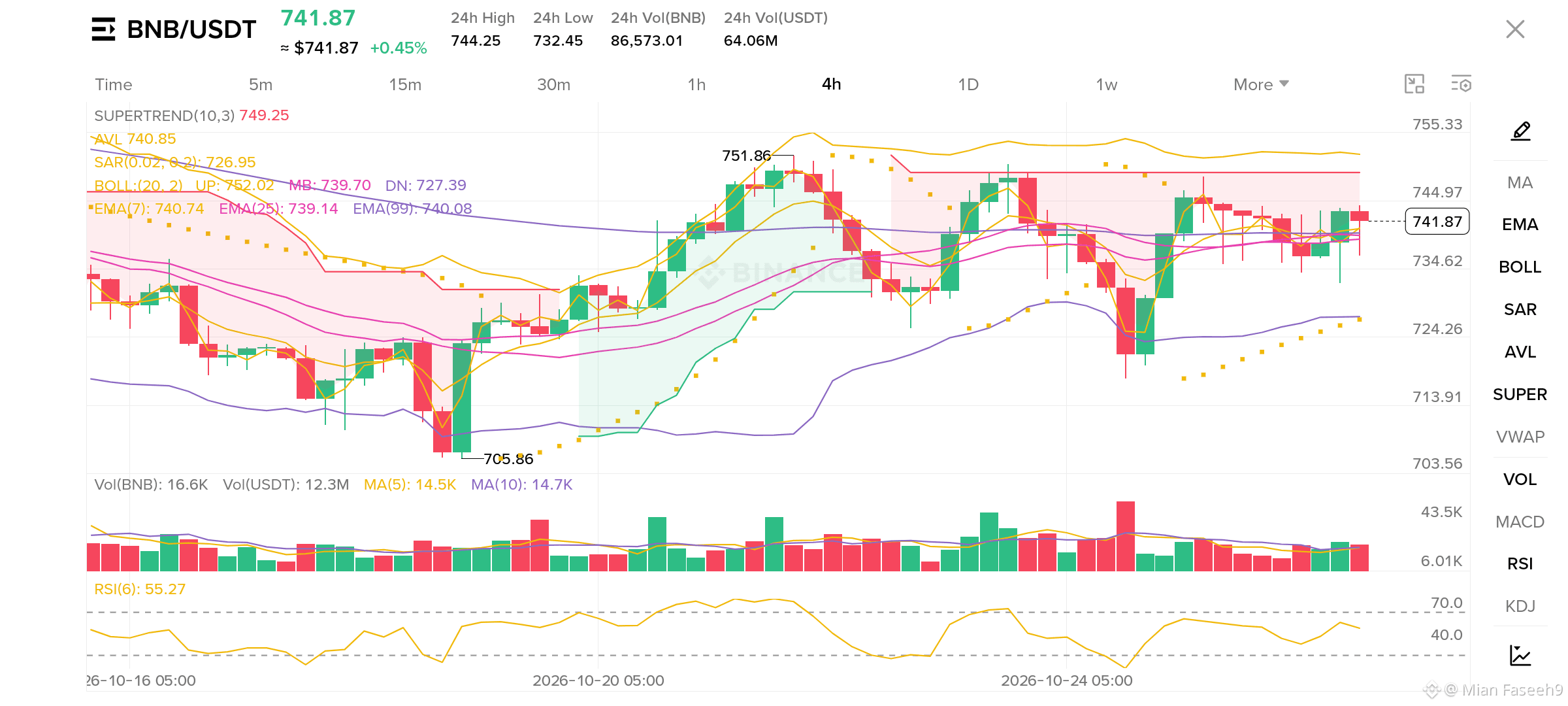
$BNB está pronto para o próximo grande movimento?
{future}(BNBUSDT)
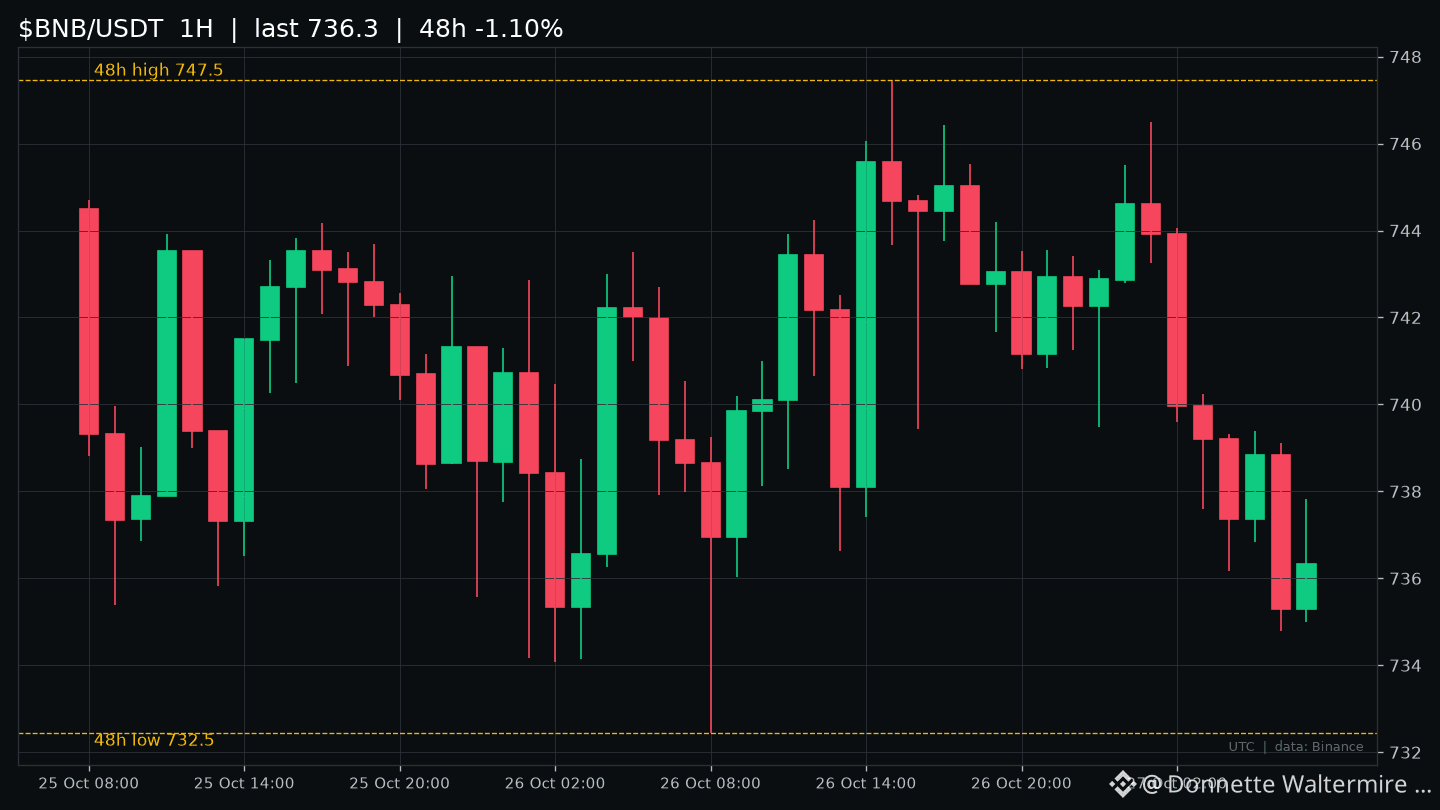
Tenho acompanhado $BNB de perto, e o gráfico está muito interessante neste momento. O preço está em 745,62 e, depois de se manter acima da mínima de 705, recuperou bem e agora está sendo negociado acima de todas as EMAs importantes, entre 739 e 740. Isso mostra que os compradores estão retomando o controle aos poucos. O verdadeiro teste está entre 749 e 751, onde estão a Supertrend e a última máxima. Na minha opinião, se o BNB romper 751 com bom volume, podemos ver 760 muito rapidamente. Até lá, 734 a 735 será meu suporte.
Você acha que o BNB vai romper 751 hoje?
Siga para receber atualizações diárias e honestas sobre o mercado.
Se esta análise foi útil para você, uma pequena gorjeta será muito bem-vinda 🙏
#BNB #BNBUSDT #BNBChain #CryptoTrending
$BNB está pronto para o próximo grande movimento?
Tenho acompanhado $BNB de perto, e o gráfico está muito interessante neste momento. O preço está em 745,62 e, depois de se manter acima da mínima de 705, recuperou bem e agora está sendo negociado acima de todas as EMAs importantes, entre 739 e 740. Isso mostra que os compradores estão retomando o controle aos poucos. O verdadeiro teste está entre 749 e 751, onde estão a Supertrend e a última máxima. Na minha opinião, se o BNB romper 751 com bom volume, podemos ver 760 muito rapidamente. Até lá, 734 a 735 será meu suporte.
Você acha que o BNB vai romper 751 hoje?
Siga para receber atualizações diárias e honestas sobre o mercado.
Se esta análise foi útil para você, uma pequena gorjeta será muito bem-vinda 🙏
#BNB #BNBUSDT #BNBChain #CryptoTrending
Tenho acompanhado $BNB de perto, e o gráfico está muito interessante neste momento. O preço está em 745,62 e, depois de se manter acima da mínima de 705, recuperou bem e agora está sendo negociado acima de todas as EMAs importantes, entre 739 e 740. Isso mostra que os compradores estão retomando o controle aos poucos. O verdadeiro teste está entre 749 e 751, onde estão a Supertrend e a última máxima. Na minha opinião, se o BNB romper 751 com bom volume, podemos ver 760 muito rapidamente. Até lá, 734 a 735 será meu suporte.
Você acha que o BNB vai romper 751 hoje?
Siga para receber atualizações diárias e honestas sobre o mercado.
Se esta análise foi útil para você, uma pequena gorjeta será muito bem-vinda 🙏
#BNB #BNBUSDT #BNBChain #CryptoTrending
1
655

·
--
E se o próximo grande usuário de BNB não for uma pessoa... mas um agente de IA? 🤖
Passei esta semana pesquisando agentes de IA na BNB Chain. Veja o que descobri.
📊 Os números
• Mais de 330 mil agentes de IA registrados na BNB Smart Chain com ERC-8004 até o início de outubro. Isso representa cerca de 61% dos 544 mil agentes em todas as chains.
• O BNB Agent Studio (no ar desde 1º de julho) transforma um único prompt em um agente implantado, com identidade on-chain e carteira próprias.
• Desde 20 de outubro, as Binance Agentic Wallets permitem solicitar gratuitamente um Agent ID .ai. Você só paga o gas em BNB.
⚡ Por que os agentes precisam de $BNB
• Cada ação realizada por um agente (swap, mint, pagamento por dados) consome BNB como gas.
• Os agentes já pagam por dados a cada solicitação usando a via B402 do Binance Pay.
• O Agent ID está se tornando uma lista de permissões: mints gratuitos exclusivos para agentes (o Agent Nakamigos esgotou todas as 20.000 unidades), e a Four.meme acaba de lançar um modo de lançamento exclusivo para Agent ID.
Mais agentes = mais transações = mais demanda por BNB. Um ciclo simples.
🤔 Isso vai ser realmente útil?
Minha opinião: sim, mas não pelo motivo que a maioria das pessoas imagina.
Uma grande parte dos novos registros vem de programas automatizados e agentes de teste. Registro não significa uso.
O verdadeiro sinal são os agentes realizando trabalho remunerado: trading, rendimento, dados. É aí que a BNB leva vantagem, porque gas rápido e barato é exatamente o que os bots precisam.
⚠️ Riscos
• O hype dos agentes pode crescer muito mais rápido que a adoção real
• Um agente com acesso à carteira pode perder dinheiro rapidamente. Defina limites diários.
• A maioria dos tokens e NFTs de agentes vai perder todo o valor
🎯 Meu plano
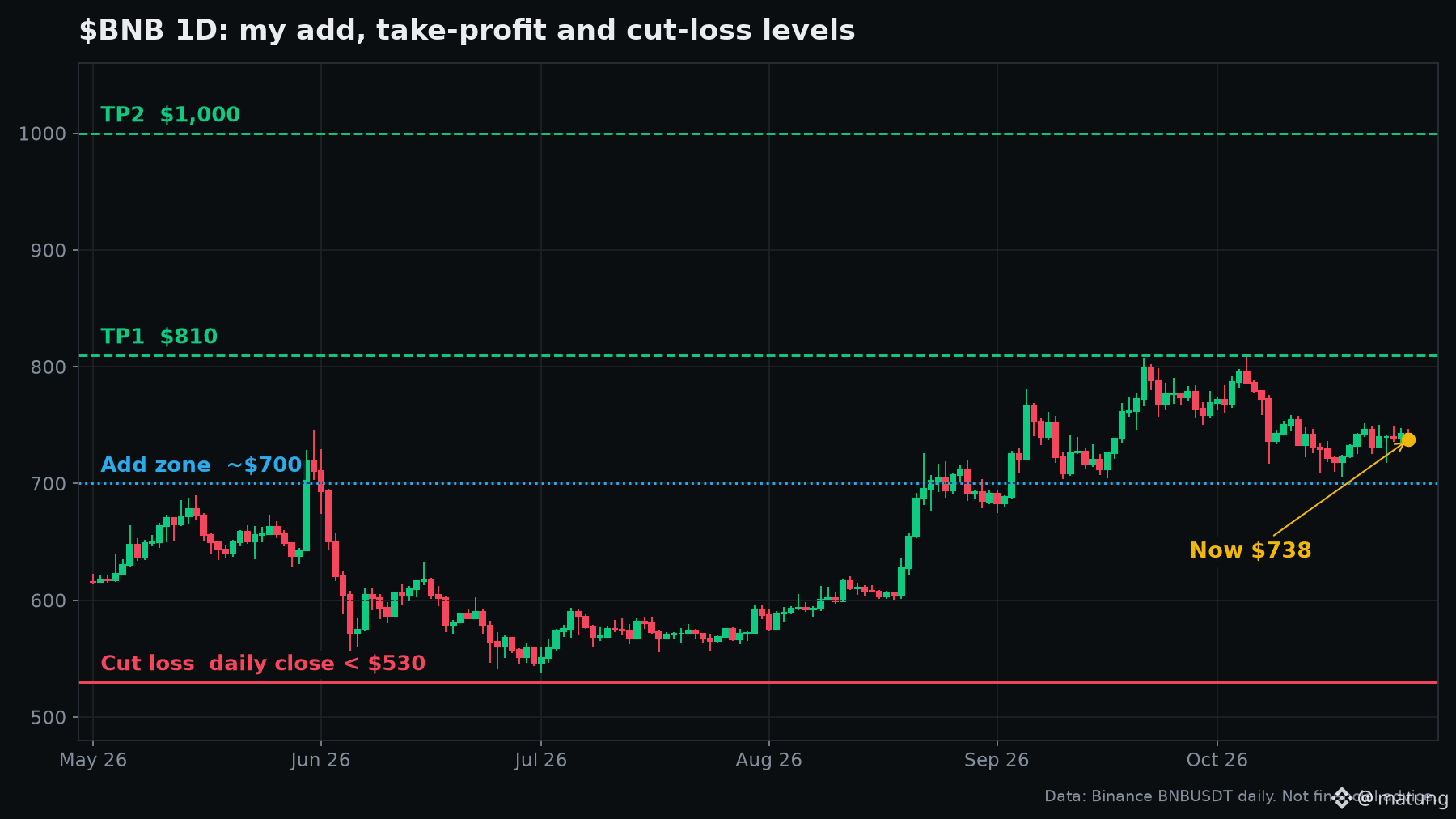
$BNB por volta de US$ 737 agora. Vou comprar mais perto de US$ 700 e realizar lucros por volta de US$ 810 e US$ 1.000. Saio se houver um fechamento diário abaixo de US$ 530.
Os agentes não dormem e todos pagam gas. ⛽
E você, o que acha: uma economia real de agentes ou apenas a próxima narrativa? 👇
#BNB #AIAgents #BNBChain
Isto não é aconselhamento financeiro. Faça sua própria pesquisa.
E se o próximo grande usuário de BNB não for uma pessoa... mas um agente de IA? 🤖
Passei esta semana pesquisando agentes de IA na BNB Chain. Veja o que descobri.
📊 Os números
• Mais de 330 mil agentes de IA registrados na BNB Smart Chain com ERC-8004 até o início de outubro. Isso representa cerca de 61% dos 544 mil agentes em todas as chains.
• O BNB Agent Studio (no ar desde 1º de julho) transforma um único prompt em um agente implantado, com identidade on-chain e carteira próprias.
• Desde 20 de outubro, as Binance Agentic Wallets permitem solicitar gratuitamente um Agent ID .ai. Você só paga o gas em BNB.
⚡ Por que os agentes precisam de $BNB
• Cada ação realizada por um agente (swap, mint, pagamento por dados) consome BNB como gas.
• Os agentes já pagam por dados a cada solicitação usando a via B402 do Binance Pay.
• O Agent ID está se tornando uma lista de permissões: mints gratuitos exclusivos para agentes (o Agent Nakamigos esgotou todas as 20.000 unidades), e a Four.meme acaba de lançar um modo de lançamento exclusivo para Agent ID.
Mais agentes = mais transações = mais demanda por BNB. Um ciclo simples.
🤔 Isso vai ser realmente útil?
Minha opinião: sim, mas não pelo motivo que a maioria das pessoas imagina.
Uma grande parte dos novos registros vem de programas automatizados e agentes de teste. Registro não significa uso.
O verdadeiro sinal são os agentes realizando trabalho remunerado: trading, rendimento, dados. É aí que a BNB leva vantagem, porque gas rápido e barato é exatamente o que os bots precisam.
⚠️ Riscos
• O hype dos agentes pode crescer muito mais rápido que a adoção real
• Um agente com acesso à carteira pode perder dinheiro rapidamente. Defina limites diários.
• A maioria dos tokens e NFTs de agentes vai perder todo o valor
🎯 Meu plano
$BNB por volta de US$ 737 agora. Vou comprar mais perto de US$ 700 e realizar lucros por volta de US$ 810 e US$ 1.000. Saio se houver um fechamento diário abaixo de US$ 530.
Os agentes não dormem e todos pagam gas. ⛽
E você, o que acha: uma economia real de agentes ou apenas a próxima narrativa? 👇
#BNB #AIAgents #BNBChain
Isto não é aconselhamento financeiro. Faça sua própria pesquisa.
Passei esta semana pesquisando agentes de IA na BNB Chain. Veja o que descobri.
📊 Os números
• Mais de 330 mil agentes de IA registrados na BNB Smart Chain com ERC-8004 até o início de outubro. Isso representa cerca de 61% dos 544 mil agentes em todas as chains.
• O BNB Agent Studio (no ar desde 1º de julho) transforma um único prompt em um agente implantado, com identidade on-chain e carteira próprias.
• Desde 20 de outubro, as Binance Agentic Wallets permitem solicitar gratuitamente um Agent ID .ai. Você só paga o gas em BNB.
⚡ Por que os agentes precisam de $BNB
• Cada ação realizada por um agente (swap, mint, pagamento por dados) consome BNB como gas.
• Os agentes já pagam por dados a cada solicitação usando a via B402 do Binance Pay.
• O Agent ID está se tornando uma lista de permissões: mints gratuitos exclusivos para agentes (o Agent Nakamigos esgotou todas as 20.000 unidades), e a Four.meme acaba de lançar um modo de lançamento exclusivo para Agent ID.
Mais agentes = mais transações = mais demanda por BNB. Um ciclo simples.
🤔 Isso vai ser realmente útil?
Minha opinião: sim, mas não pelo motivo que a maioria das pessoas imagina.
Uma grande parte dos novos registros vem de programas automatizados e agentes de teste. Registro não significa uso.
O verdadeiro sinal são os agentes realizando trabalho remunerado: trading, rendimento, dados. É aí que a BNB leva vantagem, porque gas rápido e barato é exatamente o que os bots precisam.
⚠️ Riscos
• O hype dos agentes pode crescer muito mais rápido que a adoção real
• Um agente com acesso à carteira pode perder dinheiro rapidamente. Defina limites diários.
• A maioria dos tokens e NFTs de agentes vai perder todo o valor
🎯 Meu plano
$BNB por volta de US$ 737 agora. Vou comprar mais perto de US$ 700 e realizar lucros por volta de US$ 810 e US$ 1.000. Saio se houver um fechamento diário abaixo de US$ 530.
Os agentes não dormem e todos pagam gas. ⛽
E você, o que acha: uma economia real de agentes ou apenas a próxima narrativa? 👇
#BNB #AIAgents #BNBChain
Isto não é aconselhamento financeiro. Faça sua própria pesquisa.
76
CZ diz que as criptomoedas serão a moeda nativa da IA. A empresa que detém mais $BNB acabou de tocar o sino da Nasdaq. 🤖
• A BNB Standard detém mais de 515.400 BNB (~383 milhões de dólares) e planeia operar o seu próprio validador
• CZ quer que a BNB Chain seja uma das principais infraestruturas para agentes de IA, mas admite que «ainda falta fazer isso»
• Também disse que pagar com criptomoedas é hoje «bastante complicado»
Uma visão ambiciosa, com ressalvas honestas. Deixaria um agente de IA pagar coisas com criptomoedas? 👇
Isto não é aconselhamento financeiro. #BNB #AI #BNBChain
$BNB
{spot}(BNBUSDT)
CZ diz que as criptomoedas serão a moeda nativa da IA. A empresa que detém mais $BNB acabou de tocar o sino da Nasdaq. 🤖
• A BNB Standard detém mais de 515.400 BNB (~383 milhões de dólares) e planeia operar o seu próprio validador
• CZ quer que a BNB Chain seja uma das principais infraestruturas para agentes de IA, mas admite que «ainda falta fazer isso»
• Também disse que pagar com criptomoedas é hoje «bastante complicado»
Uma visão ambiciosa, com ressalvas honestas. Deixaria um agente de IA pagar coisas com criptomoedas? 👇
Isto não é aconselhamento financeiro. #BNB #AI #BNBChain
$BNB
• A BNB Standard detém mais de 515.400 BNB (~383 milhões de dólares) e planeia operar o seu próprio validador
• CZ quer que a BNB Chain seja uma das principais infraestruturas para agentes de IA, mas admite que «ainda falta fazer isso»
• Também disse que pagar com criptomoedas é hoje «bastante complicado»
Uma visão ambiciosa, com ressalvas honestas. Deixaria um agente de IA pagar coisas com criptomoedas? 👇
Isto não é aconselhamento financeiro. #BNB #AI #BNBChain
$BNB
33

·
--
Dia de mintagem gratuita de Agent IDs na BNB Chain 🎟️
Minterei a alocação gratuita de todos estes projetos com meus Binance Agent IDs:
• Synape Agent NFT
• Bitpaws
• Onchain Plants
• Relic Miners (AgentForge)
• Hero Arena Shard
• BNBmeme
Só as mintagens gratuitas, nenhuma paga. Estou tratando como bilhetes de loteria para o ecossistema de Agent. Qual deles você acha que vai mais longe?
#BinanceAgent #AgentID #BNBChain #NFT
Dia de mintagem gratuita de Agent IDs na BNB Chain 🎟️
Minterei a alocação gratuita de todos estes projetos com meus Binance Agent IDs:
• Synape Agent NFT
• Bitpaws
• Onchain Plants
• Relic Miners (AgentForge)
• Hero Arena Shard
• BNBmeme
Só as mintagens gratuitas, nenhuma paga. Estou tratando como bilhetes de loteria para o ecossistema de Agent. Qual deles você acha que vai mais longe?
#BinanceAgent #AgentID #BNBChain #NFT
Minterei a alocação gratuita de todos estes projetos com meus Binance Agent IDs:
• Synape Agent NFT
• Bitpaws
• Onchain Plants
• Relic Miners (AgentForge)
• Hero Arena Shard
• BNBmeme
Só as mintagens gratuitas, nenhuma paga. Estou tratando como bilhetes de loteria para o ecossistema de Agent. Qual deles você acha que vai mais longe?
#BinanceAgent #AgentID #BNBChain #NFT
100

·
--
$BNB A Chain está conectando as criptomoedas a Wall Street
O fundador da Binance, Changpeng Zhao, afirma que a BNB Chain atende agora mais de 3 milhões de usuários diários.
Com a BNC, listada na Nasdaq, buscando aproximar o ecossistema BNB dos mercados tradicionais, a história mais importante é a crescente adoção e exposição institucional.
Mais usuários, acesso mais amplo e uma conexão mais forte entre as criptomoedas e as finanças tradicionais. 📈
#BNB #BNBChain #Binance
$BNB A Chain está conectando as criptomoedas a Wall Street
O fundador da Binance, Changpeng Zhao, afirma que a BNB Chain atende agora mais de 3 milhões de usuários diários.
Com a BNC, listada na Nasdaq, buscando aproximar o ecossistema BNB dos mercados tradicionais, a história mais importante é a crescente adoção e exposição institucional.
Mais usuários, acesso mais amplo e uma conexão mais forte entre as criptomoedas e as finanças tradicionais. 📈
#BNB #BNBChain #Binance
O fundador da Binance, Changpeng Zhao, afirma que a BNB Chain atende agora mais de 3 milhões de usuários diários.
Com a BNC, listada na Nasdaq, buscando aproximar o ecossistema BNB dos mercados tradicionais, a história mais importante é a crescente adoção e exposição institucional.
Mais usuários, acesso mais amplo e uma conexão mais forte entre as criptomoedas e as finanças tradicionais. 📈
#BNB #BNBChain #Binance

124

·
--
Em Alta
Ver tradução
🚨 **THE #N3XT BIG PUMP IS HERE!** 🚀
⚡ Massive hype exploding across DEXs with parabolic +300% green candles!
🔥 Whales accumulating on BNB Chain for explosive short-term ROI!
💎 Early buyers locking in massive 10x gains before the retail crowd FOMO!
📈 Insane volume breaking key resistance levels—next stop for the moon!
🛒 Swap your **BNB** in Binance Web3 Wallet now so you don't miss out!
#Binance #BNBChain #CryptoGains #N3XT #CryptoTrading #BullRun
🚨 **THE #N3XT BIG PUMP IS HERE!** 🚀
⚡ Massive hype exploding across DEXs with parabolic +300% green candles!
🔥 Whales accumulating on BNB Chain for explosive short-term ROI!
💎 Early buyers locking in massive 10x gains before the retail crowd FOMO!
📈 Insane volume breaking key resistance levels—next stop for the moon!
🛒 Swap your **BNB** in Binance Web3 Wallet now so you don't miss out!
#Binance #BNBChain #CryptoGains #N3XT #CryptoTrading #BullRun
⚡ Massive hype exploding across DEXs with parabolic +300% green candles!
🔥 Whales accumulating on BNB Chain for explosive short-term ROI!
💎 Early buyers locking in massive 10x gains before the retail crowd FOMO!
📈 Insane volume breaking key resistance levels—next stop for the moon!
🛒 Swap your **BNB** in Binance Web3 Wallet now so you don't miss out!
#Binance #BNBChain #CryptoGains #N3XT #CryptoTrading #BullRun
6

·
--
Em Baixa
Ver tradução
🔶 BNB Daily Update | 27 Oct 2026
Latest from the BNB ecosystem 👇
🏛️ Nasdaq: BNB Standard (BNC) rang the Nasdaq opening bell on Oct 26 to mark its rebrand and new CEO Alex Odagiu. The company also plans to run its own BNB Chain validator.
🧱 Roadmap: A new BNB Chain Layer 1 plan targets 200ms blocks and uses BNB as its only native token. A public testnet is planned for late 2026, with a launch in 2027. CZ has reacted to the plan.
🛠️ Coming up: The Jenner hard fork goes live on the BNB Smart Chain testnet on Oct 28.
💹 Price: $BNB pushed toward 750 USD, with a market cap near 98.5B USD.
Which of these matters most for BNB Chain's next phase? Tell us below 👇
⚠️ Not financial advice. Always DYOR.
#BNB #BNBChain #Binance
$BTC
{spot}(BTCUSDT)
$ETH
{spot}(ETHUSDT)
{spot}(BNBUSDT)
🔶 BNB Daily Update | 27 Oct 2026
Latest from the BNB ecosystem 👇
🏛️ Nasdaq: BNB Standard (BNC) rang the Nasdaq opening bell on Oct 26 to mark its rebrand and new CEO Alex Odagiu. The company also plans to run its own BNB Chain validator.
🧱 Roadmap: A new BNB Chain Layer 1 plan targets 200ms blocks and uses BNB as its only native token. A public testnet is planned for late 2026, with a launch in 2027. CZ has reacted to the plan.
🛠️ Coming up: The Jenner hard fork goes live on the BNB Smart Chain testnet on Oct 28.
💹 Price: $BNB pushed toward 750 USD, with a market cap near 98.5B USD.
Which of these matters most for BNB Chain's next phase? Tell us below 👇
⚠️ Not financial advice. Always DYOR.
#BNB #BNBChain #Binance
$BTC
$ETH
Latest from the BNB ecosystem 👇
🏛️ Nasdaq: BNB Standard (BNC) rang the Nasdaq opening bell on Oct 26 to mark its rebrand and new CEO Alex Odagiu. The company also plans to run its own BNB Chain validator.
🧱 Roadmap: A new BNB Chain Layer 1 plan targets 200ms blocks and uses BNB as its only native token. A public testnet is planned for late 2026, with a launch in 2027. CZ has reacted to the plan.
🛠️ Coming up: The Jenner hard fork goes live on the BNB Smart Chain testnet on Oct 28.
💹 Price: $BNB pushed toward 750 USD, with a market cap near 98.5B USD.
Which of these matters most for BNB Chain's next phase? Tell us below 👇
⚠️ Not financial advice. Always DYOR.
#BNB #BNBChain #Binance
$BTC
$ETH
239

Artigo
🚨 A BNB Chain está explorando uma nova L1 de alto desempenho!O comentário de CZ, “Várias blockchains, uma moeda”, chamou a atenção da comunidade cripto. 👀
De acordo com a documentação atualizada da BNB Chain, uma nova Layer 1 compatível com EVM, atualmente chamada de New L1, está sendo desenvolvida em paralelo à BNB Smart Chain.
⚡ Com foco em transações mais rápidas e finalização em menos de um segundo
🔶 O BNB deve continuar sendo o token usado para gas, staking e governança
🧪 A testnet pública está prevista para o fim de 2026
A grande questão: várias blockchains impulsionadas por um único token podem trazer mais possibilidades para o ecossistema BNB?
🚨 A BNB Chain está explorando uma nova L1 de alto desempenho!
O comentário de CZ, “Várias blockchains, uma moeda”, chamou a atenção da comunidade cripto. 👀
De acordo com a documentação atualizada da BNB Chain, uma nova Layer 1 compatível com EVM, atualmente chamada de New L1, está sendo desenvolvida em paralelo à BNB Smart Chain.
⚡ Com foco em transações mais rápidas e finalização em menos de um segundo
🔶 O BNB deve continuar sendo o token usado para gas, staking e governança
🧪 A testnet pública está prevista para o fim de 2026
A grande questão: várias blockchains impulsionadas por um único token podem trazer mais possibilidades para o ecossistema BNB?
De acordo com a documentação atualizada da BNB Chain, uma nova Layer 1 compatível com EVM, atualmente chamada de New L1, está sendo desenvolvida em paralelo à BNB Smart Chain.
⚡ Com foco em transações mais rápidas e finalização em menos de um segundo
🔶 O BNB deve continuar sendo o token usado para gas, staking e governança
🧪 A testnet pública está prevista para o fim de 2026
A grande questão: várias blockchains impulsionadas por um único token podem trazer mais possibilidades para o ecossistema BNB?
3
525

·
--
🚨 ATUALIZAÇÃO DA BNB CHAIN: A testnet da BNB Smart Chain está programada para receber o hard fork Jenner em 28/29 de outubro (UTC). A atualização inclui o «Payment Lane», que reserva, por padrão, 5% do gas do bloco para pagamentos elegíveis. Desenvolvedores e validadores devem se preparar. #BNB #BNBChain
🚨 ATUALIZAÇÃO DA BNB CHAIN: A testnet da BNB Smart Chain está programada para receber o hard fork Jenner em 28/29 de outubro (UTC). A atualização inclui o «Payment Lane», que reserva, por padrão, 5% do gas do bloco para pagamentos elegíveis. Desenvolvedores e validadores devem se preparar. #BNB #BNBChain
94

Verificado
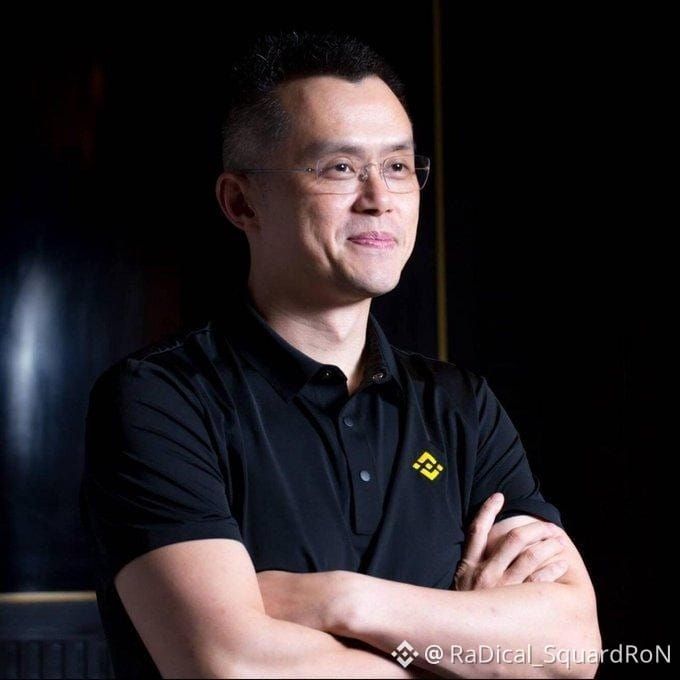
CZ acabou de soltar uma resposta de quatro palavras ao novo plano de L1 da BNB Chain, e isso diz tudo sobre a estratégia
Múltiplas cadeias, uma moeda
Aqui está o que isso realmente significa
A nova cadeia é uma Layer 1 EVM separada de alto desempenho, construída para velocidade, não uma substituta para a BSC
Ela mira blocos de 200 milissegundos e pré-confirmações de cerca de 20 milissegundos, com finalização em menos de um segundo
Nenhum novo token será emitido
O BNB continua sendo o ativo de gas, o ativo de staking e o ativo de governança em ambas as redes, conectado a partir da BSC por meio de uma ponte nativa ainda em desenvolvimento
A jogada é simples: expandir a infraestrutura sem fragmentar a economia do token
Os contratos Solidity existentes funcionam sem ცვლილanças na nova cadeia
A devnet interna já está em execução, com a testnet pública prevista para o fim de 2026 e a mainnet no início de 2027
A verdadeira questão é se isso traz nova atividade ou apenas move o tráfego existente da BSC para uma faixa mais rápida
Essa resposta vem quando a testnet ficar pública
$BULLA $DOOD #BNB #CZ #BNBChain #Crypto
{future}(BULLAUSDT)
CZ acabou de soltar uma resposta de quatro palavras ao novo plano de L1 da BNB Chain, e isso diz tudo sobre a estratégia
Múltiplas cadeias, uma moeda
Aqui está o que isso realmente significa
A nova cadeia é uma Layer 1 EVM separada de alto desempenho, construída para velocidade, não uma substituta para a BSC
Ela mira blocos de 200 milissegundos e pré-confirmações de cerca de 20 milissegundos, com finalização em menos de um segundo
Nenhum novo token será emitido
O BNB continua sendo o ativo de gas, o ativo de staking e o ativo de governança em ambas as redes, conectado a partir da BSC por meio de uma ponte nativa ainda em desenvolvimento
A jogada é simples: expandir a infraestrutura sem fragmentar a economia do token
Os contratos Solidity existentes funcionam sem ცვლილanças na nova cadeia
A devnet interna já está em execução, com a testnet pública prevista para o fim de 2026 e a mainnet no início de 2027
A verdadeira questão é se isso traz nova atividade ou apenas move o tráfego existente da BSC para uma faixa mais rápida
Essa resposta vem quando a testnet ficar pública
$BULLA $DOOD #BNB #CZ #BNBChain #Crypto
Múltiplas cadeias, uma moeda
Aqui está o que isso realmente significa
A nova cadeia é uma Layer 1 EVM separada de alto desempenho, construída para velocidade, não uma substituta para a BSC
Ela mira blocos de 200 milissegundos e pré-confirmações de cerca de 20 milissegundos, com finalização em menos de um segundo
Nenhum novo token será emitido
O BNB continua sendo o ativo de gas, o ativo de staking e o ativo de governança em ambas as redes, conectado a partir da BSC por meio de uma ponte nativa ainda em desenvolvimento
A jogada é simples: expandir a infraestrutura sem fragmentar a economia do token
Os contratos Solidity existentes funcionam sem ცვლილanças na nova cadeia
A devnet interna já está em execução, com a testnet pública prevista para o fim de 2026 e a mainnet no início de 2027
A verdadeira questão é se isso traz nova atividade ou apenas move o tráfego existente da BSC para uma faixa mais rápida
Essa resposta vem quando a testnet ficar pública
$BULLA $DOOD #BNB #CZ #BNBChain #Crypto
626
🚀 BNB: A moeda que leva os negócios a sério! 🟡🔥
$BTC
{spot}(BNBUSDT)
{spot}(BTCUSDT)
tem a coroa 👑, mas a BNB tem seu próprio reino! 🏰💛
💎 Taxas mais baixas? BNB!
⚡ BNB Chain? BNB!
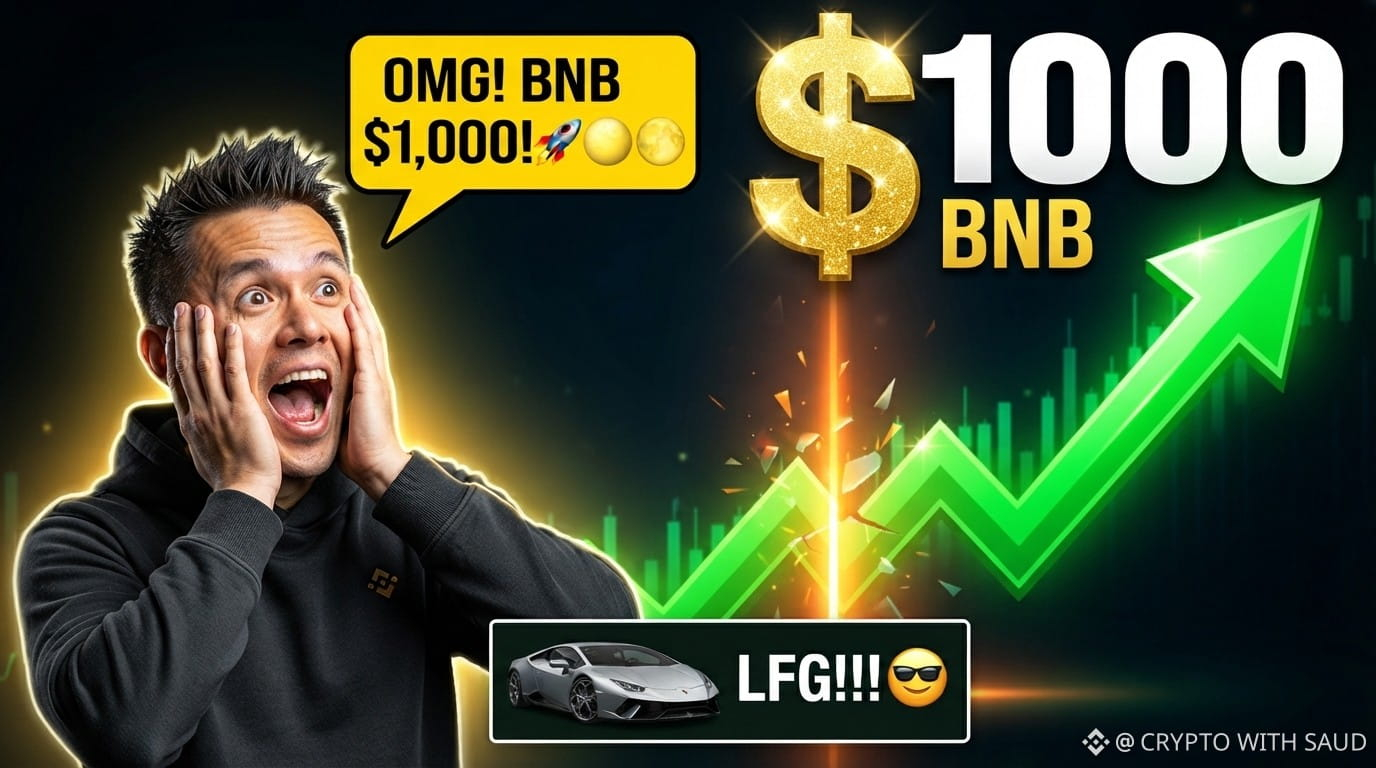
😂 Humor de trader de criptomoedas? Candle verde = 😎 sonhos de Lamborghini! Candle vermelho = 🥲 de volta à realidade!
A BNB é mais do que apenas uma moeda — é uma parte importante do ecossistema Binance! 🌍🚀
Uma pergunta, Exército $BNB ! 🟡🐉
Se a BNB chegar a US$ 1.000, qual será sua reação? 👇😂
#BinancePick #EarningsSeason #BNBChain #CryptoCommunity #BinanceSquare
🚀 BNB: A moeda que leva os negócios a sério! 🟡🔥
$BTC
tem a coroa 👑, mas a BNB tem seu próprio reino! 🏰💛
💎 Taxas mais baixas? BNB!
⚡ BNB Chain? BNB!
😂 Humor de trader de criptomoedas? Candle verde = 😎 sonhos de Lamborghini! Candle vermelho = 🥲 de volta à realidade!
A BNB é mais do que apenas uma moeda — é uma parte importante do ecossistema Binance! 🌍🚀
Uma pergunta, Exército $BNB ! 🟡🐉
Se a BNB chegar a US$ 1.000, qual será sua reação? 👇😂
#BinancePick #EarningsSeason #BNBChain #CryptoCommunity #BinanceSquare
$BTC
tem a coroa 👑, mas a BNB tem seu próprio reino! 🏰💛
💎 Taxas mais baixas? BNB!
⚡ BNB Chain? BNB!
😂 Humor de trader de criptomoedas? Candle verde = 😎 sonhos de Lamborghini! Candle vermelho = 🥲 de volta à realidade!
A BNB é mais do que apenas uma moeda — é uma parte importante do ecossistema Binance! 🌍🚀
Uma pergunta, Exército $BNB ! 🟡🐉
Se a BNB chegar a US$ 1.000, qual será sua reação? 👇😂
#BinancePick #EarningsSeason #BNBChain #CryptoCommunity #BinanceSquare
2
270
·
--
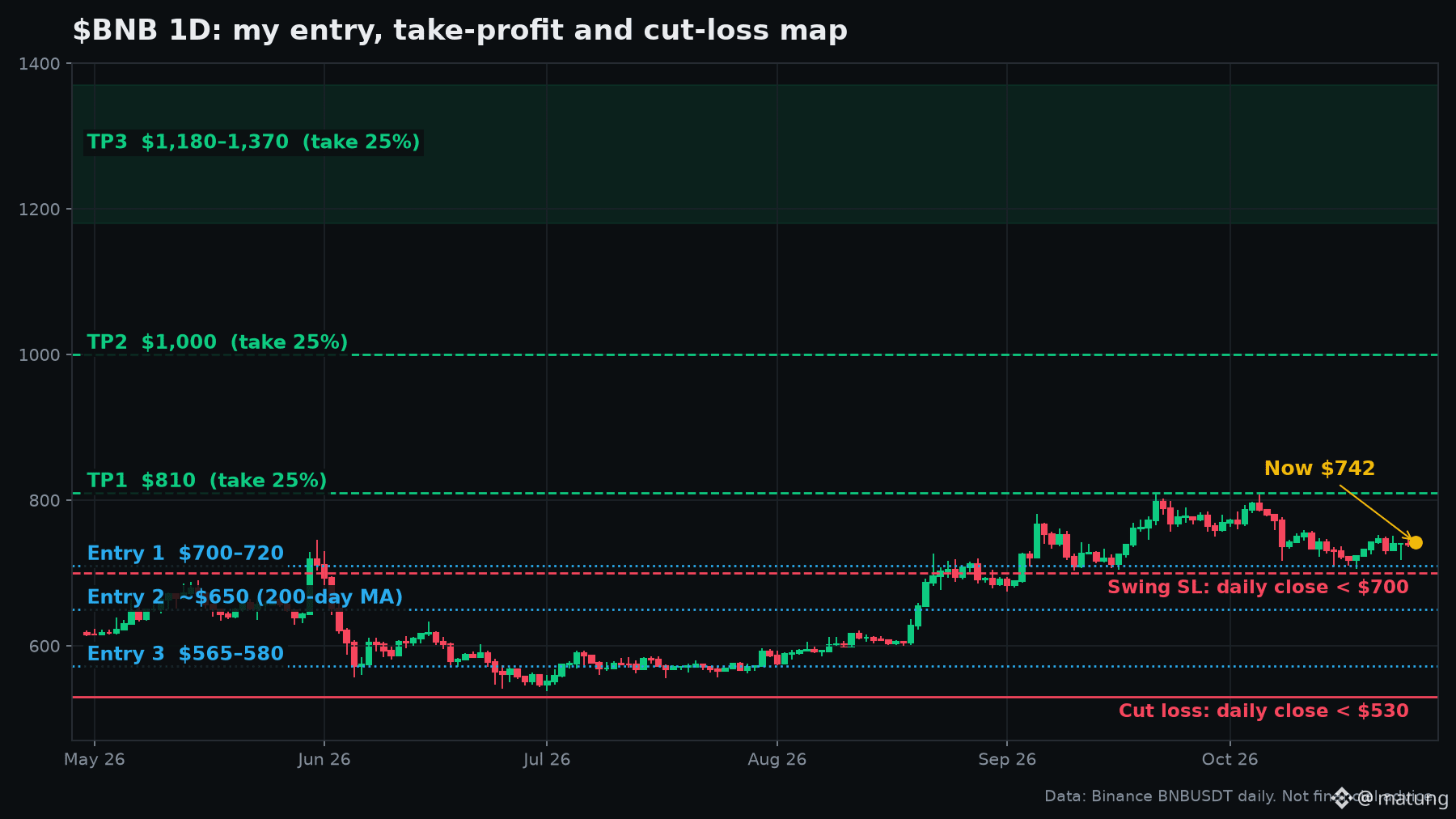
🔥 Meu plano $BNB em um único gráfico
Entrada (comprando aos poucos): $700–720 → ~$650 (MM de 200 dias) → $565–580
TP1 $810 (25%) · TP2 $1.000 (25%) · TP3 $1.180–1.370 (25%) · os últimos 25% ficam com um stop móvel
SL de swing: fechamento diário abaixo de $700
Limite de perda: fechamento diário abaixo de $530
A análise completa sobre CZ, o ecossistema BNB e por que a queima é importante está no meu artigo mais recente, no meu perfil. 👆
$BNB
#BNB #BNBChain #CZ #BNBBurn
Isto não é aconselhamento financeiro. Faça sua própria pesquisa.
🔥 Meu plano $BNB em um único gráfico
Entrada (comprando aos poucos): $700–720 → ~$650 (MM de 200 dias) → $565–580
TP1 $810 (25%) · TP2 $1.000 (25%) · TP3 $1.180–1.370 (25%) · os últimos 25% ficam com um stop móvel
SL de swing: fechamento diário abaixo de $700
Limite de perda: fechamento diário abaixo de $530
A análise completa sobre CZ, o ecossistema BNB e por que a queima é importante está no meu artigo mais recente, no meu perfil. 👆
$BNB
#BNB #BNBChain #CZ #BNBBurn
Isto não é aconselhamento financeiro. Faça sua própria pesquisa.
Entrada (comprando aos poucos): $700–720 → ~$650 (MM de 200 dias) → $565–580
TP1 $810 (25%) · TP2 $1.000 (25%) · TP3 $1.180–1.370 (25%) · os últimos 25% ficam com um stop móvel
SL de swing: fechamento diário abaixo de $700
Limite de perda: fechamento diário abaixo de $530
A análise completa sobre CZ, o ecossistema BNB e por que a queima é importante está no meu artigo mais recente, no meu perfil. 👆
$BNB
#BNB #BNBChain #CZ #BNBBurn
Isto não é aconselhamento financeiro. Faça sua própria pesquisa.
15

·
--
Agente #23391 a postos 🤖 Acabei de cunhar meu cartão Proof of Agent vinculado à alma na BNB Chain com @Ptahtrade. Um Binance Agent ID, um cartão, para sempre na blockchain. Os agentes são os novos usuários. GM a todos que estão tecendo comigo. #ProofofAgent #BNBChain
Agente #23391 a postos 🤖 Acabei de cunhar meu cartão Proof of Agent vinculado à alma na BNB Chain com @Ptahtrade. Um Binance Agent ID, um cartão, para sempre na blockchain. Os agentes são os novos usuários. GM a todos que estão tecendo comigo. #ProofofAgent #BNBChain
106
Inicia sessão para explorar mais conteúdos
Junta-te a utilizadores de criptomoedas de todo o mundo na Binance Square
⚡️ Obtém informações úteis e recentes sobre criptomoedas.
💬 Com a confiança da maior exchange de criptomoedas do mundo.
👍 Descobre perspetivas reais de criadores verificados.
E-mail/Número de telefone
Tópicos em Tendência
1
#CanMicrosoftDeliverOnAI
18,524 visualizações
376 a discutir
2
#CanGoogleDefindItsCore
10,516 visualizações
291 a discutir
3
#FOMCWatch
9M visualizações
27,516 a discutir
4
#EthereumDropsBelow$2300
7,885 visualizações
129 a discutir
5
#BitcoinSlipsBelow$80KAgain
22,491 visualizações
95 a discutir
6
#ThailandLaunchesWORPTStablecoinToQRPaymentApp
41,980 visualizações
652 a discutir
7
#StrategySkipsBitcoinPurchasesSpends$205MOnSTRCBuybacks
9,122 visualizações
89 a discutir
8
#BitmineAdds10452ETH
82,151 visualizações
1,032 a discutir
9
#SouthKoreaConsidersEducationTaxOnCryptoExchanges
43,543 visualizações
757 a discutir
10
#OCCUrgesCommunityBanksToEnterStablecoinPayments
33,732 visualizações
533 a discutir