
CrypticWeb3_
78 Posts

CrypticWeb3_
 Square Verified+
Report
Block User
Redefining Marketing in the Blockchain Era | From Vision to Adoption
0 Following
25 Followers
151 Liked
Posts
·
--
22-year-old Malone Lam pleads guilty to helping steal $245 million in Bitcoin.
In August 2024, Lam and his associates targeted a wealthy Washington, D.C. crypto investor.
They posed as Google and Gemini representatives, convincing the victim to give them access to his Google Drive and security codes.
The group then siphoned off 4,100 $BTC , worth more than $245M at the time.
The stolen funds were used to buy:
• 30+ luxury cars
• Private jets
• Mansions
• A $2M watch
• Lavish nights out
Lam reportedly spent $569,000 in one night at a Los Angeles nightclub.
22-year-old Malone Lam pleads guilty to helping steal $245 million in Bitcoin.
In August 2024, Lam and his associates targeted a wealthy Washington, D.C. crypto investor.
They posed as Google and Gemini representatives, convincing the victim to give them access to his Google Drive and security codes.
The group then siphoned off 4,100 $BTC , worth more than $245M at the time.
The stolen funds were used to buy:
• 30+ luxury cars
• Private jets
• Mansions
• A $2M watch
• Lavish nights out
Lam reportedly spent $569,000 in one night at a Los Angeles nightclub.
In August 2024, Lam and his associates targeted a wealthy Washington, D.C. crypto investor.
They posed as Google and Gemini representatives, convincing the victim to give them access to his Google Drive and security codes.
The group then siphoned off 4,100 $BTC , worth more than $245M at the time.
The stolen funds were used to buy:
• 30+ luxury cars
• Private jets
• Mansions
• A $2M watch
• Lavish nights out
Lam reportedly spent $569,000 in one night at a Los Angeles nightclub.

2
1
3
1.1k
·
--
Verified
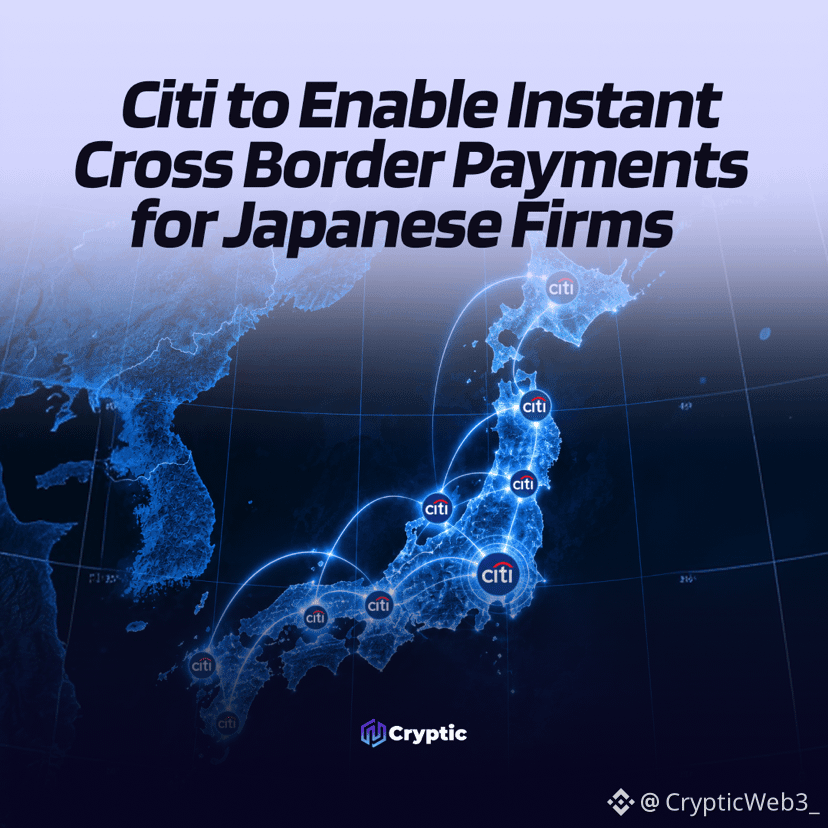
Citi is bringing instant cross border payments to Japanese companies.
The service uses blockchain based tokenized deposits to enable foreign currency transfers around the clock.
The service is part of Citi’s broader push toward 24/7 near real time settlement using tokenized financial infrastructure.
Citi is bringing instant cross border payments to Japanese companies.
The service uses blockchain based tokenized deposits to enable foreign currency transfers around the clock.
The service is part of Citi’s broader push toward 24/7 near real time settlement using tokenized financial infrastructure.
The service uses blockchain based tokenized deposits to enable foreign currency transfers around the clock.
The service is part of Citi’s broader push toward 24/7 near real time settlement using tokenized financial infrastructure.
1
1
2
671
·
--
Brazil’s biggest banks are getting deeper into crypto without holding crypto.
Itaú, Nubank and Banco do Brasil are giving customers access to digital assets while keeping them off their own balance sheets.
The banks are acting as intermediaries and custodians, giving customers exposure to crypto without taking on the market volatility of holding digital assets themselves.
Brazil’s biggest banks are getting deeper into crypto without holding crypto.
Itaú, Nubank and Banco do Brasil are giving customers access to digital assets while keeping them off their own balance sheets.
The banks are acting as intermediaries and custodians, giving customers exposure to crypto without taking on the market volatility of holding digital assets themselves.
Itaú, Nubank and Banco do Brasil are giving customers access to digital assets while keeping them off their own balance sheets.
The banks are acting as intermediaries and custodians, giving customers exposure to crypto without taking on the market volatility of holding digital assets themselves.
1
1
2
216
·
--
Ethereum is giving itself until 2029 to become quantum resistant.
The Ethereum Foundation wants the network’s core layers ready before quantum computers can threaten its cryptography.
The deadline is tied to the industry’s projected “Q day,” when quantum computers could become powerful enough to break the cryptography securing today’s blockchains.
Ethereum is giving itself until 2029 to become quantum resistant.
The Ethereum Foundation wants the network’s core layers ready before quantum computers can threaten its cryptography.
The deadline is tied to the industry’s projected “Q day,” when quantum computers could become powerful enough to break the cryptography securing today’s blockchains.
The Ethereum Foundation wants the network’s core layers ready before quantum computers can threaten its cryptography.
The deadline is tied to the industry’s projected “Q day,” when quantum computers could become powerful enough to break the cryptography securing today’s blockchains.
1
1
2
96
·
--
Circle is making a $400 million bet on stablecoin payments.
The USDC issuer has acquired Tazapay to expand its cross border payments infrastructure.
The acquisition would give Circle access to Tazapay’s growing payments network across APAC and South Asia, subject to regulatory approvals and other closing conditions.
Circle is making a $400 million bet on stablecoin payments.
The USDC issuer has acquired Tazapay to expand its cross border payments infrastructure.
The acquisition would give Circle access to Tazapay’s growing payments network across APAC and South Asia, subject to regulatory approvals and other closing conditions.
The USDC issuer has acquired Tazapay to expand its cross border payments infrastructure.
The acquisition would give Circle access to Tazapay’s growing payments network across APAC and South Asia, subject to regulatory approvals and other closing conditions.
3
2
2
358
·
--
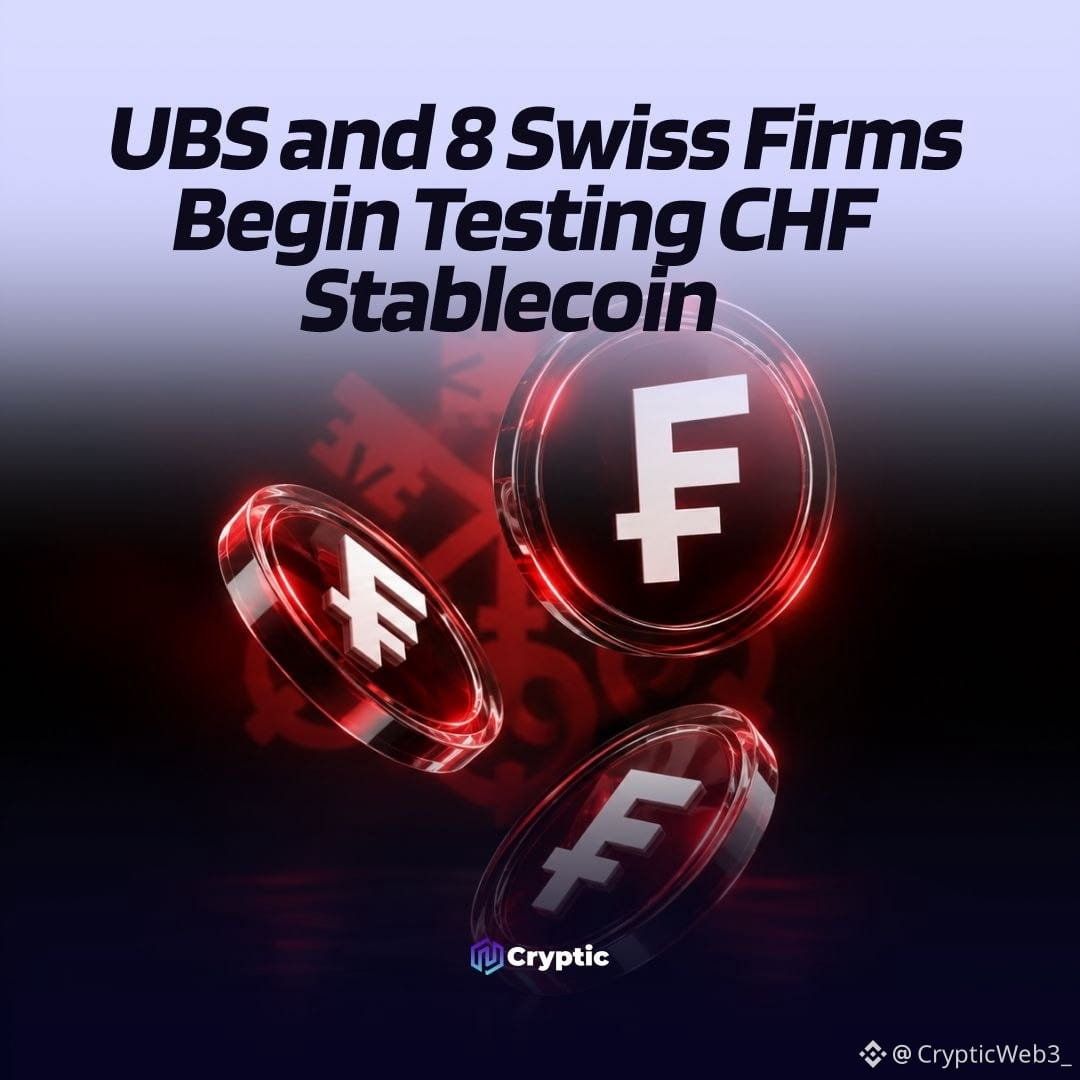
UBS and 8 Swiss firms are testing a Swiss franc stablecoin.
The firms are testing CHFD, designed to maintain a 1:1 peg with CHF.
Use cases include tokenized asset settlement, automated transactions and programmable payments.
UBS and 8 Swiss firms are testing a Swiss franc stablecoin.
The firms are testing CHFD, designed to maintain a 1:1 peg with CHF.
Use cases include tokenized asset settlement, automated transactions and programmable payments.
The firms are testing CHFD, designed to maintain a 1:1 peg with CHF.
Use cases include tokenized asset settlement, automated transactions and programmable payments.
UBSUS-1.00%
1
1
2
43
·
--
Indian users are increasingly using overseas crypto platforms to convert stablecoins and other digital assets into vouchers for everyday purchases, from groceries and fuel to gold.
The trend highlights how crypto is finding real-world payment use despite India’s restrictions on direct crypto payments.
Indian users are increasingly using overseas crypto platforms to convert stablecoins and other digital assets into vouchers for everyday purchases, from groceries and fuel to gold.
The trend highlights how crypto is finding real-world payment use despite India’s restrictions on direct crypto payments.
The trend highlights how crypto is finding real-world payment use despite India’s restrictions on direct crypto payments.

1
1
2
84
·
--
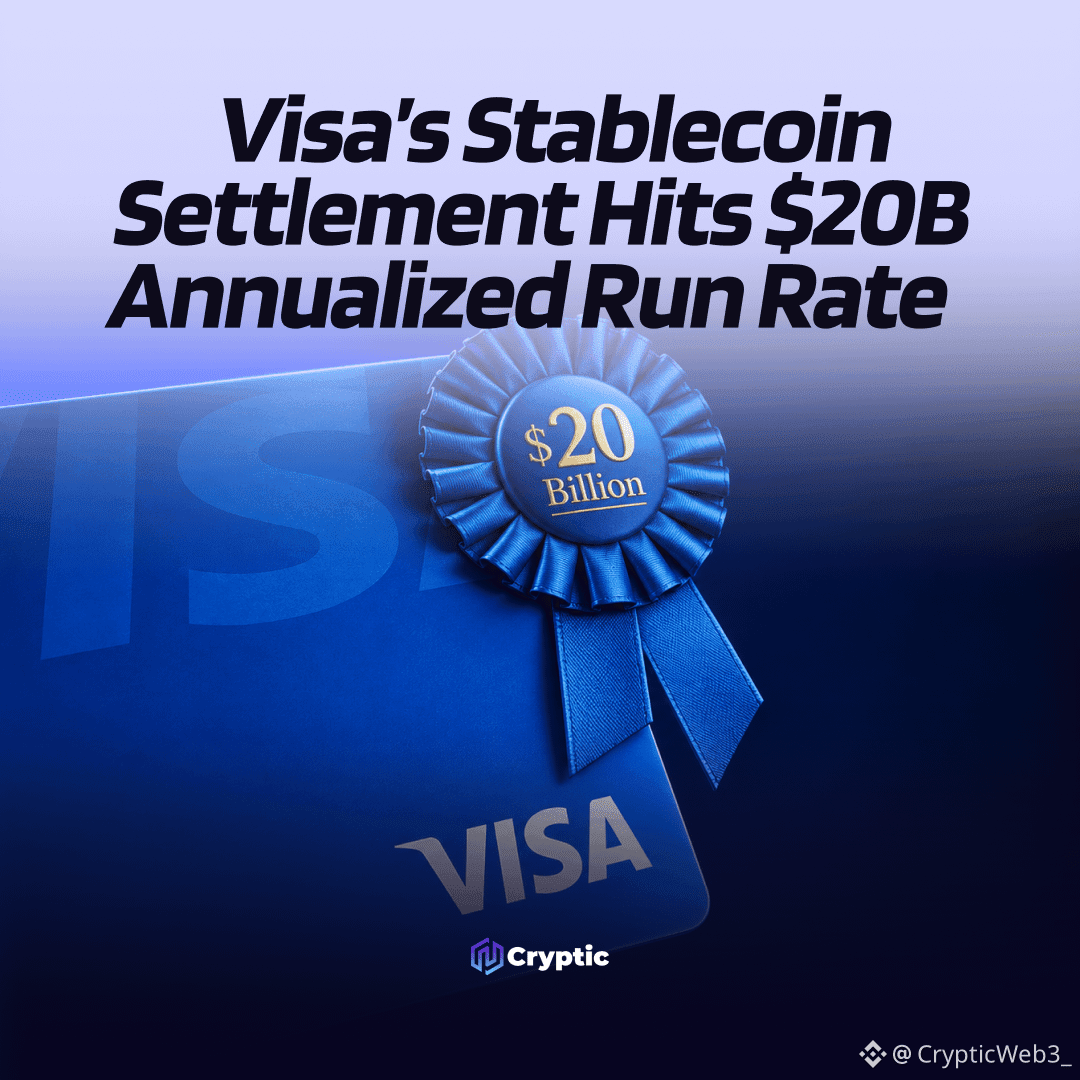
Visa isn’t just adding stablecoins to its payments network. It’s building infrastructure around them.
The company now has 160+ stablecoin-linked card programs globally, with payment volume up nearly 200% YoY.
Stablecoin settlement has surpassed a $20B annualized run rate, up more than 15x in a year.
And Visa is going further:
• Credit Coop has financed $2.5B+ in settlement volume since 2023
• 3,000+ onchain borrow events
• 9,000+ repayments
• Zero defaults across participating facilities
• Rain now supports payouts across 80+ countries and 50 currencies from stablecoins
Visa is effectively connecting stablecoins, cards, settlement and onchain credit into one payment ecosystem.
That’s a much bigger story than crypto cards.
Visa isn’t just adding stablecoins to its payments network. It’s building infrastructure around them.
The company now has 160+ stablecoin-linked card programs globally, with payment volume up nearly 200% YoY.
Stablecoin settlement has surpassed a $20B annualized run rate, up more than 15x in a year.
And Visa is going further:
• Credit Coop has financed $2.5B+ in settlement volume since 2023
• 3,000+ onchain borrow events
• 9,000+ repayments
• Zero defaults across participating facilities
• Rain now supports payouts across 80+ countries and 50 currencies from stablecoins
Visa is effectively connecting stablecoins, cards, settlement and onchain credit into one payment ecosystem.
That’s a much bigger story than crypto cards.
The company now has 160+ stablecoin-linked card programs globally, with payment volume up nearly 200% YoY.
Stablecoin settlement has surpassed a $20B annualized run rate, up more than 15x in a year.
And Visa is going further:
• Credit Coop has financed $2.5B+ in settlement volume since 2023
• 3,000+ onchain borrow events
• 9,000+ repayments
• Zero defaults across participating facilities
• Rain now supports payouts across 80+ countries and 50 currencies from stablecoins
Visa is effectively connecting stablecoins, cards, settlement and onchain credit into one payment ecosystem.
That’s a much bigger story than crypto cards.
1
1
2
82
·
--
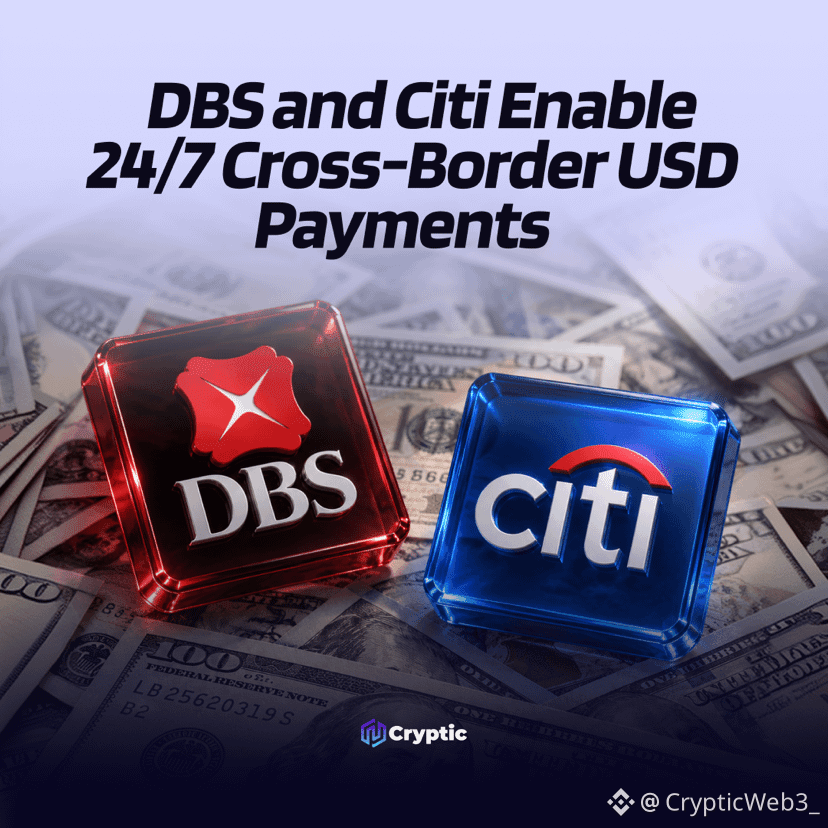
DBS and Citi just made cross-border USD payments work over the weekend. Their first Singapore–US transaction using tokenized deposits took minutes to settle through Swift’s Digital Ledger.
24/7 settlement could give businesses faster access to cash and more certainty when paying suppliers, serving customers and managing corporate treasury operations.
DBS and Citi just made cross-border USD payments work over the weekend. Their first Singapore–US transaction using tokenized deposits took minutes to settle through Swift’s Digital Ledger.
24/7 settlement could give businesses faster access to cash and more certainty when paying suppliers, serving customers and managing corporate treasury operations.
24/7 settlement could give businesses faster access to cash and more certainty when paying suppliers, serving customers and managing corporate treasury operations.
1
1
2
25
·
--
Ghana is getting ready to license crypto businesses.
The Bank of Ghana is preparing new guidelines that will create a framework for eligible virtual asset service providers to operate under regulatory approval.
The new guidelines will bring crypto businesses under a clearer licensing framework as Ghana formalizes its approach to the growing virtual asset sector.
Ghana is getting ready to license crypto businesses.
The Bank of Ghana is preparing new guidelines that will create a framework for eligible virtual asset service providers to operate under regulatory approval.
The new guidelines will bring crypto businesses under a clearer licensing framework as Ghana formalizes its approach to the growing virtual asset sector.
The Bank of Ghana is preparing new guidelines that will create a framework for eligible virtual asset service providers to operate under regulatory approval.
The new guidelines will bring crypto businesses under a clearer licensing framework as Ghana formalizes its approach to the growing virtual asset sector.

1
1
2
82
·
--
The Bangko Sentral ng Pilipinas is proposing a 12-month freeze on new payment-system operator registrations as it reviews its licensing framework.
The draft also introduces tighter controls for payment arrangements involving regulated virtual asset service providers.
The Bangko Sentral ng Pilipinas is proposing a 12-month freeze on new payment-system operator registrations as it reviews its licensing framework.
The draft also introduces tighter controls for payment arrangements involving regulated virtual asset service providers.
The draft also introduces tighter controls for payment arrangements involving regulated virtual asset service providers.

1
1
2
74
·
--
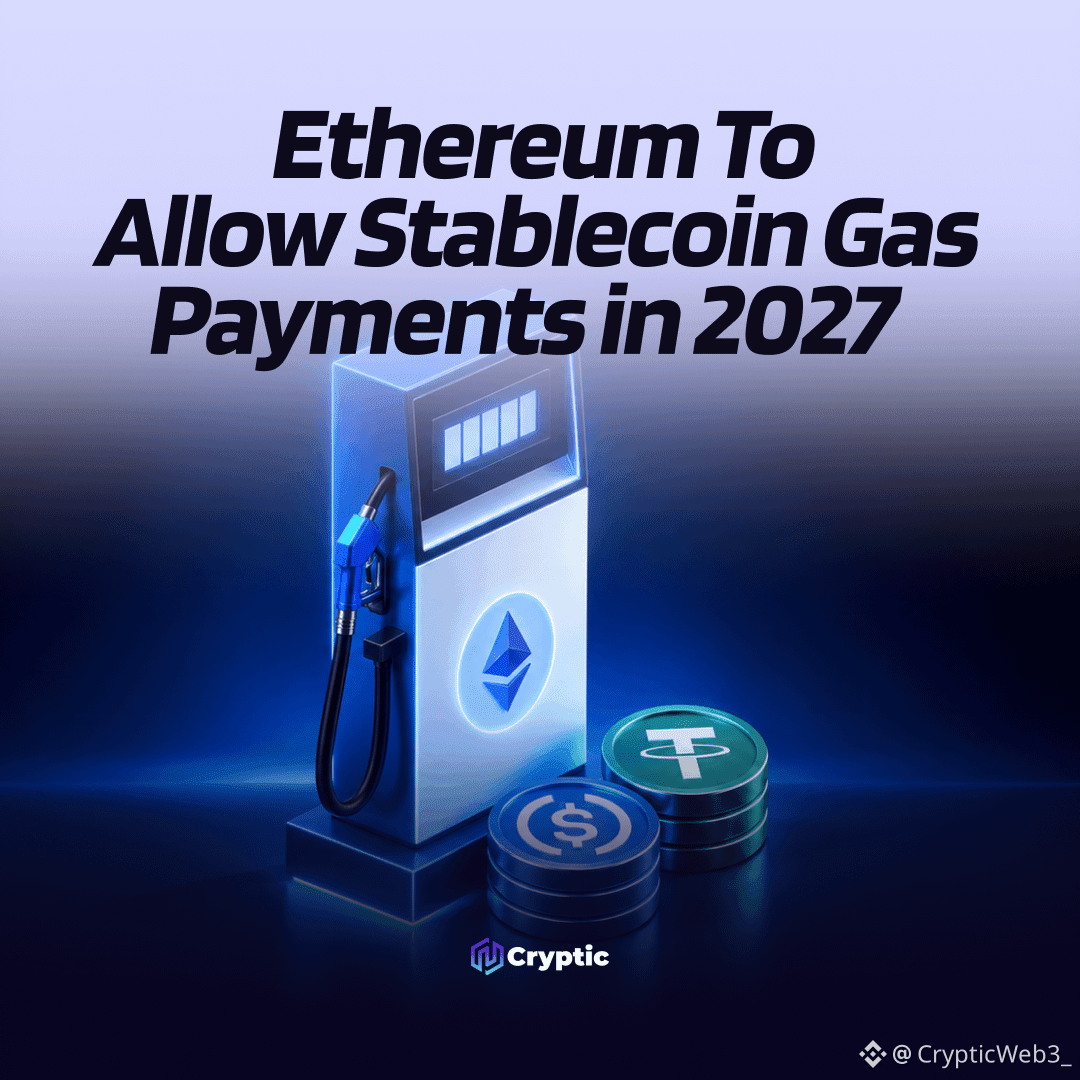
Ethereum developers have scheduled EIP-8141 for the planned 2027 Hegotá upgrade, potentially allowing users to pay gas fees with stablecoins instead of holding $ETH .
The proposal remains a draft, but it could significantly simplify the user experience for Ethereum transactions.
Ethereum developers have scheduled EIP-8141 for the planned 2027 Hegotá upgrade, potentially allowing users to pay gas fees with stablecoins instead of holding $ETH .
The proposal remains a draft, but it could significantly simplify the user experience for Ethereum transactions.
The proposal remains a draft, but it could significantly simplify the user experience for Ethereum transactions.
1
1
2
92
·
--
Verified
Hunter Biden, son of former U.S. President Joe Biden, is launching a memecoin named after his infamous laptop.
• 20% to airdrops, including wallets that lost money on $TRUMP
• 30% to founders
• Up to 30% can be burned based on 30 preset events
$LAPTOP launches September 9 on Base with a 1B supply.
Burn triggers include Bitcoin hitting a new ATH or a Democrat winning the 2028 election. Tokens tied to unmet conditions will be donated to charity.
Hunter Biden, son of former U.S. President Joe Biden, is launching a memecoin named after his infamous laptop.
• 20% to airdrops, including wallets that lost money on $TRUMP
• 30% to founders
• Up to 30% can be burned based on 30 preset events
$LAPTOP launches September 9 on Base with a 1B supply.
Burn triggers include Bitcoin hitting a new ATH or a Democrat winning the 2028 election. Tokens tied to unmet conditions will be donated to charity.
• 20% to airdrops, including wallets that lost money on $TRUMP
• 30% to founders
• Up to 30% can be burned based on 30 preset events
$LAPTOP launches September 9 on Base with a 1B supply.
Burn triggers include Bitcoin hitting a new ATH or a Democrat winning the 2028 election. Tokens tied to unmet conditions will be donated to charity.

1
1
2
1k
·
--
Nike is getting booted from the S&P 100.
The sportswear giant has fallen to a 12-year stock price low after years of weak growth, shrinking margins and challenges in Greater China.
S&P Dow Jones Indices announced the removal on September 4 as part of its quarterly rebalance, replacing Nike with other companies in the index.
Nike is getting booted from the S&P 100.
The sportswear giant has fallen to a 12-year stock price low after years of weak growth, shrinking margins and challenges in Greater China.
S&P Dow Jones Indices announced the removal on September 4 as part of its quarterly rebalance, replacing Nike with other companies in the index.
The sportswear giant has fallen to a 12-year stock price low after years of weak growth, shrinking margins and challenges in Greater China.
S&P Dow Jones Indices announced the removal on September 4 as part of its quarterly rebalance, replacing Nike with other companies in the index.

1
1
3
37
·
--
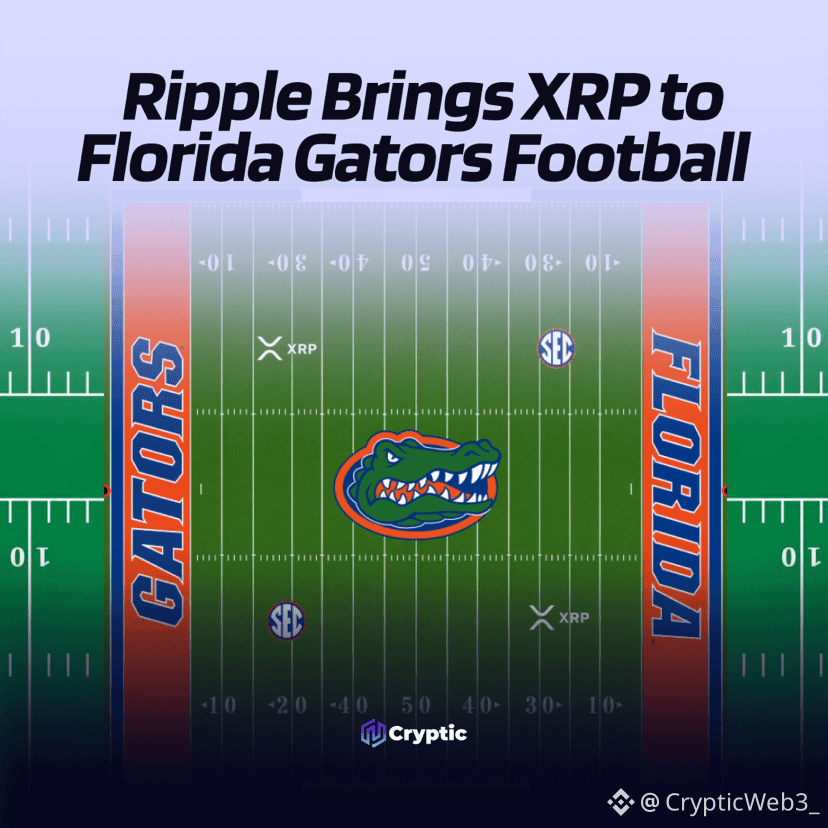
XRP has officially hit the Florida Gators football field.
Ripple’s new partnership with FloridaGators brings XRP branding to Ben Hill Griffin Stadium throughout the 2026 season.
Beyond branding, the partnership will provide education on traditional finance and digital assets to Florida’s student-athletes and wider campus community.
XRP has officially hit the Florida Gators football field.
Ripple’s new partnership with FloridaGators brings XRP branding to Ben Hill Griffin Stadium throughout the 2026 season.
Beyond branding, the partnership will provide education on traditional finance and digital assets to Florida’s student-athletes and wider campus community.
Ripple’s new partnership with FloridaGators brings XRP branding to Ben Hill Griffin Stadium throughout the 2026 season.
Beyond branding, the partnership will provide education on traditional finance and digital assets to Florida’s student-athletes and wider campus community.
2
2
3
6
·
--
Verified
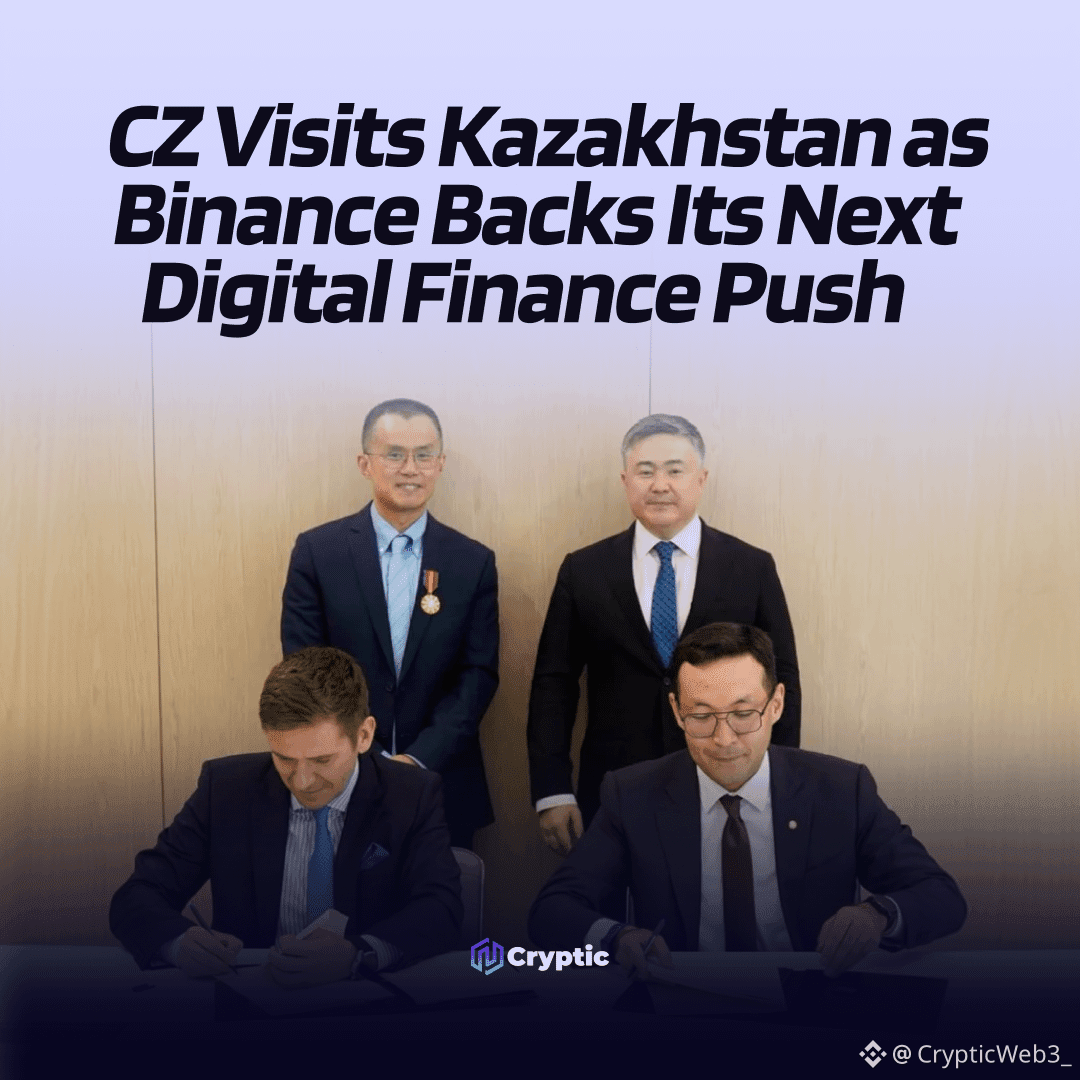
CZ Visits Kazakhstan as Binance Expands Its Digital Finance Push 🇰🇿
Binance has signed three agreements with Kazakhstan’s Ministry of AI and Digital Development, National Bank and AIFC.
The deals cover a potential local stablecoin, new crypto payment infrastructure and expanding the use of digital assets across investment programs.
Binance and Kazakhstan are also exploring new payment products and a roadmap for digital financial infrastructure, including potential regional operations in the country.
Kazakhstan is quickly moving from regulating crypto to building around it.
CZ Visits Kazakhstan as Binance Expands Its Digital Finance Push 🇰🇿
Binance has signed three agreements with Kazakhstan’s Ministry of AI and Digital Development, National Bank and AIFC.
The deals cover a potential local stablecoin, new crypto payment infrastructure and expanding the use of digital assets across investment programs.
Binance and Kazakhstan are also exploring new payment products and a roadmap for digital financial infrastructure, including potential regional operations in the country.
Kazakhstan is quickly moving from regulating crypto to building around it.
Binance has signed three agreements with Kazakhstan’s Ministry of AI and Digital Development, National Bank and AIFC.
The deals cover a potential local stablecoin, new crypto payment infrastructure and expanding the use of digital assets across investment programs.
Binance and Kazakhstan are also exploring new payment products and a roadmap for digital financial infrastructure, including potential regional operations in the country.
Kazakhstan is quickly moving from regulating crypto to building around it.
1
1
6
286
·
--
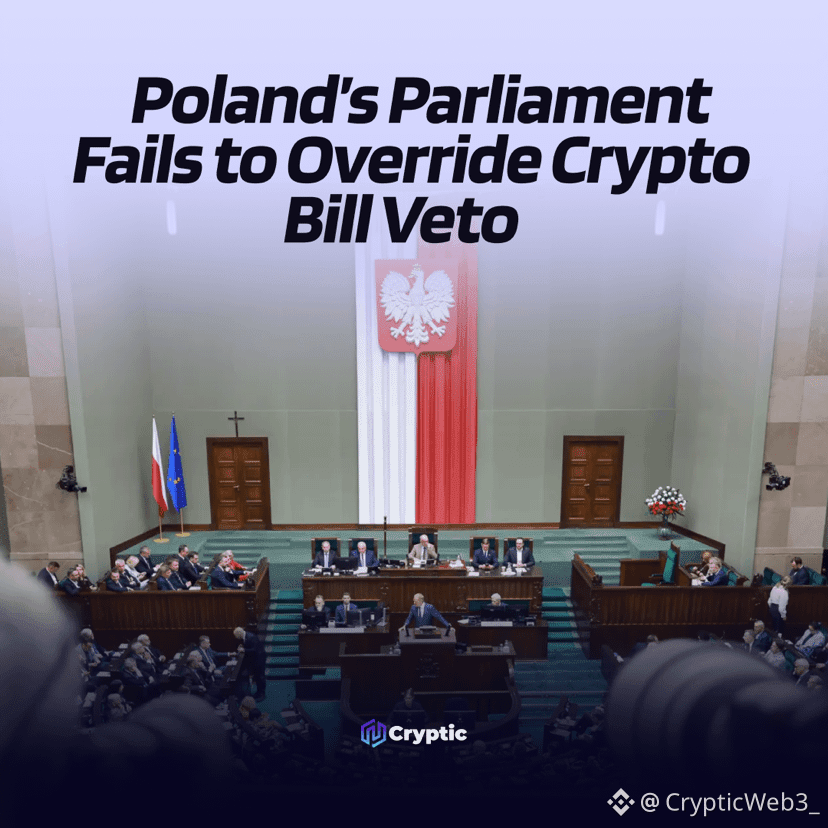
Poland’s crypto regulation just hit another roadblock.
Parliament failed to override President Karol Nawrocki’s veto, leaving the country without the proposed regulatory framework.
Nawrocki opposed the bill over concerns about compliance costs and the powers it would give authorities, including the ability to block websites. The debate comes as prosecutors investigate Polish exchange Zondacrypto over suspected fraud and money laundering involving losses of at least 350 million PLN.
Poland’s crypto regulation just hit another roadblock.
Parliament failed to override President Karol Nawrocki’s veto, leaving the country without the proposed regulatory framework.
Nawrocki opposed the bill over concerns about compliance costs and the powers it would give authorities, including the ability to block websites. The debate comes as prosecutors investigate Polish exchange Zondacrypto over suspected fraud and money laundering involving losses of at least 350 million PLN.
Parliament failed to override President Karol Nawrocki’s veto, leaving the country without the proposed regulatory framework.
Nawrocki opposed the bill over concerns about compliance costs and the powers it would give authorities, including the ability to block websites. The debate comes as prosecutors investigate Polish exchange Zondacrypto over suspected fraud and money laundering involving losses of at least 350 million PLN.
1
1
3
5
·
--
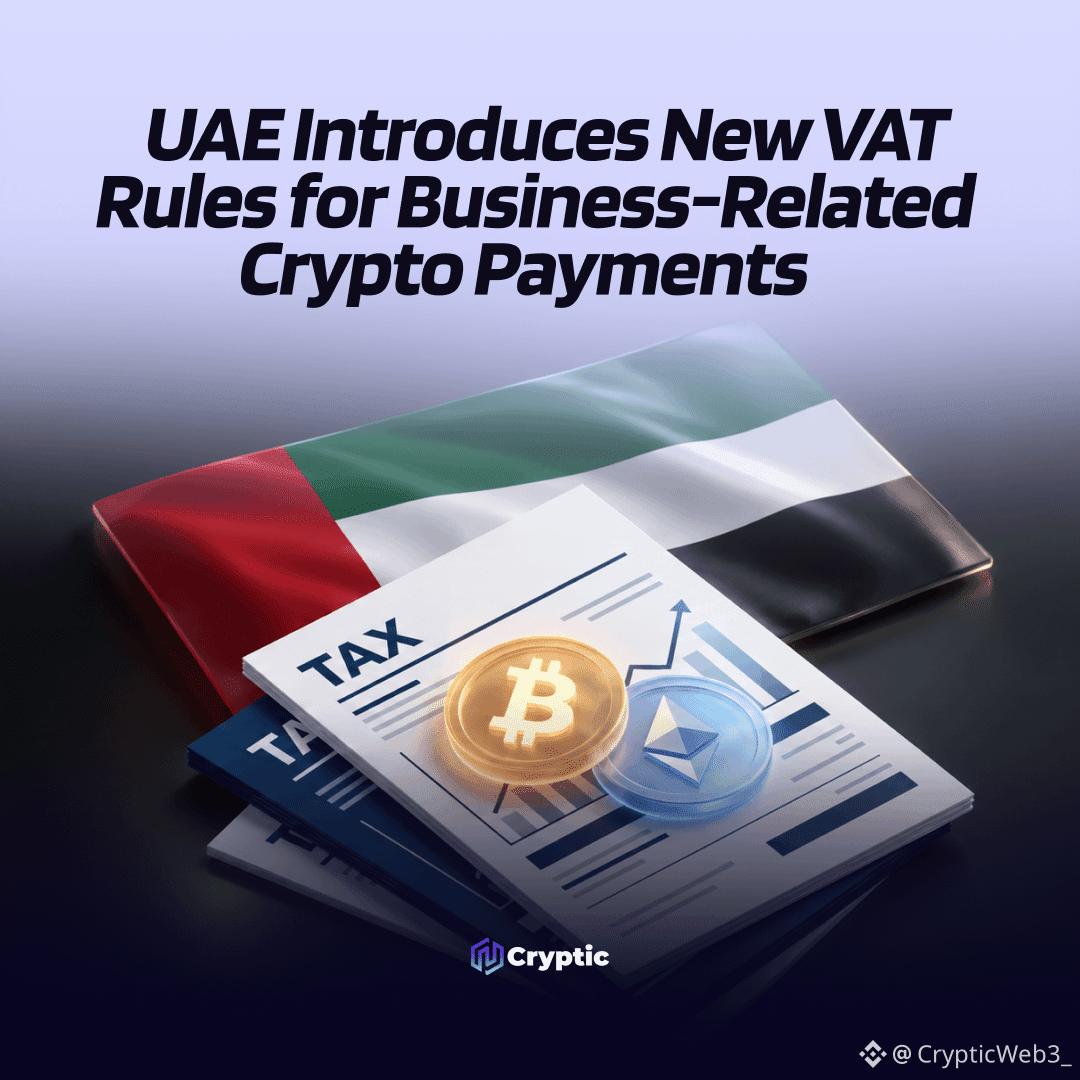
The UAE Federal Tax Authority has introduced new rules for how businesses value digital-currency transactions for VAT reporting.
Companies accepting crypto payments must use a standardized three-exchange method to determine the AED value of each transaction.
The UAE Federal Tax Authority has introduced new rules for how businesses value digital-currency transactions for VAT reporting.
Companies accepting crypto payments must use a standardized three-exchange method to determine the AED value of each transaction.
Companies accepting crypto payments must use a standardized three-exchange method to determine the AED value of each transaction.
1
1
3
37
·
--
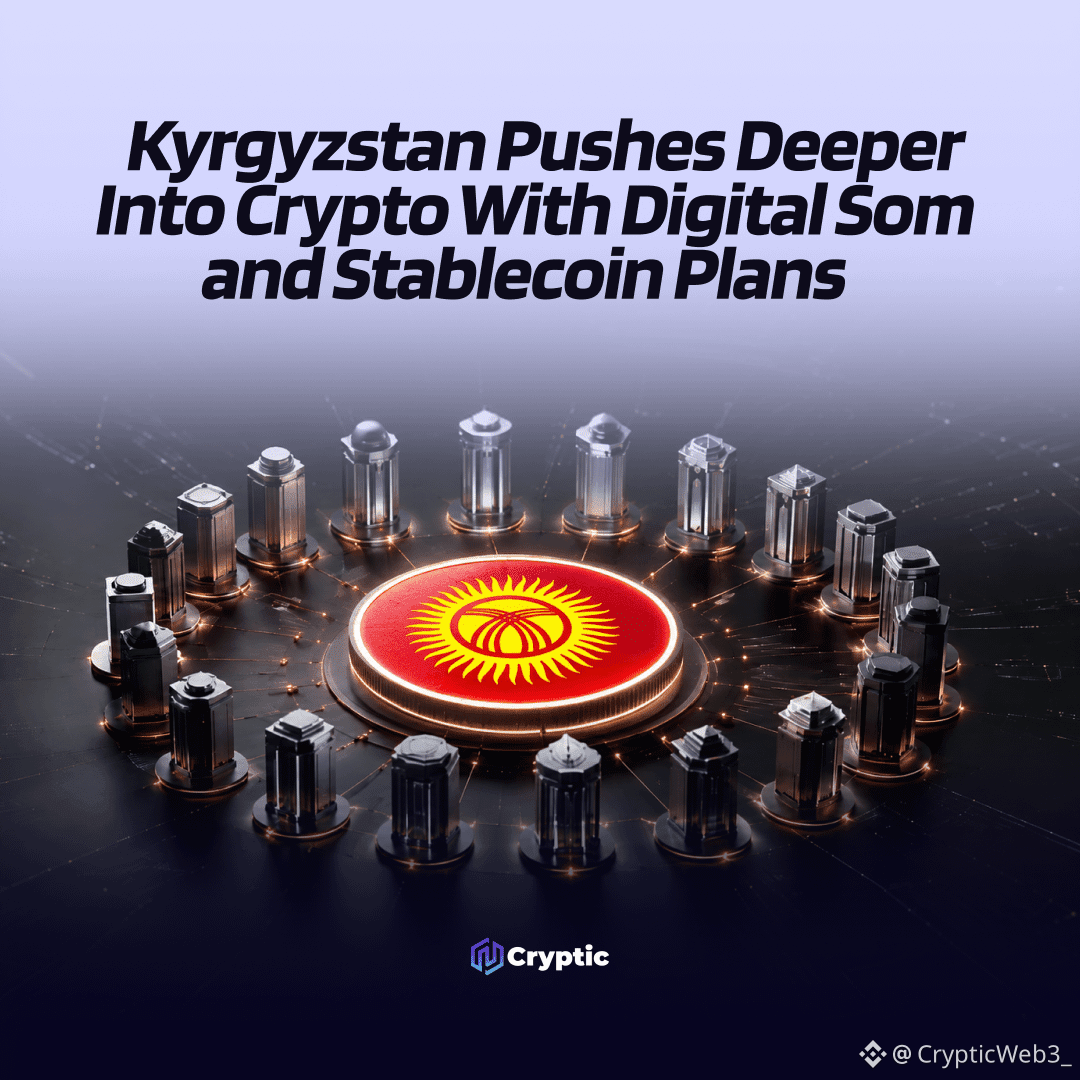
Kyrgyzstan is preparing to test its central bank digital currency, the digital som, in a limited pilot environment.
Officials also discussed KGST, a stablecoin pegged 1:1 to the Kyrgyz som, as part of the country's broader digital asset strategy.
Kyrgyzstan is preparing to test its central bank digital currency, the digital som, in a limited pilot environment.
Officials also discussed KGST, a stablecoin pegged 1:1 to the Kyrgyz som, as part of the country's broader digital asset strategy.
Officials also discussed KGST, a stablecoin pegged 1:1 to the Kyrgyz som, as part of the country's broader digital asset strategy.
1
1
3
116
·
--
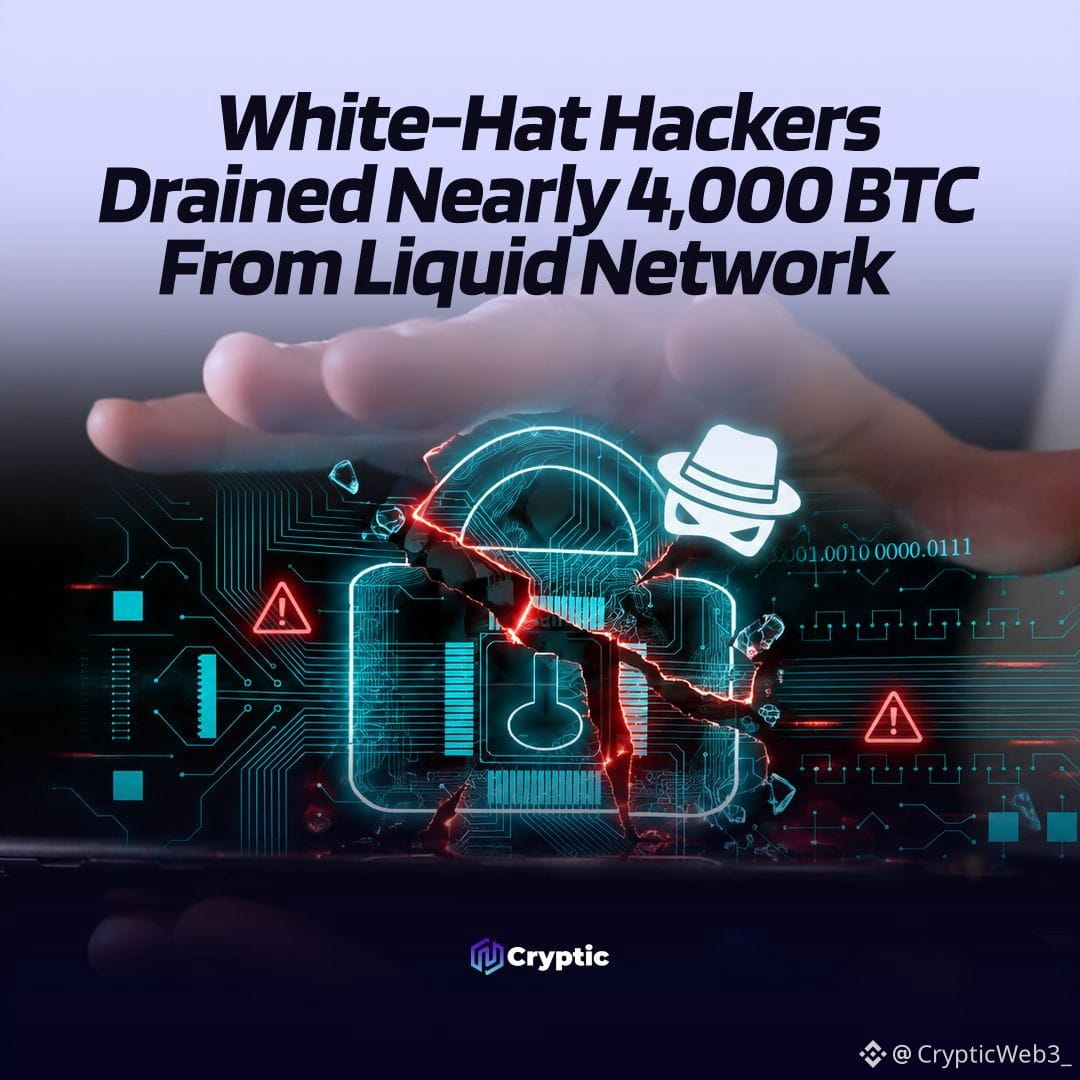
NEARLY 4,000 $BTC JUST LEFT LIQUID NETWORK 🚨
Around 4,000 BTC worth roughly $320M was withdrawn from the Liquid Federation wallet.
The actors behind the withdrawal left an on-chain message:
“we are whitehats. contact us on chain.”
Liquid says the funds were withdrawn through the SideSwap PAK, but the authorization key itself was not compromised.
The network has since disabled its bridge nodes and paused new transactions while Blockstream attempts to contact the unidentified actors.
The hacker is now communicating with network maintainers and says they intend to return the BTC after the vulnerability is fixed.
NEARLY 4,000 $BTC JUST LEFT LIQUID NETWORK 🚨
Around 4,000 BTC worth roughly $320M was withdrawn from the Liquid Federation wallet.
The actors behind the withdrawal left an on-chain message:
“we are whitehats. contact us on chain.”
Liquid says the funds were withdrawn through the SideSwap PAK, but the authorization key itself was not compromised.
The network has since disabled its bridge nodes and paused new transactions while Blockstream attempts to contact the unidentified actors.
The hacker is now communicating with network maintainers and says they intend to return the BTC after the vulnerability is fixed.
Around 4,000 BTC worth roughly $320M was withdrawn from the Liquid Federation wallet.
The actors behind the withdrawal left an on-chain message:
“we are whitehats. contact us on chain.”
Liquid says the funds were withdrawn through the SideSwap PAK, but the authorization key itself was not compromised.
The network has since disabled its bridge nodes and paused new transactions while Blockstream attempts to contact the unidentified actors.
The hacker is now communicating with network maintainers and says they intend to return the BTC after the vulnerability is fixed.
2
2
3
246
Log in to explore more content
Join global crypto users on Binance Square
⚡️ Get latest and useful information about crypto.
💬 Trusted by the world’s largest crypto exchange.
👍 Discover real insights from verified creators.
Email / Phone number
Trending Topics
AppleDebutsFoldablePhone
28,651 views
614 Discussing
Apple just dropped the foldable iPhone — and the market is paying attention. This isn't just another product cycle; it's a new product category, a new CEO on stage, and a $1,999 price tag that pushes $AAPL further into ultra-premium territory. Foldables are the narrative, and Apple is now the headline.
#appledebutsfoldablephone #EUExtendsCentralContactPointToCASPs #US10YTreasuryYieldHitsHighestSinceNov2023 #BrentCrudeTops$100 #USTreasuryToBuyBackUpTo$6BLongDatedDebt
KimHotbae
·2 Likes
·2.8k views
TSMCAugustRevenueUp53.3%YoY
1,800 views
112 Discussing
IranSaysReadyToEscalateWarWithUS
4,737 views
153 Discussing