
The challenges of decentralized data storage are well-known: high costs, inefficiency, availability concerns, and reliance on centralized services that contradict Web3 ideals. Walrus Protocol approaches these problems with a practical and developer-centric solution, built from the ground up on the Sui blockchain and designed to make large-scale data storage secure, verifiable, and efficient.
Designed for Large-Scale, High-Integrity Storage
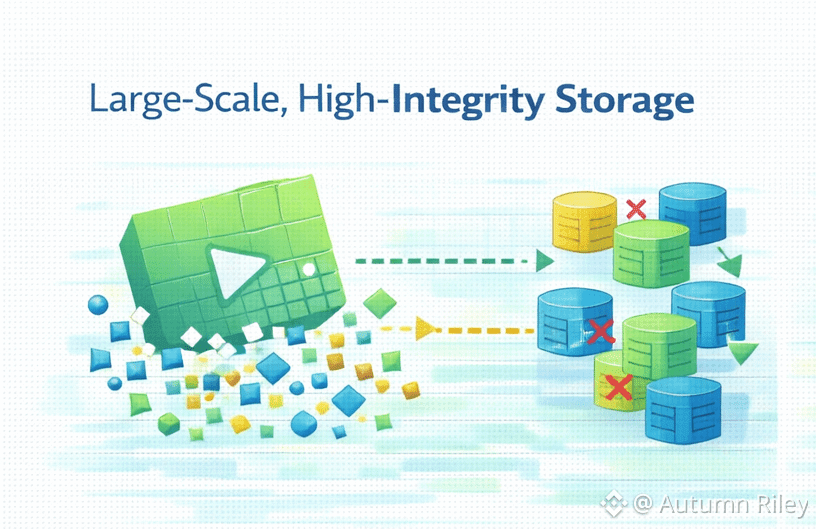
Unlike traditional storage systems that depend on full replication or centralized servers, Walrus uses advanced encoding and distribution techniques to handle large binary objects (“blobs”) such as videos, AI datasets, and blockchain history. By breaking data into coded fragments and distributing them across decentralized nodes, Walrus preserves availability even when nodes fail — offering true censorship-resistant storage that aligns with the core principles of Web3.
Built on Sui for Performance and Flexibility
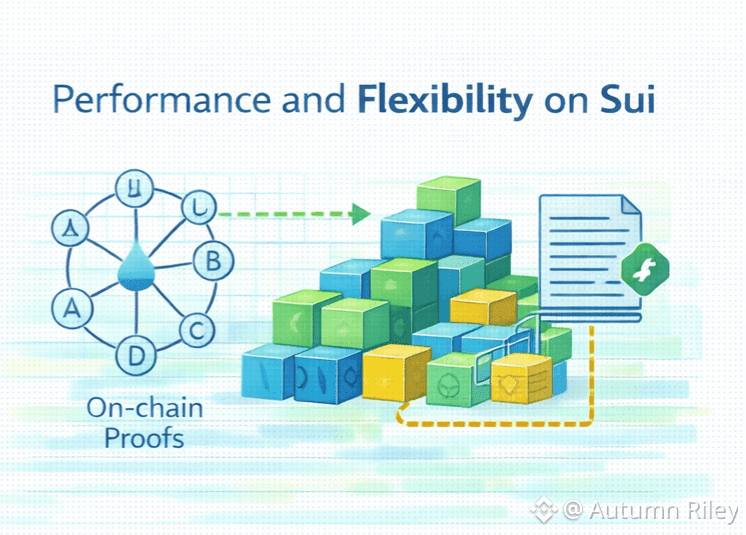
Walrus is designed to integrate seamlessly with the Sui ecosystem, taking advantage of Sui’s high-performance execution model while enabling programmable storage as a first-class on-chain resource. Stored “blob” objects are tracked and managed via on-chain proofs, ensuring developers can build dynamic applications without sacrificing reliability.
Real World Integration and Ecosystem Growth
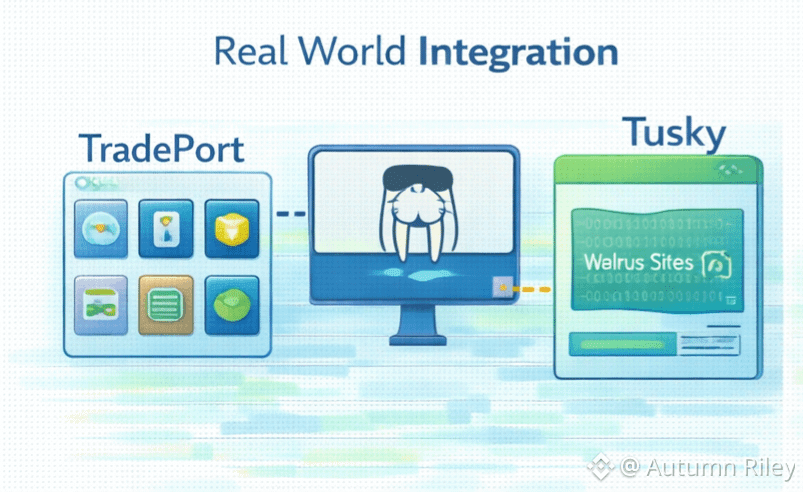
The protocol’s real-world traction speaks to its utility. Projects like TradePort and Tusky are integrating Walrus for decentralized content and NFT metadata storage, using its decentralized architecture to avoid the pitfalls of single-point failures and centralized gatekeepers.
Meanwhile, Walrus Sites extends this infrastructure to fully decentralized frontends, empowering developers to build onchain applications with scalable storage right out of the box.
Efficient and Cost-Effective Design
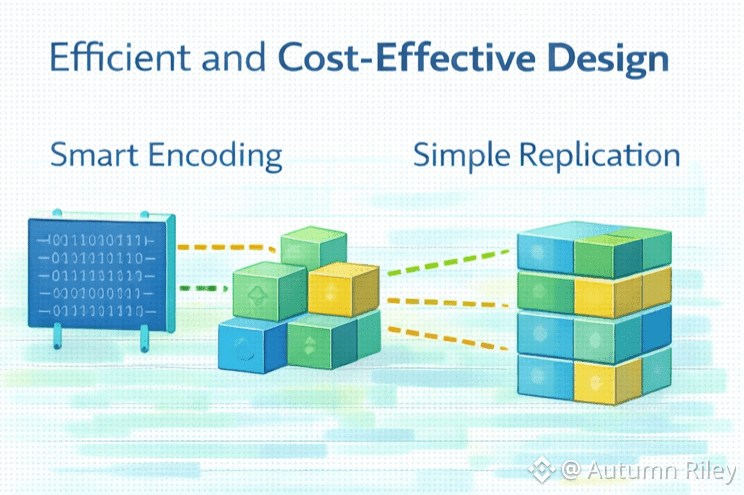
A major advantage of Walrus is its cost efficiency. By using smart encoding rather than simple replication, the protocol minimizes storage overhead while maintaining robustness against data loss. This makes Walrus highly competitive with both centralized cloud storage and other decentralized alternatives.
Token Utility That Supports Growth
The $WAL token isn’t just a tradable asset — it powers the economic layer of the protocol. It’s used for storage fees, staking to support network security, and governance participation, aligning economic incentives with network reliability and participation.
Final Take
Walrus Protocol offers a practical, scalable, and developer-friendly approach to decentralized storage that bridges the gap between theory and real application. Its blend of strong decentralization, efficient encoding, and ecosystem integrations positions it as a meaningful infrastructure layer for builders focusing on NFTs, AI datasets, media, and more. As Web3 workflows evolve, Walrus is a protocol worth watching — not just for its technical design, but for the growing community and real projects building on it. #walrus $WAL @Walrus 🦭/acc

