

The current market is not rewarding imagination. Liquidity is tight, sentiment is fragile, and anything framed as “the future of everything” gets ignored or sold into. In this environment, Plasma ($XPL) stands out not because it is loud, but because it is narrow in intent.
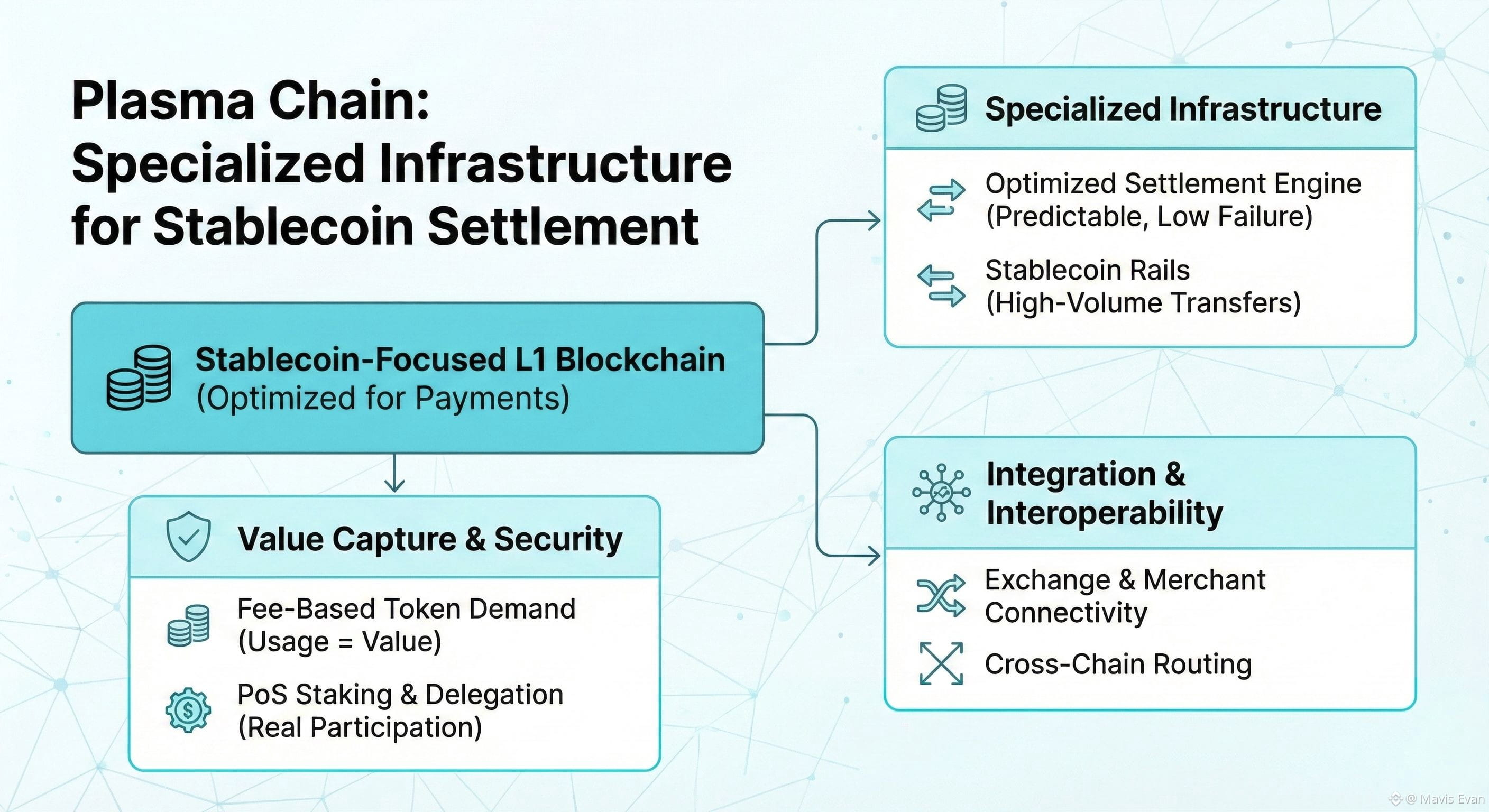
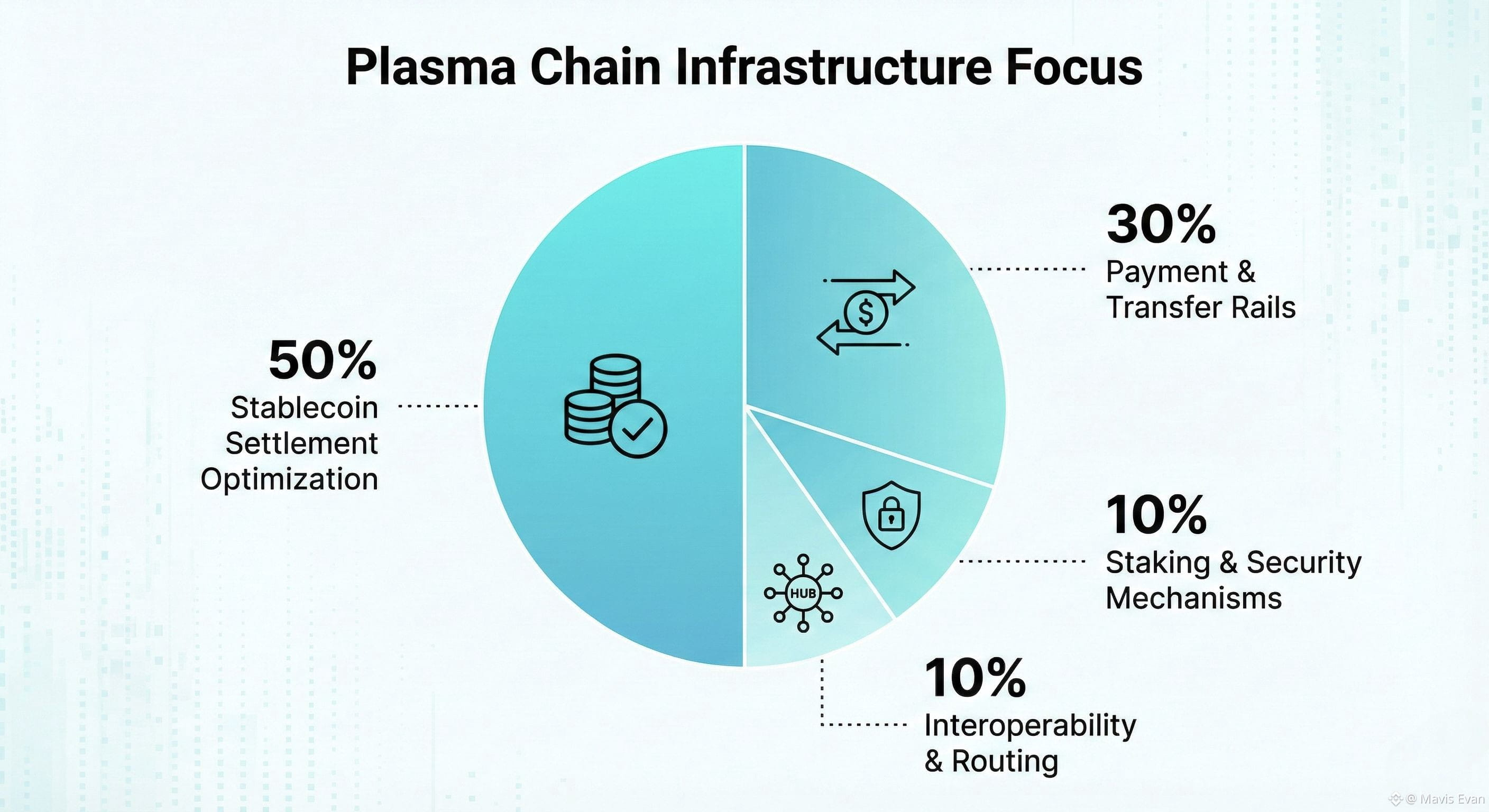
Plasma is not trying to be another general-purpose L1. It is positioning itself as infrastructure for stablecoin settlement, with a clear focus on payments, transfers, and predictable transaction behavior. That distinction matters more in 2026 than it did during narrative-heavy cycles.
Trading Reality vs Market Belief
On paper, $XPL shows a contradiction the market has not resolved yet. The market cap sits around the mid-$100M range, while daily trading volume frequently reaches a large percentage of that valuation. This usually signals three things: heavy rotation, short holding periods, and weak conviction among participants.
Price performance confirms this. Medium-term drawdowns have been sharp, even during periods of elevated attention. The takeaway is simple. The market is trading XPL as an event-driven asset, not pricing it as long-term infrastructure equity yet. That does not invalidate the project, but it defines how it is currently being valued.
Why Stablecoin Rails Are the Actual Narrative
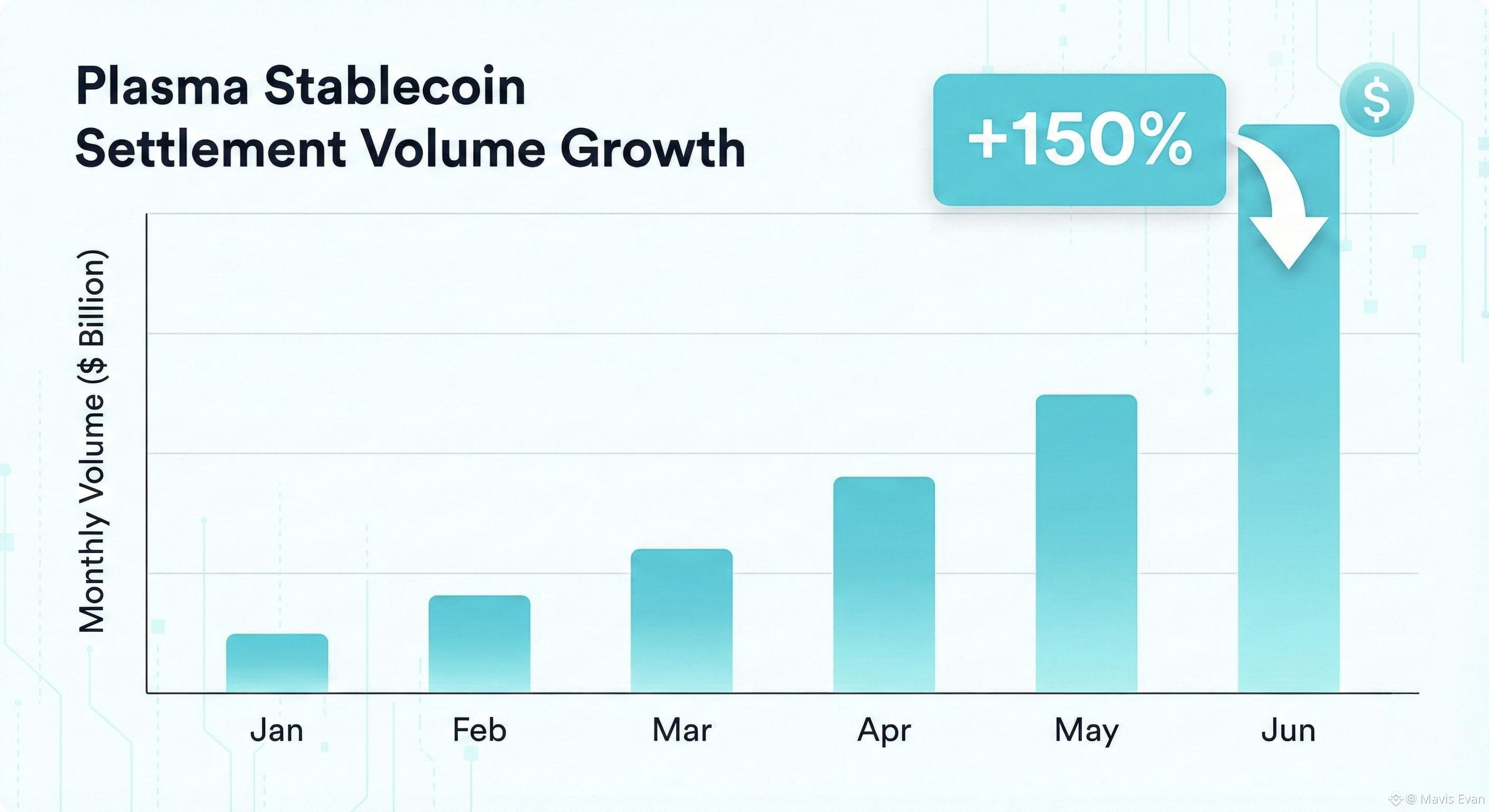
The real tailwind behind Plasma is not “another chain.” It is the steady expansion of stablecoin usage as payment and settlement rails. Unlike DeFi cycles or application hype, stablecoins solve a clear business problem: moving value cheaply, reliably, and at scale.
Plasma’s approach is intentionally restrained. Instead of chasing apps, it optimizes for transaction relevance. Stablecoin transfers do not need spectacle. They need consistency, low failure rates, and predictable costs. This is slower to gain attention, but stickier once embedded.
If stablecoin flows continue to grow across exchanges, merchants, and cross-chain routing, infrastructure that reduces friction quietly becomes critical.
Value Capture Is the Real Test
The strongest risk for any “stablecoin L1” is hollow value capture. Usage alone is not enough. The important questions are structural.
Who pays fees, and in what form?
Where do those fees go?
Does increased transaction volume translate into token demand, or just network activity?
If fees remain compressed without a clear mechanism tying usage back to $XPL, the chain risks becoming a busy highway with no tolls. That is sustainable for users, but not for token holders.
Staking and Supply Dynamics Matter More Than Headlines
Planned PoS staking and delegation are meaningful, but not automatically bullish. Staking only helps if it reduces circulating pressure without replacing it with high inflation. The key metrics post-launch will be the real staking participation rate and whether rewards are funded by fees or pure issuance.
Supply unlocks add another layer of realism. Known lock-up expiries in 2026 mean the second half of the year should be treated as a stress test window. If real settlement volume and fee generation are not visible by then, price weakness would be rational, not emotional.
Competition Is About Patience, Not Chains
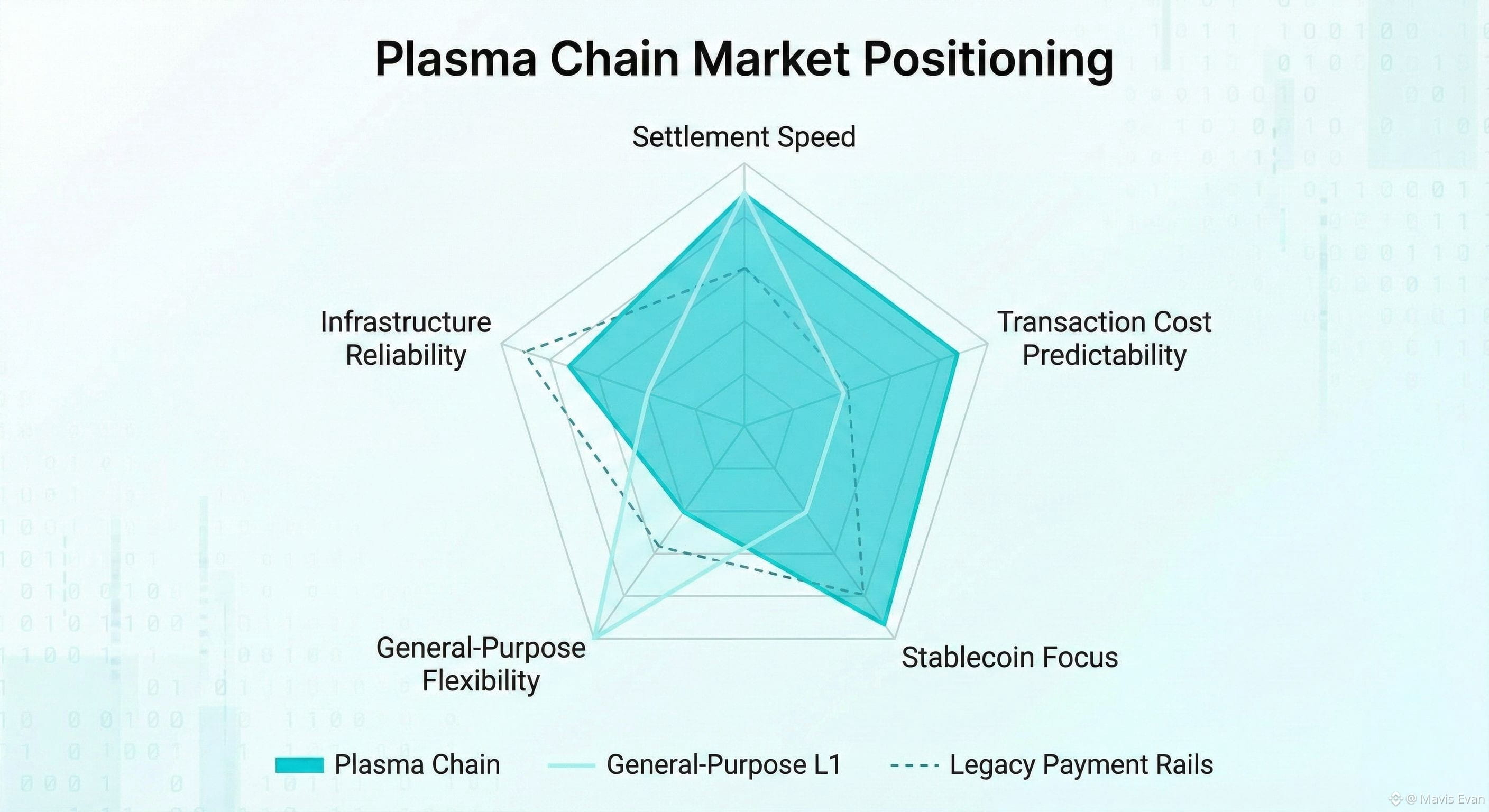
Plasma is not competing mainly with other blockchains. Its real competition is user habit. Exchange internal transfers, existing L2 rails, and traditional payment channels already feel “good enough” for most users.
The only durable moat here is engineering execution. Fewer steps, fewer errors, faster settlement, and reliability that does not change with market mood. These qualities are hard to market and slow to price, but they define infrastructure that survives beyond cycles.
How This Gets Traded Rationally
Until fee capture, staking economics, and stablecoin settlement data are clearly established, XPL makes more sense as a monitored, event-driven asset than a blind conviction hold. The signals that matter are not social buzz, but sustained on-chain usage, post-staking supply behavior, and how the market prices unlock risk ahead of time.
The projects that endure are often the least entertaining. Plasma is betting that repetition beats excitement, and that transactions matter more than attention.
Plasma is not a story about faith. It is a test of whether stablecoin settlement can become a defensible, revenue-generating layer. The direction is practical, the engineering focus is credible, and the use case is real.
But none of that grants a free premium.
If $XPL turns stablecoin traffic into measurable value capture before supply pressure peaks, conviction will form naturally. If it does not, the market will not be wrong for staying cautious.
This is worth tracking closely. Just do not confuse “stablecoin L1” with guaranteed upside.

