
When most people talk about blockchain scaling, the conversation tends to drift toward numbers. Higher throughput. Lower fees. Faster confirmations. Those metrics matter, especially when networks are under pressure, but they don’t tell the full story. What often gets overlooked is how scaling choices change the relationship between users and the systems they rely on. Not when everything works smoothly, but when something breaks.
This is where Plasma becomes more than just a technical concept. It becomes a statement about responsibility.
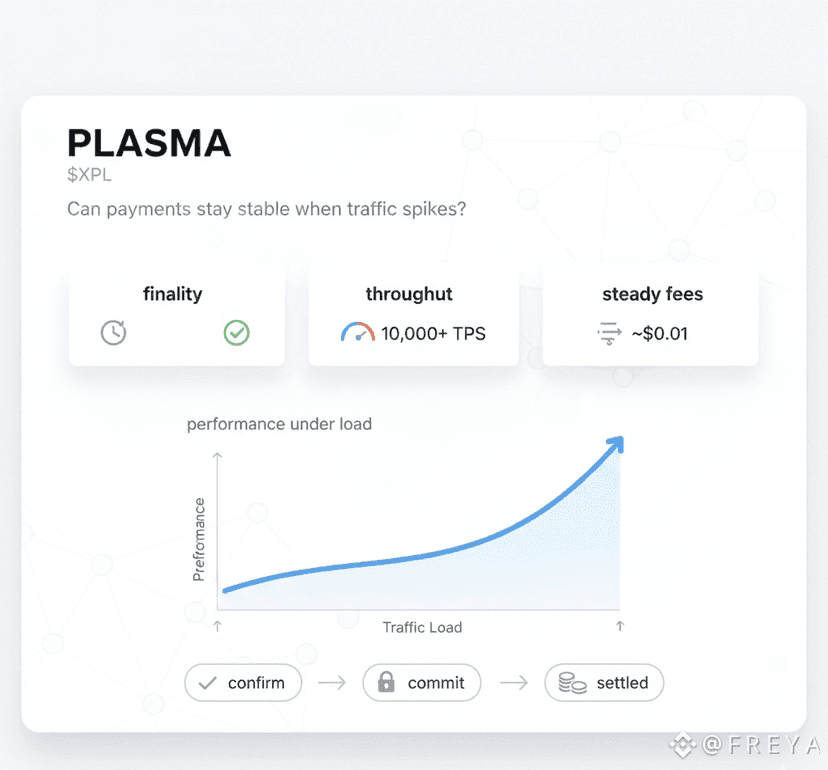
Plasma emerged from an early realization that scaling blockchains by moving activity off the main chain introduces a new kind of risk. When transactions are processed elsewhere, someone is operating that system. Someone controls availability. Someone can fail. Early scaling discussions sometimes treated this as a necessary trade-off, assuming that efficiency justified a bit of extra trust. Plasma challenged that assumption directly.
Instead of asking users to trust operators indefinitely, Plasma was designed around a simple safeguard: users must always be able to leave.
That idea sounds straightforward, but it has deep implications. Plasma systems allow transactions to be executed offchain for efficiency, while anchoring security back to the base layer. If an operator goes offline, acts maliciously, or stops cooperating, users are not trapped. They can exit by presenting cryptographic proof of their rightful state back to the main chain. This exit mechanism is not an emergency feature. It is the core of the design.
What I find important about Plasma is that it treats failure as inevitable rather than hypothetical. Networks go down. Incentives break. Humans make mistakes. Instead of pretending these things won’t happen, Plasma builds around them. It assumes the worst and plans accordingly. That mindset is rare in an industry that often markets best-case scenarios.
Plasma also introduces a different way of thinking about time. Exits are not instant. They involve waiting periods and challenge windows. At first glance, this feels inconvenient. But that friction exists for a reason. It allows disputes to be raised and resolved fairly. It ensures that incorrect claims can be challenged before funds are finalized. Plasma accepts short-term inconvenience in exchange for long-term safety.
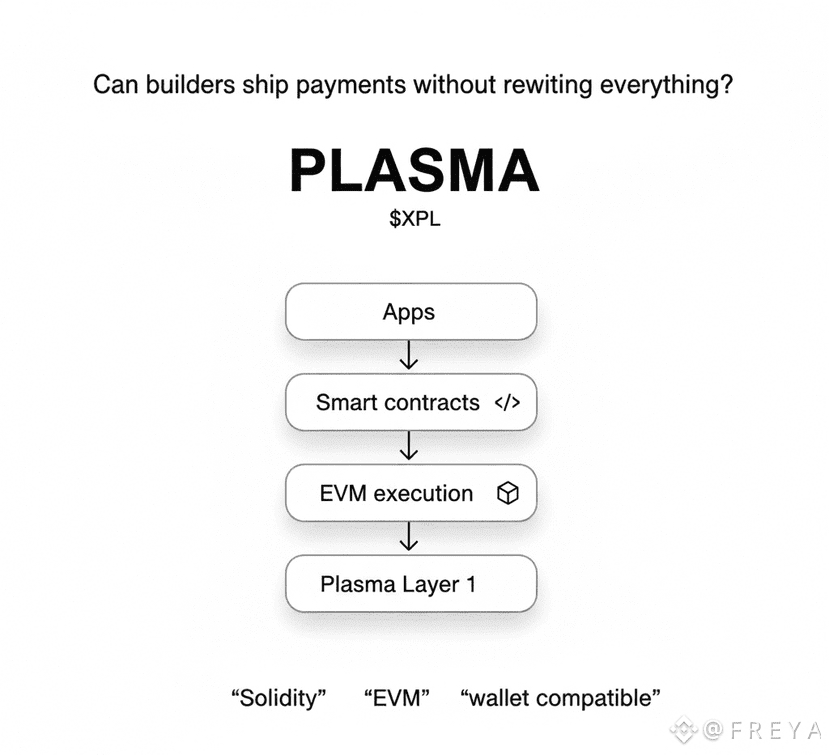
This trade-off reflects a broader philosophy. Speed is valuable, but not if it comes at the cost of user sovereignty. Plasma prioritizes control over comfort. It assumes that users would rather tolerate some complexity than unknowingly give up their ability to protect themselves.
Over the years, the importance of this philosophy has become clearer. The ecosystem has seen multiple incidents where withdrawals were paused, bridges failed, or systems required centralized intervention to recover. In those moments, users discovered that they had no clear exit path. Plasma was designed specifically to avoid that outcome.
Another aspect worth noting is how Plasma reshapes incentives. Operators are still motivated to behave correctly, but the system does not rely on goodwill alone. The presence of enforceable exits creates accountability. Operators know that misbehavior can be challenged. Users know that they are not dependent on promises. This balance creates a healthier dynamic between infrastructure providers and participants.
I’m also seeing Plasma’s influence extend beyond its direct implementations. Many modern scaling solutions incorporate ideas that Plasma popularized, even if they don’t use the framework explicitly. Fraud proofs, dispute mechanisms, and user exit rights are now standard topics in scaling design. Plasma helped shift the conversation from pure performance to resilience.
What makes Plasma feel especially relevant today is the changing nature of Web3 usage. Early experimentation involved relatively small amounts of value and users willing to take risks. Today, more value flows through decentralized systems, and expectations have changed. People want to know what happens when things go wrong. They want clarity, not optimism.
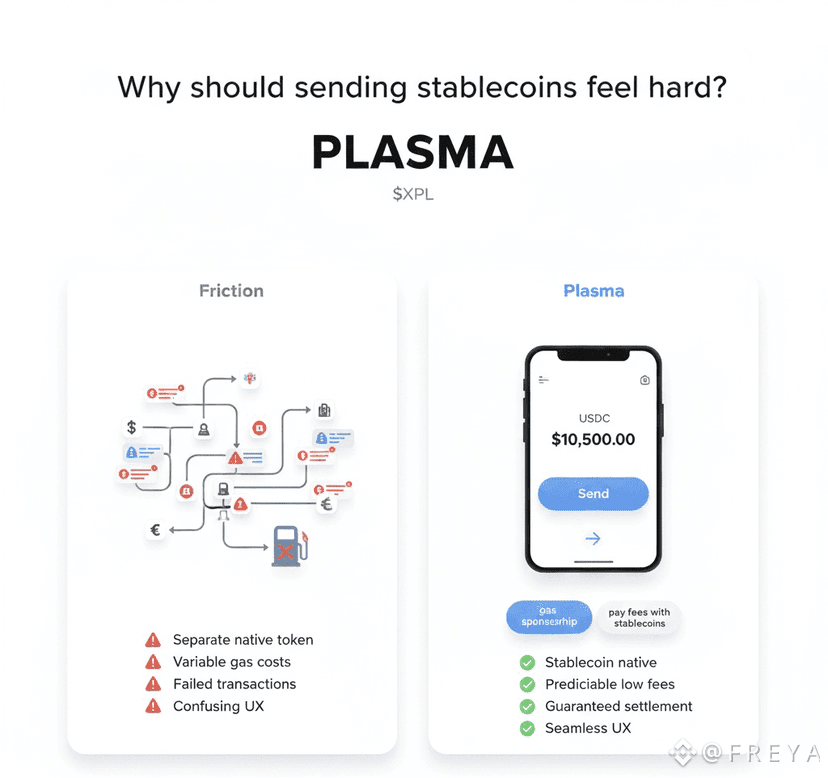
Plasma offers that clarity. It does not promise that failures won’t happen. It promises that users will not be powerless when they do.
There is also a subtle psychological benefit to this design. When users know they can exit, they participate more confidently. Trust becomes conditional rather than blind. That conditional trust is healthier, especially in decentralized systems where no single party should be above scrutiny.
As blockchain continues to mature, scaling solutions will be judged less by marketing claims and more by behavior under stress. How does the system respond when operators fail? How transparent is the recovery process? How much control do users retain? Plasma was built with these questions in mind long before they became mainstream concerns.
In many ways, Plasma feels less like a shortcut to scalability and more like a reminder of first principles. Decentralization is not just about distributing computation. It is about preserving agency. Any scaling solution that removes the ability to exit quietly shifts power away from users, even if unintentionally.
Plasma insists that scaling should expand access without narrowing freedom. It treats the base layer not as a bottleneck to escape, but as a foundation to rely on. That perspective may not produce the flashiest demos, but it produces systems that people can trust under pressure.
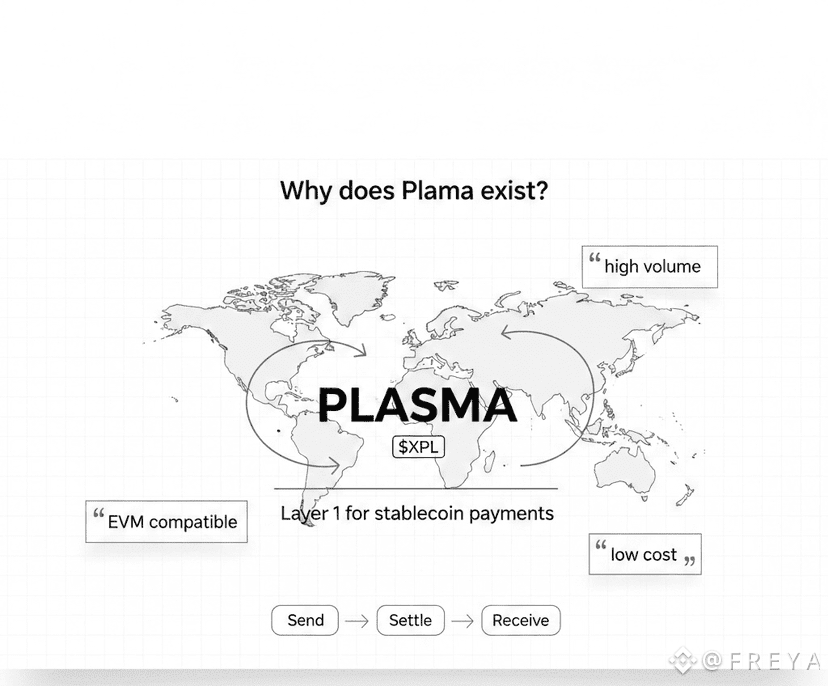
As Web3 moves from experimentation to responsibility, designs like Plasma’s become increasingly important. They show that it is possible to scale without forgetting who the system is supposed to serve.
Sometimes the most meaningful progress isn’t about doing more. It’s about making sure people can always step back safely.
Plasma was built with that understanding at its core.
