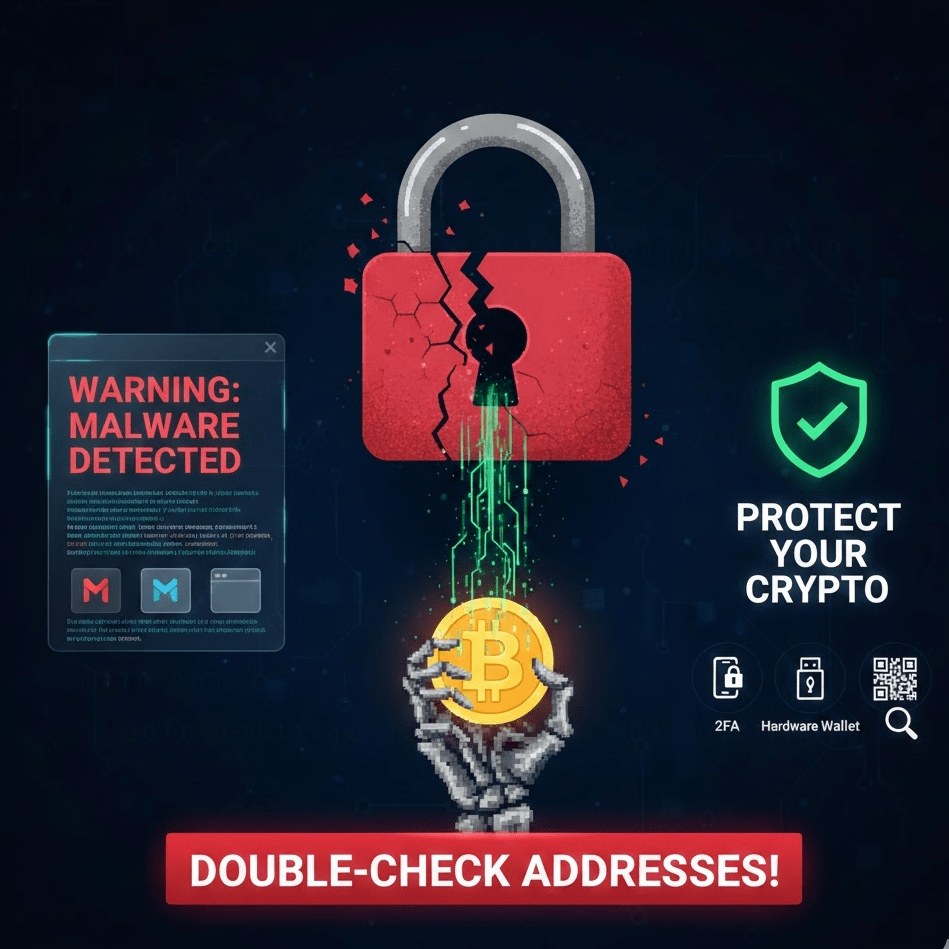
W szybko rozwijającym się świecie kryptowalut bezpieczeństwo jest tak samo ważne jak sama inwestycja. Gdy Bitcoin i inne aktywa osiągają nowe szczyty, cyberprzestępcy wdrażają coraz bardziej wyrafinowane złośliwe oprogramowanie, aby kraść środki cyfrowe. Ostatnio zagrożenia takie jak złośliwe oprogramowanie "Stealka" celują w użytkowników na całym świecie.
Jak złośliwe oprogramowanie infekuje Twoje urządzenie?
Złośliwe oprogramowanie nie pojawia się przypadkowo; zazwyczaj wchodzi do Twojego systemu poprzez taktyki "konia trojańskiego"—ukrywając się jako coś użytecznego:
Oprogramowanie pirackie lub pęknięte: Strony internetowe oferujące "darmowe" wersje płatnego oprogramowania (takiego jak Adobe Photoshop czy gry AAA) są głównymi źródłami infekcji.
Kampanie phishingowe: E-maile lub wiadomości wyglądające jak oficjalne powiadomienia z giełd takich jak Binance lub Coinbase, oszukujące Cię na kliknięcie złośliwych linków.
Złośliwe rozszerzenia przeglądarki: Fałszywe rozszerzenia, które rzekomo pomagają w handlu, ale w rzeczywistości monitorują Twoją aktywność.
Typowe rodzaje ataków
Kradzieje informacji: Te skanują Twój komputer w poszukiwaniu plików zawierających "klucze prywatne" lub "frazy seed". Zbierają także zapisane hasła z przeglądarek takich jak Chrome i Brave.
Hakerzy schowków: To cichy, ale śmiertelny atak. Kiedy kopiujesz adres portfela kryptowalutowego, aby wysłać środki, złośliwe oprogramowanie wykrywa format adresu i zamienia go na adres hakera. Jeśli nie sprawdzisz podwójnie przed kliknięciem "Wyślij", Twoje pieniądze trafiają bezpośrednio do złodzieja.
Keyloggery: Te rejestrują każdy wciśnięty klawisz, pozwalając hakerom przechwytywać Twoje dane logowania i kody odzyskiwania 2FA.
Krytyczne środki bezpieczeństwa w celu ochrony Twoich funduszy
Unikaj nielegalnych pobrań: Nigdy nie pobieraj pękniętego oprogramowania ani torrentów na tym samym komputerze, którego używasz do handlu kryptowalutami.
Używaj portfeli sprzętowych: Dla znacznych zasobów używaj "zimnego magazynu" jak Ledger lub Trezor. Utrzymują one Twoje klucze prywatne offline, czyniąc je odpornymi na złośliwe oprogramowanie online.
Przełącz się na 2FA oparty na aplikacji: Odejście od 2FA opartego na SMS. Użyj Google Authenticator lub Binance Authenticator, ponieważ te nie mogą być łatwo przechwycone przez złośliwe oprogramowanie lub zamianę karty SIM.
Włącz kody "Anti-Phishing": Na giełdach takich jak Binance, skonfiguruj kod Anti-Phishing. Zapewnia to, że każdy legalny e-mail z giełdy zawiera kod, który znasz tylko Ty.
Zasada "Podwójnej Weryfikacji": Zawsze weryfikuj pierwsze i ostatnie 5 cyfr adresu portfela po wklejeniu go. Nigdy nie zakładaj, że funkcja "Kopiuj-Wklej" zadziałała poprawnie.
W zdecentralizowanym świecie jesteś swoim własnym bankiem. Chociaż to daje wolność, to także nakłada 100% odpowiedzialności za bezpieczeństwo na Ciebie. Bądź czujny, aktualizuj swoje oprogramowanie i dwa razy zastanów się przed kliknięciem jakiegokolwiek linku