


As robotics and artificial intelligence continue to evolve, developers are increasingly searching for platforms that allow intelligent machines to communicate, coordinate, and operate within larger digital ecosystems. The @Fabric Foundation is working to address this challenge by building open infrastructure designed to support the emerging Internet of Robots. For robotics developers, this infrastructure offers new opportunities to create interoperable systems that go beyond isolated machines.
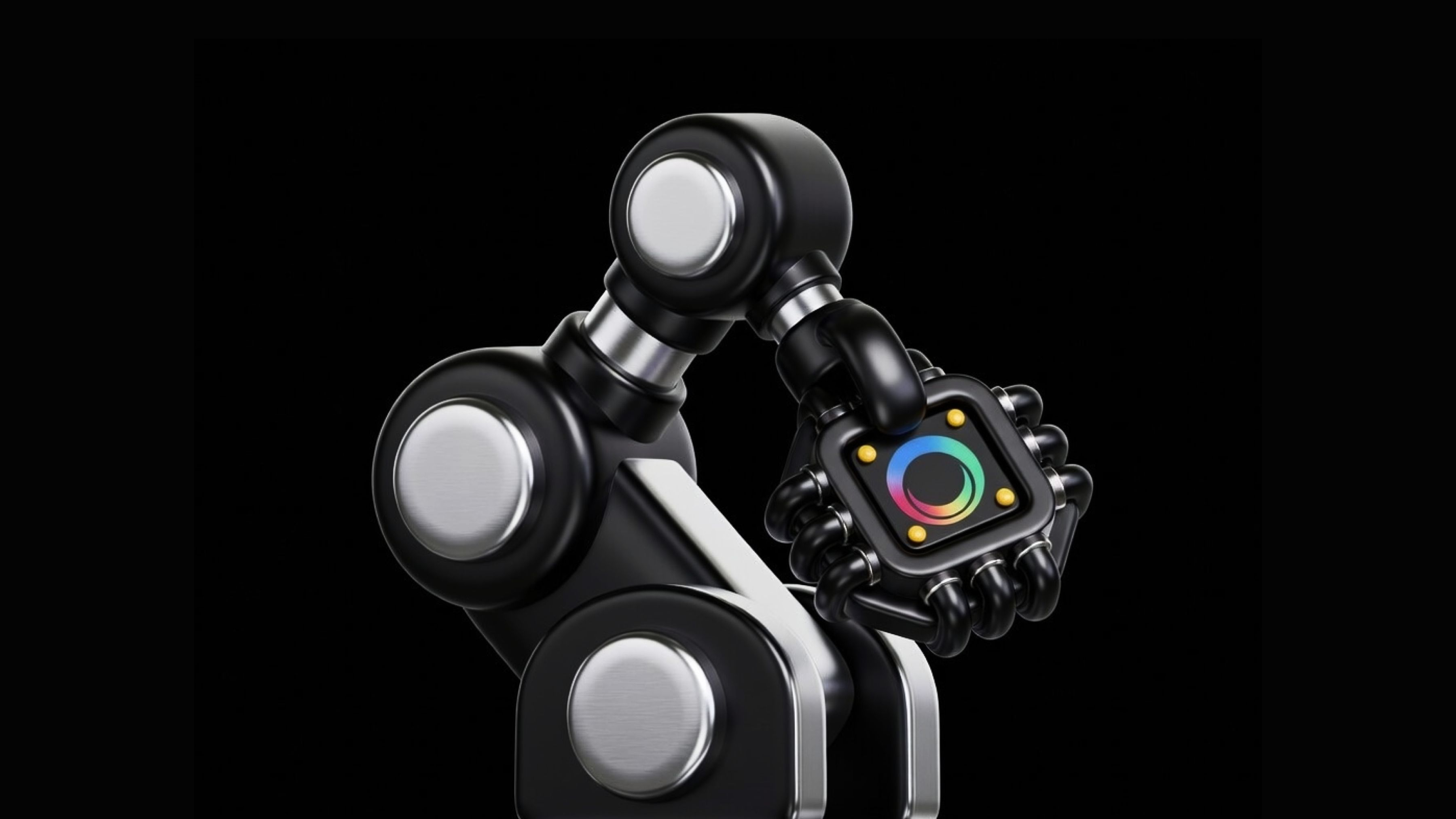
The Need for Open Robotics Infrastructure
Traditionally, robotics development has been fragmented. Many robots operate within closed environments using proprietary software, which limits their ability to interact with other systems. As robotics becomes more advanced, the industry is beginning to recognize the need for shared protocols and standardized frameworks.
This is where the Fabric Protocol comes into play. The protocol aims to provide a coordination layer that enables machines, AI agents, and developers to connect within a decentralized ecosystem. Instead of building robots that function independently, developers can create systems capable of participating in a broader network.
Building Within the Fabric Ecosystem
For robotics developers, building on Fabric infrastructure means developing machines and software that can interact through shared protocols. This approach opens the door to new capabilities such as machine-to-machine communication, decentralized coordination, and collaborative automation.
Developers can potentially build applications that allow robots to:
Discover and interact with other machines in the network
Exchange operational data securely
Coordinate tasks across distributed environments
Participate in digital marketplaces for robotic services
These features create the foundation for a more dynamic robotic ecosystem where machines are capable of working together rather than functioning in isolation.
Integrating Robotics Platforms
The Fabric ecosystem is also supported by technologies designed to make integration easier for developers. One example is the OM1 Robotics Platform, developed by OpenMind. The platform provides tools that help connect robotics systems with networked infrastructure, enabling intelligent machines to operate within distributed environments.
By leveraging platforms like OM1, developers can focus on building robotics applications while relying on underlying infrastructure for communication, coordination, and system interoperability.
Enabling Machine-to-Machine Economies
One of the most innovative aspects of Fabric’s infrastructure is the possibility of enabling machine-driven economies. In the future, robots could autonomously offer services, share computational resources, or perform tasks for other machines or humans. $ROBO
Within the Fabric ecosystem, digital assets and governance mechanisms may help coordinate these interactions. This structure could allow machines to exchange value for services, creating new business models for robotics developers and companies.
Opportunities for Robotics Innovators
For developers and startups working in robotics, the Fabric ecosystem introduces several potential opportunities:
Creating network-connected robotics applications
Developing AI agents capable of collaborating with machines
Building automation services for decentralized environments
Designing new business models based on robotic service marketplaces
As robotics adoption grows across industries such as logistics, manufacturing, healthcare, and transportation, developers who build interoperable systems may gain a significant advantage.
Looking Ahead
The future of robotics is unlikely to be defined by individual machines operating alone. Instead, it will likely involve networks of intelligent systems working together across shared infrastructure.
Through initiatives led by the Fabric Foundation, developers are beginning to gain access to the tools and protocols needed to build this new generation of connected robotics. While the Internet of Robots is still in its early stages, the foundations being built today could shape how intelligent machines interact, collaborate, and create value in the digital world. #ROBO