

Vanar feels like it was created for the moment when ordinary people stop being patient with complicated technology and start demanding experiences that simply work, because the truth is that most users do not want to study wallets, chains, and gas, they want to play a game, collect something meaningful, enter a digital world, or unlock access that feels personal and exciting, and the project’s identity comes from that emotional reality more than from any single technical claim. I’m describing it as consumer first because Vanar keeps framing the chain as infrastructure for real products and real communities instead of a blank platform waiting for developers to invent a reason for it to exist, and that is why the ecosystem always circles back to Virtua and the broader gaming and entertainment direction, not as decoration, but as proof that the system is being tested where user expectations are unforgiving and where failure is immediate. Virtua’s own public presentation shows a living environment built around interactive worlds, collectibles, and experiences, and it also positions Bazaa as a decentralized marketplace built on Vanar, which matters because a marketplace is not a concept, it is daily behavior, it is people browsing, trading, and returning when the flow feels smooth and safe.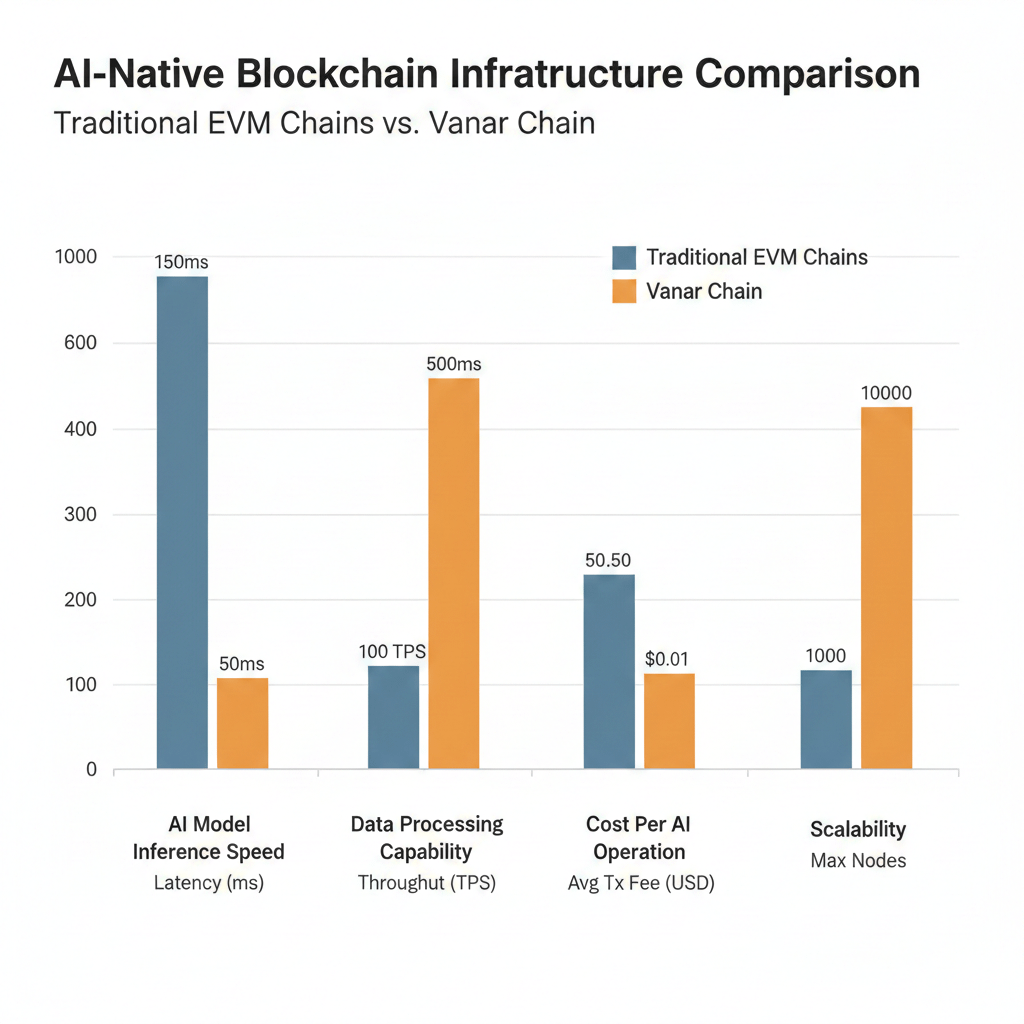
Under the hood, Vanar is a Layer 1 network, meaning it is designed to run its own settlement and security rather than leaning on another chain, and that choice is not just about control for its own sake, it is about responsibility, because a consumer first project cannot hide behind someone else’s congestion or unpredictable fees when a real user is trying to complete a moment that is supposed to feel fun, not fragile. The Vanar whitepaper describes the network as aiming for fast blocks and low costs, and while numbers alone never guarantee a great experience, the intent is clear, the chain is designed to support high frequency interaction where micro actions should feel natural, not expensive or slow, which is exactly the kind of environment gaming and interactive entertainment produce.
The part of Vanar’s design that speaks most directly to human emotion is its obsession with predictability, because unpredictability is what makes people feel tricked, and once someone feels tricked, they do not just leave, they tell others not to come. In the whitepaper, Vanar describes a fixed fee approach and frames transaction ordering as first come first served, which is essentially a promise that the system should not become a place where only the richest participant gets to cut the line when attention spikes, and that is a moral stance as much as a technical stance, because it defends fairness in the moments when users are most likely to feel powerless. The official documentation expands on how fixed fees are managed by tying fees to a USD based reference through token price inputs that are gathered, validated, and then used to update fee settings frequently, which is meant to reduce the emotional pain of fee volatility so a person can act without fear that the same click will cost wildly different amounts from one moment to the next. This is also where the responsibility gets heavier, because the promise of stable fees introduces a reliance on accurate price inputs and consistent operations, and If those inputs fail, lag, or get manipulated, the system can drift into confusing pricing that breaks trust, so the very mechanism designed to protect users becomes a pressure point that must be defended with discipline, transparency, and robust engineering.
$VANRY is the engine that powers participation in this world, and the project’s own materials consistently position it as the native token used for network activity, including fees and incentives, meaning that the token is not supposed to be a distant symbol but a practical piece of how the system moves. The whitepaper describes $VANRY as the gas token and explains a supply model that begins with a genesis mint aligned to the legacy Virtua token supply through a 1 to 1 swap, then continues through block rewards with a stated maximum supply, which is a way of saying that the network wanted continuity and a controlled issuance story rather than resetting the community and pretending history never happened. The documentation also frames $VANRY as central to ecosystem participation, reinforcing the idea that value is meant to connect to actual usage and operational activity rather than existing only as a narrative about future potential. They’re essentially trying to shape a system where the token’s meaning grows when the ecosystem grows, because when a chain is built around real experiences, token utility is supposed to feel like part of the experience rather than a separate homework assignment.
Security and governance are where any consumer first project must be especially careful, because users may not read the details, but they will feel the consequences if the foundation is weak. Vanar’s public technical descriptions point toward a hybrid consensus approach centered around Proof of Authority combined with Proof of Reputation, with an initial phase where the foundation plays a significant role in validator operations, and a pathway for broader participation through reputation and community mechanisms, which reflects a common early stage strategy where stability is prioritized while the network is still maturing. The staking documentation adds another layer by describing delegated staking mechanics in which community participation can support validators economically, which suggests a model where validator eligibility and validator support are treated as different levers, one controlled by reputation and governance processes, the other influenced by broader token holder participation. This is a delicate balance, because consumer audiences need the network to be steady, partners need it to be reliable, and decentralization minded participants need to see a credible expansion of independent control over time, so Vanar’s long term trust will depend less on how beautifully this story is told and more on whether the transition becomes measurable, visible, and hard to deny.
When you ask what metrics give real insight, the honest answer is that price is the loudest metric and often the least truthful, because it can move on emotion without reflecting actual adoption. The deeper signals are usage loops and retention, meaning how many people actually return to do meaningful actions inside live products, how consistently the network confirms those actions without drama, and whether the cost experience feels stable enough that people stop thinking about it. Virtua and its marketplace framing are relevant here because they represent environments where the chain is being used for things people actually want, and those environments generate the kind of repeated activity that can separate real demand from temporary attention. Another powerful signal is fee stability during high load moments, because a system that is cheap only when nobody is around is not consumer ready, while a system that keeps the experience predictable when attention spikes earns a kind of trust that advertising cannot buy, and Vanar’s fixed fee management design is explicitly meant to defend that stability through frequent adjustments based on validated price data. A third signal is decentralization trajectory, not as a slogan but as a timeline, because if the validator set and governance mechanisms broaden in a way that can be audited, then the network becomes more resilient and less dependent on a single entity’s decision making, and both the whitepaper and docs present that broadening as a core direction even if the early phase is more guided. A fourth signal is infrastructure reality, because decentralization requires independent operators, and Vanar’s public node repository and requirements reflect that running full infrastructure is a serious commitment that must be supported by tooling, documentation, and long term incentives.
The risks that could appear are not mysterious, but they are serious, and a consumer first chain feels them more painfully because mainstream users are less forgiving than crypto natives who are used to rough edges. The first risk is broken trust through cost surprises or reliability failures, because in entertainment a bad moment does not feel like a technical inconvenience, it feels like betrayal, and that is why the fixed fee promise must survive real volatility and operational pressure rather than only looking good on paper. The second risk is confusion around who controls what and how that control changes, because when the system involves authority, reputation, and staking mechanisms, people will ask whether the network is genuinely moving toward broader participation, and whether the rules are clear enough that trust can grow without blind faith. The third risk is ecosystem concentration, where too much perception depends on a small number of flagship experiences, because even strong products face cycles and setbacks, and the chain becomes truly durable when many independent experiences carry usage across different communities. The fourth risk is overpromising on the AI native narrative before it becomes practical, because We’re seeing across the industry that people are willing to believe bold visions only when the next step is tangible, usable, and clearly delivered, and Vanar’s own site positions this AI stack direction as part of its identity, which means the project must keep proving it with real primitives and adoption rather than only language.
Vanar’s broader vision is easy to describe in one feeling, it wants blockchain to stop feeling like friction and start feeling like invisible support. The project’s site frames Vanar as a multi layer stack that aims to support semantic memory and contextual reasoning, which signals a future where the chain is not only storing balances but also supporting richer forms of data and logic that could power more intelligent applications and agent driven interactions. It becomes meaningful only if those capabilities translate into real developer tools and real user experiences that people choose because they feel better, not because they feel obligated to participate in a trend. The far future for Vanar, in its best version, is not a future where everyone talks about the chain, but a future where people stop talking about it because it has become normal, and normal is the highest compliment consumer infrastructure can receive, because it means the system has stopped demanding attention and started giving people their time back.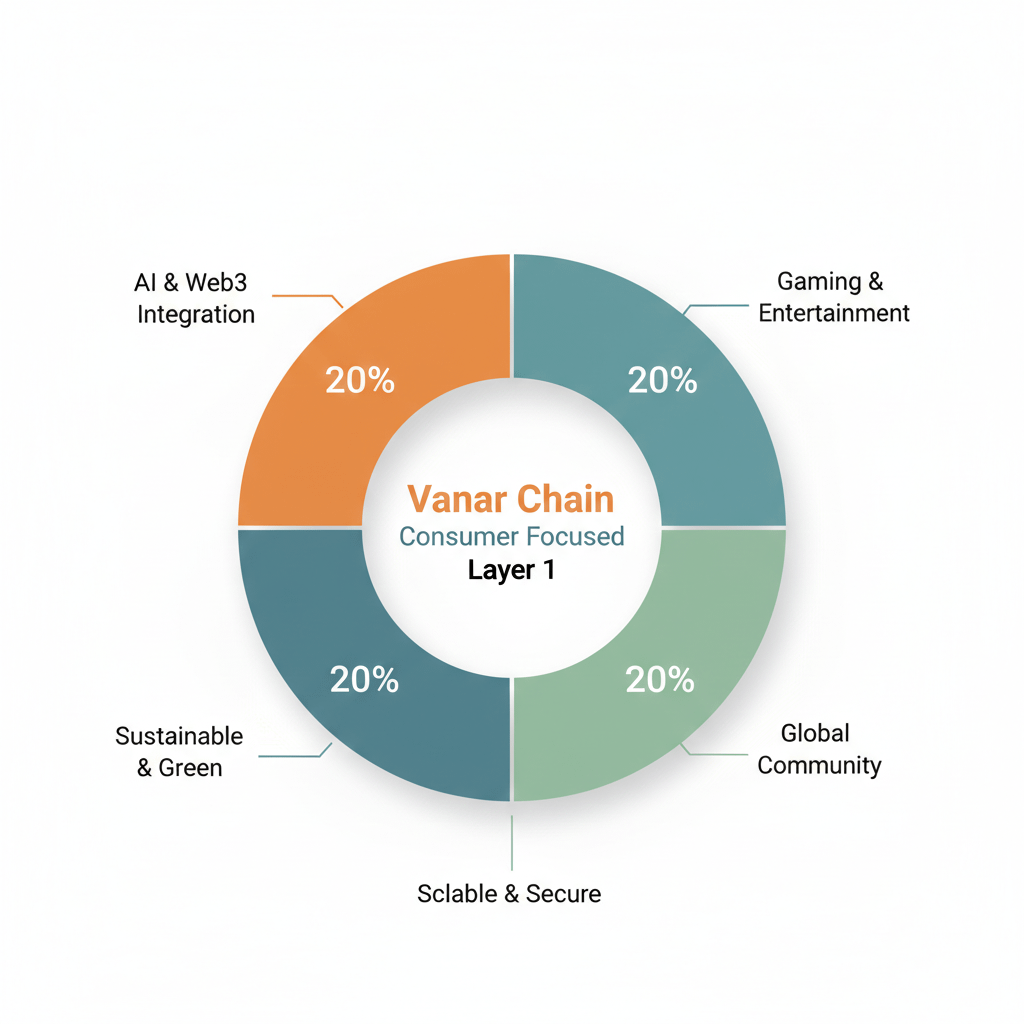
I’m moved most by projects that try to remove fear from the act of using technology, because fear is the invisible tax that keeps adoption small even when the idea is beautiful, and Vanar’s consumer first story is ultimately a promise to carry that tax for the user through stable costs, fairness instincts, and live product loops that keep the chain honest. If the project keeps choosing real user experience over noise, if it keeps expanding participation in a way that can be measured rather than merely claimed, and if it keeps proving its vision through systems that feel calm under pressure, then the long term outcome will not be a headline, it will be a quiet shift where digital ownership and access start to feel as natural as any other part of online life, and when that happens the real victory will be emotional, because people will finally feel safe building memories in digital spaces without worrying that the ground beneath them will suddenly disappear.
