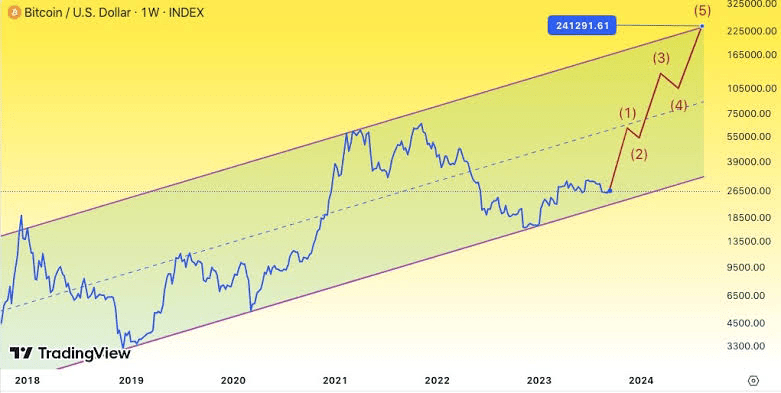
#Bitcoin halving is a significant event built into the protocol, occurring approximately every four years. It is a key aspect of Bitcoin's monetary policy designed to control its supply and maintain its scarcity.
This process reduces the rate at which new Bitcoin is created, effectively cutting in half the rewards miners receive for verifying and adding transactions to the blockchain. Initially set at 50 #BTC per block, the first halving in November 2012 reduced the reward to 25 BTC. The second halving, in July 2016, decreased it further to 12.5 BTC, and the most recent one in May 2020 brought it down to 6.25 BTC.
The impact of the halving is multifold. Firstly, it affects the rate at which new Bitcoin enters circulation, slowing down the creation of the cryptocurrency. As a result, it contributes to Bitcoin's deflationary nature, mirroring the scarcity of finite resources like gold.
From a miner's perspective, the reduced block rewards influence their profitability. While the halving decreases the supply of new Bitcoin, it may also increase the asset's value over time due to scarcity, potentially offsetting the reduced rewards.
Historically, Bitcoin halvings have often been associated with subsequent price increases. This anticipation of reduced supply, coupled with sustained or growing demand, can contribute to upward price movements. However, it's crucial to note that while the halving is a significant event, it's not the sole determinant of Bitcoin's price and should be considered within the broader context of market dynamics, adoption, and investor sentiment.
The next Bitcoin #halving is expected to take place roughly in 2024, further reducing the block rewards to 3.125 BTC per block. This ongoing halving process aligns with Bitcoin's overall aim to gradually limit its supply until it reaches its maximum cap of 21 million coins. #BTC #bitcoinhalving