
#tether
tether
4.8M views
7,157 Discussing
ရေပန်းစားသော
နောက်ဆုံး

$USDT TODAY
$USDC # is holding very close to its $1 peg, showing stable demand and strong liquidity across crypto markets. With a market cap above $183B, Tether remains a major source of trading liquidity.
#USDT #Tether r #Stablecoin #Crypto
$USDT TODAY
$USDC # is holding very close to its $1 peg, showing stable demand and strong liquidity across crypto markets. With a market cap above $183B, Tether remains a major source of trading liquidity.
#USDT #Tether r #Stablecoin #Crypto
$USDC # is holding very close to its $1 peg, showing stable demand and strong liquidity across crypto markets. With a market cap above $183B, Tether remains a major source of trading liquidity.
#USDT #Tether r #Stablecoin #Crypto
1
151
·
--
"restrained" $52 million isn't seized $52 million
seized: two wallets, about $12 million. the rest is restraint sought on 47 more wallets
Xinbi moved at least $21 billion by April 2026
next to that, this is a rounding error
the freeze button is the story. USDT can be stopped, that's why this worked
and Xinbi had already shifted about $2.8 million into USDD, which can't be frozen
i keep part of my stables in USDT. same button works on me. fine with that, mostly)
#Tether
"restrained" $52 million isn't seized $52 million
seized: two wallets, about $12 million. the rest is restraint sought on 47 more wallets
Xinbi moved at least $21 billion by April 2026
next to that, this is a rounding error
the freeze button is the story. USDT can be stopped, that's why this worked
and Xinbi had already shifted about $2.8 million into USDD, which can't be frozen
i keep part of my stables in USDT. same button works on me. fine with that, mostly)
#Tether
seized: two wallets, about $12 million. the rest is restraint sought on 47 more wallets
Xinbi moved at least $21 billion by April 2026
next to that, this is a rounding error
the freeze button is the story. USDT can be stopped, that's why this worked
and Xinbi had already shifted about $2.8 million into USDD, which can't be frozen
i keep part of my stables in USDT. same button works on me. fine with that, mostly)
#Tether

·
--
စိစစ်အတည်ပြုထားသည်
🔷 Tether freezes $52 млн. Scam goes into the shadows
Facts:
• On 11 September, Tether helped the DOJ freeze $52 млн in crypto from the Xinbi Guarantee scam network in a single day
• The network is linked to scam complexes in Southeast Asia, where workers are held in forced labor
• The same pattern already happened: after Tether freezes worth $45M, the scam complexes migrated to stablecoins, where the issuer can’t block a wallet
• At the same time, Tether launches StableFund worth $400 млн in Wall Street’s private debt market ($3 трлн) amid defaults at a 5-year high
• $USDT capitalization — ~183 млрд, Tether remains the #1 issuer
🧠 My thought: the paradox of a police officer. The harsher Tether freezes wallets at the request of the DOJ, the faster criminals move to places where there’s no freeze at all. Tether fights with one hand, while the other pushes the scam into an area where its weapon doesn’t work. Plus a question about strategy: why does the largest stablecoin issuer choose private debt amid defaults at their peak? Yields are high, but the risks are real too.
⚠️ Tether freezes don’t protect everyone: if your counterparty already operates on a non-freezable stablecoin, Tether won’t help you. Check which stablecoin the payments run on.
❓ Does Tether push the scam into the shadows — victory or capitulation?👇
#Tether #USDT
🔷 Tether freezes $52 млн. Scam goes into the shadows
Facts:
• On 11 September, Tether helped the DOJ freeze $52 млн in crypto from the Xinbi Guarantee scam network in a single day
• The network is linked to scam complexes in Southeast Asia, where workers are held in forced labor
• The same pattern already happened: after Tether freezes worth $45M, the scam complexes migrated to stablecoins, where the issuer can’t block a wallet
• At the same time, Tether launches StableFund worth $400 млн in Wall Street’s private debt market ($3 трлн) amid defaults at a 5-year high
• $USDT capitalization — ~183 млрд, Tether remains the #1 issuer
🧠 My thought: the paradox of a police officer. The harsher Tether freezes wallets at the request of the DOJ, the faster criminals move to places where there’s no freeze at all. Tether fights with one hand, while the other pushes the scam into an area where its weapon doesn’t work. Plus a question about strategy: why does the largest stablecoin issuer choose private debt amid defaults at their peak? Yields are high, but the risks are real too.
⚠️ Tether freezes don’t protect everyone: if your counterparty already operates on a non-freezable stablecoin, Tether won’t help you. Check which stablecoin the payments run on.
❓ Does Tether push the scam into the shadows — victory or capitulation?👇
#Tether #USDT
Facts:
• On 11 September, Tether helped the DOJ freeze $52 млн in crypto from the Xinbi Guarantee scam network in a single day
• The network is linked to scam complexes in Southeast Asia, where workers are held in forced labor
• The same pattern already happened: after Tether freezes worth $45M, the scam complexes migrated to stablecoins, where the issuer can’t block a wallet
• At the same time, Tether launches StableFund worth $400 млн in Wall Street’s private debt market ($3 трлн) amid defaults at a 5-year high
• $USDT capitalization — ~183 млрд, Tether remains the #1 issuer
🧠 My thought: the paradox of a police officer. The harsher Tether freezes wallets at the request of the DOJ, the faster criminals move to places where there’s no freeze at all. Tether fights with one hand, while the other pushes the scam into an area where its weapon doesn’t work. Plus a question about strategy: why does the largest stablecoin issuer choose private debt amid defaults at their peak? Yields are high, but the risks are real too.
⚠️ Tether freezes don’t protect everyone: if your counterparty already operates on a non-freezable stablecoin, Tether won’t help you. Check which stablecoin the payments run on.
❓ Does Tether push the scam into the shadows — victory or capitulation?👇
#Tether #USDT
2
121

·
--
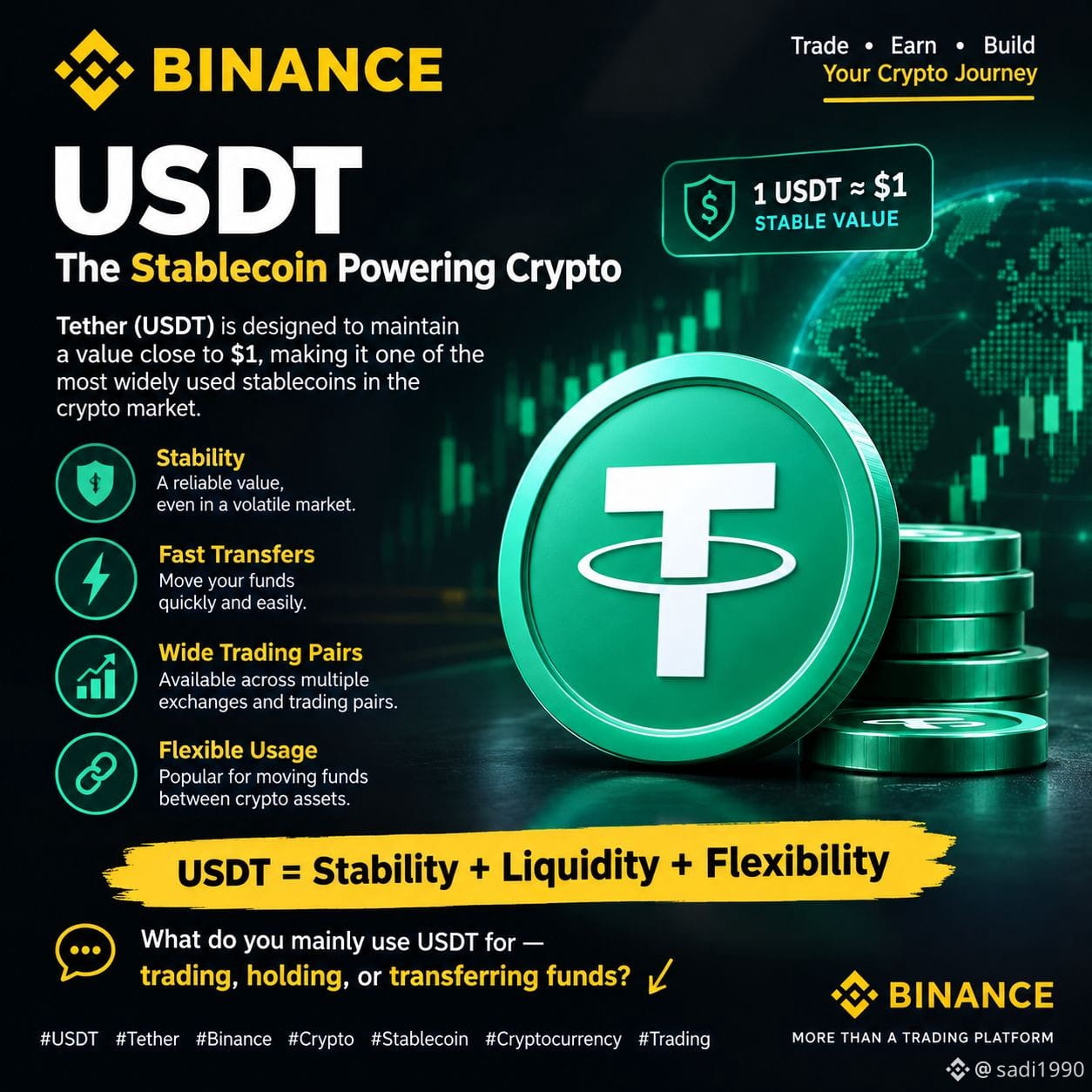
$USDT — Krêmis ilani daingot crypto
Tether (USDT) alate lî vînin berhemdar bike bo vî rengî ku nirxa wê nêzîkî $1 be, û ji ber vî yekê li bazara crypto de yek ji berfirehîn stablecoin-ên bikaranî ye.
🔹 Ewle bûn di bazarekî bêqîmet de
🔹 Veguhastina kriptora bilez
🔹 Jorayekî asan ji bo hevrêzkirina trading li ser exchange-an
📊 $USDT = Ewle + Liquidity + Flexibility
Tu bi pêşî re $USDT çi bikar tîne — trading, hildan, an veguhastina drav? 👇
#USDT #Tether #Binance #Crypto
{future}(USDCUSDT)
$USDT — Krêmis ilani daingot crypto
Tether (USDT) alate lî vînin berhemdar bike bo vî rengî ku nirxa wê nêzîkî $1 be, û ji ber vî yekê li bazara crypto de yek ji berfirehîn stablecoin-ên bikaranî ye.
🔹 Ewle bûn di bazarekî bêqîmet de
🔹 Veguhastina kriptora bilez
🔹 Jorayekî asan ji bo hevrêzkirina trading li ser exchange-an
📊 $USDT = Ewle + Liquidity + Flexibility
Tu bi pêşî re $USDT çi bikar tîne — trading, hildan, an veguhastina drav? 👇
#USDT #Tether #Binance #Crypto
Tether (USDT) alate lî vînin berhemdar bike bo vî rengî ku nirxa wê nêzîkî $1 be, û ji ber vî yekê li bazara crypto de yek ji berfirehîn stablecoin-ên bikaranî ye.
🔹 Ewle bûn di bazarekî bêqîmet de
🔹 Veguhastina kriptora bilez
🔹 Jorayekî asan ji bo hevrêzkirina trading li ser exchange-an
📊 $USDT = Ewle + Liquidity + Flexibility
Tu bi pêşî re $USDT çi bikar tîne — trading, hildan, an veguhastina drav? 👇
#USDT #Tether #Binance #Crypto
40


·
--
свыше 10 миллиардов долларов в стабильных монетах, осталось всего две
ARK Invest, директор по исследованиям цифровых активов Лоренцо Валенте, на рисунке отмечает: у стейблкоинов есть выраженный сетевой эффект. На рынке много названий, но стоит поднять порог — выживает немного. С капитализацией свыше 1 миллиарда долларов в 2021 году было всего несколько, а сейчас их около 12. Свыше 10 миллиардов долларов: в пиковый период 2022 года было 4, а сейчас осталось только $USDT и $USDC .
Его вывод таков: пробиться в сегмент 10 миллиардов долларов дальше будет крайне трудно; в сегменте свыше 1000 миллиардов долларов, возможно, долго будет борьба только этих двух компаний; а в сегменте свыше 5000 миллиардов долларов в ближайшие два года с большей вероятностью останется лишь один лидер. Выпустить новый токен легко, а вот создать «площадку», которую люди захотят долго держать и использовать для расчетов, — сложно. Новичкам достаётся не просто цифра капитализации, а привычки использования.
#稳定币 #Tether
это не является инвестиционной рекомендацией
свыше 10 миллиардов долларов в стабильных монетах, осталось всего две
ARK Invest, директор по исследованиям цифровых активов Лоренцо Валенте, на рисунке отмечает: у стейблкоинов есть выраженный сетевой эффект. На рынке много названий, но стоит поднять порог — выживает немного. С капитализацией свыше 1 миллиарда долларов в 2021 году было всего несколько, а сейчас их около 12. Свыше 10 миллиардов долларов: в пиковый период 2022 года было 4, а сейчас осталось только $USDT и $USDC .
Его вывод таков: пробиться в сегмент 10 миллиардов долларов дальше будет крайне трудно; в сегменте свыше 1000 миллиардов долларов, возможно, долго будет борьба только этих двух компаний; а в сегменте свыше 5000 миллиардов долларов в ближайшие два года с большей вероятностью останется лишь один лидер. Выпустить новый токен легко, а вот создать «площадку», которую люди захотят долго держать и использовать для расчетов, — сложно. Новичкам достаётся не просто цифра капитализации, а привычки использования.
#稳定币 #Tether
это не является инвестиционной рекомендацией
ARK Invest, директор по исследованиям цифровых активов Лоренцо Валенте, на рисунке отмечает: у стейблкоинов есть выраженный сетевой эффект. На рынке много названий, но стоит поднять порог — выживает немного. С капитализацией свыше 1 миллиарда долларов в 2021 году было всего несколько, а сейчас их около 12. Свыше 10 миллиардов долларов: в пиковый период 2022 года было 4, а сейчас осталось только $USDT и $USDC .
Его вывод таков: пробиться в сегмент 10 миллиардов долларов дальше будет крайне трудно; в сегменте свыше 1000 миллиардов долларов, возможно, долго будет борьба только этих двух компаний; а в сегменте свыше 5000 миллиардов долларов в ближайшие два года с большей вероятностью останется лишь один лидер. Выпустить новый токен легко, а вот создать «площадку», которую люди захотят долго держать и использовать для расчетов, — сложно. Новичкам достаётся не просто цифра капитализации, а привычки использования.
#稳定币 #Tether
это не является инвестиционной рекомендацией

16


စိစစ်အတည်ပြုထားသည်
Tether 已协助全球执法机构冻结逾50亿美元非法资产,涉及案件数量超2800起
9月11日,据 Tether 官网披露,该公司已与67个国家的340多家执法机构建立合作关系,累计协助处理全球2800多起案件,其中1600多起涉及美国执法部门。
截至目前,Tether与全球执法机构的相关合作,已促成超过 50 亿美元与非法活动有关的资产被冻结,其中超过25亿美元由Tether与美国司法部(DOJ)当局合作完成。
在与DOJ的合作中,Tether近期协助DOJ查获了‘新币担保’用于收取供应商款项的两个钱包,并对另外47个涉嫌洗钱的钱包申请冻结,协同行动合计冻结金额超过5200万美元。
此次协作的范围远不止如此,Tether还协助其处置了约2.25亿美元与国际人口贩运及“杀猪盘”诈骗团伙有关的USDT。
与此同时,另有近6100万美元USDT与大规模加密货币投资诈骗相关,也已进入处置流程。此外,Tether还与OFAC及美国执法机构协作,冻结了逾3.44亿美元USDT。
综上,这些数据充分展现了Tether 与全球执法机构合作中的参与深度,也标志着该机构协作能力已完成从个案响应到跨机构、跨国界系统性配合的全面升级。
#Tether
Tether 已协助全球执法机构冻结逾50亿美元非法资产,涉及案件数量超2800起
9月11日,据 Tether 官网披露,该公司已与67个国家的340多家执法机构建立合作关系,累计协助处理全球2800多起案件,其中1600多起涉及美国执法部门。
截至目前,Tether与全球执法机构的相关合作,已促成超过 50 亿美元与非法活动有关的资产被冻结,其中超过25亿美元由Tether与美国司法部(DOJ)当局合作完成。
在与DOJ的合作中,Tether近期协助DOJ查获了‘新币担保’用于收取供应商款项的两个钱包,并对另外47个涉嫌洗钱的钱包申请冻结,协同行动合计冻结金额超过5200万美元。
此次协作的范围远不止如此,Tether还协助其处置了约2.25亿美元与国际人口贩运及“杀猪盘”诈骗团伙有关的USDT。
与此同时,另有近6100万美元USDT与大规模加密货币投资诈骗相关,也已进入处置流程。此外,Tether还与OFAC及美国执法机构协作,冻结了逾3.44亿美元USDT。
综上,这些数据充分展现了Tether 与全球执法机构合作中的参与深度,也标志着该机构协作能力已完成从个案响应到跨机构、跨国界系统性配合的全面升级。
#Tether
9月11日,据 Tether 官网披露,该公司已与67个国家的340多家执法机构建立合作关系,累计协助处理全球2800多起案件,其中1600多起涉及美国执法部门。
截至目前,Tether与全球执法机构的相关合作,已促成超过 50 亿美元与非法活动有关的资产被冻结,其中超过25亿美元由Tether与美国司法部(DOJ)当局合作完成。
在与DOJ的合作中,Tether近期协助DOJ查获了‘新币担保’用于收取供应商款项的两个钱包,并对另外47个涉嫌洗钱的钱包申请冻结,协同行动合计冻结金额超过5200万美元。
此次协作的范围远不止如此,Tether还协助其处置了约2.25亿美元与国际人口贩运及“杀猪盘”诈骗团伙有关的USDT。
与此同时,另有近6100万美元USDT与大规模加密货币投资诈骗相关,也已进入处置流程。此外,Tether还与OFAC及美国执法机构协作,冻结了逾3.44亿美元USDT。
综上,这些数据充分展现了Tether 与全球执法机构合作中的参与深度,也标志着该机构协作能力已完成从个案响应到跨机构、跨国界系统性配合的全面升级。
#Tether


961

·
--
🔍 Tether астында: täze resenamalary barada näme gizlenýär? USDT goýum serişdeleri
Kriptowaýut bazary ýene-de tolkun atyp, esasy üns planeta iň esasy stablecoin-iň üstüne gönükdi. Tether-iň ätiýaçlyk auditi we banklar tarapyndan adresleriň petiklenmek töwekgelçilikleri baradaky täze çekişmeler investorlary biynjalyk etdi.
Tether-iň ätiýaçlyklar baradaky täze maglumatlary, kompaniýanyň saklaýan ABŞ-nyň gysga möhletli obligasiýalarynyň hakyky likwidliligi barada hünärmenleriň arasynda köp jedelleri döretdi. Bank basyşy: stablecoin emitenti bilen işleýän adaty banklaryň tarapyndan tranzaksiýalaryň petiklenmegi üçin mümkin töwekgelçilikler barada habarlar ýüze çykdy.
Bazaryň reaksiýasy: Söwdagärler töwekgelçiligi azaltmak üçin möçberleri alternatiw stablecoin-lere bölekleýin paýlaşdylar we $BTC -i ulanyp, öz portfelini diwersifikasiýa etdiler.
Siz näme pikir edýärsiňiz: Tether barlaglaryň indiki tolkunyny başdan geçirermi, ýa-da başga stablecoin-lere geçmegiň wagty geldi diýýärsiňizmi? Pikirleriňizi teswirlerde paýlaşyň! 👇
#BinanceSquareFamily #Write2Earn #Tether
{future}(BTCUSDT)
🔍 Tether астында: täze resenamalary barada näme gizlenýär? USDT goýum serişdeleri
Kriptowaýut bazary ýene-de tolkun atyp, esasy üns planeta iň esasy stablecoin-iň üstüne gönükdi. Tether-iň ätiýaçlyk auditi we banklar tarapyndan adresleriň petiklenmek töwekgelçilikleri baradaky täze çekişmeler investorlary biynjalyk etdi.
Tether-iň ätiýaçlyklar baradaky täze maglumatlary, kompaniýanyň saklaýan ABŞ-nyň gysga möhletli obligasiýalarynyň hakyky likwidliligi barada hünärmenleriň arasynda köp jedelleri döretdi. Bank basyşy: stablecoin emitenti bilen işleýän adaty banklaryň tarapyndan tranzaksiýalaryň petiklenmegi üçin mümkin töwekgelçilikler barada habarlar ýüze çykdy.
Bazaryň reaksiýasy: Söwdagärler töwekgelçiligi azaltmak üçin möçberleri alternatiw stablecoin-lere bölekleýin paýlaşdylar we $BTC -i ulanyp, öz portfelini diwersifikasiýa etdiler.
Siz näme pikir edýärsiňiz: Tether barlaglaryň indiki tolkunyny başdan geçirermi, ýa-da başga stablecoin-lere geçmegiň wagty geldi diýýärsiňizmi? Pikirleriňizi teswirlerde paýlaşyň! 👇
#BinanceSquareFamily #Write2Earn #Tether
Kriptowaýut bazary ýene-de tolkun atyp, esasy üns planeta iň esasy stablecoin-iň üstüne gönükdi. Tether-iň ätiýaçlyk auditi we banklar tarapyndan adresleriň petiklenmek töwekgelçilikleri baradaky täze çekişmeler investorlary biynjalyk etdi.
Tether-iň ätiýaçlyklar baradaky täze maglumatlary, kompaniýanyň saklaýan ABŞ-nyň gysga möhletli obligasiýalarynyň hakyky likwidliligi barada hünärmenleriň arasynda köp jedelleri döretdi. Bank basyşy: stablecoin emitenti bilen işleýän adaty banklaryň tarapyndan tranzaksiýalaryň petiklenmegi üçin mümkin töwekgelçilikler barada habarlar ýüze çykdy.
Bazaryň reaksiýasy: Söwdagärler töwekgelçiligi azaltmak üçin möçberleri alternatiw stablecoin-lere bölekleýin paýlaşdylar we $BTC -i ulanyp, öz portfelini diwersifikasiýa etdiler.
Siz näme pikir edýärsiňiz: Tether barlaglaryň indiki tolkunyny başdan geçirermi, ýa-da başga stablecoin-lere geçmegiň wagty geldi diýýärsiňizmi? Pikirleriňizi teswirlerde paýlaşyň! 👇
#BinanceSquareFamily #Write2Earn #Tether
91

·
--
တက်ရိပ်ရှိသည်
$USDT /USD — Тар диапазон, закрепление (peg) держится крепко 🔥
Паттерн: Боковая консолидация рядом с пегом $1.0000.
Вход: 0.99940–0.99960
TP1: 0.99990 | TP2: 1.00020 | TP3: 1.00050
SL: 0.99870 — ниже ключевой поддержки.
Направление: 🟢 Бычий сценарий, пока удерживается 0.9990; пробой выше 1.0000 может подтолкнуть цену выше.
#USDT #Tether #Binance #CryptoTrading
$USDT /USD — Тар диапазон, закрепление (peg) держится крепко 🔥
Паттерн: Боковая консолидация рядом с пегом $1.0000.
Вход: 0.99940–0.99960
TP1: 0.99990 | TP2: 1.00020 | TP3: 1.00050
SL: 0.99870 — ниже ключевой поддержки.
Направление: 🟢 Бычий сценарий, пока удерживается 0.9990; пробой выше 1.0000 может подтолкнуть цену выше.
#USDT #Tether #Binance #CryptoTrading
Паттерн: Боковая консолидация рядом с пегом $1.0000.
Вход: 0.99940–0.99960
TP1: 0.99990 | TP2: 1.00020 | TP3: 1.00050
SL: 0.99870 — ниже ключевой поддержки.
Направление: 🟢 Бычий сценарий, пока удерживается 0.9990; пробой выше 1.0000 может подтолкнуть цену выше.
#USDT #Tether #Binance #CryptoTrading

1
14

$USDT IS DOING WHAT IT'S DESIGNED TO DO: STAY STABLE.
Tether is trading around $0.9995, with virtually no major movement over the past 24 hours.
📊 Market Cap: $183.37B
💰 24h Volume: $70.3B
While crypto markets move, USDT remains close to its $1 peg.
Stability isn't always exciting but in crypto, it's essential.
#USDT #Tether #Crypto #Stablecoins #Web3
$USDT IS DOING WHAT IT'S DESIGNED TO DO: STAY STABLE.
Tether is trading around $0.9995, with virtually no major movement over the past 24 hours.
📊 Market Cap: $183.37B
💰 24h Volume: $70.3B
While crypto markets move, USDT remains close to its $1 peg.
Stability isn't always exciting but in crypto, it's essential.
#USDT #Tether #Crypto #Stablecoins #Web3
Tether is trading around $0.9995, with virtually no major movement over the past 24 hours.
📊 Market Cap: $183.37B
💰 24h Volume: $70.3B
While crypto markets move, USDT remains close to its $1 peg.
Stability isn't always exciting but in crypto, it's essential.
#USDT #Tether #Crypto #Stablecoins #Web3

34

💵 Tether quiere llevar USDT al crédito privado
#Tether | USDT quiere dejar de ser solamente “el dólar del exchange”.
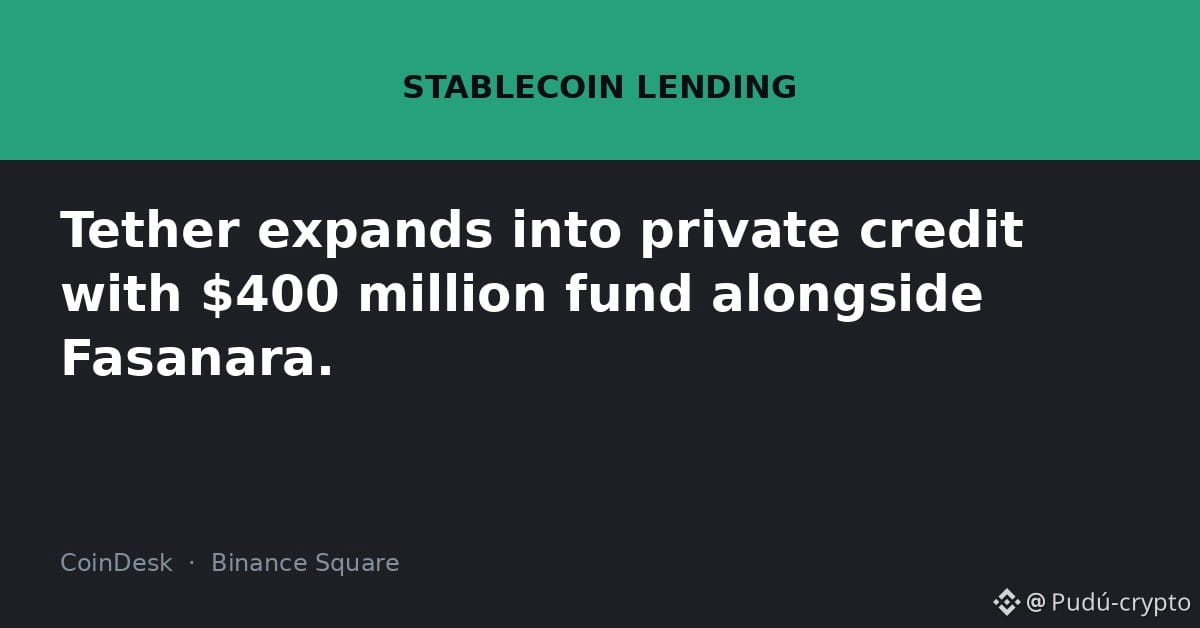
Tether acaba de lanzar StableFund, un fondo de crédito privado de US$400 millones junto a Fasanara Capital. El objetivo es bastante ambicioso: conseguir hasta US$3.000 millones de capital de terceros para financiar pequeñas y medianas empresas que tradicionalmente tienen dificultades para acceder al crédito bancario.
La jugada es interesante porque conecta dos mundos que hasta ahora caminaban bastante separados: stablecoins + crédito privado.
Tether quiere que $USDT sea algo más que una herramienta para entrar y salir del mercado cripto. Quiere convertirlo en una pieza de infraestructura financiera.
Y aquí aparece una pregunta importante: ¿estamos empezando a ver el verdadero siguiente caso de uso de las stablecoins?
#CryptoNews #USDT
💵 Tether quiere llevar USDT al crédito privado
#Tether | USDT quiere dejar de ser solamente “el dólar del exchange”.
Tether acaba de lanzar StableFund, un fondo de crédito privado de US$400 millones junto a Fasanara Capital. El objetivo es bastante ambicioso: conseguir hasta US$3.000 millones de capital de terceros para financiar pequeñas y medianas empresas que tradicionalmente tienen dificultades para acceder al crédito bancario.
La jugada es interesante porque conecta dos mundos que hasta ahora caminaban bastante separados: stablecoins + crédito privado.
Tether quiere que $USDT sea algo más que una herramienta para entrar y salir del mercado cripto. Quiere convertirlo en una pieza de infraestructura financiera.
Y aquí aparece una pregunta importante: ¿estamos empezando a ver el verdadero siguiente caso de uso de las stablecoins?
#CryptoNews #USDT
#Tether | USDT quiere dejar de ser solamente “el dólar del exchange”.
Tether acaba de lanzar StableFund, un fondo de crédito privado de US$400 millones junto a Fasanara Capital. El objetivo es bastante ambicioso: conseguir hasta US$3.000 millones de capital de terceros para financiar pequeñas y medianas empresas que tradicionalmente tienen dificultades para acceder al crédito bancario.
La jugada es interesante porque conecta dos mundos que hasta ahora caminaban bastante separados: stablecoins + crédito privado.
Tether quiere que $USDT sea algo más que una herramienta para entrar y salir del mercado cripto. Quiere convertirlo en una pieza de infraestructura financiera.
Y aquí aparece una pregunta importante: ¿estamos empezando a ver el verdadero siguiente caso de uso de las stablecoins?
#CryptoNews #USDT
24

·
--
တက်ရိပ်ရှိသည်
USDT خبر бүгүн: Tether Фасанагара менен $400M жеке кредит фондун жаңы эле ишке киргизди.
Алар USDTди реалдуу насыяларды эсептешүү үчүн колдонуп жатышат жана аны $3B чейин чоңойтууну көздөп жатышат.
Бирок баары ошол эле эски USDT да. Азыр да $1де туруп, казык боюнча эч кандай драма жок.
Эми алар акчаны жөн эле токтотуп койбой жатышат. Аны чыныгы насыялоого багыттап жатышат.
Мына ушунун өзү — негизги окуя.
$USDT #Tether #stablecoin
USDT خبر бүгүн: Tether Фасанагара менен $400M жеке кредит фондун жаңы эле ишке киргизди.
Алар USDTди реалдуу насыяларды эсептешүү үчүн колдонуп жатышат жана аны $3B чейин чоңойтууну көздөп жатышат.
Бирок баары ошол эле эски USDT да. Азыр да $1де туруп, казык боюнча эч кандай драма жок.
Эми алар акчаны жөн эле токтотуп койбой жатышат. Аны чыныгы насыялоого багыттап жатышат.
Мына ушунун өзү — негизги окуя.
$USDT #Tether #stablecoin
Алар USDTди реалдуу насыяларды эсептешүү үчүн колдонуп жатышат жана аны $3B чейин чоңойтууну көздөп жатышат.
Бирок баары ошол эле эски USDT да. Азыр да $1де туруп, казык боюнча эч кандай драма жок.
Эми алар акчаны жөн эле токтотуп койбой жатышат. Аны чыныгы насыялоого багыттап жатышат.
Мына ушунун өзү — негизги окуя.
$USDT #Tether #stablecoin
2
93
·
--
🚀 Tether yangi bosqichga chiqmoqda: real biznes uchun $400 mln!
Eng mashhur stablecoin emissenti $USDT an’anaviy moliyaga tomon kuchli qadam tashlamoqda. Kompaniya rasmiy ravishda keng ko‘lamli kreditlash dasturini ishga tushiradi — bu esa o‘yinni o‘zgartirib yuborishi mumkin.
Mana, ushbu tashabbus haqida bilish kerak bo‘lgan asosiy jihatlar:
Katta hamkorlik. Tether yirik investitsion fond Fasanara bilan hamkorlikda $400 million hajmdagi kredit dasturini yo‘lga qo‘yadi. Real sektorga yo‘naltirilgan. Ushbu mablag‘lar xususiy kredit bozori rivojiga sarflanadi, kripto sanoatidan tashqaridagi kompaniyalar uchun esa kapitalga kirishni ochadi.
Ekotizimni mustahkamlash. Bu qadam Tether’ga daromad manbalarini diversifikatsiya qilish imkonini beradi va $USDT ’ning ishonchli moliyaviy instrument sifatidagi mavqeini yanada mustahkamlaydi.
Bu qadam shuni ko‘rsatadiki, stablecoinlar uzoq vaqtdan beri birjalarida savdo qilish uchun oddiy vositadan tashqariga chiqqan. Kripto real iqtisodga faol kirib bormoqda.
Sizningcha, Tether’ning real sektorga ekspansiyasi stablecoinlarga ishonchni kuchaytiradimi yoki kompaniya uchun qo‘shimcha risklar yaratadimi? Fikrlaringizni izohlarda baham ko‘ring! 👇
#BinanceSquareFamily #Write2Earn #Tether
{future}(BNBUSDT)
🚀 Tether yangi bosqichga chiqmoqda: real biznes uchun $400 mln!
Eng mashhur stablecoin emissenti $USDT an’anaviy moliyaga tomon kuchli qadam tashlamoqda. Kompaniya rasmiy ravishda keng ko‘lamli kreditlash dasturini ishga tushiradi — bu esa o‘yinni o‘zgartirib yuborishi mumkin.
Mana, ushbu tashabbus haqida bilish kerak bo‘lgan asosiy jihatlar:
Katta hamkorlik. Tether yirik investitsion fond Fasanara bilan hamkorlikda $400 million hajmdagi kredit dasturini yo‘lga qo‘yadi. Real sektorga yo‘naltirilgan. Ushbu mablag‘lar xususiy kredit bozori rivojiga sarflanadi, kripto sanoatidan tashqaridagi kompaniyalar uchun esa kapitalga kirishni ochadi.
Ekotizimni mustahkamlash. Bu qadam Tether’ga daromad manbalarini diversifikatsiya qilish imkonini beradi va $USDT ’ning ishonchli moliyaviy instrument sifatidagi mavqeini yanada mustahkamlaydi.
Bu qadam shuni ko‘rsatadiki, stablecoinlar uzoq vaqtdan beri birjalarida savdo qilish uchun oddiy vositadan tashqariga chiqqan. Kripto real iqtisodga faol kirib bormoqda.
Sizningcha, Tether’ning real sektorga ekspansiyasi stablecoinlarga ishonchni kuchaytiradimi yoki kompaniya uchun qo‘shimcha risklar yaratadimi? Fikrlaringizni izohlarda baham ko‘ring! 👇
#BinanceSquareFamily #Write2Earn #Tether
Eng mashhur stablecoin emissenti $USDT an’anaviy moliyaga tomon kuchli qadam tashlamoqda. Kompaniya rasmiy ravishda keng ko‘lamli kreditlash dasturini ishga tushiradi — bu esa o‘yinni o‘zgartirib yuborishi mumkin.
Mana, ushbu tashabbus haqida bilish kerak bo‘lgan asosiy jihatlar:
Katta hamkorlik. Tether yirik investitsion fond Fasanara bilan hamkorlikda $400 million hajmdagi kredit dasturini yo‘lga qo‘yadi. Real sektorga yo‘naltirilgan. Ushbu mablag‘lar xususiy kredit bozori rivojiga sarflanadi, kripto sanoatidan tashqaridagi kompaniyalar uchun esa kapitalga kirishni ochadi.
Ekotizimni mustahkamlash. Bu qadam Tether’ga daromad manbalarini diversifikatsiya qilish imkonini beradi va $USDT ’ning ishonchli moliyaviy instrument sifatidagi mavqeini yanada mustahkamlaydi.
Bu qadam shuni ko‘rsatadiki, stablecoinlar uzoq vaqtdan beri birjalarida savdo qilish uchun oddiy vositadan tashqariga chiqqan. Kripto real iqtisodga faol kirib bormoqda.
Sizningcha, Tether’ning real sektorga ekspansiyasi stablecoinlarga ishonchni kuchaytiradimi yoki kompaniya uchun qo‘shimcha risklar yaratadimi? Fikrlaringizni izohlarda baham ko‘ring! 👇
#BinanceSquareFamily #Write2Earn #Tether
60

·
--
🚨 BREAKING: TETHER ENTERS PRIVATE CREDIT! 💰
Tether i njev major move beyond stablecoins. 👀
🇺🇸 Tether po mbështet një fond privat kredie prej $400 MILION me Fasanara.
Partneriteti do të fokusohet në: 🔹 Gjetjen e mundësive të reja për huadhënie
🔹 Zgjerimin e aksesit te kredia private
🔹 Përdorimin e stablecoins për pagesa më të shpejta
🔹 Lidhjen e huadhënies tradicionale me infrastrukturën krypto
💡 Pse ka rëndësi për kripto?
Kjo mund të jetë një hap tjetër i madh drejt sjelljes së financave reale në shinat e blockchain. 🌍
Stablecoins mund të po lëvizin përtej tregtimit dhe pagesave të thjeshta — ato mund të bëhen një pjesë kyçe e infrastrukturës globale të huadhënies. 🚀
⚠️ $400M nuk është një provë e vogël.
A mund të jetë kjo fillimi i një shtytjeje shumë më të madhe institucionale drejt kredisë së tokenizuar? 👀
Bullish për adoptimin e stablecoins? 🔥 👇 Çfarë mendoni?
#Tether #USDT #Crypto #Stablecoins #DeFi #Bitcoin
#Ethereum
#RWA
#PrivateCredit
🚨 BREAKING: TETHER ENTERS PRIVATE CREDIT! 💰
Tether i njev major move beyond stablecoins. 👀
🇺🇸 Tether po mbështet një fond privat kredie prej $400 MILION me Fasanara.
Partneriteti do të fokusohet në: 🔹 Gjetjen e mundësive të reja për huadhënie
🔹 Zgjerimin e aksesit te kredia private
🔹 Përdorimin e stablecoins për pagesa më të shpejta
🔹 Lidhjen e huadhënies tradicionale me infrastrukturën krypto
💡 Pse ka rëndësi për kripto?
Kjo mund të jetë një hap tjetër i madh drejt sjelljes së financave reale në shinat e blockchain. 🌍
Stablecoins mund të po lëvizin përtej tregtimit dhe pagesave të thjeshta — ato mund të bëhen një pjesë kyçe e infrastrukturës globale të huadhënies. 🚀
⚠️ $400M nuk është një provë e vogël.
A mund të jetë kjo fillimi i një shtytjeje shumë më të madhe institucionale drejt kredisë së tokenizuar? 👀
Bullish për adoptimin e stablecoins? 🔥 👇 Çfarë mendoni?
#Tether #USDT #Crypto #Stablecoins #DeFi #Bitcoin
#Ethereum
#RWA
#PrivateCredit
Tether i njev major move beyond stablecoins. 👀
🇺🇸 Tether po mbështet një fond privat kredie prej $400 MILION me Fasanara.
Partneriteti do të fokusohet në: 🔹 Gjetjen e mundësive të reja për huadhënie
🔹 Zgjerimin e aksesit te kredia private
🔹 Përdorimin e stablecoins për pagesa më të shpejta
🔹 Lidhjen e huadhënies tradicionale me infrastrukturën krypto
💡 Pse ka rëndësi për kripto?
Kjo mund të jetë një hap tjetër i madh drejt sjelljes së financave reale në shinat e blockchain. 🌍
Stablecoins mund të po lëvizin përtej tregtimit dhe pagesave të thjeshta — ato mund të bëhen një pjesë kyçe e infrastrukturës globale të huadhënies. 🚀
⚠️ $400M nuk është një provë e vogël.
A mund të jetë kjo fillimi i një shtytjeje shumë më të madhe institucionale drejt kredisë së tokenizuar? 👀
Bullish për adoptimin e stablecoins? 🔥 👇 Çfarë mendoni?
#Tether #USDT #Crypto #Stablecoins #DeFi #Bitcoin
#Ethereum
#RWA
#PrivateCredit
12

·
--
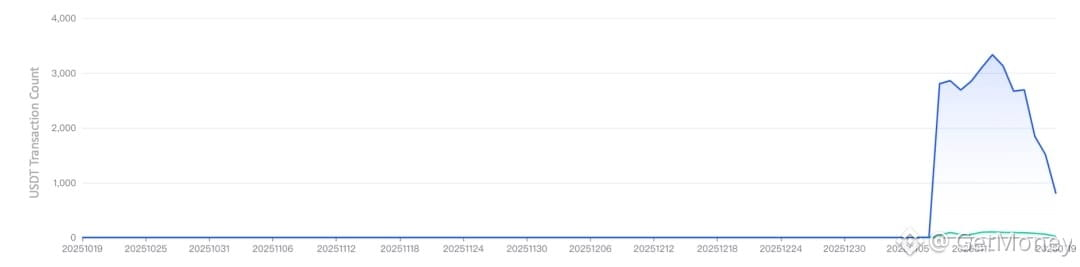
📰 8 сентября Tether начал крупную заморозку платформы обеспеченных криптовалют для Telegram. Анализ в сети показывает, что на адреса 19 новых платформ обеспечения было наложено замораживание примерно на 43,437 млн долларов США, а ещё на 31 адрес торговцев — более 9 млн долларов США.
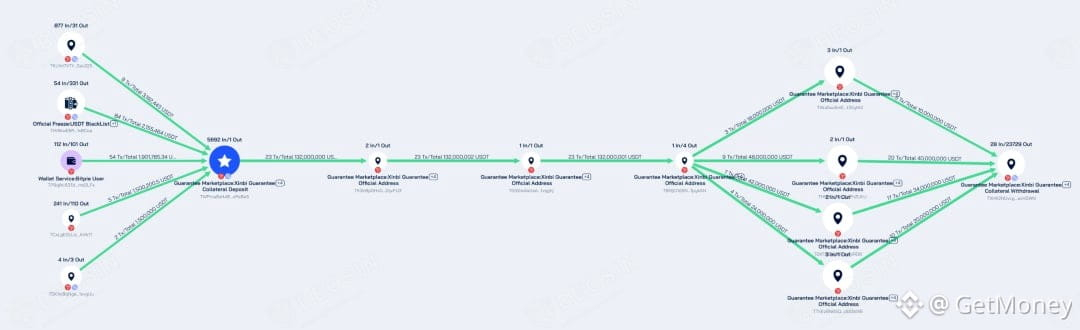
🔥 Среди них адрес с самым крупным единично замороженным суммарным значением связан с примерно 10,78 млн USDT. Этот адрес начал активность с 31 августа; за это время он получил почти 143 млн долларов США и вывел 132 млн долларов США, после чего были также заморожены адреса последующих пяти уровней.
👀 Другая ключевая адреса для ставок: объём её операций составляет около 920 млн долларов США, из которых примерно 205 млн долларов США ушло на торговцев, связанных с платформами обеспечения новых монет, а 26,61 млн долларов США — на торговцев, связанных с платформами обеспечения «картошки». Честно говоря, когда финансовые связи тянутся так далеко, под удар могут попасть и контрагенты по сделкам с этими адресами в прошлом.
💡 Такие платформы постоянно переезжают. После закрытия Huíwàng (汇旺) обеспечение бизнес был перенаправлен на «картошку»; после вывода средств и закрытия соответствующих операций по «картошке» часть торговцев снова перешла на обеспечение новых монет. В 2025 году объём средств, поставленных на платформы, по операциям уже превысил 8,7 млрд USDT — масштабы немалые.
⚠️ Сейчас обеспечение новых монет уже переключилось на использование USDD. Заморозка может заблокировать конкретные активы и адреса, но соответствующие операции всё равно будут сменяться на другие платформы и продолжать работу, переходя на другие стейблкоины — вероятно, ончейн-слежение тоже придётся продолжать.
🤔 Если ваш адрес для получения средств когда-либо проводил транзакции с адресами этих платформ, вы сразу проверите историю движения средств или будете ждать уведомления от торговой платформы?
#Tether #USDT #链上安全 #反洗钱
📰 8 сентября Tether начал крупную заморозку платформы обеспеченных криптовалют для Telegram. Анализ в сети показывает, что на адреса 19 новых платформ обеспечения было наложено замораживание примерно на 43,437 млн долларов США, а ещё на 31 адрес торговцев — более 9 млн долларов США.
🔥 Среди них адрес с самым крупным единично замороженным суммарным значением связан с примерно 10,78 млн USDT. Этот адрес начал активность с 31 августа; за это время он получил почти 143 млн долларов США и вывел 132 млн долларов США, после чего были также заморожены адреса последующих пяти уровней.
👀 Другая ключевая адреса для ставок: объём её операций составляет около 920 млн долларов США, из которых примерно 205 млн долларов США ушло на торговцев, связанных с платформами обеспечения новых монет, а 26,61 млн долларов США — на торговцев, связанных с платформами обеспечения «картошки». Честно говоря, когда финансовые связи тянутся так далеко, под удар могут попасть и контрагенты по сделкам с этими адресами в прошлом.
💡 Такие платформы постоянно переезжают. После закрытия Huíwàng (汇旺) обеспечение бизнес был перенаправлен на «картошку»; после вывода средств и закрытия соответствующих операций по «картошке» часть торговцев снова перешла на обеспечение новых монет. В 2025 году объём средств, поставленных на платформы, по операциям уже превысил 8,7 млрд USDT — масштабы немалые.
⚠️ Сейчас обеспечение новых монет уже переключилось на использование USDD. Заморозка может заблокировать конкретные активы и адреса, но соответствующие операции всё равно будут сменяться на другие платформы и продолжать работу, переходя на другие стейблкоины — вероятно, ончейн-слежение тоже придётся продолжать.
🤔 Если ваш адрес для получения средств когда-либо проводил транзакции с адресами этих платформ, вы сразу проверите историю движения средств или будете ждать уведомления от торговой платформы?
#Tether #USDT #链上安全 #反洗钱
🔥 Среди них адрес с самым крупным единично замороженным суммарным значением связан с примерно 10,78 млн USDT. Этот адрес начал активность с 31 августа; за это время он получил почти 143 млн долларов США и вывел 132 млн долларов США, после чего были также заморожены адреса последующих пяти уровней.
👀 Другая ключевая адреса для ставок: объём её операций составляет около 920 млн долларов США, из которых примерно 205 млн долларов США ушло на торговцев, связанных с платформами обеспечения новых монет, а 26,61 млн долларов США — на торговцев, связанных с платформами обеспечения «картошки». Честно говоря, когда финансовые связи тянутся так далеко, под удар могут попасть и контрагенты по сделкам с этими адресами в прошлом.
💡 Такие платформы постоянно переезжают. После закрытия Huíwàng (汇旺) обеспечение бизнес был перенаправлен на «картошку»; после вывода средств и закрытия соответствующих операций по «картошке» часть торговцев снова перешла на обеспечение новых монет. В 2025 году объём средств, поставленных на платформы, по операциям уже превысил 8,7 млрд USDT — масштабы немалые.
⚠️ Сейчас обеспечение новых монет уже переключилось на использование USDD. Заморозка может заблокировать конкретные активы и адреса, но соответствующие операции всё равно будут сменяться на другие платформы и продолжать работу, переходя на другие стейблкоины — вероятно, ончейн-слежение тоже придётся продолжать.
🤔 Если ваш адрес для получения средств когда-либо проводил транзакции с адресами этих платформ, вы сразу проверите историю движения средств или будете ждать уведомления от торговой платформы?
#Tether #USDT #链上安全 #反洗钱
15

·
--
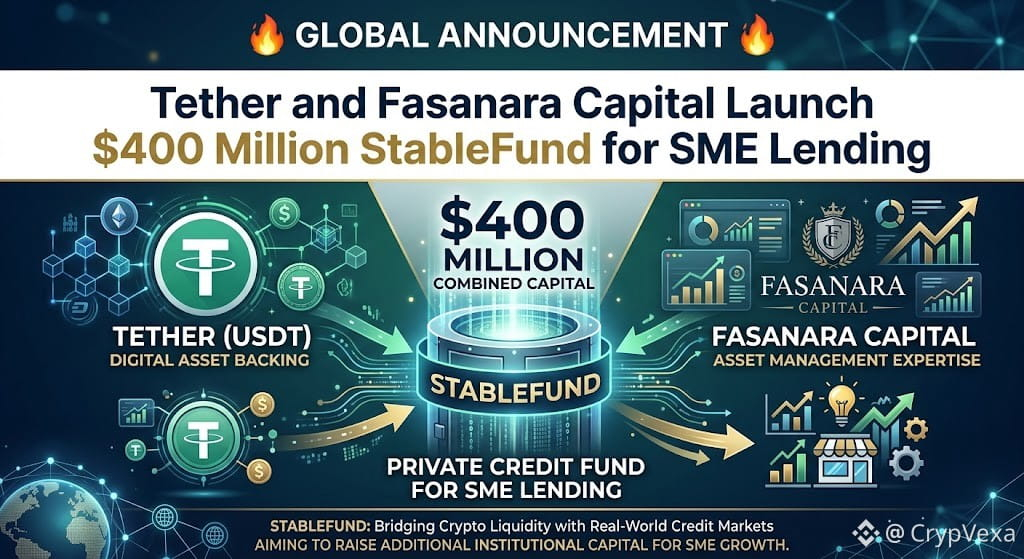
🔥 Tether жана Fasanara $400M StableFund’ды ишке киргизди! 💰
Tether жана актив менеджери Fasanara Capital биргелешип $400M өлчөмүндөгү капитал менен колдоого алынган StableFund аттуу жеке кредиттик фондду ишке киргизишти.
🏦 Максаты:
Чакан жана орто бизнестерге (СМБ) каржылоо берүү, ошол эле учурда кошумча институттук капитал тартуу.
🌍 Эмне үчүн маанилүү: Бул стабилкоинге байланышкан капиталды реалдуу дүйнөдөгү насыялоого жана жеке кредитке тереңирээк алып келет — санариптик активдер салттуу каржы менен кантип байланышарын көрсөтөт.
👀 Негизги суроо: StableFund СМБга насыялоону кеңейте алабы жана күчтүү тобокелдик көзөмөлүн сактай алабы?
#Tether #Stablecoin #PrivateCredit #RWA
🔥 Tether жана Fasanara $400M StableFund’ды ишке киргизди! 💰
Tether жана актив менеджери Fasanara Capital биргелешип $400M өлчөмүндөгү капитал менен колдоого алынган StableFund аттуу жеке кредиттик фондду ишке киргизишти.
🏦 Максаты:
Чакан жана орто бизнестерге (СМБ) каржылоо берүү, ошол эле учурда кошумча институттук капитал тартуу.
🌍 Эмне үчүн маанилүү: Бул стабилкоинге байланышкан капиталды реалдуу дүйнөдөгү насыялоого жана жеке кредитке тереңирээк алып келет — санариптик активдер салттуу каржы менен кантип байланышарын көрсөтөт.
👀 Негизги суроо: StableFund СМБга насыялоону кеңейте алабы жана күчтүү тобокелдик көзөмөлүн сактай алабы?
#Tether #Stablecoin #PrivateCredit #RWA
Tether жана актив менеджери Fasanara Capital биргелешип $400M өлчөмүндөгү капитал менен колдоого алынган StableFund аттуу жеке кредиттик фондду ишке киргизишти.
🏦 Максаты:
Чакан жана орто бизнестерге (СМБ) каржылоо берүү, ошол эле учурда кошумча институттук капитал тартуу.
🌍 Эмне үчүн маанилүү: Бул стабилкоинге байланышкан капиталды реалдуу дүйнөдөгү насыялоого жана жеке кредитке тереңирээк алып келет — санариптик активдер салттуу каржы менен кантип байланышарын көрсөтөт.
👀 Негизги суроо: StableFund СМБга насыялоону кеңейте алабы жана күчтүү тобокелдик көзөмөлүн сактай алабы?
#Tether #Stablecoin #PrivateCredit #RWA
59

$USDT 1.6 USDT ကိုင်ဆောင်ထားမှု
💵 Tether 400M தன்னாட்சி கடன் நிதியை தொடங்குகிறது
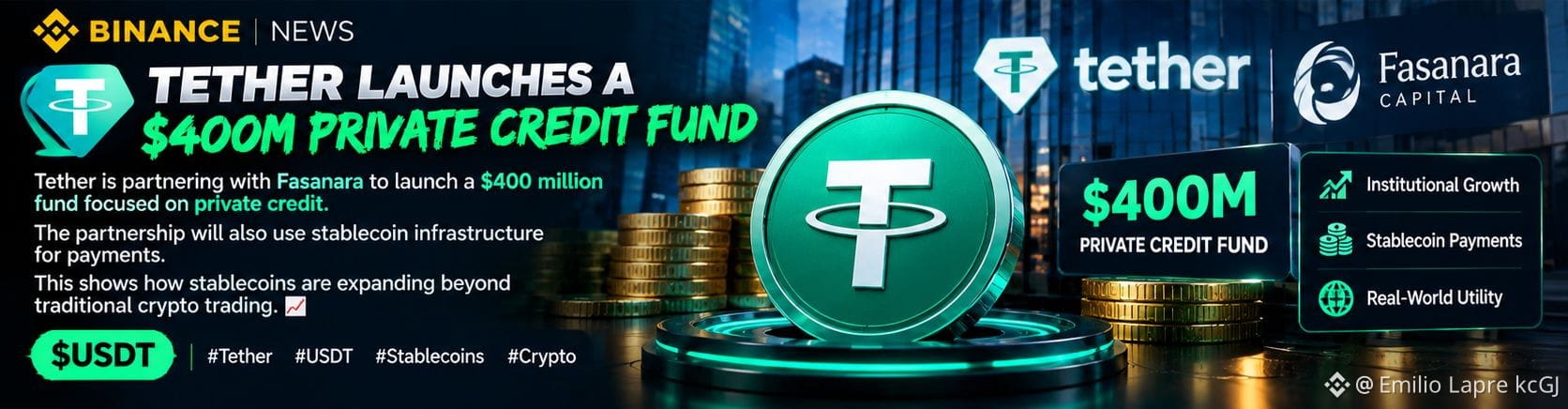
Tether, தனியார் கடனில் கவனம் செலுத்தும் 400 மில்லியன் டாலர் நிதியை தொடங்க Fasanara உடன் கூட்டணி அமைக்கிறது.
இந்த கூட்டாண்மை கட்டணங்களுக்கு ஸ்டேபிள்காயின் (stablecoin) உட்கட்டமைப்பையும் பயன்படுத்தும்.
இது பாரம்பரிய கிரிப்டோ வர்த்தகத்தைத் தாண்டி ஸ்டேபிள்காயின்கள் எவ்வாறு விரிவடைகின்றன என்பதை காட்டுகிறது.
$USDT
#Tether #USDT #Stablecoins #Crypto
💵 Tether 400M தன்னாட்சி கடன் நிதியை தொடங்குகிறது
Tether, தனியார் கடனில் கவனம் செலுத்தும் 400 மில்லியன் டாலர் நிதியை தொடங்க Fasanara உடன் கூட்டணி அமைக்கிறது.
இந்த கூட்டாண்மை கட்டணங்களுக்கு ஸ்டேபிள்காயின் (stablecoin) உட்கட்டமைப்பையும் பயன்படுத்தும்.
இது பாரம்பரிய கிரிப்டோ வர்த்தகத்தைத் தாண்டி ஸ்டேபிள்காயின்கள் எவ்வாறு விரிவடைகின்றன என்பதை காட்டுகிறது.
$USDT
#Tether #USDT #Stablecoins #Crypto
Tether, தனியார் கடனில் கவனம் செலுத்தும் 400 மில்லியன் டாலர் நிதியை தொடங்க Fasanara உடன் கூட்டணி அமைக்கிறது.
இந்த கூட்டாண்மை கட்டணங்களுக்கு ஸ்டேபிள்காயின் (stablecoin) உட்கட்டமைப்பையும் பயன்படுத்தும்.
இது பாரம்பரிய கிரிப்டோ வர்த்தகத்தைத் தாண்டி ஸ்டேபிள்காயின்கள் எவ்வாறு விரிவடைகின்றன என்பதை காட்டுகிறது.
$USDT
#Tether #USDT #Stablecoins #Crypto
24

·
--

Article
ෆසානාරා සමඟ ඩොලර් මිලියන 400 අරමුදලක් සමඟින් ටෙදර් පෞද්ගලික ණය වෙත පිවිසෙයි$USDT නිකුත් කරන්නා, ණය අවස්ථා සොයා ගැනීමට සහ ෆසානාරා (Fasanara) හි පෞද්ගලික ණය ජාලය සඳහා ස්ථායීකොයින් ගෙවීම් යටිතල පහසුකම් සැපයීමට උදව් කරනු ඇත.
#Tether සහ ෆසානාරා කැපිටල් (Fasanara Capital) විසින් පෞද්ගලික ණය අරමුදලට ඩොලර් මිලියන 400 ක් වශයෙන් පදනම් දමමින්, ආයතනික ආයෝජකයන්ගෙන් ඩොලර් බිලියන 3 ක් දක්වා ආකර්ෂණය කර ගැනීමට අරමුණු කරයි.
මෙම අරමුදල මීට රටවල් 60කට වැඩි ගණනක ෆින්ටෙක් ණයදෙන ආයතන හරහා ව්යාපාර සහ පාරිභෝගිකයන්ට මූල්ය සපයනු ඇත. $USDT භාවිත කරන්නේ දේශසීමා හරහා ප්රාග්ධනය ගෙන යෑමට උපකාර කිරීමටය.
මෙම ක්රියාව ස්ථායීකොයින් නිකුත් කිරීමේ ස්ථාවරත්වයෙන් පසුව සම්ප්රදායික මූල්යයට තවත් තල්ලු කරමින්, ගෙවීම්, කෘත්රිම බුද්ධිය සහ දුරකථන සම්බන්ධයෙන් එහි වර්ධනය වන ඔට්ටු වලට පෞද්ගලික ණය (private credit) එක් කරයි. #Tether
ෆසානාරා සමඟ ඩොලර් මිලියන 400 අරමුදලක් සමඟින් ටෙදර් පෞද්ගලික ණය වෙත පිවිසෙයි
$USDT නිකුත් කරන්නා, ණය අවස්ථා සොයා ගැනීමට සහ ෆසානාරා (Fasanara) හි පෞද්ගලික ණය ජාලය සඳහා ස්ථායීකොයින් ගෙවීම් යටිතල පහසුකම් සැපයීමට උදව් කරනු ඇත.
#Tether සහ ෆසානාරා කැපිටල් (Fasanara Capital) විසින් පෞද්ගලික ණය අරමුදලට ඩොලර් මිලියන 400 ක් වශයෙන් පදනම් දමමින්, ආයතනික ආයෝජකයන්ගෙන් ඩොලර් බිලියන 3 ක් දක්වා ආකර්ෂණය කර ගැනීමට අරමුණු කරයි.
මෙම අරමුදල මීට රටවල් 60කට වැඩි ගණනක ෆින්ටෙක් ණයදෙන ආයතන හරහා ව්යාපාර සහ පාරිභෝගිකයන්ට මූල්ය සපයනු ඇත. $USDT භාවිත කරන්නේ දේශසීමා හරහා ප්රාග්ධනය ගෙන යෑමට උපකාර කිරීමටය.
මෙම ක්රියාව ස්ථායීකොයින් නිකුත් කිරීමේ ස්ථාවරත්වයෙන් පසුව සම්ප්රදායික මූල්යයට තවත් තල්ලු කරමින්, ගෙවීම්, කෘත්රිම බුද්ධිය සහ දුරකථන සම්බන්ධයෙන් එහි වර්ධනය වන ඔට්ටු වලට පෞද්ගලික ණය (private credit) එක් කරයි. #Tether
#Tether සහ ෆසානාරා කැපිටල් (Fasanara Capital) විසින් පෞද්ගලික ණය අරමුදලට ඩොලර් මිලියන 400 ක් වශයෙන් පදනම් දමමින්, ආයතනික ආයෝජකයන්ගෙන් ඩොලර් බිලියන 3 ක් දක්වා ආකර්ෂණය කර ගැනීමට අරමුණු කරයි.
මෙම අරමුදල මීට රටවල් 60කට වැඩි ගණනක ෆින්ටෙක් ණයදෙන ආයතන හරහා ව්යාපාර සහ පාරිභෝගිකයන්ට මූල්ය සපයනු ඇත. $USDT භාවිත කරන්නේ දේශසීමා හරහා ප්රාග්ධනය ගෙන යෑමට උපකාර කිරීමටය.
මෙම ක්රියාව ස්ථායීකොයින් නිකුත් කිරීමේ ස්ථාවරත්වයෙන් පසුව සම්ප්රදායික මූල්යයට තවත් තල්ලු කරමින්, ගෙවීම්, කෘත්රිම බුද්ධිය සහ දුරකථන සම්බන්ධයෙන් එහි වර්ධනය වන ඔට්ටු වලට පෞද්ගලික ණය (private credit) එක් කරයි. #Tether
46

·
--
Tether又下场搞钱了,联手Fasanara募4000万美元搞私人信贷,目标直接拉到30亿。
玩法很简单:用稳定币做底层清算,给现实世界放贷。说白了就是把自己从“印钞机”升级成“影子银行”,赚息差。
老韭菜都懂,以前USDT只要稳住别暴雷就是赢,现在明显不满足于当工具人。这波操作看着是拓宽收益,但风险点也不少——私人信贷市场流动性差,万一贷款违约,谁来兜底?
吃瓜归吃瓜,稳定币龙头都开始找新故事讲了,行业风向值得品一品。
$USDT #Tether
Tether又下场搞钱了,联手Fasanara募4000万美元搞私人信贷,目标直接拉到30亿。
玩法很简单:用稳定币做底层清算,给现实世界放贷。说白了就是把自己从“印钞机”升级成“影子银行”,赚息差。
老韭菜都懂,以前USDT只要稳住别暴雷就是赢,现在明显不满足于当工具人。这波操作看着是拓宽收益,但风险点也不少——私人信贷市场流动性差,万一贷款违约,谁来兜底?
吃瓜归吃瓜,稳定币龙头都开始找新故事讲了,行业风向值得品一品。
$USDT #Tether
玩法很简单:用稳定币做底层清算,给现实世界放贷。说白了就是把自己从“印钞机”升级成“影子银行”,赚息差。
老韭菜都懂,以前USDT只要稳住别暴雷就是赢,现在明显不满足于当工具人。这波操作看着是拓宽收益,但风险点也不少——私人信贷市场流动性差,万一贷款违约,谁来兜底?
吃瓜归吃瓜,稳定币龙头都开始找新故事讲了,行业风向值得品一品。
$USDT #Tether
19

·
--
Tether yaqinda xususiy kredit biznesiga kirdi.
$USDT ortidagi kompaniya Fasanara bilan 400 million dollarlik jamg‘arma uchun hamkorlik qildi.
Uning vazifasi Fasanaraning butun tarmog‘i bo‘ylab kredit imkoniyatlarini izlash va stablecoinlar bilan to‘lovlar infratuzilmasini yaratish (yengillashtirish)dan iborat bo‘ladi.
Stablecoin emitenti an’anaviy kreditlash sohasiga jiddiy kirib kelayotganini ko‘rish qiziq.
Sizga Tetherning bu qadami qanday yoqadi?
#Tether #USDT #Cripto
Tether yaqinda xususiy kredit biznesiga kirdi.
$USDT ortidagi kompaniya Fasanara bilan 400 million dollarlik jamg‘arma uchun hamkorlik qildi.
Uning vazifasi Fasanaraning butun tarmog‘i bo‘ylab kredit imkoniyatlarini izlash va stablecoinlar bilan to‘lovlar infratuzilmasini yaratish (yengillashtirish)dan iborat bo‘ladi.
Stablecoin emitenti an’anaviy kreditlash sohasiga jiddiy kirib kelayotganini ko‘rish qiziq.
Sizga Tetherning bu qadami qanday yoqadi?
#Tether #USDT #Cripto
$USDT ortidagi kompaniya Fasanara bilan 400 million dollarlik jamg‘arma uchun hamkorlik qildi.
Uning vazifasi Fasanaraning butun tarmog‘i bo‘ylab kredit imkoniyatlarini izlash va stablecoinlar bilan to‘lovlar infratuzilmasini yaratish (yengillashtirish)dan iborat bo‘ladi.
Stablecoin emitenti an’anaviy kreditlash sohasiga jiddiy kirib kelayotganini ko‘rish qiziq.
Sizga Tetherning bu qadami qanday yoqadi?
#Tether #USDT #Cripto
38
Log in to explore more content
Join global crypto users on Binance Square
⚡️ Get latest and useful information about crypto.
💬 Trusted by the world’s largest crypto exchange.
👍 Discover real insights from verified creators.
အီးမေးလ် / ဖုန်းနံပါတ်
ရေပန်းစားနေသော ခေါင်းစဉ်များ
1
#BitcoinReboundsTo$79K
6,096 views
75 Discussing
2
#FedHikeOddsRiseTo89%
65,655 views
959 Discussing
3
#RLUSDSupplyHitsRecord$2.442B
3,777 views
57 Discussing
4
#AvalancheIntegratesIntoUAEPassDigitalVault
65,815 views
947 Discussing
5
#UKSeeksViewsOnTokenizingGold
51,885 views
715 Discussing
6
#AnthropicCEOCallsForAISlowdown
225,794 views
3,233 Discussing
7
#RevolutDataLeakReportedlyPostedAttackersThreatenDailyReleases
4,246 views
86 Discussing
8
#BrazilCentralBankRaisesVASPCapitalRequirements
39,228 views
794 Discussing
9
#BitcoinThirdSingleBlockReorgInFourWeeks
93,118 views
1,611 Discussing
10
#EthereumFallsBelow$2500
7,137 views
95 Discussing