
#lunc
lunc
ကြည့်ရှုမှု 54M ကြိမ်
55,973 ဦး ဆွေးနွေးနေသည်
ရေပန်းစားသော
နောက်ဆုံး

·
--
Article
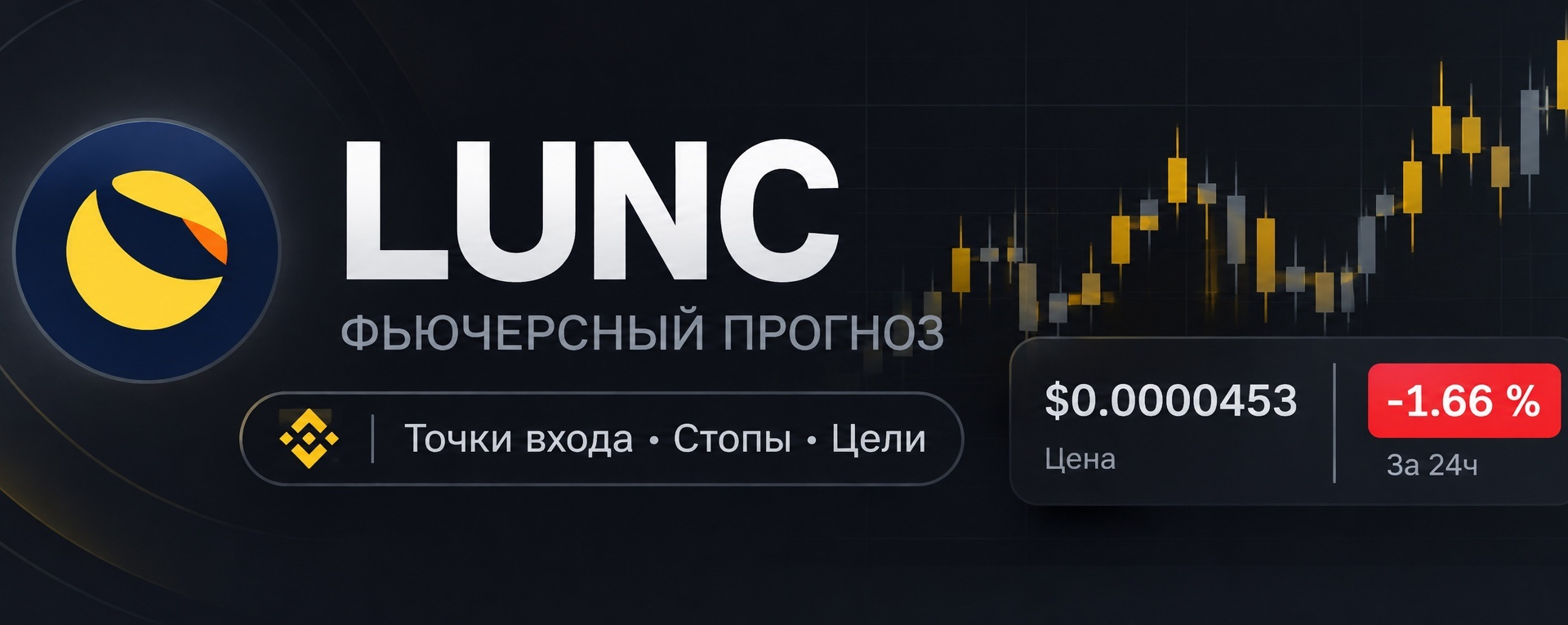
LUNC: LONG နဲ့ SHORT ဝင်ဖို့ ဘယ်နေရာကို ရှာရမလဲ။ FUTURES ကို လေ့လာကြည့်ရအောင်$LUNC
LUNC မှာ လက်ရှိ စိတ်ဝင်စားဖို့ကောင်းတဲ့ အခြေအနေတစ်ခု ရှိနေပါတယ်။ ပြန်လည်တက်လာပြီးနောက် ဝယ်သူတွေက ဈေးနှုန်းကို ထိန်းထားဖို့ ကြိုးစားနေကြပေမယ့် ရောင်းသူတွေက အနီးဆုံး ခုခံမှုအဆင့်ကို လွယ်လွယ်ကူကူ ကျော်ဖြတ်ခွင့် မပေးသေးပါဘူး။
ဤသုံးသပ်ချက် ပြုလုပ်ချိန်တွင် ဈေးနှုန်းသည် $0.0000453 ဝန်းကျင်တွင် ရှိနေပါတယ်။ လက်ရှိဈေးကွက်ဈေးနှုန်းအတိုင်း အလျင်စလို အရောင်းအဝယ်အနေအထား ဖွင့်ဖို့ မတိုက်တွန်းပါဘူး။ အရေးကြီးတဲ့ ဈေးနှုန်းအဆင့်တွေမှာ တုံ့ပြန်မှုကို စောင့်ကြည့်တာ ပိုကောင်းပါတယ်။
LUNC: LONG နဲ့ SHORT ဝင်ဖို့ ဘယ်နေရာကို ရှာရမလဲ။ FUTURES ကို လေ့လာကြည့်ရအောင်
$LUNC
LUNC မှာ လက်ရှိ စိတ်ဝင်စားဖို့ကောင်းတဲ့ အခြေအနေတစ်ခု ရှိနေပါတယ်။ ပြန်လည်တက်လာပြီးနောက် ဝယ်သူတွေက ဈေးနှုန်းကို ထိန်းထားဖို့ ကြိုးစားနေကြပေမယ့် ရောင်းသူတွေက အနီးဆုံး ခုခံမှုအဆင့်ကို လွယ်လွယ်ကူကူ ကျော်ဖြတ်ခွင့် မပေးသေးပါဘူး။
ဤသုံးသပ်ချက် ပြုလုပ်ချိန်တွင် ဈေးနှုန်းသည် $0.0000453 ဝန်းကျင်တွင် ရှိနေပါတယ်။ လက်ရှိဈေးကွက်ဈေးနှုန်းအတိုင်း အလျင်စလို အရောင်းအဝယ်အနေအထား ဖွင့်ဖို့ မတိုက်တွန်းပါဘူး။ အရေးကြီးတဲ့ ဈေးနှုန်းအဆင့်တွေမှာ တုံ့ပြန်မှုကို စောင့်ကြည့်တာ ပိုကောင်းပါတယ်။
2
942

ဘာသာပြန်ဆိုချက် ကြည့်မည်
🔥 CAN $LUNC REALLY REACH $10? — DREAM OR REAL POSSIBILITY? 👀🚀
The Terra Classic community continues to believe in the long-term potential of $LUNC.
But can LUNC realistically reach $10?
Several factors could influence its future:
🔥 Community Support: The LUNC Army remains committed to the project.
🔥 Token Burns: Reducing the circulating supply could improve long-term scarcity.
🔥 Ecosystem Development: Continued development and increased adoption could support demand.
⚠️ The Big Challenge: Reaching $10 would require an enormous increase in market capitalization under the current supply. Token burns alone may not be enough.
Could LUNC surprise the market in the coming years, or is $10 too ambitious?
What's your realistic LUNC price target? Share your prediction below! 👇
Hashtags:
#LUNC #TerraClassic #LuncArmy #CryptoCommunity #CryptoPredictions $LUNC
{spot}(LUNCUSDT)
🔥 CAN $LUNC REALLY REACH $10? — DREAM OR REAL POSSIBILITY? 👀🚀
The Terra Classic community continues to believe in the long-term potential of $LUNC .
But can LUNC realistically reach $10?
Several factors could influence its future:
🔥 Community Support: The LUNC Army remains committed to the project.
🔥 Token Burns: Reducing the circulating supply could improve long-term scarcity.
🔥 Ecosystem Development: Continued development and increased adoption could support demand.
⚠️ The Big Challenge: Reaching $10 would require an enormous increase in market capitalization under the current supply. Token burns alone may not be enough.
Could LUNC surprise the market in the coming years, or is $10 too ambitious?
What's your realistic LUNC price target? Share your prediction below! 👇
Hashtags:
#LUNC #TerraClassic #LuncArmy #CryptoCommunity #CryptoPredictions $LUNC
Alverta Fudacz Zra8:
Minha meta de preco para lunc fica entre $0,10 a $0,20 , ja ficaria excelente! 🍀🍀🍀
2
2
493

·
--
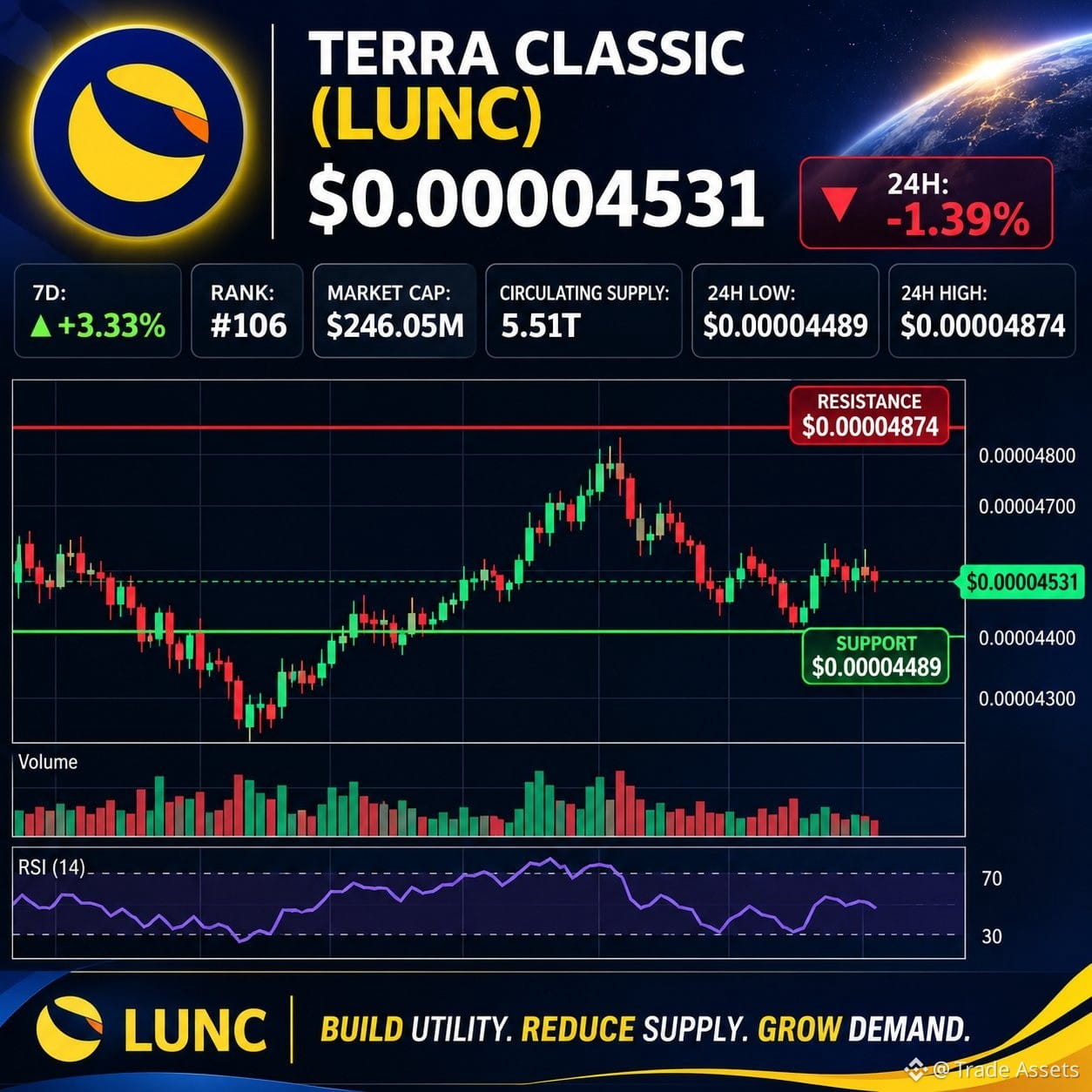
🚨 LUNC စျေးကွက်စောင့်ကြည့်ချက်၊ နိုဝင်ဘာ ၂၈
#Terra_Classic က စျေးကွက်လှုပ်ရှားမှုများ ဆက်လက်ဖြစ်ပေါ်နေချိန်တွင် အာရုံစိုက်မှုကို ရရှိနေသည်။
# စျေးနှုန်း: $0.0000453
# ၂၄ နာရီအတွင်း ပြောင်းလဲမှု: -1.39%
# စျေးကွက်တန်ဖိုး: $246.05M
# ၂၄ နာရီအတွင်း ကုန်သွယ်မှုပမာဏ: $15.33M+
# လည်ပတ်နေသော ထောက်ပံ့မှု: 5.51T LUNC
# စျေးကွက်အဆင့်: #106
အဓိက စျေးနှုန်းအဆင့်များ
▪️ ခုခံမှု: $0.0000479
▪️ ထောက်ပံ့မှု: $0.0000449
▪️ နောက်ထပ် မှတ်တိုင်: $0.0000500
နောက်ထပ် လှုပ်ရှားမှုက အရေးကြီးပေမယ့် ပိုကြီးမားတဲ့ ဇာတ်ကြောင်းကတော့ မပြောင်းလဲသေးပါဘူး🔥
#LUNC #TerraClassic #LUNCBurn
$LUNC
{spot}(LUNCUSDT)
🚨 LUNC စျေးကွက်စောင့်ကြည့်ချက်၊ နိုဝင်ဘာ ၂၈
#Terra_Classic က စျေးကွက်လှုပ်ရှားမှုများ ဆက်လက်ဖြစ်ပေါ်နေချိန်တွင် အာရုံစိုက်မှုကို ရရှိနေသည်။
# စျေးနှုန်း: $0.0000453
# ၂၄ နာရီအတွင်း ပြောင်းလဲမှု: -1.39%
# စျေးကွက်တန်ဖိုး: $246.05M
# ၂၄ နာရီအတွင်း ကုန်သွယ်မှုပမာဏ: $15.33M+
# လည်ပတ်နေသော ထောက်ပံ့မှု: 5.51T LUNC
# စျေးကွက်အဆင့်: #106
အဓိက စျေးနှုန်းအဆင့်များ
▪️ ခုခံမှု: $0.0000479
▪️ ထောက်ပံ့မှု: $0.0000449
▪️ နောက်ထပ် မှတ်တိုင်: $0.0000500
နောက်ထပ် လှုပ်ရှားမှုက အရေးကြီးပေမယ့် ပိုကြီးမားတဲ့ ဇာတ်ကြောင်းကတော့ မပြောင်းလဲသေးပါဘူး🔥
#LUNC #TerraClassic #LUNCBurn
$LUNC
1
16
3.2k

စိစစ်အတည်ပြုထားသည်
ဘာသာပြန်ဆိုချက် ကြည့်မည်
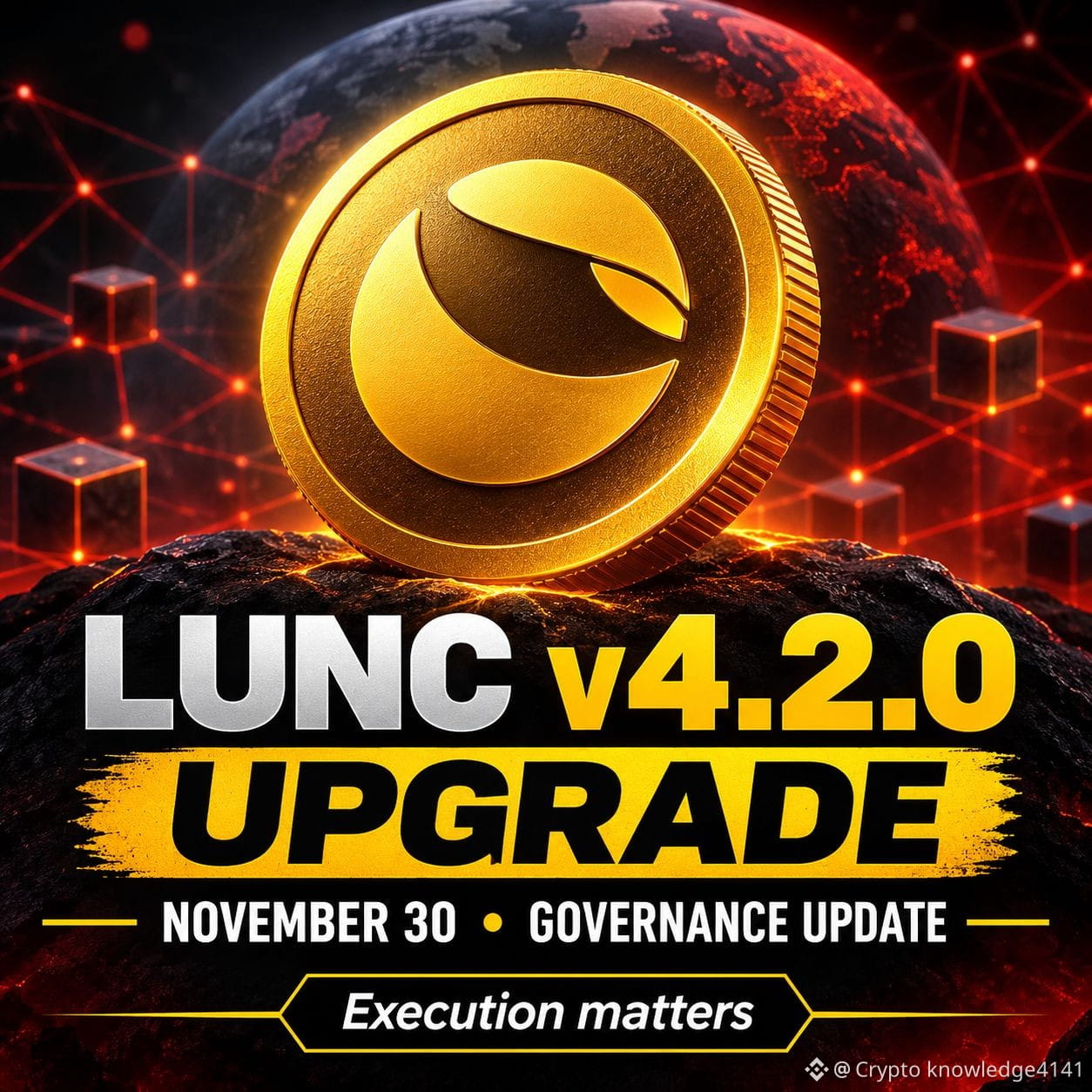
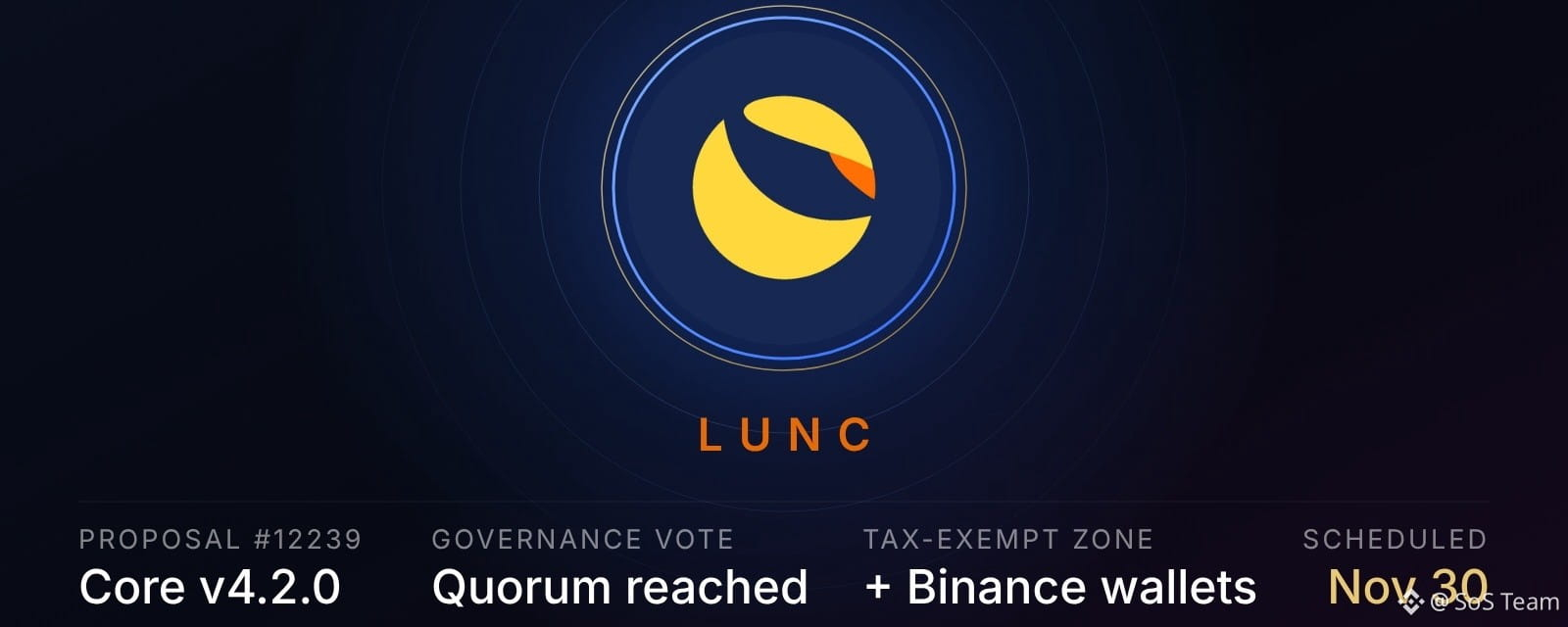
🚀 $LUNC Has a Big Date Ahead – November 30!
Terra Classic's v4.2.0 network upgrade has received approximately 91% support from validators.
The upgrade aims to restore governance control over tax exemption lists and improve network management.
🔥 Meanwhile, the community continues focusing on token burns and ecosystem development.
One thing to watch: Binance's November burn has not yet been confirmed.
Can LUNC turn this development into lasting momentum? 👀
#LUNC #TerraClassic #CryptoNews #Binance #Altcoins
$LUNC
{spot}(LUNCUSDT)
🚀 $LUNC Has a Big Date Ahead – November 30!
Terra Classic's v4.2.0 network upgrade has received approximately 91% support from validators.
The upgrade aims to restore governance control over tax exemption lists and improve network management.
🔥 Meanwhile, the community continues focusing on token burns and ecosystem development.
One thing to watch: Binance's November burn has not yet been confirmed.
Can LUNC turn this development into lasting momentum? 👀
#LUNC #TerraClassic #CryptoNews #Binance #Altcoins
$LUNC
Alverta Fudacz Zra8:
A comunidade Lunc espera pelo desenvolvimento do ecosistema e queima se tokens ainda em novembro/2026!
1
6
953

·
--
တက်ရိပ်ရှိသည်
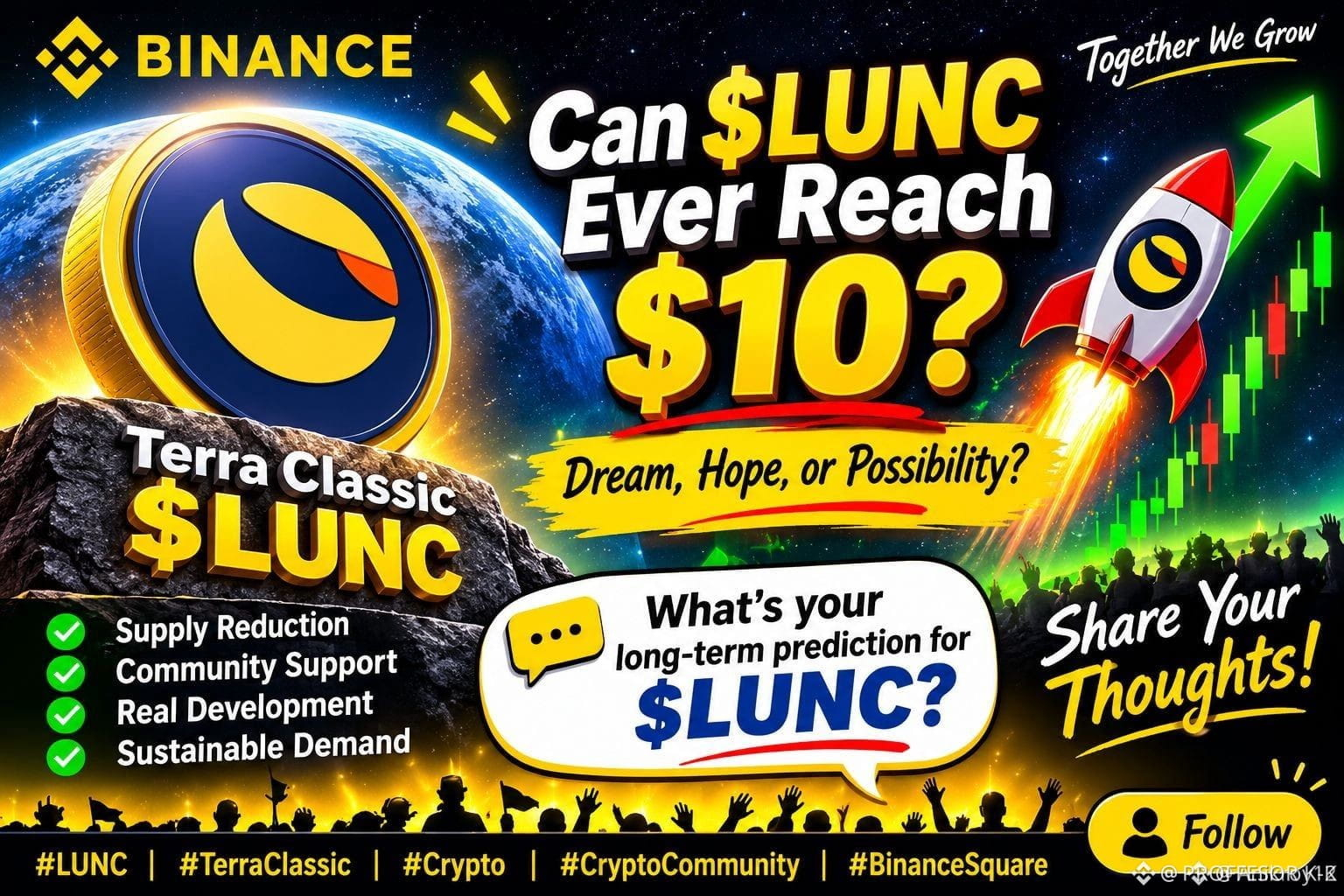
$LUNC မှ $10 အထိ: အိပ်မက်လား၊ လက်တွေ့လား? 🚀👀
ခိုင်မာတဲ့ အသိုင်းအဝိုင်းတစ်ခုက Terra Classic ကို ဆက်လက်ရှင်သန်စေပါတယ်။ ဒါပေမဲ့ $10 ရောက်ဖို့ဆိုရင် ပမာဏအများကြီး လျှော့ချဖို့၊ တကယ့်ဖွံ့ဖြိုးတိုးတက်မှုတွေနဲ့ ရေရှည်တည်တံ့တဲ့ ဝယ်လိုအားတွေ လိုအပ်ပါတယ်။ အကောင်းမြင်စိတ်ထားပါ၊ လက်တွေ့ကျကျ အရောင်းအဝယ်လုပ်ပါ!
ရေရှည်အတွက် $LUNC price ကို ဘယ်လောက်လို့ ခန့်မှန်းပါသလဲ? ပြောပြပေးပါဦး! 👇
#LUNC #TerraClassic #Crypto #BinanceSquare #Write2Earn
17
·
--
ဘာသာပြန်ဆိုချက် ကြည့်မည်
LUNA Classic
Kimchi premium on Upbit
BTC +1.80%
ETH +1.79%
The bull is moving even in silence,
By the time you feel it, it's too late,
Let's enjoy the pain we're feeling now
$0.26 is the turning point
$1 is an option,
#LUNC #TerraClassic #LUNCCommunity
$LUNC
{spot}(LUNCUSDT)
LUNA Classic
Kimchi premium on Upbit
BTC +1.80%
ETH +1.79%
The bull is moving even in silence,
By the time you feel it, it's too late,
Let's enjoy the pain we're feeling now
$0.26 is the turning point
$1 is an option,
#LUNC #TerraClassic #LUNCCommunity
$LUNC
Kimchi premium on Upbit
BTC +1.80%
ETH +1.79%
The bull is moving even in silence,
By the time you feel it, it's too late,
Let's enjoy the pain we're feeling now
$0.26 is the turning point
$1 is an option,
#LUNC #TerraClassic #LUNCCommunity
$LUNC
11
1.7k
·
--
တက်ရိပ်ရှိသည်
စိစစ်အတည်ပြုထားသည်
🚨 $LUNC မီးရှို့မှု အပ်ဒိတ် – မီးရှို့မှုအရှိန်အဟုန် မရပ်တန့်သေးပါ! 🔥
မိတ်ဆွေတို့ရေ၊ Terra Classic ($LUNC) မှာ စိတ်ဝင်စားစရာတစ်ခု ဖြစ်ပျက်နေပါတယ်! 👀
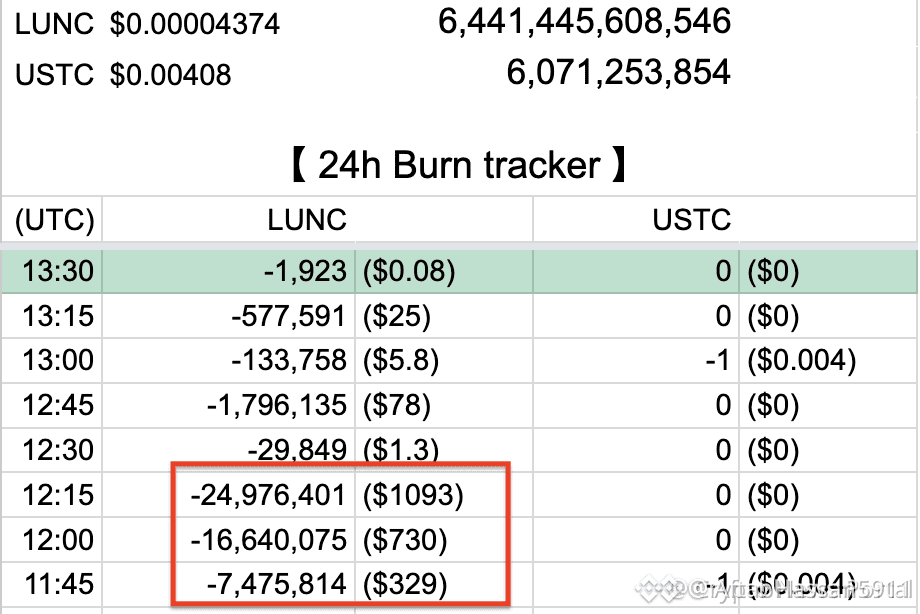
နောက်ဆုံးရ အချက်အလက်တွေအရ လွန်ခဲ့တဲ့ 2 နာရီအတွင်းမှာပဲ 50 MILLION $LUNC ခန့် မီးရှို့ခံခဲ့ရပါတယ်! 🔥
ဒါတင်မကသေးပါဘူး…..
LUNC 10 MILLION ခန့်ကိုလည်း Community Wallet နဲ့ Oracle Pool ထဲ ထည့်သွင်းထားပါတယ်...
မီးရှို့မှုတွေ ဆက်လက်ဖြစ်ပွားနေပြီး ပျံ့နှံ့လည်ပတ်နေတဲ့ ပမာဏကို လျှော့ချဖို့ဆိုတဲ့ အဓိကရည်မှန်းချက်တစ်ခုအပေါ် အသိုင်းအဝိုင်းရဲ့ အာရုံစိုက်မှုကို ဆက်ထိန်းထားပါတယ်။ 💎
ဒါပေမဲ့ ကျွန်တော်/ကျွန်မ အနီးကပ် စောင့်ကြည့်နေတာက…...
ဒီလို ဆက်လက်ဖြစ်ပွားနေတဲ့ မီးရှို့မှုအရှိန်အဟုန်က $LUNC ကို ပိုမိုအားကောင်းတဲ့ ပြန်လည်နာလန်ထူမှုတစ်ခု တည်ဆောက်နိုင်ဖို့ နောက်ဆုံးမှာ အထောက်အကူပြုနိုင်မလား။
LUNC နဲ့ $1000LUNC ကို ကျွန်တော်/ကျွန်မ စောင့်ကြည့်စာရင်းထဲ ထည့်ထားပါတယ်။ 🚀
မိတ်ဆွေတို့ ဘယ်လိုထင်ပါသလဲ?
Terra Classic က နောက်ထပ်တစ်ကြိမ် ပြန်လည်ထွန်းကားဖို့ ပြင်ဆင်နေတာလား၊ ဒါမှမဟုတ် ဈေးကွက်ကနေ အတည်ပြုချက် ပိုလိုအပ်သေးလား။ 🐂
မိတ်ဆွေတို့ရဲ့ အမြင်တွေကို ပြောပြကြပါဦး! 👇
#LUNC #TerraClassic #BurnLUNC #1000LUNC #CryptoMarket #LUNCBurn #CryptoCommunity
{spot}(LUNCUSDT)
🚨 $LUNC မီးရှို့မှု အပ်ဒိတ် – မီးရှို့မှုအရှိန်အဟုန် မရပ်တန့်သေးပါ! 🔥
မိတ်ဆွေတို့ရေ၊ Terra Classic ($LUNC ) မှာ စိတ်ဝင်စားစရာတစ်ခု ဖြစ်ပျက်နေပါတယ်! 👀
နောက်ဆုံးရ အချက်အလက်တွေအရ လွန်ခဲ့တဲ့ 2 နာရီအတွင်းမှာပဲ 50 MILLION $LUNC ခန့် မီးရှို့ခံခဲ့ရပါတယ်! 🔥
ဒါတင်မကသေးပါဘူး…..
LUNC 10 MILLION ခန့်ကိုလည်း Community Wallet နဲ့ Oracle Pool ထဲ ထည့်သွင်းထားပါတယ်...
မီးရှို့မှုတွေ ဆက်လက်ဖြစ်ပွားနေပြီး ပျံ့နှံ့လည်ပတ်နေတဲ့ ပမာဏကို လျှော့ချဖို့ဆိုတဲ့ အဓိကရည်မှန်းချက်တစ်ခုအပေါ် အသိုင်းအဝိုင်းရဲ့ အာရုံစိုက်မှုကို ဆက်ထိန်းထားပါတယ်။ 💎
ဒါပေမဲ့ ကျွန်တော်/ကျွန်မ အနီးကပ် စောင့်ကြည့်နေတာက…...
ဒီလို ဆက်လက်ဖြစ်ပွားနေတဲ့ မီးရှို့မှုအရှိန်အဟုန်က $LUNC ကို ပိုမိုအားကောင်းတဲ့ ပြန်လည်နာလန်ထူမှုတစ်ခု တည်ဆောက်နိုင်ဖို့ နောက်ဆုံးမှာ အထောက်အကူပြုနိုင်မလား။
LUNC နဲ့ $1000LUNC ကို ကျွန်တော်/ကျွန်မ စောင့်ကြည့်စာရင်းထဲ ထည့်ထားပါတယ်။ 🚀
မိတ်ဆွေတို့ ဘယ်လိုထင်ပါသလဲ?
Terra Classic က နောက်ထပ်တစ်ကြိမ် ပြန်လည်ထွန်းကားဖို့ ပြင်ဆင်နေတာလား၊ ဒါမှမဟုတ် ဈေးကွက်ကနေ အတည်ပြုချက် ပိုလိုအပ်သေးလား။ 🐂
မိတ်ဆွေတို့ရဲ့ အမြင်တွေကို ပြောပြကြပါဦး! 👇
#LUNC #TerraClassic #BurnLUNC #1000LUNC #CryptoMarket #LUNCBurn #CryptoCommunity
Alazzani:
good
2
1
4
1.3k

ဘာသာပြန်ဆိုချက် ကြည့်မည်
BERKAS NO.4 - BINANCE x LUNCSTATUS: TERBUKA
KASUS: RAKSASA YANG MENGUBUR DAN KOMUNITAS YANG TIDAK MENYERAH
TERSANGKA: BINANCE
KORBAN: SUPPLY $LUNC
Pada Mei 2022, LUNC jatuh ke nol.
Semua orang menganggapnya sudah mati. Semua orang menguburkannya.
Tapi ada sesuatu yang tidak pernah diceritakan siapa pun kepada Anda.
Binance, bursa terbesar di dunia, sejak 2022 membakar LUNC dengan 50% dari komisi trading LUNC.
Sudah membakar lebih dari 88.100 miliar LUNC. Hanya Binance saja.
Ia adalah pembakar nomor 1 sepanjang sejarah LUNC.
Dan secara total, antara Binance + komunitas + pajak on-chain, sudah dibakar lebih dari 464.000 miliar LUNC.
Masalahnya? Masih tersisa 5,54 triliun dalam sirkulasi.
Itulah mengapa komunitas menaikkan pajak pembakaran on-chain menjadi 1,5% dan terus membakar lebih dari 100 juta per hari.
Pada November, sudah lebih dari 3.050 miliar dibakar, dan pembakaran bulanan #Binance masih menunggu.
$LUNC bukan proyek baru. Ia adalah seorang penyintas.
Seorang penyintas yang terus dibantu dibakar oleh raksasa itu, bulan demi bulan, sejak 2022.
Apakah Anda menganggapnya sudah mati, atau melihatnya sebagai kebangkitan terbesar di dunia crypto?
#LUNC #TerraClassic #Crypto #memecoin🚀🚀🚀
BERKAS NO.4 - BINANCE x LUNC
STATUS: TERBUKA
KASUS: RAKSASA YANG MENGUBUR DAN KOMUNITAS YANG TIDAK MENYERAH
TERSANGKA: BINANCE
KORBAN: SUPPLY $LUNC
Pada Mei 2022, LUNC jatuh ke nol.
Semua orang menganggapnya sudah mati. Semua orang menguburkannya.
Tapi ada sesuatu yang tidak pernah diceritakan siapa pun kepada Anda.
Binance, bursa terbesar di dunia, sejak 2022 membakar LUNC dengan 50% dari komisi trading LUNC.
Sudah membakar lebih dari 88.100 miliar LUNC. Hanya Binance saja.
Ia adalah pembakar nomor 1 sepanjang sejarah LUNC.
Dan secara total, antara Binance + komunitas + pajak on-chain, sudah dibakar lebih dari 464.000 miliar LUNC.
Masalahnya? Masih tersisa 5,54 triliun dalam sirkulasi.
Itulah mengapa komunitas menaikkan pajak pembakaran on-chain menjadi 1,5% dan terus membakar lebih dari 100 juta per hari.
Pada November, sudah lebih dari 3.050 miliar dibakar, dan pembakaran bulanan #Binance masih menunggu.
$LUNC bukan proyek baru. Ia adalah seorang penyintas.
Seorang penyintas yang terus dibantu dibakar oleh raksasa itu, bulan demi bulan, sejak 2022.
Apakah Anda menganggapnya sudah mati, atau melihatnya sebagai kebangkitan terbesar di dunia crypto?
#LUNC #TerraClassic #Crypto #memecoin🚀🚀🚀
1
1
198


နောက်လာမည့် အတက်ဈေးကွက်မှာ $LUNC က လူတိုင်းကို အံ့အားသင့်စေနိုင်မလား။
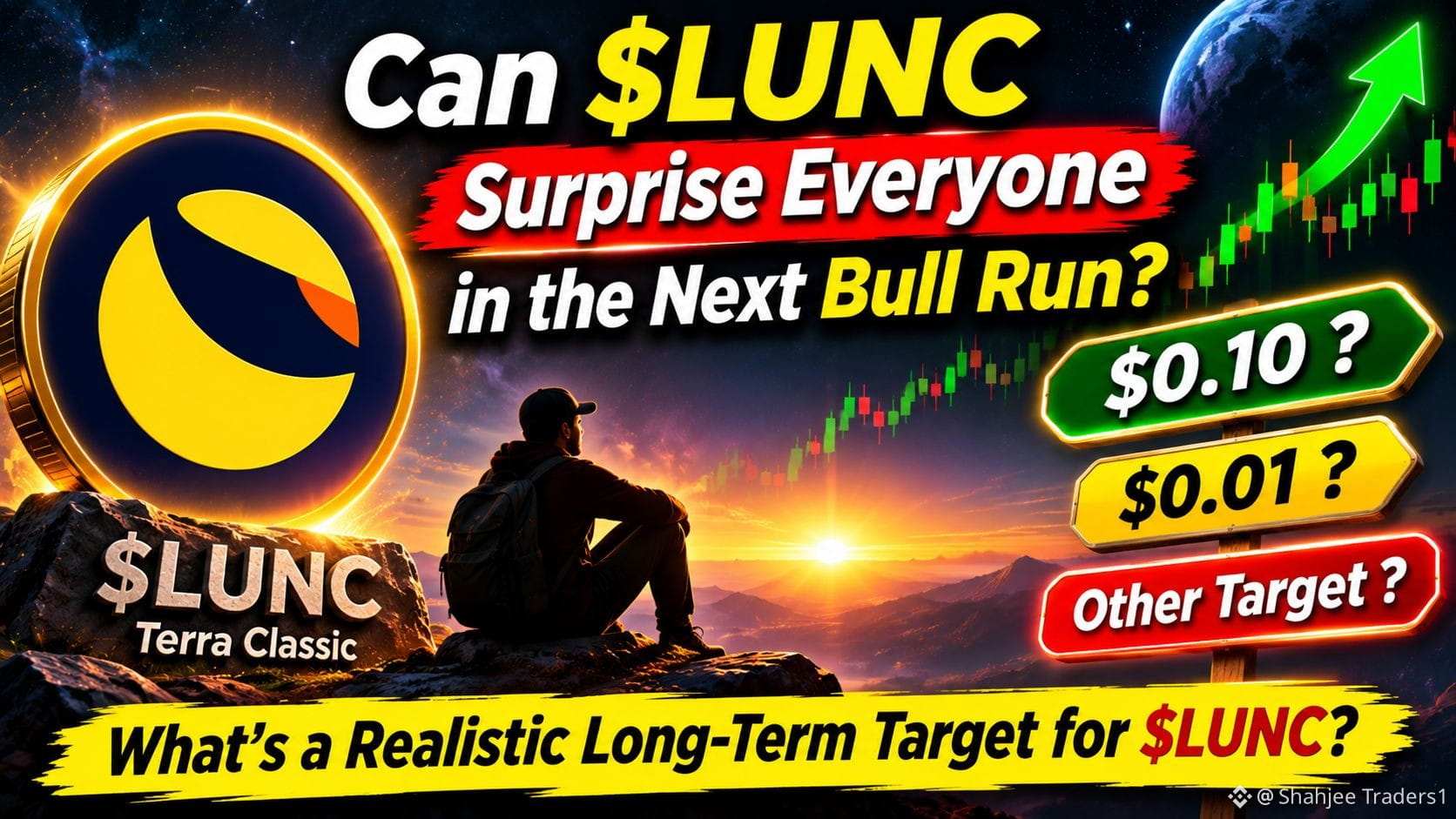
ဈေးကွက်က နောက်ဆုံးမှာ သူ့ဘက်ကို လှည့်လာခဲ့ရင် $LUNC 100,000 ကို ပိုင်ဆိုင်ထားတယ်လို့ စိတ်ကူးကြည့်ပါ။ $0.10 အထိတက်လာရုံနဲ့တင် ကြီးမားတဲ့ မှတ်တိုင်တစ်ခု ဖြစ်လာမှာပါ—ဒါပေမဲ့ အဲဒီအထိ ရောက်ဖို့ကတော့ သီးခြားစိန်ခေါ်မှုတစ်ခုပါပဲ။
အသိုင်းအဝိုင်းဟာ နာကျင်စရာကာလတွေကို ဖြတ်ကျော်လာခဲ့ပေမဲ့ ပြန်လည်နာလန်ထူလာမယ့်အကြောင်း ဆွေးနွေးမှုတွေကတော့ ဘယ်တော့မှ မဆုံးသလောက်ပါပဲ။
ရိုးရိုးသားသား ထင်မြင်ချက်ကို ပြောပြပါဦး.. $LUNC အတွက် ရေရှည်မှာ လက်တွေ့ကျတဲ့ ပစ်မှတ်က ဘယ်လောက်ဖြစ်မလဲ—$0.01၊ $0.10၊ ဒါမှမဟုတ် တခြားတစ်ခုခုလား။
#LUNC #TerraClassic #crypto
{spot}(LUNCUSDT)
နောက်လာမည့် အတက်ဈေးကွက်မှာ $LUNC က လူတိုင်းကို အံ့အားသင့်စေနိုင်မလား။
ဈေးကွက်က နောက်ဆုံးမှာ သူ့ဘက်ကို လှည့်လာခဲ့ရင် $LUNC 100,000 ကို ပိုင်ဆိုင်ထားတယ်လို့ စိတ်ကူးကြည့်ပါ။ $0.10 အထိတက်လာရုံနဲ့တင် ကြီးမားတဲ့ မှတ်တိုင်တစ်ခု ဖြစ်လာမှာပါ—ဒါပေမဲ့ အဲဒီအထိ ရောက်ဖို့ကတော့ သီးခြားစိန်ခေါ်မှုတစ်ခုပါပဲ။
အသိုင်းအဝိုင်းဟာ နာကျင်စရာကာလတွေကို ဖြတ်ကျော်လာခဲ့ပေမဲ့ ပြန်လည်နာလန်ထူလာမယ့်အကြောင်း ဆွေးနွေးမှုတွေကတော့ ဘယ်တော့မှ မဆုံးသလောက်ပါပဲ။
ရိုးရိုးသားသား ထင်မြင်ချက်ကို ပြောပြပါဦး.. $LUNC အတွက် ရေရှည်မှာ လက်တွေ့ကျတဲ့ ပစ်မှတ်က ဘယ်လောက်ဖြစ်မလဲ—$0.01၊ $0.10၊ ဒါမှမဟုတ် တခြားတစ်ခုခုလား။
#LUNC #TerraClassic #crypto
145
Article
ဘာသာပြန်ဆိုချက် ကြည့်မည်
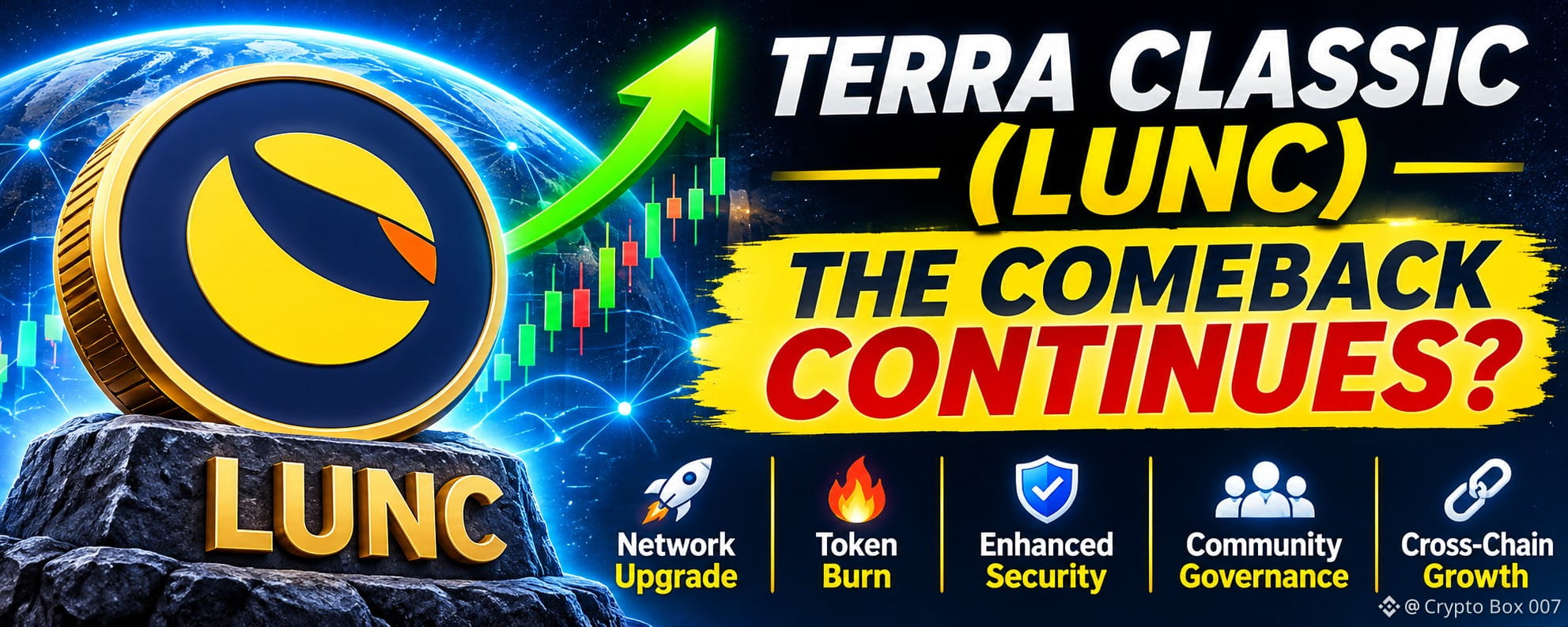
Terra Classic (LUNC): Is a Major Comeback Finally Possible?Terra Classic (LUNC): A Comeback Story Built on Network Development, Token Burns and Community Governance
Terra Classic (LUNC) remains one of the most closely watched recovery projects in the crypto market. Despite the devastating collapse of the original Terra ecosystem in 2022, its community continues working toward rebuilding the network.
But is there still a fundamental reason to pay attention to LUNC?
Recent developments suggest that Terra Classic is not simply relying on speculation. Several important initiatives are moving forward.
1. A Major Network Upgrade Is Coming
One of the most important developments is the upcoming Terra Classic v4.2.0 upgrade, scheduled for November 30, 2026, at block height 31,518,000.
The upgrade aims to restore governance functionality for managing tax-exempt addresses and zones.
It also includes the addition of new Binance hot and cold wallet addresses to the existing tax-exemption zone.
This is an important step toward improving network administration and maintaining exchange-related infrastructure.
2. The Community Is Continuing to Burn LUNC
Token burning remains an important part of the Terra Classic recovery strategy.
According to LUNC burn tracking data updated on November 27, 2026:
Total burned: Approximately 466.04 billion LUNC.
Seven-day burn: Approximately 1.08 billion LUNC.
Thirty-day burn: Approximately 3.61 billion LUNC.
Although the circulating supply remains very large, continued burning represents a gradual reduction in the available token supply.
The long-term impact will depend on whether burn activity can increase sustainably.
3. Security and Development Are Getting Attention
Another encouraging development is the community's approval of a proposal related to a SolidProof security audit of Terra Classic Core.
Security is essential for any blockchain ecosystem that wants to attract developers, applications and users.
A serious commitment to auditing and improving network infrastructure could help strengthen confidence in the project.
4. Cross-Chain Opportunities
Terra Classic is also exploring further cross-chain infrastructure through Hyperlane.
A governance proposal seeks to place the WBTC, WETH and PAXG bridge router contracts under community governance.
If successfully completed, this would give the community greater control over important bridge infrastructure.
This is not yet proof of widespread adoption, but it represents an interesting direction for ecosystem development.
5. Community Governance Remains Active
Perhaps one of Terra Classic's most interesting characteristics is its community-driven governance.
Network upgrades, security initiatives and infrastructure decisions are being discussed and approved through on-chain governance.
The recently passed v4.2.0 proposal received approximately 90.8% Yes votes.
This demonstrates substantial support among participating voting power for the proposed upgrade.
The Bigger Picture: Can LUNC Recover?
Terra Classic still faces significant challenges:
Its token supply remains extremely high.
Competition among blockchain ecosystems is intense.
More real-world utility and user adoption are needed.
Its historical collapse continues to affect investor confidence.
However, ongoing network development, community governance, security initiatives and token burns provide reasons to keep monitoring the project.
My Perspective
I believe LUNC deserves attention not simply because of its low unit price, but because its community is still working on rebuilding the ecosystem.
The next important milestones will be the successful implementation of v4.2.0, sustainable token burns and meaningful ecosystem growth.
A recovery is possible, but it is not guaranteed.
Sometimes, the most interesting crypto stories are not about how far a coin has fallen, but about what is being built after the fall.
What do you think about the future of Terra Classic?
#LUNC #TerraClassic #BinanceSquareTalks #crypto #CryptoNews
Terra Classic (LUNC): Is a Major Comeback Finally Possible?
Terra Classic (LUNC): A Comeback Story Built on Network Development, Token Burns and Community Governance
Terra Classic (LUNC) remains one of the most closely watched recovery projects in the crypto market. Despite the devastating collapse of the original Terra ecosystem in 2022, its community continues working toward rebuilding the network.
But is there still a fundamental reason to pay attention to LUNC?
Recent developments suggest that Terra Classic is not simply relying on speculation. Several important initiatives are moving forward.
1. A Major Network Upgrade Is Coming
One of the most important developments is the upcoming Terra Classic v4.2.0 upgrade, scheduled for November 30, 2026, at block height 31,518,000.
The upgrade aims to restore governance functionality for managing tax-exempt addresses and zones.
It also includes the addition of new Binance hot and cold wallet addresses to the existing tax-exemption zone.
This is an important step toward improving network administration and maintaining exchange-related infrastructure.
2. The Community Is Continuing to Burn LUNC
Token burning remains an important part of the Terra Classic recovery strategy.
According to LUNC burn tracking data updated on November 27, 2026:
Total burned: Approximately 466.04 billion LUNC.
Seven-day burn: Approximately 1.08 billion LUNC.
Thirty-day burn: Approximately 3.61 billion LUNC.
Although the circulating supply remains very large, continued burning represents a gradual reduction in the available token supply.
The long-term impact will depend on whether burn activity can increase sustainably.
3. Security and Development Are Getting Attention
Another encouraging development is the community's approval of a proposal related to a SolidProof security audit of Terra Classic Core.
Security is essential for any blockchain ecosystem that wants to attract developers, applications and users.
A serious commitment to auditing and improving network infrastructure could help strengthen confidence in the project.
4. Cross-Chain Opportunities
Terra Classic is also exploring further cross-chain infrastructure through Hyperlane.
A governance proposal seeks to place the WBTC, WETH and PAXG bridge router contracts under community governance.
If successfully completed, this would give the community greater control over important bridge infrastructure.
This is not yet proof of widespread adoption, but it represents an interesting direction for ecosystem development.
5. Community Governance Remains Active
Perhaps one of Terra Classic's most interesting characteristics is its community-driven governance.
Network upgrades, security initiatives and infrastructure decisions are being discussed and approved through on-chain governance.
The recently passed v4.2.0 proposal received approximately 90.8% Yes votes.
This demonstrates substantial support among participating voting power for the proposed upgrade.
The Bigger Picture: Can LUNC Recover?
Terra Classic still faces significant challenges:
Its token supply remains extremely high.
Competition among blockchain ecosystems is intense.
More real-world utility and user adoption are needed.
Its historical collapse continues to affect investor confidence.
However, ongoing network development, community governance, security initiatives and token burns provide reasons to keep monitoring the project.
My Perspective
I believe LUNC deserves attention not simply because of its low unit price, but because its community is still working on rebuilding the ecosystem.
The next important milestones will be the successful implementation of v4.2.0, sustainable token burns and meaningful ecosystem growth.
A recovery is possible, but it is not guaranteed.
Sometimes, the most interesting crypto stories are not about how far a coin has fallen, but about what is being built after the fall.
What do you think about the future of Terra Classic?
#LUNC #TerraClassic #BinanceSquareTalks #crypto #CryptoNews
1
3
223
·
--
ဘာသာပြန်ဆိုချက် ကြည့်မည်
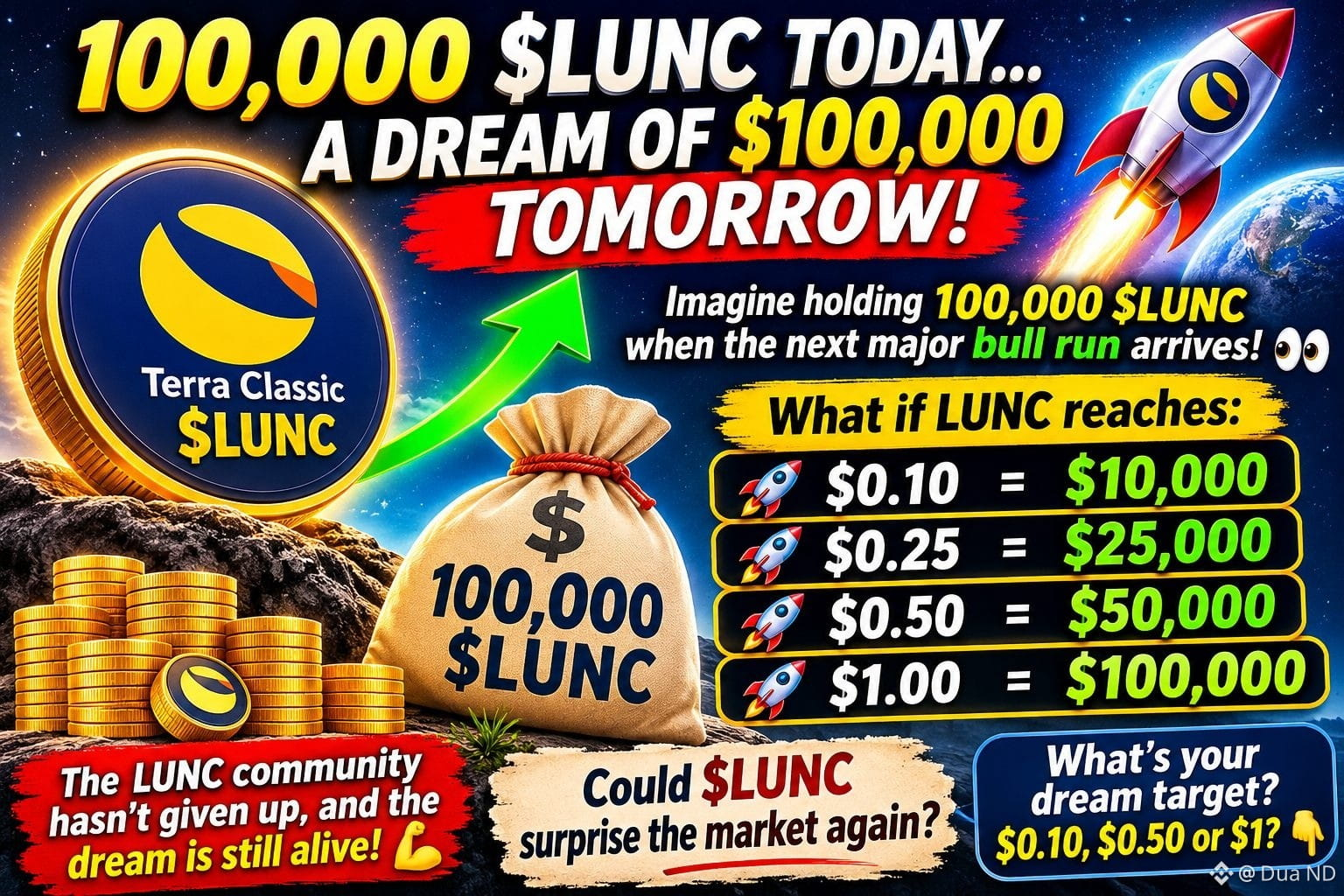
🔥 100,000 $LUNC TODAY… A DREAM OF $100,000 TOMORROW? 🚀
Imagine holding 100,000 $LUNC when the next major bull run arrives! 👀
What could your bag be worth if $LUNC makes a massive comeback?
💰 Let's dream big:
🚀 $0.10 = $10,000
🚀 $0.25 = $25,000
🚀 $0.50 = $50,000
🚀 $1.00 = $100,000
The LUNC community hasn't given up, and the dream is still alive! 💪🔥
Could lunc surprise the market again?
What's your dream target? $0.10, $0.50 or $1? 👇
#LUNC #TerraClassic #crypto #Bullrun #CryptoCommunity .
User-d2d5fddd:
0.5
1
221

·
--
စိစစ်အတည်ပြုထားသည်
🔥$LUNC
$LUNC — ပြန်လည်အောင်မြင်လာမယ့် ဇာတ်လမ်းက အသက်ဝင်နေဆဲလား?
Terra Classic ကို လူတွေ ပြန်လည်စိတ်ဝင်စားလာကြပြီး ဒီတစ်ကြိမ်မှာတော့ အသိုင်းအဝိုင်းအနေနဲ့ အနီးကပ်စောင့်ကြည့်ဖို့ အကြောင်းရင်းရှိနေပါတယ်။
📈 LUNC မှာ အပြုသဘောဆောင်တဲ့ အရှိန်အဟုန်ကို တွေ့ရပြီး၊ မကြာမီပြုလုပ်မယ့် v4.2.0 ကွန်ရက်အဆင့်မြှင့်တင်မှုကလည်း ဒီဇာတ်လမ်းမှာ နောက်ထပ် အရေးကြီးတဲ့ တိုးတက်မှုတစ်ခု ထပ်ဖြည့်ပေးပါတယ်။
ဒါပေမဲ့ ရှင်းရှင်းလင်းလင်းပြောရရင်—ဈေးကွက်တက်တဲ့ လှုပ်ရှားမှုတစ်ကြိမ်နဲ့ပဲ လမ်းကြောင်းပြောင်းပြီလို့ အတည်ပြုလို့မရပါဘူး။
တကယ့်မေးခွန်းတွေကတော့—
- ဝယ်သူတွေက ခုခံမှုအဆင့်ကို ကျော်တက်နိုင်မလား။
- အရောင်းအဝယ်ပမာဏက ဒီလှုပ်ရှားမှုကို အထောက်အပံ့ပေးနိုင်မလား။
- အသိုင်းအဝိုင်းက ရေရှည်မျှော်လင့်ချက်တွေကို တကယ့်တိုးတက်မှုအဖြစ် ပြောင်းလဲနိုင်မလား။
$LUNC ကို အနီးကပ်စောင့်ကြည့်နေပါတယ်။ 👀
LUNC မှာ ပြန်လည်အောင်မြင်လာဖို့ အလားအလာရှိနေသေးတယ်လို့ ယုံကြည်ပါသလား၊ ဒါမှမဟုတ် ဈေးကွက်က သတိကြီးလွန်းနေပါသလား။
#LUNC
#TerraClassic #Crypto
#Binance
{spot}(LUNCUSDT)
🔥$LUNC
$LUNC — ပြန်လည်အောင်မြင်လာမယ့် ဇာတ်လမ်းက အသက်ဝင်နေဆဲလား?
Terra Classic ကို လူတွေ ပြန်လည်စိတ်ဝင်စားလာကြပြီး ဒီတစ်ကြိမ်မှာတော့ အသိုင်းအဝိုင်းအနေနဲ့ အနီးကပ်စောင့်ကြည့်ဖို့ အကြောင်းရင်းရှိနေပါတယ်။
📈 LUNC မှာ အပြုသဘောဆောင်တဲ့ အရှိန်အဟုန်ကို တွေ့ရပြီး၊ မကြာမီပြုလုပ်မယ့် v4.2.0 ကွန်ရက်အဆင့်မြှင့်တင်မှုကလည်း ဒီဇာတ်လမ်းမှာ နောက်ထပ် အရေးကြီးတဲ့ တိုးတက်မှုတစ်ခု ထပ်ဖြည့်ပေးပါတယ်။
ဒါပေမဲ့ ရှင်းရှင်းလင်းလင်းပြောရရင်—ဈေးကွက်တက်တဲ့ လှုပ်ရှားမှုတစ်ကြိမ်နဲ့ပဲ လမ်းကြောင်းပြောင်းပြီလို့ အတည်ပြုလို့မရပါဘူး။
တကယ့်မေးခွန်းတွေကတော့—
- ဝယ်သူတွေက ခုခံမှုအဆင့်ကို ကျော်တက်နိုင်မလား။
- အရောင်းအဝယ်ပမာဏက ဒီလှုပ်ရှားမှုကို အထောက်အပံ့ပေးနိုင်မလား။
- အသိုင်းအဝိုင်းက ရေရှည်မျှော်လင့်ချက်တွေကို တကယ့်တိုးတက်မှုအဖြစ် ပြောင်းလဲနိုင်မလား။
$LUNC ကို အနီးကပ်စောင့်ကြည့်နေပါတယ်။ 👀
LUNC မှာ ပြန်လည်အောင်မြင်လာဖို့ အလားအလာရှိနေသေးတယ်လို့ ယုံကြည်ပါသလား၊ ဒါမှမဟုတ် ဈေးကွက်က သတိကြီးလွန်းနေပါသလား။
#LUNC
#TerraClassic #Crypto
#Binance
10
985

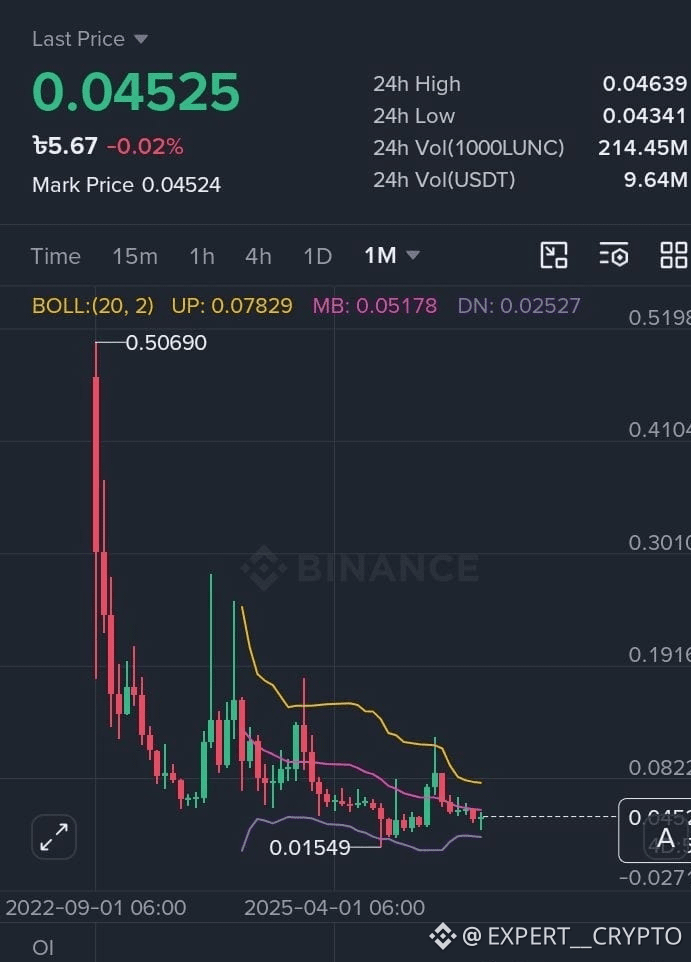
💎🚀 ဒီနေ့ $LUNC ဒင်္ဂါး 100,000... မနက်ဖြန်မှာတော့ ကြီးမားတဲ့ကြွယ်ဝမှုအိပ်မက်တစ်ခု ဖြစ်လာနိုင်ပါတယ်!
နောက်ထပ် အတက်လှိုင်းကြီး စတင်တဲ့အခါ $LUNC 100,000 ပိုင်ဆိုင်ထားတာကို စိတ်ကူးကြည့်ပါ! 👀🔥
$LUNC ရဲ့ဈေးနှုန်းက ဒီအဆင့်တွေအထိ ရောက်လာရင် သင့်ရင်းနှီးမြှုပ်နှံမှုရဲ့ ဖြစ်နိုင်ခြေရှိတဲ့တန်ဖိုးက ဒီလိုပါ:
💰 $0.10 ရောက်ရင် = $10,000
🚀 $0.25 ရောက်ရင် = $25,000
🔥 $0.50 ရောက်ရင် = $50,000
💎 $1.00 ရောက်ရင် = $100,000
ဒီကိန်းဂဏန်းတွေကို တွေးကြည့်ရုံနဲ့ စိတ်ကူးတွေ အများကြီးပေါ်လာစေပါတယ်! 🤯
Terra Classic အသိုင်းအဝိုင်းဟာ စိန်ခေါ်မှုများစွာကို ဖြတ်သန်းခဲ့ရပေမယ့် ပြန်လည်နာလန်ထူလာဖို့ မျှော်လင့်ချက်ကတော့ ရှိနေဆဲပါ။
စိတ်ရှည်မှု၊ သုတေသနနဲ့ စွန့်စားမှုစီမံခန့်ခွဲမှုတို့ကို အာရုံစိုက်ရင်း ရေရှည်အလားအလာကို စောင့်ကြည့်နေပါတယ်။ 📊
သင်ကရော ဆက်လက်ကိုင်ဆောင်ထားပြီး အားကောင်းတဲ့ပြန်လည်နာလန်ထူမှုကို ယုံကြည်နေဆဲလား။ 👇#LUNC #TerraClassic #crypto #altcoins
33

·
--
တက်ရိပ်ရှိသည်
ဘာသာပြန်ဆိုချက် ကြည့်မည်
#EvolveAtBinanceBlockchainWeek
.
🔥 Can $LUNC Really Reach $10 Someday?
Let's talk honestly!
A $10 target for Terra Classic ($LUNC ) sounds incredibly ambitious, but the crypto market has shown us that unexpected things can happen.
The big questions are:
Can the community keep growing?
Will token burns make a meaningful difference?
Can stronger development and adoption bring new interest to LUNC?
I'm curious about your opinion!
What price do you realistically expect for $LUNC in the future?
Are we dreaming too big, or could LUNC surprise everyone?
Drop your prediction in the comments!
#LUNC #TerraClassic #CryptoCommunity #CryptoPrediction #altcoins
{spot}(LUNCUSDT)
#EvolveAtBinanceBlockchainWeek
.
🔥 Can $LUNC Really Reach $10 Someday?
Let's talk honestly!
A $10 target for Terra Classic ($LUNC ) sounds incredibly ambitious, but the crypto market has shown us that unexpected things can happen.
The big questions are:
Can the community keep growing?
Will token burns make a meaningful difference?
Can stronger development and adoption bring new interest to LUNC?
I'm curious about your opinion!
What price do you realistically expect for $LUNC in the future?
Are we dreaming too big, or could LUNC surprise everyone?
Drop your prediction in the comments!
#LUNC #TerraClassic #CryptoCommunity #CryptoPrediction #altcoins

1
213

ဘာသာပြန်ဆိုချက် ကြည့်မည်
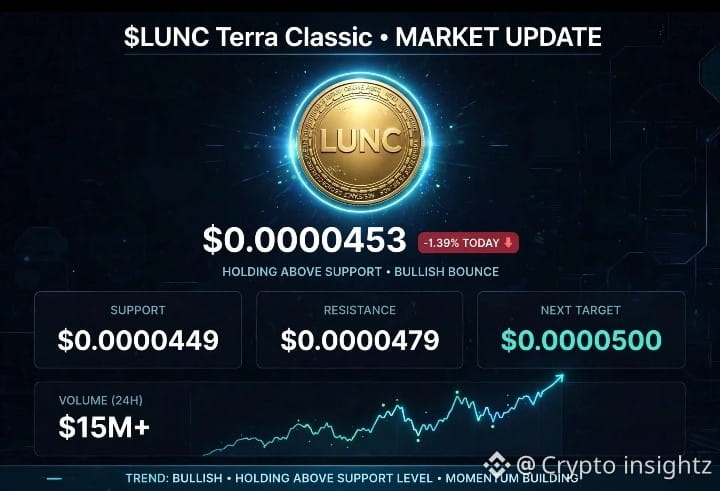
$LUNC is still alive.
Everyone said it's dead, but look - still trading at 0.0000453 with $15M+ volume. Dead coins don't get that volume. Yeah it's down -1.39% today, but it's holding right above support 0.0000449. As long as it holds here, I'm not bearish. If it breaks 0.0000479, next stop is 0.0000500. That's the level everyone is watching.
I'm not saying it will moon tomorrow. I'm just saying don't ignore LUNC yet. Are you still holding LUNC or you already gave up on it?
#LUNC #TerraClassic
{spot}(LUNCUSDT)
$LUNC is still alive.
Everyone said it's dead, but look - still trading at 0.0000453 with $15M+ volume. Dead coins don't get that volume. Yeah it's down -1.39% today, but it's holding right above support 0.0000449. As long as it holds here, I'm not bearish. If it breaks 0.0000479, next stop is 0.0000500. That's the level everyone is watching.
I'm not saying it will moon tomorrow. I'm just saying don't ignore LUNC yet. Are you still holding LUNC or you already gave up on it?
#LUNC #TerraClassic
1
130

·
--
တစ်စိတ်တစ်ပိုင်း မှန်ကန်
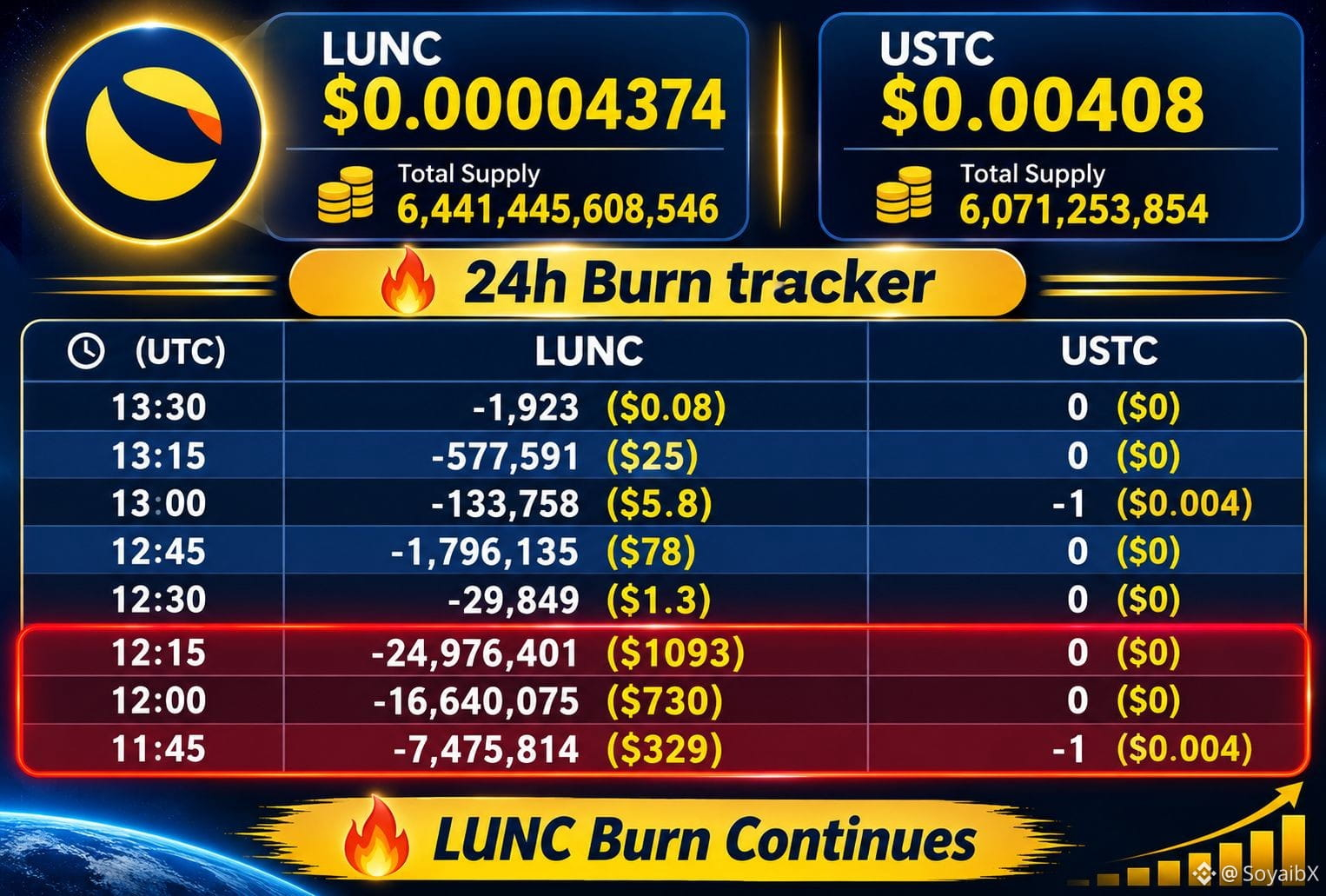
🔥🚀 LUNC မီးရှို့မှု လှိုင်းလုံးကြီး!
၂ နာရီအတွင်း အံ့ဩဖွယ် LUNC သန်း ၅၀ — $LUNC ကို မီးရှို့ခဲ့ပါတယ်! 🔥
ဒါတင်မကသေးပါဘူး! LUNC သန်း ၁၀ ခန့်ကို ကွန်မြူနတီ ပိုက်ဆံအိတ်နဲ့ အော်ရကယ်လ် ပူးလ်ထဲကိုလည်း ထည့်သွင်းခဲ့ပါတယ်။
မီးရှို့မှုတိုင်းက Terra Classic ဂေဟစနစ်အပေါ် အာရုံစိုက်မှုအသစ်တွေ ရရှိစေပြီး ကွန်မြူနတီကို တက်ကြွမျှော်လင့်ချက်ရှိစေပါတယ်။ ❤️🔥
LUNC ခရီးစဉ်က ဆက်လက်နေပါတယ်… နောက်ဘာဖြစ်လာမလဲ ကြည့်ကြရအောင်!
🔥 ဆက်လက်မီးရှို့၊ ဆက်လက်တည်ဆောက်!
#LUNC #TerraClassic #Burnlunc #CanMarketsReboundAfterThanksgiving? $LUNC $1000LUNC
{future}(1000LUNCUSDT)
🔥🚀 LUNC မီးရှို့မှု လှိုင်းလုံးကြီး!
၂ နာရီအတွင်း အံ့ဩဖွယ် LUNC သန်း ၅၀ — $LUNC ကို မီးရှို့ခဲ့ပါတယ်! 🔥
ဒါတင်မကသေးပါဘူး! LUNC သန်း ၁၀ ခန့်ကို ကွန်မြူနတီ ပိုက်ဆံအိတ်နဲ့ အော်ရကယ်လ် ပူးလ်ထဲကိုလည်း ထည့်သွင်းခဲ့ပါတယ်။
မီးရှို့မှုတိုင်းက Terra Classic ဂေဟစနစ်အပေါ် အာရုံစိုက်မှုအသစ်တွေ ရရှိစေပြီး ကွန်မြူနတီကို တက်ကြွမျှော်လင့်ချက်ရှိစေပါတယ်။ ❤️🔥
LUNC ခရီးစဉ်က ဆက်လက်နေပါတယ်… နောက်ဘာဖြစ်လာမလဲ ကြည့်ကြရအောင်!
🔥 ဆက်လက်မီးရှို့၊ ဆက်လက်တည်ဆောက်!
#LUNC #TerraClassic #Burnlunc #CanMarketsReboundAfterThanksgiving? $LUNC $1000LUNC
Blond fox:
موجة حرق ضخمة وبعد ٥٠ مليون 🤑🤧🤧🤧🤧🤧🤧
2
17
4.6k

·
--
တက်ရိပ်ရှိသည်
ဘာသာပြန်ဆိုချက် ကြည့်မည်
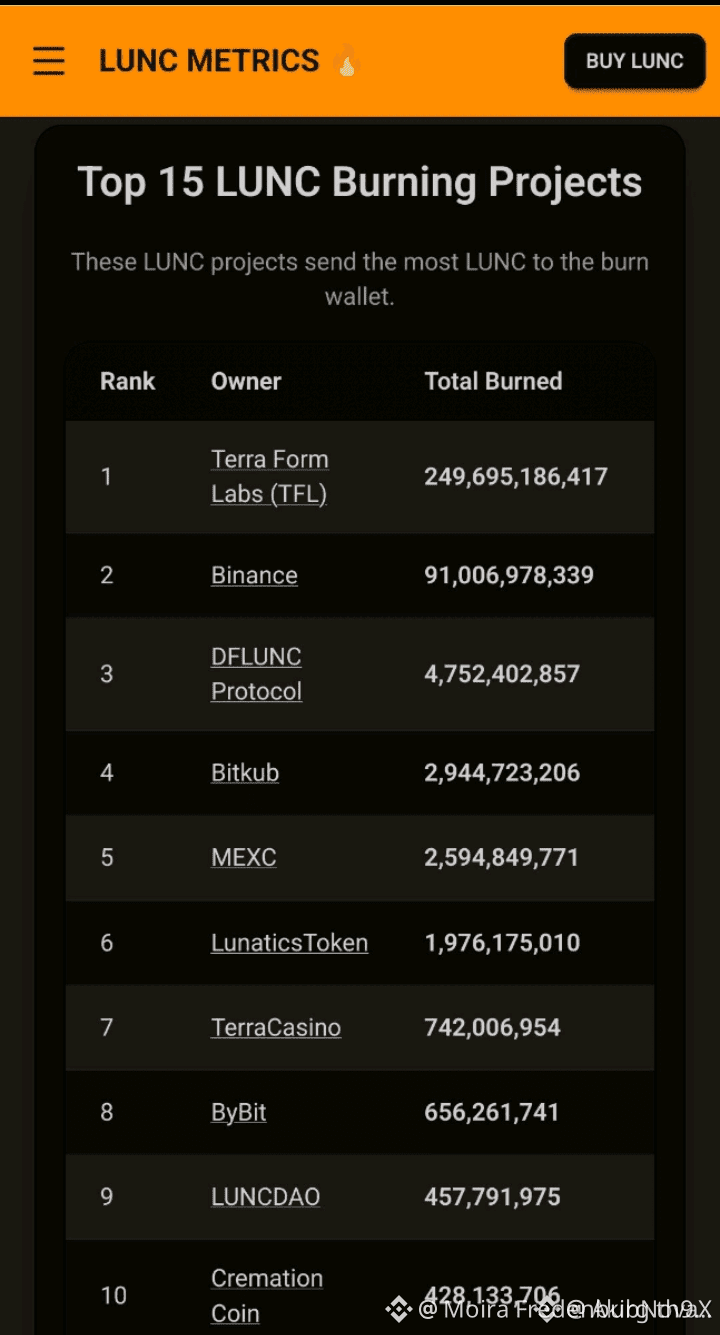
🚀 Terra Classic ($LUNC
{spot}(LUNCUSDT)
$ At a Key Decision Zone!$LUNC is showing strong price action after recent burn momentum and weekly recovery near $0.0000448.
📊 Key Levels:
🔹 Support: $0.0000430
🔹 Resistance: $0.0000480
🔹 Momentum: Volume rising ahead of v4.2.0 upgrade
💡 Outlook: Breakout above resistance targets higher levels; losing support risks pullback. Educational only — DYOR.
👇 Next move on #— Breakout or Rejection?
#LUNC #CryptoAnalysis #BinanceSquare
🚀 Terra Classic ($LUNC
$ At a Key Decision Zone!$LUNC is showing strong price action after recent burn momentum and weekly recovery near $0.0000448.
📊 Key Levels:
🔹 Support: $0.0000430
🔹 Resistance: $0.0000480
🔹 Momentum: Volume rising ahead of v4.2.0 upgrade
💡 Outlook: Breakout above resistance targets higher levels; losing support risks pullback. Educational only — DYOR.
👇 Next move on #— Breakout or Rejection?
#LUNC #CryptoAnalysis #BinanceSquare
203

·
--
$LUNC က $10 ရောက်မယ်လို့ မျှော်လင့်နေတုန်းဆိုရင် အခုရပ်လိုက်ပါ။
ပြန်တက်လာမယ်ဆိုတဲ့ ကောလာဟလတိုင်းကို စောင့်ရင်း ကိုင်ထားတဲ့ဒင်္ဂါးတွေကို ဆက်ကိုင်နေတဲ့အချိန်မှာ ပိုကောင်းတဲ့ အရောင်းအဝယ်အခွင့်အရေးတွေကို လက်လွတ်နေတာက တကယ့်နစ်နာမှုပါ။ ကိန်းဂဏန်းအချက်အလက်မပါဘဲ မျှော်လင့်ချက်ကိုပဲ အားကိုးခဲ့တာဟာ မူလဈေးကွက်ပြိုကျမှုထက်တောင် ဒီအသိုင်းအဝိုင်းကို ပိုကုန်ကျစေခဲ့ပါတယ်။
ဈေးတက်နိုင်တယ်ဆိုတဲ့ အကြောင်းပြချက်တွေက အတုအယောင်မဟုတ်ပါဘူး။ တိုကင်လောင်ကျွမ်းမှုတွေ ဆက်ဖြစ်နေတယ်၊ ပရိသတ်အင်အားစုကလည်း မထွက်ခွာသွားဘူး၊ $LUNA ခွဲထွက်သွားတာကလည်း မူလကွင်းဆက်ပေါ်က ဖွံ့ဖြိုးတိုးတက်မှုကို မသတ်ပစ်ခဲ့ပါဘူး။ Crypto လောကမှာ သေဆုံးသွားပြီလို့ ထင်ရတဲ့ ပိုင်ဆိုင်မှုတွေ ပြန်ရှင်သန်လာဖူးတာကြောင့် တကယ့်ဈေးပြန်တက်မှု ဖြစ်လာနိုင်ပါတယ်။
$10 ရည်မှန်းချက်က ဈေးပြန်တက်မှုတစ်ခု မဟုတ်ပါဘူး။ ထောက်ပံ့မှုပမာဏ လျှော့ချမှုတွေ နှစ်ပေါင်းများစွာ ဆက်ရှိနေဦးမယ်ဆိုရင်တောင် အဲဒီဈေးနှုန်းဟာ ဈေးကွက်တစ်ခုလုံးထက် ပိုကြီးတဲ့ တန်ဖိုးသတ်မှတ်ချက်ကို ဆိုလိုနေမှာပါ။ $USTC ကိုင်ဆောင်သူတွေဟာ လည်ပတ်နေတဲ့ ထောက်ပံ့မှုပမာဏထက် မျှော်လင့်ချက်ကို ပိုတန်ဖိုးထားခဲ့တဲ့ အသိုင်းအဝိုင်းတစ်ခုကို ကြုံတွေ့ခဲ့ပြီးပါပြီ။
သစ္စာရှိမှုက အစစ်အမှန် ဖြစ်နိုင်ပါတယ်။ ဒါပေမဲ့ $10 ဆိုတဲ့ ကိန်းဂဏန်းဟာ အသက်ပေးကာကွယ်ရမယ့် မှန်ကန်တဲ့ ရည်မှန်းချက်မဟုတ်နိုင်ပါဘူး။
ဒီကနေစပြီး $LUNC ဟာ ဘယ်လောက်အထိ ရောက်မယ်လို့ တကယ်ထင်ပါသလဲ။
#LUNC #TerraClassic #Crypto

ဘာသာပြန်ဆိုချက် ကြည့်မည်
Why is nobody talking about the actual numbers behind a $10 $LUNC?
Most traders keep stacking on every dip convinced they will catch the run to $10. Then they sit through brutal dumps with zero plan for taking profits.
Hitting $10 would require a market cap that dwarfs anything we have seen in crypto. The dedicated community and ongoing burns on $LUNC are impressive, but they have not reduced supply anywhere near the level needed.
$USTC still needs to prove it can hold during volatility, and $LUNA already taught everyone what happens when inflation gets out of control. Stop treating this as a moonshot. Check the weekly burn data yourself, set market cap targets in advance, and actually sell into strength so you stay in the game instead of becoming another bagholder.
What's a realistic target you are actually willing to take profits at?
#LUNC #TerraClassic #LUNA
Why is nobody talking about the actual numbers behind a $10 $LUNC ?
Most traders keep stacking on every dip convinced they will catch the run to $10. Then they sit through brutal dumps with zero plan for taking profits.
Hitting $10 would require a market cap that dwarfs anything we have seen in crypto. The dedicated community and ongoing burns on $LUNC are impressive, but they have not reduced supply anywhere near the level needed.
$USTC still needs to prove it can hold during volatility, and $LUNA already taught everyone what happens when inflation gets out of control. Stop treating this as a moonshot. Check the weekly burn data yourself, set market cap targets in advance, and actually sell into strength so you stay in the game instead of becoming another bagholder.
What's a realistic target you are actually willing to take profits at?
#LUNC #TerraClassic #LUNA

1

ဘာသာပြန်ဆိုချက် ကြည့်မည်
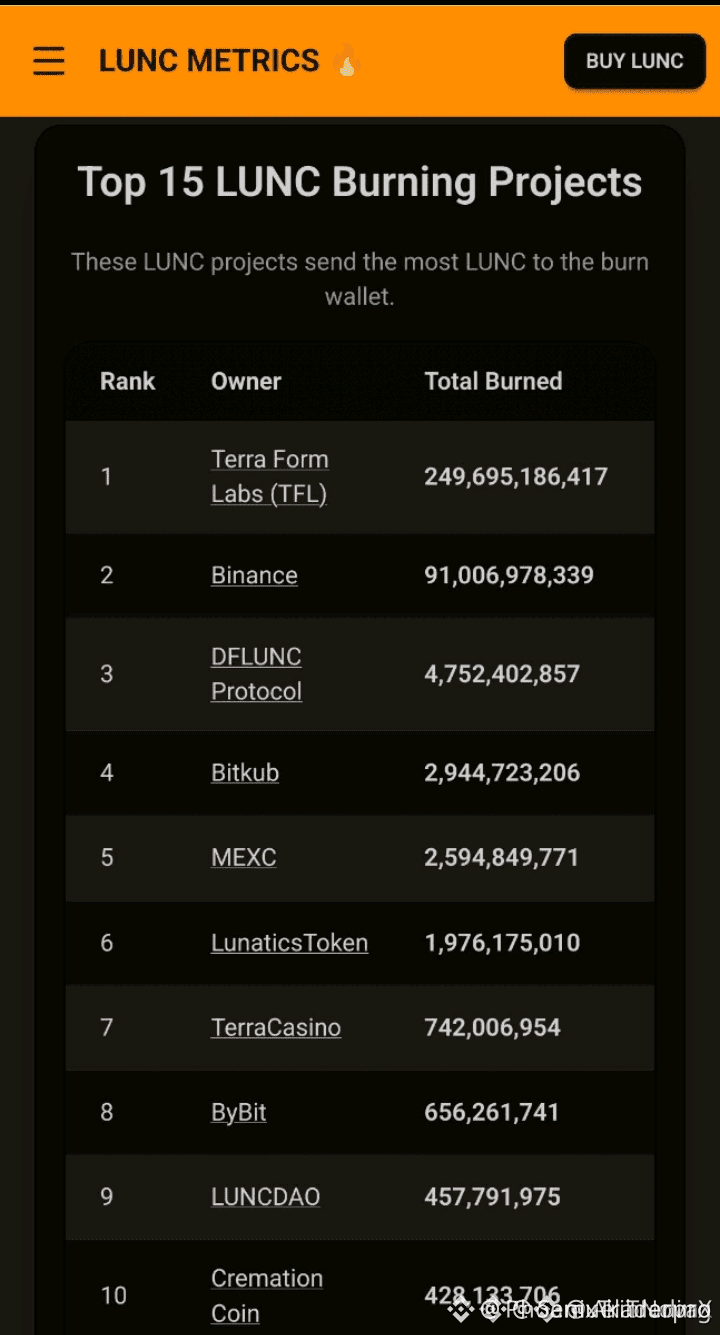
🚨 $LUNC ACCELERATES TOWARD THE HISTORIC 500 BILLION BURN MILESTONE AS SUPPLY CRUNCH TIGHTENS
The supply reduction mechanics are working overtime as cumulative token burns punch through 465 billion units, setting sights firmly on the massive 500 billion psychological barrier. Major protocol contributions and consistent exchange support are steadily bleeding out circulating inventory while the market quietly accumulates. 📊
Behind the numbers, protocol distribution shows heavy lifting from foundational actors and active community participants alike. The core debate now centers on whether velocity from automated burn mechanisms or expanded real-world utility will dictate the next major wave of momentum. 💡
Are you betting on pure supply shocks or waiting for structural utility expansion to spark the next breakout? 🤔
⚠️ Not financial advice. Always manage your risk. 🛡️
🏷️ #LUNC #TerraClassic #CryptoCommunity #SupplyShock #Altcoins
🔥
8
Log in to explore more content
Join global crypto users on Binance Square
⚡️ Get latest and useful information about crypto.
💬 Trusted by the world’s largest crypto exchange.
👍 Discover real insights from verified creators.
အီးမေးလ် / ဖုန်းနံပါတ်
ရေပန်းစားနေသော ခေါင်းစဉ်များ
1
#EvolveAtBinanceBlockchainWeek
ကြည့်ရှုမှု 1.7M ကြိမ်
17,351 ဦး ဆွေးနွေးနေသည်
2
#ColdcardFlawLeadsToTheftOfAtLeast1789BTC
ကြည့်ရှုမှု 29,528 ကြိမ်
334 ဦး ဆွေးနွေးနေသည်
3
#SECIssuesNoActionLetterOnMoleculeModel
ကြည့်ရှုမှု 4,068 ကြိမ်
62 ဦး ဆွေးနွေးနေသည်
4
#VitalikWantsWalletChipDesignsOpened
ကြည့်ရှုမှု 42,443 ကြိမ်
487 ဦး ဆွေးနွေးနေသည်
5
#ChainflipVaultTheftHaltsProtocol
ကြည့်ရှုမှု 28,031 ကြိမ်
431 ဦး ဆွေးနွေးနေသည်
6
#MalaysiaFirstBitcoinETFToListOnDecember2
ကြည့်ရှုမှု 16,700 ကြိမ်
197 ဦး ဆွေးနွေးနေသည်
7
#DowJonesAdds591.99Points
ကြည့်ရှုမှု 26,394 ကြိမ်
126 ဦး ဆွေးနွေးနေသည်
8
#EthereumGlamsterdamKeepsStorageFeeChange
ကြည့်ရှုမှု 60,561 ကြိမ်
570 ဦး ဆွေးနွေးနေသည်
9
#ClaudeAccusedOfDroppingUserPreferences
ကြည့်ရှုမှု 12,657 ကြိမ်
123 ဦး ဆွေးနွေးနေသည်
10
#BitcoinETFsExtendOutflowStreakToEightDays
ကြည့်ရှုမှု 127 ကြိမ်
1 ဦး ဆွေးနွေးနေသည်