
SuiCommunity
3.4k Posts

SuiCommunity
 Square Verified
Gateway for community engagement & insight updates focusing on the SuiNetwork - Build without boundaries. Build together 💧
Occasional Trader
5.2 Years
8 Following
749 Followers
2.3K+ Liked
Posts
All
Quotes
Videos
PINNED
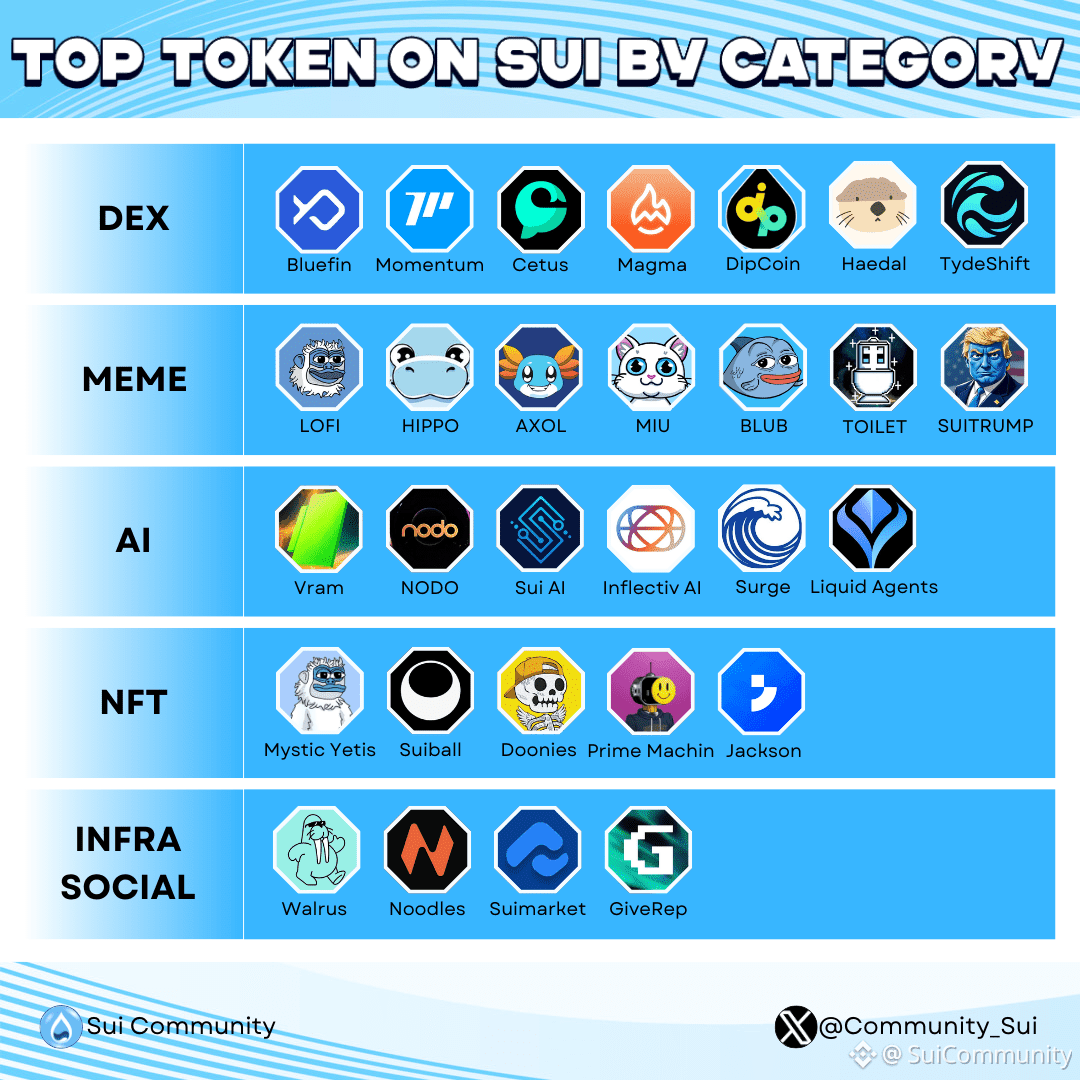
TOP TOKENS ON BY CATEGORIES 🌊
2025 is shaping up to be a breakout year for $SUI - one of the most robust and scalable Layer 1 blockchains in the space. 💧
From DeFi to NFTs, Infra to Memes - every category has standout projects, highlighted in the graphic below. 🔍 $MMT
What’s your top pick on Sui? 👇 $MAGMA
❤️ Like + 🔁 RT to spread the alpha!
2025 is shaping up to be a breakout year for $SUI - one of the most robust and scalable Layer 1 blockchains in the space. 💧
From DeFi to NFTs, Infra to Memes - every category has standout projects, highlighted in the graphic below. 🔍 $MMT
What’s your top pick on Sui? 👇 $MAGMA
❤️ Like + 🔁 RT to spread the alpha!
BREAKING 🚨
North Korean Lazarus Group has shifted more than $30 million in Bitcoin through the Hyperliquid exchange in the past three weeks, a move that coincides with heightened political scrutiny. 🔥
The illicit transfers were identified via blockchain analytics that linked multiple wallets to the state‑sponsored hacking outfit. Hyperliquid, a fast‑growing derivatives platform, has become a favored conduit for large‑scale crypto laundering due to its low‑friction onboarding. At the same time, former President Trump is urging U.S. regulators to force the exchange to relocate its operations onshore, arguing that domestic oversight would curb abuse. Industry observers warn that the combined pressure could trigger a regulatory clampdown, forcing other offshore venues to tighten AML controls. Investors are closely watching how the platform will respond to both illicit activity and political demands. 💥
The episode underscores the growing clash between cyber‑crime financing and policy efforts to tame the crypto ecosystem. 📈
$0G, $HEMI, $USELESS
North Korean Lazarus Group has shifted more than $30 million in Bitcoin through the Hyperliquid exchange in the past three weeks, a move that coincides with heightened political scrutiny. 🔥
The illicit transfers were identified via blockchain analytics that linked multiple wallets to the state‑sponsored hacking outfit. Hyperliquid, a fast‑growing derivatives platform, has become a favored conduit for large‑scale crypto laundering due to its low‑friction onboarding. At the same time, former President Trump is urging U.S. regulators to force the exchange to relocate its operations onshore, arguing that domestic oversight would curb abuse. Industry observers warn that the combined pressure could trigger a regulatory clampdown, forcing other offshore venues to tighten AML controls. Investors are closely watching how the platform will respond to both illicit activity and political demands. 💥
The episode underscores the growing clash between cyber‑crime financing and policy efforts to tame the crypto ecosystem. 📈
$0G, $HEMI, $USELESS

BREAKING 🚨
ICE, the parent of the NYSE, has taken a strategic stake in tZERO to accelerate its tokenized securities platform. 🚀
tZERO will supply the transfer‑agent and settlement infrastructure needed for the new offering. ICE plans to launch an NYSE‑affiliated market dedicated to tokenized stocks, leveraging its clearing expertise. The partnership merges ICE’s deep market‑access network with tZERO’s blockchain‑based technology, a move seen as a catalyst for broader institutional adoption of digital equity products. 🔗
The collaboration positions the NYSE to lead the next wave of digitized equity markets. 📈
$HEMI, $0G, $SKR
ICE, the parent of the NYSE, has taken a strategic stake in tZERO to accelerate its tokenized securities platform. 🚀
tZERO will supply the transfer‑agent and settlement infrastructure needed for the new offering. ICE plans to launch an NYSE‑affiliated market dedicated to tokenized stocks, leveraging its clearing expertise. The partnership merges ICE’s deep market‑access network with tZERO’s blockchain‑based technology, a move seen as a catalyst for broader institutional adoption of digital equity products. 🔗
The collaboration positions the NYSE to lead the next wave of digitized equity markets. 📈
$HEMI, $0G, $SKR

BREAKING NEWS 🚨
Ireland has just banned cryptocurrency from its newly launched tax‑advantaged investment accounts 🚫.
The new accounts will only accept listed stocks, bonds and ETFs, with providers handling tax reporting to simplify compliance 📊. Regulators say the exclusion aims to protect investors from the volatility and regulatory uncertainty surrounding digital assets. By keeping crypto out, the government foregoes potential tax‑efficient growth for the sector, while traditional assets remain eligible for the same benefits. Market analysts predict a shift toward alternative structures for crypto investors seeking similar tax treatment.
Investors will need to explore other vehicles to capture tax advantages on digital assets in the future ⚠️.
$HEMI, $0G, $SKR
Ireland has just banned cryptocurrency from its newly launched tax‑advantaged investment accounts 🚫.
The new accounts will only accept listed stocks, bonds and ETFs, with providers handling tax reporting to simplify compliance 📊. Regulators say the exclusion aims to protect investors from the volatility and regulatory uncertainty surrounding digital assets. By keeping crypto out, the government foregoes potential tax‑efficient growth for the sector, while traditional assets remain eligible for the same benefits. Market analysts predict a shift toward alternative structures for crypto investors seeking similar tax treatment.
Investors will need to explore other vehicles to capture tax advantages on digital assets in the future ⚠️.
$HEMI, $0G, $SKR

BREAKING 🚨
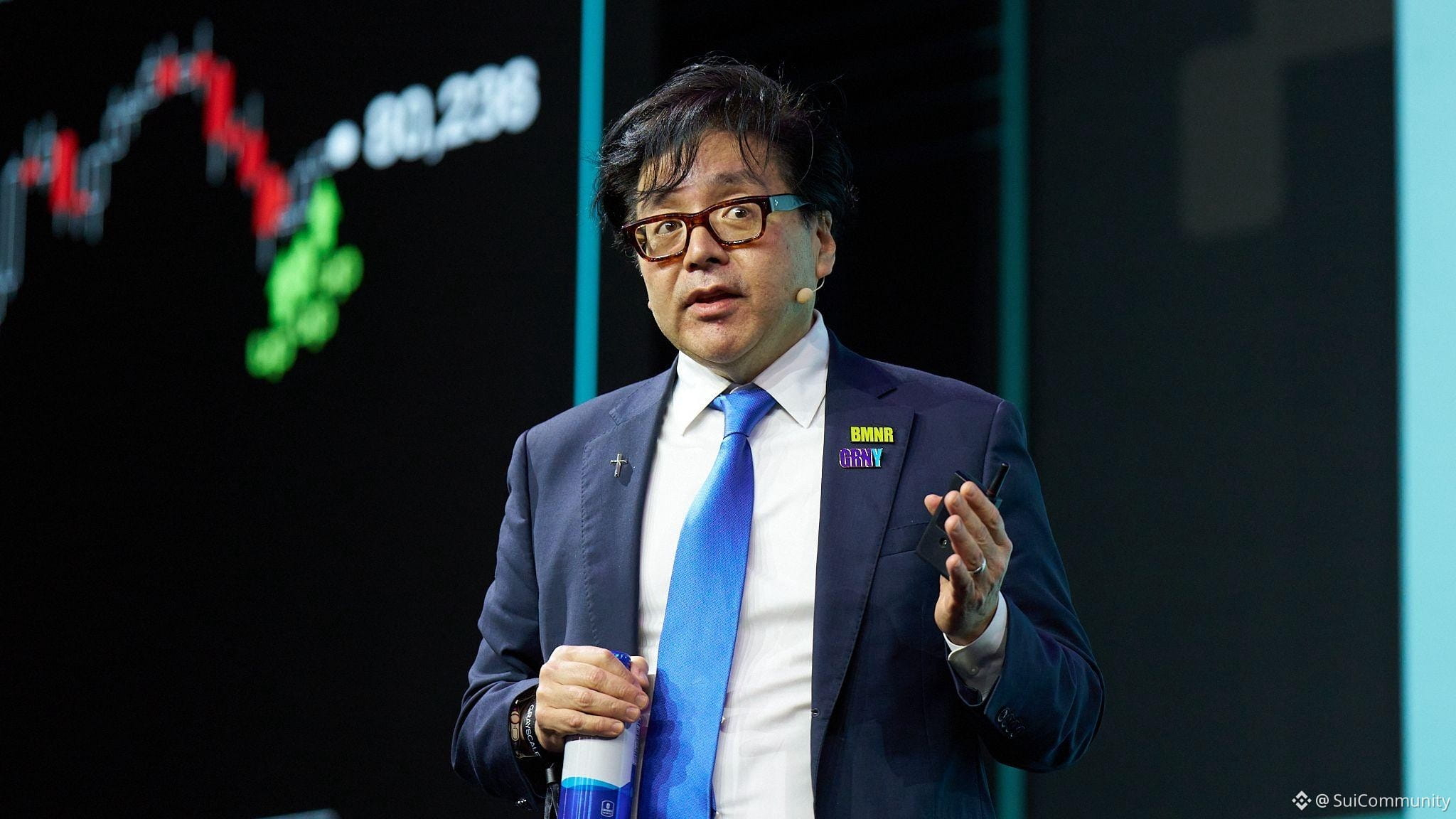
Bitmine has completed its largest Ether purchase since June, a bold move that underscores the cryptocurrency’s accelerating rally and signals renewed miner confidence 🚀.
The purchase, estimated at several hundred thousand ETH, eclipses Bitmine’s June buy‑in as Ether trades above $2,000 📈. Analysts cite easing inflation concerns and renewed blockchain confidence as drivers of the rally. Chairman Tom Lee warned that the strong Q3 performance could lure a wave of institutional investors. The move may tighten on‑chain supply and prompt other miners to rethink treasury strategies.
Market watchers will gauge the ripple effects as the sector eyes a new wave of capital inflows 🔔.
$HEMI, $0G, $SKR
Bitmine has completed its largest Ether purchase since June, a bold move that underscores the cryptocurrency’s accelerating rally and signals renewed miner confidence 🚀.
The purchase, estimated at several hundred thousand ETH, eclipses Bitmine’s June buy‑in as Ether trades above $2,000 📈. Analysts cite easing inflation concerns and renewed blockchain confidence as drivers of the rally. Chairman Tom Lee warned that the strong Q3 performance could lure a wave of institutional investors. The move may tighten on‑chain supply and prompt other miners to rethink treasury strategies.
Market watchers will gauge the ripple effects as the sector eyes a new wave of capital inflows 🔔.
$HEMI, $0G, $SKR
BREAKING 🚨
MicroStrategy snaps back to Bitcoin buying, injecting $370 million into the crypto in just one week 🚀.
The Michael Saylor‑led firm resumed purchases this week, marking its first Bitcoin acquisition cycle in roughly two months. Analysts note the $370 million inflow represents the largest weekly addition since the company’s 2022 rally. The move arrives as Bitcoin hovers near $XX,XXX, rekindling speculation that corporate treasuries are re‑emerging as major demand drivers. Market observers suggest the fresh capital could buoy price momentum and reinforce the narrative of Bitcoin as a digital reserve asset. MicroStrategy’s renewed activity may also prompt other institutional players to reassess their exposure to the leading cryptocurrency.
The fresh buy signal underscores growing institutional confidence in Bitcoin’s long‑term upside 📈.
$HEMI, $0G, $SKR
MicroStrategy snaps back to Bitcoin buying, injecting $370 million into the crypto in just one week 🚀.
The Michael Saylor‑led firm resumed purchases this week, marking its first Bitcoin acquisition cycle in roughly two months. Analysts note the $370 million inflow represents the largest weekly addition since the company’s 2022 rally. The move arrives as Bitcoin hovers near $XX,XXX, rekindling speculation that corporate treasuries are re‑emerging as major demand drivers. Market observers suggest the fresh capital could buoy price momentum and reinforce the narrative of Bitcoin as a digital reserve asset. MicroStrategy’s renewed activity may also prompt other institutional players to reassess their exposure to the leading cryptocurrency.
The fresh buy signal underscores growing institutional confidence in Bitcoin’s long‑term upside 📈.
$HEMI, $0G, $SKR

BREAKING 🚨
Sberbank will start accepting Ether (ETH) and Tether (USDT) as collateral for its crypto‑backed loan products 🚀.
The Bank of Russia recently placed ETH and USDT on a draft list of approved digital assets for public trading on Russian exchanges, signaling regulatory openness. Sberbank's move marks the first major Russian lender to integrate these assets into loan collateral, potentially expanding crypto liquidity and attracting retail and institutional borrowers. The decision aligns with the country’s broader push to formalize digital asset use in finance, while also offering borrowers lower interest rates compared to traditional collateral. Analysts expect this could spur competition among banks to launch similar crypto‑loan services 📊.
The development positions Sberbank at the forefront of Russia’s emerging crypto‑finance landscape 📈.
$0G, $HEMI, $SKR
Sberbank will start accepting Ether (ETH) and Tether (USDT) as collateral for its crypto‑backed loan products 🚀.
The Bank of Russia recently placed ETH and USDT on a draft list of approved digital assets for public trading on Russian exchanges, signaling regulatory openness. Sberbank's move marks the first major Russian lender to integrate these assets into loan collateral, potentially expanding crypto liquidity and attracting retail and institutional borrowers. The decision aligns with the country’s broader push to formalize digital asset use in finance, while also offering borrowers lower interest rates compared to traditional collateral. Analysts expect this could spur competition among banks to launch similar crypto‑loan services 📊.
The development positions Sberbank at the forefront of Russia’s emerging crypto‑finance landscape 📈.
$0G, $HEMI, $SKR

BREAKING 🚨
Bitcoin gains fresh momentum as a newly released U.S. debt metric underscores mounting fiscal pressure on the dollar 🚀
The Treasury’s latest debt‑to‑GDP ratio has surged past 130%, the highest level since the early 2000s. Such a trajectory intensifies concerns over dollar depreciation and could force the Federal Reserve to maintain tighter monetary policy longer than expected. Investors are increasingly viewing Bitcoin as a non‑correlated store of value, driving inflows into crypto funds. Spot BTC prices have risen 7% in the past week, outpacing major equity indices. Analysts predict the metric could accelerate a broader shift toward digital assets as a hedge against sovereign risk.
Binance Square will monitor the fallout and adjust strategies accordingly 🔔
$0G, $HEMI, $SKR
Bitcoin gains fresh momentum as a newly released U.S. debt metric underscores mounting fiscal pressure on the dollar 🚀
The Treasury’s latest debt‑to‑GDP ratio has surged past 130%, the highest level since the early 2000s. Such a trajectory intensifies concerns over dollar depreciation and could force the Federal Reserve to maintain tighter monetary policy longer than expected. Investors are increasingly viewing Bitcoin as a non‑correlated store of value, driving inflows into crypto funds. Spot BTC prices have risen 7% in the past week, outpacing major equity indices. Analysts predict the metric could accelerate a broader shift toward digital assets as a hedge against sovereign risk.
Binance Square will monitor the fallout and adjust strategies accordingly 🔔
$0G, $HEMI, $SKR
BREAKING 🚨
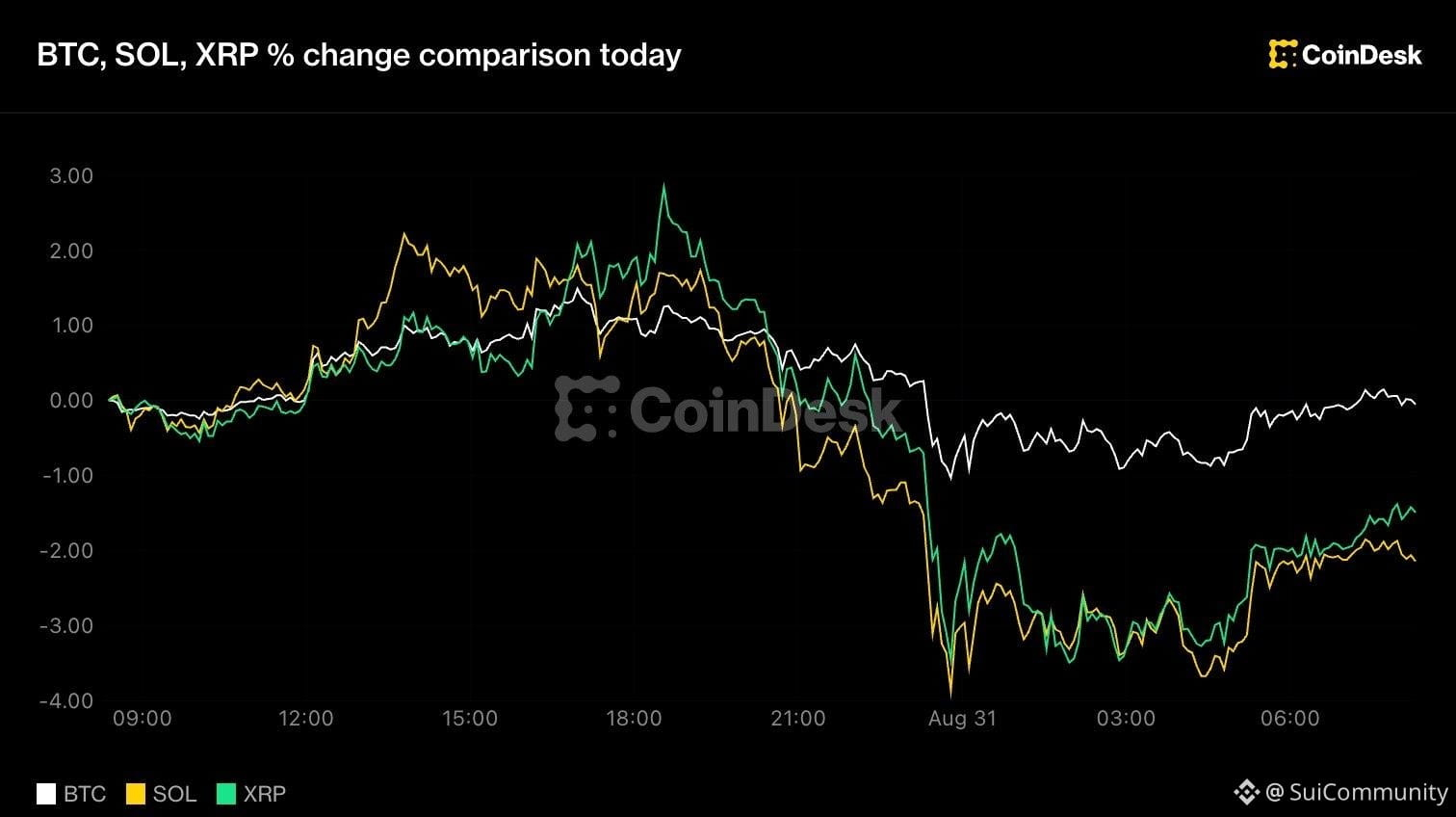
Bitcoin stays unmoved as U.S. strikes on Iran spark a risk‑off rally, keeping the crypto on track for its strongest month since November 2024. 📈
The U.S. launched its first strikes against Iran in weeks, pushing oil prices higher and dragging equities lower. Despite the broader market sell‑off, Bitcoin held steady, up 24% for the month. Analysts note the resilience underscores crypto’s growing decoupling from traditional risk assets. The rally positions Bitcoin for its best monthly performance in over two years, hinting at renewed investor appetite amid geopolitical tension.
Binance Square will monitor the market closely as the situation evolves.
$HEMI, $0G, $SKR
Bitcoin stays unmoved as U.S. strikes on Iran spark a risk‑off rally, keeping the crypto on track for its strongest month since November 2024. 📈
The U.S. launched its first strikes against Iran in weeks, pushing oil prices higher and dragging equities lower. Despite the broader market sell‑off, Bitcoin held steady, up 24% for the month. Analysts note the resilience underscores crypto’s growing decoupling from traditional risk assets. The rally positions Bitcoin for its best monthly performance in over two years, hinting at renewed investor appetite amid geopolitical tension.
Binance Square will monitor the market closely as the situation evolves.
$HEMI, $0G, $SKR

BREAKING 🚨
Crypto markets brace for volatility as the U.S. jobs report and Russia's digital ruble launch loom this week 🚀.
The employment figures, due Friday, are seen as a barometer for Federal Reserve rate decisions, likely rattling risk‑on assets. Meanwhile, Russia plans to roll out its central‑bank‑issued digital ruble to the public next month, a move that could siphon liquidity from crypto exchanges. Analysts warn Bitcoin may swing 3‑5% as traders digest the macro data and the ruble pilot's impact on cross‑border flows. Altcoins tied to payment infrastructure are expected to see heightened attention, while institutional inflows could shift toward stable‑coin hedges.
Binance Square will monitor the shifts and update traders in real time ⚡.
$HEMI, $0G, $SKR
Crypto markets brace for volatility as the U.S. jobs report and Russia's digital ruble launch loom this week 🚀.
The employment figures, due Friday, are seen as a barometer for Federal Reserve rate decisions, likely rattling risk‑on assets. Meanwhile, Russia plans to roll out its central‑bank‑issued digital ruble to the public next month, a move that could siphon liquidity from crypto exchanges. Analysts warn Bitcoin may swing 3‑5% as traders digest the macro data and the ruble pilot's impact on cross‑border flows. Altcoins tied to payment infrastructure are expected to see heightened attention, while institutional inflows could shift toward stable‑coin hedges.
Binance Square will monitor the shifts and update traders in real time ⚡.
$HEMI, $0G, $SKR

JUST IN ⚡
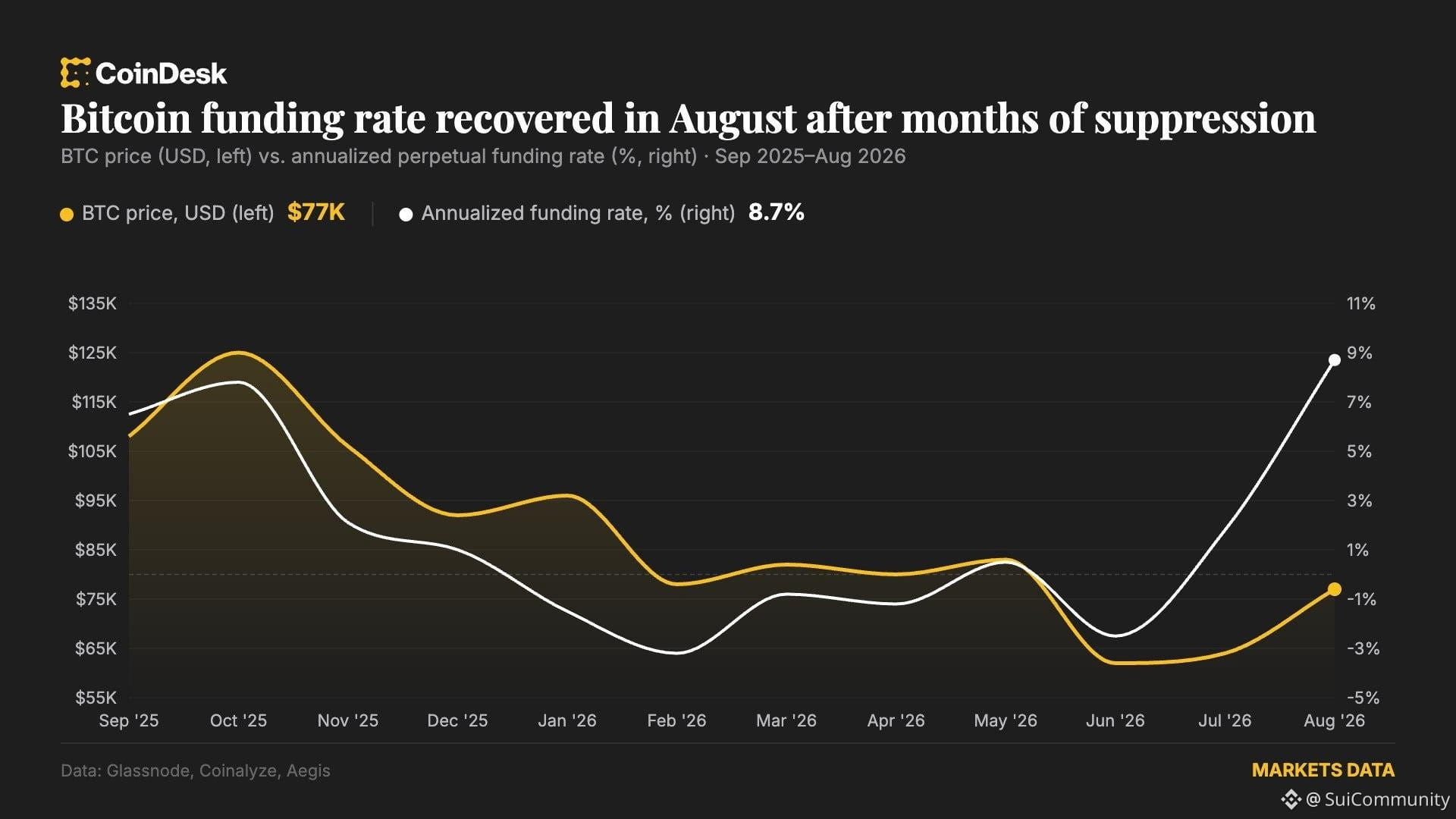
Bitcoin steadies just below $78,000 as the dollar surges, pushing the yen past the 160 per dollar threshold 🚀.
The yen's breach of the 160 line signals heightened intervention concerns, fueling expectations of further monetary tightening. The same dollar strength that lifted the yen is capping crypto gains, keeping Bitcoin near its high‑water mark. Analysts note that continued rate‑hike bets could sustain the dollar’s dominance, limiting upside for digital assets. Market participants watch for any policy shift that might loosen pressure on the yen and unlock crypto momentum 📈.
Traders will gauge upcoming central bank signals for the next move in both fiat and crypto markets 🔍.
$HEMI, $0G, $SKR
Bitcoin steadies just below $78,000 as the dollar surges, pushing the yen past the 160 per dollar threshold 🚀.
The yen's breach of the 160 line signals heightened intervention concerns, fueling expectations of further monetary tightening. The same dollar strength that lifted the yen is capping crypto gains, keeping Bitcoin near its high‑water mark. Analysts note that continued rate‑hike bets could sustain the dollar’s dominance, limiting upside for digital assets. Market participants watch for any policy shift that might loosen pressure on the yen and unlock crypto momentum 📈.
Traders will gauge upcoming central bank signals for the next move in both fiat and crypto markets 🔍.
$HEMI, $0G, $SKR
JUST IN ⚡
Bitcoin mining veteran Luke Dashjr has exited the Ocean mining pool, signaling a mutual split over the future direction of Bitcoin mining. 🚀
Both parties cited divergent views on upcoming protocol developments and the long‑term sustainability of pooled mining. Ocean’s leadership emphasized a push toward newer consensus upgrades, while Dashjr warned that such changes could centralize hash power. The separation is expected to prompt a reshuffling of hash rate as miners reassess pool affiliations. Industry analysts note that Dashjr’s move may invigorate solo mining efforts and reignite debate over Bitcoin’s energy model. 🔧
The exit highlights the growing strategic rift within the Bitcoin mining ecosystem. 📈
$HEMI, $0G, $SKR
Bitcoin mining veteran Luke Dashjr has exited the Ocean mining pool, signaling a mutual split over the future direction of Bitcoin mining. 🚀
Both parties cited divergent views on upcoming protocol developments and the long‑term sustainability of pooled mining. Ocean’s leadership emphasized a push toward newer consensus upgrades, while Dashjr warned that such changes could centralize hash power. The separation is expected to prompt a reshuffling of hash rate as miners reassess pool affiliations. Industry analysts note that Dashjr’s move may invigorate solo mining efforts and reignite debate over Bitcoin’s energy model. 🔧
The exit highlights the growing strategic rift within the Bitcoin mining ecosystem. 📈
$HEMI, $0G, $SKR

Partly True
BREAKING 🚨
Fed rate‑hike odds for September have slipped to just 58%, far below the feared 90% level 📉.
Despite Fed Governor Christopher Warsh’s aggressive comments on Friday, the probability of a September increase remains under 60%. Market analysts say the panic over tighter monetary policy is overstated, noting that bond yields have steadied and dollar strength is moderating. Crypto assets, which were under pressure, have begun to recover as investors reassess risk. The lower odds also ease concerns about a potential shock to liquidity in the derivatives market. Liquidity providers are also watching the shift closely 🔍.
Traders should recalibrate exposure as the tightening outlook eases.
$HEMI, $0G, $SKR
Fed rate‑hike odds for September have slipped to just 58%, far below the feared 90% level 📉.
Despite Fed Governor Christopher Warsh’s aggressive comments on Friday, the probability of a September increase remains under 60%. Market analysts say the panic over tighter monetary policy is overstated, noting that bond yields have steadied and dollar strength is moderating. Crypto assets, which were under pressure, have begun to recover as investors reassess risk. The lower odds also ease concerns about a potential shock to liquidity in the derivatives market. Liquidity providers are also watching the shift closely 🔍.
Traders should recalibrate exposure as the tightening outlook eases.
$HEMI, $0G, $SKR
BREAKING 🚨
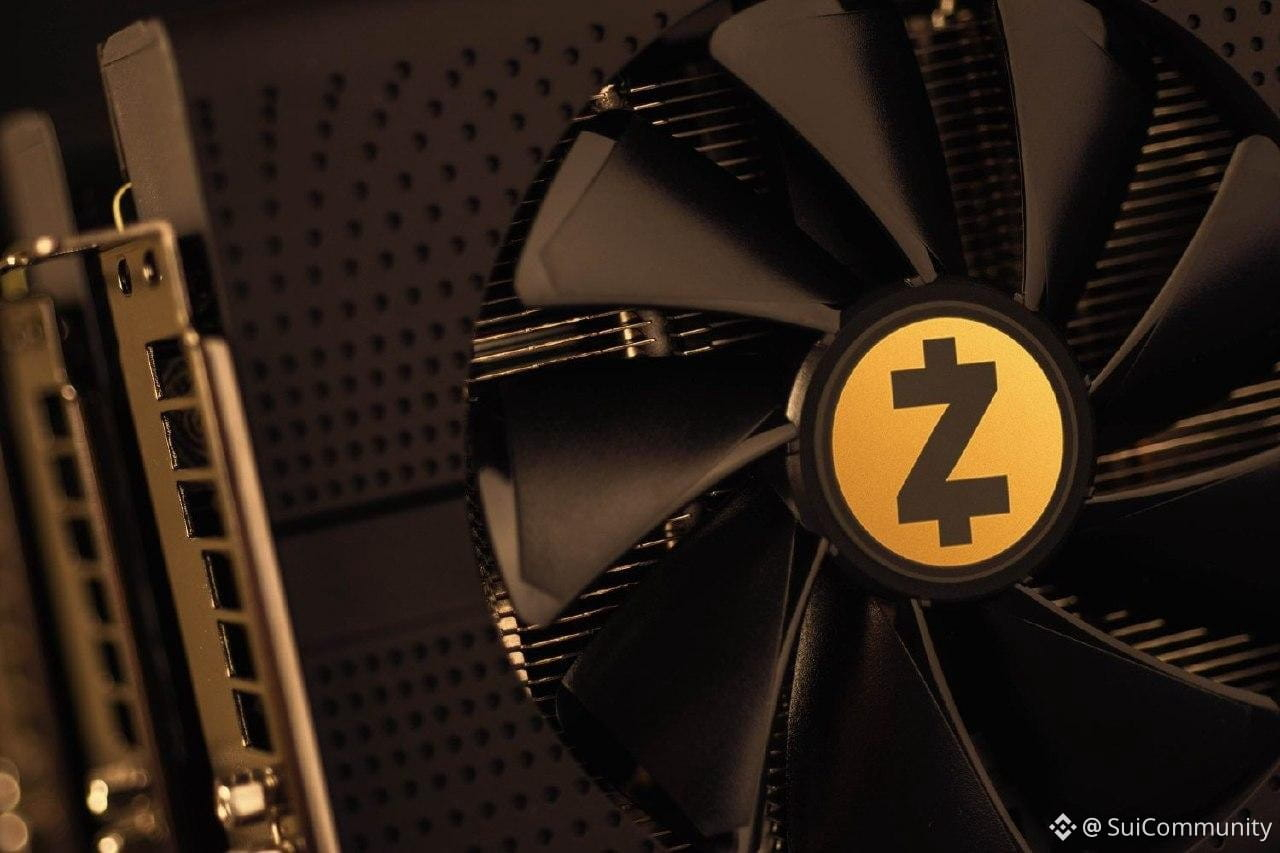
Zcash private transactions could drop from three‑second delays to under 200 milliseconds after a new cryptography stack is deployed in the upcoming network upgrade, reshaping user experience.
The upgrade, dubbed Zakura, leverages a novel zero‑knowledge proof system that accelerates mobile proof generation by more than 14×. This eliminates the longest latency bottleneck that users previously faced when sending shielded ZEC. Faster proofs also reduce bandwidth and battery consumption on smartphones, making private payments more practical for everyday use. Analysts expect the improvement to boost Zcash adoption and pressure competing privacy coins to enhance their performance 🚀.
Binance Square will monitor the rollout as the Zcash ecosystem accelerates ⚡
$ZKC, $HEMI, $SKR
Zcash private transactions could drop from three‑second delays to under 200 milliseconds after a new cryptography stack is deployed in the upcoming network upgrade, reshaping user experience.
The upgrade, dubbed Zakura, leverages a novel zero‑knowledge proof system that accelerates mobile proof generation by more than 14×. This eliminates the longest latency bottleneck that users previously faced when sending shielded ZEC. Faster proofs also reduce bandwidth and battery consumption on smartphones, making private payments more practical for everyday use. Analysts expect the improvement to boost Zcash adoption and pressure competing privacy coins to enhance their performance 🚀.
Binance Square will monitor the rollout as the Zcash ecosystem accelerates ⚡
$ZKC, $HEMI, $SKR
JUST IN ⚡
Cronos halts its blockchain after a $75 million lending exploit strikes the Tectonic platform 🚨.
The attacker artificially inflated Tectonic’s thinly‑traded TONIC token by more than 100‑fold, then pledged the overvalued tokens as collateral to borrow real assets. Validators responded by pausing the network, leaving most borrowed funds locked and users unable to withdraw. The breach exposed vulnerabilities in the protocol’s price‑oracle and collateral‑valuation mechanisms. Estimates suggest up to $75 million in assets are now stranded, prompting emergency discussions among Cronos developers and major stakeholders. Market confidence in the Cronos ecosystem faces immediate pressure as investors reassess risk exposure.
Regulators are expected to issue guidance within days, and the network aims to resume operations once safeguards are restored 🛡️.
$ZKC, $HEMI, $SKR
Cronos halts its blockchain after a $75 million lending exploit strikes the Tectonic platform 🚨.
The attacker artificially inflated Tectonic’s thinly‑traded TONIC token by more than 100‑fold, then pledged the overvalued tokens as collateral to borrow real assets. Validators responded by pausing the network, leaving most borrowed funds locked and users unable to withdraw. The breach exposed vulnerabilities in the protocol’s price‑oracle and collateral‑valuation mechanisms. Estimates suggest up to $75 million in assets are now stranded, prompting emergency discussions among Cronos developers and major stakeholders. Market confidence in the Cronos ecosystem faces immediate pressure as investors reassess risk exposure.
Regulators are expected to issue guidance within days, and the network aims to resume operations once safeguards are restored 🛡️.
$ZKC, $HEMI, $SKR

BREAKING 🚨
Bitcoin steadies amid fresh U.S. sanctions on Iran, sending oil prices soaring while equities tumble 📈.
The United States imposed a new round of sanctions targeting Iran's oil export capabilities, triggering a sharp rise in global crude prices. Stock markets reacted negatively, with major indices slipping across the board. Despite the turbulence, Bitcoin barely moved, maintaining its position as August’s top‑performing asset with a modest gain over the month. Traders are interpreting the crypto market’s resilience as a hedge against geopolitical risk, and analysts expect continued demand for digital assets if tensions persist.
Investors will watch closely for further market shifts as the geopolitical landscape evolves ⚡.
$HEMI, $ZKC, $SKR
Bitcoin steadies amid fresh U.S. sanctions on Iran, sending oil prices soaring while equities tumble 📈.
The United States imposed a new round of sanctions targeting Iran's oil export capabilities, triggering a sharp rise in global crude prices. Stock markets reacted negatively, with major indices slipping across the board. Despite the turbulence, Bitcoin barely moved, maintaining its position as August’s top‑performing asset with a modest gain over the month. Traders are interpreting the crypto market’s resilience as a hedge against geopolitical risk, and analysts expect continued demand for digital assets if tensions persist.
Investors will watch closely for further market shifts as the geopolitical landscape evolves ⚡.
$HEMI, $ZKC, $SKR
BREAKING 🚨
Michael Saylor signals a new Bitcoin purchase as the price edges toward $79,000 🚀.
Bitcoin rebounded from Friday’s lows, pushing its dominance above 60% and expanding Strategy’s market valuation. The micro‑cap has not added to its holdings in two months, making the hint especially noteworthy 🔥. Analysts say Saylor’s move could spur further institutional demand and tighten supply dynamics. Market participants are watching for a potential order flow that might lift prices toward the $80k threshold. If confirmed, the buy could also influence futures contracts and spot liquidity across major exchanges.
All eyes remain on the upcoming purchase, which could further accelerate the rally 📈.
$ZKC, $PROM, $ZKC
Michael Saylor signals a new Bitcoin purchase as the price edges toward $79,000 🚀.
Bitcoin rebounded from Friday’s lows, pushing its dominance above 60% and expanding Strategy’s market valuation. The micro‑cap has not added to its holdings in two months, making the hint especially noteworthy 🔥. Analysts say Saylor’s move could spur further institutional demand and tighten supply dynamics. Market participants are watching for a potential order flow that might lift prices toward the $80k threshold. If confirmed, the buy could also influence futures contracts and spot liquidity across major exchanges.
All eyes remain on the upcoming purchase, which could further accelerate the rally 📈.
$ZKC, $PROM, $ZKC

JUST IN ⚡ A new investigative report reveals the century‑long clash between hawala networks and the SWIFT system to secure cross‑border payments.
For centuries, finance has been stripping wealth from physical transport, replacing it with digital pipelines that promise speed and safety. Yet each layer of friction removed opens new attack vectors, from sophisticated cyber‑thefts to state‑backed financial weaponization. Hawala, the centuries‑old informal money‑moving network, persists by exploiting trust‑based channels that evade formal oversight. 🚀 SWIFT’s standardized messaging, while enhancing transparency, has become a battlefield where regulators and cyber‑actors vie for control. The report warns that without adaptive safeguards, the next generation of crypto and digital‑asset platforms could inherit the same vulnerabilities.
Stakeholders must now re‑engineer security to stay ahead of evolving threats.
$ZKC, $PROM, $ZKC
For centuries, finance has been stripping wealth from physical transport, replacing it with digital pipelines that promise speed and safety. Yet each layer of friction removed opens new attack vectors, from sophisticated cyber‑thefts to state‑backed financial weaponization. Hawala, the centuries‑old informal money‑moving network, persists by exploiting trust‑based channels that evade formal oversight. 🚀 SWIFT’s standardized messaging, while enhancing transparency, has become a battlefield where regulators and cyber‑actors vie for control. The report warns that without adaptive safeguards, the next generation of crypto and digital‑asset platforms could inherit the same vulnerabilities.
Stakeholders must now re‑engineer security to stay ahead of evolving threats.
$ZKC, $PROM, $ZKC

BREAKING 🚨
Bitcoin spikes past $80,000 as market makers lock in yields without taking a directional bet 🚀.
Sophisticated trading firms are exploiting the rally by deploying delta‑neutral strategies that capture funding rates and arbitrage opportunities. By continuously rebalancing long and short positions, they earn consistent returns regardless of price swings. This approach signals a shift from speculative bets to systematic yield generation in the crypto derivatives space. Analysts warn that such activity could dampen volatility while still supporting upward price pressure.
Investors should watch these silent profit engines as they reshape liquidity dynamics across major exchanges, and consider the impact on margin requirements 👀.
$ZKC, $PROM, $ZKC
Bitcoin spikes past $80,000 as market makers lock in yields without taking a directional bet 🚀.
Sophisticated trading firms are exploiting the rally by deploying delta‑neutral strategies that capture funding rates and arbitrage opportunities. By continuously rebalancing long and short positions, they earn consistent returns regardless of price swings. This approach signals a shift from speculative bets to systematic yield generation in the crypto derivatives space. Analysts warn that such activity could dampen volatility while still supporting upward price pressure.
Investors should watch these silent profit engines as they reshape liquidity dynamics across major exchanges, and consider the impact on margin requirements 👀.
$ZKC, $PROM, $ZKC
BREAKING NEWS 🚨
A $1.1 million crypto‑card hack slammed the neobank’s AVICI token, erasing 49% of its value in minutes 😱.
The breach exploited a vulnerability in the provider’s crypto‑card infrastructure, allowing attackers to siphon funds and trigger a massive sell‑off 📉. AVICI fell from a 24‑hour high to a record low before clawing back a fraction of the loss. Traders scrambled, widening the spread and prompting liquidity providers to tighten margins. Analysts warn the incident could spark tighter oversight of crypto‑card issuers and shake confidence in emerging neobanks. The incident also triggered a temporary halt in AVICI trading on several major exchanges, amplifying volatility.
Regulators are now monitoring the fallout closely 🔍.
$PROM, $ZKP, $4
A $1.1 million crypto‑card hack slammed the neobank’s AVICI token, erasing 49% of its value in minutes 😱.
The breach exploited a vulnerability in the provider’s crypto‑card infrastructure, allowing attackers to siphon funds and trigger a massive sell‑off 📉. AVICI fell from a 24‑hour high to a record low before clawing back a fraction of the loss. Traders scrambled, widening the spread and prompting liquidity providers to tighten margins. Analysts warn the incident could spark tighter oversight of crypto‑card issuers and shake confidence in emerging neobanks. The incident also triggered a temporary halt in AVICI trading on several major exchanges, amplifying volatility.
Regulators are now monitoring the fallout closely 🔍.
$PROM, $ZKP, $4
Log in to explore more content