
BlockchainBaller
66.2k Posts

BlockchainBaller
 Square Verified+
Trader || X (Twitter): @bl_ockchain || Binance KOL || Trade Setups are my Personal Opinions || DYOR

2025 Blockchain 100 — Trader

Creator Awards 2024

Top Voices
Frequent Trader
4.9 Years
62 Following
246.5K+ Followers
707.6K+ Liked
3 Badges
Posts
All
Quotes
Videos
Live
PINNED
Hey Fam, I need your only 2 mins about a serious issue you all are facing.
Most of you been following my calls …. and you’ve seen the setups hit in real time. But before that when the post reached out to you. You already had missed it or you got liquidated.. But Now I have Solution..
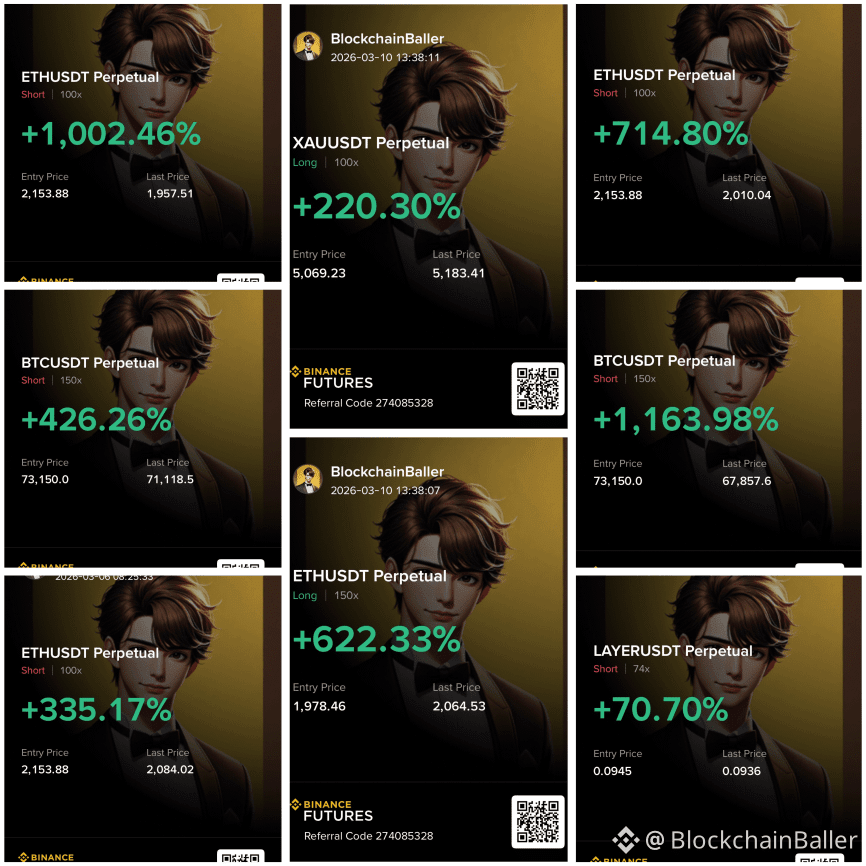
I just launched BlockchainBaller Premium group on Binance Square. Click here to join or Scan QR
That’s the stuff that actually makes you money without missing anybtrade.
I tried free groups twice. both turned into red packet spam and random links. zero serious traders. so I built something only for the ambitious ones.
what you get inside:
🚀 Real time trade setups with exact Entry / TP / SL before they go public
🚀 Early alpha on narratives before they trend
🚀 My personal moves and position sizing
🚀 Direct access to ask me anything
🚀 7 Days Free Trial
6 years trading. Top 5 Binance Blockchain 100. 235K+ fam watched the calls I post.now you can trade alongside me.
Most of you been following my calls …. and you’ve seen the setups hit in real time. But before that when the post reached out to you. You already had missed it or you got liquidated.. But Now I have Solution..
I just launched BlockchainBaller Premium group on Binance Square. Click here to join or Scan QR
That’s the stuff that actually makes you money without missing anybtrade.
I tried free groups twice. both turned into red packet spam and random links. zero serious traders. so I built something only for the ambitious ones.
what you get inside:
🚀 Real time trade setups with exact Entry / TP / SL before they go public
🚀 Early alpha on narratives before they trend
🚀 My personal moves and position sizing
🚀 Direct access to ask me anything
🚀 7 Days Free Trial
6 years trading. Top 5 Binance Blockchain 100. 235K+ fam watched the calls I post.now you can trade alongside me.

PINNED
𝐇𝐨𝐧𝐨𝐫𝐞𝐝 𝐭𝐨 𝐁𝐞 𝐀𝐦𝐨𝐧𝐠 𝐭𝐡𝐞 𝐁𝐥𝐨𝐜𝐤𝐜𝐡𝐚𝐢𝐧 𝟏𝟎𝟎 — 𝐍𝐨𝐰 𝐢𝐧 𝐭𝐡𝐞 𝐓𝐨𝐩 𝟓 𝐓𝐫𝐚𝐝𝐞𝐫 𝐂𝐚𝐭𝐞𝐠𝐨𝐫𝐲!
I’m truly grateful to everyone who supported, voted, and believed in me throughout this journey. Being ranked in the Top 5 Traders among the Blockchain 100 by Binance is a huge milestone — and it wouldn’t have been possible without this amazing community.
Your trust and engagement drive me every day to share better insights, stronger analysis, and real value. The journey continues — this is just the beginning. Thank you, fam.
I’m truly grateful to everyone who supported, voted, and believed in me throughout this journey. Being ranked in the Top 5 Traders among the Blockchain 100 by Binance is a huge milestone — and it wouldn’t have been possible without this amazing community.
Your trust and engagement drive me every day to share better insights, stronger analysis, and real value. The journey continues — this is just the beginning. Thank you, fam.

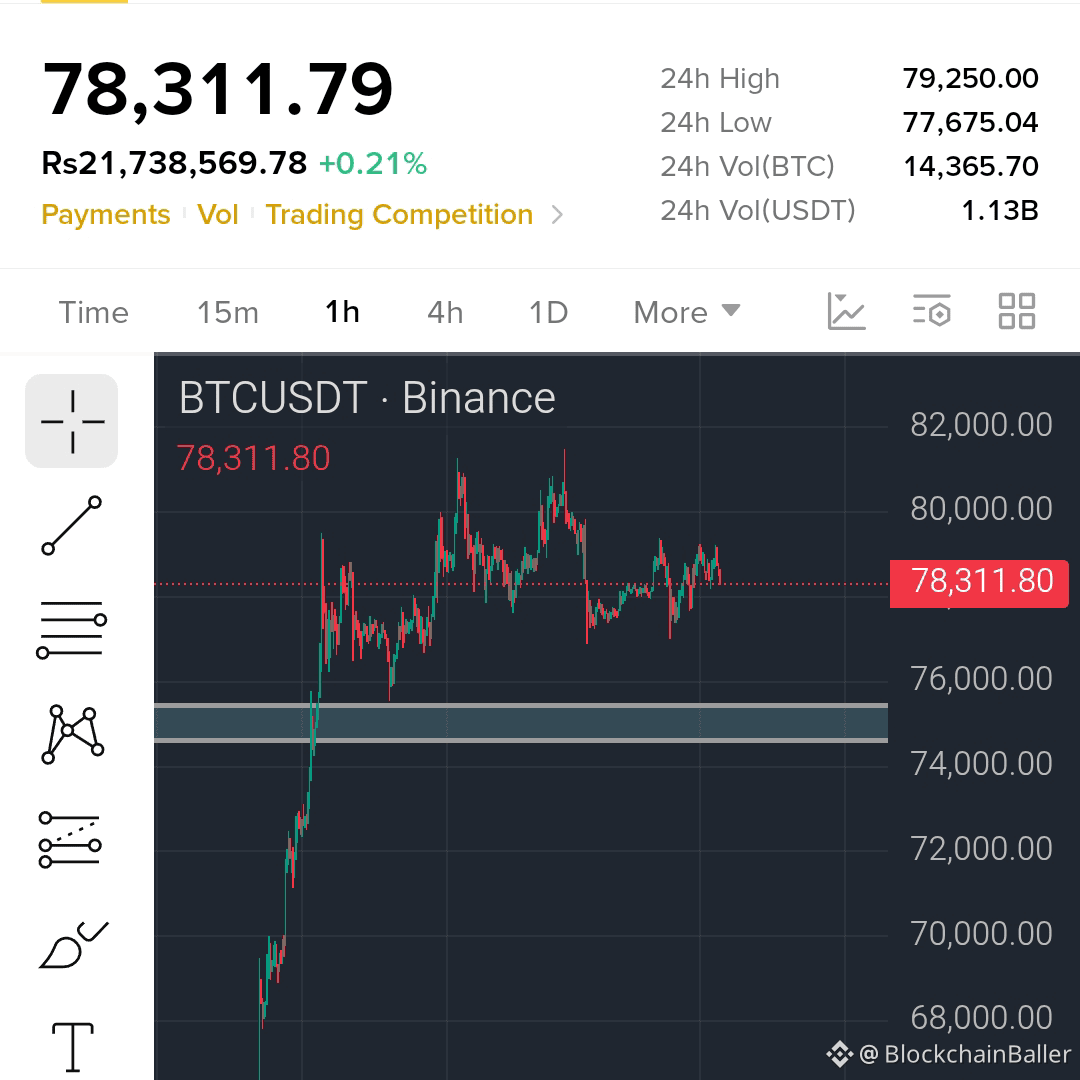
Guys, time to open a short on $BTC now.
entry: 78,200 – 78,500
targets: 77,500 / 76,800 / 75,500
sl: 79,300
entry: 78,200 – 78,500
targets: 77,500 / 76,800 / 75,500
sl: 79,300
How much you have lost in this bearish Market??
Anyone more than me? Who hate their money 😂
Anyone more than me? Who hate their money 😂
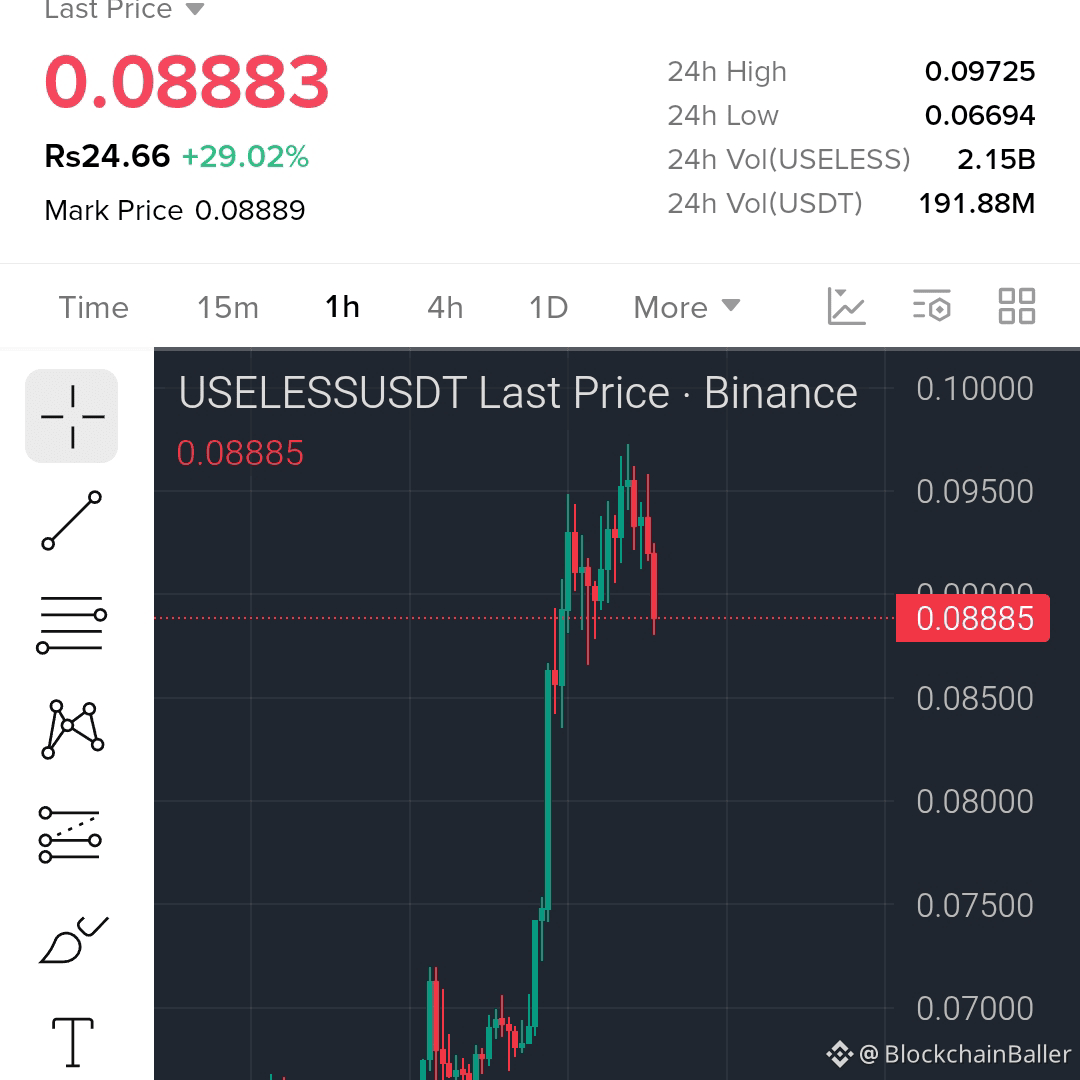
Guys, time to open a short on $USELESS now.
entry: 0.0885 – 0.0900
targets: 0.0860 / 0.0830 / 0.0800
sl: 0.0925
entry: 0.0885 – 0.0900
targets: 0.0860 / 0.0830 / 0.0800
sl: 0.0925
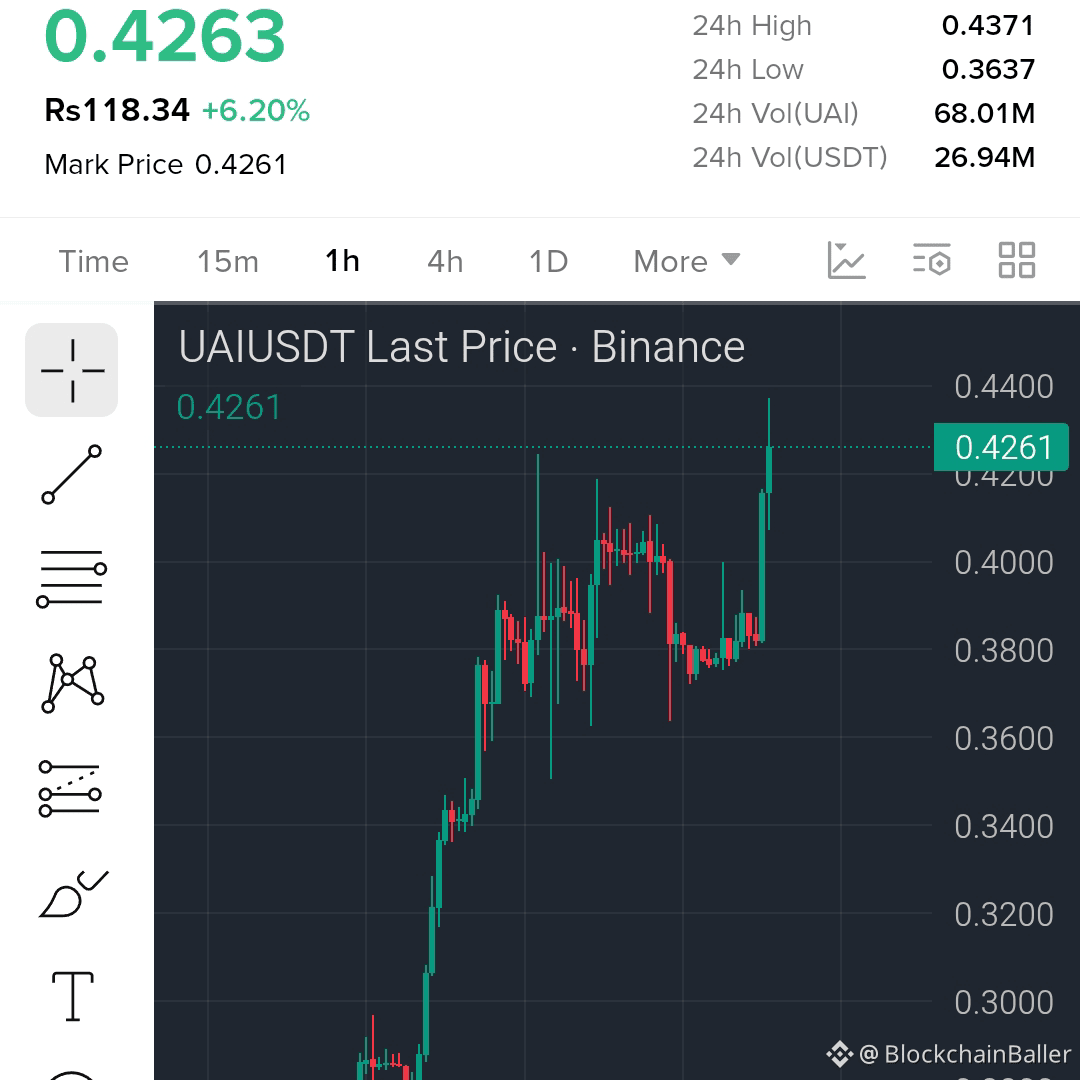
Guys, time to open a long on $UAI now.
entry: 0.4200 – 0.4260
targets: 0.4350 / 0.4450 / 0.4600
sl: 0.4080
entry: 0.4200 – 0.4260
targets: 0.4350 / 0.4450 / 0.4600
sl: 0.4080
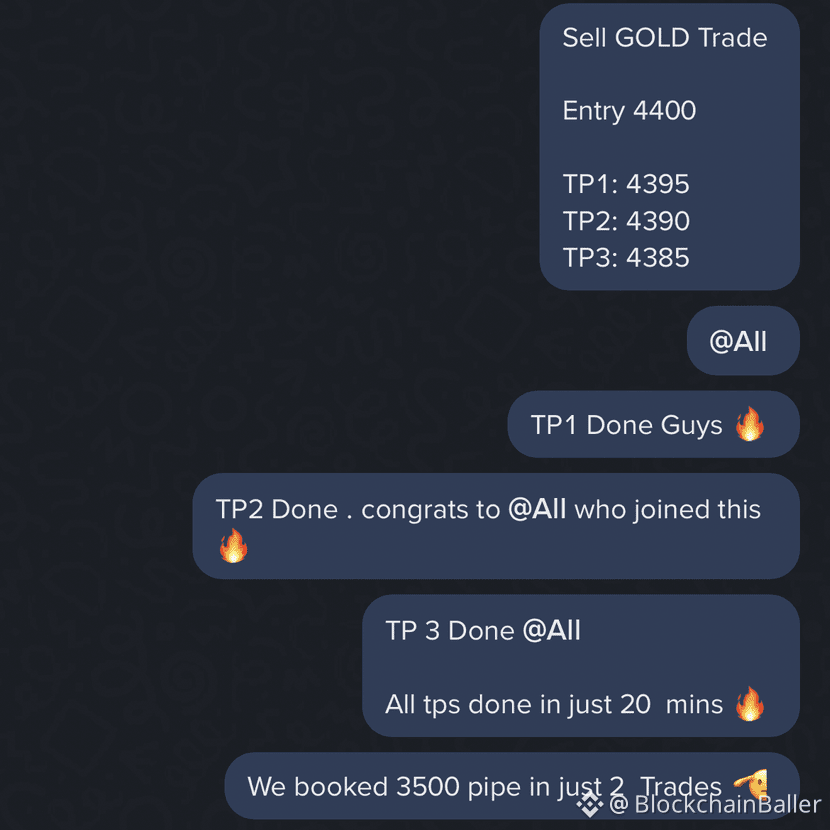
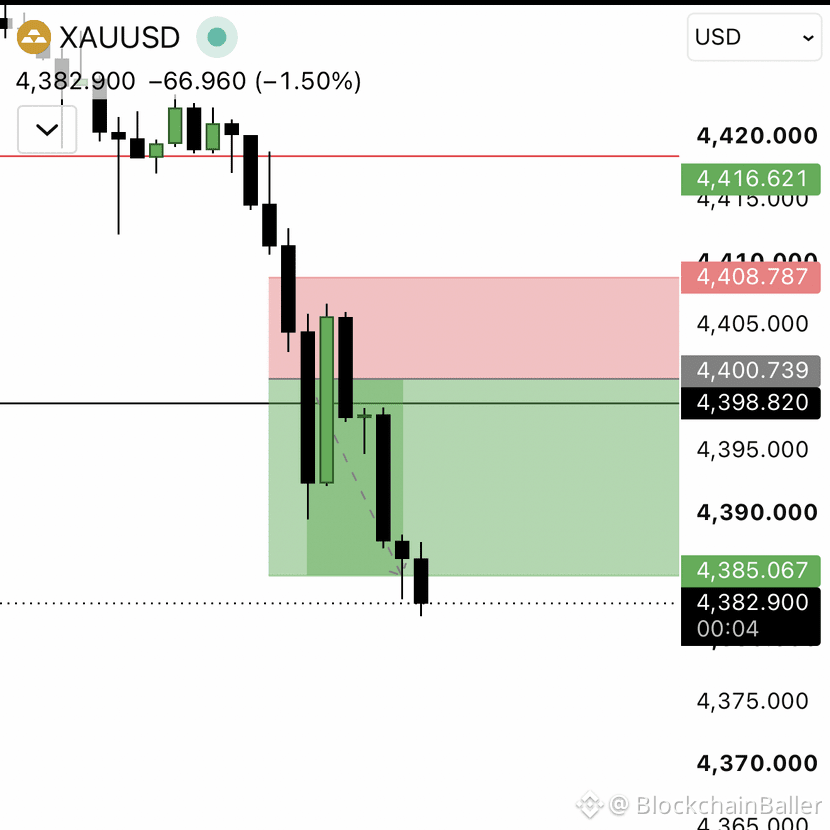
I just share the trade of $XAU in my premium froup with clear instructions and we booked 3500 pips in just 2 single trades…
You can join Baller Premium in just $20. Join now
You can join Baller Premium in just $20. Join now
Guys, time to open a long on $ARB now....
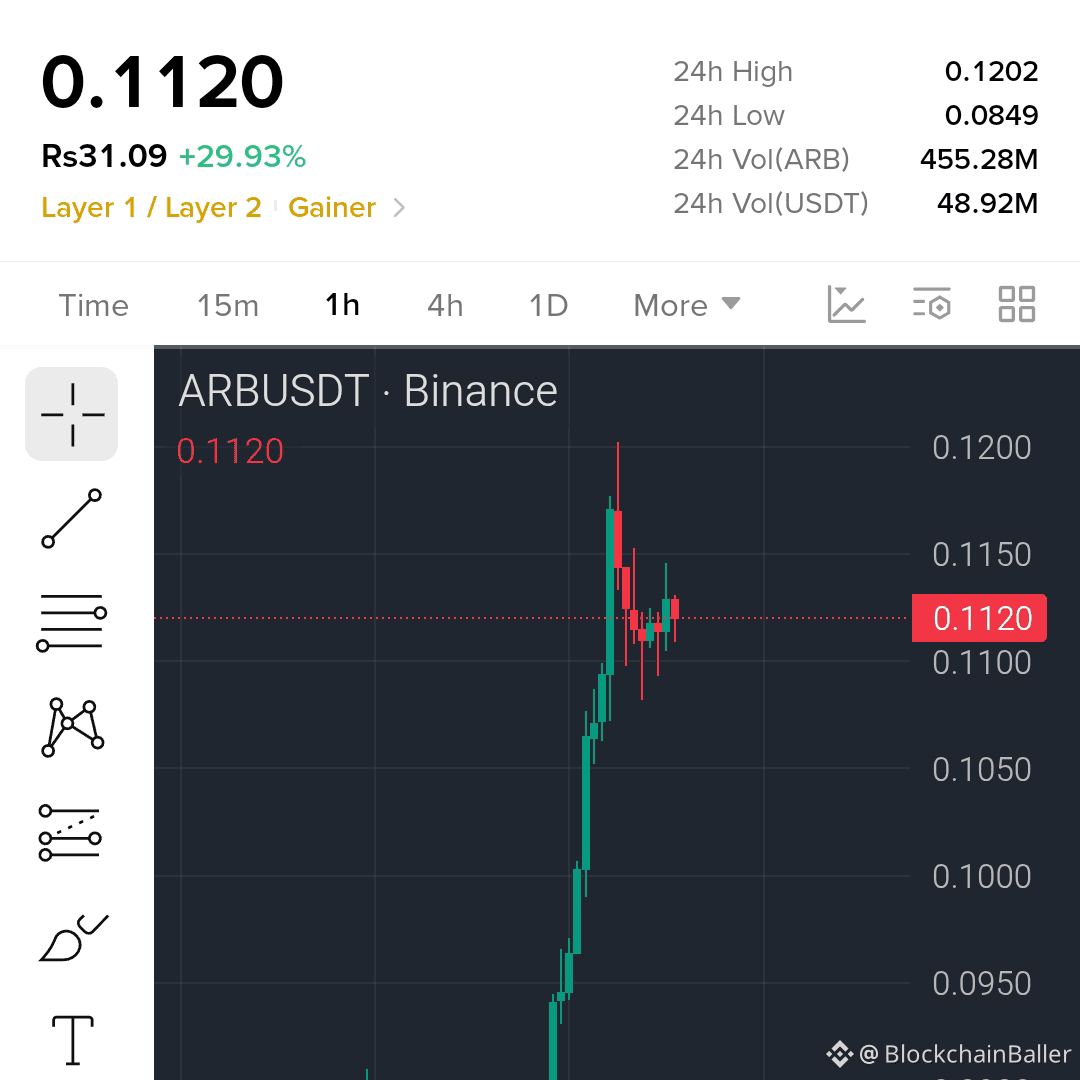
entry: 0.1100 – 0.1120
targets: 0.1150 / 0.1180 / 0.1200
sl: 0.1075
entry: 0.1100 – 0.1120
targets: 0.1150 / 0.1180 / 0.1200
sl: 0.1075
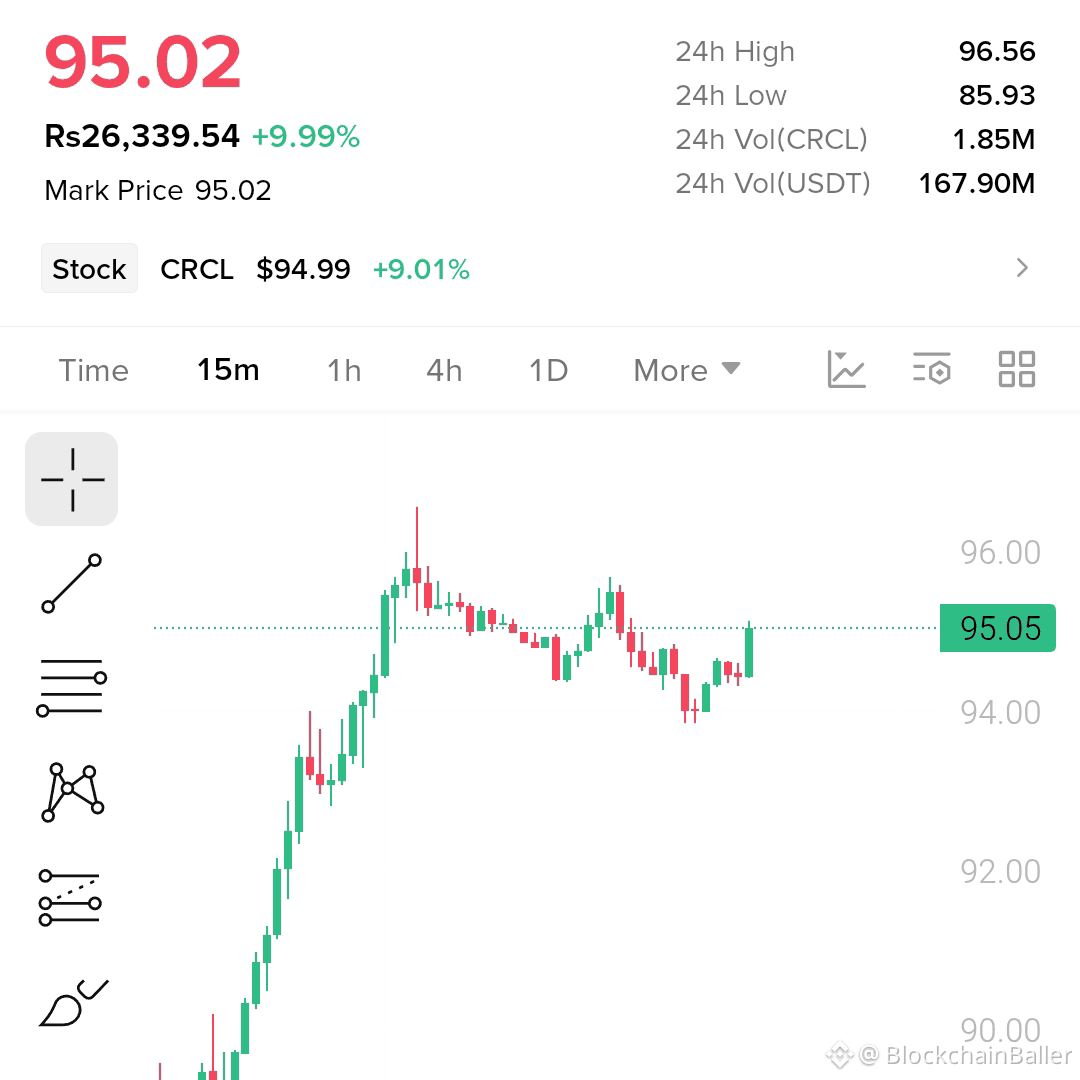
I’m long on $CRCL at market price…‼️
My SL: $93.80
My TPs: $96.50 ➜ $98.00 ➜ $100.00
o.
The chart is holding strong after the recent push, and buyers are trying to continue the upside momentum.
Don’t go all in use proper SL & TP. It’s a small scalp trade setup.
My SL: $93.80
My TPs: $96.50 ➜ $98.00 ➜ $100.00
o.
The chart is holding strong after the recent push, and buyers are trying to continue the upside momentum.
Don’t go all in use proper SL & TP. It’s a small scalp trade setup.
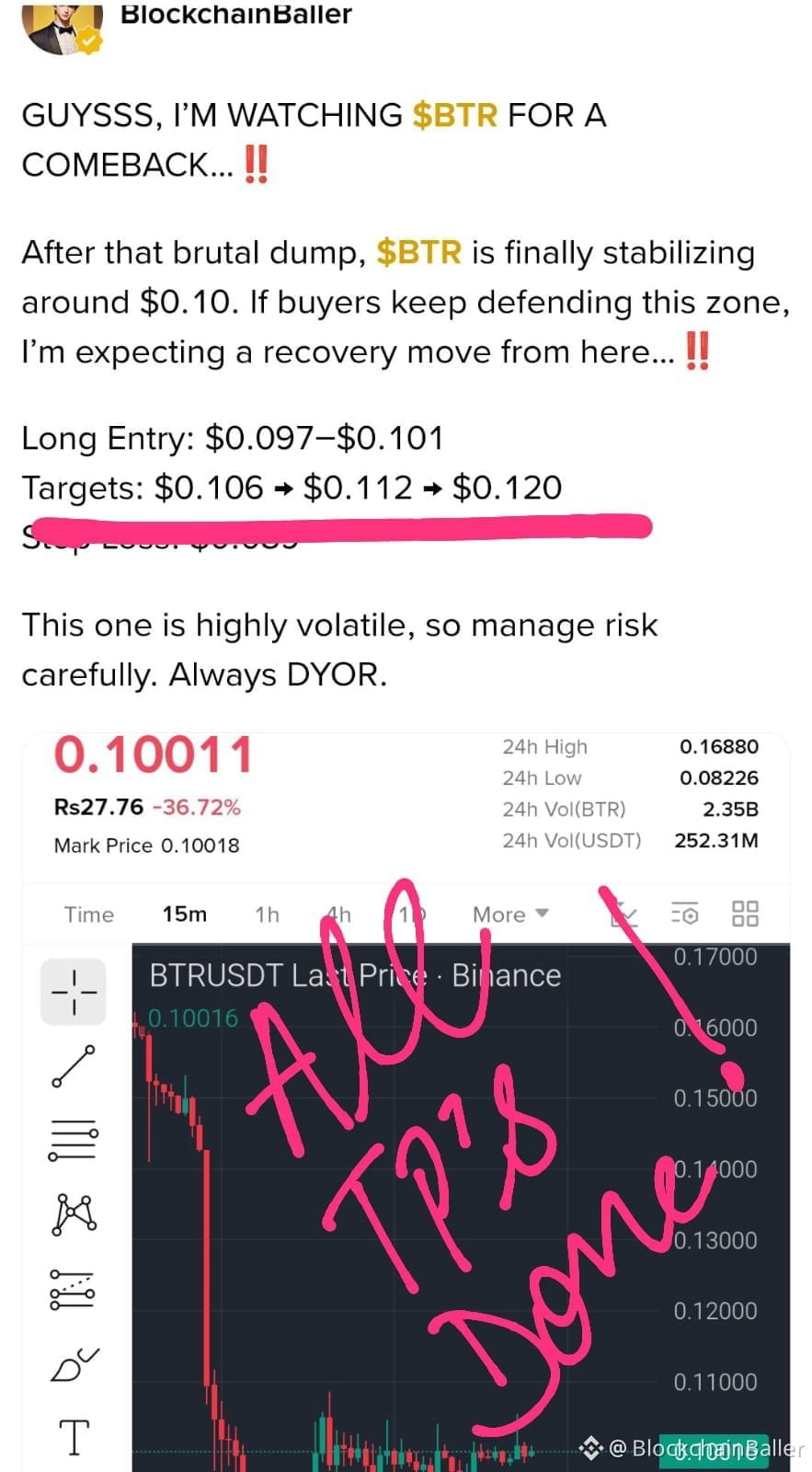
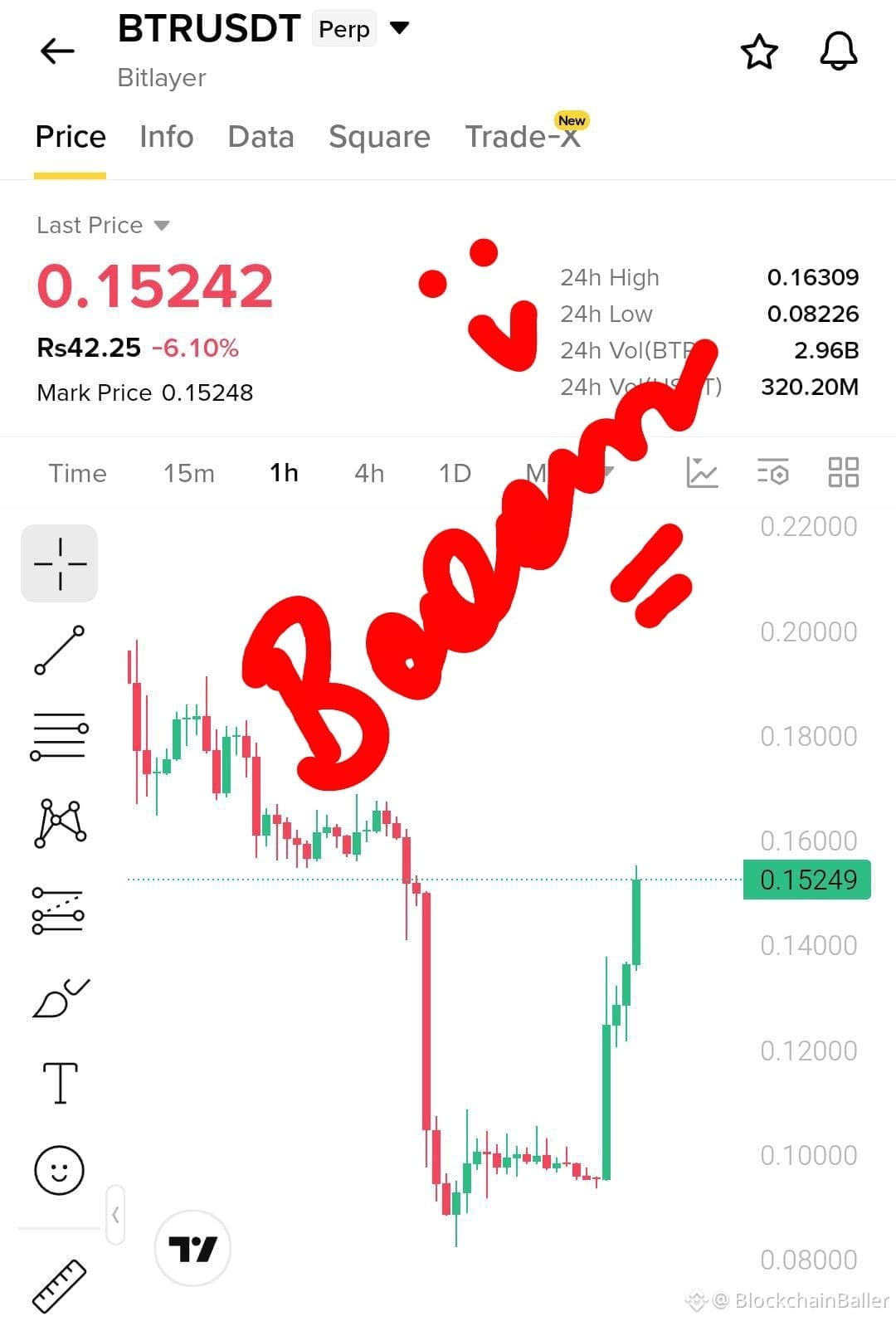
My dear followers💞 I told you yesterday about $BTR !!!! from $0.09 to $0.2+
I’m repeating it again keep holding your $BTR long position with me....
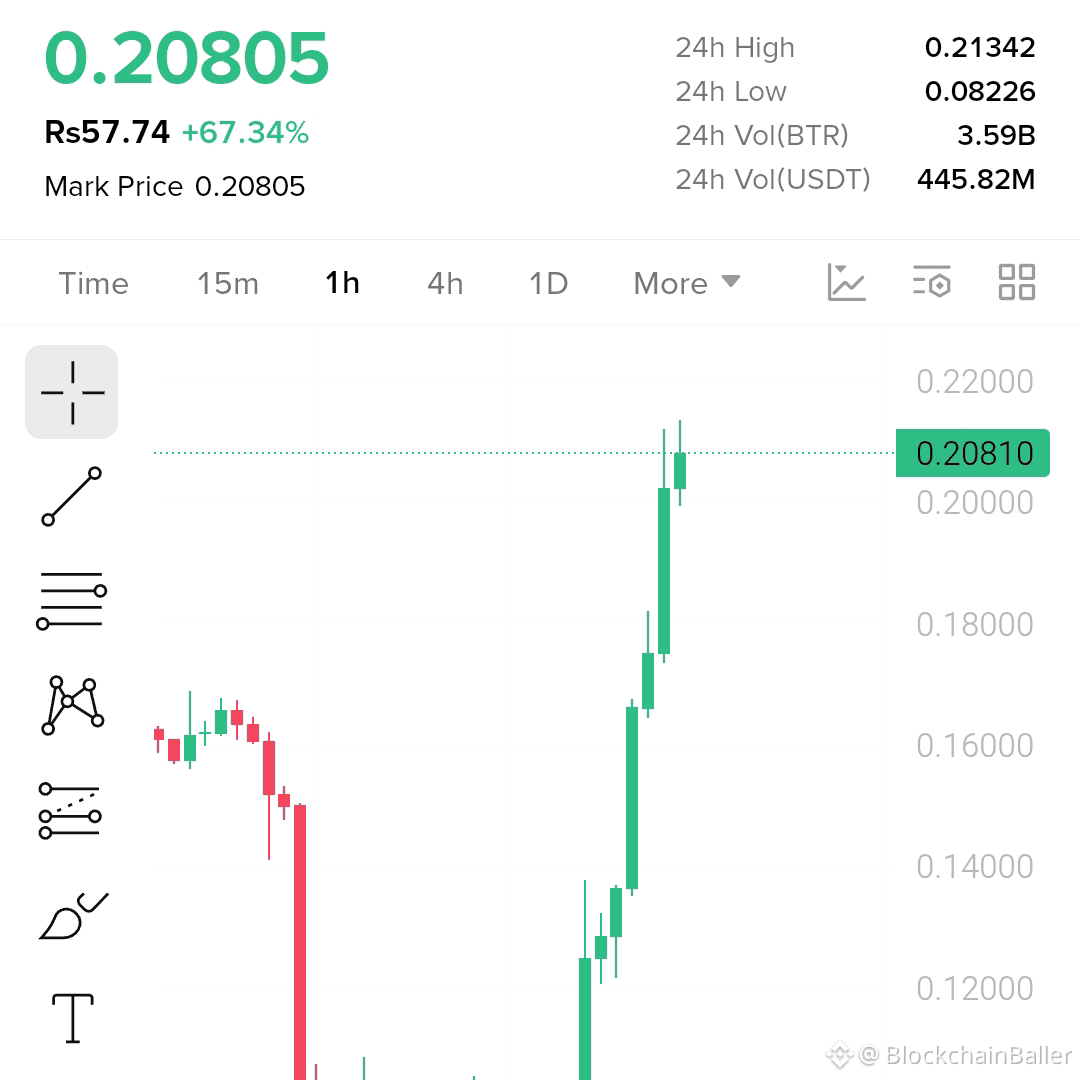
$BTR has now crossed $0.2, and our trade is moving beautifully. Stay patient, manage your risk, and let’s ride this move together! 🤝
Entry Zone: $0.198–$0.208
TP1: $0.220
TP2: $0.235
TP3: $0.250
SL: $0.188
I’m repeating it again keep holding your $BTR long position with me....
$BTR has now crossed $0.2, and our trade is moving beautifully. Stay patient, manage your risk, and let’s ride this move together! 🤝
Entry Zone: $0.198–$0.208
TP1: $0.220
TP2: $0.235
TP3: $0.250
SL: $0.188
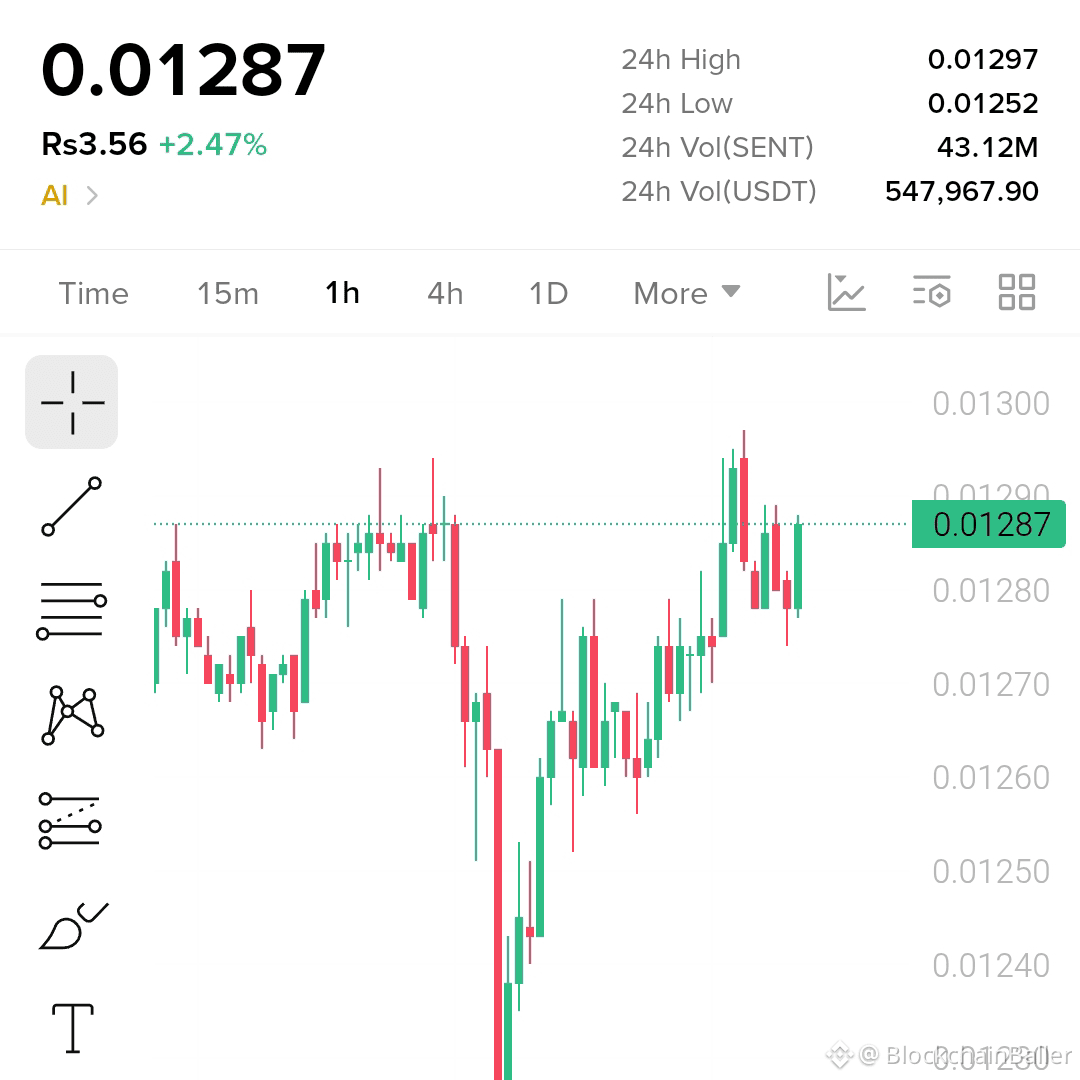
I’m long on $SENT at market price…‼️
My SL: $0.01265
My TPs: $0.01300 ➜ $0.01320 ➜ $0.01350
The chart is showing bullish recovery momentum, and buyers are pushing back toward the recent highs.
My SL: $0.01265
My TPs: $0.01300 ➜ $0.01320 ➜ $0.01350
The chart is showing bullish recovery momentum, and buyers are pushing back toward the recent highs.
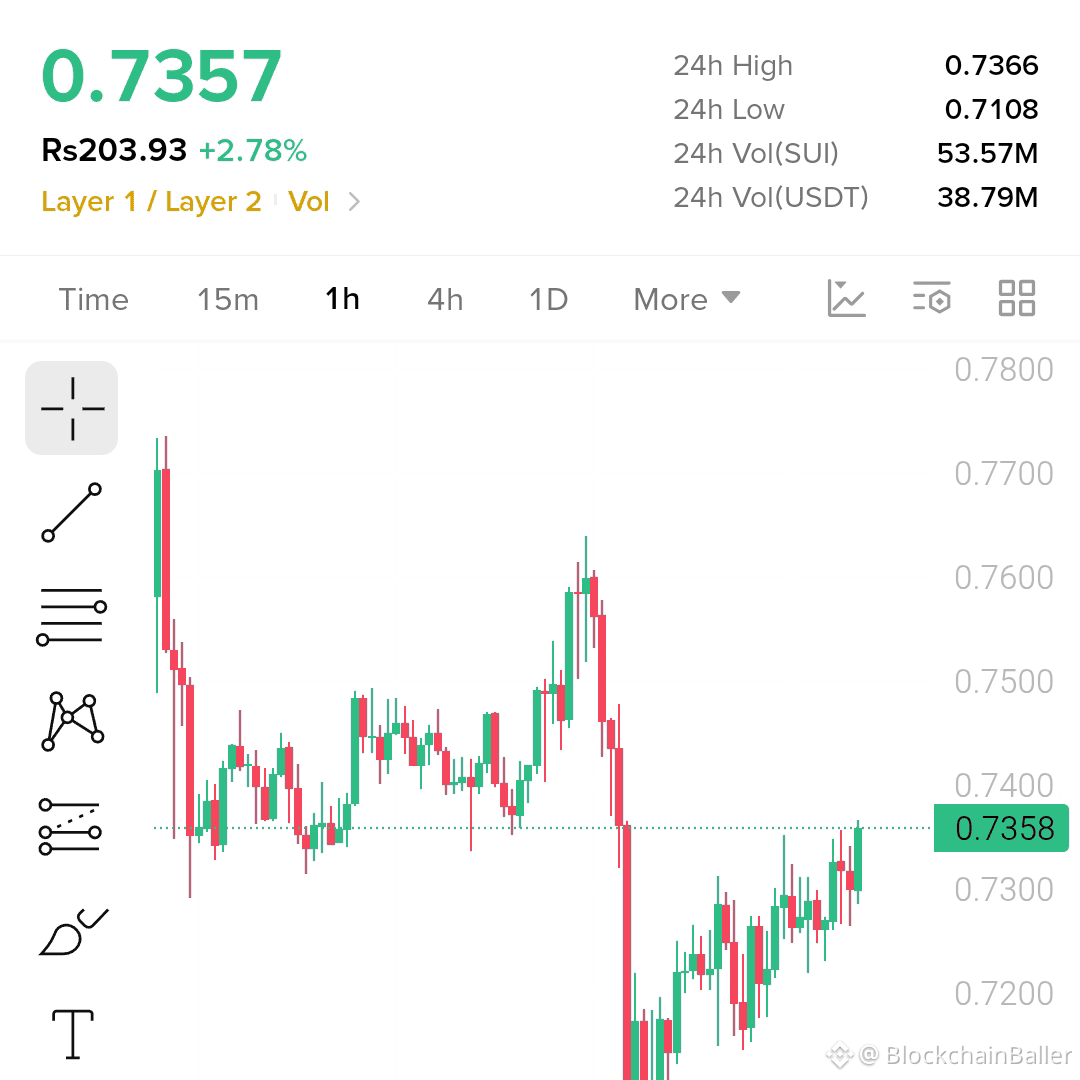
I’m long on $SUI at market price…
My SL: $0.722
My TPs: $0.745 ➜ $0.755 ➜ $0.765
The chart is showing a steady recovery from the recent dip, and buyers are trying to push price higher.
Don’t go all in use proper SL & TP. It’s a small scalp trade setup.
My SL: $0.722
My TPs: $0.745 ➜ $0.755 ➜ $0.765
The chart is showing a steady recovery from the recent dip, and buyers are trying to push price higher.
Don’t go all in use proper SL & TP. It’s a small scalp trade setup.
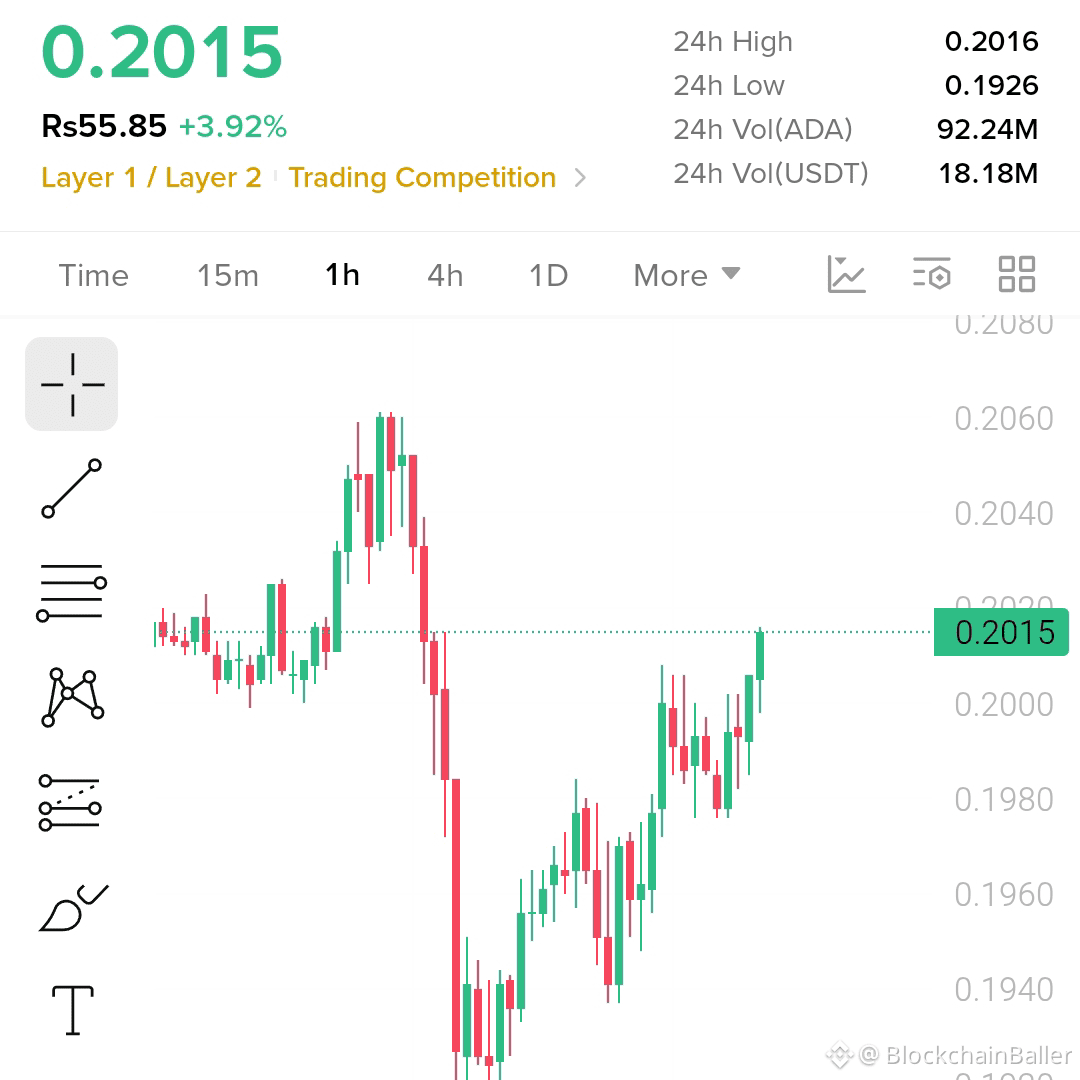
I’m long on $ADA at market price…‼️
My SL: $0.1970
My TPs: $0.2040 ➜ $0.2060 ➜ $0.2100
The chart is showing a strong recovery from the recent dip, and buyers are pushing price back toward resistance.
Don’t go all in use proper SL & TP. It’s a small scalp trade setup.
My SL: $0.1970
My TPs: $0.2040 ➜ $0.2060 ➜ $0.2100
The chart is showing a strong recovery from the recent dip, and buyers are pushing price back toward resistance.
Don’t go all in use proper SL & TP. It’s a small scalp trade setup.
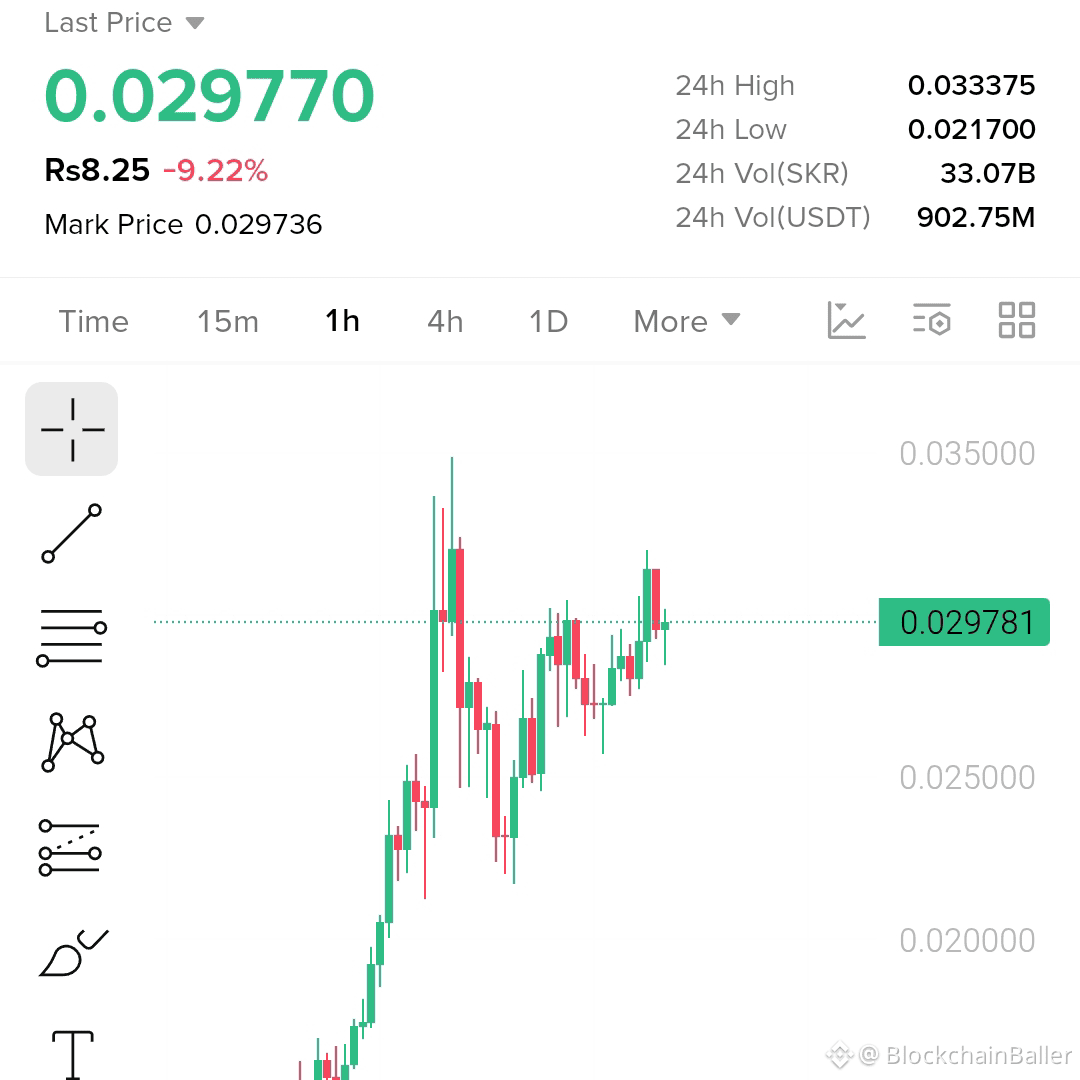
I’m long on $SKR at market price…‼️
My SL: $0.0275
My TPs: $0.0315 ➜ $0.0335 ➜ $0.0350
The chart is showing bullish recovery momentum, and buyers are trying to push price toward the recent highs.
Don’t go all in use proper SL & TP. It’s a small scalp trade setup.
My SL: $0.0275
My TPs: $0.0315 ➜ $0.0335 ➜ $0.0350
The chart is showing bullish recovery momentum, and buyers are trying to push price toward the recent highs.
Don’t go all in use proper SL & TP. It’s a small scalp trade setup.
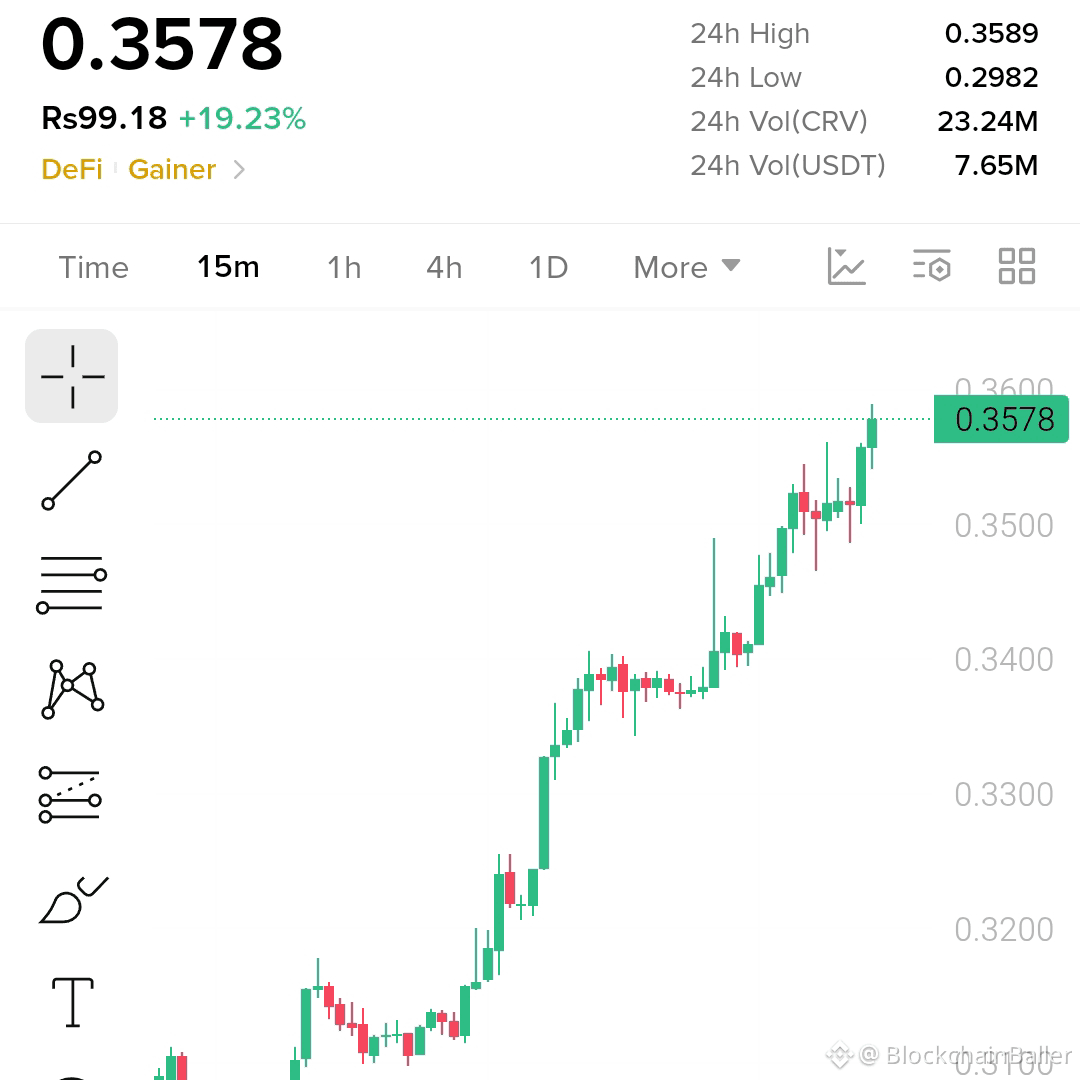
I’m long on $CRV at market price…‼️
My SL: $0.347
My TPs: $0.365 ➜ $0.375 ➜ $0.390
The chart is showing strong bullish momentum with buyers continuously pushing toward new highs.
Don’t go all in use proper SL & TP. It’s a small scalp trade setup.
My SL: $0.347
My TPs: $0.365 ➜ $0.375 ➜ $0.390
The chart is showing strong bullish momentum with buyers continuously pushing toward new highs.
Don’t go all in use proper SL & TP. It’s a small scalp trade setup.
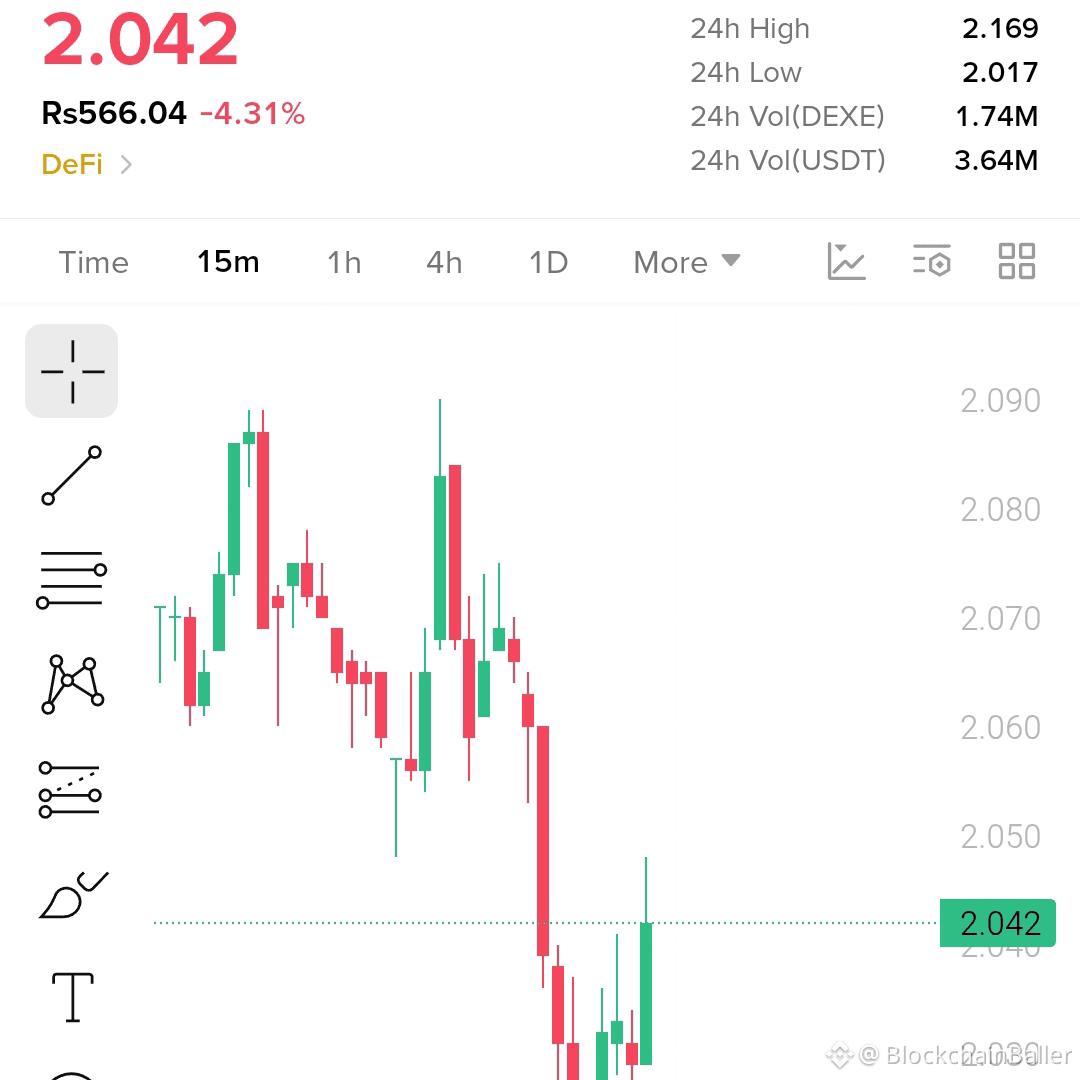
I’m short on $DEXE at market price…‼️
My SL: $2.07
My TPs: $2.02 ➜ $1.99 ➜ $1.96
The chart is showing bearish pressure after the breakdown, and this bounce could face another rejection.
Don’t go all in use proper SL & TP. It’s a small scalp trade setup.
My SL: $2.07
My TPs: $2.02 ➜ $1.99 ➜ $1.96
The chart is showing bearish pressure after the breakdown, and this bounce could face another rejection.
Don’t go all in use proper SL & TP. It’s a small scalp trade setup.
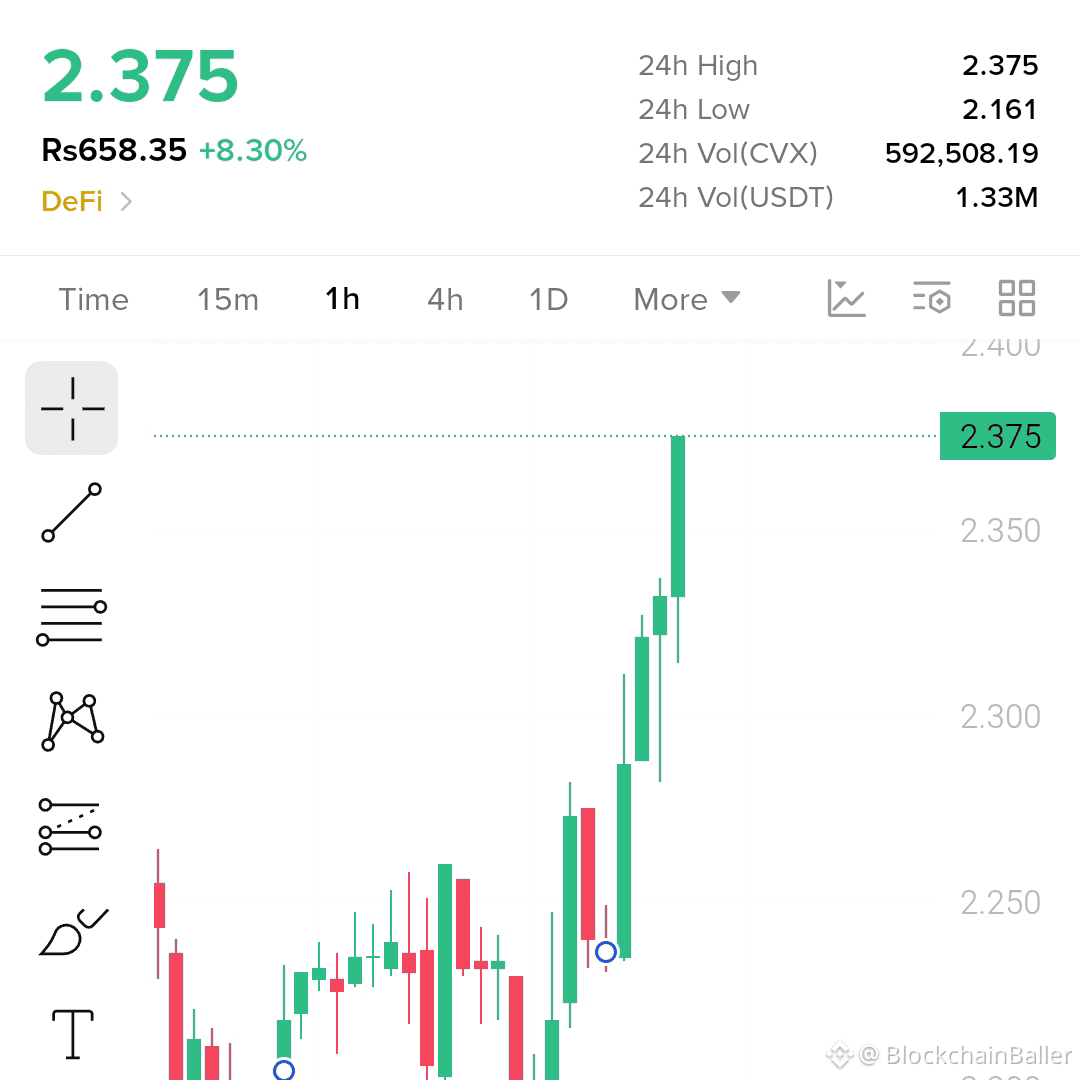
I’m long on $CVX at market price…‼️
My SL: $2.30
My TPs: $2.40 ➜ $2.46 ➜ $2.52
The chart is showing strong bullish momentum with buyers pushing price toward fresh highs.
Don’t go all in use proper SL & TP. It’s a small scalp trade setup.
My SL: $2.30
My TPs: $2.40 ➜ $2.46 ➜ $2.52
The chart is showing strong bullish momentum with buyers pushing price toward fresh highs.
Don’t go all in use proper SL & TP. It’s a small scalp trade setup.
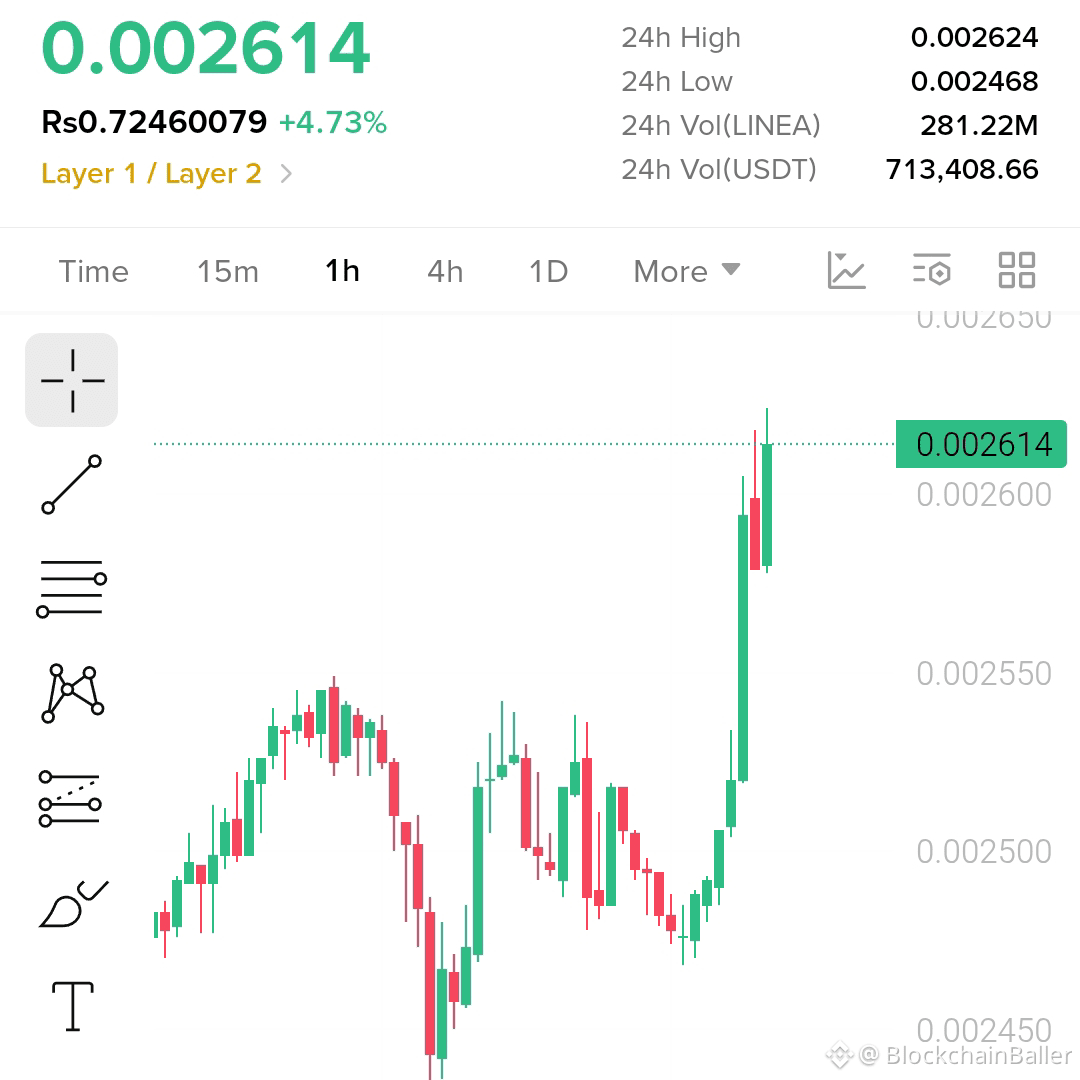
I’m long on $LINEA at market price…‼️
My SL: $0.00252
My TPs: $0.00265 ➜ $0.00272 ➜ $0.00280
The chart is showing strong bullish momentum after the breakout, and buyers are still pushing.
Don’t go all in use proper SL & TP. It’s a small scalp trade setup.
My SL: $0.00252
My TPs: $0.00265 ➜ $0.00272 ➜ $0.00280
The chart is showing strong bullish momentum after the breakout, and buyers are still pushing.
Don’t go all in use proper SL & TP. It’s a small scalp trade setup.
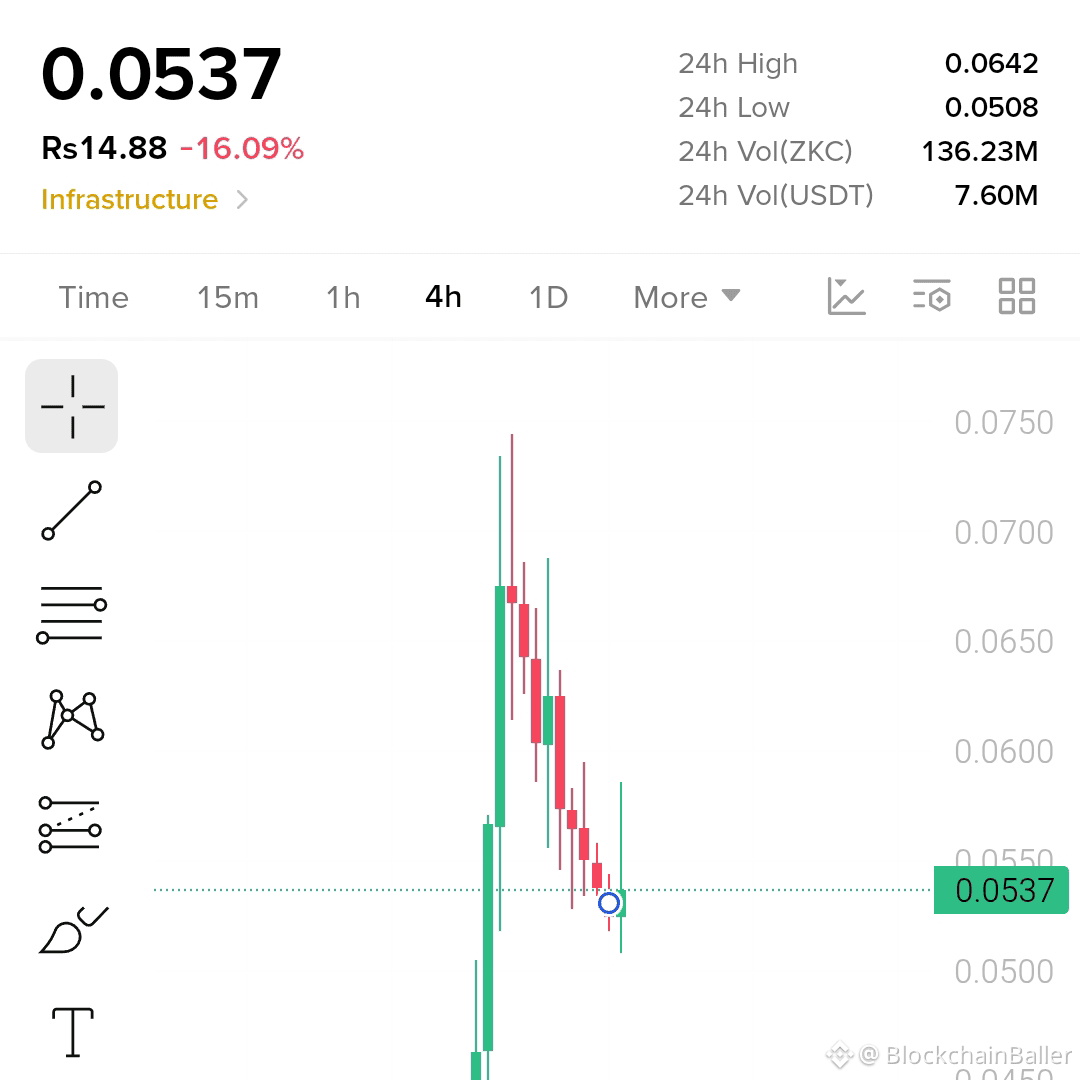
I’m short on $ZKC at market price…‼️
My SL: $0.0575
My TPs: $0.0510 ➜ $0.0480 ➜ $0.0450
The chart is showing continued weakness after the sharp rejection, and sellers are still putting pressure on price.
Don’t go all in use proper SL & TP. It’s a small scalp trade setup.
My SL: $0.0575
My TPs: $0.0510 ➜ $0.0480 ➜ $0.0450
The chart is showing continued weakness after the sharp rejection, and sellers are still putting pressure on price.
Don’t go all in use proper SL & TP. It’s a small scalp trade setup.
Log in to explore more content