
Tradeologist 腾
991 Posts

Tradeologist 腾
Market Insider, Tracking Big whales💸 Let’s Connect on 👉X : TradewithAryan
140 Following
8.6K+ Followers
2.1K+ Liked
Posts
All
Quotes
Videos
PINNED
🚨 Still Losing Money Trading?
If you’re still struggling with consistency, overtrading, or finding good setups — maybe it’s time to change the way you trade.
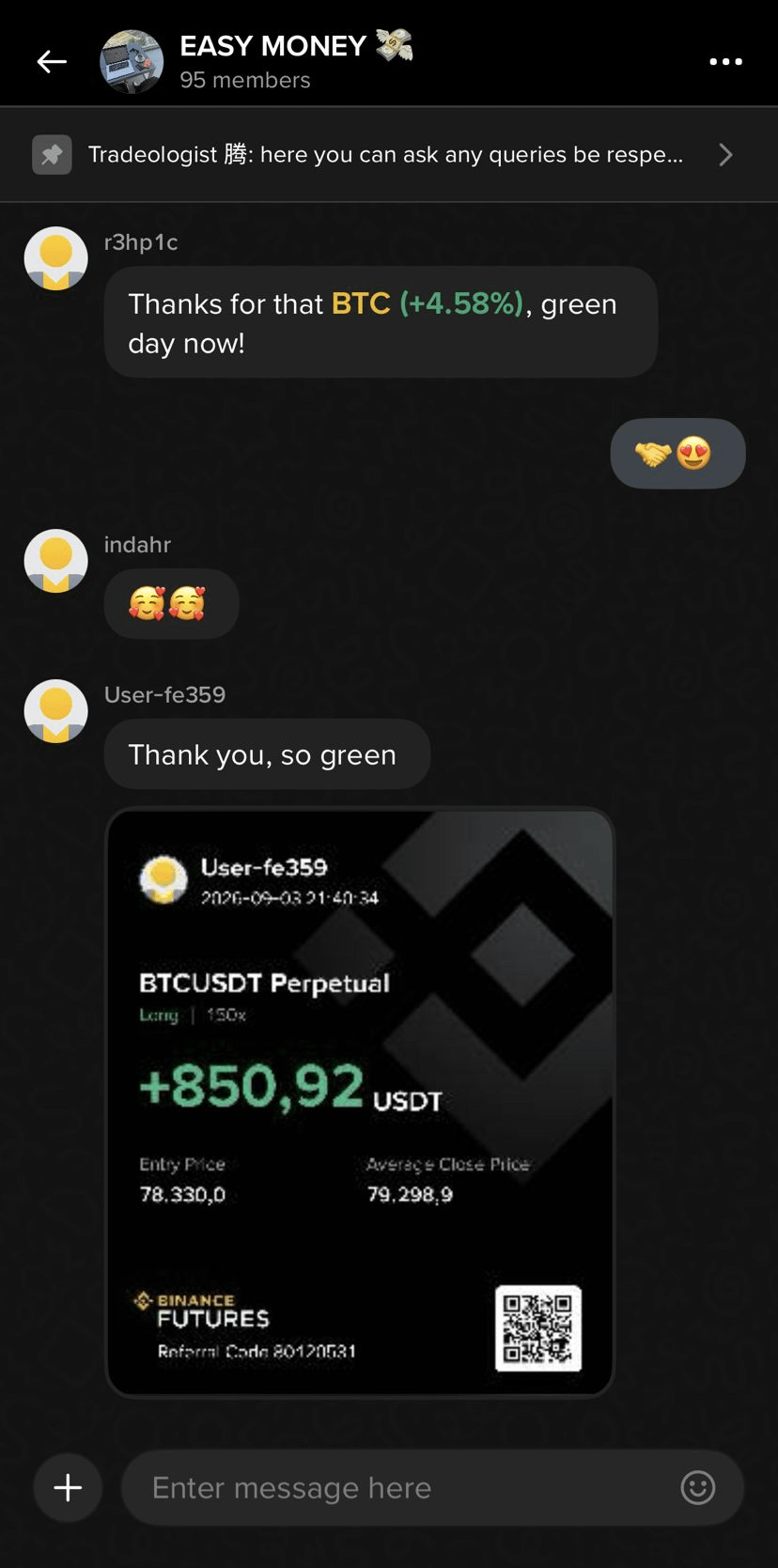
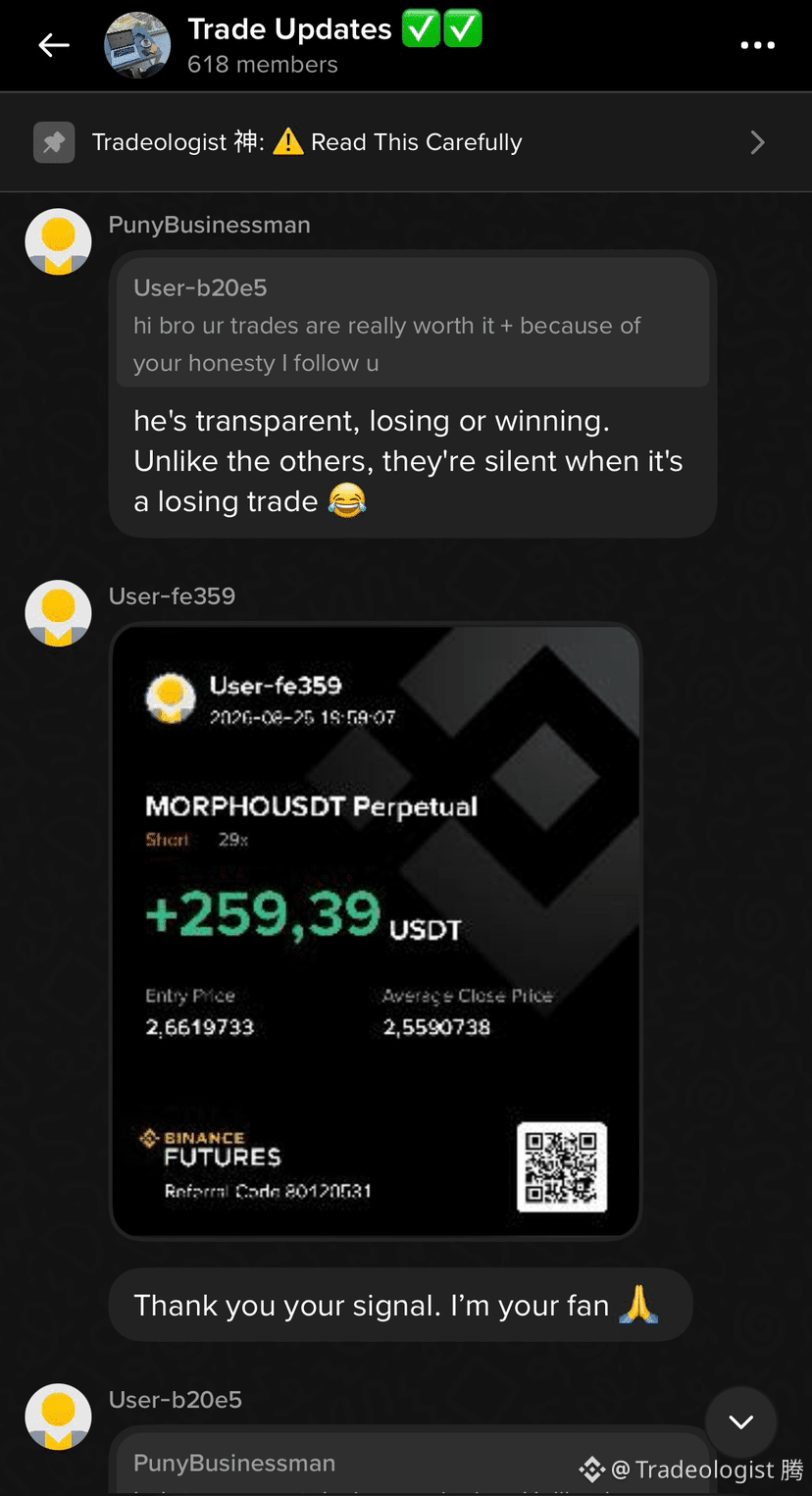
I’m running a 100% FREE CHATROOM on Binance, where I share my daily setups, market analysis, entries, SL & TP — all based on structure, liquidity & price action. 📊
No paid signals. No VIP nonsense.
Just real setups + proper risk management + a community growing together. 🤝🔥
If you want to improve your trading and learn alongside other traders, come join us.
The chatroom is FREE — see you inside. ⚔️
— Tradeologist
If you’re still struggling with consistency, overtrading, or finding good setups — maybe it’s time to change the way you trade.
I’m running a 100% FREE CHATROOM on Binance, where I share my daily setups, market analysis, entries, SL & TP — all based on structure, liquidity & price action. 📊
No paid signals. No VIP nonsense.
Just real setups + proper risk management + a community growing together. 🤝🔥
If you want to improve your trading and learn alongside other traders, come join us.
The chatroom is FREE — see you inside. ⚔️
— Tradeologist
PINNED
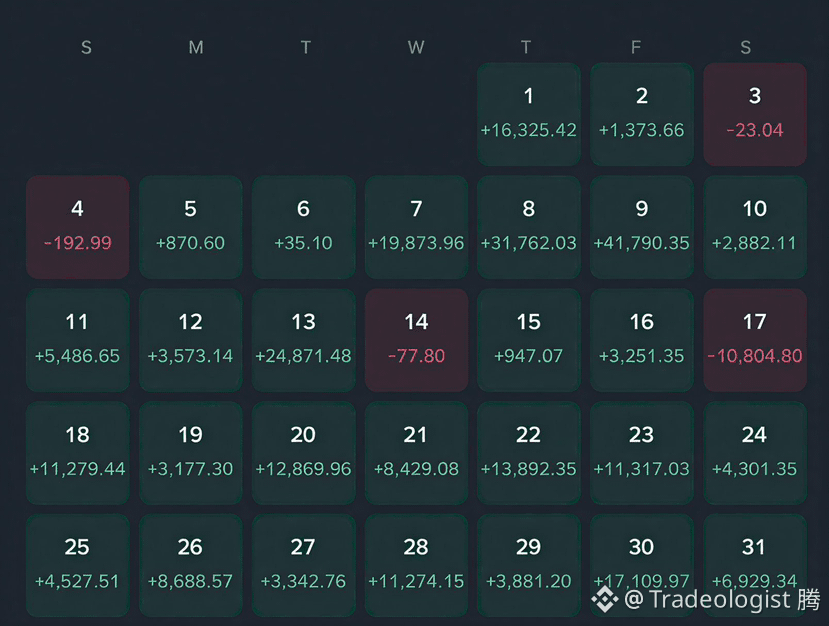
🚨 ANOTHER MONTH. ANOTHER GREEN PNL. 🟢💰
Month closed GREEN. 📊🔥
Was it perfect? Hell no.
We had wins, we had losses, we had days where the market humbled us.
But we stayed in the game, managed the risk, and kept executing.
Green PNL isn’t about winning every trade.
It’s about having an edge and staying disciplined long enough for that edge to pay.
📈 Monthly PNL: GREEN ✅
No fake screenshots. No fantasy numbers.
Just the charts, the trades, and the results. ⚔️
New month. Fresh capital. Fresh opportunities.
Let’s cook. 🚀
— Tradeologist
Month closed GREEN. 📊🔥
Was it perfect? Hell no.
We had wins, we had losses, we had days where the market humbled us.
But we stayed in the game, managed the risk, and kept executing.
Green PNL isn’t about winning every trade.
It’s about having an edge and staying disciplined long enough for that edge to pay.
📈 Monthly PNL: GREEN ✅
No fake screenshots. No fantasy numbers.
Just the charts, the trades, and the results. ⚔️
New month. Fresh capital. Fresh opportunities.
Let’s cook. 🚀
— Tradeologist
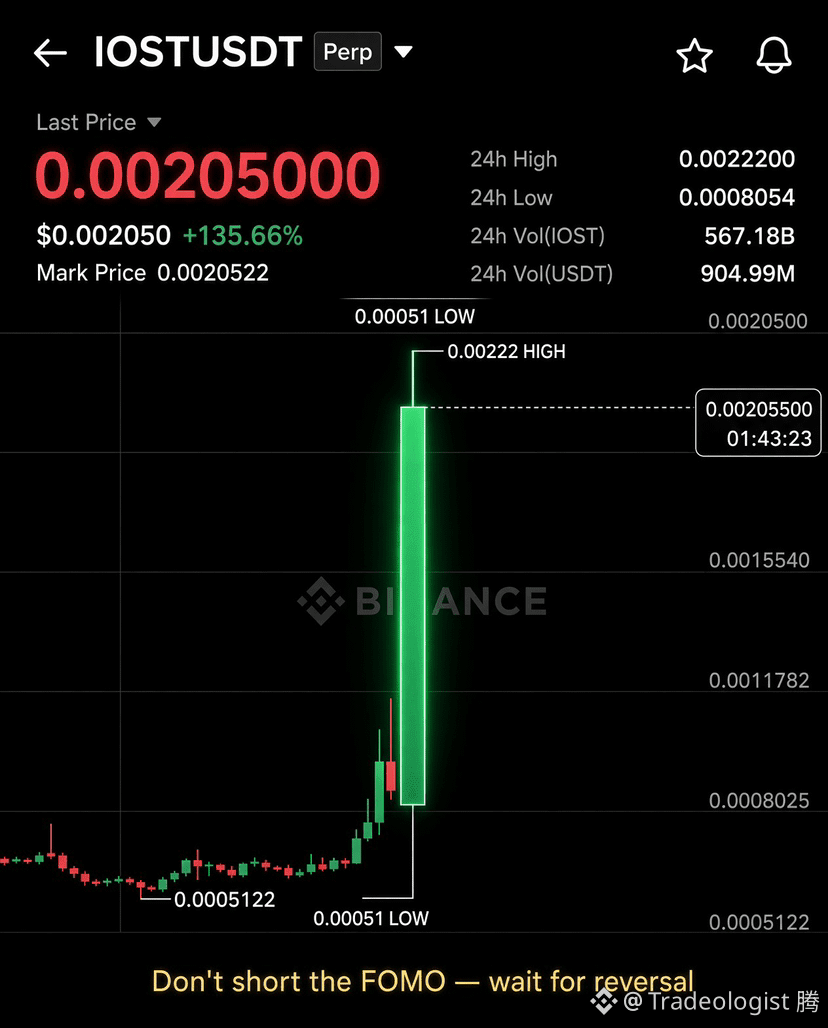
Don’t short $IOST in FOMO. The top isn’t a guessing game. 👀🚀
Same story, different coin. $IOST just ran from around 0.00051 to a high of 0.00222, and people are already trying to short the top in FOMO. 😭
Price is still holding near 0.00205 after that vertical daily candle. +135% on the day. Volume is loud too. This is not the kind of move you fade just because it “looks extended.”
The mistake is simple. You see a big green candle, feel late, and try to catch the top. That is how accounts get wrecked. Until a real reversal shows up, the cleaner side is still with the trend. 📈
I’m not saying chase blindly from here. I’m saying don’t open panic shorts just because it pumped. Wait for structure to break. Wait for a shift. Until then, respect the move.
Low was 0.00051. High printed 0.00222. First job now is to see if this level holds or if the market actually starts reversing. 🔒
Anyway… different coin, same lesson. Don’t fight the trend just to feel smart. Let’s see how this plays out. 😂
Same story, different coin. $IOST just ran from around 0.00051 to a high of 0.00222, and people are already trying to short the top in FOMO. 😭
Price is still holding near 0.00205 after that vertical daily candle. +135% on the day. Volume is loud too. This is not the kind of move you fade just because it “looks extended.”
The mistake is simple. You see a big green candle, feel late, and try to catch the top. That is how accounts get wrecked. Until a real reversal shows up, the cleaner side is still with the trend. 📈
I’m not saying chase blindly from here. I’m saying don’t open panic shorts just because it pumped. Wait for structure to break. Wait for a shift. Until then, respect the move.
Low was 0.00051. High printed 0.00222. First job now is to see if this level holds or if the market actually starts reversing. 🔒
Anyway… different coin, same lesson. Don’t fight the trend just to feel smart. Let’s see how this plays out. 😂
Red day. Comments gone. Plan still here. 📉🔥
Been a bit quiet today 😭 Not gonna lie, red days hit different when you post trades in public.
When the trade is green, everyone shows up with praises and saves. When it goes red, most of that energy just disappears and only a few real ones stay. 👀
I care about everyone who follows, I really do. But one thing is clear in my head. Followers come and go, and I still have to follow my plan. 🧠
A red day doesn’t mean I’m finished. It just means the market took its cut today, and that’s part of the game. Even if I keep winning for a while, a losing streak can still come later. That’s normal.
At the end of the day, comments don’t save the account. Risk management does. Right size, clear stop, and the discipline to stick to the plan. 🔒
Green days build the image. Red days build the trader. 💪
Anyway, the plan stays the same. Protect the account and keep going.
Let’s see how this plays out. 😭😂
#RiskManagement #BTC☀️ #BİNANCESQUARE
Been a bit quiet today 😭 Not gonna lie, red days hit different when you post trades in public.
When the trade is green, everyone shows up with praises and saves. When it goes red, most of that energy just disappears and only a few real ones stay. 👀
I care about everyone who follows, I really do. But one thing is clear in my head. Followers come and go, and I still have to follow my plan. 🧠
A red day doesn’t mean I’m finished. It just means the market took its cut today, and that’s part of the game. Even if I keep winning for a while, a losing streak can still come later. That’s normal.
At the end of the day, comments don’t save the account. Risk management does. Right size, clear stop, and the discipline to stick to the plan. 🔒
Green days build the image. Red days build the trader. 💪
Anyway, the plan stays the same. Protect the account and keep going.
Let’s see how this plays out. 😭😂
#RiskManagement #BTC☀️ #BİNANCESQUARE
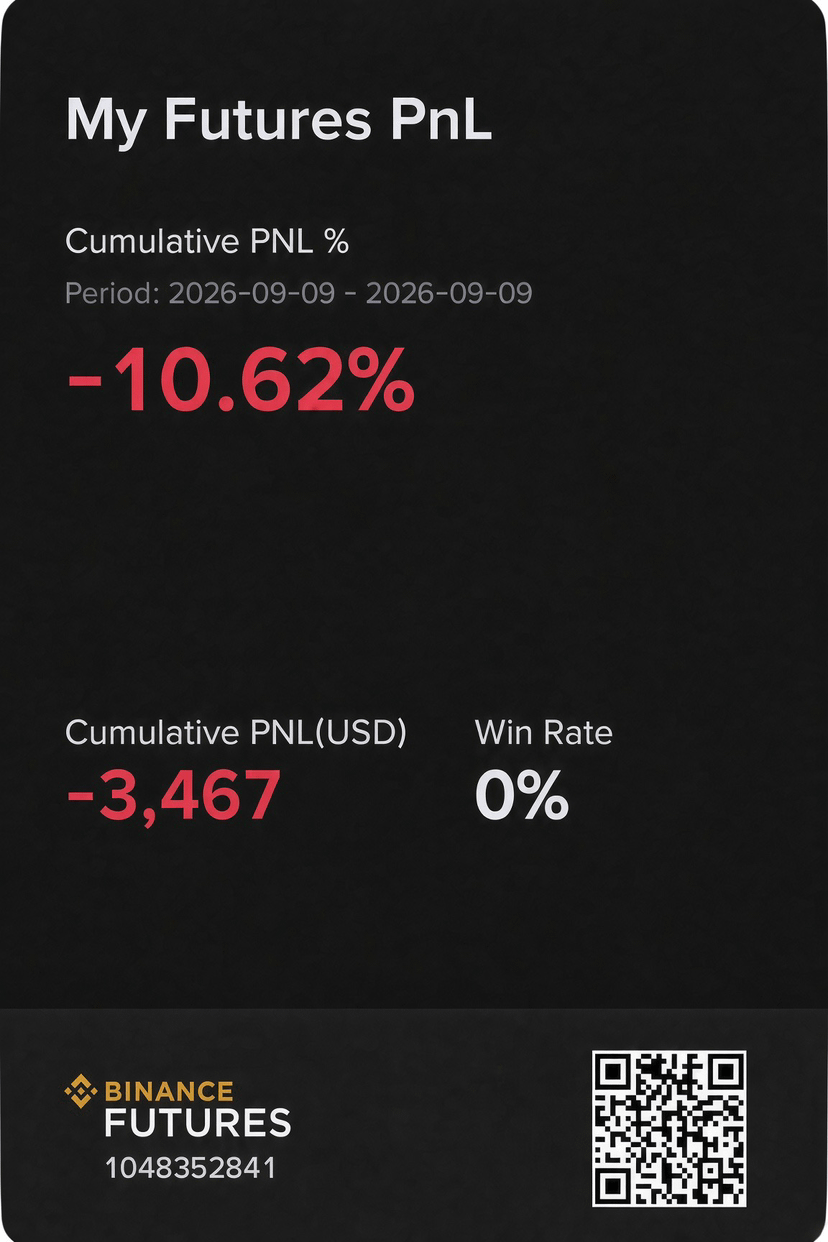
Today clearly wasn’t my day.
After 10 consecutive green days, we hit 3 STLs today. They were small losses, and I know I can potentially recover the loss from all three with a single good trade—but that’s not the point.
A red day after so many green days definitely hurts. But this is part of the game. No trader is right 100% of the time, and no one ever will be.
The real test isn’t the SL or the size of the loss—it’s how we react after taking a loss.
So, we’ll take a break for today, reset mentally, and come back with a fresh mindset tomorrow.
Protect your capital. Protect your mindset. Stay disciplined.
See you all tomorrow. Stay safe. 🤝📈
— Tradeologist
After 10 consecutive green days, we hit 3 STLs today. They were small losses, and I know I can potentially recover the loss from all three with a single good trade—but that’s not the point.
A red day after so many green days definitely hurts. But this is part of the game. No trader is right 100% of the time, and no one ever will be.
The real test isn’t the SL or the size of the loss—it’s how we react after taking a loss.
So, we’ll take a break for today, reset mentally, and come back with a fresh mindset tomorrow.
Protect your capital. Protect your mindset. Stay disciplined.
See you all tomorrow. Stay safe. 🤝📈
— Tradeologist
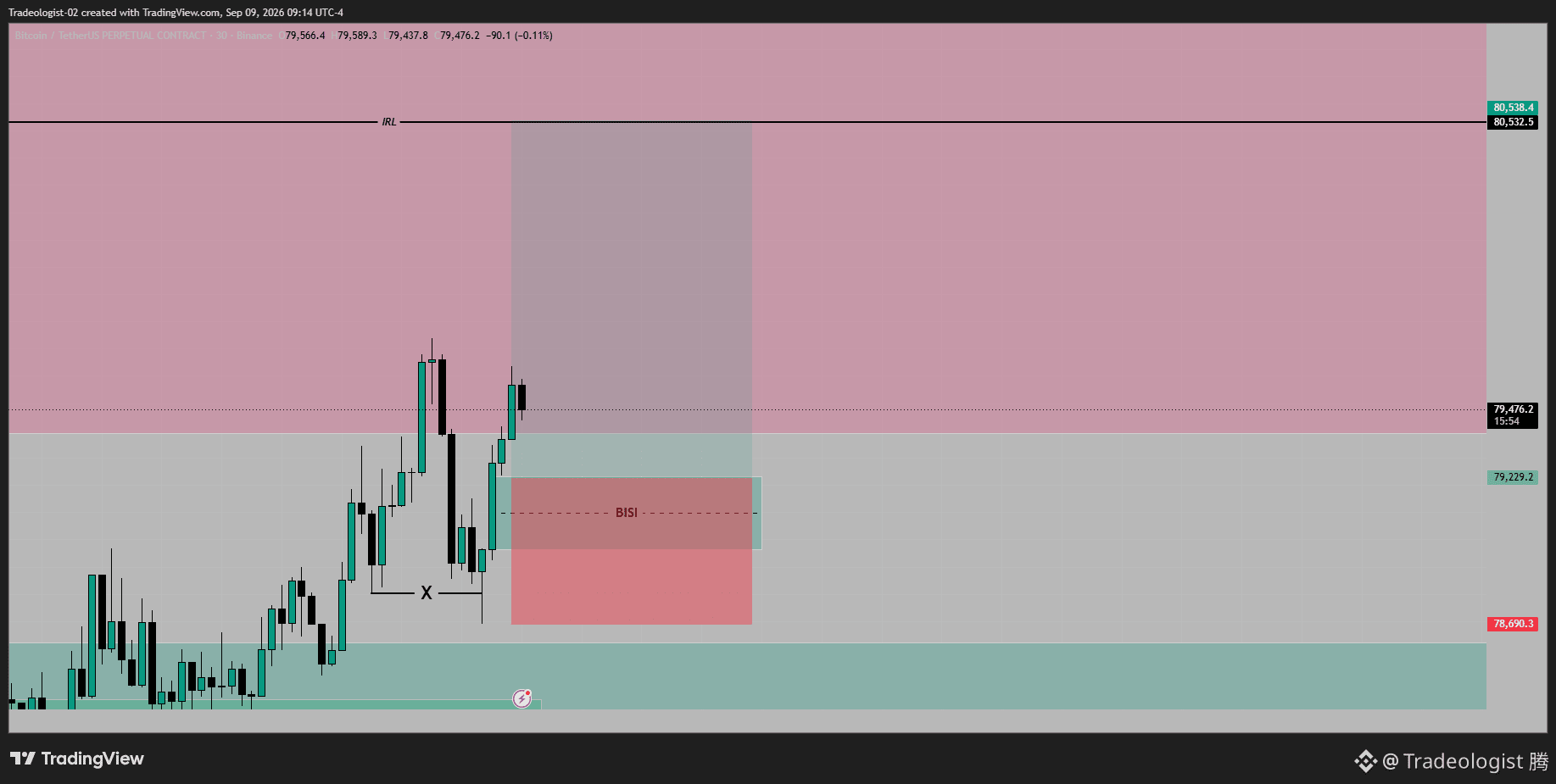
🚨 $BTC LONG Setup (low risk )
📌 Entry: 79,230
🛑 STL: 78,690
🎯 TP: 80,550
Waiting for the planned entry. Manage risk properly and stick to the setup.
— Tradeologist 📈
📌 Entry: 79,230
🛑 STL: 78,690
🎯 TP: 80,550
Waiting for the planned entry. Manage risk properly and stick to the setup.
— Tradeologist 📈
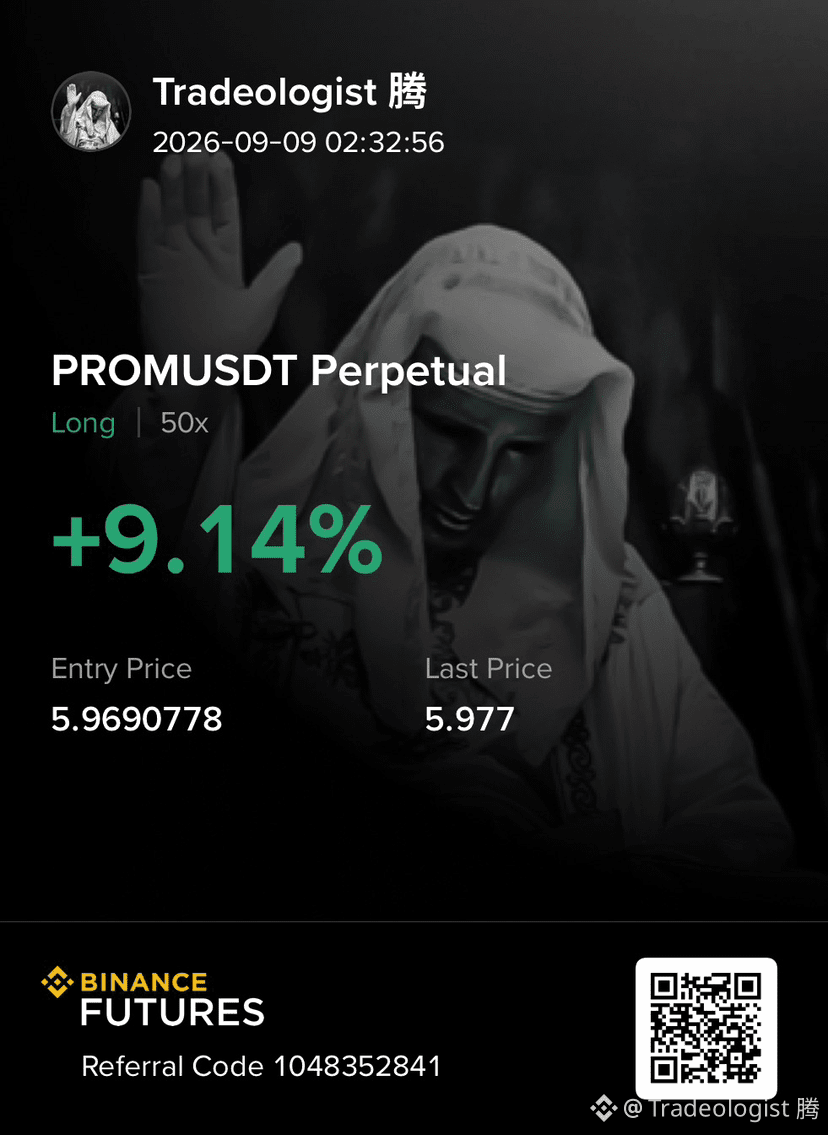
🚨 $PROM USDT — LONG SCALP UPDATE 📈⚔️
🟢 Entry: Current/Market
🛑 STL: 5.80
🎯 TP1: 6.10
🎯 TP2: 6.25
At TP1, take partials and move STL to Entry to make it risk-free. 🔒💰
Let’s see PROM finish the move toward 6.25. 🚀🔥
— Tradeologist ⚔️
🟢 Entry: Current/Market
🛑 STL: 5.80
🎯 TP1: 6.10
🎯 TP2: 6.25
At TP1, take partials and move STL to Entry to make it risk-free. 🔒💰
Let’s see PROM finish the move toward 6.25. 🚀🔥
— Tradeologist ⚔️
🚨 BRO… THEY’RE ALL SELLING THE SAME SHI*🤣💀
What’s their trading strategy?
“Coin pumped a lot → SHORT.”
“Coin dumped a lot → LONG.”
LMAOOO 🤣
ANY NEWBIE CAN DO THAT.
A coin pumping hard doesn’t mean it HAS TO DUMP. 📈
It can pump even higher.
And a coin dumping hard doesn’t mean it HAS TO REVERSE. 📉
It can keep bleeding.
STOP TRADING AGAINST THE TREND JUST BECAUSE PRICE “LOOKS TOO HIGH” OR “TOO LOW.”
Wait for the actual signs of reversal.
Wait for confirmation.
Then take the trade. 🎯
Don’t predict the reversal.
Trade the reversal. ⚔️🔥
— Tradeologist
What’s their trading strategy?
“Coin pumped a lot → SHORT.”
“Coin dumped a lot → LONG.”
LMAOOO 🤣
ANY NEWBIE CAN DO THAT.
A coin pumping hard doesn’t mean it HAS TO DUMP. 📈
It can pump even higher.
And a coin dumping hard doesn’t mean it HAS TO REVERSE. 📉
It can keep bleeding.
STOP TRADING AGAINST THE TREND JUST BECAUSE PRICE “LOOKS TOO HIGH” OR “TOO LOW.”
Wait for the actual signs of reversal.
Wait for confirmation.
Then take the trade. 🎯
Don’t predict the reversal.
Trade the reversal. ⚔️🔥
— Tradeologist
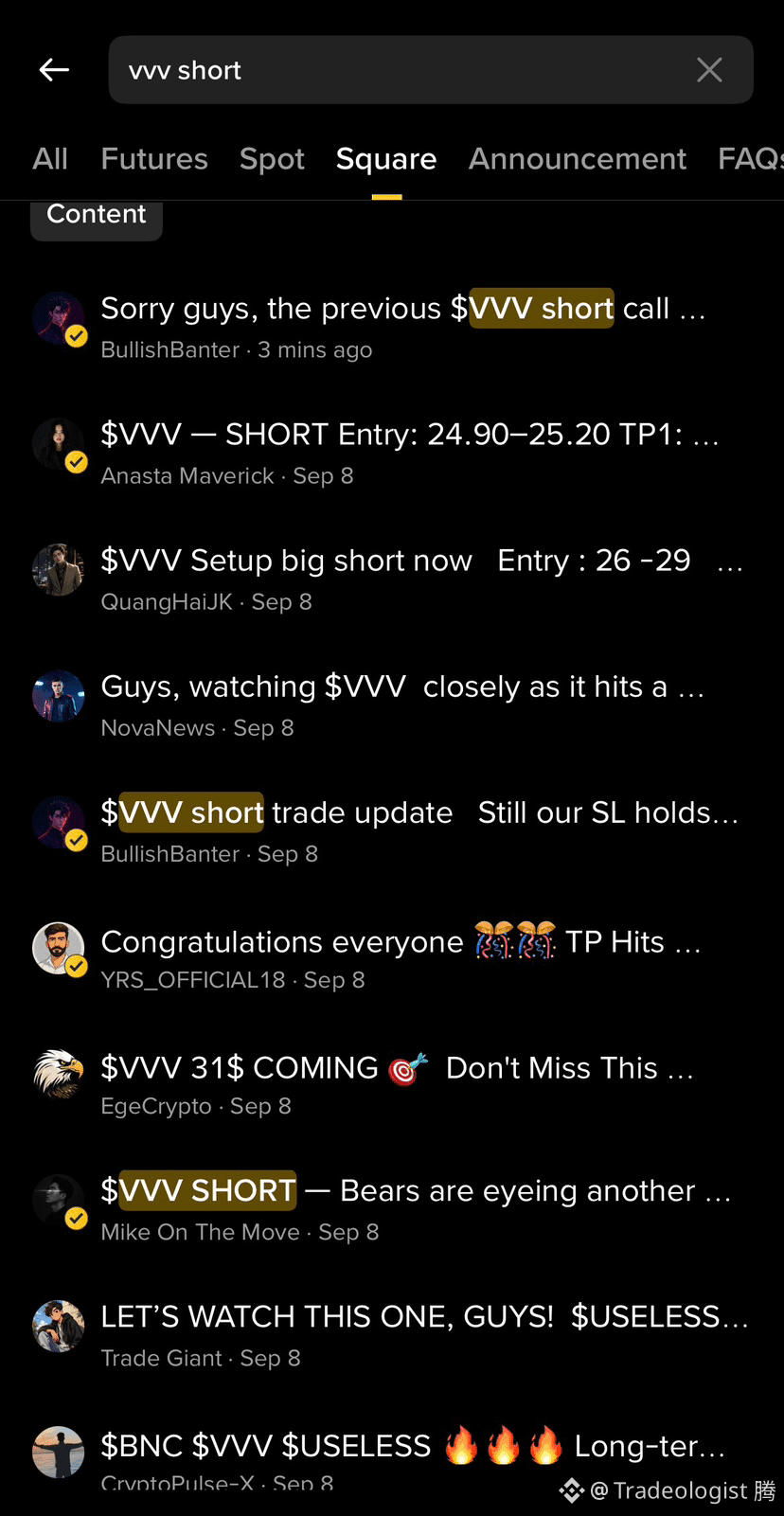
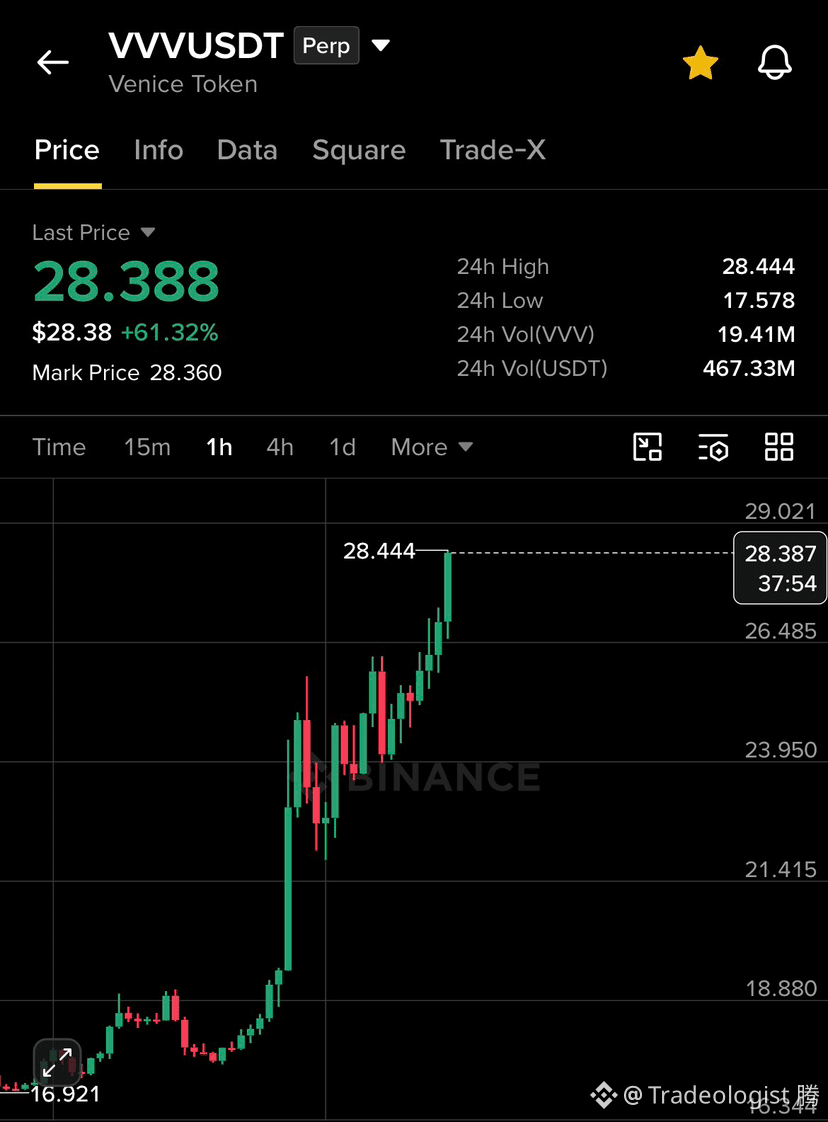
🚨 THIS IS WHAT NEWBIES DON’T UNDERSTAND ABOUT TRADING. 🧠⚔️
There’s a HUGE difference between taking 1–2 high-quality setups a day and consistently closing green…
vs.
Sitting in front of charts all day, chasing every tiny move, every pump, every bit of hype — and ending the day red. 📉💀
You don’t get paid for how many hours you stare at the chart.
You get paid for quality execution. 🎯
The goal isn’t to trade more.
The goal is to trade BETTER.
Wait for your setup. Take your shot. Manage your risk. Then walk away. 🧘♂️📊
Consistency > Activity.
Quality > Quantity.
That’s something most newbies only learn after getting burned. 🔥
— Tradeologist ⚔️
There’s a HUGE difference between taking 1–2 high-quality setups a day and consistently closing green…
vs.
Sitting in front of charts all day, chasing every tiny move, every pump, every bit of hype — and ending the day red. 📉💀
You don’t get paid for how many hours you stare at the chart.
You get paid for quality execution. 🎯
The goal isn’t to trade more.
The goal is to trade BETTER.
Wait for your setup. Take your shot. Manage your risk. Then walk away. 🧘♂️📊
Consistency > Activity.
Quality > Quantity.
That’s something most newbies only learn after getting burned. 🔥
— Tradeologist ⚔️

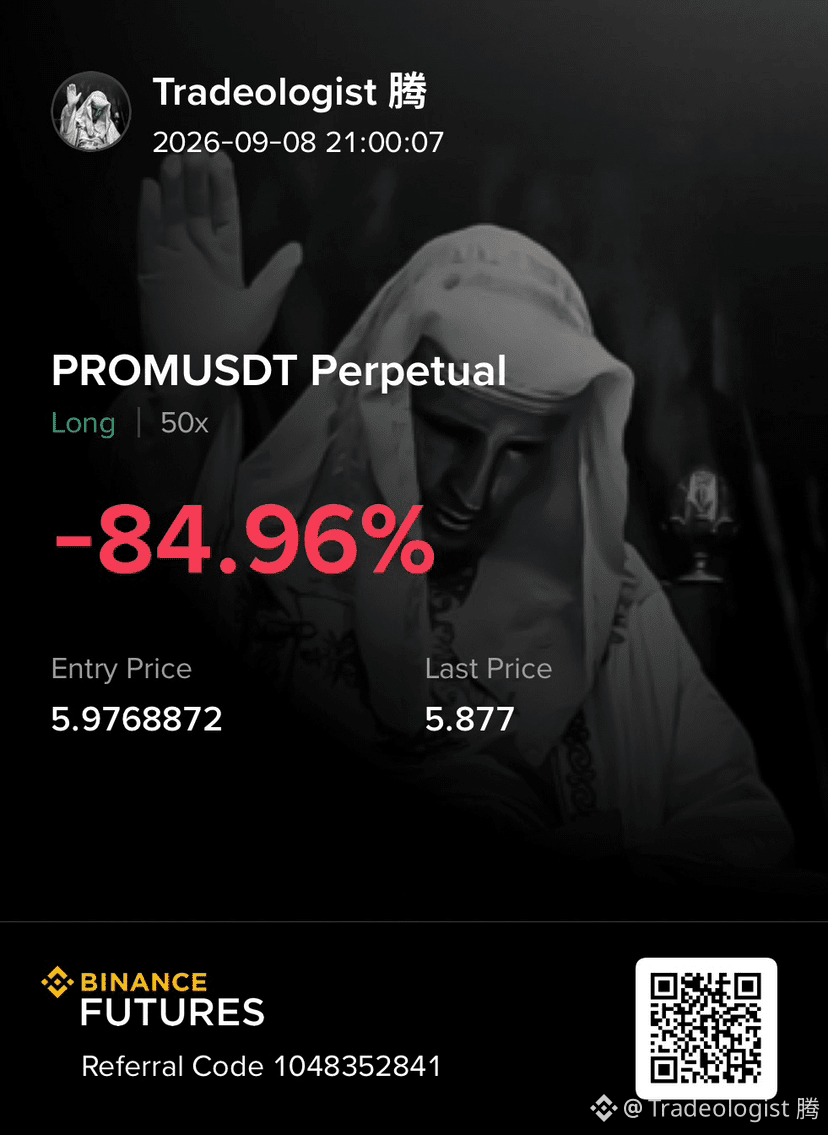
so finally we hit a STL on $PROM
Tradeologist 腾
·
--
Bullish🚨 $PROM USDT — LOW-RISK LONG SCALP 📈⚔️
🟢 Entry: Current/Market
🛑 STL: 5.855
🎯 TP: 6.255
Clean scalp setup — let’s see PROM deliver the upside move. 👀🔥
No chasing. Let the setup play out. 📊⚔️
— Tradeologist 🚀
🟢 Entry: Current/Market
🛑 STL: 5.855
🎯 TP: 6.255
Clean scalp setup — let’s see PROM deliver the upside move. 👀🔥
No chasing. Let the setup play out. 📊⚔️
— Tradeologist 🚀
🚨 $PROM USDT — LOW-RISK LONG SCALP 📈⚔️
🟢 Entry: Current/Market
🛑 STL: 5.855
🎯 TP: 6.255
Clean scalp setup — let’s see PROM deliver the upside move. 👀🔥
No chasing. Let the setup play out. 📊⚔️
— Tradeologist 🚀
🟢 Entry: Current/Market
🛑 STL: 5.855
🎯 TP: 6.255
Clean scalp setup — let’s see PROM deliver the upside move. 👀🔥
No chasing. Let the setup play out. 📊⚔️
— Tradeologist 🚀
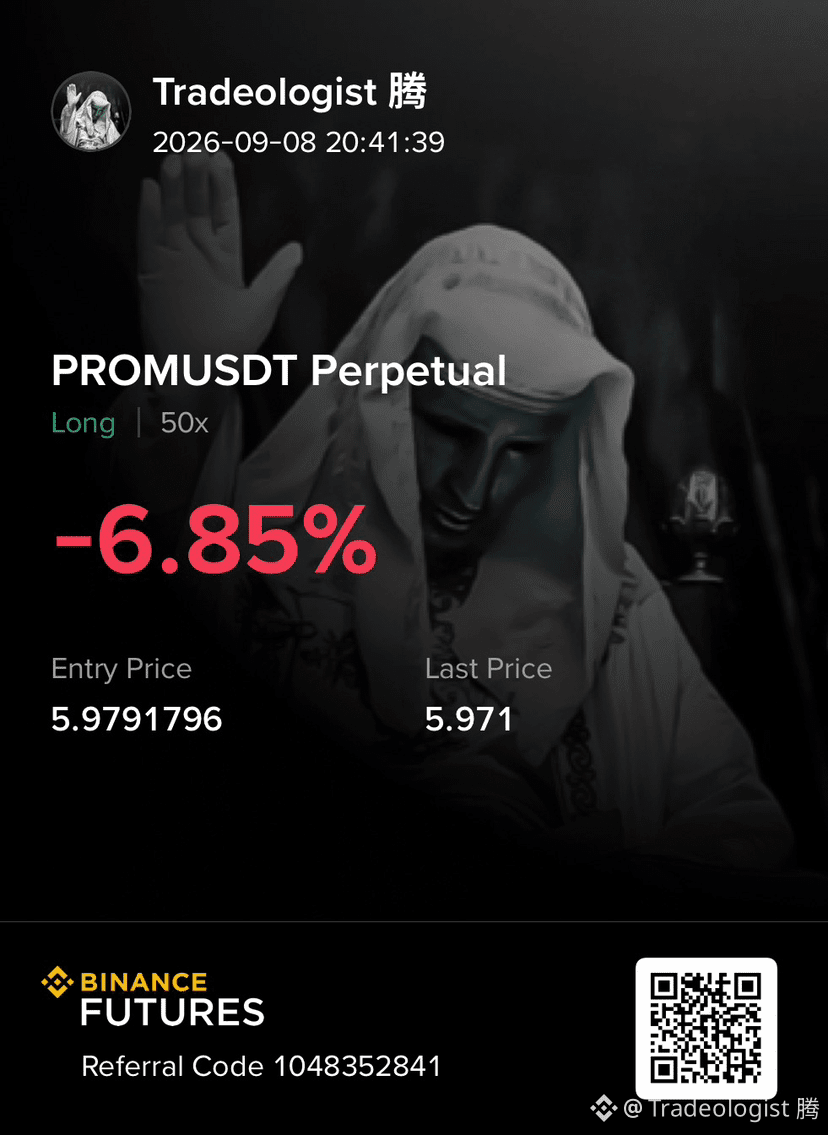
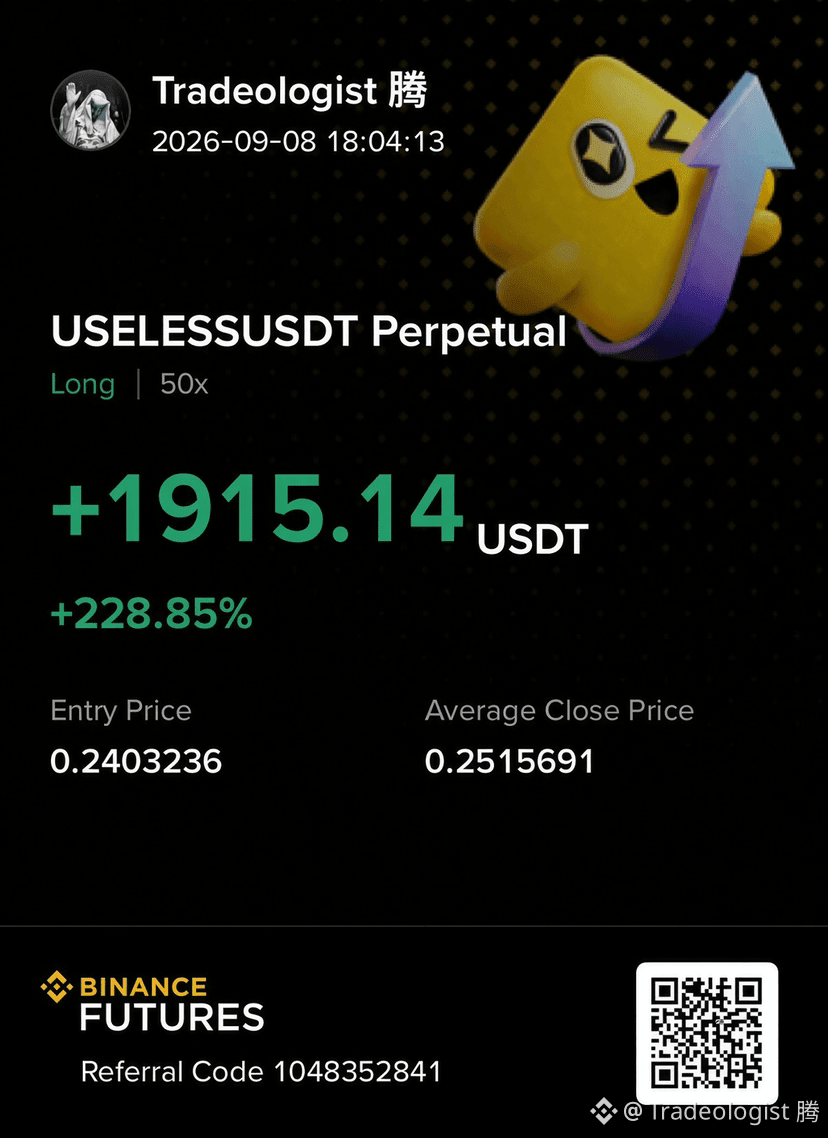
$USELESS Flying 🤝🚀
Tradeologist 腾
·
--
Bullish🚨 $USELESS /USDT — NEW LONG SETUP 📈⚔️
🟢 Entry: 0.23845 LIMIT
🛑 STL: 0.22025
🎯 TP: 0.27400
⚡️ RR: 1:2
Clean 1:2 RR setup. Let the limit trigger — no chasing. 👀🔥
If TP1 hits, secure partials and protect the position. 🔒💰
Let’s cook USELESS! 🚀
— Tradeologist ⚔️
🟢 Entry: 0.23845 LIMIT
🛑 STL: 0.22025
🎯 TP: 0.27400
⚡️ RR: 1:2
Clean 1:2 RR setup. Let the limit trigger — no chasing. 👀🔥
If TP1 hits, secure partials and protect the position. 🔒💰
Let’s cook USELESS! 🚀
— Tradeologist ⚔️
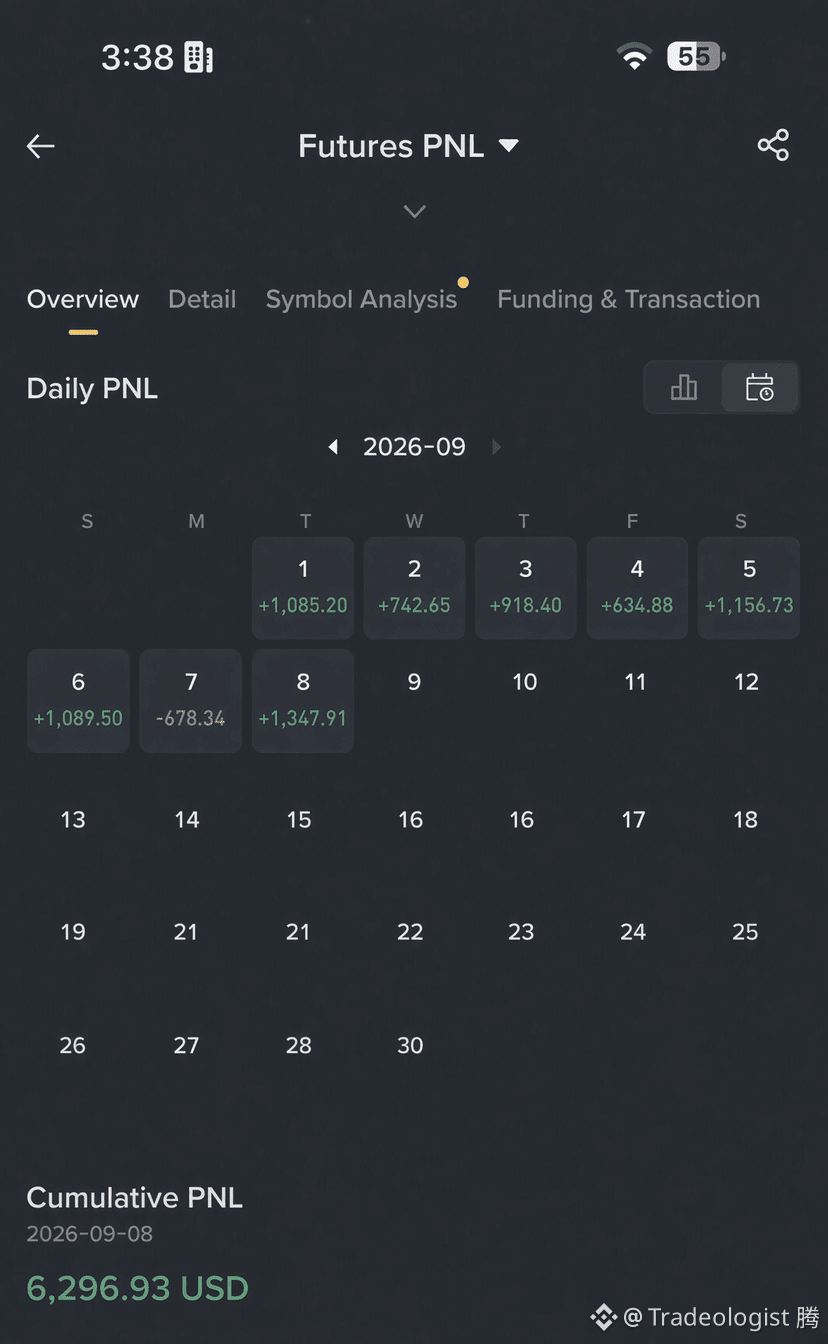
⚠️ CONSISTENCY > GAMBLING 🧠
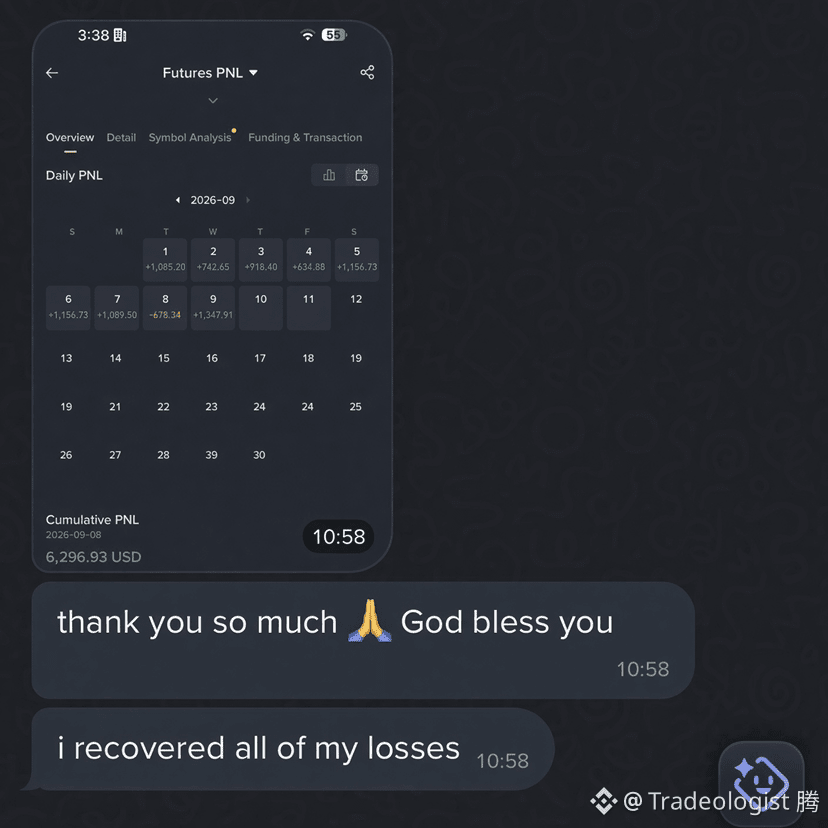
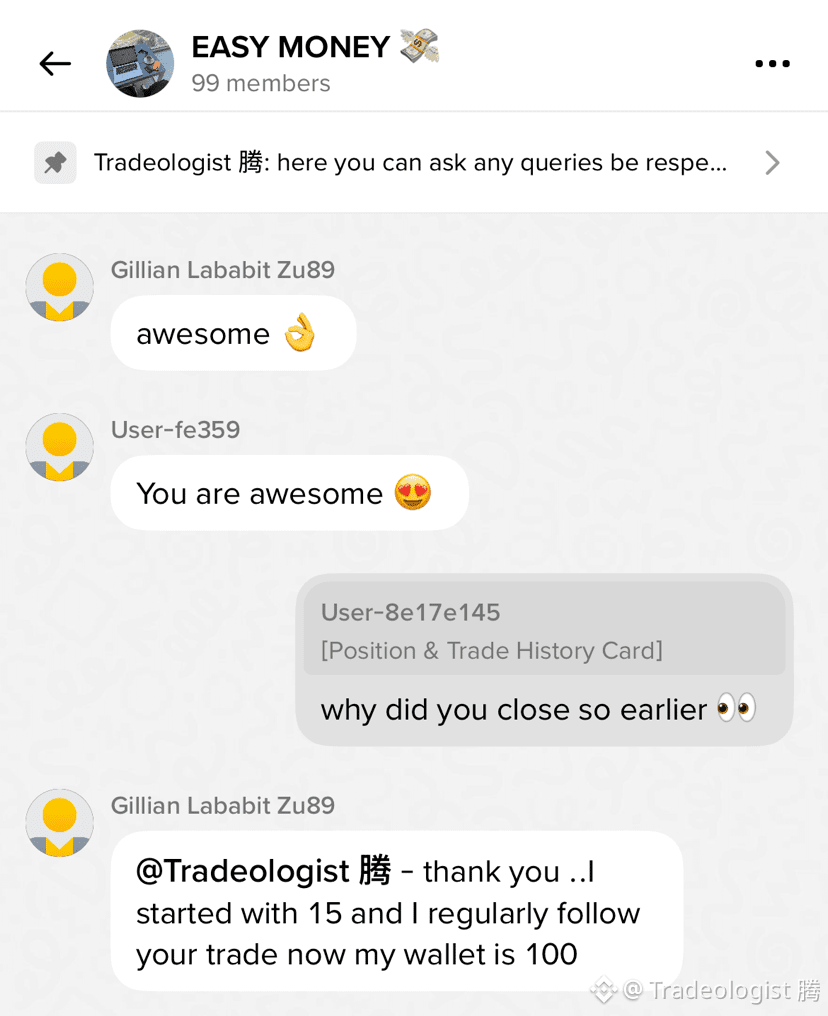
This is the PNL of one of my members — from my free Chatroom 📊
Look at it carefully:
8 days.
Only 1 red day.
The rest? Green. Consistently. 💰
That’s not luck.
That’s discipline + execution + patience. 🔥
Everyone out here selling signals for money…
I’m posting them for free.
Sharing my knowledge. My experience. My edge. 👑
Isn’t that beautiful?
Still losing?
That’s your choice now.
Stay sharp. Stay consistent
— Tradeologist ⚔️
This is the PNL of one of my members — from my free Chatroom 📊
Look at it carefully:
8 days.
Only 1 red day.
The rest? Green. Consistently. 💰
That’s not luck.
That’s discipline + execution + patience. 🔥
Everyone out here selling signals for money…
I’m posting them for free.
Sharing my knowledge. My experience. My edge. 👑
Isn’t that beautiful?
Still losing?
That’s your choice now.
Stay sharp. Stay consistent
— Tradeologist ⚔️
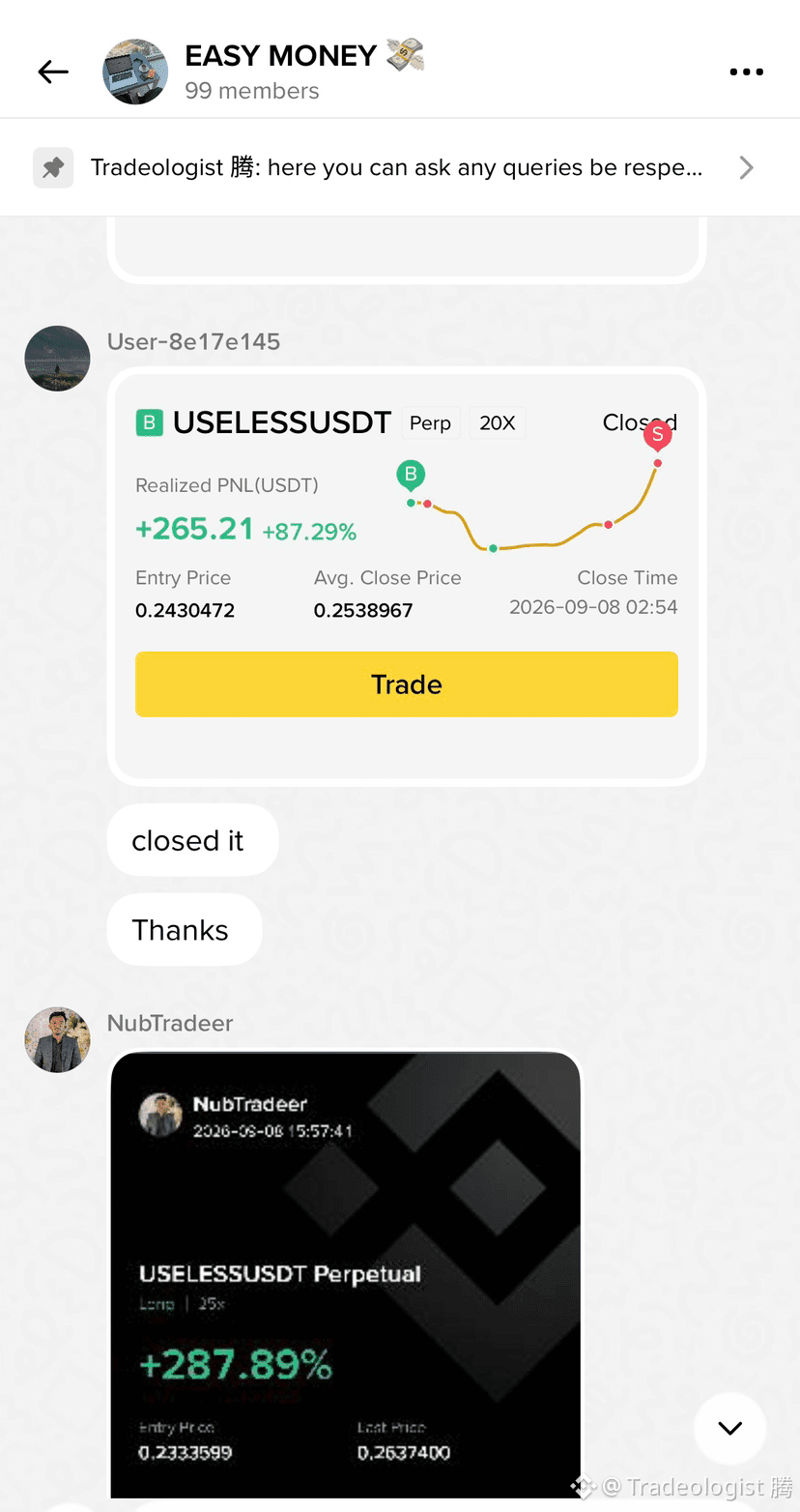
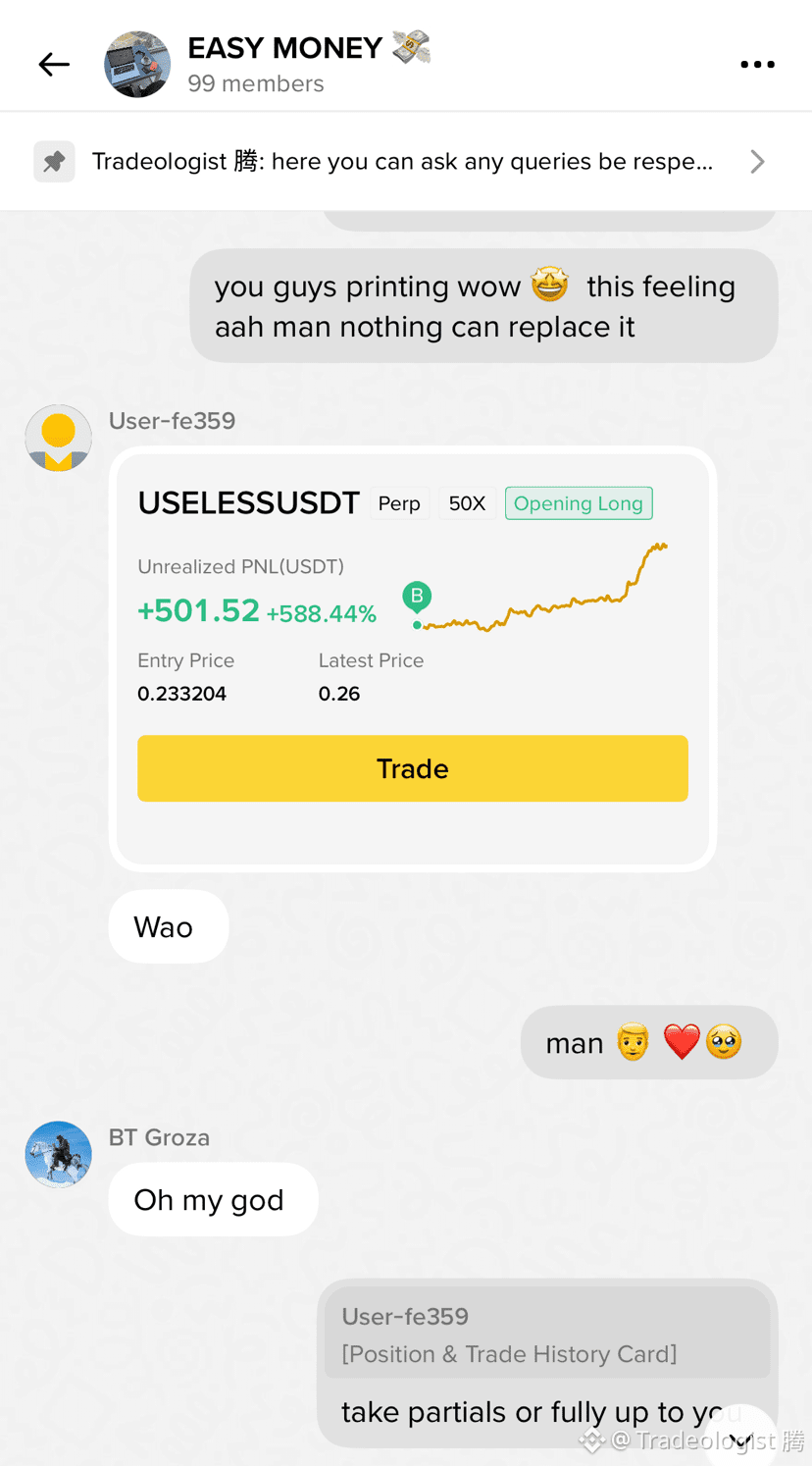
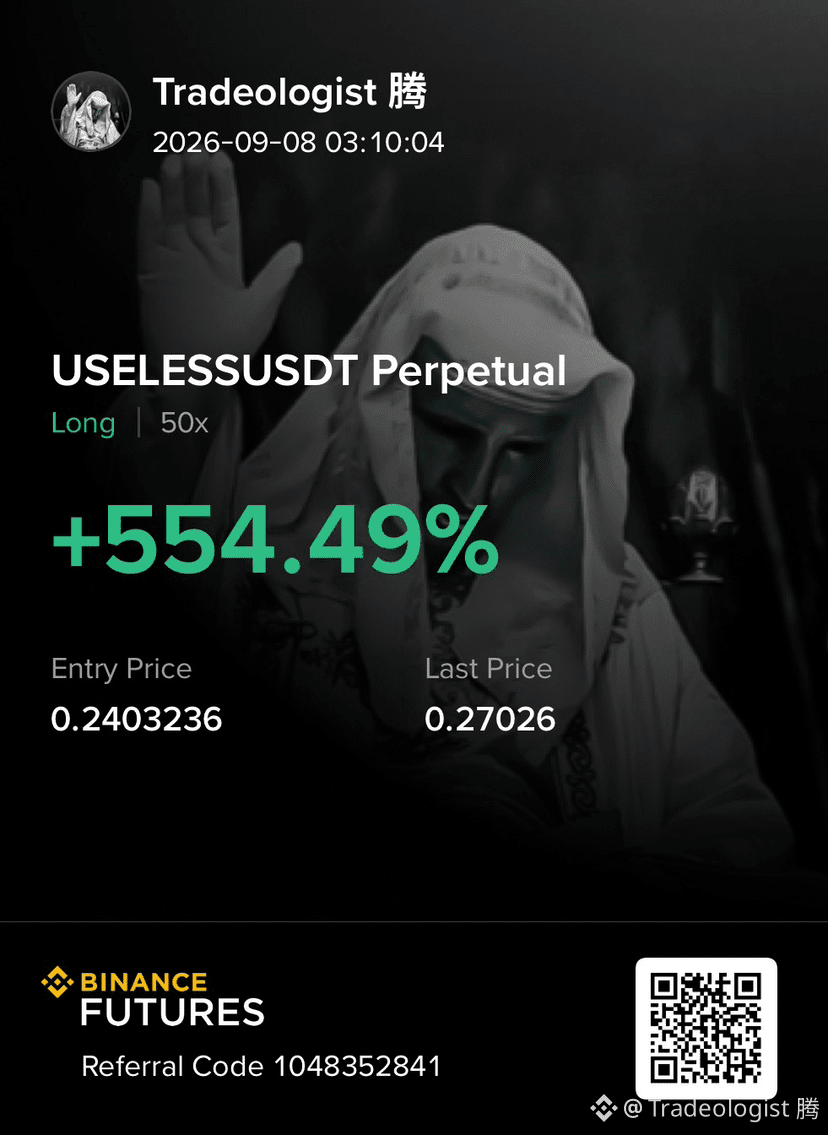
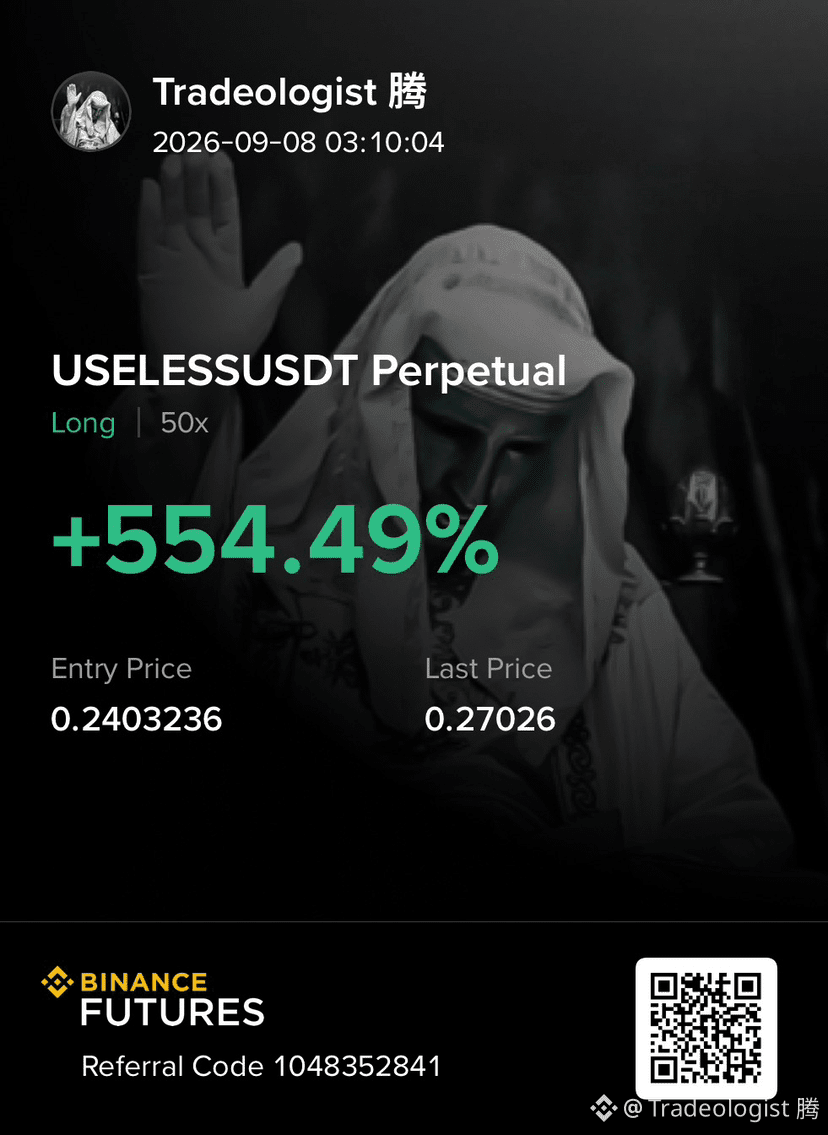
another day same story 🤝 one more W added in our bag
$USELESS
$USELESS
Tradeologist 腾
·
--
Bullish🚨 $USELESS /USDT — NEW LONG SETUP 📈⚔️
🟢 Entry: 0.23845 LIMIT
🛑 STL: 0.22025
🎯 TP: 0.27400
⚡️ RR: 1:2
Clean 1:2 RR setup. Let the limit trigger — no chasing. 👀🔥
If TP1 hits, secure partials and protect the position. 🔒💰
Let’s cook USELESS! 🚀
— Tradeologist ⚔️
🟢 Entry: 0.23845 LIMIT
🛑 STL: 0.22025
🎯 TP: 0.27400
⚡️ RR: 1:2
Clean 1:2 RR setup. Let the limit trigger — no chasing. 👀🔥
If TP1 hits, secure partials and protect the position. 🔒💰
Let’s cook USELESS! 🚀
— Tradeologist ⚔️
🚨 $USELESS /USDT — NEW LONG SETUP 📈⚔️
🟢 Entry: 0.23845 LIMIT
🛑 STL: 0.22025
🎯 TP: 0.27400
⚡️ RR: 1:2
Clean 1:2 RR setup. Let the limit trigger — no chasing. 👀🔥
If TP1 hits, secure partials and protect the position. 🔒💰
Let’s cook USELESS! 🚀
— Tradeologist ⚔️
🟢 Entry: 0.23845 LIMIT
🛑 STL: 0.22025
🎯 TP: 0.27400
⚡️ RR: 1:2
Clean 1:2 RR setup. Let the limit trigger — no chasing. 👀🔥
If TP1 hits, secure partials and protect the position. 🔒💰
Let’s cook USELESS! 🚀
— Tradeologist ⚔️
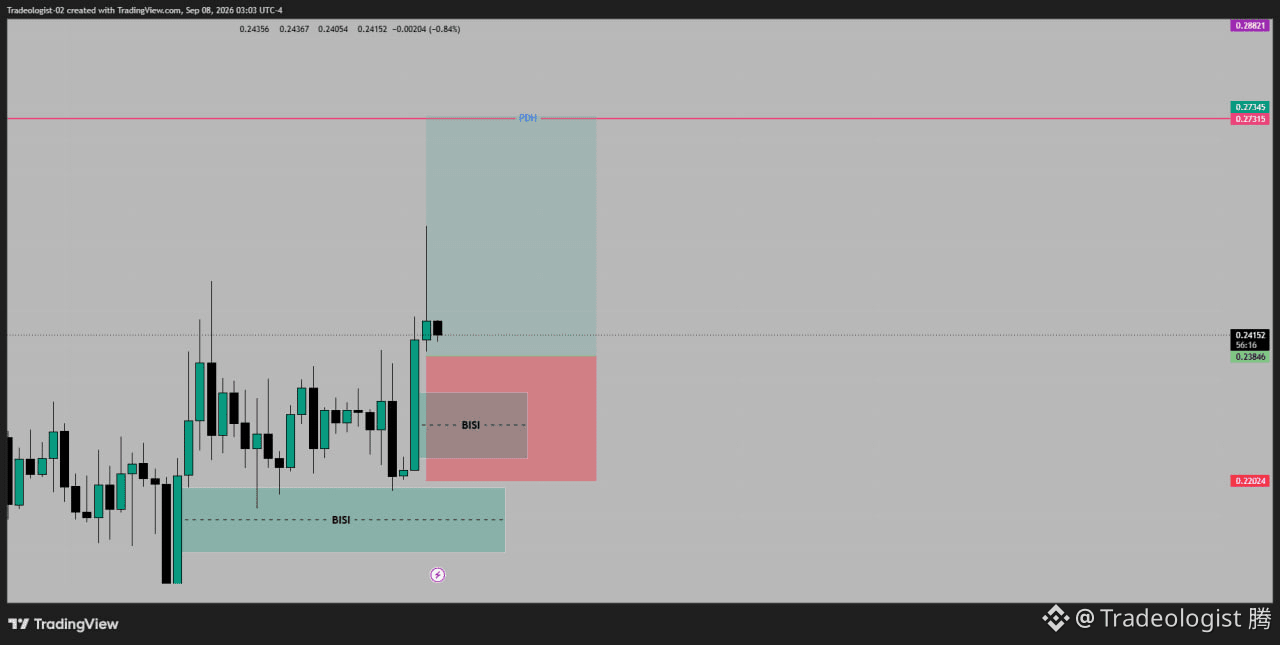
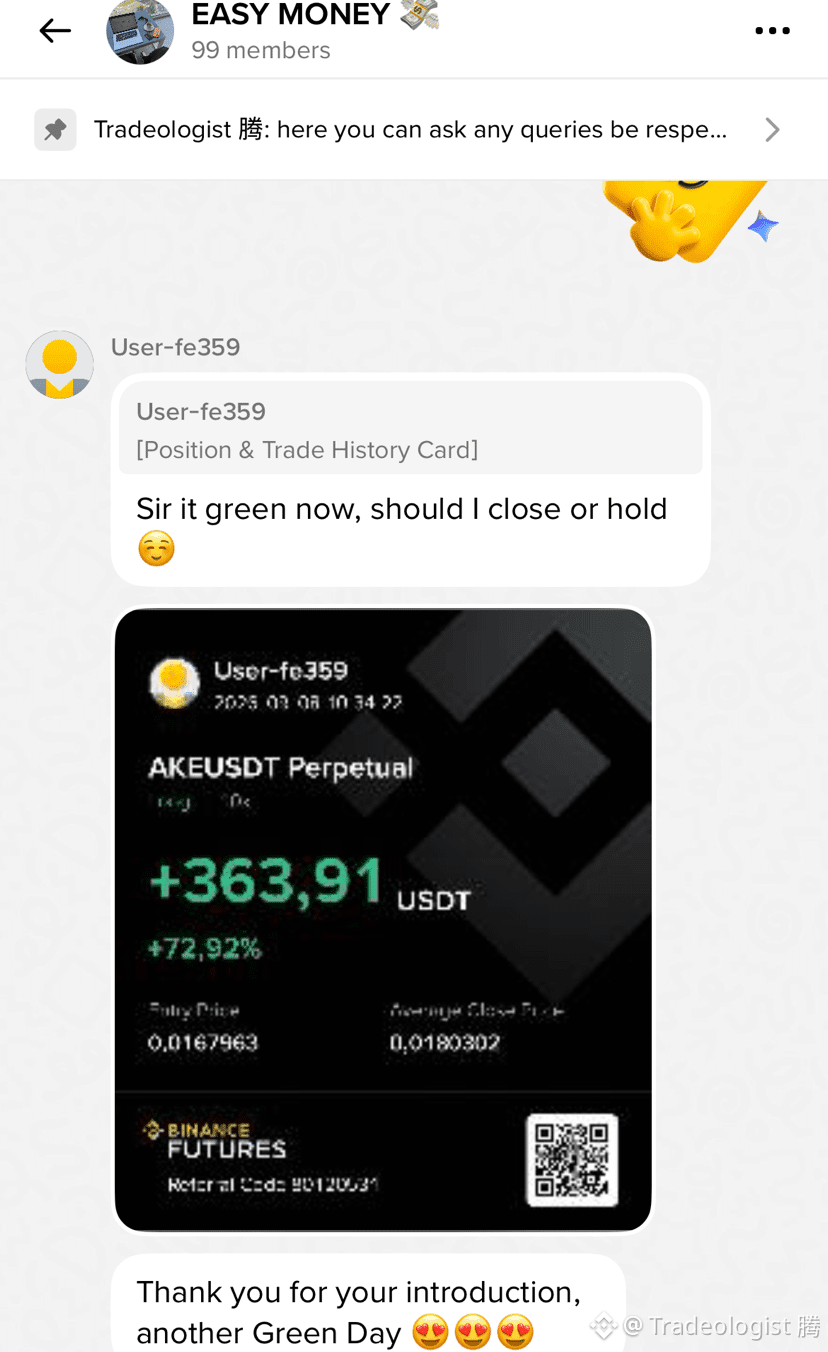
🚨 $USELESS /USDT — LONG SETUP 📈⚔️
🟢 Entry: CMP
🟢 DCA: 0.2330
🛑 STL: 0.20060
🎯 TP: 0.2740
Low-risk long setup — let’s see if USELESS delivers the upside move. 👀🔥
At TP, secure profits and manage the remaining position accordingly. 💰🔒
Let’s cook! 🚀⚔️
— Tradeologist
🟢 Entry: CMP
🟢 DCA: 0.2330
🛑 STL: 0.20060
🎯 TP: 0.2740
Low-risk long setup — let’s see if USELESS delivers the upside move. 👀🔥
At TP, secure profits and manage the remaining position accordingly. 💰🔒
Let’s cook! 🚀⚔️
— Tradeologist
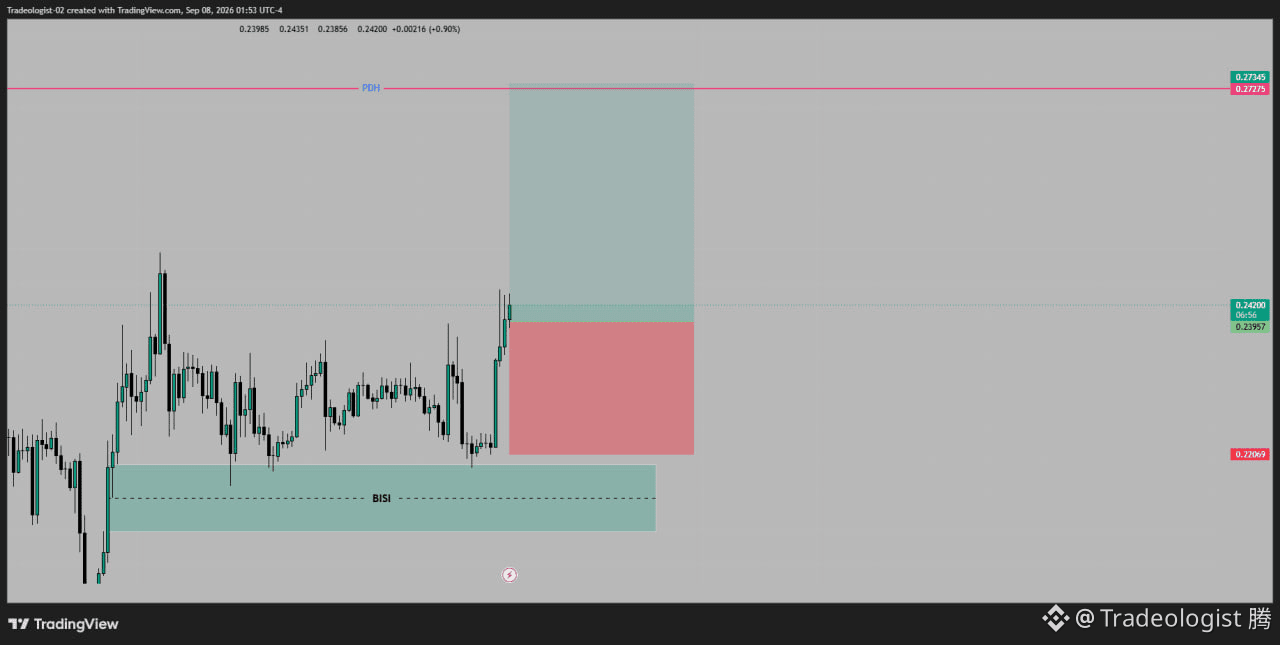
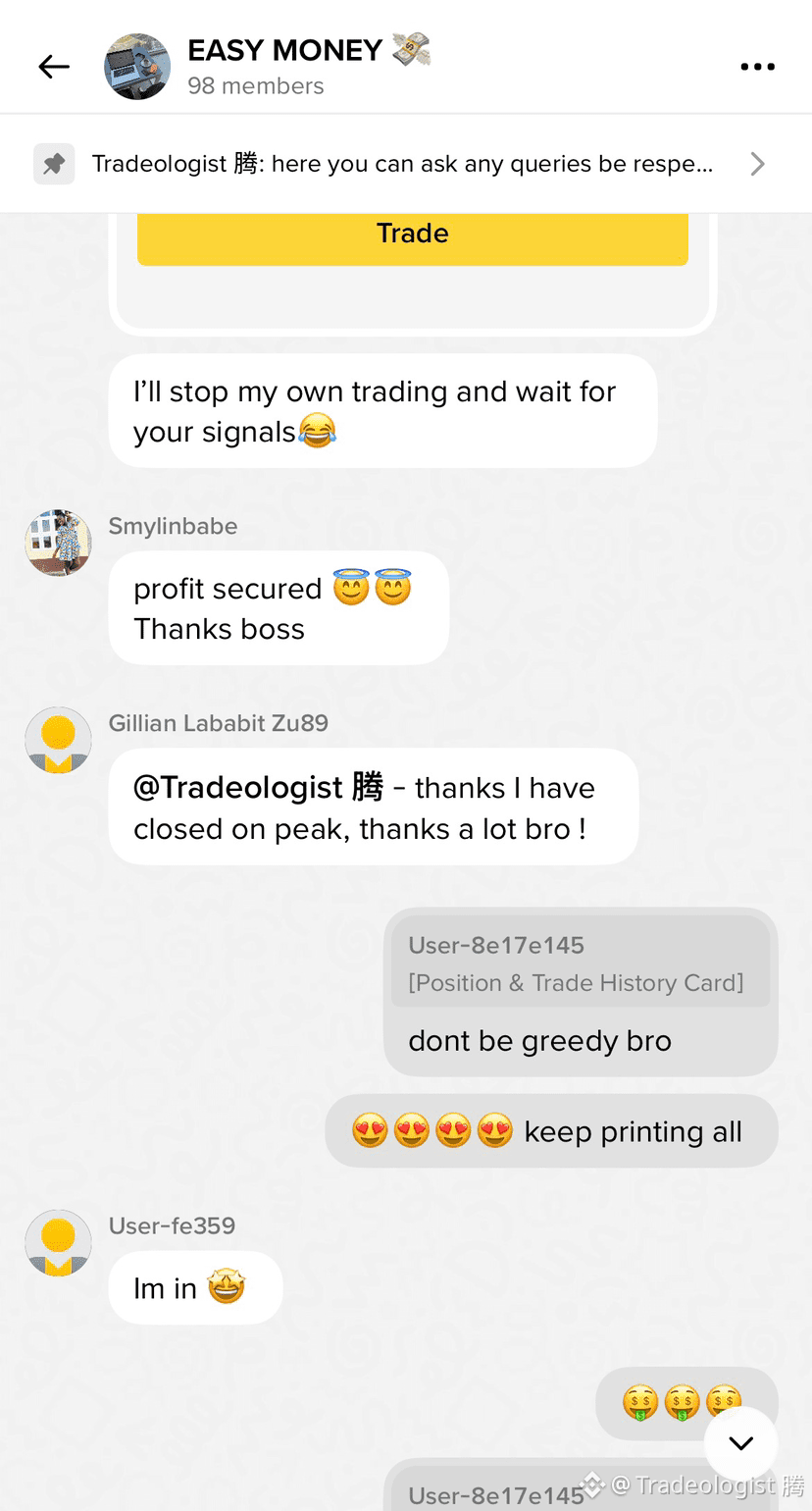
Todays Easy Money inside My Free Chatroom
new week new goals
new week new goals
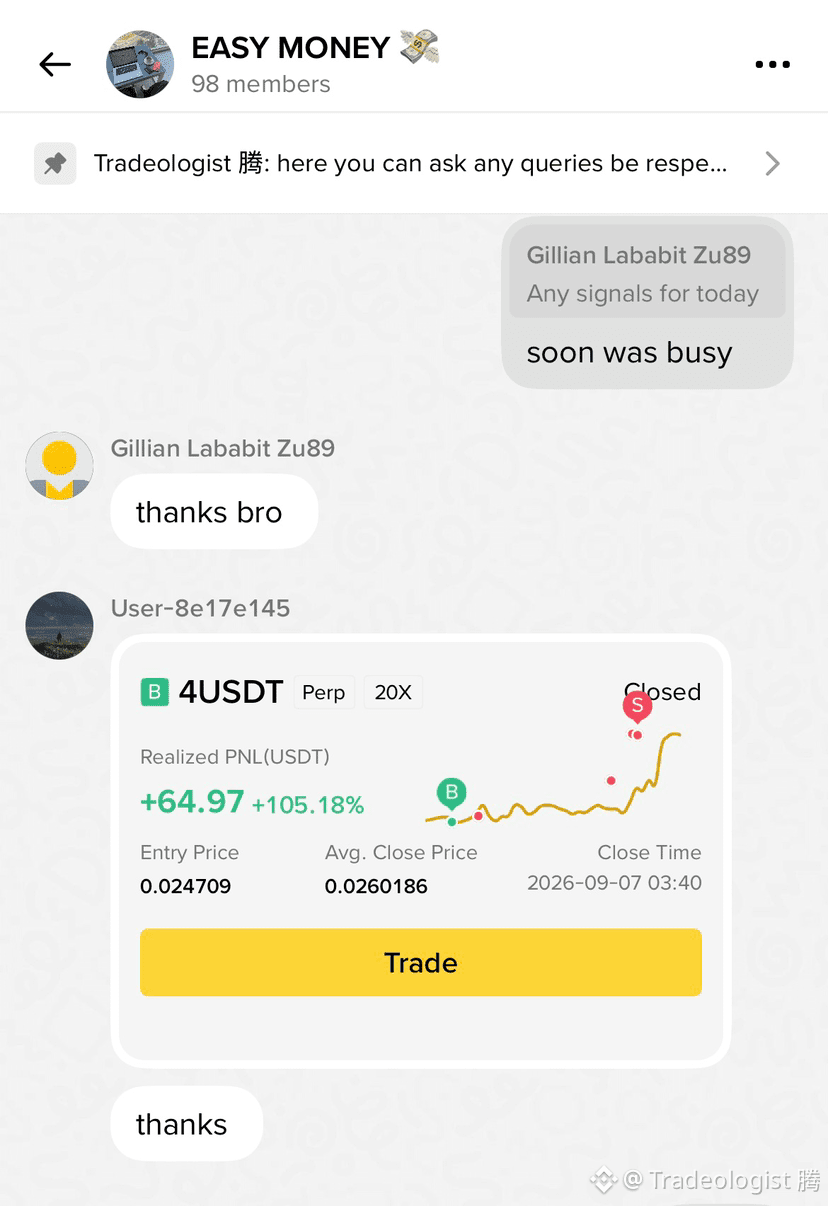
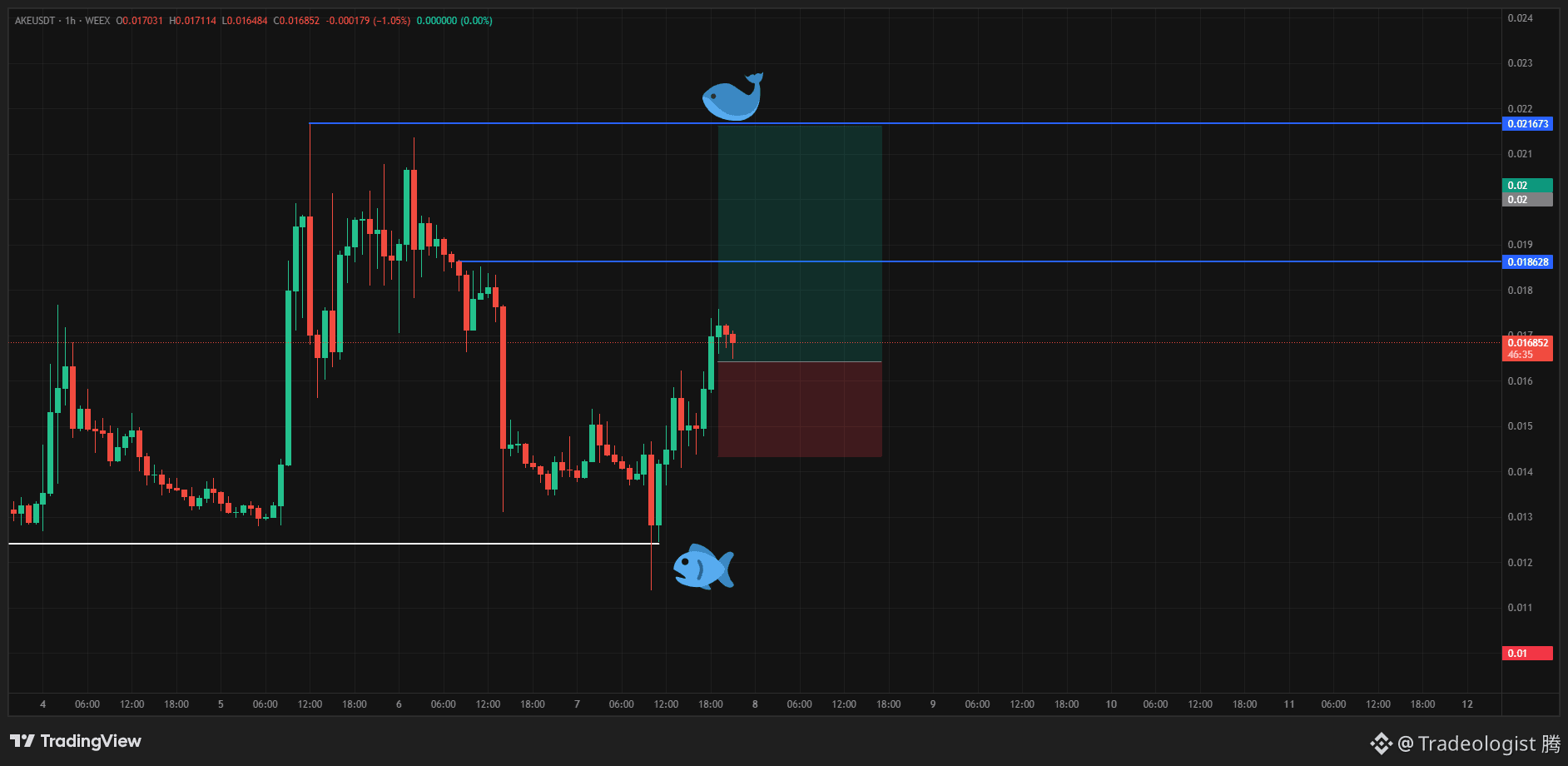
🚨 $AKE /USDT — LOW-RISK SWING LONG 📈⚔️
🟢 Entry: Current/Market
🛑 STL: 0.01419
🎯 TP1: 0.01866
🎯 TP2: 0.02180
Swing setup with solid upside potential. 👀🔥
At TP1, take partials and move STL to Entry to make it risk-free. 🔒
Let’s see AKE deliver the move. 🚀📊
— Tradeologist ⚔️
🟢 Entry: Current/Market
🛑 STL: 0.01419
🎯 TP1: 0.01866
🎯 TP2: 0.02180
Swing setup with solid upside potential. 👀🔥
At TP1, take partials and move STL to Entry to make it risk-free. 🔒
Let’s see AKE deliver the move. 🚀📊
— Tradeologist ⚔️
Log in to explore more content