Most of the time when people look at a crypto project, they try to figure out what it does in a very direct way. Payments, DeFi, gaming something you can point to quickly.
SIGN doesn’t really fit into that kind of box.
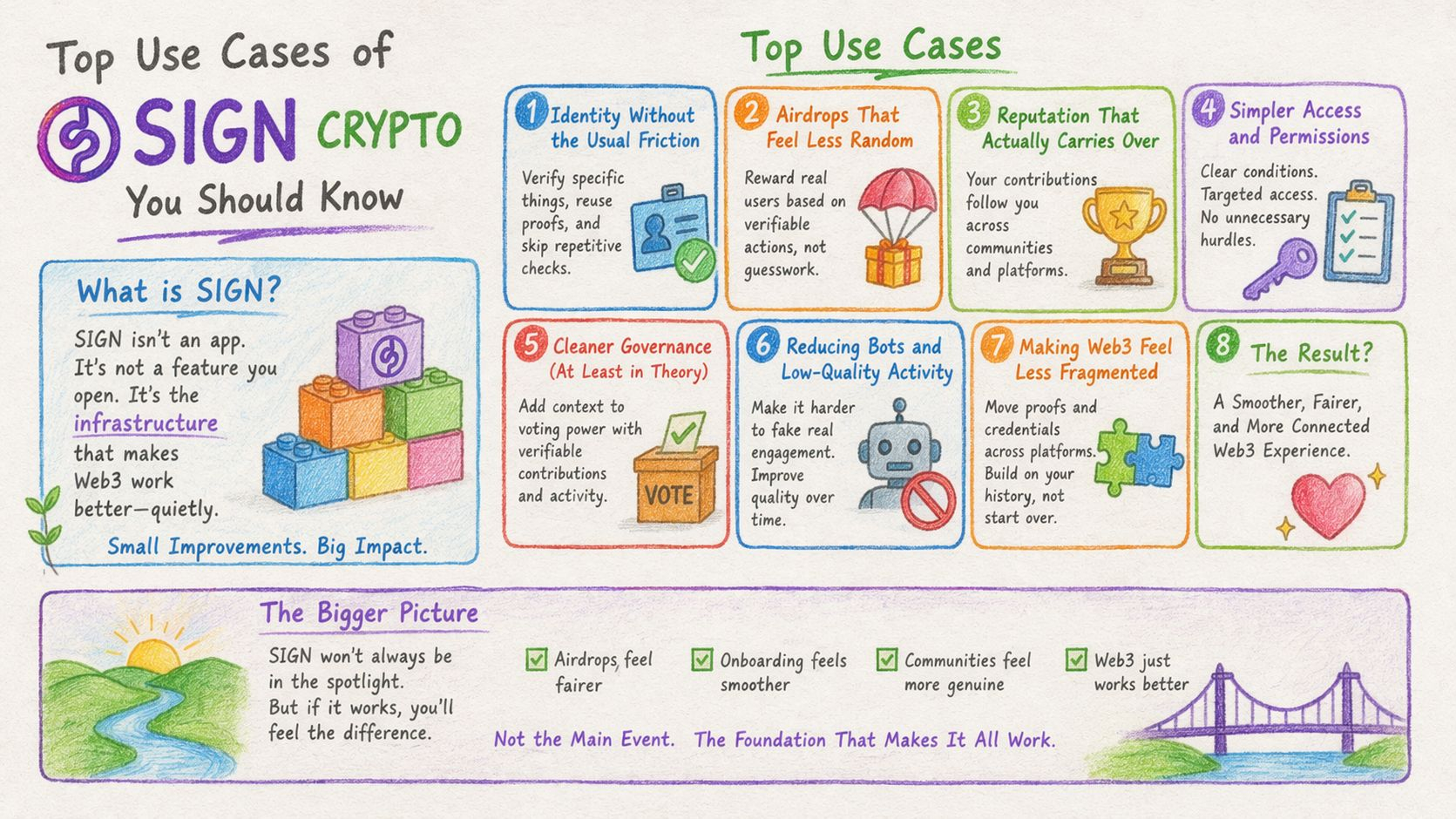
It’s not an app you open. It’s not a feature you immediately notice. It’s more like something that sits underneath other things, quietly changing how they work. So when you ask about “use cases,” it’s a bit different. You’re not looking at one big application you’re looking at a set of small improvements that show up across different parts of Web3.
And honestly, that’s what makes it interesting.
Identity Without the Usual Friction
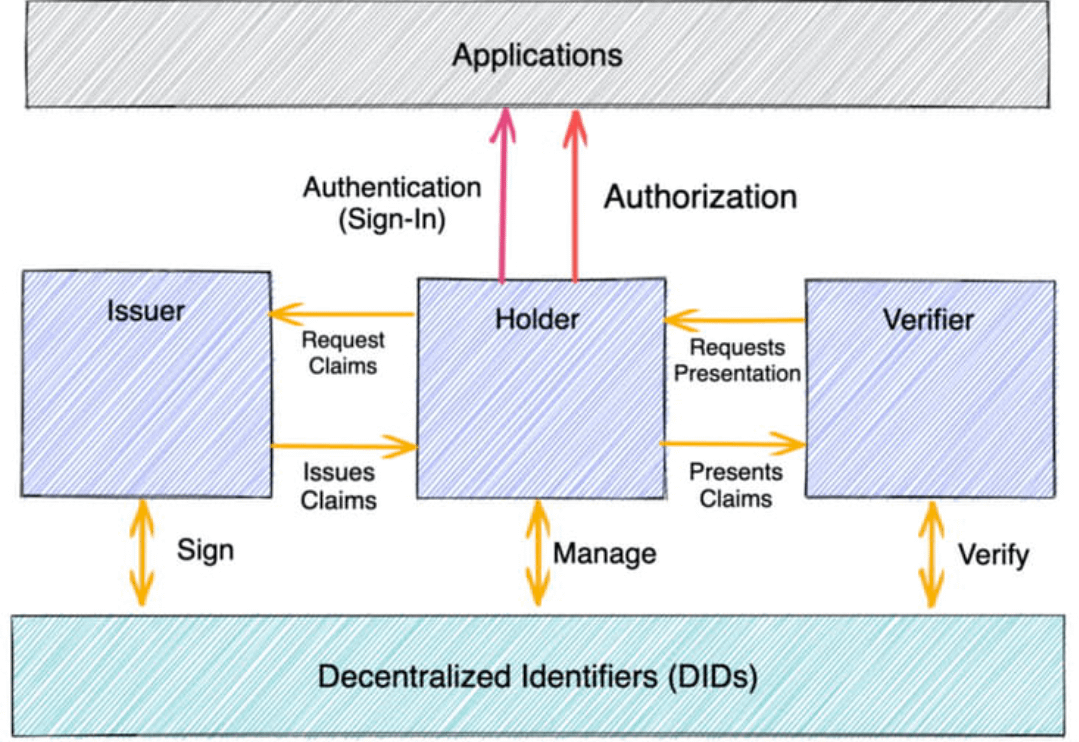
One of the most obvious areas is digital identity, but not in the way people usually imagine it.
SIGN doesn’t try to create one big identity profile for you. Instead, it lets different entities confirm specific things about you. A platform can verify you’re human. A community can confirm you’ve been active. A service can confirm you meet certain requirements.
You end up with pieces of identity instead of one heavy profile.
What’s nice about that is you don’t have to keep proving the same thing again and again. If something has already been verified once, you can reuse it. It saves time, but more importantly, it makes interactions feel less repetitive.
Airdrops That Feel Less Random

Airdrops are a good example of where things can get messy fast.
Projects want to reward real users, but it’s hard to tell who’s actually contributing and who’s just farming. So they rely on rough filters wallet activity, transaction counts, things like that.
It works… until it doesn’t.
With SIGN, eligibility can be tied to actual, verifiable actions. Not just “this wallet was active,” but “this user participated in this,” or “this account met these conditions.”
It doesn’t make airdrops perfect, but it makes them feel less like guesswork.
Reputation That Actually Carries Over
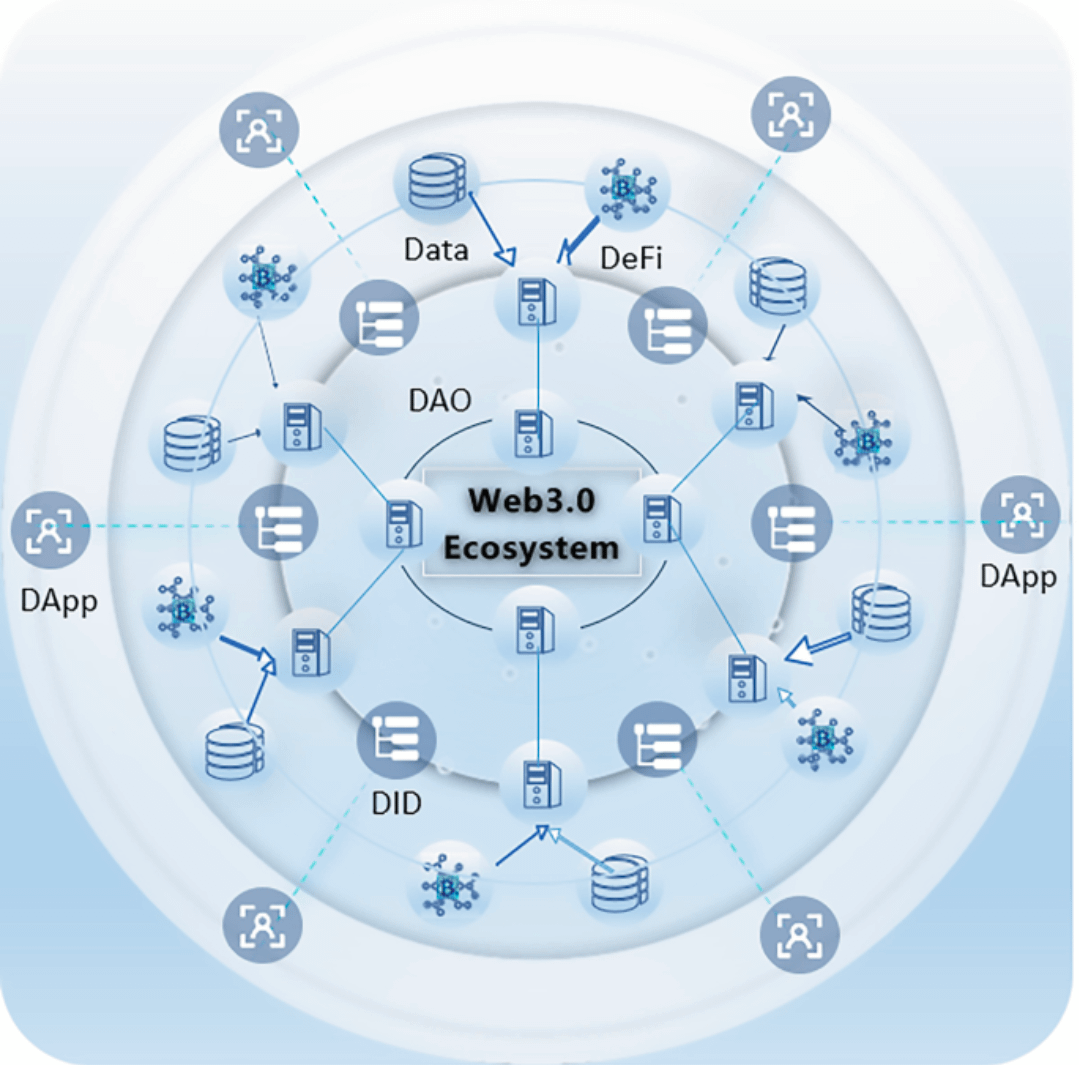
Right now, reputation in Web3 is kind of stuck in silos.
You can spend months contributing to one community, and the moment you move somewhere else, none of that history really follows you. You’re starting from scratch again.
SIGN changes that a bit.
If your contributions are recorded as attestations, they can be recognized elsewhere at least in theory. That means your effort isn’t locked into one place.
It’s a small shift, but it makes the space feel less fragmented.
Simpler Access and Permissions
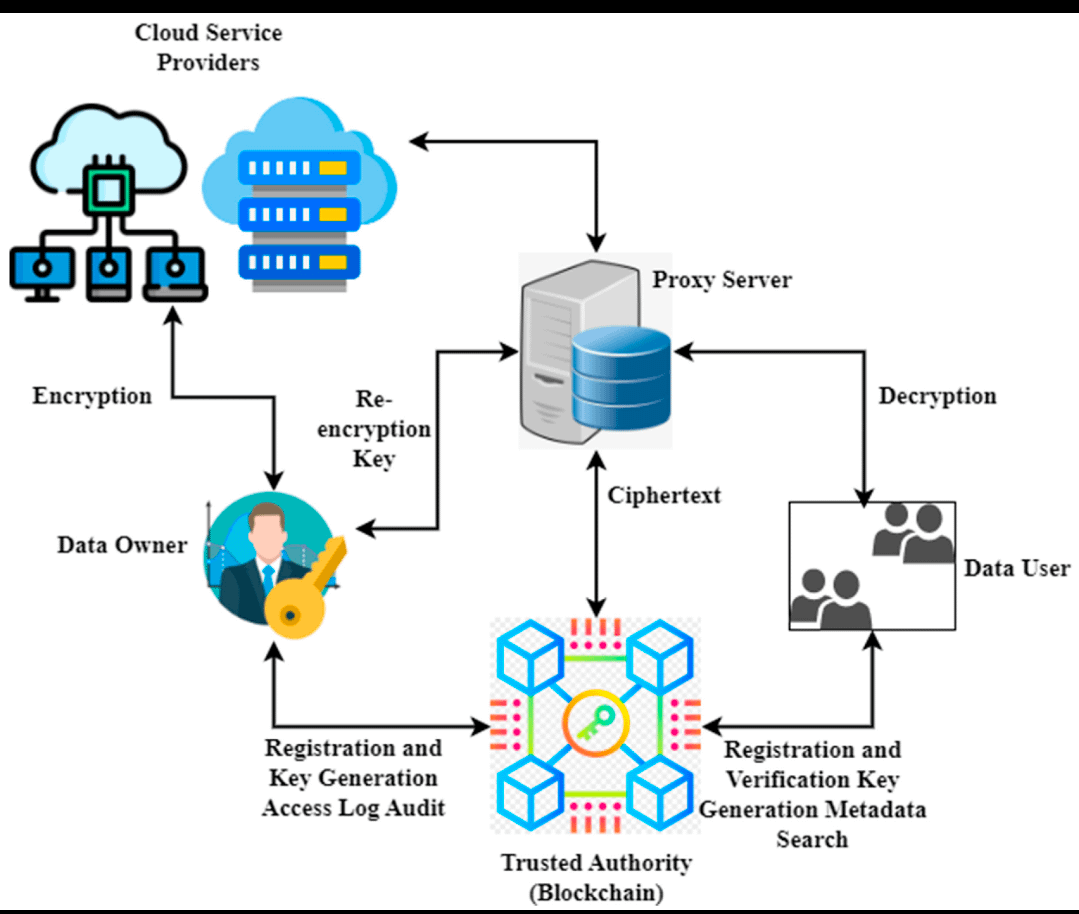
A lot of platforms rely on access control who can join, who can mint, who can participate.
Usually, this is handled through snapshots or basic checks. But those checks don’t always capture the full picture.
With attestations.
Access depends on clear conditions.
Maybe someone needs to have completed a certain task or hold a verified role or meet a particular requirement.
Instead of broad filters, you get more targeted ones.
And from a user perspective, that just feels cleaner. You either qualify, or you don’t without jumping through extra steps.
Cleaner Governance (At Least in Theory)
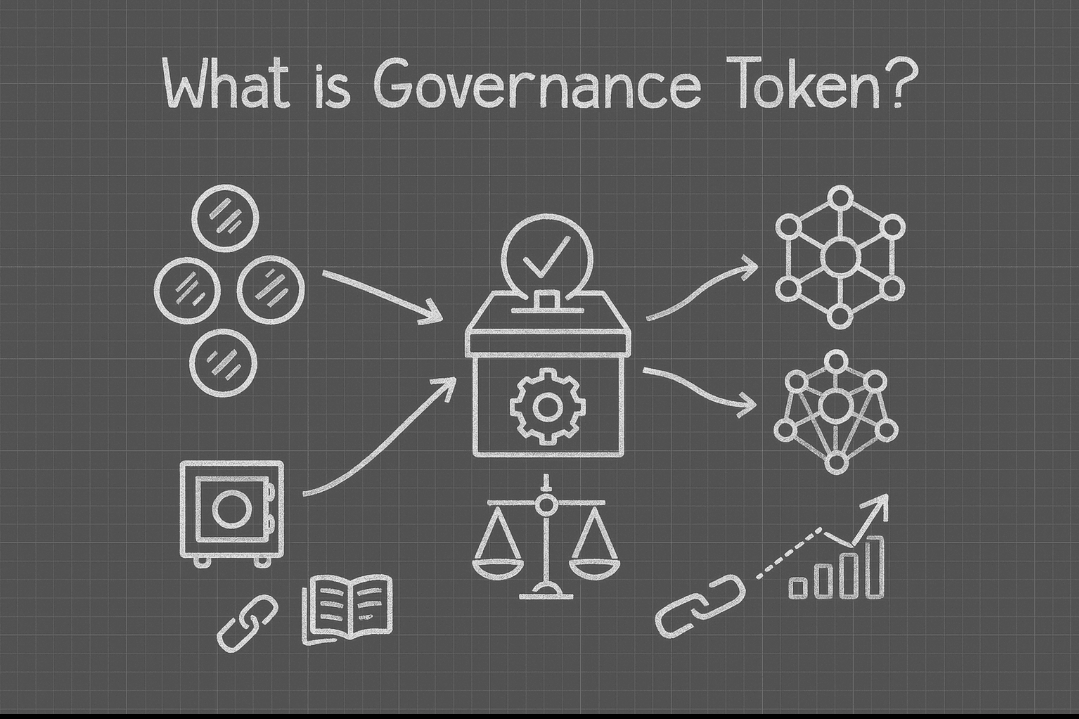
Governance is another area where things can get a bit noisy.
Voting power is often tied to tokens which does not always reflect actual involvement. Someone can hold tokens without really participating while active contributors might have less influence.
SIGN introduces the possibility of layering additional signals into that process.
Not just how many tokens someone has, but what they’ve actually done. Have they contributed? Have they been involved over time?
It doesn’t replace token-based governance, but it adds context to it.
Reducing Bots and Low-Quality Activity
This is probably one of the more practical use cases.
Bots and fake accounts are everywhere in Web3. And because many systems rely on simple activity metrics, it’s not always easy to filter them out.
Attestations make it harder to fake consistent, meaningful behavior.
You can still game systems to some extent that never fully goes away but the barrier gets higher. And over time, that tends to improve the overall quality of interactions.
Making Web3 Feel Less Fragmented
If there’s one theme that ties all of this together, it’s continuity.
Right now, Web3 often feels like a collection of separate islands. You move from one to another, and everything resets your identity, your reputation, your history.
SIGN doesn’t completely fix that, but it starts to connect those pieces.
If proofs and credentials can move across platforms, the experience becomes more consistent. You’re not starting over every time.
The Bigger Picture
None of these use cases are flashy on their own.
There’s no single moment where you think, “this changes everything.” It’s more gradual than that.
Airdrops feel a bit fairer. Onboarding feels a bit smoother. Communities feel a bit more genuine. Things just… work slightly better.
And that’s kind of the point.
SIGN isn’t trying to be the main event. It’s trying to make everything around it function more naturally. If it succeeds, most people won’t even notice it directly.
They’ll just notice that Web3 feels easier to use than it used to.
And in a space that often leans toward complexity, that alone is a pretty meaningful shift.