
The Crypto Basic
7.7k ໂພສ

The Crypto Basic
 Square Verified+
ລາຍງານ
ບລັອກຜູ້ໃຊ້
Your Ultimate Crypto News Source
0 ກໍາລັງຕິດຕາມ
36.4K+ ຜູ້ຕິດຕາມ
165.9K+ Liked
ໂພສ
ຢືນຢັນແລ້ວ
ບົດຄວາມ
ເບິ່ງການແປ
"DraftKings Stock Sinks 7.6% as Needham Data Show Kalshi Leading NFL Prediction Volume"DraftKings shares sank 7.6% Thursday to $22.47, extending its losing streak to three sessions while new Needham data showed Kalshi with a commanding lead in NFL Week 1 prediction-market volume.
The weakness developed during regular trading, not before the open. DraftKings was little changed at $24.38 at 9:29:59 a.m. ET, versus Wednesday’s $24.33 close, before sliding through Thursday’s session; Flutter also fell 5.2%, while the Nasdaq rose 1.7%.
Kalshi’s NFL Lead Raises Competitive Pressure
Needham’s exchange-level analysis of NFL Week 1 showed $14.6 billion of sports-and-parlay prediction-market volume across eight exchanges, matching the first 14 weeks of last NFL season combined. Kalshi accounted for 76% of that volume, while DraftKings’ DKeX exchange accounted for around 3% of both total volume and Needham’s estimated consumer-equivalent handle.
That comparison comes with an important qualification. Needham said exchange data can overstate Kalshi and Polymarket because other operators route activity through their exchanges, while understating DraftKings because it distributes volume across multiple exchanges. The firm expects DraftKings to concentrate more activity on DKeX over time.
The exchange-share data also has a current counterpoint. Stifel’s Jeffrey Stantial reiterated a Buy rating Thursday while emphasizing DraftKings’ parlay capabilities. Stifel said CFTC-regulated single-wager sports volume fell 30% month over month in August to $18.6 billion, while “combo” volume—effectively sports parlays—rose 22% to $18.8 billion. The firm argued that DraftKings and Flutter can compete for market-making flow using their pricing and correlation models and balance-sheet capacity, while cautioning that notional exchange volume can exaggerate parlay activity relative to conventional handle.
Meanwhile, the regulatory environment for prediction markets continued to evolve Thursday. In a new no-action position for passive software providers, CFTC staff said it would not recommend enforcement over introducing-broker or associated-person registration solely for qualifying software that facilitates trading through registered intermediaries and designated contract markets.
The regulatory picture is not one-directional. A day earlier, the 9th U.S. Circuit Court of Appeals blocked Kalshi from offering sports-event contracts on two California tribal lands, finding the tribes were likely to prevail on claims involving federal Indian gaming law and tribal ordinances. The case underscores that prediction markets are expanding while their regulatory boundaries remain contested.
DraftKings’ Prediction Push Meets a Profitability Test
DraftKings entered football season already committing substantial resources to Predictions. In its second-quarter results, the company said revenue fell 5% year over year to $1.443 billion, mainly because of customer-friendly sports outcomes and greater promotional reinvestment in Sportsbook and Predictions.
Management nevertheless maintained 2026 revenue guidance of $6.5 billion to $6.9 billion and adjusted EBITDA guidance of $700 million to $900 million, while saying the core business remained on track for roughly $1 billion of adjusted EBITDA.
The stock initially rallied after those results. DraftKings released them after the Aug. 6 close of $22.17, and shares jumped 8.4% to $24.03 on Aug. 7. DraftKings shares then climbed to $26.14 by Aug. 14.
That recovery then encountered another company-specific development. On Aug. 17, DraftKings launched a proposed $600 million term loan B and a new $750 million revolving credit facility, with term-loan proceeds intended partly to repurchase convertible notes due in 2028. Shares fell 2.2% in morning trading following the announcement and closed 3.2% lower at $25.30; they dropped another 5.0% the next session to $24.04. The company later closed an upsized $700 million term loan alongside the $750 million revolver.
The earnings-window analyst response was mixed. Benchmark raised its price target to $30 from $29 while maintaining a ‘Buy’ rating, while JPMorgan cut its target to $33 from $34, Guggenheim to $33 from $35, and Barclays to $34 from $35, with all three retaining their positive ratings.
Guggenheim said its reduction followed updated estimates incorporating DraftKings’ second-quarter results and reaffirmed its 2026 outlook. Citi subsequently moved in the other direction, raising its target to $32 from $30 while keeping ‘Buy’ and arguing that prediction markets could expand DraftKings’ addressable market.
Thursday’s $22.47 finish leaves DraftKings only about 1.4% above its Aug. 6 pre-earnings close, but about 14.0% below its Aug. 14 rebound close of $26.14, after three consecutive losing sessions.
DKNGx Extends DraftKings Exposure Beyond the Nasdaq Session
Kraken lists tokenized DraftKings as DKNGx for eligible clients in supported markets. Kraken says each DKNGx token is backed 1:1 by DraftKings shares held by a third-party custodian, but owning the token does not constitute direct ownership of the underlying DKNG share or provide shareholder rights.
Kraken’s broader xStocks service supports 24/5 trading, allowing tokenized exposure outside traditional U.S. equity hours. That token-market activity remains distinct from Nasdaq trading and should not be treated as a prediction of DraftKings’ next regular-session opening price.
DraftKings’ official investor calendar currently shows its Aug. 7 Q2 earnings call as the latest listed event, so the company has not posted a confirmed Q3 earnings date there.
Investor Takeaway
DraftKings’ Thursday slide puts the focus on whether its nationwide Predictions expansion can convert NFL-season demand into attractive economics while Kalshi holds a large exchange-volume lead.
The counterweight is DraftKings’ established sportsbook and parlay infrastructure, alongside management’s maintained 2026 profitability guidance. Upcoming NFL-week activity and regulatory developments should provide the next measurable tests.
#CryptoNewss
"DraftKings Stock Sinks 7.6% as Needham Data Show Kalshi Leading NFL Prediction Volume"
DraftKings shares sank 7.6% Thursday to $22.47, extending its losing streak to three sessions while new Needham data showed Kalshi with a commanding lead in NFL Week 1 prediction-market volume.
The weakness developed during regular trading, not before the open. DraftKings was little changed at $24.38 at 9:29:59 a.m. ET, versus Wednesday’s $24.33 close, before sliding through Thursday’s session; Flutter also fell 5.2%, while the Nasdaq rose 1.7%.
Kalshi’s NFL Lead Raises Competitive Pressure
Needham’s exchange-level analysis of NFL Week 1 showed $14.6 billion of sports-and-parlay prediction-market volume across eight exchanges, matching the first 14 weeks of last NFL season combined. Kalshi accounted for 76% of that volume, while DraftKings’ DKeX exchange accounted for around 3% of both total volume and Needham’s estimated consumer-equivalent handle.
That comparison comes with an important qualification. Needham said exchange data can overstate Kalshi and Polymarket because other operators route activity through their exchanges, while understating DraftKings because it distributes volume across multiple exchanges. The firm expects DraftKings to concentrate more activity on DKeX over time.
The exchange-share data also has a current counterpoint. Stifel’s Jeffrey Stantial reiterated a Buy rating Thursday while emphasizing DraftKings’ parlay capabilities. Stifel said CFTC-regulated single-wager sports volume fell 30% month over month in August to $18.6 billion, while “combo” volume—effectively sports parlays—rose 22% to $18.8 billion. The firm argued that DraftKings and Flutter can compete for market-making flow using their pricing and correlation models and balance-sheet capacity, while cautioning that notional exchange volume can exaggerate parlay activity relative to conventional handle.
Meanwhile, the regulatory environment for prediction markets continued to evolve Thursday. In a new no-action position for passive software providers, CFTC staff said it would not recommend enforcement over introducing-broker or associated-person registration solely for qualifying software that facilitates trading through registered intermediaries and designated contract markets.
The regulatory picture is not one-directional. A day earlier, the 9th U.S. Circuit Court of Appeals blocked Kalshi from offering sports-event contracts on two California tribal lands, finding the tribes were likely to prevail on claims involving federal Indian gaming law and tribal ordinances. The case underscores that prediction markets are expanding while their regulatory boundaries remain contested.
DraftKings’ Prediction Push Meets a Profitability Test
DraftKings entered football season already committing substantial resources to Predictions. In its second-quarter results, the company said revenue fell 5% year over year to $1.443 billion, mainly because of customer-friendly sports outcomes and greater promotional reinvestment in Sportsbook and Predictions.
Management nevertheless maintained 2026 revenue guidance of $6.5 billion to $6.9 billion and adjusted EBITDA guidance of $700 million to $900 million, while saying the core business remained on track for roughly $1 billion of adjusted EBITDA.
The stock initially rallied after those results. DraftKings released them after the Aug. 6 close of $22.17, and shares jumped 8.4% to $24.03 on Aug. 7. DraftKings shares then climbed to $26.14 by Aug. 14.
That recovery then encountered another company-specific development. On Aug. 17, DraftKings launched a proposed $600 million term loan B and a new $750 million revolving credit facility, with term-loan proceeds intended partly to repurchase convertible notes due in 2028. Shares fell 2.2% in morning trading following the announcement and closed 3.2% lower at $25.30; they dropped another 5.0% the next session to $24.04. The company later closed an upsized $700 million term loan alongside the $750 million revolver.
The earnings-window analyst response was mixed. Benchmark raised its price target to $30 from $29 while maintaining a ‘Buy’ rating, while JPMorgan cut its target to $33 from $34, Guggenheim to $33 from $35, and Barclays to $34 from $35, with all three retaining their positive ratings.
Guggenheim said its reduction followed updated estimates incorporating DraftKings’ second-quarter results and reaffirmed its 2026 outlook. Citi subsequently moved in the other direction, raising its target to $32 from $30 while keeping ‘Buy’ and arguing that prediction markets could expand DraftKings’ addressable market.
Thursday’s $22.47 finish leaves DraftKings only about 1.4% above its Aug. 6 pre-earnings close, but about 14.0% below its Aug. 14 rebound close of $26.14, after three consecutive losing sessions.
DKNGx Extends DraftKings Exposure Beyond the Nasdaq Session
Kraken lists tokenized DraftKings as DKNGx for eligible clients in supported markets. Kraken says each DKNGx token is backed 1:1 by DraftKings shares held by a third-party custodian, but owning the token does not constitute direct ownership of the underlying DKNG share or provide shareholder rights.
Kraken’s broader xStocks service supports 24/5 trading, allowing tokenized exposure outside traditional U.S. equity hours. That token-market activity remains distinct from Nasdaq trading and should not be treated as a prediction of DraftKings’ next regular-session opening price.
DraftKings’ official investor calendar currently shows its Aug. 7 Q2 earnings call as the latest listed event, so the company has not posted a confirmed Q3 earnings date there.
Investor Takeaway
DraftKings’ Thursday slide puts the focus on whether its nationwide Predictions expansion can convert NFL-season demand into attractive economics while Kalshi holds a large exchange-volume lead.
The counterweight is DraftKings’ established sportsbook and parlay infrastructure, alongside management’s maintained 2026 profitability guidance. Upcoming NFL-week activity and regulatory developments should provide the next measurable tests.
#CryptoNewss
The weakness developed during regular trading, not before the open. DraftKings was little changed at $24.38 at 9:29:59 a.m. ET, versus Wednesday’s $24.33 close, before sliding through Thursday’s session; Flutter also fell 5.2%, while the Nasdaq rose 1.7%.
Kalshi’s NFL Lead Raises Competitive Pressure
Needham’s exchange-level analysis of NFL Week 1 showed $14.6 billion of sports-and-parlay prediction-market volume across eight exchanges, matching the first 14 weeks of last NFL season combined. Kalshi accounted for 76% of that volume, while DraftKings’ DKeX exchange accounted for around 3% of both total volume and Needham’s estimated consumer-equivalent handle.
That comparison comes with an important qualification. Needham said exchange data can overstate Kalshi and Polymarket because other operators route activity through their exchanges, while understating DraftKings because it distributes volume across multiple exchanges. The firm expects DraftKings to concentrate more activity on DKeX over time.
The exchange-share data also has a current counterpoint. Stifel’s Jeffrey Stantial reiterated a Buy rating Thursday while emphasizing DraftKings’ parlay capabilities. Stifel said CFTC-regulated single-wager sports volume fell 30% month over month in August to $18.6 billion, while “combo” volume—effectively sports parlays—rose 22% to $18.8 billion. The firm argued that DraftKings and Flutter can compete for market-making flow using their pricing and correlation models and balance-sheet capacity, while cautioning that notional exchange volume can exaggerate parlay activity relative to conventional handle.
Meanwhile, the regulatory environment for prediction markets continued to evolve Thursday. In a new no-action position for passive software providers, CFTC staff said it would not recommend enforcement over introducing-broker or associated-person registration solely for qualifying software that facilitates trading through registered intermediaries and designated contract markets.
The regulatory picture is not one-directional. A day earlier, the 9th U.S. Circuit Court of Appeals blocked Kalshi from offering sports-event contracts on two California tribal lands, finding the tribes were likely to prevail on claims involving federal Indian gaming law and tribal ordinances. The case underscores that prediction markets are expanding while their regulatory boundaries remain contested.
DraftKings’ Prediction Push Meets a Profitability Test
DraftKings entered football season already committing substantial resources to Predictions. In its second-quarter results, the company said revenue fell 5% year over year to $1.443 billion, mainly because of customer-friendly sports outcomes and greater promotional reinvestment in Sportsbook and Predictions.
Management nevertheless maintained 2026 revenue guidance of $6.5 billion to $6.9 billion and adjusted EBITDA guidance of $700 million to $900 million, while saying the core business remained on track for roughly $1 billion of adjusted EBITDA.
The stock initially rallied after those results. DraftKings released them after the Aug. 6 close of $22.17, and shares jumped 8.4% to $24.03 on Aug. 7. DraftKings shares then climbed to $26.14 by Aug. 14.
That recovery then encountered another company-specific development. On Aug. 17, DraftKings launched a proposed $600 million term loan B and a new $750 million revolving credit facility, with term-loan proceeds intended partly to repurchase convertible notes due in 2028. Shares fell 2.2% in morning trading following the announcement and closed 3.2% lower at $25.30; they dropped another 5.0% the next session to $24.04. The company later closed an upsized $700 million term loan alongside the $750 million revolver.
The earnings-window analyst response was mixed. Benchmark raised its price target to $30 from $29 while maintaining a ‘Buy’ rating, while JPMorgan cut its target to $33 from $34, Guggenheim to $33 from $35, and Barclays to $34 from $35, with all three retaining their positive ratings.
Guggenheim said its reduction followed updated estimates incorporating DraftKings’ second-quarter results and reaffirmed its 2026 outlook. Citi subsequently moved in the other direction, raising its target to $32 from $30 while keeping ‘Buy’ and arguing that prediction markets could expand DraftKings’ addressable market.
Thursday’s $22.47 finish leaves DraftKings only about 1.4% above its Aug. 6 pre-earnings close, but about 14.0% below its Aug. 14 rebound close of $26.14, after three consecutive losing sessions.
DKNGx Extends DraftKings Exposure Beyond the Nasdaq Session
Kraken lists tokenized DraftKings as DKNGx for eligible clients in supported markets. Kraken says each DKNGx token is backed 1:1 by DraftKings shares held by a third-party custodian, but owning the token does not constitute direct ownership of the underlying DKNG share or provide shareholder rights.
Kraken’s broader xStocks service supports 24/5 trading, allowing tokenized exposure outside traditional U.S. equity hours. That token-market activity remains distinct from Nasdaq trading and should not be treated as a prediction of DraftKings’ next regular-session opening price.
DraftKings’ official investor calendar currently shows its Aug. 7 Q2 earnings call as the latest listed event, so the company has not posted a confirmed Q3 earnings date there.
Investor Takeaway
DraftKings’ Thursday slide puts the focus on whether its nationwide Predictions expansion can convert NFL-season demand into attractive economics while Kalshi holds a large exchange-volume lead.
The counterweight is DraftKings’ established sportsbook and parlay infrastructure, alongside management’s maintained 2026 profitability guidance. Upcoming NFL-week activity and regulatory developments should provide the next measurable tests.
#CryptoNewss
110
Common Prefix ແມ່ນໄດ້ຢ່າງເປັນທາງການກວດສອບຢືນຢັນ #XRP Ledger Lending Protocol ເພື່ອພິສູດທາງຄະນິດສາດວ່າມັນບໍ່ສາມາດຖືກຊໍາລະເອົາອອກໄດ້, ບໍ່ສາມາດກາຍເປັນໜີ້ສິນບໍ່ພໍ (insolvent), ຫຼື ທຳລາຍກົດລະບຽບຂອງມັນ.
ການເຮັດວຽກນີ້ເນັ້ນໃສ່ Lending Protocol ທີ່ແນະນຳຜ່ານ XLS-66. Common Prefix ອະທິບາຍວິທີການຂອງຕົນໃນຊຸດ 6 ພາກ ລວມທັງເຫດຜົນທີ່ເລືອກ Lean 4 ສຳລັບຂະບວນການກວດສອບ.
Common Prefix ກ່າວວ່າ formal verification ເກີນກວ່າການທົດສອບຊອບແວທົ່ວໄປໂດຍໃຊ້ຄະນິດສາດເພື່ອພິສູດວ່າລະບົບເຮັດວຽກໄດ້ຢ່າງຖືກຕ້ອງໃນທຸກສະຖານະທີ່ເປັນໄປໄດ້.
XRP Ledger validator Vet, ເຊິ່ງຮູ້ຈັກອີກຊື່ວ່າ Hussein Zangana, ກ່າວວ່າ formal verification ແລ້ວຖືກນຳໃຊ້ໃນລະບົບທີ່ມີຄວາມສ່ຽງສູງ ເຊັ່ນ ເທັກໂນໂລຊີທະຫານ, ຊອບແວການບິນ (air traffic), ການຄວບຄຸມການບິນ (flight controls), ແລະ ໂຮງງານພະລັງງານນິວເຄລຍ.
ລາວອະທິບາຍວ່າວິທີການນີ້ໃຊ້ຄະນິດສາດເພື່ອສະແດງວ່າລະບົບຍັງຄົງມີຄວາມໝາຍ (valid) ຕະຫຼອດທຸກຂໍ້ມູນທີ່ເປັນໄປໄດ້, ບໍ່ແມ່ນພຽງແຕ່ສະຖານະທີ່ນັກພັດທະນາໄດ້ທົດສອບ.
Common Prefix ໄດ້ພິຈາລະນາເຄື່ອງມືຫຼາຍຢ່າງ ລວມທັງ Dafny, Lean 4, TLA+, ແລະ P. ທີມງານໄດ້ຕັດສິນໃຈວ່າ TLA+ ແລະ P ບໍ່ແມ່ນທາງເລືອກທີ່ເໝາະສົມສຳລັບຄຳຖາມສະເພາະທີ່ຕ້ອງການຕອບໃຫ້ໄດ້ກ່ຽວກັບ Lending protocol.
ເຫດຜົນໜຶ່ງທີ່ມັນເລືອກ Lean 4 ແມ່ນວ່າມັນບໍ່ຕ້ອງພຶ່ງອາໄສ SMT solver. Common Prefix ພົບວ່າ solver ຂອງ Dafny ບາງຄັ້ງອາດໝົດເວລາ (time out) ເມື່ອຈັດການເລກຄະນິດທີ່ຊັບຊ້ອນທີ່ຈຳເປັນຕ້ອງໃຊ້ສຳລັບການກວດສອບ. Lean ຕ້ອງໃຊ້ການເຮັດດ້ວຍມືຫຼາຍກວ່າ, ແຕ່ກໍຊ່ວຍໃຫ້ຜິດພາດຊອກຫາ ແລະ ແກ້ໄດ້ງ່າຍຂຶ້ນສຳລັບນັກພັດທະນາ.
#CryptoNewsCommunity
Common Prefix ແມ່ນໄດ້ຢ່າງເປັນທາງການກວດສອບຢືນຢັນ #XRP Ledger Lending Protocol ເພື່ອພິສູດທາງຄະນິດສາດວ່າມັນບໍ່ສາມາດຖືກຊໍາລະເອົາອອກໄດ້, ບໍ່ສາມາດກາຍເປັນໜີ້ສິນບໍ່ພໍ (insolvent), ຫຼື ທຳລາຍກົດລະບຽບຂອງມັນ.
ການເຮັດວຽກນີ້ເນັ້ນໃສ່ Lending Protocol ທີ່ແນະນຳຜ່ານ XLS-66. Common Prefix ອະທິບາຍວິທີການຂອງຕົນໃນຊຸດ 6 ພາກ ລວມທັງເຫດຜົນທີ່ເລືອກ Lean 4 ສຳລັບຂະບວນການກວດສອບ.
Common Prefix ກ່າວວ່າ formal verification ເກີນກວ່າການທົດສອບຊອບແວທົ່ວໄປໂດຍໃຊ້ຄະນິດສາດເພື່ອພິສູດວ່າລະບົບເຮັດວຽກໄດ້ຢ່າງຖືກຕ້ອງໃນທຸກສະຖານະທີ່ເປັນໄປໄດ້.
XRP Ledger validator Vet, ເຊິ່ງຮູ້ຈັກອີກຊື່ວ່າ Hussein Zangana, ກ່າວວ່າ formal verification ແລ້ວຖືກນຳໃຊ້ໃນລະບົບທີ່ມີຄວາມສ່ຽງສູງ ເຊັ່ນ ເທັກໂນໂລຊີທະຫານ, ຊອບແວການບິນ (air traffic), ການຄວບຄຸມການບິນ (flight controls), ແລະ ໂຮງງານພະລັງງານນິວເຄລຍ.
ລາວອະທິບາຍວ່າວິທີການນີ້ໃຊ້ຄະນິດສາດເພື່ອສະແດງວ່າລະບົບຍັງຄົງມີຄວາມໝາຍ (valid) ຕະຫຼອດທຸກຂໍ້ມູນທີ່ເປັນໄປໄດ້, ບໍ່ແມ່ນພຽງແຕ່ສະຖານະທີ່ນັກພັດທະນາໄດ້ທົດສອບ.
Common Prefix ໄດ້ພິຈາລະນາເຄື່ອງມືຫຼາຍຢ່າງ ລວມທັງ Dafny, Lean 4, TLA+, ແລະ P. ທີມງານໄດ້ຕັດສິນໃຈວ່າ TLA+ ແລະ P ບໍ່ແມ່ນທາງເລືອກທີ່ເໝາະສົມສຳລັບຄຳຖາມສະເພາະທີ່ຕ້ອງການຕອບໃຫ້ໄດ້ກ່ຽວກັບ Lending protocol.
ເຫດຜົນໜຶ່ງທີ່ມັນເລືອກ Lean 4 ແມ່ນວ່າມັນບໍ່ຕ້ອງພຶ່ງອາໄສ SMT solver. Common Prefix ພົບວ່າ solver ຂອງ Dafny ບາງຄັ້ງອາດໝົດເວລາ (time out) ເມື່ອຈັດການເລກຄະນິດທີ່ຊັບຊ້ອນທີ່ຈຳເປັນຕ້ອງໃຊ້ສຳລັບການກວດສອບ. Lean ຕ້ອງໃຊ້ການເຮັດດ້ວຍມືຫຼາຍກວ່າ, ແຕ່ກໍຊ່ວຍໃຫ້ຜິດພາດຊອກຫາ ແລະ ແກ້ໄດ້ງ່າຍຂຶ້ນສຳລັບນັກພັດທະນາ.
#CryptoNewsCommunity
ການເຮັດວຽກນີ້ເນັ້ນໃສ່ Lending Protocol ທີ່ແນະນຳຜ່ານ XLS-66. Common Prefix ອະທິບາຍວິທີການຂອງຕົນໃນຊຸດ 6 ພາກ ລວມທັງເຫດຜົນທີ່ເລືອກ Lean 4 ສຳລັບຂະບວນການກວດສອບ.
Common Prefix ກ່າວວ່າ formal verification ເກີນກວ່າການທົດສອບຊອບແວທົ່ວໄປໂດຍໃຊ້ຄະນິດສາດເພື່ອພິສູດວ່າລະບົບເຮັດວຽກໄດ້ຢ່າງຖືກຕ້ອງໃນທຸກສະຖານະທີ່ເປັນໄປໄດ້.
XRP Ledger validator Vet, ເຊິ່ງຮູ້ຈັກອີກຊື່ວ່າ Hussein Zangana, ກ່າວວ່າ formal verification ແລ້ວຖືກນຳໃຊ້ໃນລະບົບທີ່ມີຄວາມສ່ຽງສູງ ເຊັ່ນ ເທັກໂນໂລຊີທະຫານ, ຊອບແວການບິນ (air traffic), ການຄວບຄຸມການບິນ (flight controls), ແລະ ໂຮງງານພະລັງງານນິວເຄລຍ.
ລາວອະທິບາຍວ່າວິທີການນີ້ໃຊ້ຄະນິດສາດເພື່ອສະແດງວ່າລະບົບຍັງຄົງມີຄວາມໝາຍ (valid) ຕະຫຼອດທຸກຂໍ້ມູນທີ່ເປັນໄປໄດ້, ບໍ່ແມ່ນພຽງແຕ່ສະຖານະທີ່ນັກພັດທະນາໄດ້ທົດສອບ.
Common Prefix ໄດ້ພິຈາລະນາເຄື່ອງມືຫຼາຍຢ່າງ ລວມທັງ Dafny, Lean 4, TLA+, ແລະ P. ທີມງານໄດ້ຕັດສິນໃຈວ່າ TLA+ ແລະ P ບໍ່ແມ່ນທາງເລືອກທີ່ເໝາະສົມສຳລັບຄຳຖາມສະເພາະທີ່ຕ້ອງການຕອບໃຫ້ໄດ້ກ່ຽວກັບ Lending protocol.
ເຫດຜົນໜຶ່ງທີ່ມັນເລືອກ Lean 4 ແມ່ນວ່າມັນບໍ່ຕ້ອງພຶ່ງອາໄສ SMT solver. Common Prefix ພົບວ່າ solver ຂອງ Dafny ບາງຄັ້ງອາດໝົດເວລາ (time out) ເມື່ອຈັດການເລກຄະນິດທີ່ຊັບຊ້ອນທີ່ຈຳເປັນຕ້ອງໃຊ້ສຳລັບການກວດສອບ. Lean ຕ້ອງໃຊ້ການເຮັດດ້ວຍມືຫຼາຍກວ່າ, ແຕ່ກໍຊ່ວຍໃຫ້ຜິດພາດຊອກຫາ ແລະ ແກ້ໄດ້ງ່າຍຂຶ້ນສຳລັບນັກພັດທະນາ.
#CryptoNewsCommunity
300
IBit ຂອງ BlackRock ໄດ້ເພີ່ມຂຶ້ນເກືອບ 6% ດ້ວຍມູນຄ່າການຊື້ຂາຍ 1.56 ຕື້ໂດລາ ຢູ່ອັນດັບທີ 5 ແລະເກີນ GLD ທີ່ມີມູນຄ່າການຊື້ຂາຍ 907.64 ລ້ານໂດລາ ປະມານ 72%.
ETF ຂອງ BlackRock iShares #Bitcoin Trust (IBIT) ຊື້ຂາຍປະມານ 45.81–45.86 ໂດລາ ເຊິ່ງເປັນການເພີ່ມຂຶ້ນລາຍວັນປະມານ 5.8%–5.9%.
ຊ່ວງການຊື້ຂາຍນີ້ໄດ້ຍູ້ Bitcoin ETF ໃຫ້ນໍາໜ້າໜຶ່ງໃນຜະລິດຕະພັນການລົງທຶນຄຳທີ່ໃຫຍ່ທີ່ສຸດ, SPDR Gold Shares (GLD) ທັງໃນແງ່ການເຄື່ອນໄຫວລາຄາຂອງສວ່ນຮ້ອຍ ແລະມູນຄ່າການຊື້ຂາຍ.
GLD ຊື້ຂາຍຢູ່ປະມານ 398.96 ໂດລາ ເພີ່ມຂຶ້ນ 0.15% ດ້ວຍມູນຄ່າການຊື້ຂາຍ 907.64 ລ້ານໂດລາ. ນີ້ເຮັດໃຫ້ ETF ຄຳ ຢູ່ອັນດັບທີ 9 ໃນອັນດັບທີ່ຖືກສະແດງ.
ການຫັນເງິນ (turnover) ຂອງ IBIT 1.56 ຕື້ໂດລາ ແມ່ນປະມານ 652 ລ້ານໂດລາ ຫຼາຍກວ່າຂອງ GLD ສະນັ້ນ IBIT ຈຶ່ງບັນທຶກມູນຄ່າການຊື້ຂາຍໄດ້ປະມານ 72% ຫຼາຍກວ່າໃນຊ່ວງທີ່ວັດແທກ.
ການເຄື່ອນໄຫວຂອງລາຄາຕາມສວ່ນຮ້ອຍກໍ່ແຕກຕ່າງຢ່າງຫຼວງຫຼາຍເຊັ່ນກັນ. IBIT ເພີ່ມຂຶ້ນປະມານ 5.9% ຂະນະທີ່ GLD ເພີ່ມຂຶ້ນ 0.15%—ເປັນຄວາມແຕກຕ່າງປະມານ 5.75 ຈຸດສວ່ນຮ້ອຍ.
#CryptonewswithJack
IBit ຂອງ BlackRock ໄດ້ເພີ່ມຂຶ້ນເກືອບ 6% ດ້ວຍມູນຄ່າການຊື້ຂາຍ 1.56 ຕື້ໂດລາ ຢູ່ອັນດັບທີ 5 ແລະເກີນ GLD ທີ່ມີມູນຄ່າການຊື້ຂາຍ 907.64 ລ້ານໂດລາ ປະມານ 72%.
ETF ຂອງ BlackRock iShares #Bitcoin Trust (IBIT) ຊື້ຂາຍປະມານ 45.81–45.86 ໂດລາ ເຊິ່ງເປັນການເພີ່ມຂຶ້ນລາຍວັນປະມານ 5.8%–5.9%.
ຊ່ວງການຊື້ຂາຍນີ້ໄດ້ຍູ້ Bitcoin ETF ໃຫ້ນໍາໜ້າໜຶ່ງໃນຜະລິດຕະພັນການລົງທຶນຄຳທີ່ໃຫຍ່ທີ່ສຸດ, SPDR Gold Shares (GLD) ທັງໃນແງ່ການເຄື່ອນໄຫວລາຄາຂອງສວ່ນຮ້ອຍ ແລະມູນຄ່າການຊື້ຂາຍ.
GLD ຊື້ຂາຍຢູ່ປະມານ 398.96 ໂດລາ ເພີ່ມຂຶ້ນ 0.15% ດ້ວຍມູນຄ່າການຊື້ຂາຍ 907.64 ລ້ານໂດລາ. ນີ້ເຮັດໃຫ້ ETF ຄຳ ຢູ່ອັນດັບທີ 9 ໃນອັນດັບທີ່ຖືກສະແດງ.
ການຫັນເງິນ (turnover) ຂອງ IBIT 1.56 ຕື້ໂດລາ ແມ່ນປະມານ 652 ລ້ານໂດລາ ຫຼາຍກວ່າຂອງ GLD ສະນັ້ນ IBIT ຈຶ່ງບັນທຶກມູນຄ່າການຊື້ຂາຍໄດ້ປະມານ 72% ຫຼາຍກວ່າໃນຊ່ວງທີ່ວັດແທກ.
ການເຄື່ອນໄຫວຂອງລາຄາຕາມສວ່ນຮ້ອຍກໍ່ແຕກຕ່າງຢ່າງຫຼວງຫຼາຍເຊັ່ນກັນ. IBIT ເພີ່ມຂຶ້ນປະມານ 5.9% ຂະນະທີ່ GLD ເພີ່ມຂຶ້ນ 0.15%—ເປັນຄວາມແຕກຕ່າງປະມານ 5.75 ຈຸດສວ່ນຮ້ອຍ.
#CryptonewswithJack
ETF ຂອງ BlackRock iShares #Bitcoin Trust (IBIT) ຊື້ຂາຍປະມານ 45.81–45.86 ໂດລາ ເຊິ່ງເປັນການເພີ່ມຂຶ້ນລາຍວັນປະມານ 5.8%–5.9%.
ຊ່ວງການຊື້ຂາຍນີ້ໄດ້ຍູ້ Bitcoin ETF ໃຫ້ນໍາໜ້າໜຶ່ງໃນຜະລິດຕະພັນການລົງທຶນຄຳທີ່ໃຫຍ່ທີ່ສຸດ, SPDR Gold Shares (GLD) ທັງໃນແງ່ການເຄື່ອນໄຫວລາຄາຂອງສວ່ນຮ້ອຍ ແລະມູນຄ່າການຊື້ຂາຍ.
GLD ຊື້ຂາຍຢູ່ປະມານ 398.96 ໂດລາ ເພີ່ມຂຶ້ນ 0.15% ດ້ວຍມູນຄ່າການຊື້ຂາຍ 907.64 ລ້ານໂດລາ. ນີ້ເຮັດໃຫ້ ETF ຄຳ ຢູ່ອັນດັບທີ 9 ໃນອັນດັບທີ່ຖືກສະແດງ.
ການຫັນເງິນ (turnover) ຂອງ IBIT 1.56 ຕື້ໂດລາ ແມ່ນປະມານ 652 ລ້ານໂດລາ ຫຼາຍກວ່າຂອງ GLD ສະນັ້ນ IBIT ຈຶ່ງບັນທຶກມູນຄ່າການຊື້ຂາຍໄດ້ປະມານ 72% ຫຼາຍກວ່າໃນຊ່ວງທີ່ວັດແທກ.
ການເຄື່ອນໄຫວຂອງລາຄາຕາມສວ່ນຮ້ອຍກໍ່ແຕກຕ່າງຢ່າງຫຼວງຫຼາຍເຊັ່ນກັນ. IBIT ເພີ່ມຂຶ້ນປະມານ 5.9% ຂະນະທີ່ GLD ເພີ່ມຂຶ້ນ 0.15%—ເປັນຄວາມແຕກຕ່າງປະມານ 5.75 ຈຸດສວ່ນຮ້ອຍ.
#CryptonewswithJack
GLDETF+0,63%
89
ບົດຄວາມ
"I-Micron Ibuyela Emuva Ngo-5.5% njengoba Ukucindezeka Kwememori Kubuyela Ekugxileni, Izingxoxo Zabasebenzi Zase-Taiwan Zithinta Usuku Olubalulekile"Amasheya eMicron Technology akhuphuke u-5.5% waya ku-$977.50 ngoLwesine, ebuyisela isabelo ngaphezulu kwezinga laso ngaphambi koMsombuluko njengoba ukunikezwa okuncane kwememori kubuyele enkabeni yokuhweba kuma-semiconductor.
Ukubuyela emuva manje kuhlangana nokuhlolwa kwabasebenzi okusekelwe enkonzweni ethile eTaiwan, lapho uLwesihlanu kungelinye lezinsuku ezimbili ezibalulekile zokulamula, kanti izinyunyana zixwayisile ukuthi zingase ziqhubekele ekuvotweni kwenhloso yokushaya uma uMicron wehluleka ukukhiqiza isiphakamiso esicacile sokwabelana ngenzuzo.
Ukuwa uMicron isaphulelo sokuphela kwe-AI esamisa ngoLwesihlanu
U-Micron wehle ngo-5.25% waya ku-$924.03 ngoMsombuluko njengoba izingcingo ezivela kubaholi abaningana embonini ye-AI zokuthuthukisa kancane kwe-AI zazicindezele abakhiqizi bama-chip. Ekupheleni kukaLwesine, isabelo sikhuphukele emuva safinyelela ku-$977.50, cishe u-0.2% ngaphezu kokuvalwa kwaso kwangoSept. 11 okungu-$975.26, okwenza kusulwe ngokuphelele ukulahlekelwa okuphelele okuqhamuke ekuthutheni kokuqala kokumisa i-AI phakathi nesonto, ngokwezintengo zokuvalwa zomlando zikaMicron. IReuters ibike ukuthi ukwehla ngoMsombuluko kwenzeka njengoba izixwayiso zokumisa i-AI zithinte ngokubanzi izabelo zemboni yama-semiconductor.
"I-Micron Ibuyela Emuva Ngo-5.5% njengoba Ukucindezeka Kwememori Kubuyela Ekugxileni, Izingxoxo Zabasebenzi Zase-Taiwan Zithinta Usuku Olubalulekile"
Amasheya eMicron Technology akhuphuke u-5.5% waya ku-$977.50 ngoLwesine, ebuyisela isabelo ngaphezulu kwezinga laso ngaphambi koMsombuluko njengoba ukunikezwa okuncane kwememori kubuyele enkabeni yokuhweba kuma-semiconductor.
Ukubuyela emuva manje kuhlangana nokuhlolwa kwabasebenzi okusekelwe enkonzweni ethile eTaiwan, lapho uLwesihlanu kungelinye lezinsuku ezimbili ezibalulekile zokulamula, kanti izinyunyana zixwayisile ukuthi zingase ziqhubekele ekuvotweni kwenhloso yokushaya uma uMicron wehluleka ukukhiqiza isiphakamiso esicacile sokwabelana ngenzuzo.
Ukuwa uMicron isaphulelo sokuphela kwe-AI esamisa ngoLwesihlanu
U-Micron wehle ngo-5.25% waya ku-$924.03 ngoMsombuluko njengoba izingcingo ezivela kubaholi abaningana embonini ye-AI zokuthuthukisa kancane kwe-AI zazicindezele abakhiqizi bama-chip. Ekupheleni kukaLwesine, isabelo sikhuphukele emuva safinyelela ku-$977.50, cishe u-0.2% ngaphezu kokuvalwa kwaso kwangoSept. 11 okungu-$975.26, okwenza kusulwe ngokuphelele ukulahlekelwa okuphelele okuqhamuke ekuthutheni kokuqala kokumisa i-AI phakathi nesonto, ngokwezintengo zokuvalwa zomlando zikaMicron. IReuters ibike ukuthi ukwehla ngoMsombuluko kwenzeka njengoba izixwayiso zokumisa i-AI zithinte ngokubanzi izabelo zemboni yama-semiconductor.
Ukubuyela emuva manje kuhlangana nokuhlolwa kwabasebenzi okusekelwe enkonzweni ethile eTaiwan, lapho uLwesihlanu kungelinye lezinsuku ezimbili ezibalulekile zokulamula, kanti izinyunyana zixwayisile ukuthi zingase ziqhubekele ekuvotweni kwenhloso yokushaya uma uMicron wehluleka ukukhiqiza isiphakamiso esicacile sokwabelana ngenzuzo.
Ukuwa uMicron isaphulelo sokuphela kwe-AI esamisa ngoLwesihlanu
U-Micron wehle ngo-5.25% waya ku-$924.03 ngoMsombuluko njengoba izingcingo ezivela kubaholi abaningana embonini ye-AI zokuthuthukisa kancane kwe-AI zazicindezele abakhiqizi bama-chip. Ekupheleni kukaLwesine, isabelo sikhuphukele emuva safinyelela ku-$977.50, cishe u-0.2% ngaphezu kokuvalwa kwaso kwangoSept. 11 okungu-$975.26, okwenza kusulwe ngokuphelele ukulahlekelwa okuphelele okuqhamuke ekuthutheni kokuqala kokumisa i-AI phakathi nesonto, ngokwezintengo zokuvalwa zomlando zikaMicron. IReuters ibike ukuthi ukwehla ngoMsombuluko kwenzeka njengoba izixwayiso zokumisa i-AI zithinte ngokubanzi izabelo zemboni yama-semiconductor.
196
ບົດຄວາມ
"XRP Nakakakita ng Nananaw na Leverage: Bakit ang Isang $2 Bilyong Sell-Off ay Maaaring Magandang Balita"#XRP <perpetual and spot CVDs have recently recorded massive declines amid selling pressure, but there may be a silver lining.
Ibon ng XRP ang kakaibang antas ng katahimikan habang patuloy na binabawasan ng mga mangangalakal ang kanilang mga leveraged positions at nananatiling mataas ang pagbebenta sa spot market. Kasalukuyang ipinagpapalit ang asset sa $1.32, tumaas ng 3.14% ngayong araw, habang hawak ang mahahalagang support. Nakuha rin ng mas malawak na merkado ng crypto ang pag-usad matapos ang quarter-point Federal Reserve rate hike noong Miyerkules at ang pag-apruba ng SEC noong Huwebes sa isang blockchain-based na pilot para sa stock trading.
"XRP Nakakakita ng Nananaw na Leverage: Bakit ang Isang $2 Bilyong Sell-Off ay Maaaring Magandang Balita"
#XRP <perpetual and spot CVDs have recently recorded massive declines amid selling pressure, but there may be a silver lining.
Ibon ng XRP ang kakaibang antas ng katahimikan habang patuloy na binabawasan ng mga mangangalakal ang kanilang mga leveraged positions at nananatiling mataas ang pagbebenta sa spot market. Kasalukuyang ipinagpapalit ang asset sa $1.32, tumaas ng 3.14% ngayong araw, habang hawak ang mahahalagang support. Nakuha rin ng mas malawak na merkado ng crypto ang pag-usad matapos ang quarter-point Federal Reserve rate hike noong Miyerkules at ang pag-apruba ng SEC noong Huwebes sa isang blockchain-based na pilot para sa stock trading.
Ibon ng XRP ang kakaibang antas ng katahimikan habang patuloy na binabawasan ng mga mangangalakal ang kanilang mga leveraged positions at nananatiling mataas ang pagbebenta sa spot market. Kasalukuyang ipinagpapalit ang asset sa $1.32, tumaas ng 3.14% ngayong araw, habang hawak ang mahahalagang support. Nakuha rin ng mas malawak na merkado ng crypto ang pag-usad matapos ang quarter-point Federal Reserve rate hike noong Miyerkules at ang pag-apruba ng SEC noong Huwebes sa isang blockchain-based na pilot para sa stock trading.
404
ບົດຄວາມ
"AMD Stock Climbs Above $553 as Recovery From AI Selloff Continues"ຮຸ້ນ Advanced Micro Devices ເພີ່ມຂຶ້ນ 1.5% ເປັນ $553.35 ໃນປະມານ 6:40 ໂມງເຊົ້າ (ET) ຂອງວັນສຸກ ຫຼັງຈາກເພີ່ມຂຶ້ນ 6.4% ໃນຕອນພະຫັດ, ສືບຕໍ່ການຟື້ນຕົວ 3 ຊ່ວງຂອງຮອດຈາກການຂາຍທີ່ຖືກນຳໂດຍ AI ໃນຂະແໜງເຊມິຄອນເດັກອອນ ຕັ້ງແຕ່ວັນຈັນ. ໃນຂະນະດຽວກັນ, token ຂອງ Ondo ທີ່ເອີ້ນວ່າ AMDon ກຳລັງຊື້ຂາຍໃກ້ກັບ $554 ໃນ MEXC.
ການຟື້ນຕົວບໍ່ໄດ້ຈຳກັດຢູ່ແຕ່ AMD. ດັດສະນີ Semiconductor ຂອງ Philadelphia ເພີ່ມຂຶ້ນ 3.1% ໃນຕອນພະຫັດ ໃນຂະນະທີ່ Intel ເພີ່ມຂຶ້ນ 7.7%, Arm 8.6% ແລະ Micron 5.5%, ສະແດງວ່າການດຶ້ນກັບຄືນຈຳນວນຫຼາຍແມ່ນກະຈາຍຕາມຂະແໜງ. ບັນຍາກາດຂອງວັນສຸກຍັງສົນັບສະໜູນ, ໂດຍ Nasdaq 100 futures ເພີ່ມຂຶ້ນ 0.56% ໃນຕົ້ນຊ່ວງຂອງການຊົງຕະຫຼາດ ຫຼັງຈາກລາຄານ້ຳມັນທີ່ຫຼຸດລົງຊ່ວຍຫຼຸດກັງວົນເລື່ອງເງິນເຟີ້.
"AMD Stock Climbs Above $553 as Recovery From AI Selloff Continues"
ຮຸ້ນ Advanced Micro Devices ເພີ່ມຂຶ້ນ 1.5% ເປັນ $553.35 ໃນປະມານ 6:40 ໂມງເຊົ້າ (ET) ຂອງວັນສຸກ ຫຼັງຈາກເພີ່ມຂຶ້ນ 6.4% ໃນຕອນພະຫັດ, ສືບຕໍ່ການຟື້ນຕົວ 3 ຊ່ວງຂອງຮອດຈາກການຂາຍທີ່ຖືກນຳໂດຍ AI ໃນຂະແໜງເຊມິຄອນເດັກອອນ ຕັ້ງແຕ່ວັນຈັນ. ໃນຂະນະດຽວກັນ, token ຂອງ Ondo ທີ່ເອີ້ນວ່າ AMDon ກຳລັງຊື້ຂາຍໃກ້ກັບ $554 ໃນ MEXC.
ການຟື້ນຕົວບໍ່ໄດ້ຈຳກັດຢູ່ແຕ່ AMD. ດັດສະນີ Semiconductor ຂອງ Philadelphia ເພີ່ມຂຶ້ນ 3.1% ໃນຕອນພະຫັດ ໃນຂະນະທີ່ Intel ເພີ່ມຂຶ້ນ 7.7%, Arm 8.6% ແລະ Micron 5.5%, ສະແດງວ່າການດຶ້ນກັບຄືນຈຳນວນຫຼາຍແມ່ນກະຈາຍຕາມຂະແໜງ. ບັນຍາກາດຂອງວັນສຸກຍັງສົນັບສະໜູນ, ໂດຍ Nasdaq 100 futures ເພີ່ມຂຶ້ນ 0.56% ໃນຕົ້ນຊ່ວງຂອງການຊົງຕະຫຼາດ ຫຼັງຈາກລາຄານ້ຳມັນທີ່ຫຼຸດລົງຊ່ວຍຫຼຸດກັງວົນເລື່ອງເງິນເຟີ້.
ການຟື້ນຕົວບໍ່ໄດ້ຈຳກັດຢູ່ແຕ່ AMD. ດັດສະນີ Semiconductor ຂອງ Philadelphia ເພີ່ມຂຶ້ນ 3.1% ໃນຕອນພະຫັດ ໃນຂະນະທີ່ Intel ເພີ່ມຂຶ້ນ 7.7%, Arm 8.6% ແລະ Micron 5.5%, ສະແດງວ່າການດຶ້ນກັບຄືນຈຳນວນຫຼາຍແມ່ນກະຈາຍຕາມຂະແໜງ. ບັນຍາກາດຂອງວັນສຸກຍັງສົນັບສະໜູນ, ໂດຍ Nasdaq 100 futures ເພີ່ມຂຶ້ນ 0.56% ໃນຕົ້ນຊ່ວງຂອງການຊົງຕະຫຼາດ ຫຼັງຈາກລາຄານ້ຳມັນທີ່ຫຼຸດລົງຊ່ວຍຫຼຸດກັງວົນເລື່ອງເງິນເຟີ້.
96
ບົດຄວາມ
ເບິ່ງການແປ
"Cardano Founder Correctly Predicted CLARITY Act Failure, Explains Why It Failed"#Cardano founder Charles Hoskinson says the U.S. Senate’s failure to advance the Digital Asset Market Clarity Act (CLARITY Act) confirmed his prediction.
For context, during the Senate’s September 15, 2026, procedural vote, the bill fell short of the 60 votes needed to advance. All Democrats and four Republicans voted against the measure.
Following the vote, Hoskinson briefly reiterated his earlier warning, stating, “As predicted.”
He had made the prediction days earlier during his Devs versus Builders livestream, where he argued that the cryptocurrency industry had weakened its political standing by becoming increasingly associated with celebrity-themed tokens, meme coins, and speculative activity.
As a result, Hoskinson argued that the political environment was not conducive to advancing comprehensive crypto legislation. The Senate’s failure to advance the CLARITY Act ultimately aligned with Hoskinson’s prediction, which he said he had consistently made for more than a year.
Hoskinson Explains Why the Bill Failed
In a follow-up livestream, Hoskinson offered a broader explanation for what he believes contributed to the legislation’s failure.
His central argument was that lawmakers tried to address too many complex cryptocurrency issues through a single, wide-ranging bill without first building the bipartisan consensus needed to move it through Congress.
He contrasted that approach with his experience working with lawmakers in Wyoming, where he cited the Stem Cell Freedom Act as an example of legislation that passed both chambers without a single opposing vote. According to him, the difference was extensive consultation, negotiation, and coalition-building before the bill reached the final stage.
Crypto Regulation Requires Broader Consultation
He also criticized the limited consultation with jurisdictions that have already established cryptocurrency regulatory frameworks.
He pointed to Europe, Japan, South Korea, Vietnam, Abu Dhabi, Dubai, Switzerland, the Cayman Islands, the British Virgin Islands and the Crown Dependencies as examples lawmakers could have studied.
In particular, he suggested examining Europe’s Markets in Crypto-Assets (MiCA) regulation alongside frameworks developed by jurisdictions such as the Abu Dhabi Global Market (ADGM).
From his perspective, studying these approaches could have helped lawmakers identify regulatory models that had already been tested elsewhere.
Break Crypto Regulation Into Separate Areas
Moreover, Hoskinson argued that lawmakers should have addressed cryptocurrency regulation in separate components rather than attempting to establish a comprehensive framework in one step.
Those areas could include stablecoins, digital securities, commodities, custody, taxation, and decentralized finance (DeFi). According to him, separating these issues could make it easier for lawmakers to resolve individual regulatory questions and build bipartisan agreement around each area.
Need for Clearer Asset Definitions
Hoskinson also argued that the legislation needed clearer definitions for digital securities and a more modern approach to existing securities laws.
Rather than broadly classifying crypto assets as commodities, he believes lawmakers should establish clearer distinctions between different types of digital assets and determine which regulatory framework should govern each category.
He also questioned whether the Commodity Futures Trading Commission (CFTC) has sufficient personnel, authority, and resources to oversee a cryptocurrency market that could eventually be worth trillions of dollars.
Bipartisan Support Remained Important
Beyond the technical regulatory questions, Hoskinson emphasized the importance of maintaining bipartisan support throughout the legislative process.
He also pointed to political and ethical concerns surrounding crypto activities involving members of the administration, arguing that such issues have become part of the broader debate and made bipartisan consensus more difficult to achieve.
Overall, Hoskinson’s explanation goes beyond the final Senate vote. In his view, the CLARITY Act failed because lawmakers attempted to tackle a broad range of complicated cryptocurrency issues without first establishing sufficient consensus, consultation, and clarity around the individual regulatory questions.
#CryptoNewsCommunity
"Cardano Founder Correctly Predicted CLARITY Act Failure, Explains Why It Failed"
#Cardano founder Charles Hoskinson says the U.S. Senate’s failure to advance the Digital Asset Market Clarity Act (CLARITY Act) confirmed his prediction.
For context, during the Senate’s September 15, 2026, procedural vote, the bill fell short of the 60 votes needed to advance. All Democrats and four Republicans voted against the measure.
Following the vote, Hoskinson briefly reiterated his earlier warning, stating, “As predicted.”
He had made the prediction days earlier during his Devs versus Builders livestream, where he argued that the cryptocurrency industry had weakened its political standing by becoming increasingly associated with celebrity-themed tokens, meme coins, and speculative activity.
As a result, Hoskinson argued that the political environment was not conducive to advancing comprehensive crypto legislation. The Senate’s failure to advance the CLARITY Act ultimately aligned with Hoskinson’s prediction, which he said he had consistently made for more than a year.
Hoskinson Explains Why the Bill Failed
In a follow-up livestream, Hoskinson offered a broader explanation for what he believes contributed to the legislation’s failure.
His central argument was that lawmakers tried to address too many complex cryptocurrency issues through a single, wide-ranging bill without first building the bipartisan consensus needed to move it through Congress.
He contrasted that approach with his experience working with lawmakers in Wyoming, where he cited the Stem Cell Freedom Act as an example of legislation that passed both chambers without a single opposing vote. According to him, the difference was extensive consultation, negotiation, and coalition-building before the bill reached the final stage.
Crypto Regulation Requires Broader Consultation
He also criticized the limited consultation with jurisdictions that have already established cryptocurrency regulatory frameworks.
He pointed to Europe, Japan, South Korea, Vietnam, Abu Dhabi, Dubai, Switzerland, the Cayman Islands, the British Virgin Islands and the Crown Dependencies as examples lawmakers could have studied.
In particular, he suggested examining Europe’s Markets in Crypto-Assets (MiCA) regulation alongside frameworks developed by jurisdictions such as the Abu Dhabi Global Market (ADGM).
From his perspective, studying these approaches could have helped lawmakers identify regulatory models that had already been tested elsewhere.
Break Crypto Regulation Into Separate Areas
Moreover, Hoskinson argued that lawmakers should have addressed cryptocurrency regulation in separate components rather than attempting to establish a comprehensive framework in one step.
Those areas could include stablecoins, digital securities, commodities, custody, taxation, and decentralized finance (DeFi). According to him, separating these issues could make it easier for lawmakers to resolve individual regulatory questions and build bipartisan agreement around each area.
Need for Clearer Asset Definitions
Hoskinson also argued that the legislation needed clearer definitions for digital securities and a more modern approach to existing securities laws.
Rather than broadly classifying crypto assets as commodities, he believes lawmakers should establish clearer distinctions between different types of digital assets and determine which regulatory framework should govern each category.
He also questioned whether the Commodity Futures Trading Commission (CFTC) has sufficient personnel, authority, and resources to oversee a cryptocurrency market that could eventually be worth trillions of dollars.
Bipartisan Support Remained Important
Beyond the technical regulatory questions, Hoskinson emphasized the importance of maintaining bipartisan support throughout the legislative process.
He also pointed to political and ethical concerns surrounding crypto activities involving members of the administration, arguing that such issues have become part of the broader debate and made bipartisan consensus more difficult to achieve.
Overall, Hoskinson’s explanation goes beyond the final Senate vote. In his view, the CLARITY Act failed because lawmakers attempted to tackle a broad range of complicated cryptocurrency issues without first establishing sufficient consensus, consultation, and clarity around the individual regulatory questions.
#CryptoNewsCommunity
For context, during the Senate’s September 15, 2026, procedural vote, the bill fell short of the 60 votes needed to advance. All Democrats and four Republicans voted against the measure.
Following the vote, Hoskinson briefly reiterated his earlier warning, stating, “As predicted.”
He had made the prediction days earlier during his Devs versus Builders livestream, where he argued that the cryptocurrency industry had weakened its political standing by becoming increasingly associated with celebrity-themed tokens, meme coins, and speculative activity.
As a result, Hoskinson argued that the political environment was not conducive to advancing comprehensive crypto legislation. The Senate’s failure to advance the CLARITY Act ultimately aligned with Hoskinson’s prediction, which he said he had consistently made for more than a year.
Hoskinson Explains Why the Bill Failed
In a follow-up livestream, Hoskinson offered a broader explanation for what he believes contributed to the legislation’s failure.
His central argument was that lawmakers tried to address too many complex cryptocurrency issues through a single, wide-ranging bill without first building the bipartisan consensus needed to move it through Congress.
He contrasted that approach with his experience working with lawmakers in Wyoming, where he cited the Stem Cell Freedom Act as an example of legislation that passed both chambers without a single opposing vote. According to him, the difference was extensive consultation, negotiation, and coalition-building before the bill reached the final stage.
Crypto Regulation Requires Broader Consultation
He also criticized the limited consultation with jurisdictions that have already established cryptocurrency regulatory frameworks.
He pointed to Europe, Japan, South Korea, Vietnam, Abu Dhabi, Dubai, Switzerland, the Cayman Islands, the British Virgin Islands and the Crown Dependencies as examples lawmakers could have studied.
In particular, he suggested examining Europe’s Markets in Crypto-Assets (MiCA) regulation alongside frameworks developed by jurisdictions such as the Abu Dhabi Global Market (ADGM).
From his perspective, studying these approaches could have helped lawmakers identify regulatory models that had already been tested elsewhere.
Break Crypto Regulation Into Separate Areas
Moreover, Hoskinson argued that lawmakers should have addressed cryptocurrency regulation in separate components rather than attempting to establish a comprehensive framework in one step.
Those areas could include stablecoins, digital securities, commodities, custody, taxation, and decentralized finance (DeFi). According to him, separating these issues could make it easier for lawmakers to resolve individual regulatory questions and build bipartisan agreement around each area.
Need for Clearer Asset Definitions
Hoskinson also argued that the legislation needed clearer definitions for digital securities and a more modern approach to existing securities laws.
Rather than broadly classifying crypto assets as commodities, he believes lawmakers should establish clearer distinctions between different types of digital assets and determine which regulatory framework should govern each category.
He also questioned whether the Commodity Futures Trading Commission (CFTC) has sufficient personnel, authority, and resources to oversee a cryptocurrency market that could eventually be worth trillions of dollars.
Bipartisan Support Remained Important
Beyond the technical regulatory questions, Hoskinson emphasized the importance of maintaining bipartisan support throughout the legislative process.
He also pointed to political and ethical concerns surrounding crypto activities involving members of the administration, arguing that such issues have become part of the broader debate and made bipartisan consensus more difficult to achieve.
Overall, Hoskinson’s explanation goes beyond the final Senate vote. In his view, the CLARITY Act failed because lawmakers attempted to tackle a broad range of complicated cryptocurrency issues without first establishing sufficient consensus, consultation, and clarity around the individual regulatory questions.
#CryptoNewsCommunity
83
ບົດຄວາມ
"XRP ຝ່າຍສັ້ນຕ່າງແຮງກວ່າ long 2x ທີ່ $490M, ໃນຂະນະທີ່ຊ່ອງ squeeze ກໍຕົວຂຶ້ນຈາກ $1.3 ຫາ $1.67"#XRP ການສັ້ນເພີ່ມຂຶ້ນຢ່າງຮຸນແຮງຫຼັງຈາກລາຄາໂຕເຄື່ອງລົດລົງ 9% ໃນວັນທີ 15 ກັນຍາ ຫຼັງຈາກການດ້ອຍຄວາມພ້ອມຂະບວນການຂອງ CLARITY Act.
ຂໍ້ມູນຂອງ Coinglass ຕອນນີ້ສະແດງວ່າ modeled short liquidation leverage ຢູ່ $490 ລ້ານ ຫຼາຍກວ່າ 2 ເທົ່າຂອງ $203 ລ້ານ ໃນ modeled long liquidation leverage. ໂຄງສ້າງຂອງຝ່າຍສັ້ນ ປ່ອຍໃຫ້ເກີດຊ່ອງທາງການຊໍາລະ (liquidation corridor) ລະຫວ່າງ $1.30 ແລະ $1.67.
ເປັນຫຍັງ XRP ຖອຍລົງຫຼາຍທີ່ສຸດ
ການໂຫວດຂັ້ນຕອນຕໍ່ຕ້ານຢ່າງຂະບວນການຂອງສະພາສູງດ້ວຍຄະແນນ 49-50 ຕໍ່ CLARITY Act ໄດ້ກະຕຸ້ນການລົດລົງທີ່ໃຫຍ່ກວ່າ XRP ຫຼາຍກວ່າໂຕເງິນຂະໜາດໃຫຍ່ອື່ນໆ. XRP ລົດຈາກປະມານ $1.47 ໃນຕົ້ນຊົ່ວໂມງ ໄປ $1.28, ຊີ້ໃຫ້ເຫັນການລົດ 9% ໃນ 24 ຊົ່ວໂມງ ແລະຫຼຸດລົງຫຼາຍກວ່າ 10% ໃນອາທິດ.
"XRP ຝ່າຍສັ້ນຕ່າງແຮງກວ່າ long 2x ທີ່ $490M, ໃນຂະນະທີ່ຊ່ອງ squeeze ກໍຕົວຂຶ້ນຈາກ $1.3 ຫາ $1.67"
#XRP ການສັ້ນເພີ່ມຂຶ້ນຢ່າງຮຸນແຮງຫຼັງຈາກລາຄາໂຕເຄື່ອງລົດລົງ 9% ໃນວັນທີ 15 ກັນຍາ ຫຼັງຈາກການດ້ອຍຄວາມພ້ອມຂະບວນການຂອງ CLARITY Act.
ຂໍ້ມູນຂອງ Coinglass ຕອນນີ້ສະແດງວ່າ modeled short liquidation leverage ຢູ່ $490 ລ້ານ ຫຼາຍກວ່າ 2 ເທົ່າຂອງ $203 ລ້ານ ໃນ modeled long liquidation leverage. ໂຄງສ້າງຂອງຝ່າຍສັ້ນ ປ່ອຍໃຫ້ເກີດຊ່ອງທາງການຊໍາລະ (liquidation corridor) ລະຫວ່າງ $1.30 ແລະ $1.67.
ເປັນຫຍັງ XRP ຖອຍລົງຫຼາຍທີ່ສຸດ
ການໂຫວດຂັ້ນຕອນຕໍ່ຕ້ານຢ່າງຂະບວນການຂອງສະພາສູງດ້ວຍຄະແນນ 49-50 ຕໍ່ CLARITY Act ໄດ້ກະຕຸ້ນການລົດລົງທີ່ໃຫຍ່ກວ່າ XRP ຫຼາຍກວ່າໂຕເງິນຂະໜາດໃຫຍ່ອື່ນໆ. XRP ລົດຈາກປະມານ $1.47 ໃນຕົ້ນຊົ່ວໂມງ ໄປ $1.28, ຊີ້ໃຫ້ເຫັນການລົດ 9% ໃນ 24 ຊົ່ວໂມງ ແລະຫຼຸດລົງຫຼາຍກວ່າ 10% ໃນອາທິດ.
ຂໍ້ມູນຂອງ Coinglass ຕອນນີ້ສະແດງວ່າ modeled short liquidation leverage ຢູ່ $490 ລ້ານ ຫຼາຍກວ່າ 2 ເທົ່າຂອງ $203 ລ້ານ ໃນ modeled long liquidation leverage. ໂຄງສ້າງຂອງຝ່າຍສັ້ນ ປ່ອຍໃຫ້ເກີດຊ່ອງທາງການຊໍາລະ (liquidation corridor) ລະຫວ່າງ $1.30 ແລະ $1.67.
ເປັນຫຍັງ XRP ຖອຍລົງຫຼາຍທີ່ສຸດ
ການໂຫວດຂັ້ນຕອນຕໍ່ຕ້ານຢ່າງຂະບວນການຂອງສະພາສູງດ້ວຍຄະແນນ 49-50 ຕໍ່ CLARITY Act ໄດ້ກະຕຸ້ນການລົດລົງທີ່ໃຫຍ່ກວ່າ XRP ຫຼາຍກວ່າໂຕເງິນຂະໜາດໃຫຍ່ອື່ນໆ. XRP ລົດຈາກປະມານ $1.47 ໃນຕົ້ນຊົ່ວໂມງ ໄປ $1.28, ຊີ້ໃຫ້ເຫັນການລົດ 9% ໃນ 24 ຊົ່ວໂມງ ແລະຫຼຸດລົງຫຼາຍກວ່າ 10% ໃນອາທິດ.
254
ស្ថាបនិក Cardano លោក Charles Hoskinson បានលើកឡើងថា #ADA and #XRP គួរតែត្រូវបានចាត់ទុកជាទំនិញពិតៗ ក្រោមការគ្រប់គ្រងគ្រីបតូរបស់សហរដ្ឋអាមេរិក។
លោក Hoskinson បានធ្វើសេចក្តីថ្លែងបែបនេះ ខណៈពេលកំពុងពន្យល់ថាហេតុអ្វីច្បាប់ CLARITY Act មិនបានដំណើរការទៅមុខនៅក្នុងព្រឹទ្ធសភាសហរដ្ឋអាមេរិក។ លោកបានផ្តោតលើអ្វីដែលលោកយល់ថាជាបញ្ហាមូលដ្ឋានជាមួយវិធីសាស្រ្តដែលបានស្នើឡើងក្នុងច្បាប់នេះ សម្រាប់ការចាត់ថ្នាក់ និងការគ្រប់គ្រងលើទ្រព្យសកម្មឌីជីថល។
យោងតាមលោក មួយក្នុងចំណោមបញ្ហាមូលដ្ឋាន គឺការប៉ុនប៉ងដើម្បីចាត់ទុកទ្រព្យសកម្មឌីជីថលជាច្រើនប្រភេទជាទំនិញ និងដាក់ CFTC ជាចំណុចកណ្តាលនៃការគ្រប់គ្រងគ្រីបតូ។
លោកបានអះអាងថា មូលបត្រ និងទំនិញ មានលក្ខណៈខុសគ្នាខ្លាំងពីគ្នា ហើយដូច្នេះត្រូវការវិធីសាស្រ្តគ្រប់គ្រងផ្សេងគ្នា។ នៅក្នុងទស្សនៈរបស់លោក SEC មានកម្លាំងការងារច្រើន និងឧបករណ៍ទូលំទូលាយសម្រាប់ការបង្ហាញព័ត៌មាន និងការត្រួតពិនិត្យទីផ្សារ ខណៈដែល CFTC ជាទូទៅដំណើរការជាស្ថាប័នគ្រប់គ្រងទំនិញដោយផ្អែកលើគោលការណ៍។
ទោះជាយ៉ាងណា ការរិះគន់របស់ Hoskinson ហាក់ដូចជាមិនបានតម្រង់ទៅលើការប្រើប្រាស់ការគ្រប់គ្រងលើទំនិញសម្រាប់ទ្រព្យសកម្មគ្រីបតូជាទូទៅនោះទេ។ ផ្ទុយទៅវិញ លោកបានលើកឡើងថា អ្នកបង្កើតច្បាប់គួរតែបង្កើតជាមុនសិនថា តើទ្រព្យសកម្មឌីជីថលមួយណាពិតប្រាកដដែលសមស្របជាទំនិញ និងមួយណាដែលត្រូវស្ថិតក្នុងប្រភេទឌីជីថល-មូលបត្រដាច់ដោយឡែក។
លោកបានចង្អុលបង្ហាញជាក់លាក់ថា Bitcoin, Cardano និង XRP ជាគំរូនៃទ្រព្យសកម្មគ្រីបតូ ដែលលោកគិតថា “ពិតជាទំនិញ”។
#CryptoNews🚀🔥V
ស្ថាបនិក Cardano លោក Charles Hoskinson បានលើកឡើងថា #ADA and #XRP គួរតែត្រូវបានចាត់ទុកជាទំនិញពិតៗ ក្រោមការគ្រប់គ្រងគ្រីបតូរបស់សហរដ្ឋអាមេរិក។
លោក Hoskinson បានធ្វើសេចក្តីថ្លែងបែបនេះ ខណៈពេលកំពុងពន្យល់ថាហេតុអ្វីច្បាប់ CLARITY Act មិនបានដំណើរការទៅមុខនៅក្នុងព្រឹទ្ធសភាសហរដ្ឋអាមេរិក។ លោកបានផ្តោតលើអ្វីដែលលោកយល់ថាជាបញ្ហាមូលដ្ឋានជាមួយវិធីសាស្រ្តដែលបានស្នើឡើងក្នុងច្បាប់នេះ សម្រាប់ការចាត់ថ្នាក់ និងការគ្រប់គ្រងលើទ្រព្យសកម្មឌីជីថល។
យោងតាមលោក មួយក្នុងចំណោមបញ្ហាមូលដ្ឋាន គឺការប៉ុនប៉ងដើម្បីចាត់ទុកទ្រព្យសកម្មឌីជីថលជាច្រើនប្រភេទជាទំនិញ និងដាក់ CFTC ជាចំណុចកណ្តាលនៃការគ្រប់គ្រងគ្រីបតូ។
លោកបានអះអាងថា មូលបត្រ និងទំនិញ មានលក្ខណៈខុសគ្នាខ្លាំងពីគ្នា ហើយដូច្នេះត្រូវការវិធីសាស្រ្តគ្រប់គ្រងផ្សេងគ្នា។ នៅក្នុងទស្សនៈរបស់លោក SEC មានកម្លាំងការងារច្រើន និងឧបករណ៍ទូលំទូលាយសម្រាប់ការបង្ហាញព័ត៌មាន និងការត្រួតពិនិត្យទីផ្សារ ខណៈដែល CFTC ជាទូទៅដំណើរការជាស្ថាប័នគ្រប់គ្រងទំនិញដោយផ្អែកលើគោលការណ៍។
ទោះជាយ៉ាងណា ការរិះគន់របស់ Hoskinson ហាក់ដូចជាមិនបានតម្រង់ទៅលើការប្រើប្រាស់ការគ្រប់គ្រងលើទំនិញសម្រាប់ទ្រព្យសកម្មគ្រីបតូជាទូទៅនោះទេ។ ផ្ទុយទៅវិញ លោកបានលើកឡើងថា អ្នកបង្កើតច្បាប់គួរតែបង្កើតជាមុនសិនថា តើទ្រព្យសកម្មឌីជីថលមួយណាពិតប្រាកដដែលសមស្របជាទំនិញ និងមួយណាដែលត្រូវស្ថិតក្នុងប្រភេទឌីជីថល-មូលបត្រដាច់ដោយឡែក។
លោកបានចង្អុលបង្ហាញជាក់លាក់ថា Bitcoin, Cardano និង XRP ជាគំរូនៃទ្រព្យសកម្មគ្រីបតូ ដែលលោកគិតថា “ពិតជាទំនិញ”។
#CryptoNews🚀🔥V
លោក Hoskinson បានធ្វើសេចក្តីថ្លែងបែបនេះ ខណៈពេលកំពុងពន្យល់ថាហេតុអ្វីច្បាប់ CLARITY Act មិនបានដំណើរការទៅមុខនៅក្នុងព្រឹទ្ធសភាសហរដ្ឋអាមេរិក។ លោកបានផ្តោតលើអ្វីដែលលោកយល់ថាជាបញ្ហាមូលដ្ឋានជាមួយវិធីសាស្រ្តដែលបានស្នើឡើងក្នុងច្បាប់នេះ សម្រាប់ការចាត់ថ្នាក់ និងការគ្រប់គ្រងលើទ្រព្យសកម្មឌីជីថល។
យោងតាមលោក មួយក្នុងចំណោមបញ្ហាមូលដ្ឋាន គឺការប៉ុនប៉ងដើម្បីចាត់ទុកទ្រព្យសកម្មឌីជីថលជាច្រើនប្រភេទជាទំនិញ និងដាក់ CFTC ជាចំណុចកណ្តាលនៃការគ្រប់គ្រងគ្រីបតូ។
លោកបានអះអាងថា មូលបត្រ និងទំនិញ មានលក្ខណៈខុសគ្នាខ្លាំងពីគ្នា ហើយដូច្នេះត្រូវការវិធីសាស្រ្តគ្រប់គ្រងផ្សេងគ្នា។ នៅក្នុងទស្សនៈរបស់លោក SEC មានកម្លាំងការងារច្រើន និងឧបករណ៍ទូលំទូលាយសម្រាប់ការបង្ហាញព័ត៌មាន និងការត្រួតពិនិត្យទីផ្សារ ខណៈដែល CFTC ជាទូទៅដំណើរការជាស្ថាប័នគ្រប់គ្រងទំនិញដោយផ្អែកលើគោលការណ៍។
ទោះជាយ៉ាងណា ការរិះគន់របស់ Hoskinson ហាក់ដូចជាមិនបានតម្រង់ទៅលើការប្រើប្រាស់ការគ្រប់គ្រងលើទំនិញសម្រាប់ទ្រព្យសកម្មគ្រីបតូជាទូទៅនោះទេ។ ផ្ទុយទៅវិញ លោកបានលើកឡើងថា អ្នកបង្កើតច្បាប់គួរតែបង្កើតជាមុនសិនថា តើទ្រព្យសកម្មឌីជីថលមួយណាពិតប្រាកដដែលសមស្របជាទំនិញ និងមួយណាដែលត្រូវស្ថិតក្នុងប្រភេទឌីជីថល-មូលបត្រដាច់ដោយឡែក។
លោកបានចង្អុលបង្ហាញជាក់លាក់ថា Bitcoin, Cardano និង XRP ជាគំរូនៃទ្រព្យសកម្មគ្រីបតូ ដែលលោកគិតថា “ពិតជាទំនិញ”។
#CryptoNews🚀🔥V
452
ບົດຄວາມ
"Ama-$62,000,000 Kwezikhundla Zefutures ze-Shiba Inu Kusesaviwe Njengoba Abathengisi Bebhekene Nokulahlekelwa Okusha"#Shiba Abathengisi be-Inu bagcina ngaphezu kuka-$62 million ezivumelwaneni (open futures positions) zokuvuleleka, noma nje umsebenzi wama-derivatives uwonke usemncane uma kuqhathaniswa.
Ngokwedatha evela ku-CoinGlass, i-Shiba Inu iqophe ukuvuleleka okuvulekile okungu-$62.25 million, kanti ivolumu yayo yefutures yamahora angama-24 yafinyelela ku-$54.42 million.
Ngenxa yalokho, ukuvuleleka okuvulekile (open interest) kudlulele ngaphezu kokujikeleza kwansuku zonke kwekusasa (daily futures turnover), okukhombisa ukuthi abathengisi bagcina inani elikhulu lokuchayeka okuxhaswe ngokubolekwa (leveraged exposure) kunokuzama ngokukhuthazela ukuzungezisa lezo zikhundla emakethe.
"Ama-$62,000,000 Kwezikhundla Zefutures ze-Shiba Inu Kusesaviwe Njengoba Abathengisi Bebhekene Nokulahlekelwa Okusha"
#Shiba Abathengisi be-Inu bagcina ngaphezu kuka-$62 million ezivumelwaneni (open futures positions) zokuvuleleka, noma nje umsebenzi wama-derivatives uwonke usemncane uma kuqhathaniswa.
Ngokwedatha evela ku-CoinGlass, i-Shiba Inu iqophe ukuvuleleka okuvulekile okungu-$62.25 million, kanti ivolumu yayo yefutures yamahora angama-24 yafinyelela ku-$54.42 million.
Ngenxa yalokho, ukuvuleleka okuvulekile (open interest) kudlulele ngaphezu kokujikeleza kwansuku zonke kwekusasa (daily futures turnover), okukhombisa ukuthi abathengisi bagcina inani elikhulu lokuchayeka okuxhaswe ngokubolekwa (leveraged exposure) kunokuzama ngokukhuthazela ukuzungezisa lezo zikhundla emakethe.
Ngokwedatha evela ku-CoinGlass, i-Shiba Inu iqophe ukuvuleleka okuvulekile okungu-$62.25 million, kanti ivolumu yayo yefutures yamahora angama-24 yafinyelela ku-$54.42 million.
Ngenxa yalokho, ukuvuleleka okuvulekile (open interest) kudlulele ngaphezu kokujikeleza kwansuku zonke kwekusasa (daily futures turnover), okukhombisa ukuthi abathengisi bagcina inani elikhulu lokuchayeka okuxhaswe ngokubolekwa (leveraged exposure) kunokuzama ngokukhuthazela ukuzungezisa lezo zikhundla emakethe.
142
ເບິ່ງການແປ
The US House Ways and Means Committee will review a broad digital asset tax package that excludes a key proposal sought by crypto miners and stakers.
The 114-page Digital Asset Tax Certainty Act, H.R. 10357, does not include a provision that would delay taxes on newly created tokens until they are sold. The committee published the bill Monday ahead of a markup scheduled for Wednesday.
That approach differs from the Tax Clarity for Mining and Staking Act, which Representative Mike Carey introduced in June. His proposal would allow taxpayers to decide when to recognize mining and staking rewards as income.
One option would tax tokens when they are received. The other would treat them more like property created by the taxpayer, with tax due upon sale.
Leaving that provision out means staking and mining rewards would generally remain taxable once recipients receive or control them.
This could create a tax obligation before recipients convert the tokens into cash.
Industry groups have pushed Congress to change that treatment. The Blockchain Association, Crypto Council for Innovation and Digital Chamber previously backed Carey’s legislation as introduced.
They argued that taxing rewards before a sale can create liquidity difficulties for miners and stakers. The groups also opposed a proposed amendment that would have capped the tax deferral period at five years.
#CryptonewswithJack
The US House Ways and Means Committee will review a broad digital asset tax package that excludes a key proposal sought by crypto miners and stakers.
The 114-page Digital Asset Tax Certainty Act, H.R. 10357, does not include a provision that would delay taxes on newly created tokens until they are sold. The committee published the bill Monday ahead of a markup scheduled for Wednesday.
That approach differs from the Tax Clarity for Mining and Staking Act, which Representative Mike Carey introduced in June. His proposal would allow taxpayers to decide when to recognize mining and staking rewards as income.
One option would tax tokens when they are received. The other would treat them more like property created by the taxpayer, with tax due upon sale.
Leaving that provision out means staking and mining rewards would generally remain taxable once recipients receive or control them.
This could create a tax obligation before recipients convert the tokens into cash.
Industry groups have pushed Congress to change that treatment. The Blockchain Association, Crypto Council for Innovation and Digital Chamber previously backed Carey’s legislation as introduced.
They argued that taxing rewards before a sale can create liquidity difficulties for miners and stakers. The groups also opposed a proposed amendment that would have capped the tax deferral period at five years.
#CryptonewswithJack
The 114-page Digital Asset Tax Certainty Act, H.R. 10357, does not include a provision that would delay taxes on newly created tokens until they are sold. The committee published the bill Monday ahead of a markup scheduled for Wednesday.
That approach differs from the Tax Clarity for Mining and Staking Act, which Representative Mike Carey introduced in June. His proposal would allow taxpayers to decide when to recognize mining and staking rewards as income.
One option would tax tokens when they are received. The other would treat them more like property created by the taxpayer, with tax due upon sale.
Leaving that provision out means staking and mining rewards would generally remain taxable once recipients receive or control them.
This could create a tax obligation before recipients convert the tokens into cash.
Industry groups have pushed Congress to change that treatment. The Blockchain Association, Crypto Council for Innovation and Digital Chamber previously backed Carey’s legislation as introduced.
They argued that taxing rewards before a sale can create liquidity difficulties for miners and stakers. The groups also opposed a proposed amendment that would have capped the tax deferral period at five years.
#CryptonewswithJack
118
I-Blockstream yenqabile isicelo sebhounti engu-10% esivela eqenjini elisemva kokwephulwa kwe-Liquid Network, kanti u-598 BTC ovela esigamekweni usalokhu ungabuyiswanga.
I-Blockstream ithe ukubamba noma ukuvala izimpahla ezitholwe ngaphandle kwemvume ngokushintshanisa inkokhelo akusona isifundo sokuphepha esisemthethweni, kuhlukanisa phakathi kokudalula ngendlela enesibopho nokuthatha imali ngaphandle kwemvume.
Inkampani ibixhumene nabalingisi njengoba bezama ukubuyisa imali yabasebenzisi. Manje i-Blockstream ibacela ukuthi babuyisele okusele ngaphandle kokunamathisela noma yiziphi izimo zezimali.
AbaHackers Bafuna Ibhaunti engu-10%
Iqembu lichaze imibandela yalo kumyalezo we-on-chain owabelwa uSamson Mow, i-CEO ye-JAN3 kanye nowayengumqondisi wezamasu e-Blockstream, ngoLwesithathu. Isiphakamiso besifuna ukuthi i-Blockstream ixhase ibhounti engu-10% futhi sathi ababambe i-Liquid bangabhekana nokulahlekelwa okungu-15% ngaphandle kwesivumelwano.
Isicelo safika ngemuva kokwephulwa kwe-Liquid ngoSept. 6, lapho cishe u-4,000 BTC kuthathwa khona ku-wallet yefederation yenethiwekhi. I-Bitcoin eyayihilelekile yayilingana cishe no-$320 million ngaleso sikhathi.
Kuleyo mali, u-3,400 BTC wabe usuthunyelwe emuva ngemuva kokuthi kusetshenziswe izilungiso kumabhuloho (bridge nodes) athintekile, kushiywe u-598 BTC ungabuyisiwe.
Uma lezo zimali zibanjwa, i-Blockstream ihlela ukubandakanya abomthetho nokufuna usizo kubathengisi (exchanges), abahlinzeki besevisi (service providers) kanye nabacwaningi be-blockchain. Ukubambisana okunjalo kungasiza ukulandelela ukuthi i-Bitcoin iya kuphi nokunquma ukuthi ngubani oyilawulayo.
I-Liquid Iya Ekubuyiseleni Ukusebenza
Ngaleso sikhathi, i-Liquid ithathe isinyathelo sokuqala sokubuyisela inethiwekhi ngoLwesine ngemuva kokusebenzisa izilungiso zesoftware ezethulwe ngenxa yokwephulwa.
#CryptoNewsCommunity
I-Blockstream yenqabile isicelo sebhounti engu-10% esivela eqenjini elisemva kokwephulwa kwe-Liquid Network, kanti u-598 BTC ovela esigamekweni usalokhu ungabuyiswanga.
I-Blockstream ithe ukubamba noma ukuvala izimpahla ezitholwe ngaphandle kwemvume ngokushintshanisa inkokhelo akusona isifundo sokuphepha esisemthethweni, kuhlukanisa phakathi kokudalula ngendlela enesibopho nokuthatha imali ngaphandle kwemvume.
Inkampani ibixhumene nabalingisi njengoba bezama ukubuyisa imali yabasebenzisi. Manje i-Blockstream ibacela ukuthi babuyisele okusele ngaphandle kokunamathisela noma yiziphi izimo zezimali.
AbaHackers Bafuna Ibhaunti engu-10%
Iqembu lichaze imibandela yalo kumyalezo we-on-chain owabelwa uSamson Mow, i-CEO ye-JAN3 kanye nowayengumqondisi wezamasu e-Blockstream, ngoLwesithathu. Isiphakamiso besifuna ukuthi i-Blockstream ixhase ibhounti engu-10% futhi sathi ababambe i-Liquid bangabhekana nokulahlekelwa okungu-15% ngaphandle kwesivumelwano.
Isicelo safika ngemuva kokwephulwa kwe-Liquid ngoSept. 6, lapho cishe u-4,000 BTC kuthathwa khona ku-wallet yefederation yenethiwekhi. I-Bitcoin eyayihilelekile yayilingana cishe no-$320 million ngaleso sikhathi.
Kuleyo mali, u-3,400 BTC wabe usuthunyelwe emuva ngemuva kokuthi kusetshenziswe izilungiso kumabhuloho (bridge nodes) athintekile, kushiywe u-598 BTC ungabuyisiwe.
Uma lezo zimali zibanjwa, i-Blockstream ihlela ukubandakanya abomthetho nokufuna usizo kubathengisi (exchanges), abahlinzeki besevisi (service providers) kanye nabacwaningi be-blockchain. Ukubambisana okunjalo kungasiza ukulandelela ukuthi i-Bitcoin iya kuphi nokunquma ukuthi ngubani oyilawulayo.
I-Liquid Iya Ekubuyiseleni Ukusebenza
Ngaleso sikhathi, i-Liquid ithathe isinyathelo sokuqala sokubuyisela inethiwekhi ngoLwesine ngemuva kokusebenzisa izilungiso zesoftware ezethulwe ngenxa yokwephulwa.
#CryptoNewsCommunity
I-Blockstream ithe ukubamba noma ukuvala izimpahla ezitholwe ngaphandle kwemvume ngokushintshanisa inkokhelo akusona isifundo sokuphepha esisemthethweni, kuhlukanisa phakathi kokudalula ngendlela enesibopho nokuthatha imali ngaphandle kwemvume.
Inkampani ibixhumene nabalingisi njengoba bezama ukubuyisa imali yabasebenzisi. Manje i-Blockstream ibacela ukuthi babuyisele okusele ngaphandle kokunamathisela noma yiziphi izimo zezimali.
AbaHackers Bafuna Ibhaunti engu-10%
Iqembu lichaze imibandela yalo kumyalezo we-on-chain owabelwa uSamson Mow, i-CEO ye-JAN3 kanye nowayengumqondisi wezamasu e-Blockstream, ngoLwesithathu. Isiphakamiso besifuna ukuthi i-Blockstream ixhase ibhounti engu-10% futhi sathi ababambe i-Liquid bangabhekana nokulahlekelwa okungu-15% ngaphandle kwesivumelwano.
Isicelo safika ngemuva kokwephulwa kwe-Liquid ngoSept. 6, lapho cishe u-4,000 BTC kuthathwa khona ku-wallet yefederation yenethiwekhi. I-Bitcoin eyayihilelekile yayilingana cishe no-$320 million ngaleso sikhathi.
Kuleyo mali, u-3,400 BTC wabe usuthunyelwe emuva ngemuva kokuthi kusetshenziswe izilungiso kumabhuloho (bridge nodes) athintekile, kushiywe u-598 BTC ungabuyisiwe.
Uma lezo zimali zibanjwa, i-Blockstream ihlela ukubandakanya abomthetho nokufuna usizo kubathengisi (exchanges), abahlinzeki besevisi (service providers) kanye nabacwaningi be-blockchain. Ukubambisana okunjalo kungasiza ukulandelela ukuthi i-Bitcoin iya kuphi nokunquma ukuthi ngubani oyilawulayo.
I-Liquid Iya Ekubuyiseleni Ukusebenza
Ngaleso sikhathi, i-Liquid ithathe isinyathelo sokuqala sokubuyisela inethiwekhi ngoLwesine ngemuva kokusebenzisa izilungiso zesoftware ezethulwe ngenxa yokwephulwa.
#CryptoNewsCommunity
1
121
ບົດຄວາມ
"Kí Ni Tó Ṣe Té É Nigbàtí XRP Two-Week RSI Ṣubú sí Ìsàlẹ̀ Ọ̀dún 13?"XRP Ibeere Bibajii RSI Gbigbona Nínú Àṣà Ìgbàgbọ Tí Ìye Owo Ṣe Àdánwò Ìgbésẹ̀ Ilẹ̀ Àgbéléwò Ilẹ̀-ìgbàgbọ Ọ̀hún.
XRP ń ṣe ìṣòwò ní nǹkan bí $1.30 lórí àwòrán XRP/USD ọ̀sẹ̀ méjì lẹ́yìn títípa kúrò níbi gíga 2025 rẹ̀ tó ju $3 lọ. Ìṣubú yẹn ti mú kí iye owo padà sí ààlà ìsàlẹ̀ ìṣọ̀kan gíga-ìṣòwò tí ó pẹ́ ọ̀pọ̀ ọdún, nígbà tí ìmúṣiṣẹ́ (momentum) ti ṣe àfihàn ìka tó ga jù lọ.
XRP RSI ÒGÙN ÀKỌ́KỌ́ GBOGBO Ìgbà
XRP’s Two-Week RSI Dẹ̀ sí Ìwọ̀n Ìbàjẹ́ Àgbéléwò Ọ̀dún 13
Àwòrán náà fi 33.52 hàn gẹ́gẹ́ bí RSI ìsàlẹ̀ tuntun, èyí tó kéré jù lọ tí a fi hàn nípasẹ̀ tó fẹrẹ̀ tó ọdún 13 nínú ìtàn XRP. Àkàwé yìí wà níbẹ̀ ní isalẹ àwọn ìsàlẹ̀ RSI tí a hàn nígbà ìjàkadì 2018, ìjà 2020 (March) àti ìjàkadì 2022.
"Kí Ni Tó Ṣe Té É Nigbàtí XRP Two-Week RSI Ṣubú sí Ìsàlẹ̀ Ọ̀dún 13?"
XRP Ibeere Bibajii RSI Gbigbona Nínú Àṣà Ìgbàgbọ Tí Ìye Owo Ṣe Àdánwò Ìgbésẹ̀ Ilẹ̀ Àgbéléwò Ilẹ̀-ìgbàgbọ Ọ̀hún.
XRP ń ṣe ìṣòwò ní nǹkan bí $1.30 lórí àwòrán XRP/USD ọ̀sẹ̀ méjì lẹ́yìn títípa kúrò níbi gíga 2025 rẹ̀ tó ju $3 lọ. Ìṣubú yẹn ti mú kí iye owo padà sí ààlà ìsàlẹ̀ ìṣọ̀kan gíga-ìṣòwò tí ó pẹ́ ọ̀pọ̀ ọdún, nígbà tí ìmúṣiṣẹ́ (momentum) ti ṣe àfihàn ìka tó ga jù lọ.
XRP RSI ÒGÙN ÀKỌ́KỌ́ GBOGBO Ìgbà
XRP’s Two-Week RSI Dẹ̀ sí Ìwọ̀n Ìbàjẹ́ Àgbéléwò Ọ̀dún 13
Àwòrán náà fi 33.52 hàn gẹ́gẹ́ bí RSI ìsàlẹ̀ tuntun, èyí tó kéré jù lọ tí a fi hàn nípasẹ̀ tó fẹrẹ̀ tó ọdún 13 nínú ìtàn XRP. Àkàwé yìí wà níbẹ̀ ní isalẹ àwọn ìsàlẹ̀ RSI tí a hàn nígbà ìjàkadì 2018, ìjà 2020 (March) àti ìjàkadì 2022.
XRP ń ṣe ìṣòwò ní nǹkan bí $1.30 lórí àwòrán XRP/USD ọ̀sẹ̀ méjì lẹ́yìn títípa kúrò níbi gíga 2025 rẹ̀ tó ju $3 lọ. Ìṣubú yẹn ti mú kí iye owo padà sí ààlà ìsàlẹ̀ ìṣọ̀kan gíga-ìṣòwò tí ó pẹ́ ọ̀pọ̀ ọdún, nígbà tí ìmúṣiṣẹ́ (momentum) ti ṣe àfihàn ìka tó ga jù lọ.
XRP RSI ÒGÙN ÀKỌ́KỌ́ GBOGBO Ìgbà
XRP’s Two-Week RSI Dẹ̀ sí Ìwọ̀n Ìbàjẹ́ Àgbéléwò Ọ̀dún 13
Àwòrán náà fi 33.52 hàn gẹ́gẹ́ bí RSI ìsàlẹ̀ tuntun, èyí tó kéré jù lọ tí a fi hàn nípasẹ̀ tó fẹrẹ̀ tó ọdún 13 nínú ìtàn XRP. Àkàwé yìí wà níbẹ̀ ní isalẹ àwọn ìsàlẹ̀ RSI tí a hàn nígbà ìjàkadì 2018, ìjà 2020 (March) àti ìjàkadì 2022.
1
1.2k
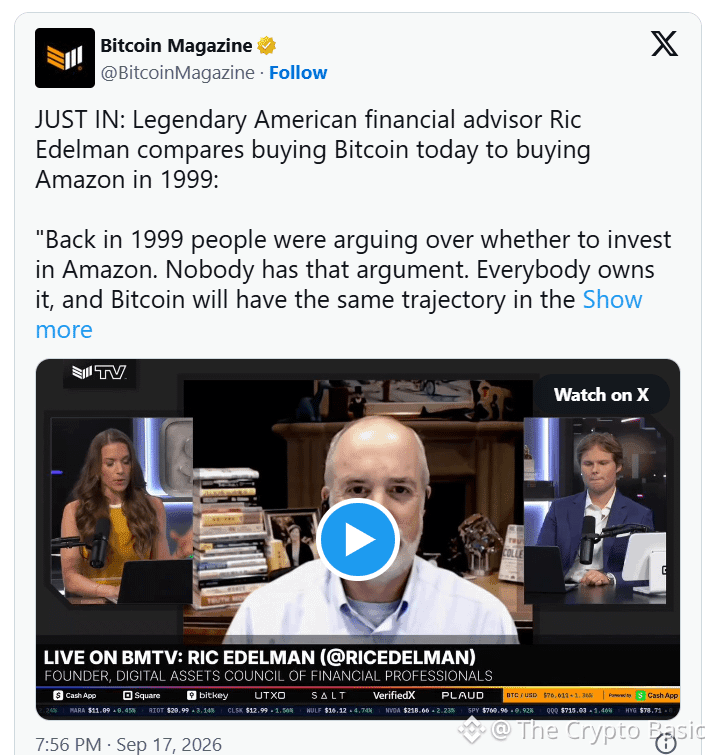
Veteran na tagapayo sa pananalapi mula sa Amerika na si Ric Edelman ay gumawa ng kapansin-pansing paghahambing sa kasalukuyang yugto ng pag-aampon ng Bitcoin at sa Amazon noong mga unang araw ng internet boom. Sa isang panayam noong Setyembre 17 sa Bitcoin Magazine TV, sinabi ni Edelman na inaasahan niyang magiging mas malawak ang paghawak sa Bitcoin sa paglipas ng panahon at inulit niya ang kanyang hula na $500,000 BTC pagsapit ng 2030.
Ginuhit ni Edelman ang Pagkakatulad ng Bitcoin at Amazon
Tinukoy ni Edelman ang pagdududa hinggil sa Amazon noong 1999, noong ang mga investor ay pinagtatalunan pa kung ang umuusbong na internet company ay dapat nasa kanilang mga portfolio. Ang punto niya ay ang Bitcoin ay dumadaan sa maihahambing na panahong lumalawak ang pag-aampon, ngunit nananatili pa rin itong malayo sa pagiging pangkalahatan.
#Crypto
Veteran na tagapayo sa pananalapi mula sa Amerika na si Ric Edelman ay gumawa ng kapansin-pansing paghahambing sa kasalukuyang yugto ng pag-aampon ng Bitcoin at sa Amazon noong mga unang araw ng internet boom. Sa isang panayam noong Setyembre 17 sa Bitcoin Magazine TV, sinabi ni Edelman na inaasahan niyang magiging mas malawak ang paghawak sa Bitcoin sa paglipas ng panahon at inulit niya ang kanyang hula na $500,000 BTC pagsapit ng 2030.
Ginuhit ni Edelman ang Pagkakatulad ng Bitcoin at Amazon
Tinukoy ni Edelman ang pagdududa hinggil sa Amazon noong 1999, noong ang mga investor ay pinagtatalunan pa kung ang umuusbong na internet company ay dapat nasa kanilang mga portfolio. Ang punto niya ay ang Bitcoin ay dumadaan sa maihahambing na panahong lumalawak ang pag-aampon, ngunit nananatili pa rin itong malayo sa pagiging pangkalahatan.
#Crypto
Ginuhit ni Edelman ang Pagkakatulad ng Bitcoin at Amazon
Tinukoy ni Edelman ang pagdududa hinggil sa Amazon noong 1999, noong ang mga investor ay pinagtatalunan pa kung ang umuusbong na internet company ay dapat nasa kanilang mga portfolio. Ang punto niya ay ang Bitcoin ay dumadaan sa maihahambing na panahong lumalawak ang pag-aampon, ngunit nananatili pa rin itong malayo sa pagiging pangkalahatan.
#Crypto
222
ຢືນຢັນແລ້ວ
ບົດຄວາມ
"Isikhulu seShiba Inu Insider Sithi i-SHIB Isele Ithwele Isikhathi se-Spot ETF Ehloselwe Yona"IShiba Eternity Advisor uMazrael uthi #Shiba I</t-37/>nuenze intuthuko enkulu ekutholeni ukufinyelela okubanzi emikhiqizweni elawulwayo ethengiswa ngokushintshaniswa.
UMazrael wenza lawo mazwi ngesikhathi ephendula ilungu lomphakathi weShiba Inu efuna isibuyekezo mayelana nokwenzeka kwe-U.S. SHIB ETF.
Ngokuphendula, uMazrael wavuma ukuthi iShiba Inu isakwelokhu ingenayo i-U.S. spot ETF ehloselwe yona. Noma kunjalo, waveza intuthuko ebonwe emazweni ahlukene e-United States, Europe, Japan, naseCanada njengobufakazi bokuthi i-SHIB kancane kancane isondela kuleyo mpumelelo.
"Isikhulu seShiba Inu Insider Sithi i-SHIB Isele Ithwele Isikhathi se-Spot ETF Ehloselwe Yona"
IShiba Eternity Advisor uMazrael uthi #Shiba I</t-37/>nuenze intuthuko enkulu ekutholeni ukufinyelela okubanzi emikhiqizweni elawulwayo ethengiswa ngokushintshaniswa.
UMazrael wenza lawo mazwi ngesikhathi ephendula ilungu lomphakathi weShiba Inu efuna isibuyekezo mayelana nokwenzeka kwe-U.S. SHIB ETF.
Ngokuphendula, uMazrael wavuma ukuthi iShiba Inu isakwelokhu ingenayo i-U.S. spot ETF ehloselwe yona. Noma kunjalo, waveza intuthuko ebonwe emazweni ahlukene e-United States, Europe, Japan, naseCanada njengobufakazi bokuthi i-SHIB kancane kancane isondela kuleyo mpumelelo.
UMazrael wenza lawo mazwi ngesikhathi ephendula ilungu lomphakathi weShiba Inu efuna isibuyekezo mayelana nokwenzeka kwe-U.S. SHIB ETF.
Ngokuphendula, uMazrael wavuma ukuthi iShiba Inu isakwelokhu ingenayo i-U.S. spot ETF ehloselwe yona. Noma kunjalo, waveza intuthuko ebonwe emazweni ahlukene e-United States, Europe, Japan, naseCanada njengobufakazi bokuthi i-SHIB kancane kancane isondela kuleyo mpumelelo.
3
495
ບົດຄວາມ
"Người sáng lập Cardano nêu bật giải pháp cốt lõi trước mối đe dọa AI đang gia tăng"#Cardano founder Charles Hoskinson đã phản hồi trước thông tin bị đánh cắp 4.000 Bitcoin từ ví liên đoàn (federation wallet) của Liquid Network.
Liquid xác nhận sự việc trong một bài đăng trên X vào hôm qua, cho biết tin tặc đã rút khoảng 4.000 Bitcoin trị giá 320 triệu USD từ ví liên đoàn. Theo mạng lưới, các đối tượng tấn công đã chuyển tiền thông qua dịch vụ SideSwap Peg-out Authorization Key (PAK).
Tuy nhiên, Liquid và SideSwap đều cho biết bản thân PAK không bị xâm phạm. Thay vào đó, SideSwap nói rằng L-BTC tham gia vào giao dịch có nguồn gốc từ một lỗ hổng trong Elements, phần mềm dẫn xuất từ Bitcoin giúp vận hành sidechain Liquid.
"Người sáng lập Cardano nêu bật giải pháp cốt lõi trước mối đe dọa AI đang gia tăng"
#Cardano founder Charles Hoskinson đã phản hồi trước thông tin bị đánh cắp 4.000 Bitcoin từ ví liên đoàn (federation wallet) của Liquid Network.
Liquid xác nhận sự việc trong một bài đăng trên X vào hôm qua, cho biết tin tặc đã rút khoảng 4.000 Bitcoin trị giá 320 triệu USD từ ví liên đoàn. Theo mạng lưới, các đối tượng tấn công đã chuyển tiền thông qua dịch vụ SideSwap Peg-out Authorization Key (PAK).
Tuy nhiên, Liquid và SideSwap đều cho biết bản thân PAK không bị xâm phạm. Thay vào đó, SideSwap nói rằng L-BTC tham gia vào giao dịch có nguồn gốc từ một lỗ hổng trong Elements, phần mềm dẫn xuất từ Bitcoin giúp vận hành sidechain Liquid.
Liquid xác nhận sự việc trong một bài đăng trên X vào hôm qua, cho biết tin tặc đã rút khoảng 4.000 Bitcoin trị giá 320 triệu USD từ ví liên đoàn. Theo mạng lưới, các đối tượng tấn công đã chuyển tiền thông qua dịch vụ SideSwap Peg-out Authorization Key (PAK).
Tuy nhiên, Liquid và SideSwap đều cho biết bản thân PAK không bị xâm phạm. Thay vào đó, SideSwap nói rằng L-BTC tham gia vào giao dịch có nguồn gốc từ một lỗ hổng trong Elements, phần mềm dẫn xuất từ Bitcoin giúp vận hành sidechain Liquid.
408
ບົດຄວາມ
"U-XRP Ugcina I-Bullish BoS njengoba Izinga Lamanani Liphindela Ku-$1.48"#XRP ibuyile isuka ku-$1.69 high eyafinyelelwa ngesikhathi sokuvuka kwayo ngo-Aug, kodwa i-4-hour chart yayo isabonisa i-bullish Break of Structure (BoS).
Okubalulekile wukuthi, u-XRP wakhuphuka ngo-71.8% ukusuka ku-$0.988 kuya ku-$1.698 ngo-Aug ngaphambi kokuba kuqale lokhu ukuhlehla kwamanje. Ukwehla sekususe cishe u-20% we-August high, njengoba intengo manje ihweba iseduze nje nangaphezulu kwe-EMA21 ku-$1.4020.
Kwanele leli kungasiza ukunquma ukuthi ukuhlehla kuhlala kungaphezu komkhawulo noma kuguquke kube ukwehla okujulile.
U-XRP Ugcina I-Bullish BoS
Ishadi le-4-hour libonisa ukuthi u-XRP wakha i-bullish BoS emigqeni engu-23 edlule ngemva kokuphula phezulu kuka-$1.4335. Lokhu kunikeze abathengi ukulawula indlela yesikhathi esifushane, kodwa ukwehla kwakamuva kubuyisele intengo ku-EMA21 ku-$1.4020. I-EMA55 ku-$1.3884 manje isiletha elinye izinga lokusekelwa ngaphansi kwe-EMA21.
"U-XRP Ugcina I-Bullish BoS njengoba Izinga Lamanani Liphindela Ku-$1.48"
#XRP ibuyile isuka ku-$1.69 high eyafinyelelwa ngesikhathi sokuvuka kwayo ngo-Aug, kodwa i-4-hour chart yayo isabonisa i-bullish Break of Structure (BoS).
Okubalulekile wukuthi, u-XRP wakhuphuka ngo-71.8% ukusuka ku-$0.988 kuya ku-$1.698 ngo-Aug ngaphambi kokuba kuqale lokhu ukuhlehla kwamanje. Ukwehla sekususe cishe u-20% we-August high, njengoba intengo manje ihweba iseduze nje nangaphezulu kwe-EMA21 ku-$1.4020.
Kwanele leli kungasiza ukunquma ukuthi ukuhlehla kuhlala kungaphezu komkhawulo noma kuguquke kube ukwehla okujulile.
U-XRP Ugcina I-Bullish BoS
Ishadi le-4-hour libonisa ukuthi u-XRP wakha i-bullish BoS emigqeni engu-23 edlule ngemva kokuphula phezulu kuka-$1.4335. Lokhu kunikeze abathengi ukulawula indlela yesikhathi esifushane, kodwa ukwehla kwakamuva kubuyisele intengo ku-EMA21 ku-$1.4020. I-EMA55 ku-$1.3884 manje isiletha elinye izinga lokusekelwa ngaphansi kwe-EMA21.
Okubalulekile wukuthi, u-XRP wakhuphuka ngo-71.8% ukusuka ku-$0.988 kuya ku-$1.698 ngo-Aug ngaphambi kokuba kuqale lokhu ukuhlehla kwamanje. Ukwehla sekususe cishe u-20% we-August high, njengoba intengo manje ihweba iseduze nje nangaphezulu kwe-EMA21 ku-$1.4020.
Kwanele leli kungasiza ukunquma ukuthi ukuhlehla kuhlala kungaphezu komkhawulo noma kuguquke kube ukwehla okujulile.
U-XRP Ugcina I-Bullish BoS
Ishadi le-4-hour libonisa ukuthi u-XRP wakha i-bullish BoS emigqeni engu-23 edlule ngemva kokuphula phezulu kuka-$1.4335. Lokhu kunikeze abathengi ukulawula indlela yesikhathi esifushane, kodwa ukwehla kwakamuva kubuyisele intengo ku-EMA21 ku-$1.4020. I-EMA55 ku-$1.3884 manje isiletha elinye izinga lokusekelwa ngaphansi kwe-EMA21.
1
2
433
Awọn ETF (spot) paṣipaarọ-pipin-inu ti #Bitcoin AMẸRIKA fa $986.9 million wọle nẹti ni ọsẹ to kọja, soke lati $924.5 million ni ọsẹ iṣaaju. Eyi samisi ọsẹ kẹta tẹpẹlẹ ti awọn ṣiṣan rere.
Gẹ́gẹ́ bí data SoSoValue ṣe sọ, BlackRock’s IBIT ṣe akọọlẹ fun $691.5 million ninu wọle ti ọsẹ ti o pari ni Oṣu Kẹsan ọjọ 4. Awọn ipin tesiwaju wọnyi wa pẹ̀lú iṣẹ́ ìṣòwò tí ó dínkù, níbi tí iwọn didun ọ̀sẹ̀ kọja awọn owó Bitcoin ti ṣubu si $14.5 bilionu láti fẹrẹ to $19 bilionu.
Awọn iye tuntun naa fa ìgbésẹ̀ si lati August, nígbà tí awọn ETF spot Bitcoin fa $3.52 bilionu wọle nẹti, ifihan oṣù to lagbara wọn lati oṣù Kẹsan 2025.
Dominick John, onínọmbà kan ní Zeus Research, sọ pé awọn wọle ti ń bá a lọ tọ́ka sí bí inọnwo ilé-iṣẹ́ ti ń tún kọ́ ìfarahan si Bitcoin laiyara, tí o sì ń yọrí si ibeere spot gidi ju ibeere ti o da lori ìṣòwò ìfarapa (leveraged speculation).
Olùgbéga Presto Research Min Jung tún sọ bẹ́ẹ̀, ó sọ pé àwọn sisan wọ̀nyí jẹ́ nitori ìbéèrè ilé-iṣẹ́ tí ó tún bẹ̀rẹ̀, níbi tí crypto dà bí ẹni pé ó ń ṣe ìtẹ̀síwájú (catch-up trade) lẹ́yìn tí ó ti ń ṣàdúró lẹ́yìn àwọn ohun-ini ewu mìíràn.
#CryptoNewss
Awọn ETF (spot) paṣipaarọ-pipin-inu ti #Bitcoin AMẸRIKA fa $986.9 million wọle nẹti ni ọsẹ to kọja, soke lati $924.5 million ni ọsẹ iṣaaju. Eyi samisi ọsẹ kẹta tẹpẹlẹ ti awọn ṣiṣan rere.
Gẹ́gẹ́ bí data SoSoValue ṣe sọ, BlackRock’s IBIT ṣe akọọlẹ fun $691.5 million ninu wọle ti ọsẹ ti o pari ni Oṣu Kẹsan ọjọ 4. Awọn ipin tesiwaju wọnyi wa pẹ̀lú iṣẹ́ ìṣòwò tí ó dínkù, níbi tí iwọn didun ọ̀sẹ̀ kọja awọn owó Bitcoin ti ṣubu si $14.5 bilionu láti fẹrẹ to $19 bilionu.
Awọn iye tuntun naa fa ìgbésẹ̀ si lati August, nígbà tí awọn ETF spot Bitcoin fa $3.52 bilionu wọle nẹti, ifihan oṣù to lagbara wọn lati oṣù Kẹsan 2025.
Dominick John, onínọmbà kan ní Zeus Research, sọ pé awọn wọle ti ń bá a lọ tọ́ka sí bí inọnwo ilé-iṣẹ́ ti ń tún kọ́ ìfarahan si Bitcoin laiyara, tí o sì ń yọrí si ibeere spot gidi ju ibeere ti o da lori ìṣòwò ìfarapa (leveraged speculation).
Olùgbéga Presto Research Min Jung tún sọ bẹ́ẹ̀, ó sọ pé àwọn sisan wọ̀nyí jẹ́ nitori ìbéèrè ilé-iṣẹ́ tí ó tún bẹ̀rẹ̀, níbi tí crypto dà bí ẹni pé ó ń ṣe ìtẹ̀síwájú (catch-up trade) lẹ́yìn tí ó ti ń ṣàdúró lẹ́yìn àwọn ohun-ini ewu mìíràn.
#CryptoNewss
Gẹ́gẹ́ bí data SoSoValue ṣe sọ, BlackRock’s IBIT ṣe akọọlẹ fun $691.5 million ninu wọle ti ọsẹ ti o pari ni Oṣu Kẹsan ọjọ 4. Awọn ipin tesiwaju wọnyi wa pẹ̀lú iṣẹ́ ìṣòwò tí ó dínkù, níbi tí iwọn didun ọ̀sẹ̀ kọja awọn owó Bitcoin ti ṣubu si $14.5 bilionu láti fẹrẹ to $19 bilionu.
Awọn iye tuntun naa fa ìgbésẹ̀ si lati August, nígbà tí awọn ETF spot Bitcoin fa $3.52 bilionu wọle nẹti, ifihan oṣù to lagbara wọn lati oṣù Kẹsan 2025.
Dominick John, onínọmbà kan ní Zeus Research, sọ pé awọn wọle ti ń bá a lọ tọ́ka sí bí inọnwo ilé-iṣẹ́ ti ń tún kọ́ ìfarahan si Bitcoin laiyara, tí o sì ń yọrí si ibeere spot gidi ju ibeere ti o da lori ìṣòwò ìfarapa (leveraged speculation).
Olùgbéga Presto Research Min Jung tún sọ bẹ́ẹ̀, ó sọ pé àwọn sisan wọ̀nyí jẹ́ nitori ìbéèrè ilé-iṣẹ́ tí ó tún bẹ̀rẹ̀, níbi tí crypto dà bí ẹni pé ó ń ṣe ìtẹ̀síwájú (catch-up trade) lẹ́yìn tí ó ti ń ṣàdúró lẹ́yìn àwọn ohun-ini ewu mìíràn.
#CryptoNewss
BTC+1,05%
IBITETF+6,15%
258
ຢືນຢັນແລ້ວ
ບົດຄວາມ
"Uhulumeni wase-US Angase Athathe i-XRP Ngesikhathi Sezinkinga Zezimali: Isixwayiso Esivela Ochwepheshe"Umuntu onodumo wabezindaba waseMelika u-Alex Jones uxwayise ngokuthi izinguquko ezihlongozwayo ohlelweni lwezezimali zingase ekugcineni zinike uhulumeni amandla okulawula izimpahla eziphethwe ngabantu ngabanye, okuhlanganisa #XRP .
Ngesikhathi somsakazo wakamuva, uJones uxhume izingxoxo ezihlobene nama-ledger ezezimali agxile endaweni eyodwa, ukubhail-isiswa kwamabhange, kanye nokuhlelwa kokusetshenziswa kwemali yokonga yasemakhaya ekukhathazekeni okukhulu ngokungenelela kukahulumeni emcebweni wabantu ngabanye. Uthe iziphathimandla zingase ekugcineni zithuthukise izindlela zokulawula izimpahla zezakhamuzi ngesikhathi senkinga enkulu yezimali.
"Uhulumeni wase-US Angase Athathe i-XRP Ngesikhathi Sezinkinga Zezimali: Isixwayiso Esivela Ochwepheshe"
Umuntu onodumo wabezindaba waseMelika u-Alex Jones uxwayise ngokuthi izinguquko ezihlongozwayo ohlelweni lwezezimali zingase ekugcineni zinike uhulumeni amandla okulawula izimpahla eziphethwe ngabantu ngabanye, okuhlanganisa #XRP .
Ngesikhathi somsakazo wakamuva, uJones uxhume izingxoxo ezihlobene nama-ledger ezezimali agxile endaweni eyodwa, ukubhail-isiswa kwamabhange, kanye nokuhlelwa kokusetshenziswa kwemali yokonga yasemakhaya ekukhathazekeni okukhulu ngokungenelela kukahulumeni emcebweni wabantu ngabanye. Uthe iziphathimandla zingase ekugcineni zithuthukise izindlela zokulawula izimpahla zezakhamuzi ngesikhathi senkinga enkulu yezimali.
Ngesikhathi somsakazo wakamuva, uJones uxhume izingxoxo ezihlobene nama-ledger ezezimali agxile endaweni eyodwa, ukubhail-isiswa kwamabhange, kanye nokuhlelwa kokusetshenziswa kwemali yokonga yasemakhaya ekukhathazekeni okukhulu ngokungenelela kukahulumeni emcebweni wabantu ngabanye. Uthe iziphathimandla zingase ekugcineni zithuthukise izindlela zokulawula izimpahla zezakhamuzi ngesikhathi senkinga enkulu yezimali.
1
228
Lelani ixabiso lama-stablecoins kunye nee-asethi ezitokenized kwi-#XRP
Ledger (XRPL) likhule malunga namaxesha angama-43 kwiminyaka nje emithandathu
kwiindawo ezinekota.
Ngokutsho kuka-Evernorth, ixabiso eliphakathi lale asethi linyuke ukusuka kwi-$99 yezigidi kwi-Q1 2025 ukuya kwi-$4.26 yezigidigidi kwi-Q2 2026. Ixabiso liye landa kuyo yonke ikota, ngaphandle kokuhla.
Idatha ye-Q2 2026 yaba yeyona iphezulu yakhe yarekhodwa, ebonisa ukuba i-XRP Ledger iyalawula kwaye iyahlula iiasethi ezinkulu zemali.
Ii-asethi ezitokenized ibe sesona sizathu sokukhula okukhawulezayo kwe-XRPL. Ngokwengxelo, ii-asethi ezitokenized kwi-XRPL zazixabisa umndilili we-$3.72 yezigidigidi kwi-Q2 2026, zinyuke ngaphezulu kwe-3,000% kunyaka ongaphambili.
I-RLUSD, i-stablecoin exhaswe ngeedola yi-Ripple, nayo yakhula ngokukhawuleza. Ibhalansi yayo ephakathi yafikelela kwi-$539 yezigidi kwi-Q2 2026, xa kuthelekiswa ne-$73 yezigidi kunyaka odlulileyo — ukunyuka kwe-642%.
Ibhalansi ye-RLUSD iye yanda kuyo yonke ikota ngexesha lezikota ezintandathu. Umlinganiselo wayo kwindlela yonikezelo lwe-stablecoin kwi-XRPL nawo wanyuka ukusuka kwi-20% ukuya kwi-34%. Isixa semali esihanjiswe nge-RLUSD naso sonyuke nge-925% xa kuthelekiswa nonyaka ongaphambili, ngokuka-Evernorth.
#Crypto
Lelani ixabiso lama-stablecoins kunye nee-asethi ezitokenized kwi-#XRP
Ledger (XRPL) likhule malunga namaxesha angama-43 kwiminyaka nje emithandathu
kwiindawo ezinekota.
Ngokutsho kuka-Evernorth, ixabiso eliphakathi lale asethi linyuke ukusuka kwi-$99 yezigidi kwi-Q1 2025 ukuya kwi-$4.26 yezigidigidi kwi-Q2 2026. Ixabiso liye landa kuyo yonke ikota, ngaphandle kokuhla.
Idatha ye-Q2 2026 yaba yeyona iphezulu yakhe yarekhodwa, ebonisa ukuba i-XRP Ledger iyalawula kwaye iyahlula iiasethi ezinkulu zemali.
Ii-asethi ezitokenized ibe sesona sizathu sokukhula okukhawulezayo kwe-XRPL. Ngokwengxelo, ii-asethi ezitokenized kwi-XRPL zazixabisa umndilili we-$3.72 yezigidigidi kwi-Q2 2026, zinyuke ngaphezulu kwe-3,000% kunyaka ongaphambili.
I-RLUSD, i-stablecoin exhaswe ngeedola yi-Ripple, nayo yakhula ngokukhawuleza. Ibhalansi yayo ephakathi yafikelela kwi-$539 yezigidi kwi-Q2 2026, xa kuthelekiswa ne-$73 yezigidi kunyaka odlulileyo — ukunyuka kwe-642%.
Ibhalansi ye-RLUSD iye yanda kuyo yonke ikota ngexesha lezikota ezintandathu. Umlinganiselo wayo kwindlela yonikezelo lwe-stablecoin kwi-XRPL nawo wanyuka ukusuka kwi-20% ukuya kwi-34%. Isixa semali esihanjiswe nge-RLUSD naso sonyuke nge-925% xa kuthelekiswa nonyaka ongaphambili, ngokuka-Evernorth.
#Crypto
Ledger (XRPL) likhule malunga namaxesha angama-43 kwiminyaka nje emithandathu
kwiindawo ezinekota.
Ngokutsho kuka-Evernorth, ixabiso eliphakathi lale asethi linyuke ukusuka kwi-$99 yezigidi kwi-Q1 2025 ukuya kwi-$4.26 yezigidigidi kwi-Q2 2026. Ixabiso liye landa kuyo yonke ikota, ngaphandle kokuhla.
Idatha ye-Q2 2026 yaba yeyona iphezulu yakhe yarekhodwa, ebonisa ukuba i-XRP Ledger iyalawula kwaye iyahlula iiasethi ezinkulu zemali.
Ii-asethi ezitokenized ibe sesona sizathu sokukhula okukhawulezayo kwe-XRPL. Ngokwengxelo, ii-asethi ezitokenized kwi-XRPL zazixabisa umndilili we-$3.72 yezigidigidi kwi-Q2 2026, zinyuke ngaphezulu kwe-3,000% kunyaka ongaphambili.
I-RLUSD, i-stablecoin exhaswe ngeedola yi-Ripple, nayo yakhula ngokukhawuleza. Ibhalansi yayo ephakathi yafikelela kwi-$539 yezigidi kwi-Q2 2026, xa kuthelekiswa ne-$73 yezigidi kunyaka odlulileyo — ukunyuka kwe-642%.
Ibhalansi ye-RLUSD iye yanda kuyo yonke ikota ngexesha lezikota ezintandathu. Umlinganiselo wayo kwindlela yonikezelo lwe-stablecoin kwi-XRPL nawo wanyuka ukusuka kwi-20% ukuya kwi-34%. Isixa semali esihanjiswe nge-RLUSD naso sonyuke nge-925% xa kuthelekiswa nonyaka ongaphambili, ngokuka-Evernorth.
#Crypto
336
ເຂົ້າສູ່ລະບົບເພື່ອສຳຫຼວດເນື້ອຫາເພີ່ມເຕີມ
ເຂົ້າຮ່ວມກຸ່ມຜູ້ໃຊ້ຄຣິບໂຕທົ່ວໂລກໃນ Binance Square.
⚡️ ໄດ້ຮັບຂໍ້ມູນຫຼ້າສຸດ ແລະ ທີ່ມີປະໂຫຍດກ່ຽວກັບຄຣິບໂຕ.
💬 ໄດ້ຮັບຄວາມໄວ້ວາງໃຈຈາກຕະຫຼາດແລກປ່ຽນຄຣິບໂຕທີ່ໃຫຍ່ທີ່ສຸດໃນໂລກ.
👍 ຄົ້ນຫາຂໍ້ມູນເຊີງເລິກທີ່ແທ້ຈາກນັກສ້າງທີ່ໄດ້ຮັບການຢືນຢັນ.
ອີເມວ / ເບີໂທລະສັບ
ຫົວຂໍ້ທີ່ກໍາລັງນິຍົມ
BOJRaisesRatesTo31YearHigh
6,781 views
285 ກຳລັງສົນທະນາ
I-Bitcoin Ibuyisa Ukukhanya Njengoba Ingcindezi Yama-Macro Yehluleka Ukubuthakathaka Isidingo Se-Crypto
Fatima_Tariq
·5 ຖືກໃຈ
·2.4k views
BuffettStepsDownAsBerkshireChairman
80 views
35 ກຳລັງສົນທະນາ
XRPExchangeReservesHitSevenYearLow
1,157 views
85 ກຳລັງສົນທະນາ