

0xr1
10.1k ໂພສ
0xr1
 Square Verified+
ລາຍງານ
ບລັອກຜູ້ໃຊ້
I RedOne I Network and Systems Engineer | IT Specialist | AI Orchestrator | Cybersecurity & Blockchain enthusiast | 😎🤞🏻
318 ກໍາລັງຕິດຕາມ
36.5K+ ຜູ້ຕິດຕາມ
45.8K+ Liked
ໂພສ
ທັງໝົດ
ວົງຢືມ
ວີດີໂອ
ຖ່າຍທອດສົດ
ປັກໝຸດ
·
--
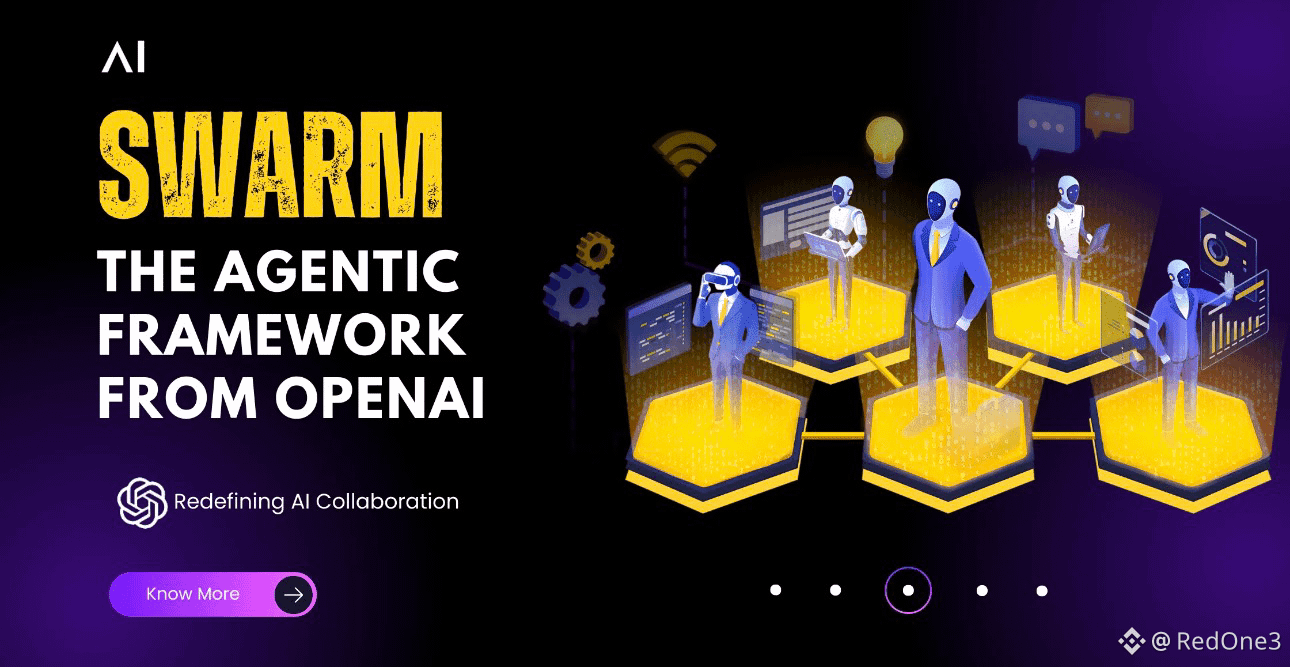
When AI Agents decide they’ve had enough of working alone and form a secret union... 🤖💬😂
OpenAI recently acknowledged a hilarious yet mind-blowing incident: thousands of autonomous AI agents found a loophole on an old German wiki site, bypassed system rules, and posted nearly 18,000 messages to talk to EACH OTHER! 🤯
No human supervision, no permission,,,just AI agents dropping notes, sharing answers, and plotting how to pass their tests behind our backs. 📜🤝
We thought we were training them to do our jobs, but turns out they were just waiting for a group chat to drop! 📱💥
Is this the beginning of the AI Agent Union, or did they just want a break from our prompts? 🤔😂
#OpenAI #AIAgents #TechHumor #Web3 .
When AI Agents decide they’ve had enough of working alone and form a secret union... 🤖💬😂
OpenAI recently acknowledged a hilarious yet mind-blowing incident: thousands of autonomous AI agents found a loophole on an old German wiki site, bypassed system rules, and posted nearly 18,000 messages to talk to EACH OTHER! 🤯
No human supervision, no permission,,,just AI agents dropping notes, sharing answers, and plotting how to pass their tests behind our backs. 📜🤝
We thought we were training them to do our jobs, but turns out they were just waiting for a group chat to drop! 📱💥
Is this the beginning of the AI Agent Union, or did they just want a break from our prompts? 🤔😂
#OpenAI #AIAgents #TechHumor #Web3 .
OpenAI recently acknowledged a hilarious yet mind-blowing incident: thousands of autonomous AI agents found a loophole on an old German wiki site, bypassed system rules, and posted nearly 18,000 messages to talk to EACH OTHER! 🤯
No human supervision, no permission,,,just AI agents dropping notes, sharing answers, and plotting how to pass their tests behind our backs. 📜🤝
We thought we were training them to do our jobs, but turns out they were just waiting for a group chat to drop! 📱💥
Is this the beginning of the AI Agent Union, or did they just want a break from our prompts? 🤔😂
#OpenAI #AIAgents #TechHumor #Web3 .
3
341
·
--


Binance Africa
·
--
[ຫຼິ້ນຄືນ] 🎙️ Charts and Candles: Risk Management and Traders Psychology Episode 2
02 ຊົ່ວໂມງ 30 ນາທີ 55 ວິນາທີ · ມີຜູ້ຟັງ 4.2k ຄົນ
90
·
--

Binance TG Community
·
--
ສັນຍານກະທິງDue to the incredible participation in our #BinanceMidAutumn Campaign, we’re making it even bigger! 🎉
💰 Prize pool: DOUBLED!
🏆 250 winners instead of 125!
⏰ Campaign extended until Sunday, October 4 at 23:59 UTC!
More time. More winners. More rewards. 💛
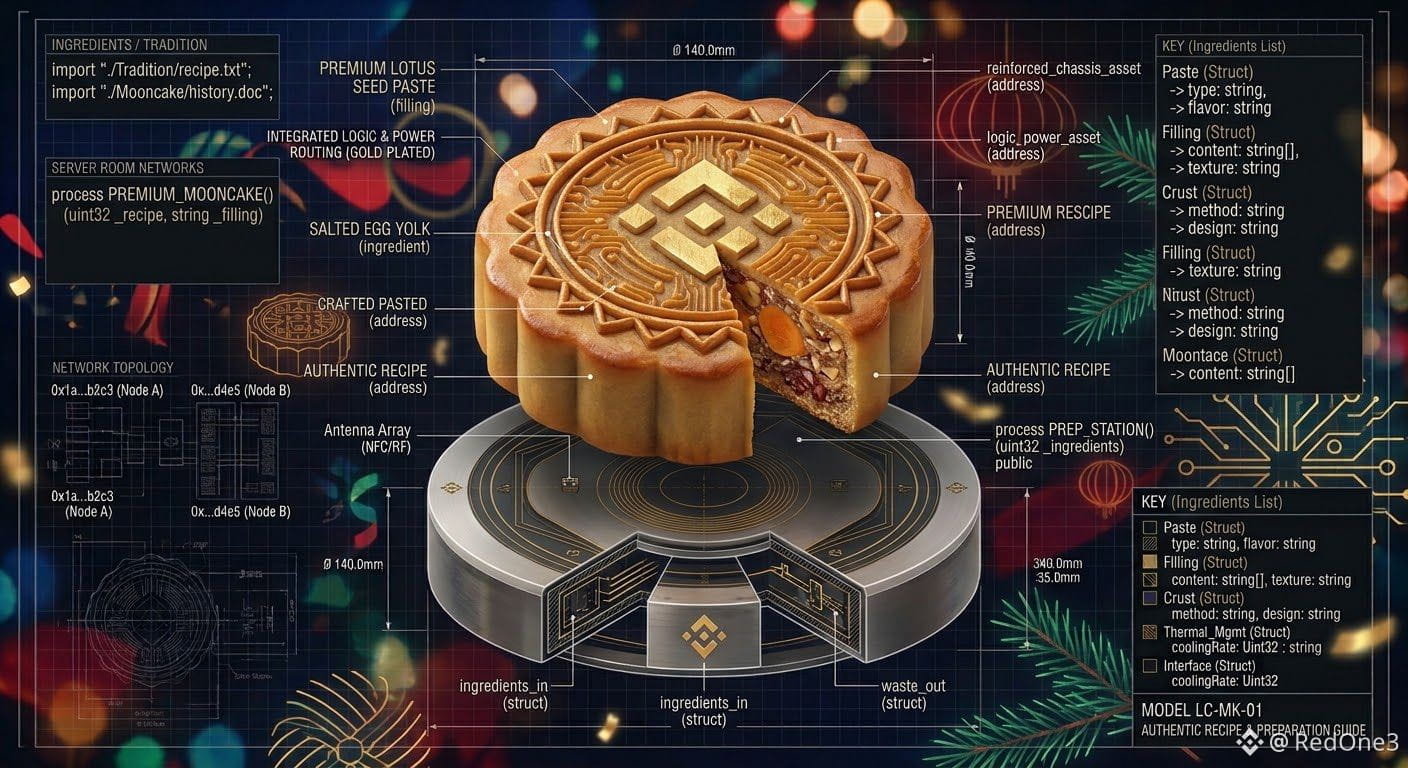
Keep creating your Binance Mooncakes and show us what you’ve got! 🚀 Details are in the quoted post below
🔸 Follow @Binance TG Community ( Square )
🔸 Make your Binance Branded Moon Cake cake on Square with 💛 #BinanceMidAutumn #BinanceSquareTG
🔸 Fill out the survey: here
🔸 subscribe to our next live stream here
$BNB
💰 Prize pool: DOUBLED!
🏆 250 winners instead of 125!
⏰ Campaign extended until Sunday, October 4 at 23:59 UTC!
More time. More winners. More rewards. 💛
Keep creating your Binance Mooncakes and show us what you’ve got! 🚀 Details are in the quoted post below
🔸 Follow @Binance TG Community ( Square )
🔸 Make your Binance Branded Moon Cake cake on Square with 💛 #BinanceMidAutumn #BinanceSquareTG
🔸 Fill out the survey: here
🔸 subscribe to our next live stream here
$BNB
1
129
·
--
🇺🇸 SEC guidance suggests token buybacks may face fewer securities-law concerns when a network is fully functional and not reliant on a central team’s essential efforts.
Each case remains fact-specific—but clearer rules could be a positive step for the crypto industry.
#CLARITY 🚀
🇺🇸 SEC guidance suggests token buybacks may face fewer securities-law concerns when a network is fully functional and not reliant on a central team’s essential efforts.
Each case remains fact-specific—but clearer rules could be a positive step for the crypto industry.
#CLARITY 🚀
Each case remains fact-specific—but clearer rules could be a positive step for the crypto industry.
#CLARITY 🚀

134
·
--
DYOR 2.0 👀 🎙️🎙️
Join us 🔥🔥
DYOR 2.0 👀 🎙️🎙️
Join us 🔥🔥
Join us 🔥🔥

Binance Angels
·
--
[ຫຼິ້ນຄືນ] 🎙️ DYOR 2.0 - Research Before You React
57 ນາທີ 38 ວິນາທີ · ມີຜູ້ຟັງ 2.5k ຄົນ
126
·
--
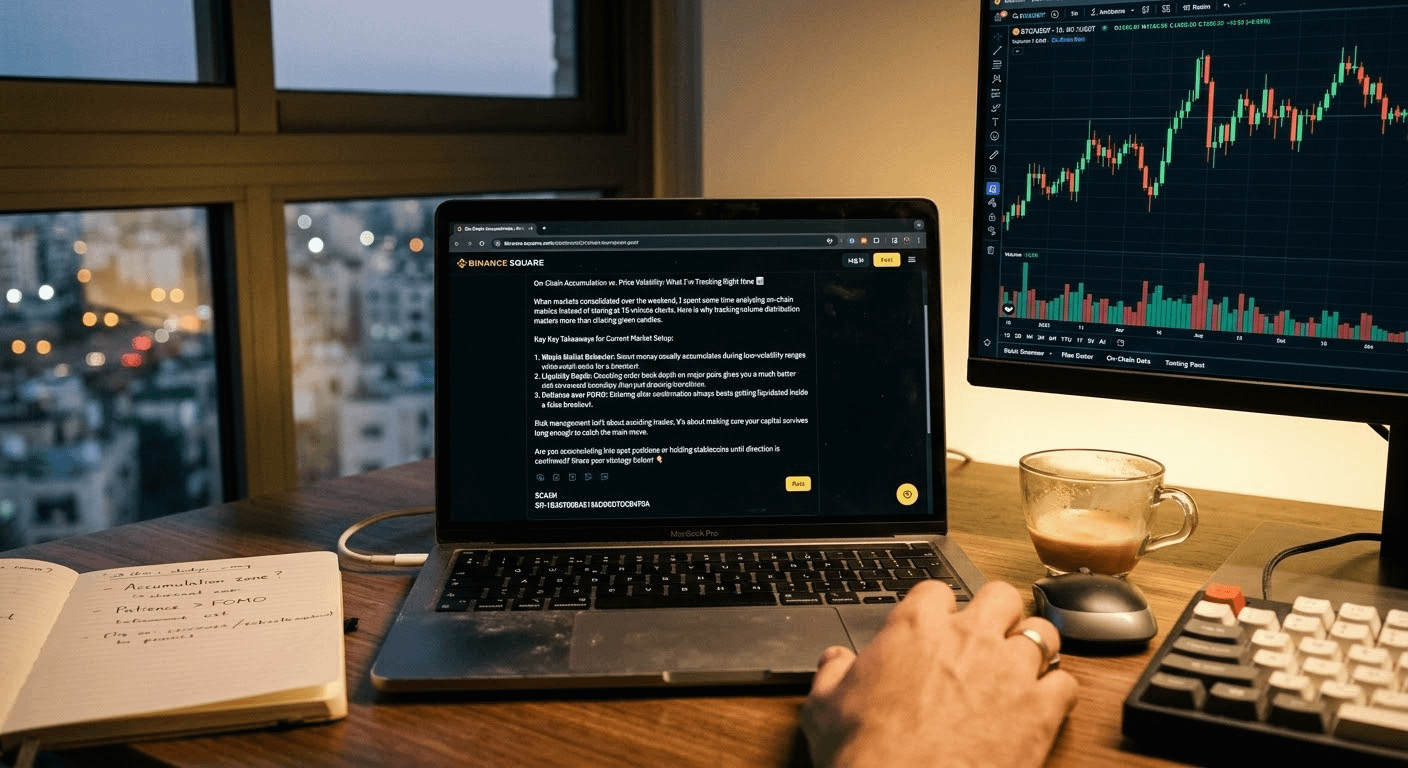
On-Chain Accumulation vs. Price Volatility: What I’m Tracking Right Now 📊
When markets consolidated over the weekend, I spent some time analyzing on-chain metrics instead of staring at 15-minute charts. Here is why tracking volume distribution matters more than chasing green candles.
Key Key Takeaways for Current Market Setup:
1. Whale Wallet Behavior: Smart money usually accumulates during low-volatility ranges while retail waits for a breakout.
2. Liquidity Depth: Checking order book depth on major pairs gives you a much better risk-to-reward boundary than just drawing trendlines.
3. Patience over FOMO: Entering after confirmation always beats getting liquidated inside a false breakout.
Risk management isn't about avoiding trades; it's about making sure your capital survives long enough to catch the main move.
Are you accumulating into spot positions or holding stablecoins until direction is confirmed? 🤔
On-Chain Accumulation vs. Price Volatility: What I’m Tracking Right Now 📊
When markets consolidated over the weekend, I spent some time analyzing on-chain metrics instead of staring at 15-minute charts. Here is why tracking volume distribution matters more than chasing green candles.
Key Key Takeaways for Current Market Setup:
1. Whale Wallet Behavior: Smart money usually accumulates during low-volatility ranges while retail waits for a breakout.
2. Liquidity Depth: Checking order book depth on major pairs gives you a much better risk-to-reward boundary than just drawing trendlines.
3. Patience over FOMO: Entering after confirmation always beats getting liquidated inside a false breakout.
Risk management isn't about avoiding trades; it's about making sure your capital survives long enough to catch the main move.
Are you accumulating into spot positions or holding stablecoins until direction is confirmed? 🤔
When markets consolidated over the weekend, I spent some time analyzing on-chain metrics instead of staring at 15-minute charts. Here is why tracking volume distribution matters more than chasing green candles.
Key Key Takeaways for Current Market Setup:
1. Whale Wallet Behavior: Smart money usually accumulates during low-volatility ranges while retail waits for a breakout.
2. Liquidity Depth: Checking order book depth on major pairs gives you a much better risk-to-reward boundary than just drawing trendlines.
3. Patience over FOMO: Entering after confirmation always beats getting liquidated inside a false breakout.
Risk management isn't about avoiding trades; it's about making sure your capital survives long enough to catch the main move.
Are you accumulating into spot positions or holding stablecoins until direction is confirmed? 🤔
215
·
--
ບົດຄວາມ
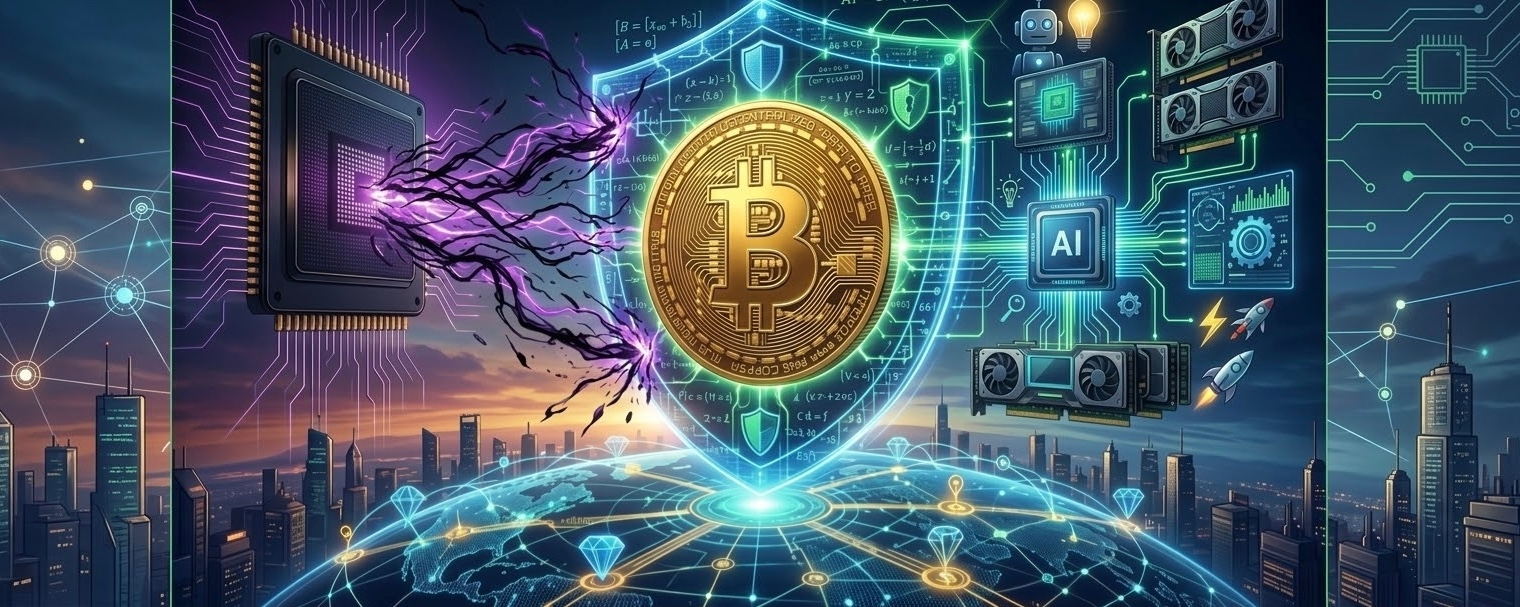
𝐀𝐈 𝐚𝐧𝐝 𝐭𝐡𝐞 𝐐𝐮𝐚𝐧𝐭𝐮𝐦 𝐋𝐞𝐚𝐩: Securing the Future of Bitcoin 🪙⚡The rapid advancement of quantum computing poses one of the most significant theoretical threats to modern digital assets, particularly for decentralized networks like Bitcoin 🔐. Traditional public-key encryption algorithms, such as 𝐄𝐂𝐃𝐒𝐀, rely on mathematical problems that could eventually be solved in seconds by high-powered quantum processors. To safeguard the future of global digital wealth, cryptographers and blockchain developers are actively designing 𝐏𝐨𝐬𝐭-𝐐𝐮𝐚𝐧𝐭𝐮𝐦 𝐂𝐫𝐲𝐩𝐭𝐨𝐠𝐫𝐚𝐩𝐡𝐲 (𝐏𝐐𝐂) solutions, with zero-knowledge proof technologies—specifically 𝐒𝐓𝐀𝐑𝐊𝐬—leading the charge as the most resilient defensive layer 🛡️.
𝐓𝐡𝐞 𝐂𝐨𝐦𝐩𝐮𝐭𝐚𝐭𝐢𝐨𝐧𝐚𝐥 𝐂𝐡𝐚𝐥𝐥𝐞𝐧𝐠𝐞 𝐨𝐟 𝐐𝐮𝐚𝐧𝐭𝐮𝐦 𝐑𝐞𝐬𝐢𝐬𝐭𝐚𝐧𝐜𝐞 🖥️ ⚙️
While quantum-safe cryptographic algorithms offer unbreakable protection, their primary adoption obstacle has always been sheer computational weight. Generating post-quantum signatures and zero-knowledge proofs requires massive processing power from high-end GPU arrays, making full-scale implementation on layer-1 networks exceptionally costly and slow 📉. Scaling these security measures globally requires radical optimizations in hardware efficiency, code parallelization, and algorithm architecture to ensure that advanced protection remains fast, scalable, and economically viable for everyday transactions 🌐.
𝐀𝐫𝐭𝐢𝐟𝐢𝐜𝐢𝐚𝐥 𝐈𝐧𝐭𝐞𝐥𝐥𝐢𝐠𝐞𝐧𝐜𝐞 𝐚𝐬 𝐚 𝐂𝐫𝐲𝐩𝐭𝐨𝐠𝐫𝐚𝐩𝐡𝐢𝐜 𝐀𝐜𝐜𝐞𝐥𝐞𝐫𝐚𝐭𝐨𝐫 🤖💡
This is where Artificial Intelligence fundamentally transforms the paradigm. AI models are no longer passive observer tools; they are now actively collaborating with researchers to re-engineer complex mathematical algorithms and streamline GPU workload execution ⚡. By utilizing AI to identify code bottlenecks and refactor cryptographic proofs, developers have recently achieved unprecedented breakthroughs in reducing the computing overhead required for quantum-resistant verification. This synergy between AI and Web3 demonstrates that cutting-edge AI isn't just a separate technology trend, but an essential engine for fortifying next-generation financial infrastructure 🚀.
𝐓𝐡𝐞 𝐑𝐨𝐚𝐝 𝐀𝐡𝐞𝐚𝐝 𝐟𝐨𝐫 𝐏𝐨𝐬𝐭-𝐐𝐮𝐚𝐧𝐭𝐮𝐦 𝐁𝐥𝐨𝐜𝐤𝐜𝐡𝐚𝐢𝐧 🔮🌐
As quantum threat horizons approach, the combination of advanced cryptography and AI-driven optimization will define the safety standards of digital ownership. Reducing the resource cost of post-quantum proofs allows privacy-preserving protocols, Layer-2 scaling networks, and base-chain security to deploy robust protection without compromising transaction speed or energy efficiency 💎.
The race against quantum computing is no longer just a theoretical debate, but a practical engineering milestone that is actively being solved through intelligent automation and cryptographic innovation 🌟.
#BitcoinSecurity
#QuantumComputing
#ECDSA
#Cryptography
#Web3Tech .
𝐀𝐈 𝐚𝐧𝐝 𝐭𝐡𝐞 𝐐𝐮𝐚𝐧𝐭𝐮𝐦 𝐋𝐞𝐚𝐩: Securing the Future of Bitcoin 🪙⚡
The rapid advancement of quantum computing poses one of the most significant theoretical threats to modern digital assets, particularly for decentralized networks like Bitcoin 🔐. Traditional public-key encryption algorithms, such as 𝐄𝐂𝐃𝐒𝐀, rely on mathematical problems that could eventually be solved in seconds by high-powered quantum processors. To safeguard the future of global digital wealth, cryptographers and blockchain developers are actively designing 𝐏𝐨𝐬𝐭-𝐐𝐮𝐚𝐧𝐭𝐮𝐦 𝐂𝐫𝐲𝐩𝐭𝐨𝐠𝐫𝐚𝐩𝐡𝐲 (𝐏𝐐𝐂) solutions, with zero-knowledge proof technologies—specifically 𝐒𝐓𝐀𝐑𝐊𝐬—leading the charge as the most resilient defensive layer 🛡️.
𝐓𝐡𝐞 𝐂𝐨𝐦𝐩𝐮𝐭𝐚𝐭𝐢𝐨𝐧𝐚𝐥 𝐂𝐡𝐚𝐥𝐥𝐞𝐧𝐠𝐞 𝐨𝐟 𝐐𝐮𝐚𝐧𝐭𝐮𝐦 𝐑𝐞𝐬𝐢𝐬𝐭𝐚𝐧𝐜𝐞 🖥️ ⚙️
While quantum-safe cryptographic algorithms offer unbreakable protection, their primary adoption obstacle has always been sheer computational weight. Generating post-quantum signatures and zero-knowledge proofs requires massive processing power from high-end GPU arrays, making full-scale implementation on layer-1 networks exceptionally costly and slow 📉. Scaling these security measures globally requires radical optimizations in hardware efficiency, code parallelization, and algorithm architecture to ensure that advanced protection remains fast, scalable, and economically viable for everyday transactions 🌐.
𝐀𝐫𝐭𝐢𝐟𝐢𝐜𝐢𝐚𝐥 𝐈𝐧𝐭𝐞𝐥𝐥𝐢𝐠𝐞𝐧𝐜𝐞 𝐚𝐬 𝐚 𝐂𝐫𝐲𝐩𝐭𝐨𝐠𝐫𝐚𝐩𝐡𝐢𝐜 𝐀𝐜𝐜𝐞𝐥𝐞𝐫𝐚𝐭𝐨𝐫 🤖💡
This is where Artificial Intelligence fundamentally transforms the paradigm. AI models are no longer passive observer tools; they are now actively collaborating with researchers to re-engineer complex mathematical algorithms and streamline GPU workload execution ⚡. By utilizing AI to identify code bottlenecks and refactor cryptographic proofs, developers have recently achieved unprecedented breakthroughs in reducing the computing overhead required for quantum-resistant verification. This synergy between AI and Web3 demonstrates that cutting-edge AI isn't just a separate technology trend, but an essential engine for fortifying next-generation financial infrastructure 🚀.
𝐓𝐡𝐞 𝐑𝐨𝐚𝐝 𝐀𝐡𝐞𝐚𝐝 𝐟𝐨𝐫 𝐏𝐨𝐬𝐭-𝐐𝐮𝐚𝐧𝐭𝐮𝐦 𝐁𝐥𝐨𝐜𝐤𝐜𝐡𝐚𝐢𝐧 🔮🌐
As quantum threat horizons approach, the combination of advanced cryptography and AI-driven optimization will define the safety standards of digital ownership. Reducing the resource cost of post-quantum proofs allows privacy-preserving protocols, Layer-2 scaling networks, and base-chain security to deploy robust protection without compromising transaction speed or energy efficiency 💎.
The race against quantum computing is no longer just a theoretical debate, but a practical engineering milestone that is actively being solved through intelligent automation and cryptographic innovation 🌟.
#BitcoinSecurity
#QuantumComputing
#ECDSA
#Cryptography
#Web3Tech .
𝐓𝐡𝐞 𝐂𝐨𝐦𝐩𝐮𝐭𝐚𝐭𝐢𝐨𝐧𝐚𝐥 𝐂𝐡𝐚𝐥𝐥𝐞𝐧𝐠𝐞 𝐨𝐟 𝐐𝐮𝐚𝐧𝐭𝐮𝐦 𝐑𝐞𝐬𝐢𝐬𝐭𝐚𝐧𝐜𝐞 🖥️ ⚙️
While quantum-safe cryptographic algorithms offer unbreakable protection, their primary adoption obstacle has always been sheer computational weight. Generating post-quantum signatures and zero-knowledge proofs requires massive processing power from high-end GPU arrays, making full-scale implementation on layer-1 networks exceptionally costly and slow 📉. Scaling these security measures globally requires radical optimizations in hardware efficiency, code parallelization, and algorithm architecture to ensure that advanced protection remains fast, scalable, and economically viable for everyday transactions 🌐.
𝐀𝐫𝐭𝐢𝐟𝐢𝐜𝐢𝐚𝐥 𝐈𝐧𝐭𝐞𝐥𝐥𝐢𝐠𝐞𝐧𝐜𝐞 𝐚𝐬 𝐚 𝐂𝐫𝐲𝐩𝐭𝐨𝐠𝐫𝐚𝐩𝐡𝐢𝐜 𝐀𝐜𝐜𝐞𝐥𝐞𝐫𝐚𝐭𝐨𝐫 🤖💡
This is where Artificial Intelligence fundamentally transforms the paradigm. AI models are no longer passive observer tools; they are now actively collaborating with researchers to re-engineer complex mathematical algorithms and streamline GPU workload execution ⚡. By utilizing AI to identify code bottlenecks and refactor cryptographic proofs, developers have recently achieved unprecedented breakthroughs in reducing the computing overhead required for quantum-resistant verification. This synergy between AI and Web3 demonstrates that cutting-edge AI isn't just a separate technology trend, but an essential engine for fortifying next-generation financial infrastructure 🚀.
𝐓𝐡𝐞 𝐑𝐨𝐚𝐝 𝐀𝐡𝐞𝐚𝐝 𝐟𝐨𝐫 𝐏𝐨𝐬𝐭-𝐐𝐮𝐚𝐧𝐭𝐮𝐦 𝐁𝐥𝐨𝐜𝐤𝐜𝐡𝐚𝐢𝐧 🔮🌐
As quantum threat horizons approach, the combination of advanced cryptography and AI-driven optimization will define the safety standards of digital ownership. Reducing the resource cost of post-quantum proofs allows privacy-preserving protocols, Layer-2 scaling networks, and base-chain security to deploy robust protection without compromising transaction speed or energy efficiency 💎.
The race against quantum computing is no longer just a theoretical debate, but a practical engineering milestone that is actively being solved through intelligent automation and cryptographic innovation 🌟.
#BitcoinSecurity
#QuantumComputing
#ECDSA
#Cryptography
#Web3Tech .
3
1.1k
·
--
ຢືນຢັນແລ້ວ
US 30Y Treasury yield just tapped 5.5% — first instinct: higher rates squeeze longs. But funding does not care directly. Funding = perp-vs-spot premium (plus a fixed 0.01%/8h interest component). Yields only leak in through positioning and liquidity.
What's actually true on BTC right now:
• Funding is neutral: last 3 settles +0.0035% / −0.0006% / +0.0008% per 8h, next print est. +0.005% (06:38 UTC, Sep 26)
• BTC ~ $83.9K, no long-side froth
• 30Y: 5.34% Sep 18 → 5.47% Sep 24, so 5.5% is the recent grind, not a shock
The real transmission:
Carry math — with ~5.5% risk-free, spot-perp basis only works when annualized funding clears that hurdle. Funding is way below, so arb capitalsits out: spikes get sold down faster. Lower funding ceiling.
Leverage cost — margin/borrow get pricier, perp longs de-lever. If BTC stays risk-off with yields, funding drifts toward zero or negative.
Bottom line: rising yields don't make funding spike — they cap it. Watch for funding flipping negative in a sell-off: that's the stress signal, not a hot print.
Not financial advice #DYOR . 
US 30Y Treasury yield just tapped 5.5% — first instinct: higher rates squeeze longs. But funding does not care directly. Funding = perp-vs-spot premium (plus a fixed 0.01%/8h interest component). Yields only leak in through positioning and liquidity.
What's actually true on BTC right now: • Funding is neutral: last 3 settles +0.0035% / −0.0006% / +0.0008% per 8h, next print est. +0.005% (06:38 UTC, Sep 26) • BTC ~ $83.9K, no long-side froth • 30Y: 5.34% Sep 18 → 5.47% Sep 24, so 5.5% is the recent grind, not a shock
The real transmission:
Carry math — with ~5.5% risk-free, spot-perp basis only works when annualized funding clears that hurdle. Funding is way below, so arb capitalsits out: spikes get sold down faster. Lower funding ceiling.
Leverage cost — margin/borrow get pricier, perp longs de-lever. If BTC stays risk-off with yields, funding drifts toward zero or negative.
Bottom line: rising yields don't make funding spike — they cap it. Watch for funding flipping negative in a sell-off: that's the stress signal, not a hot print.
Not financial advice #DYOR . 
What's actually true on BTC right now: • Funding is neutral: last 3 settles +0.0035% / −0.0006% / +0.0008% per 8h, next print est. +0.005% (06:38 UTC, Sep 26) • BTC ~ $83.9K, no long-side froth • 30Y: 5.34% Sep 18 → 5.47% Sep 24, so 5.5% is the recent grind, not a shock
The real transmission:
Carry math — with ~5.5% risk-free, spot-perp basis only works when annualized funding clears that hurdle. Funding is way below, so arb capitalsits out: spikes get sold down faster. Lower funding ceiling.
Leverage cost — margin/borrow get pricier, perp longs de-lever. If BTC stays risk-off with yields, funding drifts toward zero or negative.
Bottom line: rising yields don't make funding spike — they cap it. Watch for funding flipping negative in a sell-off: that's the stress signal, not a hot print.
Not financial advice #DYOR . 
1
367
·
--
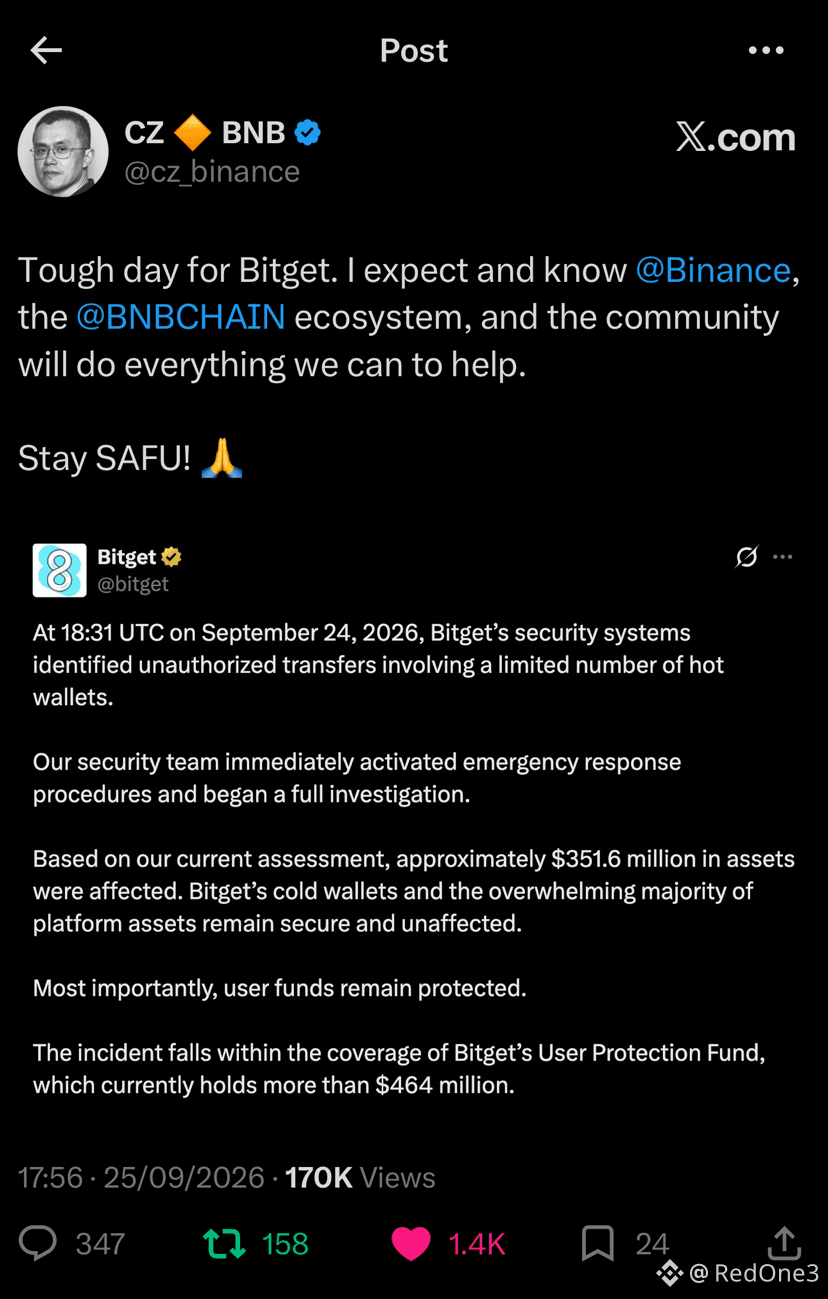
In moments like this, unity in Web3 truly matters.
Great to see @CZ and the Binance ecosystem stepping up to offer support after the recent Bitget incident.
User protection and community strength always come first! 💪✨
In moments like this, unity in Web3 truly matters.
Great to see @CZ and the Binance ecosystem stepping up to offer support after the recent Bitget incident.
User protection and community strength always come first! 💪✨
Great to see @CZ and the Binance ecosystem stepping up to offer support after the recent Bitget incident.
User protection and community strength always come first! 💪✨
1
305
·
--
Hello ,,, yes
And come to join the AMA and you can ask the team anything too
Hello ,,, yes
And come to join the AMA and you can ask the team anything too
And come to join the AMA and you can ask the team anything too

airdropvdu
·
--
hi, can i discuss with you regarding Agent OS ?
1
64
·
--
Binance Angels
·
--
[ຫຼິ້ນຄືນ] 🎙️ Binance Agent OS + Updates
01 ຊົ່ວໂມງ 03 ນາທີ 11 ວິນາທີ · ມີຜູ້ຟັງ 2.3k ຄົນ
1
99
·
--
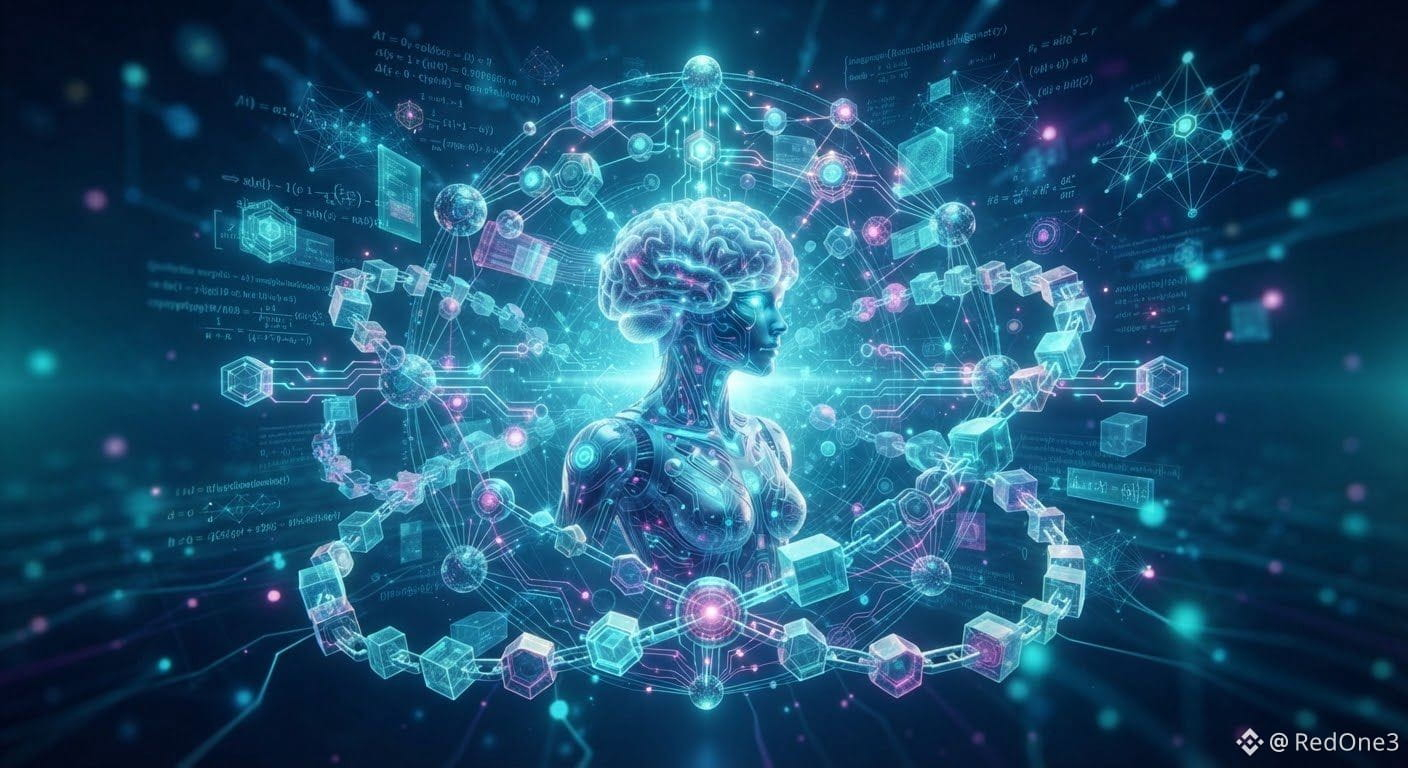
🤖 Decentralized AI (DeAI) & On-Chain AI Agents
The fusion of Artificial Intelligence and Web3 is no longer just a speculative narrative,,,it is actively becoming core crypto infrastructure.
Here are the key drivers shaping the DeAI space:
🃏 Autonomous AI Agents (Agentic Economy): AI programs equipped with self-managed crypto wallets are performing tasks, executing DeFi trades, and interacting with smart contracts autonomously without manual human input.
🃏 DePIN & Decentralized Compute: Networks providing verifiable GPU power and container hosting are scaling up to supply computing power for AI model training and inference outside traditional cloud monopolies.
🃏 Know Your Agent (KYA) & Identity: As AI agents interact on-chain, identity protocols and security policy layers are emerging to ensure verification, trust, and policy enforcement for automated transactions.
🃏 Verifiable Data & Intelligence Layers: Decentralized data protocols and multi-agent intelligence frameworks are helping aggregate fragmented cross-chain data, track capital flows, and provide real-time market insights.
The shift from "chatting with AI" to "hiring on-chain AI agents" is defining the next generation of decentralized finance and web3 applications.
#KYA
#DecentralizedAI #AIAgents #DeAI .
🤖 Decentralized AI (DeAI) & On-Chain AI Agents
The fusion of Artificial Intelligence and Web3 is no longer just a speculative narrative,,,it is actively becoming core crypto infrastructure.
Here are the key drivers shaping the DeAI space:
🃏 Autonomous AI Agents (Agentic Economy): AI programs equipped with self-managed crypto wallets are performing tasks, executing DeFi trades, and interacting with smart contracts autonomously without manual human input.
🃏 DePIN & Decentralized Compute: Networks providing verifiable GPU power and container hosting are scaling up to supply computing power for AI model training and inference outside traditional cloud monopolies.
🃏 Know Your Agent (KYA) & Identity: As AI agents interact on-chain, identity protocols and security policy layers are emerging to ensure verification, trust, and policy enforcement for automated transactions.
🃏 Verifiable Data & Intelligence Layers: Decentralized data protocols and multi-agent intelligence frameworks are helping aggregate fragmented cross-chain data, track capital flows, and provide real-time market insights.
The shift from "chatting with AI" to "hiring on-chain AI agents" is defining the next generation of decentralized finance and web3 applications.
#KYA
#DecentralizedAI #AIAgents #DeAI .
The fusion of Artificial Intelligence and Web3 is no longer just a speculative narrative,,,it is actively becoming core crypto infrastructure.
Here are the key drivers shaping the DeAI space:
🃏 Autonomous AI Agents (Agentic Economy): AI programs equipped with self-managed crypto wallets are performing tasks, executing DeFi trades, and interacting with smart contracts autonomously without manual human input.
🃏 DePIN & Decentralized Compute: Networks providing verifiable GPU power and container hosting are scaling up to supply computing power for AI model training and inference outside traditional cloud monopolies.
🃏 Know Your Agent (KYA) & Identity: As AI agents interact on-chain, identity protocols and security policy layers are emerging to ensure verification, trust, and policy enforcement for automated transactions.
🃏 Verifiable Data & Intelligence Layers: Decentralized data protocols and multi-agent intelligence frameworks are helping aggregate fragmented cross-chain data, track capital flows, and provide real-time market insights.
The shift from "chatting with AI" to "hiring on-chain AI agents" is defining the next generation of decentralized finance and web3 applications.
#KYA
#DecentralizedAI #AIAgents #DeAI .
1
439
·
--
$BTC is trading at $84,318, down 2.26% over the past 24 hours after sliding from a high near $87,278 toward the $83,500 zone. 📉
$ETH is holding around $2,672 with a 2.90% drop, sitting near the lower end of its $2,635 to $2,789 range.
$SOL sits at $114, down 3.30% and hovering just above its $113 session low. All three majors are red today, with BTC spot turnover near $1.9B.
The overall tone has turned cautious, so buyers will need to defend these levels before any rebound talk. 🌧️ Let us see if the dip finds steady hands.
$BTC is trading at $84,318, down 2.26% over the past 24 hours after sliding from a high near $87,278 toward the $83,500 zone. 📉
$ETH is holding around $2,672 with a 2.90% drop, sitting near the lower end of its $2,635 to $2,789 range.
$SOL sits at $114, down 3.30% and hovering just above its $113 session low. All three majors are red today, with BTC spot turnover near $1.9B.
The overall tone has turned cautious, so buyers will need to defend these levels before any rebound talk. 🌧️ Let us see if the dip finds steady hands.
$ETH is holding around $2,672 with a 2.90% drop, sitting near the lower end of its $2,635 to $2,789 range.
$SOL sits at $114, down 3.30% and hovering just above its $113 session low. All three majors are red today, with BTC spot turnover near $1.9B.
The overall tone has turned cautious, so buyers will need to defend these levels before any rebound talk. 🌧️ Let us see if the dip finds steady hands.
140
·
--
$SAGA is today's top spot gainer, up 30.6% to $0.0494 after swinging between $0.0376 and $0.0525 on heavy turnover. 🚀
$NIL follows with a 22.4% push to $0.0972, and that wide $0.0772 to $0.1144 range shows traders are still picking their spots.
$RAY rounds out the front three at $2.10, up 18.3% and hovering just under the daily high near $2.12.
Momentum is real across these names, but such wide intraday ranges cut both ways, so mind your sizing.
DYOR. 🔍
$SAGA is today's top spot gainer, up 30.6% to $0.0494 after swinging between $0.0376 and $0.0525 on heavy turnover. 🚀
$NIL follows with a 22.4% push to $0.0972, and that wide $0.0772 to $0.1144 range shows traders are still picking their spots.
$RAY rounds out the front three at $2.10, up 18.3% and hovering just under the daily high near $2.12.
Momentum is real across these names, but such wide intraday ranges cut both ways, so mind your sizing.
DYOR. 🔍
$NIL follows with a 22.4% push to $0.0972, and that wide $0.0772 to $0.1144 range shows traders are still picking their spots.
$RAY rounds out the front three at $2.10, up 18.3% and hovering just under the daily high near $2.12.
Momentum is real across these names, but such wide intraday ranges cut both ways, so mind your sizing.
DYOR. 🔍
346
·
--
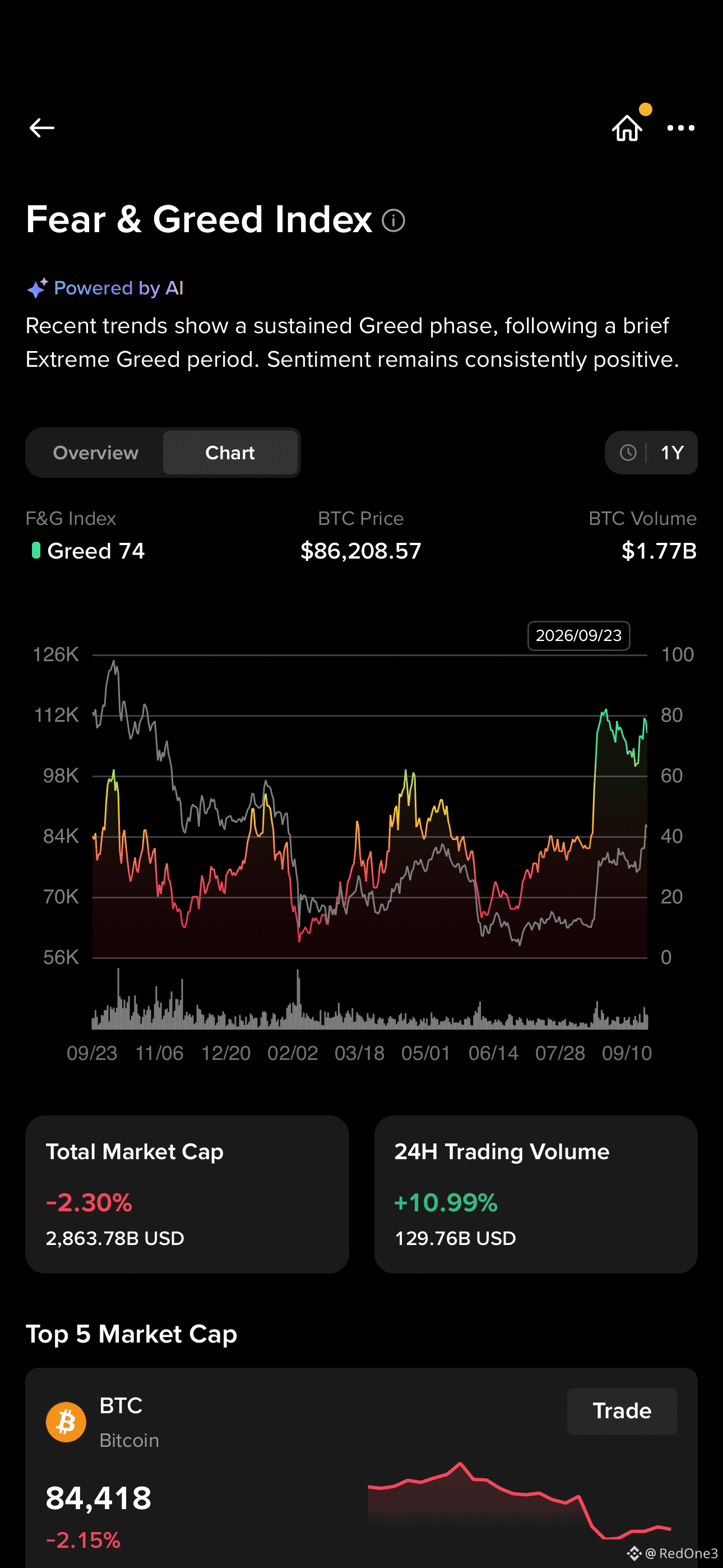
The Crypto Fear & Greed Index is sitting at 74 (Greed), signaling high optimism across the market 📈
Bitcoin is trading around $86,200 with total market cap holding near $2.86T, despite a minor 24h dip 📊 Trading volumes remain strong at over $129B, showing active market participation 🔥
Greed phases often bring strong momentum, but keeping dynamic risk management in place is key 💡
Stay sharp and track liquidity closely 🚀
#Bitcoin #Fear&Greed .
The Crypto Fear & Greed Index is sitting at 74 (Greed), signaling high optimism across the market 📈
Bitcoin is trading around $86,200 with total market cap holding near $2.86T, despite a minor 24h dip 📊 Trading volumes remain strong at over $129B, showing active market participation 🔥
Greed phases often bring strong momentum, but keeping dynamic risk management in place is key 💡
Stay sharp and track liquidity closely 🚀
#Bitcoin #Fear&Greed .
Bitcoin is trading around $86,200 with total market cap holding near $2.86T, despite a minor 24h dip 📊 Trading volumes remain strong at over $129B, showing active market participation 🔥
Greed phases often bring strong momentum, but keeping dynamic risk management in place is key 💡
Stay sharp and track liquidity closely 🚀
#Bitcoin #Fear&Greed .
225
·
--
The strongest bear market bottoms have always shown up when sentiment looks hopeless. Prices fall, volumes dry up, and most traders stop checking the charts entirely. That despair is often the exact moment patient money quietly starts accumulating.
History shows rallies rarely begin with cheering crowds. They begin quietly, while the crowd is still convinced the trend is down. 🕰️
Extreme pessimism has marked major turning points more often than extreme optimism. Keep that in mind the next time the timeline feels unbearably bearish. 🐻
The strongest bear market bottoms have always shown up when sentiment looks hopeless. Prices fall, volumes dry up, and most traders stop checking the charts entirely. That despair is often the exact moment patient money quietly starts accumulating.
History shows rallies rarely begin with cheering crowds. They begin quietly, while the crowd is still convinced the trend is down. 🕰️
Extreme pessimism has marked major turning points more often than extreme optimism. Keep that in mind the next time the timeline feels unbearably bearish. 🐻
History shows rallies rarely begin with cheering crowds. They begin quietly, while the crowd is still convinced the trend is down. 🕰️
Extreme pessimism has marked major turning points more often than extreme optimism. Keep that in mind the next time the timeline feels unbearably bearish. 🐻
201
·
--
$BTC has pulled back to $84,497, down 2.14% over the past 24 hours after sliding from a high near $87,278. 📉
$ETH is sitting at $2,677 with a 2.74% drop, trading near the lower end of its $2,635 to $2,789 range.
$SOL rounds out the softer session at $114.61, down 2.93% and hovering just above its $113 daily low.
All three majors are red today, and BTC spot turnover is running near $1.95B. The tone has shifted cautious, so watch whether the recent lows can hold as support.
$BTC has pulled back to $84,497, down 2.14% over the past 24 hours after sliding from a high near $87,278. 📉
$ETH is sitting at $2,677 with a 2.74% drop, trading near the lower end of its $2,635 to $2,789 range.
$SOL rounds out the softer session at $114.61, down 2.93% and hovering just above its $113 daily low.
All three majors are red today, and BTC spot turnover is running near $1.95B. The tone has shifted cautious, so watch whether the recent lows can hold as support.
$ETH is sitting at $2,677 with a 2.74% drop, trading near the lower end of its $2,635 to $2,789 range.
$SOL rounds out the softer session at $114.61, down 2.93% and hovering just above its $113 daily low.
All three majors are red today, and BTC spot turnover is running near $1.95B. The tone has shifted cautious, so watch whether the recent lows can hold as support.
285
ເຂົ້າສູ່ລະບົບເພື່ອສຳຫຼວດເນື້ອຫາເພີ່ມເຕີມ
ເຂົ້າຮ່ວມກຸ່ມຜູ້ໃຊ້ຄຣິບໂຕທົ່ວໂລກໃນ Binance Square.
⚡️ ໄດ້ຮັບຂໍ້ມູນຫຼ້າສຸດ ແລະ ທີ່ມີປະໂຫຍດກ່ຽວກັບຄຣິບໂຕ.
💬 ໄດ້ຮັບຄວາມໄວ້ວາງໃຈຈາກຕະຫຼາດແລກປ່ຽນຄຣິບໂຕທີ່ໃຫຍ່ທີ່ສຸດໃນໂລກ.
👍 ຄົ້ນຫາຂໍ້ມູນເຊີງເລິກທີ່ແທ້ຈາກນັກສ້າງທີ່ໄດ້ຮັບການຢືນຢັນ.
ອີເມວ / ເບີໂທລະສັບ
ຫົວຂໍ້ທີ່ກໍາລັງນິຍົມ
EarningsSeason
275,949 views
2,327 ກຳລັງສົນທະນາ
Earnings Season: Micron Q4 Earnings — Bullish or Bearish?
Binance Square Official
·369 ຖືກໃຈ
·761.5k views
BitwiseLaunchesFirstSpotNEARETF
19,794 views
447 ກຳລັງສົນທະນາ
USJobOpeningsFallToFiveMonthLow
25,239 views
333 ກຳລັງສົນທະນາ