
bull_club
2.4k ໂພສ

bull_club
ລາຍງານ
ບລັອກຜູ້ໃຊ້
Daily crypto articles & market breakdowns
On-chain charts • Weekly recap • Risk-first
ເປີດການຊື້ຂາຍ
ຜູ້ຊື້ຂາຍຊົ່ວຄາວ
3.5 ປີ
141 ກໍາລັງຕິດຕາມ
26.4K+ ຜູ້ຕິດຕາມ
15.3K+ Liked
ໂພສ
Portfolio
ທັງໝົດ
ວົງຢືມ
ວີດີໂອ
ຖ່າຍທອດສົດ
ປັກໝຸດ
·
--
ສັນຍານກະທິງ
ຢືນຢັນແລ້ວ
ຟັງທຸກຄົນ,
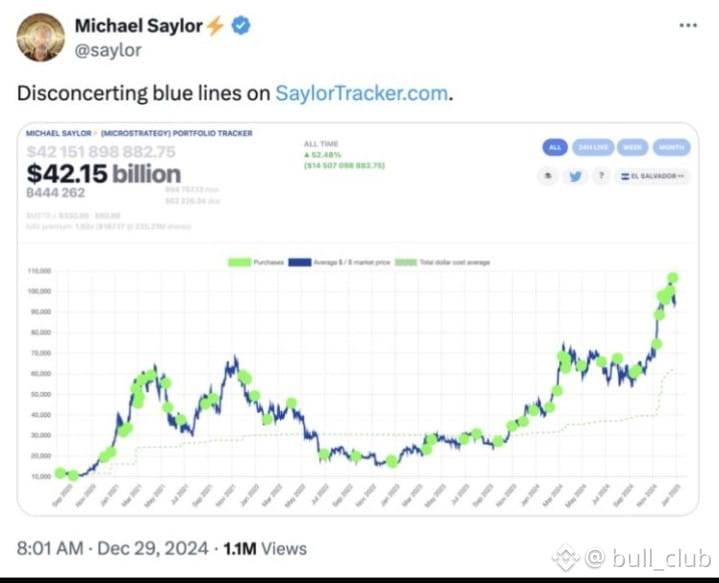
Michael Saylor ໄດ້ໃຊ້ເງິນເກືອບ $50 ຕື້ ໃນ 5 ປີຜ່ານມາເພື່ອຊື້ Bitcoin, ແລະຕອນນີ້ລາວກຳລັງຈົມຢູ່ໃນຂາດທຶນ.
ປັບຕາມອັດຕາເງິນເຟີ້ແລ້ວ, ລາວລົດລົງປະມານ $10 ຕື້.
ບັນຫາທີ່ສຳຄັນກວ່າແມ່ນວ່າການຊື້ BTC ຈຳນວນຫຼາຍໆ ໄດ້ເຮັດຂຶ້ນໂດຍໃຊ້ເງິນທີ່ກູ້ມາ ແລະໜີ້ສິນນັ້ນຕ້ອງຖືກຈ່າຍຄືນ.
ນີ້ແມ່ນບ່ອນທີ່ສິ່ງຕ່າງໆ ອາດຈະກາຍເປັນບໍ່ມີທິດທາງ ແລະວຸ້ນວາຍໄດ້ໄວຫຼາຍ.
ຂ້ອຍໄດ້ເວົ້າເຖິງເລື່ອງນີ້ຫຼາຍກວ່າໜຶ່ງເດືອນກ່ອນແລະເຕືອນເຖິງຄວາມສ່ຽງ. ຄົນແບບນີ້ສ້າງການສູນກາງ (centralization) ເຊິ່ງຂັດກັບຈຸດປະສົງເດີມຂອງ Bitcoin.
ເມື່ອ leverage ແລະການສຸມອຳນາດສະສົມຂຶ້ນຫຼາຍເກີນໄປ, ລະບົບກໍເລີ່ມບາງລົງ (fragile).
ຂ້ອຍຈະອັບເດດໃຫ້ທ່ານຮູ້ໃນຊ່ວງ 2-3 ເດືອນຕໍ່ໄປ.
ແລະເມື່ອຂ້ອຍເລີ່ມຊື້ Bitcoin ອີກຄັ້ງ, ຂ້ອຍຈະບອກໃນນີ້ຕໍ່ສາທາລະນະ.
ຫຼາຍຄົນຈະເສຍໃຈທີ່ເມີນເຉີຍບໍ່ຟັງຄຳເຕືອນແບບນີ້.
$BTC
{future}(BTCUSDT)
$XRP
{future}(SOLUSDT)
{future}(XRPUSDT)
$SOL
#StrategyBTCPurchase #AISocialNetworkMoltbook #USCryptoMarketStructureBill #BinanceBitcoinSAFUFund #WhenWillBTCRebound
ຟັງທຸກຄົນ,
Michael Saylor ໄດ້ໃຊ້ເງິນເກືອບ $50 ຕື້ ໃນ 5 ປີຜ່ານມາເພື່ອຊື້ Bitcoin, ແລະຕອນນີ້ລາວກຳລັງຈົມຢູ່ໃນຂາດທຶນ.
ປັບຕາມອັດຕາເງິນເຟີ້ແລ້ວ, ລາວລົດລົງປະມານ $10 ຕື້.
ບັນຫາທີ່ສຳຄັນກວ່າແມ່ນວ່າການຊື້ BTC ຈຳນວນຫຼາຍໆ ໄດ້ເຮັດຂຶ້ນໂດຍໃຊ້ເງິນທີ່ກູ້ມາ ແລະໜີ້ສິນນັ້ນຕ້ອງຖືກຈ່າຍຄືນ.
ນີ້ແມ່ນບ່ອນທີ່ສິ່ງຕ່າງໆ ອາດຈະກາຍເປັນບໍ່ມີທິດທາງ ແລະວຸ້ນວາຍໄດ້ໄວຫຼາຍ.
ຂ້ອຍໄດ້ເວົ້າເຖິງເລື່ອງນີ້ຫຼາຍກວ່າໜຶ່ງເດືອນກ່ອນແລະເຕືອນເຖິງຄວາມສ່ຽງ. ຄົນແບບນີ້ສ້າງການສູນກາງ (centralization) ເຊິ່ງຂັດກັບຈຸດປະສົງເດີມຂອງ Bitcoin.
ເມື່ອ leverage ແລະການສຸມອຳນາດສະສົມຂຶ້ນຫຼາຍເກີນໄປ, ລະບົບກໍເລີ່ມບາງລົງ (fragile).
ຂ້ອຍຈະອັບເດດໃຫ້ທ່ານຮູ້ໃນຊ່ວງ 2-3 ເດືອນຕໍ່ໄປ.
ແລະເມື່ອຂ້ອຍເລີ່ມຊື້ Bitcoin ອີກຄັ້ງ, ຂ້ອຍຈະບອກໃນນີ້ຕໍ່ສາທາລະນະ.
ຫຼາຍຄົນຈະເສຍໃຈທີ່ເມີນເຉີຍບໍ່ຟັງຄຳເຕືອນແບບນີ້.
$BTC
$XRP
$SOL
#StrategyBTCPurchase #AISocialNetworkMoltbook #USCryptoMarketStructureBill #BinanceBitcoinSAFUFund #WhenWillBTCRebound
Michael Saylor ໄດ້ໃຊ້ເງິນເກືອບ $50 ຕື້ ໃນ 5 ປີຜ່ານມາເພື່ອຊື້ Bitcoin, ແລະຕອນນີ້ລາວກຳລັງຈົມຢູ່ໃນຂາດທຶນ.
ປັບຕາມອັດຕາເງິນເຟີ້ແລ້ວ, ລາວລົດລົງປະມານ $10 ຕື້.
ບັນຫາທີ່ສຳຄັນກວ່າແມ່ນວ່າການຊື້ BTC ຈຳນວນຫຼາຍໆ ໄດ້ເຮັດຂຶ້ນໂດຍໃຊ້ເງິນທີ່ກູ້ມາ ແລະໜີ້ສິນນັ້ນຕ້ອງຖືກຈ່າຍຄືນ.
ນີ້ແມ່ນບ່ອນທີ່ສິ່ງຕ່າງໆ ອາດຈະກາຍເປັນບໍ່ມີທິດທາງ ແລະວຸ້ນວາຍໄດ້ໄວຫຼາຍ.
ຂ້ອຍໄດ້ເວົ້າເຖິງເລື່ອງນີ້ຫຼາຍກວ່າໜຶ່ງເດືອນກ່ອນແລະເຕືອນເຖິງຄວາມສ່ຽງ. ຄົນແບບນີ້ສ້າງການສູນກາງ (centralization) ເຊິ່ງຂັດກັບຈຸດປະສົງເດີມຂອງ Bitcoin.
ເມື່ອ leverage ແລະການສຸມອຳນາດສະສົມຂຶ້ນຫຼາຍເກີນໄປ, ລະບົບກໍເລີ່ມບາງລົງ (fragile).
ຂ້ອຍຈະອັບເດດໃຫ້ທ່ານຮູ້ໃນຊ່ວງ 2-3 ເດືອນຕໍ່ໄປ.
ແລະເມື່ອຂ້ອຍເລີ່ມຊື້ Bitcoin ອີກຄັ້ງ, ຂ້ອຍຈະບອກໃນນີ້ຕໍ່ສາທາລະນະ.
ຫຼາຍຄົນຈະເສຍໃຈທີ່ເມີນເຉີຍບໍ່ຟັງຄຳເຕືອນແບບນີ້.
$BTC
$XRP
$SOL
#StrategyBTCPurchase #AISocialNetworkMoltbook #USCryptoMarketStructureBill #BinanceBitcoinSAFUFund #WhenWillBTCRebound
97
48
179
414.3k
·
--
ប្រសិនបើអ្នកកំពុងមានថ្ងៃអាក្រក់ សូមចងចាំរឿងនេះ… 😂
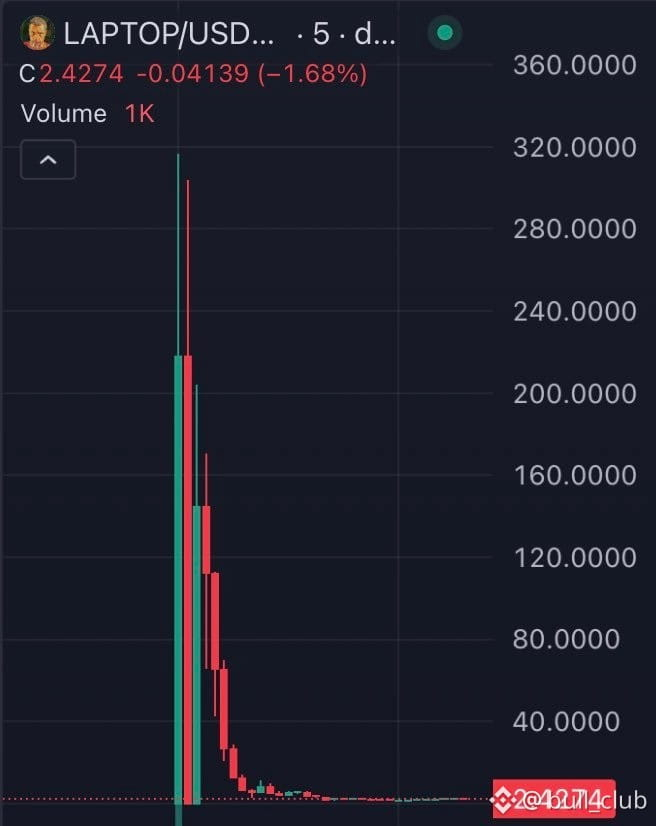
> មាននរណាម្នាក់បានទិញ $198,000 នៃ $LAPTOP ក្នុងតម្លៃ $255។
ឥឡូវនេះ វាមានតម្លៃប្រហែល $2,100។ 💀📉
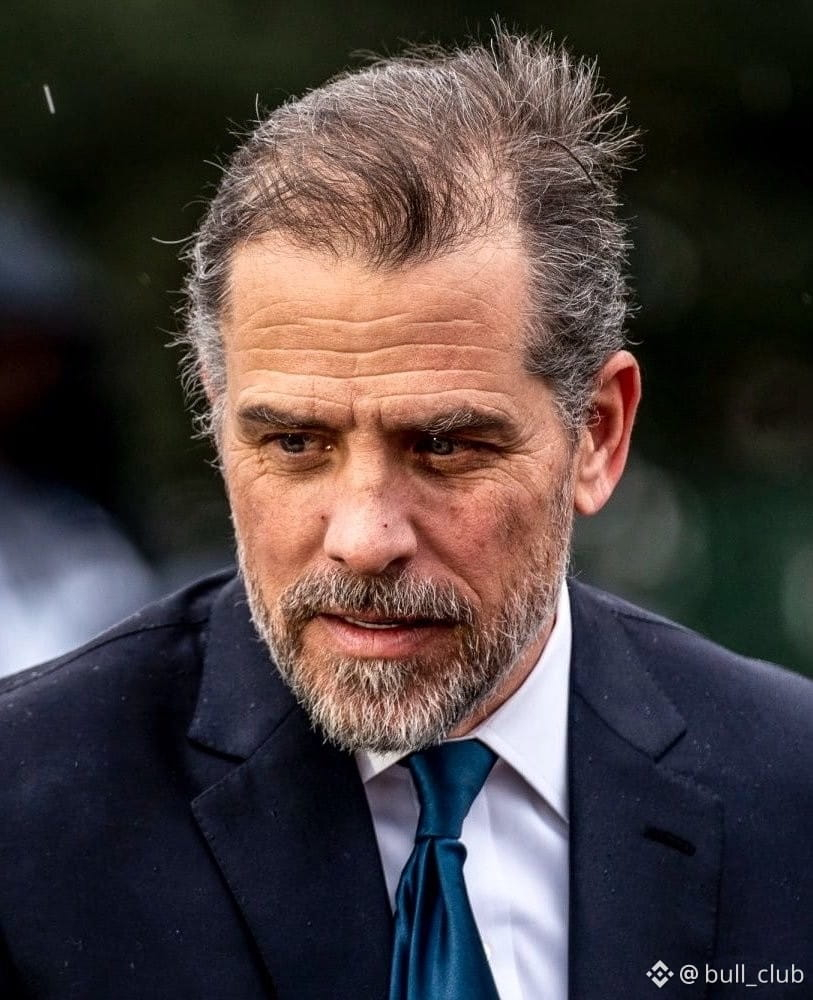
មេមកាក់ $LAPTOP របស់ Hunter Biden បានធ្លាក់ចុះ 99% ត្រឹមតែពីរម៉ោងបន្ទាប់ពីបើកដំណើរការ។
> កុំវិនិយោគដោយអារម្មណ៍។
ខ្ញុំកំពុងបង្កើតប្រព័ន្ធរ៉ាដា ដើម្បីស្វែងរកមេមដែលល្អ ពេលខ្ញុំស្កេនឃើញថាមនុស្សគ្រប់គ្នាកំពុងបោកបញ្ឆោត ខ្ញុំបានទទួលការជូនដំណឹង ដូច្នេះខ្ញុំមិនបានធ្វើការជួញដូរទេ។ ដូច្នេះបងប្អូន កុំជួញដូរមេមកាក់
$TRUMP $MELANIA
ប្រសិនបើអ្នកកំពុងមានថ្ងៃអាក្រក់ សូមចងចាំរឿងនេះ… 😂
> មាននរណាម្នាក់បានទិញ $198,000 នៃ $LAPTOP ក្នុងតម្លៃ $255។
ឥឡូវនេះ វាមានតម្លៃប្រហែល $2,100។ 💀📉
មេមកាក់ $LAPTOP របស់ Hunter Biden បានធ្លាក់ចុះ 99% ត្រឹមតែពីរម៉ោងបន្ទាប់ពីបើកដំណើរការ។
> កុំវិនិយោគដោយអារម្មណ៍។
ខ្ញុំកំពុងបង្កើតប្រព័ន្ធរ៉ាដា ដើម្បីស្វែងរកមេមដែលល្អ ពេលខ្ញុំស្កេនឃើញថាមនុស្សគ្រប់គ្នាកំពុងបោកបញ្ឆោត ខ្ញុំបានទទួលការជូនដំណឹង ដូច្នេះខ្ញុំមិនបានធ្វើការជួញដូរទេ។ ដូច្នេះបងប្អូន កុំជួញដូរមេមកាក់
$TRUMP $MELANIA
> មាននរណាម្នាក់បានទិញ $198,000 នៃ $LAPTOP ក្នុងតម្លៃ $255។
ឥឡូវនេះ វាមានតម្លៃប្រហែល $2,100។ 💀📉
មេមកាក់ $LAPTOP របស់ Hunter Biden បានធ្លាក់ចុះ 99% ត្រឹមតែពីរម៉ោងបន្ទាប់ពីបើកដំណើរការ។
> កុំវិនិយោគដោយអារម្មណ៍។
ខ្ញុំកំពុងបង្កើតប្រព័ន្ធរ៉ាដា ដើម្បីស្វែងរកមេមដែលល្អ ពេលខ្ញុំស្កេនឃើញថាមនុស្សគ្រប់គ្នាកំពុងបោកបញ្ឆោត ខ្ញុំបានទទួលការជូនដំណឹង ដូច្នេះខ្ញុំមិនបានធ្វើការជួញដូរទេ។ ដូច្នេះបងប្អូន កុំជួញដូរមេមកាក់
$TRUMP $MELANIA
7
1
5
9.2k

·
--
ສັນຍານກະທິງ
ເປັນຄວາມຈິງບາງສ່ວນ
Hey , Guys !
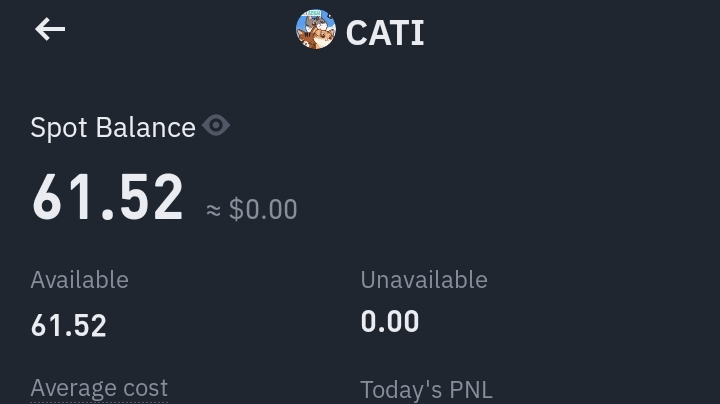
$CATI is the top search on Binance
> ທໍາມະດາວ່າເປັນເພາະຫຍັງມັນຢູ່ໃນການຄົ້ນຫາອັນດັບຕົ້ນ ?
--- ທີມງານທາງການກຳລັງປ່ອຍໃຊ້ຄຸນນະປະໂຫຍດໃໝ່ໃຫ້ກັບຜູ້ຖື $CATI ພາຍໃນເກມຂອງພາຮັດຄູ່ຮ່ວມ.
ເຈົ້າຄິດແນວໃດກ່ຽວກັບ Cati ?
{future}(CATIUSDT)
Hey , Guys !
$CATI is the top search on Binance
> ທໍາມະດາວ່າເປັນເພາະຫຍັງມັນຢູ່ໃນການຄົ້ນຫາອັນດັບຕົ້ນ ?
--- ທີມງານທາງການກຳລັງປ່ອຍໃຊ້ຄຸນນະປະໂຫຍດໃໝ່ໃຫ້ກັບຜູ້ຖື $CATI ພາຍໃນເກມຂອງພາຮັດຄູ່ຮ່ວມ.
ເຈົ້າຄິດແນວໃດກ່ຽວກັບ Cati ?
$CATI is the top search on Binance
> ທໍາມະດາວ່າເປັນເພາະຫຍັງມັນຢູ່ໃນການຄົ້ນຫາອັນດັບຕົ້ນ ?
--- ທີມງານທາງການກຳລັງປ່ອຍໃຊ້ຄຸນນະປະໂຫຍດໃໝ່ໃຫ້ກັບຜູ້ຖື $CATI ພາຍໃນເກມຂອງພາຮັດຄູ່ຮ່ວມ.
ເຈົ້າຄິດແນວໃດກ່ຽວກັບ Cati ?
bull_club
·
--
$Cati I’m Happy! you are !?
🔔 Sang Catizen's
Pangkabuhian nga update bro. 🔔
➡️Diri man importante kon malipayon ka ukon dili sa ila nga Airdrop. Pero ikaw kag ako indi kita dapat magpaabot sang kapitaas-kita.
➡️Naiyoc lang sa kaso sang Catizen, kundi maging ang pamantayan nga kita sa tanan nga proyekto.
CATI Rank: 275
Marketcap: $201,668,027
FDV: $1,000,000,000
Available Supply: 206,000,000
Max Supply: 1,000,000,000
Presyo USD: $0.9932
➡️Bisan ano pa nga proyekto sa Binance, nagsugod gid ini mag-trade halin sa sini nga market cap. Ang ka-strong sang proyekto subong mapahayag sa sunod nga pila ka adlaw.
Pangkabuhian nga update bro. 🔔
➡️Diri man importante kon malipayon ka ukon dili sa ila nga Airdrop. Pero ikaw kag ako indi kita dapat magpaabot sang kapitaas-kita.
➡️Naiyoc lang sa kaso sang Catizen, kundi maging ang pamantayan nga kita sa tanan nga proyekto.
CATI Rank: 275
Marketcap: $201,668,027
FDV: $1,000,000,000
Available Supply: 206,000,000
Max Supply: 1,000,000,000
Presyo USD: $0.9932
➡️Bisan ano pa nga proyekto sa Binance, nagsugod gid ini mag-trade halin sa sini nga market cap. Ang ka-strong sang proyekto subong mapahayag sa sunod nga pila ka adlaw.
4
2
1.8k
·
--
Guys ,attention !
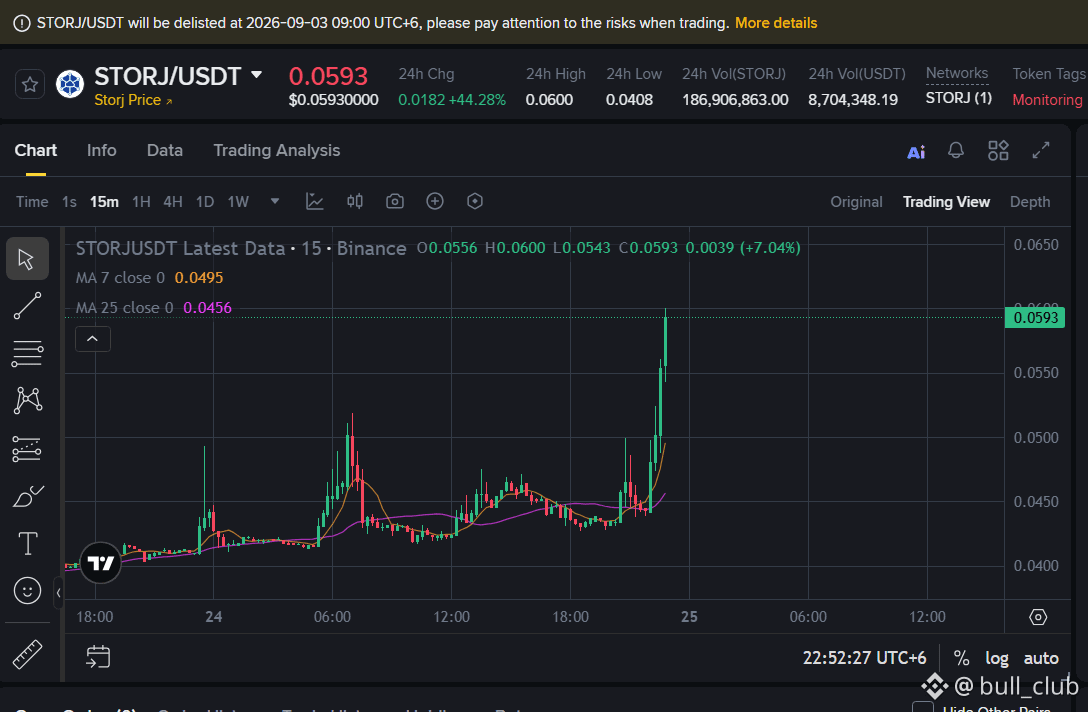
မတည်ကြောင်း $STORJ Long position ကို မဖွင့်ပါနဲ့—၎င်းကို စောင့်ကြည့်နေပါတယ်
ဒီ တိုကင်ကို short လုပ်ဖို့ ကြိုးစားပါ သို့မဟုတ် ဒီ တိုကင်ကနေ ရှေ့မှာနေပါ
ဒီဟာကို 09-03 -26 မှာ delisted လုပ်မယ်
Guys ,attention !
မတည်ကြောင်း $STORJ Long position ကို မဖွင့်ပါနဲ့—၎င်းကို စောင့်ကြည့်နေပါတယ်
ဒီ တိုကင်ကို short လုပ်ဖို့ ကြိုးစားပါ သို့မဟုတ် ဒီ တိုကင်ကနေ ရှေ့မှာနေပါ
ဒီဟာကို 09-03 -26 မှာ delisted လုပ်မယ်
မတည်ကြောင်း $STORJ Long position ကို မဖွင့်ပါနဲ့—၎င်းကို စောင့်ကြည့်နေပါတယ်
ဒီ တိုကင်ကို short လုပ်ဖို့ ကြိုးစားပါ သို့မဟုတ် ဒီ တိုကင်ကနေ ရှေ့မှာနေပါ
ဒီဟာကို 09-03 -26 မှာ delisted လုပ်မယ်
8
8
7.1k
·
--
ສັນຍານກະທິງ
Guys , Gm i neviaktiv poso si !
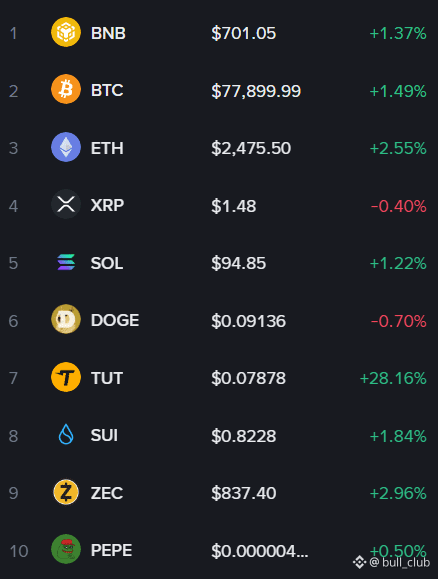
i am malalim nga nagsasabing yung damdamin ng market na nakikita ko sa weekly relly market, sobrang bilis umuusad—ano sa tingin mo?
Ito ang pananaw ko para sa analysis
Fear → violent BTC recovery → shorts liquidated → BTC dominance/large caps ang nangunguna → naghihintay ang market kung magpapatuloy pa ba ang tunay na spot demand.
guys, ilaan ninyo ang oras niyo para sa next 24–48 hours na panoorin:
BTC $80K breakout BTC ETF flows ETH/BTC strength BTC dominance Funding rates / leverage .
Para sa Next 7 days: bullish bias, mataas na volatility.
Pagkatapos ng ~23% na BTC weekly move, ang 5–10% na pullback ay hindi ako mabibigla at hindi nito awtomatikong mapapawalang-bisa ang bullish na istruktura.
$BTC
$BNB
$ETH
{future}(ETHUSDT)
{future}(BNBUSDT)
Guys , Gm i neviaktiv poso si !
i am malalim nga nagsasabing yung damdamin ng market na nakikita ko sa weekly relly market, sobrang bilis umuusad—ano sa tingin mo?
Ito ang pananaw ko para sa analysis
Fear → violent BTC recovery → shorts liquidated → BTC dominance/large caps ang nangunguna → naghihintay ang market kung magpapatuloy pa ba ang tunay na spot demand.
guys, ilaan ninyo ang oras niyo para sa next 24–48 hours na panoorin:
BTC $80K breakout BTC ETF flows ETH/BTC strength BTC dominance Funding rates / leverage .
Para sa Next 7 days: bullish bias, mataas na volatility.
Pagkatapos ng ~23% na BTC weekly move, ang 5–10% na pullback ay hindi ako mabibigla at hindi nito awtomatikong mapapawalang-bisa ang bullish na istruktura.
$BTC
$BNB
$ETH
i am malalim nga nagsasabing yung damdamin ng market na nakikita ko sa weekly relly market, sobrang bilis umuusad—ano sa tingin mo?
Ito ang pananaw ko para sa analysis
Fear → violent BTC recovery → shorts liquidated → BTC dominance/large caps ang nangunguna → naghihintay ang market kung magpapatuloy pa ba ang tunay na spot demand.
guys, ilaan ninyo ang oras niyo para sa next 24–48 hours na panoorin:
BTC $80K breakout BTC ETF flows ETH/BTC strength BTC dominance Funding rates / leverage .
Para sa Next 7 days: bullish bias, mataas na volatility.
Pagkatapos ng ~23% na BTC weekly move, ang 5–10% na pullback ay hindi ako mabibigla at hindi nito awtomatikong mapapawalang-bisa ang bullish na istruktura.
$BTC
$BNB
$ETH
2
3
2.5k
·
--
ສັນຍານກະທິງ
good morning to everyone ☀️
what are you trading today ?
good morning to everyone ☀️
what are you trading today ?
what are you trading today ?

7
2
6k
·
--
ສັນຍານກະທິງ
gm guys
after a long day I AM not bullish on Ethereum $ETH
you want to know why ?
> A big $ETH whale looks like it may be trimming the bag. This guy just deposited 7,981 ETH ($14.99M) to FalconX about 6 hours ago.
Since July, the wallet has sent a total of 10,735.8 ETH , worth around $20.04M, to FalconX.
See This is Web3 and Everything happens on chain and transparent
gm guys
after a long day I AM not bullish on Ethereum $ETH
you want to know why ?
> A big $ETH whale looks like it may be trimming the bag. This guy just deposited 7,981 ETH ($14.99M) to FalconX about 6 hours ago.
Since July, the wallet has sent a total of 10,735.8 ETH , worth around $20.04M, to FalconX.
See This is Web3 and Everything happens on chain and transparent
after a long day I AM not bullish on Ethereum $ETH
you want to know why ?
> A big $ETH whale looks like it may be trimming the bag. This guy just deposited 7,981 ETH ($14.99M) to FalconX about 6 hours ago.
Since July, the wallet has sent a total of 10,735.8 ETH , worth around $20.04M, to FalconX.
See This is Web3 and Everything happens on chain and transparent
17
1
35
58.4k
·
--
ສັນຍານກະທິງ
ຢືນຢັນແລ້ວ
Guys , Stop 🛑
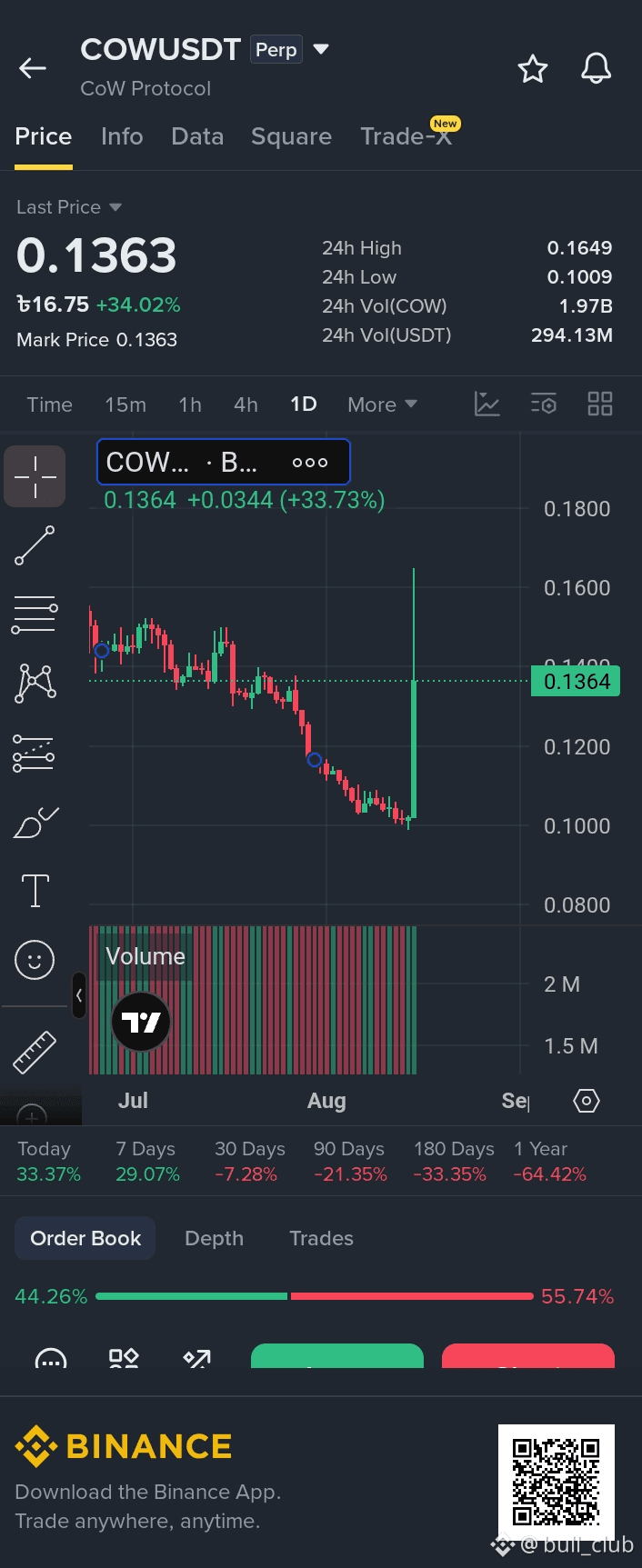
Ka lọ́ọkẹ̀ ní ìdí tí $COW fi ń fa soke
ní tòótọ́ ,,
> Àwọn nọ́ńbà ilé iṣẹ́ tó dáa: ~$9.9B iye Q2, $5.8M owó ọjà, $3.9M èrè, 56K àwọn olù lò oṣùṣù, pẹ̀lú ìṣọ̀kan MetaMask Swaps àti àwọn ètò ìpadàra COW tó ń bá a lọ
Ṣé o jẹ́ bullish tàbí bearing?
Guys , Stop 🛑
Ka lọ́ọkẹ̀ ní ìdí tí $COW fi ń fa soke
ní tòótọ́ ,,
> Àwọn nọ́ńbà ilé iṣẹ́ tó dáa: ~$9.9B iye Q2, $5.8M owó ọjà, $3.9M èrè, 56K àwọn olù lò oṣùṣù, pẹ̀lú ìṣọ̀kan MetaMask Swaps àti àwọn ètò ìpadàra COW tó ń bá a lọ
Ṣé o jẹ́ bullish tàbí bearing?
Ka lọ́ọkẹ̀ ní ìdí tí $COW fi ń fa soke
ní tòótọ́ ,,
> Àwọn nọ́ńbà ilé iṣẹ́ tó dáa: ~$9.9B iye Q2, $5.8M owó ọjà, $3.9M èrè, 56K àwọn olù lò oṣùṣù, pẹ̀lú ìṣọ̀kan MetaMask Swaps àti àwọn ètò ìpadàra COW tó ń bá a lọ
Ṣé o jẹ́ bullish tàbí bearing?
3
4
3.3k
·
--
ສັນຍານກະທິງ
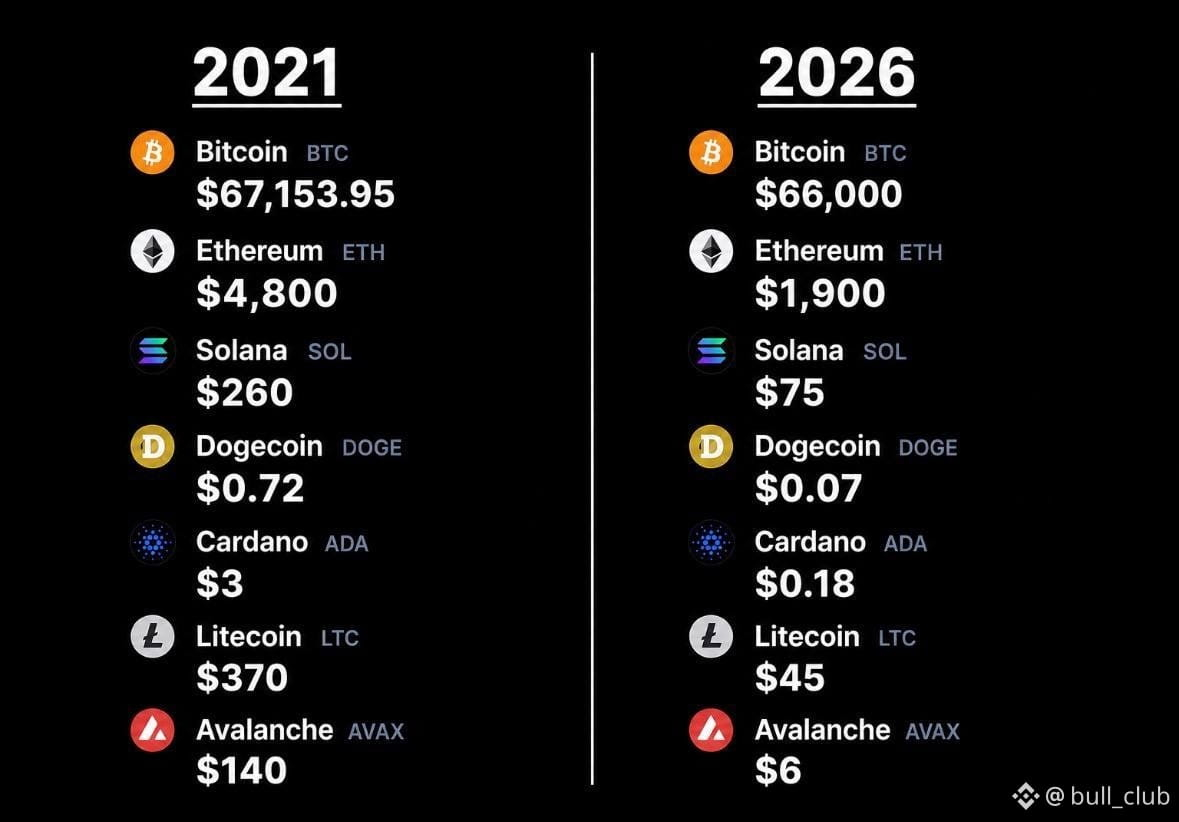
Da liho mai nei ua 6 tau !!
Nui ka poʻe i hoʻokomo i ke kālā nui i ka crypto no ko lākou wā e hiki mai ana...
akā ʻaʻohe mea hiki ke hoʻokaʻawale kālā i kēia manawa
no ka mea, ua hiki mua nā whale ma ʻaneʻi mai ka makahiki 2014, a i kēlā manawa ua ma lalo ke kumukūʻai o BTC ma lalo o 20K. I kēia manawa, loaʻa iā lākou he nui o $—ke hoʻomau nei lākou i ka paʻi kālā ....
E paipai aku au: mai hoʻokomo i ke kālā. E hana i ke kālepa wā pōkole (short term trade) a e lawe i ka waiwai 1x a me 2x profit.
a e haʻalele i ka mākeke...
$BTC $BNB $ETH
Da liho mai nei ua 6 tau !!
Nui ka poʻe i hoʻokomo i ke kālā nui i ka crypto no ko lākou wā e hiki mai ana...
akā ʻaʻohe mea hiki ke hoʻokaʻawale kālā i kēia manawa
no ka mea, ua hiki mua nā whale ma ʻaneʻi mai ka makahiki 2014, a i kēlā manawa ua ma lalo ke kumukūʻai o BTC ma lalo o 20K. I kēia manawa, loaʻa iā lākou he nui o $—ke hoʻomau nei lākou i ka paʻi kālā ....
E paipai aku au: mai hoʻokomo i ke kālā. E hana i ke kālepa wā pōkole (short term trade) a e lawe i ka waiwai 1x a me 2x profit.
a e haʻalele i ka mākeke...
$BTC $BNB $ETH
Nui ka poʻe i hoʻokomo i ke kālā nui i ka crypto no ko lākou wā e hiki mai ana...
akā ʻaʻohe mea hiki ke hoʻokaʻawale kālā i kēia manawa
no ka mea, ua hiki mua nā whale ma ʻaneʻi mai ka makahiki 2014, a i kēlā manawa ua ma lalo ke kumukūʻai o BTC ma lalo o 20K. I kēia manawa, loaʻa iā lākou he nui o $—ke hoʻomau nei lākou i ka paʻi kālā ....
E paipai aku au: mai hoʻokomo i ke kālā. E hana i ke kālepa wā pōkole (short term trade) a e lawe i ka waiwai 1x a me 2x profit.
a e haʻalele i ka mākeke...
$BTC $BNB $ETH
50
3
125
177.2k
·
--
ສັນຍານກະທິງ
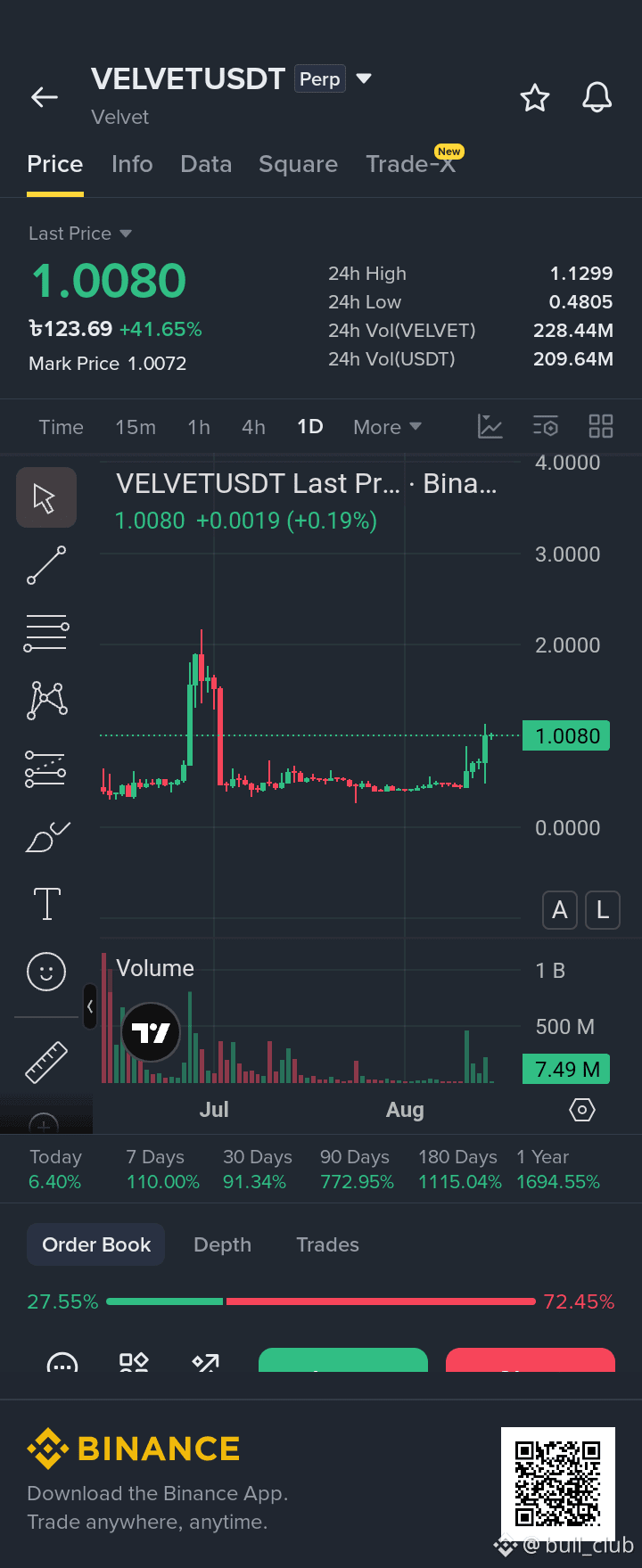
ເຮີ້ຍ, Gm!
$VELVET ກຳລັງພຸ່ມຂຶ້ນຄືລະເບີດ
ແລະມັນມີທັກສະ/ສັກຍະພາບເປັນຂອງຕົວເອງ ນັ້ນແຫຼະເຫດຜົນທີ່ມັນພຸ່ມຂຶ້ນ .....
ມາຮຽນຮູ້ກ່ຽວກັບ $VELVET 👌
Velvet ແມ່ນ DeFAI Operating System ທີ່ຊ່ວຍປັບປຸງການຄົ້ນຄວ້າ onchain, ການທຳການຄ້າ ແລະການຈັດການພອດຕະໂຟລິໂອ.
ຫຼັງຈາກນັ້ນ ທ່ານຄິດວ່າທ່ານຈະເຂົ້າທຳການຄ້າບໍ?
ເຮີ້ຍ, Gm!
$VELVET ກຳລັງພຸ່ມຂຶ້ນຄືລະເບີດ
ແລະມັນມີທັກສະ/ສັກຍະພາບເປັນຂອງຕົວເອງ ນັ້ນແຫຼະເຫດຜົນທີ່ມັນພຸ່ມຂຶ້ນ .....
ມາຮຽນຮູ້ກ່ຽວກັບ $VELVET 👌
Velvet ແມ່ນ DeFAI Operating System ທີ່ຊ່ວຍປັບປຸງການຄົ້ນຄວ້າ onchain, ການທຳການຄ້າ ແລະການຈັດການພອດຕະໂຟລິໂອ.
ຫຼັງຈາກນັ້ນ ທ່ານຄິດວ່າທ່ານຈະເຂົ້າທຳການຄ້າບໍ?
$VELVET ກຳລັງພຸ່ມຂຶ້ນຄືລະເບີດ
ແລະມັນມີທັກສະ/ສັກຍະພາບເປັນຂອງຕົວເອງ ນັ້ນແຫຼະເຫດຜົນທີ່ມັນພຸ່ມຂຶ້ນ .....
ມາຮຽນຮູ້ກ່ຽວກັບ $VELVET 👌
Velvet ແມ່ນ DeFAI Operating System ທີ່ຊ່ວຍປັບປຸງການຄົ້ນຄວ້າ onchain, ການທຳການຄ້າ ແລະການຈັດການພອດຕະໂຟລິໂອ.
ຫຼັງຈາກນັ້ນ ທ່ານຄິດວ່າທ່ານຈະເຂົ້າທຳການຄ້າບໍ?
1
3.4k
·
--
ສັນຍານກະທິງ
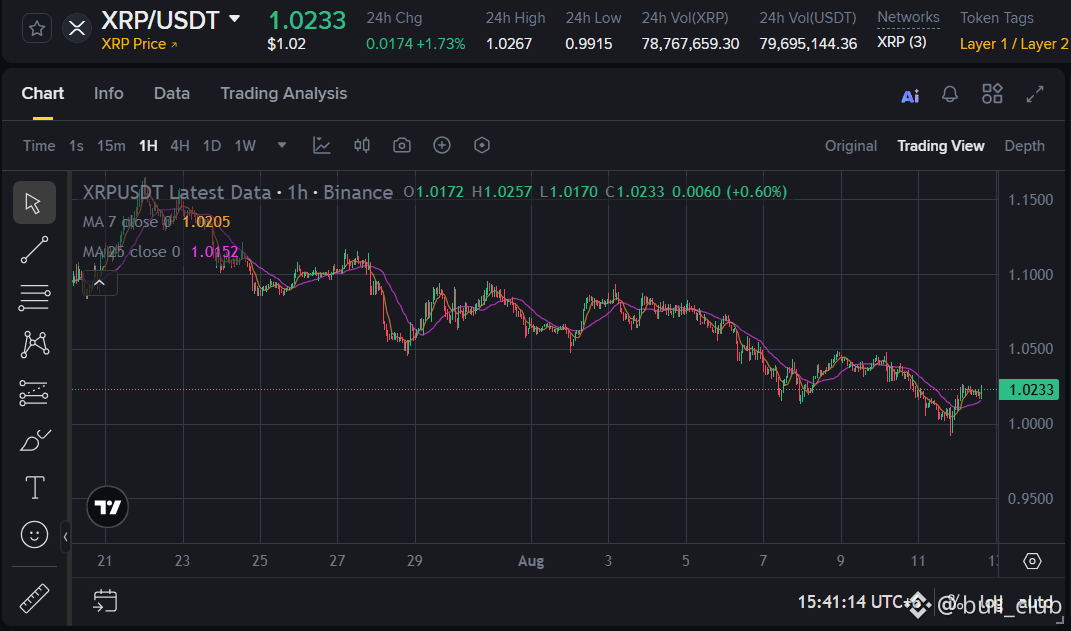
ມື້ວານນີ້ ນັກແຮກເກີໄດ້ສ້າງໂທເຄັນປອມ $XRP ໃນເຄືອຂ່າຍ Blockchain ອື່ນ. ຈາກນັ້ນ ນັກແຮກເກີໄດ້ແລກປ່ຽນມັນກັບ XRP ຂອງຈິງໃນສ່ວນສະຫງວນ.
ເນື່ອງຈາກສິ່ງນັ້ນ $XRP
ລົດລົງປະມານ $0.10 ໃນມື້ວານນີ້ ແລະນັກແຮກເກີສາມາດປ່ຽນໂທເຄັນປອມໃຫ້ເທົ່າກັບ $200,000.
ປັດຈຸບັນ ຂົວນັ້ນ
ຖືກປິດແລ້ວ ແລະຜູ້ດຳເນີນຂົວນັ້ນໄດ້ຍື່ນຄຳຮ້ອງກັບ FBI ໃນສະຫະລັດ.
ຂ້ອຍເຮັດຜິດພາດອັນໃຫຍ່ໃນຊີວິດຂອງຂ້ອຍ ໂດຍບໍ່ໄດ້ກາຍເປັນນັກແຮກເກີ.
ມື້ວານນີ້ ນັກແຮກເກີໄດ້ສ້າງໂທເຄັນປອມ $XRP ໃນເຄືອຂ່າຍ Blockchain ອື່ນ. ຈາກນັ້ນ ນັກແຮກເກີໄດ້ແລກປ່ຽນມັນກັບ XRP ຂອງຈິງໃນສ່ວນສະຫງວນ.
ເນື່ອງຈາກສິ່ງນັ້ນ $XRP
ລົດລົງປະມານ $0.10 ໃນມື້ວານນີ້ ແລະນັກແຮກເກີສາມາດປ່ຽນໂທເຄັນປອມໃຫ້ເທົ່າກັບ $200,000.
ປັດຈຸບັນ ຂົວນັ້ນ
ຖືກປິດແລ້ວ ແລະຜູ້ດຳເນີນຂົວນັ້ນໄດ້ຍື່ນຄຳຮ້ອງກັບ FBI ໃນສະຫະລັດ.
ຂ້ອຍເຮັດຜິດພາດອັນໃຫຍ່ໃນຊີວິດຂອງຂ້ອຍ ໂດຍບໍ່ໄດ້ກາຍເປັນນັກແຮກເກີ.
ເນື່ອງຈາກສິ່ງນັ້ນ $XRP
ລົດລົງປະມານ $0.10 ໃນມື້ວານນີ້ ແລະນັກແຮກເກີສາມາດປ່ຽນໂທເຄັນປອມໃຫ້ເທົ່າກັບ $200,000.
ປັດຈຸບັນ ຂົວນັ້ນ
ຖືກປິດແລ້ວ ແລະຜູ້ດຳເນີນຂົວນັ້ນໄດ້ຍື່ນຄຳຮ້ອງກັບ FBI ໃນສະຫະລັດ.
ຂ້ອຍເຮັດຜິດພາດອັນໃຫຍ່ໃນຊີວິດຂອງຂ້ອຍ ໂດຍບໍ່ໄດ້ກາຍເປັນນັກແຮກເກີ.
15
1
21
57.4k
·
--
ສັນຍານກະທິງ
let's go guys!
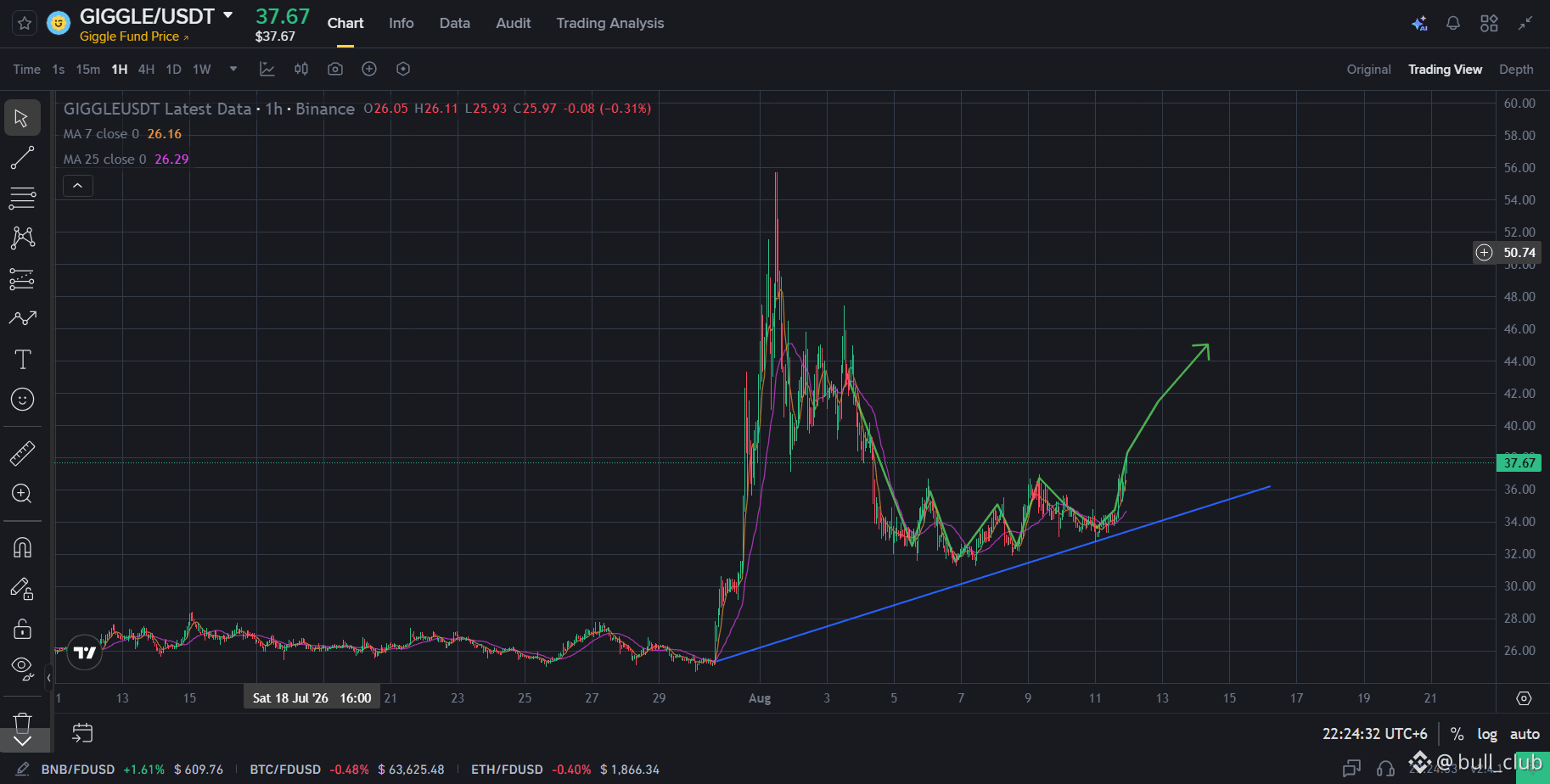
Tì a ń pump bíi ti $GIGGLE
Lẹ́yìn ìkéde CZ náà ó bẹ̀rẹ̀ sí pump, ó sì ń tẹ̀síwájú láti ń pump
bí ẹ bá ṣètò tẹ̀lẹ̀ ẹ̀yin yóò jẹ́ ẹni orire
kí ni ìwọ wọlé/ìwọlé rẹ̀?
{future}(GIGGLEUSDT)
let's go guys!
Tì a ń pump bíi ti $GIGGLE
Lẹ́yìn ìkéde CZ náà ó bẹ̀rẹ̀ sí pump, ó sì ń tẹ̀síwájú láti ń pump
bí ẹ bá ṣètò tẹ̀lẹ̀ ẹ̀yin yóò jẹ́ ẹni orire
kí ni ìwọ wọlé/ìwọlé rẹ̀?
Tì a ń pump bíi ti $GIGGLE
Lẹ́yìn ìkéde CZ náà ó bẹ̀rẹ̀ sí pump, ó sì ń tẹ̀síwájú láti ń pump
bí ẹ bá ṣètò tẹ̀lẹ̀ ẹ̀yin yóò jẹ́ ẹni orire
kí ni ìwọ wọlé/ìwọlé rẹ̀?
3
11.5k
·
--
ສັນຍານກະທິງ
ຖ້າທ່ານຢາກມີບົດບາດທີ່ສຳຄັນໃນໂລກການຄ້າ (trading) ໃຫ້ຖືກຕ້ອງ ແລະ ປະສົບຜົນສຳເລັດ, ຢ່າເສຍໃຈໃນຄວາມຜິດພາດ ແຕ່ໃຫ້ຮຽນຮູ້💡
ທ່ານຮູ້ບໍວ່າສິ່ງສຳຄັນຂອງຄວາມສຳເລັດໃນໂລກການຄ້າແມ່ນຫຍັງ?
ຮຽນຮູ້ຈາກຄວາມຜິດພາດ! ປະສົບການທີ່ໄດ້ມາຈາກຄວາມຜິດພາດຂອງພວກເຮົາ ຈິງໆແລ້ວ ເຮັດໃຫ້ພວກເຮົາມີໂອກາດເປັນນັກຄ້າທີ່ແຂງແຮງຂຶ້ນ. ມາຄຸຍກັນເບິ່ງຈຸດສຳຄັນໆ ບາງຢ່າງໃນຫົວຂໍ້ນີ້.
1st Smart Risk Management:
--ເພື່ອໃຫ້ Portfolio ຂອງທ່ານປອດໄພ
& ໝັ້ນຄົງ, ກຳນົດວ່າກ່ອນເຂົ້າທຳການຄ້າແຕ່ລະຄັ້ງ ທ່ານສາມາດຮັບຄວາມສ່ຽງໄດ້ເທົ່າໃດ ແລະ stop loss ທີ່ທ່ານສາມາດຮັບໄດ້.
--ເພາະສິ່ງເຫຼົ່ານີ້ຈະຊ່ວຍໃຫ້ທ່ານມີຄວາມໝັ້ນໃຈ ແລະ ຢູ່ລອດໄດ້ໃນໄລຍະຍາວ.
2nd ຮຽນຮູ້ໃຫ້ເຮັດ Analysis ຂອງຕົນເອງ:
--ເຮັດການວິເຄາະແບບເຈາະລຶກ & ຄົ້ນຄ້ວາກ່ອນການຄ້າໃດໆ ແລະ ຮຽນຮູ້ວິທີຕັດສິນໃຈດ້ວຍຕົນເອງ.
--ແນວນີ້ ທ່ານຈະເຂົ້າໃຈຕະຫຼາດ
pump & dump ໄດ້ດີຂຶ້ນ ແລະ ປະສົບການແບບ real time ຈະເກີດຂຶ້ນທີ່ນີ້.
3rd ຢຸດການຄ້າດ້ວຍອາລົມ:
--ຄ້າຕາມເປົ້າໝາຍ ຫຼື ແຜນການຂອງຕົນເອງ ໂດຍມີສະຕິທີ່ເຢັນ,
--ເພາະຖ້າທ່ານຕັດສິນໃຈ ຫຼື ທຳການຄ້າໃນຕະຫຼາດດ້ວຍອາລົມ ມັນອາດຈະເປັນສາເຫດຂອງການຂາດທຶນຂະໜາດໃຫຍ່.
ສຸດທ້າຍ ໃຫ້ຢຸດຕັດສິນໃຈທັນທີທັນໃດ ຫຼັງຈາກເຫັນຂ່າວໃດໆ:
--ມີຂ່າວປອມ ແລະ ຂ່າວທີ່ຖືກຈ້າງໂຄສະນາຫຼາຍ ໃນຕະຫຼາດ Crypto, ສະນັ້ນຢ່າຕັດສິນໃຈໄວ ຫຼັງຈາກໄດ້ເຫັນຂ່າວດີ ຫຼື ຂ່າວບໍ່ດີ.
--ທ່ານຈະຕັດສິນໃຈ ຫຼັງຈາກເຮັດການຄົ້ນຄວ້າເລັກນ້ອຍ ກ່ຽວກັບຂໍ້ມູນຂ່າວ ແລະ ແຫຼ່ງທີ່ມາ. ວິທີນີ້ຈະເຮັດໃຫ້ການຄ້າຂອງທ່ານມີຄຸນນະພາບແບບມືອາຊີບ & ມີພະລັງ. ພ້ອມກັນນີ້, ທ່ານຍັງຈະໄດ້ຮັບປະສົບການໃນການວິເຄາະຂ່າວອີກດ້ວຍ.
ຖ້າທ່ານປະຕິບັດຕາມຄຳແນະນຳອັນມີຄ່າ 4/5 ຂໍ້ນີ້ ທ່ານຈະບໍ່ພຽງແຕ່ບໍ່ສາມາດໄປຕິດກັບຄວາມຜິດພາດເທົ່ານັ້ນ ແຕ່ຍັງຈະກາຍເປັນນັກຄ້າທີ່ໝັ້ນໃຈ ແລະ ປະສົບຜົນສຳເລັດ!
ຂອບໃຈ
ຖ້າທ່ານຢາກມີບົດບາດທີ່ສຳຄັນໃນໂລກການຄ້າ (trading) ໃຫ້ຖືກຕ້ອງ ແລະ ປະສົບຜົນສຳເລັດ, ຢ່າເສຍໃຈໃນຄວາມຜິດພາດ ແຕ່ໃຫ້ຮຽນຮູ້💡
ທ່ານຮູ້ບໍວ່າສິ່ງສຳຄັນຂອງຄວາມສຳເລັດໃນໂລກການຄ້າແມ່ນຫຍັງ?
ຮຽນຮູ້ຈາກຄວາມຜິດພາດ! ປະສົບການທີ່ໄດ້ມາຈາກຄວາມຜິດພາດຂອງພວກເຮົາ ຈິງໆແລ້ວ ເຮັດໃຫ້ພວກເຮົາມີໂອກາດເປັນນັກຄ້າທີ່ແຂງແຮງຂຶ້ນ. ມາຄຸຍກັນເບິ່ງຈຸດສຳຄັນໆ ບາງຢ່າງໃນຫົວຂໍ້ນີ້.
1st Smart Risk Management:
--ເພື່ອໃຫ້ Portfolio ຂອງທ່ານປອດໄພ
& ໝັ້ນຄົງ, ກຳນົດວ່າກ່ອນເຂົ້າທຳການຄ້າແຕ່ລະຄັ້ງ ທ່ານສາມາດຮັບຄວາມສ່ຽງໄດ້ເທົ່າໃດ ແລະ stop loss ທີ່ທ່ານສາມາດຮັບໄດ້.
--ເພາະສິ່ງເຫຼົ່ານີ້ຈະຊ່ວຍໃຫ້ທ່ານມີຄວາມໝັ້ນໃຈ ແລະ ຢູ່ລອດໄດ້ໃນໄລຍະຍາວ.
2nd ຮຽນຮູ້ໃຫ້ເຮັດ Analysis ຂອງຕົນເອງ:
--ເຮັດການວິເຄາະແບບເຈາະລຶກ & ຄົ້ນຄ້ວາກ່ອນການຄ້າໃດໆ ແລະ ຮຽນຮູ້ວິທີຕັດສິນໃຈດ້ວຍຕົນເອງ.
--ແນວນີ້ ທ່ານຈະເຂົ້າໃຈຕະຫຼາດ
pump & dump ໄດ້ດີຂຶ້ນ ແລະ ປະສົບການແບບ real time ຈະເກີດຂຶ້ນທີ່ນີ້.
3rd ຢຸດການຄ້າດ້ວຍອາລົມ:
--ຄ້າຕາມເປົ້າໝາຍ ຫຼື ແຜນການຂອງຕົນເອງ ໂດຍມີສະຕິທີ່ເຢັນ,
--ເພາະຖ້າທ່ານຕັດສິນໃຈ ຫຼື ທຳການຄ້າໃນຕະຫຼາດດ້ວຍອາລົມ ມັນອາດຈະເປັນສາເຫດຂອງການຂາດທຶນຂະໜາດໃຫຍ່.
ສຸດທ້າຍ ໃຫ້ຢຸດຕັດສິນໃຈທັນທີທັນໃດ ຫຼັງຈາກເຫັນຂ່າວໃດໆ:
--ມີຂ່າວປອມ ແລະ ຂ່າວທີ່ຖືກຈ້າງໂຄສະນາຫຼາຍ ໃນຕະຫຼາດ Crypto, ສະນັ້ນຢ່າຕັດສິນໃຈໄວ ຫຼັງຈາກໄດ້ເຫັນຂ່າວດີ ຫຼື ຂ່າວບໍ່ດີ.
--ທ່ານຈະຕັດສິນໃຈ ຫຼັງຈາກເຮັດການຄົ້ນຄວ້າເລັກນ້ອຍ ກ່ຽວກັບຂໍ້ມູນຂ່າວ ແລະ ແຫຼ່ງທີ່ມາ. ວິທີນີ້ຈະເຮັດໃຫ້ການຄ້າຂອງທ່ານມີຄຸນນະພາບແບບມືອາຊີບ & ມີພະລັງ. ພ້ອມກັນນີ້, ທ່ານຍັງຈະໄດ້ຮັບປະສົບການໃນການວິເຄາະຂ່າວອີກດ້ວຍ.
ຖ້າທ່ານປະຕິບັດຕາມຄຳແນະນຳອັນມີຄ່າ 4/5 ຂໍ້ນີ້ ທ່ານຈະບໍ່ພຽງແຕ່ບໍ່ສາມາດໄປຕິດກັບຄວາມຜິດພາດເທົ່ານັ້ນ ແຕ່ຍັງຈະກາຍເປັນນັກຄ້າທີ່ໝັ້ນໃຈ ແລະ ປະສົບຜົນສຳເລັດ!
ຂອບໃຈ
ທ່ານຮູ້ບໍວ່າສິ່ງສຳຄັນຂອງຄວາມສຳເລັດໃນໂລກການຄ້າແມ່ນຫຍັງ?
ຮຽນຮູ້ຈາກຄວາມຜິດພາດ! ປະສົບການທີ່ໄດ້ມາຈາກຄວາມຜິດພາດຂອງພວກເຮົາ ຈິງໆແລ້ວ ເຮັດໃຫ້ພວກເຮົາມີໂອກາດເປັນນັກຄ້າທີ່ແຂງແຮງຂຶ້ນ. ມາຄຸຍກັນເບິ່ງຈຸດສຳຄັນໆ ບາງຢ່າງໃນຫົວຂໍ້ນີ້.
1st Smart Risk Management:
--ເພື່ອໃຫ້ Portfolio ຂອງທ່ານປອດໄພ
& ໝັ້ນຄົງ, ກຳນົດວ່າກ່ອນເຂົ້າທຳການຄ້າແຕ່ລະຄັ້ງ ທ່ານສາມາດຮັບຄວາມສ່ຽງໄດ້ເທົ່າໃດ ແລະ stop loss ທີ່ທ່ານສາມາດຮັບໄດ້.
--ເພາະສິ່ງເຫຼົ່ານີ້ຈະຊ່ວຍໃຫ້ທ່ານມີຄວາມໝັ້ນໃຈ ແລະ ຢູ່ລອດໄດ້ໃນໄລຍະຍາວ.
2nd ຮຽນຮູ້ໃຫ້ເຮັດ Analysis ຂອງຕົນເອງ:
--ເຮັດການວິເຄາະແບບເຈາະລຶກ & ຄົ້ນຄ້ວາກ່ອນການຄ້າໃດໆ ແລະ ຮຽນຮູ້ວິທີຕັດສິນໃຈດ້ວຍຕົນເອງ.
--ແນວນີ້ ທ່ານຈະເຂົ້າໃຈຕະຫຼາດ
pump & dump ໄດ້ດີຂຶ້ນ ແລະ ປະສົບການແບບ real time ຈະເກີດຂຶ້ນທີ່ນີ້.
3rd ຢຸດການຄ້າດ້ວຍອາລົມ:
--ຄ້າຕາມເປົ້າໝາຍ ຫຼື ແຜນການຂອງຕົນເອງ ໂດຍມີສະຕິທີ່ເຢັນ,
--ເພາະຖ້າທ່ານຕັດສິນໃຈ ຫຼື ທຳການຄ້າໃນຕະຫຼາດດ້ວຍອາລົມ ມັນອາດຈະເປັນສາເຫດຂອງການຂາດທຶນຂະໜາດໃຫຍ່.
ສຸດທ້າຍ ໃຫ້ຢຸດຕັດສິນໃຈທັນທີທັນໃດ ຫຼັງຈາກເຫັນຂ່າວໃດໆ:
--ມີຂ່າວປອມ ແລະ ຂ່າວທີ່ຖືກຈ້າງໂຄສະນາຫຼາຍ ໃນຕະຫຼາດ Crypto, ສະນັ້ນຢ່າຕັດສິນໃຈໄວ ຫຼັງຈາກໄດ້ເຫັນຂ່າວດີ ຫຼື ຂ່າວບໍ່ດີ.
--ທ່ານຈະຕັດສິນໃຈ ຫຼັງຈາກເຮັດການຄົ້ນຄວ້າເລັກນ້ອຍ ກ່ຽວກັບຂໍ້ມູນຂ່າວ ແລະ ແຫຼ່ງທີ່ມາ. ວິທີນີ້ຈະເຮັດໃຫ້ການຄ້າຂອງທ່ານມີຄຸນນະພາບແບບມືອາຊີບ & ມີພະລັງ. ພ້ອມກັນນີ້, ທ່ານຍັງຈະໄດ້ຮັບປະສົບການໃນການວິເຄາະຂ່າວອີກດ້ວຍ.
ຖ້າທ່ານປະຕິບັດຕາມຄຳແນະນຳອັນມີຄ່າ 4/5 ຂໍ້ນີ້ ທ່ານຈະບໍ່ພຽງແຕ່ບໍ່ສາມາດໄປຕິດກັບຄວາມຜິດພາດເທົ່ານັ້ນ ແຕ່ຍັງຈະກາຍເປັນນັກຄ້າທີ່ໝັ້ນໃຈ ແລະ ປະສົບຜົນສຳເລັດ!
ຂອບໃຈ
2
7
2.8k
·
--
ສັນຍານກະທິງ
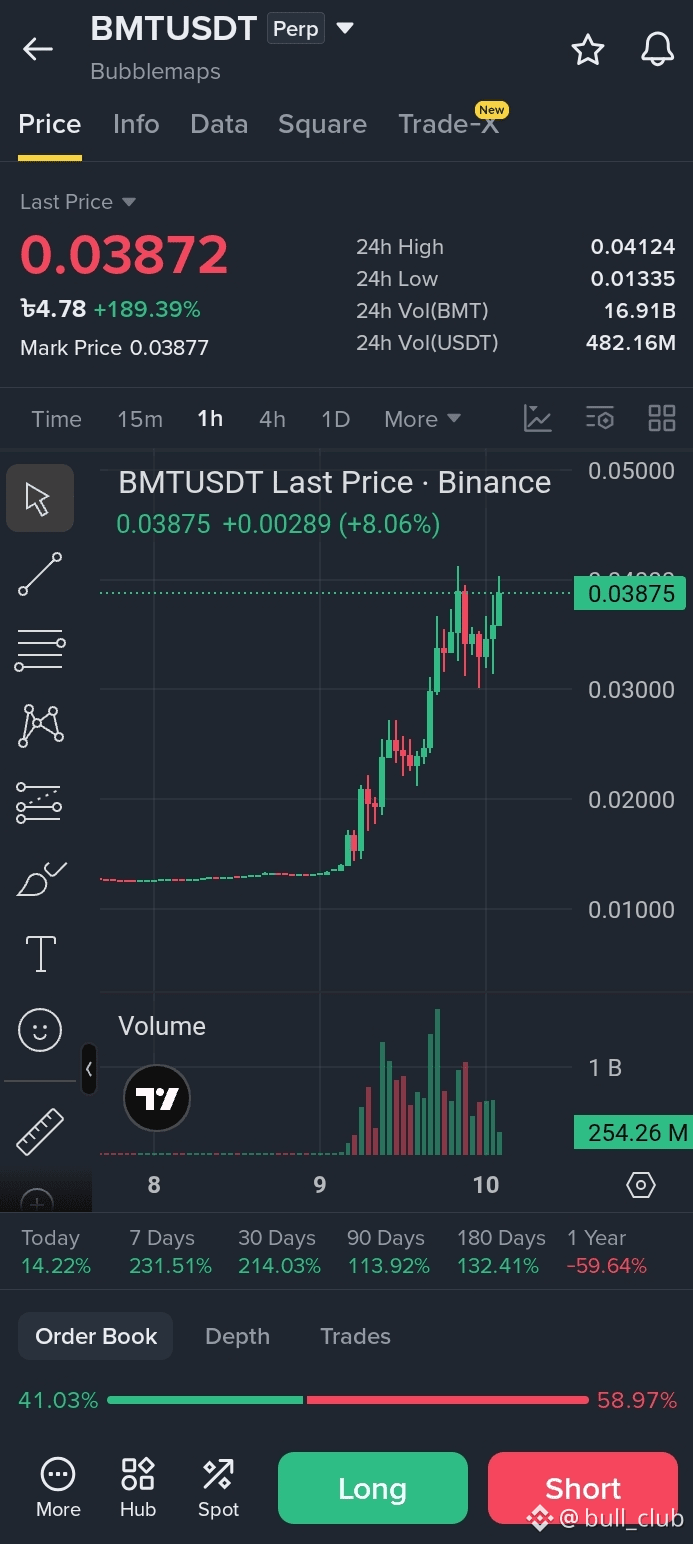
ເພື່ອນໆ, ພວກເຈົ້າສາມາດຂ້າມການໂພສນີ້ໄດ້.
$BMT Pumped 189% ມື້ນີ້!
> ເປັນຫຍັງເງິນຕົວນີ້ກຳລັງພຸ້ມຂຶ້ນ?
> ຂໍ້ເທັດຈິງ...
1000% Volume pump
180% Token pump
-- ຕົວຈິງແລ້ວມັນເກີດຂຶ້ນຍ້ອນຄວາມຮືຮວາໂດຍນັກຄ້າ.
ຈົ່ງປອດໄພ ແລະ short ມັນເດີ
ເພື່ອນໆ, ພວກເຈົ້າສາມາດຂ້າມການໂພສນີ້ໄດ້.
$BMT Pumped 189% ມື້ນີ້!
> ເປັນຫຍັງເງິນຕົວນີ້ກຳລັງພຸ້ມຂຶ້ນ?
> ຂໍ້ເທັດຈິງ...
1000% Volume pump
180% Token pump
-- ຕົວຈິງແລ້ວມັນເກີດຂຶ້ນຍ້ອນຄວາມຮືຮວາໂດຍນັກຄ້າ.
ຈົ່ງປອດໄພ ແລະ short ມັນເດີ
$BMT Pumped 189% ມື້ນີ້!
> ເປັນຫຍັງເງິນຕົວນີ້ກຳລັງພຸ້ມຂຶ້ນ?
> ຂໍ້ເທັດຈິງ...
1000% Volume pump
180% Token pump
-- ຕົວຈິງແລ້ວມັນເກີດຂຶ້ນຍ້ອນຄວາມຮືຮວາໂດຍນັກຄ້າ.
ຈົ່ງປອດໄພ ແລະ short ມັນເດີ
bull_club
·
--
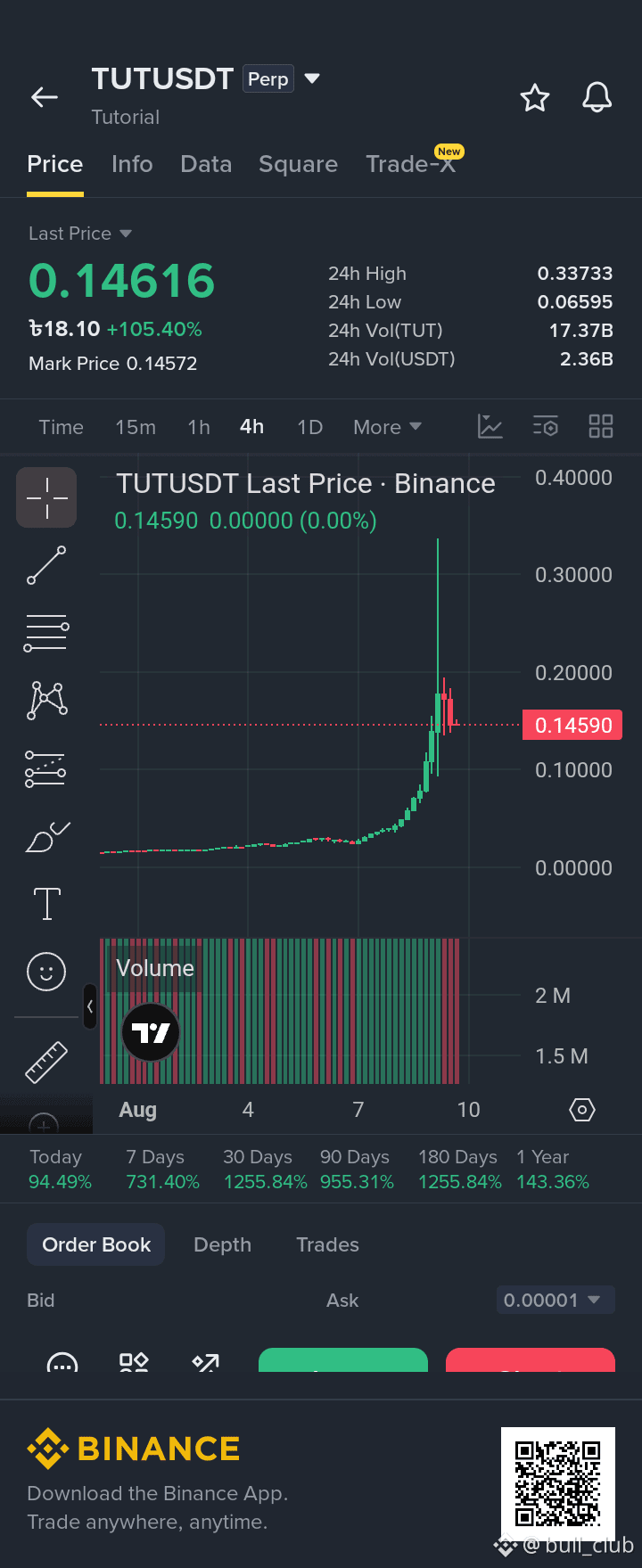
ສັນຍານກະທິງGuys , $TUT gain almost 36% visually !
ពេលយើងមើលឃើញតារាង 1W យើងអាចឃើញថាវាមិនមែនកំពុង Pump ពីតម្លៃមូលដ្ឋានទេ ។
> ដូច្នេះ ខ្ញុំ kind of bullish សម្រាប់តារាងនេះ ហើយខ្ញុំសង្ឃឹមថាវានឹងយកឈ្នះតម្លៃ base/listing ពីពេលនេះទៅ ។
> ដូច្នេះ សូមប្រាប់ខ្ញុំផងដែរ ប្រសិនបើអ្នកពិតជាចង់ចូលក្នុងតារាងនេះ
ពេលយើងមើលឃើញតារាង 1W យើងអាចឃើញថាវាមិនមែនកំពុង Pump ពីតម្លៃមូលដ្ឋានទេ ។
> ដូច្នេះ ខ្ញុំ kind of bullish សម្រាប់តារាងនេះ ហើយខ្ញុំសង្ឃឹមថាវានឹងយកឈ្នះតម្លៃ base/listing ពីពេលនេះទៅ ។
> ដូច្នេះ សូមប្រាប់ខ្ញុំផងដែរ ប្រសិនបើអ្នកពិតជាចង់ចូលក្នុងតារាងនេះ
1
4
8k
·
--
ສັນຍານກະທິງ
🚨 $TUT ການຫຼອກລວງ ຫຼື ເຂົ້າໃຈຜິດ?
ຫຼັງຈາກ $TUT ມີການເຄลື່ອນໄหวທີ່ຮຸນແຮງ ບາງຄົນກໍເລີ່ມສົງໃສວ່າ Tutorial ອາດຈະເປັນເພີ່ມອີກໜຶ່ງຄັ້ງຂອງໂຕເກັນທີ່ຄາດເດົາ.
ແຕ່ປະຫວັດເລີ່ມຕົ້ນຂອງໂຄງການນີ້ ຈິງໆ ແມ່ນບໍ່ໄດ້ຄືກັບ meme coin ທົ່ວໄປ. 👇
1/ TUT ແມ່ນຫຍັງ?
Tutorial ເລີ່ມຕົ້ນເປັນການທົດລອງດ້ານການສຶກສາໃນ BNB Chain, ຖືກສ້າງຂຶ້ນເພື່ອສະແດງວ່າ token ສາມາດຖືກເປີດຕົວແນວໃດໄດ້.
ສິ່ງທີ່ເລີ່ມຈາກການເປັນ tutorial/demo token ຕໍ່ມາໄດ້ພັດທະນາເປັນ Tutorial, ເປັນ ecosystem ການສຶກສາ Web3 ທີ່ຂັບເຄື່ອນດ້ວຍ AI ທີ່ມຸ່ງໝັ້ນໃນການຊ່ວຍໃຫ້ຜູ້ໃຊ້ເຂົ້າໃຈ blockchain, DeFi, wallets, DEXs ແລະ smart contracts.
2/ ເປັນຫຍັງ TUT ຈຶ່ງມີ?
ແນວຄິດຫຼັກຂອງໂຄງການນີ້ ແມ່ນ Tutorial Agent, ຜູ້ຊ່ວຍການຮຽນຮູ້ທີ່ເປັນ AI ອອກແບບເພື່ອຊ່ອຍໃຫ້ເຂົ້າໃຈແນວຄິດ crypto ທີ່ຊັບຊ້ອນ ແລະໃຫ້ຄຳແນະນຳແບບປະຕິສຳພັນ.
3/ ສະນັ້ນ TUT ແມ່ນການຫຼອກລວງບໍ?
ແລ້ວເລີ່ມຕົ້ນຂອງມັນຢ່າງດຽວ ບໍ່ພຽງພໍທີ່ຈະຢືນຢັນວ່າໂຄງການນີ້ຖືກຕ້ອງທັງໝົດ, ແຕ່ມັນກໍບໍ່ໄດ້ເປັນຫຼັກຖານວ່າຈະຕ້ອງເອີ້ນມັນວ່າເປັນ scam.
ຄຳຖາມຕົວຈິງແມ່ນ:
> ຜະລິດຕະພັນກຳລັງຖືກພັດທະນາຈິງບໍ?
> ລະບົບກຳລັງເພີ່ມຜູ້ໃຊ້ບໍ?
> $TUT ມີປະໂຫຍດທີ່ຍືນຍົງບໍ?
> ທີມງານ, tokenomics ແລະກິດຈະກຳຢູ່ໃນ on-chain ເປີດເຜີຍແນວໃດ?
> ໂຄງການຈະສາມາດຮັກສາການນຳໃຊ້ໄດ້ບໍ ຫຼັງຈາກຜັນຜວນລາຄາແບບຄາດເດົາ?
TUT ມີປະຫວັດເລີ່ມຕົ້ນທີ່ບໍ່ທຳມະດາ, ແຕ່ຄວາມຜັນຜວນຂອງລາຄາ ≠ scam.
ກະລຸນາເຮັດການຄົ້ນຄວ້າດ້ວຍຕົວເອງກ່ອນຕັດສິນໃຈໃດໆ.
#TUTAlert #Tutorial
DYOR. NFA.
🚨 $TUT ການຫຼອກລວງ ຫຼື ເຂົ້າໃຈຜິດ?
ຫຼັງຈາກ $TUT ມີການເຄลື່ອນໄหวທີ່ຮຸນແຮງ ບາງຄົນກໍເລີ່ມສົງໃສວ່າ Tutorial ອາດຈະເປັນເພີ່ມອີກໜຶ່ງຄັ້ງຂອງໂຕເກັນທີ່ຄາດເດົາ.
ແຕ່ປະຫວັດເລີ່ມຕົ້ນຂອງໂຄງການນີ້ ຈິງໆ ແມ່ນບໍ່ໄດ້ຄືກັບ meme coin ທົ່ວໄປ. 👇
1/ TUT ແມ່ນຫຍັງ?
Tutorial ເລີ່ມຕົ້ນເປັນການທົດລອງດ້ານການສຶກສາໃນ BNB Chain, ຖືກສ້າງຂຶ້ນເພື່ອສະແດງວ່າ token ສາມາດຖືກເປີດຕົວແນວໃດໄດ້.
ສິ່ງທີ່ເລີ່ມຈາກການເປັນ tutorial/demo token ຕໍ່ມາໄດ້ພັດທະນາເປັນ Tutorial, ເປັນ ecosystem ການສຶກສາ Web3 ທີ່ຂັບເຄື່ອນດ້ວຍ AI ທີ່ມຸ່ງໝັ້ນໃນການຊ່ວຍໃຫ້ຜູ້ໃຊ້ເຂົ້າໃຈ blockchain, DeFi, wallets, DEXs ແລະ smart contracts.
2/ ເປັນຫຍັງ TUT ຈຶ່ງມີ?
ແນວຄິດຫຼັກຂອງໂຄງການນີ້ ແມ່ນ Tutorial Agent, ຜູ້ຊ່ວຍການຮຽນຮູ້ທີ່ເປັນ AI ອອກແບບເພື່ອຊ່ອຍໃຫ້ເຂົ້າໃຈແນວຄິດ crypto ທີ່ຊັບຊ້ອນ ແລະໃຫ້ຄຳແນະນຳແບບປະຕິສຳພັນ.
3/ ສະນັ້ນ TUT ແມ່ນການຫຼອກລວງບໍ?
ແລ້ວເລີ່ມຕົ້ນຂອງມັນຢ່າງດຽວ ບໍ່ພຽງພໍທີ່ຈະຢືນຢັນວ່າໂຄງການນີ້ຖືກຕ້ອງທັງໝົດ, ແຕ່ມັນກໍບໍ່ໄດ້ເປັນຫຼັກຖານວ່າຈະຕ້ອງເອີ້ນມັນວ່າເປັນ scam.
ຄຳຖາມຕົວຈິງແມ່ນ:
> ຜະລິດຕະພັນກຳລັງຖືກພັດທະນາຈິງບໍ?
> ລະບົບກຳລັງເພີ່ມຜູ້ໃຊ້ບໍ?
> $TUT ມີປະໂຫຍດທີ່ຍືນຍົງບໍ?
> ທີມງານ, tokenomics ແລະກິດຈະກຳຢູ່ໃນ on-chain ເປີດເຜີຍແນວໃດ?
> ໂຄງການຈະສາມາດຮັກສາການນຳໃຊ້ໄດ້ບໍ ຫຼັງຈາກຜັນຜວນລາຄາແບບຄາດເດົາ?
TUT ມີປະຫວັດເລີ່ມຕົ້ນທີ່ບໍ່ທຳມະດາ, ແຕ່ຄວາມຜັນຜວນຂອງລາຄາ ≠ scam.
ກະລຸນາເຮັດການຄົ້ນຄວ້າດ້ວຍຕົວເອງກ່ອນຕັດສິນໃຈໃດໆ.
#TUTAlert #Tutorial
DYOR. NFA.
ຫຼັງຈາກ $TUT ມີການເຄลື່ອນໄหวທີ່ຮຸນແຮງ ບາງຄົນກໍເລີ່ມສົງໃສວ່າ Tutorial ອາດຈະເປັນເພີ່ມອີກໜຶ່ງຄັ້ງຂອງໂຕເກັນທີ່ຄາດເດົາ.
ແຕ່ປະຫວັດເລີ່ມຕົ້ນຂອງໂຄງການນີ້ ຈິງໆ ແມ່ນບໍ່ໄດ້ຄືກັບ meme coin ທົ່ວໄປ. 👇
1/ TUT ແມ່ນຫຍັງ?
Tutorial ເລີ່ມຕົ້ນເປັນການທົດລອງດ້ານການສຶກສາໃນ BNB Chain, ຖືກສ້າງຂຶ້ນເພື່ອສະແດງວ່າ token ສາມາດຖືກເປີດຕົວແນວໃດໄດ້.
ສິ່ງທີ່ເລີ່ມຈາກການເປັນ tutorial/demo token ຕໍ່ມາໄດ້ພັດທະນາເປັນ Tutorial, ເປັນ ecosystem ການສຶກສາ Web3 ທີ່ຂັບເຄື່ອນດ້ວຍ AI ທີ່ມຸ່ງໝັ້ນໃນການຊ່ວຍໃຫ້ຜູ້ໃຊ້ເຂົ້າໃຈ blockchain, DeFi, wallets, DEXs ແລະ smart contracts.
2/ ເປັນຫຍັງ TUT ຈຶ່ງມີ?
ແນວຄິດຫຼັກຂອງໂຄງການນີ້ ແມ່ນ Tutorial Agent, ຜູ້ຊ່ວຍການຮຽນຮູ້ທີ່ເປັນ AI ອອກແບບເພື່ອຊ່ອຍໃຫ້ເຂົ້າໃຈແນວຄິດ crypto ທີ່ຊັບຊ້ອນ ແລະໃຫ້ຄຳແນະນຳແບບປະຕິສຳພັນ.
3/ ສະນັ້ນ TUT ແມ່ນການຫຼອກລວງບໍ?
ແລ້ວເລີ່ມຕົ້ນຂອງມັນຢ່າງດຽວ ບໍ່ພຽງພໍທີ່ຈະຢືນຢັນວ່າໂຄງການນີ້ຖືກຕ້ອງທັງໝົດ, ແຕ່ມັນກໍບໍ່ໄດ້ເປັນຫຼັກຖານວ່າຈະຕ້ອງເອີ້ນມັນວ່າເປັນ scam.
ຄຳຖາມຕົວຈິງແມ່ນ:
> ຜະລິດຕະພັນກຳລັງຖືກພັດທະນາຈິງບໍ?
> ລະບົບກຳລັງເພີ່ມຜູ້ໃຊ້ບໍ?
> $TUT ມີປະໂຫຍດທີ່ຍືນຍົງບໍ?
> ທີມງານ, tokenomics ແລະກິດຈະກຳຢູ່ໃນ on-chain ເປີດເຜີຍແນວໃດ?
> ໂຄງການຈະສາມາດຮັກສາການນຳໃຊ້ໄດ້ບໍ ຫຼັງຈາກຜັນຜວນລາຄາແບບຄາດເດົາ?
TUT ມີປະຫວັດເລີ່ມຕົ້ນທີ່ບໍ່ທຳມະດາ, ແຕ່ຄວາມຜັນຜວນຂອງລາຄາ ≠ scam.
ກະລຸນາເຮັດການຄົ້ນຄວ້າດ້ວຍຕົວເອງກ່ອນຕັດສິນໃຈໃດໆ.
#TUTAlert #Tutorial
DYOR. NFA.
1
503
·
--
ສັນຍານກະທິງ
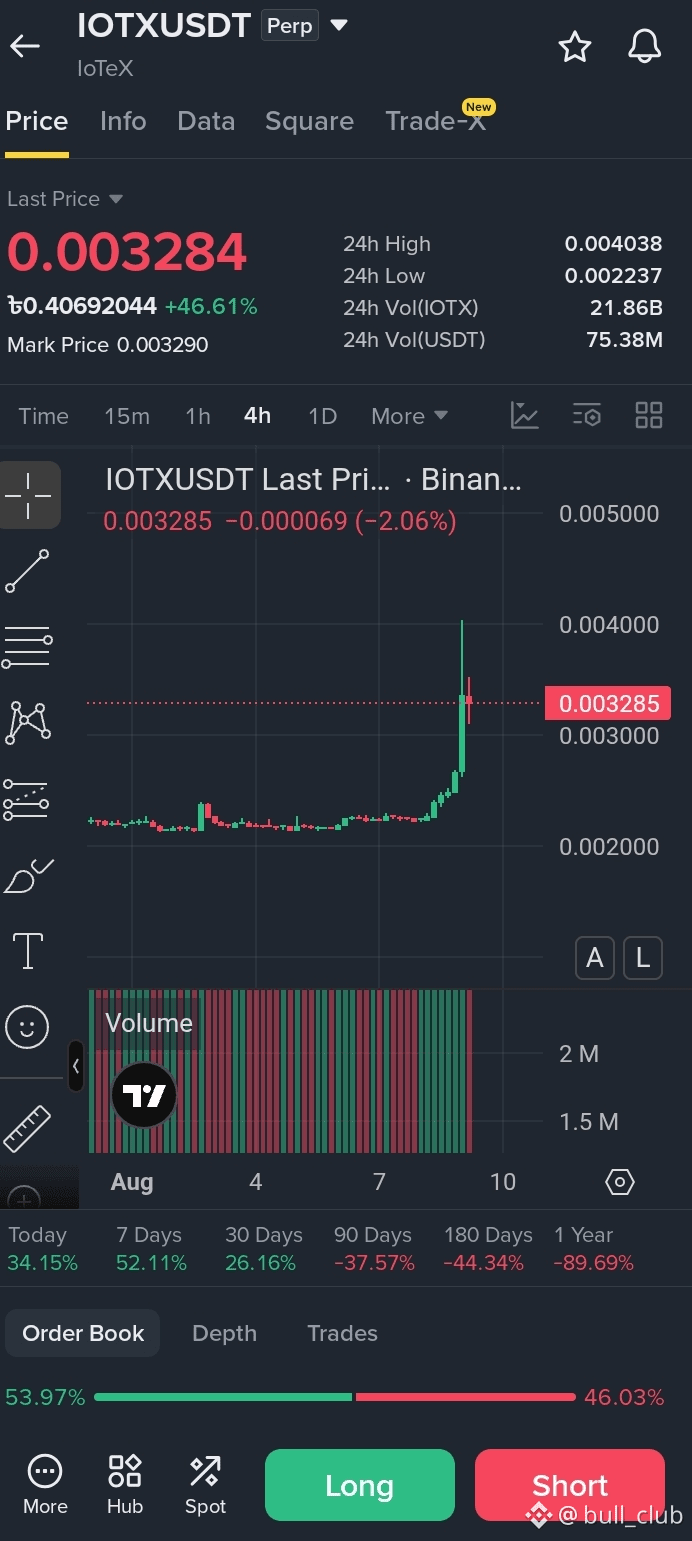
Guys , let me share some truth about $IOTX !
Visually, we can see about 40% Pump ?
> Is that actually pump ?
- this is the token which is yearly ROI is -80% . Now you can think is that still bullish ?
I'm going to short your wish what you do !
NFA
Guys , let me share some truth about $IOTX !
Visually, we can see about 40% Pump ?
> Is that actually pump ?
- this is the token which is yearly ROI is -80% . Now you can think is that still bullish ?
I'm going to short your wish what you do !
NFA
Visually, we can see about 40% Pump ?
> Is that actually pump ?
- this is the token which is yearly ROI is -80% . Now you can think is that still bullish ?
I'm going to short your wish what you do !
NFA
1
2
3k
·
--
ສັນຍານກະທິງ
ຢືນຢັນແລ້ວ
#bnb Season 🟡
$TUT ຈາກ $10M ໄປ $80M market cap ໃນ 2 ມື້
ດ້ວຍ $1B+ ປະລິມານການຊື້ຂາຍຢູ່ Binance
ສຳລັບທຸກຄົນທີ່ເຊື່ອໃນ BNB ແລະຍັງສ້າງຕໍ່
ຄວາມອົດທົນຈະໄດ້ຜົນ
ຕໍ່ໄປຈະແມ່ນຫຍັງ? 👀
#bnb Season 🟡
$TUT ຈາກ $10M ໄປ $80M market cap ໃນ 2 ມື້
ດ້ວຍ $1B+ ປະລິມານການຊື້ຂາຍຢູ່ Binance
ສຳລັບທຸກຄົນທີ່ເຊື່ອໃນ BNB ແລະຍັງສ້າງຕໍ່
ຄວາມອົດທົນຈະໄດ້ຜົນ
ຕໍ່ໄປຈະແມ່ນຫຍັງ? 👀
$TUT ຈາກ $10M ໄປ $80M market cap ໃນ 2 ມື້
ດ້ວຍ $1B+ ປະລິມານການຊື້ຂາຍຢູ່ Binance
ສຳລັບທຸກຄົນທີ່ເຊື່ອໃນ BNB ແລະຍັງສ້າງຕໍ່
ຄວາມອົດທົນຈະໄດ້ຜົນ
ຕໍ່ໄປຈະແມ່ນຫຍັງ? 👀
1
2
6.4k
·
--
ສັນຍານກະທິງ
ພວກເຈົ້າຂ້ອຍ 😁
ສອງມື້ກ່ອນ ຂ້ອຍຄ່ອນຂ້າງຈະ Bullish ກ່ຽວກັບ $TUT ແຕ່ຄົນບໍ່ເຊື່ອ
> ຫຼັງຈາກສັນຍານຂອງຂ້ອຍ ມັນສູບຂຶ້ນ 30% ເຖິງ 180%
ຕອນນີ້ມັນຈະເລີ່ມ bearish ສອງສາມເທົ່າ ຕໍ່ໄປ
ເຈົ້າສາມາດເຂົ້າໄປ short ໄດ້
{future}(TUTUSDT)
ພວກເຈົ້າຂ້ອຍ 😁
ສອງມື້ກ່ອນ ຂ້ອຍຄ່ອນຂ້າງຈະ Bullish ກ່ຽວກັບ $TUT ແຕ່ຄົນບໍ່ເຊື່ອ
> ຫຼັງຈາກສັນຍານຂອງຂ້ອຍ ມັນສູບຂຶ້ນ 30% ເຖິງ 180%
ຕອນນີ້ມັນຈະເລີ່ມ bearish ສອງສາມເທົ່າ ຕໍ່ໄປ
ເຈົ້າສາມາດເຂົ້າໄປ short ໄດ້
ສອງມື້ກ່ອນ ຂ້ອຍຄ່ອນຂ້າງຈະ Bullish ກ່ຽວກັບ $TUT ແຕ່ຄົນບໍ່ເຊື່ອ
> ຫຼັງຈາກສັນຍານຂອງຂ້ອຍ ມັນສູບຂຶ້ນ 30% ເຖິງ 180%
ຕອນນີ້ມັນຈະເລີ່ມ bearish ສອງສາມເທົ່າ ຕໍ່ໄປ
ເຈົ້າສາມາດເຂົ້າໄປ short ໄດ້
bull_club
·
--
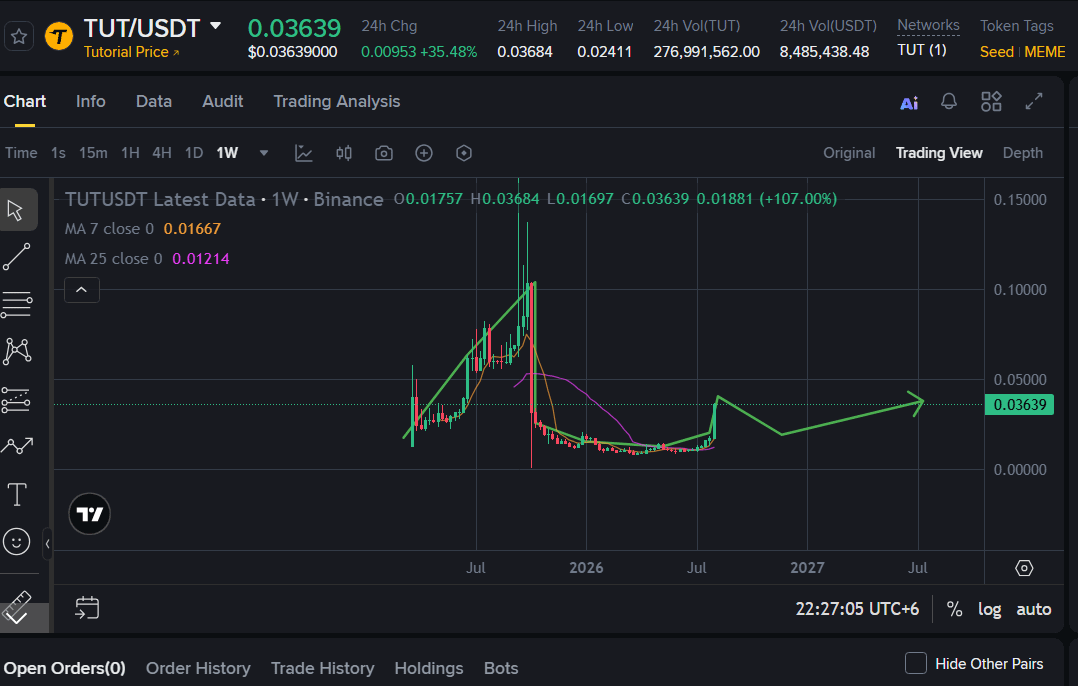
ສັນຍານກະທິງGuys , $TUT gain almost 36% visually !
ពេលយើងមើលឃើញតារាង 1W យើងអាចឃើញថាវាមិនមែនកំពុង Pump ពីតម្លៃមូលដ្ឋានទេ ។
> ដូច្នេះ ខ្ញុំ kind of bullish សម្រាប់តារាងនេះ ហើយខ្ញុំសង្ឃឹមថាវានឹងយកឈ្នះតម្លៃ base/listing ពីពេលនេះទៅ ។
> ដូច្នេះ សូមប្រាប់ខ្ញុំផងដែរ ប្រសិនបើអ្នកពិតជាចង់ចូលក្នុងតារាងនេះ
ពេលយើងមើលឃើញតារាង 1W យើងអាចឃើញថាវាមិនមែនកំពុង Pump ពីតម្លៃមូលដ្ឋានទេ ។
> ដូច្នេះ ខ្ញុំ kind of bullish សម្រាប់តារាងនេះ ហើយខ្ញុំសង្ឃឹមថាវានឹងយកឈ្នះតម្លៃ base/listing ពីពេលនេះទៅ ។
> ដូច្នេះ សូមប្រាប់ខ្ញុំផងដែរ ប្រសិនបើអ្នកពិតជាចង់ចូលក្នុងតារាងនេះ
8
7
5.3k
ເຂົ້າສູ່ລະບົບເພື່ອສຳຫຼວດເນື້ອຫາເພີ່ມເຕີມ
ເຂົ້າຮ່ວມກຸ່ມຜູ້ໃຊ້ຄຣິບໂຕທົ່ວໂລກໃນ Binance Square.
⚡️ ໄດ້ຮັບຂໍ້ມູນຫຼ້າສຸດ ແລະ ທີ່ມີປະໂຫຍດກ່ຽວກັບຄຣິບໂຕ.
💬 ໄດ້ຮັບຄວາມໄວ້ວາງໃຈຈາກຕະຫຼາດແລກປ່ຽນຄຣິບໂຕທີ່ໃຫຍ່ທີ່ສຸດໃນໂລກ.
👍 ຄົ້ນຫາຂໍ້ມູນເຊີງເລິກທີ່ແທ້ຈາກນັກສ້າງທີ່ໄດ້ຮັບການຢືນຢັນ.
ອີເມວ / ເບີໂທລະສັບ
ຫົວຂໍ້ທີ່ກໍາລັງນິຍົມ
USAugustPPIRisesLessThanExpected
8 views
9 ກຳລັງສົນທະນາ
🚨 US AUG PPI: ຂຶ້ນໜ້ອຍກວ່າທີ່ຄາດ! ເປັນບວກສໍາລັບ Crypto? 🚀
PPI +0.4% MoM ຕາມຄາດ, ແຕ່ CORE PPI ພຽງ +0.2% ທຽບກັບ +0.3% ທີ່ຄາດ - ເຢັນລົງ!
ຄວາມໝາຍຂອງມັນ:
• ອັດຕາເງິນເຟີ້ຂອງການຄ້າຂາຍສົ່ງເບົາກວ່າທີ່ກັງວົນ
• ໂອກາດຂອງການຂຶ້ນອັດຕາດອກເບ້ຍຂອງ Fed ຕອນນີ້ 62% - ແຕ່ມີສັນຍານແນວ dovish ມາ
• ຄາດວ່າການປັບປຸງ Core PCE ຈະອອກມາຕໍ່າລົງ - ເປັນບວກ
• BTC ປົກກະຕິຈະເພີ່ມຂຶ້ນເມື່ອ PPI ອ່ອນລົງ
ກອງປະຊຸມ Fed 15-16 ກັນຍາ - ຕອນນີ້ຕະຫຼາດຄາດຈະຢຸດ ບໍ່ແມ່ນຂຶ້ນ?
ນີ້ແມ່ນແສງສີຂຽວສໍາລັບການແຂ່ງຂຶ້ນໃນ Q4 ບໍ?
#Bitcoin #PPI #Fed #CryptoNews #BTC#usaugustppiriseslessthanexpected
True News
·1 ຖືກໃຈ
·26 views
SECApprovesNasdaqTexasCommodityTrustRule
1,035 views
105 ກຳລັງສົນທະນາ
ECBRaisesRatesSecondTimeTo2.5%
414 views
68 ກຳລັງສົນທະນາ