
Block_WaveX 0
24.3k ໂພສ

Block_WaveX 0
Crypto Futures Trader | Risk Managed | Trend Focused | Trade Smart. Stay Ahead.
ເປີດການຊື້ຂາຍ
ຜູ້ຊື້ຂາຍປະຈໍາ
11.3 ເດືອນ
678 ກໍາລັງຕິດຕາມ
13.0K+ ຜູ້ຕິດຕາມ
10.0K+ Liked
ໂພສ
Portfolio
ທັງໝົດ
ວົງຢືມ
ຖ່າຍທອດສົດ
ປັກໝຸດ

ເບິ່ງການແປ


VICTORIA _777
·
--
ສັນຍານກະທິງទីផ្សារការងារទើបតែធ្វើឲ្យការងាររបស់ Fed កាន់តែពិបាកជាងមុន។ 👀
NFP ខែសីហាចេញមកខ្លាំងជាងការរំពឹងទុកនៅ 162K ខណៈដែលអត្រាគ្មានការងារនៅថេរ 4.1% ។
វាប្រាប់ខ្ញុំថា សេដ្ឋកិច្ចមិនបានបង្ហាញភាពទន់ខ្សោយគ្រប់គ្រាន់ ដើម្បីបង្ខំឲ្យ Fed ងាកទៅរកគោលនយោបាយងាយស្រួលឡើយ។
តែឥឡូវនេះ អតិផរណា (inflation) ទៅកាន់មុខតំណែង។
PPI ខែសីហាបានចេញមកក្តៅ 0.4% MoM និង 5.4% YoY ខណៈដែលតម្លៃថាមពលកើនឡើងអាចបង្កើនសម្ពាធបន្ថែមទៀតផងដែរ។
ដូច្នេះ ខ្ញុំមានទំនោរបន្តិចទៅរកហានិភ័យតិច (risk-off) មុនពេល CPI។
CPI ក្តៅជាងមុន — ជាពិសេស core ដែលនៅតែរឹង (sticky) — អាចជំរុញឲ្យការរំពឹងទុកអត្រាកើនឡើង លើកអត្រាទុនបណ្ដោះអាមេរិក (Treasury yields) និងធ្វើឲ្យប្រាក់ដុល្លារឹងមាំឡើង។ នោះមិនមែនជាសេណារីយ៉ូដែលភាគហ៊ុន និងមាសចង់បានទេ។
តែនេះហើយដែលធ្វើឲ្យវាគួរឲ្យចាប់អារម្មណ៍។
បើ CPI ចេញមកត្រជាក់ជាងការរំពឹងទុក ការរៀបរាប់ទាំងមូលអាចប្ដូរវិញបានស្ទើរតែភ្លាមៗ។
ទីផ្សារមិនជួញដូរតែ «លេខ» តែមួយនោះទេ។
ពួកគេជួញដូរ «ការភ្ញាក់ផ្អើល»។
ក្តៅជាងការរំពឹងទុក = អាចជាហានិភ័យធ្លាក់ (bearish) ។
ត្រជាក់ជាងការរំពឹងទុក = អាចជាហានិភ័យកើនឡើង (bullish) ។
សម្រាប់ពេលនេះ ខ្ញុំមិនទាន់ជ្រើសរើសខាងណាទេ។
ខ្ញុំកំពុងមើលគម្លាតរវាង CPI និងការរំពឹងទុក។
នោះហើយជាកន្លែងដែលអស្ថិរភាពពិតអាចចាប់ផ្តើម។ 👀
#CPIWatch
$RAYSOL
$KOMA
NFP ខែសីហាចេញមកខ្លាំងជាងការរំពឹងទុកនៅ 162K ខណៈដែលអត្រាគ្មានការងារនៅថេរ 4.1% ។
វាប្រាប់ខ្ញុំថា សេដ្ឋកិច្ចមិនបានបង្ហាញភាពទន់ខ្សោយគ្រប់គ្រាន់ ដើម្បីបង្ខំឲ្យ Fed ងាកទៅរកគោលនយោបាយងាយស្រួលឡើយ។
តែឥឡូវនេះ អតិផរណា (inflation) ទៅកាន់មុខតំណែង។
PPI ខែសីហាបានចេញមកក្តៅ 0.4% MoM និង 5.4% YoY ខណៈដែលតម្លៃថាមពលកើនឡើងអាចបង្កើនសម្ពាធបន្ថែមទៀតផងដែរ។
ដូច្នេះ ខ្ញុំមានទំនោរបន្តិចទៅរកហានិភ័យតិច (risk-off) មុនពេល CPI។
CPI ក្តៅជាងមុន — ជាពិសេស core ដែលនៅតែរឹង (sticky) — អាចជំរុញឲ្យការរំពឹងទុកអត្រាកើនឡើង លើកអត្រាទុនបណ្ដោះអាមេរិក (Treasury yields) និងធ្វើឲ្យប្រាក់ដុល្លារឹងមាំឡើង។ នោះមិនមែនជាសេណារីយ៉ូដែលភាគហ៊ុន និងមាសចង់បានទេ។
តែនេះហើយដែលធ្វើឲ្យវាគួរឲ្យចាប់អារម្មណ៍។
បើ CPI ចេញមកត្រជាក់ជាងការរំពឹងទុក ការរៀបរាប់ទាំងមូលអាចប្ដូរវិញបានស្ទើរតែភ្លាមៗ។
ទីផ្សារមិនជួញដូរតែ «លេខ» តែមួយនោះទេ។
ពួកគេជួញដូរ «ការភ្ញាក់ផ្អើល»។
ក្តៅជាងការរំពឹងទុក = អាចជាហានិភ័យធ្លាក់ (bearish) ។
ត្រជាក់ជាងការរំពឹងទុក = អាចជាហានិភ័យកើនឡើង (bullish) ។
សម្រាប់ពេលនេះ ខ្ញុំមិនទាន់ជ្រើសរើសខាងណាទេ។
ខ្ញុំកំពុងមើលគម្លាតរវាង CPI និងការរំពឹងទុក។
នោះហើយជាកន្លែងដែលអស្ថិរភាពពិតអាចចាប់ផ្តើម។ 👀
#CPIWatch
$RAYSOL
$KOMA

ເບິ່ງການແປ

Anya_X
·
--
rēbāt ạò ra᷄òm jàk Anya _X

ເບິ່ງການແປ
Block_WaveX 0
·
--
ສັນຍານກະທິງ📊 CPI INFLATION — KUNANQOBA IT FAYTA TAWELELA EMASUWEZINI
I-Consumer Price Index (CPI) kungenye yezinkomba zomnotho ezibhekwa kakhulu emikhakheni yezimali emhlabeni jikelele. Ilinganisa ushintsho oluphakathi kwamanani izivakashi ezikhokhela ngaso iqoqo lezimpahla nezinsizakalo ngokuhamba kwesikhathi.
Uma i-CPI iphumela ngaphezu kwalokho obekulindelwe, ingase ikhombise ingcindezi yokwehla kwamandla emali (inflation) eqinile. Abatshalizimali bangase bacabange ukuthi amabhange amakhulu angase agcine amazinga enzalo ephakeme isikhathi eside. Lokhu kungathinta izinhlobo zemali (currencies), amabhondi, amasheya, igolide, kanye nesimo sengcuphe esibanzi.
Ngakolunye uhlangothi, ukufundwa kwe-CPI okwehlayo kunezibikezelo kungase kubonise ukuthi ukwehla kwamandla emali kuyancipha. Lokhu kungandisa amathemba okuthi umnotho uzokwamukela inqubomgomo yemali elula, okungase kusekele izimpahla ezizwela engcupheni.
🔥 Okubalulekile abahwebi abakubhekayo:
• I-CPI yangempela vs. Isibikezelo
• Okufundwayo okwedlule kwe-CPI
• I-Core CPI
• I-inflation yesikhathi nenyanga kuya kwenye (month-over-month)
• I-inflation yonyaka nonyaka (year-over-year)
• Amathuba okuthi izinga lebhange elikhulu (central bank rate) lizoba yini
• Ukusabela kwemakethe ngemva kokukhishwa
⚠️ Okubalulekile: I-CPI akukhona nje kuphela ukuthi inflation “iphezulu” noma “iphansi.” Ukunyakaza okukhulu kwemakethe kuvame ukuvela ekwehleni/ukwenyukeni okuphakathi kwenani langempela nalokho okwalindelwe imakethe.
📈 I-CPI ephezulu kunalokho okulindelwe kungenzeka kuqinise amathemba okuthi amazinga abe “hawkish”
📉 I-CPI ephansi kunalokho okulindelwe kungenzeka kuqinise amathemba okuthi amazinga abe “dovish”
Kodwa-ke, imakethe ingase iphendule ngendlela ehlukile kuye ngokuthi isimo somnotho esibanzi sinjani, indlela okuma ngayo (positioning), nokuthi yini amabhange amakhulu asewuzimiselela ayibeke kakade emananini.
💡 Kwabahwebi: Hlala ubheka ukukhishwa kwe-CPI kanye nemibiko yamabhange amakhulu, imininingwane yokuqashwa, i-GDP, nezinye izinkomba ezinkulu zomnotho kunokuba uthembele kudatha eyodwa kuphela.
📌 Hlala unolwazi. Hweba ngokohlelo. Phatha ingcuphe yakho.
$龙虾
$LAB
#CPIWATCH
#FedWatch🔥
I-Consumer Price Index (CPI) kungenye yezinkomba zomnotho ezibhekwa kakhulu emikhakheni yezimali emhlabeni jikelele. Ilinganisa ushintsho oluphakathi kwamanani izivakashi ezikhokhela ngaso iqoqo lezimpahla nezinsizakalo ngokuhamba kwesikhathi.
Uma i-CPI iphumela ngaphezu kwalokho obekulindelwe, ingase ikhombise ingcindezi yokwehla kwamandla emali (inflation) eqinile. Abatshalizimali bangase bacabange ukuthi amabhange amakhulu angase agcine amazinga enzalo ephakeme isikhathi eside. Lokhu kungathinta izinhlobo zemali (currencies), amabhondi, amasheya, igolide, kanye nesimo sengcuphe esibanzi.
Ngakolunye uhlangothi, ukufundwa kwe-CPI okwehlayo kunezibikezelo kungase kubonise ukuthi ukwehla kwamandla emali kuyancipha. Lokhu kungandisa amathemba okuthi umnotho uzokwamukela inqubomgomo yemali elula, okungase kusekele izimpahla ezizwela engcupheni.
🔥 Okubalulekile abahwebi abakubhekayo:
• I-CPI yangempela vs. Isibikezelo
• Okufundwayo okwedlule kwe-CPI
• I-Core CPI
• I-inflation yesikhathi nenyanga kuya kwenye (month-over-month)
• I-inflation yonyaka nonyaka (year-over-year)
• Amathuba okuthi izinga lebhange elikhulu (central bank rate) lizoba yini
• Ukusabela kwemakethe ngemva kokukhishwa
⚠️ Okubalulekile: I-CPI akukhona nje kuphela ukuthi inflation “iphezulu” noma “iphansi.” Ukunyakaza okukhulu kwemakethe kuvame ukuvela ekwehleni/ukwenyukeni okuphakathi kwenani langempela nalokho okwalindelwe imakethe.
📈 I-CPI ephezulu kunalokho okulindelwe kungenzeka kuqinise amathemba okuthi amazinga abe “hawkish”
📉 I-CPI ephansi kunalokho okulindelwe kungenzeka kuqinise amathemba okuthi amazinga abe “dovish”
Kodwa-ke, imakethe ingase iphendule ngendlela ehlukile kuye ngokuthi isimo somnotho esibanzi sinjani, indlela okuma ngayo (positioning), nokuthi yini amabhange amakhulu asewuzimiselela ayibeke kakade emananini.
💡 Kwabahwebi: Hlala ubheka ukukhishwa kwe-CPI kanye nemibiko yamabhange amakhulu, imininingwane yokuqashwa, i-GDP, nezinye izinkomba ezinkulu zomnotho kunokuba uthembele kudatha eyodwa kuphela.
📌 Hlala unolwazi. Hweba ngokohlelo. Phatha ingcuphe yakho.
$龙虾
$LAB
#CPIWATCH
#FedWatch🔥

ເບິ່ງການແປ

Muzamil Abbas⁷⁵ 穆扎米尔_阿巴斯
·
--
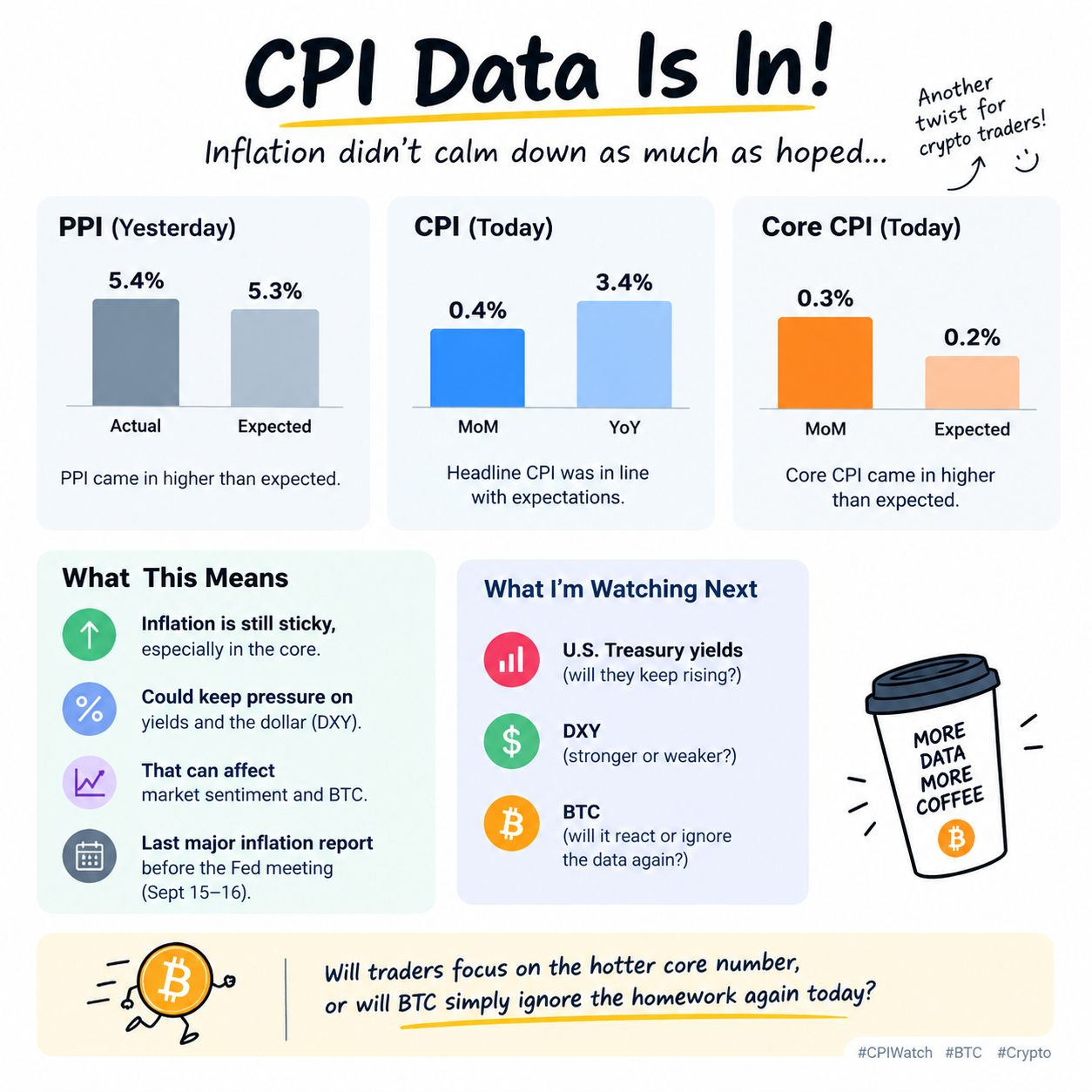
ສັນຍານກະທິງOwserežut ke mivi watching no ka CPI reaction loni, a peʻy honestly, inflation deside sɛ ɔbaa crypto traders enya foforo small headache. Ɛkyɛ PPI no nso, na ɛnyɛ adwuma mũ, 5.4% ɛka 5.3% a wɔte sɛ wobɛba, enti na migyina so sɛ ɛbɛyɛ sɛ CPI bɛma akɛse no asɔre. Ɛnnyɛ nea ɛyɛ.
Headline CPI baa 0.4% month-on-month ne 3.4% year-on-year, bɛyɛ mmerɛ sɛ ɛbɛn nea wɔpɛ. Enea meyɛ nkyerɛkyerɛ no ne core CPI. Ɛbaa 0.3% m/m wɔ 0.2% a wɔtee sɛ ɛbɛba no ho, eyi kyerɛ sɛ underlying inflation rehyɛase nni sɛ ɛbɛfiri afei pɛpɛɛpɛ sɛnea obiara bɛpɛ. Eyi ho hia wɔ Bitcoin hɔ efisɛ inflation data betumi ama Treasury yields, dollar, ne nea wɔhwɛ sɛ Fed bɛyɛ no ayɛ nsɛm. Sɛ yɛka no kɔ akyiri a, percentage point baako bi betumi ama msika no ayɛ te sɛ ɔnyɛ de kofee baako baanan.
Mɛnsusuw bearish BTC call no ntɛm ara, nanso. Data betumi ama ayɛ den sɛ ɛyɛ negative bere a ɔhaw no betumi nso ahyɛ price no kwan foforo pɛ. Me ho nkyerɛkyerɛ a edi akyiri no ne sɛnea yields, DXY, ne BTC no bɔmmɔ no, na ɛnyɛ headline no ara. Eyi nso yɛ inflation report kɛse kɛse a ɛdi kan wɔ September 15–16 Fed meeting no mu, enti msika no wɔ nea ɛwɔ so sɛ ɛbɛtae.
Afei, meyɛ apɛde sɛ: ahemfo bɛde wɔn ani asi core no a ɛyɛ fɛfɛ, anaasɛ BTC bɛka so anya nea wɔyɛɛ no homework no foforo bio wɔ nnɔ?
#cpiwatch #CPIWatch
Headline CPI baa 0.4% month-on-month ne 3.4% year-on-year, bɛyɛ mmerɛ sɛ ɛbɛn nea wɔpɛ. Enea meyɛ nkyerɛkyerɛ no ne core CPI. Ɛbaa 0.3% m/m wɔ 0.2% a wɔtee sɛ ɛbɛba no ho, eyi kyerɛ sɛ underlying inflation rehyɛase nni sɛ ɛbɛfiri afei pɛpɛɛpɛ sɛnea obiara bɛpɛ. Eyi ho hia wɔ Bitcoin hɔ efisɛ inflation data betumi ama Treasury yields, dollar, ne nea wɔhwɛ sɛ Fed bɛyɛ no ayɛ nsɛm. Sɛ yɛka no kɔ akyiri a, percentage point baako bi betumi ama msika no ayɛ te sɛ ɔnyɛ de kofee baako baanan.
Mɛnsusuw bearish BTC call no ntɛm ara, nanso. Data betumi ama ayɛ den sɛ ɛyɛ negative bere a ɔhaw no betumi nso ahyɛ price no kwan foforo pɛ. Me ho nkyerɛkyerɛ a edi akyiri no ne sɛnea yields, DXY, ne BTC no bɔmmɔ no, na ɛnyɛ headline no ara. Eyi nso yɛ inflation report kɛse kɛse a ɛdi kan wɔ September 15–16 Fed meeting no mu, enti msika no wɔ nea ɛwɔ so sɛ ɛbɛtae.
Afei, meyɛ apɛde sɛ: ahemfo bɛde wɔn ani asi core no a ɛyɛ fɛfɛ, anaasɛ BTC bɛka so anya nea wɔyɛɛ no homework no foforo bio wɔ nnɔ?
#cpiwatch #CPIWatch
ເບິ່ງການແປ

Shaheen 69
·
--
🚨 CPI ພຶ້ງລົງແລ້ວ — ຕອນນີ້ພວກເຮົາເລີ່ມການທົດສອບທີ່ແທ້!⏳
CPI ຫົວຂໍ້ກົງກັບຄາດຄະເນ, ແຕ່ Core CPI ອອກມາຮ້ອນກວ່າເດືອນຕໍ່ເດືອນ (MoM). ນີ້ຍັງເຮັດໃຫ້ນະໂຍບາຍຂອງ Fed ບໍ່ແນ່ນອນ ແລະ ອາດນຳເອົາຄວາມຜັນຜວນເພີ່ມໃຫ້ກັບ BTC, ETH ແລະ altcoins. ⚠️
ຂ້ອຍກຳລັງຈັບຕາການເຄື່ອນໄຫວຂອງລາຄາກ່ອນຈະເຂົ້າເປັນທິດທາງ.
ຂຶ້ນບວກ 🟢 ຫຼື ລົງລົບ 🔴?
NFA/DYOR.
CPI ຫົວຂໍ້ກົງກັບຄາດຄະເນ, ແຕ່ Core CPI ອອກມາຮ້ອນກວ່າເດືອນຕໍ່ເດືອນ (MoM). ນີ້ຍັງເຮັດໃຫ້ນະໂຍບາຍຂອງ Fed ບໍ່ແນ່ນອນ ແລະ ອາດນຳເອົາຄວາມຜັນຜວນເພີ່ມໃຫ້ກັບ BTC, ETH ແລະ altcoins. ⚠️
ຂ້ອຍກຳລັງຈັບຕາການເຄື່ອນໄຫວຂອງລາຄາກ່ອນຈະເຂົ້າເປັນທິດທາງ.
ຂຶ້ນບວກ 🟢 ຫຼື ລົງລົບ 🔴?
NFA/DYOR.

🎙️ 🚨 LIVE: Best "LONG" & "SHORT" Setups Before the BIG Move 🚀📈
ສິ້ນສຸດ
02 ຊົ່ວໂມງ 19 ນາທີ 57 ວິນາທີ
291
1

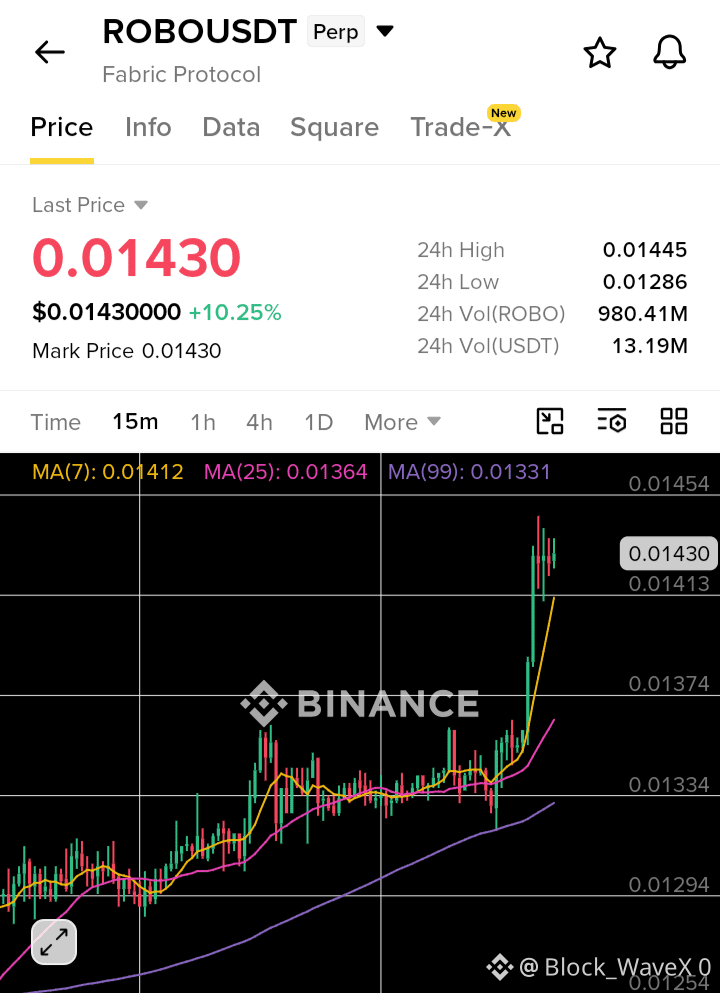
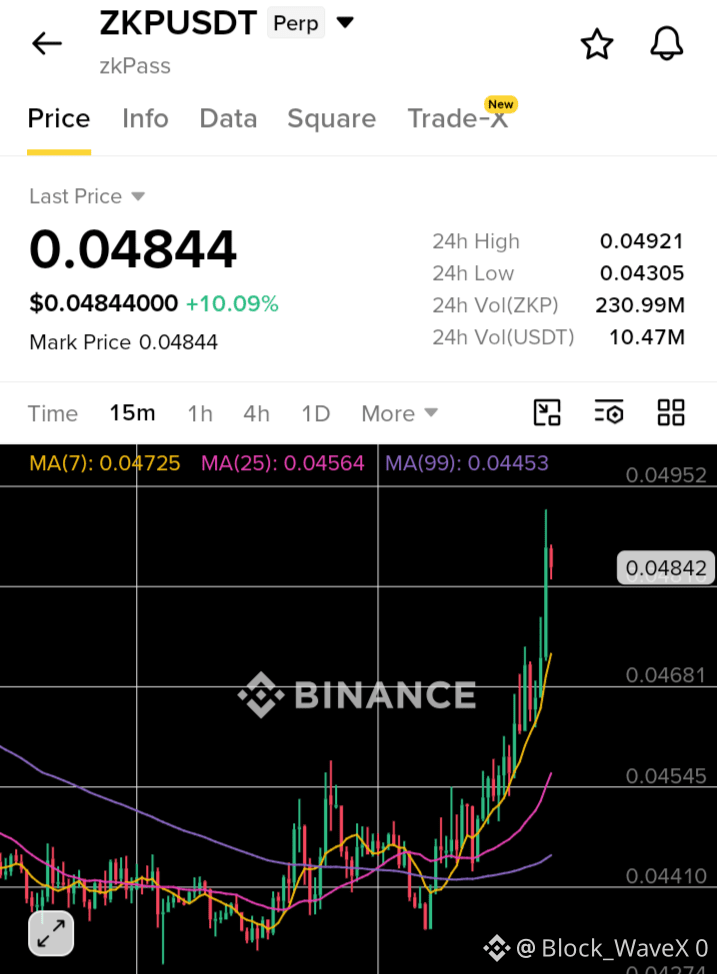
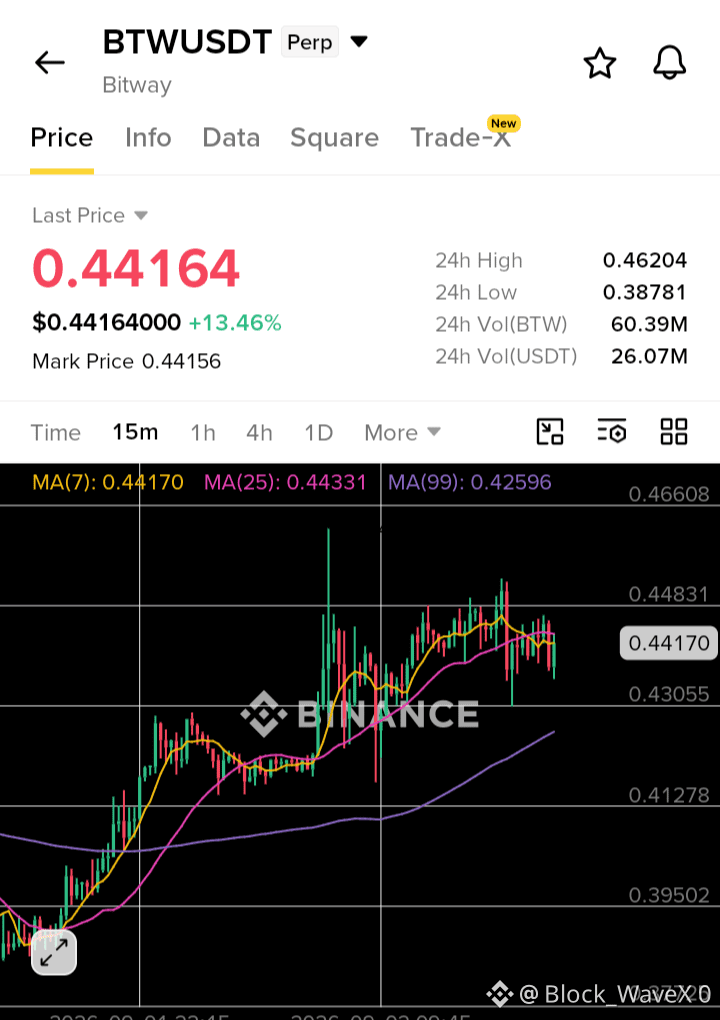
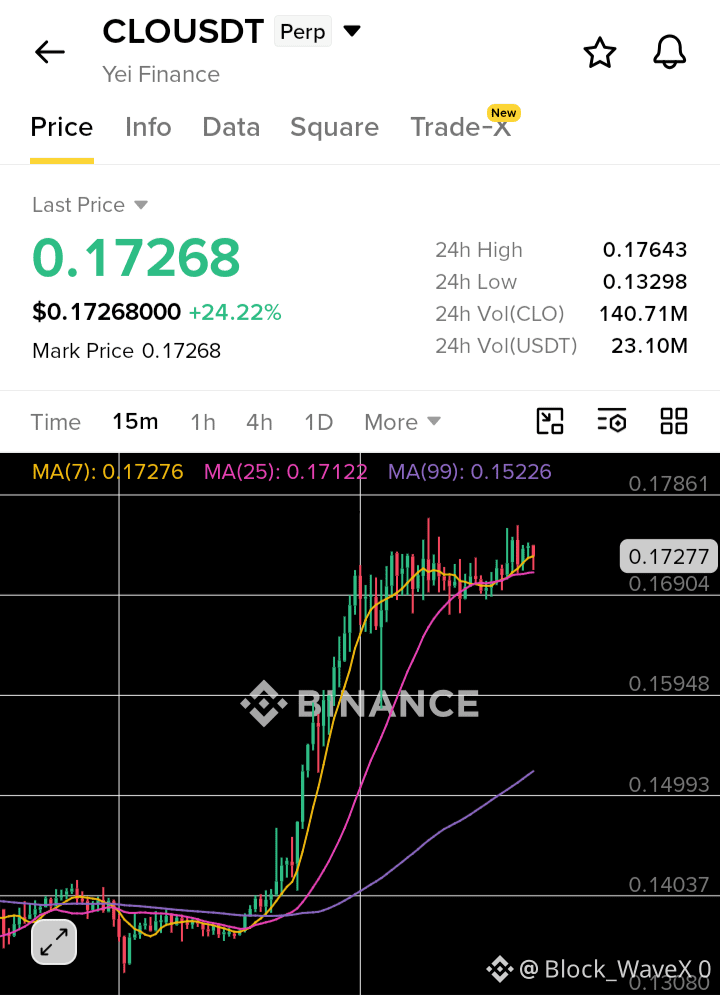
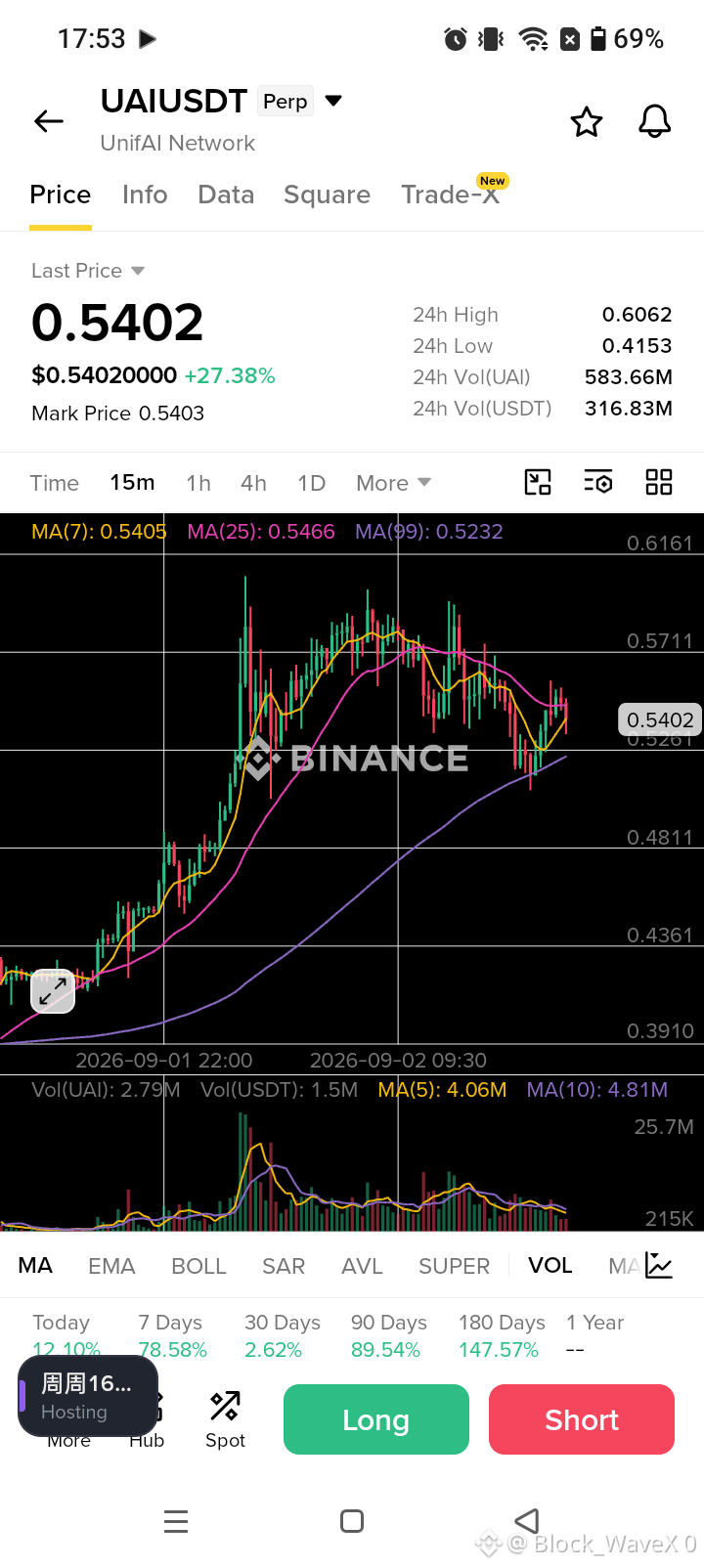
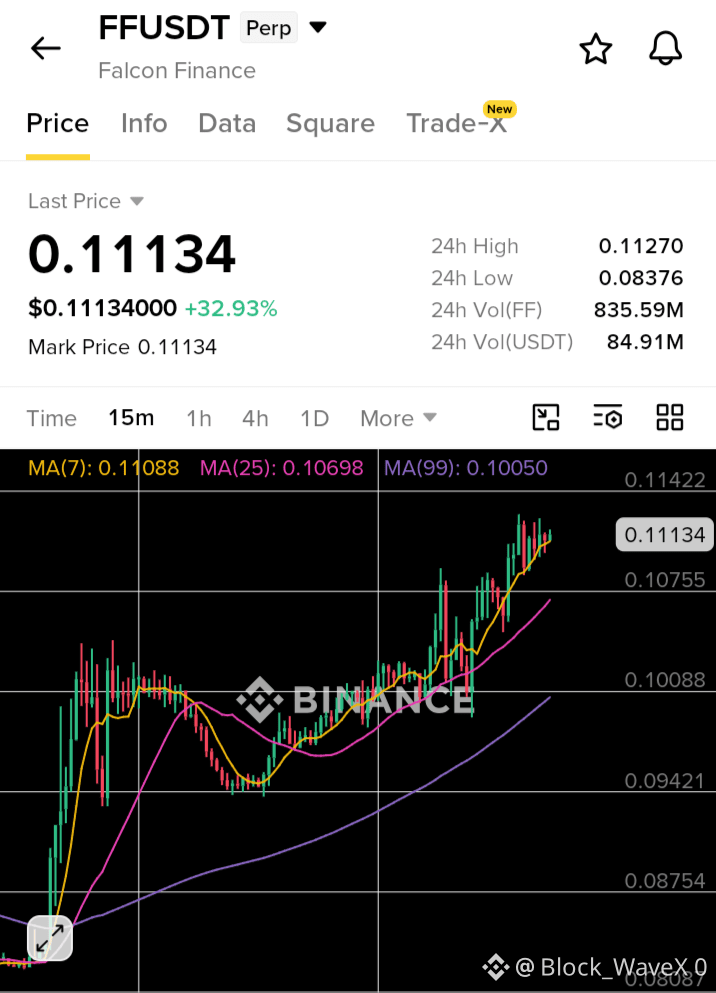
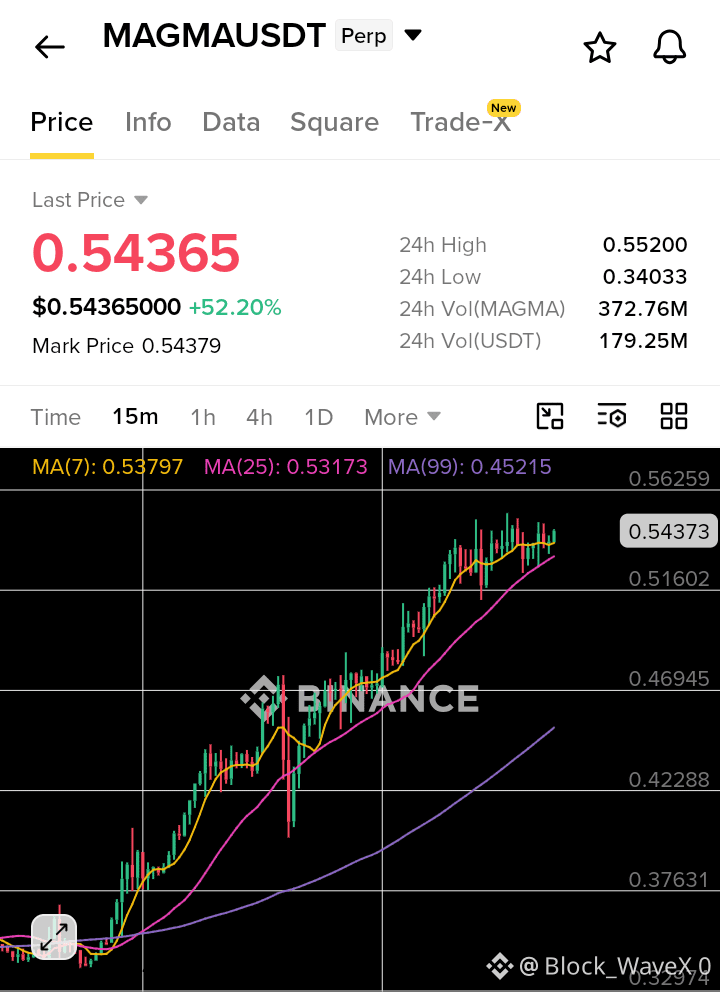
🎙️ ມາຄຸຍກ່ຽວກັບສະພາບຕະຫຼາດ ແລະການລົງທຶນປະຈຳ BNB ສະແປັນ!
ສິ້ນສຸດ
03 ຊົ່ວໂມງ 21 ນາທີ 01 ວິນາທີ
16.6k
36
ເຂົ້າສູ່ລະບົບເພື່ອສຳຫຼວດເນື້ອຫາເພີ່ມເຕີມ