
BLANK _
21.8k ໂພສ

BLANK _
 Square Verified+
ລາຍງານ
ບລັອກຜູ້ໃຊ້
Binance Enthusiast 💠 Crypto Trader 💠Deciphering the Charts,One trade at a time 💠Passionate about Blockchain as Web3 💠 Hustle. Trade. Repeat 💠 👉X::@BLANK53
ເປີດການຊື້ຂາຍ
ຜູ້ຊື້ຂາຍປະຈໍາ
2 ປີ
295 ກໍາລັງຕິດຕາມ
45.8K+ ຜູ້ຕິດຕາມ
35.3K+ Liked
ໂພສ
Portfolio
ທັງໝົດ
ວົງຢືມ
ວີດີໂອ
ຖ່າຍທອດສົດ
ປັກໝຸດ

·
--
ເບິ່ງການແປ
YTERWWTYEWTYWYT
YTERWWTYEWTYWYT

ROBINX-Hood
·
--
ສັນຍານກະທິງLIKE 👍
FOLLOW ✅
REPOST 🔁🔁
claim rewards 🎁 🎁
$MOVR
$SOL
FOLLOW ✅
REPOST 🔁🔁
claim rewards 🎁 🎁
$MOVR
$SOL

62
·
--
ສັນຍານກະທິງ
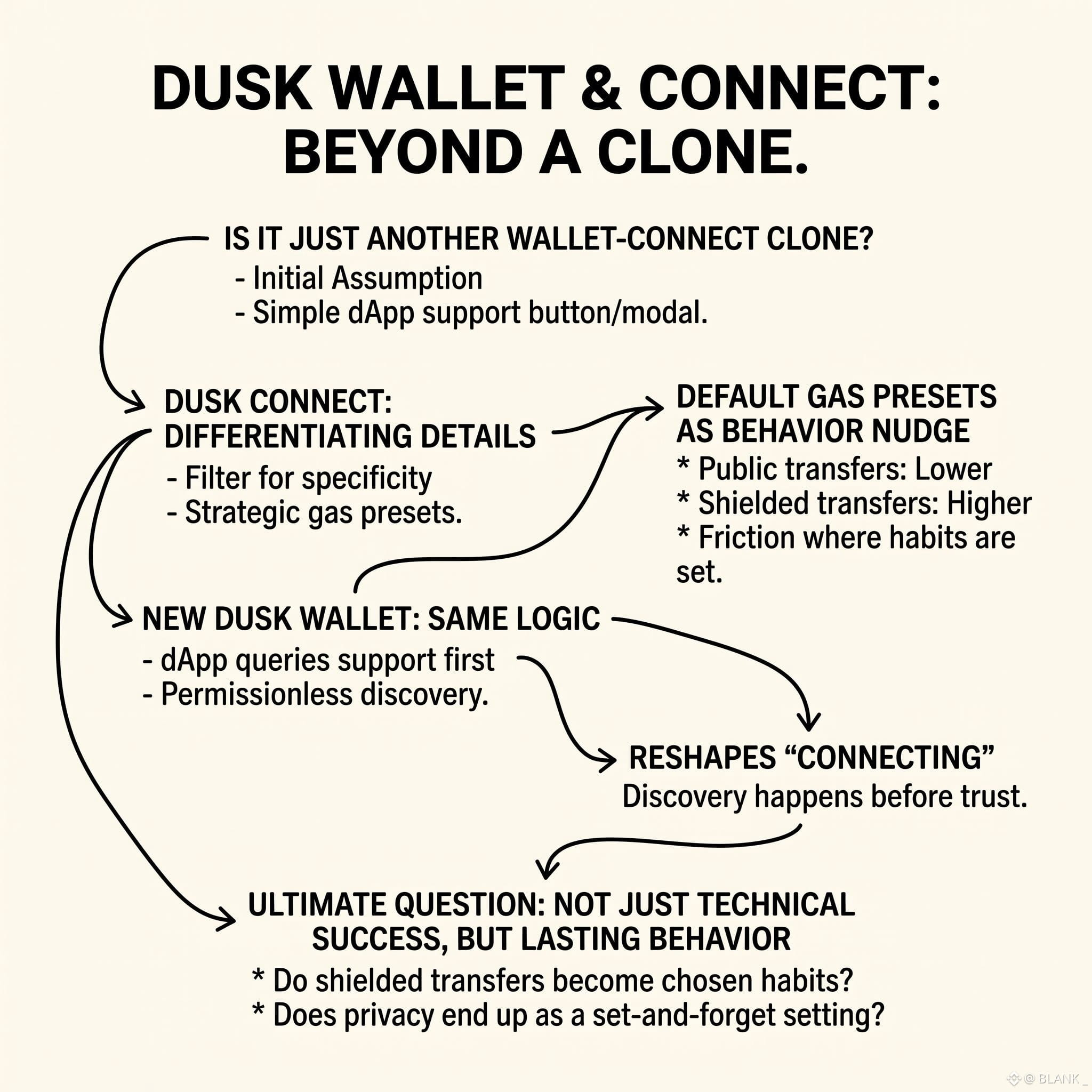
Ni akọkọ ni mo ro pe Dusk Connect jẹ kan òmìnira wallet-connect miran, bọtini tí ó ṣí modal kan tí ó sì pe e gẹ́gẹ́ bí atilẹyin dApp. Ṣùgbọ́n àwọn àlàyé náà yọ̀ síi sí ohun tó jọ pé ó dá sílẹ̀ fún ohun tó ṣàjàyé síi. Àwọn iye gaasi àìpẹ̀ (default) dúró ní kíkẹ̀ fún àwọn ìfàwọ́rọ̀ ìgbangba, tí ó sì ga díẹ̀ fún àwọn tí a fi kún (shielded), nítorí náà apamọwọ (wallet) ń rọ ìwà wọ́lé kí olumulo tó yan ní ìmọ̀ràn. Kì í ṣe amúlò tó dájú. Ó jẹ́ ìdènà tí a fi sí gígùn ní ibi tí a ti ń gbé àwọn àṣà kalẹ̀.
Wallet Dusk tuntun tẹ̀le ìlò náà pẹ̀lú. dApp lè béèrè ohun tí a ṣe ìmúlò rẹ̀ (supported) kí ìfẹ̀ẹ́sa ìjẹ́wọ́ (connection permission) tó wà. Nítorí náà ìwádìí (discovery) ń ṣẹlẹ̀ níwájú ìgbẹ́kẹ̀lé (trust) ju bí ó ṣe rí lẹ́gbẹ̀ẹ́ rẹ̀. Dídùn, dájú. Ṣùgbọ́n ó tún ń tún ìtumọ̀ ohun tí “sopọ” (connecting) túmọ̀ sí fún olumulo ní apa kejì. Kò sí nínú èyí tí ó jẹ́ ẹ̀rí ìgbàgbọ́ (adoption). Dín ìdènà kù lè tún dín iranti kù. Ñbé ìbéèrè gidi kì í ṣe bóyá àwọn ìfàwọ́rọ̀ tí a fi kún (shielded) ń ṣiṣẹ́. Ó jẹ́ bóyá ẹnikẹ́ni máa ń tẹ̀síwájú sí yàn wọn nígbà tí default bá ti parí, tàbí bóyá ìpamọ́ (privacy) máa parí gẹ́gẹ́ bí àṣàyàn tí àwọn ènìyàn ń ṣiṣẹ́ lẹ́ẹ̀kan ṣoṣo, wọn kò sì tún fọwọ́ kan mọ́.
@Dusk_Foundation $DUSK #dusk
Ni akọkọ ni mo ro pe Dusk Connect jẹ kan òmìnira wallet-connect miran, bọtini tí ó ṣí modal kan tí ó sì pe e gẹ́gẹ́ bí atilẹyin dApp. Ṣùgbọ́n àwọn àlàyé náà yọ̀ síi sí ohun tó jọ pé ó dá sílẹ̀ fún ohun tó ṣàjàyé síi. Àwọn iye gaasi àìpẹ̀ (default) dúró ní kíkẹ̀ fún àwọn ìfàwọ́rọ̀ ìgbangba, tí ó sì ga díẹ̀ fún àwọn tí a fi kún (shielded), nítorí náà apamọwọ (wallet) ń rọ ìwà wọ́lé kí olumulo tó yan ní ìmọ̀ràn. Kì í ṣe amúlò tó dájú. Ó jẹ́ ìdènà tí a fi sí gígùn ní ibi tí a ti ń gbé àwọn àṣà kalẹ̀.
Wallet Dusk tuntun tẹ̀le ìlò náà pẹ̀lú. dApp lè béèrè ohun tí a ṣe ìmúlò rẹ̀ (supported) kí ìfẹ̀ẹ́sa ìjẹ́wọ́ (connection permission) tó wà. Nítorí náà ìwádìí (discovery) ń ṣẹlẹ̀ níwájú ìgbẹ́kẹ̀lé (trust) ju bí ó ṣe rí lẹ́gbẹ̀ẹ́ rẹ̀. Dídùn, dájú. Ṣùgbọ́n ó tún ń tún ìtumọ̀ ohun tí “sopọ” (connecting) túmọ̀ sí fún olumulo ní apa kejì. Kò sí nínú èyí tí ó jẹ́ ẹ̀rí ìgbàgbọ́ (adoption). Dín ìdènà kù lè tún dín iranti kù. Ñbé ìbéèrè gidi kì í ṣe bóyá àwọn ìfàwọ́rọ̀ tí a fi kún (shielded) ń ṣiṣẹ́. Ó jẹ́ bóyá ẹnikẹ́ni máa ń tẹ̀síwájú sí yàn wọn nígbà tí default bá ti parí, tàbí bóyá ìpamọ́ (privacy) máa parí gẹ́gẹ́ bí àṣàyàn tí àwọn ènìyàn ń ṣiṣẹ́ lẹ́ẹ̀kan ṣoṣo, wọn kò sì tún fọwọ́ kan mọ́.
@Dusk $DUSK #dusk
Wallet Dusk tuntun tẹ̀le ìlò náà pẹ̀lú. dApp lè béèrè ohun tí a ṣe ìmúlò rẹ̀ (supported) kí ìfẹ̀ẹ́sa ìjẹ́wọ́ (connection permission) tó wà. Nítorí náà ìwádìí (discovery) ń ṣẹlẹ̀ níwájú ìgbẹ́kẹ̀lé (trust) ju bí ó ṣe rí lẹ́gbẹ̀ẹ́ rẹ̀. Dídùn, dájú. Ṣùgbọ́n ó tún ń tún ìtumọ̀ ohun tí “sopọ” (connecting) túmọ̀ sí fún olumulo ní apa kejì. Kò sí nínú èyí tí ó jẹ́ ẹ̀rí ìgbàgbọ́ (adoption). Dín ìdènà kù lè tún dín iranti kù. Ñbé ìbéèrè gidi kì í ṣe bóyá àwọn ìfàwọ́rọ̀ tí a fi kún (shielded) ń ṣiṣẹ́. Ó jẹ́ bóyá ẹnikẹ́ni máa ń tẹ̀síwájú sí yàn wọn nígbà tí default bá ti parí, tàbí bóyá ìpamọ́ (privacy) máa parí gẹ́gẹ́ bí àṣàyàn tí àwọn ènìyàn ń ṣiṣẹ́ lẹ́ẹ̀kan ṣoṣo, wọn kò sì tún fọwọ́ kan mọ́.
@Dusk $DUSK #dusk
11
18
2k
·
--
ສັນຍານກະທິງ
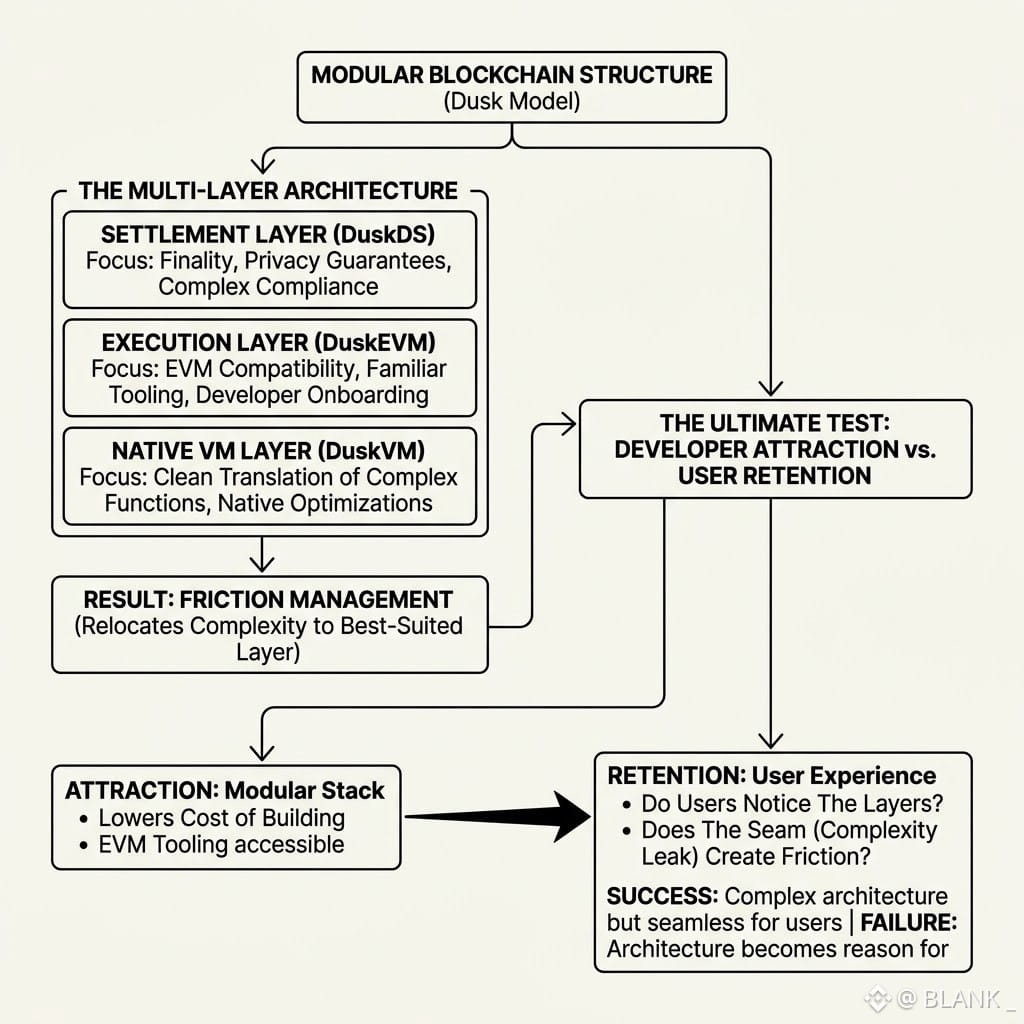
အရင်ဆုံးတော့ ကွင်းဆက်တစ်ခုကို အလွှာသုံးလွှာ ခွဲလိုက်တာဟာ architecture အတွက် architecture လုပ်တာပဲလို့ထင်မိခဲ့တယ်—မလိုချင်သူဘယ်သူမှ မေးမထားတဲ့ လိုက်လျောညီထွေရှိမယ်လို့ ကတိပေးတဲ့ နောက်ထပ် diagram တစ်ခု။ ဒါပေမယ့် DuskDS, DuskEVM, နဲ့ DuskVM တို့က အချင်းချင်းဘေးချင်းကပ်နေရာယူလာတာကို ကြည့်လိုက်တော့ အလွှာခွဲခြင်းက အလှဆင်ရေးသားမှုတင်မဟုတ်တော့ဘဲ friction ကို စီမံခန့်ခွဲရေးလို ပိုပေါ်လာတယ်။ Settlement က နောက်ဆုံးအဆုံးသတ်မှုနဲ့ privacy အာမခံတွေကို လိုအပ်တဲ့နေရာမှာပဲ ရှိနေပြီး၊ execution က developer တွေ အလုပ်သုံးကိရိယာတွေကို သိပြီးသားဖြစ်တဲ့နေရာကို ရွှေ့သွားတယ်၊ ပြီးတော့ native VM က EVM ယူဆချက်တွေမှာ မလွယ်ကူဘဲ လွဲပြောင်းမရတဲ့ အစိတ်အပိုင်းတွေကို စုပ်ယူယူထားတယ်။ ဒီမှာ ရှုပ်ထွေးမှုတွေကို ဖယ်ရှားမထားဘူး—ပဲ အဲဒီရှုပ်ထွေးမှုကို တစ်ခြားအလွှာတွေထဲကို မယိုယွင်းပဲ ထိန်းထားနိုင်မယ့် အလွှာဆီကိုပဲ ရွှေ့ထားတာ။ မမြင်ရတာက retention မေးခွန်းအောက်က အရာပါ။ modular stack တစ်ခုက တည်ဆောက်မှုကုန်ကျစရိတ်ကို လျော့စေတယ်၊ ဒါပေမယ့် တည်ဆောက်နိုင်တာကနေ တည်မြဲနေရတာနဲ့မတူဘူး။ စမ်းသပ်မှုစစ်မှန်တာက developers တွေ အလွှာသုံးလွှာအတွင်း ဖြန့်ကျက်နိုင်/မနိုင်ဆိုတာမဟုတ်ဘူး—အသုံးပြုသူတွေ သူတို့ ဘယ်အလွှာပေါ်မှာရှိနေလဲ ဘယ်တော့မှ သတိမထားမိဘဲနေမလား၊ ဒါမှမဟုတ် အဲဒီ seam က သူတို့ထွက်သွားရတဲ့ အကြောင်းရင်းဖြစ်လာမလားဆိုတာပဲ။
@Dusk_Foundation $DUSK #dusk
အရင်ဆုံးတော့ ကွင်းဆက်တစ်ခုကို အလွှာသုံးလွှာ ခွဲလိုက်တာဟာ architecture အတွက် architecture လုပ်တာပဲလို့ထင်မိခဲ့တယ်—မလိုချင်သူဘယ်သူမှ မေးမထားတဲ့ လိုက်လျောညီထွေရှိမယ်လို့ ကတိပေးတဲ့ နောက်ထပ် diagram တစ်ခု။ ဒါပေမယ့် DuskDS, DuskEVM, နဲ့ DuskVM တို့က အချင်းချင်းဘေးချင်းကပ်နေရာယူလာတာကို ကြည့်လိုက်တော့ အလွှာခွဲခြင်းက အလှဆင်ရေးသားမှုတင်မဟုတ်တော့ဘဲ friction ကို စီမံခန့်ခွဲရေးလို ပိုပေါ်လာတယ်။ Settlement က နောက်ဆုံးအဆုံးသတ်မှုနဲ့ privacy အာမခံတွေကို လိုအပ်တဲ့နေရာမှာပဲ ရှိနေပြီး၊ execution က developer တွေ အလုပ်သုံးကိရိယာတွေကို သိပြီးသားဖြစ်တဲ့နေရာကို ရွှေ့သွားတယ်၊ ပြီးတော့ native VM က EVM ယူဆချက်တွေမှာ မလွယ်ကူဘဲ လွဲပြောင်းမရတဲ့ အစိတ်အပိုင်းတွေကို စုပ်ယူယူထားတယ်။ ဒီမှာ ရှုပ်ထွေးမှုတွေကို ဖယ်ရှားမထားဘူး—ပဲ အဲဒီရှုပ်ထွေးမှုကို တစ်ခြားအလွှာတွေထဲကို မယိုယွင်းပဲ ထိန်းထားနိုင်မယ့် အလွှာဆီကိုပဲ ရွှေ့ထားတာ။ မမြင်ရတာက retention မေးခွန်းအောက်က အရာပါ။ modular stack တစ်ခုက တည်ဆောက်မှုကုန်ကျစရိတ်ကို လျော့စေတယ်၊ ဒါပေမယ့် တည်ဆောက်နိုင်တာကနေ တည်မြဲနေရတာနဲ့မတူဘူး။ စမ်းသပ်မှုစစ်မှန်တာက developers တွေ အလွှာသုံးလွှာအတွင်း ဖြန့်ကျက်နိုင်/မနိုင်ဆိုတာမဟုတ်ဘူး—အသုံးပြုသူတွေ သူတို့ ဘယ်အလွှာပေါ်မှာရှိနေလဲ ဘယ်တော့မှ သတိမထားမိဘဲနေမလား၊ ဒါမှမဟုတ် အဲဒီ seam က သူတို့ထွက်သွားရတဲ့ အကြောင်းရင်းဖြစ်လာမလားဆိုတာပဲ။
@Dusk $DUSK #dusk
@Dusk $DUSK #dusk
13
16
1.7k
·
--
ສັນຍານກະທິງ
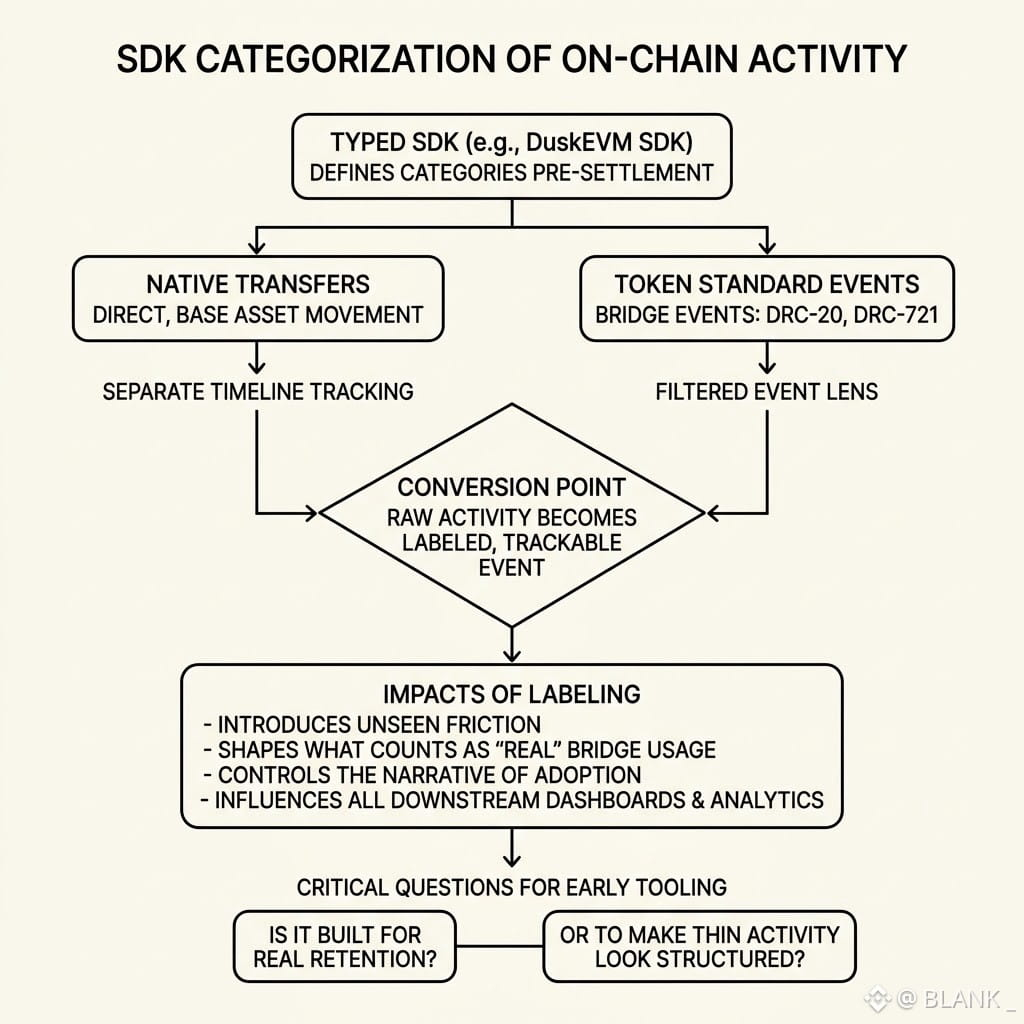
ដំបូងខ្ញុំបានសន្មត់ថា SDK ដែលមានការវាយតម្លៃ (typing) ភាគច្រើនផ្តោតលើភាពងាយស្រួលសម្រាប់អ្នកអភិវឌ្ឍន៍ ការហៅ (calls) កាន់តែស្អាត និងបញ្ចប់កំហុសតិចជាងមុន។ ប៉ុន្តែពេលមើលរបៀបដែល DuskEVM SDK បំបែក native transfers ចេញពីព្រឹត្តិការណ៍ bridge របស់ DRC-20 និង DRC-721 វត្ថុមួយផ្សេងទៀតបានលេចធ្លោឡើង។ ការវាយតម្លៃមិនមែនជារឿងអព្យាក្រឹតនោះទេ។ វាកំណត់ថា សកម្មភាពត្រូវបានចាត់ប្រភេទយ៉ាងណា មុនពេល transaction ទូទាត់រួចទៅហើយ ដែលធ្វើឲ្យវាស្ងាត់ៗកំណត់ថាតើអ្វីដែលត្រូវរាប់ថាជា "real" bridge usage នៅពេលក្រោយ។ ចលនាផ្ទាល់ (native movement) ត្រូវបានតាមដានលើ timeline ផ្ទាល់ខ្លួន។ ព្រឹត្តិការណ៍លក្ខណៈស្តង់ដារសម្រាប់ថូខឹន (token standard events) ត្រូវបានត្រងតាមមើលមួយទៀតទាំងស្រុង។ ការបំបែកនោះបង្កើតភាពលំបាក (friction) ដែលអ្នកប្រើភាគច្រើនមិនដែលឃើញ តែវានៅតែបន្តទៅគ្រប់ dashboard និងគ្រប់ស្រទាប់ analytics ដែលសាងសង់នៅលើវា។
អ្វីដែលធ្វើឲ្យខ្ញុំចាប់អារម្មណ៍គឺចំណុចបម្លែង (conversion point) នោះ គ្រាដែលសកម្មភាពឆែន (raw chain activity) ក្លាយជាព្រឹត្តិការណ៍ដែលត្រូវបានដាក់ឈ្មោះ និងអាចតាមដានបាន។ អ្នកណាគ្រប់គ្រងការដាក់ឈ្មោះ (labeling) អ្នកនោះគ្រប់គ្រងរឿងរ៉ាវអំពីការទទួលយក (narrative of adoption)។ ដូចนั้นខ្ញុំបន្តគិតថា៖ នៅពេលដែលឧបករណ៍មានភាពលម្អិតបែបនេះកើតឡើងឆាប់ម្លេះ តើវាត្រូវបានសាងសង់សម្រាប់ការរក្សាការប្រើប្រាស់ពិតប្រាកដ (real retention) ឬត្រូវបានសាងសង់ដើម្បីធ្វើឲ្យសកម្មភាពស្តើង (thin activity) មើលទៅមានរចនាសម្ព័ន្ធមុនពេលតម្រូវការពិតប្រាកដមកដល់?
@Dusk_Foundation $DUSK #dusk
ដំបូងខ្ញុំបានសន្មត់ថា SDK ដែលមានការវាយតម្លៃ (typing) ភាគច្រើនផ្តោតលើភាពងាយស្រួលសម្រាប់អ្នកអភិវឌ្ឍន៍ ការហៅ (calls) កាន់តែស្អាត និងបញ្ចប់កំហុសតិចជាងមុន។ ប៉ុន្តែពេលមើលរបៀបដែល DuskEVM SDK បំបែក native transfers ចេញពីព្រឹត្តិការណ៍ bridge របស់ DRC-20 និង DRC-721 វត្ថុមួយផ្សេងទៀតបានលេចធ្លោឡើង។ ការវាយតម្លៃមិនមែនជារឿងអព្យាក្រឹតនោះទេ។ វាកំណត់ថា សកម្មភាពត្រូវបានចាត់ប្រភេទយ៉ាងណា មុនពេល transaction ទូទាត់រួចទៅហើយ ដែលធ្វើឲ្យវាស្ងាត់ៗកំណត់ថាតើអ្វីដែលត្រូវរាប់ថាជា "real" bridge usage នៅពេលក្រោយ។ ចលនាផ្ទាល់ (native movement) ត្រូវបានតាមដានលើ timeline ផ្ទាល់ខ្លួន។ ព្រឹត្តិការណ៍លក្ខណៈស្តង់ដារសម្រាប់ថូខឹន (token standard events) ត្រូវបានត្រងតាមមើលមួយទៀតទាំងស្រុង។ ការបំបែកនោះបង្កើតភាពលំបាក (friction) ដែលអ្នកប្រើភាគច្រើនមិនដែលឃើញ តែវានៅតែបន្តទៅគ្រប់ dashboard និងគ្រប់ស្រទាប់ analytics ដែលសាងសង់នៅលើវា។
អ្វីដែលធ្វើឲ្យខ្ញុំចាប់អារម្មណ៍គឺចំណុចបម្លែង (conversion point) នោះ គ្រាដែលសកម្មភាពឆែន (raw chain activity) ក្លាយជាព្រឹត្តិការណ៍ដែលត្រូវបានដាក់ឈ្មោះ និងអាចតាមដានបាន។ អ្នកណាគ្រប់គ្រងការដាក់ឈ្មោះ (labeling) អ្នកនោះគ្រប់គ្រងរឿងរ៉ាវអំពីការទទួលយក (narrative of adoption)។ ដូចนั้นខ្ញុំបន្តគិតថា៖ នៅពេលដែលឧបករណ៍មានភាពលម្អិតបែបនេះកើតឡើងឆាប់ម្លេះ តើវាត្រូវបានសាងសង់សម្រាប់ការរក្សាការប្រើប្រាស់ពិតប្រាកដ (real retention) ឬត្រូវបានសាងសង់ដើម្បីធ្វើឲ្យសកម្មភាពស្តើង (thin activity) មើលទៅមានរចនាសម្ព័ន្ធមុនពេលតម្រូវការពិតប្រាកដមកដល់?
@Dusk $DUSK #dusk
អ្វីដែលធ្វើឲ្យខ្ញុំចាប់អារម្មណ៍គឺចំណុចបម្លែង (conversion point) នោះ គ្រាដែលសកម្មភាពឆែន (raw chain activity) ក្លាយជាព្រឹត្តិការណ៍ដែលត្រូវបានដាក់ឈ្មោះ និងអាចតាមដានបាន។ អ្នកណាគ្រប់គ្រងការដាក់ឈ្មោះ (labeling) អ្នកនោះគ្រប់គ្រងរឿងរ៉ាវអំពីការទទួលយក (narrative of adoption)។ ដូចนั้นខ្ញុំបន្តគិតថា៖ នៅពេលដែលឧបករណ៍មានភាពលម្អិតបែបនេះកើតឡើងឆាប់ម្លេះ តើវាត្រូវបានសាងសង់សម្រាប់ការរក្សាការប្រើប្រាស់ពិតប្រាកដ (real retention) ឬត្រូវបានសាងសង់ដើម្បីធ្វើឲ្យសកម្មភាពស្តើង (thin activity) មើលទៅមានរចនាសម្ព័ន្ធមុនពេលតម្រូវការពិតប្រាកដមកដល់?
@Dusk $DUSK #dusk
10
14
2.7k
·
--
ສັນຍານກະທິງ
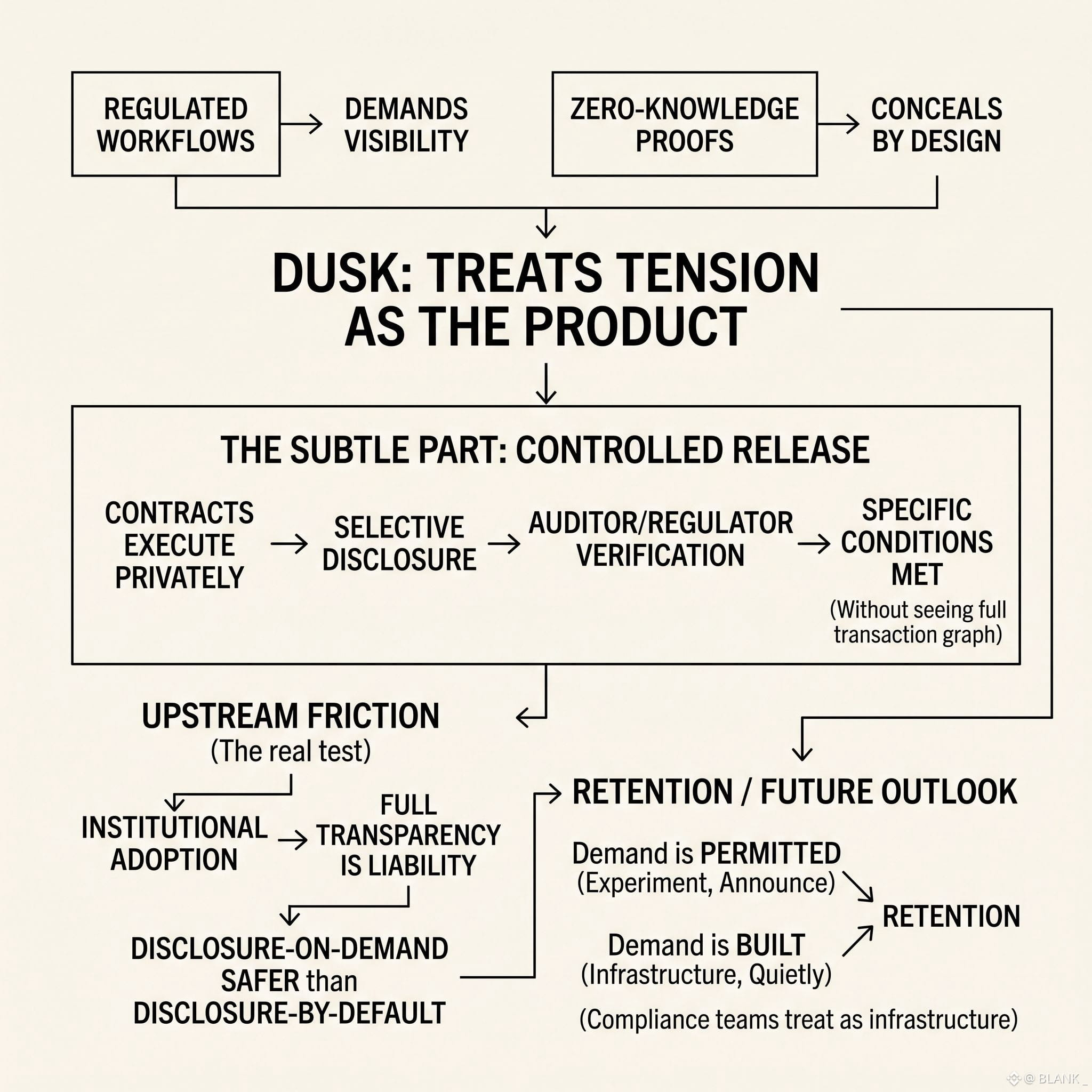
ដំបូងខ្ញុំបានយល់ថា workflow ដែលគ្រប់គ្រងតាមបទប្បញ្ញត្តិ និង zero-knowledge proofs ជាការប្រឆាំងគ្នា ដោយធម្មជាតិ—មួយទាមទារភាពមើលឃើញ ខណៈមួយទៀតលាក់បាំងដោយការរចនា។ Dusk យកភាពតានតឹងនោះធ្វើជាផលិតផលពិតៗ ជាជាងកំហុសដែលត្រូវរំលង។ កិច្ចសន្យា (contracts) ត្រូវបានប្រតិបត្តិដោយឯកជន ប៉ុន្តែ selective disclosure អនុញ្ញាតឲ្យអ្នកត្រួតពិនិត្យ ឬអ្នកត្រួតពិនិត្យតាមបទប្បញ្ញត្តិ (auditor ឬ regulator) បញ្ជាក់លក្ខខណ្ឌជាក់លាក់ ដោយមិនចាំបាច់មើលក្រាហ្វប្រតិបត្តិពេញលេញនោះទេ។ នេះជាចំណុចស្រួចស្រាវ—not privacy មិនមែនជា “ការអវត្តមានទិន្នន័យ” ប៉ុន្តែជា “ការចេញផ្សាយទិន្នន័យតាមការគ្រប់គ្រង” ដែលកំណត់ពេលឲ្យទៅអ្នកដែលកាន់គន្លឹះត្រឹមត្រូវ។ អ្វីដែលខ្ញុំចាប់អារម្មណ៍ខ្លាំងជាងនេះ គឺភាពជាប់គាំង (friction) ដែលវាបង្កើតនៅផ្នែកខាងមុន (upstream)។ ស្ថាប័នភាគច្រើនមិនទទួលយកឧបករណ៍ privacy ដើម្បីគោលបំណងនោះដោយផ្ទាល់ទេ—ពួកគេទទួលយកវា ពេលដែលភាពស្របច្បាស់ទាំងអស់ (full transparency) ក្លាយជាការទទួលខុសត្រូវពិតប្រាកដ។ ដូច្នេះសាកល្បងពិតមិនមែនថាតើគ្រីបទូហ្គ្រី (cryptography) រក្សាបានឬទេ ប៉ុន្តែថាតើមានស្ថាប័នដែលស្ថិតក្រោមការគ្រប់គ្រងគ្រប់គ្រាន់ ប៉ុន្តែសម្រេចចិត្តថា “disclosure-on-demand” មានសុវត្ថិភាពជាង “disclosure-by-default”។ ការរក្សាទុក (retention) នឹងមិនកើតឡើងពីការប៉ាន់ស្មាននៅទីនេះឡើយ។ វានឹងកើតឡើងថាតើក្រុម compliance ចាប់ផ្តើមប្រើវាជាហេដ្ឋារចនាសម្ព័ន្ធ (infrastructure) ជាជាងជាការសាកល្បង (experiment) ដោយស្ងាត់ៗ ដោយមិនប្រកាសឲ្យគេដឹង។ ហើយវានាំទៅសំណួរពិត៖ តើមានការកសាង “តម្រូវការ” កំពុងត្រូវបានធ្វើឡើង ឬគ្រាន់តែអនុញ្ញាតឲ្យមានប៉ុណ្ណោះ?
@Dusk_Foundation $DUSK #dusk
ដំបូងខ្ញុំបានយល់ថា workflow ដែលគ្រប់គ្រងតាមបទប្បញ្ញត្តិ និង zero-knowledge proofs ជាការប្រឆាំងគ្នា ដោយធម្មជាតិ—មួយទាមទារភាពមើលឃើញ ខណៈមួយទៀតលាក់បាំងដោយការរចនា។ Dusk យកភាពតានតឹងនោះធ្វើជាផលិតផលពិតៗ ជាជាងកំហុសដែលត្រូវរំលង។ កិច្ចសន្យា (contracts) ត្រូវបានប្រតិបត្តិដោយឯកជន ប៉ុន្តែ selective disclosure អនុញ្ញាតឲ្យអ្នកត្រួតពិនិត្យ ឬអ្នកត្រួតពិនិត្យតាមបទប្បញ្ញត្តិ (auditor ឬ regulator) បញ្ជាក់លក្ខខណ្ឌជាក់លាក់ ដោយមិនចាំបាច់មើលក្រាហ្វប្រតិបត្តិពេញលេញនោះទេ។ នេះជាចំណុចស្រួចស្រាវ—not privacy មិនមែនជា “ការអវត្តមានទិន្នន័យ” ប៉ុន្តែជា “ការចេញផ្សាយទិន្នន័យតាមការគ្រប់គ្រង” ដែលកំណត់ពេលឲ្យទៅអ្នកដែលកាន់គន្លឹះត្រឹមត្រូវ។ អ្វីដែលខ្ញុំចាប់អារម្មណ៍ខ្លាំងជាងនេះ គឺភាពជាប់គាំង (friction) ដែលវាបង្កើតនៅផ្នែកខាងមុន (upstream)។ ស្ថាប័នភាគច្រើនមិនទទួលយកឧបករណ៍ privacy ដើម្បីគោលបំណងនោះដោយផ្ទាល់ទេ—ពួកគេទទួលយកវា ពេលដែលភាពស្របច្បាស់ទាំងអស់ (full transparency) ក្លាយជាការទទួលខុសត្រូវពិតប្រាកដ។ ដូច្នេះសាកល្បងពិតមិនមែនថាតើគ្រីបទូហ្គ្រី (cryptography) រក្សាបានឬទេ ប៉ុន្តែថាតើមានស្ថាប័នដែលស្ថិតក្រោមការគ្រប់គ្រងគ្រប់គ្រាន់ ប៉ុន្តែសម្រេចចិត្តថា “disclosure-on-demand” មានសុវត្ថិភាពជាង “disclosure-by-default”។ ការរក្សាទុក (retention) នឹងមិនកើតឡើងពីការប៉ាន់ស្មាននៅទីនេះឡើយ។ វានឹងកើតឡើងថាតើក្រុម compliance ចាប់ផ្តើមប្រើវាជាហេដ្ឋារចនាសម្ព័ន្ធ (infrastructure) ជាជាងជាការសាកល្បង (experiment) ដោយស្ងាត់ៗ ដោយមិនប្រកាសឲ្យគេដឹង។ ហើយវានាំទៅសំណួរពិត៖ តើមានការកសាង “តម្រូវការ” កំពុងត្រូវបានធ្វើឡើង ឬគ្រាន់តែអនុញ្ញាតឲ្យមានប៉ុណ្ណោះ?
@Dusk $DUSK #dusk
@Dusk $DUSK #dusk
9
10
2.3k
·
--
ສັນຍານກະທິງ
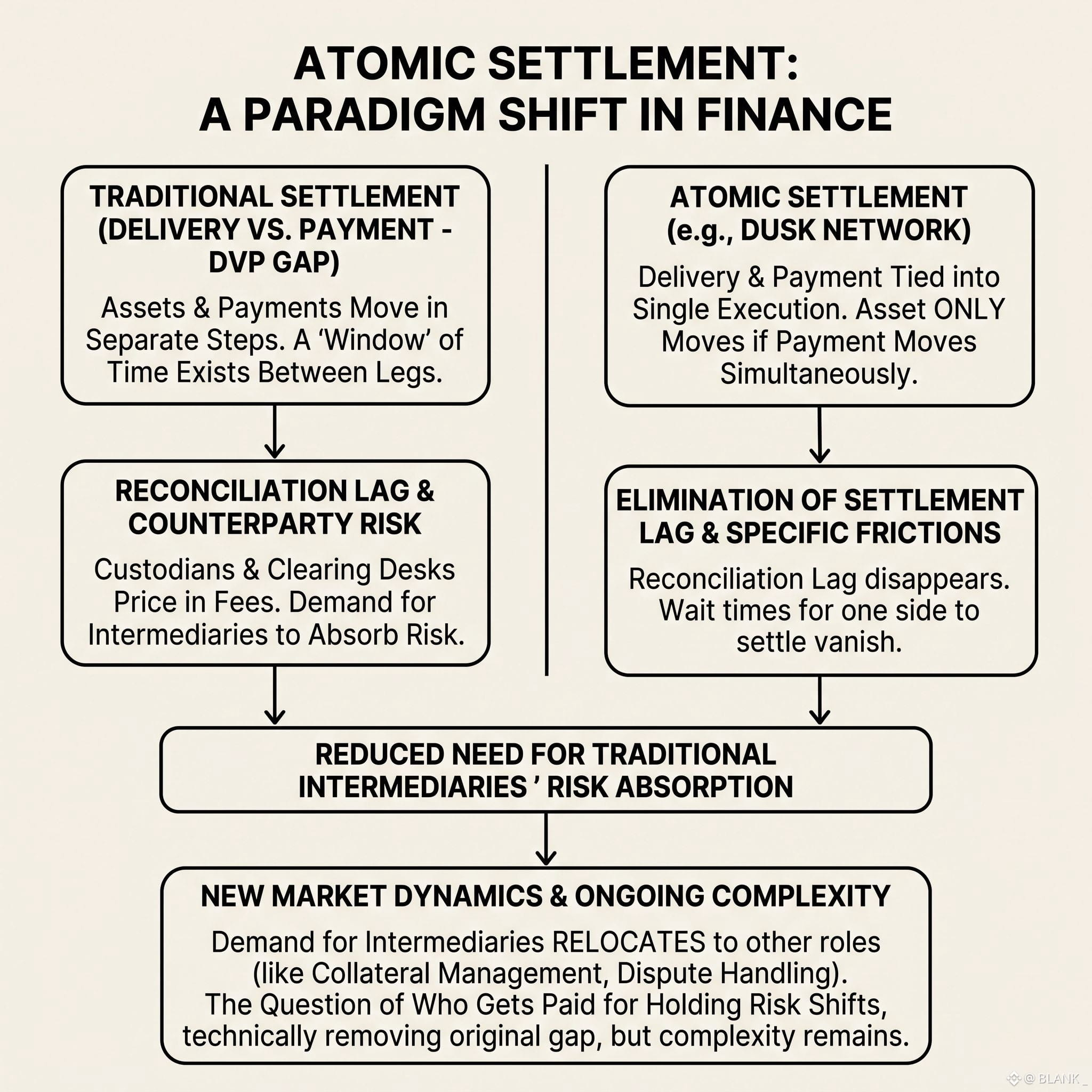
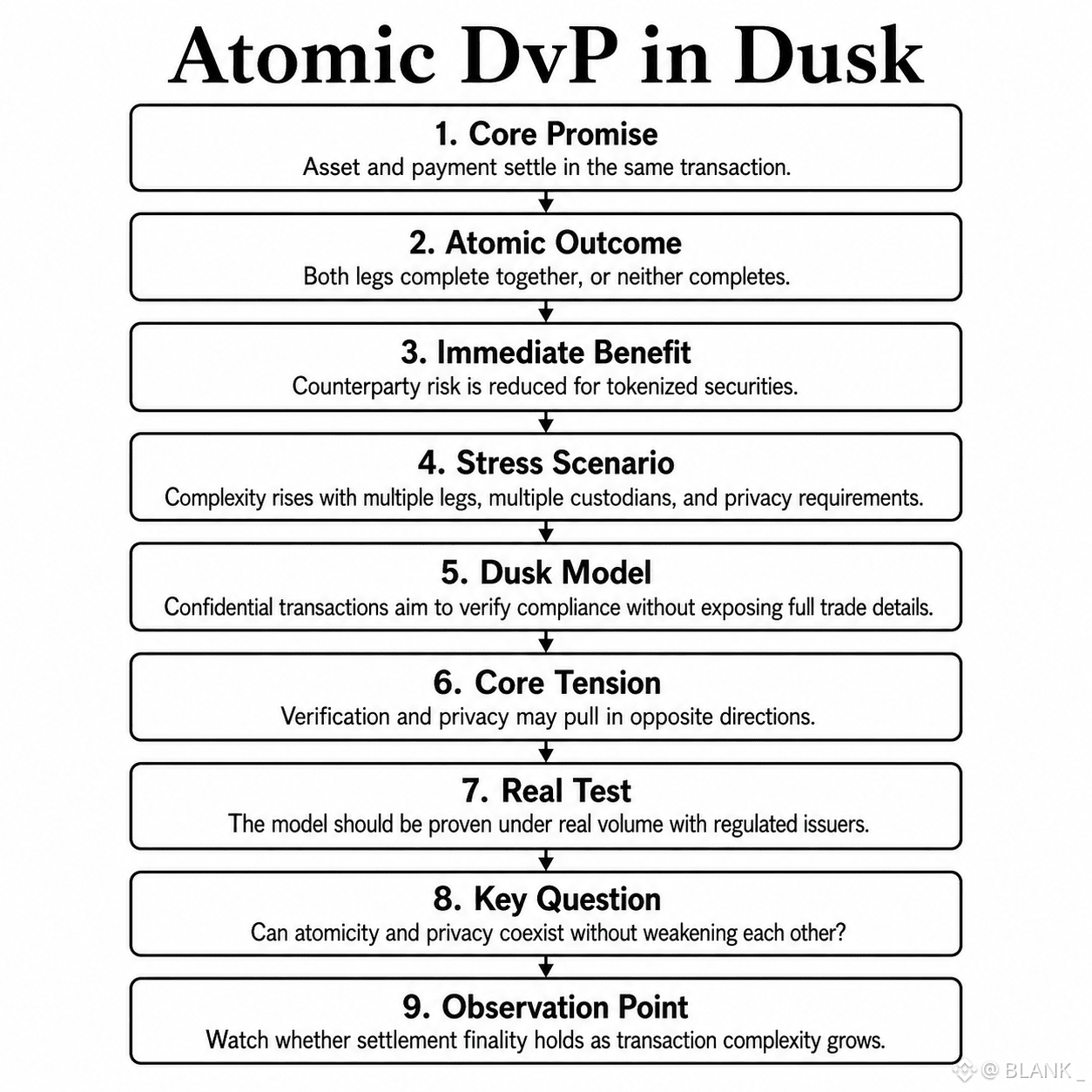
ដំបូង ខ្ញុំបានសន្មត់ថា ការតាំងទីលំនៅ (settlement) ប្រភេទអាតូមិក (atomic) ជាចម្បងជាឯកសារយោងបច្ចេកទេស ដែលជារឿងលម្អិតសម្រាប់វិស្វករ ប៉ុន្តែជួនកាលមិនសូវមានន័យចំពោះទីផ្សារ។ Dusk ភ្ជាប់ការចែកចាយ និងការទូទាត់ឲ្យស្ថិតក្នុងជំហានប្រតិបត្តិការតែមួយ ដូច្នេះ ទ្រព្យសម្បត្តិអាចផ្លាស់ទីបានតែបើការទូទាត់ផ្លាស់ទីជាមួយវា។ មិនមានពេលវេលាដែលភាគម្ខាង settlement ហើយភាគម្ខាងទៀតរង់ចាំនោះទេ។ នោះលុបបំបាត់ប្រភេទនៃភាពមិនរលូនមួយច្បាស់៖ ការយឺតយ៉ាវក្នុងការផ្ទៀងផ្ទាត់ (reconciliation lag) ដែលអ្នកគ្រប់គ្រងទ្រព្យ (custodians) និងការចាត់ចែងការបោសសម្អាត (clearing desks) បានកំណត់តម្លៃវាដោយស្ងៀមស្ងាត់ក្នុងថ្លៃសេវារបស់ពួកគេអស់រយៈពេលជាច្រើនទស្សវត្ស។ អ្វីដែលគួរឱ្យចាប់អារម្មណ៍ គឺអ្វីដែលបាត់ទៅជាមួយនឹងការយឺតយ៉ាវនោះ។ មានមធ្យោបាយជំនួសអន្តរការី (intermediaries) ដើម្បីស្រូបយកហានិភ័យនៃចន្លោះនោះ។ ដូច្នេះ បើចន្លោះបិទទៅ តម្រូវការសម្រាប់អន្តរការីទាំងនោះក៏បិទទៅជាមួយវា ឬតើវាគ្រាន់តែផ្លាស់ទីទៅកន្លែងដែលមើលមិនសូវឃើញ ដូចជាការគ្រប់គ្រងកូឡាទែល (collateral management) ឬការដោះស្រាយវិវាទ។ ការធ្វើឲ្យ settlement សាមញ្ញ មិនបានលុបភាពស្មុគស្មាញទេ។ វាគ្រាន់តែផ្លាស់ប្តូរអំពីសំណួរថា តើអ្នកណានៅតែត្រូវបានបង់ថ្លៃសម្រាប់ការកាន់កាប់ហានិភ័យ ដែលតាមបច្ចេកទេស មិនមានទៀតទេ។
@Dusk_Foundation $DUSK #dusk
ដំបូង ខ្ញុំបានសន្មត់ថា ការតាំងទីលំនៅ (settlement) ប្រភេទអាតូមិក (atomic) ជាចម្បងជាឯកសារយោងបច្ចេកទេស ដែលជារឿងលម្អិតសម្រាប់វិស្វករ ប៉ុន្តែជួនកាលមិនសូវមានន័យចំពោះទីផ្សារ។ Dusk ភ្ជាប់ការចែកចាយ និងការទូទាត់ឲ្យស្ថិតក្នុងជំហានប្រតិបត្តិការតែមួយ ដូច្នេះ ទ្រព្យសម្បត្តិអាចផ្លាស់ទីបានតែបើការទូទាត់ផ្លាស់ទីជាមួយវា។ មិនមានពេលវេលាដែលភាគម្ខាង settlement ហើយភាគម្ខាងទៀតរង់ចាំនោះទេ។ នោះលុបបំបាត់ប្រភេទនៃភាពមិនរលូនមួយច្បាស់៖ ការយឺតយ៉ាវក្នុងការផ្ទៀងផ្ទាត់ (reconciliation lag) ដែលអ្នកគ្រប់គ្រងទ្រព្យ (custodians) និងការចាត់ចែងការបោសសម្អាត (clearing desks) បានកំណត់តម្លៃវាដោយស្ងៀមស្ងាត់ក្នុងថ្លៃសេវារបស់ពួកគេអស់រយៈពេលជាច្រើនទស្សវត្ស។ អ្វីដែលគួរឱ្យចាប់អារម្មណ៍ គឺអ្វីដែលបាត់ទៅជាមួយនឹងការយឺតយ៉ាវនោះ។ មានមធ្យោបាយជំនួសអន្តរការី (intermediaries) ដើម្បីស្រូបយកហានិភ័យនៃចន្លោះនោះ។ ដូច្នេះ បើចន្លោះបិទទៅ តម្រូវការសម្រាប់អន្តរការីទាំងនោះក៏បិទទៅជាមួយវា ឬតើវាគ្រាន់តែផ្លាស់ទីទៅកន្លែងដែលមើលមិនសូវឃើញ ដូចជាការគ្រប់គ្រងកូឡាទែល (collateral management) ឬការដោះស្រាយវិវាទ។ ការធ្វើឲ្យ settlement សាមញ្ញ មិនបានលុបភាពស្មុគស្មាញទេ។ វាគ្រាន់តែផ្លាស់ប្តូរអំពីសំណួរថា តើអ្នកណានៅតែត្រូវបានបង់ថ្លៃសម្រាប់ការកាន់កាប់ហានិភ័យ ដែលតាមបច្ចេកទេស មិនមានទៀតទេ។
@Dusk $DUSK #dusk
@Dusk $DUSK #dusk
19
20
2.2k
·
--
ສັນຍານກະທິງ
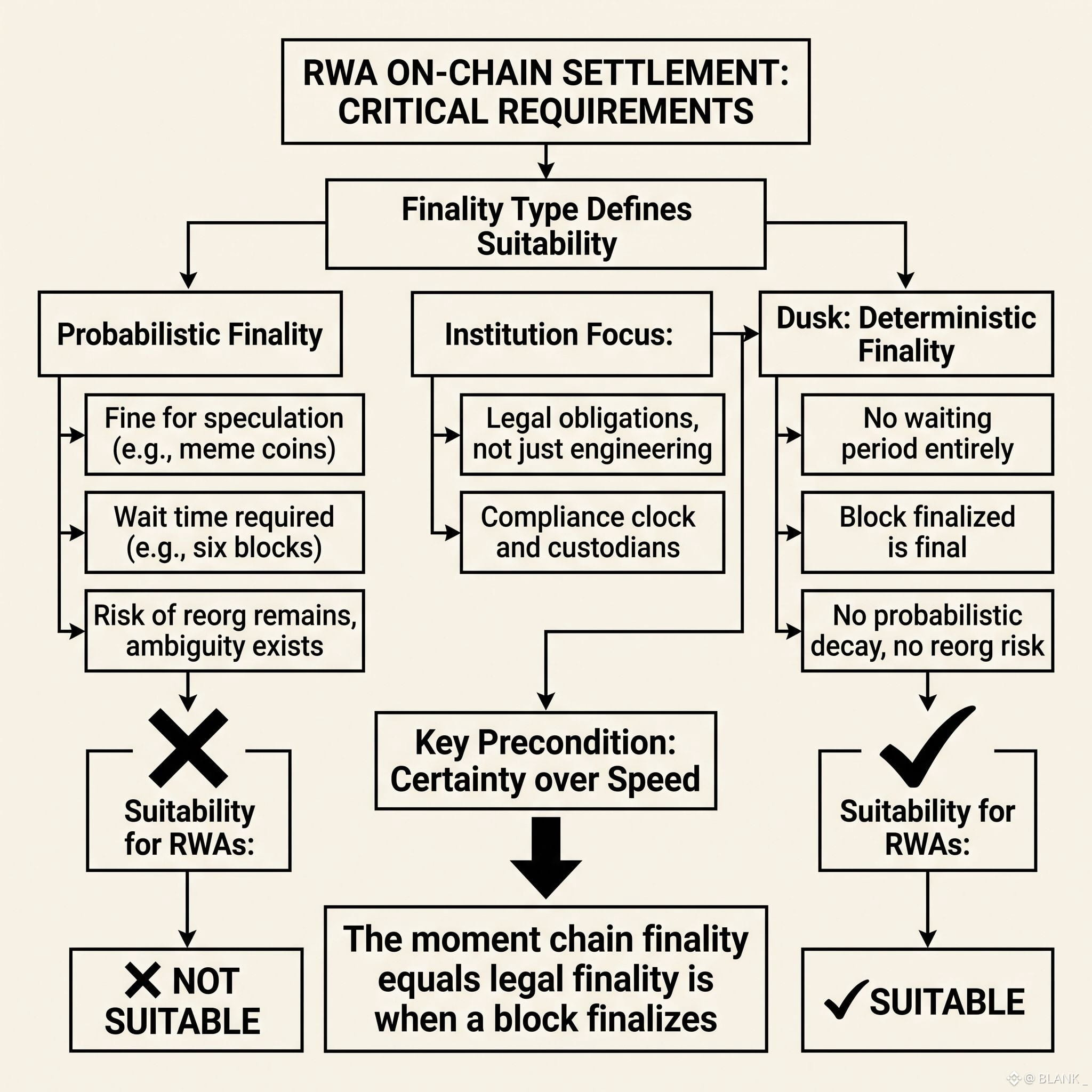
ပထမတုန်းကတော့ နောက်ဆုံးဖြစ်ခြင်း (finality) ဆိုတာက နည်းပညာပိုင်းဆိုင်ရာ အောက်ခြေမှတ်စု တစ်ခုလိုပဲ တွေးခဲ့တယ်—အဲဒါကို settlement အင်ဂျင်နီယာတွေက အသုံးပြုသူတွေထက် ပိုဂရုစိုက်မယ်လို့ပဲ။ ဒါပေမယ့် RWA ဒက်စ်တွေ အမှန်တကယ် ဘယ်လို ပြုမူကြသလဲကို ကြည့်လိုက်တော့ အဲဒီအနက်အဓိပ္ပါယ် ပြောင်းသွားတယ်။ ခန့်မှန်းခြေ (probabilistic) finality က စိတ်ကူးယဉ်စူးစမ်းမှုအတွက် အဆင်ပြေတယ်။ meme coin ဆိုတဲ့ asset တစ်ခုမှာတော့ ခြောက်ဘလော့ခ်လောက် စောင့်ရတာကို ဘယ်သူမှ မကန့်ကွက်ကြဘူး။ ဒါပေမယ့် အိမ်ခြံမြေခေါင်းစဉ်များ၊ bond coupon တွေ၊ ဥပဒေအရ တာဝန်ဝတ္တရားတွေနဲ့ ချိတ်ဆက်ထားတဲ့ settlement window တွေကတော့ အဲဒီလို မသေချာမှုမျိုးကို မခံနိုင်ဘူး။ reorg ဖြစ်နိုင်တဲ့ trade တစ်ခုဆိုရင် settled မဟုတ်ဘူး၊ pending ပါပဲ။ pending ဆိုတာက custodian တစ်ယောက်ရဲ့ compliance clock ကို မကျေနပ်စေဘူး။ Dusk ရဲ့ deterministic finality က အဲဒီစောင့်ဆိုင်းရမယ့်ကာလကို တစ်ခါတည်း ဖယ်ရှားပေးတယ်။ block တစ်ခု final ဖြစ်သည့်အချိန်မှာပဲ—နောက်ပိုင်း probabilistic ယိုယွင်းမှု မရှိဘူး၊ နောက်မှ reorg အန္တရာယ် မဝင်လာတော့ဘူး။ ဒါဟာ feature တစ်ခုထက်—လိုအပ်ချက် (precondition) တစ်ခုလို ပိုပါတယ်။ အဖွဲ့အစည်းတွေက အမြန်နှုန်းကို မတွက်ချက်ရုံနဲ့တင် မဟုတ်ဘူး။ တိကျမှုကို (certainty) စျေးချနေကြတယ်—ဘာဖြစ်လို့လဲဆိုတော့ တိကျမှုက legal finality နဲ့ chain finality ကို အချိန်တစ်ချက်ထဲမှာ ပေါင်းပြပြီး ဖြစ်တတ်စေတဲ့အရာကြောင့်ပဲ။
အဓိကမေးခွန်းက RWA တွေ on chain ပေါ်လာမလာ ဆိုတာ မဟုတ်ဘူး။ settlement guarantees တွေ စမ်းသပ်ခံရပြီးမှ အဲဒီလိုပဲ ဆက်နေမနေ ဆိုတာပါ။
@Dusk_Foundation $DUSK #dusk
ပထမတုန်းကတော့ နောက်ဆုံးဖြစ်ခြင်း (finality) ဆိုတာက နည်းပညာပိုင်းဆိုင်ရာ အောက်ခြေမှတ်စု တစ်ခုလိုပဲ တွေးခဲ့တယ်—အဲဒါကို settlement အင်ဂျင်နီယာတွေက အသုံးပြုသူတွေထက် ပိုဂရုစိုက်မယ်လို့ပဲ။ ဒါပေမယ့် RWA ဒက်စ်တွေ အမှန်တကယ် ဘယ်လို ပြုမူကြသလဲကို ကြည့်လိုက်တော့ အဲဒီအနက်အဓိပ္ပါယ် ပြောင်းသွားတယ်။ ခန့်မှန်းခြေ (probabilistic) finality က စိတ်ကူးယဉ်စူးစမ်းမှုအတွက် အဆင်ပြေတယ်။ meme coin ဆိုတဲ့ asset တစ်ခုမှာတော့ ခြောက်ဘလော့ခ်လောက် စောင့်ရတာကို ဘယ်သူမှ မကန့်ကွက်ကြဘူး။ ဒါပေမယ့် အိမ်ခြံမြေခေါင်းစဉ်များ၊ bond coupon တွေ၊ ဥပဒေအရ တာဝန်ဝတ္တရားတွေနဲ့ ချိတ်ဆက်ထားတဲ့ settlement window တွေကတော့ အဲဒီလို မသေချာမှုမျိုးကို မခံနိုင်ဘူး။ reorg ဖြစ်နိုင်တဲ့ trade တစ်ခုဆိုရင် settled မဟုတ်ဘူး၊ pending ပါပဲ။ pending ဆိုတာက custodian တစ်ယောက်ရဲ့ compliance clock ကို မကျေနပ်စေဘူး။ Dusk ရဲ့ deterministic finality က အဲဒီစောင့်ဆိုင်းရမယ့်ကာလကို တစ်ခါတည်း ဖယ်ရှားပေးတယ်။ block တစ်ခု final ဖြစ်သည့်အချိန်မှာပဲ—နောက်ပိုင်း probabilistic ယိုယွင်းမှု မရှိဘူး၊ နောက်မှ reorg အန္တရာယ် မဝင်လာတော့ဘူး။ ဒါဟာ feature တစ်ခုထက်—လိုအပ်ချက် (precondition) တစ်ခုလို ပိုပါတယ်။ အဖွဲ့အစည်းတွေက အမြန်နှုန်းကို မတွက်ချက်ရုံနဲ့တင် မဟုတ်ဘူး။ တိကျမှုကို (certainty) စျေးချနေကြတယ်—ဘာဖြစ်လို့လဲဆိုတော့ တိကျမှုက legal finality နဲ့ chain finality ကို အချိန်တစ်ချက်ထဲမှာ ပေါင်းပြပြီး ဖြစ်တတ်စေတဲ့အရာကြောင့်ပဲ။
အဓိကမေးခွန်းက RWA တွေ on chain ပေါ်လာမလာ ဆိုတာ မဟုတ်ဘူး။ settlement guarantees တွေ စမ်းသပ်ခံရပြီးမှ အဲဒီလိုပဲ ဆက်နေမနေ ဆိုတာပါ။
@Dusk $DUSK #dusk
အဓိကမေးခွန်းက RWA တွေ on chain ပေါ်လာမလာ ဆိုတာ မဟုတ်ဘူး။ settlement guarantees တွေ စမ်းသပ်ခံရပြီးမှ အဲဒီလိုပဲ ဆက်နေမနေ ဆိုတာပါ။
@Dusk $DUSK #dusk
25
27
2.2k
·
--
ສັນຍານກະທິງ
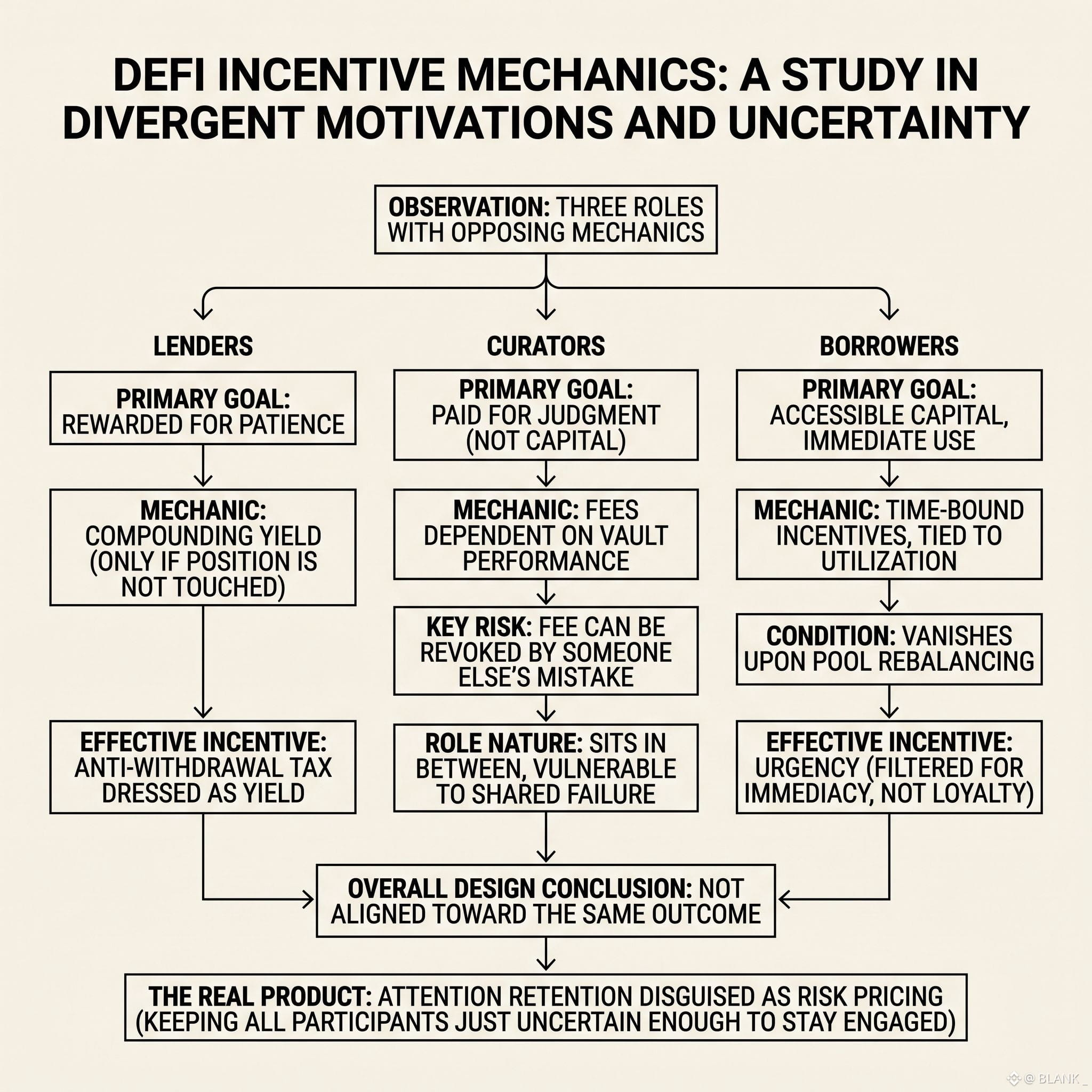
ដំបូងខ្ញុំបានសន្មតថាតួនាទីទាំងបី គ្រាន់តែជាចំណុចចូលផ្សេងគ្នាទៅក្នុងអាងលើកទឹកចិត្តតែមួយ ប៉ុន្តែយន្តការបែបផ្ទុយគ្នា។ អ្នកអោយកម្ចី (Lenders) ត្រូវបានបង់ប្រាក់សម្រាប់ភាពអត់ធ្មត់។ រង្វាន់របស់ពួកគេកើនឡើងស្ងៀមៗ ដរាបណាពួកគេមិនប៉ះទីតាំងនោះ ទីបំផុតគឺថា អត្ថប្រយោជន៍នេះពិតជាពន្ធប្រឆាំងការដកប្រាក់ ដែលត្រូវបានស្លៀកពាក់ជាទម្រង់នៃផលទុន (yield)។ អ្នកខ្ចី (Borrowers) ត្រូវប្រឈមនឹងសម្ពាធផ្ទុយគ្នា៖ រាល់លើកទឹកចិត្តត្រូវបានកំណត់ពេលវេលា ភ្ជាប់ទៅនឹងការប្រើប្រាស់ (utilization) ហើយវាបាត់បង់ភ្លាមៗនៅពេលដែលអាង (pool) កែសម្រួលឡើងវិញ។ អាកប្បកិរិយារបស់ពួកគេត្រូវបានចម្រោះសម្រាប់ភាពបន្ទាន់ មិនមែនសម្រាប់ភាពស្មោះត្រង់ទេ។ Curators នៅចន្លោះកណ្តាល ដោយត្រូវបានបង់ប្រាក់មិនមែនសម្រាប់ដើមទុនទេ តែសម្រាប់ការវិនិច្ឆ័យ ហើយកម្រៃនោះបន្តកើតមានតែបើវ៉ុល (vaults) ដែលពួកគេបញ្ជូនទៅ នៅតែបន្តដំណើរការល្អ។ វាជាតួនាទីតែមួយគត់ ដែលអត្ថប្រយោជន៍អាចត្រូវបានដកហូតដោយកំហុសរបស់អ្នកផ្សេង។ គ្មានតួនាទីណាមួយក្នុងចំណោមទាំងនេះ ត្រូវបានតម្រឹមឆ្ពោះទៅរកលទ្ធផលតែមួយឡើយ។ ពួកវាតម្រឹមឆ្ពោះទៅរកការរក្សាអ្នកចូលរួមឲ្យនៅមិនប្រាកដគ្រប់គ្រាន់ ដើម្បីនៅតែបន្តចូលរួម។ ប្រហែលជានោះហើយជាផលិតផលពិត៖ មិនមែន yield ទេ តែការរក្សាការយកចិត្តទុកដាក់ ដែលត្រូវបានបិទបាំងជាការកំណត់តម្លៃហានិភ័យ។
@termmax #TermMax
ដំបូងខ្ញុំបានសន្មតថាតួនាទីទាំងបី គ្រាន់តែជាចំណុចចូលផ្សេងគ្នាទៅក្នុងអាងលើកទឹកចិត្តតែមួយ ប៉ុន្តែយន្តការបែបផ្ទុយគ្នា។ អ្នកអោយកម្ចី (Lenders) ត្រូវបានបង់ប្រាក់សម្រាប់ភាពអត់ធ្មត់។ រង្វាន់របស់ពួកគេកើនឡើងស្ងៀមៗ ដរាបណាពួកគេមិនប៉ះទីតាំងនោះ ទីបំផុតគឺថា អត្ថប្រយោជន៍នេះពិតជាពន្ធប្រឆាំងការដកប្រាក់ ដែលត្រូវបានស្លៀកពាក់ជាទម្រង់នៃផលទុន (yield)។ អ្នកខ្ចី (Borrowers) ត្រូវប្រឈមនឹងសម្ពាធផ្ទុយគ្នា៖ រាល់លើកទឹកចិត្តត្រូវបានកំណត់ពេលវេលា ភ្ជាប់ទៅនឹងការប្រើប្រាស់ (utilization) ហើយវាបាត់បង់ភ្លាមៗនៅពេលដែលអាង (pool) កែសម្រួលឡើងវិញ។ អាកប្បកិរិយារបស់ពួកគេត្រូវបានចម្រោះសម្រាប់ភាពបន្ទាន់ មិនមែនសម្រាប់ភាពស្មោះត្រង់ទេ។ Curators នៅចន្លោះកណ្តាល ដោយត្រូវបានបង់ប្រាក់មិនមែនសម្រាប់ដើមទុនទេ តែសម្រាប់ការវិនិច្ឆ័យ ហើយកម្រៃនោះបន្តកើតមានតែបើវ៉ុល (vaults) ដែលពួកគេបញ្ជូនទៅ នៅតែបន្តដំណើរការល្អ។ វាជាតួនាទីតែមួយគត់ ដែលអត្ថប្រយោជន៍អាចត្រូវបានដកហូតដោយកំហុសរបស់អ្នកផ្សេង។ គ្មានតួនាទីណាមួយក្នុងចំណោមទាំងនេះ ត្រូវបានតម្រឹមឆ្ពោះទៅរកលទ្ធផលតែមួយឡើយ។ ពួកវាតម្រឹមឆ្ពោះទៅរកការរក្សាអ្នកចូលរួមឲ្យនៅមិនប្រាកដគ្រប់គ្រាន់ ដើម្បីនៅតែបន្តចូលរួម។ ប្រហែលជានោះហើយជាផលិតផលពិត៖ មិនមែន yield ទេ តែការរក្សាការយកចិត្តទុកដាក់ ដែលត្រូវបានបិទបាំងជាការកំណត់តម្លៃហានិភ័យ។
@TermMax #TermMax
@TermMax #TermMax
19
22
2k
·
--
ສັນຍານກະທິງ
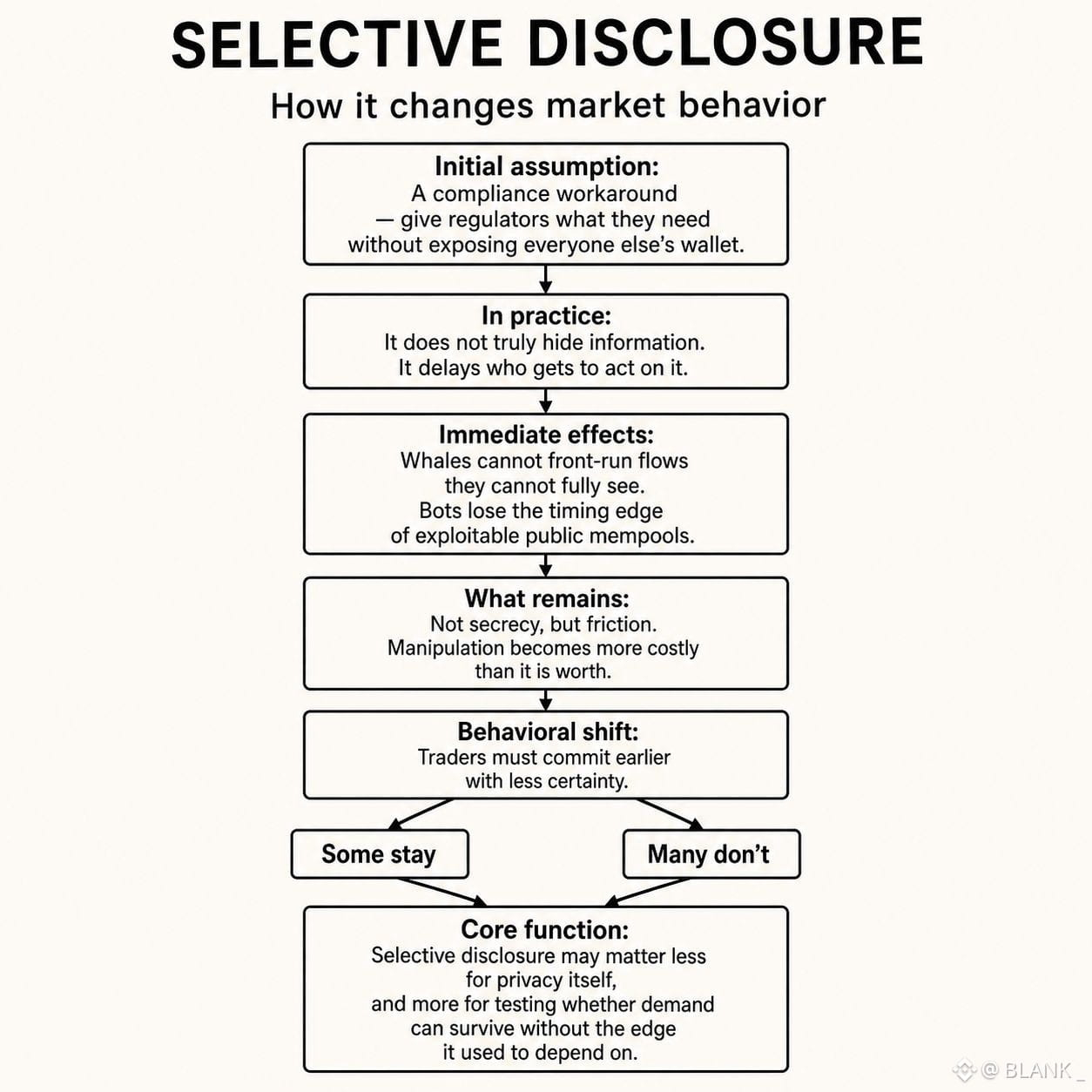
Sākumā es pieņēmu, ka selektīva izpaušana ir tikai atbilstības risinājums — veids, kā iedot regulatoriem to, kas viņiem vajadzīgs, neizpaužot pārējo cilvēku makus. Bet, to vērojot praksē, ietekme ir klusa citādāka. Tā nenoslēpj informāciju tik daudz, cik aizkavē to, kas var pie tās rīkoties. Vaļi nevar veikt priekšskrējienu tiem plūsmām, kuras viņi neredz pilnībā. Boti zaudē laika priekšrocību, kas publiskos mempulus padarīja tik viegli izmantojamus. Kas paliek, nav slepenība, bet gan berze — tāda, kas manipulācijai padara izmaksas lielākas par to, ko tā atmaksā. Savādi ir tas, kā tas pārveido uzvedību. Tirgotāji, kuri agrāk pozicionējās ap noplūdušu datu pamatā, tagad ir spiesti pieņemt lēmumus agrāk, ar mazāku pārliecību. Daži paliek. Daudzi vairs ne. Varbūt tieši šī ir selektīvās izpaušanas īstā funkcija: nevis aizsargāt privātumu paša privātuma dēļ, bet pajautāt, vai pieprasījums var izdzīvot bez tās priekšrocības, uz kuru tas agrāk balstījās.
@Dusk_Foundation $DUSK #dusk
Sākumā es pieņēmu, ka selektīva izpaušana ir tikai atbilstības risinājums — veids, kā iedot regulatoriem to, kas viņiem vajadzīgs, neizpaužot pārējo cilvēku makus. Bet, to vērojot praksē, ietekme ir klusa citādāka. Tā nenoslēpj informāciju tik daudz, cik aizkavē to, kas var pie tās rīkoties. Vaļi nevar veikt priekšskrējienu tiem plūsmām, kuras viņi neredz pilnībā. Boti zaudē laika priekšrocību, kas publiskos mempulus padarīja tik viegli izmantojamus. Kas paliek, nav slepenība, bet gan berze — tāda, kas manipulācijai padara izmaksas lielākas par to, ko tā atmaksā. Savādi ir tas, kā tas pārveido uzvedību. Tirgotāji, kuri agrāk pozicionējās ap noplūdušu datu pamatā, tagad ir spiesti pieņemt lēmumus agrāk, ar mazāku pārliecību. Daži paliek. Daudzi vairs ne. Varbūt tieši šī ir selektīvās izpaušanas īstā funkcija: nevis aizsargāt privātumu paša privātuma dēļ, bet pajautāt, vai pieprasījums var izdzīvot bez tās priekšrocības, uz kuru tas agrāk balstījās.
@Dusk $DUSK #dusk
@Dusk $DUSK #dusk
46
41
2.3k
·
--
ສັນຍານກະທິງ
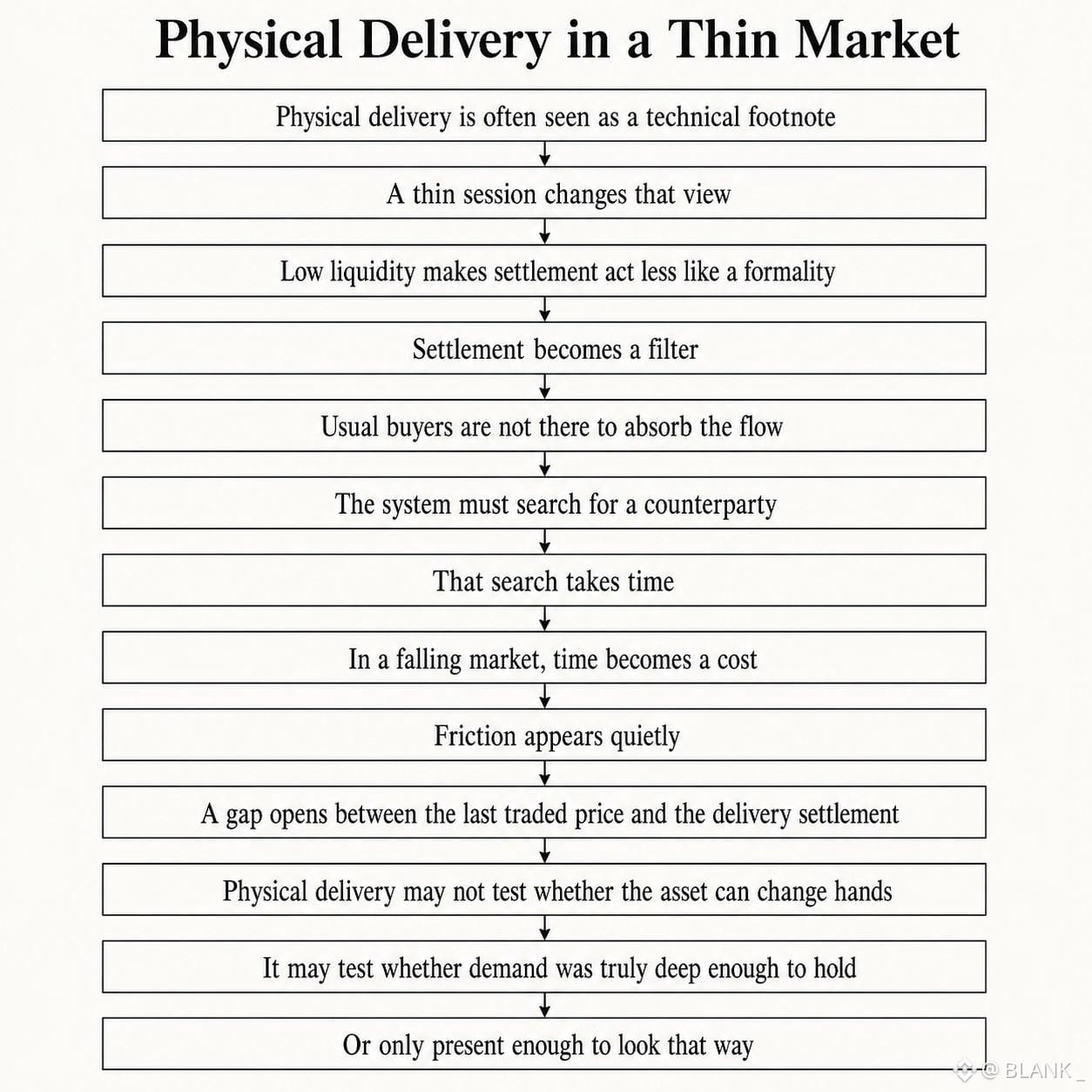
ដំបូងខ្ញុំគិតថាការដឹកជញ្ជូនជាក់ស្តែងគ្រាន់តែជាកំណត់សម្គាល់បច្ចេកទេសប៉ុណ្ណោះ ដែលបានកត់ទុកសម្រាប់អ្នកជួញដូរដែលភ្លេចបិទមុនពេលផុតកំណត់។ ការមើលឃើញមួយកើតឡើងពេលវគ្គស្តើងៗ បានធ្វើឱ្យខ្ញុំយល់ខុស។ ពេលមានសាច់ប្រាក់ងាយស្រួលទាប ស្រទាប់ដោះស្រាយឈប់ធ្វើដូចជាអ្វីមួយដែលគ្រាន់តែជាការតាមដំណើរការ ហើយចាប់ផ្តើមធ្វើដូចជាតម្រង។ អ្នកទិញដែលជាធម្មតានឹងស្រូបយកលំហូរ ក៏មិនមាននៅទីនោះឡើយ។ ជាជាងការបញ្ចេញឱ្យដោះស្រាយតាមតម្លៃមួយ ប្រព័ន្ធត្រូវស្វែងរកដៃគូផ្ទេរ ហើយការស្វែងរកនោះត្រូវចំណាយពេល។ នៅក្នុងទីផ្សារកំពុងធ្លាក់ ពេលវេលាក្លាយជាប្រភេទតម្លៃចំណាយមួយផ្សេងទៀត។ អ្វីដែលធ្វើឱ្យខ្ញុំចាប់អារម្មណ៍ខ្លាំងបំផុត គឺការកកស្ទះបានបង្ហាញឡើងយ៉ាងស្ងាត់ស្ងៀមប៉ុណ្ណោះ។ គ្មានការជូនដំណឹង គ្មានការព្រមាន គ្រាន់តែគម្លាតកាន់តែធំឡើងរវាងតម្លៃដែលបានជួញដូរចុងក្រោយ និងអ្វីដែលប្រព័ន្ធដឹកជញ្ជូននឹងធ្វើឱ្យមានការតាំងសម្រាប់ការដោះស្រាយនៅចុងក្រោយ។ ប្រហែលជាការដឹកជញ្ជូនជាក់ស្តែងមិនមែនជាការធ្វើតេស្តថាទ្រព្យសកម្មអាចផ្លាស់ដៃបានឬទេ។ ប្រហែលវាកំពុងធ្វើតេស្តថាតម្រូវការតាំងតែលជ្រៅគ្រប់គ្រាន់ ឬគ្រាន់តែមានរូបរាងគ្រប់គ្រាន់ដើម្បីធ្វើឱ្យវាមើលដូច្នោះ។
@termmax #TermMax
ដំបូងខ្ញុំគិតថាការដឹកជញ្ជូនជាក់ស្តែងគ្រាន់តែជាកំណត់សម្គាល់បច្ចេកទេសប៉ុណ្ណោះ ដែលបានកត់ទុកសម្រាប់អ្នកជួញដូរដែលភ្លេចបិទមុនពេលផុតកំណត់។ ការមើលឃើញមួយកើតឡើងពេលវគ្គស្តើងៗ បានធ្វើឱ្យខ្ញុំយល់ខុស។ ពេលមានសាច់ប្រាក់ងាយស្រួលទាប ស្រទាប់ដោះស្រាយឈប់ធ្វើដូចជាអ្វីមួយដែលគ្រាន់តែជាការតាមដំណើរការ ហើយចាប់ផ្តើមធ្វើដូចជាតម្រង។ អ្នកទិញដែលជាធម្មតានឹងស្រូបយកលំហូរ ក៏មិនមាននៅទីនោះឡើយ។ ជាជាងការបញ្ចេញឱ្យដោះស្រាយតាមតម្លៃមួយ ប្រព័ន្ធត្រូវស្វែងរកដៃគូផ្ទេរ ហើយការស្វែងរកនោះត្រូវចំណាយពេល។ នៅក្នុងទីផ្សារកំពុងធ្លាក់ ពេលវេលាក្លាយជាប្រភេទតម្លៃចំណាយមួយផ្សេងទៀត។ អ្វីដែលធ្វើឱ្យខ្ញុំចាប់អារម្មណ៍ខ្លាំងបំផុត គឺការកកស្ទះបានបង្ហាញឡើងយ៉ាងស្ងាត់ស្ងៀមប៉ុណ្ណោះ។ គ្មានការជូនដំណឹង គ្មានការព្រមាន គ្រាន់តែគម្លាតកាន់តែធំឡើងរវាងតម្លៃដែលបានជួញដូរចុងក្រោយ និងអ្វីដែលប្រព័ន្ធដឹកជញ្ជូននឹងធ្វើឱ្យមានការតាំងសម្រាប់ការដោះស្រាយនៅចុងក្រោយ។ ប្រហែលជាការដឹកជញ្ជូនជាក់ស្តែងមិនមែនជាការធ្វើតេស្តថាទ្រព្យសកម្មអាចផ្លាស់ដៃបានឬទេ។ ប្រហែលវាកំពុងធ្វើតេស្តថាតម្រូវការតាំងតែលជ្រៅគ្រប់គ្រាន់ ឬគ្រាន់តែមានរូបរាងគ្រប់គ្រាន់ដើម្បីធ្វើឱ្យវាមើលដូច្នោះ។
@TermMax #TermMax
@TermMax #TermMax
43
48
10.9k
·
--
ສັນຍານກະທິງ
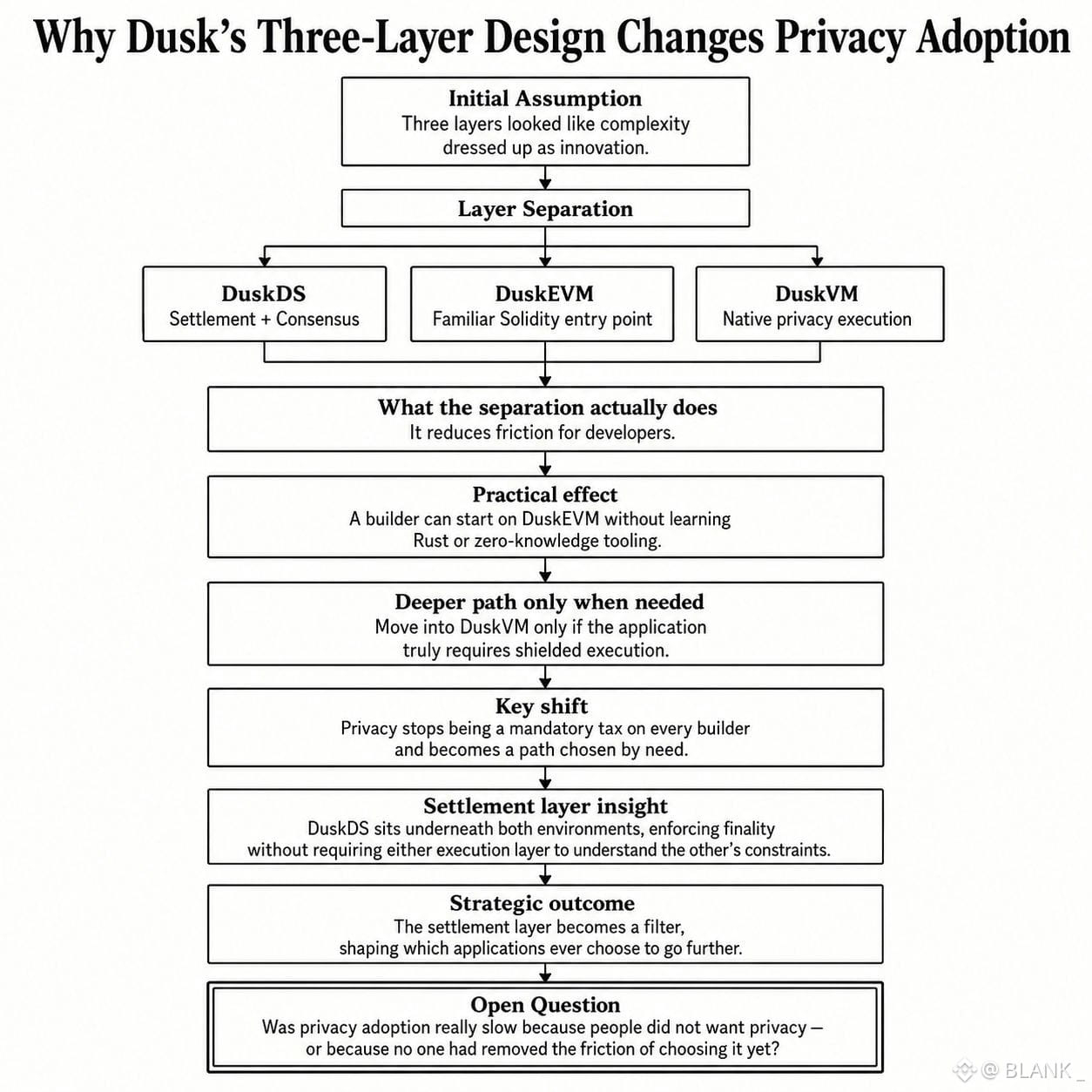
ដំបូងខ្ញុំគិតថា ការបំបែកខ្សែច្រវាក់ជា៣ស្រទាប់ គ្រាន់តែជាស្មុគស្មាញដែលត្រូវបានបង្ហាញជានវានុវត្តន៍ប៉ុណ្ណោះ។ DuskDS គ្រប់គ្រងការតាំងទីលំនៅ និងការឯកភាព, DuskEVM ផ្តល់ឱ្យអ្នកអភិវឌ្ឍន៍ Solidity នូវចំណុចចាប់ផ្តើមដែលធ្លាប់ស្គាល់, ហើយ DuskVM រក្សាទុកសម្រាប់ការងារសម្ងាត់នៅកម្រិតដើមប៉ុណ្ណោះ។ ការបំបែកបែបនោះមើលទៅដូចជាបន្ទុកបន្ថែម រហូតដល់ខ្ញុំកត់សម្គាល់ថាវាធ្វើឲ្យមានការកាត់បន្ថយភាពជាប់គាំង (friction) យ៉ាងដូចម្តេច។ អ្នកអភិវឌ្ឍន៍មិនចាំបាច់រៀន Rust និងឧបករណ៍សូន្យចំណេះដឹង (zero knowledge) ដើម្បីដាក់ពង្រាយអ្វីមួយដែលសាមញ្ញទេ; ពួកគេអាចចាប់ផ្តើមលើ DuskEVM ហើយបន្តទៅជ្រៅបានតែពេលដែលកម្មវិធីពិតជាត្រូវការការប្រតិបត្តិដែលបានការពារ (shielded execution)។ ភាពសម្ងាត់លែងក្លាយជាពន្ធដែលត្រូវបង់ជាប្រចាំសម្រាប់អ្នកសាងសង់គ្រប់គ្នាទៀតហើយ ប៉ុន្តែក្លាយជាផ្លូវដែលជ្រើសរើសដោយតាមតម្រូវការ។ អ្វីដែលធ្វើឲ្យខ្ញុំចាប់អារម្មណ៍ជាងនេះ គឺស្រទាប់ settlement ដែលអង្គុយនៅខាងក្រោមសម្រាប់ទាំងពីរ—ដោយស្ងៀមស្ងាត់ បង្ខិតការសន្និដ្ឋានឲ្យចប់ជាស្ថាពរ (finality) ដោយមិនសួរឲ្យបរិស្ថានប្រតិបត្តិមួយណា ត្រូវដឹងពីកម្រិតកំណត់ (constraints) របស់មួយទៀតឡើយ។ វាមិនមែនជាមុខងារមួយទេ ប៉ុន្តែជាតម្រងមួយ ដែលសម្រេចថាតើកម្មវិធីណាខ្លះនឹងរំខានទៅមុខទៀត។ ខ្ញុំបន្តឆ្ងល់ថាតើការទទួលយកភាពសម្ងាត់ធ្លាប់យឺតយ៉ាងពិតប្រាកដ ដោយសារតែអ្នកមិនចង់វា ឬដោយសារតែមិនទាន់មាននរណាម្នាក់យកការជាប់គាំងនៃការជ្រើសរើសវាចេញទេ។
@Dusk_Foundation $DUSK #dusk
ដំបូងខ្ញុំគិតថា ការបំបែកខ្សែច្រវាក់ជា៣ស្រទាប់ គ្រាន់តែជាស្មុគស្មាញដែលត្រូវបានបង្ហាញជានវានុវត្តន៍ប៉ុណ្ណោះ។ DuskDS គ្រប់គ្រងការតាំងទីលំនៅ និងការឯកភាព, DuskEVM ផ្តល់ឱ្យអ្នកអភិវឌ្ឍន៍ Solidity នូវចំណុចចាប់ផ្តើមដែលធ្លាប់ស្គាល់, ហើយ DuskVM រក្សាទុកសម្រាប់ការងារសម្ងាត់នៅកម្រិតដើមប៉ុណ្ណោះ។ ការបំបែកបែបនោះមើលទៅដូចជាបន្ទុកបន្ថែម រហូតដល់ខ្ញុំកត់សម្គាល់ថាវាធ្វើឲ្យមានការកាត់បន្ថយភាពជាប់គាំង (friction) យ៉ាងដូចម្តេច។ អ្នកអភិវឌ្ឍន៍មិនចាំបាច់រៀន Rust និងឧបករណ៍សូន្យចំណេះដឹង (zero knowledge) ដើម្បីដាក់ពង្រាយអ្វីមួយដែលសាមញ្ញទេ; ពួកគេអាចចាប់ផ្តើមលើ DuskEVM ហើយបន្តទៅជ្រៅបានតែពេលដែលកម្មវិធីពិតជាត្រូវការការប្រតិបត្តិដែលបានការពារ (shielded execution)។ ភាពសម្ងាត់លែងក្លាយជាពន្ធដែលត្រូវបង់ជាប្រចាំសម្រាប់អ្នកសាងសង់គ្រប់គ្នាទៀតហើយ ប៉ុន្តែក្លាយជាផ្លូវដែលជ្រើសរើសដោយតាមតម្រូវការ។ អ្វីដែលធ្វើឲ្យខ្ញុំចាប់អារម្មណ៍ជាងនេះ គឺស្រទាប់ settlement ដែលអង្គុយនៅខាងក្រោមសម្រាប់ទាំងពីរ—ដោយស្ងៀមស្ងាត់ បង្ខិតការសន្និដ្ឋានឲ្យចប់ជាស្ថាពរ (finality) ដោយមិនសួរឲ្យបរិស្ថានប្រតិបត្តិមួយណា ត្រូវដឹងពីកម្រិតកំណត់ (constraints) របស់មួយទៀតឡើយ។ វាមិនមែនជាមុខងារមួយទេ ប៉ុន្តែជាតម្រងមួយ ដែលសម្រេចថាតើកម្មវិធីណាខ្លះនឹងរំខានទៅមុខទៀត។ ខ្ញុំបន្តឆ្ងល់ថាតើការទទួលយកភាពសម្ងាត់ធ្លាប់យឺតយ៉ាងពិតប្រាកដ ដោយសារតែអ្នកមិនចង់វា ឬដោយសារតែមិនទាន់មាននរណាម្នាក់យកការជាប់គាំងនៃការជ្រើសរើសវាចេញទេ។
@Dusk $DUSK #dusk
@Dusk $DUSK #dusk
37
31
1.4k
·
--
ສັນຍານກະທິງ
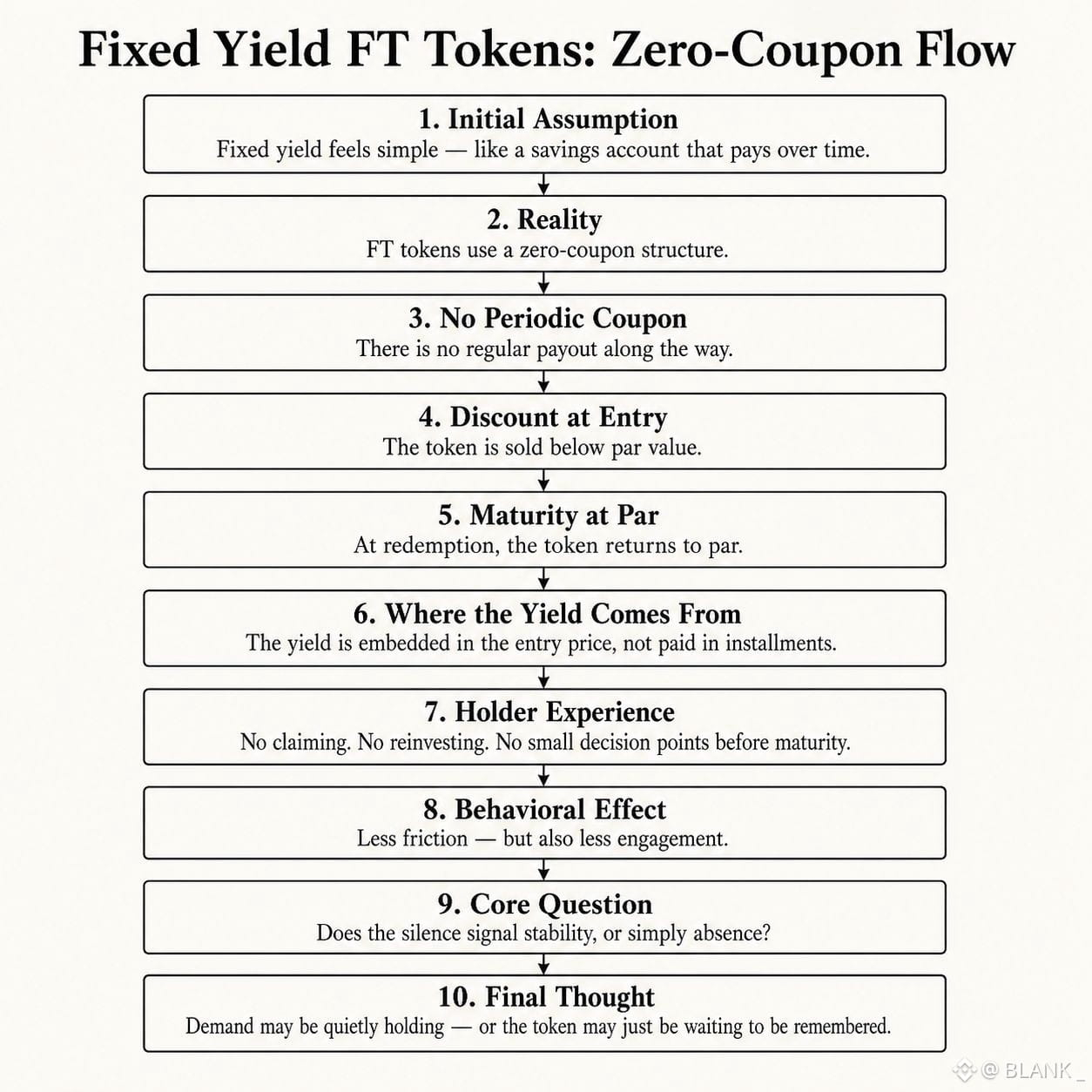
အရင်တုန်းကတော့ fixed yield ဆိုတာ ရိုးရှင်းမှုလိုပဲဆိုပြီး ယူဆခဲ့တယ်—FT တိုကင်တွေက ငွေစုအကောင့်တစ်ခုလို အချိန်ကြာလာတာနဲ့အမျှ ရင်းနှီးမြှုပ်နှံသူတွေကို တဖြည်းဖြည်းပေးမယ်လို့ပေါ့။ ဒါပေမယ့် zero-coupon ပုံစံက တခြားနည်းနဲ့အလုပ်လုပ်ပါတယ်။ အလုံးစုံ ကူပွန်ဆိုတာတောင် မရှိဘူး—လမ်းတလျှောက်မှာ မျှော်လင့်ချက်ကို အမြဲတမ်း ထိန်းထားပေးတဲ့ ပုံမှန်အကျိုးခံစားခွင့် အခါအားလျော်စွာ ပေးအပ်မှုလည်း မရှိဘူး။ အဲဒီအစား တိုကင်ကို လျှော့စျေးနဲ့ ရောင်းပြီး par (မျက်နှာတန်ဖိုး) နဲ့ မရင့်ကျက်ခင်အချိန် ပြီးတဲ့အခါ ပြန်ပေးရတာပဲ။ ဒါကြောင့် yield က အခါအားလျော်စွာ ပေးဝေမှုတွေထဲမှာ မခွဲဝေဘဲ ဝင်စျေး (entry price) ထဲမှာပဲ ရှိနေတယ်။ အဲဒီအချက်က ကျွန်တော်မျှော်လင့်ထားတာထက်ပိုပြီး အပြုအမူကို ပြောင်းလဲစေတယ်။ ကိုင်ထားသူတွေက ငွေပေးချေမှုတွေကို စစ်ဆေးနေမယ့်အစား စောင့်နေကြတယ်။ တောင်းယူ claiming မလုပ်ရ၊ ပြန်လည်ရင်းနှီးမြှုပ်နှံ no reinvesting မလုပ်ရ၊ သေးသေးလေး ဆုံးဖြတ်ချက်တွေချပြီး အာရုံစိုက်နေစရာ မလိုဘူး—မရင့်ကျက်လာတဲ့အချိန်အထိပဲ။ ဒါက friction တစ်လွှာကို လျော့စေတယ်၊ ဒါပေမယ့် engagement တစ်လွှာကိုလည်း လျော့စေတယ်။ မလုပ်ရတဲ့အရာ မရှိတော့ သတိထားစရာ မရှိတော့ဘူး။ အဓိကမေးခွန်းက အဲဒီတိတ်ဆိတ်မှုက တည်ငြိမ်မှုကို ညွှန်ပြတာလား၊ ဒါမှမဟုတ် မရှိခြင်းကိုပဲ ဖော်ပြတာလား ဆိုတာပဲ။ သင့်ကို ဘာမှမတောင်းဆိုဘဲ redemption အထိ စောင့်ခိုင်းနေတဲ့ တိုကင်တစ်ခုက လိုအပ်ချက် (demand) ကို တိတ်တိတ်လေး စုထားနေတာ ဖြစ်နိုင်တယ်၊ ဒါမှမဟုတ် သင့်ကို တစ်ခါမှတ်မိဖို့ပဲ စောင့်နေသလိုလည်း ဖြစ်နိုင်တယ်။
@termmax #TermMax
အရင်တုန်းကတော့ fixed yield ဆိုတာ ရိုးရှင်းမှုလိုပဲဆိုပြီး ယူဆခဲ့တယ်—FT တိုကင်တွေက ငွေစုအကောင့်တစ်ခုလို အချိန်ကြာလာတာနဲ့အမျှ ရင်းနှီးမြှုပ်နှံသူတွေကို တဖြည်းဖြည်းပေးမယ်လို့ပေါ့။ ဒါပေမယ့် zero-coupon ပုံစံက တခြားနည်းနဲ့အလုပ်လုပ်ပါတယ်။ အလုံးစုံ ကူပွန်ဆိုတာတောင် မရှိဘူး—လမ်းတလျှောက်မှာ မျှော်လင့်ချက်ကို အမြဲတမ်း ထိန်းထားပေးတဲ့ ပုံမှန်အကျိုးခံစားခွင့် အခါအားလျော်စွာ ပေးအပ်မှုလည်း မရှိဘူး။ အဲဒီအစား တိုကင်ကို လျှော့စျေးနဲ့ ရောင်းပြီး par (မျက်နှာတန်ဖိုး) နဲ့ မရင့်ကျက်ခင်အချိန် ပြီးတဲ့အခါ ပြန်ပေးရတာပဲ။ ဒါကြောင့် yield က အခါအားလျော်စွာ ပေးဝေမှုတွေထဲမှာ မခွဲဝေဘဲ ဝင်စျေး (entry price) ထဲမှာပဲ ရှိနေတယ်။ အဲဒီအချက်က ကျွန်တော်မျှော်လင့်ထားတာထက်ပိုပြီး အပြုအမူကို ပြောင်းလဲစေတယ်။ ကိုင်ထားသူတွေက ငွေပေးချေမှုတွေကို စစ်ဆေးနေမယ့်အစား စောင့်နေကြတယ်။ တောင်းယူ claiming မလုပ်ရ၊ ပြန်လည်ရင်းနှီးမြှုပ်နှံ no reinvesting မလုပ်ရ၊ သေးသေးလေး ဆုံးဖြတ်ချက်တွေချပြီး အာရုံစိုက်နေစရာ မလိုဘူး—မရင့်ကျက်လာတဲ့အချိန်အထိပဲ။ ဒါက friction တစ်လွှာကို လျော့စေတယ်၊ ဒါပေမယ့် engagement တစ်လွှာကိုလည်း လျော့စေတယ်။ မလုပ်ရတဲ့အရာ မရှိတော့ သတိထားစရာ မရှိတော့ဘူး။ အဓိကမေးခွန်းက အဲဒီတိတ်ဆိတ်မှုက တည်ငြိမ်မှုကို ညွှန်ပြတာလား၊ ဒါမှမဟုတ် မရှိခြင်းကိုပဲ ဖော်ပြတာလား ဆိုတာပဲ။ သင့်ကို ဘာမှမတောင်းဆိုဘဲ redemption အထိ စောင့်ခိုင်းနေတဲ့ တိုကင်တစ်ခုက လိုအပ်ချက် (demand) ကို တိတ်တိတ်လေး စုထားနေတာ ဖြစ်နိုင်တယ်၊ ဒါမှမဟုတ် သင့်ကို တစ်ခါမှတ်မိဖို့ပဲ စောင့်နေသလိုလည်း ဖြစ်နိုင်တယ်။
@TermMax #TermMax
@TermMax #TermMax
31
28
3.1k
·
--
ສັນຍານກະທິງ
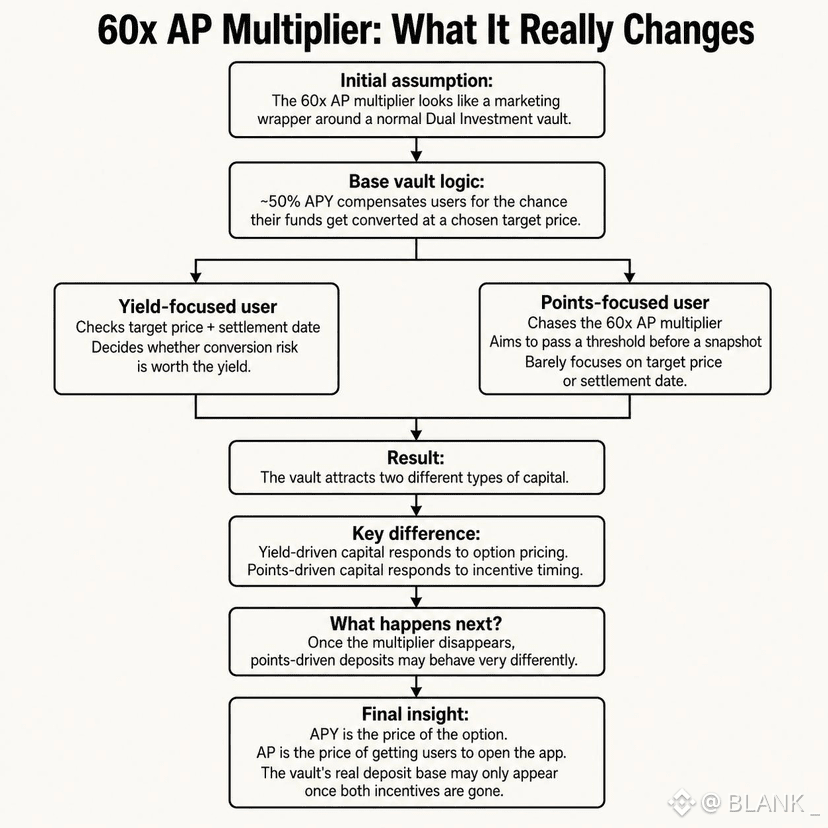
ដំបូងខ្ញុំសន្មត់ថា គុណនឹង 60x AP គ្រាន់តែជាការគ្រប់ការផ្សព្វផ្សាយជុំវិញ vault Dual Investment ធម្មតា ជាវិធីធ្វើឲ្យផលិតផល structured ដែលធ្លាប់ស្គាល់មើលទៅថ្មីឡើងវិញ។ APY ប្រាប់រឿងច្បាស់លាស់ដោយខ្លួនវា៖ ប្រហែល 50% ដោយដាក់តម្លៃសម្រាប់ឱកាសដែលមូលនិធិរបស់អ្នកត្រូវបានបម្លែងទៅតាមតម្លៃគោលដៅដែលអ្នកជ្រើសរើស។ ប៉ុន្តែ layer ពិន្ទុផ្លាស់ប្តូរអ្នកដែលមក។ អ្នកប្រើប្រាស់ដែលតម្រង់ទៅរក yield នឹងអានតម្លៃគោលដៅ និងថ្ងៃកំណត់បញ្ចប់ (settlement date) ហើយសម្រេចថាតើការជួញដូរមានតម្លៃចំពោះហានិភ័យបម្លែងទេឬអត់។ ចំណែកអ្នកប្រើប្រាស់ដែលតម្រង់ទៅរកពិន្ទុ (points) ស្ទើរតែមិនមើលទាំងពីរ។ ពួកគេចូលដាក់ប្រាក់ ពីព្រោះគុណនឹងហុកសិបដង (sixty times multiplier) រំកិលពួកគេឆ្លងកម្រិតមួយមុនពេលមាន snapshot មិនមែនដោយសារពួកគេមានទស្សនៈអំពីតម្លៃទេ។ នេះជាប្រភេទដើមទុនមួយផ្សេងគ្នា ហើយវាប្រែប្រួលខុសគ្នាពេលដែលគុណនឹងបាត់ទៅ។ APY គឺជាតម្លៃនៃ option។ AP គឺជាតម្លៃនៃការធ្វើឲ្យមនុស្សបើក app ឲ្យបានទាំងអស់។ ខ្ញុំមិនប្រាកដថា មូលដ្ឋានដាក់ប្រាក់ពិតរបស់ vault នឹងបង្ហាញឡើង រហូតដល់ទាំងការលើកទឹកចិត្តទាំងពីរត្រូវបានបាត់ទៅក្នុងពេលតែមួយ។
@termmax #TermMax
ដំបូងខ្ញុំសន្មត់ថា គុណនឹង 60x AP គ្រាន់តែជាការគ្រប់ការផ្សព្វផ្សាយជុំវិញ vault Dual Investment ធម្មតា ជាវិធីធ្វើឲ្យផលិតផល structured ដែលធ្លាប់ស្គាល់មើលទៅថ្មីឡើងវិញ។ APY ប្រាប់រឿងច្បាស់លាស់ដោយខ្លួនវា៖ ប្រហែល 50% ដោយដាក់តម្លៃសម្រាប់ឱកាសដែលមូលនិធិរបស់អ្នកត្រូវបានបម្លែងទៅតាមតម្លៃគោលដៅដែលអ្នកជ្រើសរើស។ ប៉ុន្តែ layer ពិន្ទុផ្លាស់ប្តូរអ្នកដែលមក។ អ្នកប្រើប្រាស់ដែលតម្រង់ទៅរក yield នឹងអានតម្លៃគោលដៅ និងថ្ងៃកំណត់បញ្ចប់ (settlement date) ហើយសម្រេចថាតើការជួញដូរមានតម្លៃចំពោះហានិភ័យបម្លែងទេឬអត់។ ចំណែកអ្នកប្រើប្រាស់ដែលតម្រង់ទៅរកពិន្ទុ (points) ស្ទើរតែមិនមើលទាំងពីរ។ ពួកគេចូលដាក់ប្រាក់ ពីព្រោះគុណនឹងហុកសិបដង (sixty times multiplier) រំកិលពួកគេឆ្លងកម្រិតមួយមុនពេលមាន snapshot មិនមែនដោយសារពួកគេមានទស្សនៈអំពីតម្លៃទេ។ នេះជាប្រភេទដើមទុនមួយផ្សេងគ្នា ហើយវាប្រែប្រួលខុសគ្នាពេលដែលគុណនឹងបាត់ទៅ។ APY គឺជាតម្លៃនៃ option។ AP គឺជាតម្លៃនៃការធ្វើឲ្យមនុស្សបើក app ឲ្យបានទាំងអស់។ ខ្ញុំមិនប្រាកដថា មូលដ្ឋានដាក់ប្រាក់ពិតរបស់ vault នឹងបង្ហាញឡើង រហូតដល់ទាំងការលើកទឹកចិត្តទាំងពីរត្រូវបានបាត់ទៅក្នុងពេលតែមួយ។
@TermMax #TermMax
@TermMax #TermMax
62
45
5.5k
·
--
ສັນຍານກະທິງ
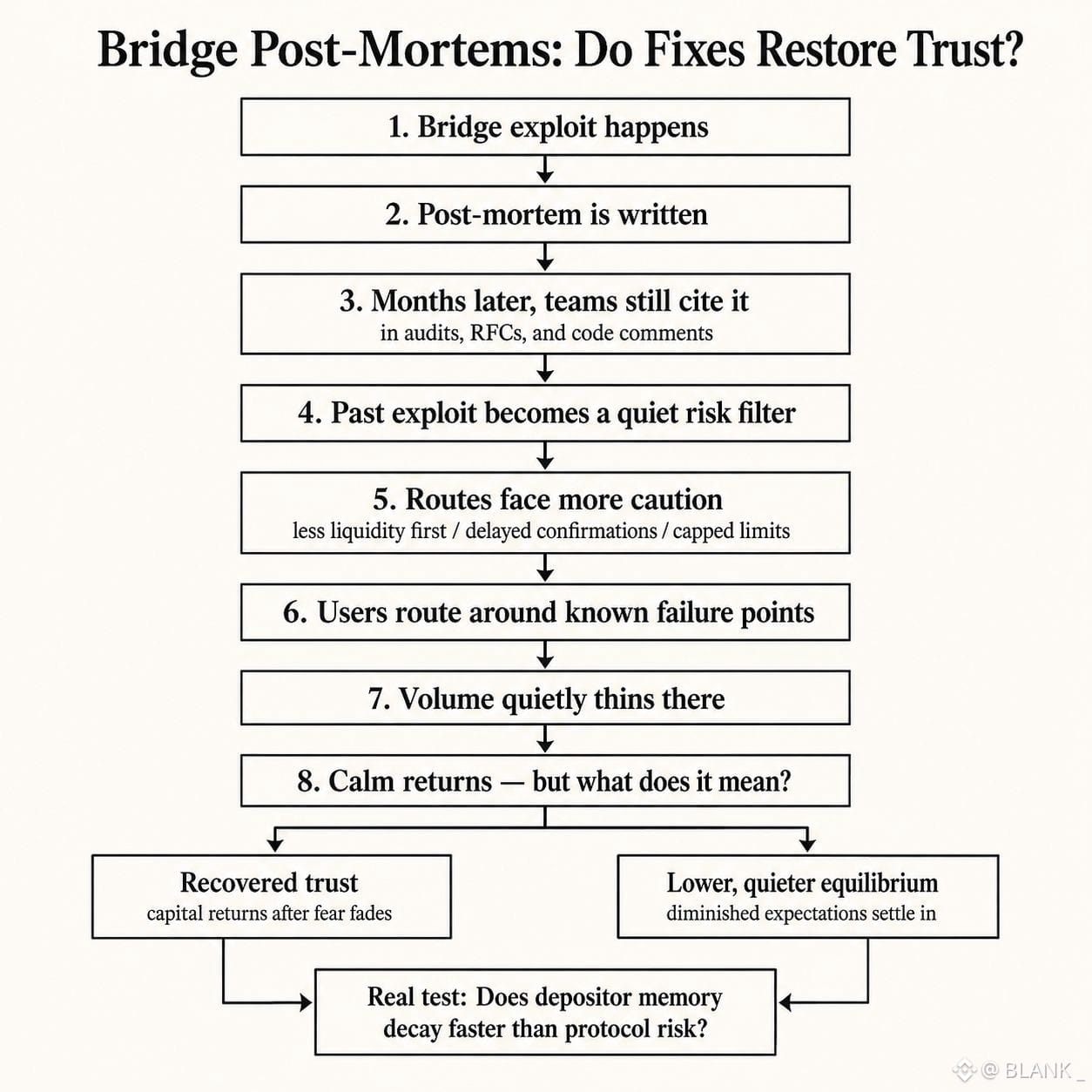
အစပိုင်းမှာတော့ ပေါင်းကူး (bridge) post-mortem တွေက အများစုက အဖြစ်အပျက် thread ပျောက်သွားပြီးနောက် တစ်ခါဖတ်ပြီး မေ့သွား၊ အစီရင်ခံစာတွေမှာ ဖိုင်တင်ထားသလိုသာ ဖြစ်တတ်တယ်လို့ ကျွန်တော်ထင်ခဲ့တယ်။ ဒါပေမယ့် team တွေက လန့်လန့်ပြီးတော့တောင် နောက်ပိုင်းမှာ ပြန်ကိုးကားတာတွေကိုကြည့်လိုက်ရင်—audit တွေမှာ၊ RFC ဆွေးနွေးချက်တွေမှာ၊ တိတ်တိတ်လေး code comment တွေထဲမှာပါ—ဒါက နှေးနှေးရိပ်မိထိပ်တင် (slow-release) ဖြစ်တဲ့ အဆင်မပြေမှုလိုပဲ ထင်ရတယ်။ အရင်က exploit တစ်ခုစီတိုင်းက တိတ်တိတ်လေး filter တစ်ခုလို လုပ်သွားတယ်—ဘယ် route တွေက ငွေကြေး liquidity ကိုအရင်ဆုံးရမလဲ၊ ဘယ် route တွေက confirmation ကိုနောက်ကျစေမလဲ၊ ဘယ် route တွေကိုတော့ လူတွေ တစ်ခါမှ မယုံကြည်ခင်အရင် limit တွေကိုပဲ ကန့်သတ်ထားလိုက်မလဲဆိုတာတွေ။ စက်ပိုင်းဆိုင်ရာ mechanics ကတော့ မကြာခဏ မြန်မြန်မပြောင်းဘူး။ ပြောင်းလဲတာက စိတ်ရှည်ခြင်း (patience) ပဲ—လူတွေက ဘာကြောင့်လဲဆိုတာ မကြေညာဘဲ သတ်မှတ်ထားတဲ့ မအောင်မြင်နိုင်တဲ့နေရာတွေကို လှည့်ရှောင်ပြီး သွားကြတယ်၊ volume ကတော့ အဲဒီနေရာမှာပဲ တဖြည်းဖြည်း ပါးလာတယ်။ Reliability ကို uptime chart တွေနဲ့ မသက်သေပြဘူး—တစ်ခါကြောက်ပြီးသွားပြီးနောက်မှာတော့ အရင်းအနှီး (capital) က ပြန်ဝင်လာနိုင်မလားဆိုတာနဲ့ သက်သေပြတာ။ ဒါကြောင့် post-mortem lesson တွေရဲ့ အမှန်တကယ် စစ်မှန်မှု စမ်းသပ်ချက်က “fix” က technically အလုပ်လုပ်မလုပ်ကိုမဟုတ်ဘဲ၊ depositors တွေရဲ့ မှတ်ဉာဏ်က protocol ရဲ့ မှတ်တမ်းထက် ပိုမြန်မြန်ပျက်သွားလား ဆိုတာပဲ။ ဒါကြောင့် bridge တစ်ခုက ထပ်တဖန် တည်ငြိမ်သလို (calm) ဖြစ်နေပြီဆိုရင်—အဲဒါ recovered trust လား၊ ဒါမှမဟုတ် မျှော်လင့်ချက်တွေ လျော့နည်းသွားပြီး ပိုအေးမြတဲ့ equilibrium တစ်ခုထဲကို နစ်ဝင်ကျသွားတာလား?
@Dusk_Foundation $DUSK #dusk
အစပိုင်းမှာတော့ ပေါင်းကူး (bridge) post-mortem တွေက အများစုက အဖြစ်အပျက် thread ပျောက်သွားပြီးနောက် တစ်ခါဖတ်ပြီး မေ့သွား၊ အစီရင်ခံစာတွေမှာ ဖိုင်တင်ထားသလိုသာ ဖြစ်တတ်တယ်လို့ ကျွန်တော်ထင်ခဲ့တယ်။ ဒါပေမယ့် team တွေက လန့်လန့်ပြီးတော့တောင် နောက်ပိုင်းမှာ ပြန်ကိုးကားတာတွေကိုကြည့်လိုက်ရင်—audit တွေမှာ၊ RFC ဆွေးနွေးချက်တွေမှာ၊ တိတ်တိတ်လေး code comment တွေထဲမှာပါ—ဒါက နှေးနှေးရိပ်မိထိပ်တင် (slow-release) ဖြစ်တဲ့ အဆင်မပြေမှုလိုပဲ ထင်ရတယ်။ အရင်က exploit တစ်ခုစီတိုင်းက တိတ်တိတ်လေး filter တစ်ခုလို လုပ်သွားတယ်—ဘယ် route တွေက ငွေကြေး liquidity ကိုအရင်ဆုံးရမလဲ၊ ဘယ် route တွေက confirmation ကိုနောက်ကျစေမလဲ၊ ဘယ် route တွေကိုတော့ လူတွေ တစ်ခါမှ မယုံကြည်ခင်အရင် limit တွေကိုပဲ ကန့်သတ်ထားလိုက်မလဲဆိုတာတွေ။ စက်ပိုင်းဆိုင်ရာ mechanics ကတော့ မကြာခဏ မြန်မြန်မပြောင်းဘူး။ ပြောင်းလဲတာက စိတ်ရှည်ခြင်း (patience) ပဲ—လူတွေက ဘာကြောင့်လဲဆိုတာ မကြေညာဘဲ သတ်မှတ်ထားတဲ့ မအောင်မြင်နိုင်တဲ့နေရာတွေကို လှည့်ရှောင်ပြီး သွားကြတယ်၊ volume ကတော့ အဲဒီနေရာမှာပဲ တဖြည်းဖြည်း ပါးလာတယ်။ Reliability ကို uptime chart တွေနဲ့ မသက်သေပြဘူး—တစ်ခါကြောက်ပြီးသွားပြီးနောက်မှာတော့ အရင်းအနှီး (capital) က ပြန်ဝင်လာနိုင်မလားဆိုတာနဲ့ သက်သေပြတာ။ ဒါကြောင့် post-mortem lesson တွေရဲ့ အမှန်တကယ် စစ်မှန်မှု စမ်းသပ်ချက်က “fix” က technically အလုပ်လုပ်မလုပ်ကိုမဟုတ်ဘဲ၊ depositors တွေရဲ့ မှတ်ဉာဏ်က protocol ရဲ့ မှတ်တမ်းထက် ပိုမြန်မြန်ပျက်သွားလား ဆိုတာပဲ။ ဒါကြောင့် bridge တစ်ခုက ထပ်တဖန် တည်ငြိမ်သလို (calm) ဖြစ်နေပြီဆိုရင်—အဲဒါ recovered trust လား၊ ဒါမှမဟုတ် မျှော်လင့်ချက်တွေ လျော့နည်းသွားပြီး ပိုအေးမြတဲ့ equilibrium တစ်ခုထဲကို နစ်ဝင်ကျသွားတာလား?
@Dusk $DUSK #dusk
@Dusk $DUSK #dusk
63
51
3.1k
·
--
ສັນຍານກະທິງ
ຢືນຢັນແລ້ວ
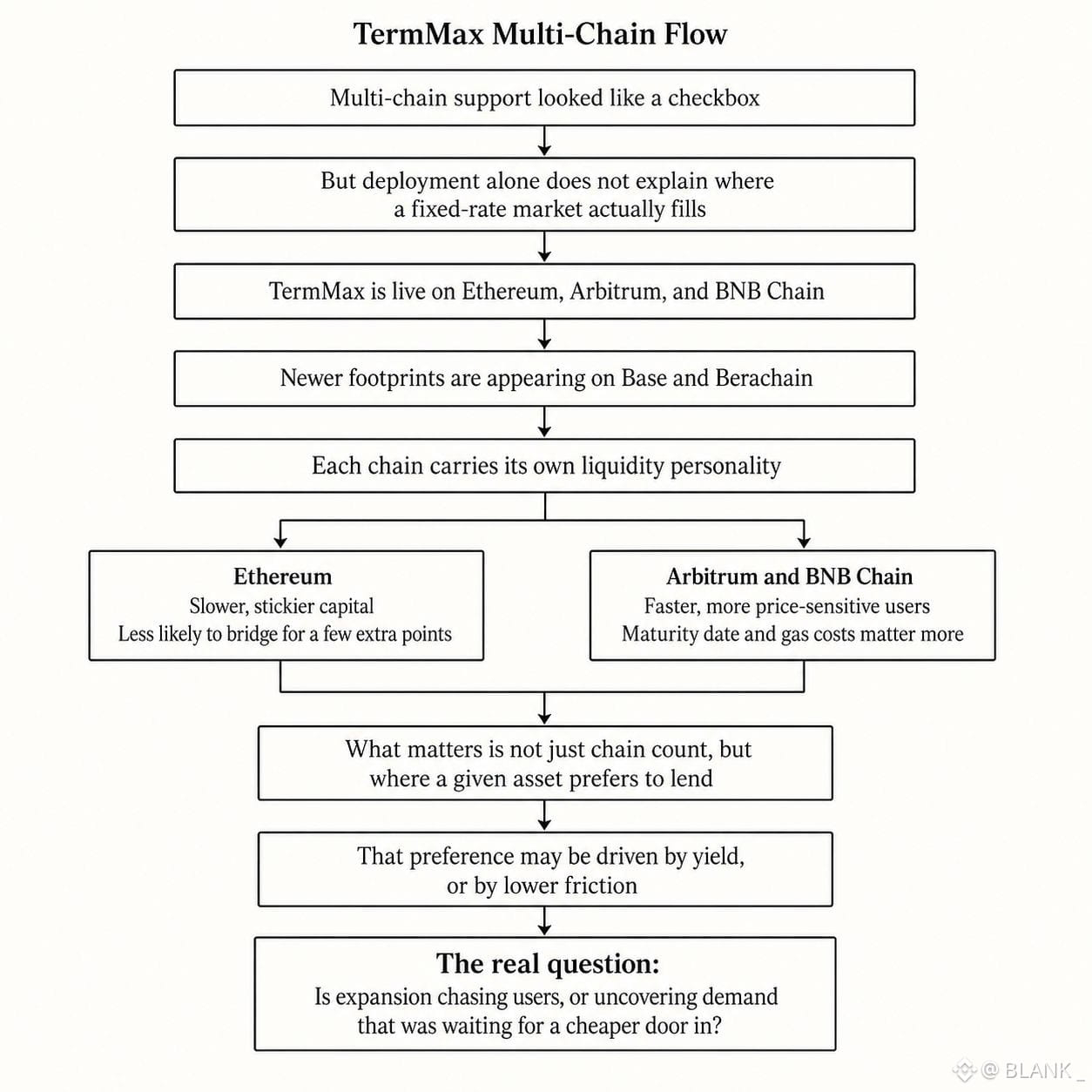
ដំបូងខ្ញុំគិតថាការគាំទ្រច្រើនខ្សែ (multi-chain) គ្រាន់តែជាកម្រិតជាចំណុចធីកមួយសម្រាប់ឲ្យមើលទៅពេញលេញ—ពិធីការ (protocols) រាយបញ្ជីឲ្យដូចជាគ្រប់គ្រាន់។ TermMax ដំណើរការផ្ទាល់នៅលើ Ethereum, Arbitrum និង BNB Chain ហើយមានការចូលជើងថ្មីៗលើខ្សែដូចជា Berachain និង Base ផងដែរ។ តែពេលមើលឃើញថា ទីផ្សារអត្រ ra ជាកថេរពិតៗទៅបំពេញនៅឯណា មិនមែនត្រឹមតែបង្ហាញថាវាត្រូវបានដាក់ពង្រាយនៅឯណា—វាធ្វើឲ្យការយល់ឃើញផ្លាស់ប្តូរ។
ខ្សែនីមួយៗមានចរិតសាច់ប្រាក់ងាយបើកបរ (liquidity personality) រៀងខ្លួន។ Ethereum ច្រើនរក្សាទុនដែលយឺត និងជាប់ជាមួយមួយកន្លែង—ប្រភេទដែលមិនរត់តាមផលចំណេញ (yield) ឆ្លងស្ពាន (bridge) ដើម្បីយកចំណុចបន្ថែមតែប៉ុន្មាន។ ចំណែក Arbitrum និង BNB Chain ទាញអ្នកប្រើប្រាស់ដែលឆាប់ និងចាប់អារម្មណ៍តម្លៃជាង—អ្នកដែលថ្លឹងកាលបរិច្ឆេទពេញវ័យ (maturity date) ទល់នឹងថ្លៃ gas មុននឹងសម្រេចចិត្ត។ អ្វីដែលគួរឲ្យចាប់អារម្មណ៍មិនមែនជាចំនួនខ្សែទេ។ វាគឺថា ទ្រព្យសម្បត្តិមួយណា ដែលពេញចិត្តក្នុងការឲ្យខ្ចី (lend) ដោយស្ងៀមស្ងាត់ ហើយថាការពេញចិត្តនោះពិតជាទាក់ទងនឹង yield ឬទាក់ទងនឹងភាពកកស្ទះ (friction) ជាង។ ដូចนั้น សំណួរដ៏ជ្រៅមិនមែនថា តើប្រូតូកុល (protocol) ទៅដល់ប៉ុន្មានខ្សែទេ។ តែថា ការពង្រីកតាមដានឲ្យអ្នកប្រើប្រាស់ ឬគ្រាន់តែរកឃើញតម្រូវការដែលកំពុងរង់ចាំនៅឯទ្វារថោកជាងហើយ។
@termmax #TermMax
ដំបូងខ្ញុំគិតថាការគាំទ្រច្រើនខ្សែ (multi-chain) គ្រាន់តែជាកម្រិតជាចំណុចធីកមួយសម្រាប់ឲ្យមើលទៅពេញលេញ—ពិធីការ (protocols) រាយបញ្ជីឲ្យដូចជាគ្រប់គ្រាន់។ TermMax ដំណើរការផ្ទាល់នៅលើ Ethereum, Arbitrum និង BNB Chain ហើយមានការចូលជើងថ្មីៗលើខ្សែដូចជា Berachain និង Base ផងដែរ។ តែពេលមើលឃើញថា ទីផ្សារអត្រ ra ជាកថេរពិតៗទៅបំពេញនៅឯណា មិនមែនត្រឹមតែបង្ហាញថាវាត្រូវបានដាក់ពង្រាយនៅឯណា—វាធ្វើឲ្យការយល់ឃើញផ្លាស់ប្តូរ។
ខ្សែនីមួយៗមានចរិតសាច់ប្រាក់ងាយបើកបរ (liquidity personality) រៀងខ្លួន។ Ethereum ច្រើនរក្សាទុនដែលយឺត និងជាប់ជាមួយមួយកន្លែង—ប្រភេទដែលមិនរត់តាមផលចំណេញ (yield) ឆ្លងស្ពាន (bridge) ដើម្បីយកចំណុចបន្ថែមតែប៉ុន្មាន។ ចំណែក Arbitrum និង BNB Chain ទាញអ្នកប្រើប្រាស់ដែលឆាប់ និងចាប់អារម្មណ៍តម្លៃជាង—អ្នកដែលថ្លឹងកាលបរិច្ឆេទពេញវ័យ (maturity date) ទល់នឹងថ្លៃ gas មុននឹងសម្រេចចិត្ត។ អ្វីដែលគួរឲ្យចាប់អារម្មណ៍មិនមែនជាចំនួនខ្សែទេ។ វាគឺថា ទ្រព្យសម្បត្តិមួយណា ដែលពេញចិត្តក្នុងការឲ្យខ្ចី (lend) ដោយស្ងៀមស្ងាត់ ហើយថាការពេញចិត្តនោះពិតជាទាក់ទងនឹង yield ឬទាក់ទងនឹងភាពកកស្ទះ (friction) ជាង។ ដូចนั้น សំណួរដ៏ជ្រៅមិនមែនថា តើប្រូតូកុល (protocol) ទៅដល់ប៉ុន្មានខ្សែទេ។ តែថា ការពង្រីកតាមដានឲ្យអ្នកប្រើប្រាស់ ឬគ្រាន់តែរកឃើញតម្រូវការដែលកំពុងរង់ចាំនៅឯទ្វារថោកជាងហើយ។
@TermMax #TermMax
ខ្សែនីមួយៗមានចរិតសាច់ប្រាក់ងាយបើកបរ (liquidity personality) រៀងខ្លួន។ Ethereum ច្រើនរក្សាទុនដែលយឺត និងជាប់ជាមួយមួយកន្លែង—ប្រភេទដែលមិនរត់តាមផលចំណេញ (yield) ឆ្លងស្ពាន (bridge) ដើម្បីយកចំណុចបន្ថែមតែប៉ុន្មាន។ ចំណែក Arbitrum និង BNB Chain ទាញអ្នកប្រើប្រាស់ដែលឆាប់ និងចាប់អារម្មណ៍តម្លៃជាង—អ្នកដែលថ្លឹងកាលបរិច្ឆេទពេញវ័យ (maturity date) ទល់នឹងថ្លៃ gas មុននឹងសម្រេចចិត្ត។ អ្វីដែលគួរឲ្យចាប់អារម្មណ៍មិនមែនជាចំនួនខ្សែទេ។ វាគឺថា ទ្រព្យសម្បត្តិមួយណា ដែលពេញចិត្តក្នុងការឲ្យខ្ចី (lend) ដោយស្ងៀមស្ងាត់ ហើយថាការពេញចិត្តនោះពិតជាទាក់ទងនឹង yield ឬទាក់ទងនឹងភាពកកស្ទះ (friction) ជាង។ ដូចนั้น សំណួរដ៏ជ្រៅមិនមែនថា តើប្រូតូកុល (protocol) ទៅដល់ប៉ុន្មានខ្សែទេ។ តែថា ការពង្រីកតាមដានឲ្យអ្នកប្រើប្រាស់ ឬគ្រាន់តែរកឃើញតម្រូវការដែលកំពុងរង់ចាំនៅឯទ្វារថោកជាងហើយ។
@TermMax #TermMax
88
71
1.6k
·
--
ສັນຍານກະທິງ
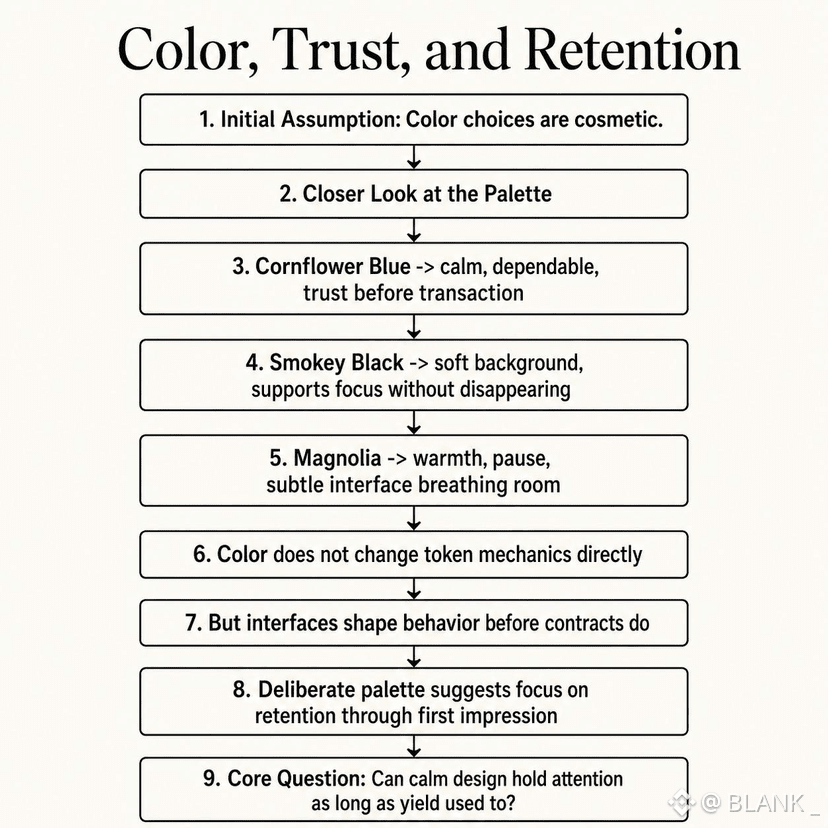
Сկզբում ես ենթադրեցի, որ գունային ընտրությունները կոսմետիկ բնույթ ունեն՝ այն, ինչ դիզայներական թիմը ընտրում է վերջին պահին, երբ պրոտոկոլի տրամաբանությունը արդեն ամրագրված է։ Հետո նորից նայեցի գունապնակին։ Կորնֆլաուեր Բլուն (Cornflower Blue) ընթերցվում է որպես հանգիստ ու հուսալի՝ գույն, որը կուզենաս, որ մարդիկ կապեն վստահության հետ՝ մինչև գործարքը, ոչ թե դրանից հետո։ Սմոքեյ Բլեքը (Smokey Black) չի պահում իրեն որպես մաքուր սև։ Այն ավելի փափուկ է, ավելի քիչ բացարձակ, ավելի շատ նման է ֆոնին, որը թողնում է, որ մյուս տարրերն իրենց վրա գրավեն ուշադրությունը՝ առանց ինքն իրեն ամբողջովին կորչելու։ Մագնոլիան գտնվում է սպիտակի ու տաքության միջև՝ շեշտադրում, որը չի հայտարարում իր ներկայությունը, բայց երևում է այնտեղ, որտեղ ինտերֆեյսը ցանկանում է կանգ։ Դրանցից ոչ մեկը ուղղակիորեն չի փոխում թոքենների (token) մեխանիկան։ Բայց ինտերֆեյսները ձևավորում են վարքագիծը՝ նախքան պայմանագրերը։ Այսքան միտումնավոր գունապնակն ասում է, որ թիմը մտածում է պահպանման (retention) մասին՝ առաջին տպավորության մակարդակում, ոչ միայն խրախուսանքի դիզայնի։ Իրական հարցը չէ՝ գույներն արդյոք գրավիչ են։ Հարցն այն է՝ կարո՞ղ է հանգիստ դիզայնը պահել ուշադրությունը այնքան ժամանակ, որքան նախկինում պահում էր օգտագործվող եկամտայնությունը (yield)-ն։
@Dusk_Foundation $DUSK #dusk
Сկզբում ես ենթադրեցի, որ գունային ընտրությունները կոսմետիկ բնույթ ունեն՝ այն, ինչ դիզայներական թիմը ընտրում է վերջին պահին, երբ պրոտոկոլի տրամաբանությունը արդեն ամրագրված է։ Հետո նորից նայեցի գունապնակին։ Կորնֆլաուեր Բլուն (Cornflower Blue) ընթերցվում է որպես հանգիստ ու հուսալի՝ գույն, որը կուզենաս, որ մարդիկ կապեն վստահության հետ՝ մինչև գործարքը, ոչ թե դրանից հետո։ Սմոքեյ Բլեքը (Smokey Black) չի պահում իրեն որպես մաքուր սև։ Այն ավելի փափուկ է, ավելի քիչ բացարձակ, ավելի շատ նման է ֆոնին, որը թողնում է, որ մյուս տարրերն իրենց վրա գրավեն ուշադրությունը՝ առանց ինքն իրեն ամբողջովին կորչելու։ Մագնոլիան գտնվում է սպիտակի ու տաքության միջև՝ շեշտադրում, որը չի հայտարարում իր ներկայությունը, բայց երևում է այնտեղ, որտեղ ինտերֆեյսը ցանկանում է կանգ։ Դրանցից ոչ մեկը ուղղակիորեն չի փոխում թոքենների (token) մեխանիկան։ Բայց ինտերֆեյսները ձևավորում են վարքագիծը՝ նախքան պայմանագրերը։ Այսքան միտումնավոր գունապնակն ասում է, որ թիմը մտածում է պահպանման (retention) մասին՝ առաջին տպավորության մակարդակում, ոչ միայն խրախուսանքի դիզայնի։ Իրական հարցը չէ՝ գույներն արդյոք գրավիչ են։ Հարցն այն է՝ կարո՞ղ է հանգիստ դիզայնը պահել ուշադրությունը այնքան ժամանակ, որքան նախկինում պահում էր օգտագործվող եկամտայնությունը (yield)-ն։
@Dusk $DUSK #dusk
@Dusk $DUSK #dusk
50
46
672
·
--
ສັນຍານກະທິງ
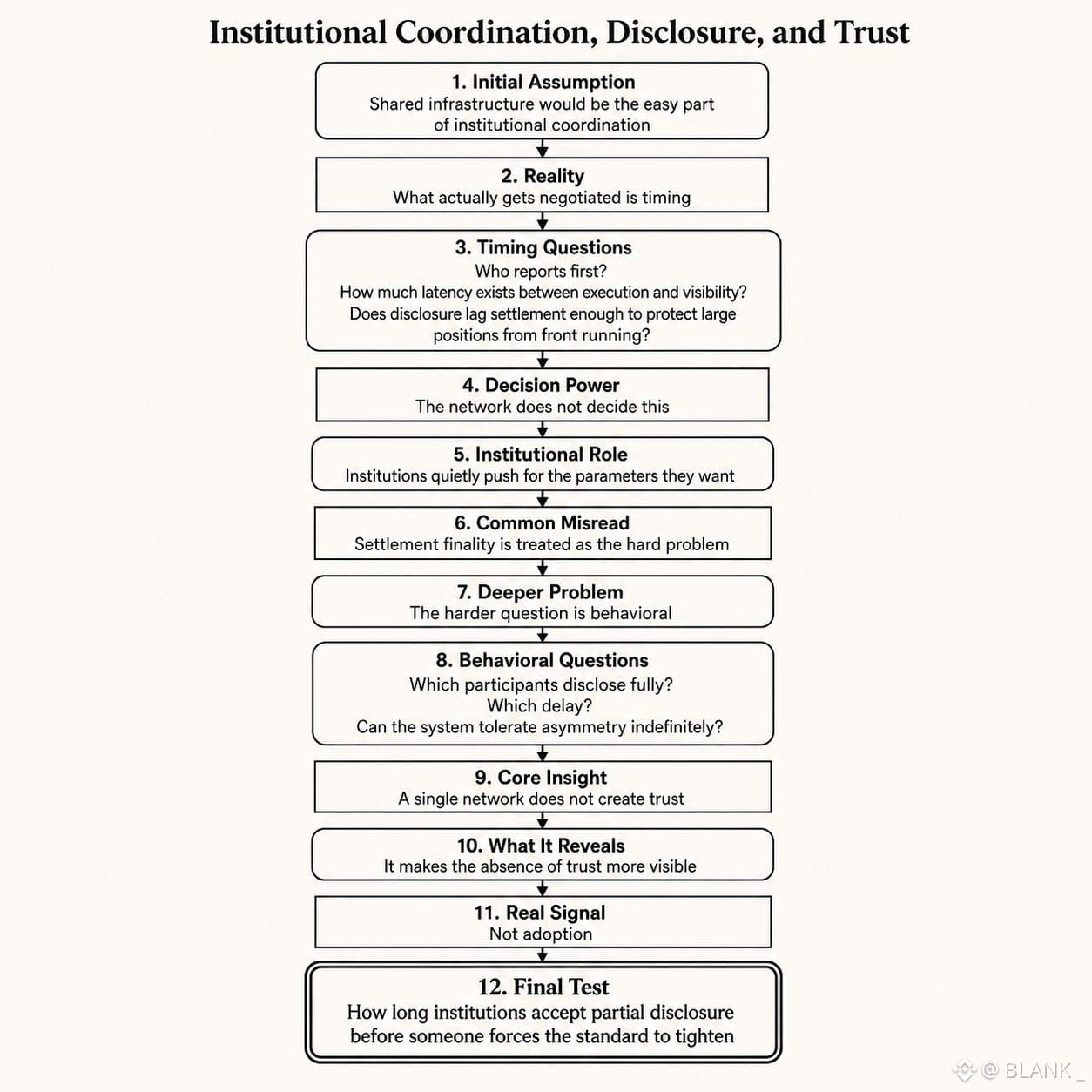
ຕອນທຳອິດ ຂ້ອຍຄິດວ່າ ໂຄງລ່າງຮ່ວມກັນຈະເປັນສ່ວນງ່າຍ ຂອງການປະສານງານຂອງສະຖາບັນ; ຄັ້ງໃດກໍຕາມ ເມື່ອທຸກຄົນຕົກລົງກັນໃຫ້ໃຊ້ໜ່າຍໜຶ່ງ, ກົດການການເປີດເຜີຍກໍຈະຕາມມາຢ່າງທຳມະຊາດ. ນັ້ນບໍ່ແມ່ນສິ່ງທີ່ເກີດຂຶ້ນ. ສິ່ງທີ່ຖືກຕໍ່ລອງແທ້ໆ ແມ່ນເວລາ. ໃຜລາຍງານກ່ອນ, ມີຄວາມຊັກຊ້າແນວໃດລະຫວ່າງການປະຕິບັດ ແລະ ການມອງເຫັນ, ແລະ ການເປີດເຜີຍຊ້າລົງພໍຫຼາຍບໍທີ່ຈະປົກປ້ອງສະຖານະຂອງຂະໜາດໃຫຍ່ຈາກການຊຸກດັນໜ້າ (front running). ເຄືອຂ່າຍບໍ່ໄດ້ຕັດສິນໃນເລື່ອງນີ້. ສະຖາບັນເປັນຄົນຕັດສິນ—ຢ່າງງຽບໆ—ຜ່ານພາລາມິເຕີທີ່ພວກເຂົາຍູ້ໃຫ້ເກີດ. ຄວາມແນ່ນອນຂອງການປິດການຕັກລົງ (settlement finality) ຖືກຖືກມອງເປັນບັນຫາຍາກ, ແຕ່ມັນມັກຈະແກ້ໄດ້ຕັ້ງແຕ່ເຊົ້າ. ຄຳຖາມທີ່ຍາກກວ່າແມ່ນດ້ານພຶດຕິກຳ: ຜູ້ເຂົ້າຮ່ວມຄົນໃດເປີດເຜີຍຢ່າງເຕັມ, ຄົນໃດຊັກຊ້າ, ແລະ ລະບົບອະນຸຍາດໃຫ້ຄວາມບໍ່ສົມດຸນ (asymmetry) ຢູ່ດົນຢ່າງໃດ້ບໍ. ເຄືອຂ່າຍໜຶ່ງບໍ່ໄດ້ສ້າງຄວາມເຊື່ອໃຈ. ມັນພຽງແຕ່ເຮັດໃຫ້ການຂາດຂອງຄວາມເຊື່ອໃຈຖືກເຫັນໄດ້ຊັດຂຶ້ນ. ສັນຍານທີ່ແທ້ຈິງບໍ່ແມ່ນການນຳໃຊ້ (adoption). ແຕ່ແມ່ນວ່າສະຖາບັນອະນຸຍາດໃຫ້ມີການເປີດເຜີຍບາງສ່ວນດົນເທົ່າໃດ ກ່ອນທີ່ຈະມີຄົນບັງຄັບໃຫ້ມາດຕະຖານແຂງຂຶ້ນ.
@Dusk_Foundation $DUSK #dusk
ຕອນທຳອິດ ຂ້ອຍຄິດວ່າ ໂຄງລ່າງຮ່ວມກັນຈະເປັນສ່ວນງ່າຍ ຂອງການປະສານງານຂອງສະຖາບັນ; ຄັ້ງໃດກໍຕາມ ເມື່ອທຸກຄົນຕົກລົງກັນໃຫ້ໃຊ້ໜ່າຍໜຶ່ງ, ກົດການການເປີດເຜີຍກໍຈະຕາມມາຢ່າງທຳມະຊາດ. ນັ້ນບໍ່ແມ່ນສິ່ງທີ່ເກີດຂຶ້ນ. ສິ່ງທີ່ຖືກຕໍ່ລອງແທ້ໆ ແມ່ນເວລາ. ໃຜລາຍງານກ່ອນ, ມີຄວາມຊັກຊ້າແນວໃດລະຫວ່າງການປະຕິບັດ ແລະ ການມອງເຫັນ, ແລະ ການເປີດເຜີຍຊ້າລົງພໍຫຼາຍບໍທີ່ຈະປົກປ້ອງສະຖານະຂອງຂະໜາດໃຫຍ່ຈາກການຊຸກດັນໜ້າ (front running). ເຄືອຂ່າຍບໍ່ໄດ້ຕັດສິນໃນເລື່ອງນີ້. ສະຖາບັນເປັນຄົນຕັດສິນ—ຢ່າງງຽບໆ—ຜ່ານພາລາມິເຕີທີ່ພວກເຂົາຍູ້ໃຫ້ເກີດ. ຄວາມແນ່ນອນຂອງການປິດການຕັກລົງ (settlement finality) ຖືກຖືກມອງເປັນບັນຫາຍາກ, ແຕ່ມັນມັກຈະແກ້ໄດ້ຕັ້ງແຕ່ເຊົ້າ. ຄຳຖາມທີ່ຍາກກວ່າແມ່ນດ້ານພຶດຕິກຳ: ຜູ້ເຂົ້າຮ່ວມຄົນໃດເປີດເຜີຍຢ່າງເຕັມ, ຄົນໃດຊັກຊ້າ, ແລະ ລະບົບອະນຸຍາດໃຫ້ຄວາມບໍ່ສົມດຸນ (asymmetry) ຢູ່ດົນຢ່າງໃດ້ບໍ. ເຄືອຂ່າຍໜຶ່ງບໍ່ໄດ້ສ້າງຄວາມເຊື່ອໃຈ. ມັນພຽງແຕ່ເຮັດໃຫ້ການຂາດຂອງຄວາມເຊື່ອໃຈຖືກເຫັນໄດ້ຊັດຂຶ້ນ. ສັນຍານທີ່ແທ້ຈິງບໍ່ແມ່ນການນຳໃຊ້ (adoption). ແຕ່ແມ່ນວ່າສະຖາບັນອະນຸຍາດໃຫ້ມີການເປີດເຜີຍບາງສ່ວນດົນເທົ່າໃດ ກ່ອນທີ່ຈະມີຄົນບັງຄັບໃຫ້ມາດຕະຖານແຂງຂຶ້ນ.
@Dusk $DUSK #dusk
@Dusk $DUSK #dusk
66
52
561
·
--
ສັນຍານກະທິງ
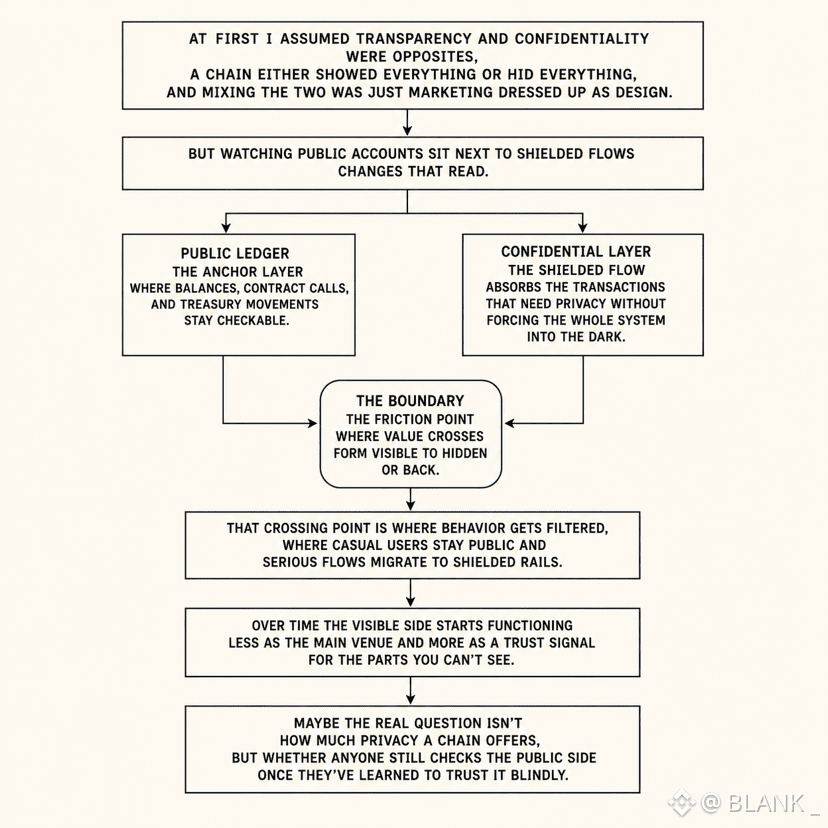
ដំបូងខ្ញុំសន្មតថា ភាពបើកចំហ និងភាពសម្ងាត់ គឺជារឿងផ្ទុយគ្នា—ថា បណ្ដាញមួយបង្ហាញអ្វីៗទាំងអស់ ឬលាក់អ្វីៗទាំងអស់ ហើយការលាយបញ្ចូលគ្នាគ្រាន់តែជាការធ្វើទីផ្សារ ដាក់រចនាឲ្យមើលដូចរចនា។ ប៉ុន្តែការមើលគណនីសាធារណៈ អង្គុយនៅជាប់នឹងលំហូរដែលត្រូវការការបិទបាំង បង្ហាញអត្ថន័យថាមានអ្វីមួយខុសពីនោះ។ សៀវភៅបញ្ជីសាធារណៈក្លាយជាប្រភេទជាតម្កល់ (anchor) ជាកន្លែងដែលសមតុល្យ ការហៅកិច្ចសន្យា និងចលនាថវិកាស្ថាន (treasury movements) អាចត្រួតពិនិត្យបាន ខណៈដែលស្រទាប់សម្ងាត់ទទួលយកប្រតិបត្តិការដែលត្រូវរក្សាភាពឯកជន ដោយមិនបង្ខំឲ្យប្រព័ន្ធទាំងមូលធ្លាក់ចូលក្នុងភាពងងឹត។ អ្វីដែលគួរឲ្យចាប់អារម្មណ៍គឺភាពស្ទាក់ស្ទើរនៅតាមព្រំដែន—ពេលដែលតម្លៃឆ្លងពីអ្វីដែលមើលឃើញ ទៅជាអ្វីដែលលាក់ ឬត្រឡប់មកវិញ។ ចំណុចឆ្លងនោះហើយ ដែលអាកប្បកិរិយាត្រូវបានចម្រោះ—អ្នកប្រើធម្មតានៅតែសាធារណៈ ហើយលំហូរដែលធ្ងន់ធ្ងរ ឬសំខាន់ផ្លាស់ទៅលើផ្លូវបិទបាំង (shielded rails)។ យូរៗទៅ ផ្នែកដែលមើលឃើញចាប់ផ្តើមធ្វើការមិនសូវជាទីកន្លែងសំខាន់ទៀត តែជាសញ្ញាអំពីទំនុកចិត្ត សម្រាប់ផ្នែកដែលអ្នកមើលមិនបាន។ ប្រហែលជាសំណួរពិតមិនមែនថា ខ្សែបណ្ដាញមួយផ្ដល់ឯកជនប៉ុន្មាននោះទេ ប៉ុន្តែថា តើនៅមានអ្នកណាដែលនៅតែពិនិត្យផ្នែកសាធារណៈទេ បន្ទាប់ពីពួកគេបានរៀនទុកចិត្តវាដោយងងឹតចិត្ត។
@Dusk_Foundation $DUSK #dusk
ដំបូងខ្ញុំសន្មតថា ភាពបើកចំហ និងភាពសម្ងាត់ គឺជារឿងផ្ទុយគ្នា—ថា បណ្ដាញមួយបង្ហាញអ្វីៗទាំងអស់ ឬលាក់អ្វីៗទាំងអស់ ហើយការលាយបញ្ចូលគ្នាគ្រាន់តែជាការធ្វើទីផ្សារ ដាក់រចនាឲ្យមើលដូចរចនា។ ប៉ុន្តែការមើលគណនីសាធារណៈ អង្គុយនៅជាប់នឹងលំហូរដែលត្រូវការការបិទបាំង បង្ហាញអត្ថន័យថាមានអ្វីមួយខុសពីនោះ។ សៀវភៅបញ្ជីសាធារណៈក្លាយជាប្រភេទជាតម្កល់ (anchor) ជាកន្លែងដែលសមតុល្យ ការហៅកិច្ចសន្យា និងចលនាថវិកាស្ថាន (treasury movements) អាចត្រួតពិនិត្យបាន ខណៈដែលស្រទាប់សម្ងាត់ទទួលយកប្រតិបត្តិការដែលត្រូវរក្សាភាពឯកជន ដោយមិនបង្ខំឲ្យប្រព័ន្ធទាំងមូលធ្លាក់ចូលក្នុងភាពងងឹត។ អ្វីដែលគួរឲ្យចាប់អារម្មណ៍គឺភាពស្ទាក់ស្ទើរនៅតាមព្រំដែន—ពេលដែលតម្លៃឆ្លងពីអ្វីដែលមើលឃើញ ទៅជាអ្វីដែលលាក់ ឬត្រឡប់មកវិញ។ ចំណុចឆ្លងនោះហើយ ដែលអាកប្បកិរិយាត្រូវបានចម្រោះ—អ្នកប្រើធម្មតានៅតែសាធារណៈ ហើយលំហូរដែលធ្ងន់ធ្ងរ ឬសំខាន់ផ្លាស់ទៅលើផ្លូវបិទបាំង (shielded rails)។ យូរៗទៅ ផ្នែកដែលមើលឃើញចាប់ផ្តើមធ្វើការមិនសូវជាទីកន្លែងសំខាន់ទៀត តែជាសញ្ញាអំពីទំនុកចិត្ត សម្រាប់ផ្នែកដែលអ្នកមើលមិនបាន។ ប្រហែលជាសំណួរពិតមិនមែនថា ខ្សែបណ្ដាញមួយផ្ដល់ឯកជនប៉ុន្មាននោះទេ ប៉ុន្តែថា តើនៅមានអ្នកណាដែលនៅតែពិនិត្យផ្នែកសាធារណៈទេ បន្ទាប់ពីពួកគេបានរៀនទុកចិត្តវាដោយងងឹតចិត្ត។
@Dusk $DUSK #dusk
@Dusk $DUSK #dusk
89
69
1.5k
·
--
ສັນຍານກະທິງ
အစပိုင်းမှာ Citadel ကို ခြံစည်းရိုးတစ်ခုလိုပဲ chain တစ်ခုနဲ့ တွဲတင်ထားတဲ့ အခြား identity layer တစ်ခုသာလို့ ထင်ခဲ့မိတယ်—လိုက်နာမှုအတွက် ပြဇာတ်သဘောနဲ့ စစ်ဆေးအမှတ်တစ်ခုလို။ ဒါပေမဲ့ credential တွေ ဘယ်လိုရွေ့လျားဖြတ်သန်းသွားတာကို ပိုကြည့်လေလေ၊ ဒါက တခြားအရာတစ်ခုလို ဖြစ်လာလေလေပါပဲ—vault မဟုတ်ဘဲ filter လိုပါပဲ။ ဒီစနစ်က သင့်ဒေတာကို လက်လွှဲပေးဖို့ မတောင်းဆိုဘူး။ သင့်မှာ တောင်းဆိုထားတဲ့ claim တစ်ခုရှိကြောင်း သက်သေပြဖို့ တောင်းဆိုပြီး မကြာခင်မှာပဲ အသေးစိတ်တွေကို ပြန်မမှတ်မိတော့အောင် လုပ်တယ်။ ဒီဟာက သိမ်မွေ့တဲ့ friction တစ်မျိုးပါ—ဖော်ထုတ်ပေးမှုကနေ သက်သေခံအတည်ပြုချက် (attestation) ဆီကို ဝန်ဟာ ရွေ့သွားတယ်။ အချိန်ကလည်း အရေးကြီးတယ်။ တစ်ကြိမ် verified ဖြစ်သွားတဲ့ credential က ပိုင်ဆိုင်မှုအဖြစ် မတည်မြဲဘူး—အောက်ခံ claim ကပဲ မရှိတော့သေးသရွေ့ မဟုတ်ဘဲ အရေးမပါတော့သလို expire ဖြစ်သွားတယ်။ စိတ်ဝင်စားစရာက privacy မဟုတ်ဘူး—ဒီက ဖြစ်ပေါ်လာတဲ့ retention pressure ပဲ။ အသုံးပြုသူတွေကို convenience ကြောင့်မထားဘူး—အခြားနေရာမှာ ပြန်လည်သက်သေပြဖို့ ကုန်ကျစရိတ်ကြောင့်ထားရတာပါ။ ဒါကမှ အရေးကြီးတဲ့ မေးခွန်းကို ထုတ်လာတယ်—ဒီလို verification system တွေအတွက် လိုအပ်မှုက ယုံကြည်မှုကြောင့်လား၊ ဒါမှမဟုတ် ထွက်ခွာဖို့ ဘယ်လောက်ကုန်ကျလာလဲဆိုတဲ့အပေါ်မူတည်ပြီး ဖြစ်လာတာလား?
@Dusk_Foundation $DUSK #dusk
အစပိုင်းမှာ Citadel ကို ခြံစည်းရိုးတစ်ခုလိုပဲ chain တစ်ခုနဲ့ တွဲတင်ထားတဲ့ အခြား identity layer တစ်ခုသာလို့ ထင်ခဲ့မိတယ်—လိုက်နာမှုအတွက် ပြဇာတ်သဘောနဲ့ စစ်ဆေးအမှတ်တစ်ခုလို။ ဒါပေမဲ့ credential တွေ ဘယ်လိုရွေ့လျားဖြတ်သန်းသွားတာကို ပိုကြည့်လေလေ၊ ဒါက တခြားအရာတစ်ခုလို ဖြစ်လာလေလေပါပဲ—vault မဟုတ်ဘဲ filter လိုပါပဲ။ ဒီစနစ်က သင့်ဒေတာကို လက်လွှဲပေးဖို့ မတောင်းဆိုဘူး။ သင့်မှာ တောင်းဆိုထားတဲ့ claim တစ်ခုရှိကြောင်း သက်သေပြဖို့ တောင်းဆိုပြီး မကြာခင်မှာပဲ အသေးစိတ်တွေကို ပြန်မမှတ်မိတော့အောင် လုပ်တယ်။ ဒီဟာက သိမ်မွေ့တဲ့ friction တစ်မျိုးပါ—ဖော်ထုတ်ပေးမှုကနေ သက်သေခံအတည်ပြုချက် (attestation) ဆီကို ဝန်ဟာ ရွေ့သွားတယ်။ အချိန်ကလည်း အရေးကြီးတယ်။ တစ်ကြိမ် verified ဖြစ်သွားတဲ့ credential က ပိုင်ဆိုင်မှုအဖြစ် မတည်မြဲဘူး—အောက်ခံ claim ကပဲ မရှိတော့သေးသရွေ့ မဟုတ်ဘဲ အရေးမပါတော့သလို expire ဖြစ်သွားတယ်။ စိတ်ဝင်စားစရာက privacy မဟုတ်ဘူး—ဒီက ဖြစ်ပေါ်လာတဲ့ retention pressure ပဲ။ အသုံးပြုသူတွေကို convenience ကြောင့်မထားဘူး—အခြားနေရာမှာ ပြန်လည်သက်သေပြဖို့ ကုန်ကျစရိတ်ကြောင့်ထားရတာပါ။ ဒါကမှ အရေးကြီးတဲ့ မေးခွန်းကို ထုတ်လာတယ်—ဒီလို verification system တွေအတွက် လိုအပ်မှုက ယုံကြည်မှုကြောင့်လား၊ ဒါမှမဟုတ် ထွက်ခွာဖို့ ဘယ်လောက်ကုန်ကျလာလဲဆိုတဲ့အပေါ်မူတည်ပြီး ဖြစ်လာတာလား?
@Dusk $DUSK #dusk
@Dusk $DUSK #dusk
211
98
2.7k
ເຂົ້າສູ່ລະບົບເພື່ອສຳຫຼວດເນື້ອຫາເພີ່ມເຕີມ
ເຂົ້າຮ່ວມກຸ່ມຜູ້ໃຊ້ຄຣິບໂຕທົ່ວໂລກໃນ Binance Square.
⚡️ ໄດ້ຮັບຂໍ້ມູນຫຼ້າສຸດ ແລະ ທີ່ມີປະໂຫຍດກ່ຽວກັບຄຣິບໂຕ.
💬 ໄດ້ຮັບຄວາມໄວ້ວາງໃຈຈາກຕະຫຼາດແລກປ່ຽນຄຣິບໂຕທີ່ໃຫຍ່ທີ່ສຸດໃນໂລກ.
👍 ຄົ້ນຫາຂໍ້ມູນເຊີງເລິກທີ່ແທ້ຈາກນັກສ້າງທີ່ໄດ້ຮັບການຢືນຢັນ.
ອີເມວ / ເບີໂທລະສັບ
ຫົວຂໍ້ທີ່ກໍາລັງນິຍົມ
FedRateWatch
962,856 views
4,629 ກຳລັງສົນທະນາ
Patawe & Win Traffic Reward i la Campanya de Tendència Hashtag
✨Tema: FOMC setembre, Què serà el següent moviment de la Fed?
👉Com unir-te:
Publica una publicació o article breu amb l’hashtag #FedRateWatch
Crea contingut basat en els angles següents:
- L’IPC bàsic d’agost va pujar 0,3% mes a mes, i les probabilitats d’una pujada de 25 pb aquesta setmana ara estan a prop del 90%. Creus que hi haurà una pujada de tipus aquesta setmana? És un fet puntual o l’inici d’un cicle de pujades més llarg?
- Si la pujada s’implementa, com es desenvolupa per a BTC, accions tecnològiques i or? Alcista o baixista?
- Com planeges negociar després? Comparteix les teves operacions d’BTC, accions o or/participacions amb el nostre giny per compartir operacions.
⏰Període de la campanya:
- 2026-09-15 11:00 - 2026-09-17 3:00 UTC
🎁Recompensa:
- Les publicacions qualificades que compleixin les directrius anteriors i tinguin més de 100 paraules es revisaran i poden rebre un impuls aleatori de trànsit de 500 a 3.000 visualitzacions. Rebràs una notificació del teu secretari del feed si la teva publicació es selecciona.
- Tens l’oportunitat que el teu article aparegui a Binance Square Official
Necessites idees per a la teva publicació? Visita la pàgina del tema #FedRateWatch o la Square Guide on How to Post for Better Reach.
Binance Square Official
·537 ຖືກໃຈ
·1.2M views
MSTRTradingVolumeSurpassesMorganStanley
4,955 views
211 ກຳລັງສົນທະນາ
BitcoinFalls4%
14,787 views
472 ກຳລັງສົນທະນາ