


Understanding candlestick patterns is a fundamental aspect of technical analysis in trading. Candlestick charts provide a visual representation of price movements and can help traders make informed decisions. Here's a practical tutorial on how to grow your trading accuracy by understanding and using candlestick patterns effectively:
1. Basics of Candlesticks
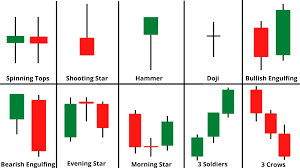
Each candlestick represents price movement within a specific time period and consists of the following components:
Body: The filled or hollow section representing the opening and closing prices.
Bullish Candle: When the closing price is higher than the opening price (typically green or white).
Bearish Candle: When the closing price is lower than the opening price (typically red or black).
Wicks/Shadows: The lines extending from the body indicating the high and low prices during the period.
Upper Wick: The highest price during the period.
Lower Wick: The lowest price during the period.
2. Key Candlestick Patterns
Single Candlestick Patterns
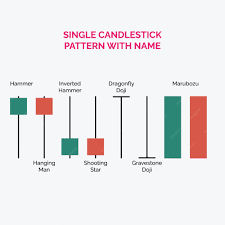
Doji: Indicates indecision; the opening and closing prices are nearly the same.
Hammer: Bullish reversal pattern with a small body and a long lower wick, occurring after a downtrend.
Shooting Star: Bearish reversal pattern with a small body and a long upper wick, occurring after an uptrend.
Multiple Candlestick Patterns
Engulfing Patterns:
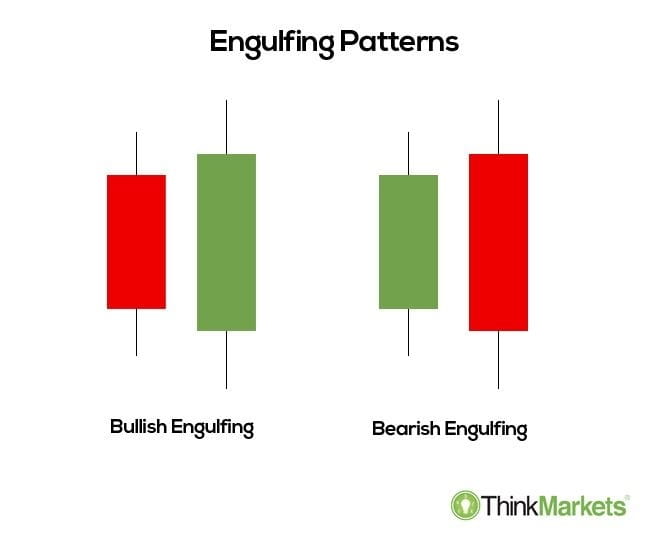
Bullish Engulfing: A small bearish candle followed by a larger bullish candle, indicating a potential reversal upward.
Bearish Engulfing: A small bullish candle followed by a larger bearish candle, indicating a potential reversal downward.
Morning Star: A bullish reversal pattern consisting of three candles - a long bearish candle, a small-bodied candle, and a long bullish candle.
Evening Star: A bearish reversal pattern consisting of three candles - a long bullish candle, a small-bodied candle, and a long bearish candle.
3. Practical Steps to Enhance Trading Accuracy
Step 1: Identify the Trend
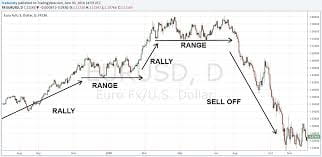
Before using candlestick patterns, determine the overall market trend. Candlestick patterns are more reliable when they align with the trend. Use moving averages or trend lines to identify the trend.
Step 2: Recognize Support and Resistance Levels
Candlestick patterns are more significant when they occur at key support or resistance levels. Identify these levels using historical price data.
Step 3: Combine with Other Indicators
Use candlestick patterns in conjunction with other technical indicators like RSI, MACD, or Bollinger Bands to confirm signals.
Step 4: Look for Confirmation
Wait for the next candlestick or other forms of confirmation before making a trading decision. For example, if a bullish engulfing pattern appears, wait for the next candle to close higher to confirm the reversal.
Step 5: Practice and Backtest
Practice recognizing and interpreting candlestick patterns using historical data. Backtest your strategies to see how they would have performed in past market conditions.
4. Example of a Trading Strategy
Bullish Engulfing Strategy
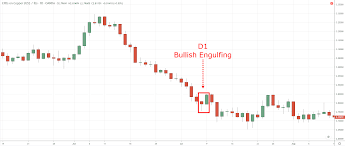
Identify the Trend: Ensure the overall trend is upward.
Look for Bullish Engulfing Pattern: Spot the pattern near a support level.
Confirm with Volume: Increased volume on the bullish candle adds strength to the pattern.
Place the Trade: Enter the trade at the opening of the next candle.
Set Stop-Loss: Place a stop-loss below the support level or the low of the bullish engulfing candle.
Set Profit Target: Use previous resistance levels or a risk-reward ratio of 1:2 or higher.
5. Tips for Improving Accuracy
Stay Informed: Keep up with market news and economic indicators that can impact price movements.
Use a Trading Journal: Document your trades, including the reasons for entering and exiting, to identify patterns in your decision-making.
Manage Risk: Never risk more than 1-2% of your trading capital on a single trade.
Stay Disciplined: Stick to your trading plan and avoid emotional trading.
By mastering candlestick patterns and incorporating them into a well-rounded trading strategy, you can enhance your trading accuracy and make more informed decisions. Remember that no strategy guarantees success, so continuous learning and adaptation are key.