
DK短线复刻
668 ໂພສ

DK短线复刻
 Square Verified+
交易不是孤注一掷,而是长期的占有概率优势。X@DKFK1688

ຜູ້ຖື DOGS
ຜູ້ຊື້ຂາຍປະຈໍາ
8.9 ປີ
1.4K+ ກໍາລັງຕິດຕາມ
53.3K+ ຜູ້ຕິດຕາມ
50.1K+ Liked
ໂພສ
ທັງໝົດ
ວົງຢືມ
ຖ່າຍທອດສົດ
ປັກໝຸດ
关注回复领取红包

ປັກໝຸດ
关注回复领取红包🎁🎁



橙子Joyce
·
--
美国总统中期选举风险被低估?
市场正严重低估美国中期选举结果遭到挑战、进而引发政治与司法争端的风险。与此同时,华尔街对冲成本已降至年内新低,11月标普500看跌期权隐含波动率降至15%以下,为提前买入保护提供了低成本窗口。
选举结果遭到争议、甚至引发政治动荡的概率正被市场严重低估,期权市场目前的定价并未充分反映这一尾部风险。
随着8月市场趋于平静,标普500指数看跌期权的隐含波动率已从7月高点明显回落。市场越是平静,保护头寸的成本越低,而一旦选举风险真正进入资产定价,波动率可能迅速上升,届时再进行对冲的成本也将明显增加。
核心逻辑建立在当前民调形势之上。民调普遍显示,特朗普支持率有所下滑,民主党有望夺回众议院,而共和党预计将保住参议院多数席位。
市场真正忽视的并非选举结果本身,而是结果遭到挑战后可能出现的政治与司法争端。如果最终结果对特朗普不利,特朗普发起强烈反应、挑战部分选区结果的可能性被市场严重低估。
在这一情景下,特朗普可能针对每一个“有争议”的选区发起司法挑战,导致选举认证程序拖延,并引发围绕“接下来怎么办”以及“选举被窃取”等争议的媒体报道浪潮。
这种政治不确定性最终可能传导至金融市场,并推动波动率快速攀升。对市场而言,最危险的并不一定是某一方获胜,而是选举结果迟迟无法确认,以及由此产生的持续性不确定性。
市场正严重低估美国中期选举结果遭到挑战、进而引发政治与司法争端的风险。与此同时,华尔街对冲成本已降至年内新低,11月标普500看跌期权隐含波动率降至15%以下,为提前买入保护提供了低成本窗口。
选举结果遭到争议、甚至引发政治动荡的概率正被市场严重低估,期权市场目前的定价并未充分反映这一尾部风险。
随着8月市场趋于平静,标普500指数看跌期权的隐含波动率已从7月高点明显回落。市场越是平静,保护头寸的成本越低,而一旦选举风险真正进入资产定价,波动率可能迅速上升,届时再进行对冲的成本也将明显增加。
核心逻辑建立在当前民调形势之上。民调普遍显示,特朗普支持率有所下滑,民主党有望夺回众议院,而共和党预计将保住参议院多数席位。
市场真正忽视的并非选举结果本身,而是结果遭到挑战后可能出现的政治与司法争端。如果最终结果对特朗普不利,特朗普发起强烈反应、挑战部分选区结果的可能性被市场严重低估。
在这一情景下,特朗普可能针对每一个“有争议”的选区发起司法挑战,导致选举认证程序拖延,并引发围绕“接下来怎么办”以及“选举被窃取”等争议的媒体报道浪潮。
这种政治不确定性最终可能传导至金融市场,并推动波动率快速攀升。对市场而言,最危险的并不一定是某一方获胜,而是选举结果迟迟无法确认,以及由此产生的持续性不确定性。

远方1688BNB
·
--
内核稳定,不随波逐流。
杨绛先生曾说:“我们曾如此渴望命运的波澜,到最后才发现,人生最曼妙的风景,竟是内心的淡定与从容。”
真正的富足,是拥有一颗不会被外界评价动摇的心。不盲目攀比,不无谓焦虑,清楚自己要什么,不要什么。任世界如何喧嚣,只专注经营好自己的小日子。这种内在的秩序感,是风雨中最坚实的屋檐。
#定投BTC #定投BNB
杨绛先生曾说:“我们曾如此渴望命运的波澜,到最后才发现,人生最曼妙的风景,竟是内心的淡定与从容。”
真正的富足,是拥有一颗不会被外界评价动摇的心。不盲目攀比,不无谓焦虑,清楚自己要什么,不要什么。任世界如何喧嚣,只专注经营好自己的小日子。这种内在的秩序感,是风雨中最坚实的屋檐。
#定投BTC #定投BNB

白鲨观点
·
--
ZEC逆势涨了13%, Dash爆拉40%, 这背后的暴涨逻辑是什么?
这背后有个很有意思的信号:当主流币不确定性增加时,资金就会回去寻找"边缘叙事".
ZEC的隐私叙事,Dash的支付概念,都是老故事了,但在大饼横盘调整的窗口时期,它们却成了短期资金的游乐场.
值得我们注意的时,这些短期资金来的快去的也快, 零食再香,也不能当饭吃,等大饼确定好方向,这些资金跑得币谁都快.
我还整理了一份<当前还在偷偷涨的五个边缘赛道币>清单,包括他的上涨逻辑和风险点,省得你去自己踩坑.可以来我主页聊天室领,发(清单)两字就行.
#ZEC续刷历史新高 #DASH
这背后有个很有意思的信号:当主流币不确定性增加时,资金就会回去寻找"边缘叙事".
ZEC的隐私叙事,Dash的支付概念,都是老故事了,但在大饼横盘调整的窗口时期,它们却成了短期资金的游乐场.
值得我们注意的时,这些短期资金来的快去的也快, 零食再香,也不能当饭吃,等大饼确定好方向,这些资金跑得币谁都快.
我还整理了一份<当前还在偷偷涨的五个边缘赛道币>清单,包括他的上涨逻辑和风险点,省得你去自己踩坑.可以来我主页聊天室领,发(清单)两字就行.
#ZEC续刷历史新高 #DASH


大仁Jaron
·
--
AI的下一站:當「賣鏟人」開始跑贏「挖礦者」
AI資本支出的狂潮沒有降溫,但錢的流向正在改變。
過去兩年,市場對AI的定價邏輯幾乎完全集中在美國科技巨頭身上——微軟、谷歌、亞馬遜、Meta,這些超大規模雲計算商被視為AI時代的終極受益者。但現在,一批管理著大規模資金的機構投資者開始重新審視這個共識。
據彭博報導,Pimco基金經理Emmanuel Sharef正在進行一項明確的倉位調整:加碼亞洲,低配美國科技巨頭。
Sharef管理的基金規模約190億美元,過去三年業績超過97%的同類產品。這個業績背景讓他的調倉動作具有相當的參考價值。
他的邏輯很清晰:相較美國科技股,亞洲資產擁有更低的估值、更強的盈利增長、以及更直接的數據中心建設敞口。與此同時,他正低配大多數超大規模雲計算商及「科技七巨頭」成員。
在他看來,持續攀升的AI資本支出正在推高這些美國巨頭的債務負擔、擠壓自由現金流,並帶來信用風險,使其高企的估值面臨更大壓力。
他的一句話點破了核心:
「你不一定需要持有最貴的股票,才能捕捉某個特定主題或市場趨勢。」
從「敘事核心」到「實體環節」:AI交易的盈利邊界正在擴散
Sharef的判斷並非孤立。他看到的是一個正在發生的結構性變化:AI行情正從美國科技巨頭向供應鏈擴散。
邏輯在於,數據中心不是虛擬存在。每一座新建的數據中心,都需要實體的半導體組件、冷卻設備、線纜、光學設備、電源系統、建築機械和金屬材料。當AI資本支出繼續向數據中心、芯片及基礎設施傾斜,真正受益的群體正在從「訓練模型的人」變成「製造基礎設施的人」。
這正是亞洲製造業的強項。
基於這一判斷,Sharef的基金去年大舉買入三星電子(005930.KR)、SK海力士(000660.KR)和台積電(TSM.US),目前約60%的股票倉位配置於相關資產。
這三家企業的共性非常明確:
企業 在AI供應鏈中的角色
這些企業的估值相對美國科技巨頭更低,同時能夠更直接地受益於AI基礎設施投資——不是「概念上的關聯」,而是「訂單上的直接受益」。
美國巨頭的隱憂:資本支出的另一面
Sharef低配美國科技巨頭的理由,同樣值得深思。
AI資本支出是一把雙刃劍。對美國超大規模雲計算商而言,持續攀升的資本支出意味著:
· 債務負擔加重:大規模數據中心建設需要大量融資,推高資產負債表壓力
· 自由現金流被擠壓:資本開支吃掉經營現金流,股東回報能力下降
· 信用風險上升:若AI變現速度不及預期,高槓桿將成為脆弱點
· 估值壓力:在高估值基礎上疊加財務壓力,容錯空間被壓縮
換句話說,美國科技巨頭正在為AI時代「重資產化」。而市場給予它們的估值,仍然按照「輕資產平台型公司」的邏輯在定價。這個錯配,正是Sharef選擇迴避的原因。
啟示:捕捉主題的路徑不止一條
Sharef的調倉傳遞了一個重要的投資視角:在同一個AI主題下,不同環節的風險收益比可能截然不同。
美國科技巨頭承擔了AI資本支出的「成本端」——它們需要持續投入巨額資金建設基礎設施,但變現路徑仍存在不確定性。而亞洲供應鏈企業則站在「收入端」——無論最終哪家雲計算商的AI服務勝出,芯片、記憶體、冷卻設備和電源系統的需求都是確定的。
這構成了一種「地理+估值+產業鏈位置」的三重套利:同樣的AI資本支出,在美國科技巨頭那裡體現為債務和自由現金流的壓力,在亞洲供應鏈那裡則體現為訂單和盈利的實質增長。
過去兩年,市場對AI的定價邏輯幾乎完全集中在美國科技巨頭身上——微軟、谷歌、亞馬遜、Meta,這些超大規模雲計算商被視為AI時代的終極受益者。但現在,一批管理著大規模資金的機構投資者開始重新審視這個共識。
據彭博報導,Pimco基金經理Emmanuel Sharef正在進行一項明確的倉位調整:加碼亞洲,低配美國科技巨頭。
Sharef管理的基金規模約190億美元,過去三年業績超過97%的同類產品。這個業績背景讓他的調倉動作具有相當的參考價值。
他的邏輯很清晰:相較美國科技股,亞洲資產擁有更低的估值、更強的盈利增長、以及更直接的數據中心建設敞口。與此同時,他正低配大多數超大規模雲計算商及「科技七巨頭」成員。
在他看來,持續攀升的AI資本支出正在推高這些美國巨頭的債務負擔、擠壓自由現金流,並帶來信用風險,使其高企的估值面臨更大壓力。
他的一句話點破了核心:
「你不一定需要持有最貴的股票,才能捕捉某個特定主題或市場趨勢。」
從「敘事核心」到「實體環節」:AI交易的盈利邊界正在擴散
Sharef的判斷並非孤立。他看到的是一個正在發生的結構性變化:AI行情正從美國科技巨頭向供應鏈擴散。
邏輯在於,數據中心不是虛擬存在。每一座新建的數據中心,都需要實體的半導體組件、冷卻設備、線纜、光學設備、電源系統、建築機械和金屬材料。當AI資本支出繼續向數據中心、芯片及基礎設施傾斜,真正受益的群體正在從「訓練模型的人」變成「製造基礎設施的人」。
這正是亞洲製造業的強項。
基於這一判斷,Sharef的基金去年大舉買入三星電子(005930.KR)、SK海力士(000660.KR)和台積電(TSM.US),目前約60%的股票倉位配置於相關資產。
這三家企業的共性非常明確:
企業 在AI供應鏈中的角色
這些企業的估值相對美國科技巨頭更低,同時能夠更直接地受益於AI基礎設施投資——不是「概念上的關聯」,而是「訂單上的直接受益」。
美國巨頭的隱憂:資本支出的另一面
Sharef低配美國科技巨頭的理由,同樣值得深思。
AI資本支出是一把雙刃劍。對美國超大規模雲計算商而言,持續攀升的資本支出意味著:
· 債務負擔加重:大規模數據中心建設需要大量融資,推高資產負債表壓力
· 自由現金流被擠壓:資本開支吃掉經營現金流,股東回報能力下降
· 信用風險上升:若AI變現速度不及預期,高槓桿將成為脆弱點
· 估值壓力:在高估值基礎上疊加財務壓力,容錯空間被壓縮
換句話說,美國科技巨頭正在為AI時代「重資產化」。而市場給予它們的估值,仍然按照「輕資產平台型公司」的邏輯在定價。這個錯配,正是Sharef選擇迴避的原因。
啟示:捕捉主題的路徑不止一條
Sharef的調倉傳遞了一個重要的投資視角:在同一個AI主題下,不同環節的風險收益比可能截然不同。
美國科技巨頭承擔了AI資本支出的「成本端」——它們需要持續投入巨額資金建設基礎設施,但變現路徑仍存在不確定性。而亞洲供應鏈企業則站在「收入端」——無論最終哪家雲計算商的AI服務勝出,芯片、記憶體、冷卻設備和電源系統的需求都是確定的。
這構成了一種「地理+估值+產業鏈位置」的三重套利:同樣的AI資本支出,在美國科技巨頭那裡體現為債務和自由現金流的壓力,在亞洲供應鏈那裡則體現為訂單和盈利的實質增長。

✅

BLOCK Rayne
·
--
🎁A BIG gift 🎁 from me to our amazing community. ❤️
Claim your $DOGE reward and enjoy!
Hurry up, everyone! 🔥
Claim your $DOGE reward and enjoy!
Hurry up, everyone! 🔥

✅
Leo - F0
·
--
ສັນຍານກະທິງ🧧🧧🔥GOOD MORNING FROM DUBAİ, FAMİLY. I'VE PREPARED A SPECIAL GİFT FOR YOU.🔥🧧🧧
As I told you before, $ZEC 💛 will be 3K.💎
$BTC 🔥🔥🧧🧧
$BNB #1688家族family 💚 @周周1688
#比特币突破8万美元 #xrp @Hawk自由哥 #ZECHitsANewAllTimeHigh #BTCTops$80K
As I told you before, $ZEC 💛 will be 3K.💎
$BTC 🔥🔥🧧🧧
$BNB #1688家族family 💚 @周周1688
#比特币突破8万美元 #xrp @Hawk自由哥 #ZECHitsANewAllTimeHigh #BTCTops$80K

@叮噹dora
ເນື້ອຫາອ້າງອີງຖືກລົບແລ້ວ

路人1688luren
·
--
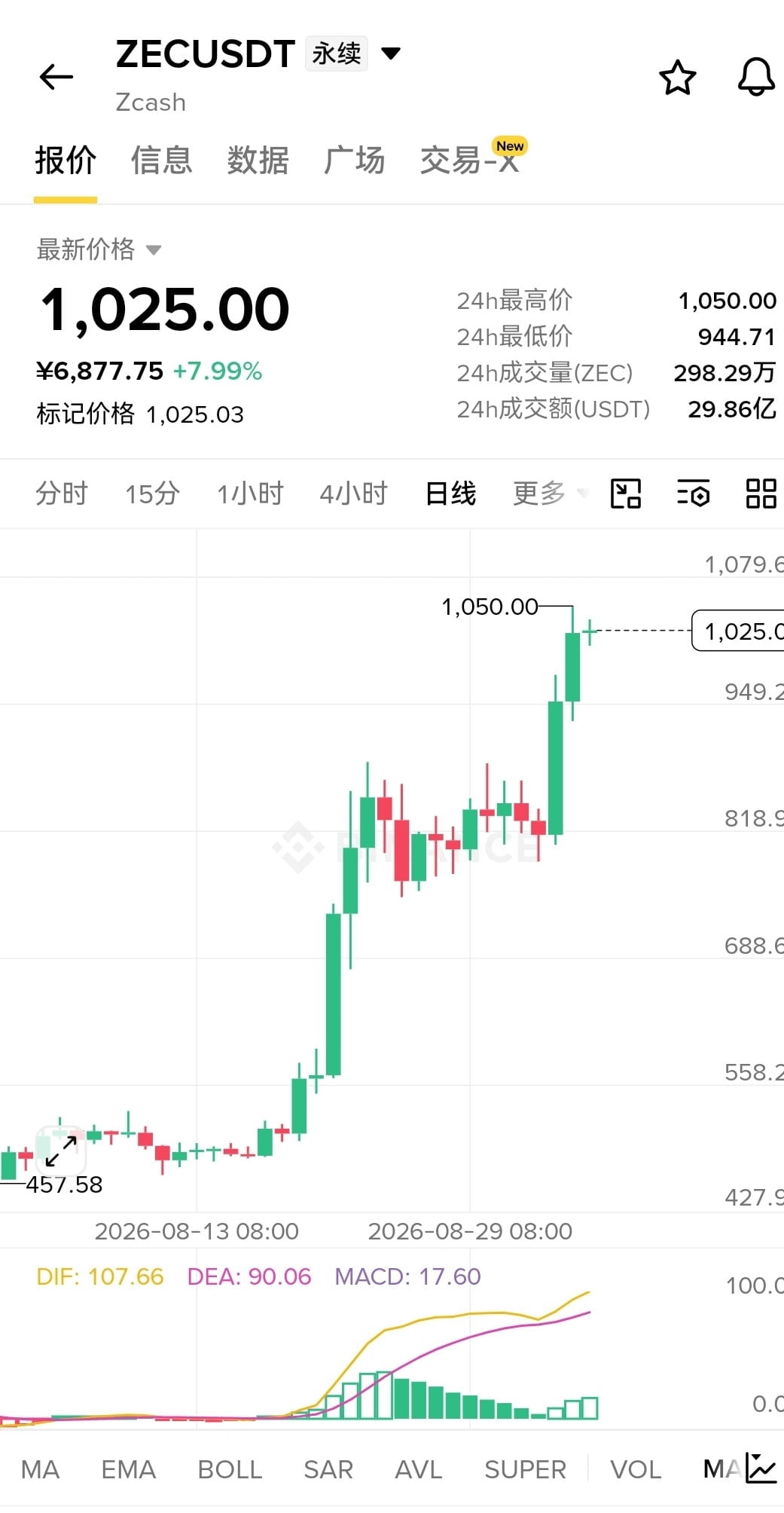
$ZEC 这一爆拉直接冲到 1050,盘面上看着确实热闹,但本质上就是典型的题材炒作配合集中资金拉盘,跟基本面毫无关系。
很多链上筹码甚至都没来得及换手,纯粹是流动性较浅的市场里,主力资金用相对较低的成本硬拽上去的拉升。
这种盘面最危险的地方在于,筹码结构极其脆弱。一旦大户决定在高位开始分批兑现流动性,缺乏底部真实买盘支撑的订单簿会瞬间被击穿。
回顾 $ZEC 过去的筹码派发历史,砸盘时从来不给散户犹豫的时间,曾经从 750 无砸盘换手地一路倾泻到 150,单日直接抹去 50% 浮盈的惨烈场景历历在目$
盘面结构上,上方 1080 到 1120 属于此前多头筹码衰竭的密集抛压区,短线向下测试的缓冲垫在 980 到 1000 区域。
真正决定这波流动性溢价能否延续的,是 920 这一带的关键筹码密集区。
一旦盘面失守 920,意味着整个拉升段的获利盘与套牢盘会形成踩踏式抛售,这一轮靠资金推动的脉冲行情也就彻底宣告结束了。
#zec续刷历史新高
很多链上筹码甚至都没来得及换手,纯粹是流动性较浅的市场里,主力资金用相对较低的成本硬拽上去的拉升。
这种盘面最危险的地方在于,筹码结构极其脆弱。一旦大户决定在高位开始分批兑现流动性,缺乏底部真实买盘支撑的订单簿会瞬间被击穿。
回顾 $ZEC 过去的筹码派发历史,砸盘时从来不给散户犹豫的时间,曾经从 750 无砸盘换手地一路倾泻到 150,单日直接抹去 50% 浮盈的惨烈场景历历在目$
盘面结构上,上方 1080 到 1120 属于此前多头筹码衰竭的密集抛压区,短线向下测试的缓冲垫在 980 到 1000 区域。
真正决定这波流动性溢价能否延续的,是 920 这一带的关键筹码密集区。
一旦盘面失守 920,意味着整个拉升段的获利盘与套牢盘会形成踩踏式抛售,这一轮靠资金推动的脉冲行情也就彻底宣告结束了。
#zec续刷历史新高



Hawk自由哥
·
--
Hawk代码安全吗?有砸盘风险吗?技术团队实力如何…你心中的多个疑问?Hawk将一一给你解答✅
1️⃣ Hawk 代码安全是否有保障?
对于每一位关注数字资产安全的伙伴来说,代码的可靠性与透明性始终是首要考量。Hawk 从技术底层出发,构建了极致安心的防护体系:全面摒弃所有集中化权限,不设置代理合约,更不存在任何隐藏的控制逻辑,真正做到代码层面的全透明、可追溯。
其流动性池已完成永久锁仓操作,这意味着无论个人还是项目方,都无法对合约进行任何修改,保障了交易生态的自由与稳定,实现了真正意义上的链上去中心化。
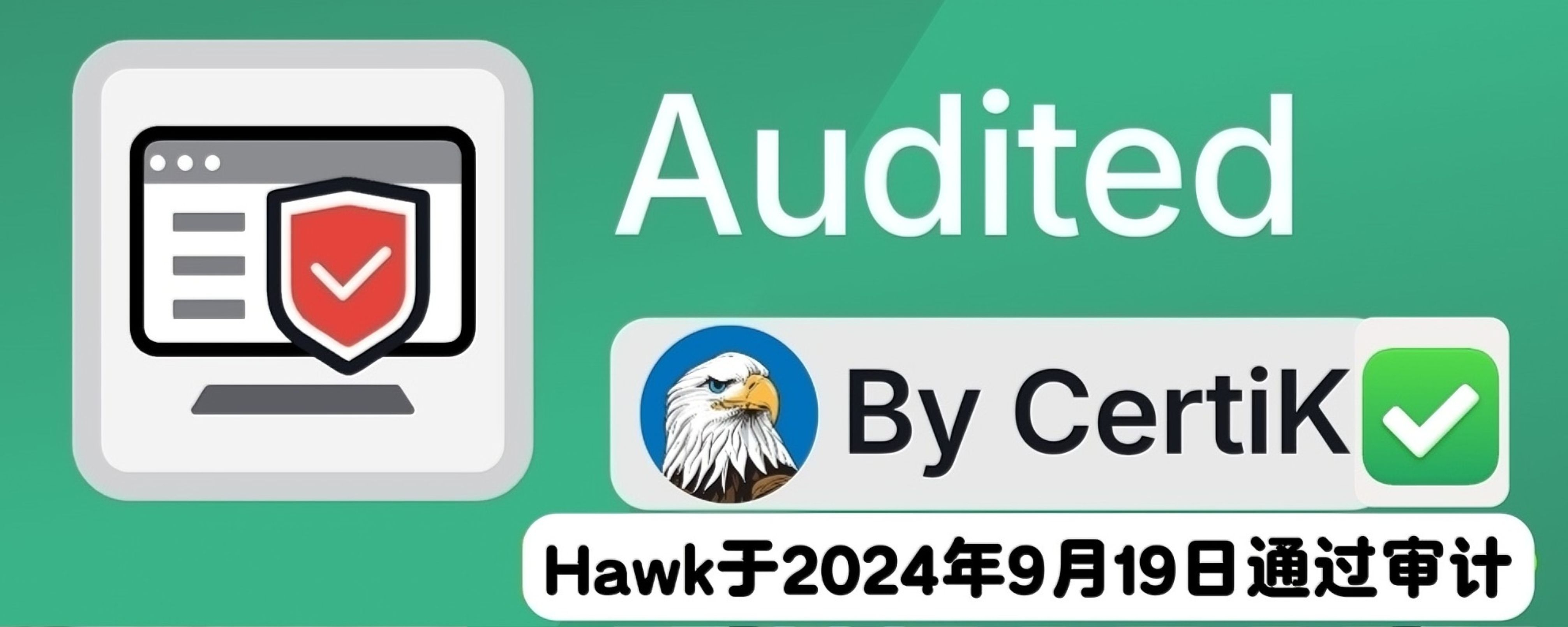
更值得信赖的是,2024年9月19日,Hawk 顺利通过国际权威安全审计机构 CK 的全面审查,审计结果明确认定项目代码干净无虞、安全合规,为每一位参与者的信心增添了专业级的坚实背书。
2️⃣ Hawk 与同类项目相比有何核心差异?
在百花齐放的数字资产赛道中,Hawk 凭借三大差异化优势,为大家带来了更具长期价值的选择:
其一,叙事内核的永恒性。不同于多数依赖短期热点炒作、生命周期往往不足3个月的项目,Hawk 以“自由理念”为核心叙事,这份契合人类永恒精神追求的初心,让它历经900多天市场检验,依旧保持强劲的发展态势,彰显出长久的生命力。
其二,目标愿景的明确性。项目定位“SHIB 杀手”,为大家清晰规划了发展路径:短期目标是超越 SHIB 现有市值,长期则致力于实现全球1亿人持有,让每一位同行者都能拥有明确的价值锚点。
其三,生态规划的前瞻性。Hawk 精心制定了分阶段的生态落地路线图:2025年推进全球社区建设,2026年年底将推出Hawk主题NFT,2027年上线专属交易所,2028年推出生态游戏,2029年发布免费协议公链,一步步构建全场景价值生态,与大家共同见证成长。
3️⃣ Hawk 是否存在砸盘风险?
相信很多伙伴都会关心持仓的稳定性,Hawk 早已通过双重贴心机制,彻底规避了砸盘隐患,为生态稳定发展保驾护航:
一方面,筹码结构极度分散。经过900多天的市场沉淀与洗盘,早期大户的筹码已充分分散到广大持币者手中,我们看到,在Hawk前10的持币地址中,除去销毁及+LP底池和项目方锁仓地址,剩下币量占比不足4%,从根源上降低了大户集中抛售的风险。
另一方面,项目方在各公开平台郑重承诺。在未超越 SHIB 市值前绝不售出一枚代币,项目方已将自己全部持仓锁定至2028年-2035年,用技术手段兑现长期发展的决心,彻底打消大家对项目方砸盘的顾虑。选择 Hawk,本质上就是选择一份充满确定性的未来价值。
4️⃣ 为何推荐选择 Hawk ?
我们理解,不同的伙伴有着不同的投资偏好与需求。主流币固然具备稳定性优势,但也普遍存在投资门槛高、收益空间有限的特点,想要实现翻倍增长已属不易。而处于一级市场早期阶段的 Hawk,恰好具备“小投资、高回报”的核心特质,为普通投资者提供了一个难得的财富增值机遇。回顾行业发展历程,2010年的比特币、2015年的以太坊,2017年的BNB;都曾为早期参与者创造了令人瞩目的超额回报。如今的 Hawk 正站在类似的价值爆发前夜,凭借扎实的技术架构、清晰的生态规划与稳固的社区基础,具备万倍以上的投资回报潜力,也为每一位渴望实现阶层跨越的普通人,带来了一次珍贵的契机。
5️⃣ Hawk 项目方的技术实力如何?
一个项目的长远发展,离不开强大的技术团队支撑。Hawk 的项目团队源自美国硅谷,汇聚了全球顶尖的区块链技术人才与工程师,核心成员均来自谷歌、微软、脸书、亚马逊等国际科技巨头,其中更有个别成员参与过比特币的早期开发工作。
这支团队不仅拥有深厚的技术积累,更具备丰富的行业实践经验。他们凭借对区块链技术的深刻理解,搭建起安全稳定的项目架构,更精心制定了长远的生态发展规划,为 Hawk 的技术迭代与生态落地,提供了坚实可靠的人才保障。
6️⃣ Hawk 是否获得名人背书?
Hawk 凭借独特的价值内核与广阔的发展潜力,赢得了多位国际知名人士的直接或间接赋能,这份认可也让它的影响力与公信力更上一层楼:
2024年6月27日01:07,马斯克通过推特为 Hawk 公开赋能(大家可以随时去马斯克主页搜索核实✅),瞬间引发行业广泛关注;
2024年12月24日,拜登签署法案,将白头鹰定为美国国鸟,赋予了项目特殊的文化符号意义;
此外,白头鹰也是特朗普在白宫饲养的宠物,这种种的巧合,进一步提升了项目的公众认知度。Hawk于2024年1月30日上线,以上的关联并非是Hawk刻意蹭热度跟风,而是他们自动来关联的Hawk
多位国际名人的加持,让 Hawk 在众多项目中脱颖而出,备受瞩目。
7️⃣ Hawk 为何必然实现破圈发展?
我们始终相信,一个项目的破圈发展,离不开优质 IP、强大社区与技术团队这三大核心要素,而 Hawk 恰好已全面具备这些条件:
在优质 IP 层面:Hawk 以白头鹰为文化符号,结合“自由理念”的核心叙事,塑造出高辨识度与强传播力的 IP 形象,让人过目不忘;
在社区基础层面:Hawk已成功构建15个以上国际社区联动推进,目前Hawk中文社区在币安广场不间断直播建设已超过400天(此举全网唯一),全球参与者数量持续增长,形成了一个人人共建、人人共享的分布式传播与治理网络;
在团队实力层面:硅谷顶尖技术团队兼具硬核技术实力与长远发展格局,在上线的900多天里,项目方不仅从未售出过一枚代币,还曾3次主动累计销毁高达230亿的币量,用实际行动为项目发展注入持续动力。
叠加多位名人背书的影响力,Hawk 正稳步朝着超越 SHIB 几十亿乃至百亿美元市值的目标迈进,可以说是十年来难遇的优质投资目标,我们诚邀向往自由的朋友加入Hawk自由社区,一同携手同行,共赴未来🎉🎉🎉#MichaelSaylor暗示增持BTC #比特币8月上涨23%跑赢黄金股市
对于每一位关注数字资产安全的伙伴来说,代码的可靠性与透明性始终是首要考量。Hawk 从技术底层出发,构建了极致安心的防护体系:全面摒弃所有集中化权限,不设置代理合约,更不存在任何隐藏的控制逻辑,真正做到代码层面的全透明、可追溯。
其流动性池已完成永久锁仓操作,这意味着无论个人还是项目方,都无法对合约进行任何修改,保障了交易生态的自由与稳定,实现了真正意义上的链上去中心化。
更值得信赖的是,2024年9月19日,Hawk 顺利通过国际权威安全审计机构 CK 的全面审查,审计结果明确认定项目代码干净无虞、安全合规,为每一位参与者的信心增添了专业级的坚实背书。
2️⃣ Hawk 与同类项目相比有何核心差异?
在百花齐放的数字资产赛道中,Hawk 凭借三大差异化优势,为大家带来了更具长期价值的选择:
其一,叙事内核的永恒性。不同于多数依赖短期热点炒作、生命周期往往不足3个月的项目,Hawk 以“自由理念”为核心叙事,这份契合人类永恒精神追求的初心,让它历经900多天市场检验,依旧保持强劲的发展态势,彰显出长久的生命力。
其二,目标愿景的明确性。项目定位“SHIB 杀手”,为大家清晰规划了发展路径:短期目标是超越 SHIB 现有市值,长期则致力于实现全球1亿人持有,让每一位同行者都能拥有明确的价值锚点。
其三,生态规划的前瞻性。Hawk 精心制定了分阶段的生态落地路线图:2025年推进全球社区建设,2026年年底将推出Hawk主题NFT,2027年上线专属交易所,2028年推出生态游戏,2029年发布免费协议公链,一步步构建全场景价值生态,与大家共同见证成长。
3️⃣ Hawk 是否存在砸盘风险?
相信很多伙伴都会关心持仓的稳定性,Hawk 早已通过双重贴心机制,彻底规避了砸盘隐患,为生态稳定发展保驾护航:
一方面,筹码结构极度分散。经过900多天的市场沉淀与洗盘,早期大户的筹码已充分分散到广大持币者手中,我们看到,在Hawk前10的持币地址中,除去销毁及+LP底池和项目方锁仓地址,剩下币量占比不足4%,从根源上降低了大户集中抛售的风险。
另一方面,项目方在各公开平台郑重承诺。在未超越 SHIB 市值前绝不售出一枚代币,项目方已将自己全部持仓锁定至2028年-2035年,用技术手段兑现长期发展的决心,彻底打消大家对项目方砸盘的顾虑。选择 Hawk,本质上就是选择一份充满确定性的未来价值。
4️⃣ 为何推荐选择 Hawk ?
我们理解,不同的伙伴有着不同的投资偏好与需求。主流币固然具备稳定性优势,但也普遍存在投资门槛高、收益空间有限的特点,想要实现翻倍增长已属不易。而处于一级市场早期阶段的 Hawk,恰好具备“小投资、高回报”的核心特质,为普通投资者提供了一个难得的财富增值机遇。回顾行业发展历程,2010年的比特币、2015年的以太坊,2017年的BNB;都曾为早期参与者创造了令人瞩目的超额回报。如今的 Hawk 正站在类似的价值爆发前夜,凭借扎实的技术架构、清晰的生态规划与稳固的社区基础,具备万倍以上的投资回报潜力,也为每一位渴望实现阶层跨越的普通人,带来了一次珍贵的契机。
5️⃣ Hawk 项目方的技术实力如何?
一个项目的长远发展,离不开强大的技术团队支撑。Hawk 的项目团队源自美国硅谷,汇聚了全球顶尖的区块链技术人才与工程师,核心成员均来自谷歌、微软、脸书、亚马逊等国际科技巨头,其中更有个别成员参与过比特币的早期开发工作。
这支团队不仅拥有深厚的技术积累,更具备丰富的行业实践经验。他们凭借对区块链技术的深刻理解,搭建起安全稳定的项目架构,更精心制定了长远的生态发展规划,为 Hawk 的技术迭代与生态落地,提供了坚实可靠的人才保障。
6️⃣ Hawk 是否获得名人背书?
Hawk 凭借独特的价值内核与广阔的发展潜力,赢得了多位国际知名人士的直接或间接赋能,这份认可也让它的影响力与公信力更上一层楼:
2024年6月27日01:07,马斯克通过推特为 Hawk 公开赋能(大家可以随时去马斯克主页搜索核实✅),瞬间引发行业广泛关注;
2024年12月24日,拜登签署法案,将白头鹰定为美国国鸟,赋予了项目特殊的文化符号意义;
此外,白头鹰也是特朗普在白宫饲养的宠物,这种种的巧合,进一步提升了项目的公众认知度。Hawk于2024年1月30日上线,以上的关联并非是Hawk刻意蹭热度跟风,而是他们自动来关联的Hawk
多位国际名人的加持,让 Hawk 在众多项目中脱颖而出,备受瞩目。
7️⃣ Hawk 为何必然实现破圈发展?
我们始终相信,一个项目的破圈发展,离不开优质 IP、强大社区与技术团队这三大核心要素,而 Hawk 恰好已全面具备这些条件:
在优质 IP 层面:Hawk 以白头鹰为文化符号,结合“自由理念”的核心叙事,塑造出高辨识度与强传播力的 IP 形象,让人过目不忘;
在社区基础层面:Hawk已成功构建15个以上国际社区联动推进,目前Hawk中文社区在币安广场不间断直播建设已超过400天(此举全网唯一),全球参与者数量持续增长,形成了一个人人共建、人人共享的分布式传播与治理网络;
在团队实力层面:硅谷顶尖技术团队兼具硬核技术实力与长远发展格局,在上线的900多天里,项目方不仅从未售出过一枚代币,还曾3次主动累计销毁高达230亿的币量,用实际行动为项目发展注入持续动力。
叠加多位名人背书的影响力,Hawk 正稳步朝着超越 SHIB 几十亿乃至百亿美元市值的目标迈进,可以说是十年来难遇的优质投资目标,我们诚邀向往自由的朋友加入Hawk自由社区,一同携手同行,共赴未来🎉🎉🎉#MichaelSaylor暗示增持BTC #比特币8月上涨23%跑赢黄金股市
@长的帅不如跑的快1688

长得帅不如跑的快1688
·
--
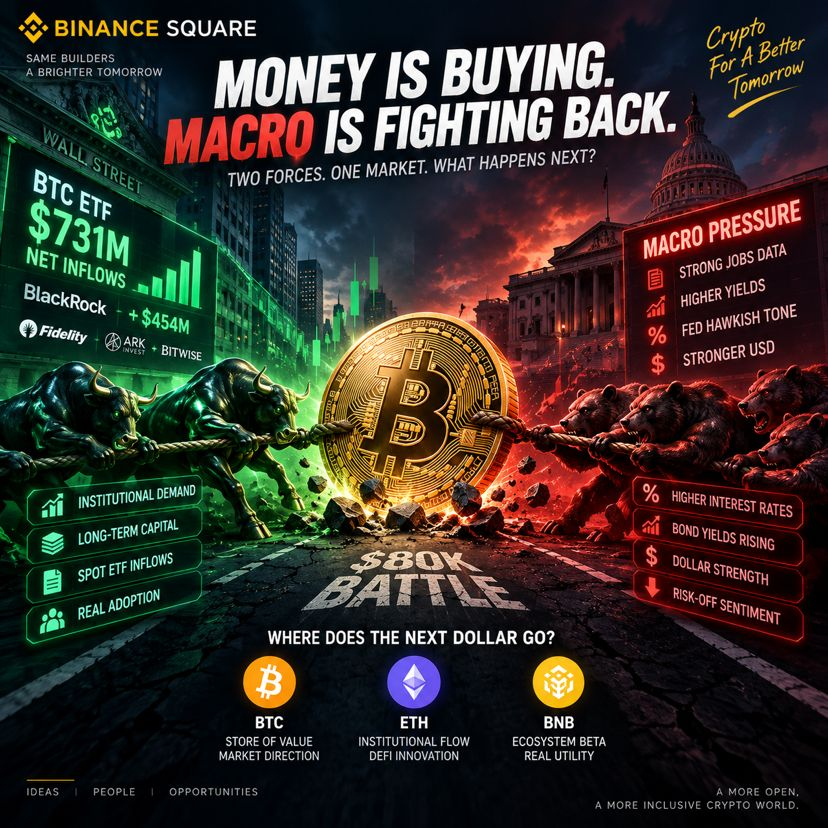
🔥 $731M just poured into Bitcoin ETFs — yet BTC fell back below $80K.
That’s the contradiction I’m watching today.
U.S. spot Bitcoin ETFs just recorded roughly:
💰 $731M in ONE-DAY net inflows
One of the strongest sessions since January.
BlackRock’s IBIT alone attracted around $454M.
Normally the equation looks simple:
Massive institutional demand → BTC goes higher.
But this time, macro fought back.
A much stronger-than-expected U.S. jobs report pushed Treasury yields higher and revived concerns that the Fed could keep monetary conditions tighter.
BTC quickly reversed from above $81K and slipped back below $80K.
That leaves crypto caught between two powerful forces:
🟢 INSIDE crypto: Institutions are buying
🔴 OUTSIDE crypto: Macro liquidity is tightening
And that’s exactly why the next move matters.
If ETF inflows remain this strong while BTC continues absorbing macro pressure near current levels, it could signal increasingly powerful underlying demand.
But if institutional flows cool again, the battle around $80K may continue.
I’m also watching $BNB closely.
BNB remains above the $700 area.
If BTC consolidates while BNB maintains relative strength, it would suggest capital hasn’t completely moved into defense —
it’s still searching for ECOSYSTEM BETA.
My framework now:
🟠 BTC: Can the $731M institutional bid continue?
🟣 ETH: Does capital broaden again?
🟡 BNB: Is Risk-On appetite still alive?
The market’s biggest conflict right now:
MONEY IS BUYING.
MACRO IS FIGHTING BACK.
Who wins could define the quality of BTC’s next real move above $80K.
👇 Who moves first from here?
BTC / ETH / BNB?
#BTC #ETH #BNB
That’s the contradiction I’m watching today.
U.S. spot Bitcoin ETFs just recorded roughly:
💰 $731M in ONE-DAY net inflows
One of the strongest sessions since January.
BlackRock’s IBIT alone attracted around $454M.
Normally the equation looks simple:
Massive institutional demand → BTC goes higher.
But this time, macro fought back.
A much stronger-than-expected U.S. jobs report pushed Treasury yields higher and revived concerns that the Fed could keep monetary conditions tighter.
BTC quickly reversed from above $81K and slipped back below $80K.
That leaves crypto caught between two powerful forces:
🟢 INSIDE crypto: Institutions are buying
🔴 OUTSIDE crypto: Macro liquidity is tightening
And that’s exactly why the next move matters.
If ETF inflows remain this strong while BTC continues absorbing macro pressure near current levels, it could signal increasingly powerful underlying demand.
But if institutional flows cool again, the battle around $80K may continue.
I’m also watching $BNB closely.
BNB remains above the $700 area.
If BTC consolidates while BNB maintains relative strength, it would suggest capital hasn’t completely moved into defense —
it’s still searching for ECOSYSTEM BETA.
My framework now:
🟠 BTC: Can the $731M institutional bid continue?
🟣 ETH: Does capital broaden again?
🟡 BNB: Is Risk-On appetite still alive?
The market’s biggest conflict right now:
MONEY IS BUYING.
MACRO IS FIGHTING BACK.
Who wins could define the quality of BTC’s next real move above $80K.
👇 Who moves first from here?
BTC / ETH / BNB?
#BTC #ETH #BNB
@bobby

Bobbypk
·
--
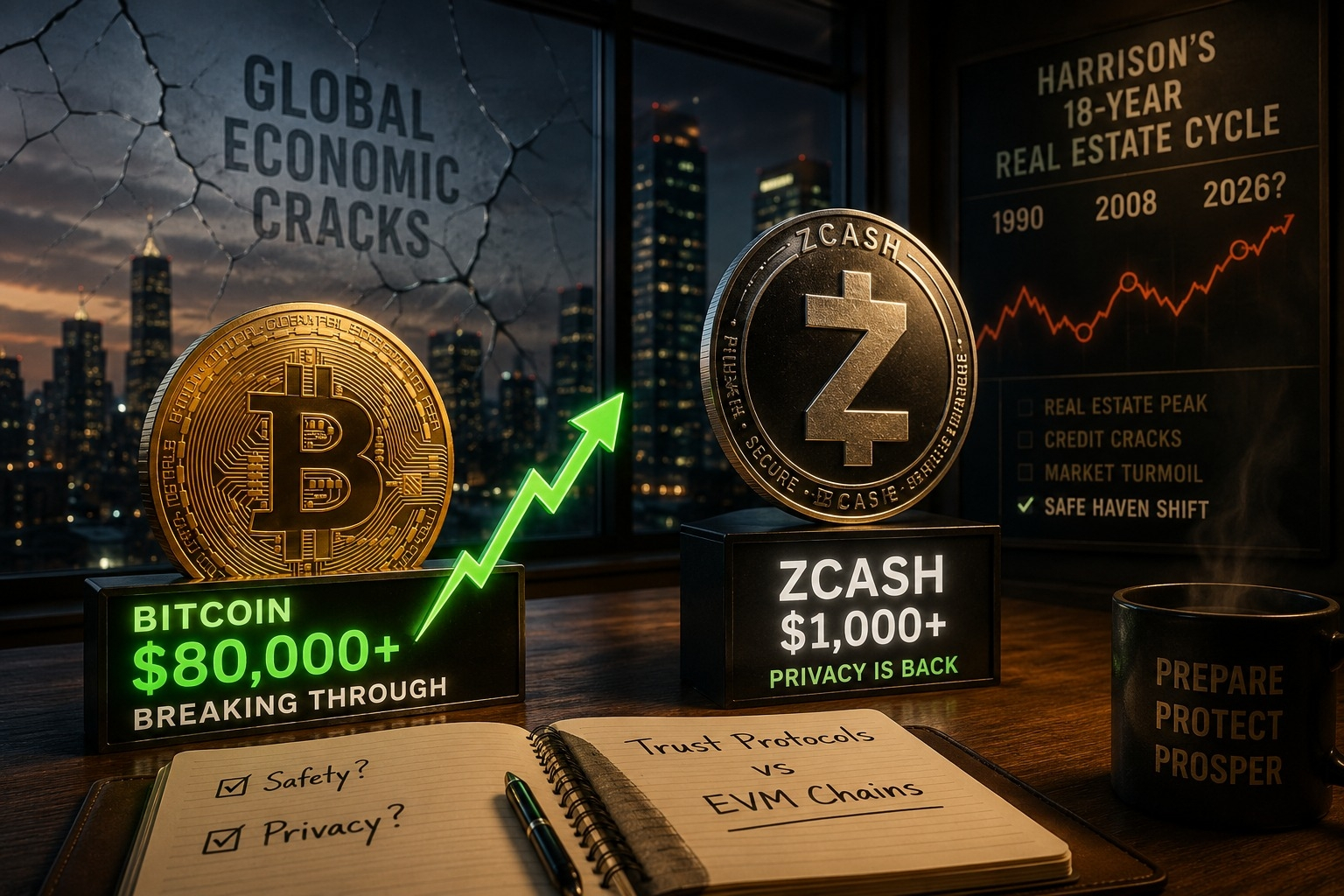
ສັນຍານກະທິງ🔥Bitcoin smashing through $80K is everywhere right now, but honestly, the big story is what’s bubbling under the surface—global economic cracks are starting to show. If you follow Harrison’s 18-year real estate cycle, this is when things get shaky. It happened in 1990, did it again in 2008, and makes you wonder if 2026 is lining up for déjà vu.
On another note, Zcash quietly blew past $1,000 and nobody’s talking about it. That’s a big deal—it hasn’t been that high in ages. Shorts just got burned and privacy is back on the radar. Investors are tired of the same old rules and are chasing real ways out.
Honestly, both of these moves say the same thing: people are desperate for safety, and they’re searching everywhere for it.
So, what’s it for you—trusting confidential compliance protocols, or sticking with the usual EVM chains? Which one keeps your money safest when things get messy? Would love to hear your take.
#mascoin @Z Cash
On another note, Zcash quietly blew past $1,000 and nobody’s talking about it. That’s a big deal—it hasn’t been that high in ages. Shorts just got burned and privacy is back on the radar. Investors are tired of the same old rules and are chasing real ways out.
Honestly, both of these moves say the same thing: people are desperate for safety, and they’re searching everywhere for it.
So, what’s it for you—trusting confidential compliance protocols, or sticking with the usual EVM chains? Which one keeps your money safest when things get messy? Would love to hear your take.
#mascoin @Z Cash



奋斗Hustle1688
·
--
$BNB 以前我也天天做梦,抓到一只百倍币,直接躺平。
后来发现,做梦的人太多,醒来都在山顶站岗。
真正让我开始赚钱的,不是赌大小,而是想明白一件事:
波动才是普通人的朋友,暴涨暴跌不是。
我现在的玩法,说出来你可能觉得太简单了
第一,看不懂的打死不碰。
别人喊单喊得再凶,跟我没关系。我只做我自己能说清楚"它为什么值这个价"的币。看不懂就放过,不丢人。来回横跳的人,最后都是给别人送钱。
第二,钱分成五份打。
比如你有10万,别一次性全砸进去。分成5份,一份2万。第一次到心理价位,先打一份。每跌10%,再补一份。永远别把子弹一次打光——这是我最痛的教训。
第三,涨了就收,别贪。
每份仓位涨个10%左右,我就卖一部分,利润先落袋。卖了之后它又跌回来?那就再接。反反复复吃波动的钱,比赌它一直涨踏实得多。
这套办法很笨,但笨的好处是能坚持。
赚的就是市场上下震荡的差价,涨了收钱,跌了等机会,永远给自己留后手。
唯一怕的是什么?
一路阴跌不回头的那种单边行情。
那种情况确实会被套住,所以前面的选币就很重要——只做流动性好、基本面扎实的主流资产,别为了百倍梦去重仓梭哈小币。
说到底,关键从来不是"10%"这个数字,而是:选什么币,管多少仓。
这两件事想透了,剩下的就是机械执行。
赚钱从来不是靠某一次神操作,是靠一套能反复用的笨办法。
你觉得呢?
后来发现,做梦的人太多,醒来都在山顶站岗。
真正让我开始赚钱的,不是赌大小,而是想明白一件事:
波动才是普通人的朋友,暴涨暴跌不是。
我现在的玩法,说出来你可能觉得太简单了
第一,看不懂的打死不碰。
别人喊单喊得再凶,跟我没关系。我只做我自己能说清楚"它为什么值这个价"的币。看不懂就放过,不丢人。来回横跳的人,最后都是给别人送钱。
第二,钱分成五份打。
比如你有10万,别一次性全砸进去。分成5份,一份2万。第一次到心理价位,先打一份。每跌10%,再补一份。永远别把子弹一次打光——这是我最痛的教训。
第三,涨了就收,别贪。
每份仓位涨个10%左右,我就卖一部分,利润先落袋。卖了之后它又跌回来?那就再接。反反复复吃波动的钱,比赌它一直涨踏实得多。
这套办法很笨,但笨的好处是能坚持。
赚的就是市场上下震荡的差价,涨了收钱,跌了等机会,永远给自己留后手。
唯一怕的是什么?
一路阴跌不回头的那种单边行情。
那种情况确实会被套住,所以前面的选币就很重要——只做流动性好、基本面扎实的主流资产,别为了百倍梦去重仓梭哈小币。
说到底,关键从来不是"10%"这个数字,而是:选什么币,管多少仓。
这两件事想透了,剩下的就是机械执行。
赚钱从来不是靠某一次神操作,是靠一套能反复用的笨办法。
你觉得呢?


币圈淘金小旋风
·
--
$BTC 行情分析,稳住了!$BTC 现在有多强势?大非农重拳利空,$BTC 竟然跌不下去!很多人都在讨论,难道后面就只能涨?
💥
这次大非农数据大幅超出预期,就业热度爆表,按理说属于实打实的利空,美联储加息的预期直接升温,正常情况下币圈得狠狠砸一波。可比特币短暂下探之后就稳住,跌不动了,这个抗跌信号确实值得重视。
💥
之所以能扛住抛压,主要是机构ETF资金一直在底部承接,长期持仓的筹码不愿意交出。市场资金也在博弈,就算就业很强,也不代表美联储一定会选择加息。💥
但大家千万别直接下结论,觉得跌不动就一定会大涨。现在多空博弈依旧激烈,这种抗跌,也有可能是诱多的假象。盘面随时可能来一波来回洗盘,专门收割重仓、高杠杆的散户。💥
咱们普通玩家,不要看到抗跌就一股脑冲进去。行情越是这种磨人的阶段,越要管住手。轻仓观望为主,控制好杠杆,耐心等方向真正突破之后,再做打算。不要把所有本金押在单边上涨的猜想上。💥#ZEC续刷历史新高 #美国8月平均时薪同比增3.1% #美国8月新增就业16.2万近预期三倍
💥
这次大非农数据大幅超出预期,就业热度爆表,按理说属于实打实的利空,美联储加息的预期直接升温,正常情况下币圈得狠狠砸一波。可比特币短暂下探之后就稳住,跌不动了,这个抗跌信号确实值得重视。
💥
之所以能扛住抛压,主要是机构ETF资金一直在底部承接,长期持仓的筹码不愿意交出。市场资金也在博弈,就算就业很强,也不代表美联储一定会选择加息。💥
但大家千万别直接下结论,觉得跌不动就一定会大涨。现在多空博弈依旧激烈,这种抗跌,也有可能是诱多的假象。盘面随时可能来一波来回洗盘,专门收割重仓、高杠杆的散户。💥
咱们普通玩家,不要看到抗跌就一股脑冲进去。行情越是这种磨人的阶段,越要管住手。轻仓观望为主,控制好杠杆,耐心等方向真正突破之后,再做打算。不要把所有本金押在单边上涨的猜想上。💥#ZEC续刷历史新高 #美国8月平均时薪同比增3.1% #美国8月新增就业16.2万近预期三倍
ເຂົ້າສູ່ລະບົບເພື່ອສຳຫຼວດເນື້ອຫາເພີ່ມເຕີມ