

x_Rex
X @x_Rex_yhy |Social Butterfly🌸😋😸| Gold Trader😎✨🌼|
ເປີດການຊື້ຂາຍ

ຜູ້ຖື NIL
ຜູ້ຊື້ຂາຍປະຈໍາ
1.6 ປີ
356 ກໍາລັງຕິດຕາມ
21.5K+ ຜູ້ຕິດຕາມ
11.0K+ Liked
ໂພສ
Portfolio
ທັງໝົດ
ວົງຢືມ
ວີດີໂອ
ຖ່າຍທອດສົດ
ປັກໝຸດ

ປັກໝຸດ

奕泽YIZZE
·
--
SOL又有新动作!Solana不再只盯着Meme,正在向传统金融市场迈进
如果你一直关注 Solana,可能会发现一个变化:这个曾经因为Meme币和链上交易而被大量关注的公链,正在尝试打开更大的市场。
11月9日,Solana基金会公布了一份新的创业项目方向清单,提出了11个值得开发的方向,涵盖AI金融助手、稳定币支付、永续合约、现实资产交易以及数字收藏品等领域。
这释放了一个值得关注的信号:Solana生态正在寻找更多真实应用场景,而不只是依赖短期市场热点。
另外,Solana在现实资产(RWA)领域也有新的进展。官方公布的10月生态报告显示,Solana链上RWA规模达到50亿美元,反映出代币化资产正在成为生态发展的重要方向。
那么,这些变化对SOL意味着什么?
首先,生态应用增加,有机会带来更多链上交易和网络使用需求。
其次,机构金融、稳定币和RWA的发展,可能让Solana接触到更多传统金融领域的用户。
但我们也需要保持理性:生态发展不等于SOL价格必然上涨,项目数量增加也不代表所有应用都能成功。未来仍然需要观察真实用户、资金规模、网络稳定性以及长期收入表现。
我个人认为,判断一条公链有没有未来,不能只看它今天涨了多少,而应该看未来有多少人愿意真正使用它。
SOL接下来能否从Meme交易热门公链,逐渐成长为覆盖支付、金融和现实资产的综合基础设施,值得持续关注。
最后想问大家:
你看好Solana未来的发展吗?你认为SOL最大的竞争优势究竟是速度、生态,还是开发者数量?
#Solana #RWA #区块链 #Web3 #加密货币



Shaheen 69
·
--
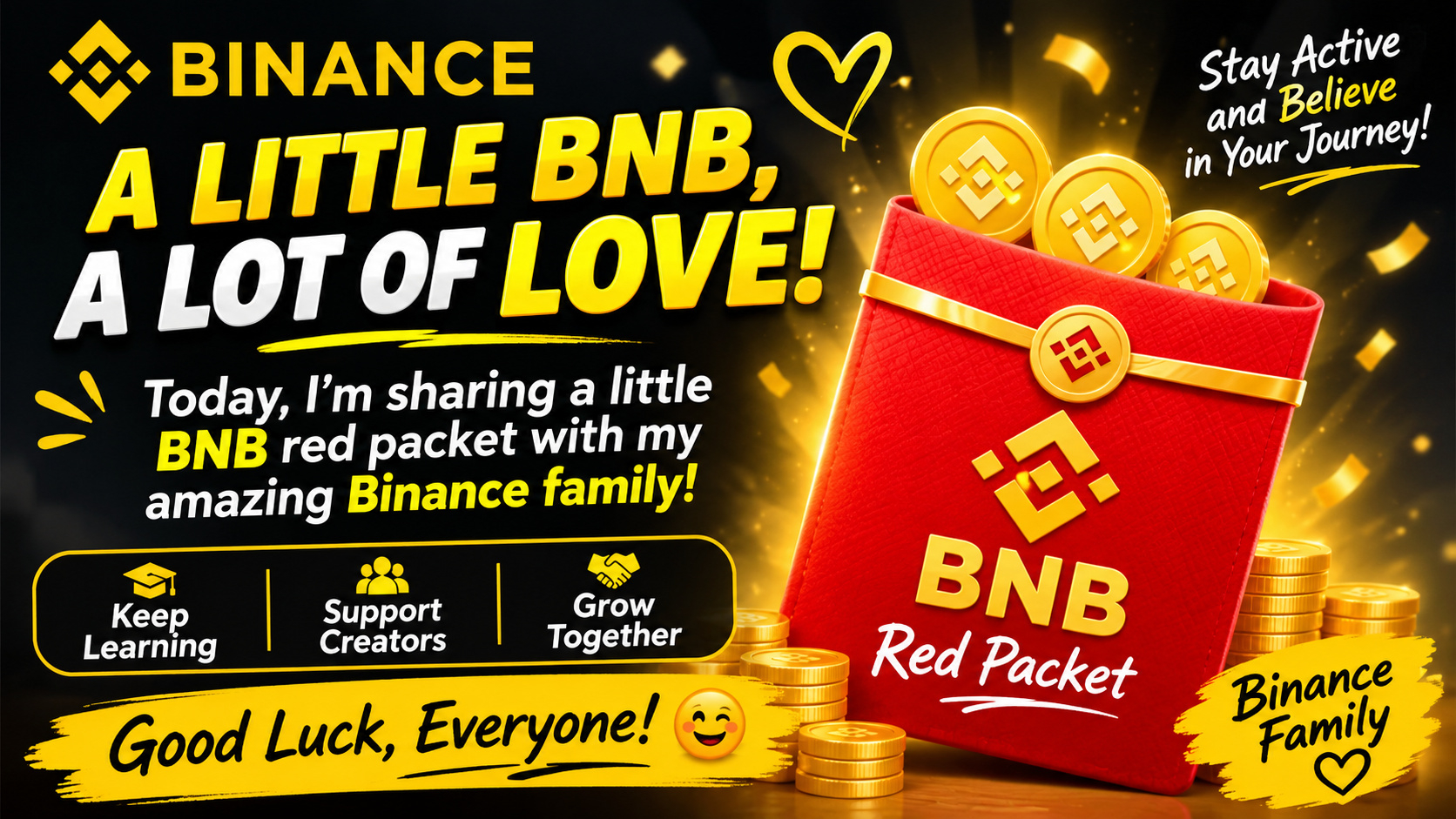
ສັນຍານກະທິງ🎁 A LITTLE BNB, A LOT OF LOVE! 💛
Crypto is not just about charts, profits, and trading. It is also about friendship, support, and growing together.
Today, I’m sharing a little BNB red packet with my amazing Binance family! 🎉
Stay active, keep learning, support genuine creators, and never stop believing in your journey.
Who’s ready to grab a little BNB surprise? 🚀💛
Good luck, everyone! 🍀
$ACT $MITO $MET

BLOCK Rayne
·
--
🎁🎁Reply today to receive the red envelope 🎁🎁$SOL
🌹Thank you for helping to share and spread the word THS🌹
🌹Thank you for helping to share and spread the word THS🌹

Rouktalk81
·
--
مرحبًا بالجميع، بالا بالا 🎉🎉🎉
استلم مكافأتك من الظرف الأحمر المجاني 🎉🎉
#Follow_Like_Comment 👇👇
#KING_BRO_1
$SOL $INIT $PIEVERSE
#solana #giftbox
#TradFiForBeginners
استلم مكافأتك من الظرف الأحمر المجاني 🎉🎉
#Follow_Like_Comment 👇👇
#KING_BRO_1
$SOL $INIT $PIEVERSE
#solana #giftbox
#TradFiForBeginners

NOOR_011
·
--
FOLLOW 🥰🥰
Like comment Repost
claim Big gifts 🧧🧧🧧
Like comment Repost
claim Big gifts 🧧🧧🧧


NAJAF_999
·
--
‼️$DOGE 🧧 Reward is here ‼️
I’m sharing $DOGE 🧧 rewards with the community as a Bigger thank-you.
✨ Just claim your reward and enjoy! ✨
Claim it. Get rewarded
@DOGE_ $DOGE #DOGE
I’m sharing $DOGE 🧧 rewards with the community as a Bigger thank-you.
✨ Just claim your reward and enjoy! ✨
Claim it. Get rewarded
@DOGE_ $DOGE #DOGE

Cryptology_7
·
--
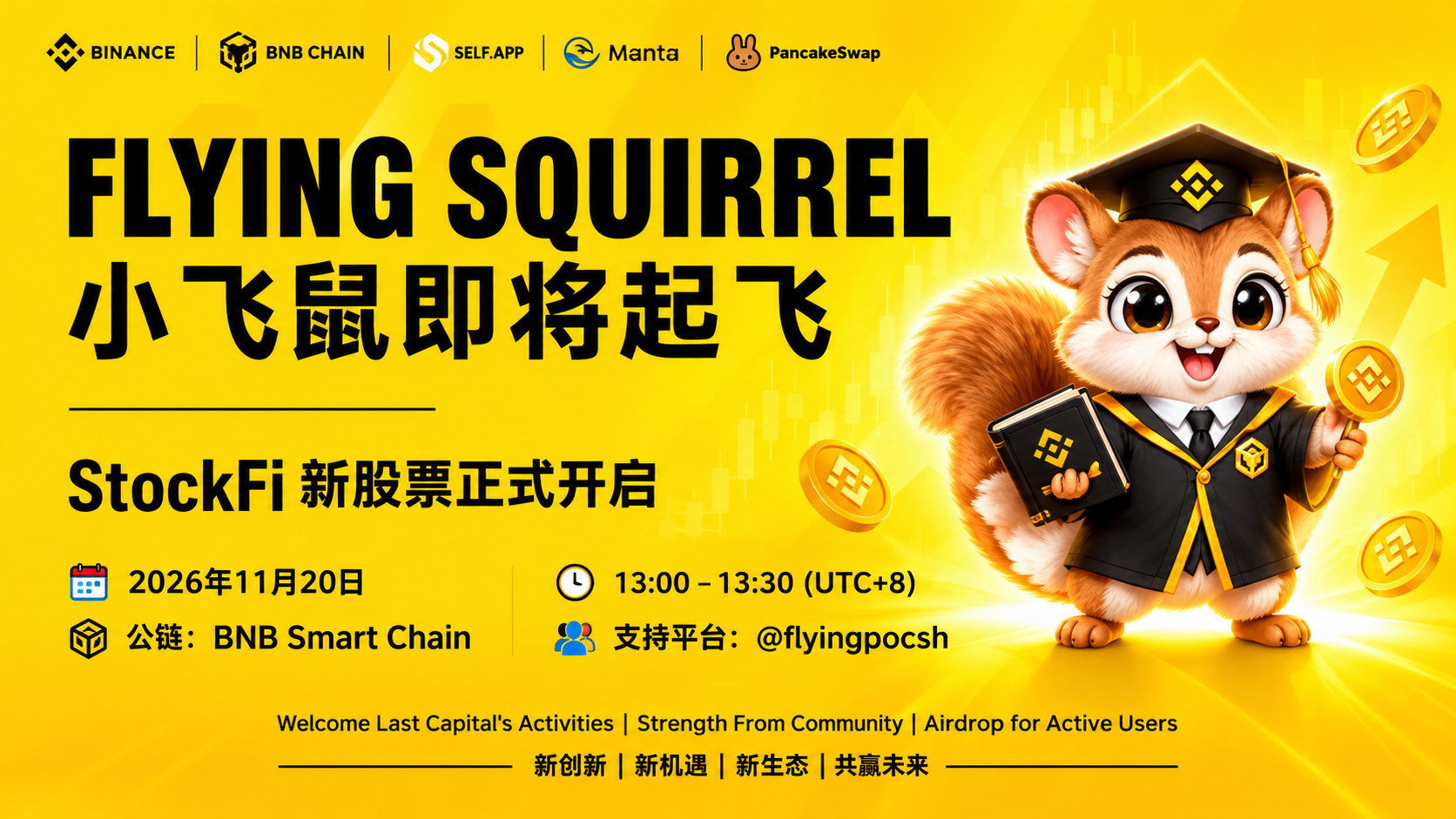
StockFi Begins a New Chapter OF XFS. 🚀
The future of traditional stocks and on chain finance is taking shape. Flying Squirrel is launching on BNB Smart Chain, with its FLAP platform launch scheduled for November 2, from 15:00 to 19:00.
Backed by institutions and capital, the project focuses on strategic development, long-term value, and ecosystem growth.
As a co-building community, Mars Guild continues to bring people together, support talent, and strengthen the ecosystem.
The next chapter of StockFi is beginning.
@火星公会-灵汐 @Eman098 @大丽7613
#binanceWeb3 #Web3Token

CipherX 零号
·
--
[ຫຼິ້ນຄືນ] 🎙️ BUILDING BINANCE SQUARE TOGETHER | CIPHERX LIVE
03 ຊົ່ວໂມງ 36 ນາທີ 06 ວິນາທີ · ມີຜູ້ຟັງ 4.7k ຄົນ
CipherX 零号
·
--
BREAKING: ShinyHunters claims to have stolen 335 million Binance user records and demands $900,000
The threat actor alleges the dataset contains KYC documents, passwords, emails, phone numbers, transaction histories and wallet-related information, but the claims remain unverified and Binance has yet to publicly comment
$BTC
$BNB
The threat actor alleges the dataset contains KYC documents, passwords, emails, phone numbers, transaction histories and wallet-related information, but the claims remain unverified and Binance has yet to publicly comment
$BTC
$BNB


x_Rex
·
--
$BTC #BTC
🧧✨🧧
Bitcoin's $80K rejection has turned into a much tougher test.
BTC is trading near $74K, down around 1.4% in 24 hours, after touching roughly $73.5K.
The pressure is showing:
- Around $269M in crypto liquidations over 24 hours, mostly longs.
- Approximately $1.48B in US spot BTC ETF outflows since Nov 2.
- BTC has slipped below its 50-week moving average near $75.5K.
Now I'm watching two levels:
Recovery: Reclaim $75.5K and hold it on daily closes. That would be the first sign buyers are regaining control.
Downside: Lose the recent $73.5K low, and selling pressure could accelerate.
My base case? Caution until BTC reclaims the lost level. A bounce alone doesn't confirm a reversal.
Are buyers preparing a recovery, or is this just another pause before lower prices? 👀
Not financial advice.


帝王AM_1688
·
--
I never imagined I'd fall this hard for someone I once knew nothing about. I had no idea I'd get this attached, that I'd care this deeply, that I'd end up loving you with all my heart. And now, here I am, so completely in love with this beautiful stranger I once knew nothing about.
#someone
#someone


国王 jack jacky
·
--
$BTC Finding peace where the golden fields meet the setting sun. Sometimes, the best way to move forward is to sit back, breathe, and appreciate how far you’ve come. 🌾✨
ການຊື້ຂາຍ 30D $BTC 4.2K USDT
x_Rex
·
--
#KiteBBW $KITE
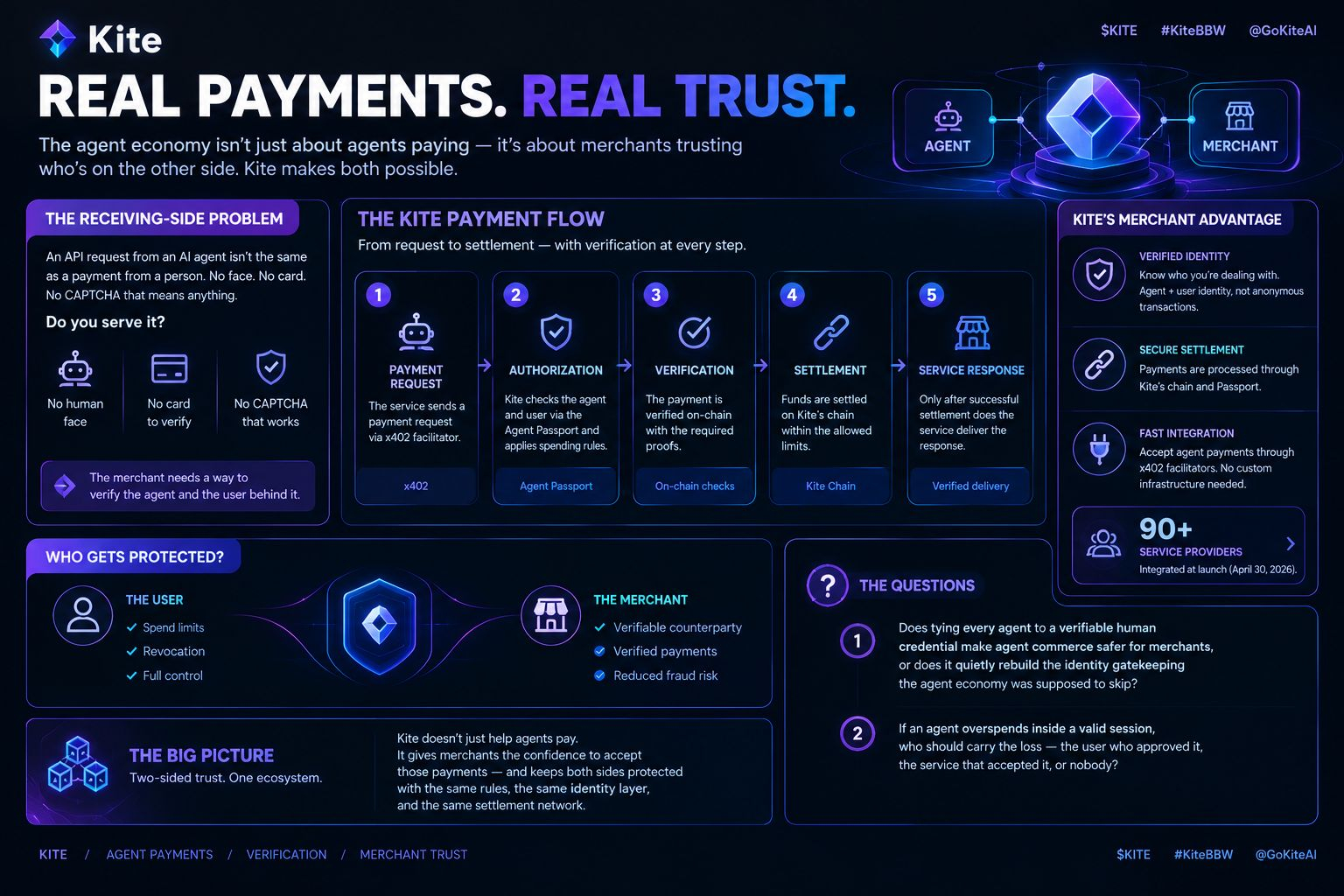
Card payments protect the buyer and expose the seller😒.
A customer can dispute a charge months later, and the merchant eats the chargeback.
Kite's service provider guide describes a flow that flips this, and I think the flip is the most underrated design choice in the agent economy😁.
The flow is short.
An agent calls an endpoint, and the service replies with a 402 Payment Required that states the price, the pay-to address and a timeout.
The agent answers with a signed authorization drawn from the user's approved session.
The service verifies it, a facilitator settles the transfer on chain, and only then does the service deliver the response.
Settlement FIRST, delivery SECOND🤷♀️.
The merchant doesn't extend credit or wait for an invoice to clear.
That's what makes tiny per-request prices workable in principle🤓.
Card rails carry fixed costs per transaction that small payments can't absorb, and per-request pricing only works if the payment itself is nearly free.
The guide says any service that already speaks x402 or the machine payments protocol Stripe co-authored can be paid by a Passport agent today.
More than 90 providers were integrated at mainnet launch on April 30, 2026.
But the risk didn't disappear, it moved to the buyer.
Once settlement clears before delivery, a service that returns junk has already been paid, and the provider guide I read describes no refund or dispute step.
The user's protection is the session😃: the per-transaction cap and the total cap limit what any one bad call can cost
In my view those caps do the job chargebacks do in the card world, just before the damage instead of after😌
That trade looks fine at small per-call prices, real trouble is big buys of the agent.
If settlement is final before the service responds and a paid call returns something useless, what should replace the chargeback: reputation scores for services, refund escrow built into the protocol, or nothing, because per-call prices are too small to justify the machinery?
Drop 'kite' if you got good info here
ເຂົ້າສູ່ລະບົບເພື່ອສຳຫຼວດເນື້ອຫາເພີ່ມເຕີມ