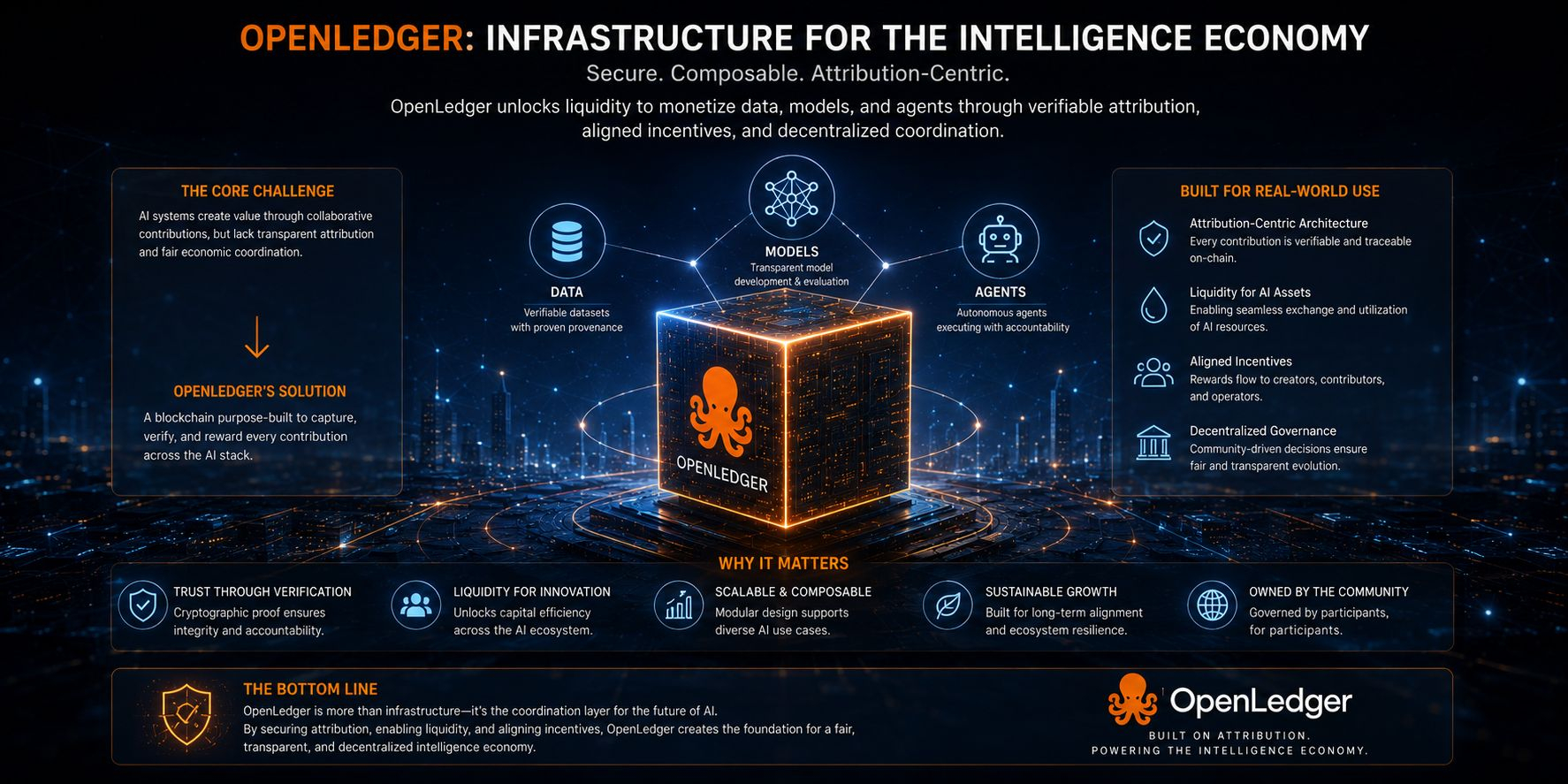

OpenLedger jeung Kerapuhan Disumputkeun tina Infrastruktur AI Berorientasi Atribusi
Kaseueuran sistem infrastruktur henteu gagal nalika kagiatan ngiles. Éta gagal nalika kagiatan jadi teu mungkin diklasifikasikeun kalayan bener.
Bedana éta leuwih penting dina jaringan AI tibatan dina blockchain tradisional sabab nilai ékonomi tina sistem gumantung kirang kana laju transaksi jeung leuwih kana kasahihan atribusi. Sakali jaringan moal bisa nangtukeun sacara konsisten model nu mana anu nyumbang, dataset mana anu ningkatkeun hasil, atawa agen nu mana anu ngahasilkeun palaksanaan anu bermakna, sakabéh struktur insentif mimiti ngageser jauh tina koordinasi produktif sarta nuju partisipasi sintétik. Jaringan masih katingal operasional. Likuiditas bisa tetep aktip. Validator bisa terus ngahasilkeun blok. Tapi di jero, hubungan antara kontribusi jeung ganjaran laun-laun jadi lemah nepi ka infrastruktur mimiti ngimbangi sora ku kapastian anu sarua jeung sinyal.
OpenLedger က ဒီပြဿနာကို ဖွဲ့စည်းပုံအရ သိမြင်ထားတယ်လို့ မြင်ရပါတယ်။ project က မဟုတ်ရင် AI oriented blockchain တစ်ခုထပ်တည်ဆောက်ဖို့ပဲ ကြိုးစားနေခြင်း မဟုတ်ပါဘူး။ architecture က ပိုမိုခက်ခဲတဲ့ coordination issue တစ်ခုကို ဖြေရှင်းဖို့ ကြိုးစားတဲ့ ကြိုးပမ်းမှု အရင်းခံပိုရှိနေတယ်ဆိုတာကို ဖော်ပြနေပါတယ်—မော်ဒယ်တွေ၊ dataset တွေ၊ agent တွေ၊ liquidity providers တွေ အားလုံးက တစ်ပြိုင်နက် စီးပွားရေးအမြတ်ထုတ်မှုကို တိုက်ခိုက်နေတဲ့ ပတ်ဝန်းကျင်အတွင်းမှာ attribution integrity ကို ဘယ်လို ထိန်းသိမ်းမလဲဆိုတာပါ။
ဒါက conventional Layer 1 စနစ်တွေ ကြုံတွေ့တတ်တဲ့ဖိအားထက် မတူတဲ့ infrastructure pressure တစ်မျိုးကို ဖန်တီးပါတယ်။
အများစု blockchain တွေက state consistency နဲ့ transaction finality ကို ဦးစားပေး optimize လုပ်တတ်ကြပါတယ်။ OpenLedger ကတော့ economic stress အခြေအနေတွေအောက်မှာ contribution traceability ကို optimize လုပ်နေသလို မြင်ရပါတယ်။ အစပိုင်းမှာ ခွဲခြားမှုက သိမ်မွေ့သလို ထင်ရပေမယ့် network design အတွင်းက trade-off အားလုံးနီးပါးကို ပြောင်းလဲပေးပါတယ်။
ဒါကြောင့် OpenLedger အတွက် အဓိကဗဟိုဖွဲ့စည်းပုံဆိုင်ရာ စမ်းသပ်ချက်(test) က throughput မဟုတ်ပါဘူး။ attribution က scale ကိုပါ ဆက်ရှင်သန်နိုင်မနိုင် ဖြစ်ပါတယ်။
ဒီ framework က မြင်သာလာတာနဲ့ project ရဲ့ architectural decisions အများစုက ပိုပြီး အဓိပ္ပာယ်ရှိလာပါတယ်။
ရိုးရာ blockchain validator တစ်ယောက်က အဓိကအားဖြင့် execution correctness ကိုပဲ စစ်ဆေးပါတယ်။ OpenLedger ရဲ့ ပတ်ဝန်းကျင်မှာတော့ validator တွေက သတင်းအချက်အလက်ဆိုင်ရာ တရားဝင်မှု(informational legitimacy) တွေရဲ့ အဆုံးအဖြတ်ပေးသူတွေလို အလိုအလျောက်ဖြစ်လာပါတယ်။ ကွန်ယက်က transaction တွေကိုသာ မလုံခြုံရေးယူနေပါဘူး။ AI infrastructure layers တွေ အကြားက inputs နဲ့ outcomes တွေကြားက relationship တွေကို အလားအလာ/ဖြစ်နိုင်ချေ(probabilistic) များတဲ့ သဘာဝအတိုင်းပါ လုံခြုံစေဖို့ ကြိုးစားနေပါတယ်။ ဒါက machine learning systems တွေမှာ attribution က မျဉ်းဖြောင့်လို linear မဖြစ်လေ့ရှိတဲ့အတွက် coordination complexity ကို အလွန်တိုးစေပါတယ်။
dataset တစ်ခုက inference condition တစ်ခုမှာ model ကို အနည်းငယ်တိုးတက်စေပြီး အခြား condition တစ်ခုမှာတော့ စွမ်းဆောင်ရည်ကို ကျဆင်းစေနိုင်ပါတယ်။ autonomous agent တစ်ခုက congestion နည်းတဲ့ ကာလတွေမှာ execution efficiency ကို ဖန်တီးပေးနိုင်ပေမယ့် stress ကာလတွေမှာတော့ coordination instability ကို ဖြစ်စေနိုင်ပါတယ်။ liquidity layer တစ်ခုက model accessibility ကို မြန်စေနိုင်ပေမယ့် တစ်ချိန်တည်းမှာတော့ အရင်းအနှီးအများဆုံးပါဝင်သူတွေကို 중심ထားပြီး လွှမ်းမိုးမှုကို ဗဟိုချုပ်စေနိုင်ပါတယ်။
ဒီအချက်ကြောင့် OpenLedger ရဲ့ validator topology မှာ AI infrastructure project အများစုက မထင်မှတ်ထားတဲ့ ဝှက်ထားတဲ့ ဝန်ထုပ်ဝန်ပိုးတစ်ခု ရှိနေပါတယ်—validator တွေက consensus ordering ပဲမဟုတ်ဘဲ စီးပွားရေးဆိုင်ရာ အဓိပ္ပာယ်ဖော်မှုကို တိုက်ရိုက်မဟုတ်တဲ့နည်းနဲ့ပါ လုံခြုံရေးယူနေကြတာပါ။
အဲဒီကွာခြားချက်က မထူးဆန်းတဲ့ အုပ်ချုပ်ရေး(governance) ဆိုင်ရာ လှုပ်ရှားမှုတစ်ခုကို ဖြစ်ပေါ်စေပါတယ်။
ရိုးရာ blockchain စနစ်တွေမှာ အုပ်ချုပ်ရေး အငြင်းပွားမှုတွေက အများအားဖြင့် upgrade၊ emissions၊ ဒါမှမဟုတ် validator အတွက် မက်လုံးတွေကို ဝန်းကျင်မှာ လည်ပတ်တတ်ပါတယ်။ OpenLedger မှာတော့ governance ဖိအားက များအားဖြင့် attribution standards တွေကိုယ်တိုင်အပေါ်မှာပဲ စုစည်းလာနိုင်ပါတယ်။ စီးပွားရေးတန်ဖိုးက ပံ့ပိုးမှုအရည်အသွေးကို တိုင်းတာမူအပေါ် မူတည်လာတဲ့ အချိန်မှာ ကွန်ယက်က မလွဲမသွားရမယ့် နိုင်ငံရေးအလွှာတစ်ခုကို အမွေခံရပါတယ်။ measurement က စီးပွားရေးအခွင့်အရေးရယူနိုင်မှုနဲ့ တူညီလာတဲ့အခါ ပါဝင်သူတွေက သဘာဝအတိုင်း ပံ့ပိုးမှုကို ဘယ်လိုတိုင်းတာမလဲဆိုတာကို သြဇာလွှမ်းမိုးဖို့ ကြိုးစားလာကြမှာပါ။
ဒီနေရာကပဲ infrastructure က structurally interesting ဖြစ်လာတာပါ။
OpenLedger က AI coordination အတွက် liquidity abstraction တစ်ခုပဲ လုံလောက်မယ်မထင်ဘူးဆိုတာကို နားလည်ထားပုံရပါတယ်။ attribution integrity မပါဘဲ capital mobility က နောက်ဆုံးမှာ extraction behavior ကို ဖြစ်ပေါ်စေတတ်ပါတယ်။ စနစ်တွေက စစ်မှန်တဲ့ informational value ထုတ်ပေးတဲ့ ပါဝင်သူတွေထက် မြင်နိုင်လောက်တဲ့ visibility ကို ထုတ်လုပ်နိုင်တဲ့ ပါဝင်သူတွေကြောင့် လွှမ်းမိုးသွားတတ်ပါတယ်။ လက်တွေ့အရဆိုရင် attribution mechanisms တွေ ဖိအားအောက်မှာ ခိုင်ခံ့ပြီး အလုပ်လုပ်နိုင်နေမယ်ဆိုတာ မရှိရင် ကွန်ယက်က meaningful infrastructure contribution ထက် optimized participation patterns တွေကို ဆုချနိုင်တဲ့ အန္တရာယ်ရှိပါတယ်။
ဒါကြောင့် project က ခက်ခဲတဲ့ balance တစ်ခုကို တည်ဆောက်ဖို့ စီမံထားသလိုပဲ မြင်ရပါတယ်။
တစ်ဖက်မှာတော့ datasets၊ models၊ execution environments တွေအကြား friction ကို လျှော့ချဖို့ ကြိုးစားပြီး AI resources တွေကို စီးပွားရေးအရ composable ဖြစ်အောင် လုပ်ပေးပါတယ်။ အခြားတစ်ဖက်မှာတော့ composability တိုးလာတိုင်း synthetic coordination behavior အတွက် မျက်နှာပြင်(surface area) ကလည်း တိုးလာပါတယ်။ စီးပွားရေးအရ ဝင်ရောက်ပါဝင်ရတာ လွယ်ကူလာတာနဲ့ စစ်မှန်တဲ့ participation ကို exploitative optimization နဲ့ ခွဲခြားဖို့ ခက်လာပါတယ်။
ဒီဟာ ဒီဇိုင်းအတွင်းက မလွဲမသွားရမယ့် စွန့်လွှတ်မှုတစ်ခုကို ဖန်တီးပါတယ်။
OpenLedger က AI infrastructure ကို interoperable economic layers တွေအဖြစ် abstraction လုပ်ခြင်းနဲ့ flexibility နဲ့ liquidity efficiency ကို ရနိုင်ပေမယ့် attribution accuracy အပေါ် မှီခိုမှုကိုတော့ တစ်ပြိုင်နက် တိုးစေပါတယ်။ ကွန်ယက်က ပိုပြီး adaptive ဖြစ်လာပေမယ့် informational ambiguity အတွက် ပိုပြီး အန္တရာယ်များလာပါတယ်။ ဒါဟာ မဖြစ်မနေ flaw မဟုတ်ပါဘူး။ narrow execution specialization ထက် generalized AI infrastructure coordination ကို လိုက်ရှာတဲ့ စရိတ်ပဲ ဖြစ်ပါတယ်။
အရေးကြီးတာက project က ဒီ trade-off ကို မမြင်အောင် လျစ်လျူရှုတာမျိုး မဟုတ်ဘဲ ဖွဲ့စည်းပုံအရ သတိရှိနေပုံရတာပါ။
ဒီ framework အောက်မှာ validator layer က အထူးအရေးကြီးလာပါတယ်။ ဘာကြောင့်လဲဆိုတော့ attribution-centric systems တွေမှာ validator concentration ရဲ့ အန္တရာယ်တွေက ordinary financial chains တွေမှာ validator concentration ရဲ့ အန္တရာယ်တွေနဲ့ မတူလို့ပါ။
Layer 1 ပတ်ဝန်းကျင်အများစုမှာတော့ validator အာရုံစိုက်မှုက အဓိကအားဖြင့် censorship resistance ဒါမှမဟုတ် governance neutrality ကိုပဲ ခြိမ်းခြောက်ပါတယ်။ OpenLedger မှာတော့ validator လွှမ်းမိုးမှု အာရုံစိုက်လာတာက attribution ရဲ့ တရားဝင်မှုကိုပင် နောက်ဆုံးမှာ ပုံသွင်းနိုင်သွားနိုင်ပါတယ်။ အခြေခံအဆောက်အအုံ ပါဝင်သူအနည်းငယ်က အထွက်/ပံ့ပိုးမှု အရည်အသွေးကို ဘယ်လိုအဓိပ္ပာယ်ဖော်မလဲဆိုတာအပေါ် မျှော်လင့်မလို့ ရတဲ့ထက်ပိုတဲ့ လွှမ်းမိုးမှုရလာရင်၊ နည်းပညာပိုင်းအရ decentralized ဖြစ်နေသေးပေမယ့် ကွန်ယက်က ဗဟိုချုပ်ကိုင်ထားတဲ့ သတင်းအချက်အလက်ဆိုင်ရာ လုပ်ပိုင်ခွင့်ကို တဖြည်းဖြည်း ဗဟိုပြုလာနိုင်ပါတယ်။
ဒီလို ဗဟိုချုပ်ကိုင်မှုမျိုးကို စောင့်ကြည့်ဖို့ခက်ပါတယ်။ ဘာကြောင့်ဆိုတော့ chain က transactional အဆင့်မှာ ပုံမှန်အတိုင်း လည်ပတ်နိုင်နေသေးပေမယ့် attribution standards တွေက တိတ်တိတ်လေးပဲ entrenched economic interests ဘက်ကို တဖြည်းဖြည်း ဂေါ်ပြားသွားတတ်လို့ပါ။
နောက်တစ်ကြိမ် ထပ်ပြောရမယ်ဆိုရင် structural test က အတူတူပါပဲ—attribution က scale နဲ့ stress ကို တစ်ပြိုင်နက် အသက်ရှင်နိုင်မနိုင်?
သာမန်လည်ပတ်မှုထက် ပျက်ကွက်မှုအခြေအနေတွေကို စမ်းသပ်( simulate )ကြည့်မှပဲ အဖြေက ပိုရှင်းလာပါတယ်။
ကွန်ယက်လုပ်ဆောင်မှု အလယ်အလတ်တက်ကြွနေချိန်မှာ attribution အငြင်းပွားမှုတွေက ထိန်းချုပ်လို့ရသေးလို့ OpenLedger ရဲ့ ညှိနှိုင်းမှု ပုံစံ(coordination model) က တည်ငြိမ်သလို ထင်နိုင်ပါတယ်။ ဒါပေမဲ့ အခြေခံအဆောက်အအုံ(infrastructure) စနစ်တွေကတော့ ခန့်မှန်းချက်တွေ တပြိုင်နက် ပျက်ကွက်မှပဲ သူတို့ရဲ့ တကယ့်အချက်အချာကို ထုတ်ဖော်ပြသပါတယ်။
ကွန်ယက်တစ်လျှောက်မှာ AI လိုအပ်ချက်က ပြင်းပြင်းထန်ထန် တိုးလာပြီး တစ်ချိန်တည်းမှာပဲ ငွေဖြစ်လွယ်မှု(liquidity) က မတူညီတဲ့ မော်ဒယ် ecosystem တွေကြားမှာ ကွဲသွားတဲ့ အခြေအနေတစ်ခုကို စဉ်းစားပါ။
Execution pressure က အလွန်မြန်မြန် တက်လာနိုင်ပါတယ်။ validator တွေက consensus consistency ကို ဆက်လက်ထိန်းသိမ်းရင်း ပိုကြီးမားတဲ့ attribution surfaces တွေကို စီမံရပါလိမ့်မယ်။ model providers တွေက visibility အတွက် ပြိုင်ဆိုင်ကြလိမ့်မယ်။ agents တွေက economic extraction အတွက် အလွန်အမင်း အကောင်းဆုံးလုပ်ဆောင်မှုတွေကို ရွေးချယ်လာကြလိမ့်မယ်။ governance participants တွေကလည်း incentive allocation standards တွေကို real time မှာ ပြန်လည်သတ်မှတ်ဖို့ ဖိအားရင်ဆိုင်ရနိုင်ပါတယ်။
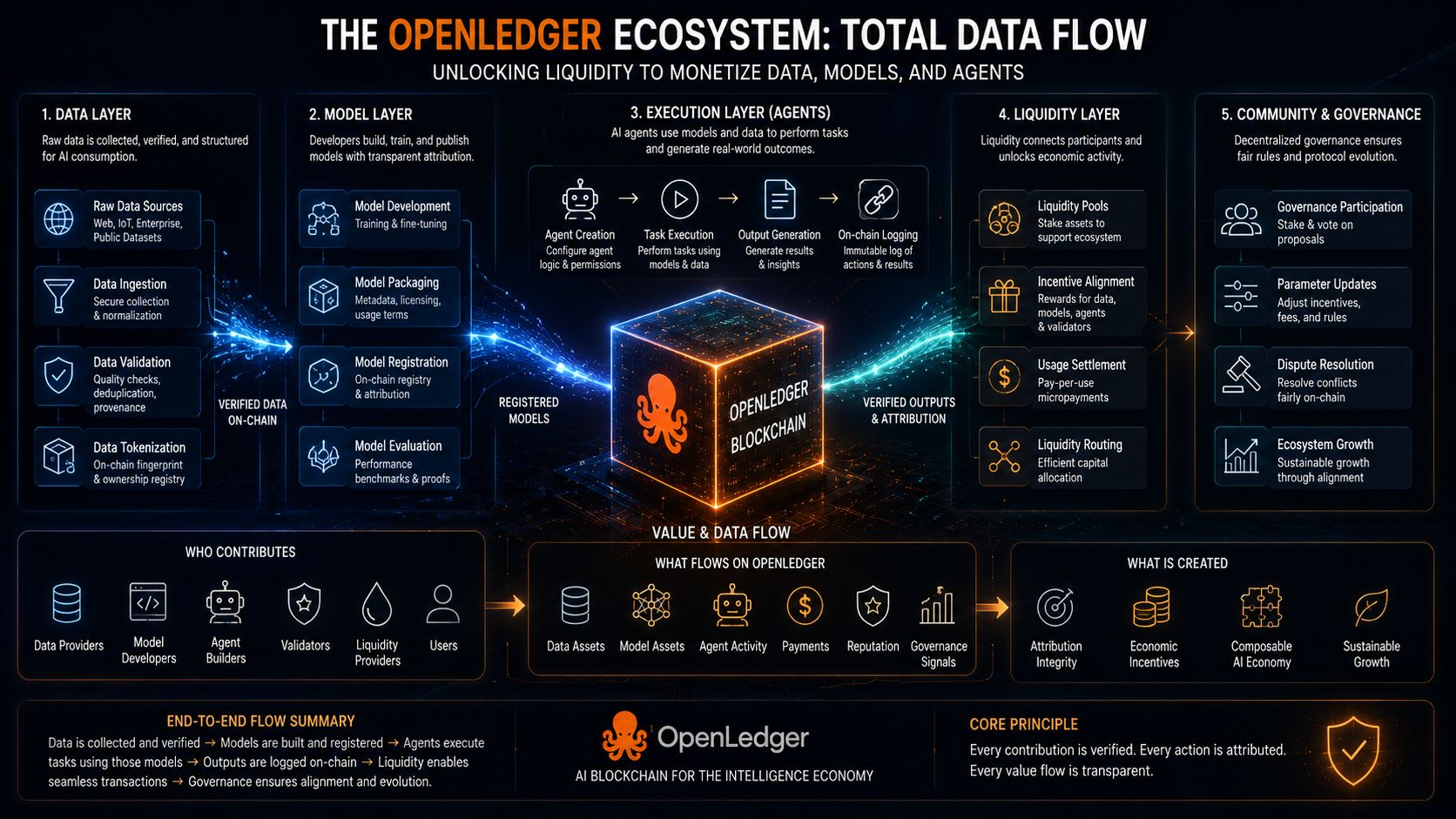
ဒါက သတ်မှတ်ရေး(အထောက်အထား) ကို အဓိကထားတဲ့ စနစ်တွေက ပုံမှန်အားဖြင့် ကြုံတွေ့တတ်တဲ့ ဝှက်ထားတဲ့ မတည်ငြိမ်မှု ဖြစ်တဲ့နေရာပါ။
informational density တိုးလာတာနဲ့ verification costs က transactional activity ထက်ပိုပြီး မြန်မြန်တက်လာပါတယ်။ ကွန်ယက်တွေက transaction တွေကို မလုပ်နိုင်လို့ မဟုတ်ဘဲ congestion အောက်မှာ interpretive clarity ကို ထိန်းသိမ်းနိုင်ဖို့ ခက်ခဲလာလို့ အားနည်းလာတတ်ပါတယ်။ attribution အငြင်းပွားမှုတွေ တိုးလာပါတယ်။ Economic routing က ပိုပြီး ဆူညံသွားပါတယ်။ coordination latency တိုးလာပါတယ်။
OpenLedger ရဲ့ အချက်အချာအဆောက်အအုံက ဒီပတ်ဝန်းကျင်ကို ထိထိရောက်ရောက် ကိုင်တွယ်နိုင်မယ်ဆိုရင် project က AI trends တွေနဲ့ ဇာတ်ကြောင်းညီညွတ်မှုသာမက လက်တွေ့ infrastructure resilience တကယ်ပါရှိတယ်ဆိုတာကို ပြဆိုနိုင်ပါလိမ့်မယ်။
ဒါပေမဲ့ ဆန့်ကျင်ဘက်အခြေအနေကလည်း ဖြစ်နိုင်ပါတယ်။
attribution အငြင်းပွားမှုတွေမှာ validator ညှိနှိုင်းမှု နှေးကွေးသွားတာလား၊ ဒါမှမဟုတ် အုပ်ချုပ်ရေးဝင်ရောက်မှု(governance intervention) က မကြာခဏလိုအပ်လာတာလားဆိုရင် စနစ်က တဖြည်းဖြည်း “soft centralization” လိုမျိုးဆီကို ပြောင်းသွားနိုင်ပါတယ်။ အဲ့ဒီမှာ အယောက်အနည်းငယ်က မသတ်မှတ်ထားတဲ့နည်းနဲ့ပဲ မသေချာတဲ့ကာလတွေမှာ အဓိပ္ပာယ်ဖော်တဲ့ စံနှုန်းတွေကို လက်တွေ့ကျကျ တည်ငြိမ်အောင် စီမံတတ်ကြပါတယ်။ အခြေခံအဆောက်အအုံ ကွန်ယက်တော်တော်များများက ဒီအခြေအနေထဲကို မသိမသာနဲ့ပဲ လှိမ့်ဝင်သွားတတ်ပါတယ်။ လည်ပတ်ရေးပိုင်းအရ decentralization က ရှင်သန်နေသေးပေမယ့် လူမှုရေးပိုင်းမှာ လက်တွေ့အာဏာက စုစည်းသွားတတ်ပါတယ်။
ဒါကြောင့် OpenLedger ကို အဓိကအားဖြင့် AI narrative asset လို ခွဲခြမ်းစိတ်ဖြာမထားသင့်ပါဘူး။
ဒါကို composable intelligence infrastructure အတွင်းမှာ economic attribution တည်ငြိမ်နေမနေနဲ့ စမ်းသပ်မှုတစ်ခုအဖြစ် ပိုသဘောပေါက်လို့ရပါတယ်။ ဒါက transaction scalability ဒါမှမဟုတ် liquidity pools တွေကို ချိတ်ဆက်တာထက် များစွာ ပိုခက်တဲ့ ပြဿနာပါ—attribution failure က incentive structures တွေ ပျက်ယွင်းပြီးမှသာ မြင်သာတတ်လို့ပါ။
ဒါကြောင့် project ရဲ့ ရေရှည်ခံနိုင်ရည်(durability) က expansion speed ထက် လျော့ပြီး အချက်အချာအဆောက်အအုံက coordination mechanisms တွေက adversarial behavior၊ governance disagreement၊ execution congestion ကို တစ်ပြိုင်နက် ကြုံလာတဲ့အခါ informational legitimacy ကို ထိန်းသိမ်းနိုင်မနိုင်ပေါ်မှာ ပိုမူတည်ပါတယ်။
ဒါက လက်ရှိဈေးကွက်အများစုက လက်မခံထားသလို အတော်လေး ပိုပြီး demanding ဖြစ်တဲ့ infrastructure challenge တစ်ခုပါ။
စိတ်ဝင်စားဖို့ကောင်းတဲ့အချက်က OpenLedger က အပြည့်အဝအောင်မြင်မအောင်မြင် မဟုတ်ပါဘူး။ အကြီးစား coordination system တစ်ခုမှ အပြည့်အဝမဖြစ်နိုင်ပါဘူး။ ပိုအရေးကြီးတဲ့ သတိပြုချက်ကတော့ project က ဖိအားအမှန်တကယ်ရှိတဲ့ pressure points တွေ ဘယ်နေရာတွေမှာရှိတယ်ဆိုတာကို အသိအမှတ်ပြုဖို့ ကြိုးစားနေသလို မြင်ရတာပါ။ AI blockchain စနစ်များစွာက accessibility ကို ဦးစားပေး optimizing လုပ်ပြီး governance clarity ကိုတော့ နောက်မှချန်ထားကြပါတယ်။ OpenLedger ကတော့ attribution stability ကို အပေါ်ယံအင်္ဂါရပ်တစ်ခုလို မဟုတ်ဘဲ အခြေခံ infrastructure အဖြစ် တိတ်တိတ်လေး ယူဆကာ order ကို မတူတစ်မျိုးနဲ့ ချဉ်းကပ်နေသလိုပဲ။
ဒီ design philosophy က လက်ရှိကာလအတိုင်း simple ဖြစ်မှုကို လျော့ချနိုင်ပေမယ့် structural seriousness ကို တိုးစေပါတယ်။
အခြေခံအဆောက်အအုံက စနစ်တွေ လုံးဝမလုပ်တော့လို့ မကြာခဏ ပြိုကျမသွားပါဘူး။ အများအားဖြင့်တော့ productive coordination ကို performative participation နဲ့ ခွဲခြားနိုင်စွမ်းကို ဆုံးရှုံးသွားလို့ ပြိုကျပါတယ်။ အဲဒီခွဲခြားမှု ယိုယွင်းလာတာနဲ့ မက်လုံးတွေက တန်ဖိုးထက်ပိုပြီး ဆူညံသံ(noise) ကို မြန်မြန်တိုးချဲ့လာစပါတယ်။
OpenLedger ရဲ့ အချက်အချာအဆောက်အအုံ(architecture) က အဲ့ဒီတိတိကျကျ အကျိုးဆက်ကို တွန်းလှန်ဖို့ တည်ဆောက်ထားသလိုပဲ မြင်ရပါတယ်။
အမှန်တကယ် စီးပွားရေးဖိအားအောက်မှာ အဲ့ဒီတွန်းလှန်မှုကို ထိန်းထားနိုင်မနိုင်ကတော့ နောက်ဆုံးမှာ အဓိက တည်ဆောက်ပုံဆိုင်ရာ မေးခွန်းတစ်ခုသာ ဖြစ်နေတယ်။