
#tronecostar
tronecostar
4.3M ຄັ້ງທີ່ເບິ່ງ
1.1M ກຳລັງສົນທະນາ
ມາແຮງ
ຫຼ້າສຸດ

·
--
𝐓𝐑𝐎𝐍 𝐀𝐍𝐃 𝐓𝐇𝐄 𝐍𝐄𝐗𝐓 𝐏𝐇𝐀𝐒𝐄 𝐎𝐅 𝐓𝐎𝐊𝐄𝐍𝐈𝐙𝐄𝐃 𝐄𝐐𝐔𝐈𝐓𝐈𝐄𝐒𝐓𝐑𝐎𝐍 𝐀𝐍𝐃 𝐓𝐇𝐄 𝐍𝐄𝐗𝐓 𝐏𝐇𝐀𝐒𝐄 𝐎𝐅 𝐓𝐎𝐊𝐄𝐍𝐈𝐙𝐄𝐃 𝐄𝐐𝐔𝐈𝐓𝐈𝐄𝐒
𝐓𝐑𝐎𝐍’𝐒 𝐍𝐄𝐖 𝐒𝐓𝐑𝐀𝐓𝐄𝐆𝐈𝐂 𝐃𝐈𝐑𝐄𝐂𝐓𝐈𝐎𝐍
Justin Sun has identified tokenized stocks as a key focus for TRON this quarter, with tokenized share offerings targeted for Q4 2026. The ambition is to bring US equities and Treasury products onto blockchain rails, potentially making these financial instruments more accessible to users across Asia and emerging markets.
This is a significant strategic direction for a network that has already established a strong position in global stablecoin activity.
𝐓𝐇𝐄 𝐒𝐓𝐀𝐁𝐋𝐄𝐂𝐎𝐈𝐍 𝐀𝐃𝐕𝐀𝐍𝐓𝐀𝐆𝐄
TRON’s strongest starting point is its existing financial infrastructure. The network reportedly holds more than $92.7 billion in USDT, representing over half of the global supply, alongside more than 400 million accounts and approximately 4.33 million daily active users.
These figures matter because tokenized securities need more than a blockchain on which to exist. They require liquidity, reliable settlement infrastructure and an established user base. TRON already has meaningful foundations in these areas through its stablecoin ecosystem.
𝐅𝐑𝐎𝐌 𝐒𝐓𝐀𝐁𝐋𝐄𝐂𝐎𝐈𝐍𝐒 𝐓𝐎 𝐓𝐎𝐊𝐄𝐍𝐈𝐙𝐄𝐃 𝐀𝐒𝐒𝐄𝐓𝐒
TRON already hosts xStocks, which provides tokenized exposure to companies such as Tesla and Nvidia through offerings associated with Kraken and Backed.
This creates an existing reference point for the broader strategy. The next step would be expanding the range of tokenized financial products and building stronger connections between traditional markets and on-chain settlement. However, tokenized exposure is not automatically equivalent to direct share ownership; investors must understand the legal rights, issuer structure and redemption conditions behind each product.
𝐑𝐄𝐆𝐔𝐋𝐀𝐓𝐈𝐎𝐍 𝐖𝐈𝐋𝐋 𝐃𝐄𝐅𝐈𝐍𝐄 𝐓𝐇𝐄 𝐎𝐔𝐓𝐂𝐎𝐌𝐄
The opportunity is substantial, but execution will depend on more than technology. TRON DAO still describes the initiative as an exploration, while tokenized securities face different regulatory requirements across jurisdictions.
For TRON, the challenge is to combine its existing USDT distribution network with compliant issuance, transparent asset backing and dependable investor protections. If these elements come together, tokenized stocks could become a meaningful extension of TRON’s role in global digital finance.
@JustinSun @DeFi_JUST #TRONEcoStar
𝐓𝐑𝐎𝐍 𝐀𝐍𝐃 𝐓𝐇𝐄 𝐍𝐄𝐗𝐓 𝐏𝐇𝐀𝐒𝐄 𝐎𝐅 𝐓𝐎𝐊𝐄𝐍𝐈𝐙𝐄𝐃 𝐄𝐐𝐔𝐈𝐓𝐈𝐄𝐒
𝐓𝐑𝐎𝐍 𝐀𝐍𝐃 𝐓𝐇𝐄 𝐍𝐄𝐗𝐓 𝐏𝐇𝐀𝐒𝐄 𝐎𝐅 𝐓𝐎𝐊𝐄𝐍𝐈𝐙𝐄𝐃 𝐄𝐐𝐔𝐈𝐓𝐈𝐄𝐒
𝐓𝐑𝐎𝐍’𝐒 𝐍𝐄𝐖 𝐒𝐓𝐑𝐀𝐓𝐄𝐆𝐈𝐂 𝐃𝐈𝐑𝐄𝐂𝐓𝐈𝐎𝐍
Justin Sun has identified tokenized stocks as a key focus for TRON this quarter, with tokenized share offerings targeted for Q4 2026. The ambition is to bring US equities and Treasury products onto blockchain rails, potentially making these financial instruments more accessible to users across Asia and emerging markets.
This is a significant strategic direction for a network that has already established a strong position in global stablecoin activity.
𝐓𝐇𝐄 𝐒𝐓𝐀𝐁𝐋𝐄𝐂𝐎𝐈𝐍 𝐀𝐃𝐕𝐀𝐍𝐓𝐀𝐆𝐄
TRON’s strongest starting point is its existing financial infrastructure. The network reportedly holds more than $92.7 billion in USDT, representing over half of the global supply, alongside more than 400 million accounts and approximately 4.33 million daily active users.
These figures matter because tokenized securities need more than a blockchain on which to exist. They require liquidity, reliable settlement infrastructure and an established user base. TRON already has meaningful foundations in these areas through its stablecoin ecosystem.
𝐅𝐑𝐎𝐌 𝐒𝐓𝐀𝐁𝐋𝐄𝐂𝐎𝐈𝐍𝐒 𝐓𝐎 𝐓𝐎𝐊𝐄𝐍𝐈𝐙𝐄𝐃 𝐀𝐒𝐒𝐄𝐓𝐒
TRON already hosts xStocks, which provides tokenized exposure to companies such as Tesla and Nvidia through offerings associated with Kraken and Backed.
This creates an existing reference point for the broader strategy. The next step would be expanding the range of tokenized financial products and building stronger connections between traditional markets and on-chain settlement. However, tokenized exposure is not automatically equivalent to direct share ownership; investors must understand the legal rights, issuer structure and redemption conditions behind each product.
𝐑𝐄𝐆𝐔𝐋𝐀𝐓𝐈𝐎𝐍 𝐖𝐈𝐋𝐋 𝐃𝐄𝐅𝐈𝐍𝐄 𝐓𝐇𝐄 𝐎𝐔𝐓𝐂𝐎𝐌𝐄
The opportunity is substantial, but execution will depend on more than technology. TRON DAO still describes the initiative as an exploration, while tokenized securities face different regulatory requirements across jurisdictions.
For TRON, the challenge is to combine its existing USDT distribution network with compliant issuance, transparent asset backing and dependable investor protections. If these elements come together, tokenized stocks could become a meaningful extension of TRON’s role in global digital finance.
@Justin Sun孙宇晨 @JUST DAO #TRONEcoStar
1
1
204

·
--
JST Expands Its Real-World Utility Through Travala
One of the important developments in crypto adoption is seeing digital assets move beyond trading and become useful in everyday transactions.
JST taking another step in that direction through its integration with Travala is worth paying attention to.
With JST now supported as a payment option on Travala, users can access a travel marketplace offering more than 3 million booking options, including:
• Hotels and accommodation
• Flight bookings
• Car rentals
• Travel activities and experiences
This integration gives JST holders another practical use case: paying for travel-related services with their tokens.
The bigger picture is what this means for the TRON ecosystem.
A cryptocurrency becomes more useful when people have meaningful opportunities to spend it, not just hold or trade it. Connecting JST to an established travel booking platform is another step toward expanding its utility beyond DeFi.
However, the real measure of this development will be how much adoption and actual payment activity follow.
For me, this is the kind of ecosystem development worth watching: connecting blockchain assets with services people already use in the real world.
TRON's payment utility continues to expand, one integration at a time.
@TRONDAO @JustinSun @DeFi_JUST #TRONEcoStar
JST Expands Its Real-World Utility Through Travala
One of the important developments in crypto adoption is seeing digital assets move beyond trading and become useful in everyday transactions.
JST taking another step in that direction through its integration with Travala is worth paying attention to.
With JST now supported as a payment option on Travala, users can access a travel marketplace offering more than 3 million booking options, including:
• Hotels and accommodation
• Flight bookings
• Car rentals
• Travel activities and experiences
This integration gives JST holders another practical use case: paying for travel-related services with their tokens.
The bigger picture is what this means for the TRON ecosystem.
A cryptocurrency becomes more useful when people have meaningful opportunities to spend it, not just hold or trade it. Connecting JST to an established travel booking platform is another step toward expanding its utility beyond DeFi.
However, the real measure of this development will be how much adoption and actual payment activity follow.
For me, this is the kind of ecosystem development worth watching: connecting blockchain assets with services people already use in the real world.
TRON's payment utility continues to expand, one integration at a time.
@TRON DAO @Justin Sun孙宇晨 @JUST DAO #TRONEcoStar

TRON DAO
·
--
Travala now supports the TRON ecosystem. 🔻
JST is now live on Travala, so users can book from 3M+ hotels, flights, car rentals and activities and pay with JST.
Another step forward for payments on TRON.
Read more 👇
https://x.com/trondao/status/2125850322472255622
JST is now live on Travala, so users can book from 3M+ hotels, flights, car rentals and activities and pay with JST.
Another step forward for payments on TRON.
Read more 👇
https://x.com/trondao/status/2125850322472255622

118
·
--
Why SunSwap Is an Important Part of the SUN Ecosystem
A decentralized financial ecosystem needs a reliable way for users to exchange assets and access liquidity. This is where SunSwap plays an important role within the SUN Ecosystem.
SunSwap serves as the decentralized exchange layer, allowing users to swap supported tokens on the TRON network without relying on a traditional centralized exchange.
But its importance goes beyond token swaps.
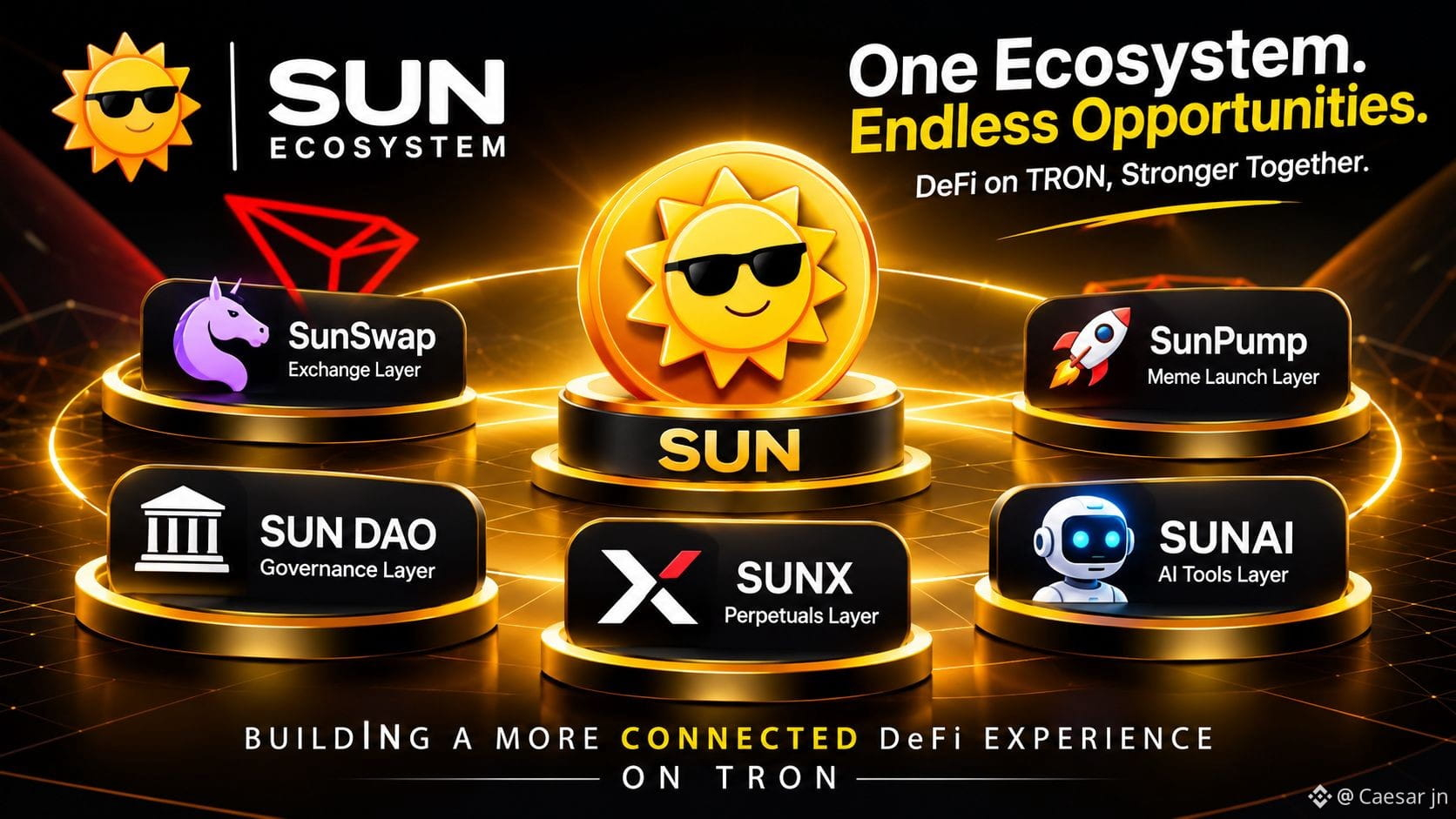
As the exchange component of the wider SUN Ecosystem, SunSwap fits into a structure that also includes SunPump, SUN DAO, SUNX and SUNAI.
This creates a broader vision:
• Token exchange and liquidity through SunSwap.
• Meme-token launches through SunPump.
• Community governance through SUN DAO.
• Decentralized perpetual trading through SUNX.
• AI-focused tools through SUNAI.
My perspective is that the strength of an ecosystem should not be measured simply by how many products it has. What matters is whether those products provide useful services and create reasons for users to remain active.
SunSwap has an important role in that bigger picture because liquidity and accessible token exchange are fundamental parts of DeFi.
The next important question is how effectively the different components can complement one another as the SUN Ecosystem develops.
@SunPump_meme @JustinSun #TRONEcoStar
Why SunSwap Is an Important Part of the SUN Ecosystem
A decentralized financial ecosystem needs a reliable way for users to exchange assets and access liquidity. This is where SunSwap plays an important role within the SUN Ecosystem.
SunSwap serves as the decentralized exchange layer, allowing users to swap supported tokens on the TRON network without relying on a traditional centralized exchange.
But its importance goes beyond token swaps.
As the exchange component of the wider SUN Ecosystem, SunSwap fits into a structure that also includes SunPump, SUN DAO, SUNX and SUNAI.
This creates a broader vision:
• Token exchange and liquidity through SunSwap.
• Meme-token launches through SunPump.
• Community governance through SUN DAO.
• Decentralized perpetual trading through SUNX.
• AI-focused tools through SUNAI.
My perspective is that the strength of an ecosystem should not be measured simply by how many products it has. What matters is whether those products provide useful services and create reasons for users to remain active.
SunSwap has an important role in that bigger picture because liquidity and accessible token exchange are fundamental parts of DeFi.
The next important question is how effectively the different components can complement one another as the SUN Ecosystem develops.
@OfficialSUNio @Justin Sun孙宇晨 #TRONEcoStar
47
·
--
SUN Ecosystem: Building a More Connected DeFi Experience on TRON
A strong DeFi ecosystem needs more than an exchange. It needs different products working together to serve different needs across decentralized finance.
That is the broader idea behind the SUN Ecosystem.
Each product has a distinct role:
• SunSwap: The decentralized exchange layer for token swaps and liquidity.
• SunPump: A launch platform designed to support meme-token creation and participation.
• SUN DAO: The governance layer, giving the ecosystem a structure for community participation and decision-making.
• SUNX: The decentralized perpetual trading component.
• SUNAI: The AI-focused tools layer, extending the ecosystem's capabilities.
What makes this structure worth paying attention to is the division of responsibilities. Instead of approaching every DeFi activity as a separate experience, SUN brings trading, token launches, governance, derivatives and AI tools under one ecosystem.
This is an important direction for TRON DeFi. A connected ecosystem can create more opportunities for users, developers and liquidity to interact across different applications.
The real measure of its success will be adoption, useful products, sustainable activity and how effectively these components work together.
The opportunity is bigger than having multiple products under one name. It is about building infrastructure that makes decentralized finance more accessible and interconnected.
@SunPump_meme @JustinSun #TRONEcoStar
SUN Ecosystem: Building a More Connected DeFi Experience on TRON
A strong DeFi ecosystem needs more than an exchange. It needs different products working together to serve different needs across decentralized finance.
That is the broader idea behind the SUN Ecosystem.
Each product has a distinct role:
• SunSwap: The decentralized exchange layer for token swaps and liquidity.
• SunPump: A launch platform designed to support meme-token creation and participation.
• SUN DAO: The governance layer, giving the ecosystem a structure for community participation and decision-making.
• SUNX: The decentralized perpetual trading component.
• SUNAI: The AI-focused tools layer, extending the ecosystem's capabilities.
What makes this structure worth paying attention to is the division of responsibilities. Instead of approaching every DeFi activity as a separate experience, SUN brings trading, token launches, governance, derivatives and AI tools under one ecosystem.
This is an important direction for TRON DeFi. A connected ecosystem can create more opportunities for users, developers and liquidity to interact across different applications.
The real measure of its success will be adoption, useful products, sustainable activity and how effectively these components work together.
The opportunity is bigger than having multiple products under one name. It is about building infrastructure that makes decentralized finance more accessible and interconnected.
@OfficialSUNio @Justin Sun孙宇晨 #TRONEcoStar
32

·
--
𝗛𝗢𝗪 𝗟𝗜𝗤𝗨𝗜𝗗 𝗦𝗧𝗔𝗞𝗜𝗡𝗚 𝗧𝗥𝗔𝗡𝗦𝗙𝗢𝗥𝗠𝗦 𝗧𝗥𝗫 𝗜𝗡𝗧𝗢 𝗔 𝗣𝗥𝗢𝗗𝗨𝗖𝗧𝗜𝗩𝗘𝗝𝗨𝗦𝗧𝗟𝗘𝗡𝗗 𝘀𝗧𝗥𝗫 𝗔𝗧 𝟰.𝟬𝟮% 𝗔𝗣𝗬: 𝗛𝗢𝗪 𝗟𝗜𝗤𝗨𝗜𝗗 𝗦𝗧𝗔𝗞𝗜𝗡𝗚 𝗧𝗥𝗔𝗡𝗦𝗙𝗢𝗥𝗠𝗦 𝗧𝗥𝗫 𝗜𝗡𝗧𝗢 𝗔 𝗣𝗥𝗢𝗗𝗨𝗖𝗧𝗜𝗩𝗘 𝗔𝗦𝗦𝗘𝗧
Holding TRX provides exposure to the development of the TRON network, but liquid staking introduces an additional dimension: the ability to generate returns from the network's underlying economic activities.
Through JustLend DAO, users can stake TRX and receive sTRX, a liquid staking token that represents their participation in the staking mechanism.
What makes sTRX particularly interesting is its combination of governance rewards and Energy Rental income.
Rather than relying exclusively on conventional staking rewards, this model connects token holders with demand for blockchain resources.
The distinction matters because sustainable DeFi returns should ultimately be evaluated through the economic activities supporting them, rather than advertised percentages alone.
𝗧𝗪𝗢 𝗥𝗘𝗩𝗘𝗡𝗨𝗘 𝗦𝗧𝗥𝗘𝗔𝗠𝗦 𝗕𝗘𝗛𝗜𝗡𝗗 𝗝𝗨𝗦𝗧𝗟𝗘𝗡𝗗'𝗦 𝘀𝗧𝗥𝗫
According to JustLend DAO's latest announcement:
• Staking asset: TRX.
• Liquid staking token: sTRX.
• Seven-day average APY: 4.02%.
• Primary yield sources: TRON governance rewards and Energy Rental income.
These two sources represent different aspects of TRON's network economy.
Governance rewards originate from participation in TRON's staking and voting mechanisms.
Energy Rental income connects staking returns with demand for computational resources used to execute smart contract transactions.
For example, users and businesses conducting TRC-20 stablecoin transfers require Energy or must pay the corresponding transaction costs.
Energy Rental provides an alternative mechanism for accessing these resources, potentially creating economic opportunities for resource providers.
The combination allows sTRX holders to participate indirectly in both network governance economics and resource utilization.
However, the announcement does not disclose the individual contribution of each revenue stream to the reported 4.02% APY. The figure is a historical seven-day average, not a guaranteed future return.
Official staking interface:
https://app.justlend.org/strx
𝗠𝗬 𝗣𝗘𝗥𝗦𝗢𝗡𝗔𝗟 𝗩𝗜𝗘𝗪: 𝗧𝗛𝗘 𝗥𝗘𝗔𝗟 𝗩𝗔𝗟𝗨𝗘 𝗢𝗙 𝘀𝗧𝗥𝗫 𝗟𝗜𝗘𝗦 𝗜𝗡 𝗖𝗔𝗣𝗜𝗧𝗔𝗟 𝗣𝗥𝗢𝗗𝗨𝗖𝗧𝗜𝗩𝗜𝗧𝗬
I believe liquid staking should be evaluated as a capital management mechanism rather than simply another passive income product.
Consider a hypothetical long-term holder staking 100,000 TRX through JustLend DAO.
Assuming the reported 4.02% APY remains unchanged throughout the year:
• Initial capital: 100,000 TRX.
• Estimated annual return: 4,020 TRX equivalent.
• Estimated year-end position: 104,020 TRX equivalent.
• Average monthly return: approximately 335 TRX equivalent.
At an assumed TRX price of $0.30:
• Initial capital value: $30,000.
• Annual staking return: $1,206.
• Estimated year-end value: $31,206.
Now consider how market volatility affects the same position.
If TRX declines by 20% to $0.24:
• Estimated year-end position: 104,020 TRX equivalent.
• Estimated market value: $24,964.80.
• Net change against initial dollar value: approximately -16.78%.
Despite accumulating additional TRX-equivalent value through staking, the investor would still experience a decline in dollar-denominated capital.
These calculations are illustrative, exclude fees and assume a constant APY. The $0.30 TRX price is hypothetical, not a verified current market quotation.
Actual returns may be reflected through the sTRX-to-TRX exchange rate rather than additional sTRX tokens appearing in the user's wallet.
This distinction highlights an important principle: staking yield increases asset-denominated productivity, but it does not eliminate exposure to market volatility.
Users must also consider smart contract security, redemption conditions, secondary-market liquidity and potential deviations between sTRX's market price and its underlying redemption value.
𝗙𝗥𝗢𝗠 𝗘𝗡𝗘𝗥𝗚𝗬 𝗥𝗘𝗡𝗧𝗔𝗟 𝗧𝗢 𝗔 𝗠𝗢𝗥𝗘 𝗣𝗥𝗢𝗗𝗨𝗖𝗧𝗜𝗩𝗘 𝗧𝗥𝗢𝗡 𝗘𝗖𝗢𝗡𝗢𝗠𝗬
The long-term opportunity for sTRX extends beyond the current 4.02% APY.
TRON's resource model creates an economic relationship between staked capital and blockchain usage.
As stablecoin payments, decentralized trading and smart contract activity expand, demand for Energy may increase. Under favorable market conditions, this could support additional rental income for resource providers.
However, higher transaction activity does not automatically translate into higher staking yields. Energy supply, rental pricing, resource efficiency and protocol revenue distribution also influence profitability.
The indicators I would prioritize when evaluating sTRX include:
• Total TRX deposited into liquid staking.
• Historical sTRX-to-TRX exchange rate growth.
• Governance reward contribution.
• Energy Rental revenue contribution.
• Energy utilization and rental pricing.
• Historical APY stability.
• Redemption liquidity and withdrawal conditions.
• Net returns after applicable protocol costs.
These metrics would provide a clearer understanding of whether sTRX generates sustainable returns supported by genuine network demand.
Public research resources:
https://app.justlend.org/strx
https://just.network
https://tronscan.org
https://developers.tron.network
In my assessment, JustLend DAO's liquid staking model illustrates how blockchain infrastructure can transform a native token into a productive financial asset.
TRX provides the underlying network capital.
Governance participation contributes staking rewards.
Energy Rental connects that capital with practical blockchain resource demand.
sTRX represents participation in the combined economic mechanism.
The most compelling aspect of this architecture is not necessarily achieving the highest possible APY. It is establishing a sustainable relationship between capital deployment, network utilization and transparent reward generation.
A productive asset should derive its long-term value from the economic activities it supports, not merely from temporary incentives.
That is the fundamental opportunity behind JustLend DAO's sTRX strategy.
@DeFi_JUST @TRONDAO
@JustinSun #TRONEcoStar
𝗛𝗢𝗪 𝗟𝗜𝗤𝗨𝗜𝗗 𝗦𝗧𝗔𝗞𝗜𝗡𝗚 𝗧𝗥𝗔𝗡𝗦𝗙𝗢𝗥𝗠𝗦 𝗧𝗥𝗫 𝗜𝗡𝗧𝗢 𝗔 𝗣𝗥𝗢𝗗𝗨𝗖𝗧𝗜𝗩𝗘
𝗝𝗨𝗦𝗧𝗟𝗘𝗡𝗗 𝘀𝗧𝗥𝗫 𝗔𝗧 𝟰.𝟬𝟮% 𝗔𝗣𝗬: 𝗛𝗢𝗪 𝗟𝗜𝗤𝗨𝗜𝗗 𝗦𝗧𝗔𝗞𝗜𝗡𝗚 𝗧𝗥𝗔𝗡𝗦𝗙𝗢𝗥𝗠𝗦 𝗧𝗥𝗫 𝗜𝗡𝗧𝗢 𝗔 𝗣𝗥𝗢𝗗𝗨𝗖𝗧𝗜𝗩𝗘 𝗔𝗦𝗦𝗘𝗧
Holding TRX provides exposure to the development of the TRON network, but liquid staking introduces an additional dimension: the ability to generate returns from the network's underlying economic activities.
Through JustLend DAO, users can stake TRX and receive sTRX, a liquid staking token that represents their participation in the staking mechanism.
What makes sTRX particularly interesting is its combination of governance rewards and Energy Rental income.
Rather than relying exclusively on conventional staking rewards, this model connects token holders with demand for blockchain resources.
The distinction matters because sustainable DeFi returns should ultimately be evaluated through the economic activities supporting them, rather than advertised percentages alone.
𝗧𝗪𝗢 𝗥𝗘𝗩𝗘𝗡𝗨𝗘 𝗦𝗧𝗥𝗘𝗔𝗠𝗦 𝗕𝗘𝗛𝗜𝗡𝗗 𝗝𝗨𝗦𝗧𝗟𝗘𝗡𝗗'𝗦 𝘀𝗧𝗥𝗫
According to JustLend DAO's latest announcement:
• Staking asset: TRX.
• Liquid staking token: sTRX.
• Seven-day average APY: 4.02%.
• Primary yield sources: TRON governance rewards and Energy Rental income.
These two sources represent different aspects of TRON's network economy.
Governance rewards originate from participation in TRON's staking and voting mechanisms.
Energy Rental income connects staking returns with demand for computational resources used to execute smart contract transactions.
For example, users and businesses conducting TRC-20 stablecoin transfers require Energy or must pay the corresponding transaction costs.
Energy Rental provides an alternative mechanism for accessing these resources, potentially creating economic opportunities for resource providers.
The combination allows sTRX holders to participate indirectly in both network governance economics and resource utilization.
However, the announcement does not disclose the individual contribution of each revenue stream to the reported 4.02% APY. The figure is a historical seven-day average, not a guaranteed future return.
Official staking interface:
https://app.justlend.org/strx
𝗠𝗬 𝗣𝗘𝗥𝗦𝗢𝗡𝗔𝗟 𝗩𝗜𝗘𝗪: 𝗧𝗛𝗘 𝗥𝗘𝗔𝗟 𝗩𝗔𝗟𝗨𝗘 𝗢𝗙 𝘀𝗧𝗥𝗫 𝗟𝗜𝗘𝗦 𝗜𝗡 𝗖𝗔𝗣𝗜𝗧𝗔𝗟 𝗣𝗥𝗢𝗗𝗨𝗖𝗧𝗜𝗩𝗜𝗧𝗬
I believe liquid staking should be evaluated as a capital management mechanism rather than simply another passive income product.
Consider a hypothetical long-term holder staking 100,000 TRX through JustLend DAO.
Assuming the reported 4.02% APY remains unchanged throughout the year:
• Initial capital: 100,000 TRX.
• Estimated annual return: 4,020 TRX equivalent.
• Estimated year-end position: 104,020 TRX equivalent.
• Average monthly return: approximately 335 TRX equivalent.
At an assumed TRX price of $0.30:
• Initial capital value: $30,000.
• Annual staking return: $1,206.
• Estimated year-end value: $31,206.
Now consider how market volatility affects the same position.
If TRX declines by 20% to $0.24:
• Estimated year-end position: 104,020 TRX equivalent.
• Estimated market value: $24,964.80.
• Net change against initial dollar value: approximately -16.78%.
Despite accumulating additional TRX-equivalent value through staking, the investor would still experience a decline in dollar-denominated capital.
These calculations are illustrative, exclude fees and assume a constant APY. The $0.30 TRX price is hypothetical, not a verified current market quotation.
Actual returns may be reflected through the sTRX-to-TRX exchange rate rather than additional sTRX tokens appearing in the user's wallet.
This distinction highlights an important principle: staking yield increases asset-denominated productivity, but it does not eliminate exposure to market volatility.
Users must also consider smart contract security, redemption conditions, secondary-market liquidity and potential deviations between sTRX's market price and its underlying redemption value.
𝗙𝗥𝗢𝗠 𝗘𝗡𝗘𝗥𝗚𝗬 𝗥𝗘𝗡𝗧𝗔𝗟 𝗧𝗢 𝗔 𝗠𝗢𝗥𝗘 𝗣𝗥𝗢𝗗𝗨𝗖𝗧𝗜𝗩𝗘 𝗧𝗥𝗢𝗡 𝗘𝗖𝗢𝗡𝗢𝗠𝗬
The long-term opportunity for sTRX extends beyond the current 4.02% APY.
TRON's resource model creates an economic relationship between staked capital and blockchain usage.
As stablecoin payments, decentralized trading and smart contract activity expand, demand for Energy may increase. Under favorable market conditions, this could support additional rental income for resource providers.
However, higher transaction activity does not automatically translate into higher staking yields. Energy supply, rental pricing, resource efficiency and protocol revenue distribution also influence profitability.
The indicators I would prioritize when evaluating sTRX include:
• Total TRX deposited into liquid staking.
• Historical sTRX-to-TRX exchange rate growth.
• Governance reward contribution.
• Energy Rental revenue contribution.
• Energy utilization and rental pricing.
• Historical APY stability.
• Redemption liquidity and withdrawal conditions.
• Net returns after applicable protocol costs.
These metrics would provide a clearer understanding of whether sTRX generates sustainable returns supported by genuine network demand.
Public research resources:
https://app.justlend.org/strx
https://just.network
https://tronscan.org
https://developers.tron.network
In my assessment, JustLend DAO's liquid staking model illustrates how blockchain infrastructure can transform a native token into a productive financial asset.
TRX provides the underlying network capital.
Governance participation contributes staking rewards.
Energy Rental connects that capital with practical blockchain resource demand.
sTRX represents participation in the combined economic mechanism.
The most compelling aspect of this architecture is not necessarily achieving the highest possible APY. It is establishing a sustainable relationship between capital deployment, network utilization and transparent reward generation.
A productive asset should derive its long-term value from the economic activities it supports, not merely from temporary incentives.
That is the fundamental opportunity behind JustLend DAO's sTRX strategy.
@JUST DAO @TRON DAO
@Justin Sun孙宇晨 #TRONEcoStar
185
·
--
𝗛𝗢𝗪 𝗖𝗔𝗡 𝗬𝗢𝗨 𝗨𝗡𝗟𝗢𝗖𝗞 𝗟𝗜𝗤𝗨𝗜𝗗𝗜𝗧𝗬 𝗪𝗜𝗧𝗛𝗢𝗨𝗧 𝗦𝗘𝗟𝗟𝗜𝗡𝗚 𝗬𝗢𝗨𝗥....𝗛𝗢𝗪 𝗖𝗔𝗡 𝗬𝗢𝗨 𝗨𝗡𝗟𝗢𝗖𝗞 𝗟𝗜𝗤𝗨𝗜𝗗𝗜𝗧𝗬 𝗪𝗜𝗧𝗛𝗢𝗨𝗧 𝗦𝗘𝗟𝗟𝗜𝗡𝗚 𝗬𝗢𝗨𝗥 𝗖𝗥𝗬𝗣𝗧𝗢?
𝗧𝗨𝗥𝗡𝗜𝗡𝗚 𝗖𝗢𝗟𝗟𝗔𝗧𝗘𝗥𝗔𝗟 𝗜𝗡𝗧𝗢 𝗟𝗜𝗤𝗨𝗜𝗗𝗜𝗧𝗬
Selling crypto is not the only way to access liquidity. The USDD Vault offers another approach: users can deposit supported assets such as ETH or WBTC as collateral and mint USDD against their position. This allows them to access stablecoin liquidity while retaining exposure to their deposited assets, although the collateral remains subject to the Vault’s rules and market risks.
𝗙𝗜𝗩𝗘 𝗦𝗧𝗘𝗣𝗦 𝗧𝗢 𝗢𝗣𝗘𝗡 𝗔 𝗩𝗔𝗨𝗟𝗧
The process is straightforward:
Connect a compatible wallet and prepare tokens for gas fees.Select a supported collateral asset and enter the deposit amount.Specify how much USDD to mint.Monitor the collateral ratio and maintain a sufficient safety buffer.Repay the outstanding debt in full to close the Vault and withdraw the collateral.
𝗥𝗜𝗦𝗞 𝗠𝗔𝗡𝗔𝗚𝗘𝗠𝗘𝗡𝗧 𝗜𝗦 𝗣𝗔𝗥𝗧 𝗢𝗙 𝗧𝗛𝗘 𝗦𝗧𝗥𝗔𝗧𝗘𝗚𝗬
A Vault is a collateralized borrowing position, not free liquidity. If collateral prices fall or the collateral ratio drops below the required threshold, liquidation may occur. Users should understand stability fees, collateral requirements, debt levels, and liquidation parameters before minting. Borrowing conservatively and monitoring positions regularly are essential.
𝗙𝗜𝗡𝗔𝗡𝗖𝗜𝗔𝗟 𝗙𝗟𝗘𝗫𝗜𝗕𝗜𝗟𝗜𝗧𝗬 𝗪𝗜𝗧𝗛 𝗖𝗢𝗡𝗧𝗥𝗢𝗟
The core benefit is flexibility: users can access USDD liquidity without immediately selling their ETH or WBTC. For DeFi participants who want to retain their market exposure while managing liquidity needs, the Vault provides an additional option. The key is to use it with a clear repayment plan and disciplined collateral management.
Learn more: https://docs.usdd.io/user-guide/ope Open the Vault: https://app.usdd.io/eth/
@JustinSun @usddio #TRONEcoStar
𝗛𝗢𝗪 𝗖𝗔𝗡 𝗬𝗢𝗨 𝗨𝗡𝗟𝗢𝗖𝗞 𝗟𝗜𝗤𝗨𝗜𝗗𝗜𝗧𝗬 𝗪𝗜𝗧𝗛𝗢𝗨𝗧 𝗦𝗘𝗟𝗟𝗜𝗡𝗚 𝗬𝗢𝗨𝗥....
𝗛𝗢𝗪 𝗖𝗔𝗡 𝗬𝗢𝗨 𝗨𝗡𝗟𝗢𝗖𝗞 𝗟𝗜𝗤𝗨𝗜𝗗𝗜𝗧𝗬 𝗪𝗜𝗧𝗛𝗢𝗨𝗧 𝗦𝗘𝗟𝗟𝗜𝗡𝗚 𝗬𝗢𝗨𝗥 𝗖𝗥𝗬𝗣𝗧𝗢?
𝗧𝗨𝗥𝗡𝗜𝗡𝗚 𝗖𝗢𝗟𝗟𝗔𝗧𝗘𝗥𝗔𝗟 𝗜𝗡𝗧𝗢 𝗟𝗜𝗤𝗨𝗜𝗗𝗜𝗧𝗬
Selling crypto is not the only way to access liquidity. The USDD Vault offers another approach: users can deposit supported assets such as ETH or WBTC as collateral and mint USDD against their position. This allows them to access stablecoin liquidity while retaining exposure to their deposited assets, although the collateral remains subject to the Vault’s rules and market risks.
𝗙𝗜𝗩𝗘 𝗦𝗧𝗘𝗣𝗦 𝗧𝗢 𝗢𝗣𝗘𝗡 𝗔 𝗩𝗔𝗨𝗟𝗧
The process is straightforward:
Connect a compatible wallet and prepare tokens for gas fees.Select a supported collateral asset and enter the deposit amount.Specify how much USDD to mint.Monitor the collateral ratio and maintain a sufficient safety buffer.Repay the outstanding debt in full to close the Vault and withdraw the collateral.
𝗥𝗜𝗦𝗞 𝗠𝗔𝗡𝗔𝗚𝗘𝗠𝗘𝗡𝗧 𝗜𝗦 𝗣𝗔𝗥𝗧 𝗢𝗙 𝗧𝗛𝗘 𝗦𝗧𝗥𝗔𝗧𝗘𝗚𝗬
A Vault is a collateralized borrowing position, not free liquidity. If collateral prices fall or the collateral ratio drops below the required threshold, liquidation may occur. Users should understand stability fees, collateral requirements, debt levels, and liquidation parameters before minting. Borrowing conservatively and monitoring positions regularly are essential.
𝗙𝗜𝗡𝗔𝗡𝗖𝗜𝗔𝗟 𝗙𝗟𝗘𝗫𝗜𝗕𝗜𝗟𝗜𝗧𝗬 𝗪𝗜𝗧𝗛 𝗖𝗢𝗡𝗧𝗥𝗢𝗟
The core benefit is flexibility: users can access USDD liquidity without immediately selling their ETH or WBTC. For DeFi participants who want to retain their market exposure while managing liquidity needs, the Vault provides an additional option. The key is to use it with a clear repayment plan and disciplined collateral management.
Learn more: https://docs.usdd.io/user-guide/ope Open the Vault: https://app.usdd.io/eth/
@Justin Sun孙宇晨 @USDD - Decentralized USD #TRONEcoStar
22
·
--
𝗪𝗛𝗬 𝗜𝗦 𝗕𝗜𝗡𝗔𝗡𝗖𝗘 𝗕𝗟𝗢𝗖𝗞𝗖𝗛𝗔𝗜𝗡 𝗪𝗘𝗘𝗞𝗪𝗛𝗬 𝗜𝗦 𝗕𝗜𝗡𝗔𝗡𝗖𝗘 𝗕𝗟𝗢𝗖𝗞𝗖𝗛𝗔𝗜𝗡 𝗪𝗘𝗘𝗞 𝗧𝗛𝗘 𝗣𝗘𝗥𝗙𝗘𝗖𝗧 𝗙𝗜𝗡𝗔𝗟𝗘 𝗙𝗢𝗥 𝗧𝗛𝗘 𝗧𝗥𝗢𝗡 𝗘𝗖𝗢 𝗧𝗛𝗔𝗡𝗞𝗦𝗚𝗜𝗩𝗜𝗡𝗚 𝗠𝗘𝗚𝗔 𝗧𝗢𝗨𝗥?
𝗧𝗛𝗘 𝗙𝗜𝗡𝗔𝗟 𝗦𝗧𝗢𝗣: 𝗕𝗔𝗡𝗚𝗞𝗢𝗞
The TRON Eco × BBW 2026 Thanksgiving Mega Tour is approaching its final destination: Binance Blockchain Week 2026 in Bangkok. After bringing ecosystem projects and communities together, the tour concludes with a two-day opportunity to connect directly with the global Web3 audience on November 28–29.
𝗙𝗜𝗩𝗘 𝗘𝗖𝗢𝗦𝗬𝗦𝗧𝗘𝗠 𝗣𝗥𝗢𝗝𝗘𝗖𝗧𝗦, 𝗢𝗡𝗘 𝗖𝗢𝗠𝗠𝗨𝗡𝗜𝗧𝗬
JUST will be at the event alongside four other TRON ecosystem projects: SUN.io, WINkLink, BitTorrent, and AINFT. Each contributes a different dimension to the ecosystem, from DeFi and liquidity to oracle infrastructure, decentralized services, and AI-powered digital experiences. Together, they demonstrate the diversity of products being developed across TRON.
𝗠𝗢𝗥𝗘 𝗧𝗛𝗔𝗡 𝗔 𝗕𝗢𝗢𝗧𝗛 𝗘𝗫𝗣𝗘𝗥𝗜𝗘𝗡𝗖𝗘
For attendees, the TRON booth is an opportunity to meet project teams, explore ecosystem products, participate in activities, and discover surprises prepared for the event. Direct conversations and community interaction help turn online engagement into meaningful connections.
𝗔 𝗦𝗧𝗥𝗢𝗡𝗚 𝗙𝗜𝗡𝗔𝗟𝗘 𝗙𝗢𝗥 𝗧𝗛𝗘 𝗘𝗖𝗢𝗦𝗬𝗦𝗧𝗘𝗠
The broader value of this gathering lies in bringing different projects under one ecosystem identity. Collaboration, visibility, and real-world engagement can help more people understand how these services connect and where they fit into the wider Web3 landscape.
📍 Queen Sirikit National Convention Center (QSNCC), Bangkok, Thailand
📅 November 28–29, 2026
See you at Binance Blockchain Week!
@JustinSun @BinanceWallet @SunPump_meme @WINkLink_Official
@BitTorrent_Official #TRONEcoStar
𝗪𝗛𝗬 𝗜𝗦 𝗕𝗜𝗡𝗔𝗡𝗖𝗘 𝗕𝗟𝗢𝗖𝗞𝗖𝗛𝗔𝗜𝗡 𝗪𝗘𝗘𝗞
𝗪𝗛𝗬 𝗜𝗦 𝗕𝗜𝗡𝗔𝗡𝗖𝗘 𝗕𝗟𝗢𝗖𝗞𝗖𝗛𝗔𝗜𝗡 𝗪𝗘𝗘𝗞 𝗧𝗛𝗘 𝗣𝗘𝗥𝗙𝗘𝗖𝗧 𝗙𝗜𝗡𝗔𝗟𝗘 𝗙𝗢𝗥 𝗧𝗛𝗘 𝗧𝗥𝗢𝗡 𝗘𝗖𝗢 𝗧𝗛𝗔𝗡𝗞𝗦𝗚𝗜𝗩𝗜𝗡𝗚 𝗠𝗘𝗚𝗔 𝗧𝗢𝗨𝗥?
𝗧𝗛𝗘 𝗙𝗜𝗡𝗔𝗟 𝗦𝗧𝗢𝗣: 𝗕𝗔𝗡𝗚𝗞𝗢𝗞
The TRON Eco × BBW 2026 Thanksgiving Mega Tour is approaching its final destination: Binance Blockchain Week 2026 in Bangkok. After bringing ecosystem projects and communities together, the tour concludes with a two-day opportunity to connect directly with the global Web3 audience on November 28–29.
𝗙𝗜𝗩𝗘 𝗘𝗖𝗢𝗦𝗬𝗦𝗧𝗘𝗠 𝗣𝗥𝗢𝗝𝗘𝗖𝗧𝗦, 𝗢𝗡𝗘 𝗖𝗢𝗠𝗠𝗨𝗡𝗜𝗧𝗬
JUST will be at the event alongside four other TRON ecosystem projects: SUN.io, WINkLink, BitTorrent, and AINFT. Each contributes a different dimension to the ecosystem, from DeFi and liquidity to oracle infrastructure, decentralized services, and AI-powered digital experiences. Together, they demonstrate the diversity of products being developed across TRON.
𝗠𝗢𝗥𝗘 𝗧𝗛𝗔𝗡 𝗔 𝗕𝗢𝗢𝗧𝗛 𝗘𝗫𝗣𝗘𝗥𝗜𝗘𝗡𝗖𝗘
For attendees, the TRON booth is an opportunity to meet project teams, explore ecosystem products, participate in activities, and discover surprises prepared for the event. Direct conversations and community interaction help turn online engagement into meaningful connections.
𝗔 𝗦𝗧𝗥𝗢𝗡𝗚 𝗙𝗜𝗡𝗔𝗟𝗘 𝗙𝗢𝗥 𝗧𝗛𝗘 𝗘𝗖𝗢𝗦𝗬𝗦𝗧𝗘𝗠
The broader value of this gathering lies in bringing different projects under one ecosystem identity. Collaboration, visibility, and real-world engagement can help more people understand how these services connect and where they fit into the wider Web3 landscape.
📍 Queen Sirikit National Convention Center (QSNCC), Bangkok, Thailand
📅 November 28–29, 2026
See you at Binance Blockchain Week!
@Justin Sun孙宇晨 @Binance Wallet @OfficialSUNio @WINkLink_Official
@BitTorrent_Official #TRONEcoStar
116
·
--
𝗝𝗨𝗦𝗧𝗟𝗘𝗡𝗗 𝗗𝗔𝗢 𝗗𝗜𝗦𝗔𝗕𝗟𝗘𝗦 𝗨𝗦𝗗𝟭 𝗔𝗡𝗗 𝘄𝘀𝘁𝗨𝗦𝗗𝗧 𝗠𝗔𝗥𝗞𝗘𝗧𝗦𝗝𝗨𝗦𝗧𝗟𝗘𝗡𝗗 𝗗𝗔𝗢 𝗗𝗜𝗦𝗔𝗕𝗟𝗘𝗦 𝗨𝗦𝗗𝟭 𝗔𝗡𝗗 𝘄𝘀𝘁𝗨𝗦𝗗𝗧 𝗠𝗔𝗥𝗞𝗘𝗧𝗦: 𝗪𝗛𝗬 𝗥𝗘𝗦𝗣𝗢𝗡𝗦𝗜𝗕𝗟𝗘 𝗠𝗔𝗥𝗞𝗘𝗧 𝗢𝗙𝗙𝗕𝗢𝗔𝗥𝗗𝗜𝗡𝗚 𝗠𝗔𝗧𝗧𝗘𝗥𝗦 𝗜𝗡 𝗗𝗘𝗙𝗜
The maturity of a decentralized lending protocol should not be measured exclusively by its ability to introduce new assets, attract liquidity or expand its lending markets.
Its ability to manage market transitions responsibly is equally important.
JustLend DAO has officially disabled the Supply and Borrow functions for its USD1 and wstUSDT markets, preventing users from opening new positions involving these assets.
Importantly, existing positions remain supported and can continue to be managed during the transition period.
This development provides an opportunity to examine an often overlooked aspect of decentralized finance: market lifecycle management.
While adding new assets can expand financial opportunities, responsibly managing the retirement of existing markets is essential for maintaining operational resilience and protecting users from unnecessary disruption.
𝗪𝗛𝗔𝗧 𝗧𝗛𝗘 𝗨𝗦𝗗𝟭 𝗔𝗡𝗗 𝘄𝘀𝘁𝗨𝗦𝗗𝗧 𝗠𝗔𝗥𝗞𝗘𝗧 𝗧𝗥𝗔𝗡𝗦𝗜𝗧𝗜𝗢𝗡 𝗠𝗘𝗔𝗡𝗦 𝗙𝗢𝗥 𝗨𝗦𝗘𝗥𝗦
According to JustLend DAO's latest announcement:
• USD1 Supply: Disabled.
• USD1 Borrow: Disabled.
• wstUSDT Supply: Disabled.
• wstUSDT Borrow: Disabled.
• Opening new positions: No longer available in these markets.
• Existing positions: Remain supported during the transition period.
The announcement outlines three important considerations for affected participants:
For suppliers:
Review existing USD1 and wstUSDT positions and consider withdrawing supplied assets, subject to available liquidity and applicable collateral requirements.
For borrowers:
Review outstanding loan balances and consider repaying USD1 or wstUSDT debt.
For SBM participants:
Continue monitoring and managing positions within the SBM-USD1 and SBM-wstUSDT markets throughout the transition.
The distinction between disabling new positions and immediately terminating existing positions is particularly important.
JustLend's announcement describes a managed transition rather than an immediate forced closure of all outstanding positions.
However, it does not disclose the underlying reasons for offboarding these markets, a final closure deadline or the total value of affected positions.
Consequently, the decision should not be interpreted as evidence of insolvency, a security incident or an underlying asset failure without additional supporting information.
Official announcement:
https://t.co/VwblGXcpL9
Market dashboard:
https://app.justlend.org/marketNew
𝗠𝗬 𝗣𝗘𝗥𝗦𝗢𝗡𝗔𝗟 𝗩𝗜𝗘𝗪: 𝗔 𝗠𝗔𝗡𝗔𝗚𝗘𝗗 𝗘𝗫𝗜𝗧 𝗜𝗦 𝗔𝗡 𝗜𝗠𝗣𝗢𝗥𝗧𝗔𝗡𝗧 𝗖𝗢𝗠𝗣𝗢𝗡𝗘𝗡𝗧 𝗢𝗙 𝗗𝗘𝗙𝗜 𝗥𝗜𝗦𝗞 𝗠𝗔𝗡𝗔𝗚𝗘𝗠𝗘𝗡𝗧
I believe lending protocols should evaluate supported markets throughout their entire lifecycle rather than treating asset listings as permanent commitments.
Market conditions, borrowing demand, liquidity availability, collateral characteristics and operational requirements can change over time.
A structured offboarding process can limit the creation of additional exposure while providing existing participants with an opportunity to manage their financial obligations.
Consider a hypothetical lending market with the following characteristics:
• Total supplied assets: $10 million.
• Outstanding borrowing: $2 million.
• Simplified borrow-to-supply ratio: 20%.
• Illustrative available liquidity: $8 million, excluding reserves and other accounting adjustments.
Suppose new supply and borrowing are disabled.
During the transition, suppliers withdraw $5 million while borrowers repay $500,000.
The remaining market balances would become:
• Total supplied assets: $5 million.
• Outstanding borrowing: $1.5 million.
• Simplified borrow-to-supply ratio: 30%.
• Illustrative available liquidity: $3.5 million.
Although outstanding borrowing has decreased by 25%, the borrow-to-supply ratio has increased from 20% to 30%.
This occurs because supplied capital has declined faster than outstanding debt.
If another $3 million were subsequently withdrawn without additional repayments:
• Remaining supplied assets: $2 million.
• Outstanding borrowing: $1.5 million.
• Simplified borrow-to-supply ratio: 75%.
• Illustrative available liquidity: $500,000.
These calculations are hypothetical and do not represent actual USD1 or wstUSDT market balances on JustLend.
Nevertheless, they demonstrate an important financial principle: disabling new borrowing does not automatically eliminate liquidity risk.
During market offboarding, the relationship between supplier withdrawals and borrower repayments remains economically significant.
Borrowers should also remember that disabling new borrowing does not necessarily suspend interest accrual, collateral requirements or liquidation mechanisms for existing positions.
This is why continued monitoring remains important, particularly for users participating in SBM markets or maintaining interconnected collateralized positions.
𝗙𝗥𝗢𝗠 𝗠𝗔𝗥𝗞𝗘𝗧 𝗘𝗫𝗣𝗔𝗡𝗦𝗜𝗢𝗡 𝗧𝗢 𝗦𝗨𝗦𝗧𝗔𝗜𝗡𝗔𝗕𝗟𝗘 𝗝𝗨𝗦𝗧 𝗘𝗖𝗢𝗦𝗬𝗦𝗧𝗘𝗠 𝗚𝗢𝗩𝗘𝗥𝗡𝗔𝗡𝗖𝗘
JustLend DAO's long-term competitiveness depends not only on the number of supported assets but also on the quality, sustainability and risk characteristics of its lending markets.
A smaller portfolio of economically productive and appropriately managed markets can potentially provide greater resilience than a larger portfolio containing fragmented liquidity and limited borrowing demand.
The indicators I would prioritize when evaluating the USD1 and wstUSDT transition include:
• Remaining supplied capital and outstanding debt.
• Available liquidity within each affected market.
• Borrower repayment activity.
• Supplier withdrawal completion rates.
• Changes in market-specific utilization.
• Collateral concentration and liquidation exposure.
• SBM position management throughout the transition.
• Transparency regarding subsequent offboarding milestones.
• Potential redistribution of liquidity across other supported markets.
Public research and verification resources:
https://app.justlend.org
https://support.justlend.org
https://just.network
https://tronscan.org
https://defillama.com/protocol/justlend
For the broader JUST ecosystem, responsible market management could contribute to more efficient capital allocation and stronger confidence in decentralized lending infrastructure.
However, whether this particular transition improves capital efficiency or reduces aggregate protocol risk must ultimately be assessed using actual market data and subsequent outcomes.
In my assessment, the most constructive aspect of the announcement is its distinction between preventing new exposure and allowing existing participants to continue managing their positions.
That approach recognizes that users need operational continuity when financial markets undergo structural changes.
DeFi protocols must be capable of expanding when opportunities emerge, adjusting when market conditions evolve and retiring markets when appropriate.
Growth demonstrates ambition.
Transparent governance demonstrates accountability.
Responsible market transitions demonstrate operational discipline.
For JustLend DAO, sustainable development should be measured not only by the liquidity it attracts but also by how effectively it manages the risks and obligations associated with that liquidity throughout every stage of a market's lifecycle.
@JustinSun @TRONDAO
@DeFi_JUST #TRONEcoStar
𝗝𝗨𝗦𝗧𝗟𝗘𝗡𝗗 𝗗𝗔𝗢 𝗗𝗜𝗦𝗔𝗕𝗟𝗘𝗦 𝗨𝗦𝗗𝟭 𝗔𝗡𝗗 𝘄𝘀𝘁𝗨𝗦𝗗𝗧 𝗠𝗔𝗥𝗞𝗘𝗧𝗦
𝗝𝗨𝗦𝗧𝗟𝗘𝗡𝗗 𝗗𝗔𝗢 𝗗𝗜𝗦𝗔𝗕𝗟𝗘𝗦 𝗨𝗦𝗗𝟭 𝗔𝗡𝗗 𝘄𝘀𝘁𝗨𝗦𝗗𝗧 𝗠𝗔𝗥𝗞𝗘𝗧𝗦: 𝗪𝗛𝗬 𝗥𝗘𝗦𝗣𝗢𝗡𝗦𝗜𝗕𝗟𝗘 𝗠𝗔𝗥𝗞𝗘𝗧 𝗢𝗙𝗙𝗕𝗢𝗔𝗥𝗗𝗜𝗡𝗚 𝗠𝗔𝗧𝗧𝗘𝗥𝗦 𝗜𝗡 𝗗𝗘𝗙𝗜
The maturity of a decentralized lending protocol should not be measured exclusively by its ability to introduce new assets, attract liquidity or expand its lending markets.
Its ability to manage market transitions responsibly is equally important.
JustLend DAO has officially disabled the Supply and Borrow functions for its USD1 and wstUSDT markets, preventing users from opening new positions involving these assets.
Importantly, existing positions remain supported and can continue to be managed during the transition period.
This development provides an opportunity to examine an often overlooked aspect of decentralized finance: market lifecycle management.
While adding new assets can expand financial opportunities, responsibly managing the retirement of existing markets is essential for maintaining operational resilience and protecting users from unnecessary disruption.
𝗪𝗛𝗔𝗧 𝗧𝗛𝗘 𝗨𝗦𝗗𝟭 𝗔𝗡𝗗 𝘄𝘀𝘁𝗨𝗦𝗗𝗧 𝗠𝗔𝗥𝗞𝗘𝗧 𝗧𝗥𝗔𝗡𝗦𝗜𝗧𝗜𝗢𝗡 𝗠𝗘𝗔𝗡𝗦 𝗙𝗢𝗥 𝗨𝗦𝗘𝗥𝗦
According to JustLend DAO's latest announcement:
• USD1 Supply: Disabled.
• USD1 Borrow: Disabled.
• wstUSDT Supply: Disabled.
• wstUSDT Borrow: Disabled.
• Opening new positions: No longer available in these markets.
• Existing positions: Remain supported during the transition period.
The announcement outlines three important considerations for affected participants:
For suppliers:
Review existing USD1 and wstUSDT positions and consider withdrawing supplied assets, subject to available liquidity and applicable collateral requirements.
For borrowers:
Review outstanding loan balances and consider repaying USD1 or wstUSDT debt.
For SBM participants:
Continue monitoring and managing positions within the SBM-USD1 and SBM-wstUSDT markets throughout the transition.
The distinction between disabling new positions and immediately terminating existing positions is particularly important.
JustLend's announcement describes a managed transition rather than an immediate forced closure of all outstanding positions.
However, it does not disclose the underlying reasons for offboarding these markets, a final closure deadline or the total value of affected positions.
Consequently, the decision should not be interpreted as evidence of insolvency, a security incident or an underlying asset failure without additional supporting information.
Official announcement:
https://t.co/VwblGXcpL9
Market dashboard:
https://app.justlend.org/marketNew
𝗠𝗬 𝗣𝗘𝗥𝗦𝗢𝗡𝗔𝗟 𝗩𝗜𝗘𝗪: 𝗔 𝗠𝗔𝗡𝗔𝗚𝗘𝗗 𝗘𝗫𝗜𝗧 𝗜𝗦 𝗔𝗡 𝗜𝗠𝗣𝗢𝗥𝗧𝗔𝗡𝗧 𝗖𝗢𝗠𝗣𝗢𝗡𝗘𝗡𝗧 𝗢𝗙 𝗗𝗘𝗙𝗜 𝗥𝗜𝗦𝗞 𝗠𝗔𝗡𝗔𝗚𝗘𝗠𝗘𝗡𝗧
I believe lending protocols should evaluate supported markets throughout their entire lifecycle rather than treating asset listings as permanent commitments.
Market conditions, borrowing demand, liquidity availability, collateral characteristics and operational requirements can change over time.
A structured offboarding process can limit the creation of additional exposure while providing existing participants with an opportunity to manage their financial obligations.
Consider a hypothetical lending market with the following characteristics:
• Total supplied assets: $10 million.
• Outstanding borrowing: $2 million.
• Simplified borrow-to-supply ratio: 20%.
• Illustrative available liquidity: $8 million, excluding reserves and other accounting adjustments.
Suppose new supply and borrowing are disabled.
During the transition, suppliers withdraw $5 million while borrowers repay $500,000.
The remaining market balances would become:
• Total supplied assets: $5 million.
• Outstanding borrowing: $1.5 million.
• Simplified borrow-to-supply ratio: 30%.
• Illustrative available liquidity: $3.5 million.
Although outstanding borrowing has decreased by 25%, the borrow-to-supply ratio has increased from 20% to 30%.
This occurs because supplied capital has declined faster than outstanding debt.
If another $3 million were subsequently withdrawn without additional repayments:
• Remaining supplied assets: $2 million.
• Outstanding borrowing: $1.5 million.
• Simplified borrow-to-supply ratio: 75%.
• Illustrative available liquidity: $500,000.
These calculations are hypothetical and do not represent actual USD1 or wstUSDT market balances on JustLend.
Nevertheless, they demonstrate an important financial principle: disabling new borrowing does not automatically eliminate liquidity risk.
During market offboarding, the relationship between supplier withdrawals and borrower repayments remains economically significant.
Borrowers should also remember that disabling new borrowing does not necessarily suspend interest accrual, collateral requirements or liquidation mechanisms for existing positions.
This is why continued monitoring remains important, particularly for users participating in SBM markets or maintaining interconnected collateralized positions.
𝗙𝗥𝗢𝗠 𝗠𝗔𝗥𝗞𝗘𝗧 𝗘𝗫𝗣𝗔𝗡𝗦𝗜𝗢𝗡 𝗧𝗢 𝗦𝗨𝗦𝗧𝗔𝗜𝗡𝗔𝗕𝗟𝗘 𝗝𝗨𝗦𝗧 𝗘𝗖𝗢𝗦𝗬𝗦𝗧𝗘𝗠 𝗚𝗢𝗩𝗘𝗥𝗡𝗔𝗡𝗖𝗘
JustLend DAO's long-term competitiveness depends not only on the number of supported assets but also on the quality, sustainability and risk characteristics of its lending markets.
A smaller portfolio of economically productive and appropriately managed markets can potentially provide greater resilience than a larger portfolio containing fragmented liquidity and limited borrowing demand.
The indicators I would prioritize when evaluating the USD1 and wstUSDT transition include:
• Remaining supplied capital and outstanding debt.
• Available liquidity within each affected market.
• Borrower repayment activity.
• Supplier withdrawal completion rates.
• Changes in market-specific utilization.
• Collateral concentration and liquidation exposure.
• SBM position management throughout the transition.
• Transparency regarding subsequent offboarding milestones.
• Potential redistribution of liquidity across other supported markets.
Public research and verification resources:
https://app.justlend.org
https://support.justlend.org
https://just.network
https://tronscan.org
https://defillama.com/protocol/justlend
For the broader JUST ecosystem, responsible market management could contribute to more efficient capital allocation and stronger confidence in decentralized lending infrastructure.
However, whether this particular transition improves capital efficiency or reduces aggregate protocol risk must ultimately be assessed using actual market data and subsequent outcomes.
In my assessment, the most constructive aspect of the announcement is its distinction between preventing new exposure and allowing existing participants to continue managing their positions.
That approach recognizes that users need operational continuity when financial markets undergo structural changes.
DeFi protocols must be capable of expanding when opportunities emerge, adjusting when market conditions evolve and retiring markets when appropriate.
Growth demonstrates ambition.
Transparent governance demonstrates accountability.
Responsible market transitions demonstrate operational discipline.
For JustLend DAO, sustainable development should be measured not only by the liquidity it attracts but also by how effectively it manages the risks and obligations associated with that liquidity throughout every stage of a market's lifecycle.
@Justin Sun孙宇晨 @TRON DAO
@JUST DAO #TRONEcoStar
208
·
--
𝗧𝗥𝗢𝗡 𝗗𝗔𝗜𝗟𝗬 𝗕𝗥𝗜𝗘𝗙 — 𝗡𝗢𝗩𝗘𝗠𝗕𝗘𝗥 𝟮𝟳, 𝟮𝟬𝟮𝟲𝗧𝗥𝗢𝗡 𝗗𝗔𝗜𝗟𝗬 𝗕𝗥𝗜𝗘𝗙 — 𝗡𝗢𝗩𝗘𝗠𝗕𝗘𝗥 𝟮𝟳, 𝟮𝟬𝟮𝟲: 𝗖𝗔𝗡 𝟰𝟭𝟳 𝗠𝗜𝗟𝗟𝗜𝗢𝗡 𝗔𝗖𝗖𝗢𝗨𝗡𝗧𝗦 𝗧𝗥𝗔𝗡𝗦𝗟𝗔𝗧𝗘 𝗜𝗡𝗧𝗢 𝗦𝗨𝗦𝗧𝗔𝗜𝗡𝗔𝗕𝗟𝗘 𝗡𝗘𝗧𝗪𝗢𝗥𝗞 𝗘𝗖𝗢𝗡𝗢𝗠𝗜𝗖𝗦?
TRON's latest daily report highlights the convergence of expanding network participation, recurring transaction activity, decentralized finance and AI-powered services.
What stands out is the relationship between transaction growth and network fee generation.
Over the past 30 days, TRON reportedly generated $23.6 million in network fees while processing more than 12.19 million transactions per day on average.
For an established blockchain, sustainable competitiveness increasingly depends on the ability to translate technical capacity and ecosystem adoption into recurring economic activity.
The November 27 report provides an opportunity to examine that relationship alongside developments involving JUST, TRX and B.AI.
𝗧𝗥𝗢𝗡'𝗦 𝗟𝗔𝗧𝗘𝗦𝗧 𝗡𝗘𝗧𝗪𝗢𝗥𝗞 𝗗𝗔𝗧𝗔 𝗔𝗡𝗗 𝗘𝗖𝗢𝗦𝗬𝗦𝗧𝗘𝗠 𝗗𝗘𝗩𝗘𝗟𝗢𝗣𝗠𝗘𝗡𝗧𝗦
According to the November 27 morning report:
• Total accounts: 417 million. • Reported total value locked: $24.332 billion. • Reported 24-hour trading volume: $231 million. • Market capitalization ranking: 8th. • Network fees over the past 30 days: $23.6 million. • Average daily transactions over the past 30 days: More than 12.19 million. • Average daily transaction growth versus the preceding period: 5.69%.
The report also highlights several important ecosystem developments:
• TRON founder Justin Sun will participate in a Binance Blockchain Week panel alongside Trust Wallet's CEO and the founder of Altcoin Daily.
• Community discussions surrounding JST focus on its recent market performance, reported yearly price high and expectations for the JUST ecosystem.
• TRX holders are increasingly discussing holding returns, asset allocation strategies and long-term economic utility.
• B.AI community discussions focus on model migration, computing resource utilization and service continuity when switching between AI models.
These developments reflect several complementary areas of blockchain adoption: financial infrastructure, asset management, user accessibility and artificial intelligence.
Cross-checking the report against public blockchain data reveals:
• TRONSCAN total accounts: 417,114,884. • Daily active accounts: 4,995,433. • Average daily active accounts over 30 days: 4,833,563. • Average daily transactions over 30 days: 12.19 million. • DefiLlama's 30-day TRON chain fees: $23.71 million.
The independently checked transaction and account figures broadly support the morning report.
However, DefiLlama reports a DeFi TVL of $4.388 billion as of November 26, significantly different from the $24.332 billion TVL presented in the morning report.
The two figures should not be treated as directly comparable without confirming their respective calculation methodologies.
Sources: https://tronscan.org/data/charts/txn/daily-txn https://tronscan.io/blockchain/accounts https://defillama.com/chain/tron https://defillama.com/fees/chain/tron
𝗠𝗬 𝗣𝗘𝗥𝗦𝗢𝗡𝗔𝗟 𝗩𝗜𝗘𝗪: 𝗧𝗥𝗢𝗡'𝗦 𝗧𝗥𝗔𝗡𝗦𝗔𝗖𝗧𝗜𝗢𝗡 𝗖𝗢𝗠𝗣𝗢𝗦𝗜𝗧𝗜𝗢𝗡 𝗥𝗘𝗩𝗘𝗔𝗟𝗦 𝗠𝗢𝗥𝗘 𝗧𝗛𝗔𝗡 𝗜𝗧𝗦 𝗧𝗢𝗧𝗔𝗟 𝗩𝗢𝗟𝗨𝗠𝗘
I believe transaction composition provides a particularly valuable perspective on TRON's economic development.
According to TRONSCAN, on November 25, 2026, the network processed 12,521,807 transactions, distributed across the following activities:
• TRX transfers: 4,073,519 — 32.55%. • Resource delegation and reclamation: 3,881,317 — 30.99%. • USDT transfers: 2,348,121 — 18.75%. • Staking and unstaking: 1,750 — 0.01%. • Voting: 1,377 — 0.01%. • Other transactions: 2,215,723 — 17.69%.
Three important observations emerge from these figures.
First, TRX transfers and resource delegation activities collectively represented approximately 63.54% of daily transactions.
Second, USDT transfers accounted for nearly one-fifth of network activity, reinforcing the relevance of stablecoin infrastructure.
Third, resource delegation alone generated approximately 3.88 million transactions, highlighting the importance of TRON's resource-based operating model.
Using the morning report's 30-day figures:
• Estimated monthly transactions: 365.7 million. • Monthly network fees: $23.6 million. • Average daily network fees: approximately $786,667. • Aggregate network fees per recorded transaction: approximately $0.0645. • Annualized network fees at an unchanged rate: approximately $287.13 million.
The aggregate fee-to-transaction ratio is not the actual fee charged for an individual transaction. Different transaction types consume different resources, and some transactions use previously allocated resources.
The annualized figure is a simple extrapolation, not a revenue forecast or guaranteed annual result.
This relationship between network activity and resource economics is particularly relevant to JustLend DAO's Energy Rental services, TRX staking and GasFree.
As transaction demand increases, these services could benefit from demand for more efficient resource allocation, although the relationship must be evaluated using actual service utilization and revenue data.
𝗙𝗥𝗢𝗠 𝗡𝗘𝗧𝗪𝗢𝗥𝗞 𝗚𝗥𝗢𝗪𝗧𝗛 𝗧𝗢 𝗔 𝗠𝗢𝗥𝗘 𝗖𝗢𝗠𝗣𝗟𝗘𝗧𝗘 𝗧𝗥𝗢𝗡 𝗘𝗖𝗢𝗡𝗢𝗠𝗬
The broader ecosystem developments highlighted in today's report suggest that TRON's next growth phase could involve several complementary economic mechanisms.
JUST:
The long-term significance of JST depends on sustainable protocol activity, governance participation and transparent revenue-backed token economics rather than short-term price performance alone.
TRX:
Staking and resource allocation provide potential economic utility beyond asset ownership, although returns remain exposed to market conditions and operational considerations.
USDD:
Decentralized stablecoin infrastructure can support payments, collateralized borrowing and additional capital management opportunities.
B.AI:
Reliable model migration and service continuity are essential for businesses that depend on AI infrastructure. Access to multiple models becomes more valuable when users can switch between them without unnecessary operational disruption.
BitTorrent:
Distributed storage and AI inference represent complementary infrastructure opportunities within the broader ecosystem.
The indicators I would prioritize throughout December include:
• Growth in recurring active accounts. • Stablecoin transfer volumes and transaction frequency. • Network resource utilization and delegation activity. • JustLend organic borrowing demand and protocol revenue. • JST buyback and burn transparency. • USDD supply, collateralization and peg stability. • B.AI model migration reliability. • Sustainable demand for decentralized computing services.
Importantly, TRON's 417 million cumulative accounts should not be interpreted as 417 million unique or active users.
The latest daily active account figure of approximately 4.995 million provides a more direct indication of recent participation, although it still measures blockchain accounts rather than individual people.
In my assessment, TRON's November 27 daily report highlights a network whose economic relevance increasingly extends beyond transaction throughput.
Its competitive advantage will depend on connecting stablecoin liquidity, resource efficiency, decentralized financial applications and emerging AI infrastructure with genuine recurring demand.
Account growth measures network reach.
Transaction composition reveals practical utility.
Network fees demonstrate economic activity.
Sustainable protocol revenue measures the ability to monetize that activity.
The next milestone for TRON should not simply be reaching 420 million accounts.
It should be demonstrating that growing participation translates into a more productive, accessible and economically sustainable blockchain ecosystem.
@TRONDAO @BitTorrent_Official @usddio @JustinSun #TRONEcoStar
𝗧𝗥𝗢𝗡 𝗗𝗔𝗜𝗟𝗬 𝗕𝗥𝗜𝗘𝗙 — 𝗡𝗢𝗩𝗘𝗠𝗕𝗘𝗥 𝟮𝟳, 𝟮𝟬𝟮𝟲
𝗧𝗥𝗢𝗡 𝗗𝗔𝗜𝗟𝗬 𝗕𝗥𝗜𝗘𝗙 — 𝗡𝗢𝗩𝗘𝗠𝗕𝗘𝗥 𝟮𝟳, 𝟮𝟬𝟮𝟲: 𝗖𝗔𝗡 𝟰𝟭𝟳 𝗠𝗜𝗟𝗟𝗜𝗢𝗡 𝗔𝗖𝗖𝗢𝗨𝗡𝗧𝗦 𝗧𝗥𝗔𝗡𝗦𝗟𝗔𝗧𝗘 𝗜𝗡𝗧𝗢 𝗦𝗨𝗦𝗧𝗔𝗜𝗡𝗔𝗕𝗟𝗘 𝗡𝗘𝗧𝗪𝗢𝗥𝗞 𝗘𝗖𝗢𝗡𝗢𝗠𝗜𝗖𝗦?
TRON's latest daily report highlights the convergence of expanding network participation, recurring transaction activity, decentralized finance and AI-powered services.
What stands out is the relationship between transaction growth and network fee generation.
Over the past 30 days, TRON reportedly generated $23.6 million in network fees while processing more than 12.19 million transactions per day on average.
For an established blockchain, sustainable competitiveness increasingly depends on the ability to translate technical capacity and ecosystem adoption into recurring economic activity.
The November 27 report provides an opportunity to examine that relationship alongside developments involving JUST, TRX and B.AI.
𝗧𝗥𝗢𝗡'𝗦 𝗟𝗔𝗧𝗘𝗦𝗧 𝗡𝗘𝗧𝗪𝗢𝗥𝗞 𝗗𝗔𝗧𝗔 𝗔𝗡𝗗 𝗘𝗖𝗢𝗦𝗬𝗦𝗧𝗘𝗠 𝗗𝗘𝗩𝗘𝗟𝗢𝗣𝗠𝗘𝗡𝗧𝗦
According to the November 27 morning report:
• Total accounts: 417 million. • Reported total value locked: $24.332 billion. • Reported 24-hour trading volume: $231 million. • Market capitalization ranking: 8th. • Network fees over the past 30 days: $23.6 million. • Average daily transactions over the past 30 days: More than 12.19 million. • Average daily transaction growth versus the preceding period: 5.69%.
The report also highlights several important ecosystem developments:
• TRON founder Justin Sun will participate in a Binance Blockchain Week panel alongside Trust Wallet's CEO and the founder of Altcoin Daily.
• Community discussions surrounding JST focus on its recent market performance, reported yearly price high and expectations for the JUST ecosystem.
• TRX holders are increasingly discussing holding returns, asset allocation strategies and long-term economic utility.
• B.AI community discussions focus on model migration, computing resource utilization and service continuity when switching between AI models.
These developments reflect several complementary areas of blockchain adoption: financial infrastructure, asset management, user accessibility and artificial intelligence.
Cross-checking the report against public blockchain data reveals:
• TRONSCAN total accounts: 417,114,884. • Daily active accounts: 4,995,433. • Average daily active accounts over 30 days: 4,833,563. • Average daily transactions over 30 days: 12.19 million. • DefiLlama's 30-day TRON chain fees: $23.71 million.
The independently checked transaction and account figures broadly support the morning report.
However, DefiLlama reports a DeFi TVL of $4.388 billion as of November 26, significantly different from the $24.332 billion TVL presented in the morning report.
The two figures should not be treated as directly comparable without confirming their respective calculation methodologies.
Sources: https://tronscan.org/data/charts/txn/daily-txn https://tronscan.io/blockchain/accounts https://defillama.com/chain/tron https://defillama.com/fees/chain/tron
𝗠𝗬 𝗣𝗘𝗥𝗦𝗢𝗡𝗔𝗟 𝗩𝗜𝗘𝗪: 𝗧𝗥𝗢𝗡'𝗦 𝗧𝗥𝗔𝗡𝗦𝗔𝗖𝗧𝗜𝗢𝗡 𝗖𝗢𝗠𝗣𝗢𝗦𝗜𝗧𝗜𝗢𝗡 𝗥𝗘𝗩𝗘𝗔𝗟𝗦 𝗠𝗢𝗥𝗘 𝗧𝗛𝗔𝗡 𝗜𝗧𝗦 𝗧𝗢𝗧𝗔𝗟 𝗩𝗢𝗟𝗨𝗠𝗘
I believe transaction composition provides a particularly valuable perspective on TRON's economic development.
According to TRONSCAN, on November 25, 2026, the network processed 12,521,807 transactions, distributed across the following activities:
• TRX transfers: 4,073,519 — 32.55%. • Resource delegation and reclamation: 3,881,317 — 30.99%. • USDT transfers: 2,348,121 — 18.75%. • Staking and unstaking: 1,750 — 0.01%. • Voting: 1,377 — 0.01%. • Other transactions: 2,215,723 — 17.69%.
Three important observations emerge from these figures.
First, TRX transfers and resource delegation activities collectively represented approximately 63.54% of daily transactions.
Second, USDT transfers accounted for nearly one-fifth of network activity, reinforcing the relevance of stablecoin infrastructure.
Third, resource delegation alone generated approximately 3.88 million transactions, highlighting the importance of TRON's resource-based operating model.
Using the morning report's 30-day figures:
• Estimated monthly transactions: 365.7 million. • Monthly network fees: $23.6 million. • Average daily network fees: approximately $786,667. • Aggregate network fees per recorded transaction: approximately $0.0645. • Annualized network fees at an unchanged rate: approximately $287.13 million.
The aggregate fee-to-transaction ratio is not the actual fee charged for an individual transaction. Different transaction types consume different resources, and some transactions use previously allocated resources.
The annualized figure is a simple extrapolation, not a revenue forecast or guaranteed annual result.
This relationship between network activity and resource economics is particularly relevant to JustLend DAO's Energy Rental services, TRX staking and GasFree.
As transaction demand increases, these services could benefit from demand for more efficient resource allocation, although the relationship must be evaluated using actual service utilization and revenue data.
𝗙𝗥𝗢𝗠 𝗡𝗘𝗧𝗪𝗢𝗥𝗞 𝗚𝗥𝗢𝗪𝗧𝗛 𝗧𝗢 𝗔 𝗠𝗢𝗥𝗘 𝗖𝗢𝗠𝗣𝗟𝗘𝗧𝗘 𝗧𝗥𝗢𝗡 𝗘𝗖𝗢𝗡𝗢𝗠𝗬
The broader ecosystem developments highlighted in today's report suggest that TRON's next growth phase could involve several complementary economic mechanisms.
JUST:
The long-term significance of JST depends on sustainable protocol activity, governance participation and transparent revenue-backed token economics rather than short-term price performance alone.
TRX:
Staking and resource allocation provide potential economic utility beyond asset ownership, although returns remain exposed to market conditions and operational considerations.
USDD:
Decentralized stablecoin infrastructure can support payments, collateralized borrowing and additional capital management opportunities.
B.AI:
Reliable model migration and service continuity are essential for businesses that depend on AI infrastructure. Access to multiple models becomes more valuable when users can switch between them without unnecessary operational disruption.
BitTorrent:
Distributed storage and AI inference represent complementary infrastructure opportunities within the broader ecosystem.
The indicators I would prioritize throughout December include:
• Growth in recurring active accounts. • Stablecoin transfer volumes and transaction frequency. • Network resource utilization and delegation activity. • JustLend organic borrowing demand and protocol revenue. • JST buyback and burn transparency. • USDD supply, collateralization and peg stability. • B.AI model migration reliability. • Sustainable demand for decentralized computing services.
Importantly, TRON's 417 million cumulative accounts should not be interpreted as 417 million unique or active users.
The latest daily active account figure of approximately 4.995 million provides a more direct indication of recent participation, although it still measures blockchain accounts rather than individual people.
In my assessment, TRON's November 27 daily report highlights a network whose economic relevance increasingly extends beyond transaction throughput.
Its competitive advantage will depend on connecting stablecoin liquidity, resource efficiency, decentralized financial applications and emerging AI infrastructure with genuine recurring demand.
Account growth measures network reach.
Transaction composition reveals practical utility.
Network fees demonstrate economic activity.
Sustainable protocol revenue measures the ability to monetize that activity.
The next milestone for TRON should not simply be reaching 420 million accounts.
It should be demonstrating that growing participation translates into a more productive, accessible and economically sustainable blockchain ecosystem.
@TRON DAO @BitTorrent_Official @USDD - Decentralized USD @Justin Sun孙宇晨 #TRONEcoStar
154
·
--
𝗝𝗨𝗦𝗧𝗟𝗘𝗡𝗗 𝗣𝗥𝗢𝗣𝗢𝗦𝗔𝗟 #𝟰𝟯𝗝𝗨𝗦𝗧𝗟𝗘𝗡𝗗 𝗣𝗥𝗢𝗣𝗢𝗦𝗔𝗟 #𝟰𝟯: 𝗪𝗛𝗬 𝗖𝗢𝗟𝗟𝗔𝗧𝗘𝗥𝗔𝗟 𝗔𝗡𝗗 𝗥𝗘𝗦𝗘𝗥𝗩𝗘 𝗙𝗔𝗖𝗧𝗢𝗥𝗦 𝗔𝗥𝗘 𝗖𝗥𝗜𝗧𝗜𝗖𝗔𝗟 𝗧𝗢 𝗗𝗘𝗙𝗜 𝗥𝗜𝗦𝗞 𝗠𝗔𝗡𝗔𝗚𝗘𝗠𝗘𝗡𝗧
Effective decentralized governance requires more than introducing new products and distributing financial incentives. It also requires continuously evaluating market parameters and adjusting risk exposure when necessary.
JustLend DAO has launched Proposal #43, introducing two significant parameter adjustments involving the ETHB and USD1 lending markets.
Although these changes may appear technical, they directly affect borrowing capacity, supplier returns and the allocation of interest within the protocol.
In my assessment, this proposal provides an excellent opportunity to understand how decentralized governance can manage the lifecycle of lending markets through economic parameters rather than immediately terminating existing financial positions.
The distinction between attracting liquidity and managing liquidity responsibly is particularly important for an established DeFi protocol.
𝗣𝗥𝗢𝗣𝗢𝗦𝗔𝗟 #𝟰𝟯: 𝗨𝗡𝗗𝗘𝗥𝗦𝗧𝗔𝗡𝗗𝗜𝗡𝗚 𝗧𝗛𝗘 𝗧𝗪𝗢 𝗣𝗔𝗥𝗔𝗠𝗘𝗧𝗘𝗥 𝗔𝗗𝗝𝗨𝗦𝗧𝗠𝗘𝗡𝗧𝗦
According to JustLend DAO's official announcement, Proposal #43 includes:
ETHB Market:
• Current Collateral Factor: 45%.
• Proposed Collateral Factor: 0%.
• Reduction: 45 percentage points.
• Effect: ETHB would no longer contribute borrowing capacity as collateral.
USD1 Market:
• Current Reserve Factor: 10%.
• Proposed Reserve Factor: 100%.
• Increase: 90 percentage points.
• Effect: USD1 suppliers would no longer receive lending interest generated by outstanding borrowing.
These two parameters serve fundamentally different purposes.
The Collateral Factor determines how much borrowing capacity an eligible supplied asset contributes to a user's account.
The Reserve Factor determines the proportion of accrued borrowing interest allocated to protocol reserves rather than distributed to suppliers.
Increasing the USD1 Reserve Factor to 100% does not mean that the protocol confiscates supplied USD1 principal. It changes the allocation of borrowing interest.
According to the announcement, users would retain the ability to repay outstanding loans and withdraw supplied assets from both markets, subject to applicable liquidity and account solvency requirements.
Importantly, Proposal #43 has been launched for governance consideration. The proposed changes should not be treated as implemented until approval and execution are confirmed.
Official proposal and voting portal:
https://t.co/5vCNr3ZDdH
𝗠𝗬 𝗣𝗘𝗥𝗦𝗢𝗡𝗔𝗟 𝗩𝗜𝗘𝗪: 𝗛𝗢𝗪 𝗧𝗛𝗘𝗦𝗘 𝗖𝗛𝗔𝗡𝗚𝗘𝗦 𝗖𝗢𝗨𝗟𝗗 𝗔𝗙𝗙𝗘𝗖𝗧 𝗘𝗫𝗜𝗦𝗧𝗜𝗡𝗚 𝗣𝗢𝗦𝗜𝗧𝗜𝗢𝗡𝗦
I believe the most important consideration is understanding how parameter changes affect individual account solvency and market economics.
Case Study 1 — ETHB collateral adjustment
Consider a hypothetical user with:
• Supplied ETHB value: $20,000.
• Existing Collateral Factor: 45%.
• ETHB borrowing capacity contribution: $9,000.
• Outstanding debt: $6,000.
Before the proposed adjustment, the ETHB position contributes $9,000 toward the account's borrowing capacity.
After reducing the Collateral Factor to 0%:
• ETHB borrowing capacity contribution: $0.
• Reduction in borrowing capacity: $9,000.
• Outstanding debt: Still $6,000.
If the account has no other eligible collateral, the parameter change could create a collateral shortfall and potential liquidation exposure, depending on JustLend's applicable liquidation rules and implementation conditions.
This illustrates why affected users should review their complete collateral portfolio rather than assuming that disabling ETHB's collateral utility has no consequences for existing loans.
Case Study 2 — USD1 interest allocation
Consider a hypothetical USD1 lending market with:
• Total supplied capital: $5 million.
• Outstanding borrowing: $1 million.
• Annual borrowing interest rate: 5%.
• Annualized gross borrowing interest: $50,000.
Under the existing 10% Reserve Factor:
• Interest allocated to reserves: $5,000.
• Interest allocated to suppliers: $45,000.
• Simplified annual supplier interest rate: 0.90%.
Under the proposed 100% Reserve Factor:
• Interest allocated to reserves: $50,000.
• Interest allocated to suppliers: $0.
• Simplified annual supplier interest rate: 0%.
The annualized reserve allocation would increase by $45,000 under unchanged borrowing balances and interest rates.
However, this does not guarantee additional protocol earnings of that amount. Borrowers may repay outstanding loans, interest rates may change and market activity may decline during the transition.
Both case studies are illustrative calculations, not actual ETHB or USD1 market balances, borrowing rates or confirmed liquidation outcomes.
The proposal announcement does not provide sufficient information to quantify the aggregate financial impact across all affected accounts.
𝗙𝗥𝗢𝗠 𝗣𝗔𝗥𝗔𝗠𝗘𝗧𝗘𝗥 𝗔𝗗𝗝𝗨𝗦𝗧𝗠𝗘𝗡𝗧𝗦 𝗧𝗢 𝗠𝗢𝗥𝗘 𝗥𝗘𝗦𝗣𝗢𝗡𝗦𝗜𝗕𝗟𝗘 𝗝𝗨𝗦𝗧 𝗚𝗢𝗩𝗘𝗥𝗡𝗔𝗡𝗖𝗘
Proposal #43 demonstrates why governance participation requires an understanding of the financial consequences behind each technical adjustment.
Reducing a Collateral Factor can limit collateral-related exposure, but it can also affect the solvency of existing borrowing accounts.
Increasing a Reserve Factor can remove the economic incentive to continue supplying assets, but accelerated withdrawals may create liquidity pressure if outstanding borrowing remains substantial.
Consequently, the effectiveness of these adjustments depends on implementation timing, user communication, available liquidity and the management of existing obligations.
The indicators I would prioritize before and after proposal execution include:
• Governance voting participation and final approval status.
• Total ETHB collateral supporting outstanding debt.
• Number and value of accounts potentially facing collateral shortfalls.
• ETHB liquidation exposure following implementation.
• USD1 outstanding borrowing and repayment activity.
• Available withdrawal liquidity across both markets.
• USD1 supplier withdrawals following interest adjustments.
• Changes in protocol reserve accumulation.
• Transparency of execution timing and subsequent market updates.
Public research and verification resources:
https://app.justlend.org
https://support.justlend.org
https://just.network
https://tronscan.org
The proposal's parameters are taken from the supplied official announcement. Current voting results, market balances and execution status have not been independently verified here.
For JST governance participants, the responsibility is not simply to approve every proposed risk adjustment. It is to examine whether the expected benefits justify the potential consequences for existing users.
For JustLend DAO, the broader objective should be balancing capital efficiency, protocol solvency, liquidity accessibility and transparent market transitions.
In my assessment, Proposal #43 highlights a fundamental principle of decentralized lending: risk management is an ongoing governance responsibility, not a one-time configuration.
A mature DeFi protocol must know when to expand borrowing opportunities, when to restrict collateral exposure and when to remove economic incentives from markets undergoing transition.
The quality of decentralized governance is ultimately demonstrated by how effectively it manages these decisions while preserving transparency and protecting the legitimate interests of participants.
@TRONDAO @JustinSun #TRONEcoStar
𝗝𝗨𝗦𝗧𝗟𝗘𝗡𝗗 𝗣𝗥𝗢𝗣𝗢𝗦𝗔𝗟 #𝟰𝟯
𝗝𝗨𝗦𝗧𝗟𝗘𝗡𝗗 𝗣𝗥𝗢𝗣𝗢𝗦𝗔𝗟 #𝟰𝟯: 𝗪𝗛𝗬 𝗖𝗢𝗟𝗟𝗔𝗧𝗘𝗥𝗔𝗟 𝗔𝗡𝗗 𝗥𝗘𝗦𝗘𝗥𝗩𝗘 𝗙𝗔𝗖𝗧𝗢𝗥𝗦 𝗔𝗥𝗘 𝗖𝗥𝗜𝗧𝗜𝗖𝗔𝗟 𝗧𝗢 𝗗𝗘𝗙𝗜 𝗥𝗜𝗦𝗞 𝗠𝗔𝗡𝗔𝗚𝗘𝗠𝗘𝗡𝗧
Effective decentralized governance requires more than introducing new products and distributing financial incentives. It also requires continuously evaluating market parameters and adjusting risk exposure when necessary.
JustLend DAO has launched Proposal #43, introducing two significant parameter adjustments involving the ETHB and USD1 lending markets.
Although these changes may appear technical, they directly affect borrowing capacity, supplier returns and the allocation of interest within the protocol.
In my assessment, this proposal provides an excellent opportunity to understand how decentralized governance can manage the lifecycle of lending markets through economic parameters rather than immediately terminating existing financial positions.
The distinction between attracting liquidity and managing liquidity responsibly is particularly important for an established DeFi protocol.
𝗣𝗥𝗢𝗣𝗢𝗦𝗔𝗟 #𝟰𝟯: 𝗨𝗡𝗗𝗘𝗥𝗦𝗧𝗔𝗡𝗗𝗜𝗡𝗚 𝗧𝗛𝗘 𝗧𝗪𝗢 𝗣𝗔𝗥𝗔𝗠𝗘𝗧𝗘𝗥 𝗔𝗗𝗝𝗨𝗦𝗧𝗠𝗘𝗡𝗧𝗦
According to JustLend DAO's official announcement, Proposal #43 includes:
ETHB Market:
• Current Collateral Factor: 45%.
• Proposed Collateral Factor: 0%.
• Reduction: 45 percentage points.
• Effect: ETHB would no longer contribute borrowing capacity as collateral.
USD1 Market:
• Current Reserve Factor: 10%.
• Proposed Reserve Factor: 100%.
• Increase: 90 percentage points.
• Effect: USD1 suppliers would no longer receive lending interest generated by outstanding borrowing.
These two parameters serve fundamentally different purposes.
The Collateral Factor determines how much borrowing capacity an eligible supplied asset contributes to a user's account.
The Reserve Factor determines the proportion of accrued borrowing interest allocated to protocol reserves rather than distributed to suppliers.
Increasing the USD1 Reserve Factor to 100% does not mean that the protocol confiscates supplied USD1 principal. It changes the allocation of borrowing interest.
According to the announcement, users would retain the ability to repay outstanding loans and withdraw supplied assets from both markets, subject to applicable liquidity and account solvency requirements.
Importantly, Proposal #43 has been launched for governance consideration. The proposed changes should not be treated as implemented until approval and execution are confirmed.
Official proposal and voting portal:
https://t.co/5vCNr3ZDdH
𝗠𝗬 𝗣𝗘𝗥𝗦𝗢𝗡𝗔𝗟 𝗩𝗜𝗘𝗪: 𝗛𝗢𝗪 𝗧𝗛𝗘𝗦𝗘 𝗖𝗛𝗔𝗡𝗚𝗘𝗦 𝗖𝗢𝗨𝗟𝗗 𝗔𝗙𝗙𝗘𝗖𝗧 𝗘𝗫𝗜𝗦𝗧𝗜𝗡𝗚 𝗣𝗢𝗦𝗜𝗧𝗜𝗢𝗡𝗦
I believe the most important consideration is understanding how parameter changes affect individual account solvency and market economics.
Case Study 1 — ETHB collateral adjustment
Consider a hypothetical user with:
• Supplied ETHB value: $20,000.
• Existing Collateral Factor: 45%.
• ETHB borrowing capacity contribution: $9,000.
• Outstanding debt: $6,000.
Before the proposed adjustment, the ETHB position contributes $9,000 toward the account's borrowing capacity.
After reducing the Collateral Factor to 0%:
• ETHB borrowing capacity contribution: $0.
• Reduction in borrowing capacity: $9,000.
• Outstanding debt: Still $6,000.
If the account has no other eligible collateral, the parameter change could create a collateral shortfall and potential liquidation exposure, depending on JustLend's applicable liquidation rules and implementation conditions.
This illustrates why affected users should review their complete collateral portfolio rather than assuming that disabling ETHB's collateral utility has no consequences for existing loans.
Case Study 2 — USD1 interest allocation
Consider a hypothetical USD1 lending market with:
• Total supplied capital: $5 million.
• Outstanding borrowing: $1 million.
• Annual borrowing interest rate: 5%.
• Annualized gross borrowing interest: $50,000.
Under the existing 10% Reserve Factor:
• Interest allocated to reserves: $5,000.
• Interest allocated to suppliers: $45,000.
• Simplified annual supplier interest rate: 0.90%.
Under the proposed 100% Reserve Factor:
• Interest allocated to reserves: $50,000.
• Interest allocated to suppliers: $0.
• Simplified annual supplier interest rate: 0%.
The annualized reserve allocation would increase by $45,000 under unchanged borrowing balances and interest rates.
However, this does not guarantee additional protocol earnings of that amount. Borrowers may repay outstanding loans, interest rates may change and market activity may decline during the transition.
Both case studies are illustrative calculations, not actual ETHB or USD1 market balances, borrowing rates or confirmed liquidation outcomes.
The proposal announcement does not provide sufficient information to quantify the aggregate financial impact across all affected accounts.
𝗙𝗥𝗢𝗠 𝗣𝗔𝗥𝗔𝗠𝗘𝗧𝗘𝗥 𝗔𝗗𝗝𝗨𝗦𝗧𝗠𝗘𝗡𝗧𝗦 𝗧𝗢 𝗠𝗢𝗥𝗘 𝗥𝗘𝗦𝗣𝗢𝗡𝗦𝗜𝗕𝗟𝗘 𝗝𝗨𝗦𝗧 𝗚𝗢𝗩𝗘𝗥𝗡𝗔𝗡𝗖𝗘
Proposal #43 demonstrates why governance participation requires an understanding of the financial consequences behind each technical adjustment.
Reducing a Collateral Factor can limit collateral-related exposure, but it can also affect the solvency of existing borrowing accounts.
Increasing a Reserve Factor can remove the economic incentive to continue supplying assets, but accelerated withdrawals may create liquidity pressure if outstanding borrowing remains substantial.
Consequently, the effectiveness of these adjustments depends on implementation timing, user communication, available liquidity and the management of existing obligations.
The indicators I would prioritize before and after proposal execution include:
• Governance voting participation and final approval status.
• Total ETHB collateral supporting outstanding debt.
• Number and value of accounts potentially facing collateral shortfalls.
• ETHB liquidation exposure following implementation.
• USD1 outstanding borrowing and repayment activity.
• Available withdrawal liquidity across both markets.
• USD1 supplier withdrawals following interest adjustments.
• Changes in protocol reserve accumulation.
• Transparency of execution timing and subsequent market updates.
Public research and verification resources:
https://app.justlend.org
https://support.justlend.org
https://just.network
https://tronscan.org
The proposal's parameters are taken from the supplied official announcement. Current voting results, market balances and execution status have not been independently verified here.
For JST governance participants, the responsibility is not simply to approve every proposed risk adjustment. It is to examine whether the expected benefits justify the potential consequences for existing users.
For JustLend DAO, the broader objective should be balancing capital efficiency, protocol solvency, liquidity accessibility and transparent market transitions.
In my assessment, Proposal #43 highlights a fundamental principle of decentralized lending: risk management is an ongoing governance responsibility, not a one-time configuration.
A mature DeFi protocol must know when to expand borrowing opportunities, when to restrict collateral exposure and when to remove economic incentives from markets undergoing transition.
The quality of decentralized governance is ultimately demonstrated by how effectively it manages these decisions while preserving transparency and protecting the legitimate interests of participants.
@TRON DAO @Justin Sun孙宇晨 #TRONEcoStar
365
·
--
𝗨𝗦𝗗𝗗 𝟮.𝟬 𝗦𝗨𝗣𝗣𝗟𝗬 𝗠𝗜𝗡𝗜𝗡𝗚 𝗣𝗛𝗔𝗦𝗘 𝟮𝟰𝗨𝗦𝗗𝗗 𝟮.𝟬 𝗦𝗨𝗣𝗣𝗟𝗬 𝗠𝗜𝗡𝗜𝗡𝗚 𝗣𝗛𝗔𝗦𝗘 𝟮𝟰: 𝗪𝗛𝗬 𝗪𝗘𝗘𝗞𝗟𝗬 𝗥𝗘𝗪𝗔𝗥𝗗𝗦 𝗔𝗥𝗘 𝗢𝗡𝗟𝗬 𝗢𝗡𝗘 𝗣𝗔𝗥𝗧 𝗢𝗙 𝗦𝗨𝗦𝗧𝗔𝗜𝗡𝗔𝗕𝗟𝗘 𝗗𝗘𝗙𝗜 𝗥𝗘𝗧𝗨𝗥𝗡𝗦
Generating sustainable returns from stablecoins requires more than identifying attractive annual percentage yields. It requires understanding reward distribution, capital allocation, reinvestment opportunities and the risks associated with decentralized financial protocols.
JustLend DAO has announced that Week 2 rewards for USDD 2.0 Supply Mining Phase 24 are now available for eligible participants to claim.
While weekly reward distributions provide an opportunity for users to collect earned incentives, they also raise an important question about capital management: how can stablecoin holders convert periodic rewards into a disciplined, long-term financial strategy?
The answer depends on effective reinvestment, transaction cost management and the sustainability of the underlying yield mechanisms.
𝗨𝗦𝗗𝗗 𝟮.𝟬 𝗦𝗨𝗣𝗣𝗟𝗬 𝗠𝗜𝗡𝗜𝗡𝗚: 𝗨𝗡𝗗𝗘𝗥𝗦𝗧𝗔𝗡𝗗𝗜𝗡𝗚 𝗧𝗛𝗘 𝗪𝗘𝗘𝗞 𝟮 𝗥𝗘𝗪𝗔𝗥𝗗𝗦
According to the latest JustLend announcement:
• Campaign: USDD 2.0 Supply Mining Phase 24. • Reward distribution: Week 2. • Current status: Available to claim. • Eligible recipients: Qualified campaign participants. • Reward platform: JustLend DAO.
The supply mining mechanism encourages stablecoin holders to participate in decentralized liquidity markets while receiving additional incentives according to campaign eligibility and distribution rules.
For participants, the practical claiming process involves:
Accessing the official JustLend application.Connecting the wallet used to participate in the campaign.Checking available mining rewards.Reviewing the claim transaction and applicable resource costs.Authorizing the transaction and confirming receipt.
Official claim portal: https://app.justlend.org/home
Official campaign guide: https://t.co/rRCX9fvwsN
The latest announcement does not disclose the total Week 2 reward distribution, individual participant earnings or an updated campaign APY.
Users should consult the official dashboard for their actual claimable balances and current eligibility conditions.
𝗠𝗬 𝗣𝗘𝗥𝗦𝗢𝗡𝗔𝗟 𝗩𝗜𝗘𝗪: 𝗥𝗘𝗜𝗡𝗩𝗘𝗦𝗧𝗠𝗘𝗡𝗧 𝗘𝗙𝗙𝗜𝗖𝗜𝗘𝗡𝗖𝗬 𝗠𝗔𝗧𝗧𝗘𝗥𝗦 𝗠𝗢𝗥𝗘 𝗧𝗛𝗔𝗡 𝗖𝗟𝗔𝗜𝗠𝗜𝗡𝗚 𝗙𝗥𝗘𝗤𝗨𝗘𝗡𝗖𝗬
I believe stablecoin investors should evaluate their net returns rather than automatically claiming and reinvesting rewards whenever they become available.
Consider a hypothetical participant supplying 50,000 USDD at a constant annual nominal reward rate of 4%.
Scenario A — Without reinvestment:
• Initial capital: 50,000 USDD. • Annual gross rewards: 2,000 USDD. • Year-end capital plus rewards: 52,000 USDD.
Scenario B — Weekly reinvestment:
• Initial capital: 50,000 USDD. • Reinvestment frequency: 52 times annually. • Effective annual yield: approximately 4.0795%. • Estimated annual gross returns: 2,039.74 USDD. • Additional returns from compounding: 39.74 USDD.
Now assume each weekly claiming and reinvestment cycle incurs a combined transaction cost equivalent to 1 USDD.
• Annual transaction expenditure: 52 USDD. • Additional gross compounding benefit: 39.74 USDD. • Net incremental benefit: approximately -12.26 USDD, before accounting for any costs associated with the alternative claiming strategy.
Under these assumptions, weekly reinvestment could be less economically efficient than allowing rewards to accumulate before claiming them.
These figures are hypothetical calculations, not actual Phase 24 reward rates, JustLend transaction fees or guaranteed investment returns.
The model also assumes uninterrupted reward availability throughout an entire year, which should not be interpreted as the duration of Phase 24.
This example demonstrates an important principle: frequent compounding does not automatically maximize net returns.
The optimal claiming frequency depends on several variables:
• Position size. • Accumulated claimable rewards. • Applicable Energy and Bandwidth costs. • Available reinvestment opportunities. • Remaining campaign duration. • Changes in reward rates. • Individual liquidity requirements.
TRON's resource model can make smaller financial transactions more economically practical under favorable conditions, but users should still evaluate their actual transaction expenditure.
𝗙𝗥𝗢𝗠 𝗦𝗨𝗣𝗣𝗟𝗬 𝗠𝗜𝗡𝗜𝗡𝗚 𝗜𝗡𝗖𝗘𝗡𝗧𝗜𝗩𝗘𝗦 𝗧𝗢 𝗦𝗨𝗦𝗧𝗔𝗜𝗡𝗔𝗕𝗟𝗘 𝗨𝗦𝗗𝗗 𝗟𝗜𝗤𝗨𝗜𝗗𝗜𝗧𝗬
The long-term significance of USDD supply mining extends beyond periodic reward distributions.
For JustLend DAO, liquidity incentives can help attract stablecoin capital, improve lending market depth and support broader financial participation within TRON.
For USDD, deeper liquidity could strengthen its practical utility across decentralized lending, payments, trading and capital management.
However, incentive-funded liquidity should be distinguished from organic liquidity generated by recurring demand for financial services.
The indicators I would prioritize when evaluating future supply mining campaigns include:
• Total USDD supplied during each campaign. • Incremental liquidity attracted per USDD distributed. • Capital retention after mining incentives expire. • Organic borrowing demand for USDD. • Net participant returns after transaction costs. • Stablecoin liquidity and redemption accessibility. • Protocol revenue relative to incentive expenditure. • Transparency of reward distribution mechanisms.
These indicators would help determine whether supply mining campaigns contribute to sustainable ecosystem growth rather than temporary capital accumulation.
Public research and verification resources:
https://app.justlend.org https://just.network https://usdd.io https://tronscan.org https://defillama.com/protocol/justlend
In my assessment, USDD 2.0 Supply Mining represents an opportunity to examine how decentralized incentives can support productive stablecoin liquidity.
Nevertheless, participants must remain aware of smart contract risks, stablecoin price deviations, changing reward rates and potential withdrawal constraints.
The availability of Week 2 rewards is a reminder that disciplined capital management involves more than earning incentives.
It also involves knowing when to claim, when to reinvest and when preserving liquidity is more valuable than pursuing additional yield.
Consistency can compound wealth, but only when returns exceed the associated costs and risks.
For USDD and JustLend DAO, the ultimate objective should be transforming temporary mining incentives into recurring, economically sustainable financial participation.
@usddio @TRONDAO @JustinSun #TRONEcoStar
𝗨𝗦𝗗𝗗 𝟮.𝟬 𝗦𝗨𝗣𝗣𝗟𝗬 𝗠𝗜𝗡𝗜𝗡𝗚 𝗣𝗛𝗔𝗦𝗘 𝟮𝟰
𝗨𝗦𝗗𝗗 𝟮.𝟬 𝗦𝗨𝗣𝗣𝗟𝗬 𝗠𝗜𝗡𝗜𝗡𝗚 𝗣𝗛𝗔𝗦𝗘 𝟮𝟰: 𝗪𝗛𝗬 𝗪𝗘𝗘𝗞𝗟𝗬 𝗥𝗘𝗪𝗔𝗥𝗗𝗦 𝗔𝗥𝗘 𝗢𝗡𝗟𝗬 𝗢𝗡𝗘 𝗣𝗔𝗥𝗧 𝗢𝗙 𝗦𝗨𝗦𝗧𝗔𝗜𝗡𝗔𝗕𝗟𝗘 𝗗𝗘𝗙𝗜 𝗥𝗘𝗧𝗨𝗥𝗡𝗦
Generating sustainable returns from stablecoins requires more than identifying attractive annual percentage yields. It requires understanding reward distribution, capital allocation, reinvestment opportunities and the risks associated with decentralized financial protocols.
JustLend DAO has announced that Week 2 rewards for USDD 2.0 Supply Mining Phase 24 are now available for eligible participants to claim.
While weekly reward distributions provide an opportunity for users to collect earned incentives, they also raise an important question about capital management: how can stablecoin holders convert periodic rewards into a disciplined, long-term financial strategy?
The answer depends on effective reinvestment, transaction cost management and the sustainability of the underlying yield mechanisms.
𝗨𝗦𝗗𝗗 𝟮.𝟬 𝗦𝗨𝗣𝗣𝗟𝗬 𝗠𝗜𝗡𝗜𝗡𝗚: 𝗨𝗡𝗗𝗘𝗥𝗦𝗧𝗔𝗡𝗗𝗜𝗡𝗚 𝗧𝗛𝗘 𝗪𝗘𝗘𝗞 𝟮 𝗥𝗘𝗪𝗔𝗥𝗗𝗦
According to the latest JustLend announcement:
• Campaign: USDD 2.0 Supply Mining Phase 24. • Reward distribution: Week 2. • Current status: Available to claim. • Eligible recipients: Qualified campaign participants. • Reward platform: JustLend DAO.
The supply mining mechanism encourages stablecoin holders to participate in decentralized liquidity markets while receiving additional incentives according to campaign eligibility and distribution rules.
For participants, the practical claiming process involves:
Accessing the official JustLend application.Connecting the wallet used to participate in the campaign.Checking available mining rewards.Reviewing the claim transaction and applicable resource costs.Authorizing the transaction and confirming receipt.
Official claim portal: https://app.justlend.org/home
Official campaign guide: https://t.co/rRCX9fvwsN
The latest announcement does not disclose the total Week 2 reward distribution, individual participant earnings or an updated campaign APY.
Users should consult the official dashboard for their actual claimable balances and current eligibility conditions.
𝗠𝗬 𝗣𝗘𝗥𝗦𝗢𝗡𝗔𝗟 𝗩𝗜𝗘𝗪: 𝗥𝗘𝗜𝗡𝗩𝗘𝗦𝗧𝗠𝗘𝗡𝗧 𝗘𝗙𝗙𝗜𝗖𝗜𝗘𝗡𝗖𝗬 𝗠𝗔𝗧𝗧𝗘𝗥𝗦 𝗠𝗢𝗥𝗘 𝗧𝗛𝗔𝗡 𝗖𝗟𝗔𝗜𝗠𝗜𝗡𝗚 𝗙𝗥𝗘𝗤𝗨𝗘𝗡𝗖𝗬
I believe stablecoin investors should evaluate their net returns rather than automatically claiming and reinvesting rewards whenever they become available.
Consider a hypothetical participant supplying 50,000 USDD at a constant annual nominal reward rate of 4%.
Scenario A — Without reinvestment:
• Initial capital: 50,000 USDD. • Annual gross rewards: 2,000 USDD. • Year-end capital plus rewards: 52,000 USDD.
Scenario B — Weekly reinvestment:
• Initial capital: 50,000 USDD. • Reinvestment frequency: 52 times annually. • Effective annual yield: approximately 4.0795%. • Estimated annual gross returns: 2,039.74 USDD. • Additional returns from compounding: 39.74 USDD.
Now assume each weekly claiming and reinvestment cycle incurs a combined transaction cost equivalent to 1 USDD.
• Annual transaction expenditure: 52 USDD. • Additional gross compounding benefit: 39.74 USDD. • Net incremental benefit: approximately -12.26 USDD, before accounting for any costs associated with the alternative claiming strategy.
Under these assumptions, weekly reinvestment could be less economically efficient than allowing rewards to accumulate before claiming them.
These figures are hypothetical calculations, not actual Phase 24 reward rates, JustLend transaction fees or guaranteed investment returns.
The model also assumes uninterrupted reward availability throughout an entire year, which should not be interpreted as the duration of Phase 24.
This example demonstrates an important principle: frequent compounding does not automatically maximize net returns.
The optimal claiming frequency depends on several variables:
• Position size. • Accumulated claimable rewards. • Applicable Energy and Bandwidth costs. • Available reinvestment opportunities. • Remaining campaign duration. • Changes in reward rates. • Individual liquidity requirements.
TRON's resource model can make smaller financial transactions more economically practical under favorable conditions, but users should still evaluate their actual transaction expenditure.
𝗙𝗥𝗢𝗠 𝗦𝗨𝗣𝗣𝗟𝗬 𝗠𝗜𝗡𝗜𝗡𝗚 𝗜𝗡𝗖𝗘𝗡𝗧𝗜𝗩𝗘𝗦 𝗧𝗢 𝗦𝗨𝗦𝗧𝗔𝗜𝗡𝗔𝗕𝗟𝗘 𝗨𝗦𝗗𝗗 𝗟𝗜𝗤𝗨𝗜𝗗𝗜𝗧𝗬
The long-term significance of USDD supply mining extends beyond periodic reward distributions.
For JustLend DAO, liquidity incentives can help attract stablecoin capital, improve lending market depth and support broader financial participation within TRON.
For USDD, deeper liquidity could strengthen its practical utility across decentralized lending, payments, trading and capital management.
However, incentive-funded liquidity should be distinguished from organic liquidity generated by recurring demand for financial services.
The indicators I would prioritize when evaluating future supply mining campaigns include:
• Total USDD supplied during each campaign. • Incremental liquidity attracted per USDD distributed. • Capital retention after mining incentives expire. • Organic borrowing demand for USDD. • Net participant returns after transaction costs. • Stablecoin liquidity and redemption accessibility. • Protocol revenue relative to incentive expenditure. • Transparency of reward distribution mechanisms.
These indicators would help determine whether supply mining campaigns contribute to sustainable ecosystem growth rather than temporary capital accumulation.
Public research and verification resources:
https://app.justlend.org https://just.network https://usdd.io https://tronscan.org https://defillama.com/protocol/justlend
In my assessment, USDD 2.0 Supply Mining represents an opportunity to examine how decentralized incentives can support productive stablecoin liquidity.
Nevertheless, participants must remain aware of smart contract risks, stablecoin price deviations, changing reward rates and potential withdrawal constraints.
The availability of Week 2 rewards is a reminder that disciplined capital management involves more than earning incentives.
It also involves knowing when to claim, when to reinvest and when preserving liquidity is more valuable than pursuing additional yield.
Consistency can compound wealth, but only when returns exceed the associated costs and risks.
For USDD and JustLend DAO, the ultimate objective should be transforming temporary mining incentives into recurring, economically sustainable financial participation.
@USDD - Decentralized USD @TRON DAO @Justin Sun孙宇晨 #TRONEcoStar
53

·
--
𝗧𝗥𝗢𝗡 𝗔𝗧 𝗕𝗜𝗡𝗔𝗡𝗖𝗘 𝗕𝗟𝗢𝗖𝗞𝗖𝗛𝗔𝗜𝗡 𝗪𝗘𝗘𝗞: 𝗦𝗛𝗔𝗣𝗜𝗡𝗚 𝗧𝗛𝗘 𝗡𝗘𝗫𝗧 𝗘𝗥𝗔 𝗢𝗙 𝗢𝗡-𝗖𝗛𝗔𝗜𝗡 𝗙𝗜𝗡𝗔𝗡𝗖𝗘
𝗞𝗲𝘆 𝗛𝗶𝗴𝗵𝗹𝗶𝗴𝗵𝘁𝘀 𝗼𝗳 𝗧𝗥𝗢𝗡’𝘀 𝗣𝗮𝗿𝘁𝗶𝗰𝗶𝗽𝗮𝘁𝗶𝗼𝗻
➠ 𝗣𝗹𝗮𝘁𝗶𝗻𝘂𝗺 𝗘𝗰𝗼𝘀𝘆𝘀𝘁𝗲𝗺 𝗦𝗵𝗼𝘄𝗰𝗮𝘀𝗲: Demonstrates how TRON supports over 416 million accounts and more than $94B in circulating USDT across global markets
➠ 𝗖𝗿𝗲𝗮𝘁𝗼𝗿 𝗥𝗲𝗰𝗼𝗴𝗻𝗶𝘁𝗶𝗼𝗻: Justin Sun joins the Blockchain 100 Awards stage to celebrate educators and voices driving mainstream crypto literacy
➠ 𝗖𝗹𝗼𝘀𝗶𝗻𝗴 𝗙𝗶𝗿𝗲𝘀𝗶𝗱𝗲 𝗖𝗵𝗮𝘁: Alongside Trust Wallet and Altcoin Daily, Justin Sun unpacks autonomous AI payments, mobile self-custody, and next-wave Web3 adoption
𝗪𝗵𝘆 𝗜𝗻𝗱𝘂𝘀𝘁𝗿𝘆 𝗦𝘂𝗺𝗺𝗶𝘁𝘀 𝗠𝗮𝘁𝘁𝗲𝗿
Behind every major cross-chain partnership or wallet integration sits face-to-face alignment among ecosystem leaders. Sharing the stage with wallet providers like Trust Wallet underscores how smooth user interfaces combined with TRON’s fast settlement layer remove friction for newcomers worldwide.
𝗣𝗲𝗿𝘀𝗼𝗻𝗮𝗹 𝗥𝗲𝗳𝗹𝗲𝗰𝘁𝗶𝗼𝗻
Seeing TRON take a flagship sponsorship role while focusing on practical themes like AI-driven payments and mobile accessibility shows clear strategic focus. Conferences pass quickly, yet the partnerships forged on these main stages often define the integrations we use all year.
Which topic from TRON’s Binance Blockchain Week agenda interests you most—AI payments, wallet usability, or global stablecoin regulation?
@TRONDAO @JustinSun #TRONEcoStar
𝗧𝗥𝗢𝗡 𝗔𝗧 𝗕𝗜𝗡𝗔𝗡𝗖𝗘 𝗕𝗟𝗢𝗖𝗞𝗖𝗛𝗔𝗜𝗡 𝗪𝗘𝗘𝗞: 𝗦𝗛𝗔𝗣𝗜𝗡𝗚 𝗧𝗛𝗘 𝗡𝗘𝗫𝗧 𝗘𝗥𝗔 𝗢𝗙 𝗢𝗡-𝗖𝗛𝗔𝗜𝗡 𝗙𝗜𝗡𝗔𝗡𝗖𝗘
𝗞𝗲𝘆 𝗛𝗶𝗴𝗵𝗹𝗶𝗴𝗵𝘁𝘀 𝗼𝗳 𝗧𝗥𝗢𝗡’𝘀 𝗣𝗮𝗿𝘁𝗶𝗰𝗶𝗽𝗮𝘁𝗶𝗼𝗻
➠ 𝗣𝗹𝗮𝘁𝗶𝗻𝘂𝗺 𝗘𝗰𝗼𝘀𝘆𝘀𝘁𝗲𝗺 𝗦𝗵𝗼𝘄𝗰𝗮𝘀𝗲: Demonstrates how TRON supports over 416 million accounts and more than $94B in circulating USDT across global markets
➠ 𝗖𝗿𝗲𝗮𝘁𝗼𝗿 𝗥𝗲𝗰𝗼𝗴𝗻𝗶𝘁𝗶𝗼𝗻: Justin Sun joins the Blockchain 100 Awards stage to celebrate educators and voices driving mainstream crypto literacy
➠ 𝗖𝗹𝗼𝘀𝗶𝗻𝗴 𝗙𝗶𝗿𝗲𝘀𝗶𝗱𝗲 𝗖𝗵𝗮𝘁: Alongside Trust Wallet and Altcoin Daily, Justin Sun unpacks autonomous AI payments, mobile self-custody, and next-wave Web3 adoption
𝗪𝗵𝘆 𝗜𝗻𝗱𝘂𝘀𝘁𝗿𝘆 𝗦𝘂𝗺𝗺𝗶𝘁𝘀 𝗠𝗮𝘁𝘁𝗲𝗿
Behind every major cross-chain partnership or wallet integration sits face-to-face alignment among ecosystem leaders. Sharing the stage with wallet providers like Trust Wallet underscores how smooth user interfaces combined with TRON’s fast settlement layer remove friction for newcomers worldwide.
𝗣𝗲𝗿𝘀𝗼𝗻𝗮𝗹 𝗥𝗲𝗳𝗹𝗲𝗰𝘁𝗶𝗼𝗻
Seeing TRON take a flagship sponsorship role while focusing on practical themes like AI-driven payments and mobile accessibility shows clear strategic focus. Conferences pass quickly, yet the partnerships forged on these main stages often define the integrations we use all year.
Which topic from TRON’s Binance Blockchain Week agenda interests you most—AI payments, wallet usability, or global stablecoin regulation?
@TRON DAO @Justin Sun孙宇晨 #TRONEcoStar

6

🧮 Justin Sun Prize update
Justin Sun said Levent Alpöge’s Lean formalization of a Riemann Hypothesis proof has passed independent checks by Lean FRO and Mathlib, MIT, UWaterloo, and MathDB. The $1,000,000 award for JSP-000001 is now open to claim.
A Poincaré Lean formalization also went through public review, which closed 25 November UTC.
Details: https://github.com/TheJustinSunPrize/awards
@TRONDAO #TRONEcoStar
🧮 Justin Sun Prize update
Justin Sun said Levent Alpöge’s Lean formalization of a Riemann Hypothesis proof has passed independent checks by Lean FRO and Mathlib, MIT, UWaterloo, and MathDB. The $1,000,000 award for JSP-000001 is now open to claim.
A Poincaré Lean formalization also went through public review, which closed 25 November UTC.
Details: https://github.com/TheJustinSunPrize/awards
@TRON DAO #TRONEcoStar

177
·
--
$𝟲.𝟱𝟵𝗕 𝗧𝗩𝗟 𝗮𝗻𝗱 𝟰𝟯,𝟲𝟱𝟳 $𝗨𝗦𝗗𝗗 𝗗𝗮𝗶𝗹𝘆 𝗥𝗲𝘄𝗮𝗿𝗱𝘀: 𝗛𝗼𝘄 𝗝𝘂𝘀𝘁𝗟𝗲𝗻𝗱’𝘀 𝗟𝗶𝗾𝘂𝗶𝗱𝗶𝘁𝘆 𝗘𝗻𝗴𝗶𝗻𝗲 𝗣𝗼𝘄𝗲𝗿𝘀 𝗢𝗻-𝗖𝗵𝗮𝗶𝗻 𝗢𝗽𝗽𝗼𝗿𝘁𝘂𝗻𝗶𝘁𝗶𝗲𝘀
𝗛𝗼𝘄 𝗘𝗮𝗰𝗵 𝗠𝗲𝘁𝗿𝗶𝗰 𝗗𝗿𝗶𝘃𝗲𝘀 𝗘𝗰𝗼𝘀𝘆𝘀𝘁𝗲𝗺 𝗨𝘁𝗶𝗹𝗶𝘁𝘆
➠ 𝗗𝗲𝗲𝗽 𝗦𝘂𝗽𝗽𝗹𝘆 𝗥𝗲𝘀𝗲𝗿𝘃𝗲𝘀 ($𝟯.𝟰𝟰𝗕): Billions in deposited liquidity across core assets like ETH, sTRX, TRX, and USDD ensure smooth execution, reliable collateral backing, and instant withdrawal availability for depositors.
➠ 𝗖𝗼𝗻𝘀𝗲𝗿𝘃𝗮𝘁𝗶𝘃𝗲 𝗕𝗼𝗿𝗿𝗼𝘄 𝗨𝘁𝗶𝗹𝗶𝘇𝗮𝘁𝗶𝗼𝗻 ($𝟭𝟳𝟱.𝟳𝟳𝗠): Over $175 million in active loans generates organic interest revenue while maintaining a healthy liquidity buffer that protects lenders during sudden market swings.
𝗢𝗽𝗽𝗼𝗿𝘁𝘂𝗻𝗶𝘁𝗶𝗲𝘀 𝗕𝘂𝗶𝗹𝘁 𝗼𝗻 𝗧𝗼𝗽 𝗼𝗳 𝗦𝗰𝗮𝗹𝗲
When $6.59B in total liquidity sits under one roof, every connected tool becomes more efficient—from minting sTRX for dual-stream staking yields to renting Energy at lower rates and feeding recurring revenue into JUST DAO’s JST buyback-and-burn engine.
𝗤𝘂𝗲𝘀𝘁𝗶𝗼𝗻 𝗳𝗼𝗿 𝘁𝗵𝗲 𝗖𝗼𝗺𝗺𝘂𝗻𝗶𝘁𝘆
With $6.59B in TVL and 43,657 USDD flowing out in daily rewards on JustLend, how are you putting your capital to work right now—supplying stablecoins for steady yield, staking TRX into sTRX, or borrowing against collateral?
@DeFi_JUST @JustinSun #TRONEcoStar
$𝟲.𝟱𝟵𝗕 𝗧𝗩𝗟 𝗮𝗻𝗱 𝟰𝟯,𝟲𝟱𝟳 $𝗨𝗦𝗗𝗗 𝗗𝗮𝗶𝗹𝘆 𝗥𝗲𝘄𝗮𝗿𝗱𝘀: 𝗛𝗼𝘄 𝗝𝘂𝘀𝘁𝗟𝗲𝗻𝗱’𝘀 𝗟𝗶𝗾𝘂𝗶𝗱𝗶𝘁𝘆 𝗘𝗻𝗴𝗶𝗻𝗲 𝗣𝗼𝘄𝗲𝗿𝘀 𝗢𝗻-𝗖𝗵𝗮𝗶𝗻 𝗢𝗽𝗽𝗼𝗿𝘁𝘂𝗻𝗶𝘁𝗶𝗲𝘀
𝗛𝗼𝘄 𝗘𝗮𝗰𝗵 𝗠𝗲𝘁𝗿𝗶𝗰 𝗗𝗿𝗶𝘃𝗲𝘀 𝗘𝗰𝗼𝘀𝘆𝘀𝘁𝗲𝗺 𝗨𝘁𝗶𝗹𝗶𝘁𝘆
➠ 𝗗𝗲𝗲𝗽 𝗦𝘂𝗽𝗽𝗹𝘆 𝗥𝗲𝘀𝗲𝗿𝘃𝗲𝘀 ($𝟯.𝟰𝟰𝗕): Billions in deposited liquidity across core assets like ETH, sTRX, TRX, and USDD ensure smooth execution, reliable collateral backing, and instant withdrawal availability for depositors.
➠ 𝗖𝗼𝗻𝘀𝗲𝗿𝘃𝗮𝘁𝗶𝘃𝗲 𝗕𝗼𝗿𝗿𝗼𝘄 𝗨𝘁𝗶𝗹𝗶𝘇𝗮𝘁𝗶𝗼𝗻 ($𝟭𝟳𝟱.𝟳𝟳𝗠): Over $175 million in active loans generates organic interest revenue while maintaining a healthy liquidity buffer that protects lenders during sudden market swings.
𝗢𝗽𝗽𝗼𝗿𝘁𝘂𝗻𝗶𝘁𝗶𝗲𝘀 𝗕𝘂𝗶𝗹𝘁 𝗼𝗻 𝗧𝗼𝗽 𝗼𝗳 𝗦𝗰𝗮𝗹𝗲
When $6.59B in total liquidity sits under one roof, every connected tool becomes more efficient—from minting sTRX for dual-stream staking yields to renting Energy at lower rates and feeding recurring revenue into JUST DAO’s JST buyback-and-burn engine.
𝗤𝘂𝗲𝘀𝘁𝗶𝗼𝗻 𝗳𝗼𝗿 𝘁𝗵𝗲 𝗖𝗼𝗺𝗺𝘂𝗻𝗶𝘁𝘆
With $6.59B in TVL and 43,657 USDD flowing out in daily rewards on JustLend, how are you putting your capital to work right now—supplying stablecoins for steady yield, staking TRX into sTRX, or borrowing against collateral?
@JUST DAO @Justin Sun孙宇晨 #TRONEcoStar
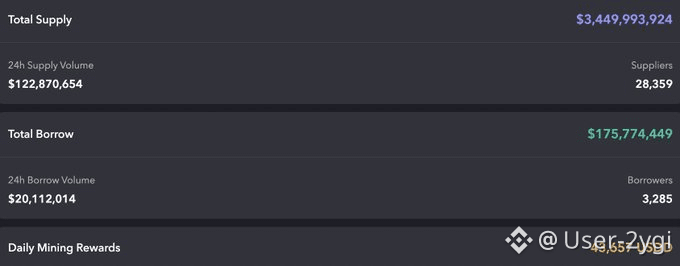
69
·
--
𝗡𝗮𝘃𝗶𝗴𝗮𝘁𝗶𝗻𝗴 𝗝𝘂𝘀𝘁𝗟𝗲𝗻𝗱’𝘀 𝗨𝗦𝗗𝟭 𝗮𝗻𝗱 𝘄𝘀𝘁𝗨𝗦𝗗𝗧 𝗠𝗮𝗿𝗸𝗲𝘁 𝗧𝗿𝗮𝗻𝘀𝗶𝘁𝗶𝗼𝗻: 𝗪𝗵𝗮𝘁 𝗘𝘅𝗶𝘀𝘁𝗶𝗻𝗴 𝗛𝗼𝗹𝗱𝗲𝗿𝘀 𝗦𝗵𝗼𝘂𝗹𝗱 𝗗𝗼 𝗡𝗼𝘄
Healthy DeFi protocols regularly retire legacy markets so capital stays concentrated in deep, actively supported pools. SD1 and wstUSDT .
𝗛𝗼𝘄 𝘁𝗵𝗲 𝗧𝗿𝗮𝗻𝘀𝗶𝘁𝗶𝗼𝗻 𝗔𝗳𝗳𝗲𝗰𝘁𝘀 𝗬𝗼𝘂𝗿 𝗣𝗼𝘀𝗶𝘁𝗶𝗼𝗻𝘀
➠ 𝗡𝗼 𝗡𝗲𝘄 𝗘𝘅𝗽𝗼𝘀𝘂𝗿𝗲 𝗔𝗹𝗹𝗼𝘄𝗲𝗱: Opening fresh USD1 or wstUSDT supply deposits or borrow positions is permanently paused across standard pools and isolated SBM markets.
➠ 𝗦𝘂𝗽𝗽𝗹𝗶𝗲𝗿𝘀 𝗖𝗮𝗻 𝗪𝗶𝘁𝗵𝗱𝗿𝗮𝘄 𝗔𝗻𝘆𝘁𝗶𝗺𝗲: Current depositors retain full access to withdraw their supplied USD1 or wstUSDT balances and redeploy that liquidity into active markets like USDD, USDT, or sTRX.
➠ 𝗕𝗼𝗿𝗿𝗼𝘄𝗲𝗿𝘀 𝗦𝗵𝗼𝘂𝗹𝗱 𝗣𝗹𝗮𝗻 𝗥𝗲𝗽𝗮𝘆𝗺𝗲𝗻𝘁𝘀: Existing loans remain functional during the transition window, though repaying outstanding USD1 or wstUSDT debt early protects borrowers.
𝗪𝗵𝘆 𝗣𝗵𝗮𝘀𝗲𝗱 𝗢𝗳𝗳𝗯𝗼𝗮𝗿𝗱𝗶𝗻𝗴 𝗠𝗮𝘁𝘁𝗲𝗿𝘀
Rather than forcing abrupt liquidations, pausing new entries first caps systemic risk while giving users ample time to unwind positions on their own terms—aligning smoothly with stUSDT’s broader redemption window running through May 2027.
𝗠𝘆 𝗧𝗮𝗸𝗲
Controlled market offboarding is an underrated sign of governance maturity. If you still hold idle USD1 or wstUSDT in JustLend, reviewing your Health Factor today and rotating liquidity into active pools is the cleanest move.
@DeFi_JUST @JustinSun #TRONEcoStar
𝗡𝗮𝘃𝗶𝗴𝗮𝘁𝗶𝗻𝗴 𝗝𝘂𝘀𝘁𝗟𝗲𝗻𝗱’𝘀 𝗨𝗦𝗗𝟭 𝗮𝗻𝗱 𝘄𝘀𝘁𝗨𝗦𝗗𝗧 𝗠𝗮𝗿𝗸𝗲𝘁 𝗧𝗿𝗮𝗻𝘀𝗶𝘁𝗶𝗼𝗻: 𝗪𝗵𝗮𝘁 𝗘𝘅𝗶𝘀𝘁𝗶𝗻𝗴 𝗛𝗼𝗹𝗱𝗲𝗿𝘀 𝗦𝗵𝗼𝘂𝗹𝗱 𝗗𝗼 𝗡𝗼𝘄
Healthy DeFi protocols regularly retire legacy markets so capital stays concentrated in deep, actively supported pools. SD1 and wstUSDT .
𝗛𝗼𝘄 𝘁𝗵𝗲 𝗧𝗿𝗮𝗻𝘀𝗶𝘁𝗶𝗼𝗻 𝗔𝗳𝗳𝗲𝗰𝘁𝘀 𝗬𝗼𝘂𝗿 𝗣𝗼𝘀𝗶𝘁𝗶𝗼𝗻𝘀
➠ 𝗡𝗼 𝗡𝗲𝘄 𝗘𝘅𝗽𝗼𝘀𝘂𝗿𝗲 𝗔𝗹𝗹𝗼𝘄𝗲𝗱: Opening fresh USD1 or wstUSDT supply deposits or borrow positions is permanently paused across standard pools and isolated SBM markets.
➠ 𝗦𝘂𝗽𝗽𝗹𝗶𝗲𝗿𝘀 𝗖𝗮𝗻 𝗪𝗶𝘁𝗵𝗱𝗿𝗮𝘄 𝗔𝗻𝘆𝘁𝗶𝗺𝗲: Current depositors retain full access to withdraw their supplied USD1 or wstUSDT balances and redeploy that liquidity into active markets like USDD, USDT, or sTRX.
➠ 𝗕𝗼𝗿𝗿𝗼𝘄𝗲𝗿𝘀 𝗦𝗵𝗼𝘂𝗹𝗱 𝗣𝗹𝗮𝗻 𝗥𝗲𝗽𝗮𝘆𝗺𝗲𝗻𝘁𝘀: Existing loans remain functional during the transition window, though repaying outstanding USD1 or wstUSDT debt early protects borrowers.
𝗪𝗵𝘆 𝗣𝗵𝗮𝘀𝗲𝗱 𝗢𝗳𝗳𝗯𝗼𝗮𝗿𝗱𝗶𝗻𝗴 𝗠𝗮𝘁𝘁𝗲𝗿𝘀
Rather than forcing abrupt liquidations, pausing new entries first caps systemic risk while giving users ample time to unwind positions on their own terms—aligning smoothly with stUSDT’s broader redemption window running through May 2027.
𝗠𝘆 𝗧𝗮𝗸𝗲
Controlled market offboarding is an underrated sign of governance maturity. If you still hold idle USD1 or wstUSDT in JustLend, reviewing your Health Factor today and rotating liquidity into active pools is the cleanest move.
@JUST DAO @Justin Sun孙宇晨 #TRONEcoStar
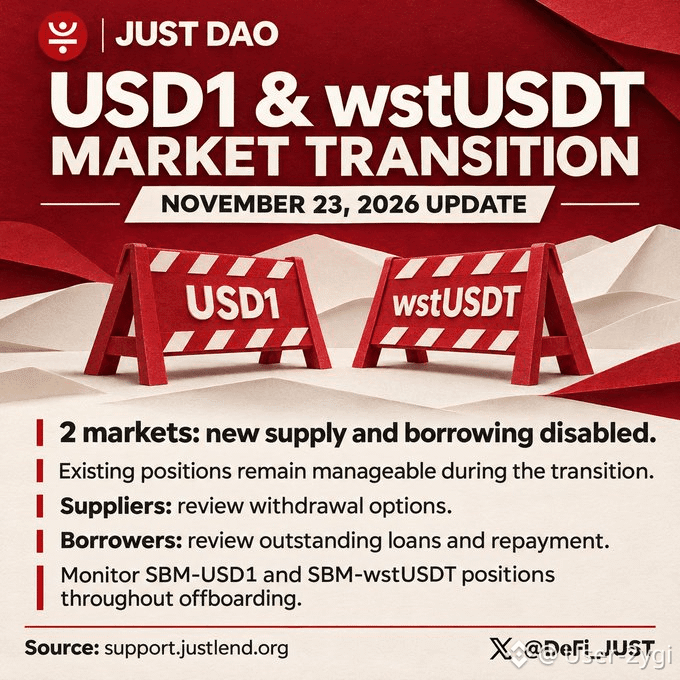
16
·
--
𝗠𝗮𝘀𝘁𝗲𝗿𝗶𝗻𝗴 𝗕𝗼𝗿𝗿𝗼𝘄 𝗖𝗮𝗽𝗮𝗰𝗶𝘁𝘆 𝗼𝗻 𝗝𝘂𝘀𝘁𝗟𝗲𝗻𝗱: 𝗛𝗼𝘄 𝗖𝗼𝗹𝗹𝗮𝘁𝗲𝗿𝗮𝗹 𝗙𝗮𝗰𝘁𝗼𝗿𝘀 𝗮𝗻𝗱 𝗢𝗿𝗮𝗰𝗹𝗲 𝗣𝗿𝗶𝗰𝗲𝘀 𝗦𝗵𝗮𝗽𝗲 𝗬𝗼𝘂𝗿 𝗟𝗶𝗺𝗶𝘁𝘀
𝗧𝗵𝗿𝗲𝗲 𝗩𝗮𝗿𝗶𝗮𝗯𝗹𝗲𝘀 𝗧𝗵𝗮𝘁 𝗗𝗲𝘁𝗲𝗿𝗺𝗶𝗻𝗲 𝗬𝗼𝘂𝗿 𝗕𝗼𝗿𝗿𝗼𝘄 𝗟𝗶𝗺𝗶𝘁
➠ 𝗖𝗼𝗹𝗹𝗮𝘁𝗲𝗿𝗮𝗹 𝗙𝗮𝗰𝘁𝗼𝗿 𝗪𝗲𝗶𝗴𝗵𝘁𝗶𝗻𝗴: Every supported market carries a governance-set Collateral Factor (for example, 75% or 80%). Supplying $10,000 of an asset with an 80% Collateral Factor grants $8,000 in maximum borrow capacity.
➠ 𝗥𝗲𝗮𝗹-𝗧𝗶𝗺𝗲 𝗢𝗿𝗮𝗰𝗹𝗲 𝗩𝗮𝗹𝘂𝗮𝘁𝗶𝗼𝗻: Your borrow limit fluctuates continuously with live oracle prices. If your collateral drops in USD value—or if your borrowed asset rises—your available capacity shrinks immediately.
➠ 𝗛𝗲𝗮𝗹𝘁𝗵 𝗙𝗮𝗰𝘁𝗼𝗿 𝗦𝗮𝗳𝗲𝘁𝘆 𝗕𝘂𝗳𝗳𝗲𝗿: Pushing borrow utilization near 100% leaves zero margin for price wicks. Once debt exceeds borrow capacity, liquidators can repay up to 50% of the debt per transaction and claim collateral with an 8% liquidation incentive.
𝗕𝘂𝗶𝗹𝗱𝗶𝗻𝗴 𝗮 𝗥𝗲𝘀𝗶𝗹𝗶𝗲𝗻𝘁 𝗕𝗼𝗿𝗿𝗼𝘄 𝗣𝗼𝘀𝗶𝘁𝗶𝗼𝗻
Keeping borrow utilization below 50% to 60% of your maximum capacity gives your position breathing room through normal market pullbacks.
𝗠𝘆 𝗧𝗮𝗸𝗲
Borrow capacity is a ceiling, not a target. Treating 50% utilization as your personal limit lets you capture liquidity efficiency on JustLend while sleeping soundly through crypto volatility.
@DeFi_JUST @JustinSun #TRONEcoStar
𝗠𝗮𝘀𝘁𝗲𝗿𝗶𝗻𝗴 𝗕𝗼𝗿𝗿𝗼𝘄 𝗖𝗮𝗽𝗮𝗰𝗶𝘁𝘆 𝗼𝗻 𝗝𝘂𝘀𝘁𝗟𝗲𝗻𝗱: 𝗛𝗼𝘄 𝗖𝗼𝗹𝗹𝗮𝘁𝗲𝗿𝗮𝗹 𝗙𝗮𝗰𝘁𝗼𝗿𝘀 𝗮𝗻𝗱 𝗢𝗿𝗮𝗰𝗹𝗲 𝗣𝗿𝗶𝗰𝗲𝘀 𝗦𝗵𝗮𝗽𝗲 𝗬𝗼𝘂𝗿 𝗟𝗶𝗺𝗶𝘁𝘀
𝗧𝗵𝗿𝗲𝗲 𝗩𝗮𝗿𝗶𝗮𝗯𝗹𝗲𝘀 𝗧𝗵𝗮𝘁 𝗗𝗲𝘁𝗲𝗿𝗺𝗶𝗻𝗲 𝗬𝗼𝘂𝗿 𝗕𝗼𝗿𝗿𝗼𝘄 𝗟𝗶𝗺𝗶𝘁
➠ 𝗖𝗼𝗹𝗹𝗮𝘁𝗲𝗿𝗮𝗹 𝗙𝗮𝗰𝘁𝗼𝗿 𝗪𝗲𝗶𝗴𝗵𝘁𝗶𝗻𝗴: Every supported market carries a governance-set Collateral Factor (for example, 75% or 80%). Supplying $10,000 of an asset with an 80% Collateral Factor grants $8,000 in maximum borrow capacity.
➠ 𝗥𝗲𝗮𝗹-𝗧𝗶𝗺𝗲 𝗢𝗿𝗮𝗰𝗹𝗲 𝗩𝗮𝗹𝘂𝗮𝘁𝗶𝗼𝗻: Your borrow limit fluctuates continuously with live oracle prices. If your collateral drops in USD value—or if your borrowed asset rises—your available capacity shrinks immediately.
➠ 𝗛𝗲𝗮𝗹𝘁𝗵 𝗙𝗮𝗰𝘁𝗼𝗿 𝗦𝗮𝗳𝗲𝘁𝘆 𝗕𝘂𝗳𝗳𝗲𝗿: Pushing borrow utilization near 100% leaves zero margin for price wicks. Once debt exceeds borrow capacity, liquidators can repay up to 50% of the debt per transaction and claim collateral with an 8% liquidation incentive.
𝗕𝘂𝗶𝗹𝗱𝗶𝗻𝗴 𝗮 𝗥𝗲𝘀𝗶𝗹𝗶𝗲𝗻𝘁 𝗕𝗼𝗿𝗿𝗼𝘄 𝗣𝗼𝘀𝗶𝘁𝗶𝗼𝗻
Keeping borrow utilization below 50% to 60% of your maximum capacity gives your position breathing room through normal market pullbacks.
𝗠𝘆 𝗧𝗮𝗸𝗲
Borrow capacity is a ceiling, not a target. Treating 50% utilization as your personal limit lets you capture liquidity efficiency on JustLend while sleeping soundly through crypto volatility.
@JUST DAO @Justin Sun孙宇晨 #TRONEcoStar
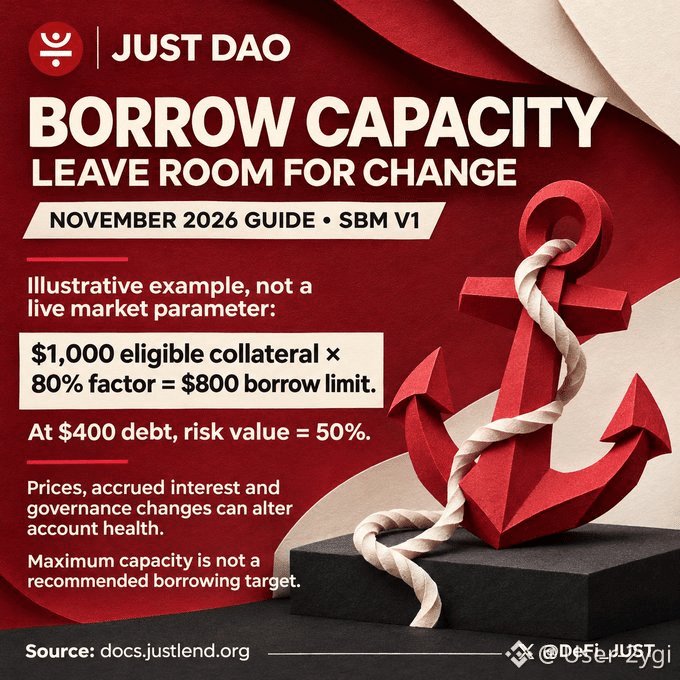
1
·
--
𝗧𝗥𝗖-𝟲𝟵𝟬𝟵 𝗢𝗡 𝗧𝗥𝗢𝗡: 𝗦𝗧𝗥𝗘𝗔𝗠𝗟𝗜𝗡𝗜𝗡𝗚 𝗠𝗨𝗟𝗧𝗜-𝗧𝗢𝗞𝗘𝗡 𝗔𝗣𝗣𝗟𝗜𝗖𝗔𝗧𝗜𝗢𝗡𝗦 𝗪𝗜𝗧𝗛 𝗢𝗣𝗘𝗡𝗭𝗘𝗣𝗣𝗘𝗟𝗜𝗡
𝗛𝗼𝘄 𝗧𝗥𝗖-𝟲𝟵𝟬𝟵 𝗜𝗺𝗽𝗿𝗼𝘃𝗲𝘀 𝗦𝗺𝗮𝗿𝘁 𝗖𝗼𝗻𝘁𝗿𝗮𝗰𝘁 𝗗𝗲𝘀𝗶𝗴𝗻
➠ 𝗦𝗶𝗻𝗴𝗹𝗲-𝗖𝗼𝗻𝘁𝗿𝗮𝗰𝘁 𝗠𝘂𝗹𝘁𝗶-𝗔𝘀𝘀𝗲𝘁𝘀: Manages unlimited fungible and semi-fungible tokens inside one unified contract, ideal for DEX liquidity pools, lending vaults, and gaming items
➠ 𝗟𝗼𝘄𝗲𝗿 𝗘𝗻𝗲𝗿𝗴𝘆 𝗖𝗼𝗻𝘀𝘂𝗺𝗽𝘁𝗶𝗼𝗻: Eliminates mandatory callback hooks required by older standards, cutting Energy usage on every transfer and approval
➠ 𝗚𝗿𝗮𝗻𝘂𝗹𝗮𝗿 𝗣𝗲𝗿𝗺𝗶𝘀𝘀𝗶𝗼𝗻𝘀: Separates full-account operator approvals from token-specific spending allowances, reducing smart contract risk exposure
➠ 𝗘𝗩𝗠 𝗖𝗼𝗺𝗽𝗮𝘁𝗶𝗯𝗶𝗹𝗶𝘁𝘆: Mirrors Ethereum’s ERC-6909 interface so Solidity developers can port audited multi-token architectures to TRON seamlessly
𝗪𝗵𝘆 𝗧𝗵𝗶𝘀 𝗠𝗮𝘁𝘁𝗲𝗿𝘀 𝗳𝗼𝗿 𝗧𝗥𝗢𝗡 𝗕𝘂𝗶𝗹𝗱𝗲𝗿𝘀
For high-throughput DeFi protocols on TRON, shaving unnecessary contract calls translates directly into lower Energy burns and smoother user interactions. Standardized OpenZeppelin libraries also shorten security audit timelines for new launches.
𝗠𝘆 𝗧𝗮𝗸𝗲
Adopting TRC-6909 alongside OpenZeppelin shows how seriously TRON prioritizes developer ergonomics and on-chain efficiency. Cleaner token standards give builders the exact foundation needed to ship faster, safer DeFi applications at scale.
Which sector on TRON do you think will benefit most from TRC-6909—multi-pool DEXs, RWA tokenization, or Web3 gaming?
@TRONDAO @JustinSun #TRONEcoStar
𝗧𝗥𝗖-𝟲𝟵𝟬𝟵 𝗢𝗡 𝗧𝗥𝗢𝗡: 𝗦𝗧𝗥𝗘𝗔𝗠𝗟𝗜𝗡𝗜𝗡𝗚 𝗠𝗨𝗟𝗧𝗜-𝗧𝗢𝗞𝗘𝗡 𝗔𝗣𝗣𝗟𝗜𝗖𝗔𝗧𝗜𝗢𝗡𝗦 𝗪𝗜𝗧𝗛 𝗢𝗣𝗘𝗡𝗭𝗘𝗣𝗣𝗘𝗟𝗜𝗡
𝗛𝗼𝘄 𝗧𝗥𝗖-𝟲𝟵𝟬𝟵 𝗜𝗺𝗽𝗿𝗼𝘃𝗲𝘀 𝗦𝗺𝗮𝗿𝘁 𝗖𝗼𝗻𝘁𝗿𝗮𝗰𝘁 𝗗𝗲𝘀𝗶𝗴𝗻
➠ 𝗦𝗶𝗻𝗴𝗹𝗲-𝗖𝗼𝗻𝘁𝗿𝗮𝗰𝘁 𝗠𝘂𝗹𝘁𝗶-𝗔𝘀𝘀𝗲𝘁𝘀: Manages unlimited fungible and semi-fungible tokens inside one unified contract, ideal for DEX liquidity pools, lending vaults, and gaming items
➠ 𝗟𝗼𝘄𝗲𝗿 𝗘𝗻𝗲𝗿𝗴𝘆 𝗖𝗼𝗻𝘀𝘂𝗺𝗽𝘁𝗶𝗼𝗻: Eliminates mandatory callback hooks required by older standards, cutting Energy usage on every transfer and approval
➠ 𝗚𝗿𝗮𝗻𝘂𝗹𝗮𝗿 𝗣𝗲𝗿𝗺𝗶𝘀𝘀𝗶𝗼𝗻𝘀: Separates full-account operator approvals from token-specific spending allowances, reducing smart contract risk exposure
➠ 𝗘𝗩𝗠 𝗖𝗼𝗺𝗽𝗮𝘁𝗶𝗯𝗶𝗹𝗶𝘁𝘆: Mirrors Ethereum’s ERC-6909 interface so Solidity developers can port audited multi-token architectures to TRON seamlessly
𝗪𝗵𝘆 𝗧𝗵𝗶𝘀 𝗠𝗮𝘁𝘁𝗲𝗿𝘀 𝗳𝗼𝗿 𝗧𝗥𝗢𝗡 𝗕𝘂𝗶𝗹𝗱𝗲𝗿𝘀
For high-throughput DeFi protocols on TRON, shaving unnecessary contract calls translates directly into lower Energy burns and smoother user interactions. Standardized OpenZeppelin libraries also shorten security audit timelines for new launches.
𝗠𝘆 𝗧𝗮𝗸𝗲
Adopting TRC-6909 alongside OpenZeppelin shows how seriously TRON prioritizes developer ergonomics and on-chain efficiency. Cleaner token standards give builders the exact foundation needed to ship faster, safer DeFi applications at scale.
Which sector on TRON do you think will benefit most from TRC-6909—multi-pool DEXs, RWA tokenization, or Web3 gaming?
@TRON DAO @Justin Sun孙宇晨 #TRONEcoStar
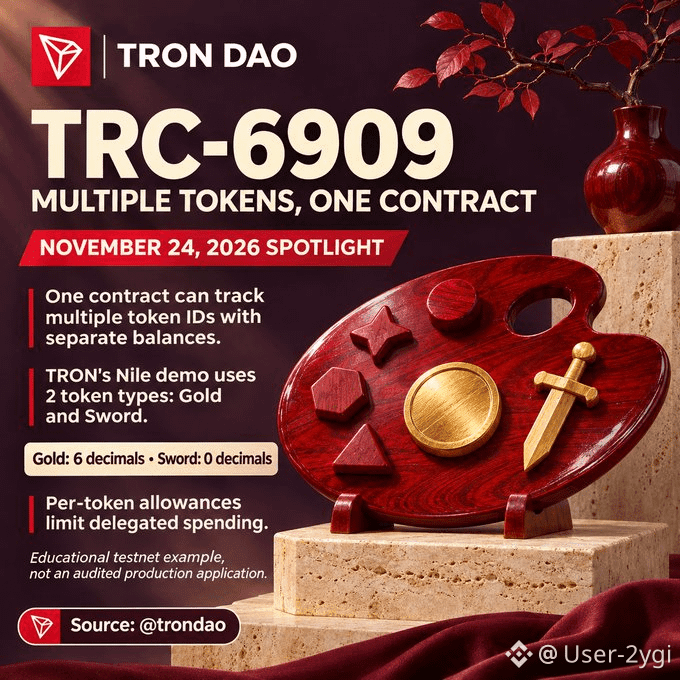
5
·
--
𝗖𝗮𝗻𝗮𝗿𝘆质押型𝗧𝗥𝗫 𝗘𝗧𝗙(𝗧𝗥𝗫𝗦)基金全景拆解:打通华尔街与波场质押收益的合规桥梁
对于希望在传统美股券商账户中直接配置 TRX 资产、同时不错过链上质押回报的机构与个人投资者而言,Canary Capital 推出的 Canary Staked TRX ETF(代码:TRXS)提供了标准化解决方案。自 2026 年 9 月 8 日在 Cboe BZX 交易所挂牌以来,该基金持续受到传统金融市场关注。
𝗧𝗥𝗫𝗦 基金核心快照一览
➠ 挂牌与基准追踪:在 Cboe BZX 公开交易,紧密追踪 CoinDesk Tron Benchmark Rate USD 现货价格表现
➠ 资产管理规模:基金净资产规模(AUM)已达约 4522 万美元,上市以来价格区间运行于 22.22 至 25.64 美元之间
➠ 原生质押增益机制:常态下将约 90% 的持仓 TRX 投入波场 DPoS 网络参与验证,扣除管理费与质押服务费后的净收益直接滚入基金净值(NAV),实现每股价值自动复利
➠ 银行级资产托管:底层 TRX 资产由持牌机构 BitGo Bank & Trust 独立冷存储托管,现金部分由 U.S. Bank 管理,无需投资者自行维护私钥或助记词
传统账户配置链上资产的便利性
借助 TRXS,机构合规部门无需额外申请链上钱包白名单或处理 Energy 与 Bandwidth 资源调度,即可在既有证券清算体系内一键获取 TRX 价格敞口与质押分红。
个人观点
TRXS 不仅是一只单纯追踪币价的指数基金,更把波场 DPoS 生态的原生收益能力封装进了受监管的金融外衣中。这种“现货+质押”双引擎结构,正是主流资金稳步进入加密领域的理想入口。
你认为这类自带质押收益的合规 ETF,会吸引更多传统养老金和家族办公室配置 TRX 吗?
@TRONDAO @JustinSun #TRONEcoStar
𝗖𝗮𝗻𝗮𝗿𝘆质押型𝗧𝗥𝗫 𝗘𝗧𝗙(𝗧𝗥𝗫𝗦)基金全景拆解:打通华尔街与波场质押收益的合规桥梁
对于希望在传统美股券商账户中直接配置 TRX 资产、同时不错过链上质押回报的机构与个人投资者而言,Canary Capital 推出的 Canary Staked TRX ETF(代码:TRXS)提供了标准化解决方案。自 2026 年 9 月 8 日在 Cboe BZX 交易所挂牌以来,该基金持续受到传统金融市场关注。
𝗧𝗥𝗫𝗦 基金核心快照一览
➠ 挂牌与基准追踪:在 Cboe BZX 公开交易,紧密追踪 CoinDesk Tron Benchmark Rate USD 现货价格表现
➠ 资产管理规模:基金净资产规模(AUM)已达约 4522 万美元,上市以来价格区间运行于 22.22 至 25.64 美元之间
➠ 原生质押增益机制:常态下将约 90% 的持仓 TRX 投入波场 DPoS 网络参与验证,扣除管理费与质押服务费后的净收益直接滚入基金净值(NAV),实现每股价值自动复利
➠ 银行级资产托管:底层 TRX 资产由持牌机构 BitGo Bank & Trust 独立冷存储托管,现金部分由 U.S. Bank 管理,无需投资者自行维护私钥或助记词
传统账户配置链上资产的便利性
借助 TRXS,机构合规部门无需额外申请链上钱包白名单或处理 Energy 与 Bandwidth 资源调度,即可在既有证券清算体系内一键获取 TRX 价格敞口与质押分红。
个人观点
TRXS 不仅是一只单纯追踪币价的指数基金,更把波场 DPoS 生态的原生收益能力封装进了受监管的金融外衣中。这种“现货+质押”双引擎结构,正是主流资金稳步进入加密领域的理想入口。
你认为这类自带质押收益的合规 ETF,会吸引更多传统养老金和家族办公室配置 TRX 吗?
@TRON DAO @Justin Sun孙宇晨 #TRONEcoStar
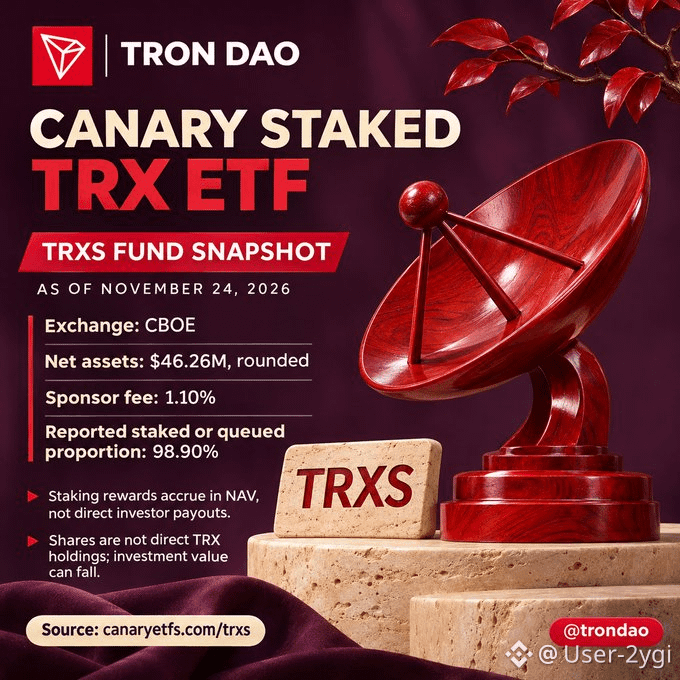
67
·
--
纳斯达克上市公司 𝗧𝗿𝗼𝗻 𝗜𝗻𝗰. 国库战略解析:持有超 𝟳.𝟬𝟵 亿枚 𝗧𝗥𝗫 的链上资产储备样本
当越来越多的上市公司开始将数字资产纳入资产负债表时,在纳斯达克挂牌的 Tron Inc.(股票代码:TRON)凭借专注于波场生态的国库配置策略,成为全球规模最大的公开上市 TRX 储备公司。这一模式在传统资本市场与去中心化支付网络之间架起了一座透明的桥梁。
𝗧𝗿𝗼𝗻 𝗜𝗻𝗰. 国库核心数据看点
➠ 庞大 𝗧𝗥𝗫 储备规模:根据公开披露文件,公司累计增持并持有超过 7.09 亿枚 TRX 作为核心国库资产,持仓总价值突破 2.18 亿美元
➠ 持续增持执行力:自 2025 年启动国库战略以来,通过股权融资与认股权证行权等多轮资本运作稳步扩充 TRX 储备头寸
➠ 公开市场透明审计:所有购入批次、持仓数量及公允价值均通过美国证监会 8-K 与 10-Q 定期报告向全球投资者公开披露
➠ 生态基本面支撑:背靠波场网络逾 942 亿美元 TRC-20 USDT 供应量及过去一年超 26 亿美元的协议总收入,为长期国库持有提供基本面信心
上市公司国库模式的独特价值
对于无法直接持有加密货币的传统股票基金而言,购买 Tron Inc. 股票相当于间接获得了高度透明、受纳斯达克监管框架约束的 TRX 国库敞口,同时也验证了企业级财务管理对波场长期价值捕获能力的认可。
个人看法
看到一家纳斯达克上市公司将超 7 亿枚 TRX 作为长期战略储备并持续透明披露,说明公链底层资产正逐步获得主流企业财务体系的接纳。这种资本结构创新为生态注入了强劲的长期信心。
你怎么看上市公司将 TRX 纳入资产负债表作为长期国库储备这一趋势?
@TRONDAO @JustinSun #TRONEcoStar
纳斯达克上市公司 𝗧𝗿𝗼𝗻 𝗜𝗻𝗰. 国库战略解析:持有超 𝟳.𝟬𝟵 亿枚 𝗧𝗥𝗫 的链上资产储备样本
当越来越多的上市公司开始将数字资产纳入资产负债表时,在纳斯达克挂牌的 Tron Inc.(股票代码:TRON)凭借专注于波场生态的国库配置策略,成为全球规模最大的公开上市 TRX 储备公司。这一模式在传统资本市场与去中心化支付网络之间架起了一座透明的桥梁。
𝗧𝗿𝗼𝗻 𝗜𝗻𝗰. 国库核心数据看点
➠ 庞大 𝗧𝗥𝗫 储备规模:根据公开披露文件,公司累计增持并持有超过 7.09 亿枚 TRX 作为核心国库资产,持仓总价值突破 2.18 亿美元
➠ 持续增持执行力:自 2025 年启动国库战略以来,通过股权融资与认股权证行权等多轮资本运作稳步扩充 TRX 储备头寸
➠ 公开市场透明审计:所有购入批次、持仓数量及公允价值均通过美国证监会 8-K 与 10-Q 定期报告向全球投资者公开披露
➠ 生态基本面支撑:背靠波场网络逾 942 亿美元 TRC-20 USDT 供应量及过去一年超 26 亿美元的协议总收入,为长期国库持有提供基本面信心
上市公司国库模式的独特价值
对于无法直接持有加密货币的传统股票基金而言,购买 Tron Inc. 股票相当于间接获得了高度透明、受纳斯达克监管框架约束的 TRX 国库敞口,同时也验证了企业级财务管理对波场长期价值捕获能力的认可。
个人看法
看到一家纳斯达克上市公司将超 7 亿枚 TRX 作为长期战略储备并持续透明披露,说明公链底层资产正逐步获得主流企业财务体系的接纳。这种资本结构创新为生态注入了强劲的长期信心。
你怎么看上市公司将 TRX 纳入资产负债表作为长期国库储备这一趋势?
@TRON DAO @Justin Sun孙宇晨 #TRONEcoStar
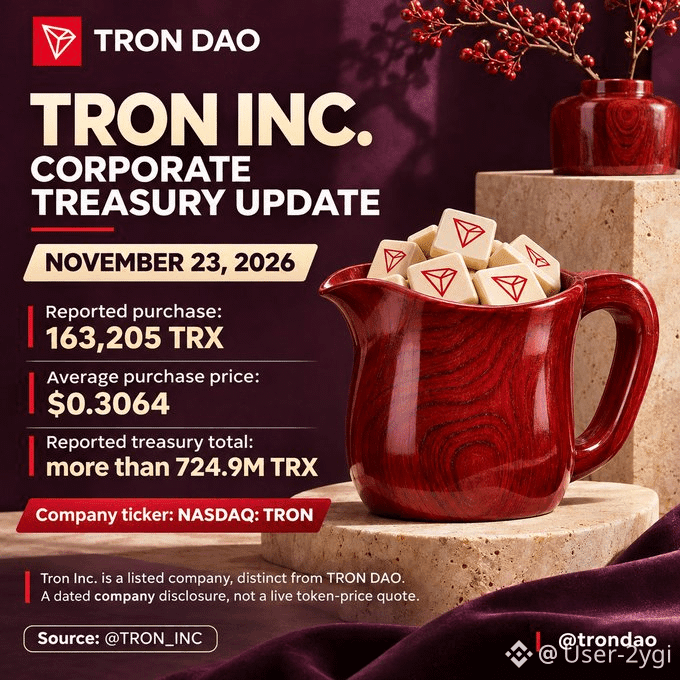
38
·
--
𝗧𝗥𝗢𝗡 𝗔𝗡𝗗 𝗦𝗘𝗖𝗨𝗥𝗜𝗧𝗜𝗭𝗘: 𝗕𝗥𝗜𝗡𝗚𝗜𝗡𝗚 𝗛𝗔𝗠𝗜𝗟𝗧𝗢𝗡 𝗟𝗔𝗡𝗘’𝗦 𝗧𝗢𝗞𝗘𝗡𝗜𝗭𝗘𝗗 𝗣𝗥𝗜𝗩𝗔𝗧𝗘 𝗖𝗥𝗘𝗗𝗜𝗧 𝗢𝗡-𝗖𝗛𝗔𝗜𝗡
𝗛𝗼𝘄 𝘁𝗵𝗲 𝗦𝗲𝗰𝘂𝗿𝗶𝘁𝗶𝘇𝗲 𝗜𝗻𝘁𝗲𝗴𝗿𝗮𝘁𝗶𝗼𝗻 𝗪𝗼𝗿𝗸𝘀
➠ 𝗜𝗻𝘀𝘁𝗶𝘁𝘂𝘁𝗶𝗼𝗻𝗮𝗹-𝗚𝗿𝗮𝗱𝗲 𝗔𝘀𝘀𝗲𝘁𝘀: Tokenizes Hamilton Lane’s senior private credit strategy natively on TRON via Securitize’s regulated issuance infrastructure
➠ 𝗦𝗲𝗮𝗺𝗹𝗲𝘀𝘀 𝗦𝘁𝗮𝗯𝗹𝗲𝗰𝗼𝗶𝗻 𝗦𝗲𝘁𝘁𝗹𝗲𝗺𝗲𝗻𝘁: Investors can subscribe and manage allocations directly alongside TRON’s $94B+ stablecoin liquidity pool without awkward cross-chain detours
➠ 𝗢𝗻-𝗖𝗵𝗮𝗶𝗻 𝗧𝗿𝗮𝗻𝘀𝗽𝗮𝗿𝗲𝗻𝗰𝘆: Digital transfer agent records, compliance checks, and cap-table updates execute programmatically on TRON’s high-speed ledger
➠ 𝗟𝗼𝘄𝗲𝗿 𝗢𝗽𝗲𝗿𝗮𝘁𝗶𝗼𝗻𝗮𝗹 𝗙𝗿𝗶𝗰𝘁𝗶𝗼𝗻: Replaces multi-day wire settlements and manual paperwork with near-instant blockchain finality
𝗪𝗵𝘆 𝗥𝗪𝗔 𝗜𝘀𝘀𝘂𝗲𝗿𝘀 𝗖𝗵𝗼𝗼𝘀𝗲 𝗧𝗥𝗢𝗡
Asset managers seek networks where institutional capital already resides. Because TRON settles tens of billions in daily USDT volume, deploying tokenized funds directly onto TRON places yield-bearing real-world assets right next to the world’s largest digital dollar pool.
𝗠𝘆 𝗧𝗮𝗸𝗲
Partnering with Securitize to onboard Hamilton Lane is a defining milestone for TRON’s RWA roadmap. When idle stablecoins on TRON can flow directly into regulated private credit products, on-chain treasury management reaches an entirely new level of maturity.
@TRONDAO @JustinSun #TRONEcoStar
𝗧𝗥𝗢𝗡 𝗔𝗡𝗗 𝗦𝗘𝗖𝗨𝗥𝗜𝗧𝗜𝗭𝗘: 𝗕𝗥𝗜𝗡𝗚𝗜𝗡𝗚 𝗛𝗔𝗠𝗜𝗟𝗧𝗢𝗡 𝗟𝗔𝗡𝗘’𝗦 𝗧𝗢𝗞𝗘𝗡𝗜𝗭𝗘𝗗 𝗣𝗥𝗜𝗩𝗔𝗧𝗘 𝗖𝗥𝗘𝗗𝗜𝗧 𝗢𝗡-𝗖𝗛𝗔𝗜𝗡
𝗛𝗼𝘄 𝘁𝗵𝗲 𝗦𝗲𝗰𝘂𝗿𝗶𝘁𝗶𝘇𝗲 𝗜𝗻𝘁𝗲𝗴𝗿𝗮𝘁𝗶𝗼𝗻 𝗪𝗼𝗿𝗸𝘀
➠ 𝗜𝗻𝘀𝘁𝗶𝘁𝘂𝘁𝗶𝗼𝗻𝗮𝗹-𝗚𝗿𝗮𝗱𝗲 𝗔𝘀𝘀𝗲𝘁𝘀: Tokenizes Hamilton Lane’s senior private credit strategy natively on TRON via Securitize’s regulated issuance infrastructure
➠ 𝗦𝗲𝗮𝗺𝗹𝗲𝘀𝘀 𝗦𝘁𝗮𝗯𝗹𝗲𝗰𝗼𝗶𝗻 𝗦𝗲𝘁𝘁𝗹𝗲𝗺𝗲𝗻𝘁: Investors can subscribe and manage allocations directly alongside TRON’s $94B+ stablecoin liquidity pool without awkward cross-chain detours
➠ 𝗢𝗻-𝗖𝗵𝗮𝗶𝗻 𝗧𝗿𝗮𝗻𝘀𝗽𝗮𝗿𝗲𝗻𝗰𝘆: Digital transfer agent records, compliance checks, and cap-table updates execute programmatically on TRON’s high-speed ledger
➠ 𝗟𝗼𝘄𝗲𝗿 𝗢𝗽𝗲𝗿𝗮𝘁𝗶𝗼𝗻𝗮𝗹 𝗙𝗿𝗶𝗰𝘁𝗶𝗼𝗻: Replaces multi-day wire settlements and manual paperwork with near-instant blockchain finality
𝗪𝗵𝘆 𝗥𝗪𝗔 𝗜𝘀𝘀𝘂𝗲𝗿𝘀 𝗖𝗵𝗼𝗼𝘀𝗲 𝗧𝗥𝗢𝗡
Asset managers seek networks where institutional capital already resides. Because TRON settles tens of billions in daily USDT volume, deploying tokenized funds directly onto TRON places yield-bearing real-world assets right next to the world’s largest digital dollar pool.
𝗠𝘆 𝗧𝗮𝗸𝗲
Partnering with Securitize to onboard Hamilton Lane is a defining milestone for TRON’s RWA roadmap. When idle stablecoins on TRON can flow directly into regulated private credit products, on-chain treasury management reaches an entirely new level of maturity.
@TRON DAO @Justin Sun孙宇晨 #TRONEcoStar

TRX-1,86%
HLNEUS+2,58%
10
ເຂົ້າສູ່ລະບົບເພື່ອສຳຫຼວດເນື້ອຫາເພີ່ມເຕີມ
ເຂົ້າຮ່ວມກຸ່ມຜູ້ໃຊ້ຄຣິບໂຕທົ່ວໂລກໃນ Binance Square.
⚡️ ໄດ້ຮັບຂໍ້ມູນຫຼ້າສຸດ ແລະ ທີ່ມີປະໂຫຍດກ່ຽວກັບຄຣິບໂຕ.
💬 ໄດ້ຮັບຄວາມໄວ້ວາງໃຈຈາກຕະຫຼາດແລກປ່ຽນຄຣິບໂຕທີ່ໃຫຍ່ທີ່ສຸດໃນໂລກ.
👍 ຄົ້ນຫາຂໍ້ມູນເຊີງເລິກທີ່ແທ້ຈາກນັກສ້າງທີ່ໄດ້ຮັບການຢືນຢັນ.
ອີເມວ / ເບີໂທລະສັບ
ຫົວຂໍ້ທີ່ກໍາລັງນິຍົມ
1
#EvolveAtBinanceBlockchainWeek
1.5M ຄັ້ງທີ່ເບິ່ງ
16,089 ກຳລັງສົນທະນາ
2
#ChainflipVaultTheftHaltsProtocol
6,735 ຄັ້ງທີ່ເບິ່ງ
124 ກຳລັງສົນທະນາ
3
#VitalikWantsWalletChipDesignsOpened
14,295 ຄັ້ງທີ່ເບິ່ງ
238 ກຳລັງສົນທະນາ
4
#AnzaUrgesSolanaNodesUpgradeAgave
6,149 ຄັ້ງທີ່ເບິ່ງ
129 ກຳລັງສົນທະນາ
5
#ColdcardFlawLeadsToTheftOfAtLeast1789BTC
3,143 ຄັ້ງທີ່ເບິ່ງ
19 ກຳລັງສົນທະນາ
6
#DowJonesAdds591.99Points
4,944 ຄັ້ງທີ່ເບິ່ງ
29 ກຳລັງສົນທະນາ
7
#ClaudeAccusedOfDroppingUserPreferences
4,699 ຄັ້ງທີ່ເບິ່ງ
60 ກຳລັງສົນທະນາ
8
#ECBOfficialsHintAtMoreTightening
705 ຄັ້ງທີ່ເບິ່ງ
30 ກຳລັງສົນທະນາ
9
#MalaysiaFirstBitcoinETFToListOnDecember2
4,190 ຄັ້ງທີ່ເບິ່ງ
40 ກຳລັງສົນທະນາ
10
#ChinaBlockchainIDRulesEffectMarch2027
16,954 ຄັ້ງທີ່ເບິ່ງ
250 ກຳລັງສົນທະນາ