

#panic
panic
64,139 ຄັ້ງທີ່ເບິ່ງ
91 ກຳລັງສົນທະນາ
ມາແຮງ
ຫຼ້າສຸດ

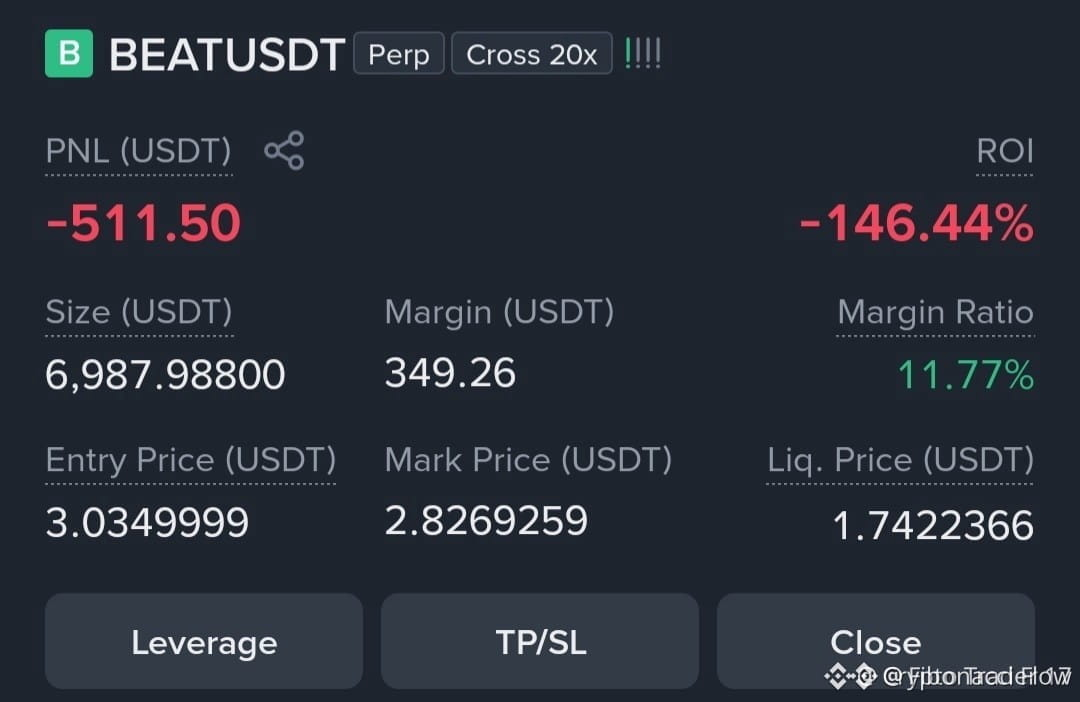
$BEAT IS CAUSING PANIC – BUT IS THE FEAR WARRANTED? 🤔
When you're asking random strangers to decide your trade, you've already lost control. Stop looking for validation and ask yourself: did you have a plan before entering?
If BEAT broke your stop, respect it. If it's just noise, hold tight. Crowds in crypto tend to panic at the bottom, not the top. Emotions are the enemy of good execution.
What's your original thesis for being in BEAT?
Not financial advice. Always manage your risk.
#BEAT #Crypto #Trading #Panic
⚡
$BEAT IS CAUSING PANIC – BUT IS THE FEAR WARRANTED? 🤔
When you're asking random strangers to decide your trade, you've already lost control. Stop looking for validation and ask yourself: did you have a plan before entering?
If BEAT broke your stop, respect it. If it's just noise, hold tight. Crowds in crypto tend to panic at the bottom, not the top. Emotions are the enemy of good execution.
What's your original thesis for being in BEAT?
Not financial advice. Always manage your risk.
#BEAT #Crypto #Trading #Panic
⚡
When you're asking random strangers to decide your trade, you've already lost control. Stop looking for validation and ask yourself: did you have a plan before entering?
If BEAT broke your stop, respect it. If it's just noise, hold tight. Crowds in crypto tend to panic at the bottom, not the top. Emotions are the enemy of good execution.
What's your original thesis for being in BEAT?
Not financial advice. Always manage your risk.
#BEAT #Crypto #Trading #Panic
⚡
247

·
--
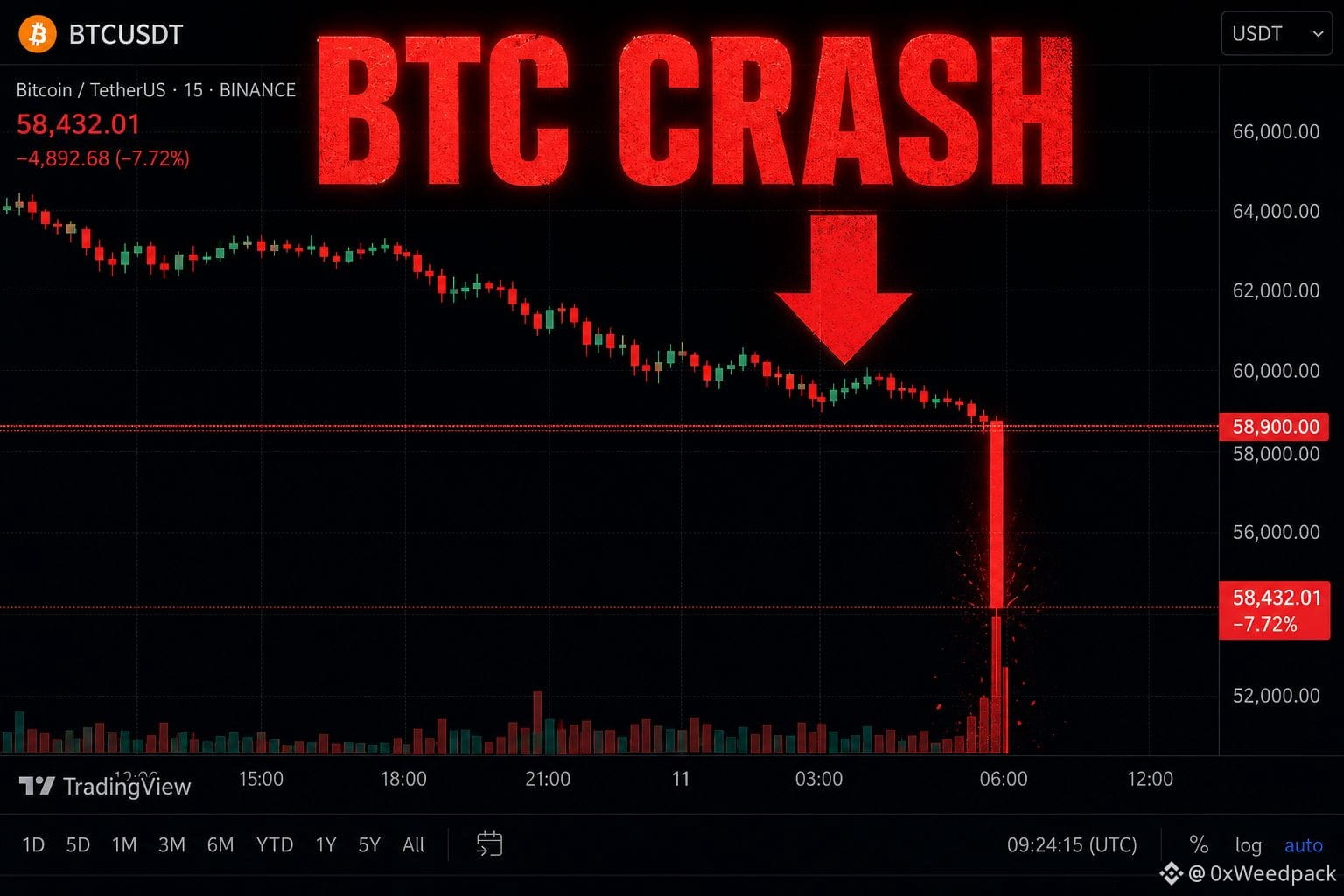
🚨 $BTC IS CRASHING AND THE MARKET IS PANICKING 🚨
Bitcoin just got SMASHED and everyone is starting to sweat.
Why is this happening?
• Fear is back in full force.
• Traders are dumping into the drop instead of buying.
• The whole market is waiting for the next “oh shit” moment.
Everyone’s asking: bottom or freefall? This is the phase where people start screaming “bear market” and then wonder why they sold at the bottom.
What’s waiting for us?
This is the kind of drop that cleans out the impatient before the next move. But if you’re still leveraged up and hoping for a miracle, you’re the liquidity.
Are you holding through this shitstorm or getting the fuck out?
Drop your play below 👇
#BTC #crypto #panic #marketcrash
🚨 $BTC IS CRASHING AND THE MARKET IS PANICKING 🚨
Bitcoin just got SMASHED and everyone is starting to sweat.
Why is this happening?
• Fear is back in full force.
• Traders are dumping into the drop instead of buying.
• The whole market is waiting for the next “oh shit” moment.
Everyone’s asking: bottom or freefall? This is the phase where people start screaming “bear market” and then wonder why they sold at the bottom.
What’s waiting for us?
This is the kind of drop that cleans out the impatient before the next move. But if you’re still leveraged up and hoping for a miracle, you’re the liquidity.
Are you holding through this shitstorm or getting the fuck out?
Drop your play below 👇
#BTC #crypto #panic #marketcrash
Bitcoin just got SMASHED and everyone is starting to sweat.
Why is this happening?
• Fear is back in full force.
• Traders are dumping into the drop instead of buying.
• The whole market is waiting for the next “oh shit” moment.
Everyone’s asking: bottom or freefall? This is the phase where people start screaming “bear market” and then wonder why they sold at the bottom.
What’s waiting for us?
This is the kind of drop that cleans out the impatient before the next move. But if you’re still leveraged up and hoping for a miracle, you’re the liquidity.
Are you holding through this shitstorm or getting the fuck out?
Drop your play below 👇
#BTC #crypto #panic #marketcrash
1
222

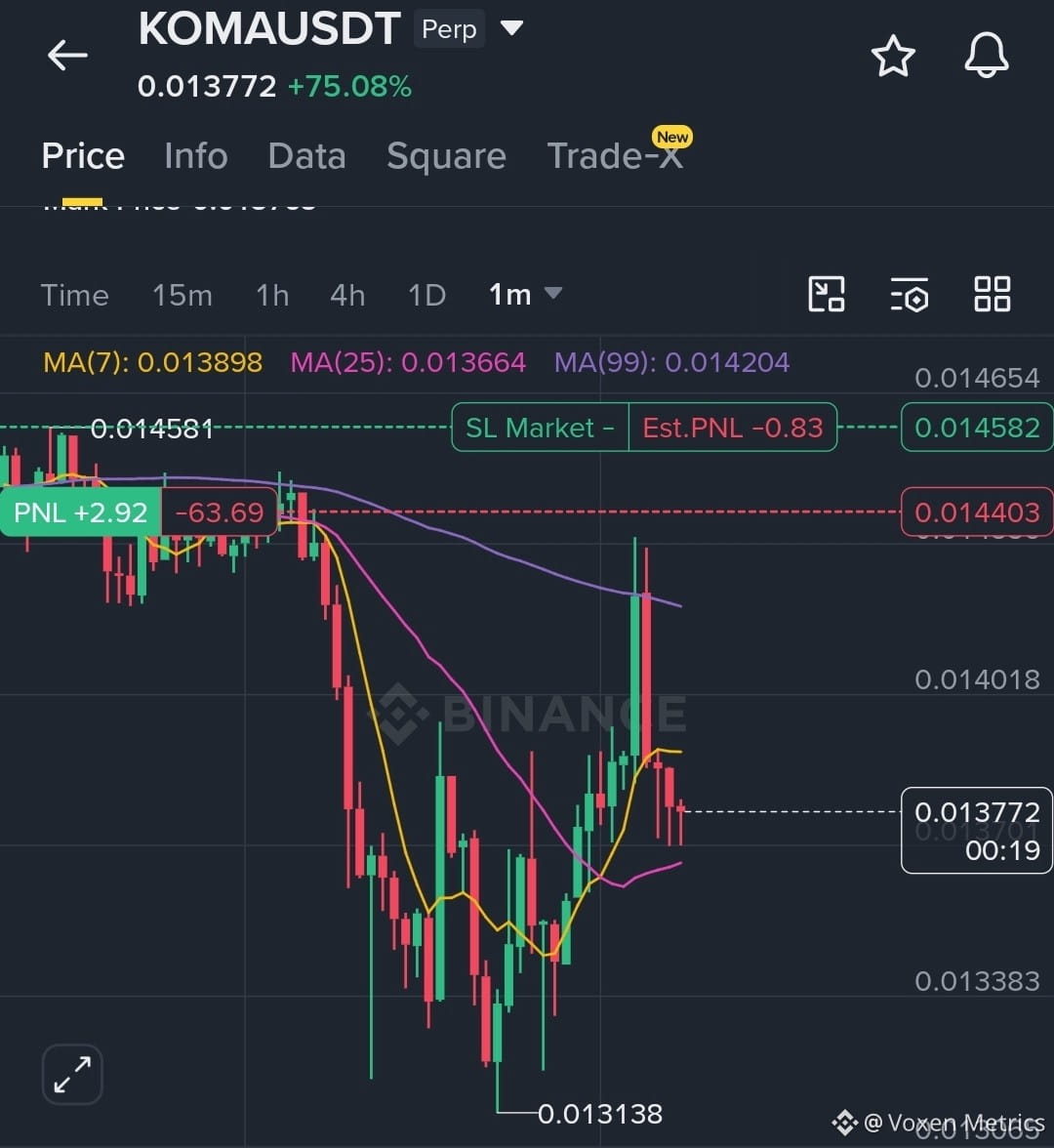

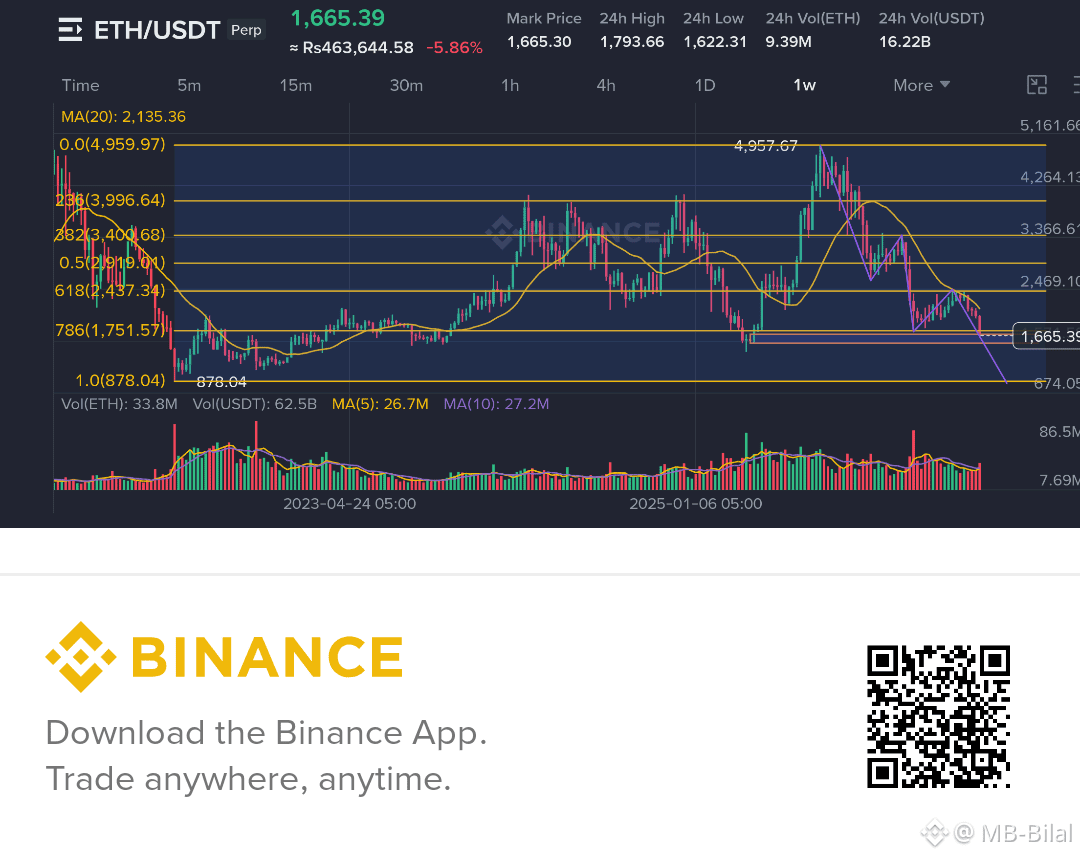

🚨 May Looks Dangerous for the Market – Possible Dump Ahead? 📉
In my personal view, May is shaping up to be a very tough month for the market. The current structure looks weak, and I’m seeing clear signs of potential downside pressure.
Here’s what I’m noticing:
• Volume is decreasing
• Buying pressure is fading
• Strong rejections from major resistance levels
• Momentum indicators showing weakness
If this structure continues, we could see further downside. Personally, I wouldn’t be surprised if the market drops toward the 50K level — and in case of panic selling, even 48K is possible.
⚠️ Remember:
Markets don’t move in a straight line. Corrections are healthy, but they can be brutal for overleveraged traders.
Right now, I’m keeping more cash on the side and waiting patiently for a deeper dip to get better entries.
What do you think?
Are we bouncing from here, or is 50K–48K coming next? Drop your opinion below 👇
This is just my personal analysis — NOT financial advice. Always do your own research (DYOR).
#crypto #bitcoin #BTC #bearish #panic
🚨 May Looks Dangerous for the Market – Possible Dump Ahead? 📉
In my personal view, May is shaping up to be a very tough month for the market. The current structure looks weak, and I’m seeing clear signs of potential downside pressure.
Here’s what I’m noticing:
• Volume is decreasing
• Buying pressure is fading
• Strong rejections from major resistance levels
• Momentum indicators showing weakness
If this structure continues, we could see further downside. Personally, I wouldn’t be surprised if the market drops toward the 50K level — and in case of panic selling, even 48K is possible.
⚠️ Remember:
Markets don’t move in a straight line. Corrections are healthy, but they can be brutal for overleveraged traders.
Right now, I’m keeping more cash on the side and waiting patiently for a deeper dip to get better entries.
What do you think?
Are we bouncing from here, or is 50K–48K coming next? Drop your opinion below 👇
This is just my personal analysis — NOT financial advice. Always do your own research (DYOR).
#crypto #bitcoin #BTC #bearish #panic
In my personal view, May is shaping up to be a very tough month for the market. The current structure looks weak, and I’m seeing clear signs of potential downside pressure.
Here’s what I’m noticing:
• Volume is decreasing
• Buying pressure is fading
• Strong rejections from major resistance levels
• Momentum indicators showing weakness
If this structure continues, we could see further downside. Personally, I wouldn’t be surprised if the market drops toward the 50K level — and in case of panic selling, even 48K is possible.
⚠️ Remember:
Markets don’t move in a straight line. Corrections are healthy, but they can be brutal for overleveraged traders.
Right now, I’m keeping more cash on the side and waiting patiently for a deeper dip to get better entries.
What do you think?
Are we bouncing from here, or is 50K–48K coming next? Drop your opinion below 👇
This is just my personal analysis — NOT financial advice. Always do your own research (DYOR).
#crypto #bitcoin #BTC #bearish #panic
86

$BTC
{spot}(BTCUSDT)
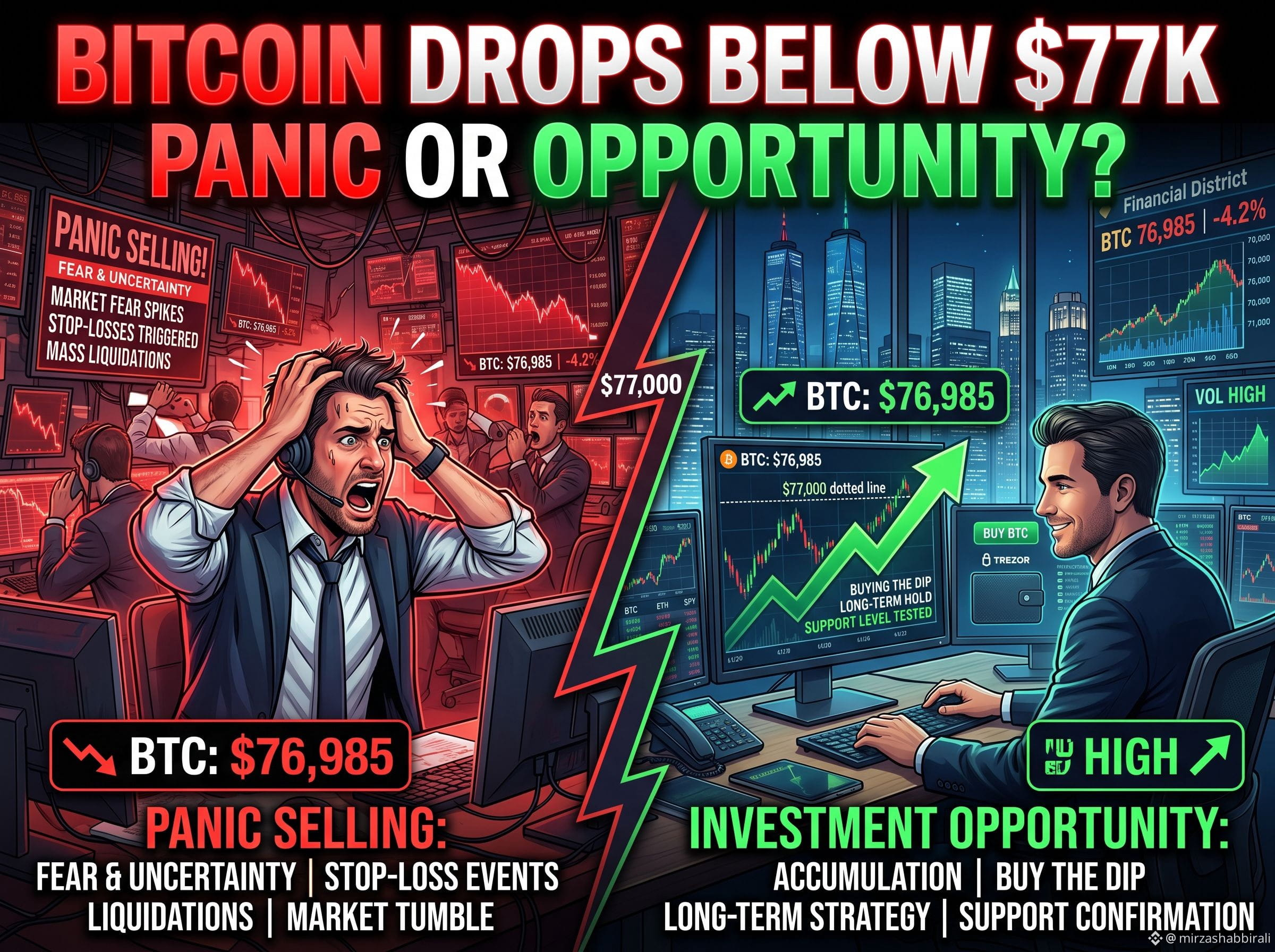
Bitcoin drops below $77K again — and the market is reacting exactly how it always does: fast, emotional, and divided.
For some, this looks like the start of a deeper correction. Fear rises, leverage unwinds, and headlines turn cautious. For others, it’s the same cycle repeating — volatility shaking out short-term traders while long-term believers see accumulation zones instead of alarm bells.
Bitcoin has never moved in a straight line. Every major run has included sharp pullbacks that felt uncomfortable in the moment but routine in hindsight. The real question isn’t just the price level — it’s the context: liquidity conditions, macro pressure, and investor positioning.
Is this panic… or opportunity?
The answer usually depends less on the market itself and more on time horizon. Short-term traders see risk. Long-term investors see resets. And most people are somewhere in between, trying to decide which story is playing out this time.
One thing remains constant: volatility isn’t new here — only the narrative around it is.
#panic #opportunity #BTC #BinanceLaunchesGoldvs.BTCTradingCompetition #ArthurHayes’LatestSpeech
$BTC
Bitcoin drops below $77K again — and the market is reacting exactly how it always does: fast, emotional, and divided.
For some, this looks like the start of a deeper correction. Fear rises, leverage unwinds, and headlines turn cautious. For others, it’s the same cycle repeating — volatility shaking out short-term traders while long-term believers see accumulation zones instead of alarm bells.
Bitcoin has never moved in a straight line. Every major run has included sharp pullbacks that felt uncomfortable in the moment but routine in hindsight. The real question isn’t just the price level — it’s the context: liquidity conditions, macro pressure, and investor positioning.
Is this panic… or opportunity?
The answer usually depends less on the market itself and more on time horizon. Short-term traders see risk. Long-term investors see resets. And most people are somewhere in between, trying to decide which story is playing out this time.
One thing remains constant: volatility isn’t new here — only the narrative around it is.
#panic #opportunity #BTC #BinanceLaunchesGoldvs.BTCTradingCompetition #ArthurHayes’LatestSpeech
Bitcoin drops below $77K again — and the market is reacting exactly how it always does: fast, emotional, and divided.
For some, this looks like the start of a deeper correction. Fear rises, leverage unwinds, and headlines turn cautious. For others, it’s the same cycle repeating — volatility shaking out short-term traders while long-term believers see accumulation zones instead of alarm bells.
Bitcoin has never moved in a straight line. Every major run has included sharp pullbacks that felt uncomfortable in the moment but routine in hindsight. The real question isn’t just the price level — it’s the context: liquidity conditions, macro pressure, and investor positioning.
Is this panic… or opportunity?
The answer usually depends less on the market itself and more on time horizon. Short-term traders see risk. Long-term investors see resets. And most people are somewhere in between, trying to decide which story is playing out this time.
One thing remains constant: volatility isn’t new here — only the narrative around it is.
#panic #opportunity #BTC #BinanceLaunchesGoldvs.BTCTradingCompetition #ArthurHayes’LatestSpeech
15

·
--
🎮 Playdate Catalog: Focus on "Human-Made" Gaming!
Panic, known for its unique Playdate handheld console, has announced a clear and strict policy regarding the use of AI in gaming development.
What are the new rules?
✅ Creativity Ban: Games using AI-generated art, music, writing, or dialogue can no longer be submitted to the Playdate Catalog. Panic says they want to protect and promote "human-made" creative work.
✅ A sneak peek at coding: The good news is that the use of AI coding tools (like GitHub Copilot) is now also allowed. However, developers will be required to disclose this.
✅ Season 3 Focus: The use of any kind of generative AI is strictly prohibited in the upcoming "Playdate Season 3" titles.
What does this mean?
Panic's move is aimed at preserving the "boutique" and "hand-made" vibe of indie gaming that Playdate is renowned for. This policy makes it clear that their focus is on eliminating AI-generated "slop" and promoting genuine human effort on the platform.
What do you think?
Is the use of AI okay in coding but not in art/music? Will this decision help indie developers or put them in more trouble? Share your thoughts below!
$PIEVERSE $UAI $BASED
#Playdate #panic #IndieGaming #GameDev #GenerativeAI #NoAI #HumanMade
🎮 Playdate Catalog: Focus on "Human-Made" Gaming!
Panic, known for its unique Playdate handheld console, has announced a clear and strict policy regarding the use of AI in gaming development.
What are the new rules?
✅ Creativity Ban: Games using AI-generated art, music, writing, or dialogue can no longer be submitted to the Playdate Catalog. Panic says they want to protect and promote "human-made" creative work.
✅ A sneak peek at coding: The good news is that the use of AI coding tools (like GitHub Copilot) is now also allowed. However, developers will be required to disclose this.
✅ Season 3 Focus: The use of any kind of generative AI is strictly prohibited in the upcoming "Playdate Season 3" titles.
What does this mean?
Panic's move is aimed at preserving the "boutique" and "hand-made" vibe of indie gaming that Playdate is renowned for. This policy makes it clear that their focus is on eliminating AI-generated "slop" and promoting genuine human effort on the platform.
What do you think?
Is the use of AI okay in coding but not in art/music? Will this decision help indie developers or put them in more trouble? Share your thoughts below!
$PIEVERSE $UAI $BASED
#Playdate #panic #IndieGaming #GameDev #GenerativeAI #NoAI #HumanMade
Panic, known for its unique Playdate handheld console, has announced a clear and strict policy regarding the use of AI in gaming development.
What are the new rules?
✅ Creativity Ban: Games using AI-generated art, music, writing, or dialogue can no longer be submitted to the Playdate Catalog. Panic says they want to protect and promote "human-made" creative work.
✅ A sneak peek at coding: The good news is that the use of AI coding tools (like GitHub Copilot) is now also allowed. However, developers will be required to disclose this.
✅ Season 3 Focus: The use of any kind of generative AI is strictly prohibited in the upcoming "Playdate Season 3" titles.
What does this mean?
Panic's move is aimed at preserving the "boutique" and "hand-made" vibe of indie gaming that Playdate is renowned for. This policy makes it clear that their focus is on eliminating AI-generated "slop" and promoting genuine human effort on the platform.
What do you think?
Is the use of AI okay in coding but not in art/music? Will this decision help indie developers or put them in more trouble? Share your thoughts below!
$PIEVERSE $UAI $BASED
#Playdate #panic #IndieGaming #GameDev #GenerativeAI #NoAI #HumanMade

502

·
--
ສັນຍານກະທິງ
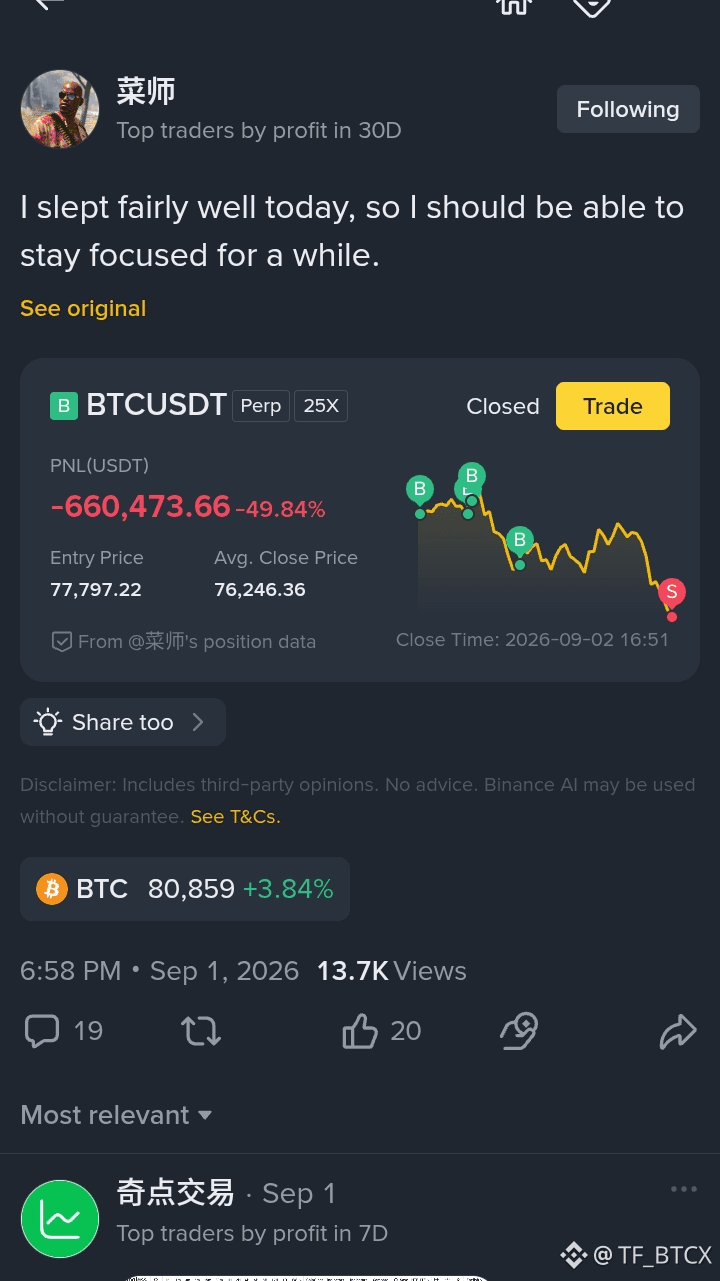
🚨 MASSIVE ESCALATION:
Trump is expected to officially RIP UP the Iran peace deal at 3 PM ET and END the ceasefire. 🇺🇸🇮🇷
Markets are about to get absolutely wrecked.
Oil 📈
Gold 📈
Panic 📈
One announcement could push the world back to the edge of war.
$BZ $CL $ETH
{future}(ETHUSDT)
{future}(CLUSDT)
{future}(BZUSDT)
#IranRejectsUSPeacePlan #breakingnews #market #crypto #panic
🚨 MASSIVE ESCALATION:
Trump is expected to officially RIP UP the Iran peace deal at 3 PM ET and END the ceasefire. 🇺🇸🇮🇷
Markets are about to get absolutely wrecked.
Oil 📈
Gold 📈
Panic 📈
One announcement could push the world back to the edge of war.
$BZ $CL $ETH
#IranRejectsUSPeacePlan #breakingnews #market #crypto #panic
Trump is expected to officially RIP UP the Iran peace deal at 3 PM ET and END the ceasefire. 🇺🇸🇮🇷
Markets are about to get absolutely wrecked.
Oil 📈
Gold 📈
Panic 📈
One announcement could push the world back to the edge of war.
$BZ $CL $ETH
#IranRejectsUSPeacePlan #breakingnews #market #crypto #panic


1
1
315


·
--
ສັນຍານໝີ
Is this the end ….
…hold your breathe and count to ten
#MarketPullback #bitcoin #heatwaves #panic #hard $BTC $ETH $BNB
Is this the end ….
…hold your breathe and count to ten
#MarketPullback #bitcoin #heatwaves #panic #hard $BTC $ETH $BNB
…hold your breathe and count to ten
#MarketPullback #bitcoin #heatwaves #panic #hard $BTC $ETH $BNB
4
1
6
2.1k

ບົດຄວາມ
🚨 ¡PÁSALO RÁPIDO! El colapso financiero que nadie quiere que recuerdes ⚠️Wall Street 1929 vs. El Mundo Cripto: ¿Dos caras de la misma moneda?
A simple vista, el colapso de Wall Street en 1929 y los brutales "cripto inviernos" parecen sacados del mismo libreto financiero. Sin embargo, aunque la psicología humana detrás de ambos mercados es idéntica (avaricia extrema seguida de pánico absoluto), las reglas del juego y las dinámicas son profundamente diferentes.
Las Similitudes: La anatomía de la euforia
La trampa del dinero prestado (Apalancamiento): En los años 20, los ciudadanos compraban acciones pagando solo el 10% en efectivo y pidiendo prestado el 90% restante. Cuando el mercado bajó, los corredores exigieron los pagos y la estructura colapsó. En el ecosistema cripto ocurre algo idéntico: el uso excesivo de apalancamiento (operar con dinero prestado por los *exchanges*) suele detonar cascadas de liquidaciones masivas que hunden los precios en cuestión de minutos.
La fiebre de las masas: Tanto en 1929 como en las grandes burbujas cripto (como los picos de 2017 o 2021), el catalizador fue la narrativa del "enriquecimiento rápido". Personas sin conocimientos financieros entraron en masa al mercado impulsadas por el miedo a quedarse fuera (*FOMO*), inflando una burbuja insostenible.
Las Diferencias: Velocidad tradicional vs. Volatilidad cuántica
Característica Crac de Wall Street (1929) Colapsos del Mundo Cripto
Velocidad del ciclo Lenta. Tardó casi 3 años en tocar su fondo más bajo en 1932. Ultra veloz. Los analistas señalan que las criptomonedas concentran ciclos históricos de auge y caída en pocos meses.
Magnitud de caídas El Dow Jones cayó un 89% en su punto máximo de crisis. Bitcoin ha sufrido caídas del -92% (2011), -85% (2015) y -75% (2022), recuperándose siempre.
Regulación Prácticamente nula antes del crac, lo que obligó a fundar la SEC después. En constante evolución; transitando de un salvaje oeste a una creciente adopción institucional (como los ETF de Bitcoin).
Respaldo Empresas con fábricas, empleados y producción real en la economía. | Activos digitales descentralizados basados en blockchain, cuyo valor depende netamente de la oferta, la demanda y la confianza en su utilidad. |
¿Podría volver a suceder un desplome similar?
Sí, un colapso de magnitudes similares o peores puede volver a ocurrir. De hecho, la pregunta no es *si* sucederá, sino *cuándo* y *dónde*.
En el mercado financiero tradicional:
Hoy en día existen disyuntores automáticos (mecanismos que congelan las operaciones si la bolsa cae drásticamente en un solo día) diseñados específicamente para evitar el pánico ciego de 1929. No obstante, el riesgo actual no está en las acciones individuales, sino en la interconexión del sistema global, el endeudamiento de los gobiernos y la velocidad del *trading* algorítmico, donde las inteligencias artificiales pueden vender miles de millones de dólares en milisegundos, provocando "Flash Crashes" (caídas relámpago).
En el mercado de las criptomonedas:
Las correcciones agresivas del 50% al 80% son, paradójicamente, parte de la naturaleza cíclica normal de este ecosistema. Sin embargo, a medida que grandes fondos de inversión e instituciones financieras tradicionales inyectan capital en las criptomonedas, el riesgo cambia. Ya no se trata de un mercado aislado: un colapso sistémico total en el mundo cripto podría tener hoy un efecto dominó que arrastre a la economía tradicional, algo que no ocurría hace una década.
La tecnología cambia, los activos evolucionan, pero el miedo y la codicia humana siguen intactos.
💬 Debate abierto para la comunidad:
Considerando que el Bitcoin y las criptomonedas sufren caídas que harían temblar al Wall Street de 1929 pero siempre han logrado recuperarse y marcar nuevos máximos, ¿creen que la volatilidad extrema es el precio justo a pagar por un sistema financiero descentralizado, o llegará el día en que una regulación masiva apague definitivamente este mercado? ¡Los leo en los
#bitcoin #criptos #ada #eth #panic
comentarios! 👇
🚨 ¡PÁSALO RÁPIDO! El colapso financiero que nadie quiere que recuerdes ⚠️
Wall Street 1929 vs. El Mundo Cripto: ¿Dos caras de la misma moneda?
A simple vista, el colapso de Wall Street en 1929 y los brutales "cripto inviernos" parecen sacados del mismo libreto financiero. Sin embargo, aunque la psicología humana detrás de ambos mercados es idéntica (avaricia extrema seguida de pánico absoluto), las reglas del juego y las dinámicas son profundamente diferentes.
Las Similitudes: La anatomía de la euforia
La trampa del dinero prestado (Apalancamiento): En los años 20, los ciudadanos compraban acciones pagando solo el 10% en efectivo y pidiendo prestado el 90% restante. Cuando el mercado bajó, los corredores exigieron los pagos y la estructura colapsó. En el ecosistema cripto ocurre algo idéntico: el uso excesivo de apalancamiento (operar con dinero prestado por los *exchanges*) suele detonar cascadas de liquidaciones masivas que hunden los precios en cuestión de minutos.
La fiebre de las masas: Tanto en 1929 como en las grandes burbujas cripto (como los picos de 2017 o 2021), el catalizador fue la narrativa del "enriquecimiento rápido". Personas sin conocimientos financieros entraron en masa al mercado impulsadas por el miedo a quedarse fuera (*FOMO*), inflando una burbuja insostenible.
Las Diferencias: Velocidad tradicional vs. Volatilidad cuántica
Característica Crac de Wall Street (1929) Colapsos del Mundo Cripto
Velocidad del ciclo Lenta. Tardó casi 3 años en tocar su fondo más bajo en 1932. Ultra veloz. Los analistas señalan que las criptomonedas concentran ciclos históricos de auge y caída en pocos meses.
Magnitud de caídas El Dow Jones cayó un 89% en su punto máximo de crisis. Bitcoin ha sufrido caídas del -92% (2011), -85% (2015) y -75% (2022), recuperándose siempre.
Regulación Prácticamente nula antes del crac, lo que obligó a fundar la SEC después. En constante evolución; transitando de un salvaje oeste a una creciente adopción institucional (como los ETF de Bitcoin).
Respaldo Empresas con fábricas, empleados y producción real en la economía. | Activos digitales descentralizados basados en blockchain, cuyo valor depende netamente de la oferta, la demanda y la confianza en su utilidad. |
¿Podría volver a suceder un desplome similar?
Sí, un colapso de magnitudes similares o peores puede volver a ocurrir. De hecho, la pregunta no es *si* sucederá, sino *cuándo* y *dónde*.
En el mercado financiero tradicional:
Hoy en día existen disyuntores automáticos (mecanismos que congelan las operaciones si la bolsa cae drásticamente en un solo día) diseñados específicamente para evitar el pánico ciego de 1929. No obstante, el riesgo actual no está en las acciones individuales, sino en la interconexión del sistema global, el endeudamiento de los gobiernos y la velocidad del *trading* algorítmico, donde las inteligencias artificiales pueden vender miles de millones de dólares en milisegundos, provocando "Flash Crashes" (caídas relámpago).
En el mercado de las criptomonedas:
Las correcciones agresivas del 50% al 80% son, paradójicamente, parte de la naturaleza cíclica normal de este ecosistema. Sin embargo, a medida que grandes fondos de inversión e instituciones financieras tradicionales inyectan capital en las criptomonedas, el riesgo cambia. Ya no se trata de un mercado aislado: un colapso sistémico total en el mundo cripto podría tener hoy un efecto dominó que arrastre a la economía tradicional, algo que no ocurría hace una década.
La tecnología cambia, los activos evolucionan, pero el miedo y la codicia humana siguen intactos.
💬 Debate abierto para la comunidad:
Considerando que el Bitcoin y las criptomonedas sufren caídas que harían temblar al Wall Street de 1929 pero siempre han logrado recuperarse y marcar nuevos máximos, ¿creen que la volatilidad extrema es el precio justo a pagar por un sistema financiero descentralizado, o llegará el día en que una regulación masiva apague definitivamente este mercado? ¡Los leo en los
#bitcoin #criptos #ada #eth #panic
comentarios! 👇
A simple vista, el colapso de Wall Street en 1929 y los brutales "cripto inviernos" parecen sacados del mismo libreto financiero. Sin embargo, aunque la psicología humana detrás de ambos mercados es idéntica (avaricia extrema seguida de pánico absoluto), las reglas del juego y las dinámicas son profundamente diferentes.
Las Similitudes: La anatomía de la euforia
La trampa del dinero prestado (Apalancamiento): En los años 20, los ciudadanos compraban acciones pagando solo el 10% en efectivo y pidiendo prestado el 90% restante. Cuando el mercado bajó, los corredores exigieron los pagos y la estructura colapsó. En el ecosistema cripto ocurre algo idéntico: el uso excesivo de apalancamiento (operar con dinero prestado por los *exchanges*) suele detonar cascadas de liquidaciones masivas que hunden los precios en cuestión de minutos.
La fiebre de las masas: Tanto en 1929 como en las grandes burbujas cripto (como los picos de 2017 o 2021), el catalizador fue la narrativa del "enriquecimiento rápido". Personas sin conocimientos financieros entraron en masa al mercado impulsadas por el miedo a quedarse fuera (*FOMO*), inflando una burbuja insostenible.
Las Diferencias: Velocidad tradicional vs. Volatilidad cuántica
Característica Crac de Wall Street (1929) Colapsos del Mundo Cripto
Velocidad del ciclo Lenta. Tardó casi 3 años en tocar su fondo más bajo en 1932. Ultra veloz. Los analistas señalan que las criptomonedas concentran ciclos históricos de auge y caída en pocos meses.
Magnitud de caídas El Dow Jones cayó un 89% en su punto máximo de crisis. Bitcoin ha sufrido caídas del -92% (2011), -85% (2015) y -75% (2022), recuperándose siempre.
Regulación Prácticamente nula antes del crac, lo que obligó a fundar la SEC después. En constante evolución; transitando de un salvaje oeste a una creciente adopción institucional (como los ETF de Bitcoin).
Respaldo Empresas con fábricas, empleados y producción real en la economía. | Activos digitales descentralizados basados en blockchain, cuyo valor depende netamente de la oferta, la demanda y la confianza en su utilidad. |
¿Podría volver a suceder un desplome similar?
Sí, un colapso de magnitudes similares o peores puede volver a ocurrir. De hecho, la pregunta no es *si* sucederá, sino *cuándo* y *dónde*.
En el mercado financiero tradicional:
Hoy en día existen disyuntores automáticos (mecanismos que congelan las operaciones si la bolsa cae drásticamente en un solo día) diseñados específicamente para evitar el pánico ciego de 1929. No obstante, el riesgo actual no está en las acciones individuales, sino en la interconexión del sistema global, el endeudamiento de los gobiernos y la velocidad del *trading* algorítmico, donde las inteligencias artificiales pueden vender miles de millones de dólares en milisegundos, provocando "Flash Crashes" (caídas relámpago).
En el mercado de las criptomonedas:
Las correcciones agresivas del 50% al 80% son, paradójicamente, parte de la naturaleza cíclica normal de este ecosistema. Sin embargo, a medida que grandes fondos de inversión e instituciones financieras tradicionales inyectan capital en las criptomonedas, el riesgo cambia. Ya no se trata de un mercado aislado: un colapso sistémico total en el mundo cripto podría tener hoy un efecto dominó que arrastre a la economía tradicional, algo que no ocurría hace una década.
La tecnología cambia, los activos evolucionan, pero el miedo y la codicia humana siguen intactos.
💬 Debate abierto para la comunidad:
Considerando que el Bitcoin y las criptomonedas sufren caídas que harían temblar al Wall Street de 1929 pero siempre han logrado recuperarse y marcar nuevos máximos, ¿creen que la volatilidad extrema es el precio justo a pagar por un sistema financiero descentralizado, o llegará el día en que una regulación masiva apague definitivamente este mercado? ¡Los leo en los
#bitcoin #criptos #ada #eth #panic
comentarios! 👇
1
283

·
--
ສັນຍານໝີ
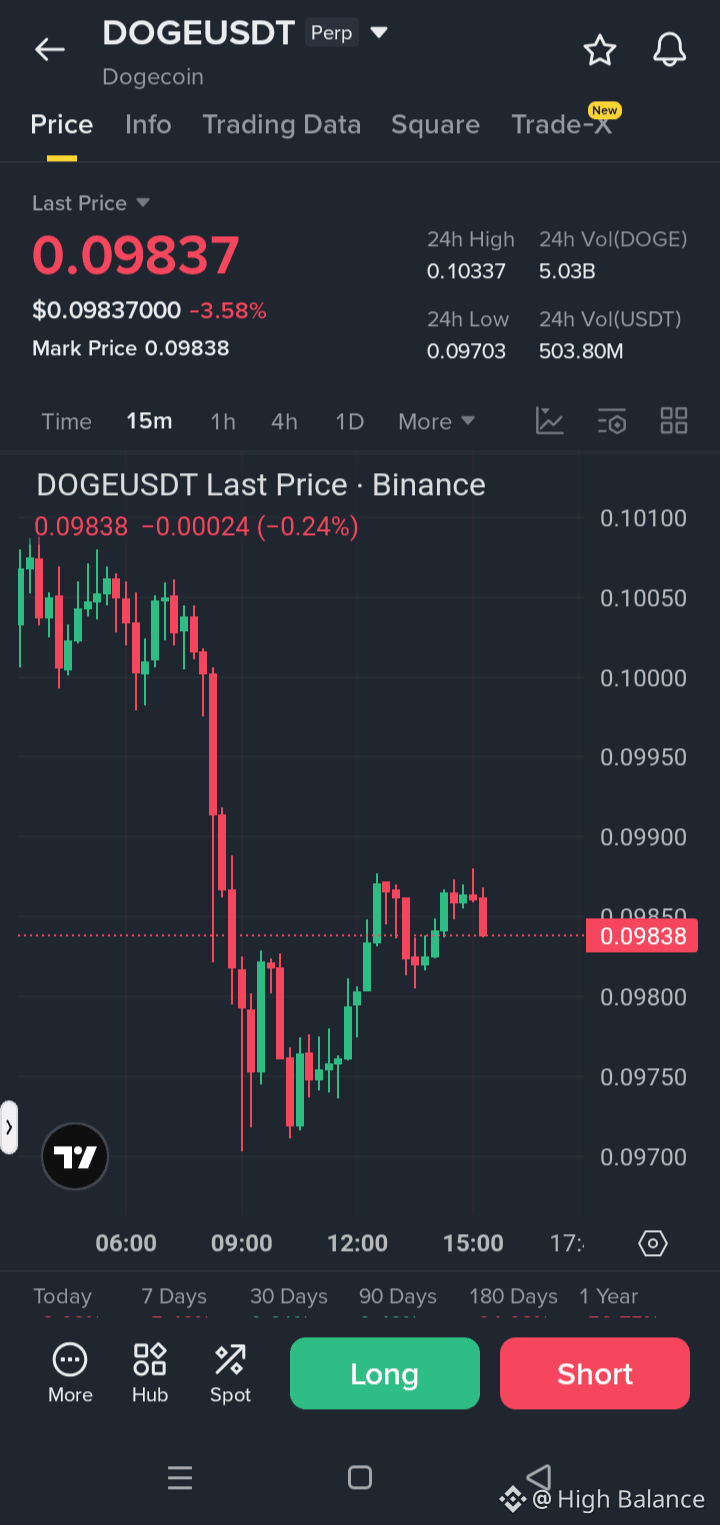
$DOGE is still under bearish pressure and right now buyers are only defending… not attacking.
The chart is showing a slow bleed structure 👇
No aggressive recovery candles, no breakout momentum, and every small bounce is getting sold quickly.
📉 Current Bias: #Bearish
🐻 Structure: Lower highs + lower lows
⚠️ Momentum: Weak
Possible plan 👇
📉 Short zone: 0.0988 – 0.0995
🎯 First target: 0.0980
🎯 Second target: 0.0975
🎯 Third target: 0.0970+
🛑 Invalidation: above 0.1005
$DOGE is heavily sentiment-driven.
Unlike utility coins, $DOGE reacts more to:
• social hype
• Elon Musk sentiment
• meme coin momentum
• retail trader emotions
That’s why DOGE often becomes very dangerous during weak market conditions.
Another interesting observation 👇
Volume is extremely high here: 👉 5B+ DOGE traded 👉 $500M+ USDT volume
But price is still weak.
This usually means: large players are distributing positions instead of accumulating aggressively.
In strong bullish markets: High volume + rising price = healthy demand
But here: High volume + falling price = sellers dominating liquidity.
Also watch the psychological 0.100 zone carefully 👇
When DOGE loses a major #psychological level, #retailtraders often #panic faster because meme coins rely heavily on confidence.
For bulls to recover momentum: DOGE needs to reclaim 0.1000–0.1005 and hold above it with strong buying pressure.
Until then, bears still control the short-term structure. No financial advice. Manage risk properly.
{future}(DOGEUSDT)
FuturesLiquidationsReach$407M#GrayscaleRenamesHYPEToStakingETF
$DOGE is still under bearish pressure and right now buyers are only defending… not attacking.
The chart is showing a slow bleed structure 👇
No aggressive recovery candles, no breakout momentum, and every small bounce is getting sold quickly.
📉 Current Bias: #Bearish
🐻 Structure: Lower highs + lower lows
⚠️ Momentum: Weak
Possible plan 👇
📉 Short zone: 0.0988 – 0.0995
🎯 First target: 0.0980
🎯 Second target: 0.0975
🎯 Third target: 0.0970+
🛑 Invalidation: above 0.1005
$DOGE is heavily sentiment-driven.
Unlike utility coins, $DOGE reacts more to:
• social hype
• Elon Musk sentiment
• meme coin momentum
• retail trader emotions
That’s why DOGE often becomes very dangerous during weak market conditions.
Another interesting observation 👇
Volume is extremely high here: 👉 5B+ DOGE traded 👉 $500M+ USDT volume
But price is still weak.
This usually means: large players are distributing positions instead of accumulating aggressively.
In strong bullish markets: High volume + rising price = healthy demand
But here: High volume + falling price = sellers dominating liquidity.
Also watch the psychological 0.100 zone carefully 👇
When DOGE loses a major #psychological level, #retailtraders often #panic faster because meme coins rely heavily on confidence.
For bulls to recover momentum: DOGE needs to reclaim 0.1000–0.1005 and hold above it with strong buying pressure.
Until then, bears still control the short-term structure. No financial advice. Manage risk properly.
FuturesLiquidationsReach$407M#GrayscaleRenamesHYPEToStakingETF
The chart is showing a slow bleed structure 👇
No aggressive recovery candles, no breakout momentum, and every small bounce is getting sold quickly.
📉 Current Bias: #Bearish
🐻 Structure: Lower highs + lower lows
⚠️ Momentum: Weak
Possible plan 👇
📉 Short zone: 0.0988 – 0.0995
🎯 First target: 0.0980
🎯 Second target: 0.0975
🎯 Third target: 0.0970+
🛑 Invalidation: above 0.1005
$DOGE is heavily sentiment-driven.
Unlike utility coins, $DOGE reacts more to:
• social hype
• Elon Musk sentiment
• meme coin momentum
• retail trader emotions
That’s why DOGE often becomes very dangerous during weak market conditions.
Another interesting observation 👇
Volume is extremely high here: 👉 5B+ DOGE traded 👉 $500M+ USDT volume
But price is still weak.
This usually means: large players are distributing positions instead of accumulating aggressively.
In strong bullish markets: High volume + rising price = healthy demand
But here: High volume + falling price = sellers dominating liquidity.
Also watch the psychological 0.100 zone carefully 👇
When DOGE loses a major #psychological level, #retailtraders often #panic faster because meme coins rely heavily on confidence.
For bulls to recover momentum: DOGE needs to reclaim 0.1000–0.1005 and hold above it with strong buying pressure.
Until then, bears still control the short-term structure. No financial advice. Manage risk properly.
FuturesLiquidationsReach$407M#GrayscaleRenamesHYPEToStakingETF
65
ເຂົ້າສູ່ລະບົບເພື່ອສຳຫຼວດເນື້ອຫາເພີ່ມເຕີມ
ເຂົ້າຮ່ວມກຸ່ມຜູ້ໃຊ້ຄຣິບໂຕທົ່ວໂລກໃນ Binance Square.
⚡️ ໄດ້ຮັບຂໍ້ມູນຫຼ້າສຸດ ແລະ ທີ່ມີປະໂຫຍດກ່ຽວກັບຄຣິບໂຕ.
💬 ໄດ້ຮັບຄວາມໄວ້ວາງໃຈຈາກຕະຫຼາດແລກປ່ຽນຄຣິບໂຕທີ່ໃຫຍ່ທີ່ສຸດໃນໂລກ.
👍 ຄົ້ນຫາຂໍ້ມູນເຊີງເລິກທີ່ແທ້ຈາກນັກສ້າງທີ່ໄດ້ຮັບການຢືນຢັນ.
ອີເມວ / ເບີໂທລະສັບ
ຫົວຂໍ້ທີ່ກໍາລັງນິຍົມ
1
#BinancePick
3.4M ຄັ້ງທີ່ເບິ່ງ
165,648 ກຳລັງສົນທະນາ
2
#EarningsSeason
5.5M ຄັ້ງທີ່ເບິ່ງ
26,993 ກຳລັງສົນທະນາ
3
#StrategySkipsBitcoinPurchasesSpends$205MOnSTRCBuybacks
1,040 ຄັ້ງທີ່ເບິ່ງ
34 ກຳລັງສົນທະນາ
4
#BitmineAdds10452ETH
12,628 ຄັ້ງທີ່ເບິ່ງ
295 ກຳລັງສົນທະນາ
5
#SouthKoreaConsidersEducationTaxOnCryptoExchanges
10,209 ຄັ້ງທີ່ເບິ່ງ
252 ກຳລັງສົນທະນາ
6
#OCCUrgesCommunityBanksToEnterStablecoinPayments
9,504 ຄັ້ງທີ່ເບິ່ງ
160 ກຳລັງສົນທະນາ
7
#RippleWinsFullApprovalAsNationalTrustBank
8,173 ຄັ້ງທີ່ເບິ່ງ
166 ກຳລັງສົນທະນາ
8
#AkashSelectsSolanaAsMigrationTarget
6,154 ຄັ້ງທີ່ເບິ່ງ
87 ກຳລັງສົນທະນາ
9
#OndoToOpenSubscriptionsForOpenAIPreIPOTokenizedNotes
387 ຄັ້ງທີ່ເບິ່ງ
19 ກຳລັງສົນທະນາ
10
#AnthropicTTMRevenueGrewAbout1200%
61,965 ຄັ້ງທີ່ເບິ່ງ
611 ກຳລັງສົນທະນາ