
#marketsituation
marketsituation
260,685 views
144 ກຳລັງສົນທະນາ
ມາແຮງ
ຫຼ້າສຸດ

·
--
ສັນຍານກະທິງ
ເບິ່ງການແປ
🚨 Yen Crisis Watch 🇯🇵💴
The Japanese Yen is under heavy pressure as USD/JPY pushes near 40-year highs. 📉
Why?
🔥 US rates remain higher
🔥 Investors continue the Yen carry trade
🔥 Strong USD demand is adding more pressure
Markets are watching the key 161.95 level closely 👀
A major move could be coming.
Stay alert — FX volatility can impact stocks, crypto & global markets. 🌍
#Forex #USDJPY #MarketSituation $MUB
{spot}(MUBUSDT)
🚨 Yen Crisis Watch 🇯🇵💴
The Japanese Yen is under heavy pressure as USD/JPY pushes near 40-year highs. 📉
Why?
🔥 US rates remain higher
🔥 Investors continue the Yen carry trade
🔥 Strong USD demand is adding more pressure
Markets are watching the key 161.95 level closely 👀
A major move could be coming.
Stay alert — FX volatility can impact stocks, crypto & global markets. 🌍
#Forex #USDJPY #MarketSituation $MUB
The Japanese Yen is under heavy pressure as USD/JPY pushes near 40-year highs. 📉
Why?
🔥 US rates remain higher
🔥 Investors continue the Yen carry trade
🔥 Strong USD demand is adding more pressure
Markets are watching the key 161.95 level closely 👀
A major move could be coming.
Stay alert — FX volatility can impact stocks, crypto & global markets. 🌍
#Forex #USDJPY #MarketSituation $MUB
17

·
--
🇨🇦 ການາດາຕອບໂຕ້: ອາກອນ 15%–50% ກ່ຽວກັບສິນຄ້າສหรัฐฯ
ການາດາກຳລັງຈະກຳນົດອາກອນ 15%, 25% ແລະ 50% ສຳລັບສິນຄ້ານຳເຂົ້າຈາກສหรัฐฯ ມູນຄ່າ 27.6 ຕື້ໂດລາ ເລີ່ມແຕ່ວັນທີ 8 ກັນຍາ 2026.
🔥 ພາກສ່ວນທີ່ຖືກຜົນກະທົບ:
• ເຫຼັກ & ອາລູມິນຽມ 🏗️
• ນົມ & ອາຫານ 🥛
• ເຄື່ອງໃຊ້ໃນເຮືອນ 🏠
• ອຸປະກອນກະສິກຳ 🚜
• ເຄື່ອງອິເລັກໂຕນິກສ໌ 📱
• ເຄ້ຍ, ເຈ້ຍ & ພລາສຕິກ 📦
ການດຳເນີນນີ້ເປັນການຕອບແທນ “ຄືກັນຕໍ່ຄືນ” ຕໍ່ອາກອນຂອງສหรัฐฯ ທີ່ກະທົບຕໍ່ສິນຄ້າການາດາ ໂດຍທຳໃຫ້ການຂັດແຍ້ງດ້ານການຄ້າລະຫວ່າງສອງເສດຖະກິດໃນອเมຣິກາເໜືອທະວີຂຶ້ນ.
📉 ເປັນຫຍັງຕະຫຼາດອາດສົນໃຈ:
ອາກອນທີ່ສູງຂຶ້ນສາມາດເຮັດໃຫ້ຕົ້ນທຶນການນຳເຂົ້າສູງຂຶ້ນ, ກົດດັນທຸລະກິດ, ລົບກວນແຫຼ່ງສະໜອງ (supply chains) ແລະ ອາດເພີ່ມແຮງກົດດັນໃຫ້ເງິນເຟີ້ ມີທ່າທີສູງຂຶ້ນ.
ສຳລັບນັກຄ້າຄຣິບໂຕ (crypto traders) ຄຳຖາມໃຫຍ່ຄື ການຂັດແຍ້ງດ້ານການຄ້າທີ່ຮຸນແຮງຂຶ້ນ ກະຕຸ້ນໃຫ້ນັກລົງທຶນຫັນໄປຫາຊັບສິນແບບປອດໄພ (safe-haven) ຫຼື ເພີ່ມແຮງດັນດ້ານ “risk-off” ທົ່ວຕະຫຼາດໂລກ.
👀 ຕິດຕາມ: BTC, ຄຳ, USD/CAD & ຮຸ້ນສหรัฐฯ.
#Canada #usa #Tariffs #TradeWar #MarketSituation
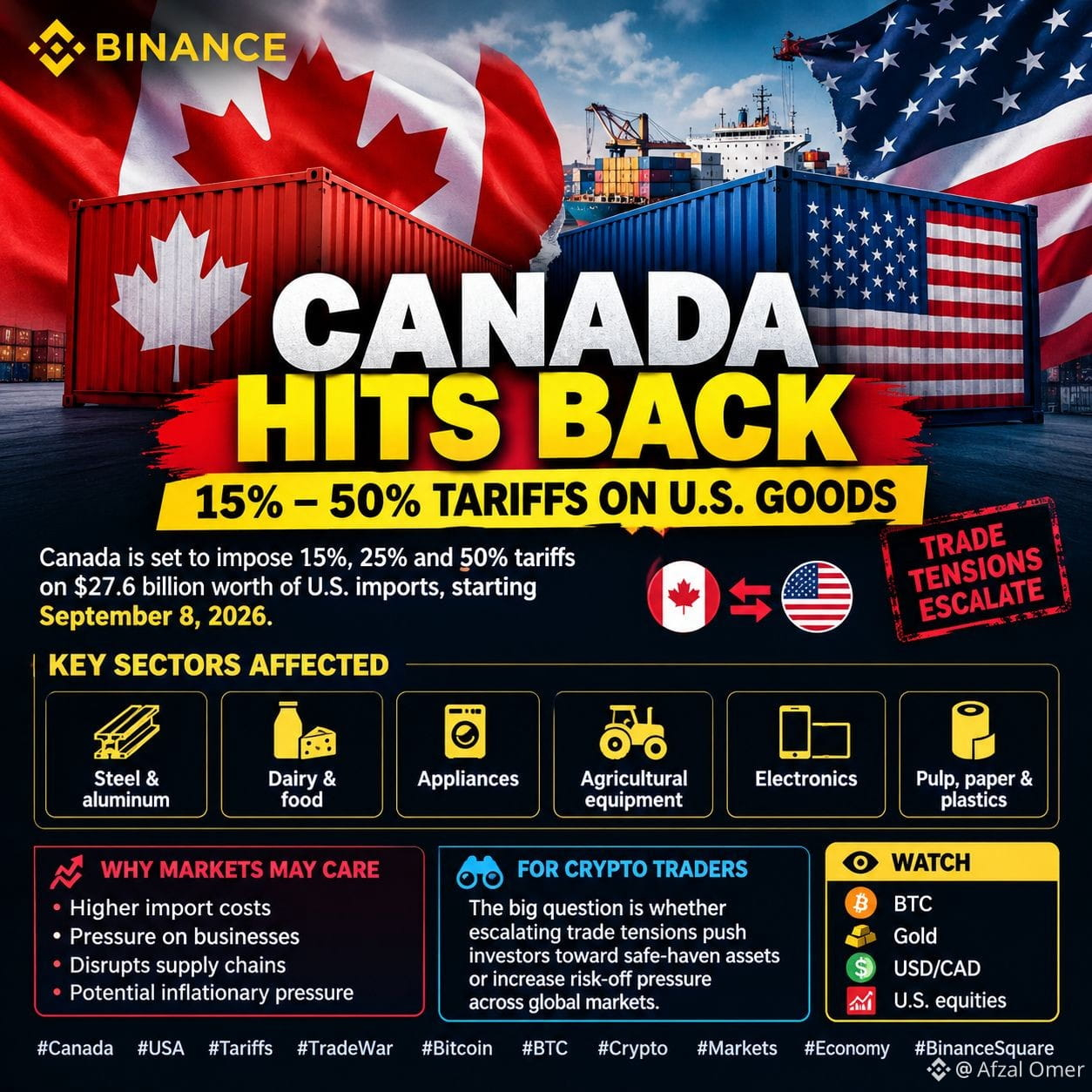
🇨🇦 ການາດາຕອບໂຕ້: ອາກອນ 15%–50% ກ່ຽວກັບສິນຄ້າສหรัฐฯ
ການາດາກຳລັງຈະກຳນົດອາກອນ 15%, 25% ແລະ 50% ສຳລັບສິນຄ້ານຳເຂົ້າຈາກສหรัฐฯ ມູນຄ່າ 27.6 ຕື້ໂດລາ ເລີ່ມແຕ່ວັນທີ 8 ກັນຍາ 2026.
🔥 ພາກສ່ວນທີ່ຖືກຜົນກະທົບ:
• ເຫຼັກ & ອາລູມິນຽມ 🏗️
• ນົມ & ອາຫານ 🥛
• ເຄື່ອງໃຊ້ໃນເຮືອນ 🏠
• ອຸປະກອນກະສິກຳ 🚜
• ເຄື່ອງອິເລັກໂຕນິກສ໌ 📱
• ເຄ້ຍ, ເຈ້ຍ & ພລາສຕິກ 📦
ການດຳເນີນນີ້ເປັນການຕອບແທນ “ຄືກັນຕໍ່ຄືນ” ຕໍ່ອາກອນຂອງສหรัฐฯ ທີ່ກະທົບຕໍ່ສິນຄ້າການາດາ ໂດຍທຳໃຫ້ການຂັດແຍ້ງດ້ານການຄ້າລະຫວ່າງສອງເສດຖະກິດໃນອเมຣິກາເໜືອທະວີຂຶ້ນ.
📉 ເປັນຫຍັງຕະຫຼາດອາດສົນໃຈ:
ອາກອນທີ່ສູງຂຶ້ນສາມາດເຮັດໃຫ້ຕົ້ນທຶນການນຳເຂົ້າສູງຂຶ້ນ, ກົດດັນທຸລະກິດ, ລົບກວນແຫຼ່ງສະໜອງ (supply chains) ແລະ ອາດເພີ່ມແຮງກົດດັນໃຫ້ເງິນເຟີ້ ມີທ່າທີສູງຂຶ້ນ.
ສຳລັບນັກຄ້າຄຣິບໂຕ (crypto traders) ຄຳຖາມໃຫຍ່ຄື ການຂັດແຍ້ງດ້ານການຄ້າທີ່ຮຸນແຮງຂຶ້ນ ກະຕຸ້ນໃຫ້ນັກລົງທຶນຫັນໄປຫາຊັບສິນແບບປອດໄພ (safe-haven) ຫຼື ເພີ່ມແຮງດັນດ້ານ “risk-off” ທົ່ວຕະຫຼາດໂລກ.
👀 ຕິດຕາມ: BTC, ຄຳ, USD/CAD & ຮຸ້ນສหรัฐฯ.
#Canada #usa #Tariffs #TradeWar #MarketSituation
ການາດາກຳລັງຈະກຳນົດອາກອນ 15%, 25% ແລະ 50% ສຳລັບສິນຄ້ານຳເຂົ້າຈາກສหรัฐฯ ມູນຄ່າ 27.6 ຕື້ໂດລາ ເລີ່ມແຕ່ວັນທີ 8 ກັນຍາ 2026.
🔥 ພາກສ່ວນທີ່ຖືກຜົນກະທົບ:
• ເຫຼັກ & ອາລູມິນຽມ 🏗️
• ນົມ & ອາຫານ 🥛
• ເຄື່ອງໃຊ້ໃນເຮືອນ 🏠
• ອຸປະກອນກະສິກຳ 🚜
• ເຄື່ອງອິເລັກໂຕນິກສ໌ 📱
• ເຄ້ຍ, ເຈ້ຍ & ພລາສຕິກ 📦
ການດຳເນີນນີ້ເປັນການຕອບແທນ “ຄືກັນຕໍ່ຄືນ” ຕໍ່ອາກອນຂອງສหรัฐฯ ທີ່ກະທົບຕໍ່ສິນຄ້າການາດາ ໂດຍທຳໃຫ້ການຂັດແຍ້ງດ້ານການຄ້າລະຫວ່າງສອງເສດຖະກິດໃນອเมຣິກາເໜືອທະວີຂຶ້ນ.
📉 ເປັນຫຍັງຕະຫຼາດອາດສົນໃຈ:
ອາກອນທີ່ສູງຂຶ້ນສາມາດເຮັດໃຫ້ຕົ້ນທຶນການນຳເຂົ້າສູງຂຶ້ນ, ກົດດັນທຸລະກິດ, ລົບກວນແຫຼ່ງສະໜອງ (supply chains) ແລະ ອາດເພີ່ມແຮງກົດດັນໃຫ້ເງິນເຟີ້ ມີທ່າທີສູງຂຶ້ນ.
ສຳລັບນັກຄ້າຄຣິບໂຕ (crypto traders) ຄຳຖາມໃຫຍ່ຄື ການຂັດແຍ້ງດ້ານການຄ້າທີ່ຮຸນແຮງຂຶ້ນ ກະຕຸ້ນໃຫ້ນັກລົງທຶນຫັນໄປຫາຊັບສິນແບບປອດໄພ (safe-haven) ຫຼື ເພີ່ມແຮງດັນດ້ານ “risk-off” ທົ່ວຕະຫຼາດໂລກ.
👀 ຕິດຕາມ: BTC, ຄຳ, USD/CAD & ຮຸ້ນສหรัฐฯ.
#Canada #usa #Tariffs #TradeWar #MarketSituation
54

·
--
ເບິ່ງການແປ
🇺🇸🇨🇦 U.S.–Canada Trade Talks Break Down
U.S. Commerce Secretary Howard Lutnick has put the blame largely on Canada after the latest trade negotiations fell apart at the final stage.
According to reports, Lutnick said Canadian negotiators introduced what he called “outrageous demands” just hours before the deadline.
One of the major points reportedly involved medium- and heavy-duty trucks, which came up on Friday as negotiations broke down.
Lutnick even said he asked a Canadian minister:
“Are you trying to blow up the negotiations?”
The response? They declined to comment.
Lutnick claimed Canada “destroyed this negotiation for purely political reasons,” while also acknowledging that the U.S. may have made some temporary demands during the talks.
The bigger issue is the potential impact on trade. If no agreement is reached, the previously threatened 50% U.S. tariff on Canadian goods could become a major economic pressure point. 📉
Now the question is whether both sides return to the table or allow tensions to escalate further.
Trade wars rarely stay limited to politicians. Markets usually have something to say about them too. 👀📊
#TradeWar #USA #Canada #Tariffs #Economy #MarketSituation
🇺🇸🇨🇦 U.S.–Canada Trade Talks Break Down
U.S. Commerce Secretary Howard Lutnick has put the blame largely on Canada after the latest trade negotiations fell apart at the final stage.
According to reports, Lutnick said Canadian negotiators introduced what he called “outrageous demands” just hours before the deadline.
One of the major points reportedly involved medium- and heavy-duty trucks, which came up on Friday as negotiations broke down.
Lutnick even said he asked a Canadian minister:
“Are you trying to blow up the negotiations?”
The response? They declined to comment.
Lutnick claimed Canada “destroyed this negotiation for purely political reasons,” while also acknowledging that the U.S. may have made some temporary demands during the talks.
The bigger issue is the potential impact on trade. If no agreement is reached, the previously threatened 50% U.S. tariff on Canadian goods could become a major economic pressure point. 📉
Now the question is whether both sides return to the table or allow tensions to escalate further.
Trade wars rarely stay limited to politicians. Markets usually have something to say about them too. 👀📊
#TradeWar #USA #Canada #Tariffs #Economy #MarketSituation
U.S. Commerce Secretary Howard Lutnick has put the blame largely on Canada after the latest trade negotiations fell apart at the final stage.
According to reports, Lutnick said Canadian negotiators introduced what he called “outrageous demands” just hours before the deadline.
One of the major points reportedly involved medium- and heavy-duty trucks, which came up on Friday as negotiations broke down.
Lutnick even said he asked a Canadian minister:
“Are you trying to blow up the negotiations?”
The response? They declined to comment.
Lutnick claimed Canada “destroyed this negotiation for purely political reasons,” while also acknowledging that the U.S. may have made some temporary demands during the talks.
The bigger issue is the potential impact on trade. If no agreement is reached, the previously threatened 50% U.S. tariff on Canadian goods could become a major economic pressure point. 📉
Now the question is whether both sides return to the table or allow tensions to escalate further.
Trade wars rarely stay limited to politicians. Markets usually have something to say about them too. 👀📊
#TradeWar #USA #Canada #Tariffs #Economy #MarketSituation
48

·
--
ເບິ່ງການແປ
Long Setup $VVV 🚀
Entry: 14.25 - 14.85
TP1: 15.54
TP2: 16.38
TP3: 17.04
SL: 12.25
#TrendingTopic #MarketSituation #VVV
{future}(VVVUSDT)
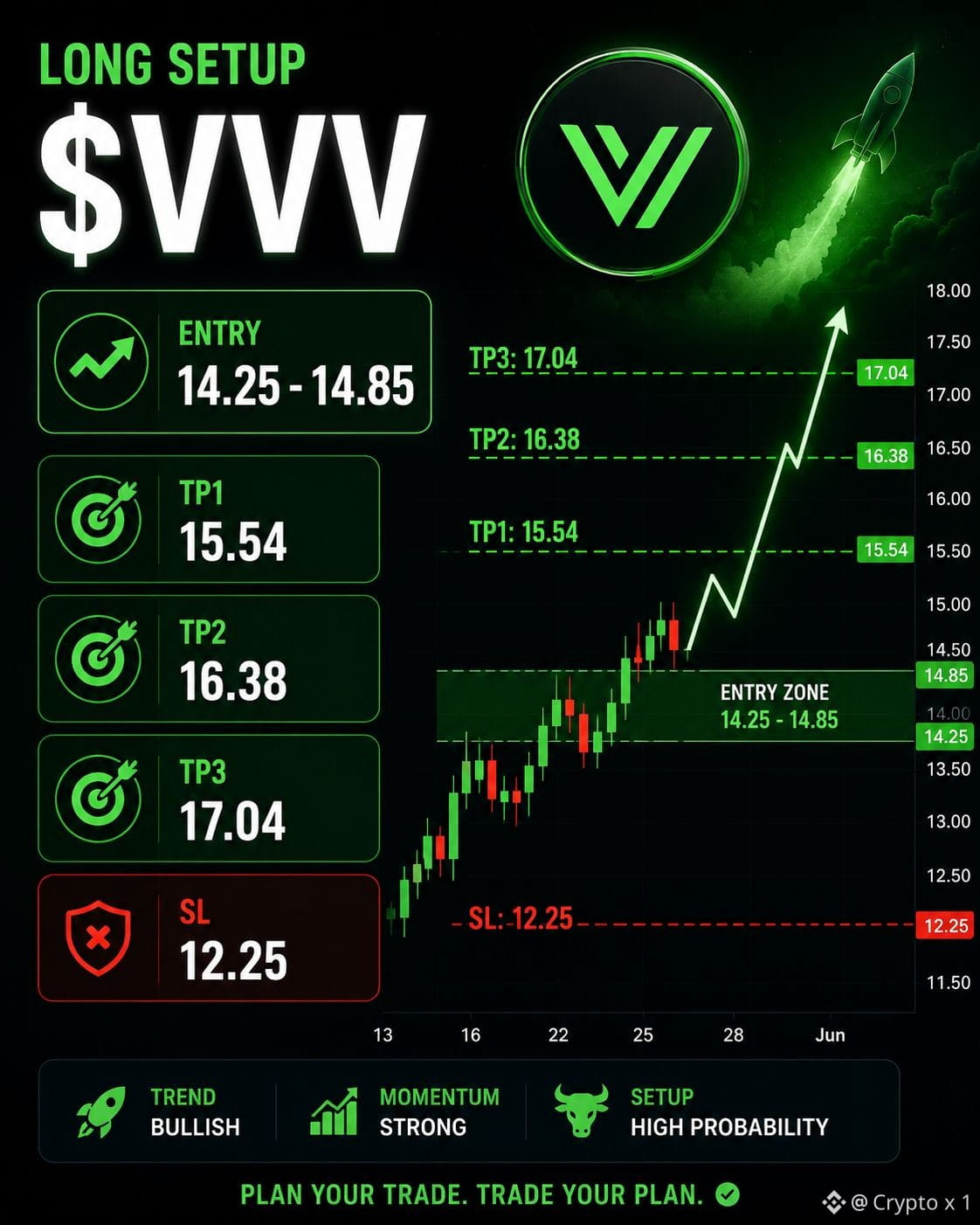
Long Setup $VVV 🚀
Entry: 14.25 - 14.85
TP1: 15.54
TP2: 16.38
TP3: 17.04
SL: 12.25
#TrendingTopic #MarketSituation #VVV
Entry: 14.25 - 14.85
TP1: 15.54
TP2: 16.38
TP3: 17.04
SL: 12.25
#TrendingTopic #MarketSituation #VVV
65

·
--
ເບິ່ງການແປ
MARKETS ON THE EDGE — Fear Creates Fortune.” 📈🔥
#SenateCurbsIranWarPowersBTCBounces
📉 Global markets are entering a high-volatility phase. Gold is cooling off after a massive rally, tech giants are starting to diverge, and commodities like crude oil remain highly sensitive to geopolitical pressure.$BTC
Personally, I think this is the moment where smart investors separate hype from long-term value. While many traders panic during pullbacks, experienced investors usually look for opportunities in strong assets with real fundamentals.
$BTC
The “Magnificent 7” stocks are no longer moving together. Some companies continue showing strong AI-driven growth, while others are starting to lose momentum. At the same time, gold’s correction could either signal a healthy reset before another rally or the beginning of a larger cooldown.$BTC
{spot}(BTCUSDT)
Crude oil is another major market to watch. Supply chain disruptions, global tensions, and economic slowdown fears could create massive swings in the next cycle.
TradFi markets are becoming just as exciting as crypto right now. The key is staying informed, managing risk, and avoiding emotional decisions.
What’s your outlook for gold, US tech stocks, and oil over the next few months?
#PostonTradFi #GOLD_UPDATE #TrumpOrdersFedCryptoPaymentRailsReview #MarketSituation
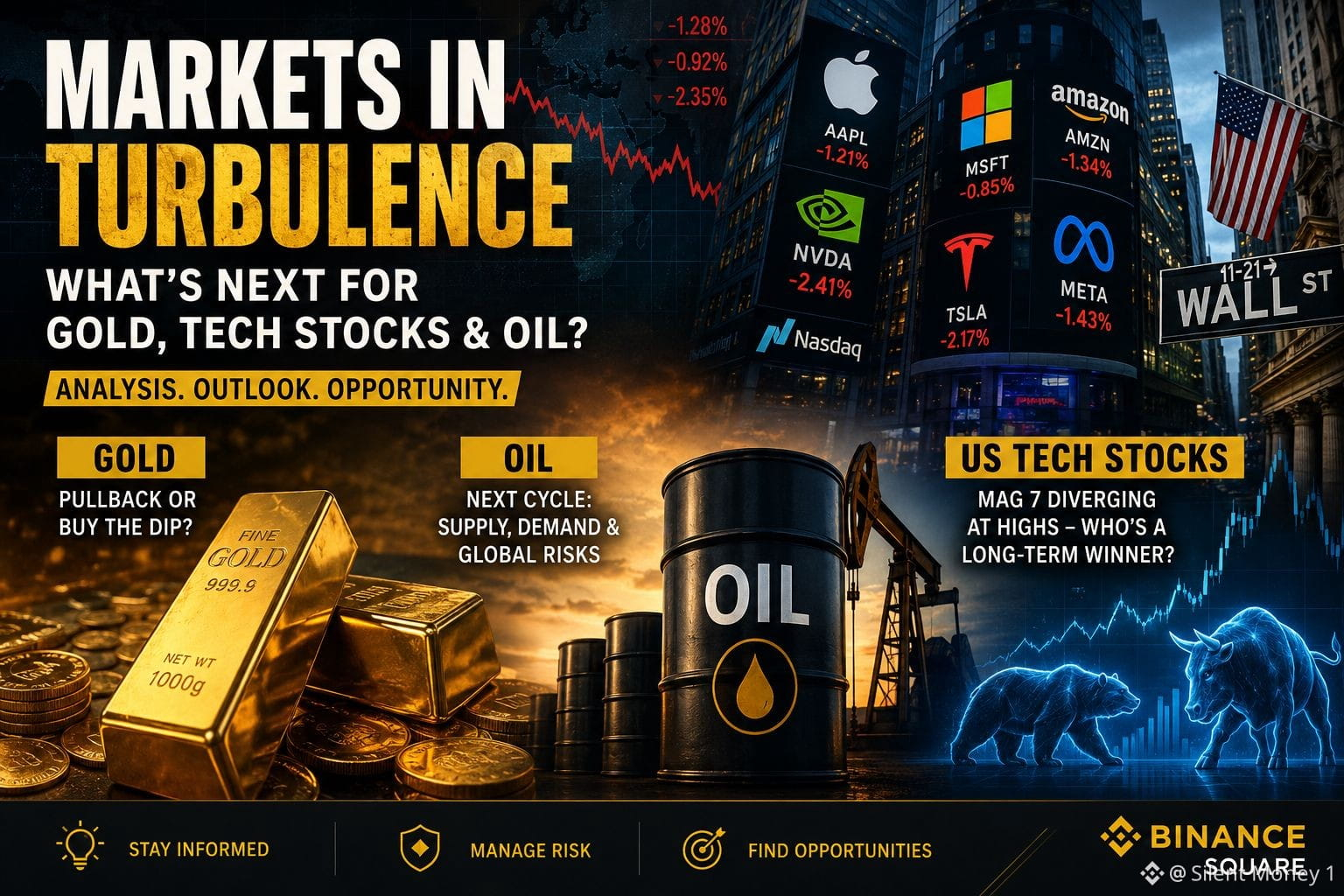
MARKETS ON THE EDGE — Fear Creates Fortune.” 📈🔥
#SenateCurbsIranWarPowersBTCBounces
📉 Global markets are entering a high-volatility phase. Gold is cooling off after a massive rally, tech giants are starting to diverge, and commodities like crude oil remain highly sensitive to geopolitical pressure.$BTC
Personally, I think this is the moment where smart investors separate hype from long-term value. While many traders panic during pullbacks, experienced investors usually look for opportunities in strong assets with real fundamentals.
$BTC
The “Magnificent 7” stocks are no longer moving together. Some companies continue showing strong AI-driven growth, while others are starting to lose momentum. At the same time, gold’s correction could either signal a healthy reset before another rally or the beginning of a larger cooldown.$BTC
Crude oil is another major market to watch. Supply chain disruptions, global tensions, and economic slowdown fears could create massive swings in the next cycle.
TradFi markets are becoming just as exciting as crypto right now. The key is staying informed, managing risk, and avoiding emotional decisions.
What’s your outlook for gold, US tech stocks, and oil over the next few months?
#PostonTradFi #GOLD_UPDATE #TrumpOrdersFedCryptoPaymentRailsReview #MarketSituation
#SenateCurbsIranWarPowersBTCBounces
📉 Global markets are entering a high-volatility phase. Gold is cooling off after a massive rally, tech giants are starting to diverge, and commodities like crude oil remain highly sensitive to geopolitical pressure.$BTC
Personally, I think this is the moment where smart investors separate hype from long-term value. While many traders panic during pullbacks, experienced investors usually look for opportunities in strong assets with real fundamentals.
$BTC
The “Magnificent 7” stocks are no longer moving together. Some companies continue showing strong AI-driven growth, while others are starting to lose momentum. At the same time, gold’s correction could either signal a healthy reset before another rally or the beginning of a larger cooldown.$BTC
Crude oil is another major market to watch. Supply chain disruptions, global tensions, and economic slowdown fears could create massive swings in the next cycle.
TradFi markets are becoming just as exciting as crypto right now. The key is staying informed, managing risk, and avoiding emotional decisions.
What’s your outlook for gold, US tech stocks, and oil over the next few months?
#PostonTradFi #GOLD_UPDATE #TrumpOrdersFedCryptoPaymentRailsReview #MarketSituation
1
1
189

ບົດຄວາມ
วิกฤตชิปหน่วยความจำมาถึงแล้ว — และ AI อาจกำลังเขียนเศรษฐกิจโลกใหม่รายงานตลาด
การขาดดุลการค้าสินค้าของสหรัฐฯ ขยายสู่ระดับสูงสุดในรอบมากกว่าหนึ่งปี
👇🏻👇🏻👇🏻
การขาดดุลการค้าสินค้าของสหรัฐฯ ขยายตัวอย่างรวดเร็วในเดือนพฤษภาคมสู่ 105.8 พันล้านดอลลาร์ เพิ่มขึ้นอย่างมากกว่าที่นักเศรษฐศาสตร์คาดไว้ที่ 85 พันล้านดอลลาร์ และเป็นการขาดดุลที่มากที่สุดในรอบมากกว่าหนึ่งปี ความผันผวนนี้เกิดจากแรงกระแทกสองด้านพร้อมกัน: การส่งออกลดลง 5.4% เนื่องจากการส่งน้ำมันถอยกลับจากระดับสูงสุดเป็นประวัติการณ์ของเดือนเมษายน (เมื่อสงครามอิหร่านทำให้ “น้ำมันดิบของสหรัฐฯ” กลายเป็นแหล่งทางเลือกที่สำคัญสำหรับตลาดโลก) ขณะที่การนำเข้าเพิ่มขึ้น 3.6% สู่ระดับสูงสุดนับตั้งแต่ช่วงต้นปี 2025
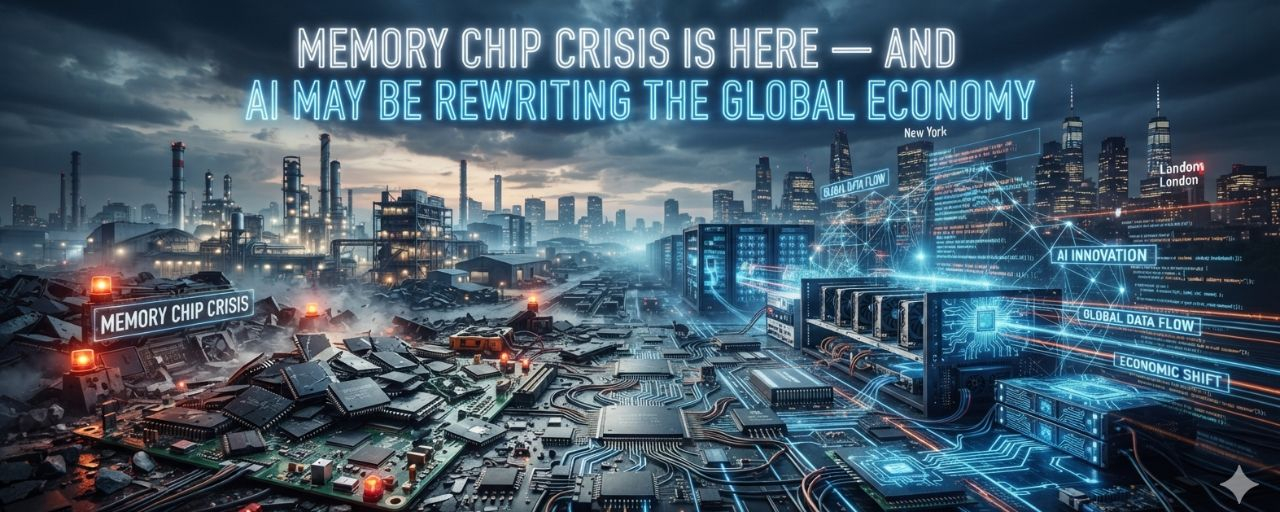
วิกฤตชิปหน่วยความจำมาถึงแล้ว — และ AI อาจกำลังเขียนเศรษฐกิจโลกใหม่
รายงานตลาด
การขาดดุลการค้าสินค้าของสหรัฐฯ ขยายสู่ระดับสูงสุดในรอบมากกว่าหนึ่งปี
👇🏻👇🏻👇🏻
การขาดดุลการค้าสินค้าของสหรัฐฯ ขยายตัวอย่างรวดเร็วในเดือนพฤษภาคมสู่ 105.8 พันล้านดอลลาร์ เพิ่มขึ้นอย่างมากกว่าที่นักเศรษฐศาสตร์คาดไว้ที่ 85 พันล้านดอลลาร์ และเป็นการขาดดุลที่มากที่สุดในรอบมากกว่าหนึ่งปี ความผันผวนนี้เกิดจากแรงกระแทกสองด้านพร้อมกัน: การส่งออกลดลง 5.4% เนื่องจากการส่งน้ำมันถอยกลับจากระดับสูงสุดเป็นประวัติการณ์ของเดือนเมษายน (เมื่อสงครามอิหร่านทำให้ “น้ำมันดิบของสหรัฐฯ” กลายเป็นแหล่งทางเลือกที่สำคัญสำหรับตลาดโลก) ขณะที่การนำเข้าเพิ่มขึ้น 3.6% สู่ระดับสูงสุดนับตั้งแต่ช่วงต้นปี 2025
การขาดดุลการค้าสินค้าของสหรัฐฯ ขยายสู่ระดับสูงสุดในรอบมากกว่าหนึ่งปี
👇🏻👇🏻👇🏻
การขาดดุลการค้าสินค้าของสหรัฐฯ ขยายตัวอย่างรวดเร็วในเดือนพฤษภาคมสู่ 105.8 พันล้านดอลลาร์ เพิ่มขึ้นอย่างมากกว่าที่นักเศรษฐศาสตร์คาดไว้ที่ 85 พันล้านดอลลาร์ และเป็นการขาดดุลที่มากที่สุดในรอบมากกว่าหนึ่งปี ความผันผวนนี้เกิดจากแรงกระแทกสองด้านพร้อมกัน: การส่งออกลดลง 5.4% เนื่องจากการส่งน้ำมันถอยกลับจากระดับสูงสุดเป็นประวัติการณ์ของเดือนเมษายน (เมื่อสงครามอิหร่านทำให้ “น้ำมันดิบของสหรัฐฯ” กลายเป็นแหล่งทางเลือกที่สำคัญสำหรับตลาดโลก) ขณะที่การนำเข้าเพิ่มขึ้น 3.6% สู่ระดับสูงสุดนับตั้งแต่ช่วงต้นปี 2025
95

·
--
ເບິ່ງການແປ
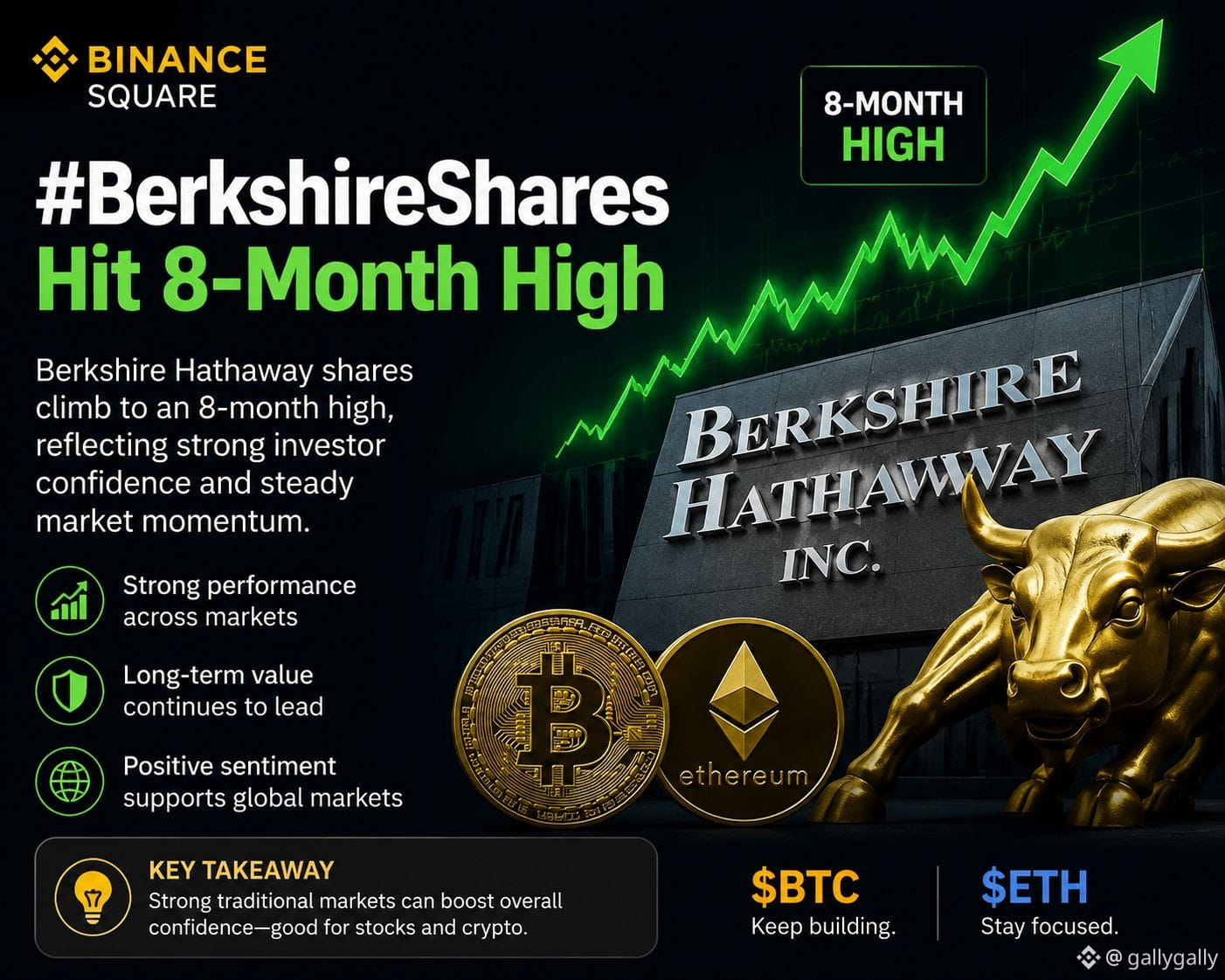
#BerkshireSharesHit8MonthHigh #BerkshireSharesHit8MonthHigh is a reminder that strong companies can continue attracting investor confidence even during uncertain market conditions. The move highlights how long-term value investing remains important. While traditional markets celebrate Berkshire's performance, crypto investors are also watching broader market sentiment, as positive confidence can benefit assets like $BTC
{spot}(BTCUSDT)
and $ETH . Diversification, patience, and disciplined investing continue to be key strategies in both stocks and digital assets.
#BerkshireSharesHit8MonthHigh #BTC #ETH #Crypto #BinanceSquare #Investing #MarketSituation
#BerkshireSharesHit8MonthHigh #BerkshireSharesHit8MonthHigh is a reminder that strong companies can continue attracting investor confidence even during uncertain market conditions. The move highlights how long-term value investing remains important. While traditional markets celebrate Berkshire's performance, crypto investors are also watching broader market sentiment, as positive confidence can benefit assets like $BTC
and $ETH . Diversification, patience, and disciplined investing continue to be key strategies in both stocks and digital assets.
#BerkshireSharesHit8MonthHigh #BTC #ETH #Crypto #BinanceSquare #Investing #MarketSituation
and $ETH . Diversification, patience, and disciplined investing continue to be key strategies in both stocks and digital assets.
#BerkshireSharesHit8MonthHigh #BTC #ETH #Crypto #BinanceSquare #Investing #MarketSituation
1
79


·
--
ບົດຄວາມ
ເບິ່ງການແປ
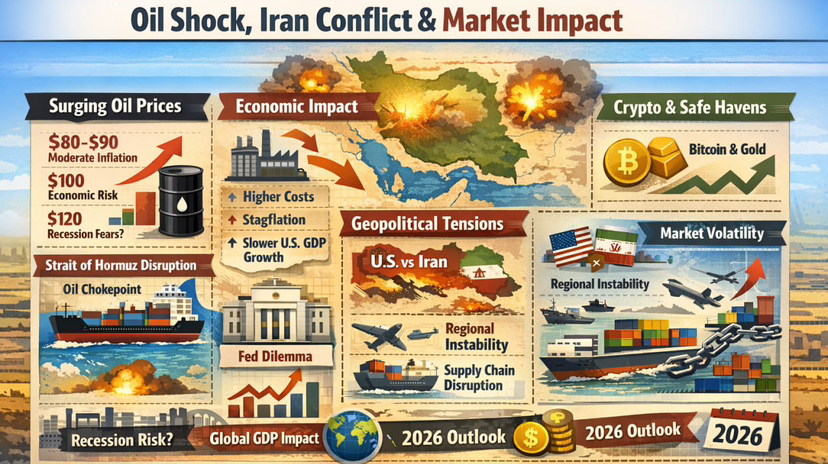
Title: Oil Shock, War Risk, and Crypto Flows: How the Iran Conflict Could Reshape Markets in 2026The recent escalation of military tensions between Iran and the United States has pushed global energy markets into a new phase of uncertainty. With shipping disruptions around the Strait of Hormuz and growing concerns about supply interruptions across the Middle East, crude oil prices have surged sharply. Brent and WTI crude both climbed above the $90 per barrel level this week, triggering renewed debate across Wall Street about inflation risks, global growth, and the direction of financial markets.
The Strait of Hormuz is one of the most critical oil transit routes in the world. Nearly one-fifth of global oil supply passes through this narrow corridor. Any sustained disruption, whether due to military conflict or shipping restrictions, immediately tightens global supply expectations. Even temporary interruptions can trigger strong price reactions because global inventories remain relatively limited after several years of underinvestment in energy infrastructure.
From a macroeconomic perspective, the oil price level matters enormously. Historically, energy shocks have acted as catalysts for broader economic slowdowns. When oil prices move above certain thresholds, the impact quickly spreads across transportation, manufacturing, logistics, and consumer spending.
Many analysts are now watching several key price levels.
If oil stabilizes between $80 and $90 per barrel, the global economy may experience manageable inflation pressure but not a severe shock. However, if prices remain above $90 for several weeks, inflation expectations could start to re-accelerate. Energy costs feed directly into consumer prices, particularly in the United States and Europe.
The real turning point may arrive at $100 oil. At that level, the psychological impact becomes significant for financial markets. Higher fuel costs reduce consumer purchasing power and increase operating costs for businesses. Equity markets historically struggle when oil spikes rapidly because it compresses corporate profit margins while tightening monetary policy expectations.
A move toward $120 oil would represent a much more serious macroeconomic event. At that level, many economists believe the probability of recession in major economies rises sharply. Higher energy prices effectively act as a global tax on economic activity. Households spend more on fuel and less on discretionary goods, while companies face rising production expenses.
For the United States, sustained high oil prices could also complicate Federal Reserve policy. If inflation rebounds due to energy costs, the central bank may be forced to delay or slow potential interest rate cuts. That scenario could weigh on equity markets and slow GDP growth momentum in 2026.
However, one major difference between today’s environment and previous oil shocks is the growing role of digital assets. In periods of geopolitical instability, capital often searches for alternative stores of value. Traditionally this meant gold, but increasingly Bitcoin and other cryptocurrencies are entering that conversation.
If global markets become more volatile due to the Iran conflict and energy disruptions, crypto assets could see increased attention from investors looking for non-traditional hedges. While cryptocurrencies remain highly volatile, their correlation with traditional macro assets has evolved over the past several years.
Another factor worth watching is liquidity. If energy-driven inflation forces tighter financial conditions, speculative assets could face pressure in the short term. Yet in longer cycles, monetary easing often follows economic slowdowns, which historically supports crypto markets.
Ultimately, the trajectory of oil prices will depend on how long geopolitical tensions persist and whether key shipping routes remain open. The interaction between energy markets, inflation expectations, GDP growth, and digital asset flows may become one of the most important macro narratives of 2026.
#crypto #MarketSituation
$BTC $PEPE $XRP
{future}(BTCUSDT)
Title: Oil Shock, War Risk, and Crypto Flows: How the Iran Conflict Could Reshape Markets in 2026
The recent escalation of military tensions between Iran and the United States has pushed global energy markets into a new phase of uncertainty. With shipping disruptions around the Strait of Hormuz and growing concerns about supply interruptions across the Middle East, crude oil prices have surged sharply. Brent and WTI crude both climbed above the $90 per barrel level this week, triggering renewed debate across Wall Street about inflation risks, global growth, and the direction of financial markets.
The Strait of Hormuz is one of the most critical oil transit routes in the world. Nearly one-fifth of global oil supply passes through this narrow corridor. Any sustained disruption, whether due to military conflict or shipping restrictions, immediately tightens global supply expectations. Even temporary interruptions can trigger strong price reactions because global inventories remain relatively limited after several years of underinvestment in energy infrastructure.
From a macroeconomic perspective, the oil price level matters enormously. Historically, energy shocks have acted as catalysts for broader economic slowdowns. When oil prices move above certain thresholds, the impact quickly spreads across transportation, manufacturing, logistics, and consumer spending.
Many analysts are now watching several key price levels.
If oil stabilizes between $80 and $90 per barrel, the global economy may experience manageable inflation pressure but not a severe shock. However, if prices remain above $90 for several weeks, inflation expectations could start to re-accelerate. Energy costs feed directly into consumer prices, particularly in the United States and Europe.
The real turning point may arrive at $100 oil. At that level, the psychological impact becomes significant for financial markets. Higher fuel costs reduce consumer purchasing power and increase operating costs for businesses. Equity markets historically struggle when oil spikes rapidly because it compresses corporate profit margins while tightening monetary policy expectations.
A move toward $120 oil would represent a much more serious macroeconomic event. At that level, many economists believe the probability of recession in major economies rises sharply. Higher energy prices effectively act as a global tax on economic activity. Households spend more on fuel and less on discretionary goods, while companies face rising production expenses.
For the United States, sustained high oil prices could also complicate Federal Reserve policy. If inflation rebounds due to energy costs, the central bank may be forced to delay or slow potential interest rate cuts. That scenario could weigh on equity markets and slow GDP growth momentum in 2026.
However, one major difference between today’s environment and previous oil shocks is the growing role of digital assets. In periods of geopolitical instability, capital often searches for alternative stores of value. Traditionally this meant gold, but increasingly Bitcoin and other cryptocurrencies are entering that conversation.
If global markets become more volatile due to the Iran conflict and energy disruptions, crypto assets could see increased attention from investors looking for non-traditional hedges. While cryptocurrencies remain highly volatile, their correlation with traditional macro assets has evolved over the past several years.
Another factor worth watching is liquidity. If energy-driven inflation forces tighter financial conditions, speculative assets could face pressure in the short term. Yet in longer cycles, monetary easing often follows economic slowdowns, which historically supports crypto markets.
Ultimately, the trajectory of oil prices will depend on how long geopolitical tensions persist and whether key shipping routes remain open. The interaction between energy markets, inflation expectations, GDP growth, and digital asset flows may become one of the most important macro narratives of 2026.
#crypto #MarketSituation
$BTC $PEPE $XRP
The Strait of Hormuz is one of the most critical oil transit routes in the world. Nearly one-fifth of global oil supply passes through this narrow corridor. Any sustained disruption, whether due to military conflict or shipping restrictions, immediately tightens global supply expectations. Even temporary interruptions can trigger strong price reactions because global inventories remain relatively limited after several years of underinvestment in energy infrastructure.
From a macroeconomic perspective, the oil price level matters enormously. Historically, energy shocks have acted as catalysts for broader economic slowdowns. When oil prices move above certain thresholds, the impact quickly spreads across transportation, manufacturing, logistics, and consumer spending.
Many analysts are now watching several key price levels.
If oil stabilizes between $80 and $90 per barrel, the global economy may experience manageable inflation pressure but not a severe shock. However, if prices remain above $90 for several weeks, inflation expectations could start to re-accelerate. Energy costs feed directly into consumer prices, particularly in the United States and Europe.
The real turning point may arrive at $100 oil. At that level, the psychological impact becomes significant for financial markets. Higher fuel costs reduce consumer purchasing power and increase operating costs for businesses. Equity markets historically struggle when oil spikes rapidly because it compresses corporate profit margins while tightening monetary policy expectations.
A move toward $120 oil would represent a much more serious macroeconomic event. At that level, many economists believe the probability of recession in major economies rises sharply. Higher energy prices effectively act as a global tax on economic activity. Households spend more on fuel and less on discretionary goods, while companies face rising production expenses.
For the United States, sustained high oil prices could also complicate Federal Reserve policy. If inflation rebounds due to energy costs, the central bank may be forced to delay or slow potential interest rate cuts. That scenario could weigh on equity markets and slow GDP growth momentum in 2026.
However, one major difference between today’s environment and previous oil shocks is the growing role of digital assets. In periods of geopolitical instability, capital often searches for alternative stores of value. Traditionally this meant gold, but increasingly Bitcoin and other cryptocurrencies are entering that conversation.
If global markets become more volatile due to the Iran conflict and energy disruptions, crypto assets could see increased attention from investors looking for non-traditional hedges. While cryptocurrencies remain highly volatile, their correlation with traditional macro assets has evolved over the past several years.
Another factor worth watching is liquidity. If energy-driven inflation forces tighter financial conditions, speculative assets could face pressure in the short term. Yet in longer cycles, monetary easing often follows economic slowdowns, which historically supports crypto markets.
Ultimately, the trajectory of oil prices will depend on how long geopolitical tensions persist and whether key shipping routes remain open. The interaction between energy markets, inflation expectations, GDP growth, and digital asset flows may become one of the most important macro narratives of 2026.
#crypto #MarketSituation
$BTC $PEPE $XRP
328
5
85
1.2k
ເບິ່ງການແປ
🚨 Big night in Washington — Donald Trump makes his first appearance at the White House Corresponden🚨
At the same time, Iran negotiations reportedly fall apart — adding another layer of geopolitical tension.
Then things get even more interesting… reports surface of an armed incident in one of the most heavily secured zones in the world.
Too many moving pieces at once?
Markets don’t ignore this kind of setup.
Is it just noise… or the kind of uncertainty that fuels volatility?
#Trump #Geopolitics #MarketSituation #BinanceLaunchesGoldvs.BTCTradingCompetition #BTCSurpasses$79K
🚨 Big night in Washington — Donald Trump makes his first appearance at the White House Corresponden
🚨
At the same time, Iran negotiations reportedly fall apart — adding another layer of geopolitical tension.
Then things get even more interesting… reports surface of an armed incident in one of the most heavily secured zones in the world.
Too many moving pieces at once?
Markets don’t ignore this kind of setup.
Is it just noise… or the kind of uncertainty that fuels volatility?
#Trump #Geopolitics #MarketSituation #BinanceLaunchesGoldvs.BTCTradingCompetition #BTCSurpasses$79K
At the same time, Iran negotiations reportedly fall apart — adding another layer of geopolitical tension.
Then things get even more interesting… reports surface of an armed incident in one of the most heavily secured zones in the world.
Too many moving pieces at once?
Markets don’t ignore this kind of setup.
Is it just noise… or the kind of uncertainty that fuels volatility?
#Trump #Geopolitics #MarketSituation #BinanceLaunchesGoldvs.BTCTradingCompetition #BTCSurpasses$79K
101

ເບິ່ງການແປ
$BTC
{future}(BTCUSDT)
{future}(TRUMPUSDT)
BREAKING: The Decisive Night — Powell, Trump, or Bitcoin?
Something feels different tonight — the kind of tension that shakes global markets before dawn.
Rumors are spreading fast that Fed Chair Jerome Powell might defy expectations — not just holding off on rate cuts, but possibly hiking rates again after the latest hot inflation data.
But then came Donald Trump, firing back with a thunderous statement:
> “I won’t let the Fed hike rates!”
Within minutes, pre-market sentiment flipped. Futures turned green. Traders paused. The battle lines were drawn.
Now, all eyes turn to 2:30 AM — dubbed “The Decisive Night.”
That’s when charts will tell us whose hand truly moves the markets.
This isn’t just about interest rates anymore.
It’s about power, timing, and control — the clash between institutions, politics, and the digital revolution.
As global candles prepare to ignite, one question echoes across every trader’s screen:
Who really calls the shots now — Powell, Trump… or $BTC?
#BREAKINGTrump #USGovernment #BTC #TRUMP #MarketSituation
$BTC
BREAKING: The Decisive Night — Powell, Trump, or Bitcoin?
Something feels different tonight — the kind of tension that shakes global markets before dawn.
Rumors are spreading fast that Fed Chair Jerome Powell might defy expectations — not just holding off on rate cuts, but possibly hiking rates again after the latest hot inflation data.
But then came Donald Trump, firing back with a thunderous statement:
> “I won’t let the Fed hike rates!”
Within minutes, pre-market sentiment flipped. Futures turned green. Traders paused. The battle lines were drawn.
Now, all eyes turn to 2:30 AM — dubbed “The Decisive Night.”
That’s when charts will tell us whose hand truly moves the markets.
This isn’t just about interest rates anymore.
It’s about power, timing, and control — the clash between institutions, politics, and the digital revolution.
As global candles prepare to ignite, one question echoes across every trader’s screen:
Who really calls the shots now — Powell, Trump… or $BTC ?
#BREAKINGTrump #USGovernment #BTC #TRUMP #MarketSituation
BREAKING: The Decisive Night — Powell, Trump, or Bitcoin?
Something feels different tonight — the kind of tension that shakes global markets before dawn.
Rumors are spreading fast that Fed Chair Jerome Powell might defy expectations — not just holding off on rate cuts, but possibly hiking rates again after the latest hot inflation data.
But then came Donald Trump, firing back with a thunderous statement:
> “I won’t let the Fed hike rates!”
Within minutes, pre-market sentiment flipped. Futures turned green. Traders paused. The battle lines were drawn.
Now, all eyes turn to 2:30 AM — dubbed “The Decisive Night.”
That’s when charts will tell us whose hand truly moves the markets.
This isn’t just about interest rates anymore.
It’s about power, timing, and control — the clash between institutions, politics, and the digital revolution.
As global candles prepare to ignite, one question echoes across every trader’s screen:
Who really calls the shots now — Powell, Trump… or $BTC ?
#BREAKINGTrump #USGovernment #BTC #TRUMP #MarketSituation

1
525
ເຂົ້າສູ່ລະບົບເພື່ອສຳຫຼວດເນື້ອຫາເພີ່ມເຕີມ
ເຂົ້າຮ່ວມກຸ່ມຜູ້ໃຊ້ຄຣິບໂຕທົ່ວໂລກໃນ Binance Square.
⚡️ ໄດ້ຮັບຂໍ້ມູນຫຼ້າສຸດ ແລະ ທີ່ມີປະໂຫຍດກ່ຽວກັບຄຣິບໂຕ.
💬 ໄດ້ຮັບຄວາມໄວ້ວາງໃຈຈາກຕະຫຼາດແລກປ່ຽນຄຣິບໂຕທີ່ໃຫຍ່ທີ່ສຸດໃນໂລກ.
👍 ຄົ້ນຫາຂໍ້ມູນເຊີງເລິກທີ່ແທ້ຈາກນັກສ້າງທີ່ໄດ້ຮັບການຢືນຢັນ.
ອີເມວ / ເບີໂທລະສັບ
ຫົວຂໍ້ທີ່ກໍາລັງນິຍົມ
1
#BitcoinSurpasses$77000
14,912 views
213 ກຳລັງສົນທະນາ
2
#ParadigmDisclosesZECHolding
58,274 views
962 ກຳລັງສົນທະນາ
3
#BitcoinETFsShed$450M
24,246 views
214 ກຳລັງສົນທະນາ
4
#USWeeklyJoblessClaimsFallTo196K
31,603 views
557 ກຳລັງສົນທະນາ
5
#ArkhamSaysBlackRockBuys$1.5BInETH
5,741 views
69 ກຳລັງສົນທະນາ
6
#FCARaidsThreeLondonIllegalCryptoSites
2,460 views
66 ກຳລັງສົນທະນາ
7
#ElSalvadorBTCHoldingsRiseTo7777
60,683 views
843 ກຳລັງສົນທະນາ
8
#MemeLaunchpads82%OfArcDayOneVolume
61,312 views
1,014 ກຳລັງສົນທະນາ
9
#OstiumLoanDisputeHearingSetInNYFederalCourt
48,752 views
718 ກຳລັງສົນທະນາ
10
#HyperliquidUSDCSupplyOvertakesSolana
22,546 views
368 ກຳລັງສົນທະນາ