Binance Square

cryptoregulation

17.1M ຄັ້ງທີ່ເບິ່ງ
48,940 ກຳລັງສົນທະນາ
piknkkk
·
--
ສັນຍານໝີ
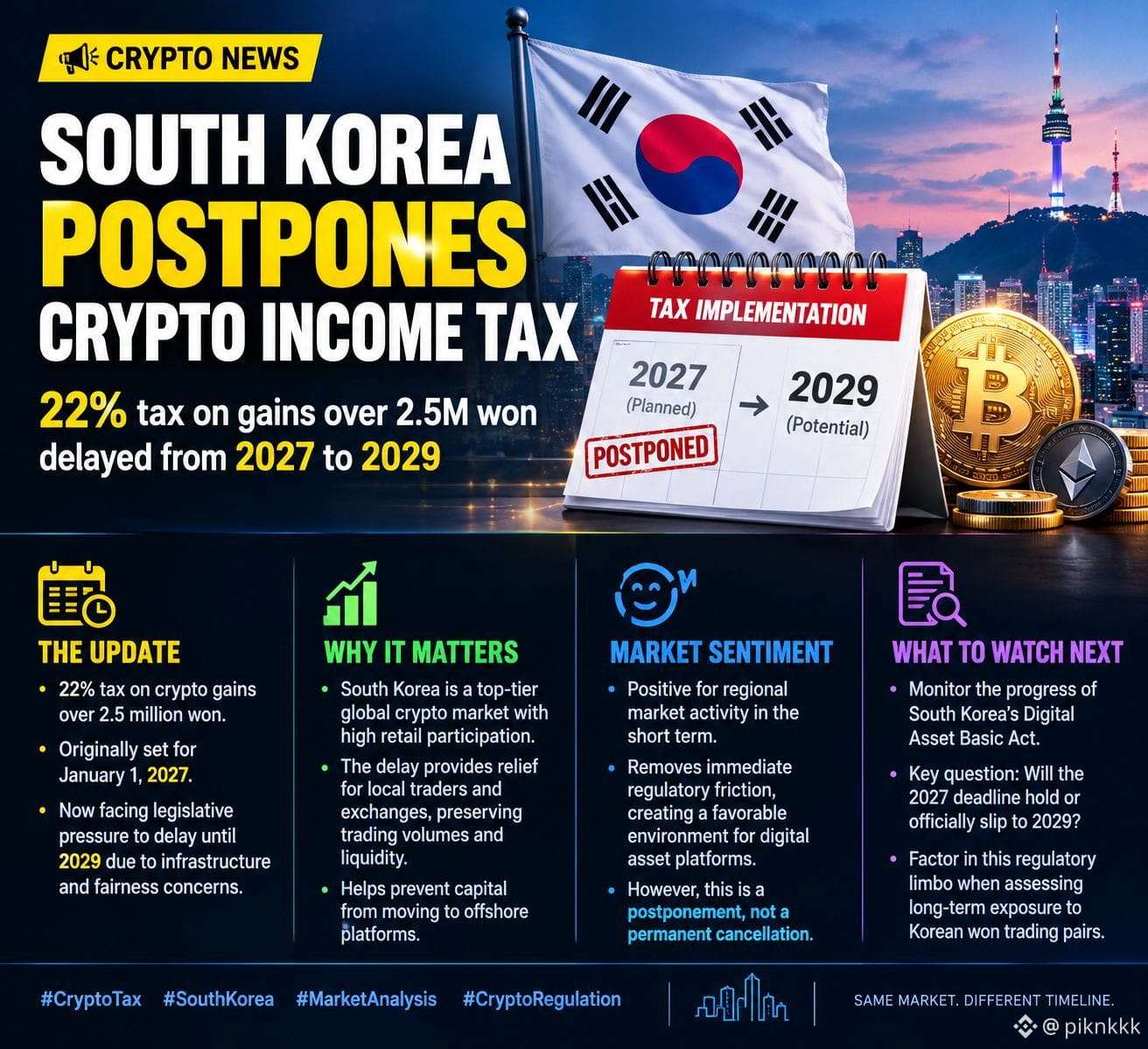
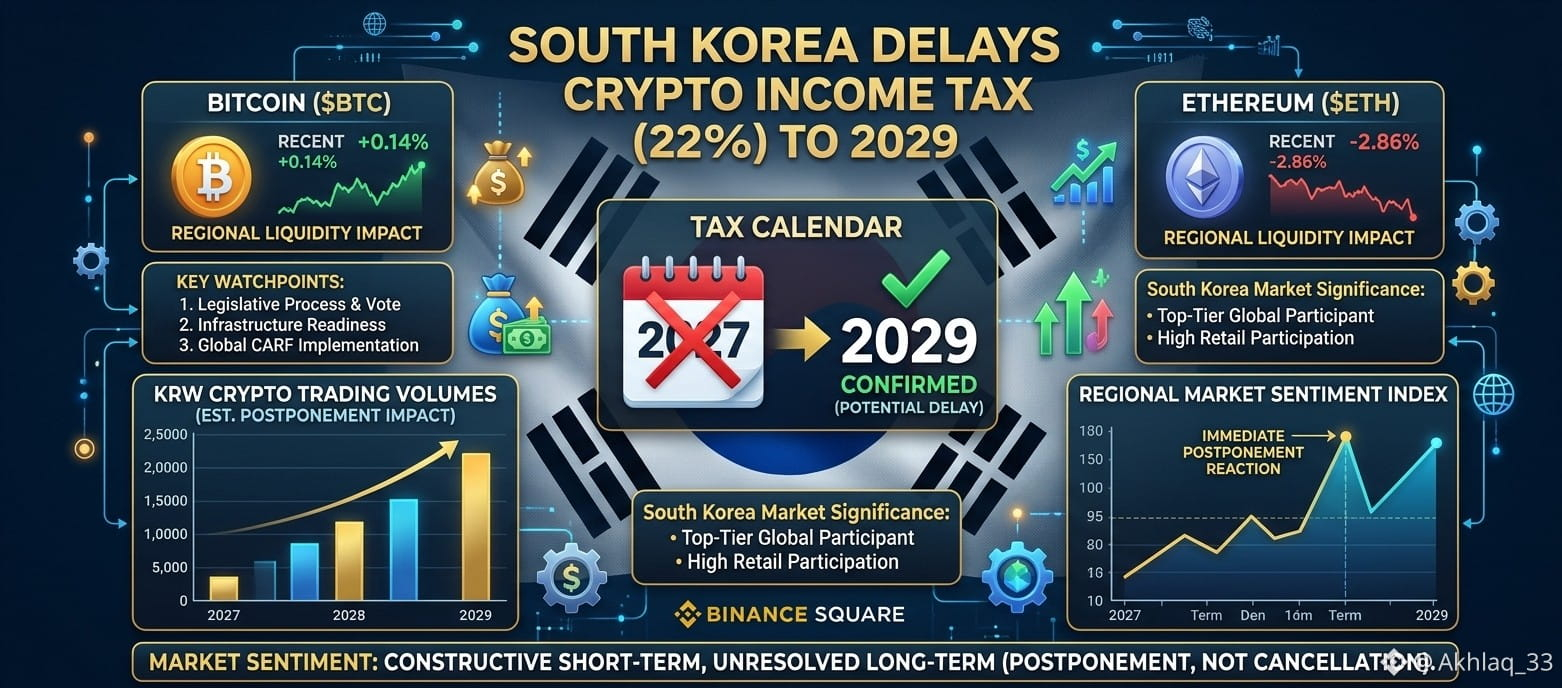
#southkoreadelayscryptoincometax South Korea has postponed its planned 22% cryptocurrency income tax 🇰🇷, a move that significantly impacts regional market dynamics. Currently scheduled for January 1, 2027, the tax on gains exceeding 2.5 million won faces fresh legislative pressure to delay implementation until 2029 due to ongoing infrastructure and fairness concerns. Why this matters: South Korea represents a top-tier global crypto market with exceptionally high retail participation. Deferring this tax provides temporary relief for local traders and exchanges, preserving vital trading volumes and liquidity that might otherwise migrate to offshore platforms. Market sentiment impact: In the short term, this is a constructive development for regional market activity 📈. It removes immediate regulatory friction, fostering a favorable environment for digital asset platforms. However, traders must recognize this is a postponement, not a permanent cancellation. Long-term regulatory certainty remains unresolved. What to watch next: Closely monitor the legislative progress of South Korea’s Digital Asset Basic Act. The critical variable is whether the 2027 deadline holds or officially slips to 2029 amid ongoing industry lobbying. Traders should factor in this regulatory limbo when assessing long-term exposure to Korean won trading pairs. #CryptoTax #SouthKorea #MarketAnalysis #CryptoRegulation $EPIC $QUICK $TREE {future}(TREEUSDT) {spot}(QUICKUSDT) {spot}(EPICUSDT)
#southkoreadelayscryptoincometax South Korea has postponed its planned 22% cryptocurrency income tax 🇰🇷, a move that significantly impacts regional market dynamics. Currently scheduled for January 1, 2027, the tax on gains exceeding 2.5 million won faces fresh legislative pressure to delay implementation until 2029 due to ongoing infrastructure and fairness concerns.

Why this matters: South Korea represents a top-tier global crypto market with exceptionally high retail participation. Deferring this tax provides temporary relief for local traders and exchanges, preserving vital trading volumes and liquidity that might otherwise migrate to offshore platforms.

Market sentiment impact: In the short term, this is a constructive development for regional market activity 📈. It removes immediate regulatory friction, fostering a favorable environment for digital asset platforms. However, traders must recognize this is a postponement, not a permanent cancellation. Long-term regulatory certainty remains unresolved.

What to watch next: Closely monitor the legislative progress of South Korea’s Digital Asset Basic Act. The critical variable is whether the 2027 deadline holds or officially slips to 2029 amid ongoing industry lobbying. Traders should factor in this regulatory limbo when assessing long-term exposure to Korean won trading pairs.

#CryptoTax #SouthKorea #MarketAnalysis #CryptoRegulation
$EPIC $QUICK $TREE
ABO3ZAM:
خبر إيجابي يريح السوق، لكن لا تغتر بالسيولة الحالية؛ راقب مستويات الدعم المهمة ولا ترفع العقود قبل إغلاق شمعة يومية قوية فوق المقاومة 🎯
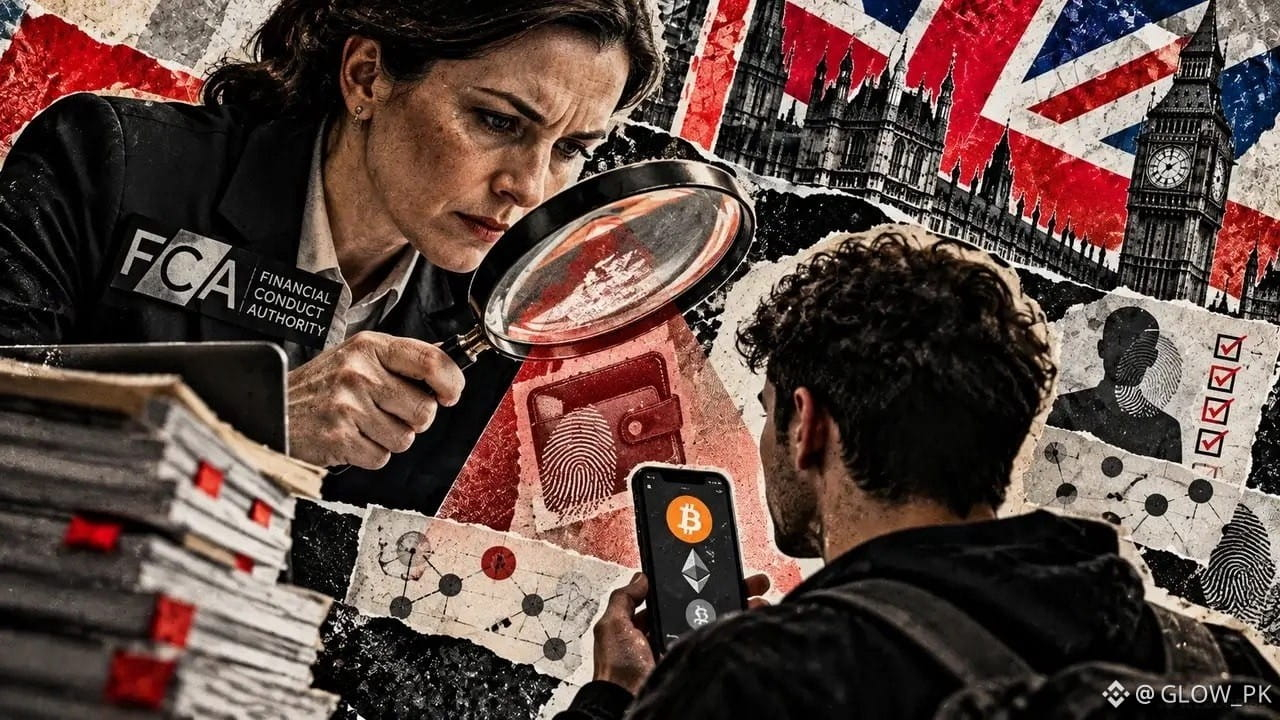
🚨 Crypto Wallets Under More Scrutiny in the UK? The UK’s FCA is proposing enhanced checks for transfers involving personal crypto wallets under new draft guidance. The consultation is open until December 24. What caught my attention is the regulator’s criticism of firms that rely on third-party risk scores without being able to explain how those scores are calculated. In my view, crypto compliance should be about more than just flagging transactions. Platforms also need to understand the risks they identify and explain their decisions clearly. Self-custody is one of crypto’s biggest advantages, but the industry still needs to find a balance between protecting users and respecting their control over their own assets. The big question is: Can crypto platforms strengthen compliance without making personal wallets less practical for everyday users? $BULLA $DOOD $ARIA #Crypto #Binance #Bitcoin #CryptoRegulation #blockchain
🚨 Crypto Wallets Under More Scrutiny in the UK?

The UK’s FCA is proposing enhanced checks for transfers involving personal crypto wallets under new draft guidance. The consultation is open until December 24.

What caught my attention is the regulator’s criticism of firms that rely on third-party risk scores without being able to explain how those scores are calculated.

In my view, crypto compliance should be about more than just flagging transactions. Platforms also need to understand the risks they identify and explain their decisions clearly.

Self-custody is one of crypto’s biggest advantages, but the industry still needs to find a balance between protecting users and respecting their control over their own assets.

The big question is: Can crypto platforms strengthen compliance without making personal wallets less practical for everyday users?

$BULLA $DOOD $ARIA

#Crypto #Binance #Bitcoin #CryptoRegulation #blockchain
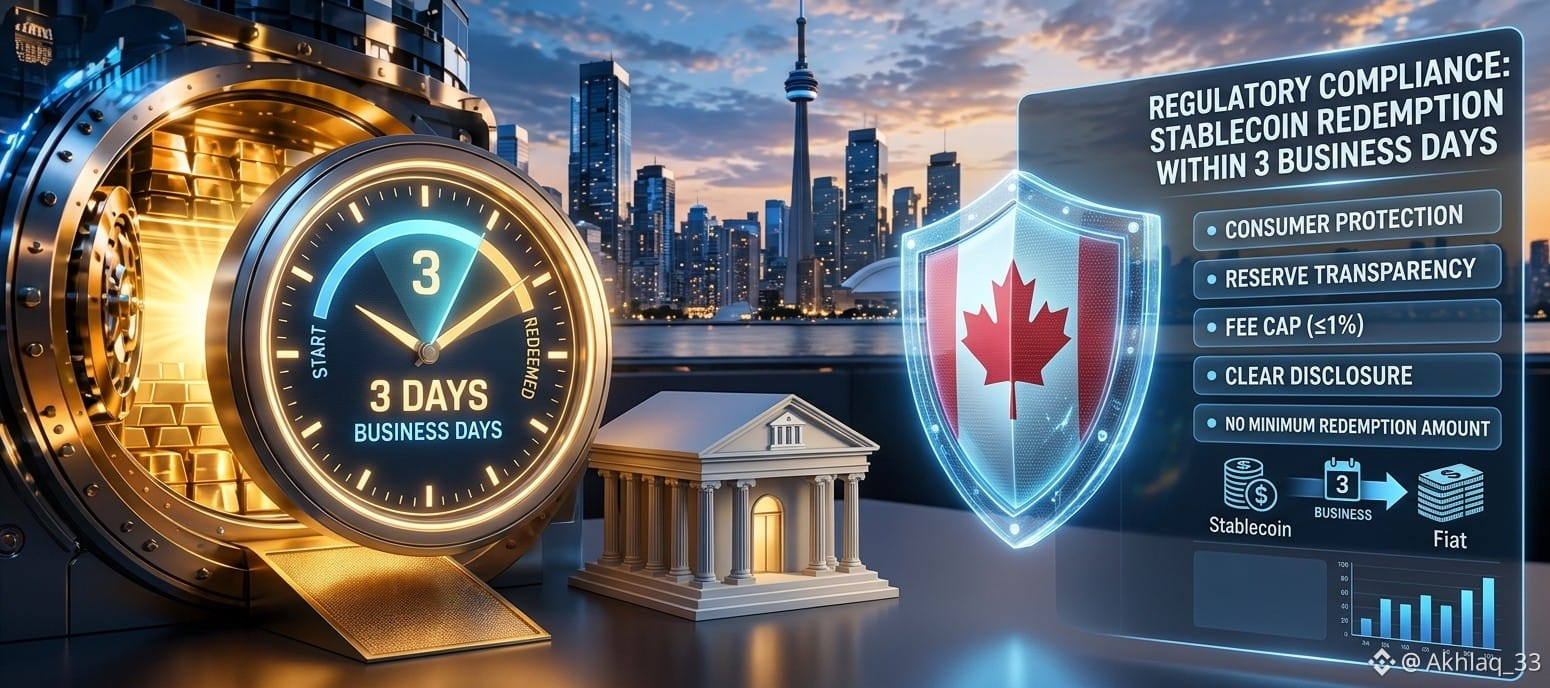
#CanadaProposesStablecoinRedemptionWithin3BusinessDays 🚨 Canada’s Proposed Stablecoin Rules: What 3-Day Redemptions Mean for Crypto Users Canada is shaping the future of digital asset regulation with a newly proposed framework for fiat-backed stablecoins. While the goal is to enhance consumer protection, it introduces significant shifts that every crypto user and trader should keep on their radar. 📌 Key Highlights of the Proposal: 3-Business-Day Redemption: Covered issuers would be required to complete stablecoin redemptions within three business days of a valid request. 1:1 Reserve Backing: Issuers must maintain adequate reserve assets to cover outstanding tokens at par. Fee Cap & Accessibility: Redemption fees would be capped at a maximum of $1\%$, with no minimum redemption amount required for holders. Safeguards During Volatility: The proposal allows for daily redemption limits if illiquid reserve-asset markets prevent issuers from meeting sudden spikes in demand. 💡 Why It Matters: While clear guidelines and reserve transparency help build long-term trust in digital payments, a 3-day turnaround window means traders will need to plan ahead during periods of high market volatility. With public consultations underway and implementation targeted for 2027, how will these rules affect your strategy? Are fast redemptions and stronger reserves worth the wait? Let’s discuss below! 👇 #Stablecoin #CryptoRegulation #CanadaCrypto $BTC $BNB
#CanadaProposesStablecoinRedemptionWithin3BusinessDays

🚨 Canada’s Proposed Stablecoin Rules: What 3-Day Redemptions Mean for Crypto Users
Canada is shaping the future of digital asset regulation with a newly proposed framework for fiat-backed stablecoins. While the goal is to enhance consumer protection, it introduces significant shifts that every crypto user and trader should keep on their radar.

📌 Key Highlights of the Proposal:
3-Business-Day Redemption: Covered issuers would be required to complete stablecoin redemptions within three business days of a valid request.

1:1 Reserve Backing: Issuers must maintain adequate reserve assets to cover outstanding tokens at par.

Fee Cap & Accessibility: Redemption fees would be capped at a maximum of $1\%$, with no minimum redemption amount required for holders.

Safeguards During Volatility: The proposal allows for daily redemption limits if illiquid reserve-asset markets prevent issuers from meeting sudden spikes in demand.

💡 Why It Matters:
While clear guidelines and reserve transparency help build long-term trust in digital payments, a 3-day turnaround window means traders will need to plan ahead during periods of high market volatility.

With public consultations underway and implementation targeted for 2027, how will these rules affect your strategy? Are fast redemptions and stronger reserves worth the wait? Let’s discuss below! 👇

#Stablecoin #CryptoRegulation #CanadaCrypto $BTC $BNB
SEC 2027检查点名AI超级智能与代币化,加密监管信号更清晰 据Decrypt报道,SEC检查部门将“super intelligence and other advanced technologies”列为2027年检查重点之一;据Cointelegraph报道,SEC最新优先级也把tokenization视为新兴市场风险,而加密货币本身并未被单独列为检查重点。 这件事值得重视,是因为它把监管关注点从“某个币种是否合规”转向了“哪些技术结构可能带来系统性风险”。AI超级智能与代币化被同时点名,意味着SEC可能更关注技术叠加后的市场传导路径,而不是只盯交易行为本身。 从监管逻辑看,代币化风险被单独提出,可能意味着相关资产在发行、估值、清算和投资者保护方面会被更严格审视。若后续检查中要求更多披露或合规安排,相关项目的合规成本可能上升,市场对其估值方式也可能更谨慎。 但也要看到另一面:SEC没有把加密货币单独列为检查重点,可能引发市场对监管关注度不足的解读。若投资者把“未单独点名”理解为监管优先级不高,短期情绪可能偏中性,甚至出现“监管不及预期”的讨论。 接下来更值得观察的是SEC检查部门后续是否发布更细化的检查指引,以及tokenization相关项目是否出现新的合规要求。若监管信号继续强化,市场可能会重新评估相关资产的合规路径与风险溢价。 #SEC #Tokenization #CryptoRegulation 以上为信息整理与个人分析,不构成投资建议。
SEC 2027检查点名AI超级智能与代币化,加密监管信号更清晰

据Decrypt报道,SEC检查部门将“super intelligence and other advanced technologies”列为2027年检查重点之一;据Cointelegraph报道,SEC最新优先级也把tokenization视为新兴市场风险,而加密货币本身并未被单独列为检查重点。

这件事值得重视,是因为它把监管关注点从“某个币种是否合规”转向了“哪些技术结构可能带来系统性风险”。AI超级智能与代币化被同时点名,意味着SEC可能更关注技术叠加后的市场传导路径,而不是只盯交易行为本身。

从监管逻辑看,代币化风险被单独提出,可能意味着相关资产在发行、估值、清算和投资者保护方面会被更严格审视。若后续检查中要求更多披露或合规安排,相关项目的合规成本可能上升,市场对其估值方式也可能更谨慎。

但也要看到另一面:SEC没有把加密货币单独列为检查重点,可能引发市场对监管关注度不足的解读。若投资者把“未单独点名”理解为监管优先级不高,短期情绪可能偏中性,甚至出现“监管不及预期”的讨论。

接下来更值得观察的是SEC检查部门后续是否发布更细化的检查指引,以及tokenization相关项目是否出现新的合规要求。若监管信号继续强化,市场可能会重新评估相关资产的合规路径与风险溢价。

#SEC #Tokenization #CryptoRegulation

以上为信息整理与个人分析,不构成投资建议。
🚨 Canada proposes stablecoin redemption within 3 business days. But there's a liquidity exception hiding in the fine print. #CanadaProposesStablecoinRedemptionWithin3BusinessDays On October 24, Canada's Department of Finance published proposed regulations requiring covered stablecoin issuers to redeem tokens at 1:1 in their reference currency, without a minimum redemption amount, and initiate the fiat transfer within three business days. Redemption fees would be capped at 1%. Here's what the headline misses. The proposal allows issuers to limit daily redemptions if a shortage of liquidity in reserve-asset markets prevents them from meeting all requests. There's another distinction: the three-day deadline covers liquidating necessary reserve assets and initiating the fiat transfer. It doesn't necessarily mean the money must already have arrived in the holder's bank account. And the 1% fee cap isn't a promised reduction. Canada's own analysis says direct redemption fees currently tend to be around 0.1%. The framework aims to strengthen confidence through full backing, redemption rights and oversight by the Bank of Canada. But these are still proposed rules, intended to take effect in fall 2027—not protections already in force. My view: predictable redemption rules matter, but their real test comes when many holders want their money back simultaneously. Would a three-business-day redemption requirement make you trust a stablecoin more—or is its ability to meet mass withdrawals what matters most? Not financial advice. $BTC $BNB $ETH #Stablecoins #CryptoRegulation #SKHynixReportedlyPlansSpecialDividendFromKioxiaStakeSale #USQ3GDPAndSeptemberPCEDueNextWeek
🚨 Canada proposes stablecoin redemption within 3 business days. But there's a liquidity exception hiding in the fine print.
#CanadaProposesStablecoinRedemptionWithin3BusinessDays

On October 24, Canada's Department of Finance published proposed regulations requiring covered stablecoin issuers to redeem tokens at 1:1 in their reference currency, without a minimum redemption amount, and initiate the fiat transfer within three business days.

Redemption fees would be capped at 1%.

Here's what the headline misses.
The proposal allows issuers to limit daily redemptions if a shortage of liquidity in reserve-asset markets prevents them from meeting all requests.

There's another distinction: the three-day deadline covers liquidating necessary reserve assets and initiating the fiat transfer. It doesn't necessarily mean the money must already have arrived in the holder's bank account.

And the 1% fee cap isn't a promised reduction. Canada's own analysis says direct redemption fees currently tend to be around 0.1%.

The framework aims to strengthen confidence through full backing, redemption rights and oversight by the Bank of Canada. But these are still proposed rules, intended to take effect in fall 2027—not protections already in force.

My view: predictable redemption rules matter, but their real test comes when many holders want their money back simultaneously.

Would a three-business-day redemption requirement make you trust a stablecoin more—or is its ability to meet mass withdrawals what matters most?

Not financial advice.
$BTC $BNB $ETH
#Stablecoins #CryptoRegulation #SKHynixReportedlyPlansSpecialDividendFromKioxiaStakeSale #USQ3GDPAndSeptemberPCEDueNextWeek
·
--
Can crypto really be a "bypass economy" for a sanctioned state? Israel just ran that debate in public. In a Channel 10 interview on Friday, PM Netanyahu said Israel should prepare for possible banking sanctions and that he had asked advisers to draw up a plan using crypto and blockchain. The Bank of Israel pushed back the next day in an unusually direct statement: cryptocurrencies "cannot be used as a route for bypassing sanctions." On Sunday, 109 economists, executives and former officials signed a letter warning of "irreversible damage." My take: the central bank has the mechanics right. Public blockchains are traceable by design, and the real chokepoints are banks, stablecoin issuers, exchanges and trading partners, all of which still answer to sanctions rules. Iran and Russia have used crypto at the margins, but it never replaced correspondent banking for a modern export economy. What this episode does show is that crypto now sits in national-strategy conversations, not just trading ones. That cuts both ways: more legitimacy as infrastructure, but also more pressure for KYC and chain surveillance across the industry. Meanwhile $BTC is chopping around $79.5K–80K after Saturday's dip below $80K. A headline like this doesn't move price, but the "neutral rails" narrative keeps resurfacing whenever geopolitics heats up. Do you think crypto can ever work as sanctions infrastructure, or is it a myth? #Bitcoin #Crypto #Sanctions #Israel #CryptoRegulation Not financial advice.
Can crypto really be a "bypass economy" for a sanctioned state? Israel just ran that debate in public.

In a Channel 10 interview on Friday, PM Netanyahu said Israel should prepare for possible banking sanctions and that he had asked advisers to draw up a plan using crypto and blockchain. The Bank of Israel pushed back the next day in an unusually direct statement: cryptocurrencies "cannot be used as a route for bypassing sanctions." On Sunday, 109 economists, executives and former officials signed a letter warning of "irreversible damage."

My take: the central bank has the mechanics right. Public blockchains are traceable by design, and the real chokepoints are banks, stablecoin issuers, exchanges and trading partners, all of which still answer to sanctions rules. Iran and Russia have used crypto at the margins, but it never replaced correspondent banking for a modern export economy.

What this episode does show is that crypto now sits in national-strategy conversations, not just trading ones. That cuts both ways: more legitimacy as infrastructure, but also more pressure for KYC and chain surveillance across the industry.

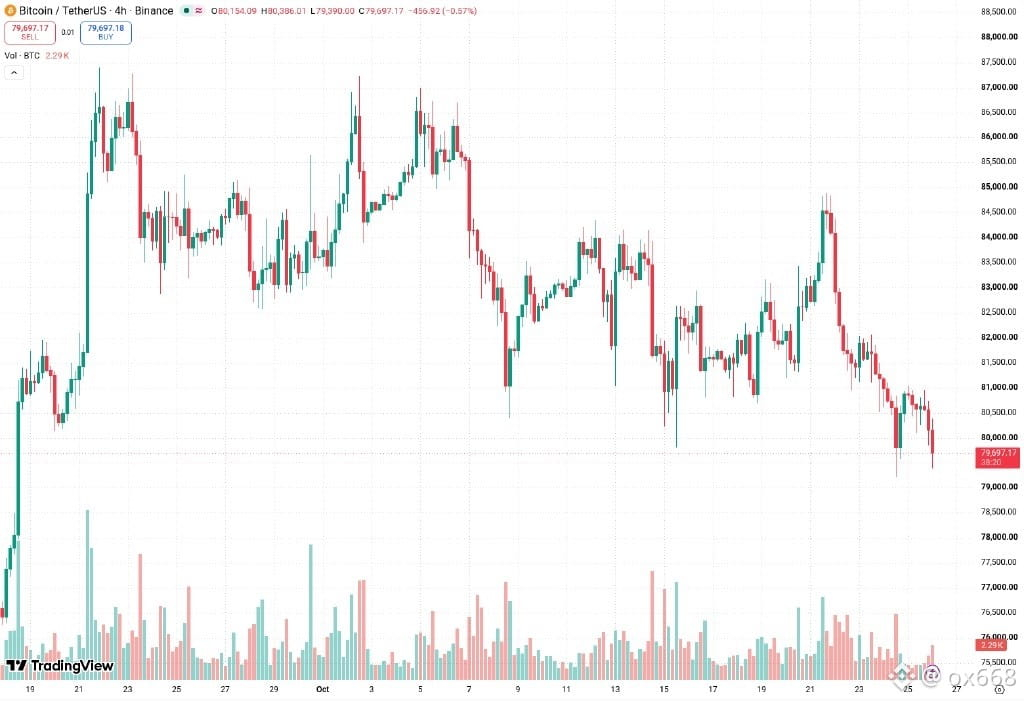
Meanwhile $BTC is chopping around $79.5K–80K after Saturday's dip below $80K. A headline like this doesn't move price, but the "neutral rails" narrative keeps resurfacing whenever geopolitics heats up.

Do you think crypto can ever work as sanctions infrastructure, or is it a myth?

#Bitcoin #Crypto #Sanctions #Israel #CryptoRegulation

Not financial advice.
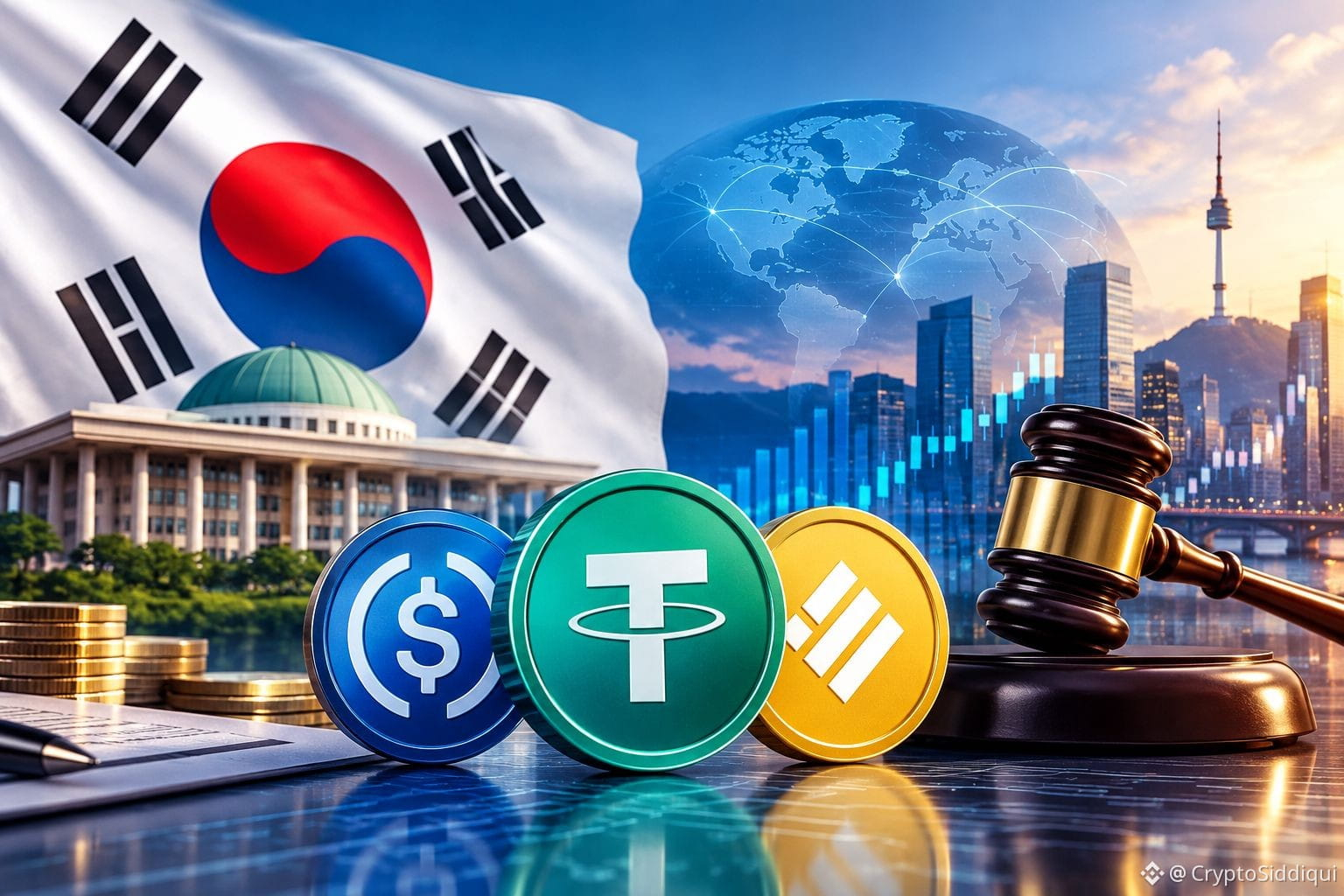
#usq3gdpandseptemberpceduenextweek Coreia do Sul planeia regular transferências de stablecoins sob leis cambiais. O que muda para o mercado? A proposta do governo sul-coreano visa monitorizar pagamentos digitais transfronteiriços que atualmente contornam o sistema bancário tradicional. O foco está nas stablecoins como USDT e USDC. Os três pilares da mudança: Maior visibilidade: os reguladores querem rastrear os fluxos internacionais de ativos digitais. Aumento de custos: as plataformas terão de investir pesado em sistemas de monitorização e documentação. Impacto no acesso: a ligação entre o mercado sul-coreano e as exchanges estrangeiras pode sofrer alterações. A visão do trader: Isto é uma questão de infraestrutura e regulação, não um sinal de compra ou venda de Bitcoin. As regras finais e a sua implementação é que vão ditar o impacto real. A transparência pode aumentar a confiança, mas a burocracia extra pode reduzir a conveniência das transferências. O diabo está nos detalhes da legislação. Acompanhe os comunicados oficiais. Distinga propostas de leis em vigor e não reaja apenas à manchete. A supervisão rigorosa vai tornar as stablecoins mais seguras ou apenas mais difíceis de usar? #SouthKorea #CryptoRegulation #USDT #CryptoMarket $LUMIA $ZEC $SC {spot}(LUMIAUSDT) {spot}(ZECUSDT) {spot}(SCUSDT)
#usq3gdpandseptemberpceduenextweek

Coreia do Sul planeia regular transferências de stablecoins sob leis cambiais.
O que muda para o mercado?

A proposta do governo sul-coreano visa monitorizar pagamentos digitais transfronteiriços que atualmente contornam o sistema bancário tradicional. O foco está nas stablecoins como USDT e USDC.

Os três pilares da mudança:
Maior visibilidade: os reguladores querem rastrear os fluxos internacionais de ativos digitais.
Aumento de custos: as plataformas terão de investir pesado em sistemas de monitorização e documentação.
Impacto no acesso: a ligação entre o mercado sul-coreano e as exchanges estrangeiras pode sofrer alterações.

A visão do trader:
Isto é uma questão de infraestrutura e regulação, não um sinal de compra ou venda de Bitcoin. As regras finais e a sua implementação é que vão ditar o impacto real.

A transparência pode aumentar a confiança, mas a burocracia extra pode reduzir a conveniência das transferências. O diabo está nos detalhes da legislação.

Acompanhe os comunicados oficiais. Distinga propostas de leis em vigor e não reaja apenas à manchete.

A supervisão rigorosa vai tornar as stablecoins mais seguras ou apenas mais difíceis de usar?

#SouthKorea #CryptoRegulation #USDT #CryptoMarket $LUMIA $ZEC $SC
#southkoreadelayscryptoincometax 🇰🇷 THE SOUTH KOREA CRYPTO TAX SAGA: Another Delay on the Horizon? South Korea’s controversial cryptocurrency income tax is making headlines again, with mounting legislative pressure to push the planned implementation back from January 1, 2027, all the way to 2029. Originally slated to begin years ago, the proposed framework—which includes a 22% tax (inclusive of local tax) on annual crypto gains exceeding 2.5 million won—has already faced multiple postponements. 📊 Why the Pushback? Infrastructure & Tracking Challenges: Lawmakers and industry experts point out that the necessary reporting systems, exchange integration, and international data-sharing frameworks (such as CARF) are still not fully ready to accurately track overseas trades and complex digital asset transactions. Retail & Market Pressure: With millions of active retail investors participating in South Korea's vibrant digital asset economy, policymakers are treading carefully to avoid disrupting local market liquidity and driving trading volume to offshore platforms. 💡 What It Means for the Market Short-Term Relief: A potential delay removes immediate regulatory friction, offering a constructive sigh of relief for regional trading activity and domestic exchanges. The Bigger Picture: This is a postponement, not a cancellation. The long-term regulatory framework remains in flux as South Korea also weighs other major changes, such as regulating stablecoins under foreign exchange laws. 🔮 What’s your take? Should South Korea delay crypto taxation until 2029 to build robust infrastructure, or is establishing clear regulatory certainty more important right now? #CryptoRegulation #BinanceSquare #bitcoin $BTC $SOL $XRP
#southkoreadelayscryptoincometax
🇰🇷 THE SOUTH KOREA CRYPTO TAX SAGA: Another Delay on the Horizon?
South Korea’s controversial cryptocurrency income tax is making headlines again, with mounting legislative pressure to push the planned implementation back from January 1, 2027, all the way to 2029.

Originally slated to begin years ago, the proposed framework—which includes a 22% tax (inclusive of local tax) on annual crypto gains exceeding 2.5 million won—has already faced multiple postponements.

📊 Why the Pushback?
Infrastructure & Tracking Challenges: Lawmakers and industry experts point out that the necessary reporting systems, exchange integration, and international data-sharing frameworks (such as CARF) are still not fully ready to accurately track overseas trades and complex digital asset transactions.

Retail & Market Pressure: With millions of active retail investors participating in South Korea's vibrant digital asset economy, policymakers are treading carefully to avoid disrupting local market liquidity and driving trading volume to offshore platforms.

💡 What It Means for the Market
Short-Term Relief: A potential delay removes immediate regulatory friction, offering a constructive sigh of relief for regional trading activity and domestic exchanges.

The Bigger Picture: This is a postponement, not a cancellation. The long-term regulatory framework remains in flux as South Korea also weighs other major changes, such as regulating stablecoins under foreign exchange laws.

🔮 What’s your take? Should South Korea delay crypto taxation until 2029 to build robust infrastructure, or is establishing clear regulatory certainty more important right now?

#CryptoRegulation #BinanceSquare #bitcoin $BTC $SOL $XRP
·
--
ສັນຍານໝີ
#UKAlgorithmicCryptoTradingAppsMayNeedFCAAuthorization Algorithmic crypto apps may be walking into the FCA's perimeter—and that distinction matters more than the headline. The core question is not whether a bot is clever. It is whether the app carries on a regulated investment activity. Where an activity falls inside the regulated perimeter, dealing, arranging deals or managing portfolios generally requires FCA authorisation. Software relaying a user's own orders differs from a service choosing trades and holding client assets. This is a scope question, not a confirmed ruling on every trading app. Treat claims of blanket authorisation requirements as interpretation until the regulator sets out the details. Why it matters: compliance raises costs and slows onboarding. Smaller developers could exit, while established platforms may benefit from clearer rules. Users could gain stronger conduct protections, but authorisation is not a seal of approval on performance. Watch for FCA guidance, the exact permissions on the Financial Services Register, and whether an app's terms leave order decisions with you. Custody and segregation also deserve scrutiny. An entry on the register does not cover every service. Regulatory clarity can support institutional confidence, yet heavier friction may push activity offshore. Neither outcome is automatic. #UKCrypto #FCA #Trading #CryptoRegulation $PEPE $ZEC $ZBT {future}(ZBTUSDT) {future}(ZECUSDT) {spot}(PEPEUSDT)
#UKAlgorithmicCryptoTradingAppsMayNeedFCAAuthorization Algorithmic crypto apps may be walking into the FCA's perimeter—and that distinction matters more than the headline.

The core question is not whether a bot is clever. It is whether the app carries on a regulated investment activity. Where an activity falls inside the regulated perimeter, dealing, arranging deals or managing portfolios generally requires FCA authorisation. Software relaying a user's own orders differs from a service choosing trades and holding client assets.

This is a scope question, not a confirmed ruling on every trading app. Treat claims of blanket authorisation requirements as interpretation until the regulator sets out the details.

Why it matters: compliance raises costs and slows onboarding. Smaller developers could exit, while established platforms may benefit from clearer rules. Users could gain stronger conduct protections, but authorisation is not a seal of approval on performance.

Watch for FCA guidance, the exact permissions on the Financial Services Register, and whether an app's terms leave order decisions with you. Custody and segregation also deserve scrutiny. An entry on the register does not cover every service.

Regulatory clarity can support institutional confidence, yet heavier friction may push activity offshore. Neither outcome is automatic.

#UKCrypto #FCA #Trading #CryptoRegulation
$PEPE $ZEC $ZBT
📰 Crypto News Update Chainlink, Cardano, other blockchain groups push SEC for clearer crypto rules Why it matters: This legal or regulatory development may influence market access, compliance, and investor sentiment. Importance score: 8/10 Source: Cointelegraph Read the original report: https://cointelegraph.com/news/chainlink-cardano-and-other-blockchain-groups-push-sec-for-clearer-crypto-rules #CryptoRegulation #CryptoNews #Cryptocurrency #Blockchain
📰 Crypto News Update

Chainlink, Cardano, other blockchain groups push SEC for clearer crypto rules

Why it matters: This legal or regulatory development may influence market access, compliance, and investor sentiment.

Importance score: 8/10
Source: Cointelegraph
Read the original report: https://cointelegraph.com/news/chainlink-cardano-and-other-blockchain-groups-push-sec-for-clearer-crypto-rules

#CryptoRegulation #CryptoNews #Cryptocurrency #Blockchain
·
--
ສັນຍານກະທິງ
🇰🇷 South Korea’s Crypto Tax Faces Another Potential Delay — 2029 in Focus South Korea’s planned cryptocurrency income tax is facing renewed calls for postponement, with lawmakers proposing to push implementation from January 2027 to January 2029. Under the current rules, qualifying profits from selling or lending crypto would face a 20% national income tax, plus local tax for a combined 22% rate, on annual taxable gains exceeding ₩2.5 million. Why is another delay being considered? • Unfinished tax systems: Exchanges and authorities need clearer reporting procedures and more time to prepare. • Overseas trading challenges: Collecting accurate transaction data from foreign platforms remains a concern. • Investor opposition: Some lawmakers and young investors argue that the framework needs further work before implementation. Important: As of October 25, 2026, another postponement is being considered, but it has not been finalized. The existing legal start date remains January 1, 2027, unless legislation changes. The outcome could influence investor sentiment and South Korea’s approach to crypto regulation. However, a tax delay alone does not guarantee higher cryptocurrency prices. Source: South Korea’s National Tax Service, The Korea Times, and recent legislative reporting. #SouthKorea #CryptoTax #CryptoRegulation #SouthKoreaDelaysCryptoIncomeTax #BinanceSquare $BTC {spot}(BTCUSDT) $BNB {spot}(BNBUSDT) $XRP {spot}(XRPUSDT)
🇰🇷 South Korea’s Crypto Tax Faces Another Potential Delay — 2029 in Focus

South Korea’s planned cryptocurrency income tax is facing renewed calls for postponement, with lawmakers proposing to push implementation from January 2027 to January 2029.

Under the current rules, qualifying profits from selling or lending crypto would face a 20% national income tax, plus local tax for a combined 22% rate, on annual taxable gains exceeding ₩2.5 million.

Why is another delay being considered?

• Unfinished tax systems: Exchanges and authorities need clearer reporting procedures and more time to prepare.
• Overseas trading challenges: Collecting accurate transaction data from foreign platforms remains a concern.
• Investor opposition: Some lawmakers and young investors argue that the framework needs further work before implementation.

Important: As of October 25, 2026, another postponement is being considered, but it has not been finalized. The existing legal start date remains January 1, 2027, unless legislation changes.

The outcome could influence investor sentiment and South Korea’s approach to crypto regulation. However, a tax delay alone does not guarantee higher cryptocurrency prices.

Source: South Korea’s National Tax Service, The Korea Times, and recent legislative reporting.

#SouthKorea #CryptoTax #CryptoRegulation #SouthKoreaDelaysCryptoIncomeTax
#BinanceSquare
$BTC
$BNB
$XRP
📰 Crypto News Update Treasury Secretary Bessent likens GENIUS Act to Lincoln-era banking reform Why it matters: This legal or regulatory development may influence market access, compliance, and investor sentiment. Importance score: 10/10 Source: Cointelegraph Read the original report: https://cointelegraph.com/news/occ-finalizes-stablecoin-rules-genius-act-bessent #CryptoRegulation #CryptoNews #Cryptocurrency #Blockchain
📰 Crypto News Update

Treasury Secretary Bessent likens GENIUS Act to Lincoln-era banking reform

Why it matters: This legal or regulatory development may influence market access, compliance, and investor sentiment.

Importance score: 10/10
Source: Cointelegraph
Read the original report: https://cointelegraph.com/news/occ-finalizes-stablecoin-rules-genius-act-bessent

#CryptoRegulation #CryptoNews #Cryptocurrency #Blockchain
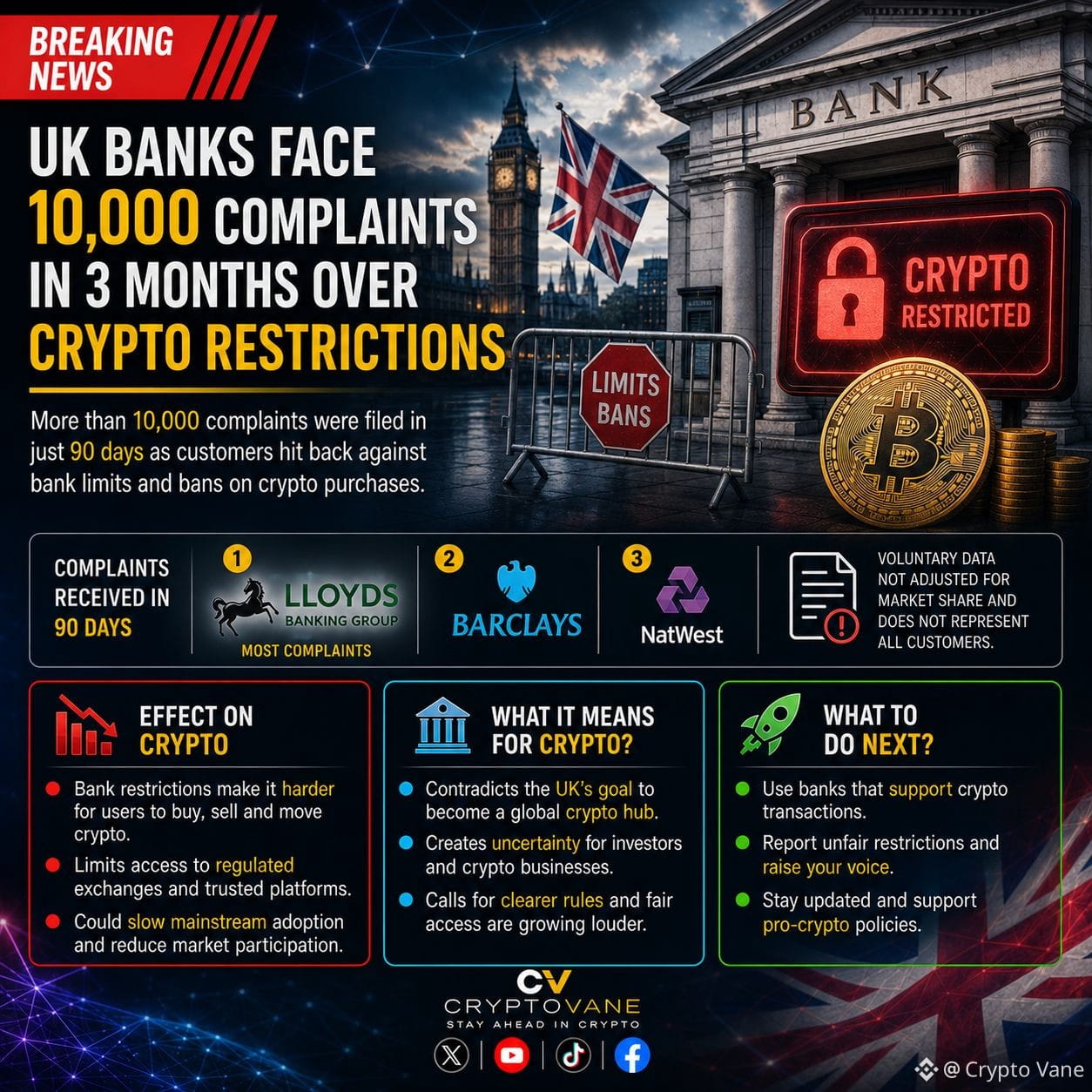
UK Banks Face 10,000 Crypto Complaints as Customer Frustration Grows 🚨 More than 10,000 complaints about UK banks restricting cryptocurrency transactions were reported in just 90 days. Lloyds, Barclays and NatWest feature among the banks named, raising concerns about crypto access, investor choice and the UK’s ambition to become a global crypto hub. #CryptoNews #Bitcoin #CryptoRegulation #blockchain #crypto {spot}(BTCUSDT)
UK Banks Face 10,000 Crypto Complaints as Customer Frustration Grows 🚨

More than 10,000 complaints about UK banks restricting cryptocurrency transactions were reported in just 90 days. Lloyds, Barclays and NatWest feature among the banks named, raising concerns about crypto access, investor choice and the UK’s ambition to become a global crypto hub.

#CryptoNews #Bitcoin #CryptoRegulation #blockchain #crypto
Bitcoin Up or Down on October 25?

Bitcoin Up or Down on October 25?

97%Up3%Down
ປະລິມານ $213,313.75
A global crypto hub… with 10,000 complaints in 3 months over bank restrictions? That’s quite a contradiction. 🤨 U.K. banks faced that wave of complaints over crypto restrictions, according to CoinDesk, while the country says it wants to become a global cryptocurrency hub. I struggle to square those two things. Big ambitions sound very different when access is the sticking point. 🏦 Where do you draw the line between banks protecting customers and limiting their choices? #Crypto #UKBanks #CryptoRegulation
A global crypto hub… with 10,000 complaints in 3 months over bank restrictions? That’s quite a contradiction. 🤨

U.K. banks faced that wave of complaints over crypto restrictions, according to CoinDesk, while the country says it wants to become a global cryptocurrency hub.

I struggle to square those two things. Big ambitions sound very different when access is the sticking point. 🏦

Where do you draw the line between banks protecting customers and limiting their choices?

#Crypto #UKBanks #CryptoRegulation
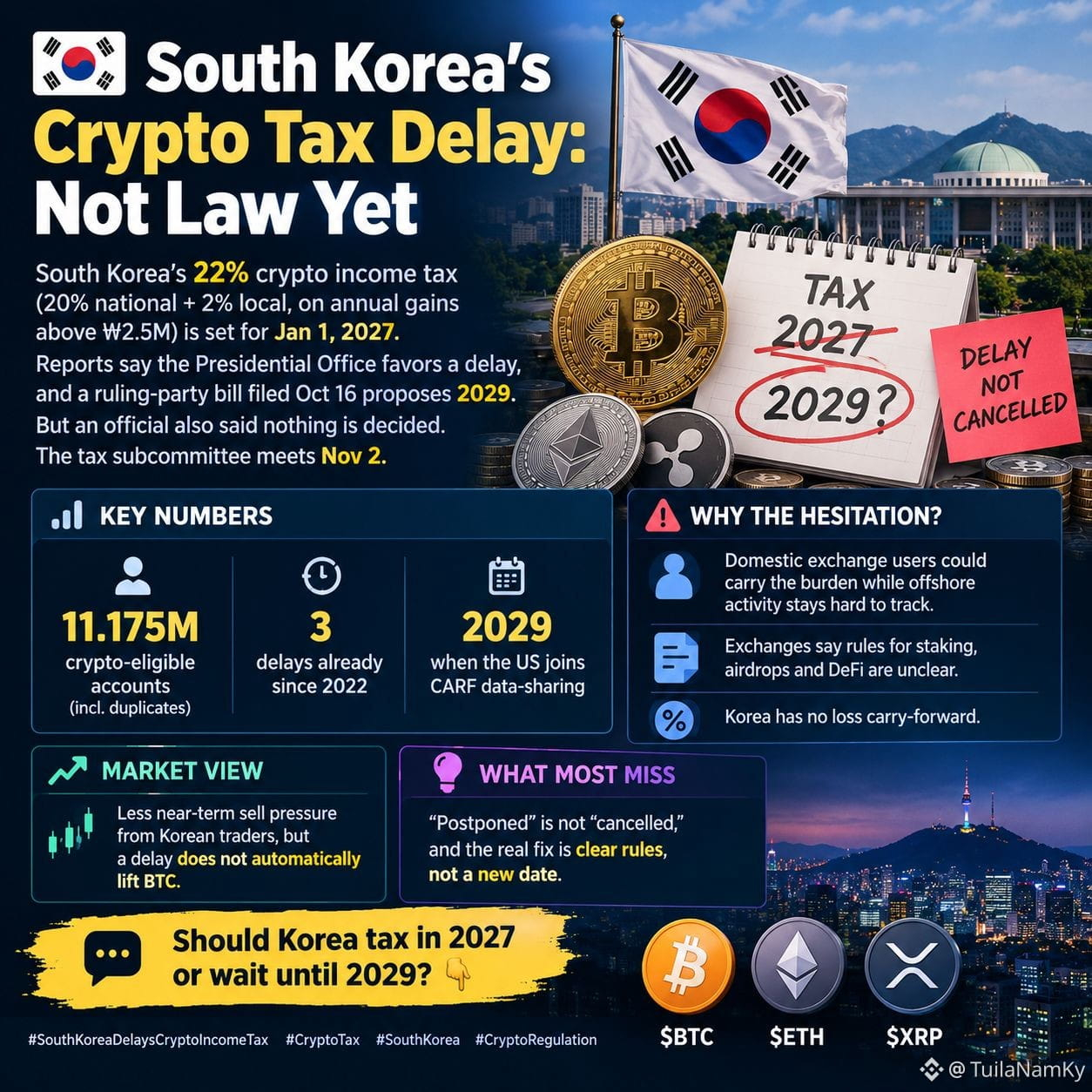
#southkoreadelayscryptoincometax 🇰🇷 South Korea’s Crypto Tax Delay: Not Law Yet South Korea’s 22% crypto income tax (20% national + 2% local, on annual gains above ₩2.5M) is set for Jan 1, 2027. Reports say the Presidential Office favors a delay, and a ruling-party bill filed Oct 16 proposes 2029. But an official also said nothing is decided. The tax subcommittee meets Nov 2. 📊 Key numbers 11.175M crypto-eligible accounts (incl. duplicates) 3 delays already since 2022 2029: when the US joins CARF data-sharing Why the hesitation? Domestic exchange users could carry the burden while offshore activity stays hard to track. Exchanges also say rules for staking, airdrops and DeFi are unclear, and Korea has no loss carry-forward. Market view: less near-term sell pressure from Korean traders, but a delay does not automatically lift BTC. What most miss: “postponed” is not “cancelled,” and the real fix is clear rules, not a new date. Should Korea tax in 2027 or wait until 2029? 👇 $BTC {future}(BTCUSDT) $ETH {future}(ETHUSDT) $XRP {future}(XRPUSDT) #CryptoTax #SouthKorea #CryptoRegulation
#southkoreadelayscryptoincometax
🇰🇷 South Korea’s Crypto Tax Delay: Not Law Yet
South Korea’s 22% crypto income tax (20% national + 2% local, on annual gains above ₩2.5M) is set for Jan 1, 2027. Reports say the Presidential Office favors a delay, and a ruling-party bill filed Oct 16 proposes 2029. But an official also said nothing is decided. The tax subcommittee meets Nov 2.
📊 Key numbers
11.175M crypto-eligible accounts (incl. duplicates) 3 delays already since 2022 2029: when the US joins CARF data-sharing
Why the hesitation?
Domestic exchange users could carry the burden while offshore activity stays hard to track. Exchanges also say rules for staking, airdrops and DeFi are unclear, and Korea has no loss carry-forward.
Market view: less near-term sell pressure from Korean traders, but a delay does not automatically lift BTC.
What most miss: “postponed” is not “cancelled,” and the real fix is clear rules, not a new date.
Should Korea tax in 2027 or wait until 2029? 👇
$BTC
$ETH
$XRP

#CryptoTax #SouthKorea #CryptoRegulation
في كوريا، التعليق على مسودة قواعد تسجيل وإبلاغ تحويلات الأصول الرقمية عبر الحدود ينتهي 26 أكتوبر 🇰🇷🗓️ وبحسب The Block نقلًا عن إفادة للبنك المركزي، تصنيف الستيبلكوين كوسيلة دفع ما زال مشروع تعديل قيد الإعداد، مو قانون نافذ. واضح الفرق؟ 🔎 الأكثر تداولًا على Binance وقت الرصد (2026-10-25 11:08 بتوقيت إسطنبول، أزواج USDT الفورية): $BTC, $USDC, $ETH. هذي متابعة عامة للسوق وما لها علاقة سببية بموضوع كوريا. المصدر: Binance Spot 24h Ticker API. #CryptoRegulation #Stablecoins
في كوريا، التعليق على مسودة قواعد تسجيل وإبلاغ تحويلات الأصول الرقمية عبر الحدود ينتهي 26 أكتوبر 🇰🇷🗓️ وبحسب The Block نقلًا عن إفادة للبنك المركزي، تصنيف الستيبلكوين كوسيلة دفع ما زال مشروع تعديل قيد الإعداد، مو قانون نافذ. واضح الفرق؟ 🔎

الأكثر تداولًا على Binance وقت الرصد (2026-10-25 11:08 بتوقيت إسطنبول، أزواج USDT الفورية): $BTC , $USDC , $ETH . هذي متابعة عامة للسوق وما لها علاقة سببية بموضوع كوريا. المصدر: Binance Spot 24h Ticker API.
#CryptoRegulation #Stablecoins
South Korea Delays Crypto Income Tax Again : Is 2029 the New Target? South Korea’s planned crypto tax is facing another delay, giving investors more time before the proposed tax rules take effect. But the legal change is not yet finalized. 👀 On October 25, South Korea’s presidential office reportedly decided to postpone the tax scheduled to begin on January 1, 2027. The proposal would tax annual crypto gains above 2.5 million won at a combined rate of 22%. Lawmakers have proposed pushing implementation to 2029, with a formal revision expected during November’s tax review. The government has cited incomplete tax-collection preparations and concerns about international transaction reporting. My take: Repeated delays show how difficult it can be to build a fair crypto taxation system when investors use domestic exchanges, overseas platforms and decentralized exchanges. More preparation time could improve reporting accuracy and reduce uncertainty, but frequent postponements also make long-term planning harder for investors and businesses. Until the law is formally amended, investors should not assume the tax has been permanently cancelled. Do you think South Korea should introduce crypto taxation in 2027 or wait until 2029? Follow me for more crypto regulation updates. #SouthKoreaDelaysCryptoIncomeTax #CryptoTax #CryptoRegulation #SouthKorea
South Korea Delays Crypto Income Tax Again : Is 2029 the New Target?

South Korea’s planned crypto tax is facing another delay, giving investors more time before the proposed tax rules take effect. But the legal change is not yet finalized. 👀

On October 25, South Korea’s presidential office reportedly decided to postpone the tax scheduled to begin on January 1, 2027. The proposal would tax annual crypto gains above 2.5 million won at a combined rate of 22%. Lawmakers have proposed pushing implementation to 2029, with a formal revision expected during November’s tax review. The government has cited incomplete tax-collection preparations and concerns about international transaction reporting.

My take: Repeated delays show how difficult it can be to build a fair crypto taxation system when investors use domestic exchanges, overseas platforms and decentralized exchanges. More preparation time could improve reporting accuracy and reduce uncertainty, but frequent postponements also make long-term planning harder for investors and businesses. Until the law is formally amended, investors should not assume the tax has been permanently cancelled.

Do you think South Korea should introduce crypto taxation in 2027 or wait until 2029?

Follow me for more crypto regulation updates.

#SouthKoreaDelaysCryptoIncomeTax #CryptoTax #CryptoRegulation #SouthKorea
ບົດຄວາມ
Crypto Tax Penalties Could Change — Is Regulation Becoming a Bigger Market Catalyst? 👀A crypto regulation headline is attracting attention on Binance Square. But could changes in tax enforcement affect the wider market—or is the impact being overstated? One trending topic reports a proposed or planned reduction in tax-disclosure penalties for crypto cases. Before drawing conclusions, it's important to distinguish a headline from the actual legal change: the precise jurisdiction, scope, and effective date matter. For crypto investors, regulatory developments can influence confidence, compliance costs, and how businesses operate. But not every policy change has a direct effect on token prices. ⚖️ Why Crypto Tax Rules Matter Clearer tax rules can help investors and businesses understand their obligations. Changes to penalties or disclosure procedures may also affect how past reporting issues are handled. However, a reduction in penalties does not automatically mean that crypto trading is becoming tax-free, that enforcement is ending, or that every investor benefits. The details of the rule are crucial. 🔍 Three Questions to Ask Who is affected? Does the change apply to individuals, exchanges, businesses, or only specific cases? What actually changes? Is it a reduction in penalties, a reporting adjustment, or a broader policy shift? Is it final? Has the measure been officially adopted, or is it still proposed or under review? These distinctions help separate meaningful policy changes from exaggerated social-media interpretations. ₿ Could Bitcoin and Altcoins Benefit? Regulatory clarity can support confidence in the long-term development of crypto markets. But a specific tax-policy change may have little immediate influence on BTC or altcoin prices. Short-term price movements still depend on demand, liquidity, macroeconomic conditions, fund flows, and other market catalysts. The sensible approach is to understand the rule first, then assess who it affects and whether it changes actual investor behavior. Your turn: Do clearer crypto tax rules help build long-term market confidence, or do regulation headlines have little effect on your trading decisions? 👇 REGULATORY CLARITY ✅ or PRICE ACTION FIRST 📊? Share your view. #CryptoRegulation #cryptotax #bitcoin #CryptoMarket #BinanceSquare $BTC

Crypto Tax Penalties Could Change — Is Regulation Becoming a Bigger Market Catalyst? 👀

A crypto regulation headline is attracting attention on Binance Square. But could changes in tax enforcement affect the wider market—or is the impact being overstated?
One trending topic reports a proposed or planned reduction in tax-disclosure penalties for crypto cases. Before drawing conclusions, it's important to distinguish a headline from the actual legal change: the precise jurisdiction, scope, and effective date matter.
For crypto investors, regulatory developments can influence confidence, compliance costs, and how businesses operate. But not every policy change has a direct effect on token prices.
⚖️ Why Crypto Tax Rules Matter
Clearer tax rules can help investors and businesses understand their obligations. Changes to penalties or disclosure procedures may also affect how past reporting issues are handled.
However, a reduction in penalties does not automatically mean that crypto trading is becoming tax-free, that enforcement is ending, or that every investor benefits.
The details of the rule are crucial.
🔍 Three Questions to Ask
Who is affected? Does the change apply to individuals, exchanges, businesses, or only specific cases?
What actually changes? Is it a reduction in penalties, a reporting adjustment, or a broader policy shift?
Is it final? Has the measure been officially adopted, or is it still proposed or under review?
These distinctions help separate meaningful policy changes from exaggerated social-media interpretations.
₿ Could Bitcoin and Altcoins Benefit?
Regulatory clarity can support confidence in the long-term development of crypto markets. But a specific tax-policy change may have little immediate influence on BTC or altcoin prices.
Short-term price movements still depend on demand, liquidity, macroeconomic conditions, fund flows, and other market catalysts.
The sensible approach is to understand the rule first, then assess who it affects and whether it changes actual investor behavior.
Your turn: Do clearer crypto tax rules help build long-term market confidence, or do regulation headlines have little effect on your trading decisions?
👇 REGULATORY CLARITY ✅ or PRICE ACTION FIRST 📊? Share your view.
#CryptoRegulation #cryptotax #bitcoin #CryptoMarket #BinanceSquare
$BTC
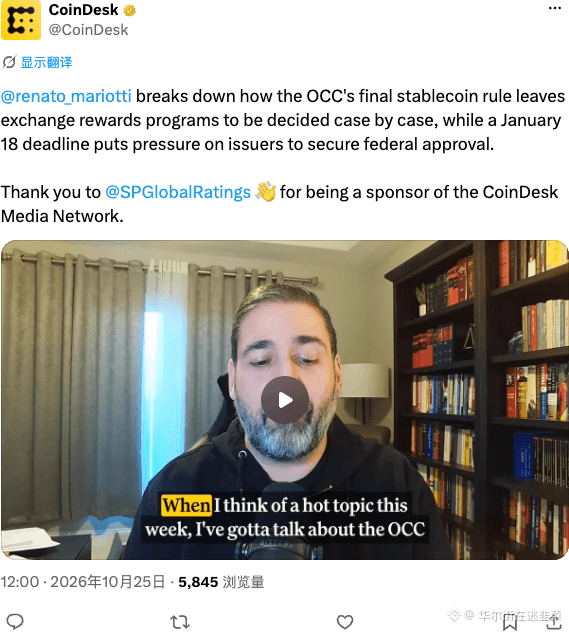
OCC规则把交易所奖励项目交给个案决定,给发行人留了一年到2027年1月18日的最后期限去搞联邦批准。1年缓冲期看着救命,但死线死得硬。奖励项目留给个案裁决,交易所算是拿到了护身符,但这合规大考,谁也逃不掉。 $USDT #CryptoRegulation
OCC规则把交易所奖励项目交给个案决定,给发行人留了一年到2027年1月18日的最后期限去搞联邦批准。1年缓冲期看着救命,但死线死得硬。奖励项目留给个案裁决,交易所算是拿到了护身符,但这合规大考,谁也逃不掉。

$USDT #CryptoRegulation
ເຂົ້າສູ່ລະບົບເພື່ອສຳຫຼວດເນື້ອຫາເພີ່ມເຕີມ
ເຂົ້າຮ່ວມກຸ່ມຜູ້ໃຊ້ຄຣິບໂຕທົ່ວໂລກໃນ Binance Square.
⚡️ ໄດ້ຮັບຂໍ້ມູນຫຼ້າສຸດ ແລະ ທີ່ມີປະໂຫຍດກ່ຽວກັບຄຣິບໂຕ.
💬 ໄດ້ຮັບຄວາມໄວ້ວາງໃຈຈາກຕະຫຼາດແລກປ່ຽນຄຣິບໂຕທີ່ໃຫຍ່ທີ່ສຸດໃນໂລກ.
👍 ຄົ້ນຫາຂໍ້ມູນເຊີງເລິກທີ່ແທ້ຈາກນັກສ້າງທີ່ໄດ້ຮັບການຢືນຢັນ.
ອີເມວ / ເບີໂທລະສັບ