
#bedroke
bedroke
766 views
29 ກຳລັງສົນທະນາ
ມາແຮງ
ຫຼ້າສຸດ


·
--
ສັນຍານກະທິງ
ເບິ່ງການແປ
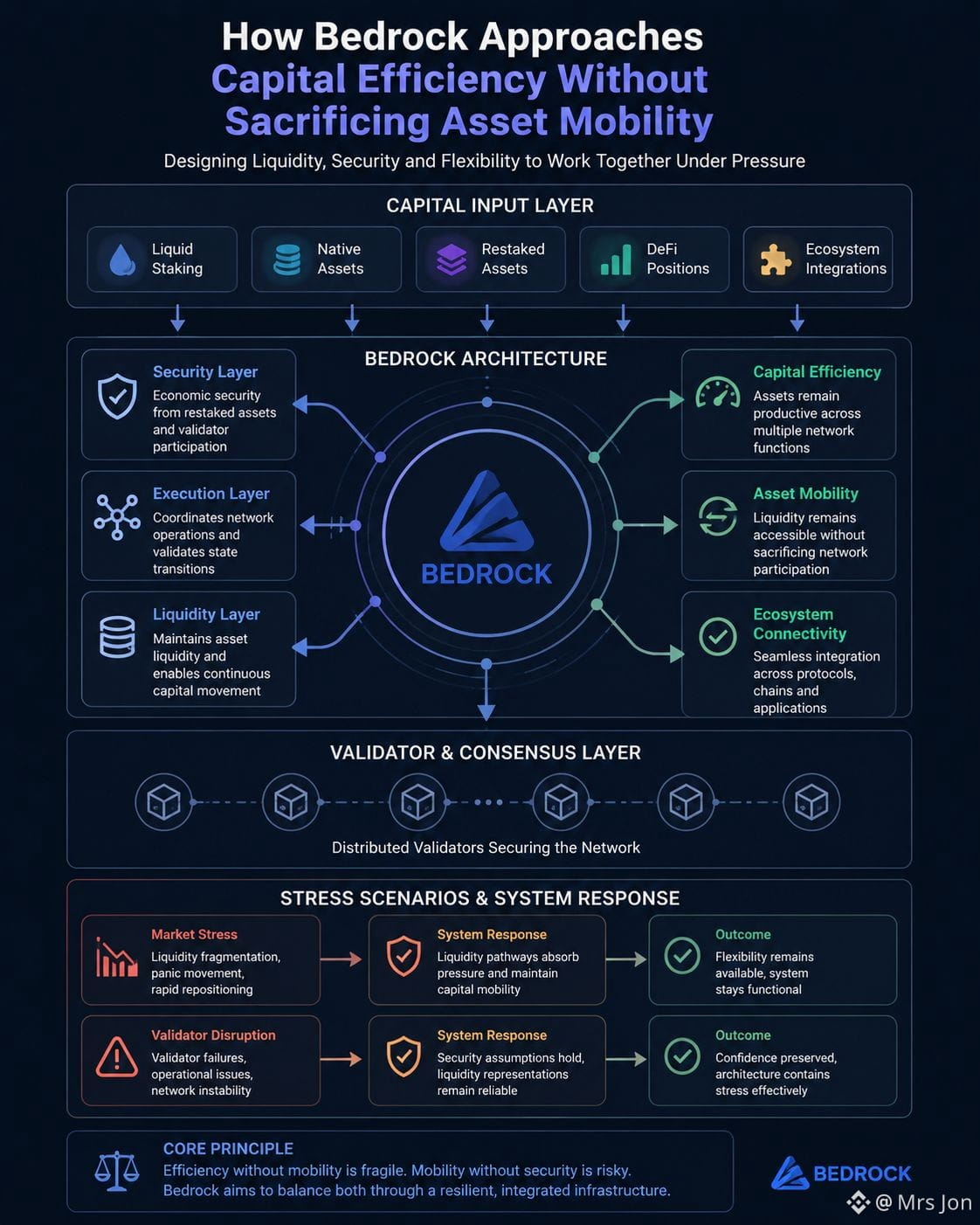
Friend: Everyone talks about capital efficiency but isn't there always a trade-off somewhere?
$BR
{future}(BRUSDT)
Me: That's exactly what caught my attention about Bedrock. The real question isn't how much efficiency a system can create. It's whether assets can remain mobile when the market is under pressure.
Friend: So you're looking beyond the yield side of things?
#Bedroke
Me: Much further. I look at what happens when assumptions break. If liquidity suddenly becomes fragmented or participants all want flexibility at the same time does the system still function smoothly?
Friend: And what did you find?
Me: Bedrock appears to be designed around reducing the tension between capital productivity and asset mobility. That's interesting because most systems tend to favor one side over the other.
Friend: What's the main risk then?
Me: Complexity. The more flexibility an infrastructure provides the more coordination it usually requires. That's why the real test isn't performance during calm conditions. It's behavior during stress.
@Bedrock
Friend: So your focus is on resilience rather than efficiency metrics?
Me: Exactly. Efficient systems are common. Systems that remain flexible under pressure are much harder to build. That's the structural test I'm watching.
#bedrock $BR @Bedrock
Friend: Everyone talks about capital efficiency but isn't there always a trade-off somewhere?
$BR
Me: That's exactly what caught my attention about Bedrock. The real question isn't how much efficiency a system can create. It's whether assets can remain mobile when the market is under pressure.
Friend: So you're looking beyond the yield side of things?
#Bedroke
Me: Much further. I look at what happens when assumptions break. If liquidity suddenly becomes fragmented or participants all want flexibility at the same time does the system still function smoothly?
Friend: And what did you find?
Me: Bedrock appears to be designed around reducing the tension between capital productivity and asset mobility. That's interesting because most systems tend to favor one side over the other.
Friend: What's the main risk then?
Me: Complexity. The more flexibility an infrastructure provides the more coordination it usually requires. That's why the real test isn't performance during calm conditions. It's behavior during stress.
@Bedrock
Friend: So your focus is on resilience rather than efficiency metrics?
Me: Exactly. Efficient systems are common. Systems that remain flexible under pressure are much harder to build. That's the structural test I'm watching.
#bedrock $BR @Bedrock
$BR
Me: That's exactly what caught my attention about Bedrock. The real question isn't how much efficiency a system can create. It's whether assets can remain mobile when the market is under pressure.
Friend: So you're looking beyond the yield side of things?
#Bedroke
Me: Much further. I look at what happens when assumptions break. If liquidity suddenly becomes fragmented or participants all want flexibility at the same time does the system still function smoothly?
Friend: And what did you find?
Me: Bedrock appears to be designed around reducing the tension between capital productivity and asset mobility. That's interesting because most systems tend to favor one side over the other.
Friend: What's the main risk then?
Me: Complexity. The more flexibility an infrastructure provides the more coordination it usually requires. That's why the real test isn't performance during calm conditions. It's behavior during stress.
@Bedrock
Friend: So your focus is on resilience rather than efficiency metrics?
Me: Exactly. Efficient systems are common. Systems that remain flexible under pressure are much harder to build. That's the structural test I'm watching.
#bedrock $BR @Bedrock
1
62
·
--
ສັນຍານກະທິງ
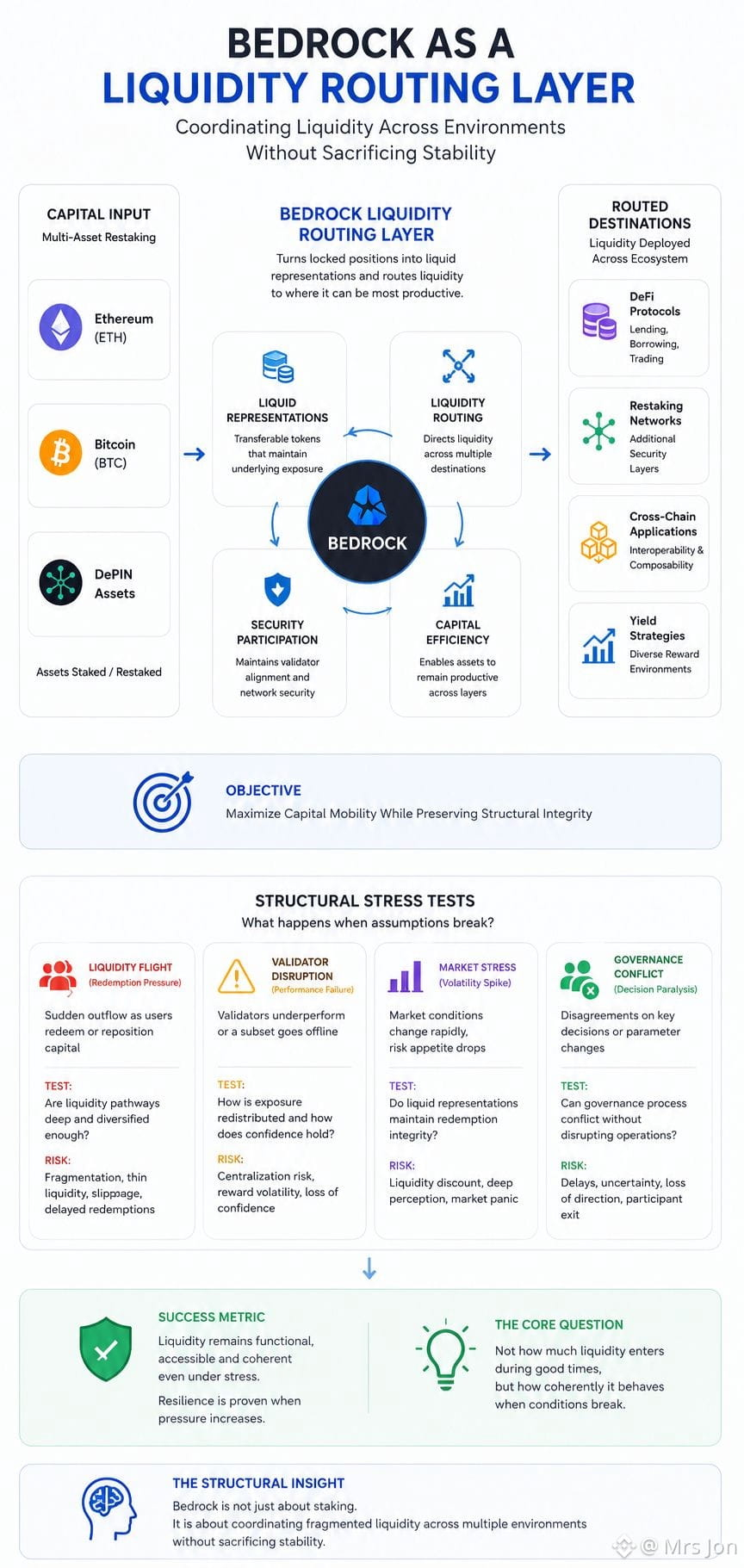
ຄົນສ່ວນໃຫຍ່ເບິ່ງ Bedrock ເປັນໂປຣໂຕຄອນສະຕິງ (staking) ແຕ່ຂ້ອຍຄິດວ່ານັ້ນພາດພາບທີ່ໃຫຍ່ກວ່າ.
$BR
{future}(BRUSDT)
ຄວາມທ້າທາຍທີ່ແທ້ໃນ crypto ບໍ່ແມ່ນການສ້າງຜົນຕອບແທນ (yield). ແຕ່ແມ່ນການຈັດການສະພາບຄ່ອງທີ (liquidity) ໂດຍບໍ່ຈຳກັດທຶນໄວ້ໃນສະພາບແວດລ້ອມທີ່ແຍກກັນ.
Bedrock ເຮັດວຽກຄ້າຍກັບຊັ້ນ (layer) ການນຳທາງ/ routing ຂອງ liquidity ຫຼາຍກວ່າລະບົບ staking ແບບດັ້ງເດີມ. ການອອກແບບຂອງມັນອະນຸຍາດໃຫ້ທຶນຍັງເຄື່ອນໄດ້ (mobile) ໃນຂະນະທີ່ຍັງເຂົ້າຮ່ວມໃນການຮັກສາຄວາມປອດໄພຂອງເຄືອຂ່າຍ ແລະກິດຈະກໍຂອງ ecosystem.
#Bedroke
ຄຳຖາມດ້ານໂຄງສ້າງທີ່ສຳຄັນບໍ່ແມ່ນຄວາມຫຼາຍຂອງ liquidity ທີ່ເຂົ້າສູ່ລະບົບໃນຊ່ວງເວລາດີ. ແຕ່ແມ່ນວ່າເມື່ອ liquidity ຢາກຈະອອກໄປ, ຜູ້ກວດສອບ (validators) ລົ້ມເຫລວ, ຫຼື ສະພາບຕະຫຼາດປ່ຽນແປງຢ່າງໄວ ມັນຈະເກີດຫຍັງຂຶ້ນ.
ນັ້ນແມ່ນການທົດສອບທີ່ຂ້ອຍໃຊ້ກັບ infrastructure: ເສັ້ນທາງຂອງ liquidity ຍັງເຮັດວຽກໄດ້ຢູ່ເວລາທີ່ຂໍ້ສົມມຸດຖືກພິສູດວ່າຜິດບໍ?
@Bedrock
ຈຸດແຂງແກ່ນຂອງ Bedrock ແມ່ນການໃຫ້ຄວາມສຸມໃນການປະສານງານ liquidity ທີ່ຖືກແຍກຢູ່ໃນຫຼາຍ environment. ຂໍ້ເສຍຂອງມັນແມ່ນຄວາມຊັບຊ້ອນຫຼາຍຂຶ້ນ ແລະຄວາມຂຶ້ນກັບການປະຕິບັດ (execution) ທີ່ມີປະສິດທິພາບ.
$ETH
{spot}(ETHUSDT)
ສຳລັບຂ້ອຍ ໂຄງການນີ້ບໍ່ແມ່ນຫຼາຍເກີນໄປກ່ຽວກັບ staking ແຕ່ແມ່ນກ່ຽວກັບວ່າ liquidity ສາມາດຍັງມີຄວາມຍືດຫຍຸ່ນໄດ້ ໂດຍບໍ່ເສຍສະຖຽນລະພາບ. ນັ້ນແມ່ນຄຳຖາມດ້ານ infrastructure ທີ່ຄວນຈັບຕາມ.
#bedrock $BR @Bedrock
ຄົນສ່ວນໃຫຍ່ເບິ່ງ Bedrock ເປັນໂປຣໂຕຄອນສະຕິງ (staking) ແຕ່ຂ້ອຍຄິດວ່ານັ້ນພາດພາບທີ່ໃຫຍ່ກວ່າ.
$BR
ຄວາມທ້າທາຍທີ່ແທ້ໃນ crypto ບໍ່ແມ່ນການສ້າງຜົນຕອບແທນ (yield). ແຕ່ແມ່ນການຈັດການສະພາບຄ່ອງທີ (liquidity) ໂດຍບໍ່ຈຳກັດທຶນໄວ້ໃນສະພາບແວດລ້ອມທີ່ແຍກກັນ.
Bedrock ເຮັດວຽກຄ້າຍກັບຊັ້ນ (layer) ການນຳທາງ/ routing ຂອງ liquidity ຫຼາຍກວ່າລະບົບ staking ແບບດັ້ງເດີມ. ການອອກແບບຂອງມັນອະນຸຍາດໃຫ້ທຶນຍັງເຄື່ອນໄດ້ (mobile) ໃນຂະນະທີ່ຍັງເຂົ້າຮ່ວມໃນການຮັກສາຄວາມປອດໄພຂອງເຄືອຂ່າຍ ແລະກິດຈະກໍຂອງ ecosystem.
#Bedroke
ຄຳຖາມດ້ານໂຄງສ້າງທີ່ສຳຄັນບໍ່ແມ່ນຄວາມຫຼາຍຂອງ liquidity ທີ່ເຂົ້າສູ່ລະບົບໃນຊ່ວງເວລາດີ. ແຕ່ແມ່ນວ່າເມື່ອ liquidity ຢາກຈະອອກໄປ, ຜູ້ກວດສອບ (validators) ລົ້ມເຫລວ, ຫຼື ສະພາບຕະຫຼາດປ່ຽນແປງຢ່າງໄວ ມັນຈະເກີດຫຍັງຂຶ້ນ.
ນັ້ນແມ່ນການທົດສອບທີ່ຂ້ອຍໃຊ້ກັບ infrastructure: ເສັ້ນທາງຂອງ liquidity ຍັງເຮັດວຽກໄດ້ຢູ່ເວລາທີ່ຂໍ້ສົມມຸດຖືກພິສູດວ່າຜິດບໍ?
@Bedrock
ຈຸດແຂງແກ່ນຂອງ Bedrock ແມ່ນການໃຫ້ຄວາມສຸມໃນການປະສານງານ liquidity ທີ່ຖືກແຍກຢູ່ໃນຫຼາຍ environment. ຂໍ້ເສຍຂອງມັນແມ່ນຄວາມຊັບຊ້ອນຫຼາຍຂຶ້ນ ແລະຄວາມຂຶ້ນກັບການປະຕິບັດ (execution) ທີ່ມີປະສິດທິພາບ.
$ETH
ສຳລັບຂ້ອຍ ໂຄງການນີ້ບໍ່ແມ່ນຫຼາຍເກີນໄປກ່ຽວກັບ staking ແຕ່ແມ່ນກ່ຽວກັບວ່າ liquidity ສາມາດຍັງມີຄວາມຍືດຫຍຸ່ນໄດ້ ໂດຍບໍ່ເສຍສະຖຽນລະພາບ. ນັ້ນແມ່ນຄຳຖາມດ້ານ infrastructure ທີ່ຄວນຈັບຕາມ.
#bedrock $BR @Bedrock
$BR
ຄວາມທ້າທາຍທີ່ແທ້ໃນ crypto ບໍ່ແມ່ນການສ້າງຜົນຕອບແທນ (yield). ແຕ່ແມ່ນການຈັດການສະພາບຄ່ອງທີ (liquidity) ໂດຍບໍ່ຈຳກັດທຶນໄວ້ໃນສະພາບແວດລ້ອມທີ່ແຍກກັນ.
Bedrock ເຮັດວຽກຄ້າຍກັບຊັ້ນ (layer) ການນຳທາງ/ routing ຂອງ liquidity ຫຼາຍກວ່າລະບົບ staking ແບບດັ້ງເດີມ. ການອອກແບບຂອງມັນອະນຸຍາດໃຫ້ທຶນຍັງເຄື່ອນໄດ້ (mobile) ໃນຂະນະທີ່ຍັງເຂົ້າຮ່ວມໃນການຮັກສາຄວາມປອດໄພຂອງເຄືອຂ່າຍ ແລະກິດຈະກໍຂອງ ecosystem.
#Bedroke
ຄຳຖາມດ້ານໂຄງສ້າງທີ່ສຳຄັນບໍ່ແມ່ນຄວາມຫຼາຍຂອງ liquidity ທີ່ເຂົ້າສູ່ລະບົບໃນຊ່ວງເວລາດີ. ແຕ່ແມ່ນວ່າເມື່ອ liquidity ຢາກຈະອອກໄປ, ຜູ້ກວດສອບ (validators) ລົ້ມເຫລວ, ຫຼື ສະພາບຕະຫຼາດປ່ຽນແປງຢ່າງໄວ ມັນຈະເກີດຫຍັງຂຶ້ນ.
ນັ້ນແມ່ນການທົດສອບທີ່ຂ້ອຍໃຊ້ກັບ infrastructure: ເສັ້ນທາງຂອງ liquidity ຍັງເຮັດວຽກໄດ້ຢູ່ເວລາທີ່ຂໍ້ສົມມຸດຖືກພິສູດວ່າຜິດບໍ?
@Bedrock
ຈຸດແຂງແກ່ນຂອງ Bedrock ແມ່ນການໃຫ້ຄວາມສຸມໃນການປະສານງານ liquidity ທີ່ຖືກແຍກຢູ່ໃນຫຼາຍ environment. ຂໍ້ເສຍຂອງມັນແມ່ນຄວາມຊັບຊ້ອນຫຼາຍຂຶ້ນ ແລະຄວາມຂຶ້ນກັບການປະຕິບັດ (execution) ທີ່ມີປະສິດທິພາບ.
$ETH
ສຳລັບຂ້ອຍ ໂຄງການນີ້ບໍ່ແມ່ນຫຼາຍເກີນໄປກ່ຽວກັບ staking ແຕ່ແມ່ນກ່ຽວກັບວ່າ liquidity ສາມາດຍັງມີຄວາມຍືດຫຍຸ່ນໄດ້ ໂດຍບໍ່ເສຍສະຖຽນລະພາບ. ນັ້ນແມ່ນຄຳຖາມດ້ານ infrastructure ທີ່ຄວນຈັບຕາມ.
#bedrock $BR @Bedrock
2
1
3
123

#bedrock $BR
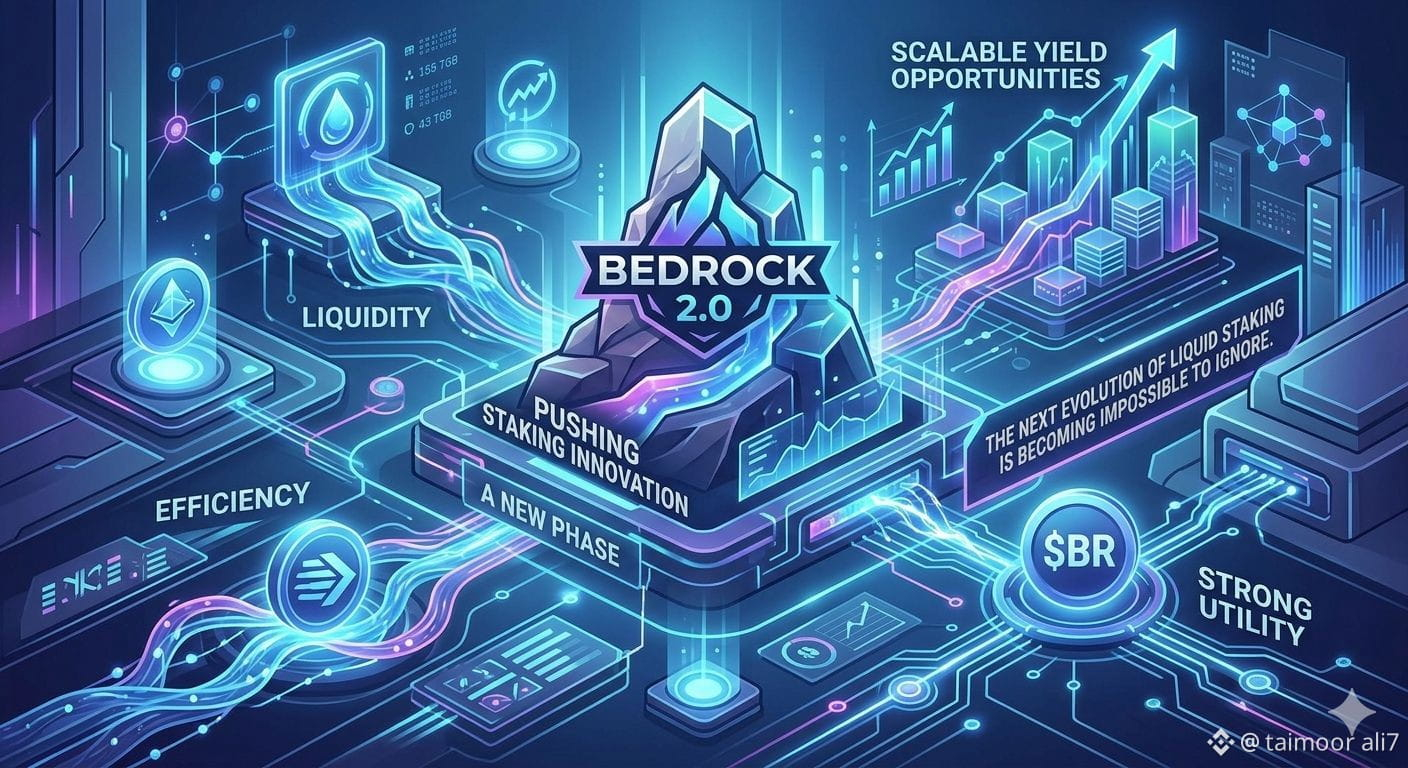
ຖ້າເຈົ້າກຳລັງຕິດຕາມການພັດທະນາຂອງ Ethereum ແນ່ນອນວ່າເຈົ້າຄงເຄີຍໄດ້ຍິນກ່ຽວກັບ restaking. ແຕ່ Bedrock 2.0 ບໍ່ແມ່ນພຽງແຕ່ສຳບັບເພີ່ມອີກ. ມັນໄດ້ປັບນິຍາມໃໝ່ວ່າພວກເຮົາຈະໃຊ້ອາຊັດຂອງເຮົາແບບໃດ ໂດຍບໍ່ຕ້ອງລັອກມັນໄວ້ຢ່າງບໍ່ມີທີ່ສິ້ນສຸດ.
ແນວຄິດງ່າຍໆແຕ່ແຮງຫຼາຍ. ຈາກການທີ່ຈະໄປ stake $ETH ຫຼື $BTC ແລ້ວສູນເສຍສະຫຼອງ (liquidity) ໄປອີກດົນ ດັ່ງນັ້ນ Bedrock 2.0 ໃຫ້ເຈົ້າມີ token ສັນຍາພັນ (derivatives) ທີ່ສະແດງສ່ວນຂອງເຈົ້າ. ເຈົ້າສາມາດນຳ token ເຫຼົ່ານີ້ໄປໃຊ້ໃນ DeFi ອື່ນໆ ແລະເກັບກຳຜົນຕອບແທນໄດ້ແບບສອງຊັ້ນ. ອາຊັດຂອງເຈົ້າຖືກໃຊ້ງານໄດ້ພ້ອມກັນໃນສອງບ່ອນ.
ມີຫຍັງໃໝ່ໃນ Bedrock 2.0
1 ອອກແບບເພື່ອຕິດຕາມງ່າຍຂຶ້ນ
ເຈົ້າສາມາດເບິ່ງຄ່າຕອບແທນ ແລະຜົນຕອບແທນທີ່ຄາດຫວັງໄດ້ໃນແບບທັນທີ ແບບບໍ່ຊັບສົນ. ທຸກຢ່າງລວບລວມຢູ່ບ່ອນດຽວ.
2 ສະຫນັບສະຫນູນອາຊັດຫຼາຍຂຶ້ນ
ນອກຈາກ $ETH ແລ້ວ ຕອນນີ້ເຈົ້າສາມາດເຂົ້າ $BTC ແລະປະເພດອາຊັດອື່ນໆໄດ້. ນີ້ເປີດປະຕູໃຫ້ກັບຜູ້ໃຊ້ຈຳນວນຫຼາຍທີ່ເຄີຍບໍ່ຄ່ອຍສົນໃຈ restaking ມາກ່ອນ.
3 ການປົກຄອງຜ່ານ $BR
ໂຕເຄັນ $BR ໃຫ້ເຈົ້າມີສຽງໃນການຕັດສິນໃຈຂອງແພລດຟອມ. ເຈົ້າສາມາດໂຫວດສຳລັບການອັບເດດ ແລະມີສ່ວນໃນການແຈກຢາຍຜົນຕອບແທນ. ແມ່ນຫຍັງທີ່ Bedrock ບໍ່ແມ່ນພຽງແຕ່ເຄື່ອງມື—ມັນເປັນລະບົບທີ່ເຈົ້າສາມາດເຂົ້າໄປມີສ່ວນໃນການພັດທະນາໄດ້.
ເປັນຫຍັງຕອນນີ້ມັນສຳຄັນ
ເມື່ອຄວາມຕ້ອງການຂອງ restaking ເພີ່ມຂຶ້ນ, ກໍເກີດຄວາມແອອັດໃນບັນດາໂປຣໂຕຄໍລ່າມຫຼາຍອັນ. ຈຸດທີ່ເຮັດໃຫ້ Bedrock 2.0 ໂດດເດັ່ນຄື ການເນັ້ນໃສ່ປະສົບການຜູ້ໃຊ້ ແລະຄວາມໂປ່ງໃສ. ເຈົ້າບໍ່ຈຳເປັນຕ້ອງເປັນນັກພັດທະນາ ເພື່ອຮູ້ວ່າອາຊັດຂອງເຈົ້າກຳລັງເກີດຫຍັງຂຶ້ນ.
ຖ້າເຈົ້າກຳລັງຊອກຫາວິທີເພີ່ມຜົນຕອບແທນຈາກ $ETH ຫຼື $BTC ໂດຍບໍ່ເພີ່ມຄວາມສ່ຽງຫຼາຍ, Bedrock 2.0 ຄວນລອງ. ເລີ່ມດ້ວຍຈຳນວນນ້ອຍ ແລະລອງເອງໄດ້ເລີຍ.
ຕິດຕາມ @Bedrock ເພື່ອຮັບຂ່າວອັບເດດລ່າສຸດ ແລະຄວາມຮ່ວມມືໃໝ່ໆ.
@Bedroc
#BedrockDeFi
#bedroke
#bedrock $BR
ຖ້າເຈົ້າກຳລັງຕິດຕາມການພັດທະນາຂອງ Ethereum ແນ່ນອນວ່າເຈົ້າຄงເຄີຍໄດ້ຍິນກ່ຽວກັບ restaking. ແຕ່ Bedrock 2.0 ບໍ່ແມ່ນພຽງແຕ່ສຳບັບເພີ່ມອີກ. ມັນໄດ້ປັບນິຍາມໃໝ່ວ່າພວກເຮົາຈະໃຊ້ອາຊັດຂອງເຮົາແບບໃດ ໂດຍບໍ່ຕ້ອງລັອກມັນໄວ້ຢ່າງບໍ່ມີທີ່ສິ້ນສຸດ.
ແນວຄິດງ່າຍໆແຕ່ແຮງຫຼາຍ. ຈາກການທີ່ຈະໄປ stake $ETH ຫຼື $BTC ແລ້ວສູນເສຍສະຫຼອງ (liquidity) ໄປອີກດົນ ດັ່ງນັ້ນ Bedrock 2.0 ໃຫ້ເຈົ້າມີ token ສັນຍາພັນ (derivatives) ທີ່ສະແດງສ່ວນຂອງເຈົ້າ. ເຈົ້າສາມາດນຳ token ເຫຼົ່ານີ້ໄປໃຊ້ໃນ DeFi ອື່ນໆ ແລະເກັບກຳຜົນຕອບແທນໄດ້ແບບສອງຊັ້ນ. ອາຊັດຂອງເຈົ້າຖືກໃຊ້ງານໄດ້ພ້ອມກັນໃນສອງບ່ອນ.
ມີຫຍັງໃໝ່ໃນ Bedrock 2.0
1 ອອກແບບເພື່ອຕິດຕາມງ່າຍຂຶ້ນ
ເຈົ້າສາມາດເບິ່ງຄ່າຕອບແທນ ແລະຜົນຕອບແທນທີ່ຄາດຫວັງໄດ້ໃນແບບທັນທີ ແບບບໍ່ຊັບສົນ. ທຸກຢ່າງລວບລວມຢູ່ບ່ອນດຽວ.
2 ສະຫນັບສະຫນູນອາຊັດຫຼາຍຂຶ້ນ
ນອກຈາກ $ETH ແລ້ວ ຕອນນີ້ເຈົ້າສາມາດເຂົ້າ $BTC ແລະປະເພດອາຊັດອື່ນໆໄດ້. ນີ້ເປີດປະຕູໃຫ້ກັບຜູ້ໃຊ້ຈຳນວນຫຼາຍທີ່ເຄີຍບໍ່ຄ່ອຍສົນໃຈ restaking ມາກ່ອນ.
3 ການປົກຄອງຜ່ານ $BR
ໂຕເຄັນ $BR ໃຫ້ເຈົ້າມີສຽງໃນການຕັດສິນໃຈຂອງແພລດຟອມ. ເຈົ້າສາມາດໂຫວດສຳລັບການອັບເດດ ແລະມີສ່ວນໃນການແຈກຢາຍຜົນຕອບແທນ. ແມ່ນຫຍັງທີ່ Bedrock ບໍ່ແມ່ນພຽງແຕ່ເຄື່ອງມື—ມັນເປັນລະບົບທີ່ເຈົ້າສາມາດເຂົ້າໄປມີສ່ວນໃນການພັດທະນາໄດ້.
ເປັນຫຍັງຕອນນີ້ມັນສຳຄັນ
ເມື່ອຄວາມຕ້ອງການຂອງ restaking ເພີ່ມຂຶ້ນ, ກໍເກີດຄວາມແອອັດໃນບັນດາໂປຣໂຕຄໍລ່າມຫຼາຍອັນ. ຈຸດທີ່ເຮັດໃຫ້ Bedrock 2.0 ໂດດເດັ່ນຄື ການເນັ້ນໃສ່ປະສົບການຜູ້ໃຊ້ ແລະຄວາມໂປ່ງໃສ. ເຈົ້າບໍ່ຈຳເປັນຕ້ອງເປັນນັກພັດທະນາ ເພື່ອຮູ້ວ່າອາຊັດຂອງເຈົ້າກຳລັງເກີດຫຍັງຂຶ້ນ.
ຖ້າເຈົ້າກຳລັງຊອກຫາວິທີເພີ່ມຜົນຕອບແທນຈາກ $ETH ຫຼື $BTC ໂດຍບໍ່ເພີ່ມຄວາມສ່ຽງຫຼາຍ, Bedrock 2.0 ຄວນລອງ. ເລີ່ມດ້ວຍຈຳນວນນ້ອຍ ແລະລອງເອງໄດ້ເລີຍ.
ຕິດຕາມ @Bedrock ເພື່ອຮັບຂ່າວອັບເດດລ່າສຸດ ແລະຄວາມຮ່ວມມືໃໝ່ໆ.
@Bedroc
#BedrockDeFi
#bedroke
ຖ້າເຈົ້າກຳລັງຕິດຕາມການພັດທະນາຂອງ Ethereum ແນ່ນອນວ່າເຈົ້າຄงເຄີຍໄດ້ຍິນກ່ຽວກັບ restaking. ແຕ່ Bedrock 2.0 ບໍ່ແມ່ນພຽງແຕ່ສຳບັບເພີ່ມອີກ. ມັນໄດ້ປັບນິຍາມໃໝ່ວ່າພວກເຮົາຈະໃຊ້ອາຊັດຂອງເຮົາແບບໃດ ໂດຍບໍ່ຕ້ອງລັອກມັນໄວ້ຢ່າງບໍ່ມີທີ່ສິ້ນສຸດ.
ແນວຄິດງ່າຍໆແຕ່ແຮງຫຼາຍ. ຈາກການທີ່ຈະໄປ stake $ETH ຫຼື $BTC ແລ້ວສູນເສຍສະຫຼອງ (liquidity) ໄປອີກດົນ ດັ່ງນັ້ນ Bedrock 2.0 ໃຫ້ເຈົ້າມີ token ສັນຍາພັນ (derivatives) ທີ່ສະແດງສ່ວນຂອງເຈົ້າ. ເຈົ້າສາມາດນຳ token ເຫຼົ່ານີ້ໄປໃຊ້ໃນ DeFi ອື່ນໆ ແລະເກັບກຳຜົນຕອບແທນໄດ້ແບບສອງຊັ້ນ. ອາຊັດຂອງເຈົ້າຖືກໃຊ້ງານໄດ້ພ້ອມກັນໃນສອງບ່ອນ.
ມີຫຍັງໃໝ່ໃນ Bedrock 2.0
1 ອອກແບບເພື່ອຕິດຕາມງ່າຍຂຶ້ນ
ເຈົ້າສາມາດເບິ່ງຄ່າຕອບແທນ ແລະຜົນຕອບແທນທີ່ຄາດຫວັງໄດ້ໃນແບບທັນທີ ແບບບໍ່ຊັບສົນ. ທຸກຢ່າງລວບລວມຢູ່ບ່ອນດຽວ.
2 ສະຫນັບສະຫນູນອາຊັດຫຼາຍຂຶ້ນ
ນອກຈາກ $ETH ແລ້ວ ຕອນນີ້ເຈົ້າສາມາດເຂົ້າ $BTC ແລະປະເພດອາຊັດອື່ນໆໄດ້. ນີ້ເປີດປະຕູໃຫ້ກັບຜູ້ໃຊ້ຈຳນວນຫຼາຍທີ່ເຄີຍບໍ່ຄ່ອຍສົນໃຈ restaking ມາກ່ອນ.
3 ການປົກຄອງຜ່ານ $BR
ໂຕເຄັນ $BR ໃຫ້ເຈົ້າມີສຽງໃນການຕັດສິນໃຈຂອງແພລດຟອມ. ເຈົ້າສາມາດໂຫວດສຳລັບການອັບເດດ ແລະມີສ່ວນໃນການແຈກຢາຍຜົນຕອບແທນ. ແມ່ນຫຍັງທີ່ Bedrock ບໍ່ແມ່ນພຽງແຕ່ເຄື່ອງມື—ມັນເປັນລະບົບທີ່ເຈົ້າສາມາດເຂົ້າໄປມີສ່ວນໃນການພັດທະນາໄດ້.
ເປັນຫຍັງຕອນນີ້ມັນສຳຄັນ
ເມື່ອຄວາມຕ້ອງການຂອງ restaking ເພີ່ມຂຶ້ນ, ກໍເກີດຄວາມແອອັດໃນບັນດາໂປຣໂຕຄໍລ່າມຫຼາຍອັນ. ຈຸດທີ່ເຮັດໃຫ້ Bedrock 2.0 ໂດດເດັ່ນຄື ການເນັ້ນໃສ່ປະສົບການຜູ້ໃຊ້ ແລະຄວາມໂປ່ງໃສ. ເຈົ້າບໍ່ຈຳເປັນຕ້ອງເປັນນັກພັດທະນາ ເພື່ອຮູ້ວ່າອາຊັດຂອງເຈົ້າກຳລັງເກີດຫຍັງຂຶ້ນ.
ຖ້າເຈົ້າກຳລັງຊອກຫາວິທີເພີ່ມຜົນຕອບແທນຈາກ $ETH ຫຼື $BTC ໂດຍບໍ່ເພີ່ມຄວາມສ່ຽງຫຼາຍ, Bedrock 2.0 ຄວນລອງ. ເລີ່ມດ້ວຍຈຳນວນນ້ອຍ ແລະລອງເອງໄດ້ເລີຍ.
ຕິດຕາມ @Bedrock ເພື່ອຮັບຂ່າວອັບເດດລ່າສຸດ ແລະຄວາມຮ່ວມມືໃໝ່ໆ.
@Bedroc
#BedrockDeFi
#bedroke
1
92

·
--
ສັນຍານກະທິງ
ເບິ່ງການແປ
Many crypto projects talk about utility, but Bedrock 2.0 is building utility directly into the ecosystem around $BR.@Bedrock
According to the roadmap, $BR is evolving beyond a traditional rewards token and becoming a key component of the broader Bitcoin Yield Engine.
Future benefits may include:
🔹 Priority access to high-demand vaults
🔹 Enhanced yield opportunities
🔹 Tier-based ecosystem advantages
🔹 Expanded Br claw AI features
This creates a stronger connection between ecosystem growth and token utility.
As more users explore Uni btc and the Modular Vault Framework, access and participation could become increasingly valuable. The planned tier structure is particularly interesting because it encourages long-term ecosystem engagement rather than short-term speculation.
For me, the most important question is whether utility can drive sustainable demand over time.
If Bedrock executes its vision successfully, $BR could become much more than a reward token it could become the gateway to the ecosystem itself.
$BR
{future}(BRUSDT)
#bedroke
Many crypto projects talk about utility, but Bedrock 2.0 is building utility directly into the ecosystem around $BR.@Bedrock
According to the roadmap, $BR is evolving beyond a traditional rewards token and becoming a key component of the broader Bitcoin Yield Engine.
Future benefits may include:
🔹 Priority access to high-demand vaults
🔹 Enhanced yield opportunities
🔹 Tier-based ecosystem advantages
🔹 Expanded Br claw AI features
This creates a stronger connection between ecosystem growth and token utility.
As more users explore Uni btc and the Modular Vault Framework, access and participation could become increasingly valuable. The planned tier structure is particularly interesting because it encourages long-term ecosystem engagement rather than short-term speculation.
For me, the most important question is whether utility can drive sustainable demand over time.
If Bedrock executes its vision successfully, $BR could become much more than a reward token it could become the gateway to the ecosystem itself.
$BR
#bedroke
According to the roadmap, $BR is evolving beyond a traditional rewards token and becoming a key component of the broader Bitcoin Yield Engine.
Future benefits may include:
🔹 Priority access to high-demand vaults
🔹 Enhanced yield opportunities
🔹 Tier-based ecosystem advantages
🔹 Expanded Br claw AI features
This creates a stronger connection between ecosystem growth and token utility.
As more users explore Uni btc and the Modular Vault Framework, access and participation could become increasingly valuable. The planned tier structure is particularly interesting because it encourages long-term ecosystem engagement rather than short-term speculation.
For me, the most important question is whether utility can drive sustainable demand over time.
If Bedrock executes its vision successfully, $BR could become much more than a reward token it could become the gateway to the ecosystem itself.
$BR
#bedroke

4
4
85

ເບິ່ງການແປ
هل ما زلت لم تشارك في حملة Bedrock؟
المكافآت الإجمالية تصل إلى 600,000 BR، وما زال هناك وقت للمشاركة قبل انتهاء الحملة.
أنا أكملت المهام وأتابع المشروع منذ فترة، لكن عندي سؤال للمجتمع:
💰 لو ربحت 1000 BR من هذه الحملة، هل ستحتفظ بها للاستثمار أم ستبيعها مباشرة؟
اكتب رأيك في التعليقات 👇
#BR #BinanceSquare #Airdrop #bedroke #BinanceSquare
هل ما زلت لم تشارك في حملة Bedrock؟
المكافآت الإجمالية تصل إلى 600,000 BR، وما زال هناك وقت للمشاركة قبل انتهاء الحملة.
أنا أكملت المهام وأتابع المشروع منذ فترة، لكن عندي سؤال للمجتمع:
💰 لو ربحت 1000 BR من هذه الحملة، هل ستحتفظ بها للاستثمار أم ستبيعها مباشرة؟
اكتب رأيك في التعليقات 👇
#BR #BinanceSquare #Airdrop #bedroke #BinanceSquare
المكافآت الإجمالية تصل إلى 600,000 BR، وما زال هناك وقت للمشاركة قبل انتهاء الحملة.
أنا أكملت المهام وأتابع المشروع منذ فترة، لكن عندي سؤال للمجتمع:
💰 لو ربحت 1000 BR من هذه الحملة، هل ستحتفظ بها للاستثمار أم ستبيعها مباشرة؟
اكتب رأيك في التعليقات 👇
#BR #BinanceSquare #Airdrop #bedroke #BinanceSquare

2
145

ເບິ່ງການແປ
#bedrock $BR
Decentralized security is reaching new heights with @Bedrock and the rollout of Bedrock 2.0. By optimizing smart contract architecture and multi-asset liquid staking, the project introduces superior capital efficiency for institutional and retail users alike. Keeping a close eye on the ecosystem growth. $BR #Binance
#bedroke
$BR
{alpha}(560xff7d6a96ae471bbcd7713af9cb1feeb16cf56b41)
@Bedrock
#bedrock $BR
Decentralized security is reaching new heights with @Bedrock and the rollout of Bedrock 2.0. By optimizing smart contract architecture and multi-asset liquid staking, the project introduces superior capital efficiency for institutional and retail users alike. Keeping a close eye on the ecosystem growth. $BR #Binance
#bedroke
$BR
@Bedrock
Decentralized security is reaching new heights with @Bedrock and the rollout of Bedrock 2.0. By optimizing smart contract architecture and multi-asset liquid staking, the project introduces superior capital efficiency for institutional and retail users alike. Keeping a close eye on the ecosystem growth. $BR #Binance
#bedroke
$BR
@Bedrock
26
·
--
ສັນຍານໝີ
ເບິ່ງການແປ
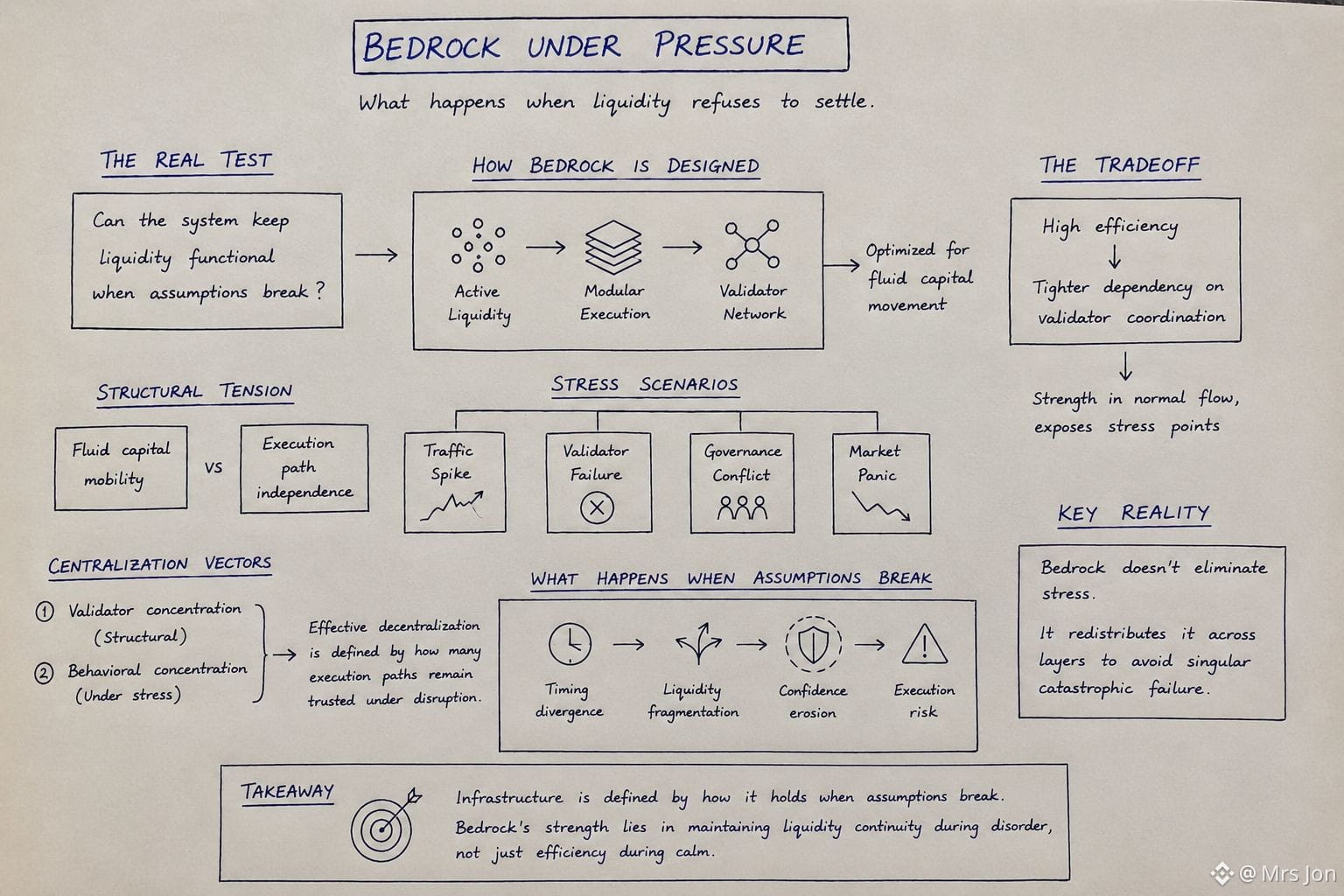
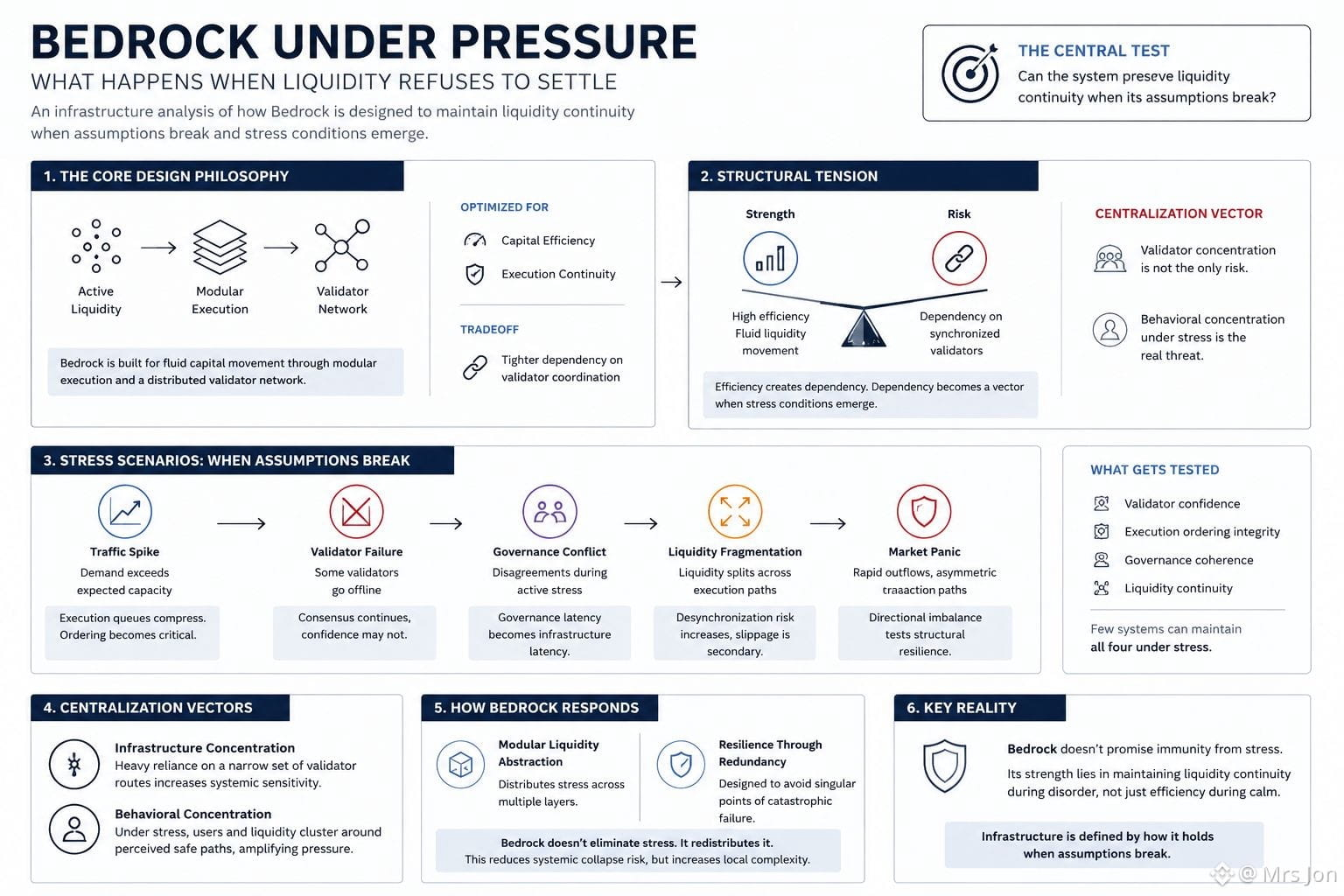
Most liquidity systems look stable until the market forces them to prove it.
$BR
{future}(BRUSDT)
What stands out about Bedrock is not how it performs in calm conditions but how its infrastructure is designed to handle disorder. The real structural test is simple: can liquidity stay functional when validators fail traffic spikes and execution paths start breaking?
@Bedrock
Bedrock seems built around that exact pressure point.
It optimizes for fluid capital movement but the tradeoff is clear higher execution efficiency means tighter dependency on validator coordination. That creates strength in normal flow but also exposes where stress can concentrate.
#Bedroke
Infrastructure is never defined by speed alone.
It is defined by how well it holds when assumptions break.
#bedrock $BR @Bedrock
Most liquidity systems look stable until the market forces them to prove it.
$BR
What stands out about Bedrock is not how it performs in calm conditions but how its infrastructure is designed to handle disorder. The real structural test is simple: can liquidity stay functional when validators fail traffic spikes and execution paths start breaking?
@Bedrock
Bedrock seems built around that exact pressure point.
It optimizes for fluid capital movement but the tradeoff is clear higher execution efficiency means tighter dependency on validator coordination. That creates strength in normal flow but also exposes where stress can concentrate.
#Bedroke
Infrastructure is never defined by speed alone.
It is defined by how well it holds when assumptions break.
#bedrock $BR @Bedrock
$BR
What stands out about Bedrock is not how it performs in calm conditions but how its infrastructure is designed to handle disorder. The real structural test is simple: can liquidity stay functional when validators fail traffic spikes and execution paths start breaking?
@Bedrock
Bedrock seems built around that exact pressure point.
It optimizes for fluid capital movement but the tradeoff is clear higher execution efficiency means tighter dependency on validator coordination. That creates strength in normal flow but also exposes where stress can concentrate.
#Bedroke
Infrastructure is never defined by speed alone.
It is defined by how well it holds when assumptions break.
#bedrock $BR @Bedrock
11
4
215
·
--
ສັນຍານກະທິງ
ເບິ່ງການແປ
$BEAT
{future}(BEATUSDT)
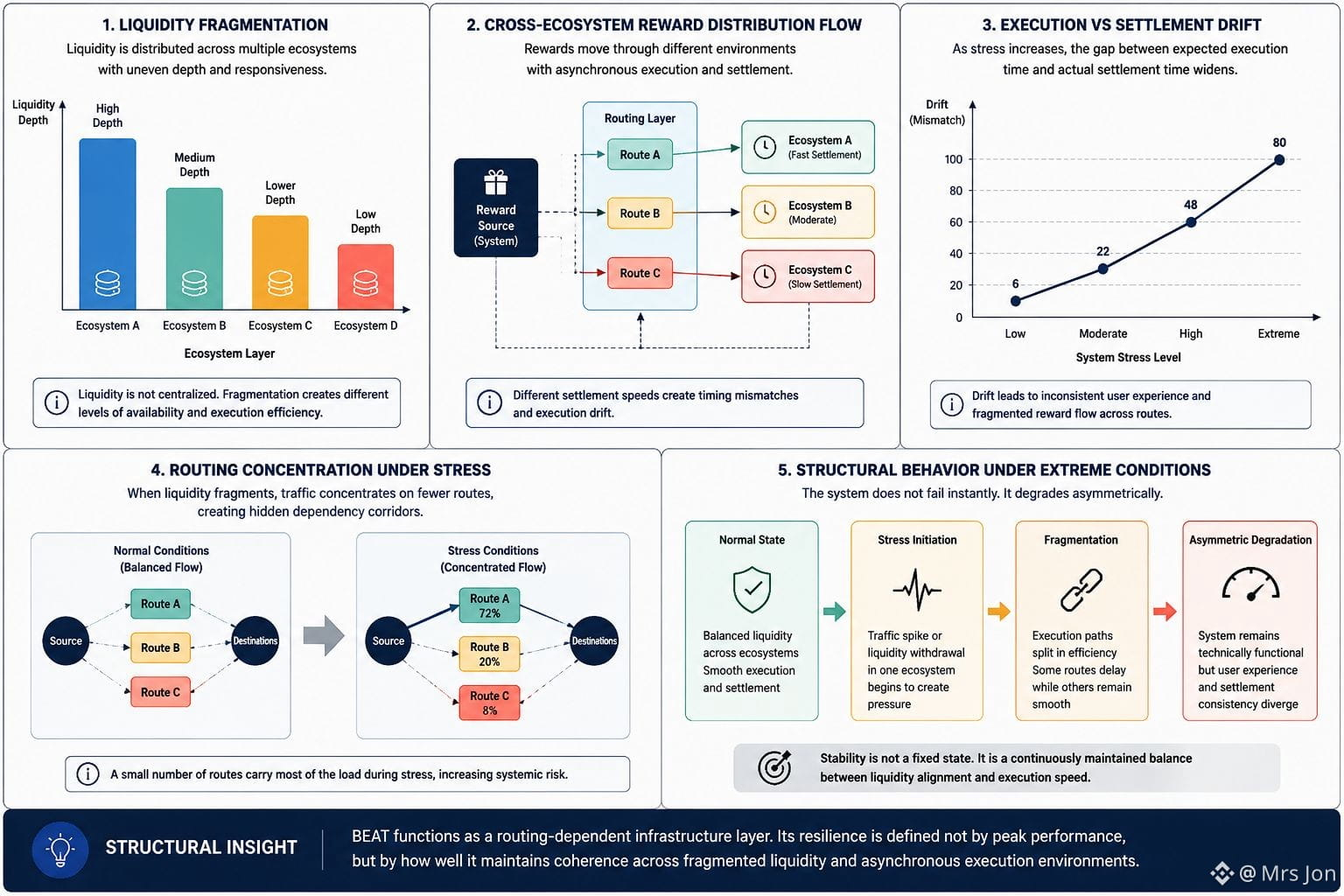
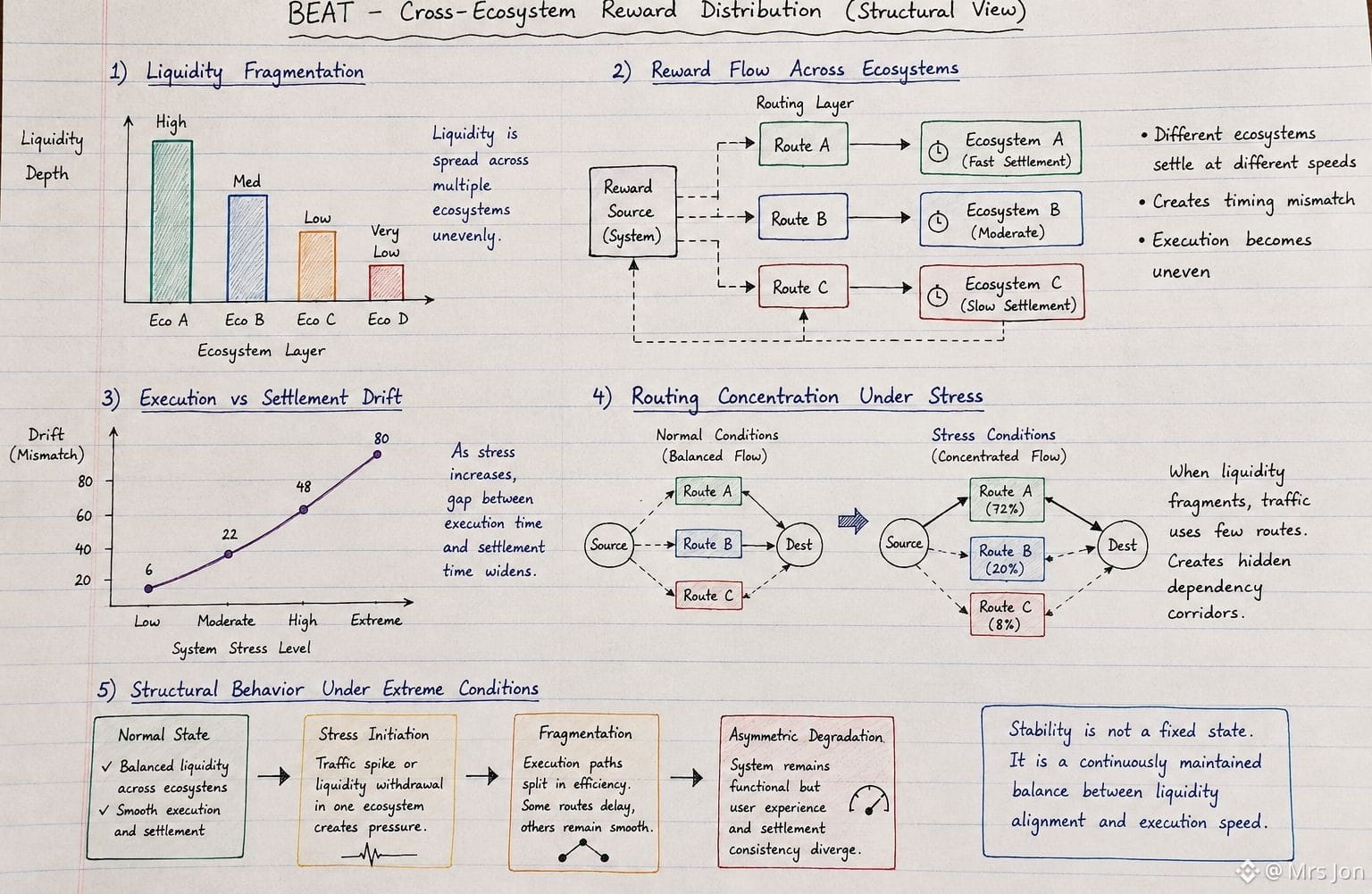
is often judged by surface price action, but the real structure sits underneath in how cross ecosystem reward distribution handles fragmented liquidity and uneven execution speed.
$BR
{future}(BRUSDT)
Liquidity is not centralized here it is spread across multiple environments that do not move in sync. Under calm conditions this feels stable but once flow increases the difference between execution timing and liquidity availability starts to show.
#Bedroke
Consensus keeps validating normally, but the real pressure forms in routing. Different ecosystems settle at different speeds, and that mismatch creates quiet desynchronization in how value actually moves through the system.
What looks like stability is really a balance that is constantly being maintained. When that balance is stressed behavior fragments instead of breaking cleanly.
@Bedrock
BEAT is better understood as a routing-dependent infrastructure layer rather than a simple trading asset, where performance depends on how well fragmented liquidity stays aligned under pressure.
#bedrock $BR @Bedrock
$BEAT
is often judged by surface price action, but the real structure sits underneath in how cross ecosystem reward distribution handles fragmented liquidity and uneven execution speed.
$BR
Liquidity is not centralized here it is spread across multiple environments that do not move in sync. Under calm conditions this feels stable but once flow increases the difference between execution timing and liquidity availability starts to show.
#Bedroke
Consensus keeps validating normally, but the real pressure forms in routing. Different ecosystems settle at different speeds, and that mismatch creates quiet desynchronization in how value actually moves through the system.
What looks like stability is really a balance that is constantly being maintained. When that balance is stressed behavior fragments instead of breaking cleanly.
@Bedrock
BEAT is better understood as a routing-dependent infrastructure layer rather than a simple trading asset, where performance depends on how well fragmented liquidity stays aligned under pressure.
#bedrock $BR @Bedrock
is often judged by surface price action, but the real structure sits underneath in how cross ecosystem reward distribution handles fragmented liquidity and uneven execution speed.
$BR
Liquidity is not centralized here it is spread across multiple environments that do not move in sync. Under calm conditions this feels stable but once flow increases the difference between execution timing and liquidity availability starts to show.
#Bedroke
Consensus keeps validating normally, but the real pressure forms in routing. Different ecosystems settle at different speeds, and that mismatch creates quiet desynchronization in how value actually moves through the system.
What looks like stability is really a balance that is constantly being maintained. When that balance is stressed behavior fragments instead of breaking cleanly.
@Bedrock
BEAT is better understood as a routing-dependent infrastructure layer rather than a simple trading asset, where performance depends on how well fragmented liquidity stays aligned under pressure.
#bedrock $BR @Bedrock
2
2
335
·
--
ສັນຍານໝີ
ເບິ່ງການແປ
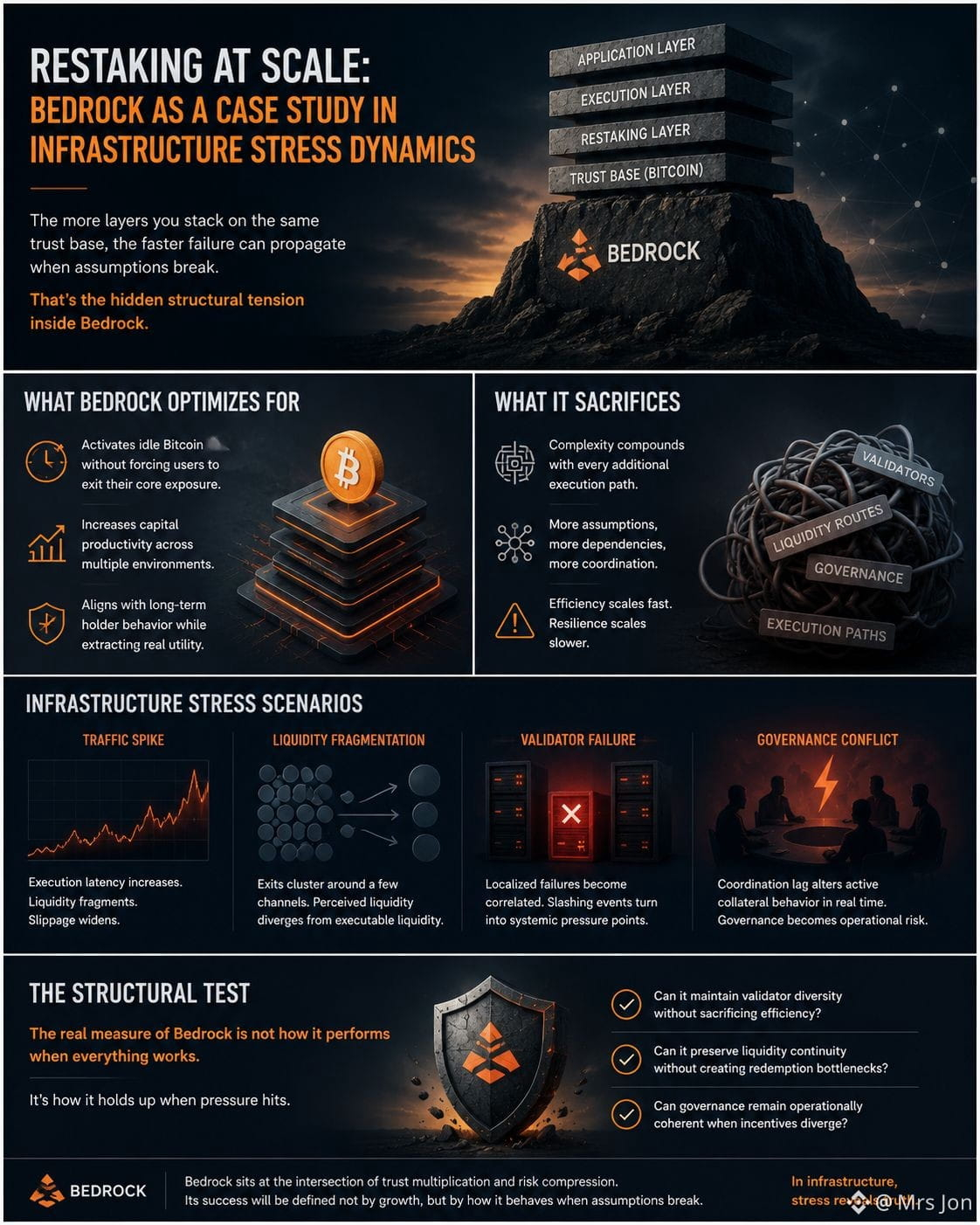
Most people see restaking as capital efficiency. I see it as risk compression.
$BR
{future}(BRUSDT)
That’s the hidden structural tension inside Bedrock.
The more layers you stack on the same trust base the faster failure can propagate when assumptions break. Bedrock turns idle Bitcoin into active infrastructure which improves capital productivity but it also increases dependency density across validator liquidity routes and governance decisions.
@Bedrock
That’s the real structural test.
The system works well in normal conditions. But infrastructure isn’t measured in normal conditions. It’s measured under pressure.
Traffic spikes. Liquidity fragmentation. Validator failure. Governance conflict.
$ETH
This is where architecture reveals itself.
Bedrock’s strength is activating dormant capital without forcing users to exit their core exposure. Its weakness is the complexity that comes with interconnected execution paths.
#Bedroke
Efficiency scales fast. Resilience scales slower.
And in restaking, that gap is where systemic risk usually begins.
#bedrock $BR @Bedrock
Most people see restaking as capital efficiency. I see it as risk compression.
$BR
That’s the hidden structural tension inside Bedrock.
The more layers you stack on the same trust base the faster failure can propagate when assumptions break. Bedrock turns idle Bitcoin into active infrastructure which improves capital productivity but it also increases dependency density across validator liquidity routes and governance decisions.
@Bedrock
That’s the real structural test.
The system works well in normal conditions. But infrastructure isn’t measured in normal conditions. It’s measured under pressure.
Traffic spikes. Liquidity fragmentation. Validator failure. Governance conflict.
$ETH
This is where architecture reveals itself.
Bedrock’s strength is activating dormant capital without forcing users to exit their core exposure. Its weakness is the complexity that comes with interconnected execution paths.
#Bedroke
Efficiency scales fast. Resilience scales slower.
And in restaking, that gap is where systemic risk usually begins.
#bedrock $BR @Bedrock
$BR
That’s the hidden structural tension inside Bedrock.
The more layers you stack on the same trust base the faster failure can propagate when assumptions break. Bedrock turns idle Bitcoin into active infrastructure which improves capital productivity but it also increases dependency density across validator liquidity routes and governance decisions.
@Bedrock
That’s the real structural test.
The system works well in normal conditions. But infrastructure isn’t measured in normal conditions. It’s measured under pressure.
Traffic spikes. Liquidity fragmentation. Validator failure. Governance conflict.
$ETH
This is where architecture reveals itself.
Bedrock’s strength is activating dormant capital without forcing users to exit their core exposure. Its weakness is the complexity that comes with interconnected execution paths.
#Bedroke
Efficiency scales fast. Resilience scales slower.
And in restaking, that gap is where systemic risk usually begins.
#bedrock $BR @Bedrock
1
1
65



·
--
ເບິ່ງການແປ
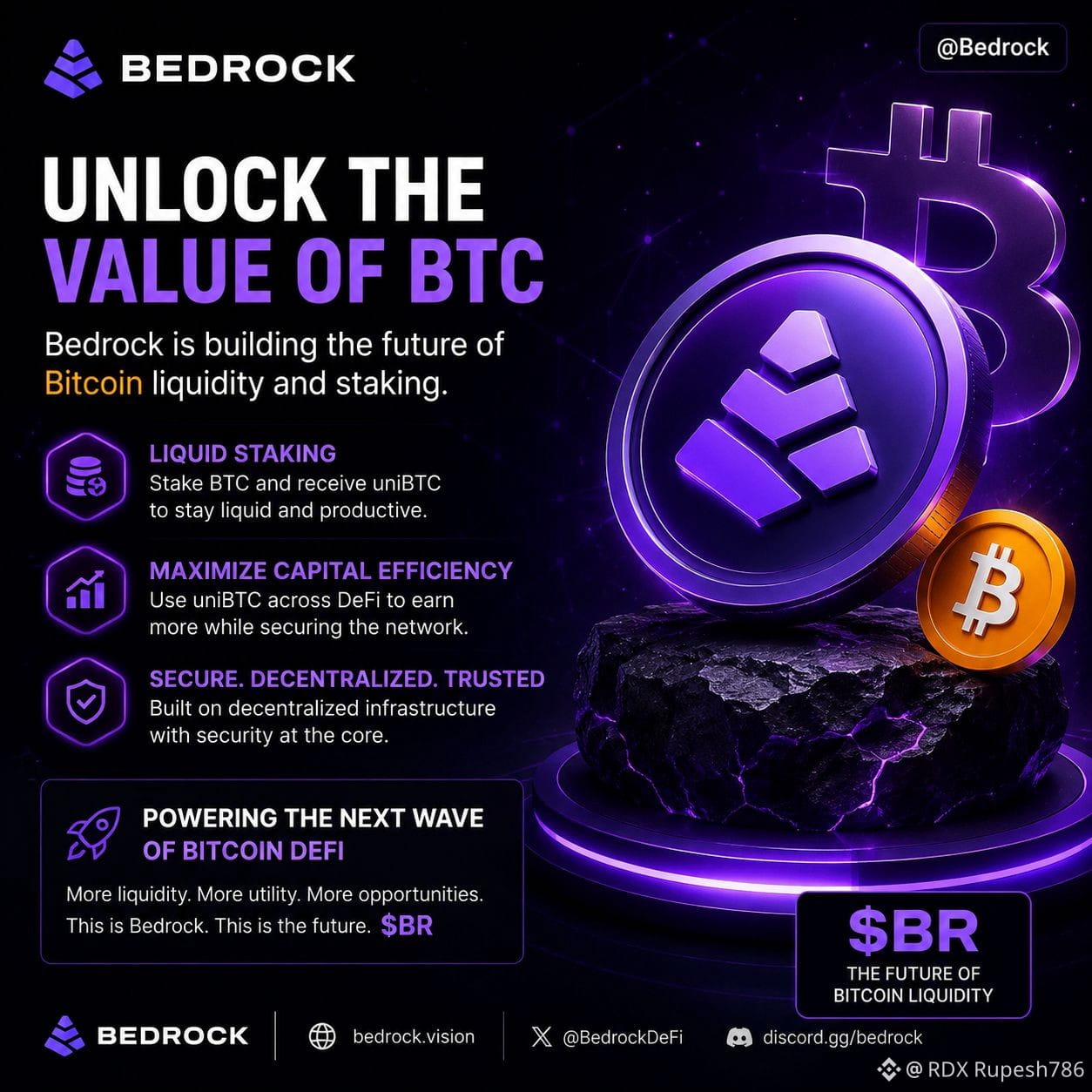
#bedrock $BR Exploring the future of BTCFi with @Binance_Earn_Official edrock! 🚀
Bedrock 2.0 is taking decentralized Bitcoin utility to the next level by enhancing liquidity, staking efficiency, and cross-ecosystem participation. I’m excited to see how the project continues to expand opportunities for users who want to maximize the value of their Bitcoin while maintaining flexibility and security.
The evolution from Bedrock to Bedrock 2.0 shows a strong commitment to innovation in the BTCFi space. Looking forward to more developments and ecosystem growth ahead!
$BR R #bedroke ck
#bedrock $BR Exploring the future of BTCFi with @Binance Earn Official edrock! 🚀
Bedrock 2.0 is taking decentralized Bitcoin utility to the next level by enhancing liquidity, staking efficiency, and cross-ecosystem participation. I’m excited to see how the project continues to expand opportunities for users who want to maximize the value of their Bitcoin while maintaining flexibility and security.
The evolution from Bedrock to Bedrock 2.0 shows a strong commitment to innovation in the BTCFi space. Looking forward to more developments and ecosystem growth ahead!
$BR R #bedroke ck
Bedrock 2.0 is taking decentralized Bitcoin utility to the next level by enhancing liquidity, staking efficiency, and cross-ecosystem participation. I’m excited to see how the project continues to expand opportunities for users who want to maximize the value of their Bitcoin while maintaining flexibility and security.
The evolution from Bedrock to Bedrock 2.0 shows a strong commitment to innovation in the BTCFi space. Looking forward to more developments and ecosystem growth ahead!
$BR R #bedroke ck
63

·
--
ສັນຍານກະທິງ
ເບິ່ງການແປ
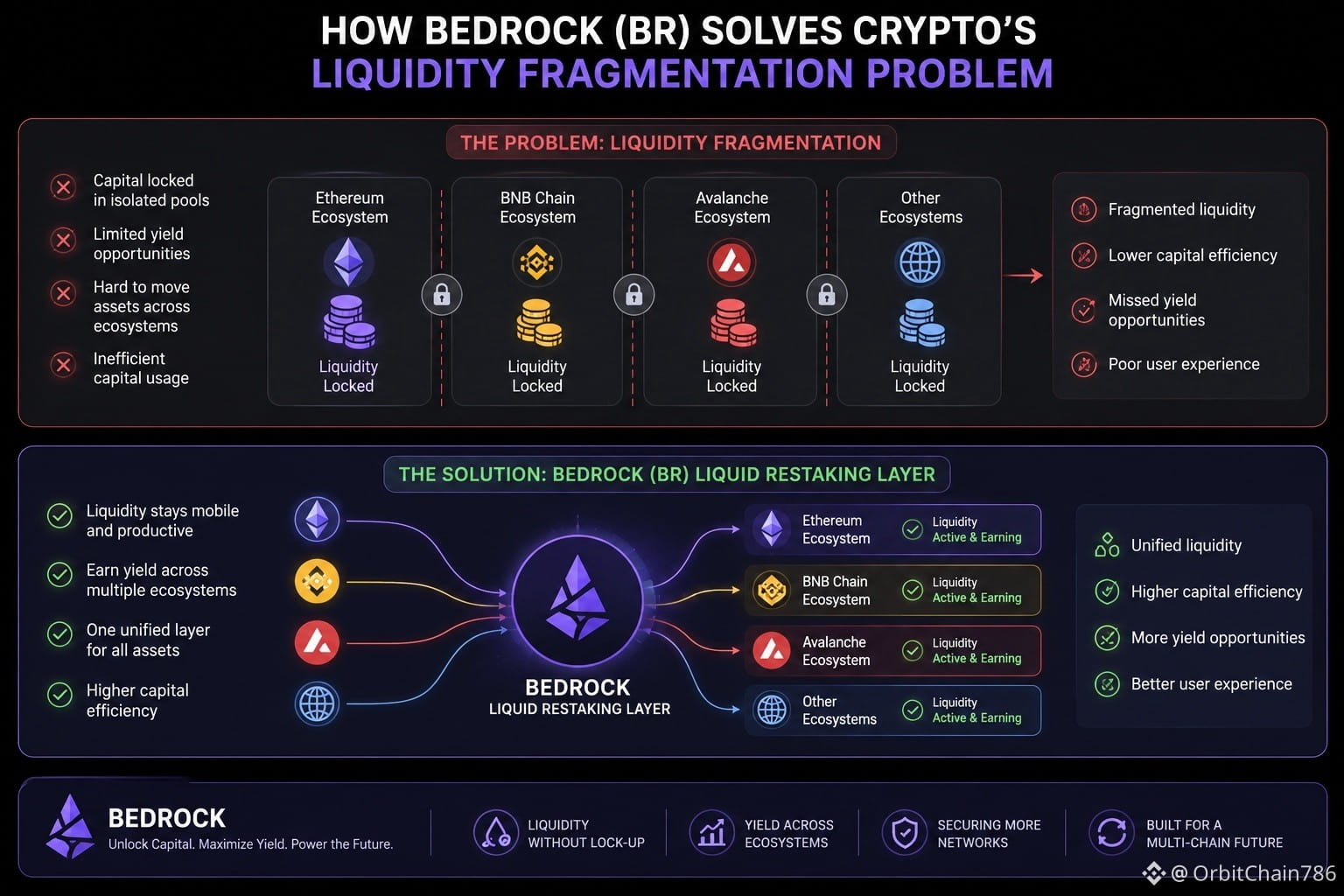
Most people think the biggest challenge in crypto is generating yield.
$BR
{future}(BRUSDT)
I disagree.
The real challenge is liquidity fragmentation.
#bedroke
Every blockchain, protocol, and ecosystem competes for capital, creating isolated pools of liquidity that reduce efficiency and limit opportunities for users. Capital gets locked in separate environments, making it harder to move, earn, and scale across the broader crypto economy.
This is where Bedrock ($BR ) stands out.
Rather than functioning as a simple staking protocol, Bedrock acts as a multi-asset liquid restaking layer designed to keep capital productive while maintaining flexibility. Users can participate in staking and restaking opportunities without completely sacrificing liquidity.
@Bedrock
The result is a more efficient system where assets remain active, mobile, and capable of generating yield across multiple ecosystems.
As the crypto market continues to expand, the winners may not be the protocols offering the highest yields, but those solving the underlying coordination and liquidity challenges that slow capital movement.
Bedrock is positioning itself at the center of that shift.
#bedrock $BR @Bedrock
Most people think the biggest challenge in crypto is generating yield.
$BR
I disagree.
The real challenge is liquidity fragmentation.
#bedroke
Every blockchain, protocol, and ecosystem competes for capital, creating isolated pools of liquidity that reduce efficiency and limit opportunities for users. Capital gets locked in separate environments, making it harder to move, earn, and scale across the broader crypto economy.
This is where Bedrock ($BR ) stands out.
Rather than functioning as a simple staking protocol, Bedrock acts as a multi-asset liquid restaking layer designed to keep capital productive while maintaining flexibility. Users can participate in staking and restaking opportunities without completely sacrificing liquidity.
@Bedrock
The result is a more efficient system where assets remain active, mobile, and capable of generating yield across multiple ecosystems.
As the crypto market continues to expand, the winners may not be the protocols offering the highest yields, but those solving the underlying coordination and liquidity challenges that slow capital movement.
Bedrock is positioning itself at the center of that shift.
#bedrock $BR @Bedrock
$BR
I disagree.
The real challenge is liquidity fragmentation.
#bedroke
Every blockchain, protocol, and ecosystem competes for capital, creating isolated pools of liquidity that reduce efficiency and limit opportunities for users. Capital gets locked in separate environments, making it harder to move, earn, and scale across the broader crypto economy.
This is where Bedrock ($BR ) stands out.
Rather than functioning as a simple staking protocol, Bedrock acts as a multi-asset liquid restaking layer designed to keep capital productive while maintaining flexibility. Users can participate in staking and restaking opportunities without completely sacrificing liquidity.
@Bedrock
The result is a more efficient system where assets remain active, mobile, and capable of generating yield across multiple ecosystems.
As the crypto market continues to expand, the winners may not be the protocols offering the highest yields, but those solving the underlying coordination and liquidity challenges that slow capital movement.
Bedrock is positioning itself at the center of that shift.
#bedrock $BR @Bedrock
1
68
·
--
ສັນຍານກະທິງ
ເບິ່ງການແປ
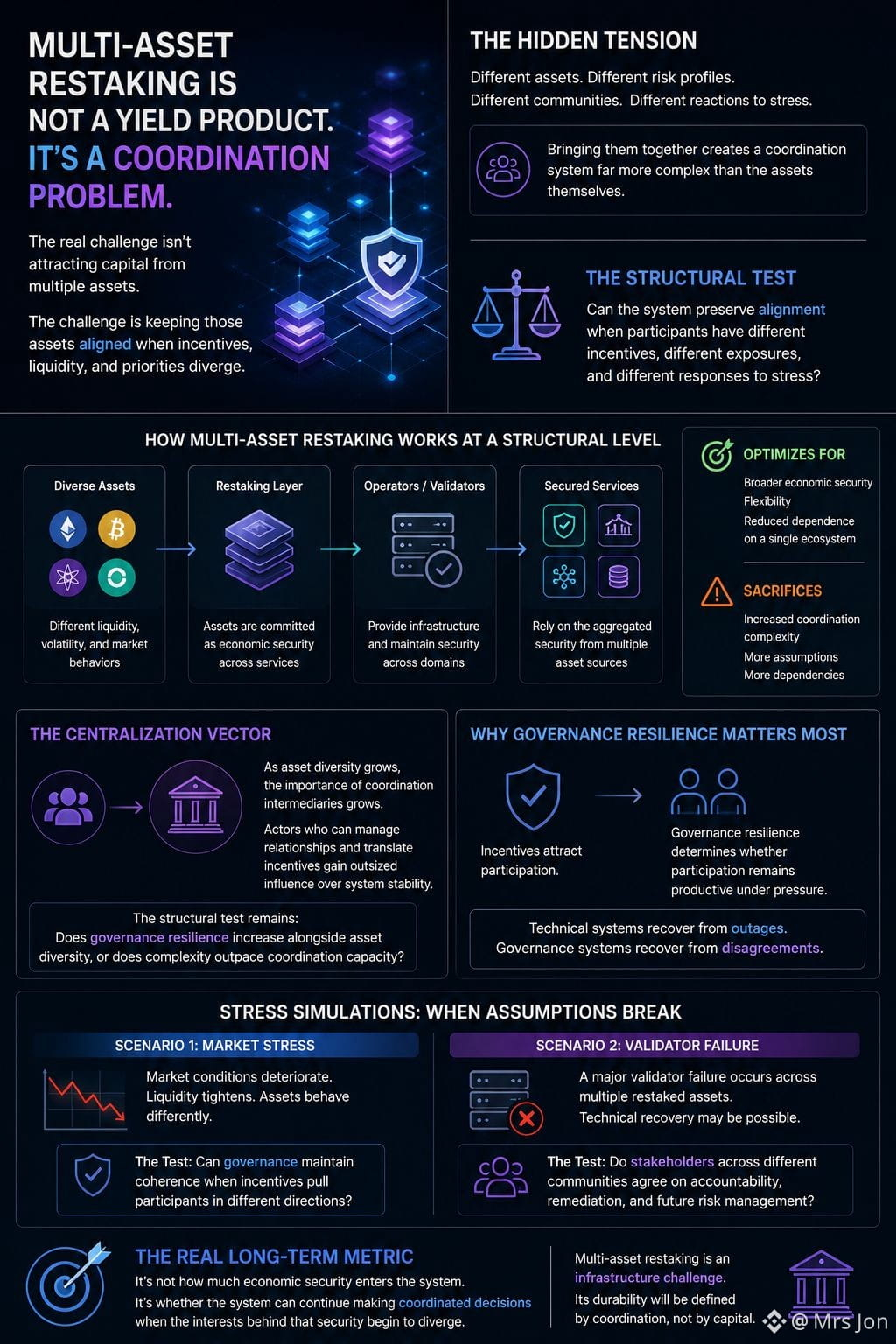
Most people view multi-asset restaking as a yield mechanism.
$BR
{future}(BRUSDT)
The deeper reality is that it's a coordination mechanism.
The challenge isn't attracting capital from multiple assets. The challenge is keeping those assets aligned when incentives, liquidity conditions, and stakeholder priorities begin to diverge.
More assets can increase economic security.
#bedroke
They can also increase coordination complexity.
That's the trade-off most people overlook.
The real structural test comes during stress.
@Bedrock
When market conditions change, validator failures occur, or different communities disagree on risk, can the system maintain alignment?
Because technical infrastructure can recover from outages.
Governance systems must recover from disagreements.
The long-term strength of multi-asset restaking won't be defined by how much capital it aggregates.
It will be defined by whether coordination remains intact when the interests behind that capital start moving in different directions.
That's what separates durable infrastructure from temporary incentive alignment.
#bedrock $BR @Bedrock
Most people view multi-asset restaking as a yield mechanism.
$BR
The deeper reality is that it's a coordination mechanism.
The challenge isn't attracting capital from multiple assets. The challenge is keeping those assets aligned when incentives, liquidity conditions, and stakeholder priorities begin to diverge.
More assets can increase economic security.
#bedroke
They can also increase coordination complexity.
That's the trade-off most people overlook.
The real structural test comes during stress.
@Bedrock
When market conditions change, validator failures occur, or different communities disagree on risk, can the system maintain alignment?
Because technical infrastructure can recover from outages.
Governance systems must recover from disagreements.
The long-term strength of multi-asset restaking won't be defined by how much capital it aggregates.
It will be defined by whether coordination remains intact when the interests behind that capital start moving in different directions.
That's what separates durable infrastructure from temporary incentive alignment.
#bedrock $BR @Bedrock
$BR
The deeper reality is that it's a coordination mechanism.
The challenge isn't attracting capital from multiple assets. The challenge is keeping those assets aligned when incentives, liquidity conditions, and stakeholder priorities begin to diverge.
More assets can increase economic security.
#bedroke
They can also increase coordination complexity.
That's the trade-off most people overlook.
The real structural test comes during stress.
@Bedrock
When market conditions change, validator failures occur, or different communities disagree on risk, can the system maintain alignment?
Because technical infrastructure can recover from outages.
Governance systems must recover from disagreements.
The long-term strength of multi-asset restaking won't be defined by how much capital it aggregates.
It will be defined by whether coordination remains intact when the interests behind that capital start moving in different directions.
That's what separates durable infrastructure from temporary incentive alignment.
#bedrock $BR @Bedrock
1
1
104

·
--
ເບິ່ງການແປ
#bedrock $BR Bedrock 2.0 is taking liquid staking to the next level by improving capital efficiency and expanding opportunities across DeFi. I’m excited to see how @Bedrock ck continues to innovate with its multi-asset staking ecosystem and create more utility for users. The growth potential of $BR and the vision behind Bedrock 2.0 make this a project worth following closely. #bedroke $BR
https://tinyurl.com/creatorpadbedrock
#bedrock $BR Bedrock 2.0 is taking liquid staking to the next level by improving capital efficiency and expanding opportunities across DeFi. I’m excited to see how @Bedrock ck continues to innovate with its multi-asset staking ecosystem and create more utility for users. The growth potential of $BR and the vision behind Bedrock 2.0 make this a project worth following closely. #bedroke $BR
https://tinyurl.com/creatorpadbedrock
https://tinyurl.com/creatorpadbedrock
1
13
·
--
ສັນຍານໝີ
ເບິ່ງການແປ
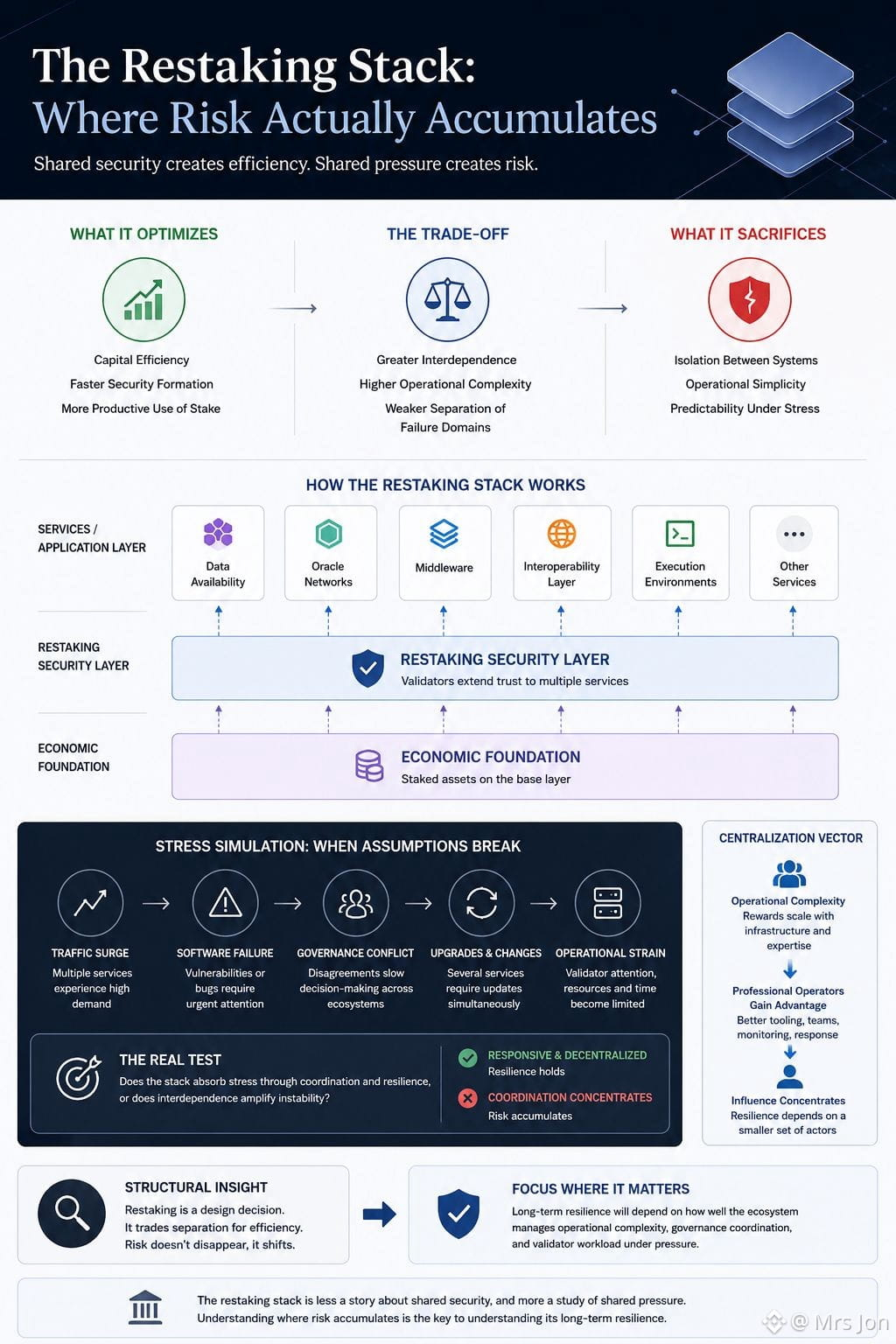
Most people look at the restaking stack and see shared security. I see something else: shared pressure.
$BR
{future}(BRUSDT)
The real question isn't how much capital secures the ecosystem. It's where risk accumulates when multiple services rely on the same validator base.
@Bedrock
Restaking improves capital efficiency and helps new infrastructure bootstrap security faster but it also creates deeper interdependencies. As more services connect to the same security layer validator responsibilities governance complexity and operational demands grow together.
#Bedroke
The structural test is simple: what happens when several systems face stress at the same time?
Traffic spikes governance disputes software failures and emergency upgrades don't just test individual protocols. They test the coordination capacity of the entire stack.
Strong infrastructure isn't defined by performance during normal conditions. It's revealed when assumptions break.
That's where the real risk profile of the restaking ecosystem becomes visible.
#bedrock $BR @Bedrock
Most people look at the restaking stack and see shared security. I see something else: shared pressure.
$BR
The real question isn't how much capital secures the ecosystem. It's where risk accumulates when multiple services rely on the same validator base.
@Bedrock
Restaking improves capital efficiency and helps new infrastructure bootstrap security faster but it also creates deeper interdependencies. As more services connect to the same security layer validator responsibilities governance complexity and operational demands grow together.
#Bedroke
The structural test is simple: what happens when several systems face stress at the same time?
Traffic spikes governance disputes software failures and emergency upgrades don't just test individual protocols. They test the coordination capacity of the entire stack.
Strong infrastructure isn't defined by performance during normal conditions. It's revealed when assumptions break.
That's where the real risk profile of the restaking ecosystem becomes visible.
#bedrock $BR @Bedrock
$BR
The real question isn't how much capital secures the ecosystem. It's where risk accumulates when multiple services rely on the same validator base.
@Bedrock
Restaking improves capital efficiency and helps new infrastructure bootstrap security faster but it also creates deeper interdependencies. As more services connect to the same security layer validator responsibilities governance complexity and operational demands grow together.
#Bedroke
The structural test is simple: what happens when several systems face stress at the same time?
Traffic spikes governance disputes software failures and emergency upgrades don't just test individual protocols. They test the coordination capacity of the entire stack.
Strong infrastructure isn't defined by performance during normal conditions. It's revealed when assumptions break.
That's where the real risk profile of the restaking ecosystem becomes visible.
#bedrock $BR @Bedrock
1
1
179
·
--
ເບິ່ງການແປ
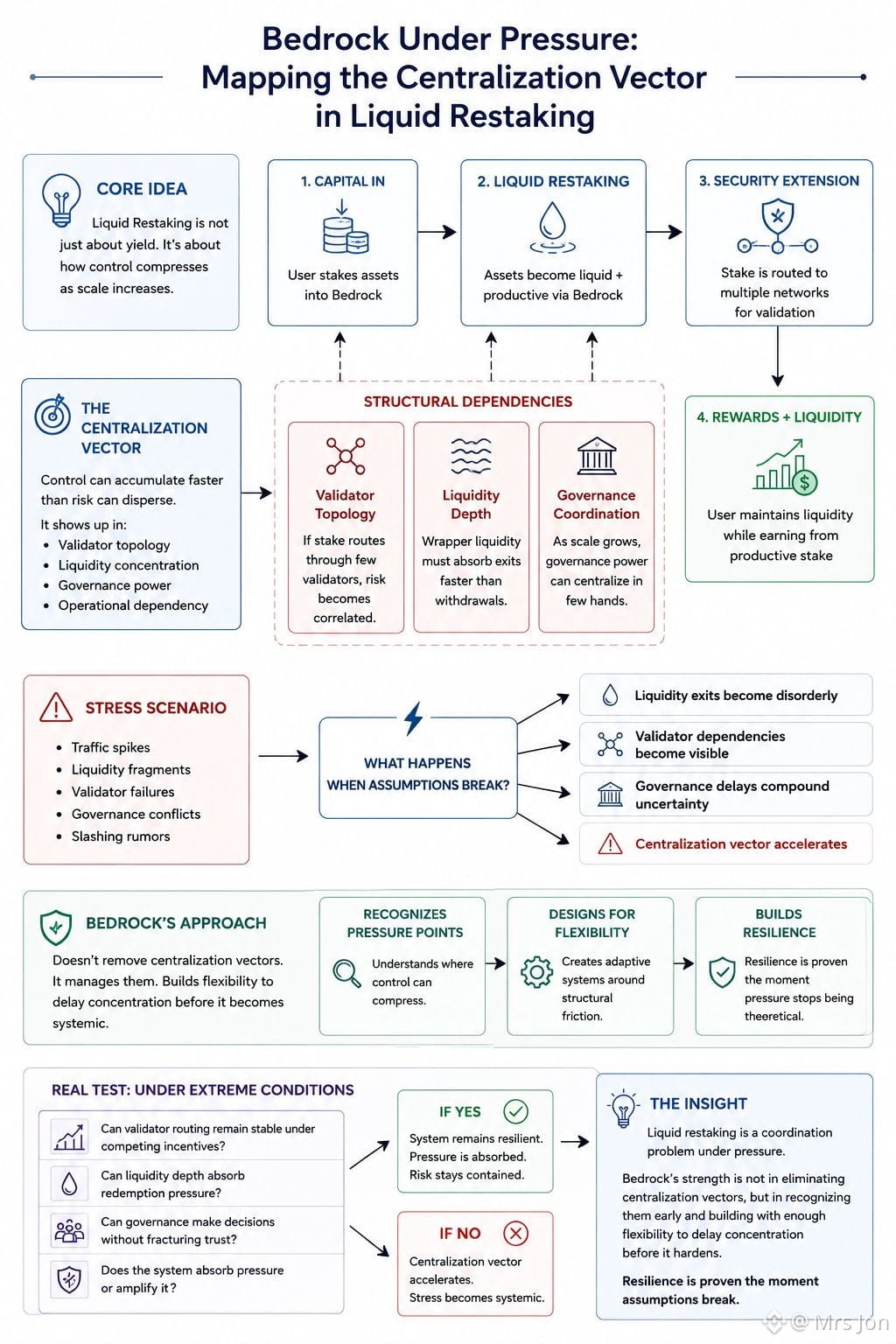
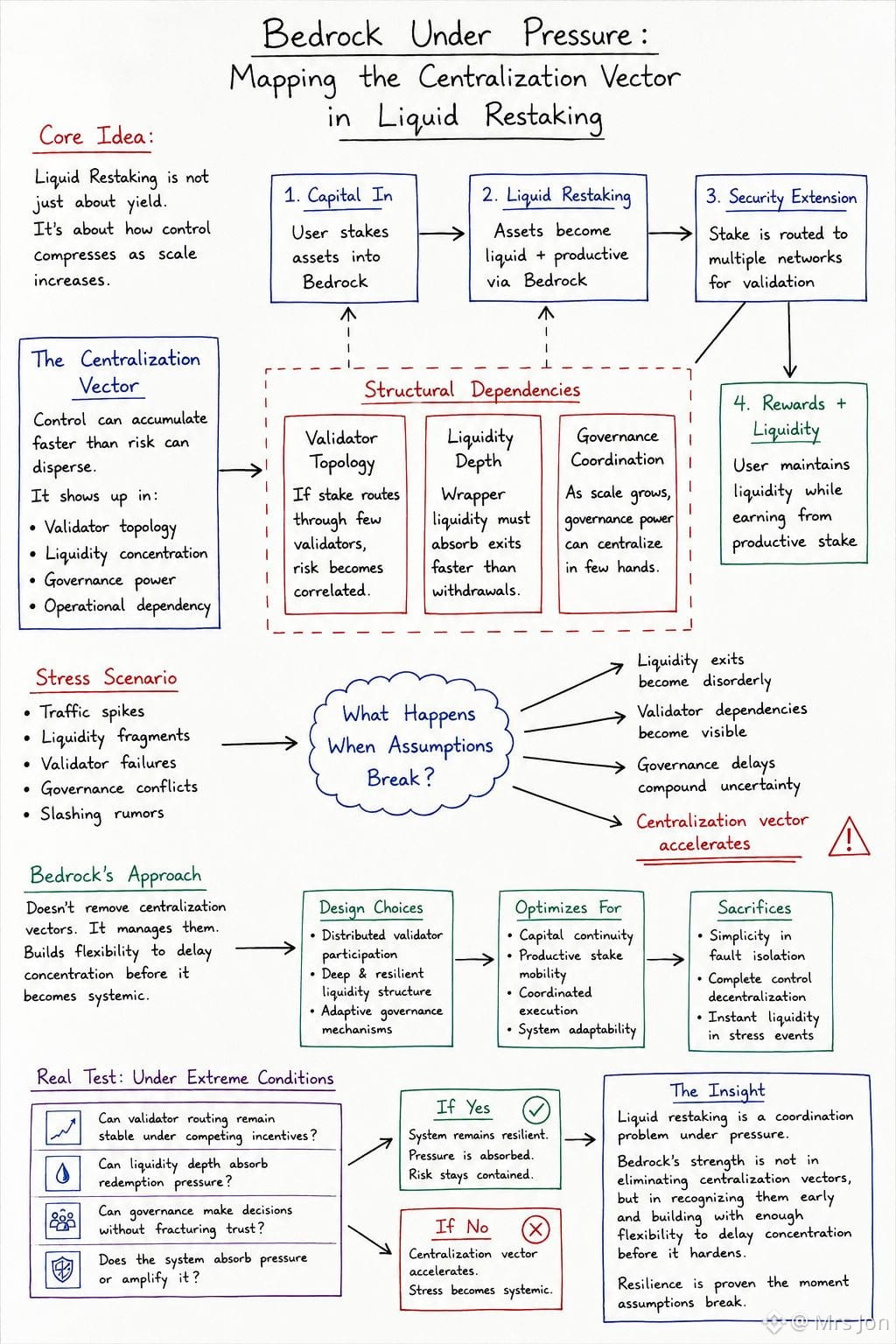
Most people see liquid restaking as capital efficiency. I see it as a structural stress test.
$BR
{future}(BRUSDT)
The real question is not how much yield a system can generate but where control starts to compress as scale increases.
That’s the centralization vector.
Bedrock is interesting because it doesn’t try to remove this pressure. It tries to manage it.
#Bedroke
Its model keeps capital liquid while extending validator security across multiple layers which improves efficiency but increases dependency on validator topology liquidity depth and governance coordination.
This creates one important structural test:
Can the system stay stable when liquidity fragments validators fail or governance slows under pressure?
That’s where infrastructure maturity shows.
@Bedrock
Bedrock’s strength is not in pretending these risks do not exist. Its strength is in building around them before they become systemic.
$ETH
In restaking resilience is never measured in growth.
It is measured the moment assumptions break.
#bedrock $BR @Bedrock
Most people see liquid restaking as capital efficiency. I see it as a structural stress test.
$BR
The real question is not how much yield a system can generate but where control starts to compress as scale increases.
That’s the centralization vector.
Bedrock is interesting because it doesn’t try to remove this pressure. It tries to manage it.
#Bedroke
Its model keeps capital liquid while extending validator security across multiple layers which improves efficiency but increases dependency on validator topology liquidity depth and governance coordination.
This creates one important structural test:
Can the system stay stable when liquidity fragments validators fail or governance slows under pressure?
That’s where infrastructure maturity shows.
@Bedrock
Bedrock’s strength is not in pretending these risks do not exist. Its strength is in building around them before they become systemic.
$ETH
In restaking resilience is never measured in growth.
It is measured the moment assumptions break.
#bedrock $BR @Bedrock
$BR
The real question is not how much yield a system can generate but where control starts to compress as scale increases.
That’s the centralization vector.
Bedrock is interesting because it doesn’t try to remove this pressure. It tries to manage it.
#Bedroke
Its model keeps capital liquid while extending validator security across multiple layers which improves efficiency but increases dependency on validator topology liquidity depth and governance coordination.
This creates one important structural test:
Can the system stay stable when liquidity fragments validators fail or governance slows under pressure?
That’s where infrastructure maturity shows.
@Bedrock
Bedrock’s strength is not in pretending these risks do not exist. Its strength is in building around them before they become systemic.
$ETH
In restaking resilience is never measured in growth.
It is measured the moment assumptions break.
#bedrock $BR @Bedrock
10
4
196
·
--
ສັນຍານໝີ
ເບິ່ງການແປ
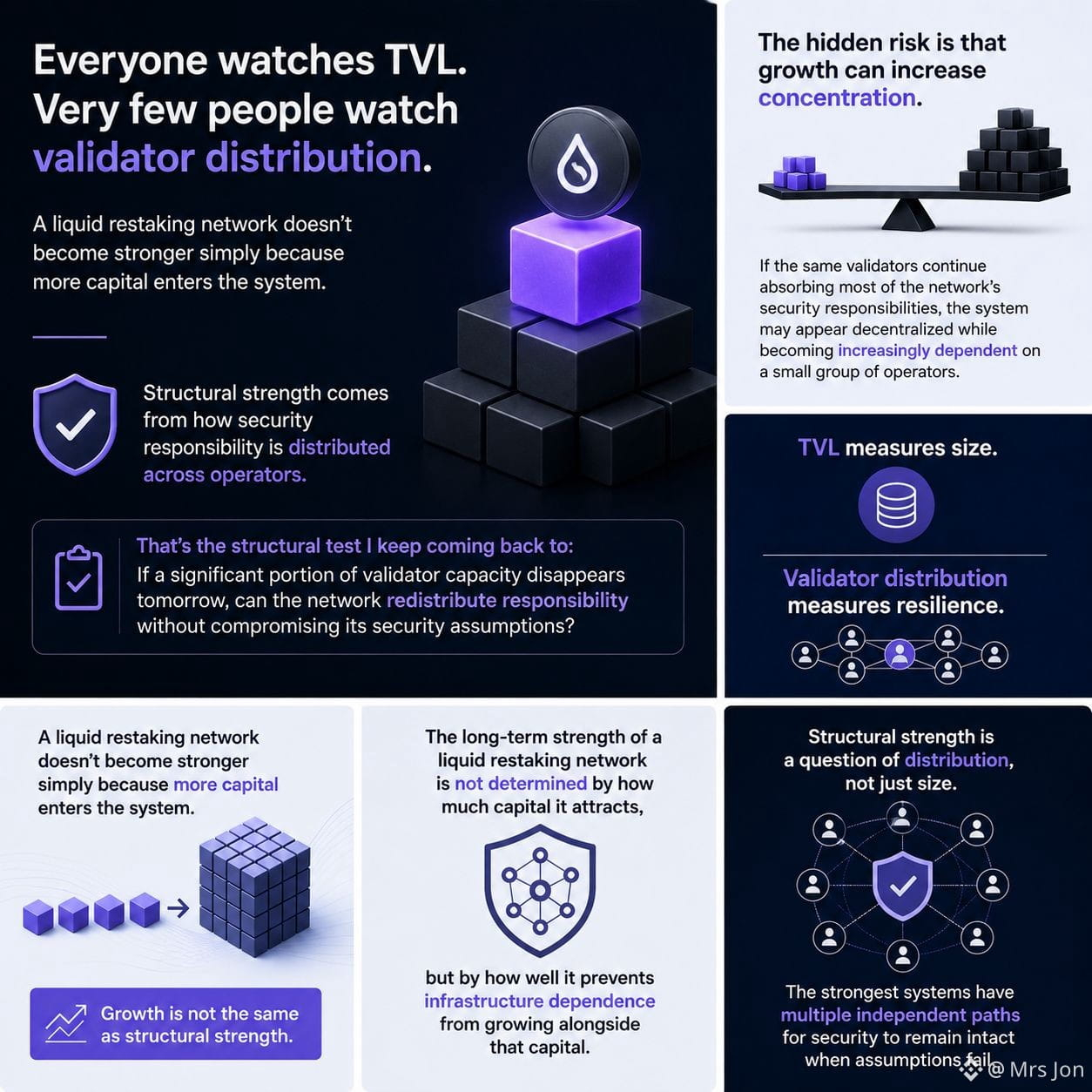
Everyone watches TVL.
Very few people watch validator distribution.
$BR
{future}(BRUSDT)
A liquid restaking network doesn't become stronger simply because more capital enters the system. Structural strength comes from how security responsibility is distributed across operators.
The hidden risk is that growth can increase concentration.
If the same validators continue absorbing most of the network's security responsibilities the system may appear decentralized while becoming increasingly dependent on a small group of operators.
@Bedrock
That's the structural test I keep coming back to:
If a significant portion of validator capacity disappears tomorrow can the network redistribute responsibility without compromising its security assumptions?
TVL measures size.
Validator distribution measures resilience.
#Bedroke
The long-term strength of a liquid restaking network is not determined by how much capital it attracts but by how well it prevents infrastructure dependence from growing alongside that capital
#bedrock $BR @Bedrock
Everyone watches TVL.
Very few people watch validator distribution.
$BR
A liquid restaking network doesn't become stronger simply because more capital enters the system. Structural strength comes from how security responsibility is distributed across operators.
The hidden risk is that growth can increase concentration.
If the same validators continue absorbing most of the network's security responsibilities the system may appear decentralized while becoming increasingly dependent on a small group of operators.
@Bedrock
That's the structural test I keep coming back to:
If a significant portion of validator capacity disappears tomorrow can the network redistribute responsibility without compromising its security assumptions?
TVL measures size.
Validator distribution measures resilience.
#Bedroke
The long-term strength of a liquid restaking network is not determined by how much capital it attracts but by how well it prevents infrastructure dependence from growing alongside that capital
#bedrock $BR @Bedrock
Very few people watch validator distribution.
$BR
A liquid restaking network doesn't become stronger simply because more capital enters the system. Structural strength comes from how security responsibility is distributed across operators.
The hidden risk is that growth can increase concentration.
If the same validators continue absorbing most of the network's security responsibilities the system may appear decentralized while becoming increasingly dependent on a small group of operators.
@Bedrock
That's the structural test I keep coming back to:
If a significant portion of validator capacity disappears tomorrow can the network redistribute responsibility without compromising its security assumptions?
TVL measures size.
Validator distribution measures resilience.
#Bedroke
The long-term strength of a liquid restaking network is not determined by how much capital it attracts but by how well it prevents infrastructure dependence from growing alongside that capital
#bedrock $BR @Bedrock
1
1
96
ເຂົ້າສູ່ລະບົບເພື່ອສຳຫຼວດເນື້ອຫາເພີ່ມເຕີມ
ເຂົ້າຮ່ວມກຸ່ມຜູ້ໃຊ້ຄຣິບໂຕທົ່ວໂລກໃນ Binance Square.
⚡️ ໄດ້ຮັບຂໍ້ມູນຫຼ້າສຸດ ແລະ ທີ່ມີປະໂຫຍດກ່ຽວກັບຄຣິບໂຕ.
💬 ໄດ້ຮັບຄວາມໄວ້ວາງໃຈຈາກຕະຫຼາດແລກປ່ຽນຄຣິບໂຕທີ່ໃຫຍ່ທີ່ສຸດໃນໂລກ.
👍 ຄົ້ນຫາຂໍ້ມູນເຊີງເລິກທີ່ແທ້ຈາກນັກສ້າງທີ່ໄດ້ຮັບການຢືນຢັນ.
ອີເມວ / ເບີໂທລະສັບ
ຫົວຂໍ້ທີ່ກໍາລັງນິຍົມ
1
#AnthropicCEOCallsForAISlowdown
77,896 views
1,132 ກຳລັງສົນທະນາ
2
#BitcoinThirdSingleBlockReorgInFourWeeks
8,300 views
292 ກຳລັງສົນທະນາ
3
#EthereumFallsBelow$2500
595 views
45 ກຳລັງສົນທະນາ
4
#BitcoinDropsToIntradayLow$76367
241 views
7 ກຳລັງສົນທະນາ
5
#WhiteHouseRejectsAISlowdownCalls
211 views
18 ກຳລັງສົນທະນາ
6
#UKMayExemptTokenizedGoldFromFundRules
80 views
7 ກຳລັງສົນທະນາ
7
#BitcoinSpotETFsRecord$463MNetOutflowLastWeek
14 views
2 ກຳລັງສົນທະນາ
8
#LSKSurgesOver515%In24Hours
7,777 views
177 ກຳລັງສົນທະນາ
9
#ClarityActLawIn2026OddsRiseTo30%
5,150 views
97 ກຳລັງສົນທະນາ
10
#KoreaCryptoTaxDelayPetitionMeetsReviewThreshold
1,350 views
56 ກຳລັງສົນທະນາ