
#abcofcrypto
abcofcrypto
2,148 views
39 ກຳລັງສົນທະນາ
ມາແຮງ
ຫຼ້າສຸດ

·
--
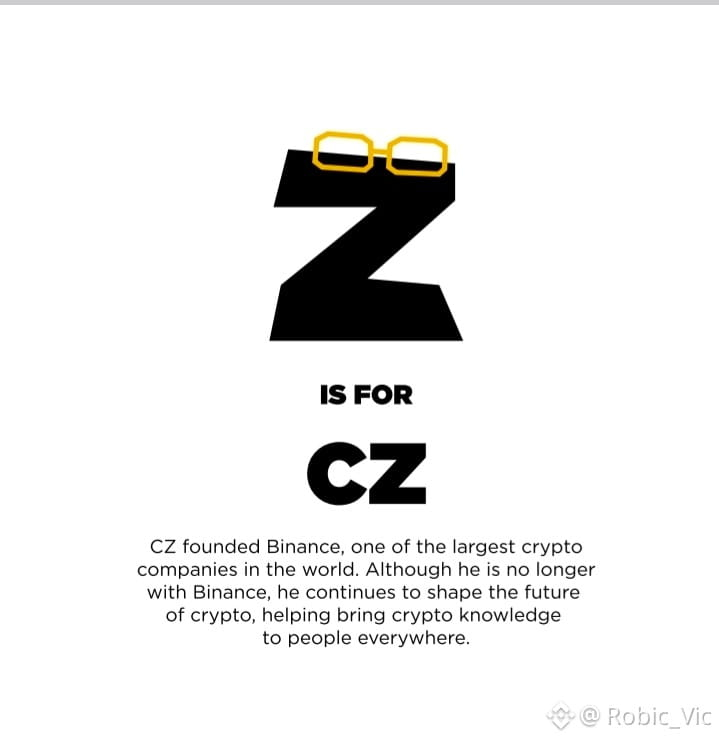
Z ຕາມ ABCs ຂອງ crypto ແມ່ນ ສຳລັບ CZ. Changpeng Zhao ກໍ່ຕັ້ງ Binance ໃນປີ 2017, ພັດທະນາໃຫ້ມັນກາຍເປັນການແລກປ່ຽນ crypto ທີ່ໃຫຍ່ທີ່ສຸດໃນໂລກ. ອະດີດນັກພັດທະນາທີ່ມີພື້ນຖານໃນລະບົບ trading ຄວາມຖີ່ສູງ, CZ ກາຍເປັນໜຶ່ງໃນບັນດາສຽງທີ່ຈົດຈໍາໄດ້ຫຼາຍຂອງ crypto, ສົ່ງເສີມການນໍາໃຊ້ blockchain ແລະການສຶກສາທົ່ວໂລກກ່ອນຈະກ້າວຫຼັງອອກຈາກການດໍາເນີນງານປະຈໍາວັນ.
#ABCs #ABCofcrypto #beginners
Z ຕາມ ABCs ຂອງ crypto ແມ່ນ ສຳລັບ CZ. Changpeng Zhao ກໍ່ຕັ້ງ Binance ໃນປີ 2017, ພັດທະນາໃຫ້ມັນກາຍເປັນການແລກປ່ຽນ crypto ທີ່ໃຫຍ່ທີ່ສຸດໃນໂລກ. ອະດີດນັກພັດທະນາທີ່ມີພື້ນຖານໃນລະບົບ trading ຄວາມຖີ່ສູງ, CZ ກາຍເປັນໜຶ່ງໃນບັນດາສຽງທີ່ຈົດຈໍາໄດ້ຫຼາຍຂອງ crypto, ສົ່ງເສີມການນໍາໃຊ້ blockchain ແລະການສຶກສາທົ່ວໂລກກ່ອນຈະກ້າວຫຼັງອອກຈາກການດໍາເນີນງານປະຈໍາວັນ.
#ABCs #ABCofcrypto #beginners
#ABCs #ABCofcrypto #beginners
5
116
·
--
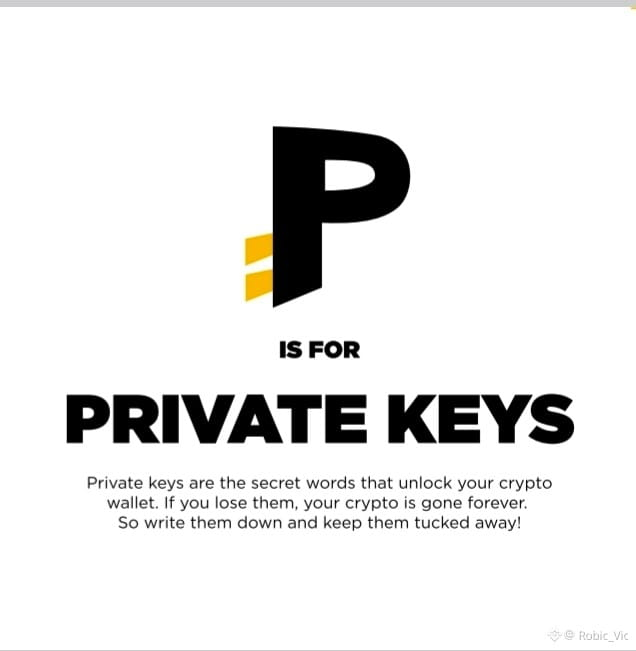
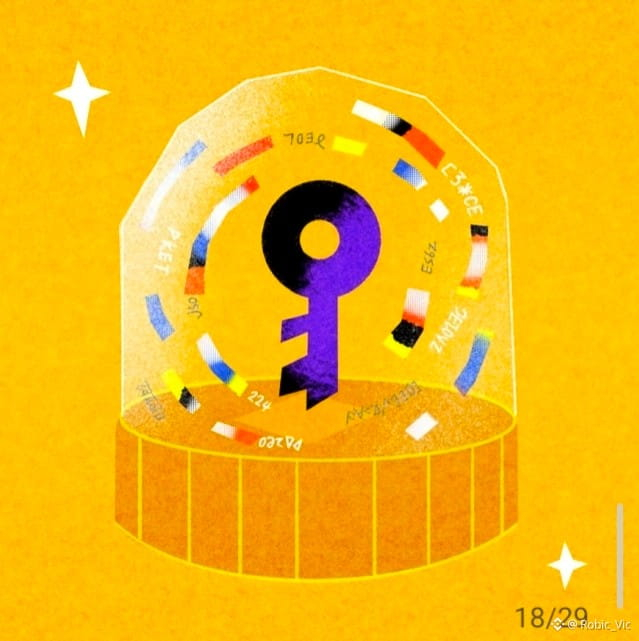
စာတစ်စောင်ထပ်လာမယ့် အက္ခရာက P ဖြစ်ပြီး PRIVATE KEYS ကိုဆိုလိုပါတယ်။ private key ဆိုတာက သင့် crypto wallet နဲ့ ရန်ပုံငွေတွေကို အပြည့်အဝ အသုံးပြုခွင့်ပေးတဲ့ လျှို့ဝှက်ကုဒ်တစ်ခုပါ။ အဲဒါကို အရောင်းအဝယ် (transaction) တွေကို အတည်ပြုဖို့နဲ့ ပိုင်ဆိုင်ကြောင်းကို သက်သေပြဖို့ အသုံးပြုပါတယ်။ စကားဝှက်လိုပဲ သီးသန့်ထားရမယ်၊ ဘာကြောင့်လဲဆိုတော့ အဲဒါရှိတဲ့သူမဆို သင့် crypto ကို ထိန်းချုပ်နိုင်လို့ပါ။
#ABCs #ABCofcrypto #beginner
စာတစ်စောင်ထပ်လာမယ့် အက္ခရာက P ဖြစ်ပြီး PRIVATE KEYS ကိုဆိုလိုပါတယ်။ private key ဆိုတာက သင့် crypto wallet နဲ့ ရန်ပုံငွေတွေကို အပြည့်အဝ အသုံးပြုခွင့်ပေးတဲ့ လျှို့ဝှက်ကုဒ်တစ်ခုပါ။ အဲဒါကို အရောင်းအဝယ် (transaction) တွေကို အတည်ပြုဖို့နဲ့ ပိုင်ဆိုင်ကြောင်းကို သက်သေပြဖို့ အသုံးပြုပါတယ်။ စကားဝှက်လိုပဲ သီးသန့်ထားရမယ်၊ ဘာကြောင့်လဲဆိုတော့ အဲဒါရှိတဲ့သူမဆို သင့် crypto ကို ထိန်းချုပ်နိုင်လို့ပါ။
#ABCs #ABCofcrypto #beginner
#ABCs #ABCofcrypto #beginner
5
210
·
--
ເບິ່ງການແປ
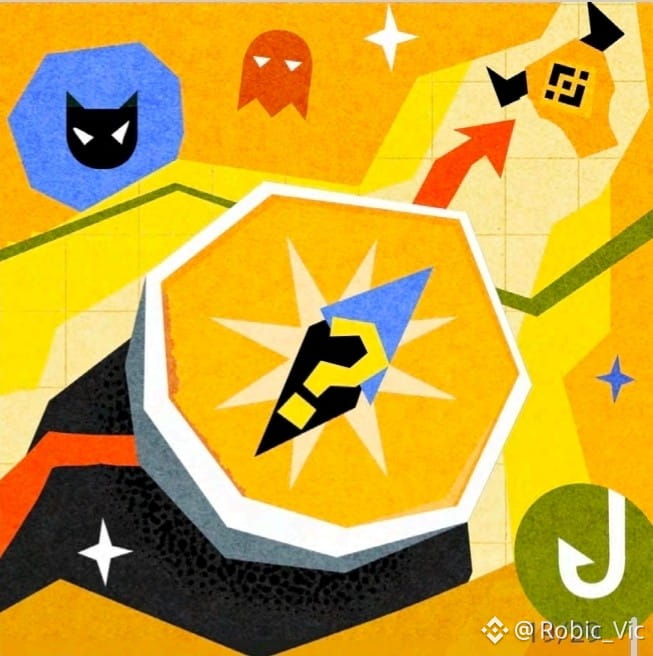
Q is for QUESTIONS.
Questions matter in crypto because they protect you from costly mistakes. Asking questions helps you understand wallets, private keys, scams, trading risks and new projects before putting in money. In crypto, one wrong move can’t always be reversed, so curiosity and learning are as valuable as capital.
#ABCs #ABCofcrypto #Binance #beginners
Q is for QUESTIONS.
Questions matter in crypto because they protect you from costly mistakes. Asking questions helps you understand wallets, private keys, scams, trading risks and new projects before putting in money. In crypto, one wrong move can’t always be reversed, so curiosity and learning are as valuable as capital.
#ABCs #ABCofcrypto #Binance #beginners
Questions matter in crypto because they protect you from costly mistakes. Asking questions helps you understand wallets, private keys, scams, trading risks and new projects before putting in money. In crypto, one wrong move can’t always be reversed, so curiosity and learning are as valuable as capital.
#ABCs #ABCofcrypto #Binance #beginners

6
209
·
--
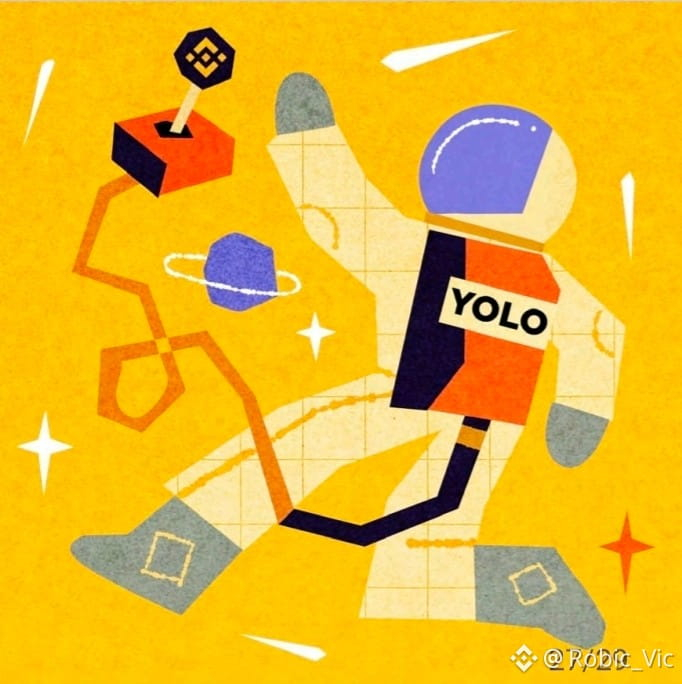
Y i lẹ́tà tí ń bọ̀ nínú ABCs of Crypto, ó sì dúró fún YOLO.
YOLO nínú crypto túmọ̀ sí “You Only Live Once”—ní pàtàkìi, ìlọ́ gbogbo (all-in) lórí ìṣòwò kan láì ṣe ìrònú púpọ̀. Ronú nípa rírà token kan ní market-buy, pẹ̀lú ìpín tó tobi lára portfolio rẹ nítorí ìgbàgbọ (tàbí vibes 😅), kíkúrò nínú àwọn ohun tí ó máa ń jẹ́ DCA tàbí ìlànà ìṣàkóso ewu. Ìyẹn jẹ́ agbára tó ga ewu, tó ga èrè. Diẹ̀ YOLOs máa ń yípadà sí “legendary flips,” àwọn míì sì máa di ìtàn ìkìlọ̀ nínú group chat. Láti sọ ṣókí, ó jẹ́ ìmísí—gboyà, díẹ̀ láì ṣọ́ra, àti “send it” gidi 🚀. Ṣùgbọ́n rántí: YOLO nínú ohun tí o lè fọ́ padà láì jìyà. 💸
#ABCs #ABCofcrypto #begginers
Y i lẹ́tà tí ń bọ̀ nínú ABCs of Crypto, ó sì dúró fún YOLO.
YOLO nínú crypto túmọ̀ sí “You Only Live Once”—ní pàtàkìi, ìlọ́ gbogbo (all-in) lórí ìṣòwò kan láì ṣe ìrònú púpọ̀. Ronú nípa rírà token kan ní market-buy, pẹ̀lú ìpín tó tobi lára portfolio rẹ nítorí ìgbàgbọ (tàbí vibes 😅), kíkúrò nínú àwọn ohun tí ó máa ń jẹ́ DCA tàbí ìlànà ìṣàkóso ewu. Ìyẹn jẹ́ agbára tó ga ewu, tó ga èrè. Diẹ̀ YOLOs máa ń yípadà sí “legendary flips,” àwọn míì sì máa di ìtàn ìkìlọ̀ nínú group chat. Láti sọ ṣókí, ó jẹ́ ìmísí—gboyà, díẹ̀ láì ṣọ́ra, àti “send it” gidi 🚀. Ṣùgbọ́n rántí: YOLO nínú ohun tí o lè fọ́ padà láì jìyà. 💸
#ABCs #ABCofcrypto #begginers
YOLO nínú crypto túmọ̀ sí “You Only Live Once”—ní pàtàkìi, ìlọ́ gbogbo (all-in) lórí ìṣòwò kan láì ṣe ìrònú púpọ̀. Ronú nípa rírà token kan ní market-buy, pẹ̀lú ìpín tó tobi lára portfolio rẹ nítorí ìgbàgbọ (tàbí vibes 😅), kíkúrò nínú àwọn ohun tí ó máa ń jẹ́ DCA tàbí ìlànà ìṣàkóso ewu. Ìyẹn jẹ́ agbára tó ga ewu, tó ga èrè. Diẹ̀ YOLOs máa ń yípadà sí “legendary flips,” àwọn míì sì máa di ìtàn ìkìlọ̀ nínú group chat. Láti sọ ṣókí, ó jẹ́ ìmísí—gboyà, díẹ̀ láì ṣọ́ra, àti “send it” gidi 🚀. Ṣùgbọ́n rántí: YOLO nínú ohun tí o lè fọ́ padà láì jìyà. 💸
#ABCs #ABCofcrypto #begginers

7
232
·
--
ເບິ່ງການແປ
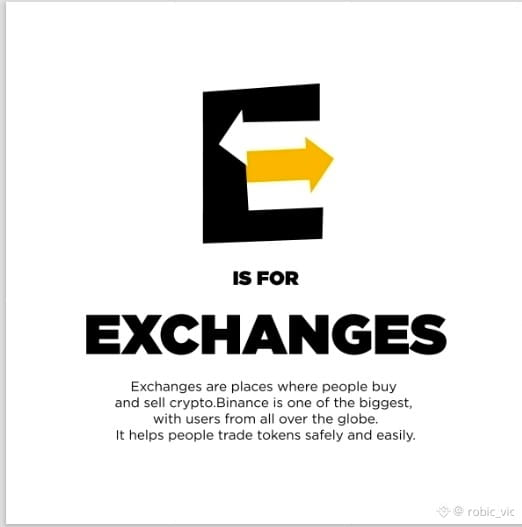
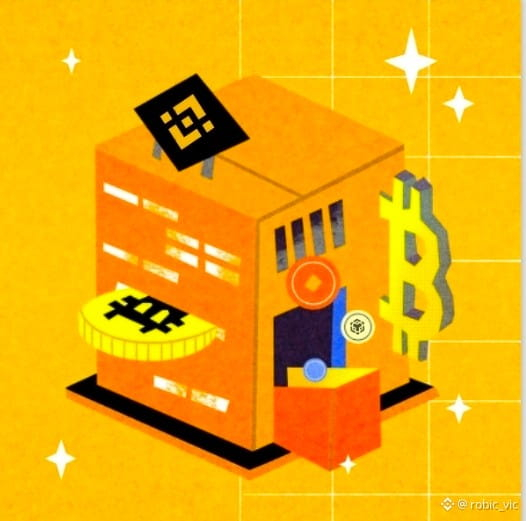
E is for Exchanges. They enable someone to buy, sell and trade different cryptocurrencies.
#ABCofcrypto #ABCs #beginners
E is for Exchanges. They enable someone to buy, sell and trade different cryptocurrencies.
#ABCofcrypto #ABCs #beginners
#ABCofcrypto #ABCs #beginners
3
4
·
--
ເບິ່ງການແປ
T stands for TOKENOMICS.
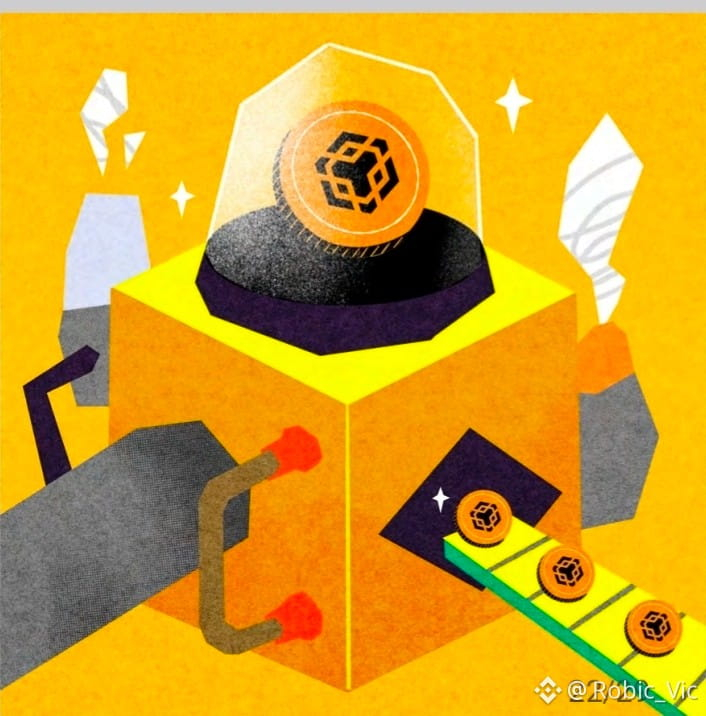
Tokenomics is the study of how tokens function within a broader economic system. It draws on concepts from traditional economics, supply and demand, inflation, incentive structures, and governance, and applies them to the specific characteristics of digital tokens that exist on a blockchain. A token, in this context, is a digital asset issued by a blockchain project that can represent anything from a currency to a governance right to a claim on a protocol's fee revenue.
Tokenomics can be understood as the answer to a set of questions: how many tokens exist? How many will ever exist? Who holds them, and under what conditions can they sell? What can the token be used for, and why would someone want to hold it rather than immediately convert it to another asset? Who decides whether any of these parameters can change? A credible answer to each of these questions, backed by on-chain data rather than marketing claims, is a minimum requirement for a project to be taken seriously.
Tokenomics determines whether a token's price is likely to be sustained or diluted over time. Projects with poorly designed tokenomics, excessive insider allocations, minimal vesting, negligible utility beyond speculation, and concentrated governance, tend to experience steep price declines once the initial market excitement subsides.
Industry data from 2025-2026 indicates that flawed tokenomics is the primary factor in approximately 85% of token launch failures, making it arguably the single most important criterion for evaluating a project before committing capital.
#ABCs #ABCofcrypto #beginner
T stands for TOKENOMICS.
Tokenomics is the study of how tokens function within a broader economic system. It draws on concepts from traditional economics, supply and demand, inflation, incentive structures, and governance, and applies them to the specific characteristics of digital tokens that exist on a blockchain. A token, in this context, is a digital asset issued by a blockchain project that can represent anything from a currency to a governance right to a claim on a protocol's fee revenue.
Tokenomics can be understood as the answer to a set of questions: how many tokens exist? How many will ever exist? Who holds them, and under what conditions can they sell? What can the token be used for, and why would someone want to hold it rather than immediately convert it to another asset? Who decides whether any of these parameters can change? A credible answer to each of these questions, backed by on-chain data rather than marketing claims, is a minimum requirement for a project to be taken seriously.
Tokenomics determines whether a token's price is likely to be sustained or diluted over time. Projects with poorly designed tokenomics, excessive insider allocations, minimal vesting, negligible utility beyond speculation, and concentrated governance, tend to experience steep price declines once the initial market excitement subsides.
Industry data from 2025-2026 indicates that flawed tokenomics is the primary factor in approximately 85% of token launch failures, making it arguably the single most important criterion for evaluating a project before committing capital.
#ABCs #ABCofcrypto #beginner
Tokenomics is the study of how tokens function within a broader economic system. It draws on concepts from traditional economics, supply and demand, inflation, incentive structures, and governance, and applies them to the specific characteristics of digital tokens that exist on a blockchain. A token, in this context, is a digital asset issued by a blockchain project that can represent anything from a currency to a governance right to a claim on a protocol's fee revenue.
Tokenomics can be understood as the answer to a set of questions: how many tokens exist? How many will ever exist? Who holds them, and under what conditions can they sell? What can the token be used for, and why would someone want to hold it rather than immediately convert it to another asset? Who decides whether any of these parameters can change? A credible answer to each of these questions, backed by on-chain data rather than marketing claims, is a minimum requirement for a project to be taken seriously.
Tokenomics determines whether a token's price is likely to be sustained or diluted over time. Projects with poorly designed tokenomics, excessive insider allocations, minimal vesting, negligible utility beyond speculation, and concentrated governance, tend to experience steep price declines once the initial market excitement subsides.
Industry data from 2025-2026 indicates that flawed tokenomics is the primary factor in approximately 85% of token launch failures, making it arguably the single most important criterion for evaluating a project before committing capital.
#ABCs #ABCofcrypto #beginner
4
249
·
--
ເບິ່ງການແປ
S is the next letter and it stands for SATOSHI NAKAMOTO.
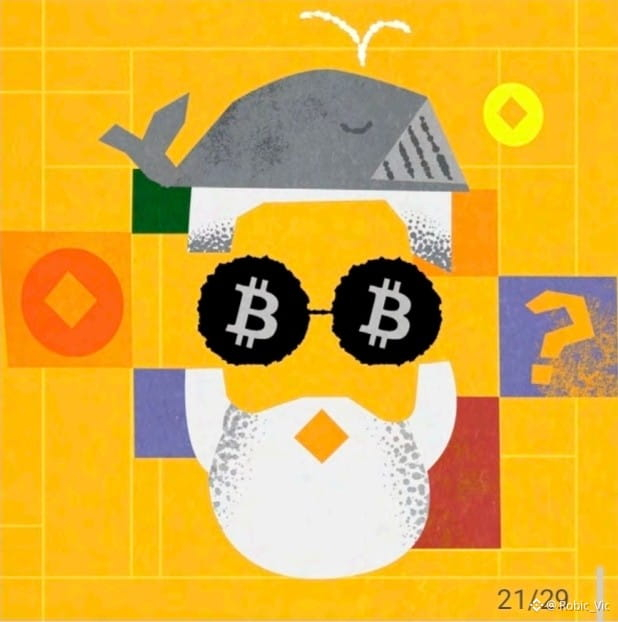
Satoshi Nakamoto is the pseudonymous name of the person or group who published the Bitcoin whitepaper in October 2008 and launched the Bitcoin network in January 2009. The paper, titled Bitcoin: A Peer-to-Peer Electronic Cash System, is available on bitcoin.org. Satoshi didn't invent blockchain as a concept, but was the first to implement it as the foundation for a decentralized digital currency using proof-of-work consensus.
Bitcoin was officially launched in January 2009. Before that, the Satoshi Nakamoto name appeared in email communications and forum posts dating back to 2008. In April 2011, all communications from Satoshi ceased. No verified contact has occurred since.
Before going silent, Satoshi claimed to be a Japanese male born on April 5, 1975. Many researchers have noted that the quality of their written English suggests a native speaker, and the timing of their online activity was more consistent with European working hours than Japanese ones. Whether Satoshi is a single individual or a team remains unknown.
#ABCs #ABCofcrypto #beginners
S is the next letter and it stands for SATOSHI NAKAMOTO.
Satoshi Nakamoto is the pseudonymous name of the person or group who published the Bitcoin whitepaper in October 2008 and launched the Bitcoin network in January 2009. The paper, titled Bitcoin: A Peer-to-Peer Electronic Cash System, is available on bitcoin.org. Satoshi didn't invent blockchain as a concept, but was the first to implement it as the foundation for a decentralized digital currency using proof-of-work consensus.
Bitcoin was officially launched in January 2009. Before that, the Satoshi Nakamoto name appeared in email communications and forum posts dating back to 2008. In April 2011, all communications from Satoshi ceased. No verified contact has occurred since.
Before going silent, Satoshi claimed to be a Japanese male born on April 5, 1975. Many researchers have noted that the quality of their written English suggests a native speaker, and the timing of their online activity was more consistent with European working hours than Japanese ones. Whether Satoshi is a single individual or a team remains unknown.
#ABCs #ABCofcrypto #beginners
Satoshi Nakamoto is the pseudonymous name of the person or group who published the Bitcoin whitepaper in October 2008 and launched the Bitcoin network in January 2009. The paper, titled Bitcoin: A Peer-to-Peer Electronic Cash System, is available on bitcoin.org. Satoshi didn't invent blockchain as a concept, but was the first to implement it as the foundation for a decentralized digital currency using proof-of-work consensus.
Bitcoin was officially launched in January 2009. Before that, the Satoshi Nakamoto name appeared in email communications and forum posts dating back to 2008. In April 2011, all communications from Satoshi ceased. No verified contact has occurred since.
Before going silent, Satoshi claimed to be a Japanese male born on April 5, 1975. Many researchers have noted that the quality of their written English suggests a native speaker, and the timing of their online activity was more consistent with European working hours than Japanese ones. Whether Satoshi is a single individual or a team remains unknown.
#ABCs #ABCofcrypto #beginners
4
251
ເຂົ້າສູ່ລະບົບເພື່ອສຳຫຼວດເນື້ອຫາເພີ່ມເຕີມ
ເຂົ້າຮ່ວມກຸ່ມຜູ້ໃຊ້ຄຣິບໂຕທົ່ວໂລກໃນ Binance Square.
⚡️ ໄດ້ຮັບຂໍ້ມູນຫຼ້າສຸດ ແລະ ທີ່ມີປະໂຫຍດກ່ຽວກັບຄຣິບໂຕ.
💬 ໄດ້ຮັບຄວາມໄວ້ວາງໃຈຈາກຕະຫຼາດແລກປ່ຽນຄຣິບໂຕທີ່ໃຫຍ່ທີ່ສຸດໃນໂລກ.
👍 ຄົ້ນຫາຂໍ້ມູນເຊີງເລິກທີ່ແທ້ຈາກນັກສ້າງທີ່ໄດ້ຮັບການຢືນຢັນ.
ອີເມວ / ເບີໂທລະສັບ
ຫົວຂໍ້ທີ່ກໍາລັງນິຍົມ
1
#CryptoLiquidations$674MIn24H
1,807 views
42 ກຳລັງສົນທະນາ
2
#TokenizedStockHoldersUp619.1%
123 views
29 ກຳລັງສົນທະນາ
3
#RevolutConfirmsFakeGovEmailDataBreach
12,585 views
335 ກຳລັງສົນທະນາ
4
#CanadaOSFISaysTokenizedDepositsEqualTraditionalDeposits
906 views
41 ກຳລັງສົນທະນາ
5
#USBankCompletesCrossBorderPaymentPilotOnStellar
20,978 views
578 ກຳລັງສົນທະນາ
6
#NvidiaInTalksToInvestUpTo$10BInAnthropicIPO
1,669 views
55 ກຳລັງສົນທະນາ
7
#EtherRalliesAsBearishBetsLiquidate
33,828 views
742 ກຳລັງສົນທະນາ
8
#EthereumHits$2600FirstTimeInSevenMonths
3,778 views
82 ກຳລັງສົນທະນາ
9
#OpticalCommsStocksRallyOver3%
37,227 views
501 ກຳລັງສົນທະນາ
10
#USInflationHoldsAt3.4%InAugust
46,570 views
533 ກຳລັງສົນທະນາ