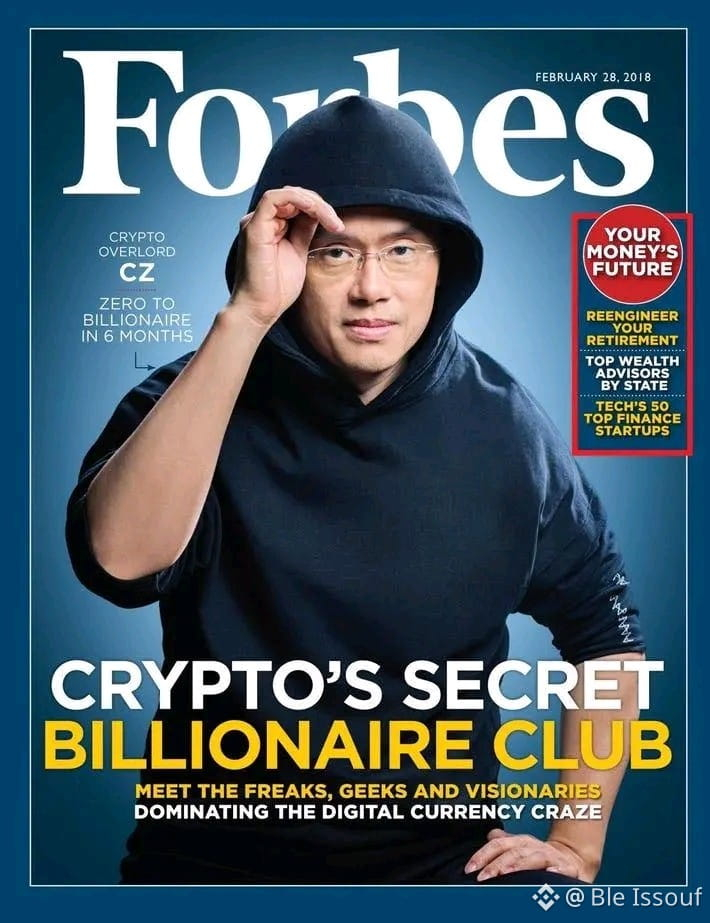
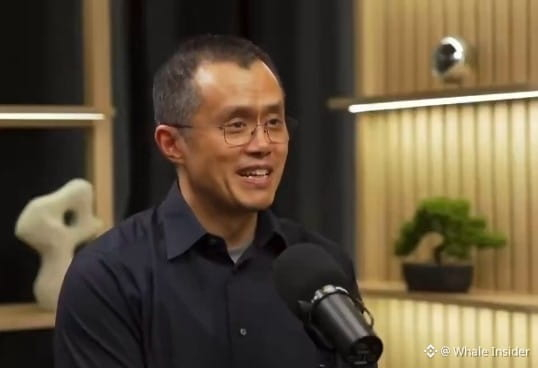
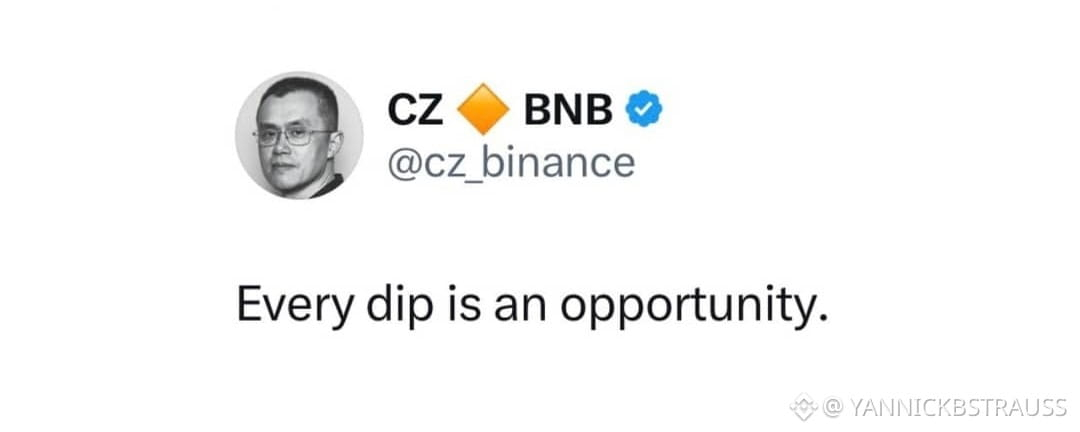
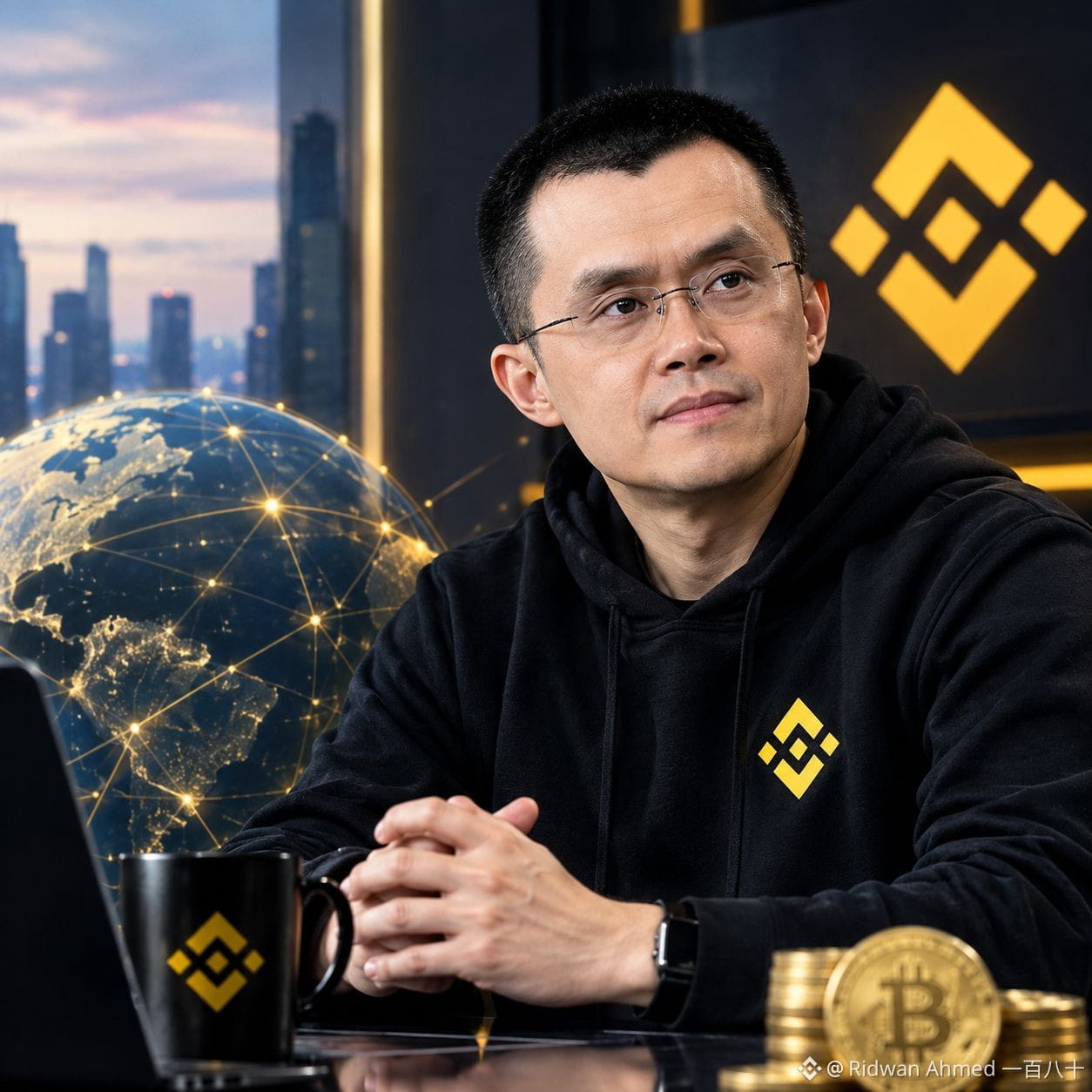
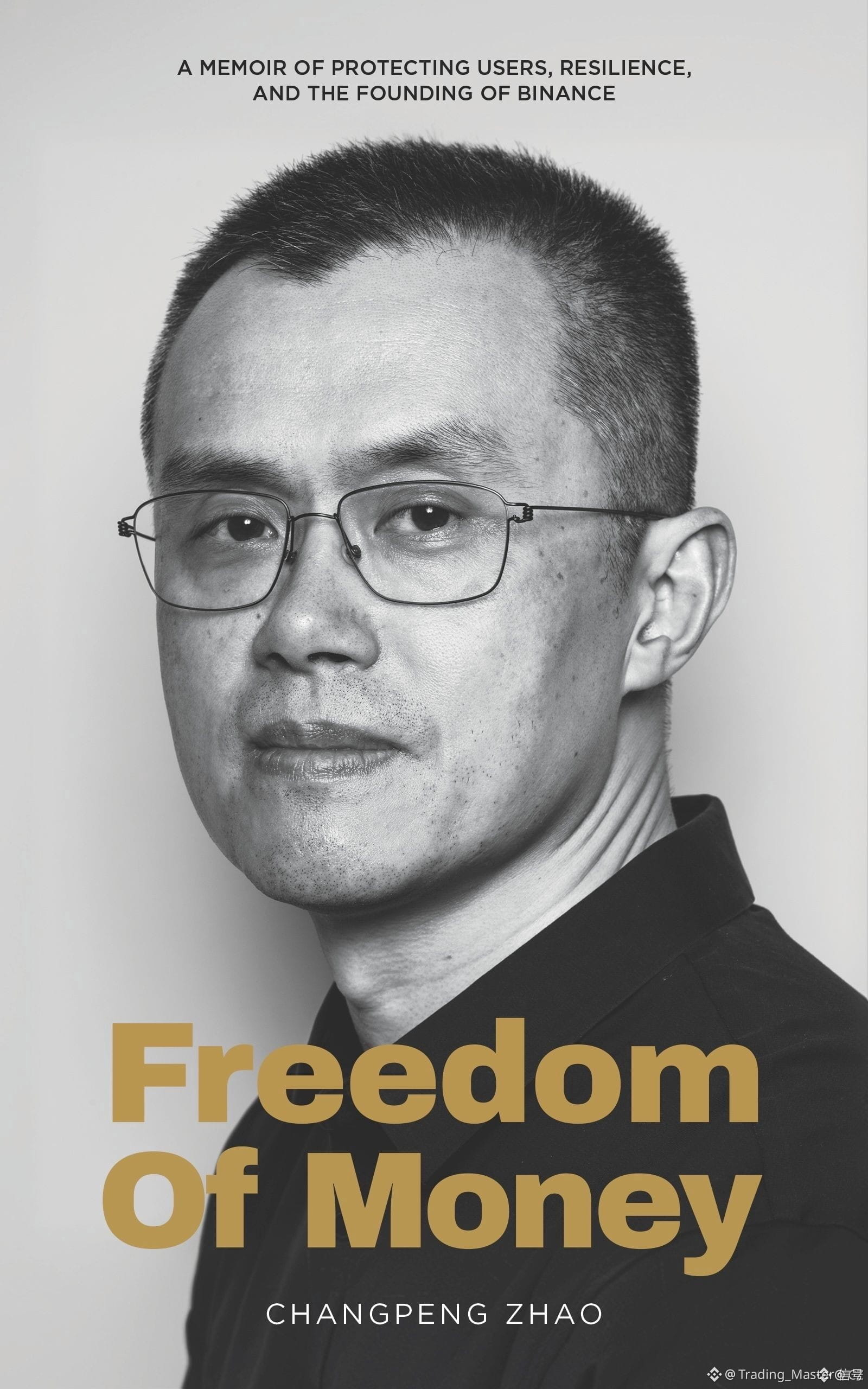
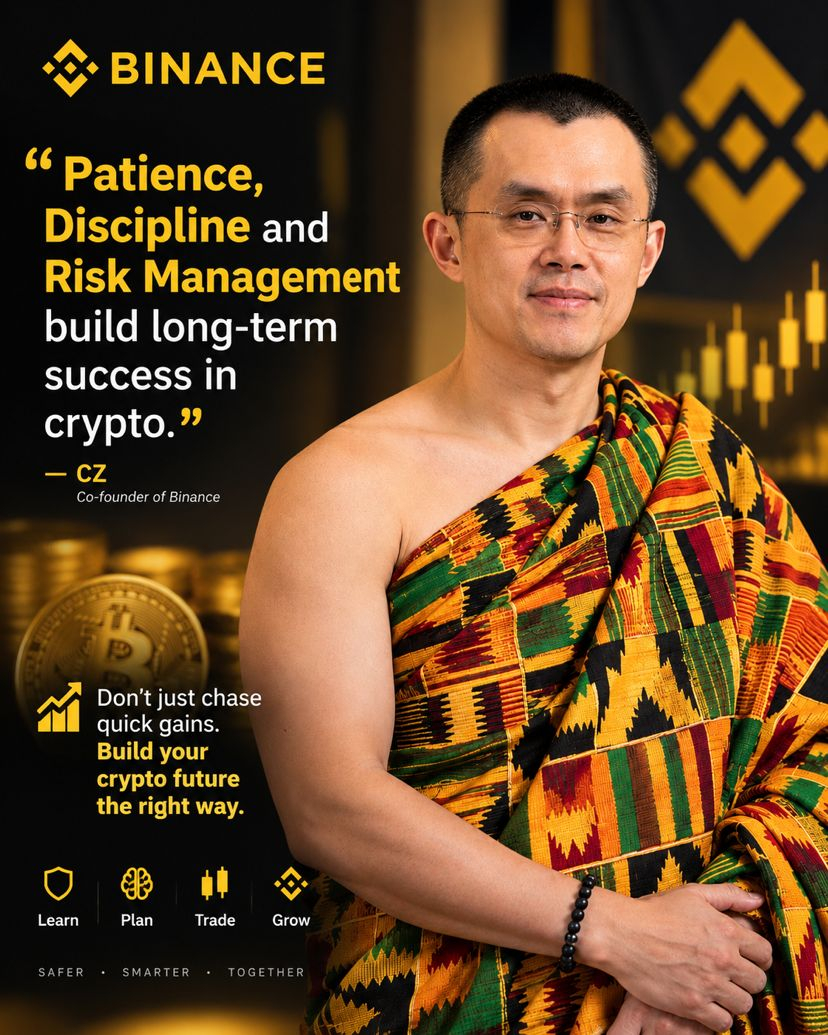
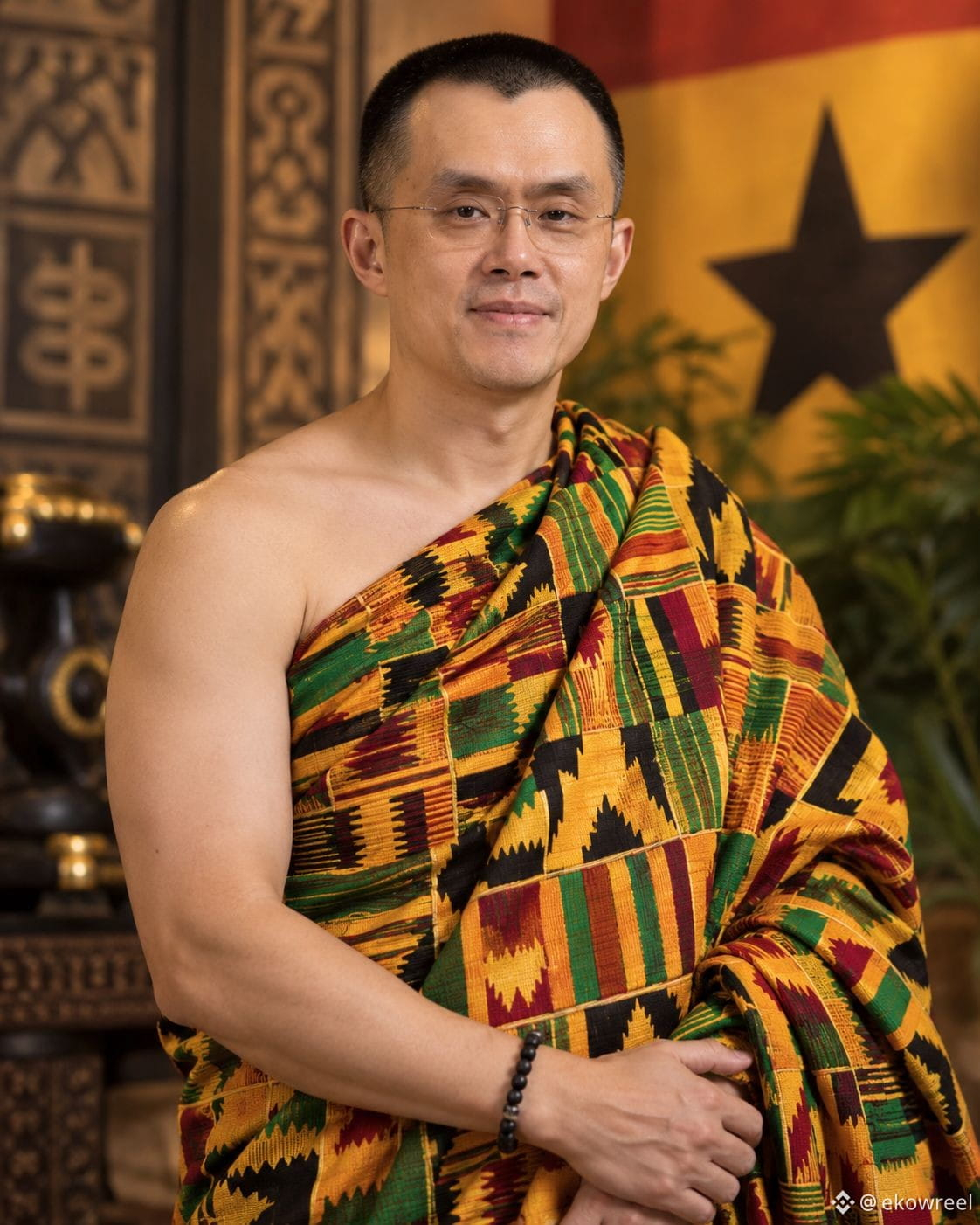
ເວລາຜ່ານມາສີ່ປີ ທ້າຍສຸດ ທ່ານ ຈ້າວ ຈ່າງເພງ (CZ) ກັບຄືນສູ່ວິໄສຫຼັກຂອງໂລກຈີນຢ່າງເປັນທາງການ ແລະ ໄປປາກົດຢູ່ທີ່ການບັນຍາຍສາທາລະນະຂອງມະຫາວິທະຍາໄລ Hong Kong. ຈາກອະດີດທີ່ຜ່ານມາມີທັງການສະທ້ອນແລະການສັບສົນ ລາວກ້າວຂຶ້ນເວທີດ້ວຍຊຸດສູດຮູບຢ່າງອົບອຸ່ນ, ແລະ ປະໂຫຍກ “ເຮືອບໍ່ໄດ້ລົງທ້າຍ, ແຕ່ພຽງແຕ່ປ່ຽນເສັ້ນທາງ” ໄດ້ປະກາດວ່າ ຍຸກໃໝ່ຂອງວົງການໄດ້ເລີ້ມຂຶ້ນແລ້ວ, ແລະ ຍັງຊີ້ທິດທາງໃໝ່ໃຫ້ການພັດທະນາ Web3 ຂອງ Hong Kong ອີກດ້ວຍ.
ໃນຄັ້ງນີ້ ລາວວາງອະດີດໄວ້ຂ້າງ, ຕັ້ງໃຈຈົນເຂົ້າສູ່ຈຸດສຳຄັນ ແລະ ຍົກອອກ “ຫຼັກສຳຄັນ” 6 ຂໍ້ ເພື່ອຮຽບຮຽງຄືນໂຄງສ້າງການແຂ່ງຂອງການພົວພັນເຄີຍເງິນດິຈິຕອນ (Crypto) ໃນ Hong Kong—ເນື້ອຫາແນ່ນອນອັນເລີກແຫຼມຄົບ.
ຂໍ້ທີ່ໜຶ່ງ: ປັບປຸງຍຸດທະສາດ stablecoin ໃໝ່. USDT ຮັບບົດບາດເປັນຂົວຂົນສົ່ງເງິນໂດລາອອກໄປທະເລ; ແລະ stablecoin ຂອງ Hong Kong ຈະຮັບເອົາພາລະໜ້າທີ່ນັ້ນ ເພື່ອກາຍເປັນ “ຕົວຖອດດຳກົງ” ຂອງດິຈິຕອນທີ່ເຊື່ອມຕໍ່ ການນຳຢວນເງິນຢວນ Renminbi (RMB) ອອກໄປ.
ຂໍ້ທີ່ສອງ: ກວດຄືນ RWA ແບບຕັດຂອງບໍ່ຖືກ. ປະຕິເສດ “ຄວາມຕ້ອງການປອມ” ເຊັ່ນ ການແບ່ງຕົວຄຸນສົມບັດ (ວິນາດບ້ານຫຼູຫຼາ) ແລ້ວລ້ວນ; ໄປເນັ້ນໃສ່ການນຳຮູບຮັບການເຄື່ອນໄຫວຂອງຫຸ້ນ ແລະ ພັນທະບັດ (ໂບນ) ເຂົ້າໃນອອນເຊນ; ຊຸກຍູ້ໃຫ້ ຕະຫຼາດຫຼັກຂອງ Hong Kong (HKEX) ກ້າວຂຶ້ນເປັນສູນກາງການເງິນສາກົນລະດັບໃນເຄືອຂ່າຍ (on-chain).
ຂໍ້ທີ່ສາມ: ປັບປຸງ layout ຂອງເວທີຊື້ຂາຍ (exchange). ບໍ່ຈຳເປັນຕ້ອງໃຊ້ທຶນຈຳນວນໃຫຍ່ເພື່ອສ້າງລະບົບເອງຈາກສູນ; ເອົາການຮ່ວມມືກັບ Binance ໃນການດຳເນີນຢ່າງຖືກຕາມກົດໝາຍ ແລະ ນຳໄປປັບໃຊ້ໃນ Hong Kong ຈະຊ່ວຍໃຫ້ນຳຊັບພະຍາກອນວົງການມາໃຊ້ຢ່າງມີປະສິດທິພາບ.
ຂໍ້ທີ່ສີ່: ຄາດຄະເນການປ່ຽນແປງຂອງໂຄງສ້າງວົງການ. ໃນ 10 ປີຂ້າງໜ້າ ບົດບາດຂອງ CEX ແລະ DEX ຈະສັບກັນ; ພ້ອມກັບການແຜ່ຫຼາຍຂອງ wallet, DEX ດ້ວຍຂໍ້ໄດ້ປຽບເລື່ອງຄ່າທຳນຽມຕ່ຳ ຈະສືບຕໍ່ດຶງດູດເງິນທຶນສຳຄັນ ແລະ ທຶນກ້ອນໃຫຍ່ຈາກຜູ້ຖືຮູບແບບຫຼັກ.
ຂໍ້ທີ່ຫ້າ: ຈັບຈຸດ “AI + Web3” ສູ່ກະແສໂອກາດມູນຄ່າລ້ານລ້ານຕື້. ເທກໂນໂລຢີ blockchain ສາມາດເຮັດໃຫ້ AI ມີການຈ່າຍເງິນຍ່ອຍກັນ (micro-payments) ໄດ້; ຊ່ວຍໃຫ້ Hong Kong ສາມາດແຍ່ງເຂົ້າໄປເປັນຈຸດສຳຄັນຂອງການປິດຍອມຄ່າຊຳລະຂອງເສດຖະກິດ AI ໃນລະດັບໂລກ.
ທ້າຍສຸດ ໃຫ້ “ຊຸດຄຳແນະນຳ” 3 ດ້ານໃນການພັດທະນາ: ການລົງມືໄວ, ໂຄງສ້າງໃຈກ້ວາງ, ແລະ ເທກໂນໂລຢີປ່ອຍຊ່ອງຫວ່າງ (ເພື່ອສ້າງສິ່ງໃໝ່). ສົ່ງເສີມໃຫ້ລອງກ່ອນກ່ອນ, ກ້າວເຂົ້າໃຈກັບຕະຫຼາດທົ່ວໂລກ, ເພື່ອປູທາງໃຫ້ຊ່ອງການພັດທະນາສຳລັບນະວັດກຳປະຕິບັດແບບທີ່ສະຫຼັບລ້ຽນ.
CZ ກ່າວຢ່າງກົງໄປກົງມາວ່າ ການແຍກກັນເມື່ອ 4 ປີກ່ອນເປັນພຽງການຊ້ອນໂຕສັ້ນໆ; ໃນມື້ນີ້ການກັບຄືນມາ ເລື່ອງເລົ່າການຜະເຊີນຂອງລາວພຽງແຕ່ເລີ້ມບົດສະໜອງເທົ່ານັ້ນ. ການກັບມາຂອງລາວ ບໍ່ພຽງແຕ່ເປັນການເລີ້ມໃໝ່ຂອງເສັ້ນທາງສ່ວນຕົວ, ແຕ່ຍັງເປັນສັນຍານອັນແຂງແຮງຂອງການຂຶ້ນຂອງ Web3 ໃນ Hong Kong ແລະ ການເລີ້ມສູ່ຮອບໃໝ່ຂອງອຸດສາຫະກຳທີ່ຖືກກົດໝາຍ.
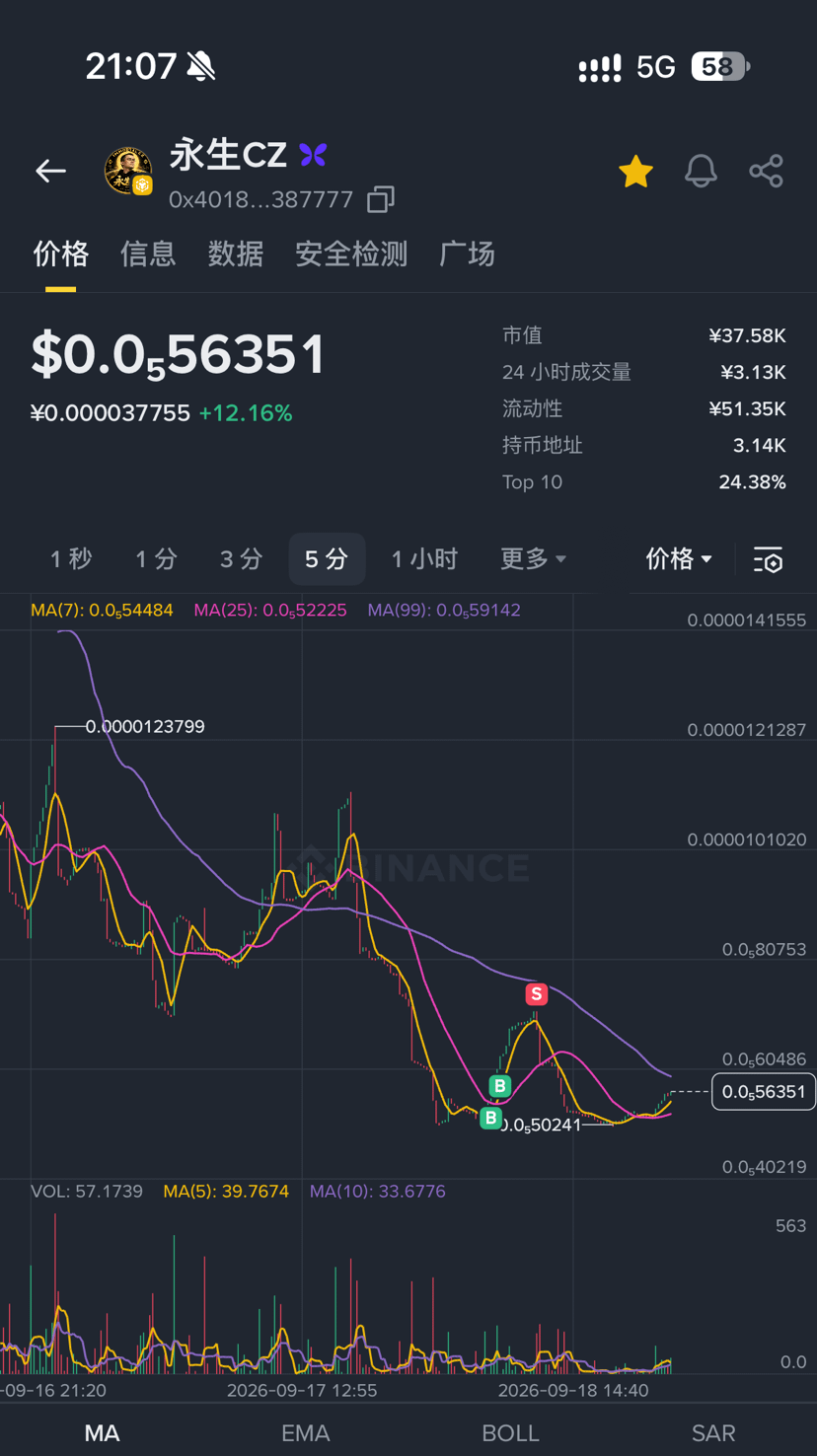
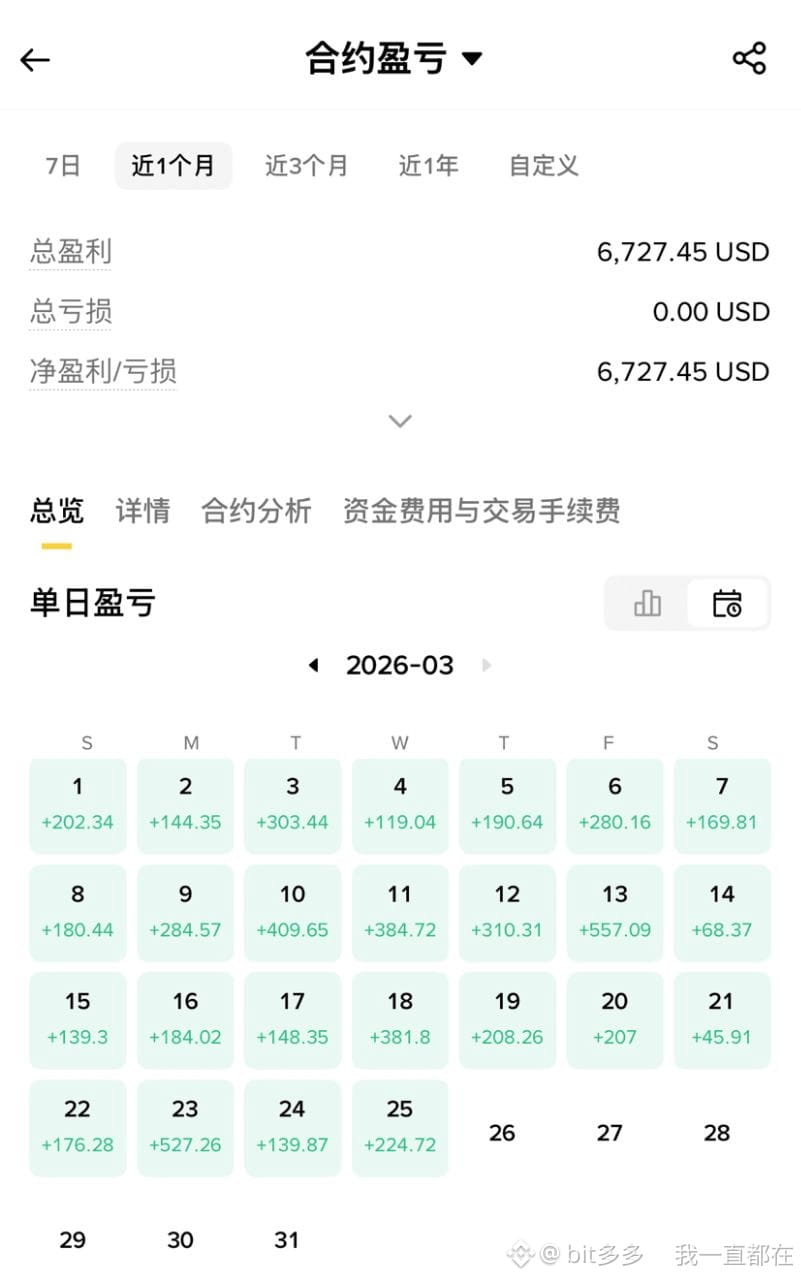
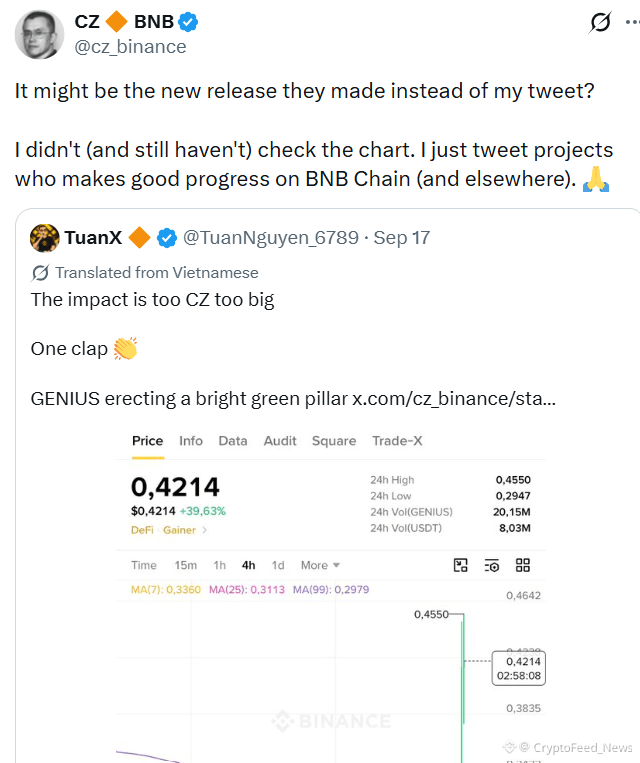
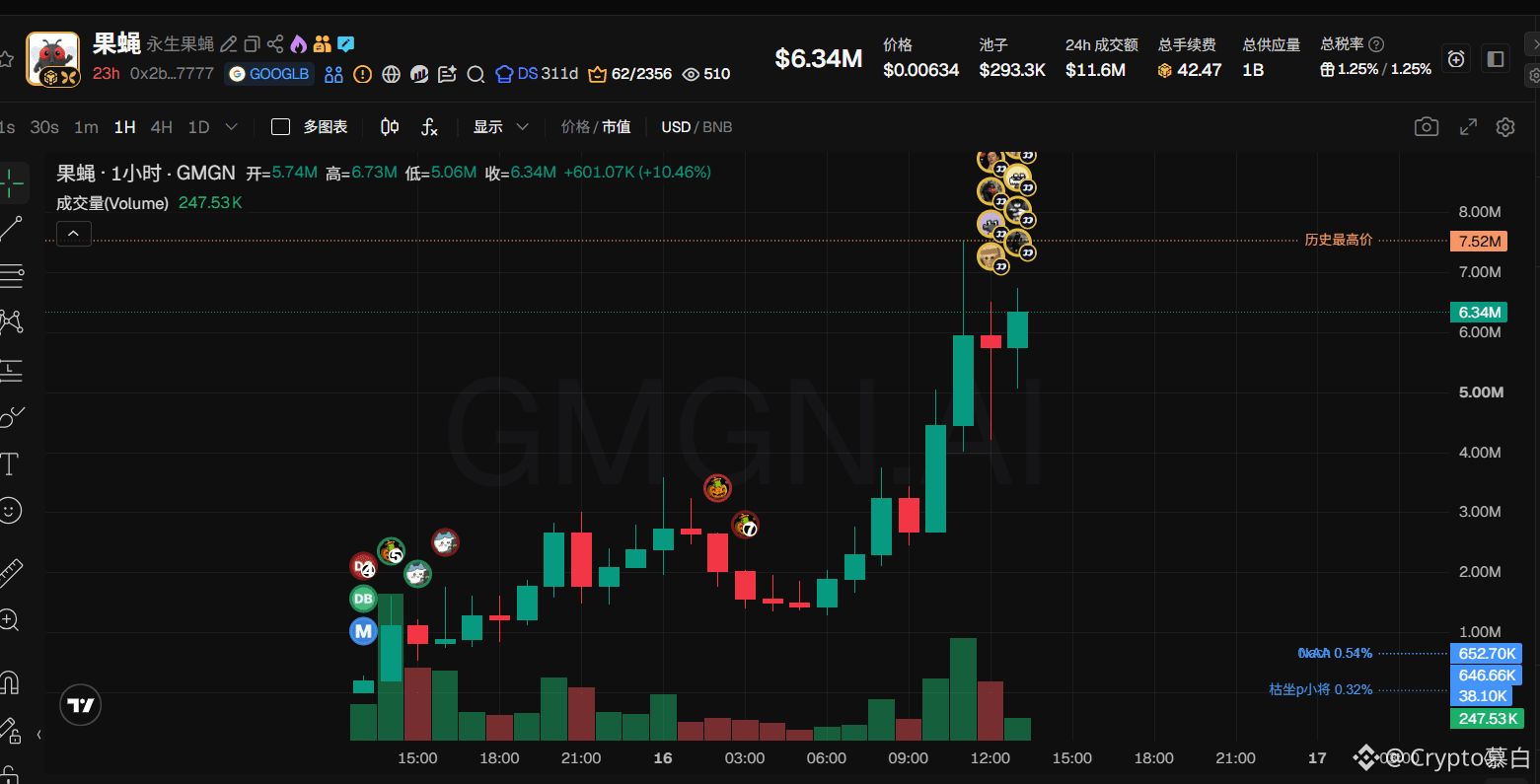
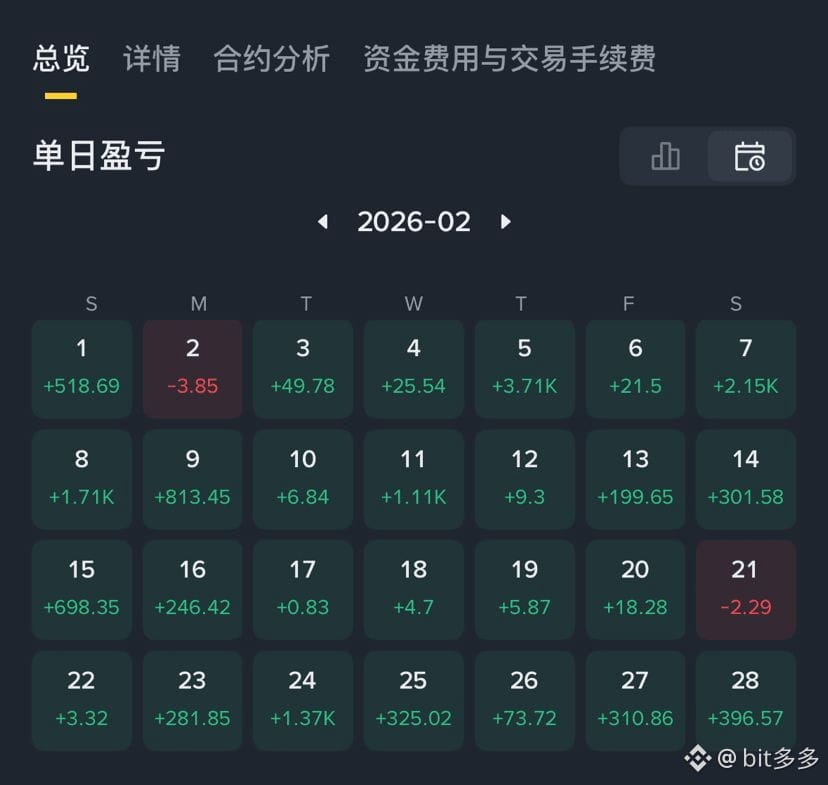
#CZ #币安Alpha上新 ຂ້ອຍເຮັດແຕ່ຂອງຈິງໃນການຊື້ຂາຍ (spot/real trades) ບໍ່ໄດ້ຫຼິ້ນຂອງປອມ; ຖ້າເຈົ້າຢາກຈະຫຼີກລ້ຽງກັບດັກ, ຈົ່ງກ້າວແບບໝັ້ນຄົງໄປສູ່ກຳໄລ, ຢ່າໄປຄົ້ນຄວ້າກັນຢູ່ໃນວົງການຄຣິບໂຕໂດຍລຳພັງ. ຕາມໃຫ້ທັນຈັງຫວະ,
@bit多多 ຈະພາເຈົ້າໄປຫາເງິນຢ່າງປອດໄພດ້ວຍຕົວຈັດຕັ້ງທີ່ຊະນະ!🔥
币安聊天裙,点击即可加入