

艾伦Eren1688
3.8k Жариялаулар

艾伦Eren1688
428 Жазылым
16.3K+ Жазылушылар
11.1K+ лайк басылған
Жазбалар
Барлығы
Баға ұсыныстары
Тікелей эфир
PINNED
Дәйексөз келтірілген мазмұн жойылды
Дәйексөз келтірілген мазмұн жойылды
黄泳程8023
·
--
一个数字货币,涨的时候考验认知,跌的时候考验信仰,横盘的时候考验耐心。
牛市最怕的不是回调,而是你在回调里把筹码交出去。
底部嫌弃,横盘怀疑,上涨不敢追,主升浪结束才发现自己没仓位。
市场从来不缺机会,缺的是你有仓位、有耐心的时候。而现在,机会刚好出现。
#lucic #BNB #明道
@光明社区-明道 @赫方-光明社区
@光明社区-亮总 @光明社区-阿波罗
牛市最怕的不是回调,而是你在回调里把筹码交出去。
底部嫌弃,横盘怀疑,上涨不敢追,主升浪结束才发现自己没仓位。
市场从来不缺机会,缺的是你有仓位、有耐心的时候。而现在,机会刚好出现。
#lucic #BNB #明道
@光明社区-明道 @赫方-光明社区
@光明社区-亮总 @光明社区-阿波罗


叮当 Doraemon
·
--
真金白银表达信心!英伟达追加1500亿美元回购,总授权回购额创美企历史纪录
随着持续从AI供应链的顶端地位中获取巨额利润,英伟达宣布推出追加规模达1500亿美元的股票回购计划,创下美国企业历史上最大规模的回购纪录。
这家全球市值最高的公司于周一表示,其董事会已批准将回购计划额度增加1500亿美元。加上已有计划,英伟达目前已获得授权,在2028年1月前可投入最多2350亿美元用于回购股票。受此消息提振,英伟达股价盘初升逾3%。
NVDA 英伟达
228.820
+3.750
+1.67%
盘前时段
09/28 08:44 (美东)
英伟达联合创始人兼首席执行官黄仁勋周一发表声明称,这项新计划反映了公司对AI领域“未来长期机遇的信心”。他强调,由AI和加速计算驱动的平台转型带来了业务增长,公司强大的现金流生成能力使其能够在投资推进技术转型的同时,向股东回馈资本。
这一巨额回购举措出台之际,正值英伟达股价的强劲上涨势头出现放缓迹象。随着越来越多投资者开始质疑AI热潮的可持续性,此次创纪录的资本回馈不仅直接回应了市场的担忧,也凸显了管理层对其核心业务变现能力的高度确信。
刷新美国企业资本回报纪录
英伟达此次1500亿美元的授权,打破了此前由苹果公司在2024年创下的1100亿美元美国企业最大规模回购纪录。据彭博报道,在苹果宣布该项回购时,这家iPhone制造商包揽了美国企业最大规模回购授权的前五名。
通常情况下,大规模的回购授权表明公司管理层认为其股票被低估,但这往往也与大型成熟企业面临增长放缓有关。例如苹果在创下回购纪录时,其iPhone业务的增长正在放缓,主要依靠其在智能手机市场的统治地位获取利润。
然而,英伟达的轨迹与此形成鲜明对比。该芯片制造商的销售额仍在快速攀升,预计其今年的营收将实现约90%的增长。这表明英伟达在实施巨额股东回报的同时,其基本面依然处于高速扩张阶段。
AI基建投资维持强劲需求
英伟达利润的激增,根本原因在于整个科技行业仍在向AI基础设施注入巨额资金。据高盛预测,今年全球AI领域的投资额将超过1万亿美元。
作为支撑ChatGPT、Claude和Gemini等大型语言模型运行的算力核心,英伟达的芯片产品在市场上依然供不应求。在激烈的AI竞赛中,包括OpenAI、Anthropic和SpaceX在内的众多公司都是其大客户。即使是拥有自主研发AI芯片系列的谷歌,也是英伟达产品在其云计算部门的重要买家。
充裕现金流支撑长期估值
超预期的财务数据为英伟达的巨额回购提供了坚实支撑。据标普全球旗下Visible Alpha的一致预期数据,在截至今年1月的最近一个财年中,英伟达创造了近1000亿美元的自由现金流。预计到2028财年,这一数字将增长两倍以上,达到3290亿美元。
在净利润方面,据Visible Alpha预测,英伟达本财年的净利润将翻倍至2450亿美元,并在截至2028年1月的下一个财年进一步升至3870亿美元。
在二级市场表现上,自OpenAI于2022年底推出ChatGPT以来,英伟达的股价累计涨幅已超过1200%。但在2026年,该股的惊人涨势有所放缓,年内迄今涨幅约为20%。在市场对AI繁荣持续性产生分歧的背景下,强劲的盈利预期与充裕的现金流,成为了英伟达稳定投资者信心的核心支撑。
这家全球市值最高的公司于周一表示,其董事会已批准将回购计划额度增加1500亿美元。加上已有计划,英伟达目前已获得授权,在2028年1月前可投入最多2350亿美元用于回购股票。受此消息提振,英伟达股价盘初升逾3%。
NVDA 英伟达
228.820
+3.750
+1.67%
盘前时段
09/28 08:44 (美东)
英伟达联合创始人兼首席执行官黄仁勋周一发表声明称,这项新计划反映了公司对AI领域“未来长期机遇的信心”。他强调,由AI和加速计算驱动的平台转型带来了业务增长,公司强大的现金流生成能力使其能够在投资推进技术转型的同时,向股东回馈资本。
这一巨额回购举措出台之际,正值英伟达股价的强劲上涨势头出现放缓迹象。随着越来越多投资者开始质疑AI热潮的可持续性,此次创纪录的资本回馈不仅直接回应了市场的担忧,也凸显了管理层对其核心业务变现能力的高度确信。
刷新美国企业资本回报纪录
英伟达此次1500亿美元的授权,打破了此前由苹果公司在2024年创下的1100亿美元美国企业最大规模回购纪录。据彭博报道,在苹果宣布该项回购时,这家iPhone制造商包揽了美国企业最大规模回购授权的前五名。
通常情况下,大规模的回购授权表明公司管理层认为其股票被低估,但这往往也与大型成熟企业面临增长放缓有关。例如苹果在创下回购纪录时,其iPhone业务的增长正在放缓,主要依靠其在智能手机市场的统治地位获取利润。
然而,英伟达的轨迹与此形成鲜明对比。该芯片制造商的销售额仍在快速攀升,预计其今年的营收将实现约90%的增长。这表明英伟达在实施巨额股东回报的同时,其基本面依然处于高速扩张阶段。
AI基建投资维持强劲需求
英伟达利润的激增,根本原因在于整个科技行业仍在向AI基础设施注入巨额资金。据高盛预测,今年全球AI领域的投资额将超过1万亿美元。
作为支撑ChatGPT、Claude和Gemini等大型语言模型运行的算力核心,英伟达的芯片产品在市场上依然供不应求。在激烈的AI竞赛中,包括OpenAI、Anthropic和SpaceX在内的众多公司都是其大客户。即使是拥有自主研发AI芯片系列的谷歌,也是英伟达产品在其云计算部门的重要买家。
充裕现金流支撑长期估值
超预期的财务数据为英伟达的巨额回购提供了坚实支撑。据标普全球旗下Visible Alpha的一致预期数据,在截至今年1月的最近一个财年中,英伟达创造了近1000亿美元的自由现金流。预计到2028财年,这一数字将增长两倍以上,达到3290亿美元。
在净利润方面,据Visible Alpha预测,英伟达本财年的净利润将翻倍至2450亿美元,并在截至2028年1月的下一个财年进一步升至3870亿美元。
在二级市场表现上,自OpenAI于2022年底推出ChatGPT以来,英伟达的股价累计涨幅已超过1200%。但在2026年,该股的惊人涨势有所放缓,年内迄今涨幅约为20%。在市场对AI繁荣持续性产生分歧的背景下,强劲的盈利预期与充裕的现金流,成为了英伟达稳定投资者信心的核心支撑。
·
--
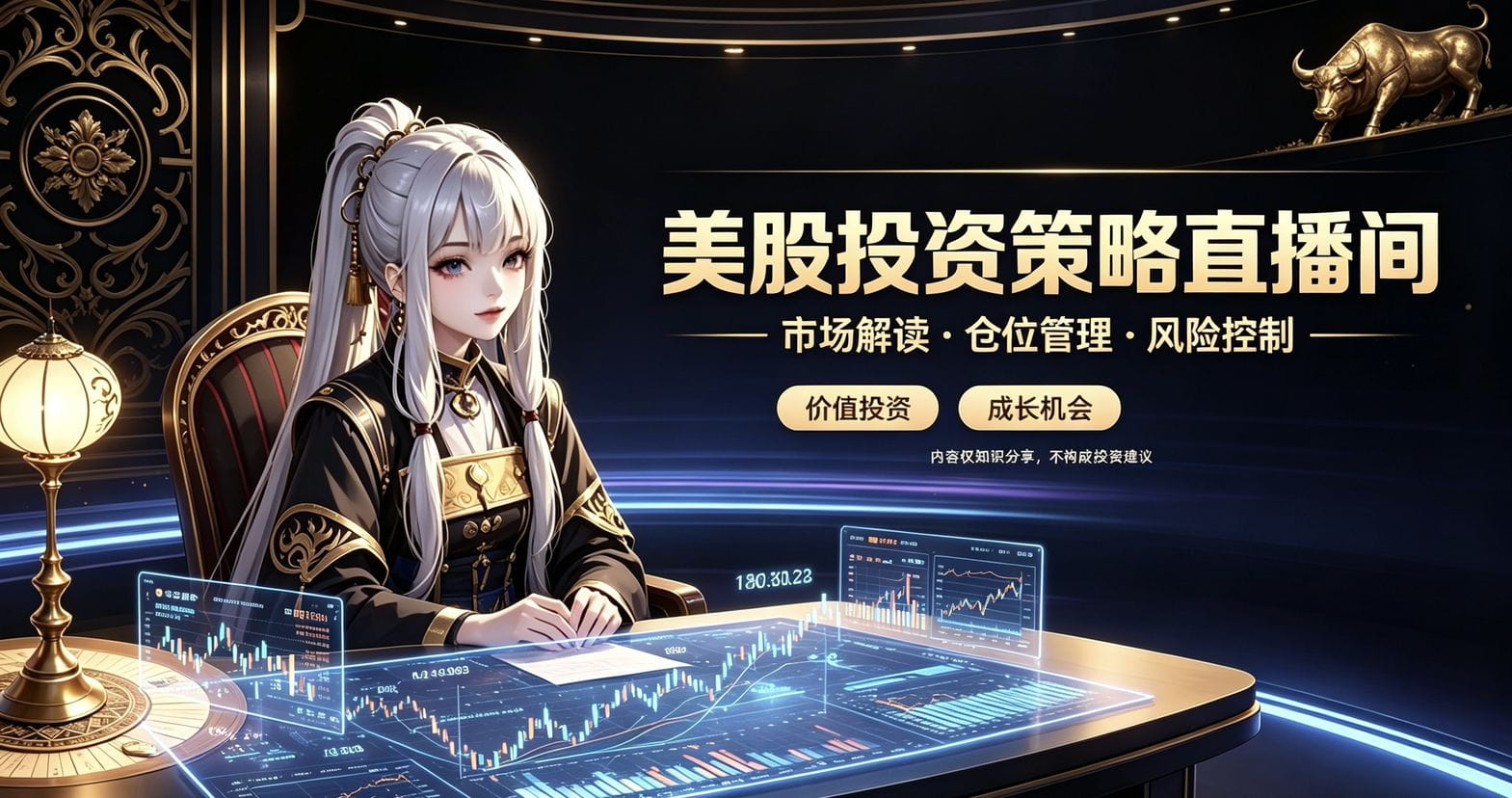
🎙️ ✨橙子Joyce|直播开播通知✨
⏰时间:2026年9月28日晚上21:00~23:00
📌主题:美股投资策略分析与操作
Соңы
02 сағ 24 а 54 с
2k
41
艾伦Eren1688
·
--
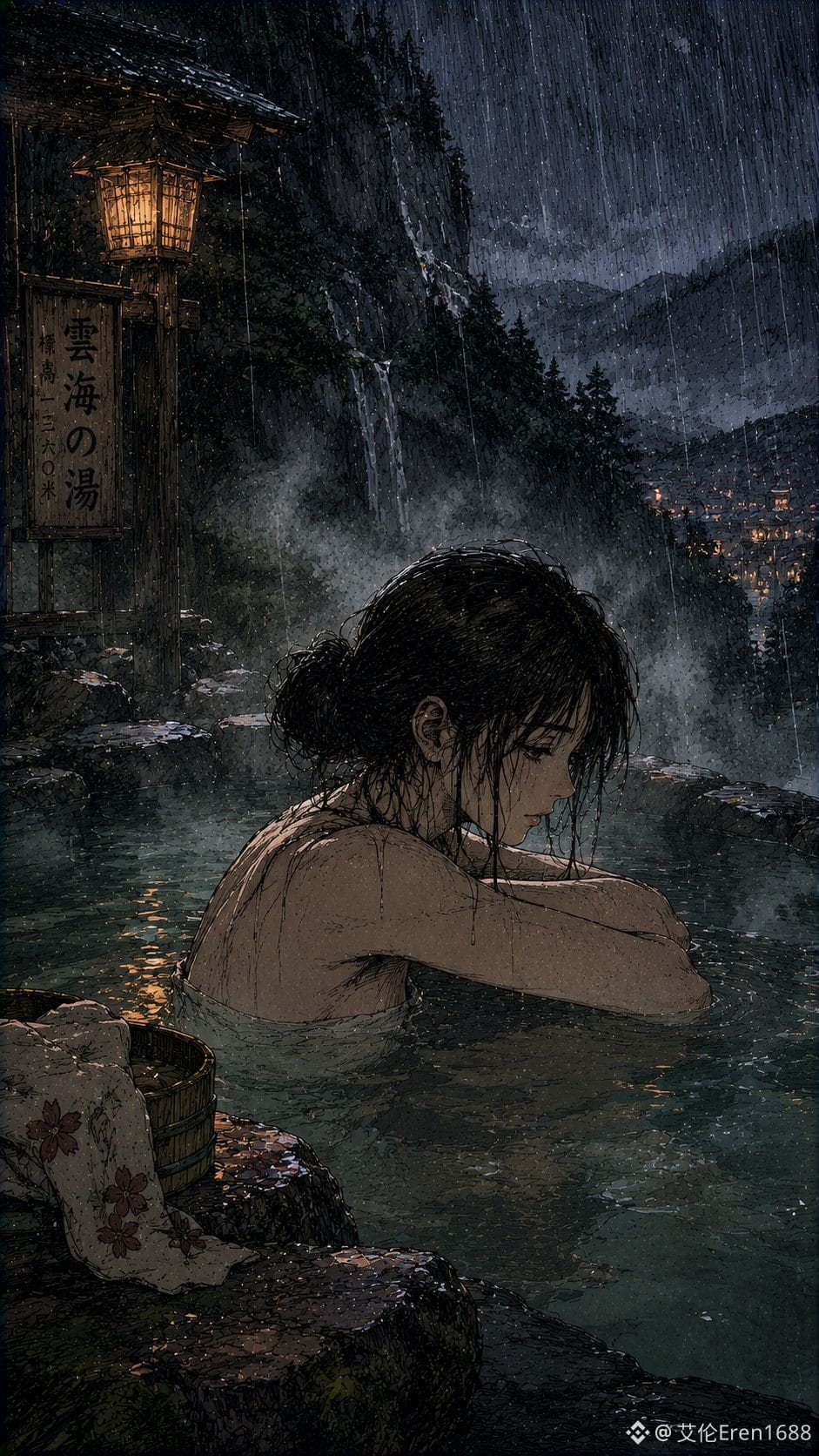
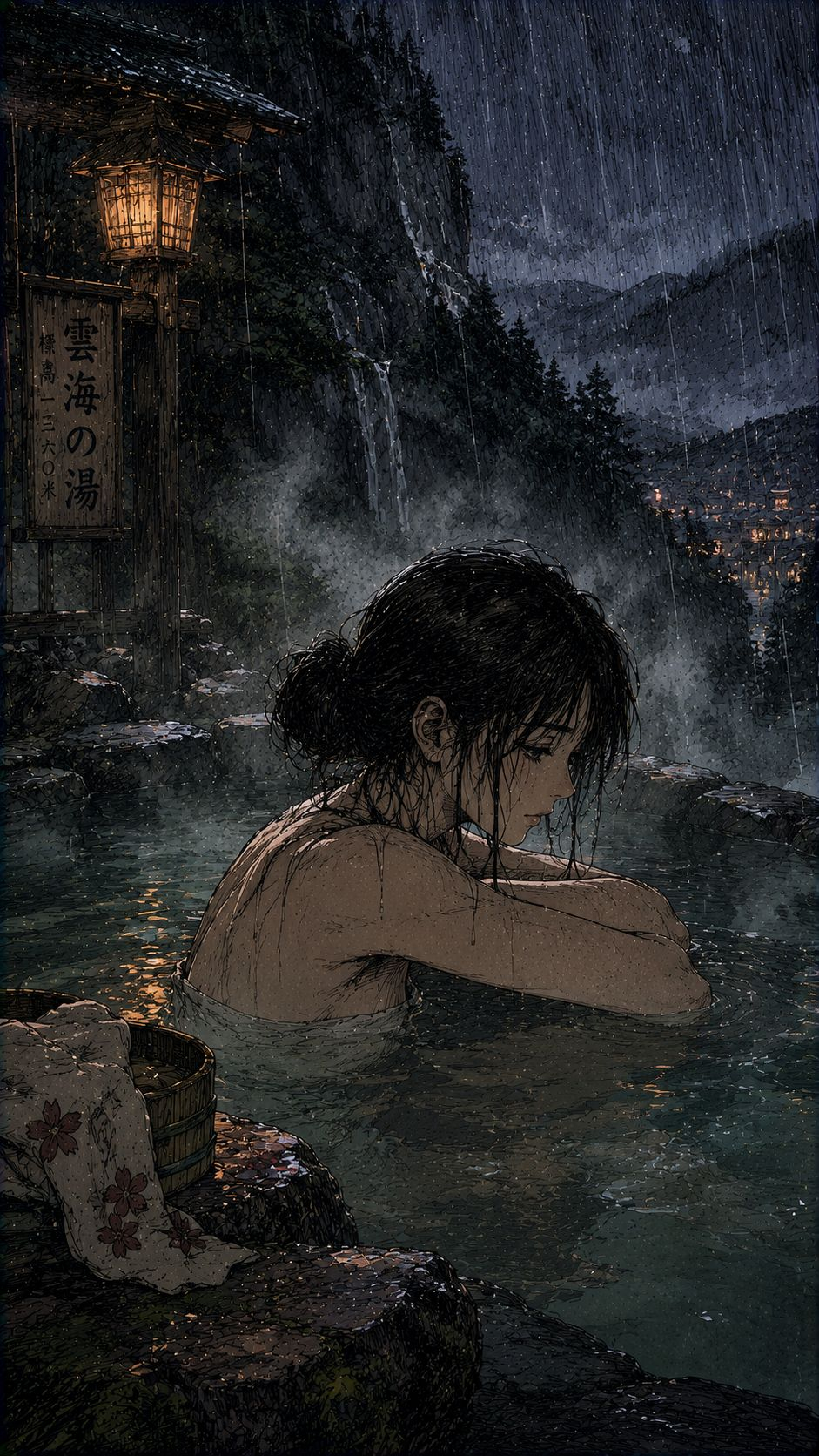
Жоғары (өспелі)*风暴中的宁静* 🌧️⛰️
细雨纷飞,灯火摇曳,雾气升腾。
她并未因风暴而奔逃——而是安然静坐其中,心境平和。
这便是“自律”的模样。当周遭喧嚣、混乱且节奏飞快时……真正的赢家懂得如何停下脚步、审视自我并调整状态。
市场亦是如此。有涨(绿盘)、有跌(红盘),也有风雨飘摇之时。
若对每一次波动都过度反应,终将心力交瘁;若能保持定力、理性分析并审慎决策,便能实现长期的复利增长。
正因如此,我打造了 *Predict Token* —— 这是一个让你验证判断、基于真实事件践行信念,并在喧嚣世界中磨练耐心的平台。在宁静中沉淀,在关键时刻果断出击 📈💎
成长未必总是疾驰如风,有时它就蕴藏在这样静谧的夜晚里。
感谢家人们的支持——向着 2 万大关进发!🙏
当市场风起云涌时,你如何调整状态、重拾平静?👇
answer:1
回答 :1
#1688家族family #prediction...
细雨纷飞,灯火摇曳,雾气升腾。
她并未因风暴而奔逃——而是安然静坐其中,心境平和。
这便是“自律”的模样。当周遭喧嚣、混乱且节奏飞快时……真正的赢家懂得如何停下脚步、审视自我并调整状态。
市场亦是如此。有涨(绿盘)、有跌(红盘),也有风雨飘摇之时。
若对每一次波动都过度反应,终将心力交瘁;若能保持定力、理性分析并审慎决策,便能实现长期的复利增长。
正因如此,我打造了 *Predict Token* —— 这是一个让你验证判断、基于真实事件践行信念,并在喧嚣世界中磨练耐心的平台。在宁静中沉淀,在关键时刻果断出击 📈💎
成长未必总是疾驰如风,有时它就蕴藏在这样静谧的夜晚里。
感谢家人们的支持——向着 2 万大关进发!🙏
当市场风起云涌时,你如何调整状态、重拾平静?👇
answer:1
回答 :1
#1688家族family #prediction...
艾伦Eren1688
·
--
Жоғары (өспелі)*风暴中的宁静* 🌧️⛰️
细雨纷飞,灯火摇曳,雾气升腾。
她并未因风暴而奔逃——而是安然静坐其中,心境平和。
这便是“自律”的模样。当周遭喧嚣、混乱且节奏飞快时……真正的赢家懂得如何停下脚步、审视自我并调整状态。
市场亦是如此。有涨(绿盘)、有跌(红盘),也有风雨飘摇之时。
若对每一次波动都过度反应,终将心力交瘁;若能保持定力、理性分析并审慎决策,便能实现长期的复利增长。
正因如此,我打造了 *Predict Token* —— 这是一个让你验证判断、基于真实事件践行信念,并在喧嚣世界中磨练耐心的平台。在宁静中沉淀,在关键时刻果断出击 📈💎
成长未必总是疾驰如风,有时它就蕴藏在这样静谧的夜晚里。
感谢家人们的支持——向着 2 万大关进发!🙏
当市场风起云涌时,你如何调整状态、重拾平静?👇
answer:1
回答 :1
#1688家族family #prediction...
细雨纷飞,灯火摇曳,雾气升腾。
她并未因风暴而奔逃——而是安然静坐其中,心境平和。
这便是“自律”的模样。当周遭喧嚣、混乱且节奏飞快时……真正的赢家懂得如何停下脚步、审视自我并调整状态。
市场亦是如此。有涨(绿盘)、有跌(红盘),也有风雨飘摇之时。
若对每一次波动都过度反应,终将心力交瘁;若能保持定力、理性分析并审慎决策,便能实现长期的复利增长。
正因如此,我打造了 *Predict Token* —— 这是一个让你验证判断、基于真实事件践行信念,并在喧嚣世界中磨练耐心的平台。在宁静中沉淀,在关键时刻果断出击 📈💎
成长未必总是疾驰如风,有时它就蕴藏在这样静谧的夜晚里。
感谢家人们的支持——向着 2 万大关进发!🙏
当市场风起云涌时,你如何调整状态、重拾平静?👇
answer:1
回答 :1
#1688家族family #prediction...
艾伦Eren1688
·
--
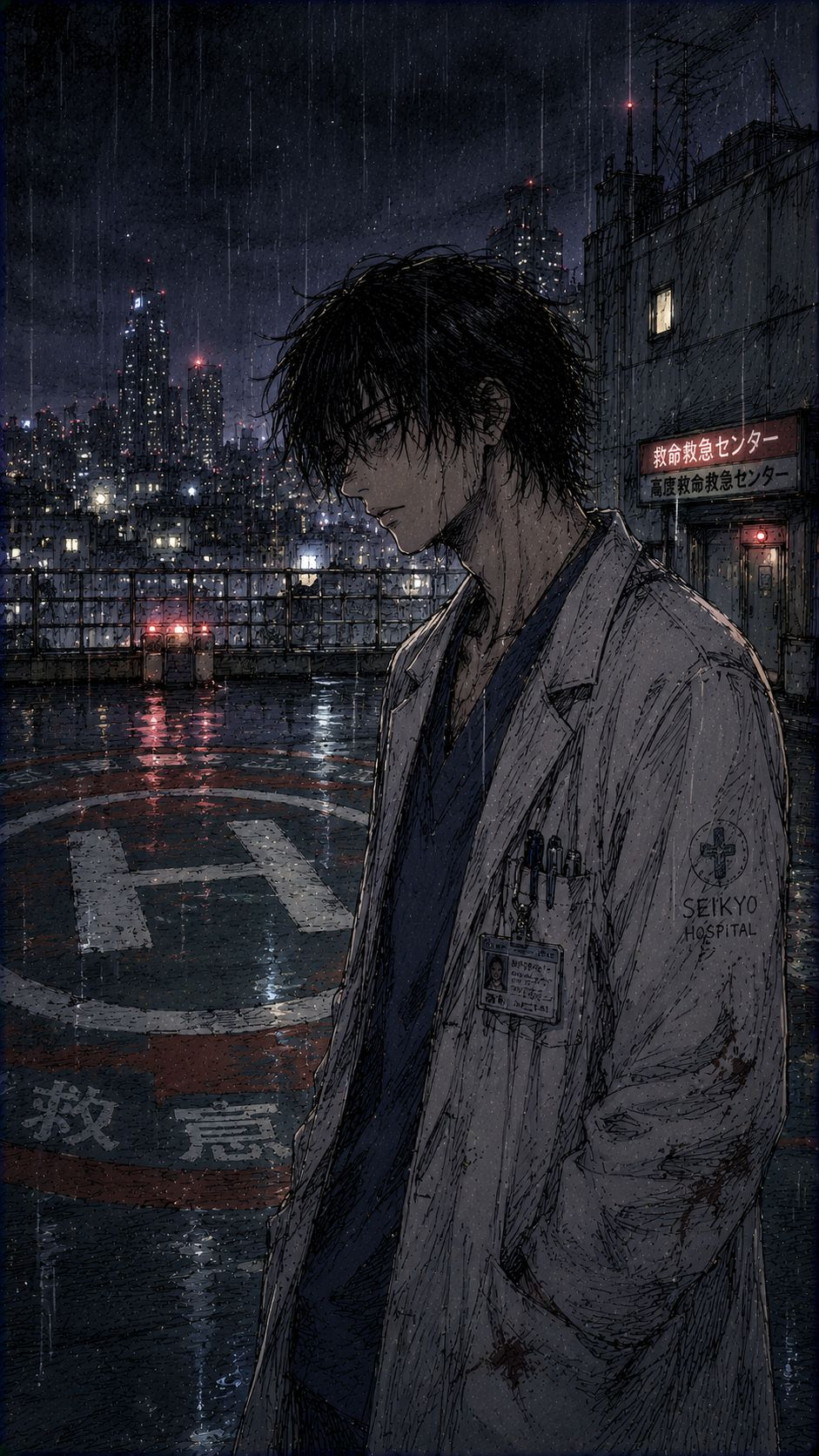
Жоғары (өспелі)*伫立雨中,依然屹立* 🌧️🏥
城市灯火映照在湿漉漉的地面上。漫长的值班,肩负重担。 这张照片别有一番深意——它展现了在无人注视时依然坚守责任的那份担当。
真正的力量无需喧嚣。它体现在默默坚守、果断抉择,以及在周遭一片混乱时依然保持定力。这就是自律,这就是信念 💎
交易亦是如此。市场就像雨夜,充斥着各种噪音。
你需要计划、数据,以及相信自己判断的勇气。正因如此,我使用 *Predict Token*——它能磨练我的判断力,基于真实事件验证我的分析,并将压力转化为精准的决策。每一次预测,都是为迎接下一个关键时刻所做的历练 📈
风暴终将过去,城市继续运转,我们亦步履不停。 感谢家人们的支持——向着 2 万大关进发!🙏
你曾做过什么艰难的决定,后来证明是正确的?欢迎在下方留言分享 👇
answer :7
回答 :7
#1688家族family #PredictAndWin
城市灯火映照在湿漉漉的地面上。漫长的值班,肩负重担。 这张照片别有一番深意——它展现了在无人注视时依然坚守责任的那份担当。
真正的力量无需喧嚣。它体现在默默坚守、果断抉择,以及在周遭一片混乱时依然保持定力。这就是自律,这就是信念 💎
交易亦是如此。市场就像雨夜,充斥着各种噪音。
你需要计划、数据,以及相信自己判断的勇气。正因如此,我使用 *Predict Token*——它能磨练我的判断力,基于真实事件验证我的分析,并将压力转化为精准的决策。每一次预测,都是为迎接下一个关键时刻所做的历练 📈
风暴终将过去,城市继续运转,我们亦步履不停。 感谢家人们的支持——向着 2 万大关进发!🙏
你曾做过什么艰难的决定,后来证明是正确的?欢迎在下方留言分享 👇
answer :7
回答 :7
#1688家族family #PredictAndWin
艾伦Eren1688
·
--
Жоғары (өспелі)*伫立雨中,依然屹立* 🌧️🏥
城市灯火映照在湿漉漉的地面上。漫长的值班,肩负重担。 这张照片别有一番深意——它展现了在无人注视时依然坚守责任的那份担当。
真正的力量无需喧嚣。它体现在默默坚守、果断抉择,以及在周遭一片混乱时依然保持定力。这就是自律,这就是信念 💎
交易亦是如此。市场就像雨夜,充斥着各种噪音。
你需要计划、数据,以及相信自己判断的勇气。正因如此,我使用 *Predict Token*——它能磨练我的判断力,基于真实事件验证我的分析,并将压力转化为精准的决策。每一次预测,都是为迎接下一个关键时刻所做的历练 📈
风暴终将过去,城市继续运转,我们亦步履不停。 感谢家人们的支持——向着 2 万大关进发!🙏
你曾做过什么艰难的决定,后来证明是正确的?欢迎在下方留言分享 👇
answer :7
回答 :7
#1688家族family #PredictAndWin
城市灯火映照在湿漉漉的地面上。漫长的值班,肩负重担。 这张照片别有一番深意——它展现了在无人注视时依然坚守责任的那份担当。
真正的力量无需喧嚣。它体现在默默坚守、果断抉择,以及在周遭一片混乱时依然保持定力。这就是自律,这就是信念 💎
交易亦是如此。市场就像雨夜,充斥着各种噪音。
你需要计划、数据,以及相信自己判断的勇气。正因如此,我使用 *Predict Token*——它能磨练我的判断力,基于真实事件验证我的分析,并将压力转化为精准的决策。每一次预测,都是为迎接下一个关键时刻所做的历练 📈
风暴终将过去,城市继续运转,我们亦步履不停。 感谢家人们的支持——向着 2 万大关进发!🙏
你曾做过什么艰难的决定,后来证明是正确的?欢迎在下方留言分享 👇
answer :7
回答 :7
#1688家族family #PredictAndWin
艾伦Eren1688
·
--
Жоғары (өспелі)*伫立雨中,依然屹立* 🌧️🏥
城市灯火映照在湿漉漉的地面上。漫长的值班,肩负重担。 这张照片别有一番深意——它展现了在无人注视时依然坚守责任的那份担当。
真正的力量无需喧嚣。它体现在默默坚守、果断抉择,以及在周遭一片混乱时依然保持定力。这就是自律,这就是信念 💎
交易亦是如此。市场就像雨夜,充斥着各种噪音。
你需要计划、数据,以及相信自己判断的勇气。正因如此,我使用 *Predict Token*——它能磨练我的判断力,基于真实事件验证我的分析,并将压力转化为精准的决策。每一次预测,都是为迎接下一个关键时刻所做的历练 📈
风暴终将过去,城市继续运转,我们亦步履不停。 感谢家人们的支持——向着 2 万大关进发!🙏
你曾做过什么艰难的决定,后来证明是正确的?欢迎在下方留言分享 👇
answer :7
回答 :7
#1688家族family #PredictAndWin
城市灯火映照在湿漉漉的地面上。漫长的值班,肩负重担。 这张照片别有一番深意——它展现了在无人注视时依然坚守责任的那份担当。
真正的力量无需喧嚣。它体现在默默坚守、果断抉择,以及在周遭一片混乱时依然保持定力。这就是自律,这就是信念 💎
交易亦是如此。市场就像雨夜,充斥着各种噪音。
你需要计划、数据,以及相信自己判断的勇气。正因如此,我使用 *Predict Token*——它能磨练我的判断力,基于真实事件验证我的分析,并将压力转化为精准的决策。每一次预测,都是为迎接下一个关键时刻所做的历练 📈
风暴终将过去,城市继续运转,我们亦步履不停。 感谢家人们的支持——向着 2 万大关进发!🙏
你曾做过什么艰难的决定,后来证明是正确的?欢迎在下方留言分享 👇
answer :7
回答 :7
#1688家族family #PredictAndWin

Көбірек контент көру үшін кіріңіз