
#usbanks
usbanks
28,996 рет көрілді
88 адам талқылап жатыр
Қызу саудада
Ең соңғы
🔥 U.S. Banks Face $325 Billion in Unrealized Losses as High Interest Rates Continue to Pressure the Financial Sector
$BTC $ETH $ALLO
🚨 The U.S. banking sector reported approximately $325 billion in unrealized losses during the first quarter, highlighting the continued pressure from elevated interest rates and fluctuations in bond values. While these losses remain largely on paper, they underscore the challenges many financial institutions face in today's higher-rate environment.
🔥 U.S. Banks Report $325 Billion in Unrealized Losses During Q1
📊 Market Update:
Rising Treasury yields and persistent inflation concerns have weighed on bank balance sheets, reducing the market value of long-term securities purchased during the low-rate era. Investors are closely monitoring whether interest rates remain elevated, as further increases could keep pressure on the banking sector.
💼 Despite the headline figure, most major banks remain well-capitalized, and regulators continue to emphasize the overall resilience of the financial system. However, analysts warn that unrealized losses could become a larger concern if economic conditions weaken or liquidity pressures emerge.
📈 Market participants are now focused on upcoming Federal Reserve decisions, inflation data, and bank earnings reports for clues about the sector's next move. Banking stocks may remain volatile as investors assess the impact of interest rates on profitability and asset values.
{future}(BTCUSDT)
{future}(ETHUSDT)
{future}(ALLOUSDT)
#USBanks #FinancialMarketsSEO #ZcashUnlimitedMintingFlawFound USBanks$325BillionUnrealizedLossesQ1#UKFCAFlagsHyperliquidAsUnauthorized
🔥 U.S. Banks Face $325 Billion in Unrealized Losses as High Interest Rates Continue to Pressure the Financial Sector
$BTC $ETH $ALLO
🚨 The U.S. banking sector reported approximately $325 billion in unrealized losses during the first quarter, highlighting the continued pressure from elevated interest rates and fluctuations in bond values. While these losses remain largely on paper, they underscore the challenges many financial institutions face in today's higher-rate environment.
🔥 U.S. Banks Report $325 Billion in Unrealized Losses During Q1
📊 Market Update:
Rising Treasury yields and persistent inflation concerns have weighed on bank balance sheets, reducing the market value of long-term securities purchased during the low-rate era. Investors are closely monitoring whether interest rates remain elevated, as further increases could keep pressure on the banking sector.
💼 Despite the headline figure, most major banks remain well-capitalized, and regulators continue to emphasize the overall resilience of the financial system. However, analysts warn that unrealized losses could become a larger concern if economic conditions weaken or liquidity pressures emerge.
📈 Market participants are now focused on upcoming Federal Reserve decisions, inflation data, and bank earnings reports for clues about the sector's next move. Banking stocks may remain volatile as investors assess the impact of interest rates on profitability and asset values.
#USBanks #FinancialMarketsSEO #ZcashUnlimitedMintingFlawFound USBanks$325BillionUnrealizedLossesQ1#UKFCAFlagsHyperliquidAsUnauthorized
$BTC $ETH $ALLO
🚨 The U.S. banking sector reported approximately $325 billion in unrealized losses during the first quarter, highlighting the continued pressure from elevated interest rates and fluctuations in bond values. While these losses remain largely on paper, they underscore the challenges many financial institutions face in today's higher-rate environment.
🔥 U.S. Banks Report $325 Billion in Unrealized Losses During Q1
📊 Market Update:
Rising Treasury yields and persistent inflation concerns have weighed on bank balance sheets, reducing the market value of long-term securities purchased during the low-rate era. Investors are closely monitoring whether interest rates remain elevated, as further increases could keep pressure on the banking sector.
💼 Despite the headline figure, most major banks remain well-capitalized, and regulators continue to emphasize the overall resilience of the financial system. However, analysts warn that unrealized losses could become a larger concern if economic conditions weaken or liquidity pressures emerge.
📈 Market participants are now focused on upcoming Federal Reserve decisions, inflation data, and bank earnings reports for clues about the sector's next move. Banking stocks may remain volatile as investors assess the impact of interest rates on profitability and asset values.
#USBanks #FinancialMarketsSEO #ZcashUnlimitedMintingFlawFound USBanks$325BillionUnrealizedLossesQ1#UKFCAFlagsHyperliquidAsUnauthorized
230

·
--
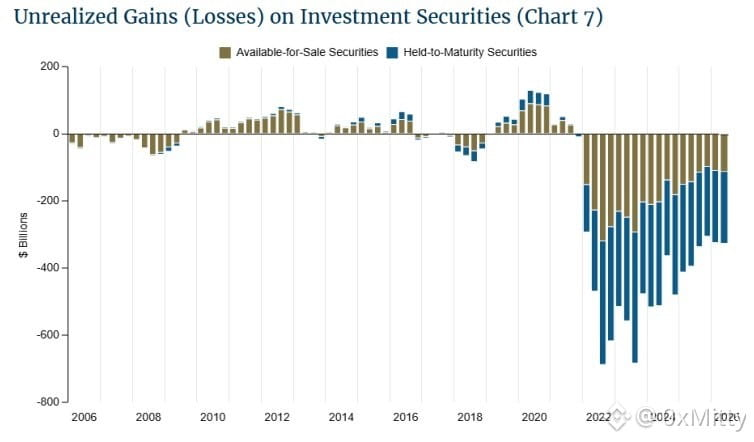
U.S. Banks are currently facing unrealized losses of $326.7 Billion 🤯 👀
Losses have grown each of the prior 2 quarters
#usbanks
U.S. Banks are currently facing unrealized losses of $326.7 Billion 🤯 👀
Losses have grown each of the prior 2 quarters
#usbanks
Losses have grown each of the prior 2 quarters
#usbanks
5


·
--
Мақала
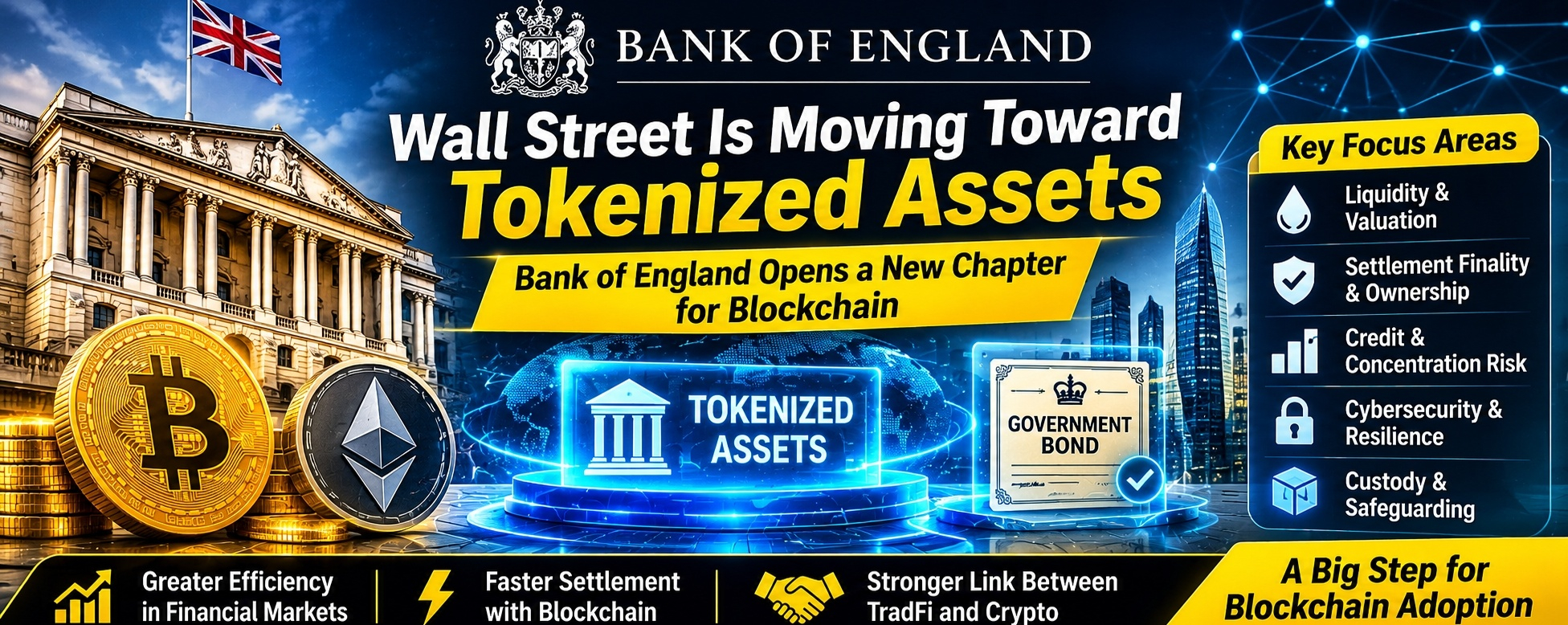
Wall Street Is Moving Toward Tokenized Assets: Bank of England Opens a New Chapter for BlockchainThe next major crypto revolution may not begin with another Bitcoin rally. It could begin when traditional financial institutions start moving real-world financial assets onto blockchain networks.
On October 29, 2026, the Bank of England announced a consultation on accepting tokenized collateral in central financial clearing. This development could become an important milestone in connecting blockchain technology with traditional financial markets.
What Is Actually Changing?
Traditional financial markets rely on assets such as government bonds and securities to support financial transactions. These assets can be used as collateral to manage risk and meet financial obligations.
Tokenization creates digital representations of such assets on blockchain or distributed-ledger infrastructure.
The potential advantage is significant: assets could become easier to transfer, manage and mobilize, potentially reducing delays and operational friction in financial markets.
Why Is the Bank of England Interested?
The Bank wants to clarify how central counterparties could accept tokenized versions of assets that already qualify as collateral.
Its proposed supervisory guidance focuses on five critical areas:
Liquidity and reliable asset valuation. Settlement finality and certainty of ownership.Credit and concentration risk. Cybersecurity and operational resilience. Custody and safeguarding of assets.
Importantly, this is a consultation, not blanket approval for every tokenized asset or cryptocurrency.
Why Does This Matter for Crypto?
This development sends an important signal to the digital asset industry.
Blockchain technology is increasingly being explored for purposes beyond trading and speculation. Its potential role in financial settlement, asset management and institutional infrastructure is attracting attention from major financial authorities.
Tokenized government bonds could become an important early use case because they already play a significant role in traditional collateral markets.
If these systems prove reliable, the same infrastructure could eventually support broader tokenized financial products.
The Opportunity and the Risk
The opportunity is faster settlement, more efficient collateral management and potentially greater financial-market connectivity.
However, tokenization also introduces challenges. Smart-contract failures, cyberattacks, custody weaknesses, liquidity limitations and legal uncertainty must be addressed before large-scale adoption can become realistic.
The Bank of England is making one point clear: technological innovation cannot come at the expense of financial stability.
What Happens Next?
The consultation remains open until February 12, 2027. Market participants and financial institutions can submit feedback before the Bank determines its next steps.
This is not an immediate bullish signal for Bitcoin, Ethereum or any particular altcoin. It is a potentially important development for the long-term adoption of blockchain infrastructure.
My Final Take
Crypto's next growth phase may not be driven only by retail investors buying digital coins.
It could be driven by traditional financial institutions using blockchain to transform how assets are issued, transferred, stored and settled.
The real question is no longer whether blockchain can enter traditional finance.
The question is how quickly the financial system can make that transition safely.
$BTC
{spot}(BTCUSDT)
#USGovernment #USBanks
Wall Street Is Moving Toward Tokenized Assets: Bank of England Opens a New Chapter for Blockchain
The next major crypto revolution may not begin with another Bitcoin rally. It could begin when traditional financial institutions start moving real-world financial assets onto blockchain networks.
On October 29, 2026, the Bank of England announced a consultation on accepting tokenized collateral in central financial clearing. This development could become an important milestone in connecting blockchain technology with traditional financial markets.
What Is Actually Changing?
Traditional financial markets rely on assets such as government bonds and securities to support financial transactions. These assets can be used as collateral to manage risk and meet financial obligations.
Tokenization creates digital representations of such assets on blockchain or distributed-ledger infrastructure.
The potential advantage is significant: assets could become easier to transfer, manage and mobilize, potentially reducing delays and operational friction in financial markets.
Why Is the Bank of England Interested?
The Bank wants to clarify how central counterparties could accept tokenized versions of assets that already qualify as collateral.
Its proposed supervisory guidance focuses on five critical areas:
Liquidity and reliable asset valuation. Settlement finality and certainty of ownership.Credit and concentration risk. Cybersecurity and operational resilience. Custody and safeguarding of assets.
Importantly, this is a consultation, not blanket approval for every tokenized asset or cryptocurrency.
Why Does This Matter for Crypto?
This development sends an important signal to the digital asset industry.
Blockchain technology is increasingly being explored for purposes beyond trading and speculation. Its potential role in financial settlement, asset management and institutional infrastructure is attracting attention from major financial authorities.
Tokenized government bonds could become an important early use case because they already play a significant role in traditional collateral markets.
If these systems prove reliable, the same infrastructure could eventually support broader tokenized financial products.
The Opportunity and the Risk
The opportunity is faster settlement, more efficient collateral management and potentially greater financial-market connectivity.
However, tokenization also introduces challenges. Smart-contract failures, cyberattacks, custody weaknesses, liquidity limitations and legal uncertainty must be addressed before large-scale adoption can become realistic.
The Bank of England is making one point clear: technological innovation cannot come at the expense of financial stability.
What Happens Next?
The consultation remains open until February 12, 2027. Market participants and financial institutions can submit feedback before the Bank determines its next steps.
This is not an immediate bullish signal for Bitcoin, Ethereum or any particular altcoin. It is a potentially important development for the long-term adoption of blockchain infrastructure.
My Final Take
Crypto's next growth phase may not be driven only by retail investors buying digital coins.
It could be driven by traditional financial institutions using blockchain to transform how assets are issued, transferred, stored and settled.
The real question is no longer whether blockchain can enter traditional finance.
The question is how quickly the financial system can make that transition safely.
$BTC
#USGovernment #USBanks
On October 29, 2026, the Bank of England announced a consultation on accepting tokenized collateral in central financial clearing. This development could become an important milestone in connecting blockchain technology with traditional financial markets.
What Is Actually Changing?
Traditional financial markets rely on assets such as government bonds and securities to support financial transactions. These assets can be used as collateral to manage risk and meet financial obligations.
Tokenization creates digital representations of such assets on blockchain or distributed-ledger infrastructure.
The potential advantage is significant: assets could become easier to transfer, manage and mobilize, potentially reducing delays and operational friction in financial markets.
Why Is the Bank of England Interested?
The Bank wants to clarify how central counterparties could accept tokenized versions of assets that already qualify as collateral.
Its proposed supervisory guidance focuses on five critical areas:
Liquidity and reliable asset valuation. Settlement finality and certainty of ownership.Credit and concentration risk. Cybersecurity and operational resilience. Custody and safeguarding of assets.
Importantly, this is a consultation, not blanket approval for every tokenized asset or cryptocurrency.
Why Does This Matter for Crypto?
This development sends an important signal to the digital asset industry.
Blockchain technology is increasingly being explored for purposes beyond trading and speculation. Its potential role in financial settlement, asset management and institutional infrastructure is attracting attention from major financial authorities.
Tokenized government bonds could become an important early use case because they already play a significant role in traditional collateral markets.
If these systems prove reliable, the same infrastructure could eventually support broader tokenized financial products.
The Opportunity and the Risk
The opportunity is faster settlement, more efficient collateral management and potentially greater financial-market connectivity.
However, tokenization also introduces challenges. Smart-contract failures, cyberattacks, custody weaknesses, liquidity limitations and legal uncertainty must be addressed before large-scale adoption can become realistic.
The Bank of England is making one point clear: technological innovation cannot come at the expense of financial stability.
What Happens Next?
The consultation remains open until February 12, 2027. Market participants and financial institutions can submit feedback before the Bank determines its next steps.
This is not an immediate bullish signal for Bitcoin, Ethereum or any particular altcoin. It is a potentially important development for the long-term adoption of blockchain infrastructure.
My Final Take
Crypto's next growth phase may not be driven only by retail investors buying digital coins.
It could be driven by traditional financial institutions using blockchain to transform how assets are issued, transferred, stored and settled.
The real question is no longer whether blockchain can enter traditional finance.
The question is how quickly the financial system can make that transition safely.
$BTC
#USGovernment #USBanks
2
211

·
--
Жоғары (өспелі)
Large US banks are slowly increasing their exposure to Bitcoin related products.
Recent data shows that around 60 percent of major US banks are now either offering or actively developing Bitcoin services.
Some of these banks are part of America’s largest financial institutions.
JPMorgan Chase is exploring options around crypto trading.
Citigroup is working on institutional custody services
Wells Fargo already provides Bitcoin backed loan products.
Together these banks manage more than 7 trillion dollars in assets.
This does not mean instant price impact
But it shows a clear structural shift in how traditional finance is approaching Bitcoin.
Banks usually move slowly and carefully
When they enter a space it is rarely temporary.
Bitcoin did not grow because banks supported it
But the fact that banks are adapting to it now is an important signal for long term market adoption.
$BTC $ETH $BNB
#JPMorgan #USBanks #SouthKoreaSeizedBTCLoss #ScrollCoFounderXAccountHacked #GrayscaleBNBETFFiling
Large US banks are slowly increasing their exposure to Bitcoin related products.
Recent data shows that around 60 percent of major US banks are now either offering or actively developing Bitcoin services.
Some of these banks are part of America’s largest financial institutions.
JPMorgan Chase is exploring options around crypto trading.
Citigroup is working on institutional custody services
Wells Fargo already provides Bitcoin backed loan products.
Together these banks manage more than 7 trillion dollars in assets.
This does not mean instant price impact
But it shows a clear structural shift in how traditional finance is approaching Bitcoin.
Banks usually move slowly and carefully
When they enter a space it is rarely temporary.
Bitcoin did not grow because banks supported it
But the fact that banks are adapting to it now is an important signal for long term market adoption.
$BTC $ETH $BNB
#JPMorgan #USBanks #SouthKoreaSeizedBTCLoss #ScrollCoFounderXAccountHacked #GrayscaleBNBETFFiling
Recent data shows that around 60 percent of major US banks are now either offering or actively developing Bitcoin services.
Some of these banks are part of America’s largest financial institutions.
JPMorgan Chase is exploring options around crypto trading.
Citigroup is working on institutional custody services
Wells Fargo already provides Bitcoin backed loan products.
Together these banks manage more than 7 trillion dollars in assets.
This does not mean instant price impact
But it shows a clear structural shift in how traditional finance is approaching Bitcoin.
Banks usually move slowly and carefully
When they enter a space it is rarely temporary.
Bitcoin did not grow because banks supported it
But the fact that banks are adapting to it now is an important signal for long term market adoption.
$BTC $ETH $BNB
#JPMorgan #USBanks #SouthKoreaSeizedBTCLoss #ScrollCoFounderXAccountHacked #GrayscaleBNBETFFiling
113

·
--
##USBankSharesHitRecordHighOnIranDealOptimism
Shares of US lenders recently reached their highest levels ever as investors cheered a tentative memorandum of understanding to halt fighting in Iran and extend peace negotiations. This diplomatic progress drastically lowered geopolitical risks, sparked broad bank rallies, and sent the benchmark S&P 500 surging to all-time highs.
The optimism driving the financial markets stems from specific geopolitical and economic updates:
The Deal Report: Reports surfaced that the US and Iran reached a tentative agreement and exchanged memorandums of understanding aimed at ending the ongoing conflict.
Bank Index Spike: The KBW Bank Index jumped 1.9% to close at 176.73, shattering its previous record high of 176.40. All 24 banks in the benchmark closed higher, led by Citigroup Inc. and Goldman Sachs Group Inc..
Commodity Response: The easing of tensions significantly reduced oil market volatility, with Brent crude dropping sharply as supply-chain anxiety in the Middle East stabilized.
Wider Market Impact: Along with bank equities, this optimism countered earlier war worries, allowing the broader market—including tech and AI-heavy sectors—to hit record highs alongside the banks. #US #USBanks #TrendingPredictions #famous_people
##USBankSharesHitRecordHighOnIranDealOptimism
Shares of US lenders recently reached their highest levels ever as investors cheered a tentative memorandum of understanding to halt fighting in Iran and extend peace negotiations. This diplomatic progress drastically lowered geopolitical risks, sparked broad bank rallies, and sent the benchmark S&P 500 surging to all-time highs.
The optimism driving the financial markets stems from specific geopolitical and economic updates:
The Deal Report: Reports surfaced that the US and Iran reached a tentative agreement and exchanged memorandums of understanding aimed at ending the ongoing conflict.
Bank Index Spike: The KBW Bank Index jumped 1.9% to close at 176.73, shattering its previous record high of 176.40. All 24 banks in the benchmark closed higher, led by Citigroup Inc. and Goldman Sachs Group Inc..
Commodity Response: The easing of tensions significantly reduced oil market volatility, with Brent crude dropping sharply as supply-chain anxiety in the Middle East stabilized.
Wider Market Impact: Along with bank equities, this optimism countered earlier war worries, allowing the broader market—including tech and AI-heavy sectors—to hit record highs alongside the banks. #US #USBanks #TrendingPredictions #famous_people
Shares of US lenders recently reached their highest levels ever as investors cheered a tentative memorandum of understanding to halt fighting in Iran and extend peace negotiations. This diplomatic progress drastically lowered geopolitical risks, sparked broad bank rallies, and sent the benchmark S&P 500 surging to all-time highs.
The optimism driving the financial markets stems from specific geopolitical and economic updates:
The Deal Report: Reports surfaced that the US and Iran reached a tentative agreement and exchanged memorandums of understanding aimed at ending the ongoing conflict.
Bank Index Spike: The KBW Bank Index jumped 1.9% to close at 176.73, shattering its previous record high of 176.40. All 24 banks in the benchmark closed higher, led by Citigroup Inc. and Goldman Sachs Group Inc..
Commodity Response: The easing of tensions significantly reduced oil market volatility, with Brent crude dropping sharply as supply-chain anxiety in the Middle East stabilized.
Wider Market Impact: Along with bank equities, this optimism countered earlier war worries, allowing the broader market—including tech and AI-heavy sectors—to hit record highs alongside the banks. #US #USBanks #TrendingPredictions #famous_people
132

·
--
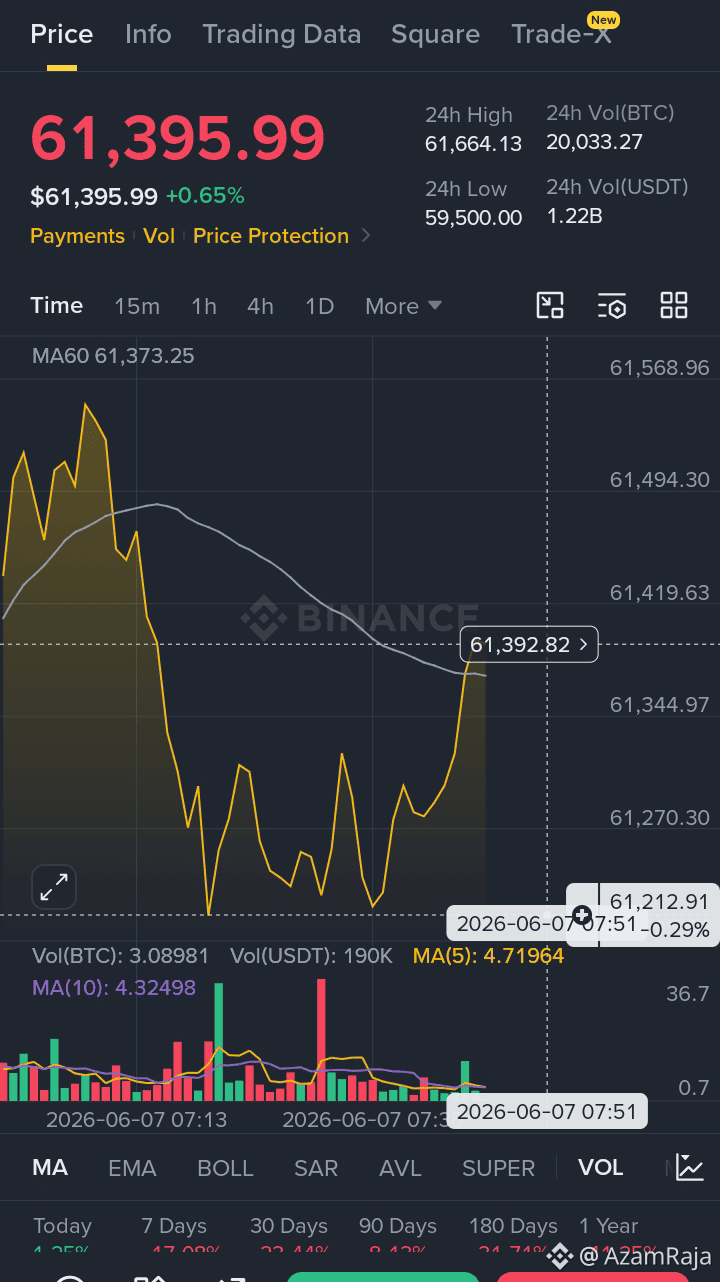
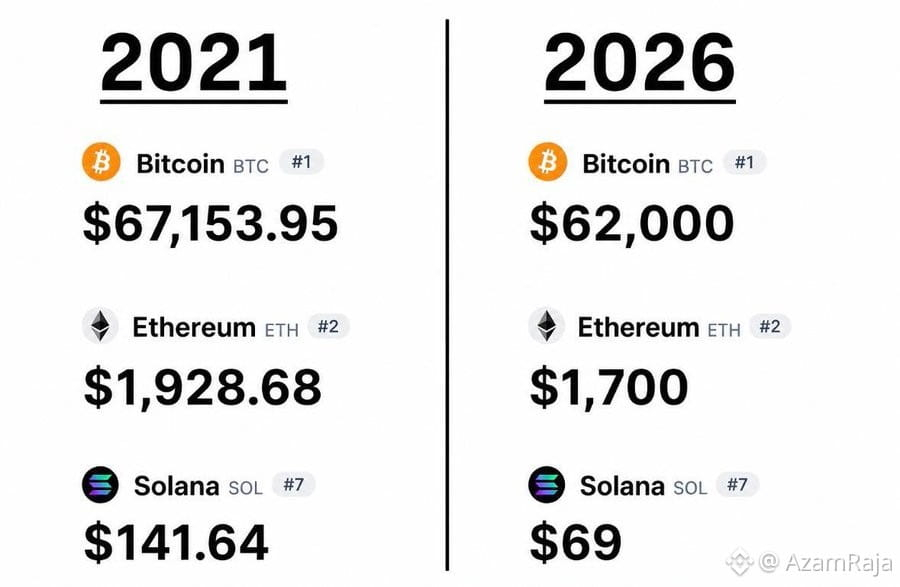
Bitcoin changed the future of millions of people.
$325BillionLosses
Break All Stop Losses
Many invested with dreams of long term success believing the next 10 15 years could be life changing.
But in the present crypto often feels like a machine that keeps consuming money and testing patience. 😆
The question is: Are we building wealth for the future, or just funding volatility today? #Bitcoin #Crypto #USBanks $325BillionUnrealizedLossesQ1$325Billion
Bitcoin changed the future of millions of people.
$325BillionLosses
Break All Stop Losses
Many invested with dreams of long term success believing the next 10 15 years could be life changing.
But in the present crypto often feels like a machine that keeps consuming money and testing patience. 😆
The question is: Are we building wealth for the future, or just funding volatility today? #Bitcoin #Crypto #USBanks $325BillionUnrealizedLossesQ1$325Billion
$325BillionLosses
Break All Stop Losses
Many invested with dreams of long term success believing the next 10 15 years could be life changing.
But in the present crypto often feels like a machine that keeps consuming money and testing patience. 😆
The question is: Are we building wealth for the future, or just funding volatility today? #Bitcoin #Crypto #USBanks $325BillionUnrealizedLossesQ1$325Billion

1
263

Расталды
🚨 U.S. Banks Face Growing Pressure!
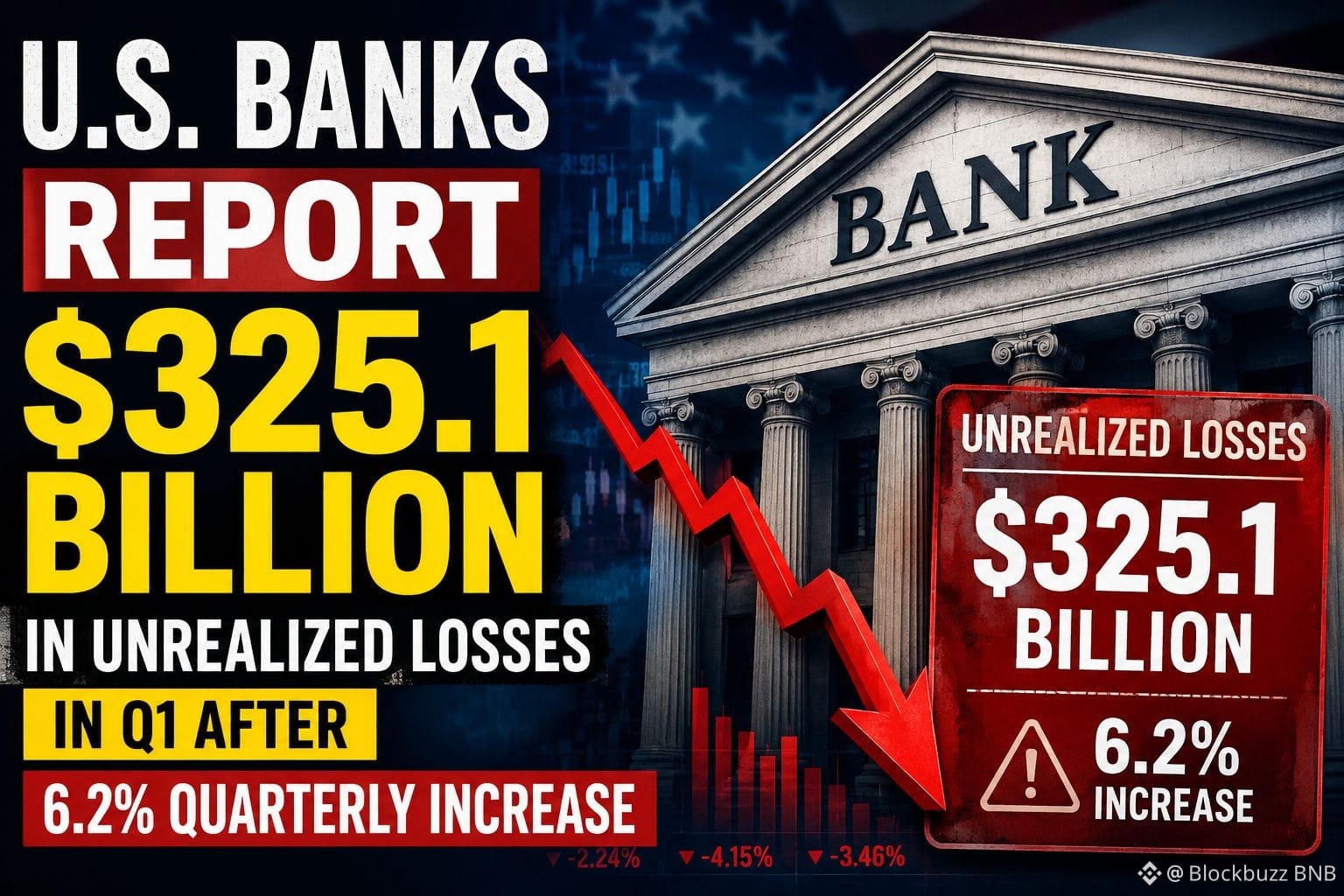
According to first-quarter data, U.S. banks reported $325.1 billion in unrealized losses, marking a 6.2% increase from the previous quarter. The rise in losses is largely linked to higher interest rates, which continue to reduce the market value of long-term securities held by banks.
While these losses remain "unrealized" and do not directly impact earnings unless assets are sold, the growing figure highlights ongoing stress within the banking sector. Investors and regulators are closely monitoring balance sheets as economic uncertainty and rate volatility persist.
The development raises important questions about liquidity, risk management, and the resilience of the financial system if market conditions remain challenging.
#USBanks #BankingSector #FinancialMarkets #InterestRates #economy
$ETH
{future}(ETHUSDT)
$NEAR
{future}(NEARUSDT)
$DOGE
{future}(DOGEUSDT)
🚨 U.S. Banks Face Growing Pressure!
According to first-quarter data, U.S. banks reported $325.1 billion in unrealized losses, marking a 6.2% increase from the previous quarter. The rise in losses is largely linked to higher interest rates, which continue to reduce the market value of long-term securities held by banks.
While these losses remain "unrealized" and do not directly impact earnings unless assets are sold, the growing figure highlights ongoing stress within the banking sector. Investors and regulators are closely monitoring balance sheets as economic uncertainty and rate volatility persist.
The development raises important questions about liquidity, risk management, and the resilience of the financial system if market conditions remain challenging.
#USBanks #BankingSector #FinancialMarkets #InterestRates #economy
$ETH
$NEAR
$DOGE
According to first-quarter data, U.S. banks reported $325.1 billion in unrealized losses, marking a 6.2% increase from the previous quarter. The rise in losses is largely linked to higher interest rates, which continue to reduce the market value of long-term securities held by banks.
While these losses remain "unrealized" and do not directly impact earnings unless assets are sold, the growing figure highlights ongoing stress within the banking sector. Investors and regulators are closely monitoring balance sheets as economic uncertainty and rate volatility persist.
The development raises important questions about liquidity, risk management, and the resilience of the financial system if market conditions remain challenging.
#USBanks #BankingSector #FinancialMarkets #InterestRates #economy
$ETH
$NEAR
$DOGE
1
2
244
Көбірек контент көру үшін кіріңіз
Binance Square платформасында әлемдік криптоқоғамдастыққа қосылыңыз
⚡️ Криптовалюта туралы ең соңғы және пайдалы ақпаратты алыңыз.
💬 Әлемдегі ең ірі криптобиржаның сеніміне ие.
👍 Расталған авторлардың нақты пікірлерін табыңыз.
Электрондық пошта/телефон нөмірі
Трендтегі тақырыптар
1
#BinanceWithdrawalScamWarning
49,820 рет көрілді
701 адам талқылап жатыр
2
#USMidtermElections
618,981 рет көрілді
3,273 адам талқылап жатыр
3
#USOctoberNFP-AreRateCutsStillPossible
54,948 рет көрілді
561 адам талқылап жатыр
4
#AppleEarningsAhead-CanStockHitNewHigh
20,412 рет көрілді
401 адам талқылап жатыр
5
#Verify1to1BinanceReserves
46,614 рет көрілді
432 адам талқылап жатыр
6
#BinanceRestores28FiatWithdrawals
170,566 рет көрілді
1,057 адам талқылап жатыр
7
#StrategyRepurchases$208MSTRCAdds811Bitcoin
8,148 рет көрілді
18 адам талқылап жатыр
8
#FATFLaunchesReviewOfCryptoHubsMoneyLaunderingControls
867 рет көрілді
18 адам талқылап жатыр
9
#BinanceProcesses$4.65BWithdrawals
123,654 рет көрілді
369 адам талқылап жатыр
10
#HKMALaunchesSAGEAgenticFinanceProject
4,788 рет көрілді
190 адам талқылап жатыр