
#lostfortunes
lostfortunes
15,048 рет көрілді
22 адам талқылап жатыр
Қызу саудада
Ең соңғы

·
--
Мақала
Most Common Ways to Lose Your Crypto —Avoid This TodayHacks are (in)famous in crypto, but that’s not the most common way to lose your funds here. Actually, hacks are often reserved for big companies, not for individuals. Sadly, most individual victims do the job of losing their coins by themselves. Rushed clicks, misunderstandings, lack of research, and bad habits play the leading role in these cases.
Let’s see the most common ways to lose crypto as an average user, and how to avoid them.
Losing Access to Your Own Wallet
The first thing anyone must understand about crypto wallets is that they’re NOT bank or website accounts. They do seem friendly to use and keep on your device as any other app, yes, but there’s no button for “I forgot my password” or “I forgot my private key/seed.” Your private keys (12 to 24 random words) are the one and only way to access your coins in a wallet. No one else has it. Not the wallet brand, not the browser, not support. Only you and the backups you decide to make. Lose it, and there’s no other recovery form.
That’s the point of crypto: no one else has access to your funds, no one can freeze them, no one without those keys can steal them. You own every single penny, but the responsibility to take care of them is also all yours. It’s highly advisable to write down your seed offline, in several places (notebooks, papers, a metal plate, etc.). Making a screenshot of it is the fastest way for a hacker or just anyone to find it in your gallery and steal all your funds, by the way. Cloud storage isn’t recommended for the same reason.
It must be completely out of the digital world, in a safe place. In Obyte, you can create a simple textcoin (twelve random words) to put most of your funds offline. Then, delete it from the History, and that’s it.
Falling for Phishing
Phishing happens when someone impersonates a familiar brand, face, or website to trick a victim into sending funds or sharing credentials. It’s quite common via email, where you’ll find messages impersonating an exchange, a wallet, an explorer, or any other crypto-related service warning about pending transfers, account issues, or whatever thing they can imagine to make you click malicious links or send funds.
In those cases, the email address that sends this message is usually different from the official email of the brand they claim to belong to, but can fake it anyway. It’s important to check who sent it, and if you have doubts, never click anything there. Access your account directly through the official website of the service.
This is just one channel in which you can find phishing, though. Fake articles on social media, often depicting famous people talking about a certain investment platform (also fake), are another form of phishing. Malicious ads, also on social media and at the top of Google results, are common tools for phishing.
Even beyond the text, in app stores (like Google Play), voice calls (vishing) or videos (deepfakes), a scammer can pretend to be someone else or include copycat apps or websites. Always check the identity of the person you’re communicating with, especially if there’s money involved, and the reviews and downloads of every app.
Sending Funds to the Wrong Address
We get it, sending funds to a $BTC address like “1J7mdg5rbQyUHENYdx39WVWK7fsLpEoXZy” isn’t exactly as easy as sending an email. One wrong character, and your funds may be gone forever. Most cryptocurrency transactions are irreversible, and addresses are unique. Sending to a slightly different address means, in very rare cases, that someone else received the funds (anyone in the world), or, most likely, that you just sent coins to a non-claimed address, which is as good as burning them.
Copy and paste seems safe and familiar, but be careful, because there’s a malware called Clipper: it steals your clipboard content and replaces it with new crypto addresses if it detects you’re copying one. Address poisoning is another threat, simpler, but it has managed to steal funds as well. It happens when someone checks your transaction history (most chains are public) and creates, with some tools available online, an address that looks similar to one you frequently use. Then, they send you a small transaction, in the hopes that you confuse addresses next time, at the moment of copying them from recent activity.
Given all these risks, in Obyte, you can replace complex crypto addresses with email, chats, usernames, and shortcodes. All of them are human-readable, and it’s as easy to write them or select the option “Share via message.”
Approving the Wrong Smart Contract
Decentralized apps (Dapps) are many, in many networks, and they include games, exchanges (swaps), lending, investment, gambling, marketplaces, and more. They’re all very different, but one thing $ETH -based dapps have in common is that they usually require approval to use the funds in your wallet. It allows them to work, but the convenience comes with its tradeoffs.
Some approvals grant unlimited access to a token balance. A user connects to a new app, signs a request, and moves on. Days or weeks later, funds begin to leave the wallet because the original approval gave that contract ongoing permission. Attackers have found ways to package these approvals in ways that look harmless. Wallet drainers and signature tricks can present a request that appears simple, while the underlying permission is broad.
Never hurry to approve any transaction in your wallet before reading what it’s really doing, and always avoid granting unlimited approvals. Revoke old permissions you no longer use. Stick to official links and double-check URLs, since fake apps often ask for the same approvals as real ones. In Obyte, there are no token approvals at all, and every transaction will show you a preview, including fees, recipients, and more, in a human, user-friendly display.
Trusting the Wrong Platform or App
New investment opportunities are exciting in crypto, but scams and “rug pulls” are sadly common. A new coin or ecosystem may promise the moon and beyond, but that doesn’t mean you should trust them. You must always Do Your Own Research (DYOR) before sending money. Check their whitepaper, their documents, their code, their social media, and their website. Even if you don’t understand everything, it must be there. If you can’t find a proper whitepaper or a publicly available code in an open-source platform like GitHub, that’s a huge red flag.
If they’re offering crazy profits, like 180% monthly, get out of there immediately. Cryptocurrencies are volatile, and no profits are guaranteed anywhere. A team that doesn’t warn you about the risks involved is suspicious. Someone who tries to get you to invest as quickly as possible, without even thinking or researching that decision, is trying to scam you. To sum it up: never trust, always verify.
Losses build from small actions that pass without much thought. A saved file, a quick click, a familiar logo. Crypto offers control without intermediaries, but you need to be aware and responsible. Small pauses and careful checks can make a noticeable difference in how your funds are protected.
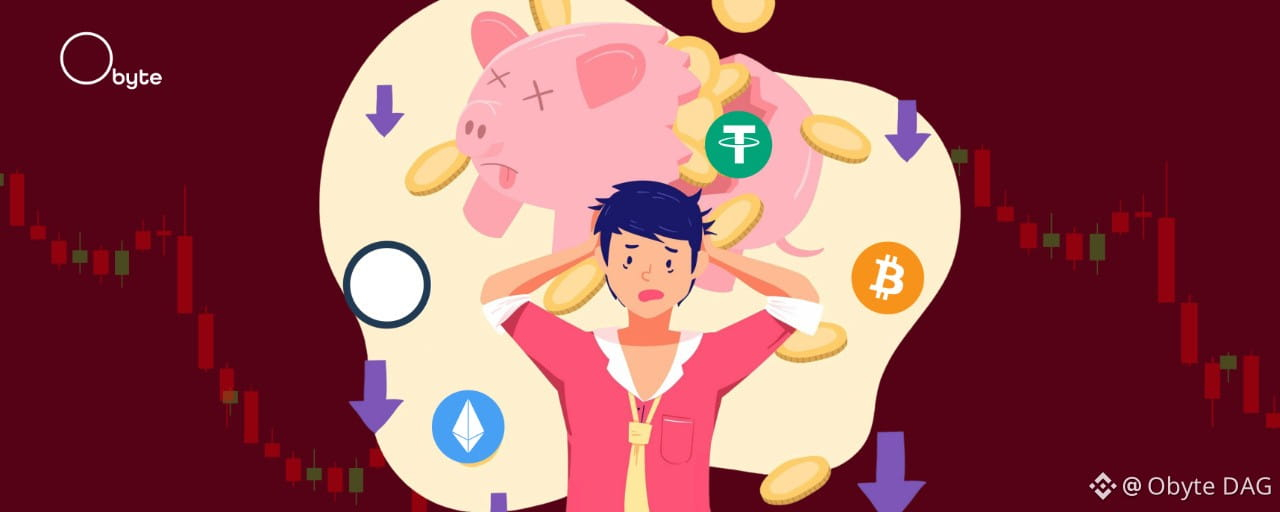
Featured Vector Image by Freepik
Originally Published on Hackernoon
#LostFortunes #phishingscam #security #privatekey #Obyte
Most Common Ways to Lose Your Crypto —Avoid This Today
Hacks are (in)famous in crypto, but that’s not the most common way to lose your funds here. Actually, hacks are often reserved for big companies, not for individuals. Sadly, most individual victims do the job of losing their coins by themselves. Rushed clicks, misunderstandings, lack of research, and bad habits play the leading role in these cases.
Let’s see the most common ways to lose crypto as an average user, and how to avoid them.
Losing Access to Your Own Wallet
The first thing anyone must understand about crypto wallets is that they’re NOT bank or website accounts. They do seem friendly to use and keep on your device as any other app, yes, but there’s no button for “I forgot my password” or “I forgot my private key/seed.” Your private keys (12 to 24 random words) are the one and only way to access your coins in a wallet. No one else has it. Not the wallet brand, not the browser, not support. Only you and the backups you decide to make. Lose it, and there’s no other recovery form.
That’s the point of crypto: no one else has access to your funds, no one can freeze them, no one without those keys can steal them. You own every single penny, but the responsibility to take care of them is also all yours. It’s highly advisable to write down your seed offline, in several places (notebooks, papers, a metal plate, etc.). Making a screenshot of it is the fastest way for a hacker or just anyone to find it in your gallery and steal all your funds, by the way. Cloud storage isn’t recommended for the same reason.
It must be completely out of the digital world, in a safe place. In Obyte, you can create a simple textcoin (twelve random words) to put most of your funds offline. Then, delete it from the History, and that’s it.
Falling for Phishing
Phishing happens when someone impersonates a familiar brand, face, or website to trick a victim into sending funds or sharing credentials. It’s quite common via email, where you’ll find messages impersonating an exchange, a wallet, an explorer, or any other crypto-related service warning about pending transfers, account issues, or whatever thing they can imagine to make you click malicious links or send funds.
In those cases, the email address that sends this message is usually different from the official email of the brand they claim to belong to, but can fake it anyway. It’s important to check who sent it, and if you have doubts, never click anything there. Access your account directly through the official website of the service.
This is just one channel in which you can find phishing, though. Fake articles on social media, often depicting famous people talking about a certain investment platform (also fake), are another form of phishing. Malicious ads, also on social media and at the top of Google results, are common tools for phishing.
Even beyond the text, in app stores (like Google Play), voice calls (vishing) or videos (deepfakes), a scammer can pretend to be someone else or include copycat apps or websites. Always check the identity of the person you’re communicating with, especially if there’s money involved, and the reviews and downloads of every app.
Sending Funds to the Wrong Address
We get it, sending funds to a $BTC address like “1J7mdg5rbQyUHENYdx39WVWK7fsLpEoXZy” isn’t exactly as easy as sending an email. One wrong character, and your funds may be gone forever. Most cryptocurrency transactions are irreversible, and addresses are unique. Sending to a slightly different address means, in very rare cases, that someone else received the funds (anyone in the world), or, most likely, that you just sent coins to a non-claimed address, which is as good as burning them.
Copy and paste seems safe and familiar, but be careful, because there’s a malware called Clipper: it steals your clipboard content and replaces it with new crypto addresses if it detects you’re copying one. Address poisoning is another threat, simpler, but it has managed to steal funds as well. It happens when someone checks your transaction history (most chains are public) and creates, with some tools available online, an address that looks similar to one you frequently use. Then, they send you a small transaction, in the hopes that you confuse addresses next time, at the moment of copying them from recent activity.
Given all these risks, in Obyte, you can replace complex crypto addresses with email, chats, usernames, and shortcodes. All of them are human-readable, and it’s as easy to write them or select the option “Share via message.”
Approving the Wrong Smart Contract
Decentralized apps (Dapps) are many, in many networks, and they include games, exchanges (swaps), lending, investment, gambling, marketplaces, and more. They’re all very different, but one thing $ETH -based dapps have in common is that they usually require approval to use the funds in your wallet. It allows them to work, but the convenience comes with its tradeoffs.
Some approvals grant unlimited access to a token balance. A user connects to a new app, signs a request, and moves on. Days or weeks later, funds begin to leave the wallet because the original approval gave that contract ongoing permission. Attackers have found ways to package these approvals in ways that look harmless. Wallet drainers and signature tricks can present a request that appears simple, while the underlying permission is broad.
Never hurry to approve any transaction in your wallet before reading what it’s really doing, and always avoid granting unlimited approvals. Revoke old permissions you no longer use. Stick to official links and double-check URLs, since fake apps often ask for the same approvals as real ones. In Obyte, there are no token approvals at all, and every transaction will show you a preview, including fees, recipients, and more, in a human, user-friendly display.
Trusting the Wrong Platform or App
New investment opportunities are exciting in crypto, but scams and “rug pulls” are sadly common. A new coin or ecosystem may promise the moon and beyond, but that doesn’t mean you should trust them. You must always Do Your Own Research (DYOR) before sending money. Check their whitepaper, their documents, their code, their social media, and their website. Even if you don’t understand everything, it must be there. If you can’t find a proper whitepaper or a publicly available code in an open-source platform like GitHub, that’s a huge red flag.
If they’re offering crazy profits, like 180% monthly, get out of there immediately. Cryptocurrencies are volatile, and no profits are guaranteed anywhere. A team that doesn’t warn you about the risks involved is suspicious. Someone who tries to get you to invest as quickly as possible, without even thinking or researching that decision, is trying to scam you. To sum it up: never trust, always verify.
Losses build from small actions that pass without much thought. A saved file, a quick click, a familiar logo. Crypto offers control without intermediaries, but you need to be aware and responsible. Small pauses and careful checks can make a noticeable difference in how your funds are protected.
Featured Vector Image by Freepik
Originally Published on Hackernoon
#LostFortunes #phishingscam #security #privatekey #Obyte
101
·
--
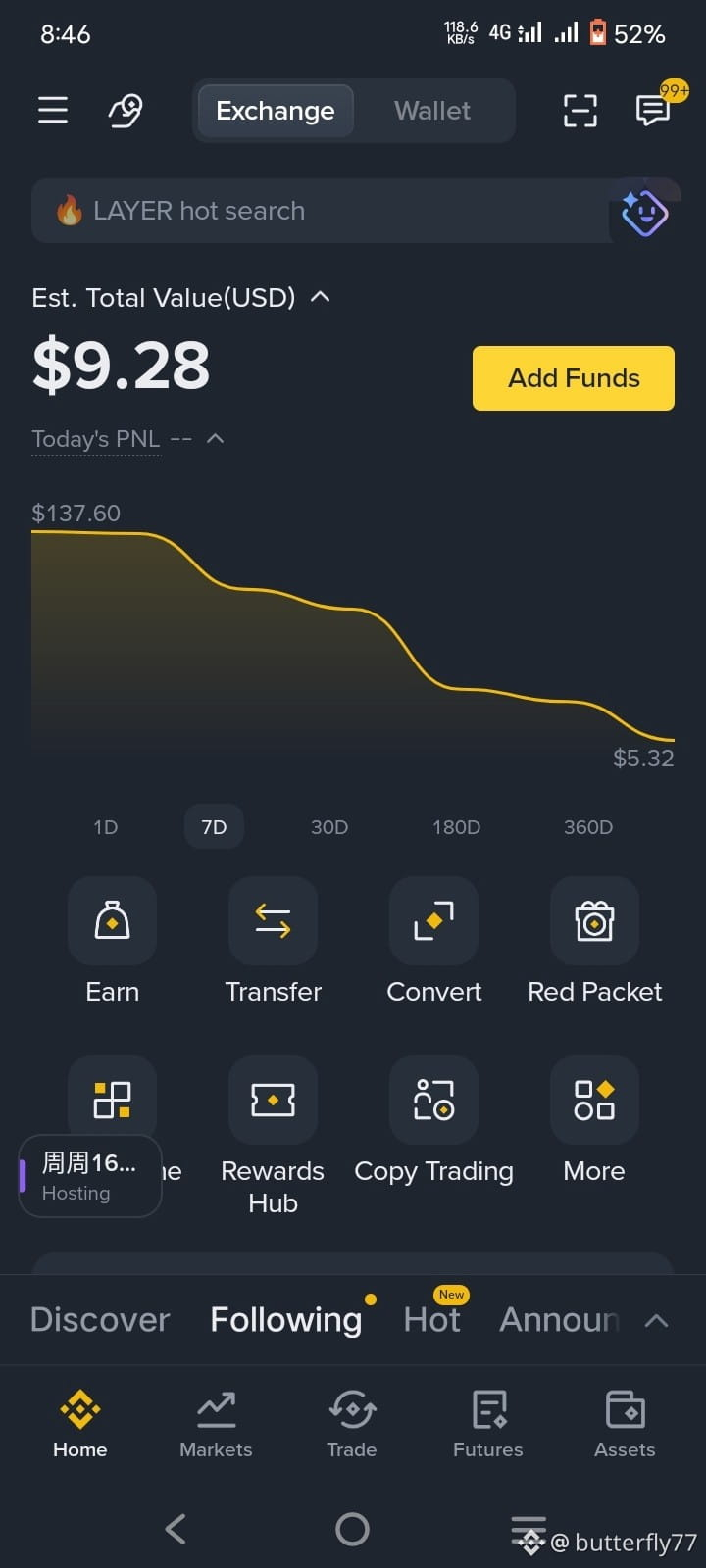
#Loses #LostFortunes when I was in spot I was very happy 😊 and when I entered in future trade 🤕
Hard working of six months ,,,, lost in 6 days 😢😢
,,,,, it's very little amount for big traders but it's very big for mine because I am new I couldn't read candles correctly it's my bad 😞😔
#Loses #LostFortunes when I was in spot I was very happy 😊 and when I entered in future trade 🤕
Hard working of six months ,,,, lost in 6 days 😢😢
,,,,, it's very little amount for big traders but it's very big for mine because I am new I couldn't read candles correctly it's my bad 😞😔
Hard working of six months ,,,, lost in 6 days 😢😢
,,,,, it's very little amount for big traders but it's very big for mine because I am new I couldn't read candles correctly it's my bad 😞😔
304

·
--
#BANKUSDT⚡️ #LostFortunes $BANK
I watched my BANKUSDT trade turn into an incredible opportunity as profits grew far beyond my expectations. For a moment, it felt like I had finally mastered the market. But instead of securing my gains, I held on, hoping for even more. Within the next hour, the market reversed violently, and everything I had earned vanished. The crash wiped out my entire account, leaving me with nothing but regret and a painful lesson. That loss reminded me that in trading, protecting profits is just as important as making them. Greed can erase hours of success in minutes, but every setback is a chance to become a wiser, more disciplined trader. My comeback will be built on patience, risk management, and knowing when to take profits.
This version is suitable for a Binance Square post and conveys both the emotional impact and the trading lesson.
219

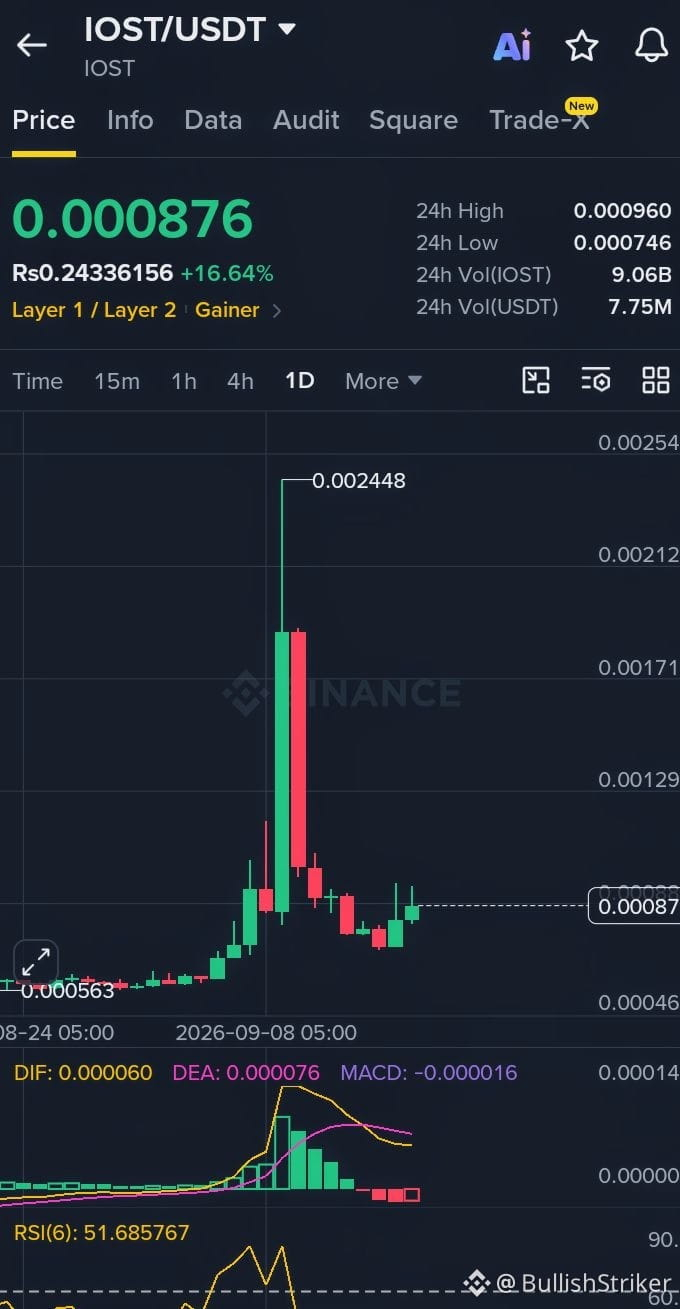
$IOST is showing a solid recovery move, trading around $0.000876 (+16.64%) in your latest Binance snapshot.$IOST Price has already reached $0.000960, while 9.06B IOST traded with around $7.75M USDT volume, showing strong activity behind the move.
📊 MARKET SNAPSHOT
💰 Price: $0.000876
🚀 Change: +16.64%
🔥 24H High: $0.000960
📉 24H Low: $0.000746
💥 Volume: 9.06B IOST
💵 USDT Volume: $7.75M
🎯 KEY BULLISH LEVELS
🔥 $0.000960 — Immediate resistance
🚀 $0.00129 — Next major resistance
🎯 $0.00171 — Higher breakout zone
💎 $0.00212 — Major upside resistance
🛡️ $0.000870 — Current pivot/support
🛡️ $0.000563 — Stronger support
💥 BULLISH SCENARIO:
If buyers break and hold above $0.000960, momentum could strengthen toward $0.00129, followed by $0.00171. A sustained move above these levels would put the much higher $0.00212 area into focus.
#BinanceSquareTalks #LostFortunes
207

The LOST coin (crypto) is a very small-cap and low-liquidity token, and in many trackers it appears as a Solana-based meme/utility-style token with extremely weak trading activity.
📊 Current Market Situation ($LA
{spot}(LAUSDT)
$BTC
{spot}(BTCUSDT)
Token)
Price is extremely low: around $0.0000017 (very tiny fraction of a cent) �
CoinGecko
24h trading volume is almost zero (very low activity) �
CoinGecko
Market liquidity is very thin / unstable
Some exchanges even show inactive or stopped trading periods �
CoinGecko
📉 Simple Analysis
⚠️ Very high risk coin
⚠️ Low volume = easy price manipulation
⚠️ Often behaves like a meme or abandoned token
⚠️ Can pump or crash suddenly with no real project backing
📊 Trend Meaning
No strong fundamentals or real ecosystem growth
Price mostly depends on speculation
Not suitable for long-term holding unless the project revives
💡 Honest Conclusion
LOST coin is currently in the category of:
“micro-cap / dead or inactive token with speculative trading only”
If you want, I can also:
�Compare LOST with similar meme coins
�Check if it has future potential or is fully abandoned
Or �find better low-cap coins with real growth potential
Just tell me 👍#lost #LostFortunes #LostPasswordLegend
The LOST coin (crypto) is a very small-cap and low-liquidity token, and in many trackers it appears as a Solana-based meme/utility-style token with extremely weak trading activity.
📊 Current Market Situation ($LA
$BTC
Token)
Price is extremely low: around $0.0000017 (very tiny fraction of a cent) �
CoinGecko
24h trading volume is almost zero (very low activity) �
CoinGecko
Market liquidity is very thin / unstable
Some exchanges even show inactive or stopped trading periods �
CoinGecko
📉 Simple Analysis
⚠️ Very high risk coin
⚠️ Low volume = easy price manipulation
⚠️ Often behaves like a meme or abandoned token
⚠️ Can pump or crash suddenly with no real project backing
📊 Trend Meaning
No strong fundamentals or real ecosystem growth
Price mostly depends on speculation
Not suitable for long-term holding unless the project revives
💡 Honest Conclusion
LOST coin is currently in the category of:
“micro-cap / dead or inactive token with speculative trading only”
If you want, I can also:
�Compare LOST with similar meme coins
�Check if it has future potential or is fully abandoned
Or �find better low-cap coins with real growth potential
Just tell me 👍#lost #LostFortunes #LostPasswordLegend
246

·
--
Төмен (кемімелі)
2
208

·
--
Жоғары (өспелі)
💔 Expensive Lesson
$BCH WHAT TO DO????? 😭
{future}(BCHUSDT)
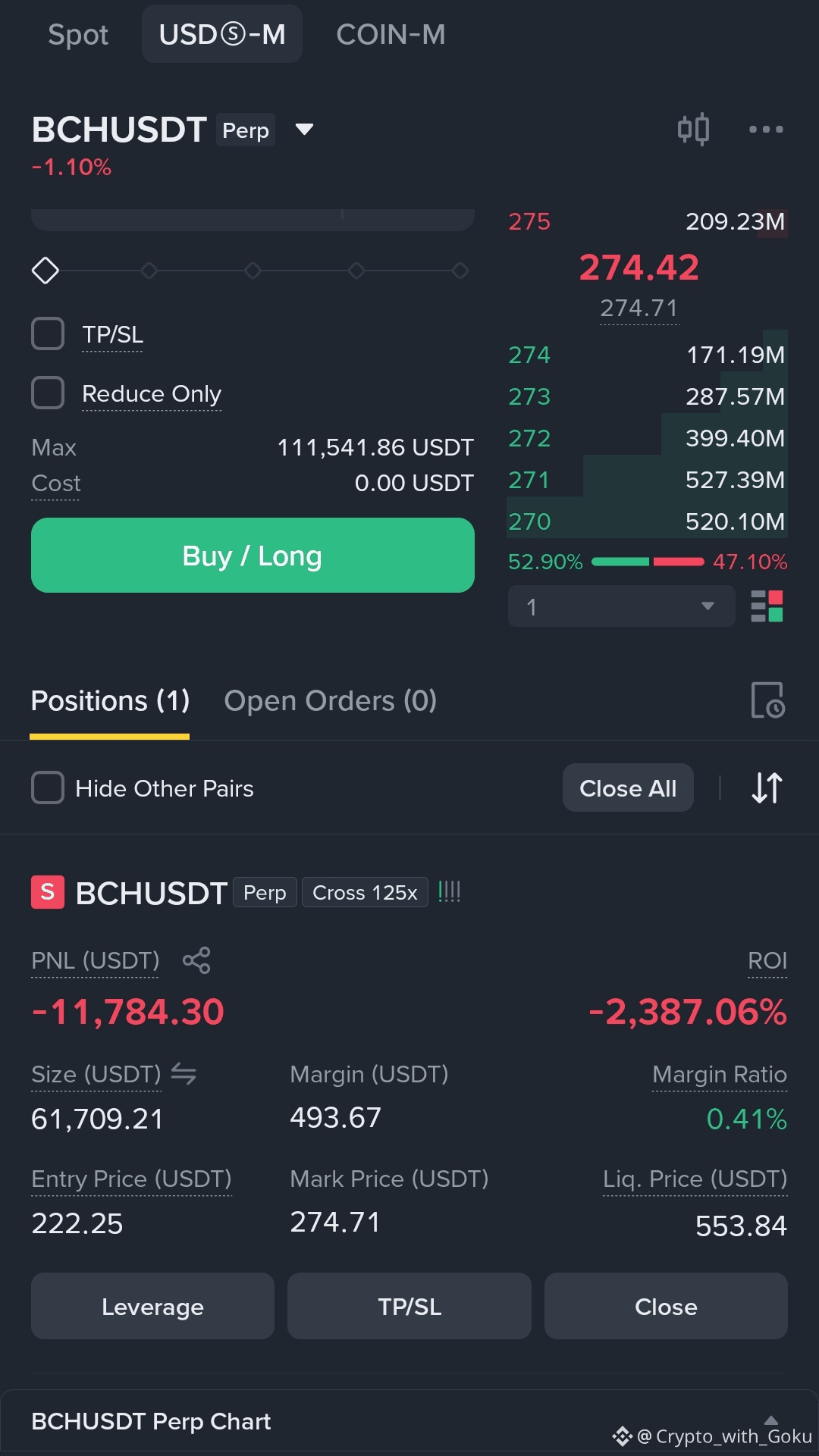
-11,784$ USDT | -2,387% ROI 😔😭😭
125× leverage turned one bad decision into a painful lesson.
Not asking for sympathy—just sharing the reality of trading.
Protect your capital. Learn from every loss. 🖤$BCH #BCH #LostFortunes #helpmeplease
💔 Expensive Lesson
$BCH WHAT TO DO????? 😭
-11,784$ USDT | -2,387% ROI 😔😭😭
125× leverage turned one bad decision into a painful lesson.
Not asking for sympathy—just sharing the reality of trading.
Protect your capital. Learn from every loss. 🖤$BCH #BCH #LostFortunes #helpmeplease
$BCH WHAT TO DO????? 😭
-11,784$ USDT | -2,387% ROI 😔😭😭
125× leverage turned one bad decision into a painful lesson.
Not asking for sympathy—just sharing the reality of trading.
Protect your capital. Learn from every loss. 🖤$BCH #BCH #LostFortunes #helpmeplease
90
Көбірек контент көру үшін кіріңіз
Binance Square платформасында әлемдік криптоқоғамдастыққа қосылыңыз
⚡️ Криптовалюта туралы ең соңғы және пайдалы ақпаратты алыңыз.
💬 Әлемдегі ең ірі криптобиржаның сеніміне ие.
👍 Расталған авторлардың нақты пікірлерін табыңыз.
Электрондық пошта/телефон нөмірі
Трендтегі тақырыптар
1
#A Packed Week of Earnings and Data Tests Markets
48,849 рет көрілді
330 адам талқылап жатыр
2
#AnthropicIPOTestsInvestorAppetiteForAI
79,318 рет көрілді
1,177 адам талқылап жатыр
3
#BitcoinExtendsLosingStreakToSixWeeks
42,082 рет көрілді
527 адам талқылап жатыр
4
#XRPFallsTo$0.89LowestSinceNovember2024
8,247 рет көрілді
44 адам талқылап жатыр
5
#HuangReportedlyConsidersReturnToNvidia
95,309 рет көрілді
1,100 адам талқылап жатыр
6
#SP500AndNasdaqFuturesHitQuarterlyLows
12,458 рет көрілді
174 адам талқылап жатыр
7
#CaliforniaVotersBackProp42BarringNewCryptoTaxes
9,206 рет көрілді
169 адам талқылап жатыр
8
#HKPlansDigitalAssetRegulatoryBillByYearEnd
8,834 рет көрілді
128 адам талқылап жатыр
9
#MUFGSMFGMizuhoPlanYenBackedStablecoin
22,515 рет көрілді
248 адам талқылап жатыр
10
#HKMAAndSwiftExploreTokenizedDepositInteroperability
1,091 рет көрілді
16 адам талқылап жатыр