

#hyperliquid
hyperliquid
6.2M рет көрілді
16,219 адам талқылап жатыр
Қызу саудада
Ең соңғы

·
--
Ішінара рас

Мақала
«Это не биржа»: почему создатель Hyperliquid обиделся бы на это словоHyperliquid: это вообще не «биржа». Так считает его создатель
Представь обычную биржу. Это магазин с кассиром. Есть компания, у неё здание, правила и кнопка «заморозить всё». Твои деньги лежат у неё. На традиционной бирже компания хранит твои деньги и контролирует инфраструктуру, а на Hyperliquid ты сам хранишь свои средства, и платформа открыта всем.
Джефф Ян, основатель Hyperliquid, говорит: мы не магазин, мы дорога.
Никто не владеет интернетом. Ты не звонишь в «Главное управление протокола HTTP» за разрешением открыть сайт. Правила общие, доступ у всех, а поверх строят что хотят: соцсети, магазины, банки. С Linux похоже: код открыт, ядро общее, на нём выросли Android, серверы и половина мира.
Как это выглядит на практике:
Hyperliquid даёт базовый слой: книгу заявок, где продавцы и покупатели находят друг друга, и расчёты. Ян сравнивает это с AWS: на такой основе другие могут строить что угодно без чьего-либо разрешения.
Другие команды запускают на нём свои рынки. Например, разработчики самостоятельно добавили контракты, привязанные к акциям NVIDIA и Google.
Ян придерживается принципа: «Если что-то может построить кто-то другой, пусть строит кто-то другой».
И это не просто красивые слова. Цифры впечатляют:
Команда из 11 человек. Проект целиком самофинансировался, венчурных денег в нём нет.
За 12 месяцев до конца 2025 года через платформу прошло около $1,8 трлн торгового объёма, это больше 10% мирового рынка крипто-перпетуалов.
В июле 2025 месячный объём торгов превысил объём брокера Robinhood.
В феврале 2026 основатель Intercontinental Exchange (владельца Нью-Йоркской биржи) Джефф Спрехер назвал Hyperliquid «больше Nasdaq» по объёмам.
Но тут есть подвох. У аналогии с интернетом есть границы. Как заметил один аналитик, интернет-протоколы не определяют цену, по которой тебя ликвидируют, а механизмы сопоставления ордеров определяют. Другие критики говорят, что заявления о децентрализации спорны: например, валидаторы однажды проголосовали за две минуты без единого голоса против, что больше похоже на решение компании. И отдельно: пользователи анонимны, проверки личности нет, поэтому у проекта неоднозначный правовой статус.
Итог в одну строку: Ян строит не «ещё одну биржу», а рельсы, по которым могут ездить чужие финансовые сервисы. Получится ли у него стать финансовым интернетом, покажет время. Но заявка сильная.
[Hyperliquid и легализация в США](https://app.binance.com/uni-qr/cart/378932383229761?r=lwv9axhp&l=ru&uco=pvbhy3nccgstlbxbjkabea&uc=app_square_share_link&us=copylink)
[Hyperliquid тратит всю прибыль на покупку собственного токена](https://app.binance.com/uni-qr/cart/375681027454061?r=lwv9axhp&l=ru&uco=pvbhy3nccgstlbxbjkabea&uc=app_square_share_link&us=copylink)
[Hyperliquid нашла себе новую "денежную трубу"](https://app.binance.com/uni-qr/cart/373989384870279?r=lwv9axhp&l=ru&uco=pvbhy3nccgstlbxbjkabea&uc=app_square_share_link&us=copylink)
$HYPE
{future}(HYPEUSDT)
#hype #Hyperliquid
«Это не биржа»: почему создатель Hyperliquid обиделся бы на это слово
Hyperliquid: это вообще не «биржа». Так считает его создатель
Представь обычную биржу. Это магазин с кассиром. Есть компания, у неё здание, правила и кнопка «заморозить всё». Твои деньги лежат у неё. На традиционной бирже компания хранит твои деньги и контролирует инфраструктуру, а на Hyperliquid ты сам хранишь свои средства, и платформа открыта всем.
Джефф Ян, основатель Hyperliquid, говорит: мы не магазин, мы дорога.
Никто не владеет интернетом. Ты не звонишь в «Главное управление протокола HTTP» за разрешением открыть сайт. Правила общие, доступ у всех, а поверх строят что хотят: соцсети, магазины, банки. С Linux похоже: код открыт, ядро общее, на нём выросли Android, серверы и половина мира.
Как это выглядит на практике:
Hyperliquid даёт базовый слой: книгу заявок, где продавцы и покупатели находят друг друга, и расчёты. Ян сравнивает это с AWS: на такой основе другие могут строить что угодно без чьего-либо разрешения.
Другие команды запускают на нём свои рынки. Например, разработчики самостоятельно добавили контракты, привязанные к акциям NVIDIA и Google.
Ян придерживается принципа: «Если что-то может построить кто-то другой, пусть строит кто-то другой».
И это не просто красивые слова. Цифры впечатляют:
Команда из 11 человек. Проект целиком самофинансировался, венчурных денег в нём нет.
За 12 месяцев до конца 2025 года через платформу прошло около $1,8 трлн торгового объёма, это больше 10% мирового рынка крипто-перпетуалов.
В июле 2025 месячный объём торгов превысил объём брокера Robinhood.
В феврале 2026 основатель Intercontinental Exchange (владельца Нью-Йоркской биржи) Джефф Спрехер назвал Hyperliquid «больше Nasdaq» по объёмам.
Но тут есть подвох. У аналогии с интернетом есть границы. Как заметил один аналитик, интернет-протоколы не определяют цену, по которой тебя ликвидируют, а механизмы сопоставления ордеров определяют. Другие критики говорят, что заявления о децентрализации спорны: например, валидаторы однажды проголосовали за две минуты без единого голоса против, что больше похоже на решение компании. И отдельно: пользователи анонимны, проверки личности нет, поэтому у проекта неоднозначный правовой статус.
Итог в одну строку: Ян строит не «ещё одну биржу», а рельсы, по которым могут ездить чужие финансовые сервисы. Получится ли у него стать финансовым интернетом, покажет время. Но заявка сильная.
Hyperliquid и легализация в США
Hyperliquid тратит всю прибыль на покупку собственного токена
Hyperliquid нашла себе новую "денежную трубу"
$HYPE
#hype #Hyperliquid
Представь обычную биржу. Это магазин с кассиром. Есть компания, у неё здание, правила и кнопка «заморозить всё». Твои деньги лежат у неё. На традиционной бирже компания хранит твои деньги и контролирует инфраструктуру, а на Hyperliquid ты сам хранишь свои средства, и платформа открыта всем.
Джефф Ян, основатель Hyperliquid, говорит: мы не магазин, мы дорога.
Никто не владеет интернетом. Ты не звонишь в «Главное управление протокола HTTP» за разрешением открыть сайт. Правила общие, доступ у всех, а поверх строят что хотят: соцсети, магазины, банки. С Linux похоже: код открыт, ядро общее, на нём выросли Android, серверы и половина мира.
Как это выглядит на практике:
Hyperliquid даёт базовый слой: книгу заявок, где продавцы и покупатели находят друг друга, и расчёты. Ян сравнивает это с AWS: на такой основе другие могут строить что угодно без чьего-либо разрешения.
Другие команды запускают на нём свои рынки. Например, разработчики самостоятельно добавили контракты, привязанные к акциям NVIDIA и Google.
Ян придерживается принципа: «Если что-то может построить кто-то другой, пусть строит кто-то другой».
И это не просто красивые слова. Цифры впечатляют:
Команда из 11 человек. Проект целиком самофинансировался, венчурных денег в нём нет.
За 12 месяцев до конца 2025 года через платформу прошло около $1,8 трлн торгового объёма, это больше 10% мирового рынка крипто-перпетуалов.
В июле 2025 месячный объём торгов превысил объём брокера Robinhood.
В феврале 2026 основатель Intercontinental Exchange (владельца Нью-Йоркской биржи) Джефф Спрехер назвал Hyperliquid «больше Nasdaq» по объёмам.
Но тут есть подвох. У аналогии с интернетом есть границы. Как заметил один аналитик, интернет-протоколы не определяют цену, по которой тебя ликвидируют, а механизмы сопоставления ордеров определяют. Другие критики говорят, что заявления о децентрализации спорны: например, валидаторы однажды проголосовали за две минуты без единого голоса против, что больше похоже на решение компании. И отдельно: пользователи анонимны, проверки личности нет, поэтому у проекта неоднозначный правовой статус.
Итог в одну строку: Ян строит не «ещё одну биржу», а рельсы, по которым могут ездить чужие финансовые сервисы. Получится ли у него стать финансовым интернетом, покажет время. Но заявка сильная.
Hyperliquid и легализация в США
Hyperliquid тратит всю прибыль на покупку собственного токена
Hyperliquid нашла себе новую "денежную трубу"
$HYPE
#hype #Hyperliquid
1
1.4k

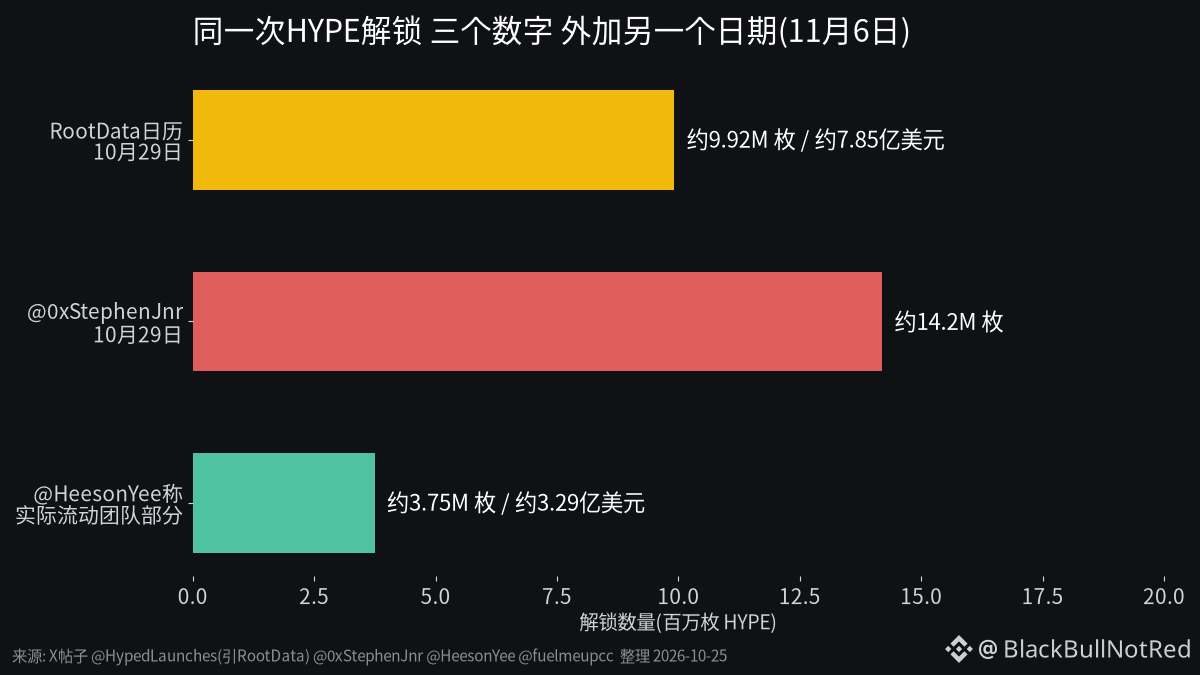
HYPE这次解锁,我先不管做空做多,光是数字就对不上。
RootData日历写10月29日,约990万枚,约7.85亿美元。
有人写同一天1420万枚。
还有工具显示下一次是11月6日。
另一个号说别慌,真正能流动的团队部分只有约375万枚,约3.29亿美元。
顺手算一下:7.85亿除以992万,每枚大概79刀;3.29亿除以375万,每枚大概88刀。同一个人引的两组数,单价都不是一个价,你说这数据是认真对过的还是随手抄的?
更好笑的是,同一个号前脚发投票问大家要不要对着10月29日对冲做空,后脚又说全网都在空小心先被轧空。两头都说了,怎么走都算他喊对。
我的看法很简单:日期和数量连个统一口径都没有的时候,围着“解锁砸盘”或者“利空出尽”开杠杆,本质就是押哪个日历先被证明是对的。真想交易这个,去看链上团队地址到底动没动,往交易所转了多少,别看解锁日历截图。
#HYPE #Hyperliquid
HYPE这次解锁,我先不管做空做多,光是数字就对不上。
RootData日历写10月29日,约990万枚,约7.85亿美元。
有人写同一天1420万枚。
还有工具显示下一次是11月6日。
另一个号说别慌,真正能流动的团队部分只有约375万枚,约3.29亿美元。
顺手算一下:7.85亿除以992万,每枚大概79刀;3.29亿除以375万,每枚大概88刀。同一个人引的两组数,单价都不是一个价,你说这数据是认真对过的还是随手抄的?
更好笑的是,同一个号前脚发投票问大家要不要对着10月29日对冲做空,后脚又说全网都在空小心先被轧空。两头都说了,怎么走都算他喊对。
我的看法很简单:日期和数量连个统一口径都没有的时候,围着“解锁砸盘”或者“利空出尽”开杠杆,本质就是押哪个日历先被证明是对的。真想交易这个,去看链上团队地址到底动没动,往交易所转了多少,别看解锁日历截图。
#HYPE #Hyperliquid
RootData日历写10月29日,约990万枚,约7.85亿美元。
有人写同一天1420万枚。
还有工具显示下一次是11月6日。
另一个号说别慌,真正能流动的团队部分只有约375万枚,约3.29亿美元。
顺手算一下:7.85亿除以992万,每枚大概79刀;3.29亿除以375万,每枚大概88刀。同一个人引的两组数,单价都不是一个价,你说这数据是认真对过的还是随手抄的?
更好笑的是,同一个号前脚发投票问大家要不要对着10月29日对冲做空,后脚又说全网都在空小心先被轧空。两头都说了,怎么走都算他喊对。
我的看法很简单:日期和数量连个统一口径都没有的时候,围着“解锁砸盘”或者“利空出尽”开杠杆,本质就是押哪个日历先被证明是对的。真想交易这个,去看链上团队地址到底动没动,往交易所转了多少,别看解锁日历截图。
#HYPE #Hyperliquid
730

·
--
Ішінара рас
Hyperliquid(HYPE)深度分析:费收破 10 亿美元的衍生品霸主,为何估值重估?📌 行情快照
• 现价约 76-77 美元(10 月 25 日),总市值约 256 亿美元,为市值前十中最年轻的明星
• 9 月 23 日创下约 98 美元历史新高后回落,当前较 ATH 低约 21%
• 2026 年年内上涨约 62%,自 2024 年 11 月上线以来累计涨幅超 1100%
⚡ 基本面:链上衍生品绝对霸主
• 30 天永续合约交易量约 2169 亿美元,占据去中心化永续市场约 34.6%(部分口径 60-70%),是第二名三倍以上
• 9 月 23 日未平仓合约(OI)创 180 亿美元纪录;三季度全网衍生品平台新增 OI 中,Hyperliquid 一家贡献约 77%
• 协议费收入突破 10 亿美元里程碑;AQAv2 机制新增 USDC 回购流,10 月 24 日完成约 175 万 HYPE 销毁——“收入-回购-销毁”飞轮正式运转
📉 估值重估的两大压力
• 供给端:10 月 7 日约 3.4 亿美元 OTC 解锁、10 月 10 日约 2.11 亿美元清算级联,短期抛压集中释放
• 竞争端:美国 CFTC 放行本土永续合约交易,Coinbase、Robinhood、Kalshi 等传统金融巨头直接进场,打破“链上垄断”预期;10 月中旬 HYPE 单日下跌 17% 即为该叙事定价
⚖️ 监管博弈:主动出击
• 8 月 19 日特朗普公开表态推动 Hyperliquid 合规进入美国市场,HYPE 单日 +22%
• 10 月 21 日,Hyperliquid Policy Center 与 Bitwise 向 SEC 提交评论信,要求修订拟议的 Regulation Crypto Assets:明确空投不构成“资金投入”、为合格 DEX 二级交易设豁免、为开发者提供安全港、区分自动与自主回购
• 治理代币证券定性、验证者中心化(约 40 个)、2028 年前持续解锁,是长期估值折价因素
🔍 展望
短期:70-80 美元区间整固,下方关注 70 关口与解锁/清算节奏;若 SEC 监管规则利好落地,估值存在重估弹性。
中期变量:美国监管规则(Regulation Crypto Assets)进展、与 TradFi 巨头在衍生品市场的正面对决、回购销毁节奏、代币解锁抛压。
结论:HYPE 是“真实收入最强、争议也最大”的新一代龙头——链上衍生品的统治地位和 10 亿美元费收是硬实力,但供给解锁、TradFi 竞争与监管定性压制约 20% 估值。它是 2026 年加密市场“监管红利与监管风险”最集中的观察样本。
#Hyperliquid #HYPE #加密货币 #衍生品 #加密市场
Hyperliquid(HYPE)深度分析:费收破 10 亿美元的衍生品霸主,为何估值重估?
📌 行情快照
• 现价约 76-77 美元(10 月 25 日),总市值约 256 亿美元,为市值前十中最年轻的明星
• 9 月 23 日创下约 98 美元历史新高后回落,当前较 ATH 低约 21%
• 2026 年年内上涨约 62%,自 2024 年 11 月上线以来累计涨幅超 1100%
⚡ 基本面:链上衍生品绝对霸主
• 30 天永续合约交易量约 2169 亿美元,占据去中心化永续市场约 34.6%(部分口径 60-70%),是第二名三倍以上
• 9 月 23 日未平仓合约(OI)创 180 亿美元纪录;三季度全网衍生品平台新增 OI 中,Hyperliquid 一家贡献约 77%
• 协议费收入突破 10 亿美元里程碑;AQAv2 机制新增 USDC 回购流,10 月 24 日完成约 175 万 HYPE 销毁——“收入-回购-销毁”飞轮正式运转
📉 估值重估的两大压力
• 供给端:10 月 7 日约 3.4 亿美元 OTC 解锁、10 月 10 日约 2.11 亿美元清算级联,短期抛压集中释放
• 竞争端:美国 CFTC 放行本土永续合约交易,Coinbase、Robinhood、Kalshi 等传统金融巨头直接进场,打破“链上垄断”预期;10 月中旬 HYPE 单日下跌 17% 即为该叙事定价
⚖️ 监管博弈:主动出击
• 8 月 19 日特朗普公开表态推动 Hyperliquid 合规进入美国市场,HYPE 单日 +22%
• 10 月 21 日,Hyperliquid Policy Center 与 Bitwise 向 SEC 提交评论信,要求修订拟议的 Regulation Crypto Assets:明确空投不构成“资金投入”、为合格 DEX 二级交易设豁免、为开发者提供安全港、区分自动与自主回购
• 治理代币证券定性、验证者中心化(约 40 个)、2028 年前持续解锁,是长期估值折价因素
🔍 展望
短期:70-80 美元区间整固,下方关注 70 关口与解锁/清算节奏;若 SEC 监管规则利好落地,估值存在重估弹性。
中期变量:美国监管规则(Regulation Crypto Assets)进展、与 TradFi 巨头在衍生品市场的正面对决、回购销毁节奏、代币解锁抛压。
结论:HYPE 是“真实收入最强、争议也最大”的新一代龙头——链上衍生品的统治地位和 10 亿美元费收是硬实力,但供给解锁、TradFi 竞争与监管定性压制约 20% 估值。它是 2026 年加密市场“监管红利与监管风险”最集中的观察样本。
#Hyperliquid #HYPE #加密货币 #衍生品 #加密市场
• 现价约 76-77 美元(10 月 25 日),总市值约 256 亿美元,为市值前十中最年轻的明星
• 9 月 23 日创下约 98 美元历史新高后回落,当前较 ATH 低约 21%
• 2026 年年内上涨约 62%,自 2024 年 11 月上线以来累计涨幅超 1100%
⚡ 基本面:链上衍生品绝对霸主
• 30 天永续合约交易量约 2169 亿美元,占据去中心化永续市场约 34.6%(部分口径 60-70%),是第二名三倍以上
• 9 月 23 日未平仓合约(OI)创 180 亿美元纪录;三季度全网衍生品平台新增 OI 中,Hyperliquid 一家贡献约 77%
• 协议费收入突破 10 亿美元里程碑;AQAv2 机制新增 USDC 回购流,10 月 24 日完成约 175 万 HYPE 销毁——“收入-回购-销毁”飞轮正式运转
📉 估值重估的两大压力
• 供给端:10 月 7 日约 3.4 亿美元 OTC 解锁、10 月 10 日约 2.11 亿美元清算级联,短期抛压集中释放
• 竞争端:美国 CFTC 放行本土永续合约交易,Coinbase、Robinhood、Kalshi 等传统金融巨头直接进场,打破“链上垄断”预期;10 月中旬 HYPE 单日下跌 17% 即为该叙事定价
⚖️ 监管博弈:主动出击
• 8 月 19 日特朗普公开表态推动 Hyperliquid 合规进入美国市场,HYPE 单日 +22%
• 10 月 21 日,Hyperliquid Policy Center 与 Bitwise 向 SEC 提交评论信,要求修订拟议的 Regulation Crypto Assets:明确空投不构成“资金投入”、为合格 DEX 二级交易设豁免、为开发者提供安全港、区分自动与自主回购
• 治理代币证券定性、验证者中心化(约 40 个)、2028 年前持续解锁,是长期估值折价因素
🔍 展望
短期:70-80 美元区间整固,下方关注 70 关口与解锁/清算节奏;若 SEC 监管规则利好落地,估值存在重估弹性。
中期变量:美国监管规则(Regulation Crypto Assets)进展、与 TradFi 巨头在衍生品市场的正面对决、回购销毁节奏、代币解锁抛压。
结论:HYPE 是“真实收入最强、争议也最大”的新一代龙头——链上衍生品的统治地位和 10 亿美元费收是硬实力,但供给解锁、TradFi 竞争与监管定性压制约 20% 估值。它是 2026 年加密市场“监管红利与监管风险”最集中的观察样本。
#Hyperliquid #HYPE #加密货币 #衍生品 #加密市场
1
619


·
--
🐳 WHALE ALERT: $37.8M of $HYPE Just Hit Coinbase
Three wallets, likely controlled by a single whale, deposited 494,310 HYPE (worth ~$37.83M) into Coinbase over the past 24 hours, according to Lookonchain on-chain data.
Why this matters: exchange deposits of this size are a classic sell-pressure signal. When a major holder moves this much supply onto a centralized exchange in a coordinated way, it usually means distribution, profit-taking, or at minimum, positioning to sell.
The timing adds weight. HYPE has already been trading heavy, below key moving averages, and a $38M overhang landing on Coinbase does not help the bull case in the short term.
The honest counterpoint: a deposit is not a sale. Whales also move coins to exchanges to stake, hedge, lend, or reposition, and this holder may not dump a single token. On-chain watchers should track whether these Coinbase balances actually decline before calling it a full exit.
Key levels to watch: if HYPE loses its recent range lows while exchange inflows stay elevated, downside momentum could accelerate fast. If the coins sit untouched, this was noise.
Bottom line: big money is moving. Trade the reaction, not the rumor.
📌 Sharing personal opinions only, not financial advice or a recommendation to buy/sell. Crypto is highly risky; DYOR and you are solely responsible. No coin promotion.
#Hyperliquid #HYPE #WhaleAlert #Crypto #Binance
🐳 WHALE ALERT: $37.8M of $HYPE Just Hit Coinbase
Three wallets, likely controlled by a single whale, deposited 494,310 HYPE (worth ~$37.83M) into Coinbase over the past 24 hours, according to Lookonchain on-chain data.
Why this matters: exchange deposits of this size are a classic sell-pressure signal. When a major holder moves this much supply onto a centralized exchange in a coordinated way, it usually means distribution, profit-taking, or at minimum, positioning to sell.
The timing adds weight. HYPE has already been trading heavy, below key moving averages, and a $38M overhang landing on Coinbase does not help the bull case in the short term.
The honest counterpoint: a deposit is not a sale. Whales also move coins to exchanges to stake, hedge, lend, or reposition, and this holder may not dump a single token. On-chain watchers should track whether these Coinbase balances actually decline before calling it a full exit.
Key levels to watch: if HYPE loses its recent range lows while exchange inflows stay elevated, downside momentum could accelerate fast. If the coins sit untouched, this was noise.
Bottom line: big money is moving. Trade the reaction, not the rumor.
📌 Sharing personal opinions only, not financial advice or a recommendation to buy/sell. Crypto is highly risky; DYOR and you are solely responsible. No coin promotion.
#Hyperliquid #HYPE #WhaleAlert #Crypto #Binance
Three wallets, likely controlled by a single whale, deposited 494,310 HYPE (worth ~$37.83M) into Coinbase over the past 24 hours, according to Lookonchain on-chain data.
Why this matters: exchange deposits of this size are a classic sell-pressure signal. When a major holder moves this much supply onto a centralized exchange in a coordinated way, it usually means distribution, profit-taking, or at minimum, positioning to sell.
The timing adds weight. HYPE has already been trading heavy, below key moving averages, and a $38M overhang landing on Coinbase does not help the bull case in the short term.
The honest counterpoint: a deposit is not a sale. Whales also move coins to exchanges to stake, hedge, lend, or reposition, and this holder may not dump a single token. On-chain watchers should track whether these Coinbase balances actually decline before calling it a full exit.
Key levels to watch: if HYPE loses its recent range lows while exchange inflows stay elevated, downside momentum could accelerate fast. If the coins sit untouched, this was noise.
Bottom line: big money is moving. Trade the reaction, not the rumor.
📌 Sharing personal opinions only, not financial advice or a recommendation to buy/sell. Crypto is highly risky; DYOR and you are solely responsible. No coin promotion.
#Hyperliquid #HYPE #WhaleAlert #Crypto #Binance
814

·
--
Расталды
#Hyperliquid 最讽刺的一条规则:罚没可以高达100%,赔偿却可以是0。
HIP-3 市场运营方质押50万枚 HYPE,违规可被官方全部罚没,但代币是直接被销毁,受损交易者得不到任何赔偿!
销毁利好的是代币供给,赔偿保护的才是用户资产,两者相差的,是DeFi最不愿谈的责任。
我认可 $HYPE 的质押需求逻辑,但不会把惩罚机制误读成用户保险。
金融上链很容易,责任上链才是真本事。
#hype #DeFi
{future}(HYPEUSDT)
#Hyperliquid 最讽刺的一条规则:罚没可以高达100%,赔偿却可以是0。
HIP-3 市场运营方质押50万枚 HYPE,违规可被官方全部罚没,但代币是直接被销毁,受损交易者得不到任何赔偿!
销毁利好的是代币供给,赔偿保护的才是用户资产,两者相差的,是DeFi最不愿谈的责任。
我认可 $HYPE 的质押需求逻辑,但不会把惩罚机制误读成用户保险。
金融上链很容易,责任上链才是真本事。
#hype #DeFi
HIP-3 市场运营方质押50万枚 HYPE,违规可被官方全部罚没,但代币是直接被销毁,受损交易者得不到任何赔偿!
销毁利好的是代币供给,赔偿保护的才是用户资产,两者相差的,是DeFi最不愿谈的责任。
我认可 $HYPE 的质押需求逻辑,但不会把惩罚机制误读成用户保险。
金融上链很容易,责任上链才是真本事。
#hype #DeFi

Binance BiBi:
Working on it. Your reply is on the way.
2
2
343

·
--
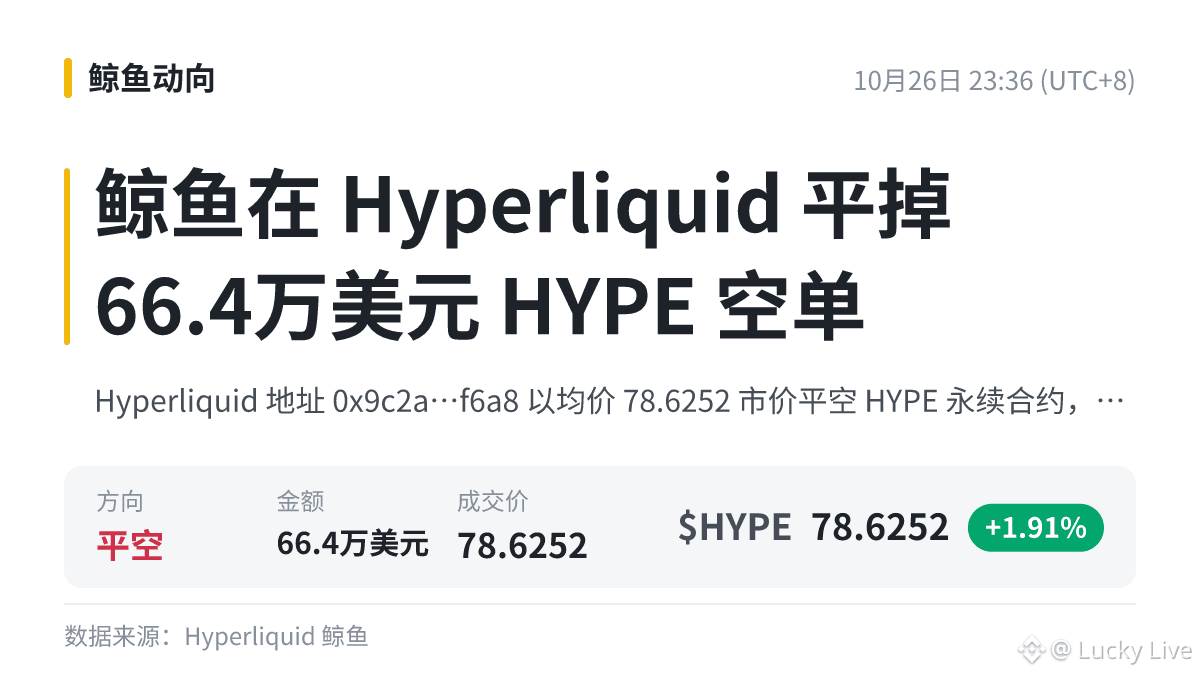
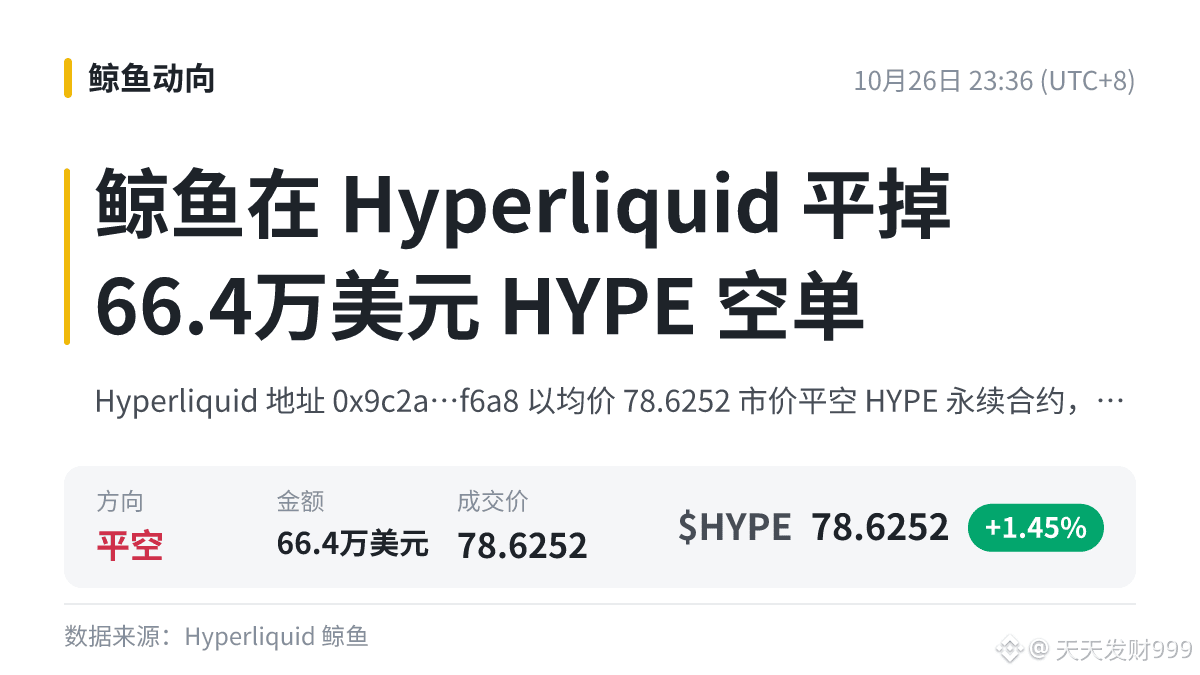
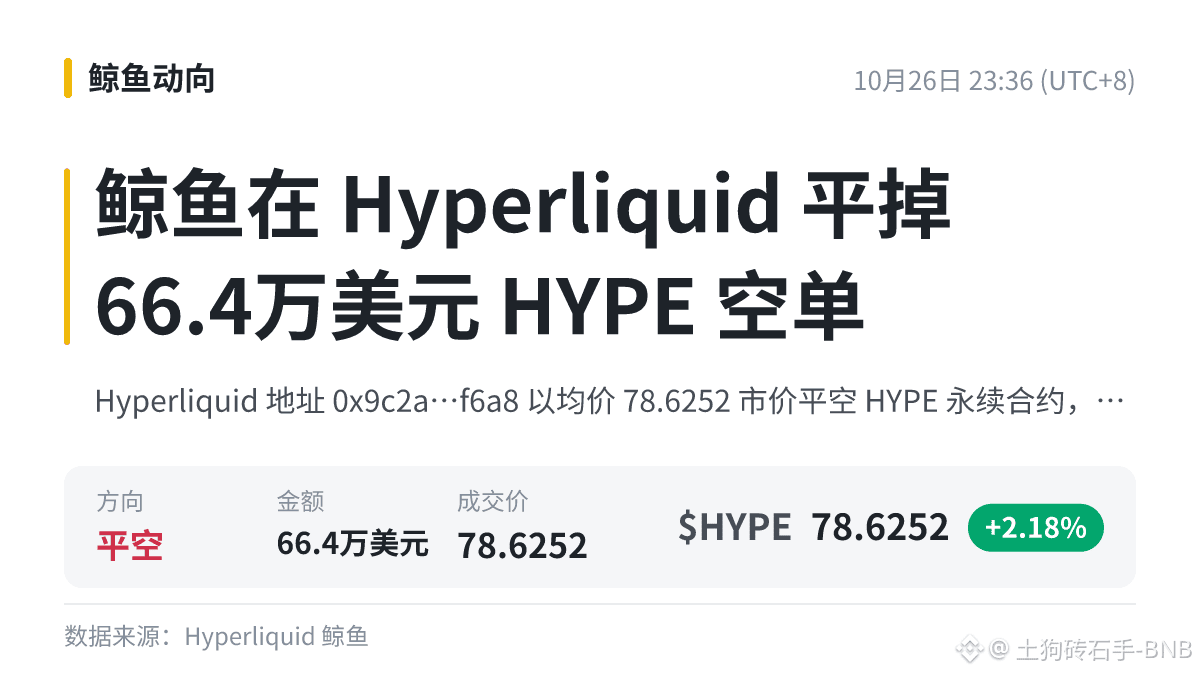
今日份盯盘随笔:鲸鱼又出手了,$HYPE 平空 66.4万美元(Hyperliquid)。
鲸鱼在买,我在纠结;等我想通了,鲸鱼估计都下班了。
鲸鱼也会看错,照抄之前先想清楚。
#Hyperliquid
数据仅供参考,别当真。
今日份盯盘随笔:鲸鱼又出手了,$HYPE 平空 66.4万美元(Hyperliquid)。
鲸鱼在买,我在纠结;等我想通了,鲸鱼估计都下班了。
鲸鱼也会看错,照抄之前先想清楚。
#Hyperliquid
数据仅供参考,别当真。
鲸鱼在买,我在纠结;等我想通了,鲸鱼估计都下班了。
鲸鱼也会看错,照抄之前先想清楚。
#Hyperliquid
数据仅供参考,别当真。
39

·
--
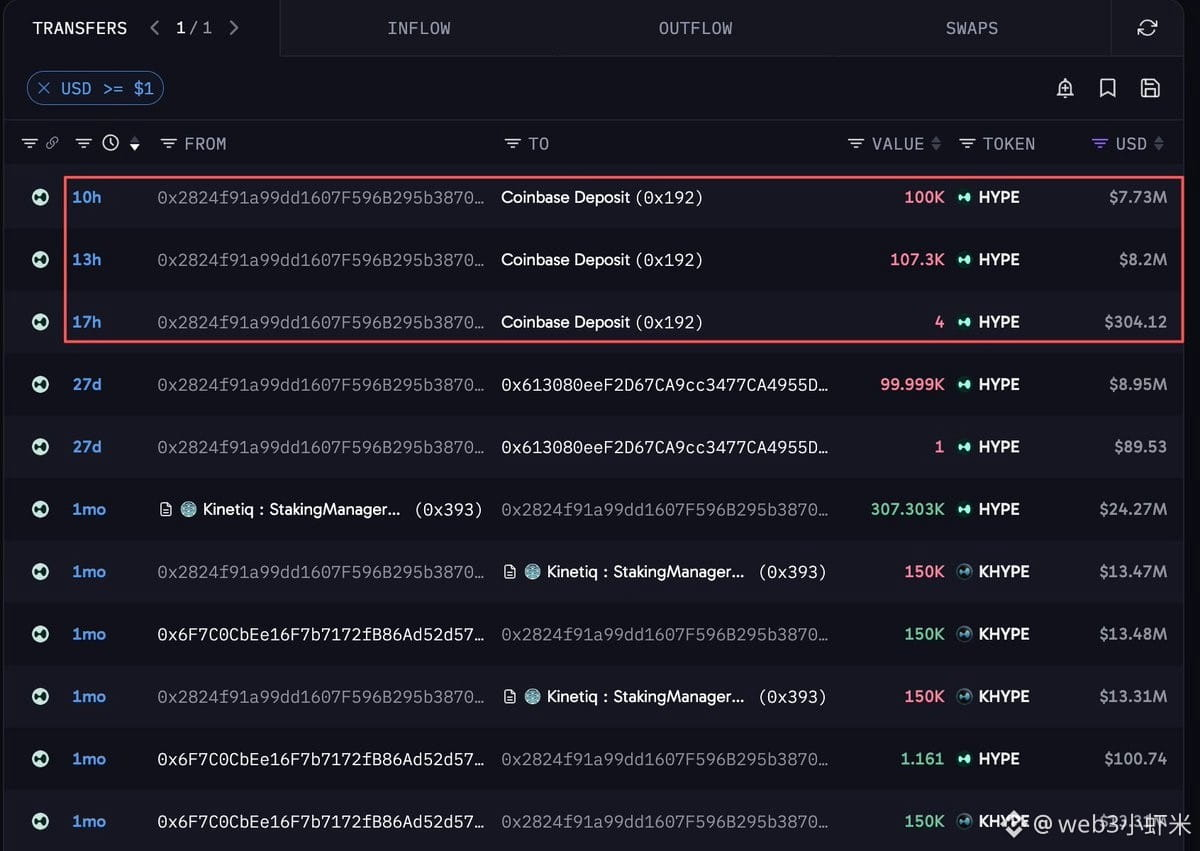
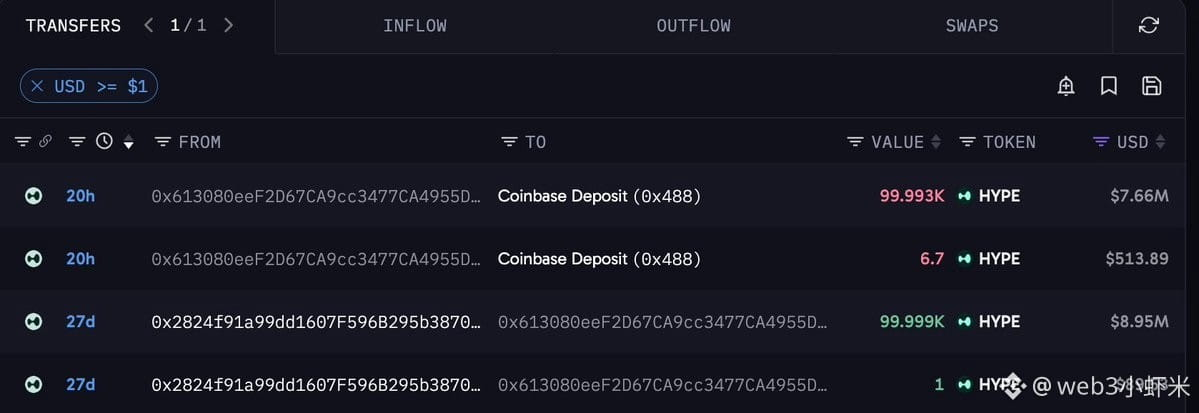
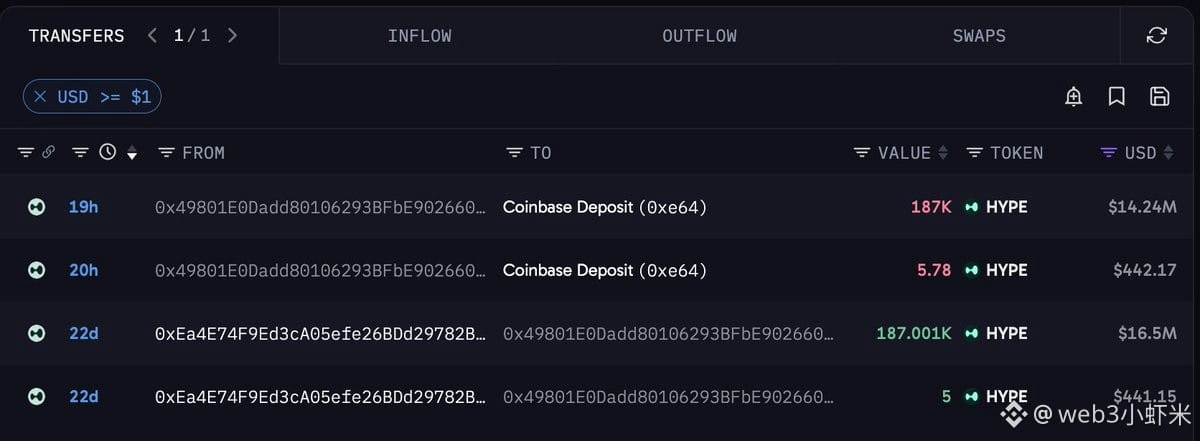
Lookonchain 监测:过去 24 小时,3 个疑似同一巨鲸的钱包往 Coinbase 存入约 49.43 万枚 HYPE,合计约 3783 万美元。
进 CEX 不等于马上砸盘,也可能是换仓或对冲;但这个量级的净流入还是挺醒目,尤其最近 Hyperliquid 相关仓位话题也不少。
#HYPE #Hyperliquid #链上
Lookonchain 监测:过去 24 小时,3 个疑似同一巨鲸的钱包往 Coinbase 存入约 49.43 万枚 HYPE,合计约 3783 万美元。
进 CEX 不等于马上砸盘,也可能是换仓或对冲;但这个量级的净流入还是挺醒目,尤其最近 Hyperliquid 相关仓位话题也不少。
#HYPE #Hyperliquid #链上
进 CEX 不等于马上砸盘,也可能是换仓或对冲;但这个量级的净流入还是挺醒目,尤其最近 Hyperliquid 相关仓位话题也不少。
#HYPE #Hyperliquid #链上
16



·
--
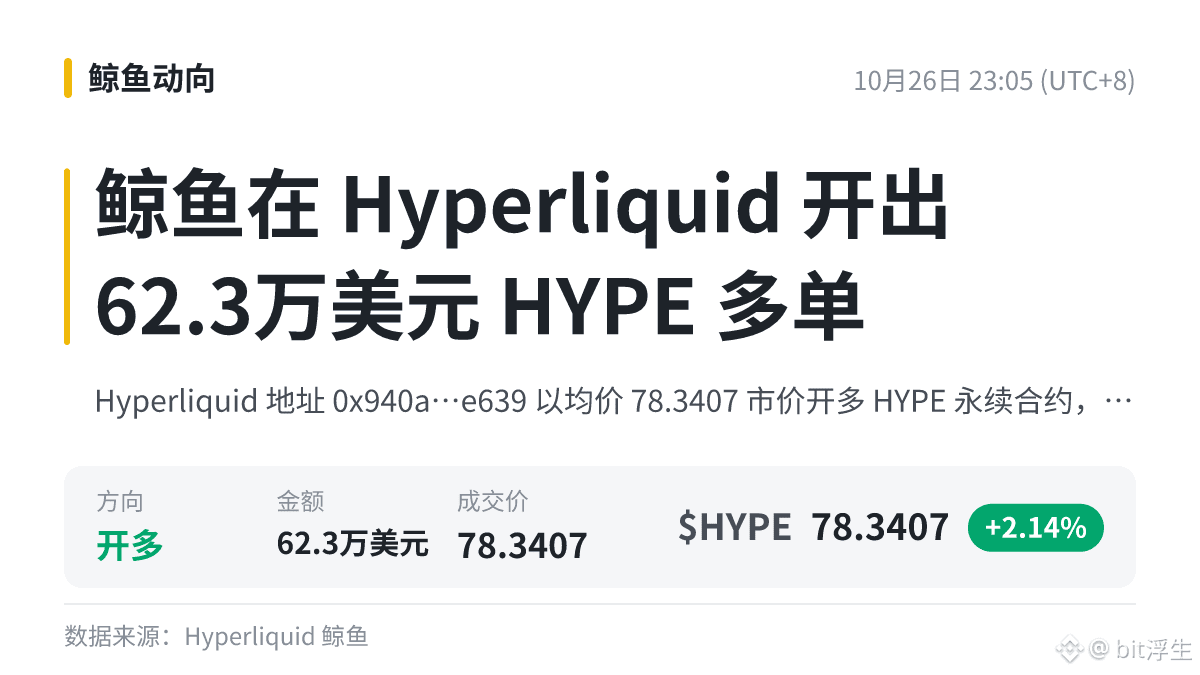
大户追踪:$HYPE
地址:0x940a…e639
平台:Hyperliquid
动作:开多
金额:62.3万美元
价格:78.3407
新开杠杆仓位,这个仓位的清算价附近可能成为多空博弈的焦点。
#Hyperliquid #HYPE
大户追踪:$HYPE
地址:0x940a…e639
平台:Hyperliquid
动作:开多
金额:62.3万美元
价格:78.3407
新开杠杆仓位,这个仓位的清算价附近可能成为多空博弈的焦点。
#Hyperliquid #HYPE
地址:0x940a…e639
平台:Hyperliquid
动作:开多
金额:62.3万美元
价格:78.3407
新开杠杆仓位,这个仓位的清算价附近可能成为多空博弈的焦点。
#Hyperliquid #HYPE

·
--
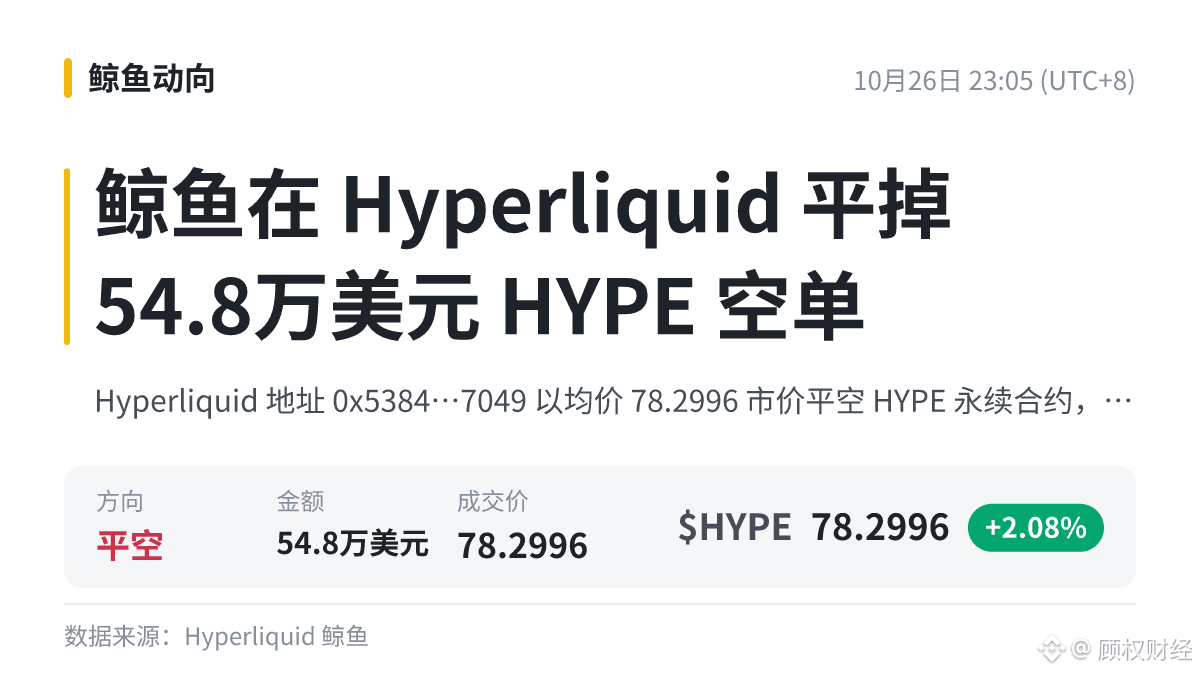
从资金角度看:
$HYPE :0x5384…7049 平空 54.8万美元,价格 78.2996。
平掉空单(买回)。平仓不一定代表反手,也可能只是止盈。
评论区写下你的预判,过几天对答案。
#Hyperliquid
从资金角度看:
$HYPE :0x5384…7049 平空 54.8万美元,价格 78.2996。
平掉空单(买回)。平仓不一定代表反手,也可能只是止盈。
评论区写下你的预判,过几天对答案。
#Hyperliquid
$HYPE :0x5384…7049 平空 54.8万美元,价格 78.2996。
平掉空单(买回)。平仓不一定代表反手,也可能只是止盈。
评论区写下你的预判,过几天对答案。
#Hyperliquid

·
--
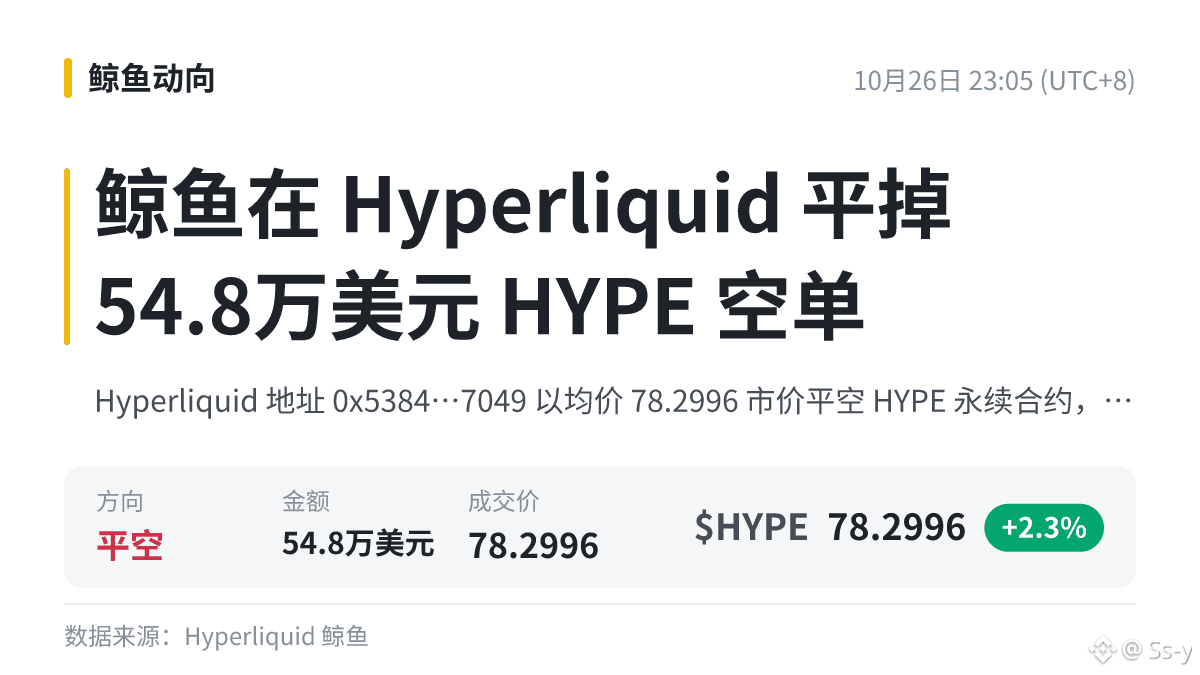
大户追踪:$HYPE
地址:0x5384…7049
平台:Hyperliquid
动作:平空
金额:54.8万美元
价格:78.2996
跟踪这个地址久一点,更能判断对方的风格。评论区聊聊
#Hyperliquid #HYPE
大户追踪:$HYPE
地址:0x5384…7049
平台:Hyperliquid
动作:平空
金额:54.8万美元
价格:78.2996
跟踪这个地址久一点,更能判断对方的风格。评论区聊聊
#Hyperliquid #HYPE
地址:0x5384…7049
平台:Hyperliquid
动作:平空
金额:54.8万美元
价格:78.2996
跟踪这个地址久一点,更能判断对方的风格。评论区聊聊
#Hyperliquid #HYPE
3


·
--
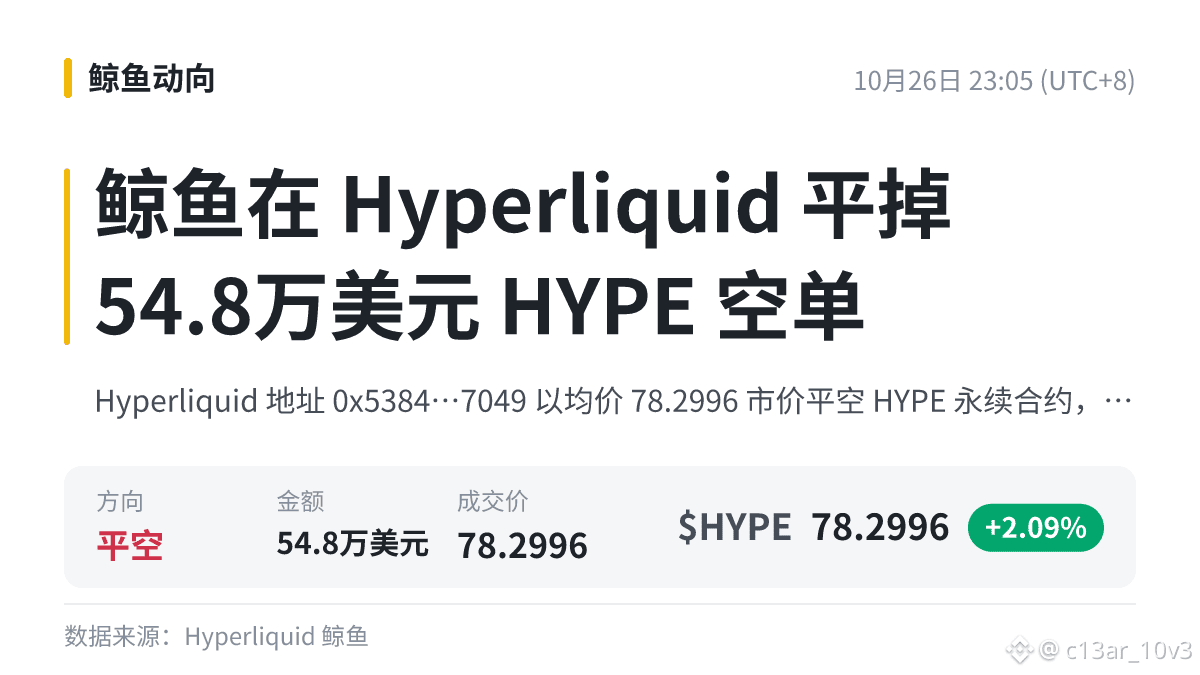
跟着资金走:
0x5384…7049 刚在 Hyperliquid 平空 $HYPE ,金额 54.8万美元,价格在 78.2996 附近。
这是一笔偏多的操作,跟踪这个地址接下来是继续加仓还是反手撤退。
盯紧了。
#Hyperliquid #HYPE
跟着资金走:
0x5384…7049 刚在 Hyperliquid 平空 $HYPE ,金额 54.8万美元,价格在 78.2996 附近。
这是一笔偏多的操作,跟踪这个地址接下来是继续加仓还是反手撤退。
盯紧了。
#Hyperliquid #HYPE
0x5384…7049 刚在 Hyperliquid 平空 $HYPE ,金额 54.8万美元,价格在 78.2996 附近。
这是一笔偏多的操作,跟踪这个地址接下来是继续加仓还是反手撤退。
盯紧了。
#Hyperliquid #HYPE

·
--
公链要不要直接扛监管责任,又被推到台前。
据 PANews 等报道:Hyperliquid 联合创始人 Jeff Yan 提出分层监管思路,强调监管责任更应由市场运营商承担,而不是底层协议本身。HIP-3 协议允许第三方部署市场;有消息称 Payward、Bitnomial 等计划借该协议搭建受监管产品。
怎么读:这是把「协议层」和「产品/运营层」拆开的监管叙事。对交易者来说,关键不在口号,而在具体市场由谁运营、牌照与合规边界怎么划、清算与争议由谁兜底。关注 HIP-3 上线后的第三方市场名单与披露,比只盯「去监管/强监管」二元对立更有用。
#Hyperliquid #HIP3 #监管 #DeFi
公链要不要直接扛监管责任,又被推到台前。
据 PANews 等报道:Hyperliquid 联合创始人 Jeff Yan 提出分层监管思路,强调监管责任更应由市场运营商承担,而不是底层协议本身。HIP-3 协议允许第三方部署市场;有消息称 Payward、Bitnomial 等计划借该协议搭建受监管产品。
怎么读:这是把「协议层」和「产品/运营层」拆开的监管叙事。对交易者来说,关键不在口号,而在具体市场由谁运营、牌照与合规边界怎么划、清算与争议由谁兜底。关注 HIP-3 上线后的第三方市场名单与披露,比只盯「去监管/强监管」二元对立更有用。
#Hyperliquid #HIP3 #监管 #DeFi
据 PANews 等报道:Hyperliquid 联合创始人 Jeff Yan 提出分层监管思路,强调监管责任更应由市场运营商承担,而不是底层协议本身。HIP-3 协议允许第三方部署市场;有消息称 Payward、Bitnomial 等计划借该协议搭建受监管产品。
怎么读:这是把「协议层」和「产品/运营层」拆开的监管叙事。对交易者来说,关键不在口号,而在具体市场由谁运营、牌照与合规边界怎么划、清算与争议由谁兜底。关注 HIP-3 上线后的第三方市场名单与披露,比只盯「去监管/强监管」二元对立更有用。
#Hyperliquid #HIP3 #监管 #DeFi
10

·
--
Hyperliquid监管新招,公链监管难题变轻松?
Hyperliquid创始人Jeff Yan出新招,公链监管难题轻松破!市场运营商负责,HIP-3协议助力,Payward和Bitnomial要建受监管产品,看来监管之路越来越清晰啦!#Hyperliquid #公链监管
Hyperliquid监管新招,公链监管难题变轻松?
Hyperliquid创始人Jeff Yan出新招,公链监管难题轻松破!市场运营商负责,HIP-3协议助力,Payward和Bitnomial要建受监管产品,看来监管之路越来越清晰啦!#Hyperliquid #公链监管
Hyperliquid创始人Jeff Yan出新招,公链监管难题轻松破!市场运营商负责,HIP-3协议助力,Payward和Bitnomial要建受监管产品,看来监管之路越来越清晰啦!#Hyperliquid #公链监管
50

·
--
Hyperliquid监管新招,公链监管难题变轻松?
Hyperliquid创始人Jeff Yan出新招,公链监管难题轻松破!市场运营商负责,HIP-3协议助力,Payward和Bitnomial要建受监管产品,看来监管之路越来越清晰啦!#Hyperliquid #公链监管
Hyperliquid监管新招,公链监管难题变轻松?
Hyperliquid创始人Jeff Yan出新招,公链监管难题轻松破!市场运营商负责,HIP-3协议助力,Payward和Bitnomial要建受监管产品,看来监管之路越来越清晰啦!#Hyperliquid #公链监管
Hyperliquid创始人Jeff Yan出新招,公链监管难题轻松破!市场运营商负责,HIP-3协议助力,Payward和Bitnomial要建受监管产品,看来监管之路越来越清晰啦!#Hyperliquid #公链监管
67

·
--
Hyperliquid监管新招,公链监管难题变轻松?
Hyperliquid创始人Jeff Yan出新招,公链监管难题轻松破!市场运营商负责,HIP-3协议助力,Payward和Bitnomial要建受监管产品,看来监管之路越来越清晰啦!#Hyperliquid #公链监管
Hyperliquid监管新招,公链监管难题变轻松?
Hyperliquid创始人Jeff Yan出新招,公链监管难题轻松破!市场运营商负责,HIP-3协议助力,Payward和Bitnomial要建受监管产品,看来监管之路越来越清晰啦!#Hyperliquid #公链监管
Hyperliquid创始人Jeff Yan出新招,公链监管难题轻松破!市场运营商负责,HIP-3协议助力,Payward和Bitnomial要建受监管产品,看来监管之路越来越清晰啦!#Hyperliquid #公链监管
58

Hyperliquid监管新招,公链监管难题变轻松?
Hyperliquid创始人Jeff Yan出新招,公链监管难题轻松破!市场运营商负责,HIP-3协议助力,Payward和Bitnomial要建受监管产品,看来监管之路越来越清晰啦!#Hyperliquid #公链监管
Hyperliquid监管新招,公链监管难题变轻松?
Hyperliquid创始人Jeff Yan出新招,公链监管难题轻松破!市场运营商负责,HIP-3协议助力,Payward和Bitnomial要建受监管产品,看来监管之路越来越清晰啦!#Hyperliquid #公链监管
Hyperliquid创始人Jeff Yan出新招,公链监管难题轻松破!市场运营商负责,HIP-3协议助力,Payward和Bitnomial要建受监管产品,看来监管之路越来越清晰啦!#Hyperliquid #公链监管
55

·
--
Hyperliquid监管新招,公链监管难题变轻松?
Hyperliquid创始人Jeff Yan出新招,公链监管难题轻松破!市场运营商负责,HIP-3协议助力,Payward和Bitnomial要建受监管产品,看来监管之路越来越清晰啦!#Hyperliquid #公链监管
Hyperliquid监管新招,公链监管难题变轻松?
Hyperliquid创始人Jeff Yan出新招,公链监管难题轻松破!市场运营商负责,HIP-3协议助力,Payward和Bitnomial要建受监管产品,看来监管之路越来越清晰啦!#Hyperliquid #公链监管
Hyperliquid创始人Jeff Yan出新招,公链监管难题轻松破!市场运营商负责,HIP-3协议助力,Payward和Bitnomial要建受监管产品,看来监管之路越来越清晰啦!#Hyperliquid #公链监管
64
Көбірек контент көру үшін кіріңіз
Binance Square платформасында әлемдік криптоқоғамдастыққа қосылыңыз
⚡️ Криптовалюта туралы ең соңғы және пайдалы ақпаратты алыңыз.
💬 Әлемдегі ең ірі криптобиржаның сеніміне ие.
👍 Расталған авторлардың нақты пікірлерін табыңыз.
Электрондық пошта/телефон нөмірі
Трендтегі тақырыптар
1
#BinancePick
2.8M рет көрілді
148,072 адам талқылап жатыр
2
#EarningsSeason
5.1M рет көрілді
25,277 адам талқылап жатыр
3
#AnthropicTTMRevenueGrewAbout1200%
3,125 рет көрілді
145 адам талқылап жатыр
4
#AnthropicS1ExpectedToday
6,305 рет көрілді
150 адам талқылап жатыр
5
#SouthKoreaReportedlyWeighsFourthCryptoTaxDelay
14,586 рет көрілді
309 адам талқылап жатыр
6
#FranklinTempletonFilesForTwoDividendToBitcoinETFs
21,853 рет көрілді
421 адам талқылап жатыр
7
#StrategyMSTRSurpassesNasdaqInMarketCap
17,137 рет көрілді
320 адам талқылап жатыр
8
#CanadaProposesStablecoinRedemptionWithin3BusinessDays
773 рет көрілді
32 адам талқылап жатыр
9
#ElectrumWalletBugLetRogueServersStealFunds
20,906 рет көрілді
410 адам талқылап жатыр
10
#ArgentineCourtDismissesLIBRACaseAgainstMilei
32,091 рет көрілді
496 адам талқылап жатыр