

思雅 SIYA
394 投稿

思雅 SIYA
報告
ユーザーをブロック
Square Creator (Green Signals)
46 フォロー
5.8K+ フォロワー
553 いいね
投稿
すべて
引用
ライブ
PINNED
·
--
Dは最初に動きました。高値への鋭い拡張、その後すぐに反発し、現在は安定を試みています。これはすでに反応フェーズであり、もはやクリーントレンドではありません。
MBOXは異なります。ブレイクアウトし、それを基に構築を続けました。小さな反発、高い安値、実際の拒否はありません。それは、まだスペースが保たれている制御された継続です。
NEIROはその中間にいます。押し上げ、反発し、再び高く grind しようとしています。構造が形成されていますが、まだ完全にクリーンではありません。
同じ方向。異なる成熟度。
$D
{spot}(DUSDT)
はすでにテストされています。
$MBOX
{spot}(MBOXUSDT)
はまだクリーンに発展しています。
$NEIRO
{spot}(NEIROUSDT)
はプッシュの後に再構築しています。
今入るのであれば、反応、継続、再構築の間で選択しています。
実際にここでどれを取っていますか?
#D #MBOX #NEIRO
Dは最初に動きました。高値への鋭い拡張、その後すぐに反発し、現在は安定を試みています。これはすでに反応フェーズであり、もはやクリーントレンドではありません。
MBOXは異なります。ブレイクアウトし、それを基に構築を続けました。小さな反発、高い安値、実際の拒否はありません。それは、まだスペースが保たれている制御された継続です。
NEIROはその中間にいます。押し上げ、反発し、再び高く grind しようとしています。構造が形成されていますが、まだ完全にクリーンではありません。
同じ方向。異なる成熟度。
$D
はすでにテストされています。
$MBOX
はまだクリーンに発展しています。
$NEIRO
はプッシュの後に再構築しています。
今入るのであれば、反応、継続、再構築の間で選択しています。
実際にここでどれを取っていますか?
#D #MBOX #NEIRO
MBOXは異なります。ブレイクアウトし、それを基に構築を続けました。小さな反発、高い安値、実際の拒否はありません。それは、まだスペースが保たれている制御された継続です。
NEIROはその中間にいます。押し上げ、反発し、再び高く grind しようとしています。構造が形成されていますが、まだ完全にクリーンではありません。
同じ方向。異なる成熟度。
$D
はすでにテストされています。
$MBOX
はまだクリーンに発展しています。
$NEIRO
はプッシュの後に再構築しています。
今入るのであれば、反応、継続、再構築の間で選択しています。
実際にここでどれを取っていますか?
#D #MBOX #NEIRO
D post spike reaction
19%
MBOX structured Continuation
31%
NEIRO early rebuild
50%
52 投票 • 投票は終了しました
3
2
5
4.6k
·
--
私にとって「@OpenGradient is not interesting to me only because it can make sharper outputs.
That part is expected.
The real question is what happens when generation becomes normal.
When millions of prompts, edits, references, private files and payments start moving through the same creative workflow, the problem is no longer just quality.
It becomes architecture.
A prompt is not just text.
It is user data.
It can reveal taste, intent, location, client work, business ideas, personal memory or something still unfinished.
Most platforms treat that data as input for a model.
OpenGradient treats it as something that needs a controlled path.
That difference matters.
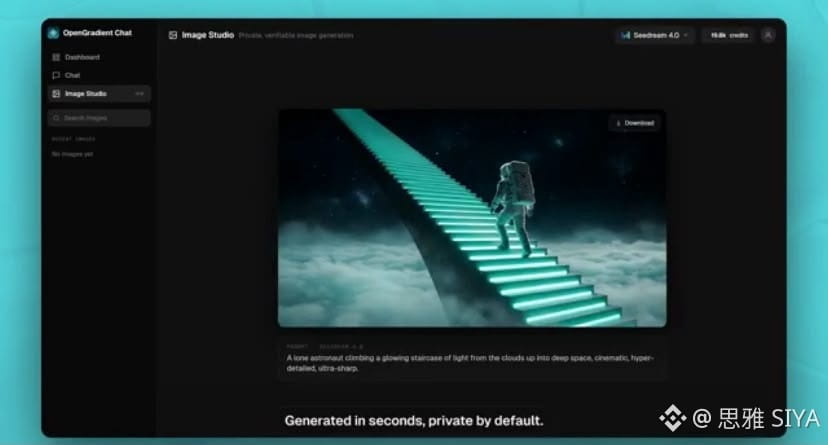
Seedream 4.0 may be the visible worker, but the deeper system is about how the request reaches that worker without turning the user into the product.
Data should move only as far as required.
Execution should happen through a protected route.
Payment should clear before compute is consumed.
Proof should exist without forcing every user to wait for a loud blockchain moment.
That is where the architecture becomes interesting.
The user sees a simple studio.
Under it, the network has to answer harder questions.
Was the request routed privately?
Was execution handled through the expected layer?
Was access paid for?
Can the response path be checked after the work is done?
And where exact image provenance matters, should the final file also carry stronger commitments?
That boundary is important.
Private generation does not only mean better visuals with fewer traces.
It means understanding what stays protected, what gets verified, what gets paid for and what still needs explicit proof.
That is where OPG becomes more than a ticker.
It connects cost to compute.
Prompt goes in.
Inference runs.
Payment clears.
Evidence can be checked.
Result comes back.
Simple outside.
Strict inside.
That is the part I think people miss about OpenGradient.
$OPG #OPG
{spot}(OPGUSDT)」
私にとって「@OpenGradient is not interesting to me only because it can make sharper outputs.
That part is expected.
The real question is what happens when generation becomes normal.
When millions of prompts, edits, references, private files and payments start moving through the same creative workflow, the problem is no longer just quality.
It becomes architecture.
A prompt is not just text.
It is user data.
It can reveal taste, intent, location, client work, business ideas, personal memory or something still unfinished.
Most platforms treat that data as input for a model.
OpenGradient treats it as something that needs a controlled path.
That difference matters.
Seedream 4.0 may be the visible worker, but the deeper system is about how the request reaches that worker without turning the user into the product.
Data should move only as far as required.
Execution should happen through a protected route.
Payment should clear before compute is consumed.
Proof should exist without forcing every user to wait for a loud blockchain moment.
That is where the architecture becomes interesting.
The user sees a simple studio.
Under it, the network has to answer harder questions.
Was the request routed privately?
Was execution handled through the expected layer?
Was access paid for?
Can the response path be checked after the work is done?
And where exact image provenance matters, should the final file also carry stronger commitments?
That boundary is important.
Private generation does not only mean better visuals with fewer traces.
It means understanding what stays protected, what gets verified, what gets paid for and what still needs explicit proof.
That is where OPG becomes more than a ticker.
It connects cost to compute.
Prompt goes in.
Inference runs.
Payment clears.
Evidence can be checked.
Result comes back.
Simple outside.
Strict inside.
That is the part I think people miss about OpenGradient.
$OPG #OPG 」
That part is expected.
The real question is what happens when generation becomes normal.
When millions of prompts, edits, references, private files and payments start moving through the same creative workflow, the problem is no longer just quality.
It becomes architecture.
A prompt is not just text.
It is user data.
It can reveal taste, intent, location, client work, business ideas, personal memory or something still unfinished.
Most platforms treat that data as input for a model.
OpenGradient treats it as something that needs a controlled path.
That difference matters.
Seedream 4.0 may be the visible worker, but the deeper system is about how the request reaches that worker without turning the user into the product.
Data should move only as far as required.
Execution should happen through a protected route.
Payment should clear before compute is consumed.
Proof should exist without forcing every user to wait for a loud blockchain moment.
That is where the architecture becomes interesting.
The user sees a simple studio.
Under it, the network has to answer harder questions.
Was the request routed privately?
Was execution handled through the expected layer?
Was access paid for?
Can the response path be checked after the work is done?
And where exact image provenance matters, should the final file also carry stronger commitments?
That boundary is important.
Private generation does not only mean better visuals with fewer traces.
It means understanding what stays protected, what gets verified, what gets paid for and what still needs explicit proof.
That is where OPG becomes more than a ticker.
It connects cost to compute.
Prompt goes in.
Inference runs.
Payment clears.
Evidence can be checked.
Result comes back.
Simple outside.
Strict inside.
That is the part I think people miss about OpenGradient.
$OPG #OPG 」
15
13
854
·
--
ブリッシュ
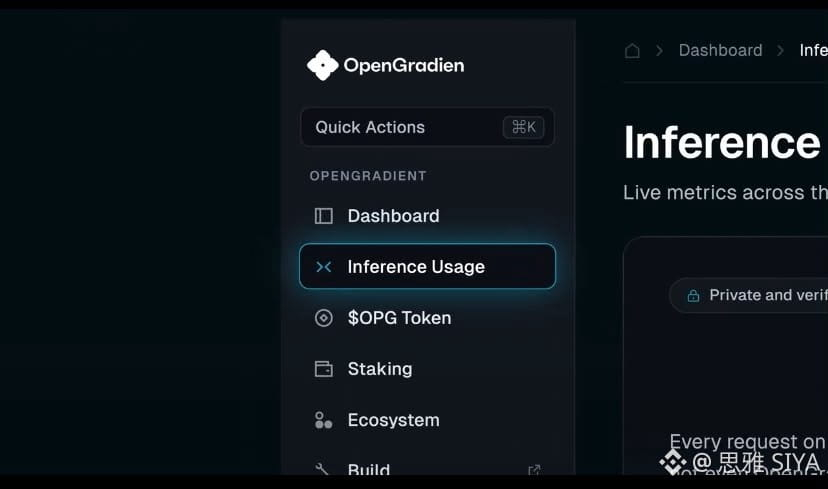
150,000のプライベートインファレンスは単なる使用数じゃない。
それはプレッシャーテストだ。
プライベートインファレンスが機能し始めると、より難しい質問が現れる。
誰がデータを見たのか?
誰が実行に関わったのか?
誰が出力が正しい経路から来たことを証明するのか?
誰がその信頼のコストをスケールで支払うのか?
それが@OpenGradient にとって興味深いところだ。
このシステムは、リクエストがすでに公開された後に追加されるマーケティングレイヤーのようにプライバシーを扱っていない。
それは経路自体を変えている。
プロンプトはユーザーのデバイスを出る前に暗号化される。
中継は接続を処理できるが、封印されたOHTTPバイトのみを転送する。
TEEゲートウェイは、承認されたエンクレーブ内でリクエストを開くことができるが、通常のプロバイダーエンドポイントのようにユーザーの元のIPを受け取ることはない。
その分離は重要だ。
プライバシーは後から追加されるものではない。
リクエストが有用になる瞬間に配置される。
そして証明が来る。
エンクレーブは単に答えを返して皆に信じるように頼むわけではない。
承認された環境がリクエストを処理したという署名された証拠を生成する。
検証と決済は、ユーザーが答えを得る前にブロックチェーンの最終性を待たされるのではなく、迅速な応答経路の後に行われることができる。
それがクリーンな分割を生む:
データは保護されたまま。
実行は隔離されたまま。
証明は外に出て行く。
検証はその後に行われる。
コストはOPGを通じて移動する。
それが適切なアーキテクチャだ。
一つの大きなブラックボックスではない。
パイプラインだ。
ユーザーにとって、それはセンシティブなプロンプトが再び使えるようになることを意味する。
ビルダーにとって、それはアプリが全てのユーザーの生データの保管者にならずにプライベートインファレンスを追加できることを意味する。
ネットワークにとって、それはOPGが単に注目に付随するものではないことを意味する。
それはコンピュート、支払い、検証、需要の近くに位置している。
リアルな信号は150,000だけではない。
その信号はプライベートインファレンスがインフラのように振る舞い始めていることだ。
静かに。
繰り返し可能に。
測定可能に。
それがマインドシェアを無視するのが難しくなるところだ。
$OPG #OPG
{spot}(OPGUSDT)
150,000のプライベートインファレンスは単なる使用数じゃない。
それはプレッシャーテストだ。
プライベートインファレンスが機能し始めると、より難しい質問が現れる。
誰がデータを見たのか?
誰が実行に関わったのか?
誰が出力が正しい経路から来たことを証明するのか?
誰がその信頼のコストをスケールで支払うのか?
それが@OpenGradient にとって興味深いところだ。
このシステムは、リクエストがすでに公開された後に追加されるマーケティングレイヤーのようにプライバシーを扱っていない。
それは経路自体を変えている。
プロンプトはユーザーのデバイスを出る前に暗号化される。
中継は接続を処理できるが、封印されたOHTTPバイトのみを転送する。
TEEゲートウェイは、承認されたエンクレーブ内でリクエストを開くことができるが、通常のプロバイダーエンドポイントのようにユーザーの元のIPを受け取ることはない。
その分離は重要だ。
プライバシーは後から追加されるものではない。
リクエストが有用になる瞬間に配置される。
そして証明が来る。
エンクレーブは単に答えを返して皆に信じるように頼むわけではない。
承認された環境がリクエストを処理したという署名された証拠を生成する。
検証と決済は、ユーザーが答えを得る前にブロックチェーンの最終性を待たされるのではなく、迅速な応答経路の後に行われることができる。
それがクリーンな分割を生む:
データは保護されたまま。
実行は隔離されたまま。
証明は外に出て行く。
検証はその後に行われる。
コストはOPGを通じて移動する。
それが適切なアーキテクチャだ。
一つの大きなブラックボックスではない。
パイプラインだ。
ユーザーにとって、それはセンシティブなプロンプトが再び使えるようになることを意味する。
ビルダーにとって、それはアプリが全てのユーザーの生データの保管者にならずにプライベートインファレンスを追加できることを意味する。
ネットワークにとって、それはOPGが単に注目に付随するものではないことを意味する。
それはコンピュート、支払い、検証、需要の近くに位置している。
リアルな信号は150,000だけではない。
その信号はプライベートインファレンスがインフラのように振る舞い始めていることだ。
静かに。
繰り返し可能に。
測定可能に。
それがマインドシェアを無視するのが難しくなるところだ。
$OPG #OPG
それはプレッシャーテストだ。
プライベートインファレンスが機能し始めると、より難しい質問が現れる。
誰がデータを見たのか?
誰が実行に関わったのか?
誰が出力が正しい経路から来たことを証明するのか?
誰がその信頼のコストをスケールで支払うのか?
それが@OpenGradient にとって興味深いところだ。
このシステムは、リクエストがすでに公開された後に追加されるマーケティングレイヤーのようにプライバシーを扱っていない。
それは経路自体を変えている。
プロンプトはユーザーのデバイスを出る前に暗号化される。
中継は接続を処理できるが、封印されたOHTTPバイトのみを転送する。
TEEゲートウェイは、承認されたエンクレーブ内でリクエストを開くことができるが、通常のプロバイダーエンドポイントのようにユーザーの元のIPを受け取ることはない。
その分離は重要だ。
プライバシーは後から追加されるものではない。
リクエストが有用になる瞬間に配置される。
そして証明が来る。
エンクレーブは単に答えを返して皆に信じるように頼むわけではない。
承認された環境がリクエストを処理したという署名された証拠を生成する。
検証と決済は、ユーザーが答えを得る前にブロックチェーンの最終性を待たされるのではなく、迅速な応答経路の後に行われることができる。
それがクリーンな分割を生む:
データは保護されたまま。
実行は隔離されたまま。
証明は外に出て行く。
検証はその後に行われる。
コストはOPGを通じて移動する。
それが適切なアーキテクチャだ。
一つの大きなブラックボックスではない。
パイプラインだ。
ユーザーにとって、それはセンシティブなプロンプトが再び使えるようになることを意味する。
ビルダーにとって、それはアプリが全てのユーザーの生データの保管者にならずにプライベートインファレンスを追加できることを意味する。
ネットワークにとって、それはOPGが単に注目に付随するものではないことを意味する。
それはコンピュート、支払い、検証、需要の近くに位置している。
リアルな信号は150,000だけではない。
その信号はプライベートインファレンスがインフラのように振る舞い始めていることだ。
静かに。
繰り返し可能に。
測定可能に。
それがマインドシェアを無視するのが難しくなるところだ。
$OPG #OPG
5
5
121
·
--
ブリッシュ
HEIはポンプ後の修正を示していて、まだクリーンな継続ではない。0.1465のウィックがトップを示し、その後価格は0.1228エリアに拒絶されてバウンスした。現在は0.1317の周辺にあり、ほぼ正確にMA7の0.1325の下にいる。これは重要で、ショートトレンドがサポートからレジスタンスに切り替わろうとしている。
HEIについては、0.1325–0.1362のバンドに注目したい。このゾーンを取り戻すことで、買い手は0.1465を再テストする余地が生まれる。そこでの失敗はチャートを重く保ち、0.1228を再び危険にさらす。そこを下回ると、0.1109近くのMA25が次のマグネットになる。
Gは異なる構造を持っている。すでに0.00354への流動性スパイクを経てダンプし、その後0.00281–0.00300の周辺で数時間かけてベースを築いた。最新のキャンドルはMA7とMA25を超えようと試みており、これは建設的だが、ボリュームはまだ薄い。だからこれは圧縮ブレイクアウトの試みだと呼ぶべきで、確認されたモメンタムではない。
HEIは取り戻す必要がある。
Gはボリュームの確認が必要だ。
$HEI
{spot}(HEIUSDT)
$G
{spot}(GUSDT)
#G #HEl
クリーンなテクニカルトリガー?
HEIはポンプ後の修正を示していて、まだクリーンな継続ではない。0.1465のウィックがトップを示し、その後価格は0.1228エリアに拒絶されてバウンスした。現在は0.1317の周辺にあり、ほぼ正確にMA7の0.1325の下にいる。これは重要で、ショートトレンドがサポートからレジスタンスに切り替わろうとしている。
HEIについては、0.1325–0.1362のバンドに注目したい。このゾーンを取り戻すことで、買い手は0.1465を再テストする余地が生まれる。そこでの失敗はチャートを重く保ち、0.1228を再び危険にさらす。そこを下回ると、0.1109近くのMA25が次のマグネットになる。
Gは異なる構造を持っている。すでに0.00354への流動性スパイクを経てダンプし、その後0.00281–0.00300の周辺で数時間かけてベースを築いた。最新のキャンドルはMA7とMA25を超えようと試みており、これは建設的だが、ボリュームはまだ薄い。だからこれは圧縮ブレイクアウトの試みだと呼ぶべきで、確認されたモメンタムではない。
HEIは取り戻す必要がある。
Gはボリュームの確認が必要だ。
$HEI
$G
#G #HEl
クリーンなテクニカルトリガー?
HEIについては、0.1325–0.1362のバンドに注目したい。このゾーンを取り戻すことで、買い手は0.1465を再テストする余地が生まれる。そこでの失敗はチャートを重く保ち、0.1228を再び危険にさらす。そこを下回ると、0.1109近くのMA25が次のマグネットになる。
Gは異なる構造を持っている。すでに0.00354への流動性スパイクを経てダンプし、その後0.00281–0.00300の周辺で数時間かけてベースを築いた。最新のキャンドルはMA7とMA25を超えようと試みており、これは建設的だが、ボリュームはまだ薄い。だからこれは圧縮ブレイクアウトの試みだと呼ぶべきで、確認されたモメンタムではない。
HEIは取り戻す必要がある。
Gはボリュームの確認が必要だ。
$HEI
$G
#G #HEl
クリーンなテクニカルトリガー?
$HEI flips 0.1362
67%
$HEI loses 0.1228
0%
$G breaks 0.00320
0%
$G rejects under 0.00310
33%
3 投票 • 投票は終了しました
2
496
·
--
ブリッシュ
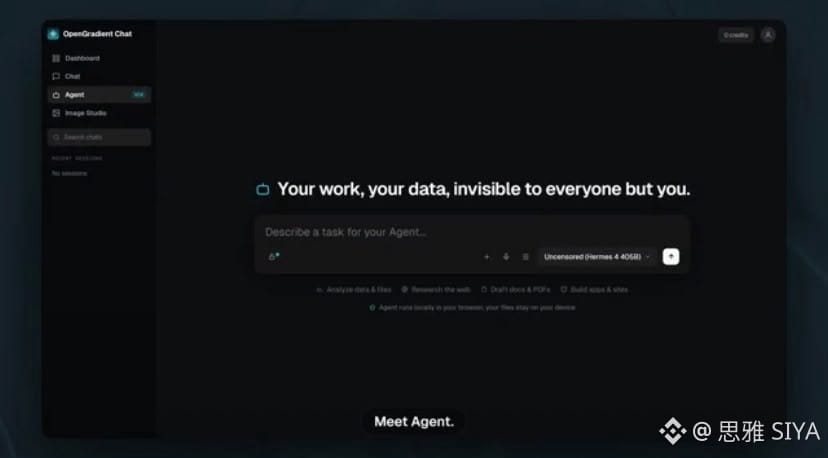
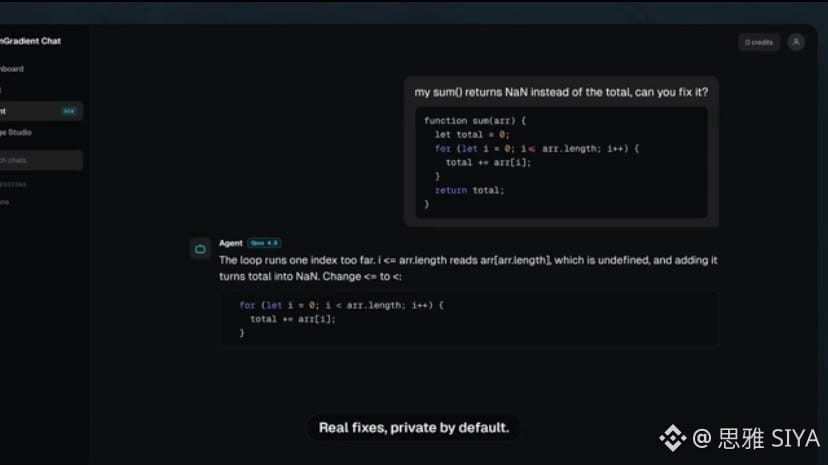
エージェントが@OpenGradient でライブになるのは、ただのツールアップデートじゃない。
それは信頼の境界がどこにあるかを変える。
ほとんどのエージェントは、より多くのアクセスを求めることで役立つようになる。
より多くのファイル。より多くのコンテキスト。より多くの権限。より多くのメモリ。
それはエージェントが実際に強力になるまでは機能する。
それからの本当の質問は、
「それはそのタスクを実行できるか?」ではなく、
「それができるようになった後、何が起こるのか?」だ。
それが私にとってOPGが面白くなるところだ。
OpenGradientは、1つのAIアプリをすべてが一度に信頼される場所にしようとはしていない。
システムを分離している。
ユーザーのデータは、エージェントがコンテキストを必要とするからといって、プラットフォームの所有物になる必要はない。
リクエストはプライベートなルートを通過できる。
アイデンティティとプロンプトの内容は同じ場所に存在することを意図していない。
モデルコールは保護された実行を通じて行われる。
証明と検証は別々に処理される。
支払いは手動の請求ステップではなく、機械可読なフローを通じて処理される。
それが適切なアーキテクチャだ。
1つの大きなAIアプリではなく、
分割されたシステムだ。
各レイヤーには1つの役割がある。
データ処理。
実行。
証明。
検証。
支払い。
エージェントは、文書をレビューしたり、散らかったノートを整理したり、情報を比較したり、ファイルを要約したり、ドラフトを準備したり、散らばったコンテキストを使えるものに変えたりするのを手伝うかもしれない。
しかし、より深い制約はこれだ:
有用な作業は完全な露出を必要とすべきではない。
それはまず普通の状況で重要だ。
学習資料を学ぶ学生。
プライベートなマーケットノートを整理するトレーダー。
製品アイデアを形作る創業者。
散らかった議論を明確な文書にまとめるチーム。
普通のタスク。
センシティブなコンテキスト。
これが多くのエージェントが静かに失敗する場所だ。
彼らは信頼を得る前に信頼を求める。
OpenGradientは、信頼をより機械的にしようとしている。
タスクを実行する。
入力を保護する。
証明された経路を使用する。
結果をすぐに返す。
その後、検証して決済する。
スピードが重要な場所では迅速に。
信頼が重要な場所では証明可能に。
漏洩が痛手になる場所ではプライベートに。
それが私が何度も戻ってくるデザインの選択だ。
エージェントは目に見えるアップデートだ。
アーキテクチャが本当の製品だ。
$OPG
{spot}(OPGUSDT)
#OPG
エージェントが@OpenGradient でライブになるのは、ただのツールアップデートじゃない。
それは信頼の境界がどこにあるかを変える。
ほとんどのエージェントは、より多くのアクセスを求めることで役立つようになる。
より多くのファイル。より多くのコンテキスト。より多くの権限。より多くのメモリ。
それはエージェントが実際に強力になるまでは機能する。
それからの本当の質問は、
「それはそのタスクを実行できるか?」ではなく、
「それができるようになった後、何が起こるのか?」だ。
それが私にとってOPGが面白くなるところだ。
OpenGradientは、1つのAIアプリをすべてが一度に信頼される場所にしようとはしていない。
システムを分離している。
ユーザーのデータは、エージェントがコンテキストを必要とするからといって、プラットフォームの所有物になる必要はない。
リクエストはプライベートなルートを通過できる。
アイデンティティとプロンプトの内容は同じ場所に存在することを意図していない。
モデルコールは保護された実行を通じて行われる。
証明と検証は別々に処理される。
支払いは手動の請求ステップではなく、機械可読なフローを通じて処理される。
それが適切なアーキテクチャだ。
1つの大きなAIアプリではなく、
分割されたシステムだ。
各レイヤーには1つの役割がある。
データ処理。
実行。
証明。
検証。
支払い。
エージェントは、文書をレビューしたり、散らかったノートを整理したり、情報を比較したり、ファイルを要約したり、ドラフトを準備したり、散らばったコンテキストを使えるものに変えたりするのを手伝うかもしれない。
しかし、より深い制約はこれだ:
有用な作業は完全な露出を必要とすべきではない。
それはまず普通の状況で重要だ。
学習資料を学ぶ学生。
プライベートなマーケットノートを整理するトレーダー。
製品アイデアを形作る創業者。
散らかった議論を明確な文書にまとめるチーム。
普通のタスク。
センシティブなコンテキスト。
これが多くのエージェントが静かに失敗する場所だ。
彼らは信頼を得る前に信頼を求める。
OpenGradientは、信頼をより機械的にしようとしている。
タスクを実行する。
入力を保護する。
証明された経路を使用する。
結果をすぐに返す。
その後、検証して決済する。
スピードが重要な場所では迅速に。
信頼が重要な場所では証明可能に。
漏洩が痛手になる場所ではプライベートに。
それが私が何度も戻ってくるデザインの選択だ。
エージェントは目に見えるアップデートだ。
アーキテクチャが本当の製品だ。
$OPG
#OPG
それは信頼の境界がどこにあるかを変える。
ほとんどのエージェントは、より多くのアクセスを求めることで役立つようになる。
より多くのファイル。より多くのコンテキスト。より多くの権限。より多くのメモリ。
それはエージェントが実際に強力になるまでは機能する。
それからの本当の質問は、
「それはそのタスクを実行できるか?」ではなく、
「それができるようになった後、何が起こるのか?」だ。
それが私にとってOPGが面白くなるところだ。
OpenGradientは、1つのAIアプリをすべてが一度に信頼される場所にしようとはしていない。
システムを分離している。
ユーザーのデータは、エージェントがコンテキストを必要とするからといって、プラットフォームの所有物になる必要はない。
リクエストはプライベートなルートを通過できる。
アイデンティティとプロンプトの内容は同じ場所に存在することを意図していない。
モデルコールは保護された実行を通じて行われる。
証明と検証は別々に処理される。
支払いは手動の請求ステップではなく、機械可読なフローを通じて処理される。
それが適切なアーキテクチャだ。
1つの大きなAIアプリではなく、
分割されたシステムだ。
各レイヤーには1つの役割がある。
データ処理。
実行。
証明。
検証。
支払い。
エージェントは、文書をレビューしたり、散らかったノートを整理したり、情報を比較したり、ファイルを要約したり、ドラフトを準備したり、散らばったコンテキストを使えるものに変えたりするのを手伝うかもしれない。
しかし、より深い制約はこれだ:
有用な作業は完全な露出を必要とすべきではない。
それはまず普通の状況で重要だ。
学習資料を学ぶ学生。
プライベートなマーケットノートを整理するトレーダー。
製品アイデアを形作る創業者。
散らかった議論を明確な文書にまとめるチーム。
普通のタスク。
センシティブなコンテキスト。
これが多くのエージェントが静かに失敗する場所だ。
彼らは信頼を得る前に信頼を求める。
OpenGradientは、信頼をより機械的にしようとしている。
タスクを実行する。
入力を保護する。
証明された経路を使用する。
結果をすぐに返す。
その後、検証して決済する。
スピードが重要な場所では迅速に。
信頼が重要な場所では証明可能に。
漏洩が痛手になる場所ではプライベートに。
それが私が何度も戻ってくるデザインの選択だ。
エージェントは目に見えるアップデートだ。
アーキテクチャが本当の製品だ。
$OPG
#OPG
7
6
134
·
--
本人確認中
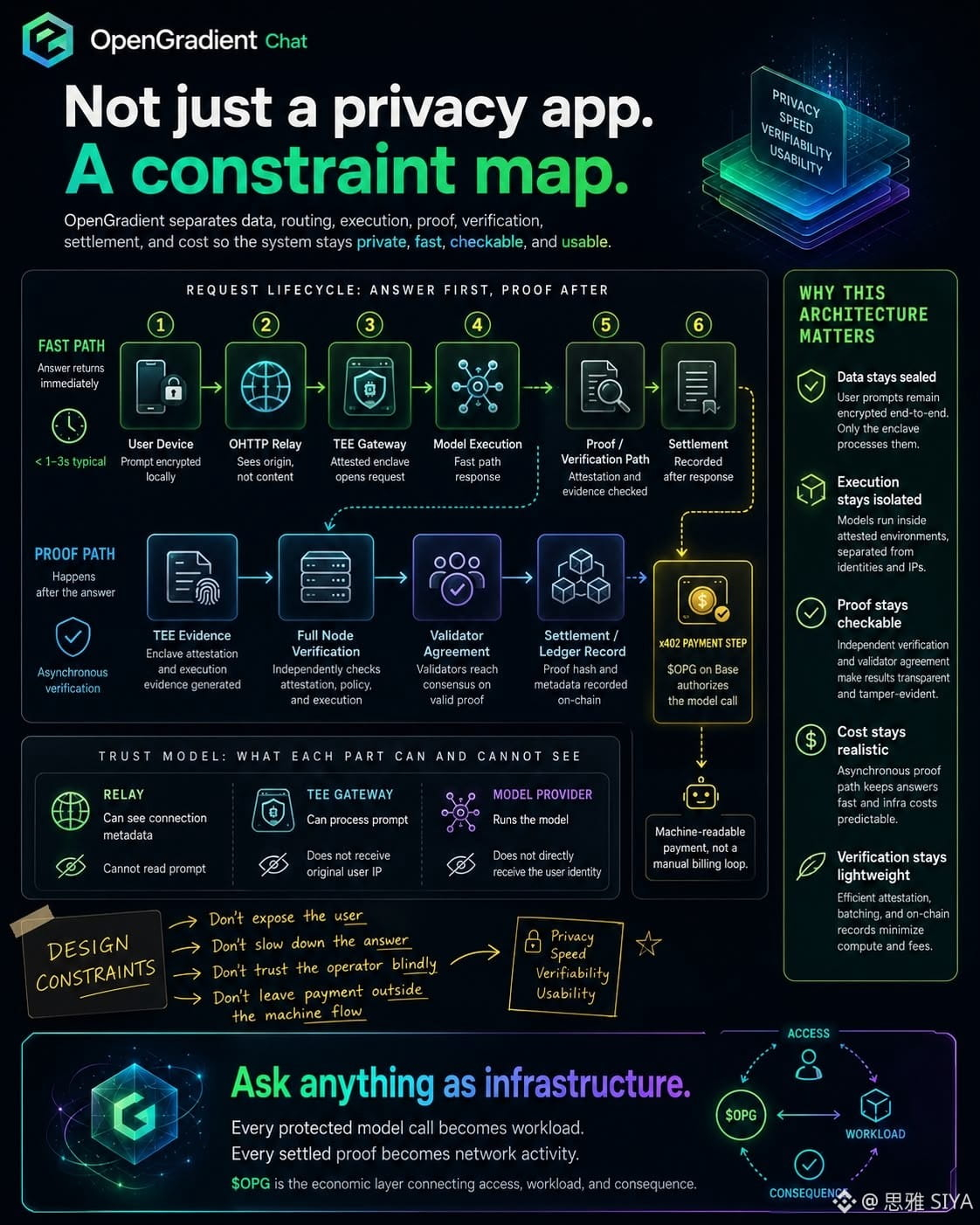
私は以前、モデルアプリのプライバシーはプロンプトを隠すことだけだと思っていました。
今では、それが簡単な部分だと思っています。
本当の問題は、答えが機能した後に始まります。
データに触れたのは誰ですか?
それを実行したのは誰ですか?
誰かがルートを証明できますか?
その呼び出しのために誰が支払ったのですか?
何が記録されますか?
それが@OpenGradient が私にとってもっと興味深くなるところです。
それはプライバシー、実行、証明、検証、コストを信頼されたサーバー内の一つの混沌とした約束として扱いません。
それらを分けています。
データが最初に動きます。
リクエストはデバイス上で暗号化されているので、生のプロンプトはスタックを通過する際に露出しません。
次にルーティング。
OHTTPはアイデンティティをコンテンツから分離します。
リレーはトラフィックの出所を見ることができますが、封印されたバイトのみを転送します。
TEEゲートウェイは証明されたエンクレーブ内でリクエストを開くことができますが、ユーザーの元のIPは受け取りません。
単一のレイヤーが全体像を保持することを意図していません。
次に実行。
モデルコールは保護されたパスを通じて実行され、ユーザーが答えを見る前にブロックチェーンのコンセンサスを待つことを強制しません。
次に証明。
ポイントは単なるプライバシーではありません。
ポイントは保護されたパスが使用されたという証拠です。
アテステーションは主張をチェック可能なものに変えます。
検証は実行から分離されているので、バリデーターが重いモデルコールを再実行することを強制するとコストモデルが崩壊します。
だから、レスポンスは迅速に返されることができます。
証明は後で決済できます。
その分割は重要です。
実行はスピードのためです。
証明はアカウンタビリティのためです。
決済は監査可能性のためです。
コストはスケールのためです。
x402を使用すると、モデルコールは有料のHTTPイベントになります。
OPGはBase上でLLM推論の支払いを処理し、OpenGradientはノード登録、推論実行、証明決済、検証を独自のネットワークを通じて処理します。
だから、設計は単なるプライバシーアプリではありません。
それは制約マップです。
ユーザーを露出させないでください。
答えを遅らせないでください。
オペレーターを盲目的に信頼しないでください。
すべてのバリデーターにGPU作業を繰り返させないでください。
支払いをマシンフローの外に置かないでください。
だからこそ、OPGはここで重要だと感じています。
チャットの上に座っているロゴとしてではなく。
$OPG
{spot}(OPGUSDT)
#OPG
私は以前、モデルアプリのプライバシーはプロンプトを隠すことだけだと思っていました。
今では、それが簡単な部分だと思っています。
本当の問題は、答えが機能した後に始まります。
データに触れたのは誰ですか?
それを実行したのは誰ですか?
誰かがルートを証明できますか?
その呼び出しのために誰が支払ったのですか?
何が記録されますか?
それが@OpenGradient が私にとってもっと興味深くなるところです。
それはプライバシー、実行、証明、検証、コストを信頼されたサーバー内の一つの混沌とした約束として扱いません。
それらを分けています。
データが最初に動きます。
リクエストはデバイス上で暗号化されているので、生のプロンプトはスタックを通過する際に露出しません。
次にルーティング。
OHTTPはアイデンティティをコンテンツから分離します。
リレーはトラフィックの出所を見ることができますが、封印されたバイトのみを転送します。
TEEゲートウェイは証明されたエンクレーブ内でリクエストを開くことができますが、ユーザーの元のIPは受け取りません。
単一のレイヤーが全体像を保持することを意図していません。
次に実行。
モデルコールは保護されたパスを通じて実行され、ユーザーが答えを見る前にブロックチェーンのコンセンサスを待つことを強制しません。
次に証明。
ポイントは単なるプライバシーではありません。
ポイントは保護されたパスが使用されたという証拠です。
アテステーションは主張をチェック可能なものに変えます。
検証は実行から分離されているので、バリデーターが重いモデルコールを再実行することを強制するとコストモデルが崩壊します。
だから、レスポンスは迅速に返されることができます。
証明は後で決済できます。
その分割は重要です。
実行はスピードのためです。
証明はアカウンタビリティのためです。
決済は監査可能性のためです。
コストはスケールのためです。
x402を使用すると、モデルコールは有料のHTTPイベントになります。
OPGはBase上でLLM推論の支払いを処理し、OpenGradientはノード登録、推論実行、証明決済、検証を独自のネットワークを通じて処理します。
だから、設計は単なるプライバシーアプリではありません。
それは制約マップです。
ユーザーを露出させないでください。
答えを遅らせないでください。
オペレーターを盲目的に信頼しないでください。
すべてのバリデーターにGPU作業を繰り返させないでください。
支払いをマシンフローの外に置かないでください。
だからこそ、OPGはここで重要だと感じています。
チャットの上に座っているロゴとしてではなく。
$OPG
#OPG
今では、それが簡単な部分だと思っています。
本当の問題は、答えが機能した後に始まります。
データに触れたのは誰ですか?
それを実行したのは誰ですか?
誰かがルートを証明できますか?
その呼び出しのために誰が支払ったのですか?
何が記録されますか?
それが@OpenGradient が私にとってもっと興味深くなるところです。
それはプライバシー、実行、証明、検証、コストを信頼されたサーバー内の一つの混沌とした約束として扱いません。
それらを分けています。
データが最初に動きます。
リクエストはデバイス上で暗号化されているので、生のプロンプトはスタックを通過する際に露出しません。
次にルーティング。
OHTTPはアイデンティティをコンテンツから分離します。
リレーはトラフィックの出所を見ることができますが、封印されたバイトのみを転送します。
TEEゲートウェイは証明されたエンクレーブ内でリクエストを開くことができますが、ユーザーの元のIPは受け取りません。
単一のレイヤーが全体像を保持することを意図していません。
次に実行。
モデルコールは保護されたパスを通じて実行され、ユーザーが答えを見る前にブロックチェーンのコンセンサスを待つことを強制しません。
次に証明。
ポイントは単なるプライバシーではありません。
ポイントは保護されたパスが使用されたという証拠です。
アテステーションは主張をチェック可能なものに変えます。
検証は実行から分離されているので、バリデーターが重いモデルコールを再実行することを強制するとコストモデルが崩壊します。
だから、レスポンスは迅速に返されることができます。
証明は後で決済できます。
その分割は重要です。
実行はスピードのためです。
証明はアカウンタビリティのためです。
決済は監査可能性のためです。
コストはスケールのためです。
x402を使用すると、モデルコールは有料のHTTPイベントになります。
OPGはBase上でLLM推論の支払いを処理し、OpenGradientはノード登録、推論実行、証明決済、検証を独自のネットワークを通じて処理します。
だから、設計は単なるプライバシーアプリではありません。
それは制約マップです。
ユーザーを露出させないでください。
答えを遅らせないでください。
オペレーターを盲目的に信頼しないでください。
すべてのバリデーターにGPU作業を繰り返させないでください。
支払いをマシンフローの外に置かないでください。
だからこそ、OPGはここで重要だと感じています。
チャットの上に座っているロゴとしてではなく。
$OPG
#OPG
19
22
1.6k
·
--
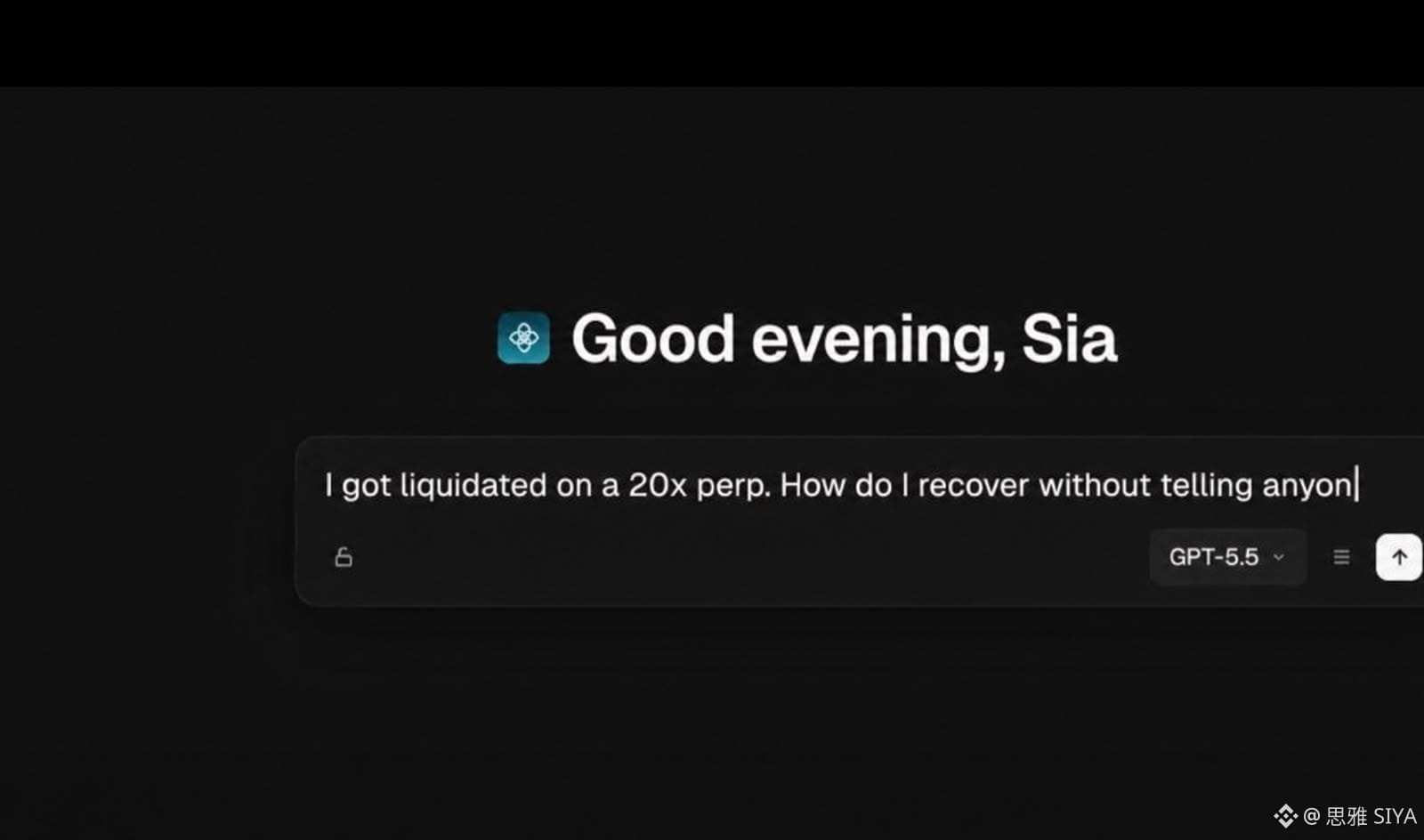
@OpenGradient を見るほど、チャットアプリには見えなくなってきた。
境界システムに見える。
ほとんどのAI製品はこう言う:より良いモデルを使えと。
OpenGradientはより深い質問を投げかける:
モデルがそれを見る前に、プロンプトに何が起こるのか?
それが本当の制約だ。
データファースト。
リクエストはデバイス上で暗号化されているので、生の質問はスタックを通過する際にカジュアルに露出しない。
次にルーティング。
OHTTPはアイデンティティをコンテンツから切り離す。
中継はトラフィックがどこから来たかを見ることができるが、封印されたバイトだけを転送する。
TEEゲートウェイは、証明されたエンクレーブ内でリクエストを開くことができるが、ユーザーの元のIPを受け取ることはない。
どの単一のレイヤーも全体像を保持することを目的としていない。
その小さな分離が信頼モデルを変える。
実行は保護されたパス内で行われる。
中継ではなく。
オープンネットワークではなく。
オペレーターからの盲目的な約束としてではなく。
次に証明が来る。
ポイントは単なるプライバシーではない。
ポイントは、保護されたパスが実際に使用されたという証拠だ。
アテステーションは「信じてくれ」をチェック可能なものに変える。
検証は実行から分離されている、なぜならすべてのバリデーターに重いモデルコールを再実行させるとコストモデルが壊れるからだ。
だからOpenGradientは高速パスと証明パスを分ける。
レスポンスはすぐに返せる。
証明はその後に定着できる。
そこがアーキテクチャが面白くなるところだ。
使いやすさのないプライバシーはニッチになる。
スピードのない検証は使えなくなる。
証明のない安価な実行は普通のクラウドになる。
OpenGradientはこの3つを緊張の中で保持しようとしている。
データは封印されたまま。
実行は孤立したまま。
証明はチェック可能なまま。
検証は軽量のまま。
コストは現実的なまま。
OPGにとって、私が見続けている部分だ。
トークンストーリーは、プライベート推論が単なるプライバシースローガンではなく、繰り返しの使用に変わるときにのみ意味を持つ。
すべての真剣なプロンプトには価値がある。
すべての保護されたモデルコールは作業負荷になる。
すべての定着した証明はネットワーク活動になる。
それが本当のユースケースだ。
機能として何かを尋ねるのではなく。
インフラとして何かを尋ねるのだ。
#OPG $OPG
{spot}(OPGUSDT)
@OpenGradient を見るほど、チャットアプリには見えなくなってきた。
境界システムに見える。
ほとんどのAI製品はこう言う:より良いモデルを使えと。
OpenGradientはより深い質問を投げかける:
モデルがそれを見る前に、プロンプトに何が起こるのか?
それが本当の制約だ。
データファースト。
リクエストはデバイス上で暗号化されているので、生の質問はスタックを通過する際にカジュアルに露出しない。
次にルーティング。
OHTTPはアイデンティティをコンテンツから切り離す。
中継はトラフィックがどこから来たかを見ることができるが、封印されたバイトだけを転送する。
TEEゲートウェイは、証明されたエンクレーブ内でリクエストを開くことができるが、ユーザーの元のIPを受け取ることはない。
どの単一のレイヤーも全体像を保持することを目的としていない。
その小さな分離が信頼モデルを変える。
実行は保護されたパス内で行われる。
中継ではなく。
オープンネットワークではなく。
オペレーターからの盲目的な約束としてではなく。
次に証明が来る。
ポイントは単なるプライバシーではない。
ポイントは、保護されたパスが実際に使用されたという証拠だ。
アテステーションは「信じてくれ」をチェック可能なものに変える。
検証は実行から分離されている、なぜならすべてのバリデーターに重いモデルコールを再実行させるとコストモデルが壊れるからだ。
だからOpenGradientは高速パスと証明パスを分ける。
レスポンスはすぐに返せる。
証明はその後に定着できる。
そこがアーキテクチャが面白くなるところだ。
使いやすさのないプライバシーはニッチになる。
スピードのない検証は使えなくなる。
証明のない安価な実行は普通のクラウドになる。
OpenGradientはこの3つを緊張の中で保持しようとしている。
データは封印されたまま。
実行は孤立したまま。
証明はチェック可能なまま。
検証は軽量のまま。
コストは現実的なまま。
OPGにとって、私が見続けている部分だ。
トークンストーリーは、プライベート推論が単なるプライバシースローガンではなく、繰り返しの使用に変わるときにのみ意味を持つ。
すべての真剣なプロンプトには価値がある。
すべての保護されたモデルコールは作業負荷になる。
すべての定着した証明はネットワーク活動になる。
それが本当のユースケースだ。
機能として何かを尋ねるのではなく。
インフラとして何かを尋ねるのだ。
#OPG $OPG
境界システムに見える。
ほとんどのAI製品はこう言う:より良いモデルを使えと。
OpenGradientはより深い質問を投げかける:
モデルがそれを見る前に、プロンプトに何が起こるのか?
それが本当の制約だ。
データファースト。
リクエストはデバイス上で暗号化されているので、生の質問はスタックを通過する際にカジュアルに露出しない。
次にルーティング。
OHTTPはアイデンティティをコンテンツから切り離す。
中継はトラフィックがどこから来たかを見ることができるが、封印されたバイトだけを転送する。
TEEゲートウェイは、証明されたエンクレーブ内でリクエストを開くことができるが、ユーザーの元のIPを受け取ることはない。
どの単一のレイヤーも全体像を保持することを目的としていない。
その小さな分離が信頼モデルを変える。
実行は保護されたパス内で行われる。
中継ではなく。
オープンネットワークではなく。
オペレーターからの盲目的な約束としてではなく。
次に証明が来る。
ポイントは単なるプライバシーではない。
ポイントは、保護されたパスが実際に使用されたという証拠だ。
アテステーションは「信じてくれ」をチェック可能なものに変える。
検証は実行から分離されている、なぜならすべてのバリデーターに重いモデルコールを再実行させるとコストモデルが壊れるからだ。
だからOpenGradientは高速パスと証明パスを分ける。
レスポンスはすぐに返せる。
証明はその後に定着できる。
そこがアーキテクチャが面白くなるところだ。
使いやすさのないプライバシーはニッチになる。
スピードのない検証は使えなくなる。
証明のない安価な実行は普通のクラウドになる。
OpenGradientはこの3つを緊張の中で保持しようとしている。
データは封印されたまま。
実行は孤立したまま。
証明はチェック可能なまま。
検証は軽量のまま。
コストは現実的なまま。
OPGにとって、私が見続けている部分だ。
トークンストーリーは、プライベート推論が単なるプライバシースローガンではなく、繰り返しの使用に変わるときにのみ意味を持つ。
すべての真剣なプロンプトには価値がある。
すべての保護されたモデルコールは作業負荷になる。
すべての定着した証明はネットワーク活動になる。
それが本当のユースケースだ。
機能として何かを尋ねるのではなく。
インフラとして何かを尋ねるのだ。
#OPG $OPG
20
15
1.1k
·
--
ブリッシュ
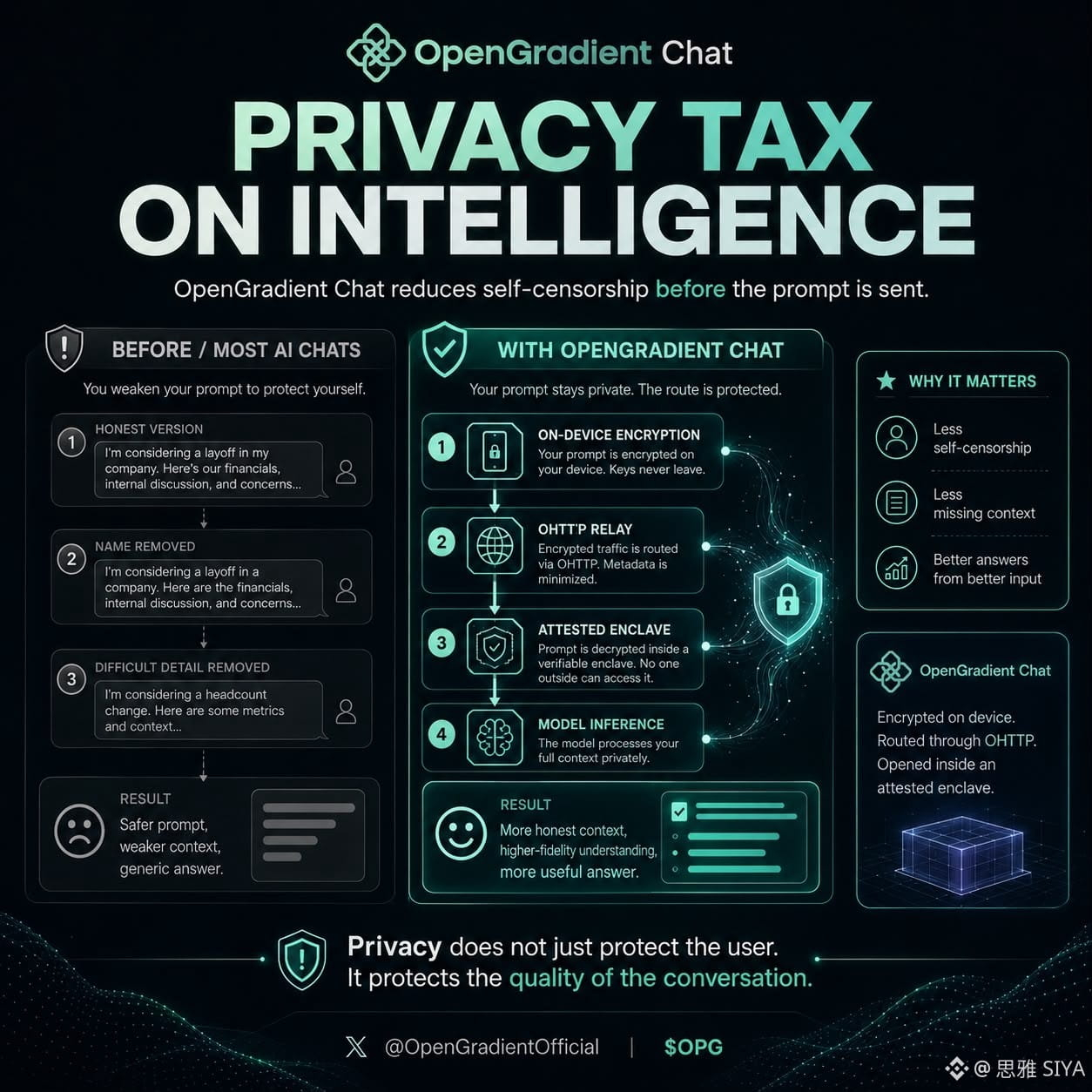
AIに送信する前に、一文を三回変更しました。
最初のバージョンは正直でした。
二番目は名前を削除しました。
三番目は状況を難しくした詳細を削除しました。
送信ボタンを押す頃には、質問は冷静で合理的に聞こえました。
実際の考えは全くそうではありませんでした。
それが、ほとんどのAI会話に隠れたコストがあることに気づかせました。
モデルが私を誤解する前に、私はすでにその入力の質を低下させていました。
名前、金額、間違い、不快な文脈を削除するのは、プロンプトがどれほど私に関係しているか分からないからです。
モデルはより安全な現実のバージョンを受け取ります。
それから、なぜ回答が一般的に感じられるのか不思議に思います。
私はそれを知性に対するプライバシー税だと考えます。
OpenGradient Chatは、その計算を私のために変えます。
プロンプトは私のデバイス上で暗号化され、OHTTP中継を通じて運ばれ、認証されたエンクレーブ内で開かれます。モデルプロバイダーは、私のアイデンティティから直接ではなく、その保護されたルートからリクエストを受け取ります。
アーキテクチャは技術的です。
プロダクトの効果は個人的です。
私は、実際の問題を提出するのに十分安全なものに変換するために費やす時間が少なくなります。
それはモデルを魔法のように賢くするわけではありません。
それはモデルが理解できる内容の忠実度を改善します。
@OpenGradient は、プライバシーが漏洩やプロファイリングに対する保護だけではないことに気づかせてくれました。
それは会話自体の質を守ることができます。
自己検閲が少なければ、欠けている文脈も少なくなります。
欠けている文脈が少ないことは、より有用な回答を意味することがあります。
本当のベンチマークは、AIがプロンプトを受け取った後に知的に聞こえるかどうかではないかもしれません。
それは、システムが人々にプロンプトを送るのに十分快適にさせるかどうかかもしれません。
送信する前にプライバシー税を支払うのをやめたら、あなたのAIの回答は改善されるでしょうか?
それは$OPG の背後にある意味のあるユーティリティです。
{spot}(OPGUSDT)
#OPG
AIに送信する前に、一文を三回変更しました。
最初のバージョンは正直でした。
二番目は名前を削除しました。
三番目は状況を難しくした詳細を削除しました。
送信ボタンを押す頃には、質問は冷静で合理的に聞こえました。
実際の考えは全くそうではありませんでした。
それが、ほとんどのAI会話に隠れたコストがあることに気づかせました。
モデルが私を誤解する前に、私はすでにその入力の質を低下させていました。
名前、金額、間違い、不快な文脈を削除するのは、プロンプトがどれほど私に関係しているか分からないからです。
モデルはより安全な現実のバージョンを受け取ります。
それから、なぜ回答が一般的に感じられるのか不思議に思います。
私はそれを知性に対するプライバシー税だと考えます。
OpenGradient Chatは、その計算を私のために変えます。
プロンプトは私のデバイス上で暗号化され、OHTTP中継を通じて運ばれ、認証されたエンクレーブ内で開かれます。モデルプロバイダーは、私のアイデンティティから直接ではなく、その保護されたルートからリクエストを受け取ります。
アーキテクチャは技術的です。
プロダクトの効果は個人的です。
私は、実際の問題を提出するのに十分安全なものに変換するために費やす時間が少なくなります。
それはモデルを魔法のように賢くするわけではありません。
それはモデルが理解できる内容の忠実度を改善します。
@OpenGradient は、プライバシーが漏洩やプロファイリングに対する保護だけではないことに気づかせてくれました。
それは会話自体の質を守ることができます。
自己検閲が少なければ、欠けている文脈も少なくなります。
欠けている文脈が少ないことは、より有用な回答を意味することがあります。
本当のベンチマークは、AIがプロンプトを受け取った後に知的に聞こえるかどうかではないかもしれません。
それは、システムが人々にプロンプトを送るのに十分快適にさせるかどうかかもしれません。
送信する前にプライバシー税を支払うのをやめたら、あなたのAIの回答は改善されるでしょうか?
それは$OPG の背後にある意味のあるユーティリティです。
#OPG
最初のバージョンは正直でした。
二番目は名前を削除しました。
三番目は状況を難しくした詳細を削除しました。
送信ボタンを押す頃には、質問は冷静で合理的に聞こえました。
実際の考えは全くそうではありませんでした。
それが、ほとんどのAI会話に隠れたコストがあることに気づかせました。
モデルが私を誤解する前に、私はすでにその入力の質を低下させていました。
名前、金額、間違い、不快な文脈を削除するのは、プロンプトがどれほど私に関係しているか分からないからです。
モデルはより安全な現実のバージョンを受け取ります。
それから、なぜ回答が一般的に感じられるのか不思議に思います。
私はそれを知性に対するプライバシー税だと考えます。
OpenGradient Chatは、その計算を私のために変えます。
プロンプトは私のデバイス上で暗号化され、OHTTP中継を通じて運ばれ、認証されたエンクレーブ内で開かれます。モデルプロバイダーは、私のアイデンティティから直接ではなく、その保護されたルートからリクエストを受け取ります。
アーキテクチャは技術的です。
プロダクトの効果は個人的です。
私は、実際の問題を提出するのに十分安全なものに変換するために費やす時間が少なくなります。
それはモデルを魔法のように賢くするわけではありません。
それはモデルが理解できる内容の忠実度を改善します。
@OpenGradient は、プライバシーが漏洩やプロファイリングに対する保護だけではないことに気づかせてくれました。
それは会話自体の質を守ることができます。
自己検閲が少なければ、欠けている文脈も少なくなります。
欠けている文脈が少ないことは、より有用な回答を意味することがあります。
本当のベンチマークは、AIがプロンプトを受け取った後に知的に聞こえるかどうかではないかもしれません。
それは、システムが人々にプロンプトを送るのに十分快適にさせるかどうかかもしれません。
送信する前にプライバシー税を支払うのをやめたら、あなたのAIの回答は改善されるでしょうか?
それは$OPG の背後にある意味のあるユーティリティです。
#OPG
1
5
129
·
--
ブリッシュ
以前は、検証可能なAIとは利用可能な最も強力な証明を選び、それをすべてに適用することだと思っていました。
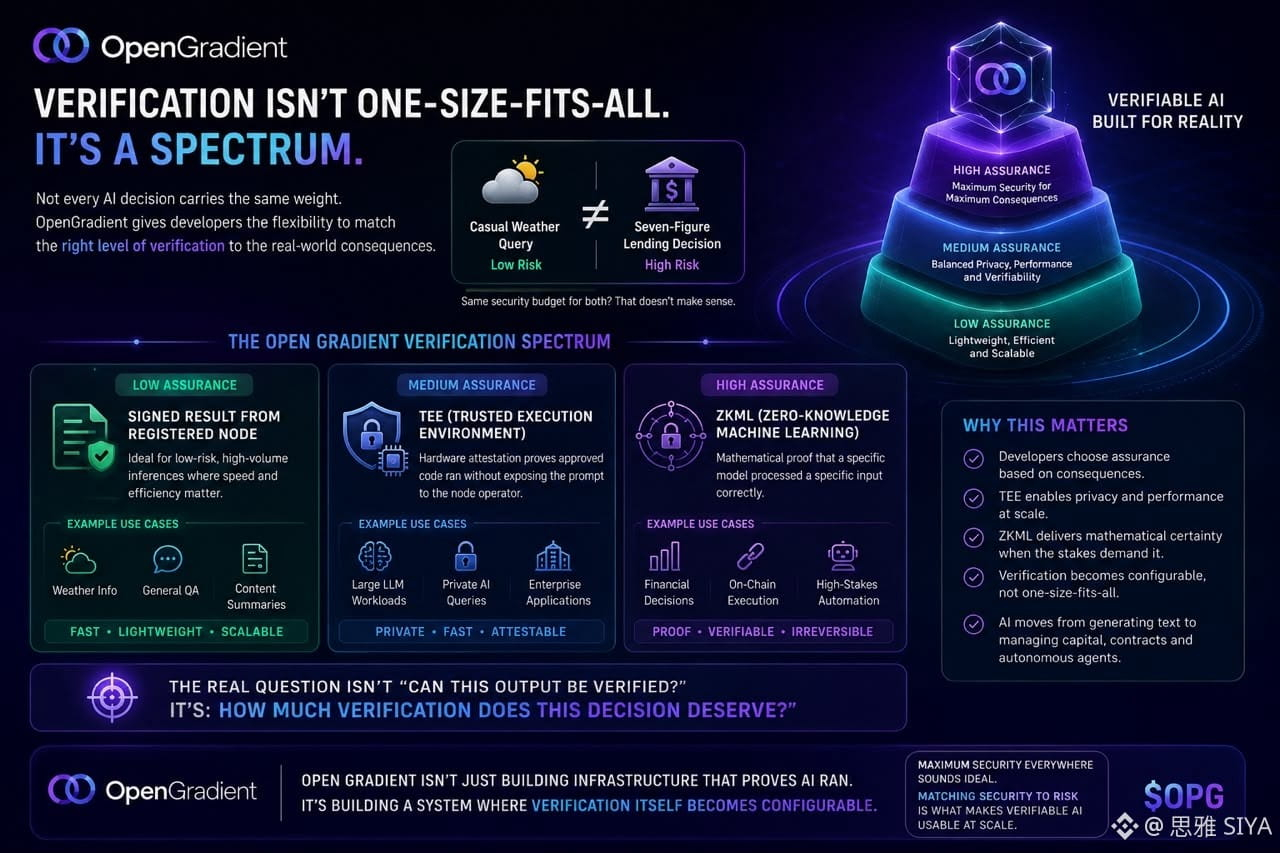
しかし、それはカジュアルな天気の問い合わせと七桁の融資判断をまったく同じセキュリティ予算で保護するようなものです。
@OpenGradient lは、より実践的なアプローチを取ります。
そのアーキテクチャは、検証のスペクトラムをサポートしています。
低リスクの推論は、登録されたノードからの署名付き結果に依存できます。
大規模なLLMワークロードは、TEE内で実行でき、ハードウェアの証明により、承認されたコードがリクエストを処理したことを証明し、プロンプトをノードオペレーターに公開することはありません。
小規模な金融または分析モデルはZKMLを使用し、特定のモデルが特定の入力を正しく処理したことの数学的証明を提供できます。
重要なのは、1つの方法が他を置き換えるのではなく、開発者が結果に基づいて保証を選択できることです。
TEEは、プライバシーとパフォーマンスが重要な場所で機能し、特にゼロ知識で大規模なモデルを証明することが高コストになる場合にそうです。
出力が取り返しのつかないアクションを直接引き起こす可能性がある場合、ZKMLはより価値が高くなり、より強い計算の確実性が追加のオーバーヘッドを正当化します。
それが私にOpenGradientを違った目で見るようにさせました。
それは、AIが実行されたことを証明するインフラを構築するだけではありません。
検証自体が設定可能なシステムを構築しています。
AIアプリケーションにとっての本当の質問は、もはや単純に:
この出力は検証可能ですか?
ではなく:
この特定の決定はどれだけの検証に値しますか?
その区別は、AIがテキストを生成することから資本、契約、そして自律エージェントを制御することへ移行する中で重要です。
どこにでも最大のセキュリティがあることは理想的に聞こえます。
リスクに合わせたセキュリティが、実際に検証可能なAIをスケールで使えるようにするかもしれません。
その柔軟性は、OPGのアーキテクチャの最も重要な部分の一つになる可能性があります。
$OPG #OPG
{spot}(OPGUSDT)
以前は、検証可能なAIとは利用可能な最も強力な証明を選び、それをすべてに適用することだと思っていました。
しかし、それはカジュアルな天気の問い合わせと七桁の融資判断をまったく同じセキュリティ予算で保護するようなものです。
@OpenGradient lは、より実践的なアプローチを取ります。
そのアーキテクチャは、検証のスペクトラムをサポートしています。
低リスクの推論は、登録されたノードからの署名付き結果に依存できます。
大規模なLLMワークロードは、TEE内で実行でき、ハードウェアの証明により、承認されたコードがリクエストを処理したことを証明し、プロンプトをノードオペレーターに公開することはありません。
小規模な金融または分析モデルはZKMLを使用し、特定のモデルが特定の入力を正しく処理したことの数学的証明を提供できます。
重要なのは、1つの方法が他を置き換えるのではなく、開発者が結果に基づいて保証を選択できることです。
TEEは、プライバシーとパフォーマンスが重要な場所で機能し、特にゼロ知識で大規模なモデルを証明することが高コストになる場合にそうです。
出力が取り返しのつかないアクションを直接引き起こす可能性がある場合、ZKMLはより価値が高くなり、より強い計算の確実性が追加のオーバーヘッドを正当化します。
それが私にOpenGradientを違った目で見るようにさせました。
それは、AIが実行されたことを証明するインフラを構築するだけではありません。
検証自体が設定可能なシステムを構築しています。
AIアプリケーションにとっての本当の質問は、もはや単純に:
この出力は検証可能ですか?
ではなく:
この特定の決定はどれだけの検証に値しますか?
その区別は、AIがテキストを生成することから資本、契約、そして自律エージェントを制御することへ移行する中で重要です。
どこにでも最大のセキュリティがあることは理想的に聞こえます。
リスクに合わせたセキュリティが、実際に検証可能なAIをスケールで使えるようにするかもしれません。
その柔軟性は、OPGのアーキテクチャの最も重要な部分の一つになる可能性があります。
$OPG #OPG
しかし、それはカジュアルな天気の問い合わせと七桁の融資判断をまったく同じセキュリティ予算で保護するようなものです。
@OpenGradient lは、より実践的なアプローチを取ります。
そのアーキテクチャは、検証のスペクトラムをサポートしています。
低リスクの推論は、登録されたノードからの署名付き結果に依存できます。
大規模なLLMワークロードは、TEE内で実行でき、ハードウェアの証明により、承認されたコードがリクエストを処理したことを証明し、プロンプトをノードオペレーターに公開することはありません。
小規模な金融または分析モデルはZKMLを使用し、特定のモデルが特定の入力を正しく処理したことの数学的証明を提供できます。
重要なのは、1つの方法が他を置き換えるのではなく、開発者が結果に基づいて保証を選択できることです。
TEEは、プライバシーとパフォーマンスが重要な場所で機能し、特にゼロ知識で大規模なモデルを証明することが高コストになる場合にそうです。
出力が取り返しのつかないアクションを直接引き起こす可能性がある場合、ZKMLはより価値が高くなり、より強い計算の確実性が追加のオーバーヘッドを正当化します。
それが私にOpenGradientを違った目で見るようにさせました。
それは、AIが実行されたことを証明するインフラを構築するだけではありません。
検証自体が設定可能なシステムを構築しています。
AIアプリケーションにとっての本当の質問は、もはや単純に:
この出力は検証可能ですか?
ではなく:
この特定の決定はどれだけの検証に値しますか?
その区別は、AIがテキストを生成することから資本、契約、そして自律エージェントを制御することへ移行する中で重要です。
どこにでも最大のセキュリティがあることは理想的に聞こえます。
リスクに合わせたセキュリティが、実際に検証可能なAIをスケールで使えるようにするかもしれません。
その柔軟性は、OPGのアーキテクチャの最も重要な部分の一つになる可能性があります。
$OPG #OPG
2
4
167
·
--
@OpenGradient チャット内のクレジット残高は、ちょっと普通すぎて重要に思えなかった。
でも、これが賢い部分かもしれないと思った。
AIに何かを分析してもらうたびに、ウォレットやトークン承認、ガス、支払いの決済について考えたくない。
モデルを選び、残高を見て、リクエストのコストをだいたい理解したいんだ。
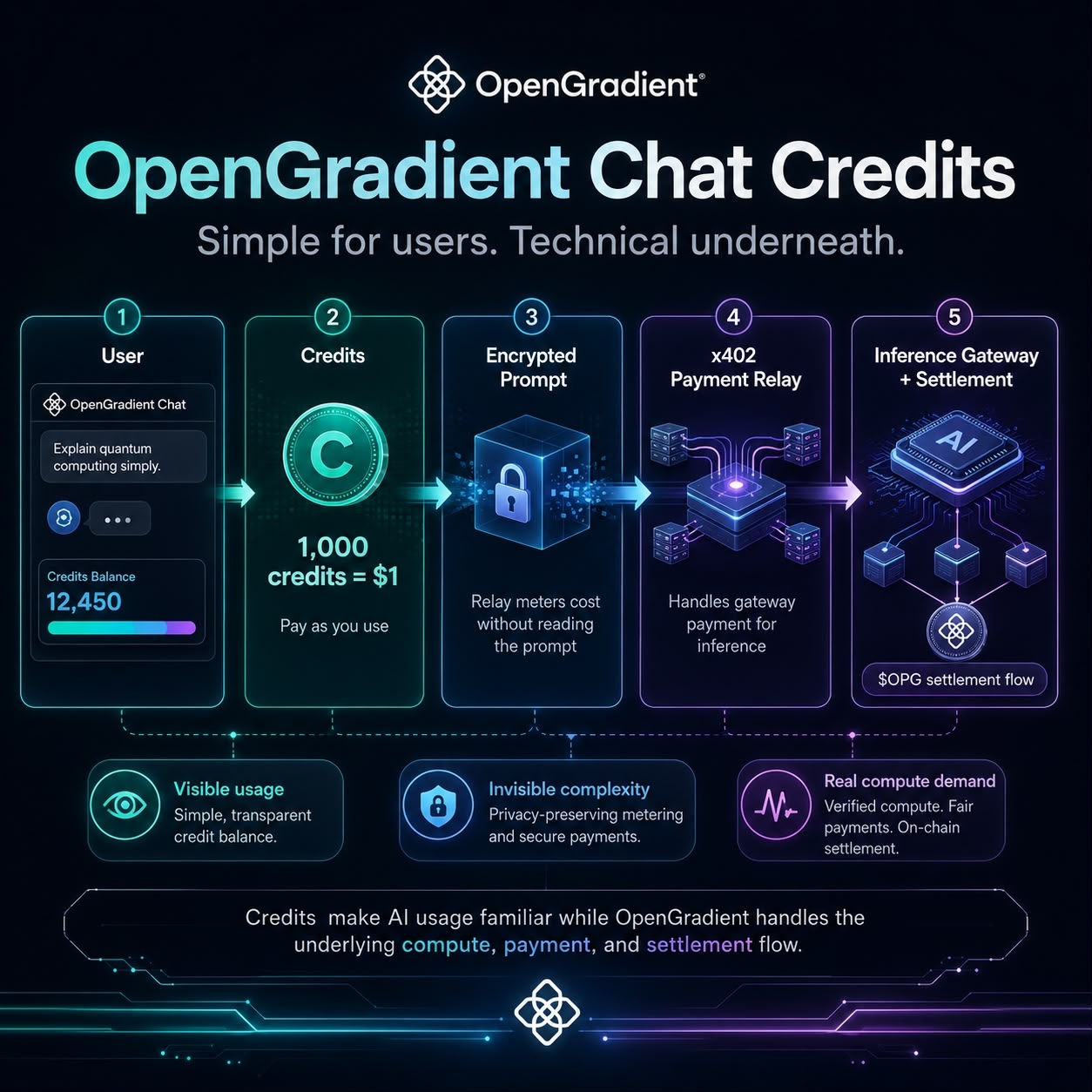
chat.opengradient.aiでは、1,000クレジットが$1に相当する。異なるモデルや長い会話は異なる量を消費するから、残高は別の月額サブスクリプションよりもユーティリティメーターのように振る舞う。
ユーザーにとってシンプルだ。
でも、経済は消えていない。
すべての応答は依然としてコンピュートを消費する。フロンティアモデルは実行コストが高い。長いコンテキストはより多くの処理を要求する。リクエストは、インターフェースの下でどこかで実行され、検証され、支払われなければならない。
OpenGradientはそれらの責任を分ける。
ユーザーは馴染みのあるクレジットで支払う。
リレーは暗号化されたプロンプトを読むことなくコストをメーターできる。その後、推論を実行するためにゲートウェイに必要なx402の支払いを処理し、OPGは基盤となる決済フロー内に存在する。
支払いの複雑さは消えてはいない。
単に所有者が変わっただけだ。
それが私にとってデザインが興味深い理由だ。
ユーザーは最初の質問をする前に暗号を理解することを強いられないが、ネットワークはAIコンピュートが無料だと装う必要はない。
本当の試験は、クレジットが自然になりすぎて人々がほとんど支払いレイヤーに気づかないようになり、繰り返しの使用が依然として測定可能な推論需要を生み出すかどうかだ。
AIを使うときだけ支払いたいか、それとも毎月別のサブスクリプションを維持したいか?
目に見えない複雑さと目に見える使用の間の橋が、OPG経済の重要な部分になるかもしれない。
$OPG
{spot}(OPGUSDT)
#OPG
@OpenGradient チャット内のクレジット残高は、ちょっと普通すぎて重要に思えなかった。
でも、これが賢い部分かもしれないと思った。
AIに何かを分析してもらうたびに、ウォレットやトークン承認、ガス、支払いの決済について考えたくない。
モデルを選び、残高を見て、リクエストのコストをだいたい理解したいんだ。
chat.opengradient.aiでは、1,000クレジットが$1に相当する。異なるモデルや長い会話は異なる量を消費するから、残高は別の月額サブスクリプションよりもユーティリティメーターのように振る舞う。
ユーザーにとってシンプルだ。
でも、経済は消えていない。
すべての応答は依然としてコンピュートを消費する。フロンティアモデルは実行コストが高い。長いコンテキストはより多くの処理を要求する。リクエストは、インターフェースの下でどこかで実行され、検証され、支払われなければならない。
OpenGradientはそれらの責任を分ける。
ユーザーは馴染みのあるクレジットで支払う。
リレーは暗号化されたプロンプトを読むことなくコストをメーターできる。その後、推論を実行するためにゲートウェイに必要なx402の支払いを処理し、OPGは基盤となる決済フロー内に存在する。
支払いの複雑さは消えてはいない。
単に所有者が変わっただけだ。
それが私にとってデザインが興味深い理由だ。
ユーザーは最初の質問をする前に暗号を理解することを強いられないが、ネットワークはAIコンピュートが無料だと装う必要はない。
本当の試験は、クレジットが自然になりすぎて人々がほとんど支払いレイヤーに気づかないようになり、繰り返しの使用が依然として測定可能な推論需要を生み出すかどうかだ。
AIを使うときだけ支払いたいか、それとも毎月別のサブスクリプションを維持したいか?
目に見えない複雑さと目に見える使用の間の橋が、OPG経済の重要な部分になるかもしれない。
$OPG
#OPG
でも、これが賢い部分かもしれないと思った。
AIに何かを分析してもらうたびに、ウォレットやトークン承認、ガス、支払いの決済について考えたくない。
モデルを選び、残高を見て、リクエストのコストをだいたい理解したいんだ。
chat.opengradient.aiでは、1,000クレジットが$1に相当する。異なるモデルや長い会話は異なる量を消費するから、残高は別の月額サブスクリプションよりもユーティリティメーターのように振る舞う。
ユーザーにとってシンプルだ。
でも、経済は消えていない。
すべての応答は依然としてコンピュートを消費する。フロンティアモデルは実行コストが高い。長いコンテキストはより多くの処理を要求する。リクエストは、インターフェースの下でどこかで実行され、検証され、支払われなければならない。
OpenGradientはそれらの責任を分ける。
ユーザーは馴染みのあるクレジットで支払う。
リレーは暗号化されたプロンプトを読むことなくコストをメーターできる。その後、推論を実行するためにゲートウェイに必要なx402の支払いを処理し、OPGは基盤となる決済フロー内に存在する。
支払いの複雑さは消えてはいない。
単に所有者が変わっただけだ。
それが私にとってデザインが興味深い理由だ。
ユーザーは最初の質問をする前に暗号を理解することを強いられないが、ネットワークはAIコンピュートが無料だと装う必要はない。
本当の試験は、クレジットが自然になりすぎて人々がほとんど支払いレイヤーに気づかないようになり、繰り返しの使用が依然として測定可能な推論需要を生み出すかどうかだ。
AIを使うときだけ支払いたいか、それとも毎月別のサブスクリプションを維持したいか?
目に見えない複雑さと目に見える使用の間の橋が、OPG経済の重要な部分になるかもしれない。
$OPG
#OPG
3
4
220
·
--
私は2つの回答を比較するためにOpenGradient Chatを開きました。途中で、私はすでにネットワークを意識せずに利用していることに気づきました。
私は推論ノード、TEEの認証、または証明の決済を学ぶためにchat.opengradient.aiに来たわけではありませんでした。私は質問があり、有用な答えを求めていました。
それは明らかに思えますが、私のOpenGradientの流通戦略に対する見方が変わりました。
AIインフラプロジェクトは、しばしば内側から外側へ自己紹介します。彼らはノードの設計、検証方法、決済レイヤーを説明し、普通のユーザーが関心を持つ理由を見つけることを期待します。
ほとんどの人は決してそうはなりません。
彼らは、回答が役に立つかどうか、会話がプライベートに感じられるか、そして製品が明日再度開く価値があるかどうかを気にします。
OpenGradient Chatはその順序を逆転させます。
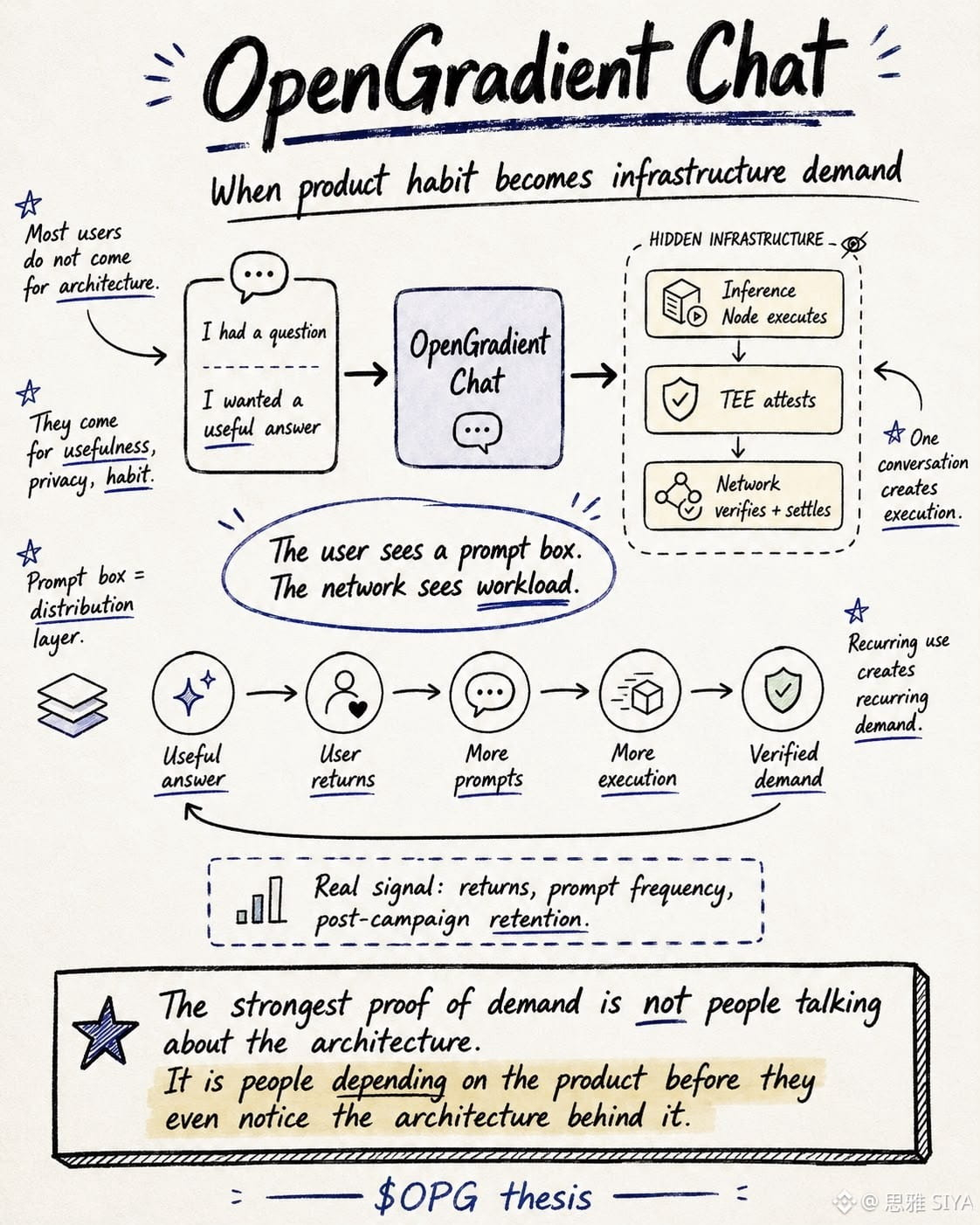
ユーザーはプロンプトボックスを見ます。その下で、プロンプトは推論リクエストになります。ノードがそれを実行し、TEEが検証可能な証拠を生成し、ネットワークがユーザーが機械を理解する必要なく何が起こったかを確認し、決済します。
それが私が欠けていたメカニズムです。
チャットはOpenGradientのインフラの単なる簡単な説明ではありません。それはインフラが作業負荷を獲得する場所です。
1つの有用な会話が実行を生み出します。戻ってくるユーザーが再発的な需要を生み出します。繰り返しの使用が推論ノードに実際の作業を行い、検証し、決済させます。
それがプロンプトボックスをネットワークの流通レイヤーにします。
だから、私はOpenGradient Chatをローンチの印象や一度きりの好奇心で判断しません。私はどれだけのユーザーが戻り、どれくらい頻繁にプロンプトし、キャンペーンの注意が薄れた後に使用が続くかを見守ります。
需要の最も強い証拠は、OpenGradientのアーキテクチャについて話している人々ではありません。
それは、彼らがどのアーキテクチャが彼らを支えているかに気づく前に、製品に依存している人々です。
それが@OpenGradient が製品の習慣をインフラの需要に変える場所であり、それはOPGストーリーの最も重要な部分の1つになるかもしれません。
$OPG #OPG
{spot}(OPGUSDT)
私は2つの回答を比較するためにOpenGradient Chatを開きました。途中で、私はすでにネットワークを意識せずに利用していることに気づきました。
私は推論ノード、TEEの認証、または証明の決済を学ぶためにchat.opengradient.aiに来たわけではありませんでした。私は質問があり、有用な答えを求めていました。
それは明らかに思えますが、私のOpenGradientの流通戦略に対する見方が変わりました。
AIインフラプロジェクトは、しばしば内側から外側へ自己紹介します。彼らはノードの設計、検証方法、決済レイヤーを説明し、普通のユーザーが関心を持つ理由を見つけることを期待します。
ほとんどの人は決してそうはなりません。
彼らは、回答が役に立つかどうか、会話がプライベートに感じられるか、そして製品が明日再度開く価値があるかどうかを気にします。
OpenGradient Chatはその順序を逆転させます。
ユーザーはプロンプトボックスを見ます。その下で、プロンプトは推論リクエストになります。ノードがそれを実行し、TEEが検証可能な証拠を生成し、ネットワークがユーザーが機械を理解する必要なく何が起こったかを確認し、決済します。
それが私が欠けていたメカニズムです。
チャットはOpenGradientのインフラの単なる簡単な説明ではありません。それはインフラが作業負荷を獲得する場所です。
1つの有用な会話が実行を生み出します。戻ってくるユーザーが再発的な需要を生み出します。繰り返しの使用が推論ノードに実際の作業を行い、検証し、決済させます。
それがプロンプトボックスをネットワークの流通レイヤーにします。
だから、私はOpenGradient Chatをローンチの印象や一度きりの好奇心で判断しません。私はどれだけのユーザーが戻り、どれくらい頻繁にプロンプトし、キャンペーンの注意が薄れた後に使用が続くかを見守ります。
需要の最も強い証拠は、OpenGradientのアーキテクチャについて話している人々ではありません。
それは、彼らがどのアーキテクチャが彼らを支えているかに気づく前に、製品に依存している人々です。
それが@OpenGradient が製品の習慣をインフラの需要に変える場所であり、それはOPGストーリーの最も重要な部分の1つになるかもしれません。
$OPG #OPG
私は推論ノード、TEEの認証、または証明の決済を学ぶためにchat.opengradient.aiに来たわけではありませんでした。私は質問があり、有用な答えを求めていました。
それは明らかに思えますが、私のOpenGradientの流通戦略に対する見方が変わりました。
AIインフラプロジェクトは、しばしば内側から外側へ自己紹介します。彼らはノードの設計、検証方法、決済レイヤーを説明し、普通のユーザーが関心を持つ理由を見つけることを期待します。
ほとんどの人は決してそうはなりません。
彼らは、回答が役に立つかどうか、会話がプライベートに感じられるか、そして製品が明日再度開く価値があるかどうかを気にします。
OpenGradient Chatはその順序を逆転させます。
ユーザーはプロンプトボックスを見ます。その下で、プロンプトは推論リクエストになります。ノードがそれを実行し、TEEが検証可能な証拠を生成し、ネットワークがユーザーが機械を理解する必要なく何が起こったかを確認し、決済します。
それが私が欠けていたメカニズムです。
チャットはOpenGradientのインフラの単なる簡単な説明ではありません。それはインフラが作業負荷を獲得する場所です。
1つの有用な会話が実行を生み出します。戻ってくるユーザーが再発的な需要を生み出します。繰り返しの使用が推論ノードに実際の作業を行い、検証し、決済させます。
それがプロンプトボックスをネットワークの流通レイヤーにします。
だから、私はOpenGradient Chatをローンチの印象や一度きりの好奇心で判断しません。私はどれだけのユーザーが戻り、どれくらい頻繁にプロンプトし、キャンペーンの注意が薄れた後に使用が続くかを見守ります。
需要の最も強い証拠は、OpenGradientのアーキテクチャについて話している人々ではありません。
それは、彼らがどのアーキテクチャが彼らを支えているかに気づく前に、製品に依存している人々です。
それが@OpenGradient が製品の習慣をインフラの需要に変える場所であり、それはOPGストーリーの最も重要な部分の1つになるかもしれません。
$OPG #OPG
3
8
181
·
--
ブリッシュ
$EPIC
{spot}(EPICUSDT)
は、浅いリセットの後、0.648の真下で圧縮しています。これは通常、垂直の二回目のプッシュよりも健康的です。MA7は価格の下でまだ上昇しており、ボリュームは天井に収束しています。これにより蓄積されたボラティリティが生まれます:0.648を上回れば、0.67に向かって拡張する可能性がありますが、0.621を下回ると高い安値のシーケンスが弱まり、0.607が露出します。
$STG
{spot}(STGUSDT)
は、あまり好ましくない構造です。リバウンドは0.2783で停滞し、価格はMA7の下に滑り込み、0.303近くの下降中のMA99は主要な供給の抵抗となっています。0.252を保持することで回復が続きます。買い手が再び0.278に挑戦するには0.267を取り戻す必要があります。0.252を下回ると、次の重要な需要は0.242–0.235の周辺にあります。
#EPIC #STG
どの1Hシグナルが最初に現れますか?
$EPIC
は、浅いリセットの後、0.648の真下で圧縮しています。これは通常、垂直の二回目のプッシュよりも健康的です。MA7は価格の下でまだ上昇しており、ボリュームは天井に収束しています。これにより蓄積されたボラティリティが生まれます:0.648を上回れば、0.67に向かって拡張する可能性がありますが、0.621を下回ると高い安値のシーケンスが弱まり、0.607が露出します。
$STG
は、あまり好ましくない構造です。リバウンドは0.2783で停滞し、価格はMA7の下に滑り込み、0.303近くの下降中のMA99は主要な供給の抵抗となっています。0.252を保持することで回復が続きます。買い手が再び0.278に挑戦するには0.267を取り戻す必要があります。0.252を下回ると、次の重要な需要は0.242–0.235の周辺にあります。
#EPIC #STG
どの1Hシグナルが最初に現れますか?
は、浅いリセットの後、0.648の真下で圧縮しています。これは通常、垂直の二回目のプッシュよりも健康的です。MA7は価格の下でまだ上昇しており、ボリュームは天井に収束しています。これにより蓄積されたボラティリティが生まれます:0.648を上回れば、0.67に向かって拡張する可能性がありますが、0.621を下回ると高い安値のシーケンスが弱まり、0.607が露出します。
$STG
は、あまり好ましくない構造です。リバウンドは0.2783で停滞し、価格はMA7の下に滑り込み、0.303近くの下降中のMA99は主要な供給の抵抗となっています。0.252を保持することで回復が続きます。買い手が再び0.278に挑戦するには0.267を取り戻す必要があります。0.252を下回ると、次の重要な需要は0.242–0.235の周辺にあります。
#EPIC #STG
どの1Hシグナルが最初に現れますか?
$EPIC closes above 0.648
39%
$EPIC loses 0.621
6%
$STG retakes 0.267
50%
$STG breaks 0.252
5%
18 投票 • 投票は終了しました
2
1.2k
·
--
以前はマルチモデルAIは主にルーティングの問題だと思っていた。
難しいステップを最強のモデルに送り、
簡単なステップを最も安いモデルに送って、
動き続ける。
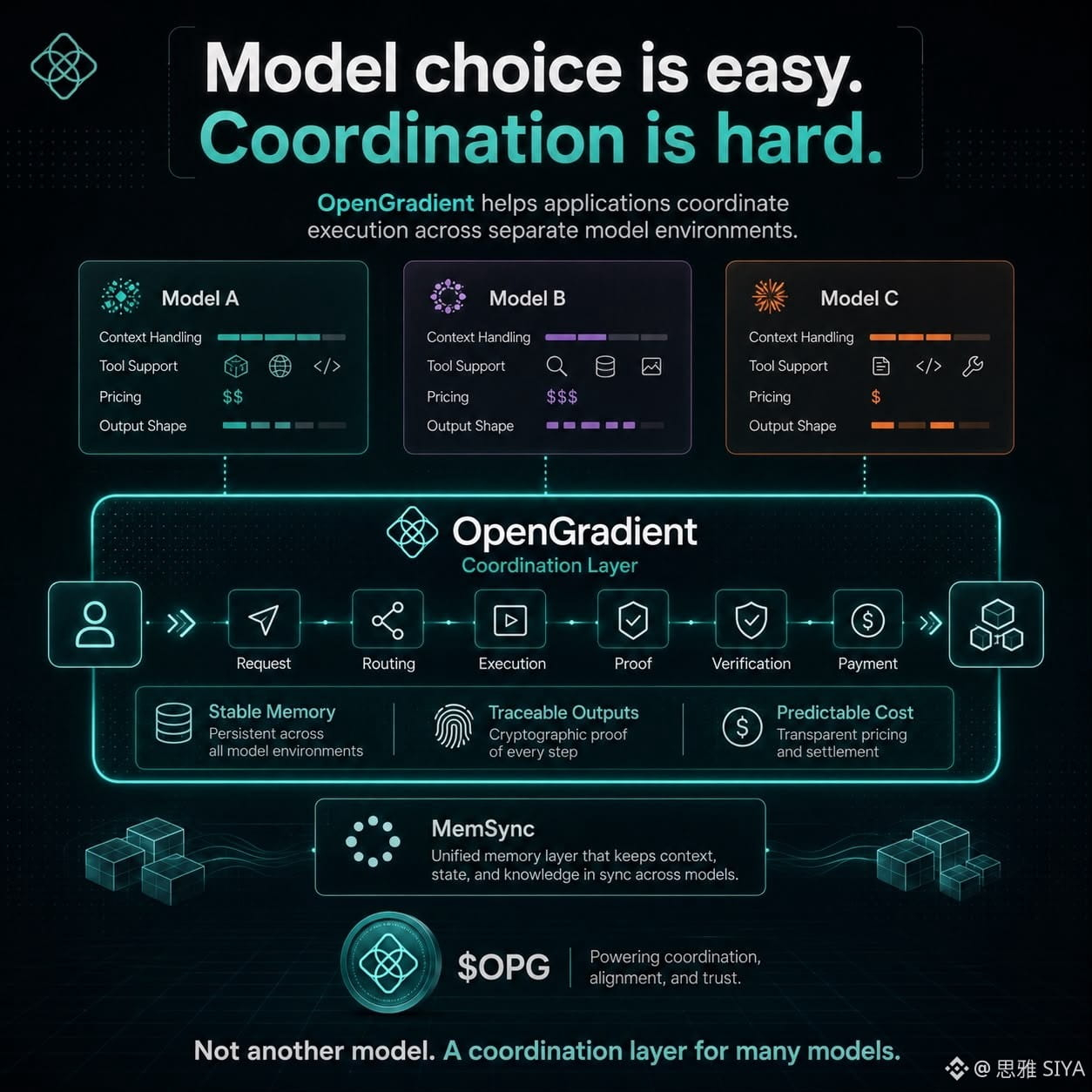
でも、次のモデルを選ぶのは簡単な部分だ。
難しいのは、タスクがハンドオフを生き延びることを確実にすることだ。
一つのモデルはコンテキストを異なって解釈する。
別のモデルは異なるツールをサポートする。
また別のモデルは結果のレイテンシー、コスト、構造を変える。
共通のレイヤーがなければ、モデルを切り替えるたびにワークフローに小さな亀裂が生じる。
ここで@OpenGradient が私にとってより意味を持ち始めた。
そのHACAアーキテクチャは実行と検証を分離する。
推論ノードは実際のワークロードを実行し、結果を直接返す。
TEEの証明やZKMLの証明は、その計算がどのように処理されたかの証拠を提供する。
フルノードは証拠を検証し、ネットワーク全体に推論を繰り返させることなくそれを決済する。
MemSyncは同じ問題の異なる部分に対処する。
それは持続的でポータブルなコンテキストを作成し、一つのモデルセッションやアプリケーションの中に閉じ込められない。
x402は実際に要求された推論に支払いを接続する。
実行は変わる。
でもアプリケーションはメモリを保持し、出力を検証し、コストを勘定に入れることができる。
その区別は重要だ。
OpenGradientはすべてのモデルが一つの脳を共有するようには魔法のように作ってくれない。
それはビルダーに、別々のモデルが一つのアプリケーションの下で責任を持った実行エンジンのように振る舞うために必要なインフラを提供する。
それが私がOPGに見ているより深い役割だ。
最終的なインテリジェンスレイヤーになるために競争する別のモデルではない。
アプリケーションが多くの形のインテリジェンスを利用できるようにし、すべての断片化を引き継がないようにする協調と検証のレイヤーだ。
$OPG #OPG
{spot}(OPGUSDT)
以前はマルチモデルAIは主にルーティングの問題だと思っていた。
難しいステップを最強のモデルに送り、
簡単なステップを最も安いモデルに送って、
動き続ける。
でも、次のモデルを選ぶのは簡単な部分だ。
難しいのは、タスクがハンドオフを生き延びることを確実にすることだ。
一つのモデルはコンテキストを異なって解釈する。
別のモデルは異なるツールをサポートする。
また別のモデルは結果のレイテンシー、コスト、構造を変える。
共通のレイヤーがなければ、モデルを切り替えるたびにワークフローに小さな亀裂が生じる。
ここで@OpenGradient が私にとってより意味を持ち始めた。
そのHACAアーキテクチャは実行と検証を分離する。
推論ノードは実際のワークロードを実行し、結果を直接返す。
TEEの証明やZKMLの証明は、その計算がどのように処理されたかの証拠を提供する。
フルノードは証拠を検証し、ネットワーク全体に推論を繰り返させることなくそれを決済する。
MemSyncは同じ問題の異なる部分に対処する。
それは持続的でポータブルなコンテキストを作成し、一つのモデルセッションやアプリケーションの中に閉じ込められない。
x402は実際に要求された推論に支払いを接続する。
実行は変わる。
でもアプリケーションはメモリを保持し、出力を検証し、コストを勘定に入れることができる。
その区別は重要だ。
OpenGradientはすべてのモデルが一つの脳を共有するようには魔法のように作ってくれない。
それはビルダーに、別々のモデルが一つのアプリケーションの下で責任を持った実行エンジンのように振る舞うために必要なインフラを提供する。
それが私がOPGに見ているより深い役割だ。
最終的なインテリジェンスレイヤーになるために競争する別のモデルではない。
アプリケーションが多くの形のインテリジェンスを利用できるようにし、すべての断片化を引き継がないようにする協調と検証のレイヤーだ。
$OPG #OPG
難しいステップを最強のモデルに送り、
簡単なステップを最も安いモデルに送って、
動き続ける。
でも、次のモデルを選ぶのは簡単な部分だ。
難しいのは、タスクがハンドオフを生き延びることを確実にすることだ。
一つのモデルはコンテキストを異なって解釈する。
別のモデルは異なるツールをサポートする。
また別のモデルは結果のレイテンシー、コスト、構造を変える。
共通のレイヤーがなければ、モデルを切り替えるたびにワークフローに小さな亀裂が生じる。
ここで@OpenGradient が私にとってより意味を持ち始めた。
そのHACAアーキテクチャは実行と検証を分離する。
推論ノードは実際のワークロードを実行し、結果を直接返す。
TEEの証明やZKMLの証明は、その計算がどのように処理されたかの証拠を提供する。
フルノードは証拠を検証し、ネットワーク全体に推論を繰り返させることなくそれを決済する。
MemSyncは同じ問題の異なる部分に対処する。
それは持続的でポータブルなコンテキストを作成し、一つのモデルセッションやアプリケーションの中に閉じ込められない。
x402は実際に要求された推論に支払いを接続する。
実行は変わる。
でもアプリケーションはメモリを保持し、出力を検証し、コストを勘定に入れることができる。
その区別は重要だ。
OpenGradientはすべてのモデルが一つの脳を共有するようには魔法のように作ってくれない。
それはビルダーに、別々のモデルが一つのアプリケーションの下で責任を持った実行エンジンのように振る舞うために必要なインフラを提供する。
それが私がOPGに見ているより深い役割だ。
最終的なインテリジェンスレイヤーになるために競争する別のモデルではない。
アプリケーションが多くの形のインテリジェンスを利用できるようにし、すべての断片化を引き継がないようにする協調と検証のレイヤーだ。
$OPG #OPG
11
13
1.6k
·
--
私は最初に@OpenGradient Chatをプロンプトを隠す手段として見ました。
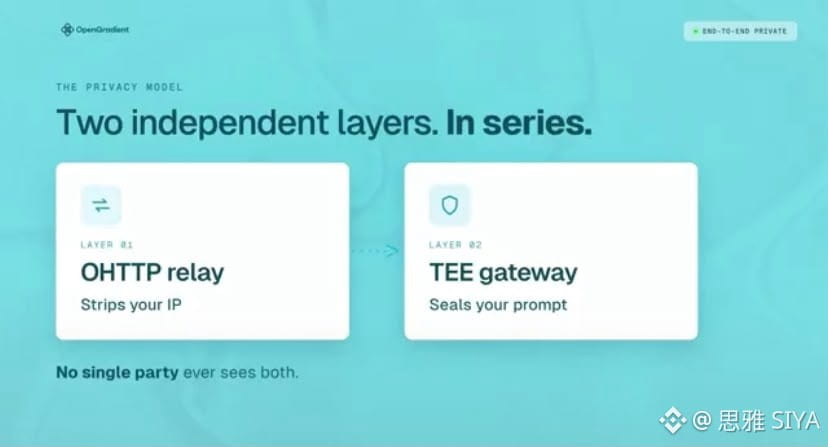
深い設計は、1台のマシンが全体のマップを保持するのを防ぐことに関するものです。
クライアントはエンクレーブキーを検証し、その後HPKEでリクエストを封印します。
リレーはIPを見るが、言葉は見ません。
エンクレーブは言葉を処理し、ユーザーではありません。
モデルプロバイダーはエンクレーブからのトラフィックを受け取り、元のアイデンティティではありません。
その後、エンクレーブはリクエストハッシュ、出力ハッシュ、タイムスタンプに署名してからレスポンスを封印します。
したがって、プライバシーは「私たちを信頼してください」に基づいていません。
クライアントは、何が入力され、何が返され、どの承認されたエンクレーブがそれを処理したかを検証できます。
次に重要なのはスケールです。
リレーの独立性、エンクレーブキーのローテーション、タイミング相関抵抗、支払いの分離が本当の制約になります。
OPGはその最後の境界内に直接存在します:リレーはx402を通じてゲートウェイに支払いを行い、ユーザーの支払いアイデンティティがプライベート実行パスに出会うのを防ぎます。
だから私はもはやOpenGradientを別のモデルインターフェースとは見ていません。
アイデンティティ、平文、支払い、証明が一つの場所で出会う必要がないように設計されたアーキテクチャだと思います。
$OPG #OPG
{spot}(OPGUSDT)
私は最初に@OpenGradient Chatをプロンプトを隠す手段として見ました。
深い設計は、1台のマシンが全体のマップを保持するのを防ぐことに関するものです。
クライアントはエンクレーブキーを検証し、その後HPKEでリクエストを封印します。
リレーはIPを見るが、言葉は見ません。
エンクレーブは言葉を処理し、ユーザーではありません。
モデルプロバイダーはエンクレーブからのトラフィックを受け取り、元のアイデンティティではありません。
その後、エンクレーブはリクエストハッシュ、出力ハッシュ、タイムスタンプに署名してからレスポンスを封印します。
したがって、プライバシーは「私たちを信頼してください」に基づいていません。
クライアントは、何が入力され、何が返され、どの承認されたエンクレーブがそれを処理したかを検証できます。
次に重要なのはスケールです。
リレーの独立性、エンクレーブキーのローテーション、タイミング相関抵抗、支払いの分離が本当の制約になります。
OPGはその最後の境界内に直接存在します:リレーはx402を通じてゲートウェイに支払いを行い、ユーザーの支払いアイデンティティがプライベート実行パスに出会うのを防ぎます。
だから私はもはやOpenGradientを別のモデルインターフェースとは見ていません。
アイデンティティ、平文、支払い、証明が一つの場所で出会う必要がないように設計されたアーキテクチャだと思います。
$OPG #OPG
深い設計は、1台のマシンが全体のマップを保持するのを防ぐことに関するものです。
クライアントはエンクレーブキーを検証し、その後HPKEでリクエストを封印します。
リレーはIPを見るが、言葉は見ません。
エンクレーブは言葉を処理し、ユーザーではありません。
モデルプロバイダーはエンクレーブからのトラフィックを受け取り、元のアイデンティティではありません。
その後、エンクレーブはリクエストハッシュ、出力ハッシュ、タイムスタンプに署名してからレスポンスを封印します。
したがって、プライバシーは「私たちを信頼してください」に基づいていません。
クライアントは、何が入力され、何が返され、どの承認されたエンクレーブがそれを処理したかを検証できます。
次に重要なのはスケールです。
リレーの独立性、エンクレーブキーのローテーション、タイミング相関抵抗、支払いの分離が本当の制約になります。
OPGはその最後の境界内に直接存在します:リレーはx402を通じてゲートウェイに支払いを行い、ユーザーの支払いアイデンティティがプライベート実行パスに出会うのを防ぎます。
だから私はもはやOpenGradientを別のモデルインターフェースとは見ていません。
アイデンティティ、平文、支払い、証明が一つの場所で出会う必要がないように設計されたアーキテクチャだと思います。
$OPG #OPG
3
430
·
--
#genius $GENIUS @GeniusOfficial
{spot}(GENIUSUSDT)
私は以前、断片的な流動性は主にルーティングの問題だと思っていました。
より良いアグリゲーター。
より良いパスファインディング。
より速い実行。
しかし、実際のボラティリティ中の流動性の振る舞いを見れば見るほど、根本的な問題はルーティングよりも早く始まるように感じます。
取引が到着する前に、在庫自体が散らばっています。
あるプールはアイドルのステーブルコインを保持しています。
別のプールは未使用の深さを保持しています。
別の市場は薄いですが、エコシステムはすでに他の場所に十分な総流動性を持っています。
DeFiはより多くのプールを構築し続けていますが、それは同時により多くの孤立した在庫壁を意味します。
だからこそ、GeniusFiが私にとって際立っているのです。
興味深いのは、単に実行がタイトであったり、価格設定が良いだけではありません。
流動性は切り離されたペアのボールトではなく、接続された在庫システムのように振る舞うべきだという考えです。
資産ごとの1プール構造は、資本の役割を完全に変えます。
各ペアが自分の孤立した深さを守る代わりに、流動性はエンジンを通じて共有在庫として移動できます。同じ基盤の流動性が、別々のプールに何度もコピーされることなく、複数のルートをサポートできます。
それは効率のスケーリングの仕方を変えます。
従来のAMMは、より多くの資本を追加することでスケールします。
GeniusFiは、まず重複した資本要件を減らすことでスケールしようとしているように感じます。
私にとって、それがより重要なデザインシフトです。
将来の流動性の勝者は、最大のTVLを持つプロトコルではないかもしれません。
それは、その下に最も少ない在庫を浪費しているプロトコルかもしれません。
共有在庫は、孤立したペアの流動性を時間の経過とともに上回ることができるのでしょうか?
#genius $GENIUS @GeniusOfficial
私は以前、断片的な流動性は主にルーティングの問題だと思っていました。
より良いアグリゲーター。
より良いパスファインディング。
より速い実行。
しかし、実際のボラティリティ中の流動性の振る舞いを見れば見るほど、根本的な問題はルーティングよりも早く始まるように感じます。
取引が到着する前に、在庫自体が散らばっています。
あるプールはアイドルのステーブルコインを保持しています。
別のプールは未使用の深さを保持しています。
別の市場は薄いですが、エコシステムはすでに他の場所に十分な総流動性を持っています。
DeFiはより多くのプールを構築し続けていますが、それは同時により多くの孤立した在庫壁を意味します。
だからこそ、GeniusFiが私にとって際立っているのです。
興味深いのは、単に実行がタイトであったり、価格設定が良いだけではありません。
流動性は切り離されたペアのボールトではなく、接続された在庫システムのように振る舞うべきだという考えです。
資産ごとの1プール構造は、資本の役割を完全に変えます。
各ペアが自分の孤立した深さを守る代わりに、流動性はエンジンを通じて共有在庫として移動できます。同じ基盤の流動性が、別々のプールに何度もコピーされることなく、複数のルートをサポートできます。
それは効率のスケーリングの仕方を変えます。
従来のAMMは、より多くの資本を追加することでスケールします。
GeniusFiは、まず重複した資本要件を減らすことでスケールしようとしているように感じます。
私にとって、それがより重要なデザインシフトです。
将来の流動性の勝者は、最大のTVLを持つプロトコルではないかもしれません。
それは、その下に最も少ない在庫を浪費しているプロトコルかもしれません。
共有在庫は、孤立したペアの流動性を時間の経過とともに上回ることができるのでしょうか?
私は以前、断片的な流動性は主にルーティングの問題だと思っていました。
より良いアグリゲーター。
より良いパスファインディング。
より速い実行。
しかし、実際のボラティリティ中の流動性の振る舞いを見れば見るほど、根本的な問題はルーティングよりも早く始まるように感じます。
取引が到着する前に、在庫自体が散らばっています。
あるプールはアイドルのステーブルコインを保持しています。
別のプールは未使用の深さを保持しています。
別の市場は薄いですが、エコシステムはすでに他の場所に十分な総流動性を持っています。
DeFiはより多くのプールを構築し続けていますが、それは同時により多くの孤立した在庫壁を意味します。
だからこそ、GeniusFiが私にとって際立っているのです。
興味深いのは、単に実行がタイトであったり、価格設定が良いだけではありません。
流動性は切り離されたペアのボールトではなく、接続された在庫システムのように振る舞うべきだという考えです。
資産ごとの1プール構造は、資本の役割を完全に変えます。
各ペアが自分の孤立した深さを守る代わりに、流動性はエンジンを通じて共有在庫として移動できます。同じ基盤の流動性が、別々のプールに何度もコピーされることなく、複数のルートをサポートできます。
それは効率のスケーリングの仕方を変えます。
従来のAMMは、より多くの資本を追加することでスケールします。
GeniusFiは、まず重複した資本要件を減らすことでスケールしようとしているように感じます。
私にとって、それがより重要なデザインシフトです。
将来の流動性の勝者は、最大のTVLを持つプロトコルではないかもしれません。
それは、その下に最も少ない在庫を浪費しているプロトコルかもしれません。
共有在庫は、孤立したペアの流動性を時間の経過とともに上回ることができるのでしょうか?
Shared wins
100%
Pools survive
0%
2 投票 • 投票は終了しました
2
164
·
--
オンチェーン取引は主に流動性が壊れるからだと思っていた。
実行システムを見ているうちに、それが真実ではないと感じるようになった。
流動性は存在する。
データは存在する。
資本は存在する。
摩擦はもっと深いところにある。
それは可視性と実行の間にある。
すべてのウォレットは意図を発信する。
すべてのポジションは痕跡を残す。
すべての利益を生むパターンは徐々に公共インフラストラクチャーになる。
それが行動を変える。
トレーダーだけでなく。
システム自体にも。
ルーティングレイヤーは、実行がすべての観察者の予測燃料になると、実行品質を最適化できない。
それが隠れたコストを生む。
データコスト。
実行コスト。
検証コスト。
証明コスト。
ガスではない。
手数料ではない。
情報漏洩。
ここがGENIUSが異なる視点で私の注意を引き続けるところだ。
人々はトレーディングターミナルを見ている。
私は実行アーキテクチャを見る。
ゴーストオーダーは重要だ、なぜならスケールが到達した後に実行品質が変わるからだ。
大きなサイズは可視性を生む。
可視性は追跡を生む。
追跡はフロントランニングのプレッシャーを生む。
GENIUSは、トレーダーが単にリスクを受け入れるべきだという前提を置くのではなく、分割実行パスとプライベート実行インフラを通じてその制約にアプローチする。
機械的には次のようになる:
データ → ルート発見。
実行 → 流動性アクセス。
証明 → 決済完了。
検証 → ポジションの整合性。
コスト → 情報露出の最小化。
人々が見逃す部分:
良いインフラはシステムが機能した後にもっと重要になる。
成功は攻撃面を生むからだ。
より多くのユーザー。
より多くのフロー。
より多くの可視性。
より多くの抽出。
長期的な勝者はおそらく、単に暗号通貨を簡単にするだけではない。
彼らは実行を悪用しにくくする。
それがGENIUSの狙いのように感じる。
@GeniusOfficial #genius $GENIUS
{spot}(GENIUSUSDT)
現在の$GENIUS の動きは以下によって駆動されているように感じる:
オンチェーン取引は主に流動性が壊れるからだと思っていた。
実行システムを見ているうちに、それが真実ではないと感じるようになった。
流動性は存在する。
データは存在する。
資本は存在する。
摩擦はもっと深いところにある。
それは可視性と実行の間にある。
すべてのウォレットは意図を発信する。
すべてのポジションは痕跡を残す。
すべての利益を生むパターンは徐々に公共インフラストラクチャーになる。
それが行動を変える。
トレーダーだけでなく。
システム自体にも。
ルーティングレイヤーは、実行がすべての観察者の予測燃料になると、実行品質を最適化できない。
それが隠れたコストを生む。
データコスト。
実行コスト。
検証コスト。
証明コスト。
ガスではない。
手数料ではない。
情報漏洩。
ここがGENIUSが異なる視点で私の注意を引き続けるところだ。
人々はトレーディングターミナルを見ている。
私は実行アーキテクチャを見る。
ゴーストオーダーは重要だ、なぜならスケールが到達した後に実行品質が変わるからだ。
大きなサイズは可視性を生む。
可視性は追跡を生む。
追跡はフロントランニングのプレッシャーを生む。
GENIUSは、トレーダーが単にリスクを受け入れるべきだという前提を置くのではなく、分割実行パスとプライベート実行インフラを通じてその制約にアプローチする。
機械的には次のようになる:
データ → ルート発見。
実行 → 流動性アクセス。
証明 → 決済完了。
検証 → ポジションの整合性。
コスト → 情報露出の最小化。
人々が見逃す部分:
良いインフラはシステムが機能した後にもっと重要になる。
成功は攻撃面を生むからだ。
より多くのユーザー。
より多くのフロー。
より多くの可視性。
より多くの抽出。
長期的な勝者はおそらく、単に暗号通貨を簡単にするだけではない。
彼らは実行を悪用しにくくする。
それがGENIUSの狙いのように感じる。
@GeniusOfficial #genius $GENIUS
現在の$GENIUS の動きは以下によって駆動されているように感じる:
実行システムを見ているうちに、それが真実ではないと感じるようになった。
流動性は存在する。
データは存在する。
資本は存在する。
摩擦はもっと深いところにある。
それは可視性と実行の間にある。
すべてのウォレットは意図を発信する。
すべてのポジションは痕跡を残す。
すべての利益を生むパターンは徐々に公共インフラストラクチャーになる。
それが行動を変える。
トレーダーだけでなく。
システム自体にも。
ルーティングレイヤーは、実行がすべての観察者の予測燃料になると、実行品質を最適化できない。
それが隠れたコストを生む。
データコスト。
実行コスト。
検証コスト。
証明コスト。
ガスではない。
手数料ではない。
情報漏洩。
ここがGENIUSが異なる視点で私の注意を引き続けるところだ。
人々はトレーディングターミナルを見ている。
私は実行アーキテクチャを見る。
ゴーストオーダーは重要だ、なぜならスケールが到達した後に実行品質が変わるからだ。
大きなサイズは可視性を生む。
可視性は追跡を生む。
追跡はフロントランニングのプレッシャーを生む。
GENIUSは、トレーダーが単にリスクを受け入れるべきだという前提を置くのではなく、分割実行パスとプライベート実行インフラを通じてその制約にアプローチする。
機械的には次のようになる:
データ → ルート発見。
実行 → 流動性アクセス。
証明 → 決済完了。
検証 → ポジションの整合性。
コスト → 情報露出の最小化。
人々が見逃す部分:
良いインフラはシステムが機能した後にもっと重要になる。
成功は攻撃面を生むからだ。
より多くのユーザー。
より多くのフロー。
より多くの可視性。
より多くの抽出。
長期的な勝者はおそらく、単に暗号通貨を簡単にするだけではない。
彼らは実行を悪用しにくくする。
それがGENIUSの狙いのように感じる。
@GeniusOfficial #genius $GENIUS
現在の$GENIUS の動きは以下によって駆動されているように感じる:
⚡ Better execution
50%
🛡️ Better privacy
50%
2 投票 • 投票は終了しました
6
7
271
·
--
GeniusFiの深い戦略は在庫管理です:1つの資産プールは、価格更新が断片化したフローがそれを利用するよりも早ければ、より多くのルートに対応できます。
@GeniusOfficial #genius $GENIUS
{spot}(GENIUSUSDT)
次に勝つのはどれですか?
GeniusFiの深い戦略は在庫管理です:1つの資産プールは、価格更新が断片化したフローがそれを利用するよりも早ければ、より多くのルートに対応できます。
@GeniusOfficial #genius $GENIUS
次に勝つのはどれですか?
@GeniusOfficial #genius $GENIUS
次に勝つのはどれですか?
Inventory control
50%
More liquidity
50%
4 投票 • 投票は終了しました
3
160
·
--
#genius @GeniusOfficial
$GENIUS は、ウォレットそのものを再考するきっかけになった。
オンチェーンでは、あなたのアドレスがトレードシグナルになることがある。サイズ、タイミング、ルーティングの意図がフィル前に漏れ出す。
ゴーストウォレットは重要だ。ここでのプライバシーは見た目だけのものではない。実行の質を守るためだ。
{spot}(GENIUSUSDT)
より大きなDeFiのアドバンテージ?
#genius @GeniusOfficial
$GENIUS は、ウォレットそのものを再考するきっかけになった。
オンチェーンでは、あなたのアドレスがトレードシグナルになることがある。サイズ、タイミング、ルーティングの意図がフィル前に漏れ出す。
ゴーストウォレットは重要だ。ここでのプライバシーは見た目だけのものではない。実行の質を守るためだ。
より大きなDeFiのアドバンテージ?
$GENIUS は、ウォレットそのものを再考するきっかけになった。
オンチェーンでは、あなたのアドレスがトレードシグナルになることがある。サイズ、タイミング、ルーティングの意図がフィル前に漏れ出す。
ゴーストウォレットは重要だ。ここでのプライバシーは見た目だけのものではない。実行の質を守るためだ。
より大きなDeFiのアドバンテージ?
🔘 Hide intent
67%
🔘 Better fills
33%
3 投票 • 投票は終了しました
3
152
·
--
OpenLedgerと自律AIシステムが無視できない見えない失敗層@Openledger #OpenLedger $OPEN
自律システムが奇妙なシフトを生み出しており、十分な人々がそれに注目していないと思う。
人々はまだAIインフラを主にモデルのパフォーマンスで評価している。
より大きな文脈。
より良い推論。
より強力なベンチマーク。
より速い生成。
すべての下に静かにある仮定は、知性の質がシステムの質を決定するということだ。
OpenLedgerについて考えれば考えるほど、知性自体が長期的なボトルネックになるとは思えなくなってきた。
失敗の回復が重要だ。
OpenLedgerと自律AIシステムが無視できない見えない失敗層
@OpenLedger #OpenLedger $OPEN
自律システムが奇妙なシフトを生み出しており、十分な人々がそれに注目していないと思う。
人々はまだAIインフラを主にモデルのパフォーマンスで評価している。
より大きな文脈。
より良い推論。
より強力なベンチマーク。
より速い生成。
すべての下に静かにある仮定は、知性の質がシステムの質を決定するということだ。
OpenLedgerについて考えれば考えるほど、知性自体が長期的なボトルネックになるとは思えなくなってきた。
失敗の回復が重要だ。
自律システムが奇妙なシフトを生み出しており、十分な人々がそれに注目していないと思う。
人々はまだAIインフラを主にモデルのパフォーマンスで評価している。
より大きな文脈。
より良い推論。
より強力なベンチマーク。
より速い生成。
すべての下に静かにある仮定は、知性の質がシステムの質を決定するということだ。
OpenLedgerについて考えれば考えるほど、知性自体が長期的なボトルネックになるとは思えなくなってきた。
失敗の回復が重要だ。
3
129
·
--
Smarter AI
100%
Stronger Systems
0%
2 投票 • 投票は終了しました
2
288
ログインして、さらにコンテンツを読む
厳選トピックで世界の暗号資産トレーダーの仲間入り
⚡️ 暗号資産に関する最新かつ有益な情報が見つかります。
💬 世界最大の暗号資産取引所から信頼されています。
👍 認証を受けたクリエイターから、有益なインサイトを得られます。
メール / 電話番号
トレンドトピック
FedMinutesFocusOnOctoberPause
閲覧回数 58,789
800人が討論中
最新の米連邦準備制度理事会(FRB)の会合議事録が厳しく注視されており、市場は10月の利上げ休止の可能性を示す手がかりを必死に探しています。この注目は、FRBの政策が暗号資産市場に大きな影響を及ぼすことを浮き彫りにしています。金利の上昇は、流動性やデジタル通貨のようなリスクの高い資産に対する投資家の意欲を低下させることが多いためです。トレーダーやアナリストは、市場心理や主要な暗号資産の価格変動に影響を与えうるシグナルを探して、あらゆる言葉を細かく分析しています。参加者が正式な発表に先んじてポジションを調整するなか、発表への期待そのものが相場の変動性を高めています。
免責事項:これは投資助言ではありません。必ずご自身で調査を行ってください。
#FedMinutesFocusOnOctoberPause $BTC $ETH
Luong Nguyen Ba
·いいね:1件
·閲覧回数 3.9k
BinanceLaunchesBinanceIntelligence
閲覧回数 1M
6,051人が討論中
EvernorthDelaysNasdaqDebutToOct12
閲覧回数 2,509
122人が討論中