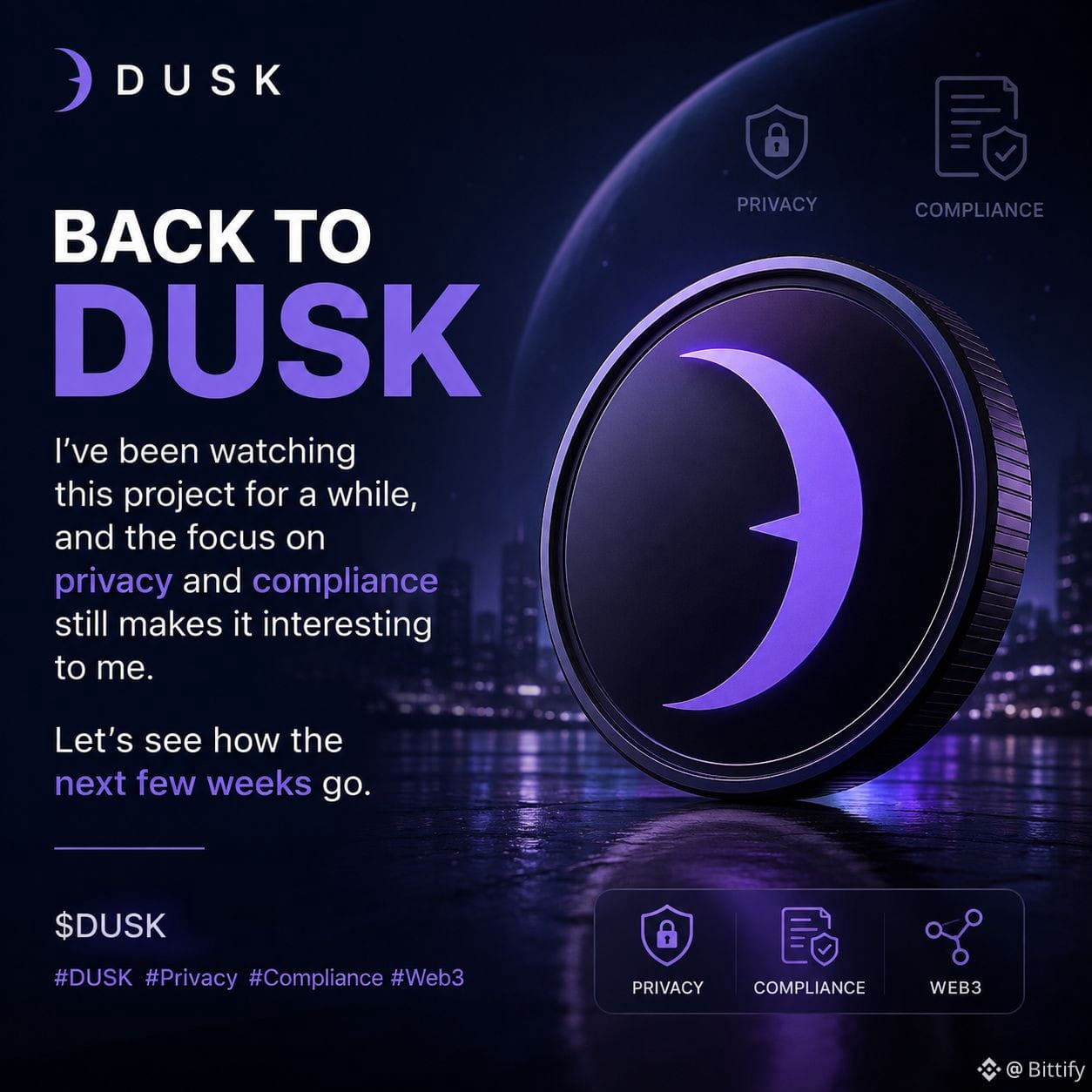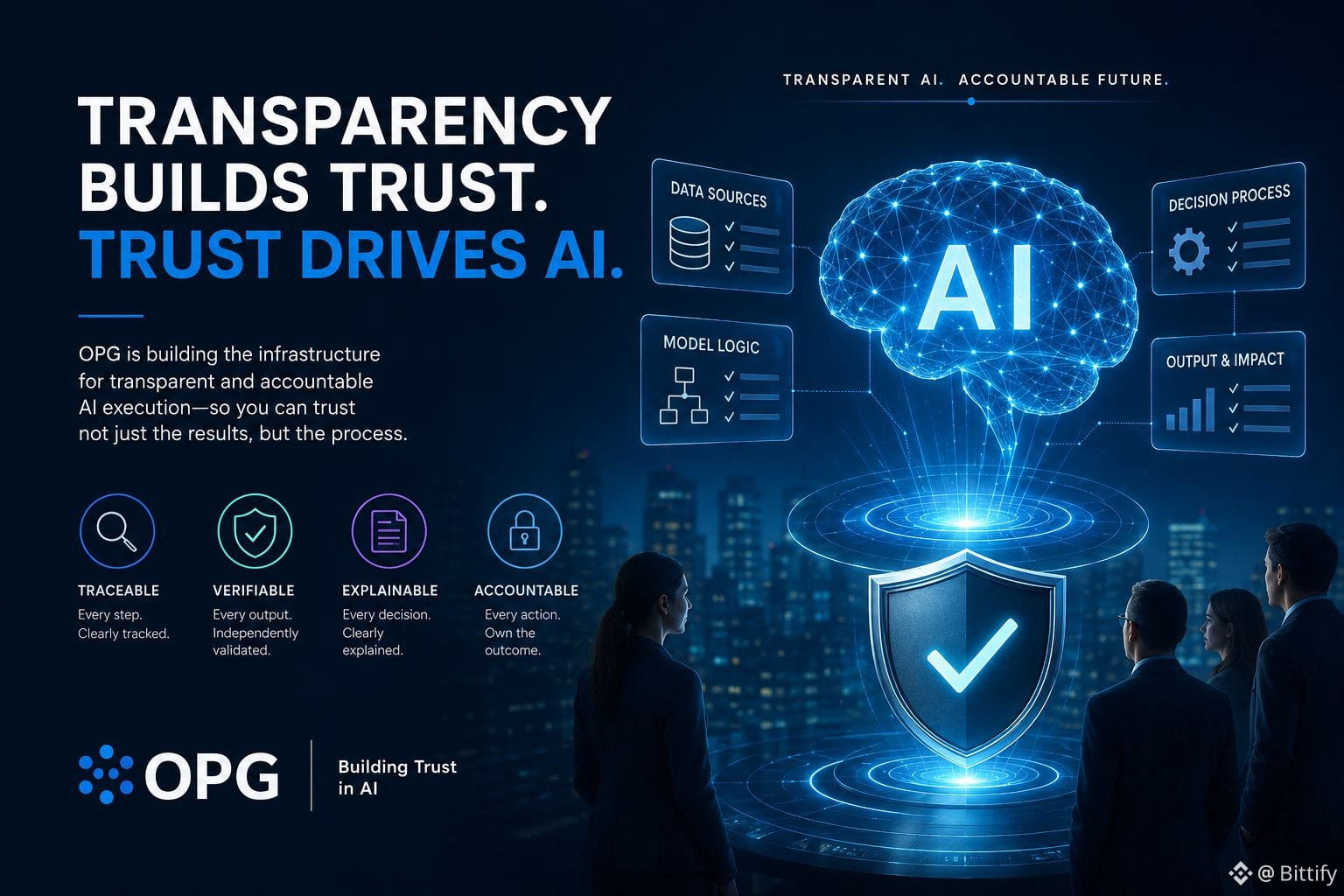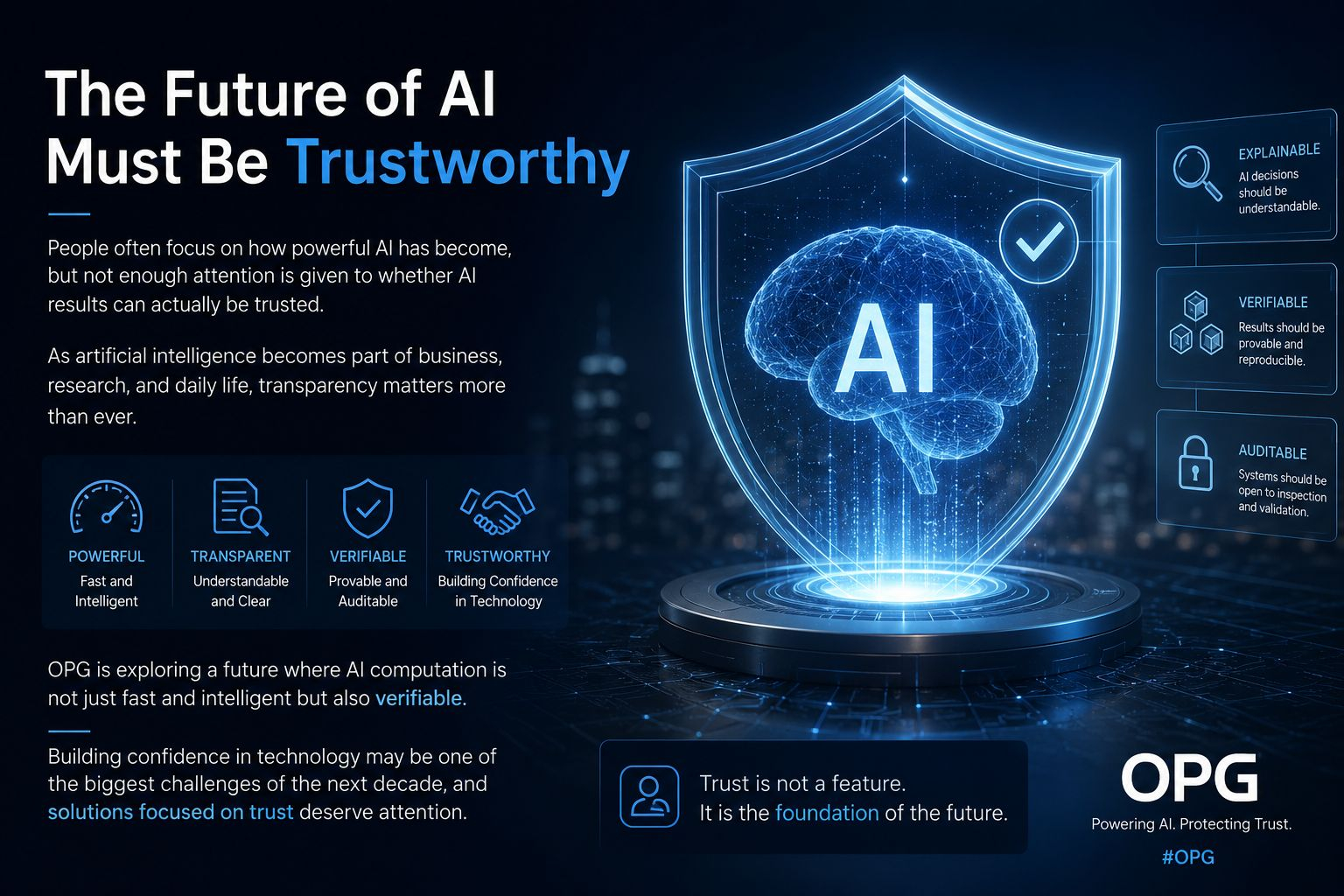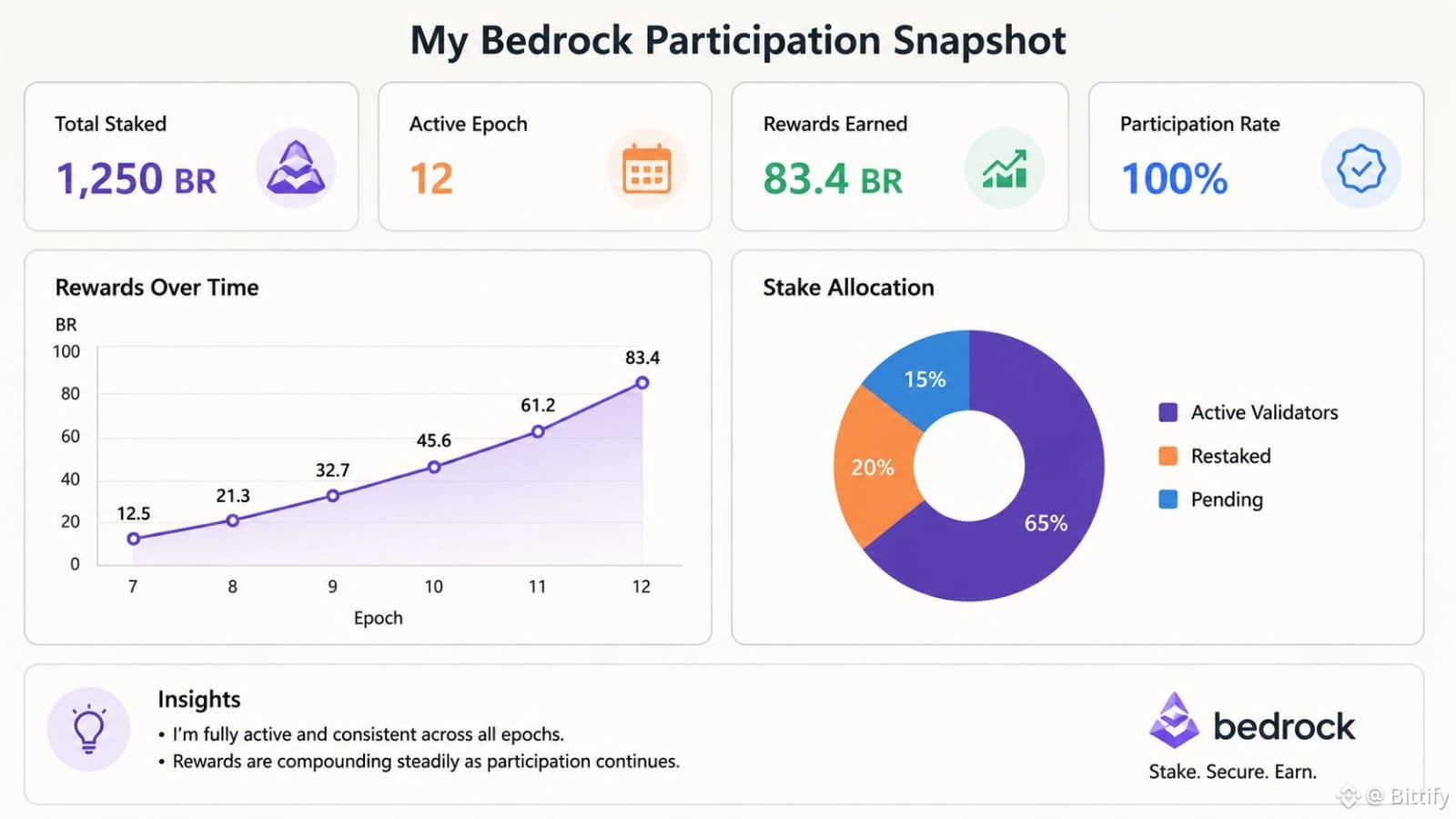
Vision-driven projects maintain focus on long-term missions despite market volatility, community pressure for quick wins, and competitive threats from projects that sacrifice principles for growth, because teams genuinely believe in transformative potential rather than just exploiting trends for personal enrichment before moving to next opportunities. Dusk's vision of privacy-preserving institutional blockchain infrastructure guides all strategic decisions including what features to build, which partnerships to pursue, how to allocate resources, and when to say no to opportunities that would generate short-term attention but compromise long-term positioning for institutional adoption. This vision alignment creates coherence where all efforts support the ultimate mission rather than scattered initiatives responding to whatever's trending currently in crypto markets.
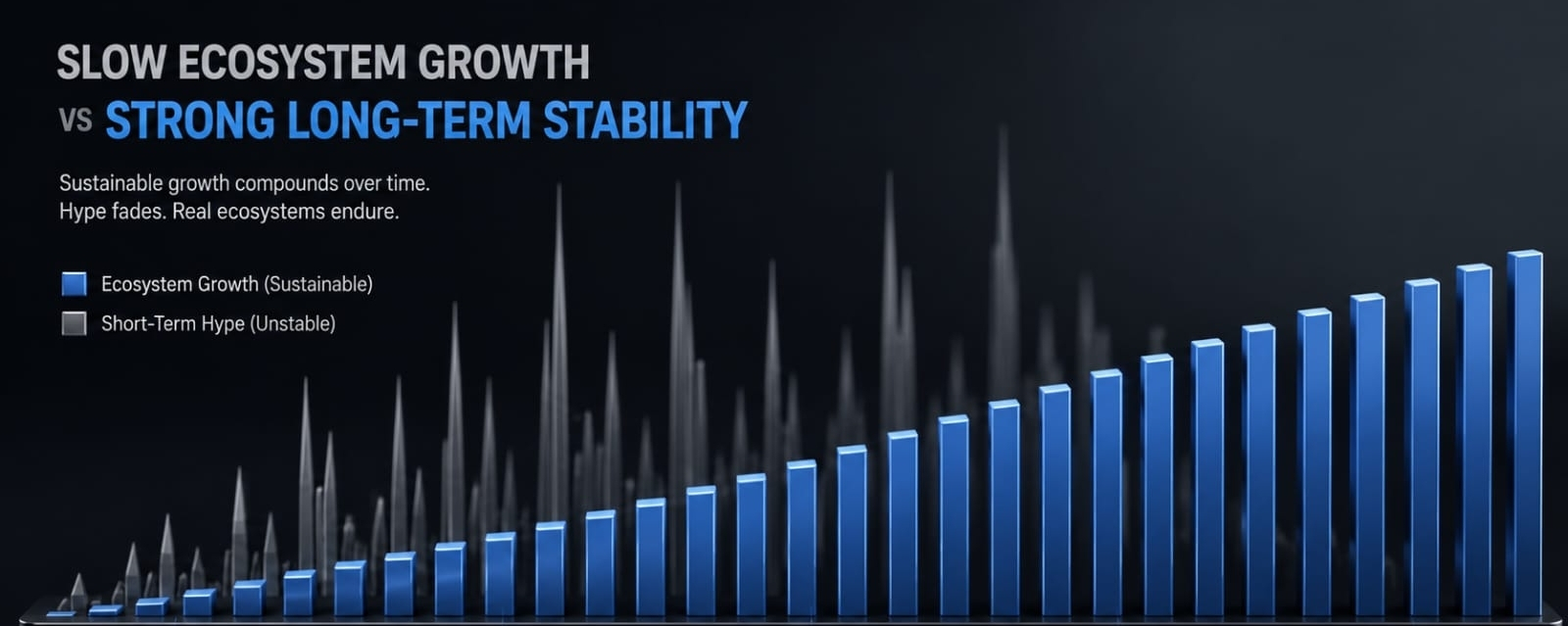
Sustainable blockchain growth comes from solving real problems for real users who adopt technology because it genuinely improves their operations rather than just speculating on token price appreciation hoping to exit before crashes. This requires building complete solutions that address all user requirements including privacy, compliance, security, and performance rather than just creating impressive technology that fails to meet practical needs. Dusk's approach prioritizes sustainable growth through institutional relationships, quality developer community, and infrastructure that works reliably rather than growth-at-any-cost through marketing hype, influencer partnerships, and features designed for virality instead of utility.
Dusk's long-term planning spans years rather than quarters, focusing on building institutional relationships that require extensive due diligence and pilot programs before commitment, developing compliance infrastructure that satisfies regulatory requirements through engagement with authorities rather than hoping enforcement never comes, and creating developer ecosystems where quality applications get built through sustainable support rather than just grants that attract mercenaries who leave when funding stops. This patient approach sacrifices short-term excitement and rapid user growth metrics that generate hype, but creates foundations for sustainable institutional adoption that takes longer to materialize but brings serious capital and real use cases rather than just speculation. The long-term focus requires community and investors who understand transformation timelines.
Dusk Network's roadmap reveals strategic priorities focused on building institutional infrastructure through measured development rather than chasing viral trends or promising revolutionary features that generate hype without delivering substance, and this patient approach reflects understanding that transforming traditional finance requires years of relationship building, regulatory engagement, security hardening, and proof of reliability rather than quick launches that attract attention but fail to meet enterprise requirements. The roadmap emphasizes compliance framework development where legal and regulatory capabilities get built directly into the protocol through zero-knowledge proof implementations that enable selective disclosure, audit capabilities that satisfy institutional requirements, and privacy protections that meet business confidentiality needs while remaining legally compliant in multiple jurisdictions with different rules. Security infrastructure receives major roadmap focus including formal verification of critical components that provides mathematical proofs of correctness beyond standard testing, comprehensive audits by independent security firms with expertise in both blockchain security and zero-knowledge cryptography, and ongoing security monitoring with bug bounty programs that incentivize researchers to find vulnerabilities before attackers exploit them. Developer tooling and documentation improvements aim to make building on Dusk accessible to mainstream developers rather than just cryptography experts, with SDKs that abstract complexity, example applications that demonstrate best practices, comprehensive documentation that explains concepts clearly, and support channels where builders get help from core team and experienced community members. Institutional partnership development progresses through methodical engagement with banks, asset managers, and enterprises including education about technology capabilities, pilot programs that demonstrate real-world applicability, integration support for connecting Dusk with existing systems, and long-term relationship building that converts evaluation into production usage. The performance and scalability roadmap addresses throughput improvements needed for institutional transaction volumes, latency reductions that make real-time applications viable, and optimization work that reduces costs while maintaining security and privacy guarantees that differentiate Dusk from transparent blockchains. Governance evolution on the roadmap includes mechanisms for community input on protocol development while maintaining ability to make decisions efficiently without becoming paralyzed by requiring universal consensus, token holder voting on major proposals affecting network economics or strategic direction, and transparency about development priorities and resource allocation so stakeholders understand what's being built and why. Ecosystem growth initiatives focus on quality over quantity by supporting serious builders creating institutional applications rather than just funding numerous projects that generate activity metrics without delivering real value, with grants for developers building privacy-preserving applications, hackathons that attract talent and create visibility, and partnerships with other projects that complement rather than compete with Dusk's institutional focus. The tokenization infrastructure roadmap enables regulated securities issuance and trading with features supporting transfer restrictions, investor verification, corporate actions automation, and regulatory reporting that securities markets require, creating foundations for bringing traditional financial instruments onto blockchain through compliant privacy-preserving infrastructure. Cross-chain interoperability development allows Dusk to connect with other blockchains and traditional systems without forcing complete migration, enabling institutions to adopt gradually while maintaining existing operations and relationships rather than requiring disruptive all-or-nothing transitions. The roadmap timeline spans multiple years reflecting realistic assessment of how long institutional adoption takes rather than promising immediate results that would be impossible given evaluation cycles and integration complexity that enterprises require before committing critical operations to new infrastructure. After studying Dusk's roadmap approach, I see strategic thinking that prioritizes long-term positioning over short-term metrics, which might frustrate investors wanting quick returns but creates better foundations for sustainable institutional adoption if the team executes successfully over the extended timeline that transformation requires.
Roadmaps reveal project priorities and strategic thinking by showing what teams choose to build next, how they sequence development, and whether they're chasing short-term hype or executing long-term visions that require patient capital and sustained effort over years. Dusk's roadmap focuses on institutional infrastructure including compliance frameworks, security audits, developer tools, and partnerships with traditional finance rather than features designed to pump token prices or attract retail attention through trendy narratives. This roadmap alignment with institutional adoption timeline rather than retail hype cycles indicates serious commitment to the vision versus just marketing claims without execution plans.
Walrus Coin continues its journey with a calm and focused approach. The project understands that real progress is built through consistency, not urgency. Instead of reacting to every market move, Walrus Coin stays aligned with its long-term vision. Supporters are encouraged to remain patient, informed, and engaged. Clear communication helps reduce confusion and builds trust within the community. Each step forward is taken with purpose, keeping expectations realistic and goals clear. This steady mindset allows the project to grow naturally while maintaining stability and confidence among its supporters.
Walrus Coin continues to grow with patience and clear purpose. The project does not rely on hype or pressure, but on steady effort and honest direction. Supporters are encouraged to stay calm, informed, and focused on long-term value. By avoiding rushed decisions and unrealistic expectations, Walrus Coin creates a healthier environment for its community. Trust builds naturally when actions remain consistent and communication stays transparent. This steady approach helps the project move forward with confidence, creating a strong foundation for sustainable growth and meaningful participation over time.
Regulated DeFi explained means understanding how decentralized finance protocols can incorporate mandatory compliance features without becoming centralized systems that defeat the entire purpose of using blockchain instead of traditional intermediaries who control access, censor transactions, and extract rents through their gatekeeper positions. The innovation is using cryptography and smart contracts to enforce regulatory requirements automatically where protocols verify that participants meet eligibility criteria, that transactions comply with relevant rules, and that proper audit trails exist for regulatory oversight, all without trusting centralized entities to perform these checks honestly or requiring participants to expose unnecessary private information beyond what compliance specifically requires. Zero-knowledge proofs enable this regulated DeFi by letting users prove they passed KYC verification without revealing their identity to everyone on the network, demonstrate they're accredited investors without showing their net worth or income publicly, and confirm they're not on sanctions lists without exposing their location or citizenship to competitors and random observers who have no legitimate need for that information. Smart contracts enforce compliance rules automatically where protocols can restrict participation to verified users, prevent prohibited transactions like trading with sanctioned entities, enforce transfer restrictions on tokenized securities based on investor status or jurisdiction, and maintain transaction records that regulators can access when necessary while keeping details private from the general public. The regulatory engagement required for regulated DeFi involves working with authorities to demonstrate that privacy-preserving compliance is technically possible and potentially superior to current surveillance-based systems that collect massive databases of customer information creating targets for hackers while still failing to catch sophisticated criminals who exploit system weaknesses. This collaboration challenges crypto culture that often treats regulators as enemies trying to destroy innovation rather than recognizing that working within legal frameworks enables institutional adoption worth far more than ideological purity about operating outside government oversight. The economic model for regulated DeFi must balance decentralization with sustainability because protocols need ongoing development, security audits, compliance monitoring, and professional operations that require funding beyond just hoping that token appreciation pays for everything, and this might mean protocol fees, token economics that capture value from usage, or institutional partnerships where enterprises pay for premium features and support. The use cases for regulated DeFi include institutional lending markets where banks and asset managers earn yield on crypto assets while proving they're complying with regulations about counterparty verification and risk management, compliant decentralized exchanges where institutions trade without exposing strategies but can demonstrate to regulators that they're screening participants and monitoring for market manipulation, tokenized securities trading that follows all securities laws about investor eligibility, transfer restrictions, and mandatory disclosures while still executing on blockchain with efficiency improvements over traditional settlement, and automated compliance for traditional finance operations where banks use smart contracts to enforce rules about payment processing, sanctions screening, and transaction monitoring rather than relying on manual processes prone to errors and fraud. The challenges for regulated DeFi include regulatory uncertainty where laws written for traditional finance don't clearly apply to decentralized protocols and authorities might disagree about whether existing rules are sufficient or new regulations are needed, jurisdictional complexity where DeFi operates globally but regulations vary by country creating conflicts about which rules apply when participants are in different locations, and resistance from both crypto purists who see any compliance as betraying decentralization principles and traditional finance incumbents who prefer existing systems where they control gatekeeping and might resist blockchain disruption threatening their profitable positions. After studying regulated DeFi for over two weeks, I understand this represents either the path to mainstream blockchain adoption by financial institutions or a compromise that satisfies neither crypto enthusiasts who want permissionless systems nor regulators who want centralized control, and only real-world implementation will reveal whether the vision of compliance-friendly decentralized finance actually works or fails to achieve adoption from either institutions or retail users. @Dusk #dusk $DUSK
Dusk's compliant DeFi vision involves building decentralized finance protocols where participation requires proving you meet regulatory requirements through zero-knowledge proofs that verify eligibility without revealing identity, where transactions remain private from competitors and the public but auditable by regulators with proper authority, and where smart contracts automatically enforce compliance rules preventing unauthorized participation or prohibited transactions. This enables institutions to access DeFi yields and automation while maintaining the privacy they need for competitive reasons and the compliance they need for legal operation, potentially unlocking trillions in institutional capital that currently cannot touch existing DeFi protocols designed without considering enterprise requirements.
Regulated DeFi means decentralized finance protocols that incorporate mandatory compliance features like know-your-customer verification, accredited investor screening, sanctions list checking, and transaction monitoring that institutions legally must perform before allowing participation in financial markets. This isn't just traditional finance rebranded on blockchain but genuinely decentralized protocols where smart contracts enforce rules automatically rather than trusting centralized intermediaries, while privacy-preserving cryptography enables proving compliance without exposing participant identities or transaction details to the entire network. The combination of decentralization benefits with regulatory compliance creates DeFi that institutions can actually use legally rather than avoiding due to compliance impossibility.
Institutional DeFi on Dusk represents the evolution of decentralized finance from retail speculation and yield farming that attracts individual users seeking high returns regardless of legal risks to regulated financial infrastructure that institutions can actually use for legitimate business operations under fiduciary obligations managing billions or trillions in client assets. Current DeFi achieved remarkable innovation creating automated lending markets, decentralized exchanges, synthetic assets, and complex financial instruments without traditional intermediaries, but this innovation happened entirely outside regulatory frameworks where protocols operate in legal gray areas that make them unusable for banks, pension funds, insurance companies, asset managers, and other institutional players who control the vast majority of global capital but cannot participate in markets where legal status is uncertain and compliance is impossible. The fundamental problem is that existing DeFi protocols were designed for permissionless anonymous participation where anyone can use them without revealing identity or proving eligibility, which sounds democratizing and revolutionary until you recognize that financial regulations exist for legitimate reasons including preventing money laundering, stopping terrorism financing, protecting retail investors from unsuitable investments, and maintaining market integrity against fraud and manipulation. Institutions cannot use protocols that prevent compliance with these regulations regardless of how innovative or profitable the DeFi applications might be, because the legal and reputational risks from violating financial regulations far exceed any potential benefits from accessing higher yields or more efficient markets that blockchain enables. Dusk's approach to institutional DeFi solves this fundamental tension by building compliance capabilities directly into decentralized protocols through zero-knowledge proofs that let participants prove they meet regulatory requirements like KYC verification, accredited investor status, and sanctions screening without revealing their actual identities or financial details to the entire network or even to counterparties who only need confirmation that requirements were met. This selective disclosure model enables genuinely decentralized protocols where no central authority controls access or can censor transactions, while still satisfying institutional compliance needs that currently make DeFi participation legally impossible for regulated entities operating under strict oversight. The privacy protections that Dusk provides through confidential transactions and smart contracts solve another institutional requirement where organizations cannot reveal trading strategies, portfolio positions, or rebalancing decisions to competitors who would front-run trades or copy strategies if they saw institutional activities happening in real-time on transparent blockchains. Institutional DeFi applications on Dusk could include confidential lending markets where institutions borrow and lend without exposing their capital needs or liquidity positions to competitors, private trading venues where large orders execute without market impact from visible order books that enable front-running, automated market making with proprietary strategies that remain confidential rather than being reverse-engineered from public transaction data, and regulated derivatives markets where institutions can hedge risks or gain exposure through blockchain efficiency while maintaining compliance with commodity and securities regulations. The economic opportunity is staggering because traditional DeFi with roughly fifty billion in total value locked is tiny compared to traditional finance managing over one hundred trillion in assets globally, and even small percentage adoption by institutions would multiply DeFi scale by orders of magnitude bringing serious capital and professional participants rather than just retail speculation. The technical requirements for institutional DeFi include security standards that protect against hacks and vulnerabilities where breaches could cost billions rather than just affecting retail users with smaller holdings, performance and scalability that handles institutional transaction volumes efficiently rather than getting congested during high activity, and reliability with professional operations, disaster recovery, and support rather than relying on anonymous developers who might abandon projects when token prices drop. After sixteen days studying how Dusk approaches institutional DeFi, I see this as potentially the killer application that brings blockchain mainstream by enabling institutions to access DeFi benefits while meeting their compliance, privacy, security, and operational requirements that existing protocols completely ignore because they were designed for retail users with different needs and risk tolerances.
Institutional DeFi combines decentralized finance protocols for lending, trading, and yield generation with the compliance features, privacy protections, and security standards that regulated financial institutions require before participating in markets where they manage other people's money under strict fiduciary obligations. Current DeFi is designed for retail users willing to accept legal uncertainty and transparency that exposes trading strategies, but institutions need regulatory compliance, transaction privacy, institutional-grade security, and legal clarity that existing protocols don't provide, creating a massive gap between DeFi's potential and actual institutional adoption that platforms like Dusk aim to bridge.
Tokenomics determines whether a crypto project succeeds long-term or crashes after initial hype. Today I'm examining @undefined economic model and why XPL tokenomics support sustainable growth rather than speculative bubbles. Token distribution reveals project priorities. The #plasma allocation balances team incentives, community rewards, development funding, and ecosystem growth. No single entity controls excessive supply. This decentralized distribution prevents manipulation and aligns stakeholder interests with long-term success. Vesting schedules protect against sudden dumps. Team and early investor tokens release gradually over years, not months. This extended vesting ensures @undefined builders remain committed long-term. When teams can't immediately sell their $XPL , they focus on building value rather than creating exit liquidity. Staking mechanisms encourage holding over trading. Users who stake $XPL earn rewards while supporting network security. The #plasma staking system creates opportunity cost for selling - holders must weigh immediate profits against long-term staking income. This economic incentive reduces sell pressure during market volatility. Deflationary pressure comes from transaction fees. A portion of fees paid in $XPL gets burned permanently, reducing total supply over time. As @undefined adoption grows, more transactions mean more burning. This creates scarcity that benefits long-term holders while the ecosystem expands. Utility drives demand beyond speculation. The XPL token isn't just for trading - it powers network operations, governance participation, and accessing premium features. Real utility creates natural buying pressure from users needing tokens for actual use, not just price speculation. Network effects compound value. As more users join #plasma, network value increases for existing participants. Each new developer, application, and user makes the ecosystem more valuable. This creates positive feedback loops where growth accelerates organically. Governance rights empower stakeholders. @undefined token holders influence protocol decisions through voting. This governance utility gives XPL intrinsic value beyond market speculation. Communities that control their project's direction have stronger commitment and engagement. Treasury management ensures long-term sustainability. The #plasma treasury funds development, security audits, and ecosystem growth without relying on continuous token sales. This financial independence lets the project focus on building rather than fundraising. Incentive alignment creates harmony between users, developers, and investors. Everyone benefits when @undefined succeeds. Users get better services, developers earn from applications, and XPL holders see value appreciation. This alignment prevents the conflicts that destroy many crypto projects. Market cycles affect all cryptocurrencies, but strong tokenomics provide resilience. During bear markets, #plasma utility and staking rewards give reasons to hold. During bull markets, scarcity from burning and increasing adoption drive appreciation. The economic model isn't perfect - no tokenomics is. However, @undefined demonstrates thoughtful design prioritizing sustainability over quick profits. The XPL structure rewards patience, encourages participation, and aligns incentives for long-term ecosystem development. Understanding tokenomics helps evaluate any crypto project. The #plasma model shows how well-designed economics support genuine value creation rather than speculative trading. This foundation positions XPL for sustained growth as the ecosystem matures.
Analyzing @Plasma tokenomics today! $XPL economic model is designed for sustainability, not pump-and-dump schemes. The #plasma token distribution, staking rewards, and deflationary mechanisms create long-term value. Smart investors recognize quality tokenomics when they see it. This isn't about overnight gains - it's about building lasting value through sound economic principles
Walrus Coin and the Role of Discipline in Long-Term Growth
In the crypto world, discipline is often overshadowed by excitement and speed. Many projects rise quickly by making bold claims, but few survive long enough to deliver real value. Walrus Coin takes a different approach by placing discipline at the center of its growth strategy. This focus helps the project remain stable, clear, and aligned with its long-term vision. Walrus Coin understands that growth without discipline can easily lose direction. Decisions made in a rush often lead to confusion and broken trust. By slowing down and evaluating each step carefully, the project avoids unnecessary risks. This disciplined mindset allows Walrus Coin to adapt without reacting emotionally to every market movement. Supporters benefit from this stability because they know the project is guided by thoughtful planning rather than pressure. One of the clearest signs of discipline is honest communication. Walrus Coin does not exaggerate progress or hide challenges. Instead, it shares realistic updates that help the community stay informed. This transparency builds credibility and allows supporters to form realistic expectations. When people understand the situation clearly, they are more likely to remain confident and engaged over time. Community discipline is equally important. Walrus Coin encourages its supporters to stay informed, patient, and respectful. Rather than promoting fear or unrealistic optimism, the project promotes learning and awareness. This creates a healthier environment where decisions are based on understanding instead of emotion. A disciplined community strengthens the project by reducing noise and misinformation. Consistency also reflects discipline. Walrus Coin avoids sudden changes that could confuse or weaken trust. The project stays aligned with its core values, even when the market becomes unpredictable. This reliability helps supporters feel secure. Over time, consistency proves that discipline is not about limitation, but about focus and clarity. Walrus Coin also recognizes that discipline supports long-term resilience. Challenges are unavoidable in any meaningful journey. Instead of viewing obstacles as failures, the project treats them as lessons. This perspective allows continuous improvement without losing confidence. Each challenge becomes an opportunity to grow stronger and smarter. As Walrus Coin moves forward, its disciplined approach remains one of its greatest strengths. The project is not designed to impress quickly, but to endure. By combining patience, transparency, and consistency, Walrus Coin builds a foundation that can support lasting growth. In a space filled with uncertainty, discipline provides direction, and Walrus Coin continues its journey guided by that principle. $WAL
Walrus Coin and the Importance of Staying Consistent
Consistency is one of the most overlooked qualities in the crypto space, yet it is one of the most powerful. Walrus Coin is built on this understanding. Instead of chasing rapid attention or short-term excitement, the project focuses on maintaining a clear and steady direction. This consistency helps create stability in an environment that often feels unpredictable. Walrus Coin understands that markets are influenced by emotions. Fear and excitement can quickly change behavior and lead to rushed decisions. By staying consistent, the project encourages its community to remain calm and thoughtful. This approach allows supporters to focus on long-term goals rather than reacting to short-term noise. Over time, this mindset builds confidence and reduces unnecessary stress. Clear communication plays a major role in maintaining consistency. Walrus Coin prioritizes honest and realistic updates. Rather than exaggerating progress, the project shares what is happening in a transparent way. This openness builds trust and helps supporters understand the journey. When expectations are clear, people are more likely to stay engaged and supportive. Community involvement strengthens this consistent approach. Walrus Coin values informed participation and open discussion. Supporters are encouraged to ask questions, share ideas, and learn together. This shared understanding creates a sense of responsibility and connection. When the community feels involved, it becomes more resilient during challenging times. Consistency also means staying true to core values. Walrus Coin avoids sudden changes driven by trends or pressure. Decisions are made carefully, keeping long-term impact in mind. This discipline helps protect the project from unnecessary risks and reinforces its credibility. Supporters appreciate a project that stays aligned with its vision. Another important aspect of consistency is patience. Walrus Coin does not promise quick results. Instead, it promotes realistic expectations and steady improvement. This approach helps people develop a healthier relationship with the project and the market. Growth becomes meaningful when it is supported by understanding and trust. As Walrus Coin continues to develop, its commitment to consistency remains unchanged. The project may not move the fastest, but it moves with purpose. Each step forward adds strength to the foundation. Over time, this steady effort creates lasting value and a strong community built on trust, clarity, and shared belief. @Walrus 🦭/acc #Walrus $WAL
Walrus Coin reminds its community that progress does not need to be rushed. The project focuses on building understanding and trust rather than chasing attention. Every interaction, update, and discussion helps strengthen the foundation. Walrus Coin values supporters who stay patient and committed to the long-term journey. Transparency helps people feel secure and respected. By choosing consistency over noise, the project creates a stable environment for growth. Over time, this approach builds resilience and confidence, proving that calm and steady effort leads to lasting value.