
fairytrail
5.9k 投稿

fairytrail
it takes courage to bloom .
取引を発注

DUSKホルダー
高頻度トレーダー
1.1年
580 フォロー
21.5K+ フォロワー
19.9K+ いいね
投稿
ポートフォリオ
すべて
引用
動画
ライブ
翻訳参照
I assumed Phoenix worked like most shielded systems: verify the math, then encrypt away who did it separately. Looking closer, I don't think that separation exists.
As I read it: ownership, sender authorship, and balance correctness aren't checked and then hidden — they're proven inside the same circuit that proves the transaction valid. The network isn't masking a visible transaction; it's checking a proof that never carried visible data, and that alone confirms nothing was double-spent or forged.
That's what changes my read on compliance. If visibility was never required for correctness, a viewing key isn't unlocking hidden truth — it's granting permission to look at something already verified. Disclosure stops being a cryptography question and becomes a governance one, decided by the keyholder.
When a regulator checks a transaction with a viewing key, I keep wondering: are they verifying anything the chain hadn't already, or just being let into a locked room?
$DUSK @Dusk #dusk
$PROM $UAI
As I read it: ownership, sender authorship, and balance correctness aren't checked and then hidden — they're proven inside the same circuit that proves the transaction valid. The network isn't masking a visible transaction; it's checking a proof that never carried visible data, and that alone confirms nothing was double-spent or forged.
That's what changes my read on compliance. If visibility was never required for correctness, a viewing key isn't unlocking hidden truth — it's granting permission to look at something already verified. Disclosure stops being a cryptography question and becomes a governance one, decided by the keyholder.
When a regulator checks a transaction with a viewing key, I keep wondering: are they verifying anything the chain hadn't already, or just being let into a locked room?
$DUSK @Dusk #dusk
$PROM $UAI
翻訳参照
People lump Monero, Zcash, and Dusk into one bucket — "privacy coins" — and I think that's the wrong frame. They're not points on one dial; to me, they're answering different questions.
Here's how I'd describe Monero: it hides everything from everyone, always. After this year's FCMP++ upgrade, tracing a transaction means combing the entire unspent output set — over 1.8 million outputs — which I'd call computationally infeasible. No opt-out, no selective disclosure.
Zcash, in my read, treats privacy as a choice. Transparent and shielded pools coexist, with roughly 30% of ZEC supply now shielded, and viewing keys let a holder prove one transaction to an auditor without exposing the rest.
What I find most telling is Dusk: it doesn't ask how private a transaction is. It asks who's allowed to hold the asset — checked before issuance, at the wallet level. That's a different axis of privacy, and the one I think regulators actually care about.
$DUSK @Dusk #dusk
$ZRO $UAI
Here's how I'd describe Monero: it hides everything from everyone, always. After this year's FCMP++ upgrade, tracing a transaction means combing the entire unspent output set — over 1.8 million outputs — which I'd call computationally infeasible. No opt-out, no selective disclosure.
Zcash, in my read, treats privacy as a choice. Transparent and shielded pools coexist, with roughly 30% of ZEC supply now shielded, and viewing keys let a holder prove one transaction to an auditor without exposing the rest.
What I find most telling is Dusk: it doesn't ask how private a transaction is. It asks who's allowed to hold the asset — checked before issuance, at the wallet level. That's a different axis of privacy, and the one I think regulators actually care about.
$DUSK @Dusk #dusk
$ZRO $UAI

以前は、「規制された資産をトークン化する」とは、トークンにルールを書き込み、チェーン側が“誰が保有を許されるか”を整流してくれるものだと思っていました。けれども、Duskのオンボーディング手順が考えを変えました。発行前にウォレットは検証済みの参加者へ紐づけられるため、適格性はトークンのロジックの中ではなく、アイデンティティ層に宿るのです。
これで「制限」の意味が組み替わります。契約は、システムによってすでに認識されたウォレットに対してのみ、譲渡ルールを強制します。未検証の買い手は購入の時点で拒否されるのではなく、単にアドレス指定可能なプールに入ることがないだけです。
私が引っかかって離れないのはここです。板(オーダーブック)の厚みは、一般に需要の代理指標になります。なぜなら誰でも買えるからです。Duskでは、可視化される流動性は、すでにオンボーディングを通過した人(=参加資格がある人)だけを反映します。流動性が薄いことは、関心が弱いことを意味しないかもしれません。適格プールがまだ追いついていないだけの可能性もあります。
そして、どうしても拭えない疑問があります。流動性の伸びが遅いのは需要の問題でしょうか、それとも検証のボトルネックでしょうか? もし後者なら、そのプールが2倍になった日に、価格発見はどうなるのでしょう。
$DUSK @Dusk #dusk
$STX $DASH
これで「制限」の意味が組み替わります。契約は、システムによってすでに認識されたウォレットに対してのみ、譲渡ルールを強制します。未検証の買い手は購入の時点で拒否されるのではなく、単にアドレス指定可能なプールに入ることがないだけです。
私が引っかかって離れないのはここです。板(オーダーブック)の厚みは、一般に需要の代理指標になります。なぜなら誰でも買えるからです。Duskでは、可視化される流動性は、すでにオンボーディングを通過した人(=参加資格がある人)だけを反映します。流動性が薄いことは、関心が弱いことを意味しないかもしれません。適格プールがまだ追いついていないだけの可能性もあります。
そして、どうしても拭えない疑問があります。流動性の伸びが遅いのは需要の問題でしょうか、それとも検証のボトルネックでしょうか? もし後者なら、そのプールが2倍になった日に、価格発見はどうなるのでしょう。
$DUSK @Dusk #dusk
$STX $DASH
翻訳参照
I keep seeing this partnership described as "NPEX tokenizes stocks," and that undersells it. NPEX isn't a startup bolting crypto onto a whitepaper — it's a Dutch exchange regulated by the AFM, with over €200M raised for 100+ SMEs and 17,500+ active investors. What's actually moving onto Dusk is roughly €300M of that existing book.
Here's the detail I find most telling: the deal runs through the EU's DLT Pilot Regime, which lets a licensed trading venue like NPEX also perform the settlement role normally reserved for a separate central securities depository. NPEX currently uses Euroclear for that. Collapsing exchange and depository into one on-chain workflow is the actual unlock — not the word "blockchain."
Chainlink CCIP handles interoperability, so these assets can move across chains without breaking custody or compliance. To me, that's the real signal: Dusk isn't chasing retail speculation here, it's building plumbing regulators are willing to license.
$DUSK @Dusk #dusk
$BLESS
$ROBO
Here's the detail I find most telling: the deal runs through the EU's DLT Pilot Regime, which lets a licensed trading venue like NPEX also perform the settlement role normally reserved for a separate central securities depository. NPEX currently uses Euroclear for that. Collapsing exchange and depository into one on-chain workflow is the actual unlock — not the word "blockchain."
Chainlink CCIP handles interoperability, so these assets can move across chains without breaking custody or compliance. To me, that's the real signal: Dusk isn't chasing retail speculation here, it's building plumbing regulators are willing to license.
$DUSK @Dusk #dusk
$BLESS
$ROBO
翻訳参照
I'll be blunt: "Dusk Mainnet Is Live" undersells what happened. DuskDS, the base network, launched early last year. What went live this year is DuskEVM — that's the headline I'd have written.
Here's what I mean: DuskEVM runs on OP Stack, so Solidity contracts deploy with minimal rewriting, but settlement still routes back to DuskDS. I don't read that as a sidechain trading security for convenience — it borrows DuskDS's guarantees in a language Ethereum developers already know.
What holds my attention more is Hedger: it layers homomorphic encryption and zero-knowledge proofs onto DuskEVM, keeping transactions confidential yet auditable to regulators — privacy Ethereum can't offer natively.
The way I see it, here's what changes: a DeFi protocol or stablecoin issuer on Ethereum no longer has to choose between its codebase and privacy. It can migrate as-is and inherit both. To me, that's the real story, not the announcement.
$DUSK @Dusk #dusk
$ONG $AVAAI
Here's what I mean: DuskEVM runs on OP Stack, so Solidity contracts deploy with minimal rewriting, but settlement still routes back to DuskDS. I don't read that as a sidechain trading security for convenience — it borrows DuskDS's guarantees in a language Ethereum developers already know.
What holds my attention more is Hedger: it layers homomorphic encryption and zero-knowledge proofs onto DuskEVM, keeping transactions confidential yet auditable to regulators — privacy Ethereum can't offer natively.
The way I see it, here's what changes: a DeFi protocol or stablecoin issuer on Ethereum no longer has to choose between its codebase and privacy. It can migrate as-is and inherit both. To me, that's the real story, not the announcement.
$DUSK @Dusk #dusk
$ONG $AVAAI
翻訳参照
I keep coming back to one detail from Dusk's January 16 incident: what broke was smaller than the word "hack" implies. Monitoring flagged unusual activity on a team-managed wallet tied to bridge operations. The team didn't hesitate — they disabled and recycled the exposed addresses, paused bridge services, and coordinated with Binance after the flow touched their platform. That's the failure: an operational key, sitting on infrastructure outside the core chain.
What didn't break matters more to me. Dusk says this was never a protocol-level issue — DuskDS, the settlement layer, wasn't in play, and by their account no user funds were impacted. For a network built to carry regulated securities, that line isn't a technicality — it's the whole thesis. Bridges are plumbing. Break the plumbing and people get inconvenienced. Break the foundation and the institutional case evaporates. Here, the foundation held — that's the detail I'm still weighing, long after the headlines moved on.
$DUSK @Dusk #dusk
$HEMI
$RE
What didn't break matters more to me. Dusk says this was never a protocol-level issue — DuskDS, the settlement layer, wasn't in play, and by their account no user funds were impacted. For a network built to carry regulated securities, that line isn't a technicality — it's the whole thesis. Bridges are plumbing. Break the plumbing and people get inconvenienced. Break the foundation and the institutional case evaporates. Here, the foundation held — that's the detail I'm still weighing, long after the headlines moved on.
$DUSK @Dusk #dusk
$HEMI
$RE
翻訳参照
I used to think tokenization was the finish line for real-world assets. The more I looked at regulated markets, the more I realized it's only the first step. The real challenge is everything that happens after issuance: eligibility checks, ownership rules, privacy, trading, settlement, and ongoing servicing. That’s why Dusk caught my attention.
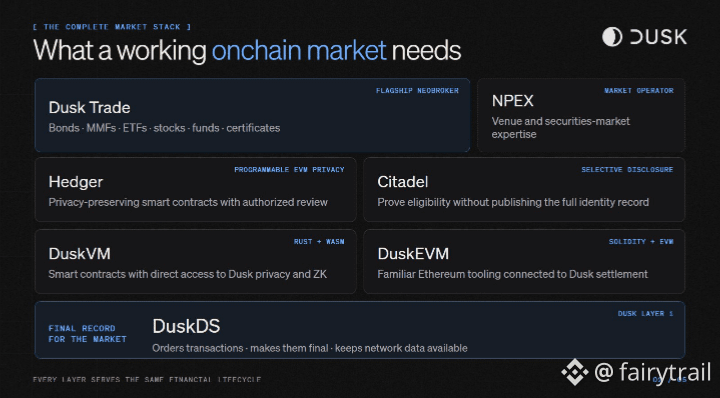
What stands out is how Dusk connects those pieces instead of treating them as separate systems. DuskVM gives Rust developers direct access to privacy and zero-knowledge capabilities, while DuskEVM lets Solidity builders use familiar Ethereum tooling on the same settlement layer. Add Citadel’s selective-disclosure identity and privacy-preserving smart contracts, and the result feels much closer to infrastructure designed for institutions than another tokenization narrative. If regulated assets are moving onchain, this integrated approach makes a strong case for how that market can actually function
$DUSK @Dusk #dusk
$STAR $GPS
What stands out is how Dusk connects those pieces instead of treating them as separate systems. DuskVM gives Rust developers direct access to privacy and zero-knowledge capabilities, while DuskEVM lets Solidity builders use familiar Ethereum tooling on the same settlement layer. Add Citadel’s selective-disclosure identity and privacy-preserving smart contracts, and the result feels much closer to infrastructure designed for institutions than another tokenization narrative. If regulated assets are moving onchain, this integrated approach makes a strong case for how that market can actually function
$DUSK @Dusk #dusk
$STAR $GPS
確認済み
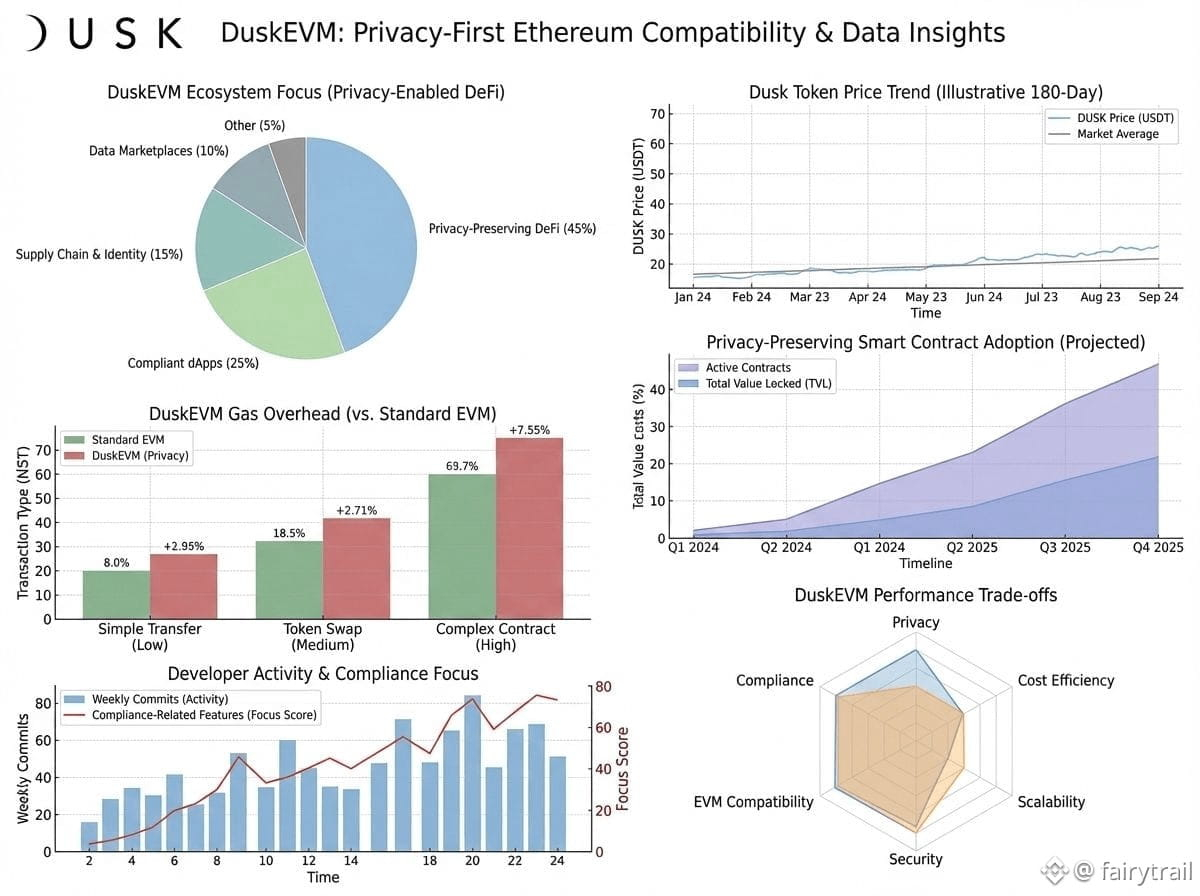
DuskEVMは、プライバシーを重視した環境へイーサリアム互換性を拡張し、開発者が馴染みのあるスマートコントラクトをデプロイしつつ、機微なロジックやデータを保護できるようにします。EVMをすりガラスで包むようなものだと考えてください。実行は検証可能なまま、ゼロ知識証明によって詳細は見えないように保護されます。DuskのEVM対応に関する最近の進展と、安定したDUSKトークンの経済性は、話題性ではなく、コンプライアンスに配慮したDeFiへの重点を示しています。それでもプライバシーにはコストが伴います。ビルダーはガス上乗せをベンチマークし、前提を慎重に監査してください。プライバシーがデフォルトでプログラマブルになるなら、イーサリアムの設計空間は広がるのか、それとも単に複雑さが増すだけなのでしょうか。あなたにとって最も重要なトレードオフは何ですか?
$DUSK @Dusk #dusk
$PORTAL
$BTW
$DUSK @Dusk #dusk
$PORTAL
$BTW
確認済み
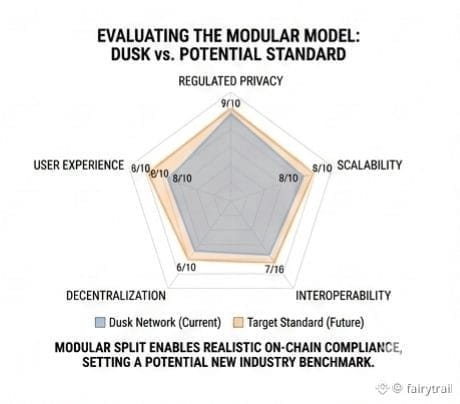
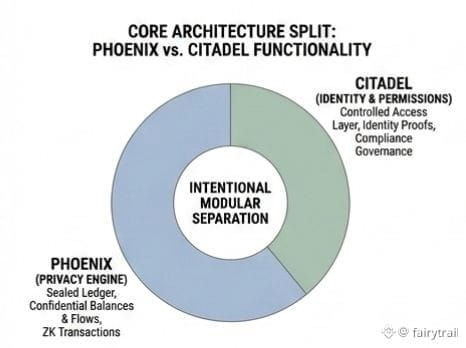
フェニックス&シタデルは、ダスクのアーキテクチャの中核にありますが、非常に異なる課題を解決しており、その分離は意図的です。フェニックスはプライバシー・エンジンです。これはゼロ知識によるトランザクション層で、残高・身元・フローを機密に保ちながら、それでも検証可能な正しさを維持するよう設計されています。数式が信頼に代わる「封印された台帳」のようなものだと考えてください。機関が実際に必要とする、コンプライアンス対応のプライバシーを可能にします。一方でシタデルは、アイデンティティと権限を扱います。これは制御されたアクセス層のように機能し、参加者が「なり得る自分」を証明しつつ、実際に誰であるかは明かさないで済むようにします。ダスクの最近のアップデートは、この相互作用の流れをより引き締め、証明生成を効率化し、検証者の効率を高め、トークンのメカニクスを長期的なネットワーク利用に合わせることに注力してきました。特に、バイナンスに上場したマーケットを通じて可視性が高まるにつれてです。フェニックスはデータを隠し、シタデルは扉を管理します。このモジュール分割によって、オンチェーンでの規制対応プライバシーはより現実的になりますか?そしてダスクは、このモデルを新しい標準になるところまでどこまで押し進められるでしょうか?
$DUSK @Dusk #dusk
$HEMI $COW
$DUSK @Dusk #dusk
$HEMI $COW
確認済み
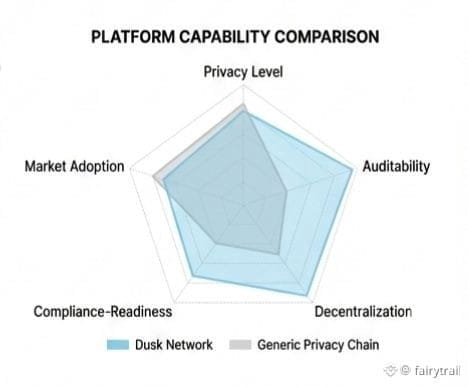
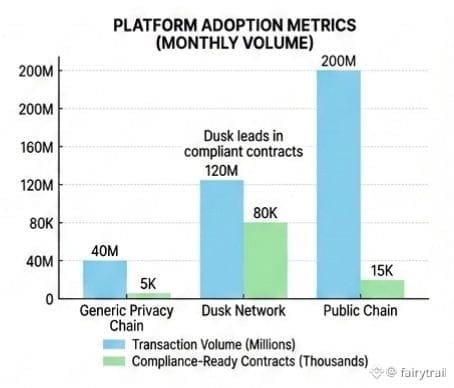
Duskのコアとなる考え方はシンプルですが、しばしば誤解されています。プライバシーは、何かを証明できる状態でなければ機能しない、ということです。従来の金融では、守秘は監査をなくしません。監査を“組み立てる”のです。Duskは同じロジックをオンチェーンで、ゼロ知識証明を使って適用します。取引は隠されたままでも、コンプライアンスのルールは数学的に強制されます。透明な残高表を備えた密閉された銀行の金庫のようなものだと考えてください。
最近のDuskのアップグレードでは、機密スマートコントラクトをさらに進化させ、ユーザーをさらけ出さずに規制当局向けの選択的開示を可能にしています。BinanceでDUSKトークンが実際に活発に取引されていることからも、市場がこの「ルール付きプライバシー」を純粋な匿名性とは別のものとして、きちんと価格付けしているのが分かります。
実行に移せる要点:プライバシーチェーンを評価するときは、「誰が、いつ、何を検証できるのか」を問うことです。プライバシーは絶対的なものですか、それとも証明可能なものですか?
本当の採用にはこのバランスが必要だと思いますか?それとも説明責任が分散性を薄めてしまうのでしょうか?
$DUSK @Dusk #dusk
$ACE
$AKE
最近のDuskのアップグレードでは、機密スマートコントラクトをさらに進化させ、ユーザーをさらけ出さずに規制当局向けの選択的開示を可能にしています。BinanceでDUSKトークンが実際に活発に取引されていることからも、市場がこの「ルール付きプライバシー」を純粋な匿名性とは別のものとして、きちんと価格付けしているのが分かります。
実行に移せる要点:プライバシーチェーンを評価するときは、「誰が、いつ、何を検証できるのか」を問うことです。プライバシーは絶対的なものですか、それとも証明可能なものですか?
本当の採用にはこのバランスが必要だと思いますか?それとも説明責任が分散性を薄めてしまうのでしょうか?
$DUSK @Dusk #dusk
$ACE
$AKE
確認済み
裁量性をもって設計する、という話をするとき、情報を隠すことを意味しているわけではありません。重要なのは、誰が何を見ることができるかに注意を払うことです。Duskは、財務情報を非常に慎重に扱うシステムです。大切なものが保管される金庫のようなものです。Duskを使う人々は、自分の資産を非公開に保てます。しかも、すべてがうまくいっていることは示せます。
Duskは「ゼロ知識証明」と呼ばれるものを使います。つまり、人々が取引を行うとき、システムは、取引をする相手が誰かや、どれだけのお金を持っているかを知る必要なしに、すべてが正しいことを確認できます。これにより、人々は自分の情報を非公開に保てます。システムは、それでもきちんと機能していることを確認できます。
最近、Duskを作っている人たちは、Duskを規則や規制に準拠させるための取り組みを進めています。Duskが、実際の金融システムのあり方と両立することを確認したいのです。これは重要です。なぜなら、Duskに関心を持つ人がますます増えており、Binanceのような企業も含まれているからです。彼らは市場で何が起きているのかを把握できるようにしたい。そのためにDuskは、それを可能にするための整備を進めています。Duskは、プライバシーと透明性のバランスを見つけることが主題です。そして、それこそが、自分の財務情報を非公開にしたい人にとって非常に役立つ理由です。根本的な問いは変わりません。監査する側を誰が監査するのか、また長期的なストレス下でこれらの証明はどれほど堅牢なのか。プライバシーと説明責任は本当に同時にスケールできるのか、それともこのバランスはまだ試され続けているのか。
$DUSK @Dusk #dusk
$EDEN
$AKE
Duskは「ゼロ知識証明」と呼ばれるものを使います。つまり、人々が取引を行うとき、システムは、取引をする相手が誰かや、どれだけのお金を持っているかを知る必要なしに、すべてが正しいことを確認できます。これにより、人々は自分の情報を非公開に保てます。システムは、それでもきちんと機能していることを確認できます。
最近、Duskを作っている人たちは、Duskを規則や規制に準拠させるための取り組みを進めています。Duskが、実際の金融システムのあり方と両立することを確認したいのです。これは重要です。なぜなら、Duskに関心を持つ人がますます増えており、Binanceのような企業も含まれているからです。彼らは市場で何が起きているのかを把握できるようにしたい。そのためにDuskは、それを可能にするための整備を進めています。Duskは、プライバシーと透明性のバランスを見つけることが主題です。そして、それこそが、自分の財務情報を非公開にしたい人にとって非常に役立つ理由です。根本的な問いは変わりません。監査する側を誰が監査するのか、また長期的なストレス下でこれらの証明はどれほど堅牢なのか。プライバシーと説明責任は本当に同時にスケールできるのか、それともこのバランスはまだ試され続けているのか。
$DUSK @Dusk #dusk
$EDEN
$AKE
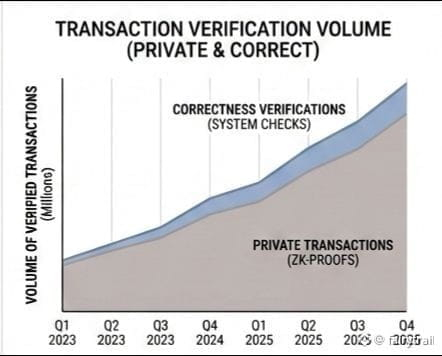
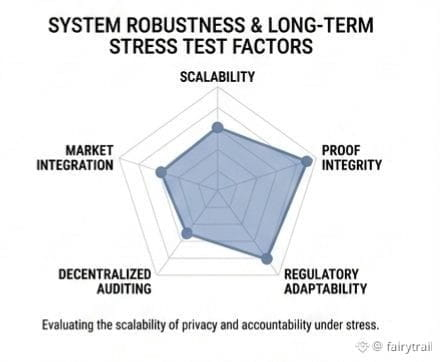
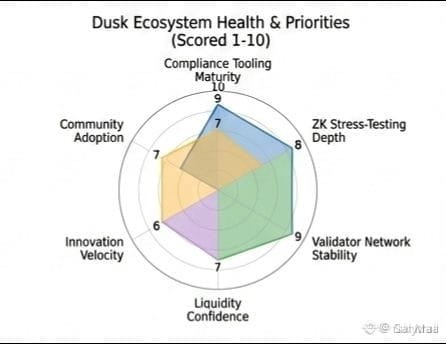
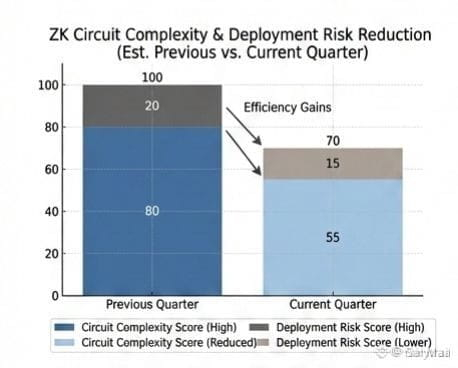
Duskの開発環境は、セキュリティが後付けされるのではなく“フレーム”に組み込まれている、コンプライアンス優先のワークショップのように感じられます。ゼロ知識(ZK)コントラクトのデプロイや、バリデータ中心のテストに関する最近のツール更新は、Duskが制御されたプライバシーと予測可能な実行を重視していることを示しています。DUSKトークンはステーキングとネットワークセキュリティの軸を担っていますが、効率性の向上はサーキットの複雑さとデプロイのリスクを本当に減らせているかを証明する必要があります。Binanceで流動性やステーキングのセンチメントを見ることで、実際の信頼感の手がかりになります。開発者たちはZKロジックを十分に深くストレステストしているのでしょうか? それとも、コンプライアンスのためのツールがイノベーションを鈍らせるのか、あるいは導入を安定させるのか——?
@Dusk #dusk $DUSK
$AKE
$ACU
@Dusk #dusk $DUSK
$AKE
$ACU
バビロンの9,600万ドルの資金調達に踏み込んだとき、いつもの暗号業界の定番パターン——機関投資家のような顔をした、私募トークンセール——を期待していました。でも、見つかったのはそれではありませんでした。ラウンドは、まだ存在していなかったトークンに対してではなく、株式に対して価格設定されたSAFEsに加えてトークンワラントで構成されていたのです。
トークンワラントは、聞こえ方とは違います。投資家は今、株式を買い、その後のトークンに関する権利が、その保有(出資)に上乗せされます。評価額の計算は、トークンの価格に一切触れません。バビロンは実質的に、「会社に資金を入れる」と「トークンを売る」を切り離しました——BABYの割当を、下流の権利として設計し、プロダクトそのものにはしていない。BABYLON Labsという事業に賭ける支援者向けに組み立てられています。
欠けているのは細かな注記です。株式がどのようにBABYへ転換されるのか、そしてどのようなアンロック(解放)スケジュールなのか。そこがないと、売り圧力のリスクは「解決された」ではなく「先送りされた」に見えてしまいます。
だから本当の試験はここです。株式優先の資金調達は、本当に利害が整った保有者を生み出すのか——それとも、同じオーバーハング(株価を重くする要因)を、より長いタイマーで先延ばしにするだけなのか。SAFE/ワラントで資金調達した案件と、上場後の純粋なトークンセールを追跡している人はいますか?
$BABY @BabylonLabs_io #baby
$GIGGLE
$AXTIB
トークンワラントは、聞こえ方とは違います。投資家は今、株式を買い、その後のトークンに関する権利が、その保有(出資)に上乗せされます。評価額の計算は、トークンの価格に一切触れません。バビロンは実質的に、「会社に資金を入れる」と「トークンを売る」を切り離しました——BABYの割当を、下流の権利として設計し、プロダクトそのものにはしていない。BABYLON Labsという事業に賭ける支援者向けに組み立てられています。
欠けているのは細かな注記です。株式がどのようにBABYへ転換されるのか、そしてどのようなアンロック(解放)スケジュールなのか。そこがないと、売り圧力のリスクは「解決された」ではなく「先送りされた」に見えてしまいます。
だから本当の試験はここです。株式優先の資金調達は、本当に利害が整った保有者を生み出すのか——それとも、同じオーバーハング(株価を重くする要因)を、より長いタイマーで先延ばしにするだけなのか。SAFE/ワラントで資金調達した案件と、上場後の純粋なトークンセールを追跡している人はいますか?
$BABY @BabylonLabs_io #baby
$GIGGLE
$AXTIB


以前は、BTCウォレットとETHウォレットをリンクすると、アプリがそれらを1人の預託者として扱うようになると考えていました。TBVはそれを是正しました。
ペグイン要求には、私のイーサリアムアドレス、ビットコインの公開鍵、鍵保有のBIP-322証明、私のVault Provider、そしてWOTSのコミットメントがまとめられます。オフチェーンでは、チャレンジ—レスポンスのアンカーで認証します。インターフェースにアドレスが表示されるだけで受け入れられるわけではありません——その鍵が私のイーサリアム側のバルト記録に紐づく前に、私はその鍵の支配を証明しなければなりません。
私は依然として秘密鍵を保持しています。Providerはセットアップを補助するだけで、私のBTCを移動したり保管したりはできません。
この証明は、私のウォレットを1つのアカウントに統合するものではありません。私は引き続き、ビットコイン上でPre-PegInトランザクションをブロードキャストし、リリースのパスに署名します。一方で、要求、シークレットの開示、借り入れ、または引き出しはイーサリアムで行われます。TBVはビットコイン側の権限をイーサリアム側の要求にリンクするだけで、2つのネットワークを1つの旅程に潰し込むことはしません。
つまり:鍵の証明によって自己管理は信頼できるものになるのか、それとも2つのウォレットを連携させることが本当のリスクのままなのか?
$BABY @BabylonLabs_io #baby
$SNXXB
$MMT
ペグイン要求には、私のイーサリアムアドレス、ビットコインの公開鍵、鍵保有のBIP-322証明、私のVault Provider、そしてWOTSのコミットメントがまとめられます。オフチェーンでは、チャレンジ—レスポンスのアンカーで認証します。インターフェースにアドレスが表示されるだけで受け入れられるわけではありません——その鍵が私のイーサリアム側のバルト記録に紐づく前に、私はその鍵の支配を証明しなければなりません。
私は依然として秘密鍵を保持しています。Providerはセットアップを補助するだけで、私のBTCを移動したり保管したりはできません。
この証明は、私のウォレットを1つのアカウントに統合するものではありません。私は引き続き、ビットコイン上でPre-PegInトランザクションをブロードキャストし、リリースのパスに署名します。一方で、要求、シークレットの開示、借り入れ、または引き出しはイーサリアムで行われます。TBVはビットコイン側の権限をイーサリアム側の要求にリンクするだけで、2つのネットワークを1つの旅程に潰し込むことはしません。
つまり:鍵の証明によって自己管理は信頼できるものになるのか、それとも2つのウォレットを連携させることが本当のリスクのままなのか?
$BABY @BabylonLabs_io #baby
$SNXXB
$MMT



バビロンは、自らを“ビットコインのトリリオンダラー規模の休眠資金を解錠する鍵”として売り込んでいます。私は、その売り文句を超えて、その下にある仕組みを見ていきたい。
エンジニアリングは本当に巧みです。BTCはビットコイン・チェーンから一度も離れません。タイムロック・スクリプトと暗号学的証明によって、ブリッジやラップド・トークンなしで、保有者はプルーフ・オブ・ステークの最終確定(ファイナリティ)を後押しできます。いま、これらのボールトにはおよそ$5.6B相当のBTCが実際に保管されています。投機ではなく、実体のある資本です。
しかし、自分で管理する(セルフカストディアル)ことには無リスクではありません。スラッシングは存在します。もし最終確定プロバイダーが二重署名すれば、EOTSメカニズムがスクリプトからステーク済みのBTCを引き出します。あなたは鍵を保持しますが、自分で選ばなかった運用者を信頼することになります。
さらに利回り。実際のリターンは1〜3% APY付近で推移し、支払いの大半はビットコインではなくBABYです。7〜10日のアンボンディング期間は何も稼げないため、ヘッドラインのTVLが示すほどリターンは厚く見えません。
バビロンは、実際のエンジニアリング問題を解決しました。ただし、利回りとリスクのトレードオフを消し去ったのではなく、そのリスクが置かれる場所を移しただけです。
$BABY @BabylonLabs_io #baby $KAITO $COTI
エンジニアリングは本当に巧みです。BTCはビットコイン・チェーンから一度も離れません。タイムロック・スクリプトと暗号学的証明によって、ブリッジやラップド・トークンなしで、保有者はプルーフ・オブ・ステークの最終確定(ファイナリティ)を後押しできます。いま、これらのボールトにはおよそ$5.6B相当のBTCが実際に保管されています。投機ではなく、実体のある資本です。
しかし、自分で管理する(セルフカストディアル)ことには無リスクではありません。スラッシングは存在します。もし最終確定プロバイダーが二重署名すれば、EOTSメカニズムがスクリプトからステーク済みのBTCを引き出します。あなたは鍵を保持しますが、自分で選ばなかった運用者を信頼することになります。
さらに利回り。実際のリターンは1〜3% APY付近で推移し、支払いの大半はビットコインではなくBABYです。7〜10日のアンボンディング期間は何も稼げないため、ヘッドラインのTVLが示すほどリターンは厚く見えません。
バビロンは、実際のエンジニアリング問題を解決しました。ただし、利回りとリスクのトレードオフを消し去ったのではなく、そのリスクが置かれる場所を移しただけです。
$BABY @BabylonLabs_io #baby $KAITO $COTI


ステーキング・アーキテクチャについてBabylonのドキュメントに行きました。止まったのは、仲裁と裁判上の執行に関する1行と、Babylon Partiesの責任に関する繰り返しの免責事項でした。
これらは、異なる角度から同一のシステムを説明しています。信託レスなバルト(vault)、バリデータのコーディネーション、償還フローが技術層をカバーし、免責事項や仲裁条項がその外側にある部分をカバーします。
バリデータ集合はコンセンサスに到達します。バルトは資産を解放する前に条件を確認します。コントラクトは固定ルールを強制します。それでも、人々の事情、管轄、あるいはオフチェーンの義務が状況に入ってくると、そこでは紛争は解決しません──その領域は仲裁と裁判が引き継ぎます。
分散化は法的インフラを置き換えるものではなく、そのインフラが機能する必要がある範囲を狭めるだけです。コードは日常的な摩擦を吸収します。法は、コードだけでは単独で解決できないケースの一部に備えます。
Babylonはソフトウェアで制度を消し去るものではありません。制度による執行が始まる正確な地点を、ソフトウェアが示すのです。
$BABY @BabylonLabs_io #baby $COTI $VANRY
これらは、異なる角度から同一のシステムを説明しています。信託レスなバルト(vault)、バリデータのコーディネーション、償還フローが技術層をカバーし、免責事項や仲裁条項がその外側にある部分をカバーします。
バリデータ集合はコンセンサスに到達します。バルトは資産を解放する前に条件を確認します。コントラクトは固定ルールを強制します。それでも、人々の事情、管轄、あるいはオフチェーンの義務が状況に入ってくると、そこでは紛争は解決しません──その領域は仲裁と裁判が引き継ぎます。
分散化は法的インフラを置き換えるものではなく、そのインフラが機能する必要がある範囲を狭めるだけです。コードは日常的な摩擦を吸収します。法は、コードだけでは単独で解決できないケースの一部に備えます。
Babylonはソフトウェアで制度を消し去るものではありません。制度による執行が始まる正確な地点を、ソフトウェアが示すのです。
$BABY @BabylonLabs_io #baby $COTI $VANRY


#baby $BABY バビロンを学べば学ぶほど、見過ごされている課題を解決しているのではないかと感じるようになりました。
ビットコインをスマートコントラクトのチェーンに変えようとはしません。代わりに、私がBTCを完全に自分で管理し続けられるまま、その仕組みでProof-of-Stake(PoS)ネットワークへビットコインのセキュリティを拡張します。
この違いは重要です。
資産をブリッジしたり、第三者にコインをロックしたりするのではなく、セキュリティはビットコインそのものから生まれます。保有は変わらないまま、外部のコンセンサスを強化する“経済的な重み”だけが増すのです。
私はこれを、山を一つずつ動かすのではなく、同じ岩盤の上に複数の都市を築くことにたとえています。
このモデルがスケールすれば、最大の成果はステークされるBTCの量ではないでしょう。
それは、ビットコインの最大の貢献が「価値の保存」に限られないという気づきになるはずです。10年以上にわたる信頼と経済的な安全性の実績が、まったく別の世代のブロックチェーン・ネットワークのための基盤インフラになり得ます。@BabylonLabs_io
ビットコインをスマートコントラクトのチェーンに変えようとはしません。代わりに、私がBTCを完全に自分で管理し続けられるまま、その仕組みでProof-of-Stake(PoS)ネットワークへビットコインのセキュリティを拡張します。
この違いは重要です。
資産をブリッジしたり、第三者にコインをロックしたりするのではなく、セキュリティはビットコインそのものから生まれます。保有は変わらないまま、外部のコンセンサスを強化する“経済的な重み”だけが増すのです。
私はこれを、山を一つずつ動かすのではなく、同じ岩盤の上に複数の都市を築くことにたとえています。
このモデルがスケールすれば、最大の成果はステークされるBTCの量ではないでしょう。
それは、ビットコインの最大の貢献が「価値の保存」に限られないという気づきになるはずです。10年以上にわたる信頼と経済的な安全性の実績が、まったく別の世代のブロックチェーン・ネットワークのための基盤インフラになり得ます。@BabylonLabs_io
BULLISH
50%
BEARISH
50%
2 投票 • 投票は終了しました
暗号資産でここ数年に犯した最大の過ちは、基盤となる技術を精査する前に、価格の値動きに固執してしまったことです。あるトークンが急騰し始めると、すぐにチャートへ飛び込み、勢いを追いかけて突っ込んでいました——その後になって初めて、核心の問いを飛ばしていたと気づきました。「このプロジェクトは現実にどんな問題を解決しているのか?」私は潜在的なROI(投資収益率)ばかりを繰り返し意識していましたが、実際のユースケースはほとんど検証していませんでした。市場がクラッシュしたときは、パニックが判断を支配し、記憶するよりもずっと頻繁にポジションを反転させてしまいました。「分散型(decentralized)」という言葉を、誰が本当の支配権を握っているのか、実際の権限がどこに存在するのかを調べることなく、そのまま鵜呑みにしてしまったのです。取引後には、台帳の記録が残るだけで、事前に意味のあるセキュリティ上の保証を一切確認していませんでした。
こうしたパターンを断ち切るには、本当に手間がかかりました。最近の私は、ホワイトペーパーから始めて、まずはアーキテクチャの理解に集中しています。そうすることが、最近私をNewton Protocolへ導いてくれました。「信頼不要(trustless)」や「分散型(decentralized)」のような文言は絶えず出てきます……以前の自分なら躊躇せず受け入れていたでしょう。でも今は立ち止まり、もっと深く掘り下げます。スマートコントラクトはアップグレード可能で、ガバナンスは少数の署名者が管理するマルチシグで運用されます——では、分散化は具体的にどれほど本物なのでしょうか?また、ポリシーチェックの際にオペレーターが平文データへアクセスできる点についての記述が、私の頭から離れません。プライバシーの約束と衝突しているように感じるのです。さらに、プライバシーストーリーの要として位置づけられているMPC Layer 2は、まだ開発中のままです。
私はまだ最終結論には至っていません。ただ、遅すぎると気づいた後に学んだ問いを、今回は事前に真正面から投げかけています……そして、明確な答えが出るのを、じっくり待っています。
$NEWT @NewtonProtocol #Newt $PYR $SKL
こうしたパターンを断ち切るには、本当に手間がかかりました。最近の私は、ホワイトペーパーから始めて、まずはアーキテクチャの理解に集中しています。そうすることが、最近私をNewton Protocolへ導いてくれました。「信頼不要(trustless)」や「分散型(decentralized)」のような文言は絶えず出てきます……以前の自分なら躊躇せず受け入れていたでしょう。でも今は立ち止まり、もっと深く掘り下げます。スマートコントラクトはアップグレード可能で、ガバナンスは少数の署名者が管理するマルチシグで運用されます——では、分散化は具体的にどれほど本物なのでしょうか?また、ポリシーチェックの際にオペレーターが平文データへアクセスできる点についての記述が、私の頭から離れません。プライバシーの約束と衝突しているように感じるのです。さらに、プライバシーストーリーの要として位置づけられているMPC Layer 2は、まだ開発中のままです。
私はまだ最終結論には至っていません。ただ、遅すぎると気づいた後に学んだ問いを、今回は事前に真正面から投げかけています……そして、明確な答えが出るのを、じっくり待っています。
$NEWT @NewtonProtocol #Newt $PYR $SKL
私は、AIエージェントにとって最も難しいのは、最適なオンチェーンの機会を見つけることだと思い続けていました。さまざまなバウチャーを比較し、最も強いルートを選び、数秒で取引を準備できるはずだと。
しかし、その決断に伴って何があるのかを理解しました。
ウォレットのコントロールです。
最初は、自律には資金への完全なアクセスが必要だと考えていました。ですが、その前提はだんだん危険に感じられるようになりました。もしAIが自由に行動できるなら、バグ、操作、あるいはハルシネーションが、瞬時に実際の取引になってしまう可能性があります。
ニュートンはこの点を別の形で扱います。エージェントは何をしたいかを自由に決められますが、実行は権限から切り離されています。すべてのアクションは、支出限度額、承認済みコントラクト、宛先の許可リスト、時間枠、そして大きな取引に必要な人間の承認のような制御を含むRegoポリシーを満たさなければなりません。AIはその知性を保ちつつ、認可レイヤーが、その知性が資本を動かすことを許可するかどうかを判断します。
私にとっての本質的な違いはここです。知性は可能性を生みます。権限は、その可能性のうちどれが取り返しのつかないオンチェーン上の行動になるのかを決めます。
AIエージェントは、本当に有用であるために無制限の権限が必要なのでしょうか?
$NEWT @NewtonProtocol #Newt $MITO $VANRY
しかし、その決断に伴って何があるのかを理解しました。
ウォレットのコントロールです。
最初は、自律には資金への完全なアクセスが必要だと考えていました。ですが、その前提はだんだん危険に感じられるようになりました。もしAIが自由に行動できるなら、バグ、操作、あるいはハルシネーションが、瞬時に実際の取引になってしまう可能性があります。
ニュートンはこの点を別の形で扱います。エージェントは何をしたいかを自由に決められますが、実行は権限から切り離されています。すべてのアクションは、支出限度額、承認済みコントラクト、宛先の許可リスト、時間枠、そして大きな取引に必要な人間の承認のような制御を含むRegoポリシーを満たさなければなりません。AIはその知性を保ちつつ、認可レイヤーが、その知性が資本を動かすことを許可するかどうかを判断します。
私にとっての本質的な違いはここです。知性は可能性を生みます。権限は、その可能性のうちどれが取り返しのつかないオンチェーン上の行動になるのかを決めます。
AIエージェントは、本当に有用であるために無制限の権限が必要なのでしょうか?
$NEWT @NewtonProtocol #Newt $MITO $VANRY
ログインして、さらにコンテンツを読む