

长得帅不如跑的快1688
1.1k 投稿

长得帅不如跑的快1688
Price is the surface — conviction wins the game. 13y in the trenches. Hard data, sharp calls, no shilling. I read the next move before the crowd. 📊
取引を発注

BNBホルダー
高頻度トレーダー
7.5年
580 フォロー
20.5K+ フォロワー
5.4K+ いいね
投稿
ポートフォリオ
すべて
引用
ライブ

易琳Ten
·
--
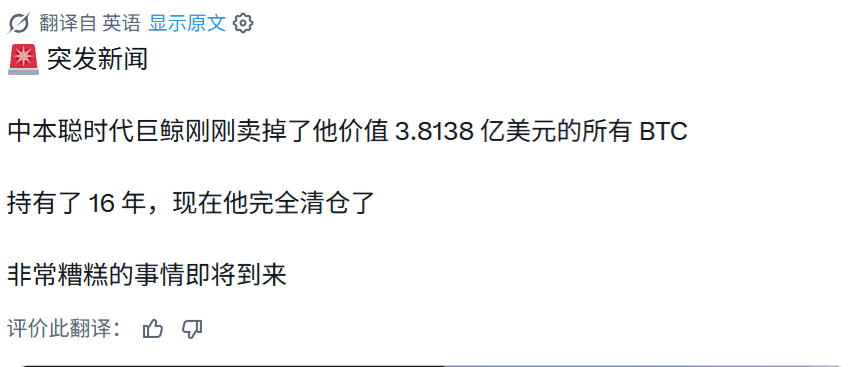
🐋 眠りについて4年の巨大なクジラが、突然目を覚ました!
4500枚のBTC、価値は約3.8億ドル。
4年間ずっと眠り続けて、微動だにしなかった。
しかし今日、突然送金を開始——言われたら動くじゃないか! 🐳
4年動かずにいたのに、大口の動きが急に発生。
取引所へ送る準備なのか、ウォレットを変えるのか、それとも別の手配なのか?
クジラが動けば、市場はすぐに緊張する。
次にどんな動きがある?👀
4500枚のBTC、価値は約3.8億ドル。
4年間ずっと眠り続けて、微動だにしなかった。
しかし今日、突然送金を開始——言われたら動くじゃないか! 🐳
4年動かずにいたのに、大口の動きが急に発生。
取引所へ送る準備なのか、ウォレットを変えるのか、それとも別の手配なのか?
クジラが動けば、市場はすぐに緊張する。
次にどんな動きがある?👀



周周1688
·
--
おはよう
$FIL
朝の光がちょうどよく、元気は満タンに
自分を大切にして、ゆっくり前へ進もう。あなたが時間に負けず、時間もまたあなたを裏切らないように💪
#1688家族family
$FIL
朝の光がちょうどよく、元気は満タンに
自分を大切にして、ゆっくり前へ進もう。あなたが時間に負けず、時間もまたあなたを裏切らないように💪
#1688家族family


叮当 Doraemon
·
--
AI利益配分の後半戦:誰が勝つのか、誰が未確定なのか、そして誰が破壊されるのか
いまのAI、そして将来のAI
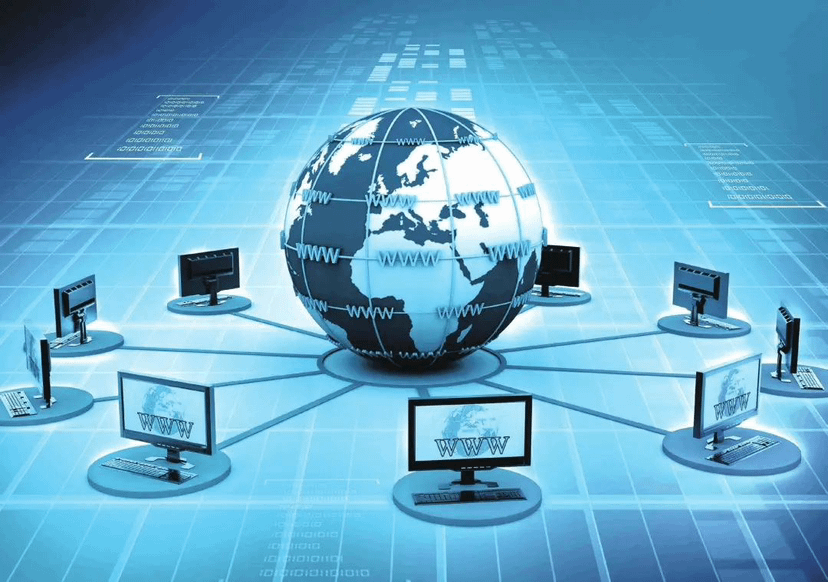
AIの産業チェーンを上流の設備、中流のクラウド企業、そして大規模言語モデル(LLM)企業に分けると、下流はアプリケーション企業だ。現状では産業チェーンの利益はほぼ上流に集中している。しかも「$英伟达 (NVDA.US)$」に加えて大手ストレージ4社だけで、業界の利益の約70%を得ている。
このような利益配分は、典型的な新技術革命が発展の初期段階にあるときの特徴を示している。しかし考えてみよう。AI産業の今後の課金の入口は、クラウド企業か、あるいは下流のアプリケーション企業であって、利益配分も今後ずっと同じようになるのだろうか?
成熟したインターネット産業を例にすると、経済的利益の配分の概ねの割合は次のとおりです:
AIの産業チェーンを上流の設備、中流のクラウド企業、そして大規模言語モデル(LLM)企業に分けると、下流はアプリケーション企業だ。現状では産業チェーンの利益はほぼ上流に集中している。しかも「$英伟达 (NVDA.US)$」に加えて大手ストレージ4社だけで、業界の利益の約70%を得ている。
このような利益配分は、典型的な新技術革命が発展の初期段階にあるときの特徴を示している。しかし考えてみよう。AI産業の今後の課金の入口は、クラウド企業か、あるいは下流のアプリケーション企業であって、利益配分も今後ずっと同じようになるのだろうか?
成熟したインターネット産業を例にすると、経済的利益の配分の概ねの割合は次のとおりです:

乘风Sunshine
·
--
《中米首脳会談で8つの成果に合意—暗号資産市場(仮想通貨)にはどんな影響?》
1️⃣「尊重・公平・対等に基づく、中米の建設的な戦略的安定関係を構築する」
地政学的な緊張の緩和は、世界的なリスク選好が一息つけることを意味します。BTCはグローバルな流動性資産として、そうしたマクロのリスク変化に最も敏感です。
2️⃣「APECとG20の開催に向けて相互に支援する」
主要な経済主体が引き続きハイレベルでの対話を維持することは、国際的な金融ルールには依然として調整の余地があることを示します。暗号資産の今後の規制も、G20の枠組みから切り離して単独で発展することは不可能です。
3️⃣「イランは核兵器を保有しないことに関する約束を履行し、いかなる国・機関も国際水路に通行料を課してはならない」
中東とエネルギー輸送のリスクは、インフレ、ドル、米国債に直結します。エネルギー価格が一気に大きく変動すれば、米連邦準備制度(FRB)の利率見通しも変化し、BTCもそれに連動して再評価される可能性があります。
4️⃣「中国と米国は第二次世界大戦の同盟国であり、並んで戦い、戦争の勝利を得たことを想起する」
これは歴史の物語ですが、市場にとっては、より重要なのは「暴走を回避する」ためのシグナルが放たれたことです。
5️⃣「“300億ドル”の相互の関税引き下げ措置に合意」
通商摩擦の沈静化は、世界の貿易と流動性の見通しが改善することを意味します。過去数年、関税の段階的な引き上げはたびたびリスク資産にとって重要な変数になってきました。BTCも当然、完全にその影響からは免れません。
6️⃣「中米の麻薬対策の取締当局による協力が可視化された成果を得た」
この点は、暗号資産の世界にとって実はかなり現実的です。越境的な取締協力が強まることは、今後、ステーブルコイン、取引所、オンチェーン上の資金フローに対するコンプライアンス要件がさらに強化される可能性も示唆します。
7️⃣「中米で人工知能(AI)に関する対話を構築する」
AIとCryptoは、新たな交差領域を形成しつつあります。AI Agent、オンチェーン決済、スマートコントラクトの自動実行、DePINなどです。中米がAIリスクのコミュニケーションの仕組みづくりを始めたこと自体が、長期的に注目に値するシグナルです。
8️⃣「米側は、中国側が米国アトランタの動物園に貸し出す2頭のジャイアントパンダが米国に来ることを歓迎する」
パンダは一見、暗号資産市場とは最も関係がないように見えますが、そこに表れているのは、人と人との交流が回復しているということです。
まとめ:
今回の会談で暗号資産市場が本当に注目すべきなのは、どれか1つがBTCに直接プラスになるということではなく、次の3つのキーワードです。
地政学リスク ↓
通商の不確実性 ↓
AIと金融規制の協力 ↑
1️⃣「尊重・公平・対等に基づく、中米の建設的な戦略的安定関係を構築する」
地政学的な緊張の緩和は、世界的なリスク選好が一息つけることを意味します。BTCはグローバルな流動性資産として、そうしたマクロのリスク変化に最も敏感です。
2️⃣「APECとG20の開催に向けて相互に支援する」
主要な経済主体が引き続きハイレベルでの対話を維持することは、国際的な金融ルールには依然として調整の余地があることを示します。暗号資産の今後の規制も、G20の枠組みから切り離して単独で発展することは不可能です。
3️⃣「イランは核兵器を保有しないことに関する約束を履行し、いかなる国・機関も国際水路に通行料を課してはならない」
中東とエネルギー輸送のリスクは、インフレ、ドル、米国債に直結します。エネルギー価格が一気に大きく変動すれば、米連邦準備制度(FRB)の利率見通しも変化し、BTCもそれに連動して再評価される可能性があります。
4️⃣「中国と米国は第二次世界大戦の同盟国であり、並んで戦い、戦争の勝利を得たことを想起する」
これは歴史の物語ですが、市場にとっては、より重要なのは「暴走を回避する」ためのシグナルが放たれたことです。
5️⃣「“300億ドル”の相互の関税引き下げ措置に合意」
通商摩擦の沈静化は、世界の貿易と流動性の見通しが改善することを意味します。過去数年、関税の段階的な引き上げはたびたびリスク資産にとって重要な変数になってきました。BTCも当然、完全にその影響からは免れません。
6️⃣「中米の麻薬対策の取締当局による協力が可視化された成果を得た」
この点は、暗号資産の世界にとって実はかなり現実的です。越境的な取締協力が強まることは、今後、ステーブルコイン、取引所、オンチェーン上の資金フローに対するコンプライアンス要件がさらに強化される可能性も示唆します。
7️⃣「中米で人工知能(AI)に関する対話を構築する」
AIとCryptoは、新たな交差領域を形成しつつあります。AI Agent、オンチェーン決済、スマートコントラクトの自動実行、DePINなどです。中米がAIリスクのコミュニケーションの仕組みづくりを始めたこと自体が、長期的に注目に値するシグナルです。
8️⃣「米側は、中国側が米国アトランタの動物園に貸し出す2頭のジャイアントパンダが米国に来ることを歓迎する」
パンダは一見、暗号資産市場とは最も関係がないように見えますが、そこに表れているのは、人と人との交流が回復しているということです。
まとめ:
今回の会談で暗号資産市場が本当に注目すべきなのは、どれか1つがBTCに直接プラスになるということではなく、次の3つのキーワードです。
地政学リスク ↓
通商の不確実性 ↓
AIと金融規制の協力 ↑

橙子Joyce
·
--
来週のデータ発表の目玉は、金曜に公表される米国の雇用統計(非農業部門雇用者数)である。今回のレポートには3つの中核データが含まれる。すなわち、非農業部門の雇用者数、失業率、平均時給だ。これらの指標は米連邦準備制度(FRB)の利上げ・利下げの見通し(政策金利のパス)に直結しており、10月の政策会合前までに極めて重要な雇用関連指標となる。
水曜 20:15:米国ADP雇用者数の増減(9月);
水曜 20:30:米国コアPCE物価指数(前年比、8月);
木曜 16:00:イングランド銀行(BOE)総裁ベイリー(Bailey)の講演;
木曜 20:30:米国新規失業保険申請件数(9月26日までの週);
木曜 21:30:欧州中央銀行(ECB)総裁ラガルド(Lagarde)の講演;
金曜 20:30:米国雇用統計(非農業部門雇用者数)および失業率(9月);
FRB当局者は水曜の朝から、一連の公開イベントを行う予定だ。シカゴ連銀総裁のグールズビー(Goolsbee、2027年FOMC投票メンバー)とセントルイス連銀総裁のムサレム(Musalem、2028年FOMC投票メンバー)は講演を予定しており、ニューヨーク連銀総裁のウィリアムズ(Williams、FOMCの常任投票メンバー)はバッファロー大学で基調講演を行う。木曜には、FRB理事のクック(Cook)、ミネアポリス連銀総裁のカシュカリ(Kashkari)、リッチモンド連銀総裁のバーキン(Barkin)が講演する。金曜には、ウィリアムズに加え、ダラス連銀総裁のローガン(Logan)も公開イベントの予定がある。
$BZ
$CL
$XAU
水曜 20:15:米国ADP雇用者数の増減(9月);
水曜 20:30:米国コアPCE物価指数(前年比、8月);
木曜 16:00:イングランド銀行(BOE)総裁ベイリー(Bailey)の講演;
木曜 20:30:米国新規失業保険申請件数(9月26日までの週);
木曜 21:30:欧州中央銀行(ECB)総裁ラガルド(Lagarde)の講演;
金曜 20:30:米国雇用統計(非農業部門雇用者数)および失業率(9月);
FRB当局者は水曜の朝から、一連の公開イベントを行う予定だ。シカゴ連銀総裁のグールズビー(Goolsbee、2027年FOMC投票メンバー)とセントルイス連銀総裁のムサレム(Musalem、2028年FOMC投票メンバー)は講演を予定しており、ニューヨーク連銀総裁のウィリアムズ(Williams、FOMCの常任投票メンバー)はバッファロー大学で基調講演を行う。木曜には、FRB理事のクック(Cook)、ミネアポリス連銀総裁のカシュカリ(Kashkari)、リッチモンド連銀総裁のバーキン(Barkin)が講演する。金曜には、ウィリアムズに加え、ダラス連銀総裁のローガン(Logan)も公開イベントの予定がある。
$BZ
$CL
$XAU

慢就是快Mike
·
--
$ZEC
🚨巨大クジラが買い集め続行!供給危機が迫っている。チップをしっかり握れ!
目を覚まして、今日の速報を見てみよう!個人投資家が迷っている間に相場が揺れて洗われていると、機関投資家はすでに「狂暴な買い入れ」モードに突入している:
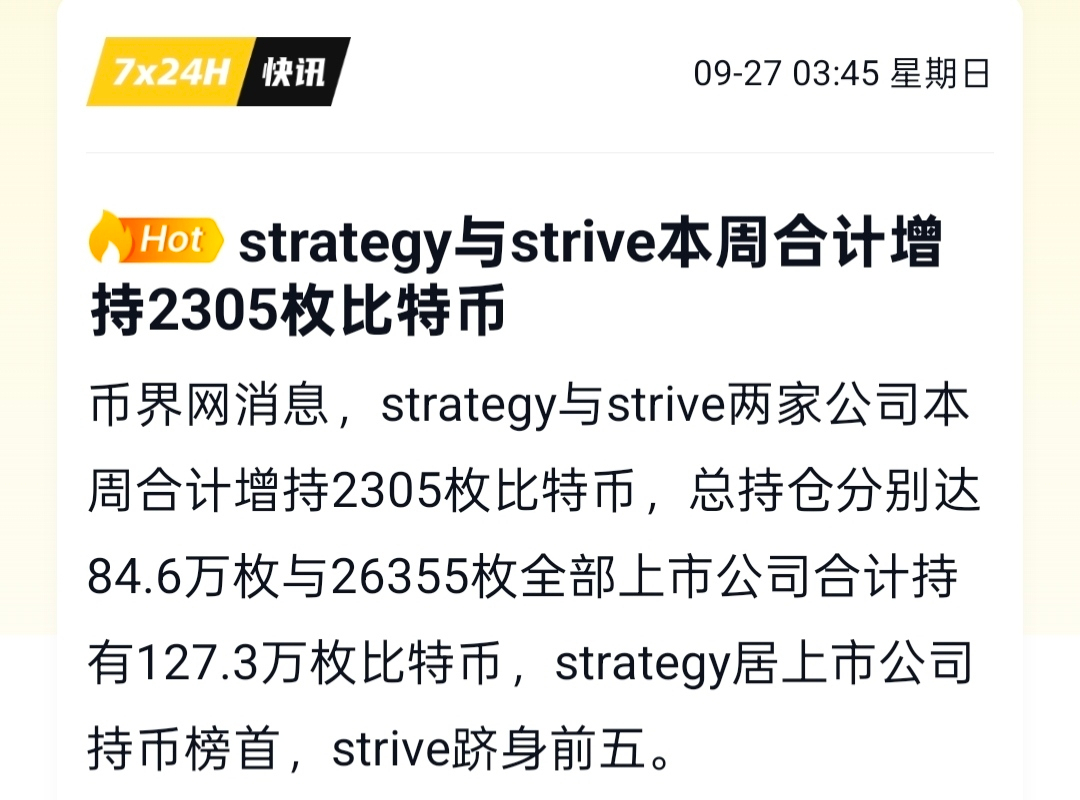
🔥 Strategy 今週も引き続き増持、総保有は 84.6万枚 BTC まで急増。上場企業の首位の座をがっちりキープ!
🔥 Strive も負けじと、総保有は 26,355枚。いきなり上位5社に食い込んだ!
🔥 現在、全上場企業を合計すると 127.3万枚 のビットコインを保有!
これは何を意味する? 市場に出回っているチップ(株/コインの持ち分)が、これらの“巨大企業”によって徹底的にロックされているということだ! この水準で機関投資家が現金同等の実弾をためらわず買いに入っているなら、君に恐れる理由なんてあるのか?
大相場の車輪はすでに回り始めた。簡単に車から投げ出されるな。現物を握って、流れに乗ってロング! 目の前のあらゆる調整(押し目)は、ロング勢が車に乗るチャンスだ!
#Bitcoin #BTC #Crypto #ロング #机构入场
🚨巨大クジラが買い集め続行!供給危機が迫っている。チップをしっかり握れ!
目を覚まして、今日の速報を見てみよう!個人投資家が迷っている間に相場が揺れて洗われていると、機関投資家はすでに「狂暴な買い入れ」モードに突入している:
🔥 Strategy 今週も引き続き増持、総保有は 84.6万枚 BTC まで急増。上場企業の首位の座をがっちりキープ!
🔥 Strive も負けじと、総保有は 26,355枚。いきなり上位5社に食い込んだ!
🔥 現在、全上場企業を合計すると 127.3万枚 のビットコインを保有!
これは何を意味する? 市場に出回っているチップ(株/コインの持ち分)が、これらの“巨大企業”によって徹底的にロックされているということだ! この水準で機関投資家が現金同等の実弾をためらわず買いに入っているなら、君に恐れる理由なんてあるのか?
大相場の車輪はすでに回り始めた。簡単に車から投げ出されるな。現物を握って、流れに乗ってロング! 目の前のあらゆる調整(押し目)は、ロング勢が車に乗るチャンスだ!
#Bitcoin #BTC #Crypto #ロング #机构入场
@Elena神话MUA
が発言中[ライブ] 🎙️ 建設広場、現物を保有し、MUAをエアドロップ
リスナー数:4.6k人
奋斗Hustle-1688
·
--
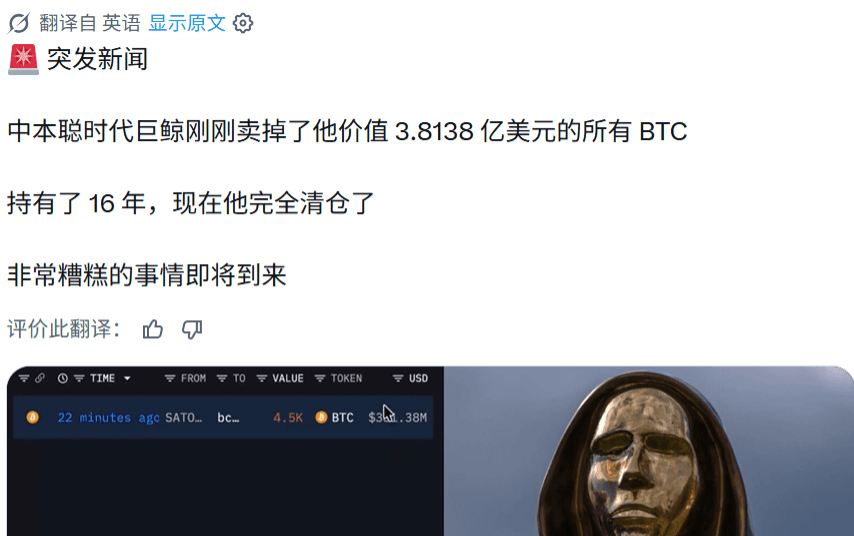
$BTC 暗号資産(仮想通貨)界に大口がいる。財布(ウォレット)がなんと4年間一度も動かず、ある日突然目を覚ました。
出すやいなやビットコイン4500枚。価値は3.8億ドル。言ったらすぐ送金して持っていった。
4年も動かなかったのに、今になって引っ越しだ。
これは何をするつもり?大きな動きの準備か??
出すやいなやビットコイン4500枚。価値は3.8億ドル。言ったらすぐ送金して持っていった。
4年も動かなかったのに、今になって引っ越しだ。
これは何をするつもり?大きな動きの準備か??

艾琳irene
·
--
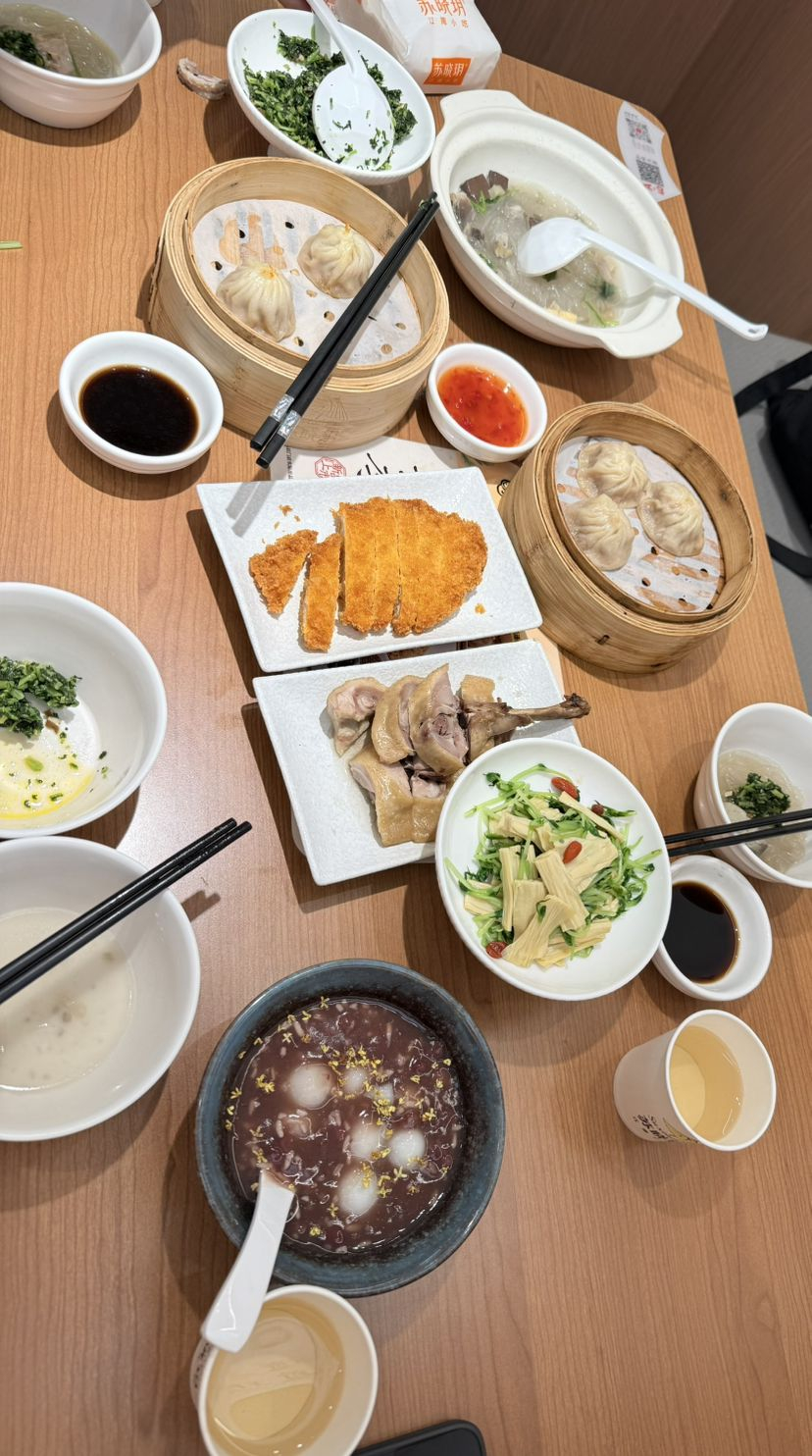
みんなでお昼ごはん食べよう!家族のみんな!お腹いっぱいになってから集中してK線を見よう。失ってしまった努力を取り戻そう。😊$BTC #比特币 #SEC称代币回购与网络升级不自动构成证券

楠楠nannan势不可挡
·
--
🧧市場には温暖と冷えがあり、投資にも周期があります。心を落ち着けて知識を鍛えれば、収益は必ず理解の進度と歩調を合わせます。$BNB

路人1688luren
·
--
#SEC称回购与升级不必然使代币成证券 多くの時には、多くのことがあなたが努力すれば結果が出るというわけではありません。運命の歯車が回り出すと、まるで目に見えない手があなたを別の方向へ押しているかのように……塞翁が馬、禍福は転ずる……$USD1



心月势不可挡
·
--
ブリッシュ🧧🧧🧧BNBはもうすぐ800を突破、BNBを持っていればゆっくり裕福になる🧧🧧🧧
英鸿³³₇
·
--
[リプレイ] 🎙️ 今日はのんびり雑談しよう、毎月積立bnb
01 時間 57 分 49 秒 · リスナー数:4.7k人

Leann 行稳致远
·
--
$NVDAB 短期で一波下げ、その後にもう一波上げる。皆さんどう思いますか?#Circle在Solana增发5亿枚USDC

灰s1688
·
--
あなたの$SOL 🎁を受け取ろう
🧧コメントを残してね
🧧コメントを残してね


@静静Amily
が発言中[ライブ] 🎙️ 休暇が終わりました。これから本格的に配信を始めます。大物の皆さん、ぜひ一緒に実戦しましょう。
リスナー数:4.3k人

紫月湾湾_91391
·
--
1. 週末は「出来高のない値動き」:
従来の機関は休み、市場に資金も大口の注文もなく、小さなレンジで上下するだけになりやすく、「追いかけ買いを騙すような見せかけのブレイク」が起こりやすい。
2. 月曜日こそが「本当の始まり」:
月曜の寄り付きは、週末に残ったギャップの埋めをまず行い、その後、夜に米国株が開いて大資金が参入すると、本当の方向性が見えてくる。
3. 今、何をすべきか:
手を出さない、ぐっと我慢して、月曜日を待つ。
2. イーサはこの4つの重要な価格帯だけ覚えておけばOK
♦️大きなレジスタンス($2,820):
大きな出来高を伴ってそこを突き抜けるまでは、本当の大暴騰とは言えない。
♦️短期の上値圧力($2,730 – $2,750):
週末のリバウンドでここまで来ると、押し戻されやすい。
♦️短期のサポート($2,660 – $2,680):
週末のもみ合いの下限で、割れると小さなツッコミ(ヒゲ)が入りやすい。
♦️ライフライン($2,600):
強気派の最後の防衛ライン。ここを割ると、リバウンドはそのまま終わって反転して空(売り)方向に切り替わる。
3. 結論と提案
♦️相場の状態:【中立】
(上にも下にも行かず、ただの押し引き)。
♦️取引方針:【待機】。
週末に高レバレッジで入ると、無効な値動きで洗い流されやすい。証拠金は残しておき、月曜日に本当の方向が出てから、流れに乗って追随する。
従来の機関は休み、市場に資金も大口の注文もなく、小さなレンジで上下するだけになりやすく、「追いかけ買いを騙すような見せかけのブレイク」が起こりやすい。
2. 月曜日こそが「本当の始まり」:
月曜の寄り付きは、週末に残ったギャップの埋めをまず行い、その後、夜に米国株が開いて大資金が参入すると、本当の方向性が見えてくる。
3. 今、何をすべきか:
手を出さない、ぐっと我慢して、月曜日を待つ。
2. イーサはこの4つの重要な価格帯だけ覚えておけばOK
♦️大きなレジスタンス($2,820):
大きな出来高を伴ってそこを突き抜けるまでは、本当の大暴騰とは言えない。
♦️短期の上値圧力($2,730 – $2,750):
週末のリバウンドでここまで来ると、押し戻されやすい。
♦️短期のサポート($2,660 – $2,680):
週末のもみ合いの下限で、割れると小さなツッコミ(ヒゲ)が入りやすい。
♦️ライフライン($2,600):
強気派の最後の防衛ライン。ここを割ると、リバウンドはそのまま終わって反転して空(売り)方向に切り替わる。
3. 結論と提案
♦️相場の状態:【中立】
(上にも下にも行かず、ただの押し引き)。
♦️取引方針:【待機】。
週末に高レバレッジで入ると、無効な値動きで洗い流されやすい。証拠金は残しておき、月曜日に本当の方向が出てから、流れに乗って追随する。

良茂哥628
·
--
🧧 注目 + コメントでSOL受け取りファン特典
風清らかで月は明るい、素晴らしい時節を迎えて。あなたの暮らしが中秋の満月のように円満でありますように。中秋節おめでとうございます!
博餅の由来
伝説によれば、鄭成功の部下である洪旭が、駐屯する兵士たちを慰める中秋の郷愁の気持ちから考案したとされます。サイコロの目の数で「状元餅(じょうげんもち)」を取り、兵士たちが遊びの中で楽しく祝日を過ごせるようにしたのが始まりで、のちに福建(閩南)地方の独特な中秋の習慣として発展し、現在まで伝わっています。
風清らかで月は明るい、素晴らしい時節を迎えて。あなたの暮らしが中秋の満月のように円満でありますように。中秋節おめでとうございます!
博餅の由来
伝説によれば、鄭成功の部下である洪旭が、駐屯する兵士たちを慰める中秋の郷愁の気持ちから考案したとされます。サイコロの目の数で「状元餅(じょうげんもち)」を取り、兵士たちが遊びの中で楽しく祝日を過ごせるようにしたのが始まりで、のちに福建(閩南)地方の独特な中秋の習慣として発展し、現在まで伝わっています。


@晚风Vesper_1688
が発言中[ライブ] 🎙️ 蝴蝶🦋C総、メカニズム通縮、コミュニティ共同構築、80M案件の第一候補🚀🚀🚀
リスナー数:690人
ログインして、さらにコンテンツを読む