
RAZIQ17
3.2k 投稿

RAZIQ17
取引を発注
超高頻度トレーダー
6.8か月
2 フォロー
10.2K+ フォロワー
2.4K+ いいね
投稿
ポートフォリオ
すべて
ライブ
PINNED
しばらくの間、BabylonのTBVについていろいろ見てきたけど、いつものブリッジ&ラップ系の話と何かが違う感じがする。
帰りが遅くなって、思ったより長い時間書類とにらめっこしてしまった。引き出しの経路が頭の中でぐるぐる回り続けた。多くの設計はBTCをどこか別の場所へ移して、その後「新たな一連の関係者」を信じて取り戻してくれと言ってくる。でも、そんな映画はもう十分に何度も見た。何かが壊れたとき、責任の所在がものすごく速く曖昧になってしまう。
ここでやろうとしていることは、ビットコインに新しい芸を覚えさせようとはしていない。外部の状態を、既存のスクリプトがすでに検証できる支払い条件へと変換しているだけだ。BTCは決して自分自身のチェーンから出ない。それぞれのボールトは最初からそれぞれ別のUTXOとしてロックされていて、どこかの共有プールに混ぜ込まれたりしない。その部分は意図的な感じがする。資金は隔離されたままになる。引き出しや状態変更はすべて、その単一の出力に対して解決されなければならない。
チャレンジウィンドウも面白い。システムが完璧だなんて前提を置いてはいない。誤った状態が確定されるのを、誰かが止められる余地を残しているだけだ。ビットコイン側での検証は狭い範囲にとどめられ、複雑さの多くは外へ押し出されている。
とはいえ、まだ完全には納得できていない。スケール、実際の需要、そしてネットワークが混雑したときに引き出しフローがどう振る舞うのか——そのあたりはまだ未解決の疑問だ。BABYが本当に意味を持つのは、最初の波が収まった後も人々がネットワークを使い続ける場合に限られる。でも、いつも自分が抱えている警戒心が、ここでは少しだけ静かになっている気がする。消えたわけじゃない。ただ、より静かになった。
数値を引き続き見ていく。🧐
$BABY @BabylonLabs_io #baby
帰りが遅くなって、思ったより長い時間書類とにらめっこしてしまった。引き出しの経路が頭の中でぐるぐる回り続けた。多くの設計はBTCをどこか別の場所へ移して、その後「新たな一連の関係者」を信じて取り戻してくれと言ってくる。でも、そんな映画はもう十分に何度も見た。何かが壊れたとき、責任の所在がものすごく速く曖昧になってしまう。
ここでやろうとしていることは、ビットコインに新しい芸を覚えさせようとはしていない。外部の状態を、既存のスクリプトがすでに検証できる支払い条件へと変換しているだけだ。BTCは決して自分自身のチェーンから出ない。それぞれのボールトは最初からそれぞれ別のUTXOとしてロックされていて、どこかの共有プールに混ぜ込まれたりしない。その部分は意図的な感じがする。資金は隔離されたままになる。引き出しや状態変更はすべて、その単一の出力に対して解決されなければならない。
チャレンジウィンドウも面白い。システムが完璧だなんて前提を置いてはいない。誤った状態が確定されるのを、誰かが止められる余地を残しているだけだ。ビットコイン側での検証は狭い範囲にとどめられ、複雑さの多くは外へ押し出されている。
とはいえ、まだ完全には納得できていない。スケール、実際の需要、そしてネットワークが混雑したときに引き出しフローがどう振る舞うのか——そのあたりはまだ未解決の疑問だ。BABYが本当に意味を持つのは、最初の波が収まった後も人々がネットワークを使い続ける場合に限られる。でも、いつも自分が抱えている警戒心が、ここでは少しだけ静かになっている気がする。消えたわけじゃない。ただ、より静かになった。
数値を引き続き見ていく。🧐
$BABY @BabylonLabs_io #baby
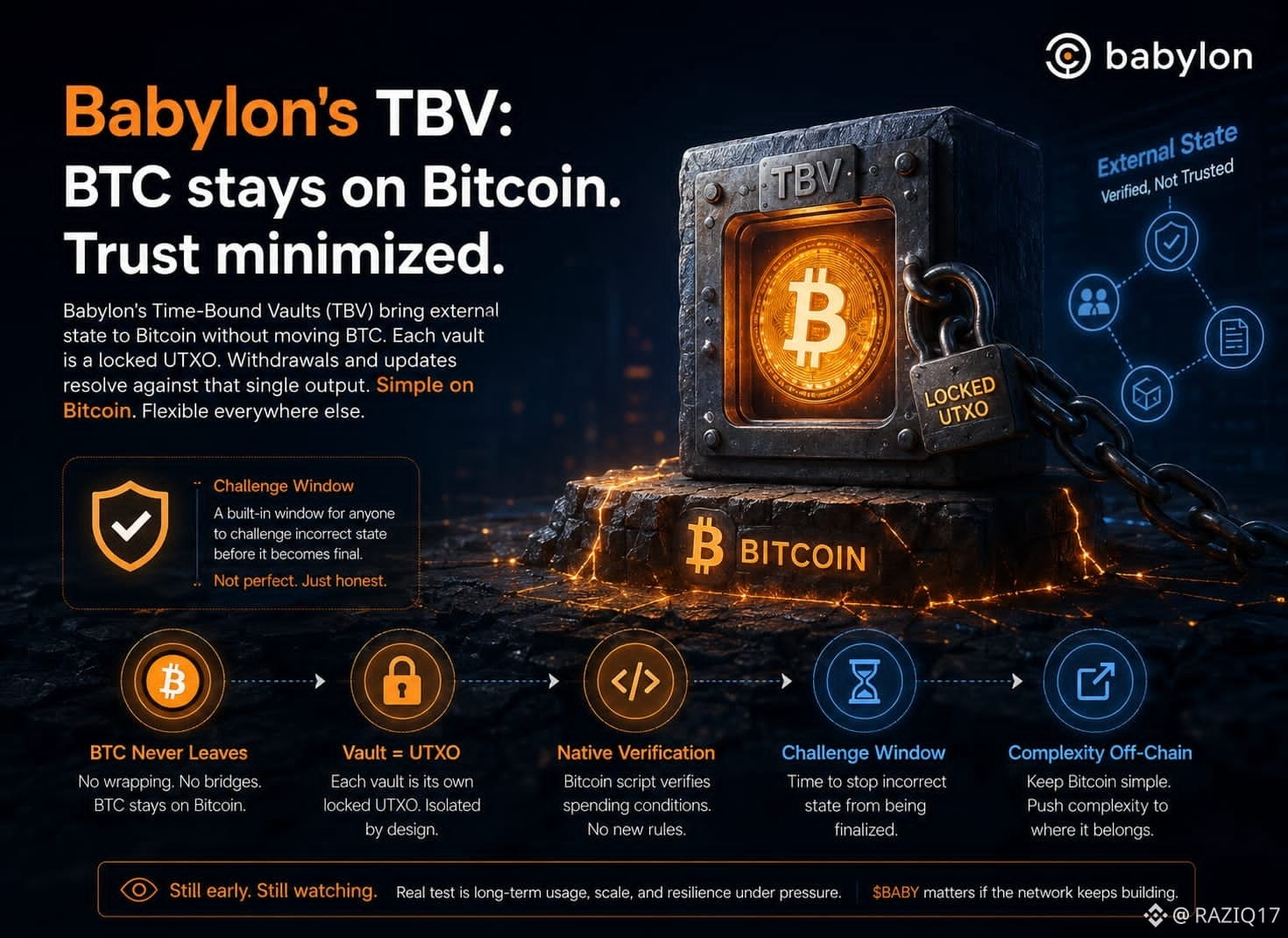
以前見たことがある何かを感じてはいるんですが、今回はちょっと違います。バビロンはリスクが、金庫そのものではなく、接続されたDeFiプロトコル側にあると言っています。紙の上ではそれはスッキリして見える。人を落ち着かせるには十分なほどに。物語の流れを止めないのに十分なほどに。
でも、暗号資産の世界で「きれいな説明」への信頼はもう十分には持てません。見出しを生き延びたシステムを、あまりにもたくさん見てきました。実際の損害は別の場所にあったのです。カストディの中に、連携の中に、ラッパーの中に、そして壊れるまで誰も話したがらなかった依存関係の中に。ここで気になり続けているのは、まさにその部分です。金庫が無事でも、すべての預け入れが他人の前提の連鎖を通らなければならないなら、リスクはまだそこにあります。ただ、礼儀正しくなっただけです。
このパターンは何度も見てきました。いつも約束されるのは、コアの仕組みは健全だということ。いつも厄介なのは「周辺」です。いつも厄介なのは、誰か別のレイヤーです。そして、それが技術的には正しいのかもしれません。たぶんそれが肝なのでしょう。でも積み重ねが十分に長くなると、「金庫ではない」という言い方が、弁明というより定義のように聞こえてくる。
ただ、これは何か違う気がします。より安全になったわけではない。ただ、実際にエクスポージャーがどこにあるのかを、より正直に言っているだけ。そんな正直さが重要なのか、それとも地形が相変わらず荒いまま、地図だけを読みやすくしているだけなのか、まだ分かりません。
@BabylonLabs_io #baby $BABY
でも、暗号資産の世界で「きれいな説明」への信頼はもう十分には持てません。見出しを生き延びたシステムを、あまりにもたくさん見てきました。実際の損害は別の場所にあったのです。カストディの中に、連携の中に、ラッパーの中に、そして壊れるまで誰も話したがらなかった依存関係の中に。ここで気になり続けているのは、まさにその部分です。金庫が無事でも、すべての預け入れが他人の前提の連鎖を通らなければならないなら、リスクはまだそこにあります。ただ、礼儀正しくなっただけです。
このパターンは何度も見てきました。いつも約束されるのは、コアの仕組みは健全だということ。いつも厄介なのは「周辺」です。いつも厄介なのは、誰か別のレイヤーです。そして、それが技術的には正しいのかもしれません。たぶんそれが肝なのでしょう。でも積み重ねが十分に長くなると、「金庫ではない」という言い方が、弁明というより定義のように聞こえてくる。
ただ、これは何か違う気がします。より安全になったわけではない。ただ、実際にエクスポージャーがどこにあるのかを、より正直に言っているだけ。そんな正直さが重要なのか、それとも地形が相変わらず荒いまま、地図だけを読みやすくしているだけなのか、まだ分かりません。
@BabylonLabs_io #baby $BABY
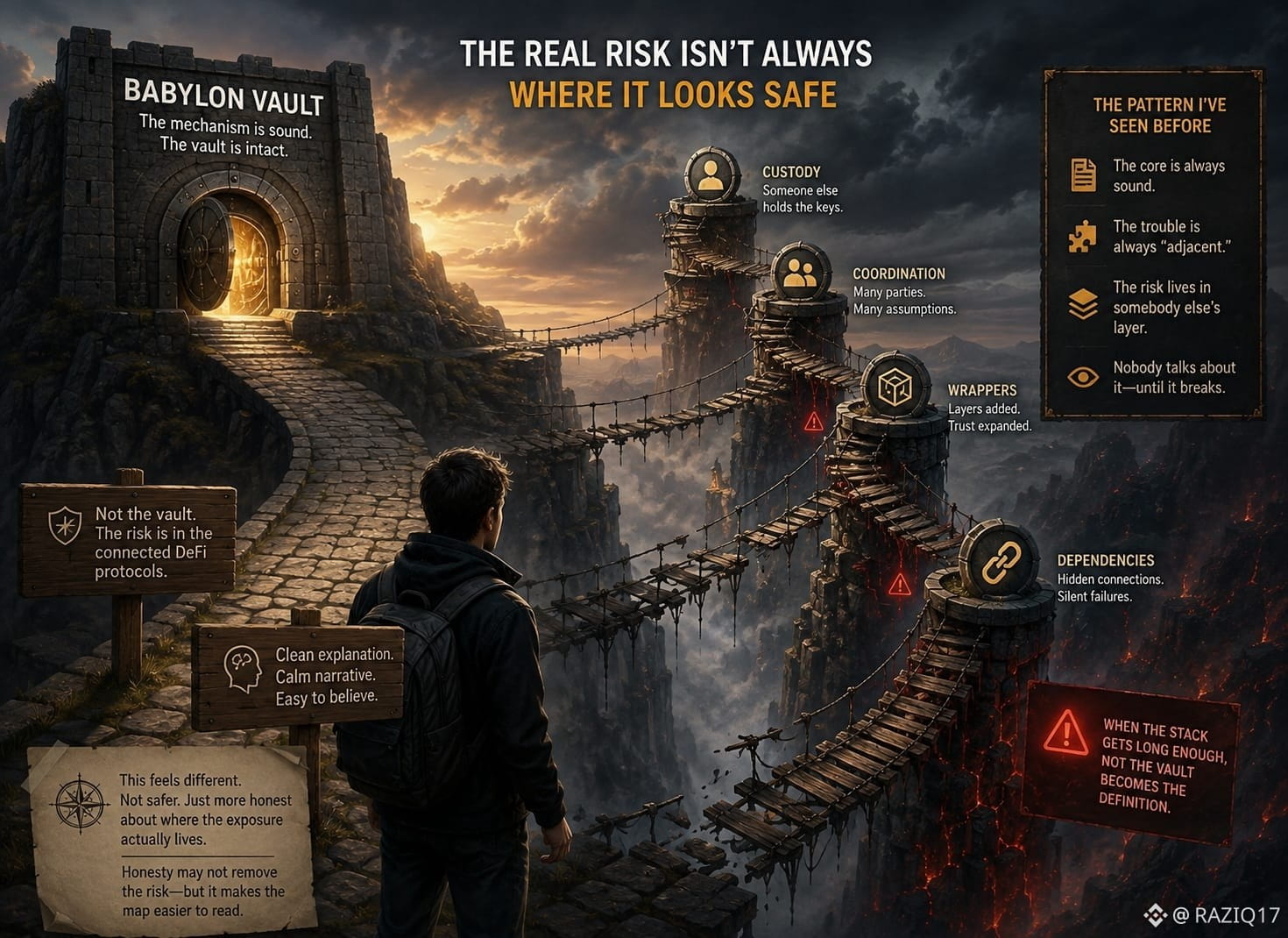
最近、物語に興味を持つよりも、実際に物事がどう機能するのかにもっと関心が向いているのを感じています。バビロンがまさにその点で私の目を引きました。これは、別の橋を売りつけようとしているわけでもなければ、ビットコインを包み込んだだけのものでもありません。あるいは、私が求めてもいない“信頼の層”の上に築かれた、きらびやかな約束でもない。発想は驚くほどシンプルです。BTCはネイティブのままにして、ビットコイン自身のスクリプトでロックし、トレードオフがないふりをせずに、役に立つことをやらせる。
そこで私は自然と歩みを遅くします。BTCはロックされている。ステーキング期間は長い。柔軟性は限られている。そして委任するにしても、結局は誰か別の人が正しいことをしてくれると期待することになります。その部分は、どんな報酬よりも私にとって重要です。
十分なサイクルを見てきたので、「新しいユースケース」にはいつも、静かな代償がついてくることを知っています。たいていの場合、その代償は細かな注意書きに埋もれているか、興奮が冷めた後にはじめて明らかになります。だから私はバビロンを否定しているわけではありませんが、急いで飛びつくつもりもありません。確かに何かが違う感じはします。でも“違う”ことがそのまま“持続性がある”ことを意味するわけではありません。暗号の世界では、そのギャップこそが、たいてい本当の物語の始まりです。🤔
@BabylonLabs_io #baby $BABY
そこで私は自然と歩みを遅くします。BTCはロックされている。ステーキング期間は長い。柔軟性は限られている。そして委任するにしても、結局は誰か別の人が正しいことをしてくれると期待することになります。その部分は、どんな報酬よりも私にとって重要です。
十分なサイクルを見てきたので、「新しいユースケース」にはいつも、静かな代償がついてくることを知っています。たいていの場合、その代償は細かな注意書きに埋もれているか、興奮が冷めた後にはじめて明らかになります。だから私はバビロンを否定しているわけではありませんが、急いで飛びつくつもりもありません。確かに何かが違う感じはします。でも“違う”ことがそのまま“持続性がある”ことを意味するわけではありません。暗号の世界では、そのギャップこそが、たいてい本当の物語の始まりです。🤔
@BabylonLabs_io #baby $BABY
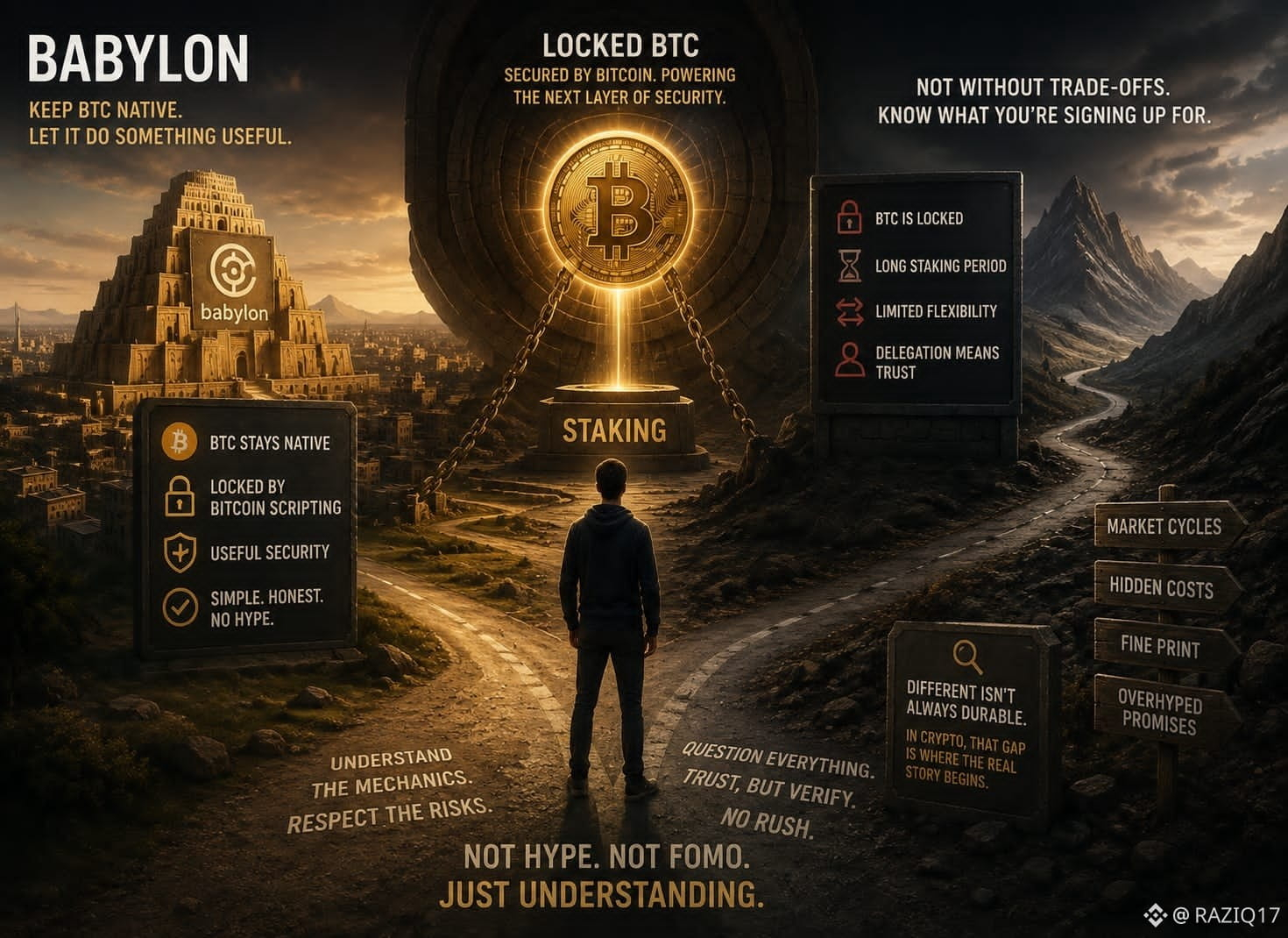
私は、いつもの仮想通貨の騒音の下に埋もれていくものに気づいています。モルフォでの最初のTBV市場は、深い流動性が裏付けたような、誰の目にも明らかな大事件だったわけではありません。「歴史的」という言葉の背後にあったのは、$14、たった十四ドルだったんです。発表そのものを一歩見れば、それが実際にそこにあった。
こういうことは前にも見たことがあります。あるプロジェクトがマイルストーンを発表し、その後時間が経つにつれて、人々が「最初から巨大だった」と思い込むようになる。けれど、現実にはたいていそう始まりません。真の物語はもっとずっと小さく、不器用で、そしてはるかに不確かなことも多い。実際のビットコイン。メインネット。ネイティブBTCに対して初めてUSDCを借りる。これは起こりました。ただ、それが最初に「現実のもの」となった時点で、そこにどれほど少ない資本しかなかったのか、多くの人がどれほど理解しているかは分かりません。
私は、仮想通貨には「証明」と「規模」を混同してしまう癖があると感じ続けています。誰もまだ完全には信頼していなくても、それが機能することはあり得る。数ドルで配管が動くことは証明できますが、それで市場が存在することまでは証明できません。
私が考え続けているのはその部分です。発表や見出しではなく、こんなにも重要なことが、ほとんど誰も注意を向けないところから始まったかもしれないという考え。ごくわずかな流動性が、静かに本当に重要だった唯一の問いに答えていたのです。つまり「本当に機能するのか?」という問いに。🌱
@BabylonLabs_io #baby $BABY
こういうことは前にも見たことがあります。あるプロジェクトがマイルストーンを発表し、その後時間が経つにつれて、人々が「最初から巨大だった」と思い込むようになる。けれど、現実にはたいていそう始まりません。真の物語はもっとずっと小さく、不器用で、そしてはるかに不確かなことも多い。実際のビットコイン。メインネット。ネイティブBTCに対して初めてUSDCを借りる。これは起こりました。ただ、それが最初に「現実のもの」となった時点で、そこにどれほど少ない資本しかなかったのか、多くの人がどれほど理解しているかは分かりません。
私は、仮想通貨には「証明」と「規模」を混同してしまう癖があると感じ続けています。誰もまだ完全には信頼していなくても、それが機能することはあり得る。数ドルで配管が動くことは証明できますが、それで市場が存在することまでは証明できません。
私が考え続けているのはその部分です。発表や見出しではなく、こんなにも重要なことが、ほとんど誰も注意を向けないところから始まったかもしれないという考え。ごくわずかな流動性が、静かに本当に重要だった唯一の問いに答えていたのです。つまり「本当に機能するのか?」という問いに。🌱
@BabylonLabs_io #baby $BABY
一部該当
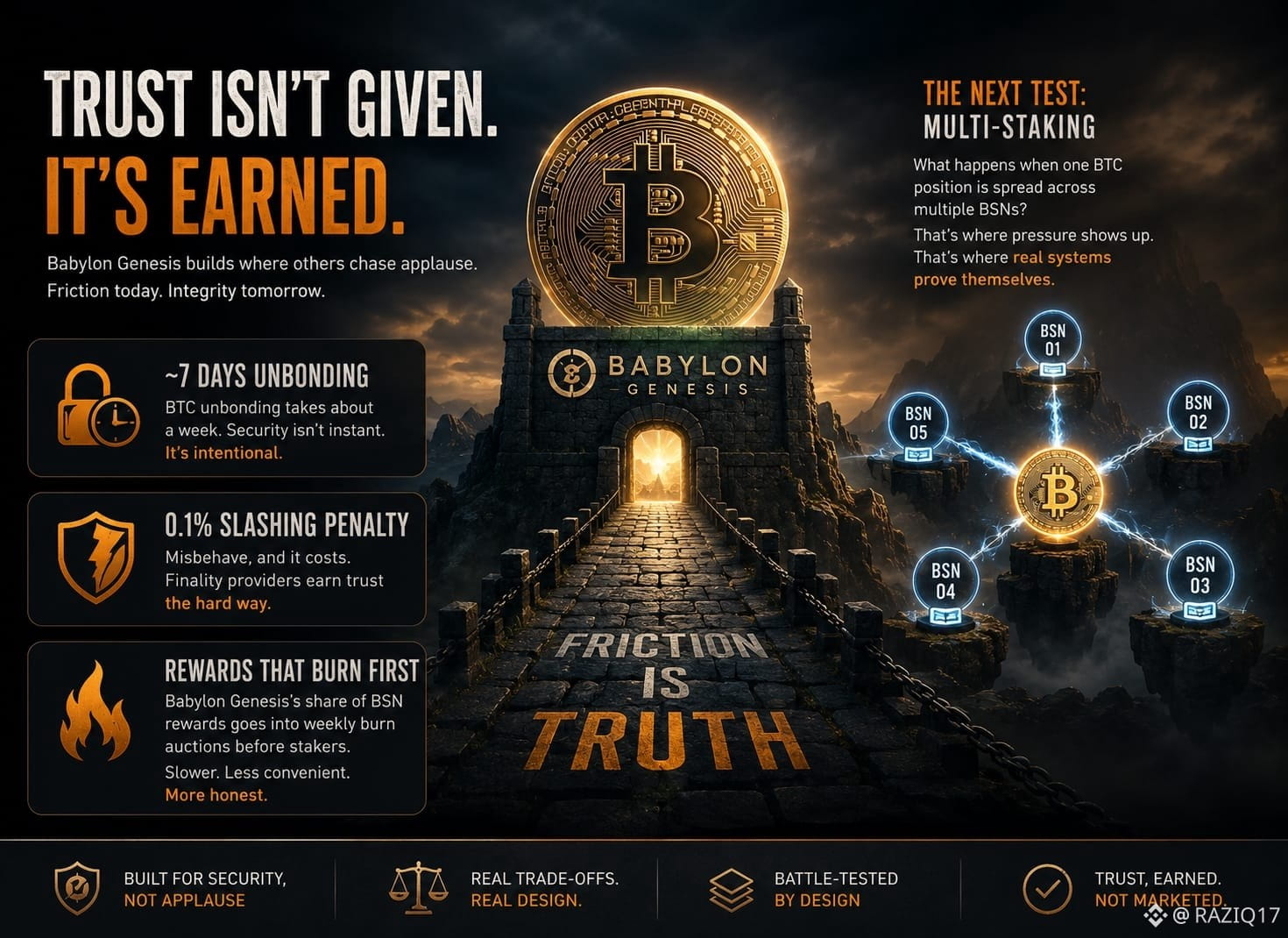
この市場を十分に見てきたからこそ、何がだいたいノイズなのかは分かる。これは少し違う気がする。自分が何度も戻ってしまうのは、人が通常は飛ばしがちな部分だ。BTCのアンボンディングは約1週間かかり、さらに、不正なファイナリティ・プロバイダーに対しては0.1%のスラッシング(罰金)がまだ残っている。簡単に喝采を浴びるための仕組みには見えない。むしろ、信頼は簡単には得られず、努力して勝ち取る必要がある——という考えに基づいて作られているように感じる。
さらに心に残ったのは報酬側だ。Babylon GenesisのBSN報酬の取り分は、単にステーカーにそのまま流れ込むだけではなく、まずは毎週のバーン(焼却)オークションに回る。より遅い。より洗練されていない。少し不便かもしれないが、トレードオフに関してはより率直だ。暗号資産の物語は、自分たちのマーケティングの下敷きになって崩壊するのを、私は十分に見てきた。だからこそ、摩擦の中にこそ真実が宿っていることが多いと分かる。
ただ、まだ一つ考えている。——マルチステーキングが始まって、1つのBTCポジションが同時に複数のBSNへ分散されるとどうなるのか? それは、だいたい綺麗なアイデアが試されるところだ。だいたい本当のプレッシャーが姿を現す場所でもある。
@BabylonLabs_io #baby $BABY
さらに心に残ったのは報酬側だ。Babylon GenesisのBSN報酬の取り分は、単にステーカーにそのまま流れ込むだけではなく、まずは毎週のバーン(焼却)オークションに回る。より遅い。より洗練されていない。少し不便かもしれないが、トレードオフに関してはより率直だ。暗号資産の物語は、自分たちのマーケティングの下敷きになって崩壊するのを、私は十分に見てきた。だからこそ、摩擦の中にこそ真実が宿っていることが多いと分かる。
ただ、まだ一つ考えている。——マルチステーキングが始まって、1つのBTCポジションが同時に複数のBSNへ分散されるとどうなるのか? それは、だいたい綺麗なアイデアが試されるところだ。だいたい本当のプレッシャーが姿を現す場所でもある。
@BabylonLabs_io #baby $BABY
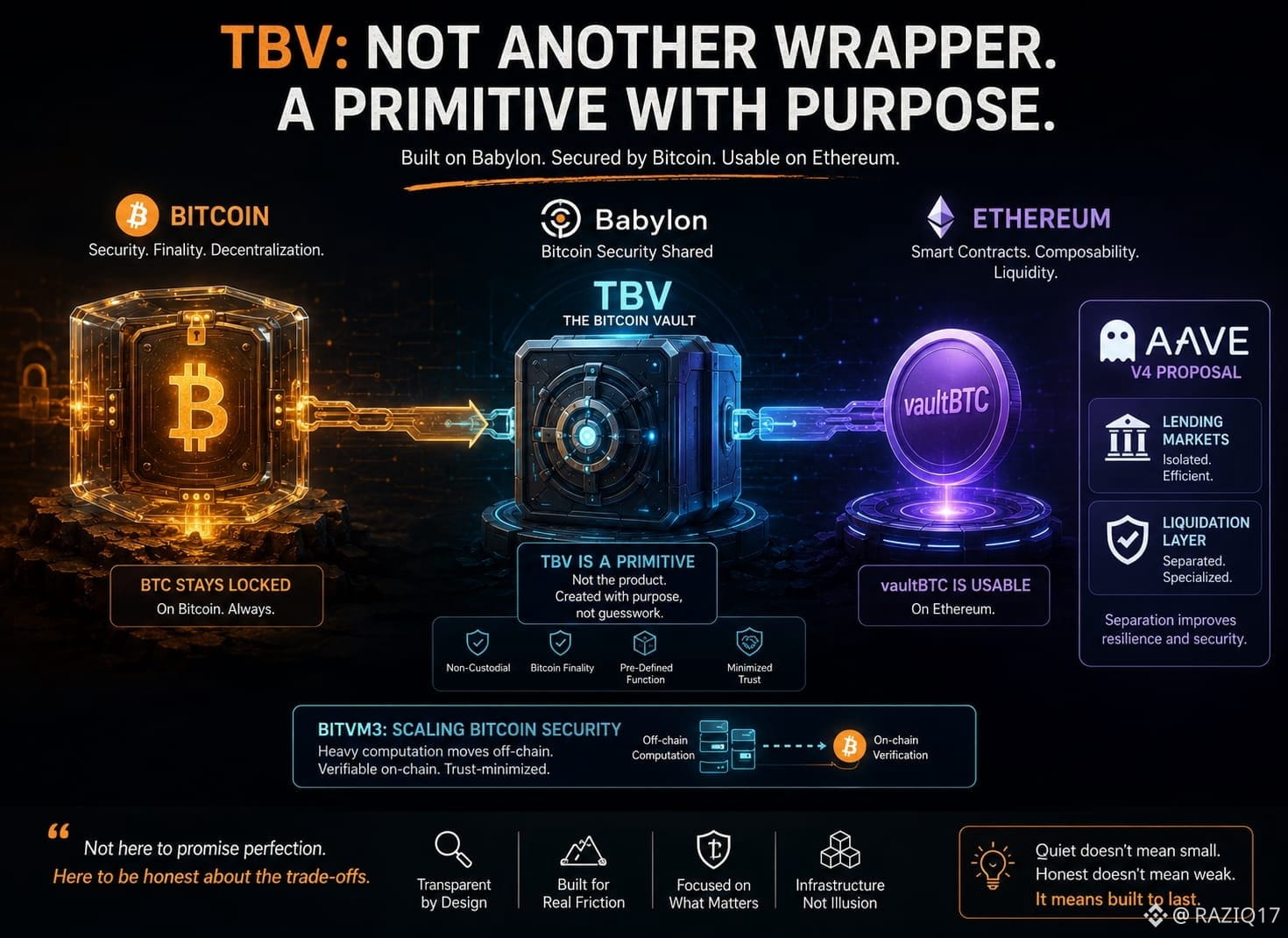
暗号の世界に十分長くいるから、いつもの流れは分かる。資産をラップして、信頼の層をもう一枚足し、それをインフラだと言い張って、トレードオフがあることに誰も気づかないうちに時間が経つのを祈る。TBVは私には違って感じる。すべてを解決すると考えているからではなく、まず「本当の問題がどこにあるか」を認めるところから始まっているからだ。BabylonはTBVは単なるプリミティブであって製品ではないと言い続けているが、なぜかそれが他のどれよりも強く心に残った。あのバル卜は、それが果たすべき役割を「あとで決める」のではなく、最初から分かっている状態で作られている。些細な違いかもしれないし、そうでないかもしれない。
私はAave V4の提案に何度も立ち返ってしまう。そうすると、このアイデア全体が、抽象的なものではなく実感を伴う形になるからだ。BTCはBitcoinのままロックされ、vaultBTCはEthereum上で使えるようになり、貸し出し側と清算側は同じものだと偽らずに切り分けられる。BitVM3はオフチェーンにかなりの重い作業を移すので、紙の上ではもっときれいに見える。でも実際のボリュームが出てくると、うまくいかないシステムを私は十分に見てきたから、それが未解決の問いであることは分かっている。
古い約束の別ラッパーを称賛し始めると、私は暗号をあまり信用できなくなる。製品が揃うはるか前に、物語だけが到着してしまうサイクルを何度も見てきた。けれど、今回はどこか静かに感じる。必ずしも良くなったからというわけではない。ただ、摩擦についてより正直だ。長い年月の中で、それが実際に私の注意を引く部分なんだ。⚡
@BabylonLabs_io #baby $BABY
私はAave V4の提案に何度も立ち返ってしまう。そうすると、このアイデア全体が、抽象的なものではなく実感を伴う形になるからだ。BTCはBitcoinのままロックされ、vaultBTCはEthereum上で使えるようになり、貸し出し側と清算側は同じものだと偽らずに切り分けられる。BitVM3はオフチェーンにかなりの重い作業を移すので、紙の上ではもっときれいに見える。でも実際のボリュームが出てくると、うまくいかないシステムを私は十分に見てきたから、それが未解決の問いであることは分かっている。
古い約束の別ラッパーを称賛し始めると、私は暗号をあまり信用できなくなる。製品が揃うはるか前に、物語だけが到着してしまうサイクルを何度も見てきた。けれど、今回はどこか静かに感じる。必ずしも良くなったからというわけではない。ただ、摩擦についてより正直だ。長い年月の中で、それが実際に私の注意を引く部分なんだ。⚡
@BabylonLabs_io #baby $BABY
確認済み
じっと配管を見ているほどバビロンはますます面白くなる一方で、時間が経つにつれて居心地は悪くなっていく。
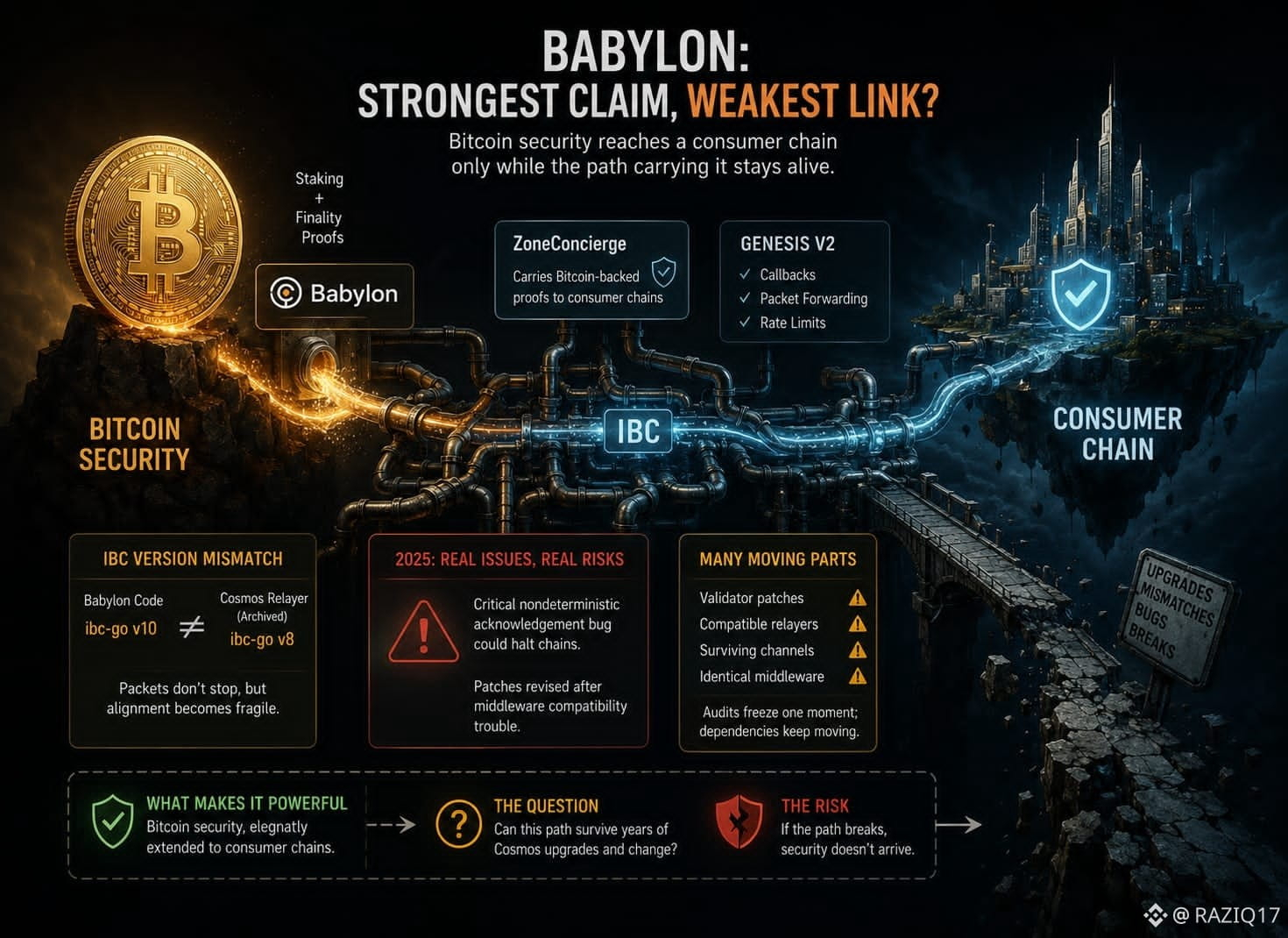
月曜日、技術ディレクターが「コスモスが変わり続ける中でIBCはどうなるんだ?」と聞いてきた。私はまた「どこでもビットコインのセキュリティ」的な話を期待していた。ところが見つかったのは中身だった。ZoneConciergeは、ビットコインに裏づけられた証明をコンシューマーチェーンへ運び、Genesis V2はコールバック、パケット転送、レート制限を追加した。
でも、これは見たことがある。バビロンの現行コードはibc-go v10に固定されているのに対し、現在はアーカイブ済みのコスモスのリレイヤーコードはいまだv8の型をimportしている。その不一致は、パケットが止まることを意味するものではない(両者は別のバイナリだから)けれど、整合していなければならない部品がどれだけ多いかを示している。2025年にibc-goは、チェーンを止めうる致命的な非決定的なacknowledgement(受理応答)のバグを開示し、その後ミドルウェアの互換性トラブルが発生したことでパッチを修正した。クリーンな図が隠すのは、まさにこうした摩擦だ。
私は、素早いバリデーターパッチ、互換性のあるリレイヤー、生き残るチャネル、そして同一のミドルウェアに依存する約束を、完全には信じきれない。監査やレート制限は重要だ。けれど監査はその一瞬を凍結する一方、依存関係は動き続ける。
バビロンには何か違うものを感じる。それでも最大の主張が、最も弱いリンクになっているのかもしれない。ビットコインのセキュリティがコンシューマーチェーンへ届くのは、その経路が生きている間だけだ。あの経路が、コスモスのアップグレードを何年も生き延びられるのか、私は確信がない。あなたはどう思う?🤔
@BabylonLabs_io #baby $BABY
月曜日、技術ディレクターが「コスモスが変わり続ける中でIBCはどうなるんだ?」と聞いてきた。私はまた「どこでもビットコインのセキュリティ」的な話を期待していた。ところが見つかったのは中身だった。ZoneConciergeは、ビットコインに裏づけられた証明をコンシューマーチェーンへ運び、Genesis V2はコールバック、パケット転送、レート制限を追加した。
でも、これは見たことがある。バビロンの現行コードはibc-go v10に固定されているのに対し、現在はアーカイブ済みのコスモスのリレイヤーコードはいまだv8の型をimportしている。その不一致は、パケットが止まることを意味するものではない(両者は別のバイナリだから)けれど、整合していなければならない部品がどれだけ多いかを示している。2025年にibc-goは、チェーンを止めうる致命的な非決定的なacknowledgement(受理応答)のバグを開示し、その後ミドルウェアの互換性トラブルが発生したことでパッチを修正した。クリーンな図が隠すのは、まさにこうした摩擦だ。
私は、素早いバリデーターパッチ、互換性のあるリレイヤー、生き残るチャネル、そして同一のミドルウェアに依存する約束を、完全には信じきれない。監査やレート制限は重要だ。けれど監査はその一瞬を凍結する一方、依存関係は動き続ける。
バビロンには何か違うものを感じる。それでも最大の主張が、最も弱いリンクになっているのかもしれない。ビットコインのセキュリティがコンシューマーチェーンへ届くのは、その経路が生きている間だけだ。あの経路が、コスモスのアップグレードを何年も生き延びられるのか、私は確信がない。あなたはどう思う?🤔
@BabylonLabs_io #baby $BABY
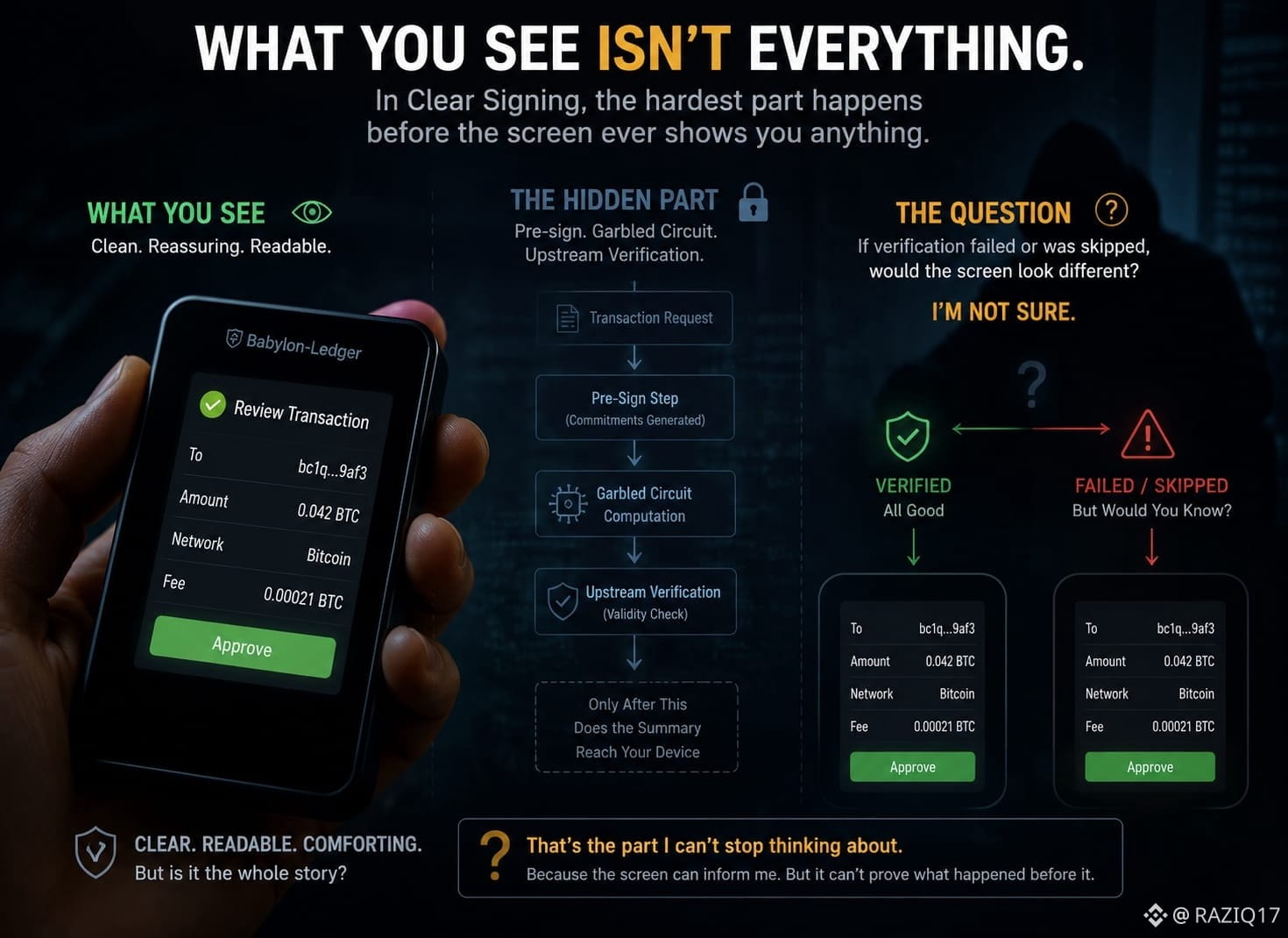
私は暗号資産の世界に十分長くいるので、ハードな部分を実際に解決するのではなく、機能によって人々に「安心感」を持たせようとしているときが分かるようになりました。Babylon-Ledgerの「Clear Signing」は、まさにその感覚をくれました。表面的には安心できる要素があります。端末上で読める詳細、すっきりした要約、そして、ついに理解しやすくなったように感じるウォレットのセットアップ。人々がそれを好む理由も分かります。私も、そういうものが欲しかったんです。
でも、画面には誰もあまり見ない部分があります。事前署名(pre-sign)という工程です。判読しにくい回路(garbled circuit)。そして、その前段で、目に見えないところで行われるはずの検証。あの、気持ちよい小さな要約が表示されるより前に実施されるはずの検証です。私はずっとそこを考え続けてしまいます。だから、ハードウェアのディスプレイでは、その部分を本当に私に「証明」することはできません。
暗号資産の世界では、こういうことを見たことがあります。インターフェースはきれいになっていく一方で、信頼モデルは静かに複雑になっていく。だから、まだ完全には納得していません。もしかすると、ただ同じパターンが何年も繰り返されるのを見てきた影響かもしれません。でも、これには、私を引き戻してくる何かがあります。ひとつの問いに。
もし、その検証が失敗したり、スキップされたりしたら、手元の画面は何か変わるのでしょうか?私はまだ分かりません。そして、それこそが、私が考え続けてやまない部分です。
@BabylonLabs_io #baby $BABY
でも、画面には誰もあまり見ない部分があります。事前署名(pre-sign)という工程です。判読しにくい回路(garbled circuit)。そして、その前段で、目に見えないところで行われるはずの検証。あの、気持ちよい小さな要約が表示されるより前に実施されるはずの検証です。私はずっとそこを考え続けてしまいます。だから、ハードウェアのディスプレイでは、その部分を本当に私に「証明」することはできません。
暗号資産の世界では、こういうことを見たことがあります。インターフェースはきれいになっていく一方で、信頼モデルは静かに複雑になっていく。だから、まだ完全には納得していません。もしかすると、ただ同じパターンが何年も繰り返されるのを見てきた影響かもしれません。でも、これには、私を引き戻してくる何かがあります。ひとつの問いに。
もし、その検証が失敗したり、スキップされたりしたら、手元の画面は何か変わるのでしょうか?私はまだ分かりません。そして、それこそが、私が考え続けてやまない部分です。
@BabylonLabs_io #baby $BABY
$BANK /USDTが燃えてる!🚀 価格は現在$0.38713で推移しており、過去24時間で+12.19%の大幅な上昇を記録しています📈。トークンは最近24H高値の$0.40800にタッチしており、24H安値は$0.33246🔥となっています。引き続き強気派が主導権を握っています。
24Hボリュームが1.93B BANK、714.94M USDTと大きく、強い市場参加が見られます。トレーダーの関心の高さを反映しています💰⚡。日足チャートは引き続き強気で、MA(7): 0.284237、MA(25): 0.120261、MA(99): 0.057906が示す力強い上昇トレンド📊です。
BANKが$0.40800を上抜けると、次の強気の波が始まる可能性があります🚀。ただし、利確(利益確定)にも注意し、リスク管理を慎重に行いましょう🎯。
$EUL
$DIA
#BANK #BANKUSDT #LorenzoProtocol #クリプト #BinanceSquareTalks #アルトコイン #強気 #トレード #クリプトトレーディング #DeFi #ブロックチェーン #CryptoNews #MarketUpdate #ブレイクアウト #TrendingCoin
24Hボリュームが1.93B BANK、714.94M USDTと大きく、強い市場参加が見られます。トレーダーの関心の高さを反映しています💰⚡。日足チャートは引き続き強気で、MA(7): 0.284237、MA(25): 0.120261、MA(99): 0.057906が示す力強い上昇トレンド📊です。
BANKが$0.40800を上抜けると、次の強気の波が始まる可能性があります🚀。ただし、利確(利益確定)にも注意し、リスク管理を慎重に行いましょう🎯。
$EUL
$DIA
#BANK #BANKUSDT #LorenzoProtocol #クリプト #BinanceSquareTalks #アルトコイン #強気 #トレード #クリプトトレーディング #DeFi #ブロックチェーン #CryptoNews #MarketUpdate #ブレイクアウト #TrendingCoin
Bank price New price 0.3883
100%
What's your BANK price target?
0%
Bull run or correction? 📈
0%
Will BANK hit a new ATH? 🚀
0%
2 投票 • 投票は終了しました
$AKE スカイロケット(+25.79%)— 強い勢いを構築中!🚀
AKEが本日驚異的な+25.79%の上昇で存在感を示しています!📈 現在の価格は0.0033523(約 Rs 0.93186)で、強い買い圧と市場の関心の高まりが見られます。👀 この勢いが続けば、AKEは短期のチャンスを求めるトレーダーからさらに注目を集める可能性があります。🔥 投資する前に必ずリスク管理を行い、自己調査(DYOR)をしてください。💰
$EUL
$BANK
#AKE #Crypto #Altcoins! #BullishMomentum #CryptoTrading #Binance #MarketUpdate2025 #CryptonewswithJack #Blockchain #DYOR
AKEが本日驚異的な+25.79%の上昇で存在感を示しています!📈 現在の価格は0.0033523(約 Rs 0.93186)で、強い買い圧と市場の関心の高まりが見られます。👀 この勢いが続けば、AKEは短期のチャンスを求めるトレーダーからさらに注目を集める可能性があります。🔥 投資する前に必ずリスク管理を行い、自己調査(DYOR)をしてください。💰
$EUL
$BANK
#AKE #Crypto #Altcoins! #BullishMomentum #CryptoTrading #Binance #MarketUpdate2025 #CryptonewswithJack #Blockchain #DYOR
ARAI ($AA ) は22.03%急騰 – 強気派が主導権を握る!📊
ARAI(AA)は+22.03%の上昇で非常に強い動きを見せています!🚀 現在の価格は0.028587(約Rs 7.94653)で、需要の増加と前向きな市場心理を反映しています。📈 この強い上昇により、AAは多くのトレーダーのウォッチリストに載りました。次のブレイクアウトに向けて、出来高と値動きに注目しておきましょう。💎
#ARAI #AA #クリプト #アルトコイン #クリプトトレーディング #BullRun #ブロックチェーン #MarketUpdate #バイナンス #DYOR
ARAI(AA)は+22.03%の上昇で非常に強い動きを見せています!🚀 現在の価格は0.028587(約Rs 7.94653)で、需要の増加と前向きな市場心理を反映しています。📈 この強い上昇により、AAは多くのトレーダーのウォッチリストに載りました。次のブレイクアウトに向けて、出来高と値動きに注目しておきましょう。💎
#ARAI #AA #クリプト #アルトコイン #クリプトトレーディング #BullRun #ブロックチェーン #MarketUpdate #バイナンス #DYOR
Quack AI ($Q ) が20.99%急騰 – AIクリプトが燃えてる!🤖🔥
Quack AI (Q) は +20.99%上昇したことで、いま本格的に注目を集めています!📈 このトークンは現在 0.023551(≒ Rs 6.54653)で取引されており、強い勢いと投資家の信頼感の高まりが見られます。🚀 AI関連の暗号資産プロジェクトは引き続き関心を集めており、Qは特に注視したい銘柄です。👀
$EUL
$LAB
#QuackAI #Q #AICrypto #Crypto #Altcoin #Blockchain #CryptoTrading #MarketUpdate #Binance #DYOR
Quack AI (Q) は +20.99%上昇したことで、いま本格的に注目を集めています!📈 このトークンは現在 0.023551(≒ Rs 6.54653)で取引されており、強い勢いと投資家の信頼感の高まりが見られます。🚀 AI関連の暗号資産プロジェクトは引き続き関心を集めており、Qは特に注視したい銘柄です。👀
$EUL
$LAB
#QuackAI #Q #AICrypto #Crypto #Altcoin #Blockchain #CryptoTrading #MarketUpdate #Binance #DYOR
Bitlight Labs ($LIGHT ) は 19.37% の上昇で輝いています!💡✨
Bitlight Labs (LIGHT) は堅調な +19.37% の上昇で市場を照らしています!🚀 現在の価格は 0.16049(約 Rs 44.61)で、強い強気モメンタムに支えられています。📊 LIGHT が前向きな値動きと市場の強さを引き続き示すかどうか、トレーダーは注視しています。💰
$EUL
$VELVET
#BitlightLabs #LIGHT #Crypto #Altcoin #Bullish #CryptoTrading #Blockchain #MarketUpdate #Binance #DYOR
Bitlight Labs (LIGHT) は堅調な +19.37% の上昇で市場を照らしています!🚀 現在の価格は 0.16049(約 Rs 44.61)で、強い強気モメンタムに支えられています。📊 LIGHT が前向きな値動きと市場の強さを引き続き示すかどうか、トレーダーは注視しています。💰
$EUL
$VELVET
#BitlightLabs #LIGHT #Crypto #Altcoin #Bullish #CryptoTrading #Blockchain #MarketUpdate #Binance #DYOR
YOOLDO($ESPORTS )10.99%上昇 – ゲーミングトークンが急伸!🎮🚀
YOOLDO(ESPORTS)は健全な+10.99%の上昇を記録し、0.05127で取引中(約Rs 14.25)。📈 着実に上向きに推移していることは、ゲームに特化した暗号資産プロジェクトへの関心が高まっていることを示しています。🎯 この買い勢いが続くなら、ESPORTSは次の値動きに向けてトレーダーの注目圏にとどまる可能性があります。常に賢く取引し、リスク管理を行いましょう。💎
#YOOLDO #ESPORTS #GamingCrypto #Crypto #Altcoin #CryptoTrading #Blockchain #MarketUpdate #Binance #DYOR
$ESPORTS
$EUL
YOOLDO(ESPORTS)は健全な+10.99%の上昇を記録し、0.05127で取引中(約Rs 14.25)。📈 着実に上向きに推移していることは、ゲームに特化した暗号資産プロジェクトへの関心が高まっていることを示しています。🎯 この買い勢いが続くなら、ESPORTSは次の値動きに向けてトレーダーの注目圏にとどまる可能性があります。常に賢く取引し、リスク管理を行いましょう。💎
#YOOLDO #ESPORTS #GamingCrypto #Crypto #Altcoin #CryptoTrading #Blockchain #MarketUpdate #Binance #DYOR
$ESPORTS
$EUL
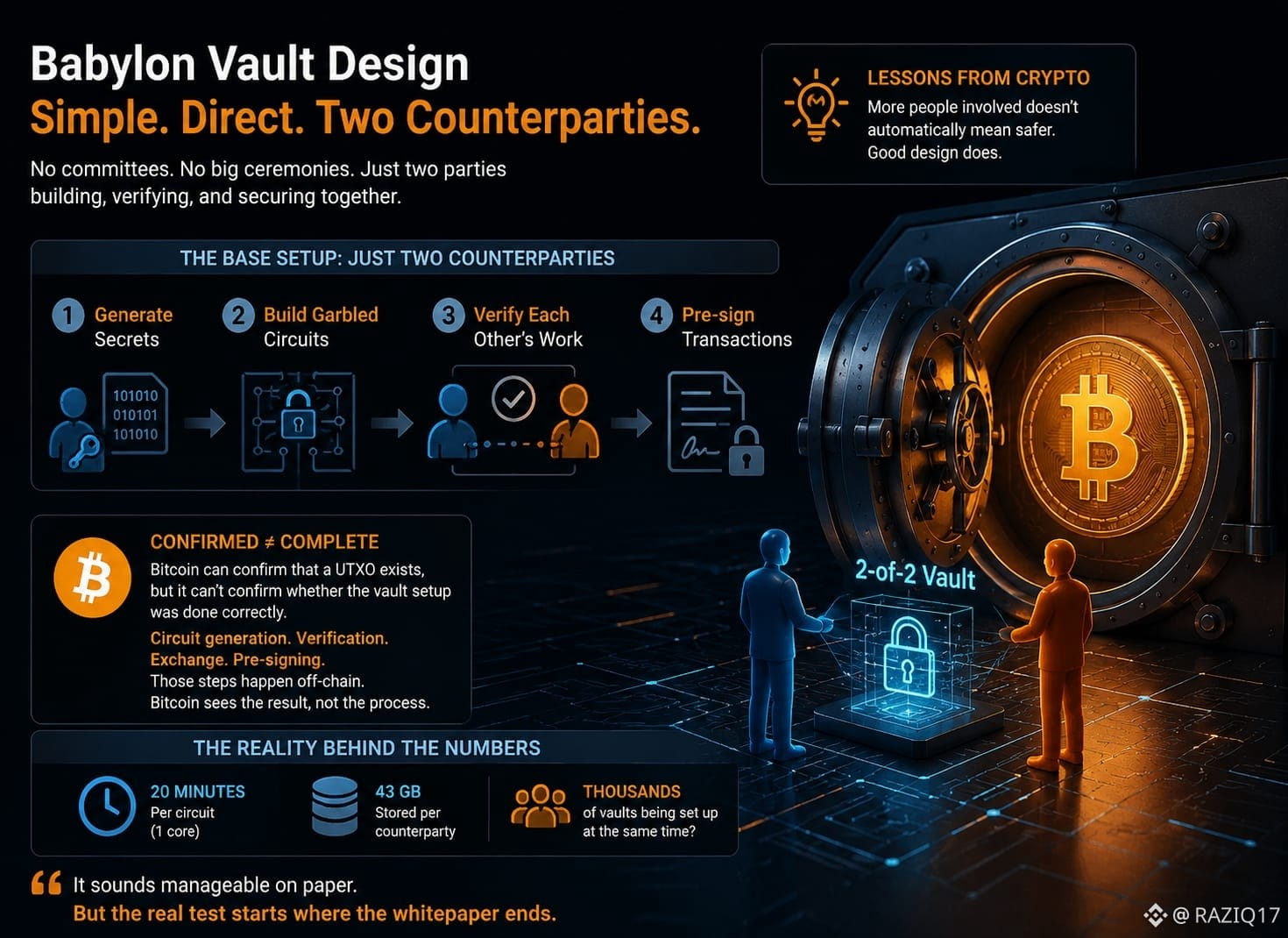
私はこのバビロンの貸金庫(vault)デザインに何度も立ち返ってしまう。そこには、暗号が大好きな錯覚をひとつ削ぎ落としているからだ。それは「関係者が多ければ多いほど、何かが自動的に安全になる」という幻想。私はそれがそうだとは思っていない。少なくともここでは。私の注意を引いたのは、基本のセットアップが本当にシンプルだという点だ。相手はただ二者。署名者の委員会はない。大げさな儀式もない。双方がそれぞれ自分の秘密を生成し、難読化された回路(garbled circuits)を構築し、互いの作業を確認し、それから初めて支出トランザクションに事前署名する。そこには、すっきりしていて後味の良いほど率直なものがある。🏛️
私は暗号の世界をしばらく見てきたので、「confirmed(確認済み)」を“すべてが終わった”という意味だと扱うことがよくあるのを知っている。だいたい違う。ビットコインはUTXOが存在することは示せるが、その貸金庫の裏側の作業が本当にきちんと行われたのか、あるいは両方の回路が手抜きなしで生成・検証・交換されたのかまでは分からない。私がずっと考えてしまうのはまさにそこだ。🔍
数字も別に小さくはない。回路あたり20分、コアは1つ、そして相手ごとに43GBが保存される。紙の上では扱えそうに見える。けれど、何千もの貸金庫が同時にセットアップされるとき、実際にどんな見え方になるのかは分からない。うまくスケールするのかもしれないし、そうでないのかもしれない。何年もこの市場を見てきて分かったのは、本当の試験はたいていホワイトペーパーが終わるところから始まるということだ。⚖️
@BabylonLabs_io #baby $BABY
私は暗号の世界をしばらく見てきたので、「confirmed(確認済み)」を“すべてが終わった”という意味だと扱うことがよくあるのを知っている。だいたい違う。ビットコインはUTXOが存在することは示せるが、その貸金庫の裏側の作業が本当にきちんと行われたのか、あるいは両方の回路が手抜きなしで生成・検証・交換されたのかまでは分からない。私がずっと考えてしまうのはまさにそこだ。🔍
数字も別に小さくはない。回路あたり20分、コアは1つ、そして相手ごとに43GBが保存される。紙の上では扱えそうに見える。けれど、何千もの貸金庫が同時にセットアップされるとき、実際にどんな見え方になるのかは分からない。うまくスケールするのかもしれないし、そうでないのかもしれない。何年もこの市場を見てきて分かったのは、本当の試験はたいていホワイトペーパーが終わるところから始まるということだ。⚖️
@BabylonLabs_io #baby $BABY
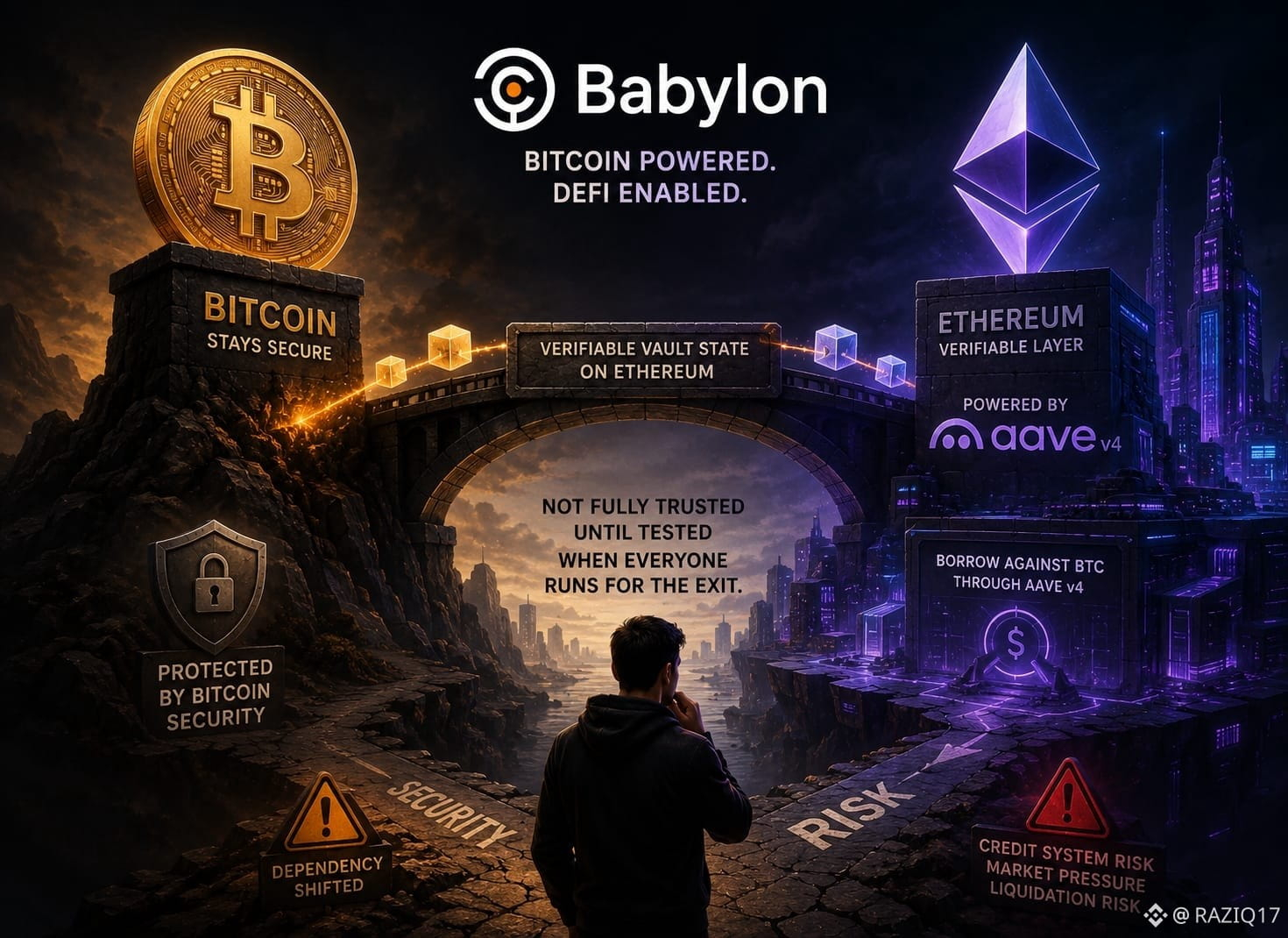
十分な暗号資産のサイクルを見てきたからこそ、「実際よりもよく聞こえる何か」がいつ隠しているものがあるか分かる。バビロンは、そんな名前の一つで、思わず立ち止まります。紙の上ではセットアップはかなり賢く見えます。BTCはあるべき場所に留まり、ボールトの状態はEthereum上で検証可能になり、そしてAave v4経由でそれを担保に借りられるようになります。ゼロから流動性を作ろうとする必要はなくなる。魅力は理解できます。流動性はいつだって難所で、バビロンもそれを否定していない。🧐
でも私は、その継ぎ目の部分が頭から離れない。ビットコイン側は守られていても、信用側は依然として別のシステムに依存している。そのシステムには独自のリスクルールがあり、独自の弱点(プレッシャーポイント)があり、市場が急に動いたときに壊れるパターンもある。これ、以前も見たことがあります。「橋を取り除けば依存がなくなる」と人は語るけれど、実際には依存が“どこに乗っているか”が変わるだけ。⚖️
だから私は、解決だと急いで結論づけない。バビロンは面白いし、本当に役立つ可能性もある。でも暗号資産の何かを私は、みんなが同時に出口へ駆け出し始めたとき、その振る舞いを見てからでないと信じきれない。🚪
@BabylonLabs_io #baby $BABY
でも私は、その継ぎ目の部分が頭から離れない。ビットコイン側は守られていても、信用側は依然として別のシステムに依存している。そのシステムには独自のリスクルールがあり、独自の弱点(プレッシャーポイント)があり、市場が急に動いたときに壊れるパターンもある。これ、以前も見たことがあります。「橋を取り除けば依存がなくなる」と人は語るけれど、実際には依存が“どこに乗っているか”が変わるだけ。⚖️
だから私は、解決だと急いで結論づけない。バビロンは面白いし、本当に役立つ可能性もある。でも暗号資産の何かを私は、みんなが同時に出口へ駆け出し始めたとき、その振る舞いを見てからでないと信じきれない。🚪
@BabylonLabs_io #baby $BABY
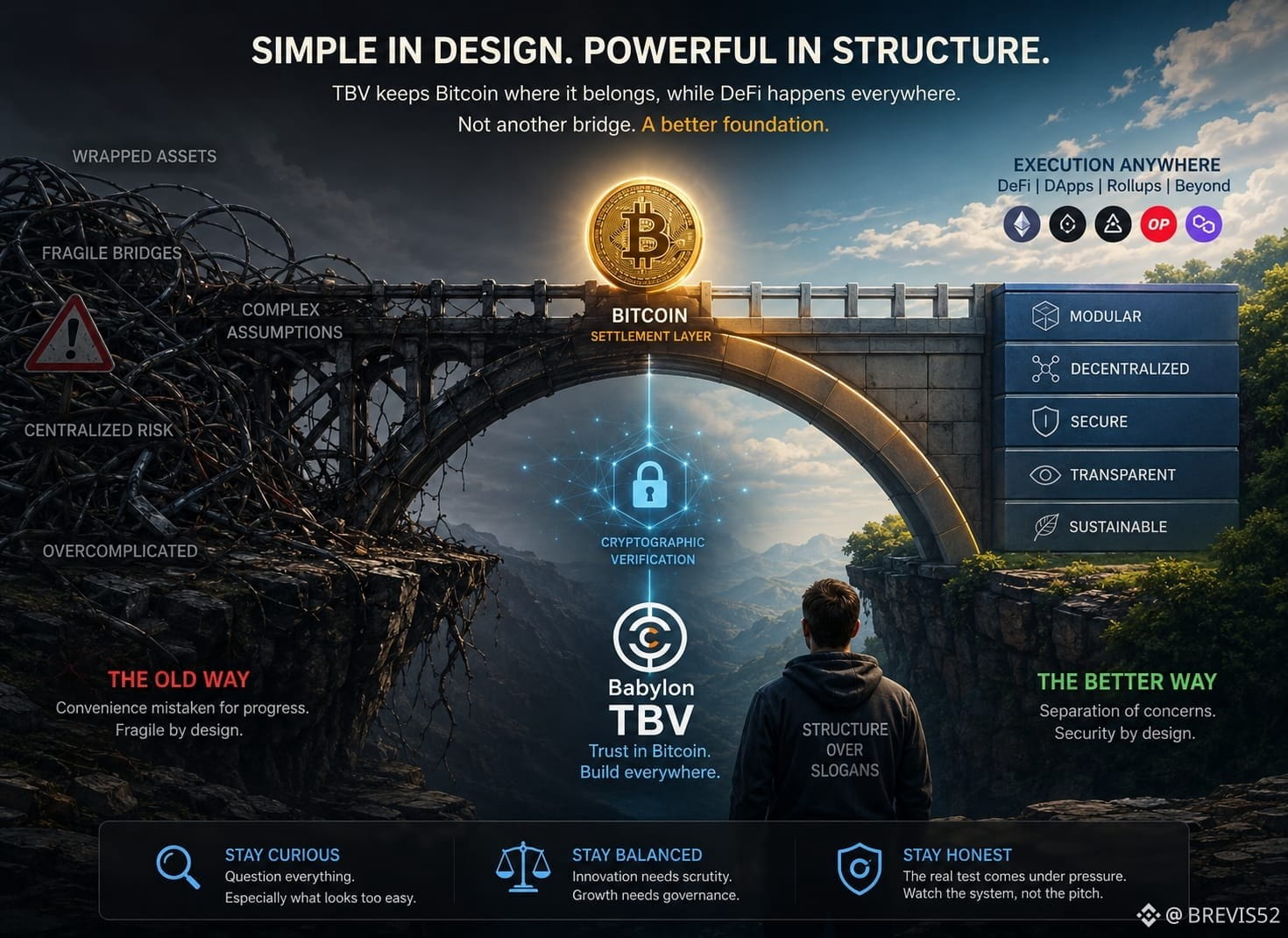
暗号資産に十分長く関わってきたからこそ、いちばん綺麗なアイデアほど、あとで人がやたらと複雑にしがちだと分かっています。バビロンのTBVには、その点でずっと惹かれます。表面上は単純に見えるし、ほとんど怪しいくらいで、それがたいてい本当の問いの始まりになるんですよね。市場が「利便性」を「進歩」と呼ぶことがどれほど多いかを、直前にもう一つ壊れやすいセットアップを、より良いブランディングで包んで差し出してくるまで毎回目にします。🤔
私が引っかかっているのは、「決済」と「実行」が分かれている点です。BTCはビットコイン上にとどまり、DeFiのロジックは別の場所で、いつものラップド・アセットの曲芸ではなく、暗号による検証を通じて動きます。サイクルを何度も見てきたので、スローガンよりも構造が重要だと分かっています。完璧だからではなく、古いブリッジ型モデルが最初から洗練されていたかのように振る舞うことを拒んでいるから、ここは何かが違うと感じます。🔍
それでも、新しい前提を要求するものには私は完全には信用しきれません。複雑さはいつの間にか再び入り込んできますし、成長が「生き残り」に聞こえ始めると、ガバナンスが徐々に逸れていくこともあります。私が見張り続けているのは、その部分です。売り込みでも、物語でもありません。圧力がかかり始めた後でも、システムがまだ正直に見えるかどうかだけ。⚖️
@BabylonLabs_io $BABY #baby
私が引っかかっているのは、「決済」と「実行」が分かれている点です。BTCはビットコイン上にとどまり、DeFiのロジックは別の場所で、いつものラップド・アセットの曲芸ではなく、暗号による検証を通じて動きます。サイクルを何度も見てきたので、スローガンよりも構造が重要だと分かっています。完璧だからではなく、古いブリッジ型モデルが最初から洗練されていたかのように振る舞うことを拒んでいるから、ここは何かが違うと感じます。🔍
それでも、新しい前提を要求するものには私は完全には信用しきれません。複雑さはいつの間にか再び入り込んできますし、成長が「生き残り」に聞こえ始めると、ガバナンスが徐々に逸れていくこともあります。私が見張り続けているのは、その部分です。売り込みでも、物語でもありません。圧力がかかり始めた後でも、システムがまだ正直に見えるかどうかだけ。⚖️
@BabylonLabs_io $BABY #baby
$NEXは、マーケットが落ち着きを見せる中で、本日わずかな調整局面にあります。📉
💰 価格: $0.00001709(Rs 0.00047498)
📊 時価総額: $6.01M
📉 24時間変化: -3.24%
今日の下落にもかかわらず、NEXは時価総額が数百万ドル規模のアクティブなプロジェクトです。ボラティリティが続くため、次の動きに注目しましょう。👀📊
#NEX #Crypto #Altcoin #MarketCap #Blockchain #Trading #CryptoNews #PriceUpdate
💰 価格: $0.00001709(Rs 0.00047498)
📊 時価総額: $6.01M
📉 24時間変化: -3.24%
今日の下落にもかかわらず、NEXは時価総額が数百万ドル規模のアクティブなプロジェクトです。ボラティリティが続くため、次の動きに注目しましょう。👀📊
#NEX #Crypto #Altcoin #MarketCap #Blockchain #Trading #CryptoNews #PriceUpdate
$HOLO は8.38%上昇し、仮想通貨トレーダーの注目を集めています!🔥 取引価格は$0.0737で、プロジェクトは再びの買い注文と前向きな市場センチメントの恩恵を受けています。📈 今後のセッションでは勢いが重要になります。💎
#HOLO #HOT #Crypto #Blockchain #Altcoin #Trading #CryptoMarket #Bullish #Web3 #TopGainer
#HOLO #HOT #Crypto #Blockchain #Altcoin #Trading #CryptoMarket #Bullish #Web3 #TopGainer
ログインして、さらにコンテンツを読む