Binance Square

Mirror_镜子

435 フォロー
30.1K+ フォロワー
12.6K+ いいね
813 共有
投稿
·
--
翻訳参照
Most people helping AI grow never actually get rewarded for it. Data contributors, testers, and evaluators all improve models quietly in the background, while the platform keeps most of the value. OpenLedger is trying to change that through Proof of Attribution. The system tracks who contributed what, then connects rewards to the real impact of that work. Not just participation — actual contribution. What stands out is the shift in incentives. Instead of AI being controlled by a few centralized players, contributors can become part of the value layer itself. Of course, open systems bring challenges too. Measuring contribution fairly at scale is difficult, especially in AI. But the idea behind it is simple: If people help build AI, they should be able to benefit from it too. @Openledger #OpenLedger $OPEN {spot}(OPENUSDT)
Most people helping AI grow never actually get rewarded for it.
Data contributors, testers, and evaluators all improve models quietly in the background, while the platform keeps most of the value.

OpenLedger is trying to change that through Proof of Attribution.

The system tracks who contributed what, then connects rewards to the real impact of that work. Not just participation — actual contribution.
What stands out is the shift in incentives.

Instead of AI being controlled by a few centralized players, contributors can become part of the value layer itself.

Of course, open systems bring challenges too. Measuring contribution fairly at scale is difficult, especially in AI.
But the idea behind it is simple:

If people help build AI, they should be able to benefit from it too.
@OpenLedger #OpenLedger $OPEN
記事
翻訳参照
OpenLedger May Be Building The Infrastructure Specialized AI Actually NeedsWhen I first joined the OpenLedger campaign, I honestly assumed it was another AI-data narrative wrapped in Web3 language. But I feel wrong 😞 Contributors provide data. Builders train models. A token coordinates incentives. At surface level, the structure felt familiar. But after spending more time researching the architecture and the direction the project seems to be moving toward, I think the more important idea is hiding somewhere else entirely. The AI industry keeps talking about larger models as if scale alone guarantees progress. Every few months the market becomes obsessed with parameter counts, bigger context windows, or more generalized intelligence. But does broader intelligence automatically create better real-world systems? I am starting to think that assumption breaks down faster than people expect. Because in real environments, intelligence is rarely judged by how broad it is. It is judged by how precisely it performs inside narrow, high-consequence situations. A healthcare workflow does not need a model that can casually discuss movies, philosophy, and coding all at once. A financial compliance system does not care whether an AI can generate poetry. Cybersecurity infrastructure does not benefit from generalized creativity when accuracy and interpretability matter more. So what happens when industries stop prioritizing “everything models” and start demanding precision instead? That shift feels increasingly visible across the entire AI market. The conversation is slowly moving away from “Which company builds the biggest model?” toward something much more practical: Which systems can create reliable specialized intelligence without rebuilding infrastructure from scratch every time? That is where OpenLedger became more interesting to me. What stood out was not the idea of replacing foundational AI models. In fact, OpenLedger seems to position itself around coexistence rather than competition. Foundational models remain the base layer, while specialized models become optimized intelligence layers built for specific operational environments. That distinction matters more than people realize. General models are expensive. They consume massive computational resources. They often produce broad but inefficient outputs for specialized tasks. And most importantly, enterprises increasingly need systems that can explain why a decision was made, not just generate an answer confidently. Could that become one of the biggest limitations of generalized AI over time? That creates pressure for smaller, optimized, domain-specific models that can operate with clearer reasoning structures and lower operational costs. But specialized AI introduces another problem the market rarely discusses clearly: Who deserves recognition when intelligence becomes modular? If thousands of contributors, fine-tuners, domain experts, and infrastructure participants collectively improve specialized systems over time, attribution stops being a side feature. It becomes part of the economic structure itself. That may be the deeper role OpenLedger is trying to solve. Not simply AI training. But coordination around contribution, ownership, attribution, governance, and value distribution inside increasingly fragmented AI ecosystems. And I think that fragmentation is probably inevitable. The future AI economy may not revolve around one dominant universal model controlling every workflow. It may evolve into interconnected layers of specialized intelligence systems optimized for different sectors, regulations, and operational environments. If that happens, infrastructure becomes incredibly important. Because specialized AI is harder to coordinate than generalized AI. Different datasets. Different incentives. Different governance requirements. Different compliance expectations. Different stakeholders. Most discussions around AI still focus almost entirely on intelligence itself. Smarter outputs. Faster reasoning. More autonomous behavior. But what if coordination becomes more valuable than raw intelligence itself? That is why OpenLedger feels structurally interesting to me now. Not because it promises another AI marketplace narrative. But because it appears to be positioning around a transition that the broader market is only beginning to recognize: the movement from generalized intelligence toward economically coordinated specialized intelligence. @Openledger #OpenLedger $OPEN {spot}(OPENUSDT)

OpenLedger May Be Building The Infrastructure Specialized AI Actually Needs

When I first joined the OpenLedger campaign, I honestly assumed it was another AI-data narrative wrapped in Web3 language.
But I feel wrong 😞
Contributors provide data.
Builders train models.
A token coordinates incentives.
At surface level, the structure felt familiar.
But after spending more time researching the architecture and the direction the project seems to be moving toward, I think the more important idea is hiding somewhere else entirely.
The AI industry keeps talking about larger models as if scale alone guarantees progress. Every few months the market becomes obsessed with parameter counts, bigger context windows, or more generalized intelligence.
But does broader intelligence automatically create better real-world systems?
I am starting to think that assumption breaks down faster than people expect.
Because in real environments, intelligence is rarely judged by how broad it is. It is judged by how precisely it performs inside narrow, high-consequence situations.
A healthcare workflow does not need a model that can casually discuss movies, philosophy, and coding all at once.
A financial compliance system does not care whether an AI can generate poetry.
Cybersecurity infrastructure does not benefit from generalized creativity when accuracy and interpretability matter more.
So what happens when industries stop prioritizing “everything models” and start demanding precision instead?
That shift feels increasingly visible across the entire AI market.
The conversation is slowly moving away from “Which company builds the biggest model?” toward something much more practical:
Which systems can create reliable specialized intelligence without rebuilding infrastructure from scratch every time?
That is where OpenLedger became more interesting to me.
What stood out was not the idea of replacing foundational AI models. In fact, OpenLedger seems to position itself around coexistence rather than competition.
Foundational models remain the base layer, while specialized models become optimized intelligence layers built for specific operational environments.
That distinction matters more than people realize.
General models are expensive.
They consume massive computational resources.
They often produce broad but inefficient outputs for specialized tasks.
And most importantly, enterprises increasingly need systems that can explain why a decision was made, not just generate an answer confidently.
Could that become one of the biggest limitations of generalized AI over time?
That creates pressure for smaller, optimized, domain-specific models that can operate with clearer reasoning structures and lower operational costs.
But specialized AI introduces another problem the market rarely discusses clearly:
Who deserves recognition when intelligence becomes modular?
If thousands of contributors, fine-tuners, domain experts, and infrastructure participants collectively improve specialized systems over time, attribution stops being a side feature. It becomes part of the economic structure itself.
That may be the deeper role OpenLedger is trying to solve.
Not simply AI training.
But coordination around contribution, ownership, attribution, governance, and value distribution inside increasingly fragmented AI ecosystems.
And I think that fragmentation is probably inevitable.
The future AI economy may not revolve around one dominant universal model controlling every workflow.
It may evolve into interconnected layers of specialized intelligence systems optimized for different sectors, regulations, and operational environments.
If that happens, infrastructure becomes incredibly important.
Because specialized AI is harder to coordinate than generalized AI.
Different datasets.
Different incentives.
Different governance requirements.
Different compliance expectations.
Different stakeholders.
Most discussions around AI still focus almost entirely on intelligence itself.
Smarter outputs.
Faster reasoning.
More autonomous behavior.
But what if coordination becomes more valuable than raw intelligence itself?
That is why OpenLedger feels structurally interesting to me now.
Not because it promises another AI marketplace narrative.
But because it appears to be positioning around a transition that the broader market is only beginning to recognize:
the movement from generalized intelligence toward economically coordinated specialized intelligence.
@OpenLedger #OpenLedger $OPEN
·
--
ブリッシュ
翻訳参照
Most people talk about AI models. OpenLedger focuses more on the layer underneath them: the data. The system works around something called Datanets — community-owned datasets that people can create, contribute to, and use for training specialized AI models. Every contribution is recorded on-chain, whether it’s data uploads, model tuning, inference activity, or governance participation. What makes this interesting is the attribution model behind it. In most AI systems, the value created by datasets becomes difficult to trace once models are deployed. OpenLedger tries to make that process transparent by linking outputs back to the data and contributors involved in training the model. So when a model is actually used, the system can distribute rewards based on participation rather than relying on centralized ownership. There’s also a broader trade-off here. Putting attribution and rewards on-chain increases transparency, but it also introduces complexity that traditional AI platforms usually avoid. OpenLedger seems to be betting that long term AI ecosystems will need clearer ownership and incentive structures, especially as data becomes more valuable than the models themselves. If that direction works, AI infrastructure may gradually shift from closed systems controlled by a few companies toward more open contribution economies where data, compute, and models are treated as shared assets. The deeper you look into OpenLedger, the more it feels less like a typical AI project and more like an attempt to redesign how value flows inside AI itself. @Openledger #OpenLedger $OPEN {future}(OPENUSDT)
Most people talk about AI models.
OpenLedger focuses more on the layer underneath them: the data.

The system works around something called Datanets — community-owned datasets that people can create, contribute to, and use for training specialized AI models. Every contribution is recorded on-chain, whether it’s data uploads, model tuning, inference activity, or governance participation.

What makes this interesting is the attribution model behind it.

In most AI systems, the value created by datasets becomes difficult to trace once models are deployed. OpenLedger tries to make that process transparent by linking outputs back to the data and contributors involved in training the model. So when a model is actually used, the system can distribute rewards based on participation rather than relying on centralized ownership.

There’s also a broader trade-off here.

Putting attribution and rewards on-chain increases transparency, but it also introduces complexity that traditional AI platforms usually avoid. OpenLedger seems to be betting that long term AI ecosystems will need clearer ownership and incentive structures, especially as data becomes more valuable than the models themselves.

If that direction works, AI infrastructure may gradually shift from closed systems controlled by a few companies toward more open contribution economies where data, compute, and models are treated as shared assets.

The deeper you look into OpenLedger, the more it feels less like a typical AI project and more like an attempt to redesign how value flows inside AI itself.
@OpenLedger #OpenLedger $OPEN
記事
翻訳参照
OpenLedger: Building an AI Economy Where Data Contributors Finally MatterMost AI-related crypto projects begin to sound identical after a while. A new protocol appears, attaches itself to the AI narrative, talks about decentralization, mentions autonomous agents somewhere in the middle, and suddenly the market starts pricing in another “future infrastructure” story. The cycle repeats so often now that people have almost become numb to it. And honestly, that reaction is understandable. Because when you look deeper into many of these projects, the actual problem being solved often feels vague. There’s usually more energy around the narrative than the infrastructure itself. But this is where OpenLedger starts becoming difficult to ignore. Not because it promises some magical AI future. And not because it suddenly fixes every issue surrounding decentralized intelligence. The interesting part is actually much simpler than that. It’s focusing on the data layer. More specifically, it’s focusing on the people behind the data. Right now, the AI economy operates in a strangely uneven way. Millions of people constantly generate information online — research, analysis, niche expertise, conversations, content, financial insights, educational material — and most of that eventually becomes part of the broader data ecosystem feeding AI systems. Yet very few contributors ever participate in the economic value created from it. That imbalance has quietly become one of the most uncomfortable realities inside AI. On paper, everyone talks about model performance. Bigger models. Faster inference. Smarter outputs. But underneath all of that sits an enormous data economy that rarely receives the same attention. And in reality, data quality may end up becoming more important than raw model size itself. This is partly why OpenLedger’s Datanets concept feels more relevant than it initially appears. The idea behind Datanets is not just decentralized storage. That’s the part many people misunderstand at first glance. The system is designed more like a structured network for collecting, validating, and distributing domain-specific datasets for AI training. In simple terms, it’s trying to organize specialized knowledge into verifiable AI-ready infrastructure. Healthcare datasets. Legal research. Financial intelligence. Trading-related information. Biotech knowledge. These are areas where accuracy and credibility matter much more than internet-scale noise. And honestly, this direction makes sense. The AI industry is slowly realizing that giant general-purpose systems may not solve everything efficiently forever. Smaller specialized models are becoming increasingly important, especially as lightweight fine-tuning methods make deployment cheaper and more practical. A few years ago, building useful AI systems required enormous computational resources almost every step of the way. Now the environment looks different. Efficient fine-tuning methods have reduced barriers significantly, making niche AI models more realistic than many expected. But this creates another problem. If specialized datasets become valuable, who owns the economic value attached to them? That question becomes surprisingly difficult once AI models start operating at scale. And this is where OpenLedger’s attribution system becomes interesting. The platform is attempting to build a mechanism where data contributions can actually be tracked and verified across the training process. In theory, this creates transparency around which datasets contributed to outputs and allows contributors to receive incentives tied to usage. On paper, that sounds straightforward. In reality, attribution at scale is extremely difficult. Tracking contribution pathways across complex AI systems is not a small technical challenge. It introduces infrastructure demands, verification problems, and governance complications that most people outside the AI industry rarely think about. Still, the attempt itself matters. Because regulation is slowly moving in this direction anyway. Questions around AI training data are becoming more serious now: - Was the data sourced legally? - Was permission granted? - Can contributions be verified? - Who benefits commercially from the outputs? These are no longer hypothetical discussions reserved for researchers. Governments and enterprises are beginning to pay attention, especially as AI becomes more integrated into real-world industries. And enterprise adoption changes everything. Retail users often care about narratives. Enterprises care about reliability. They want stable infrastructure, low latency, compliance clarity, predictable uptime, and systems that can operate under real production conditions. Blockchain branding alone does not solve those requirements. This is why many decentralized AI projects may struggle long term. Building infrastructure is expensive. Maintaining it is even harder. The market sometimes underestimates how difficult it is to create sustainable AI businesses outside speculative cycles. Tokens can attract attention temporarily, but long-term survival usually depends on whether the infrastructure solves an actual operational problem. That’s probably the most important distinction here. OpenLedger may succeed. It may pivot later. It may struggle with adoption entirely. All of those possibilities remain realistic. But compared to many AI-related crypto projects that feel designed primarily around attention, this approach at least appears grounded in a real structural issue: the disconnect between AI value creation and data ownership. And maybe that becomes one of the defining conversations of the next AI cycle. Because if AI systems continue depending on human-generated knowledge, eventually the economic relationship between contributors and infrastructure becomes impossible to ignore. Not immediately. Not perfectly. And definitely not without friction. But the direction itself feels more serious than another short-term AI narrative chasing market excitement. That’s what makes it worth watching. @Openledger #OpenLedger $OPEN {spot}(OPENUSDT)

OpenLedger: Building an AI Economy Where Data Contributors Finally Matter

Most AI-related crypto projects begin to sound identical after a while.
A new protocol appears, attaches itself to the AI narrative, talks about decentralization, mentions autonomous agents somewhere in the middle, and suddenly the market starts pricing in another “future infrastructure” story. The cycle repeats so often now that people have almost become numb to it.
And honestly, that reaction is understandable.
Because when you look deeper into many of these projects, the actual problem being solved often feels vague. There’s usually more energy around the narrative than the infrastructure itself.
But this is where OpenLedger starts becoming difficult to ignore.
Not because it promises some magical AI future. And not because it suddenly fixes every issue surrounding decentralized intelligence. The interesting part is actually much simpler than that.
It’s focusing on the data layer.
More specifically, it’s focusing on the people behind the data.
Right now, the AI economy operates in a strangely uneven way. Millions of people constantly generate information online — research, analysis, niche expertise, conversations, content, financial insights, educational material — and most of that eventually becomes part of the broader data ecosystem feeding AI systems.
Yet very few contributors ever participate in the economic value created from it.
That imbalance has quietly become one of the most uncomfortable realities inside AI.
On paper, everyone talks about model performance. Bigger models. Faster inference. Smarter outputs. But underneath all of that sits an enormous data economy that rarely receives the same attention.
And in reality, data quality may end up becoming more important than raw model size itself.
This is partly why OpenLedger’s Datanets concept feels more relevant than it initially appears.
The idea behind Datanets is not just decentralized storage. That’s the part many people misunderstand at first glance. The system is designed more like a structured network for collecting, validating, and distributing domain-specific datasets for AI training.
In simple terms, it’s trying to organize specialized knowledge into verifiable AI-ready infrastructure.
Healthcare datasets.
Legal research.
Financial intelligence.
Trading-related information.
Biotech knowledge.
These are areas where accuracy and credibility matter much more than internet-scale noise.
And honestly, this direction makes sense.
The AI industry is slowly realizing that giant general-purpose systems may not solve everything efficiently forever. Smaller specialized models are becoming increasingly important, especially as lightweight fine-tuning methods make deployment cheaper and more practical.
A few years ago, building useful AI systems required enormous computational resources almost every step of the way. Now the environment looks different. Efficient fine-tuning methods have reduced barriers significantly, making niche AI models more realistic than many expected.
But this creates another problem.
If specialized datasets become valuable, who owns the economic value attached to them?
That question becomes surprisingly difficult once AI models start operating at scale.
And this is where OpenLedger’s attribution system becomes interesting.
The platform is attempting to build a mechanism where data contributions can actually be tracked and verified across the training process. In theory, this creates transparency around which datasets contributed to outputs and allows contributors to receive incentives tied to usage.
On paper, that sounds straightforward.
In reality, attribution at scale is extremely difficult.
Tracking contribution pathways across complex AI systems is not a small technical challenge. It introduces infrastructure demands, verification problems, and governance complications that most people outside the AI industry rarely think about.
Still, the attempt itself matters.
Because regulation is slowly moving in this direction anyway.
Questions around AI training data are becoming more serious now:
- Was the data sourced legally?
- Was permission granted?
- Can contributions be verified?
- Who benefits commercially from the outputs?
These are no longer hypothetical discussions reserved for researchers. Governments and enterprises are beginning to pay attention, especially as AI becomes more integrated into real-world industries.
And enterprise adoption changes everything.
Retail users often care about narratives. Enterprises care about reliability.
They want stable infrastructure, low latency, compliance clarity, predictable uptime, and systems that can operate under real production conditions. Blockchain branding alone does not solve those requirements.
This is why many decentralized AI projects may struggle long term.
Building infrastructure is expensive. Maintaining it is even harder.
The market sometimes underestimates how difficult it is to create sustainable AI businesses outside speculative cycles. Tokens can attract attention temporarily, but long-term survival usually depends on whether the infrastructure solves an actual operational problem.
That’s probably the most important distinction here.
OpenLedger may succeed.
It may pivot later.
It may struggle with adoption entirely.
All of those possibilities remain realistic.
But compared to many AI-related crypto projects that feel designed primarily around attention, this approach at least appears grounded in a real structural issue: the disconnect between AI value creation and data ownership.
And maybe that becomes one of the defining conversations of the next AI cycle.
Because if AI systems continue depending on human-generated knowledge, eventually the economic relationship between contributors and infrastructure becomes impossible to ignore.
Not immediately.
Not perfectly.
And definitely not without friction.
But the direction itself feels more serious than another short-term AI narrative chasing market excitement.
That’s what makes it worth watching.
@OpenLedger #OpenLedger $OPEN
記事
OpenLedgerはAIの最大の問題の一つを狙っており、市場がそれを理解するのは早すぎると思います暗号の中でのAIのナラティブは非常に早く混雑してきています。毎週、新しいプロジェクトが知的エージェント、分散型計算、または自律経済を支えると主張しています。それらのナラティブは表面的には魅力的に聞こえますが、深く見てみると、私は通常、1つのシンプルな質問をします: 本当の価値はどこから来るのか? 私の見解では、答えはほぼ常に同じです:データ。 ハイプでもなく、トークンのブランディングでもなく、一時的なソーシャルモメンタムでもありません。データこそが、AIを有用でスケーラブル、かつ商業的に価値あるものにする基盤です。しかし、今日のAI経済における最大の問題の一つは、価値のあるデータを生成している人々が、それによって意味のある方法で利益を得ることがほとんどないということです。

OpenLedgerはAIの最大の問題の一つを狙っており、市場がそれを理解するのは早すぎると思います

暗号の中でのAIのナラティブは非常に早く混雑してきています。毎週、新しいプロジェクトが知的エージェント、分散型計算、または自律経済を支えると主張しています。それらのナラティブは表面的には魅力的に聞こえますが、深く見てみると、私は通常、1つのシンプルな質問をします:
本当の価値はどこから来るのか?
私の見解では、答えはほぼ常に同じです:データ。
ハイプでもなく、トークンのブランディングでもなく、一時的なソーシャルモメンタムでもありません。データこそが、AIを有用でスケーラブル、かつ商業的に価値あるものにする基盤です。しかし、今日のAI経済における最大の問題の一つは、価値のあるデータを生成している人々が、それによって意味のある方法で利益を得ることがほとんどないということです。
·
--
ブリッシュ
翻訳参照
I waited for confirmation before taking my $PLAY trade, and that patience really paid off. Price pushed strongly toward $0.163 while momentum stayed impressive on the 4H chart. I’m still managing risk carefully because fast moves can change anytime, but right now the trend looks solid and confidence is building with every candle. {future}(PLAYUSDT)
I waited for confirmation before taking my $PLAY trade, and that patience really paid off. Price pushed strongly toward $0.163 while momentum stayed impressive on the 4H chart. I’m still managing risk carefully because fast moves can change anytime, but right now the trend looks solid and confidence is building with every candle.
·
--
ブリッシュ
翻訳参照
Markets now move faster than human reaction time. A human sees a setup, thinks, hesitates, then executes. An AI agent doesn’t. It monitors price, liquidity, volatility, and news continuously. Data comes in → conditions are checked → orders execute in milliseconds. No fatigue. No emotional delay. No second-guessing after losses. That speed changes the market itself. Opportunities disappear faster because machines react instantly to inefficiencies. But there’s a trade-off: when many systems follow similar signals, volatility can spike just as quickly. The edge is no longer only analysis. It’s building systems that can react faster than human attention allows. Markets are still driven by human emotion. Execution is becoming machine territory. @Openledger #OpenLedger $OPEN {future}(OPENUSDT)
Markets now move faster than human reaction time.
A human sees a setup, thinks, hesitates, then executes.
An AI agent doesn’t.
It monitors price, liquidity, volatility, and news continuously.
Data comes in → conditions are checked → orders execute in milliseconds.
No fatigue.
No emotional delay.
No second-guessing after losses.
That speed changes the market itself.
Opportunities disappear faster because machines react instantly to inefficiencies.
But there’s a trade-off: when many systems follow similar signals, volatility can spike just as quickly.

The edge is no longer only analysis.
It’s building systems that can react faster than human attention allows.
Markets are still driven by human emotion.
Execution is becoming machine territory.
@OpenLedger #OpenLedger $OPEN
記事
OpenLedger (OPEN) — なぜAIブロックチェーンがクリプトの次の大きなシフトになる可能性があると思うか ......正直、今日のほとんどのプロジェクトは単に流行に乗るために「AI」という言葉を使っているけど、OpenLedgerは実際にAI自体を中心にしたブロックチェーンを構築しようとしているから、私の注目を集めたんだ。ただのマーケティングとしてAIをくっつけるだけじゃない。それは大きな違いだよ。 OpenLedgerはAIブロックチェーンと呼ばれているけど、その全体のアイデアはデータやモデル、エージェントなどのAI関連資産を、所有し、収益化し、オンチェーンで調整できる何かに変えることなんだ。多くの人がそれが将来どれほど重要になるかをまだ完全には理解していないと思う。

OpenLedger (OPEN) — なぜAIブロックチェーンがクリプトの次の大きなシフトになる可能性があると思うか ......

正直、今日のほとんどのプロジェクトは単に流行に乗るために「AI」という言葉を使っているけど、OpenLedgerは実際にAI自体を中心にしたブロックチェーンを構築しようとしているから、私の注目を集めたんだ。ただのマーケティングとしてAIをくっつけるだけじゃない。それは大きな違いだよ。
OpenLedgerはAIブロックチェーンと呼ばれているけど、その全体のアイデアはデータやモデル、エージェントなどのAI関連資産を、所有し、収益化し、オンチェーンで調整できる何かに変えることなんだ。多くの人がそれが将来どれほど重要になるかをまだ完全には理解していないと思う。
今のAIネットワークは、実際の貢献よりも注意を monetization していると思う。OpenLedger は、ただのプラットフォームではなく、経済としてAIにアプローチしているので、注目を集めた。 このシステムは理論上はシンプルだが、デザインは強力だ:データ、モデル、そして自律エージェントはオンチェーンアセットになり、流動性は生成される価値の周りに形成される。AIが閉じられたエコシステムの中でロックされるのではなく、貢献者は彼らが創造する知性から収益を得る可能性がある。 私が面白いと思うのは、その背後にあるトレードオフだ。オープンさはイノベーションを加速させるが、所有権、品質、インセンティブの整合性に関する難しい質問を生む。オープンなAI経済を構築することは、技術的な挑戦だけでなく、コーディネーションの挑戦でもある。 このようなネットワークが成熟すれば、AIは中央集権的な製品から、ビルダー、ユーザー、機械の間で価値がより透明に流れる共有インフラに徐々に移行するかもしれない。 時には最も重要な技術は大きな音を立てて到来しない。人々が毎日使っているシステムの下で静かに成長する。@Openledger #openledger $OPEN
今のAIネットワークは、実際の貢献よりも注意を monetization していると思う。OpenLedger は、ただのプラットフォームではなく、経済としてAIにアプローチしているので、注目を集めた。

このシステムは理論上はシンプルだが、デザインは強力だ:データ、モデル、そして自律エージェントはオンチェーンアセットになり、流動性は生成される価値の周りに形成される。AIが閉じられたエコシステムの中でロックされるのではなく、貢献者は彼らが創造する知性から収益を得る可能性がある。

私が面白いと思うのは、その背後にあるトレードオフだ。オープンさはイノベーションを加速させるが、所有権、品質、インセンティブの整合性に関する難しい質問を生む。オープンなAI経済を構築することは、技術的な挑戦だけでなく、コーディネーションの挑戦でもある。
このようなネットワークが成熟すれば、AIは中央集権的な製品から、ビルダー、ユーザー、機械の間で価値がより透明に流れる共有インフラに徐々に移行するかもしれない。

時には最も重要な技術は大きな音を立てて到来しない。人々が毎日使っているシステムの下で静かに成長する。@OpenLedger #openledger $OPEN
·
--
ブリッシュ
$EDEN が巨大なブレイクアウトの後に強いボラティリティを示しています.......... エントリーゾーン: $0.050 – $0.053 ターゲット: $0.060 – $0.070 ストップロス: $0.046 トレーダーたちはこの動きを注視しており、モメンタムが活発で市場の関心が高まっています。リスク管理は重要です、なぜなら現在の状況では価格の揺れが激しいからです🔥...... #Write2Earn {future}(EDENUSDT)
$EDEN が巨大なブレイクアウトの後に強いボラティリティを示しています..........
エントリーゾーン: $0.050 – $0.053
ターゲット: $0.060 – $0.070
ストップロス: $0.046

トレーダーたちはこの動きを注視しており、モメンタムが活発で市場の関心が高まっています。リスク管理は重要です、なぜなら現在の状況では価格の揺れが激しいからです🔥......

#Write2Earn
こんにちは 👋🏻
こんにちは 👋🏻
一緒に参加しよう
一緒に参加しよう
このBNBのチャートを見て、次に何が起こると思う?👀 A) 強気の上昇 B) フェイクブレイクアウト C) ショートプルバック D) ベアリッシュリバーサル $BNB {spot}(BNBUSDT)
このBNBのチャートを見て、次に何が起こると思う?👀

A) 強気の上昇
B) フェイクブレイクアウト
C) ショートプルバック
D) ベアリッシュリバーサル
$BNB
·
--
ブリッシュ
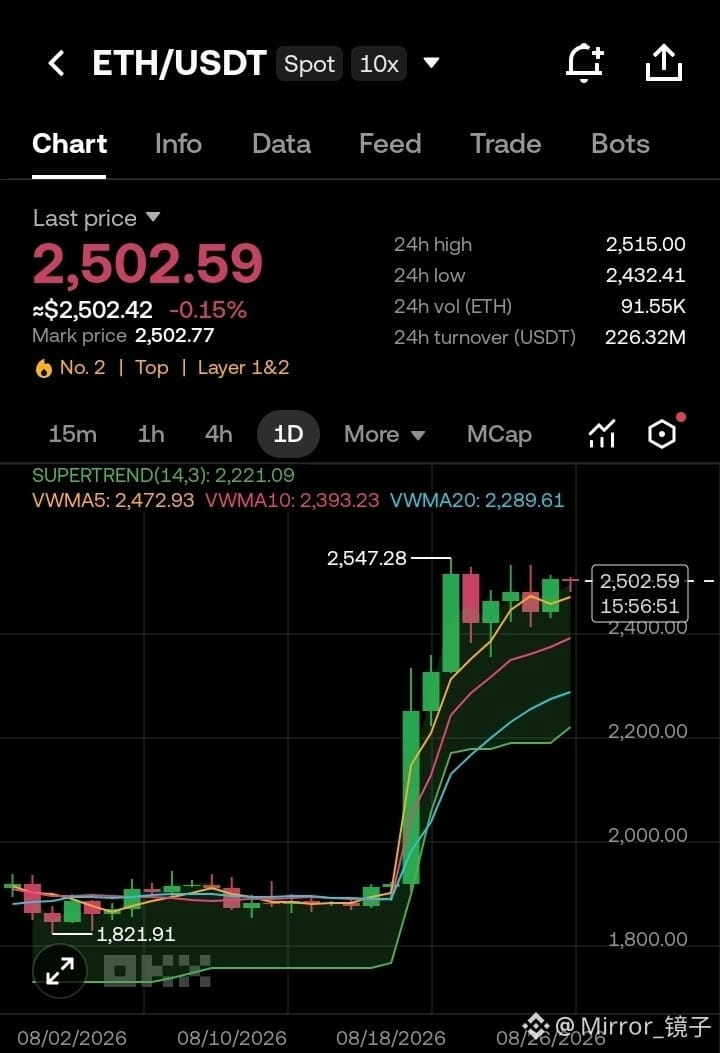
トレーダーの皆さん、イーサリアムが$2,361に向かって上昇中です。強いブルトレンドが続き、ボリュームが上昇し、バイヤーが継続のための重要なサポートを守っています。 #ETH #crypto {spot}(ETHUSDT)
トレーダーの皆さん、イーサリアムが$2,361に向かって上昇中です。強いブルトレンドが続き、ボリュームが上昇し、バイヤーが継続のための重要なサポートを守っています。
#ETH #crypto
記事
ビットコインは$81K以上で堅調を維持、ブルがモメンタムを取り戻すビットコインは再び力強さを示しており、市場が$81,000レベルを超えて押し上げています。最新のトレーディングセッションでは、BTCUSDTが約$81,383に達し、安定した利益を上げている一方で、バイヤーは重要なサポートゾーンを守り続けています。最近のボラティリティや急激な価格変動の後、現在の回復はトレーダーに新たな自信を与えており、ビットコインが再び強気の動きに向かう準備をしている可能性があります。 チャートは、ビットコインが$82,828付近で強い拒絶を受けた後、$79,137のサポートゾーンに向かって下落したことを示しています。しかし、下方向に進む代わりに、バイヤーが市場に積極的に戻ってきました。この回復は、ビットコインがより低い価格帯に落ち込むたびに需要がどれほど強いかを浮き彫りにしています。サポートからのバウンスは高い安値の構造を作り、多くのトレーダーが短期的なモメンタムにとってポジティブなシグナルと考えています。

ビットコインは$81K以上で堅調を維持、ブルがモメンタムを取り戻す

ビットコインは再び力強さを示しており、市場が$81,000レベルを超えて押し上げています。最新のトレーディングセッションでは、BTCUSDTが約$81,383に達し、安定した利益を上げている一方で、バイヤーは重要なサポートゾーンを守り続けています。最近のボラティリティや急激な価格変動の後、現在の回復はトレーダーに新たな自信を与えており、ビットコインが再び強気の動きに向かう準備をしている可能性があります。
チャートは、ビットコインが$82,828付近で強い拒絶を受けた後、$79,137のサポートゾーンに向かって下落したことを示しています。しかし、下方向に進む代わりに、バイヤーが市場に積極的に戻ってきました。この回復は、ビットコインがより低い価格帯に落ち込むたびに需要がどれほど強いかを浮き彫りにしています。サポートからのバウンスは高い安値の構造を作り、多くのトレーダーが短期的なモメンタムにとってポジティブなシグナルと考えています。
·
--
ブリッシュ
強いブル相場の勢いが見られ、価格が$0.014051に達し、+11.81%の急騰を記録。バイザーたちは高いレベルを守り続けており、ボリュームとMACDはブルな状態を維持。トレーダーたちは次の上昇のために$0.0144を超えるブレイクアウトに注目している。 $4 {alpha}(560x0a43fc31a73013089df59194872ecae4cae14444) #writetoearn #4
強いブル相場の勢いが見られ、価格が$0.014051に達し、+11.81%の急騰を記録。バイザーたちは高いレベルを守り続けており、ボリュームとMACDはブルな状態を維持。トレーダーたちは次の上昇のために$0.0144を超えるブレイクアウトに注目している。 $4
#writetoearn #4
·
--
ブリッシュ
$ZRC (Zircuit)は熱いです! 価格: $0.0018935 | 24時間の変化: +32.63% | 時価総額: $10.65M | ホルダー: 1,326 | 流動性: $247k 強気のモメンタム!チャートをチェック 今すぐトレードするか、DYOR? {alpha}(560xdac991621fd8048d9f235324780abd6c3ad26421)
$ZRC (Zircuit)は熱いです!

価格: $0.0018935 | 24時間の変化: +32.63% | 時価総額: $10.65M | ホルダー: 1,326 | 流動性: $247k
強気のモメンタム!チャートをチェック
今すぐトレードするか、DYOR?
·
--
ブリッシュ
$Q Quack AIは、DAOガバナンスの自動化に焦点を当てた急成長中のAI駆動型暗号トークンです。現在の価格は$0.016915で、30.97%上昇し、時価総額は66.43百万ドルです。強いブルトレンドとMACDシグナルが上昇傾向を示唆していますが、ボラティリティが高く、リスクはありますが、潜在的に素早く動く短期トレーディング資産となる可能性があります。 #Write2Earn {alpha}(560xc07e1300dc138601fa6b0b59f8d0fa477e690589)
$Q Quack AIは、DAOガバナンスの自動化に焦点を当てた急成長中のAI駆動型暗号トークンです。現在の価格は$0.016915で、30.97%上昇し、時価総額は66.43百万ドルです。強いブルトレンドとMACDシグナルが上昇傾向を示唆していますが、ボラティリティが高く、リスクはありますが、潜在的に素早く動く短期トレーディング資産となる可能性があります。
#Write2Earn
·
--
ブリッシュ
🟢 $FOREST は強いモメンタムを示しています! 価格: $0.18077 (+29.90% 24時間) 時価総額: $39.49M FDV: $180.77M ホルダー数: 4,484 ボリュームが増加し、注目が集まる中での強気のスパイクです。モメンタムが持続すれば、これは初期のトレンドフェーズかもしれませんが、急騰後のボラティリティには注意が必要です。 {alpha}(560x11cf6bf6d87cb0eb9c294fd6cbfec91ee3a1a7d0)
🟢 $FOREST は強いモメンタムを示しています!
価格: $0.18077 (+29.90% 24時間)
時価総額: $39.49M
FDV: $180.77M
ホルダー数: 4,484
ボリュームが増加し、注目が集まる中での強気のスパイクです。モメンタムが持続すれば、これは初期のトレンドフェーズかもしれませんが、急騰後のボラティリティには注意が必要です。
さらにコンテンツを探すには、ログインしてください
Binance Squareで世界の暗号資産トレーダーの仲間入り
⚡️ 暗号資産に関する最新かつ有益な情報が見つかります。
💬 世界最大の暗号資産取引所から信頼されています。
👍 認証を受けたクリエイターから、有益なインサイトを得られます。
メール / 電話番号
サイトマップ
Cookieの設定
プラットフォーム利用規約