
ZeXo_0
13.3k 投稿

ZeXo_0
 厳選トピック確認済+
Crypto Influencer, Trader & Investor @Binance Square Creator • DM For Business
取引を発注
高頻度トレーダー
1.7年
4 フォロー
31.6K+ フォロワー
29.7K+ いいね
投稿
ポートフォリオ
確認済み
#dusk @Dusk
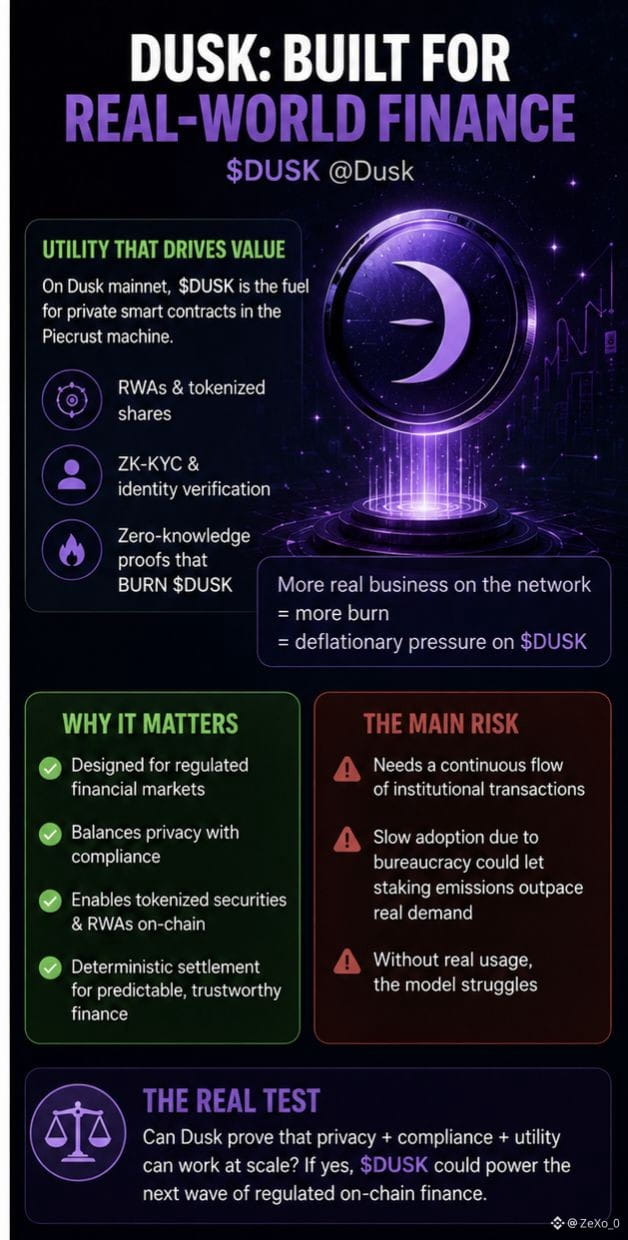
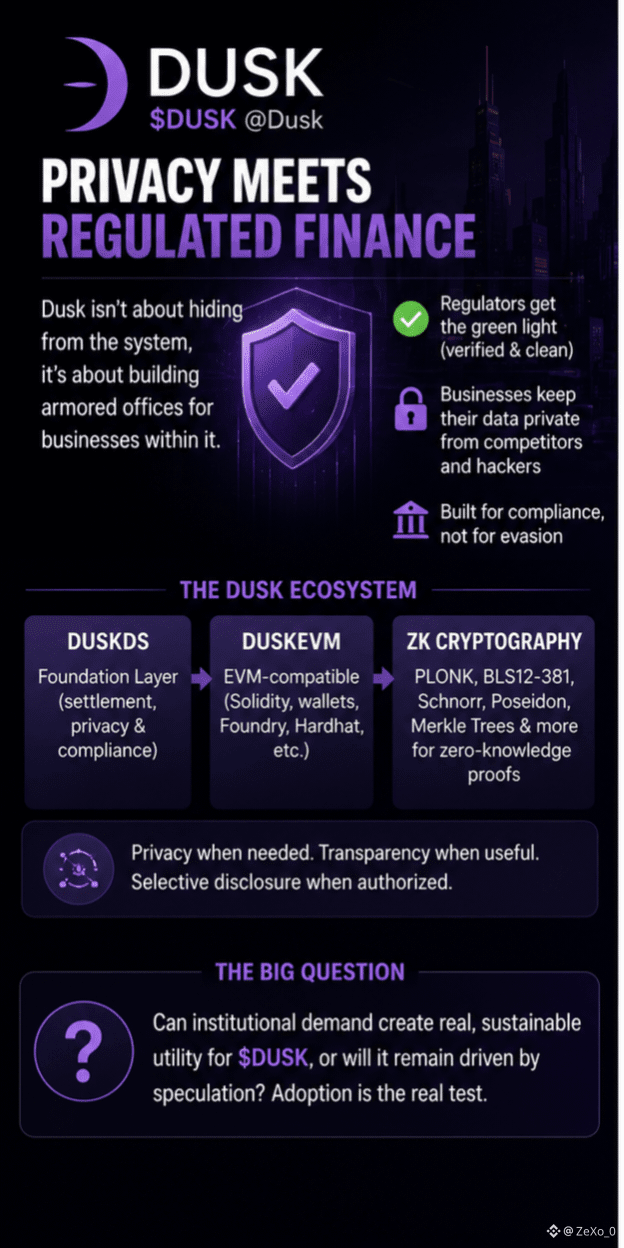
Duskを見るほど、その本当の賭け金(狙い)が「プライバシー」それ自体だけではなく、規制された金融においてプライバシーを“使えるもの”にすることだと思えてきます。
DuskDSは決済の基盤を提供し、DuskEVMはSolidity、EVMウォレット、既存のツールを通じて、開発者体験を馴染みのあるものに保ちます。その土台の下では、PLONKのようなゼロ知識暗号が、機微な金融データのすべてを公開せずに選択的開示を支えられます。
この組み合わせは、トークン化された証券やRWAsにおいて重要です。そこでは、機関が機密性とコンプライアンスの両方を必要とします。「すべてを隠す」ことを中心に作られたプライバシーシステムとは、まったく異なるアプローチです。
技術は興味深いです。真の試金石は導入(採用)です。もし規制された金融が実際に大規模に使うなら、Duskはプライバシーとコンプライアンスは対立するものではないと証明できるかもしれません。
#HKJulyGoldNetExportsToMainland56.193Tons #KazakhstanCutsOilOutputForecastTo96MTons #JapanNoAdditionalOilReserveReleaseInSepOct #SamsungSKHynixLeveragedETFsPostFirstMonthlyOutflow
$TMX
$STAR
$DUSK
Duskを見るほど、その本当の賭け金(狙い)が「プライバシー」それ自体だけではなく、規制された金融においてプライバシーを“使えるもの”にすることだと思えてきます。
DuskDSは決済の基盤を提供し、DuskEVMはSolidity、EVMウォレット、既存のツールを通じて、開発者体験を馴染みのあるものに保ちます。その土台の下では、PLONKのようなゼロ知識暗号が、機微な金融データのすべてを公開せずに選択的開示を支えられます。
この組み合わせは、トークン化された証券やRWAsにおいて重要です。そこでは、機関が機密性とコンプライアンスの両方を必要とします。「すべてを隠す」ことを中心に作られたプライバシーシステムとは、まったく異なるアプローチです。
技術は興味深いです。真の試金石は導入(採用)です。もし規制された金融が実際に大規模に使うなら、Duskはプライバシーとコンプライアンスは対立するものではないと証明できるかもしれません。
#HKJulyGoldNetExportsToMainland56.193Tons #KazakhstanCutsOilOutputForecastTo96MTons #JapanNoAdditionalOilReserveReleaseInSepOct #SamsungSKHynixLeveragedETFsPostFirstMonthlyOutflow
$TMX
$STAR
$DUSK
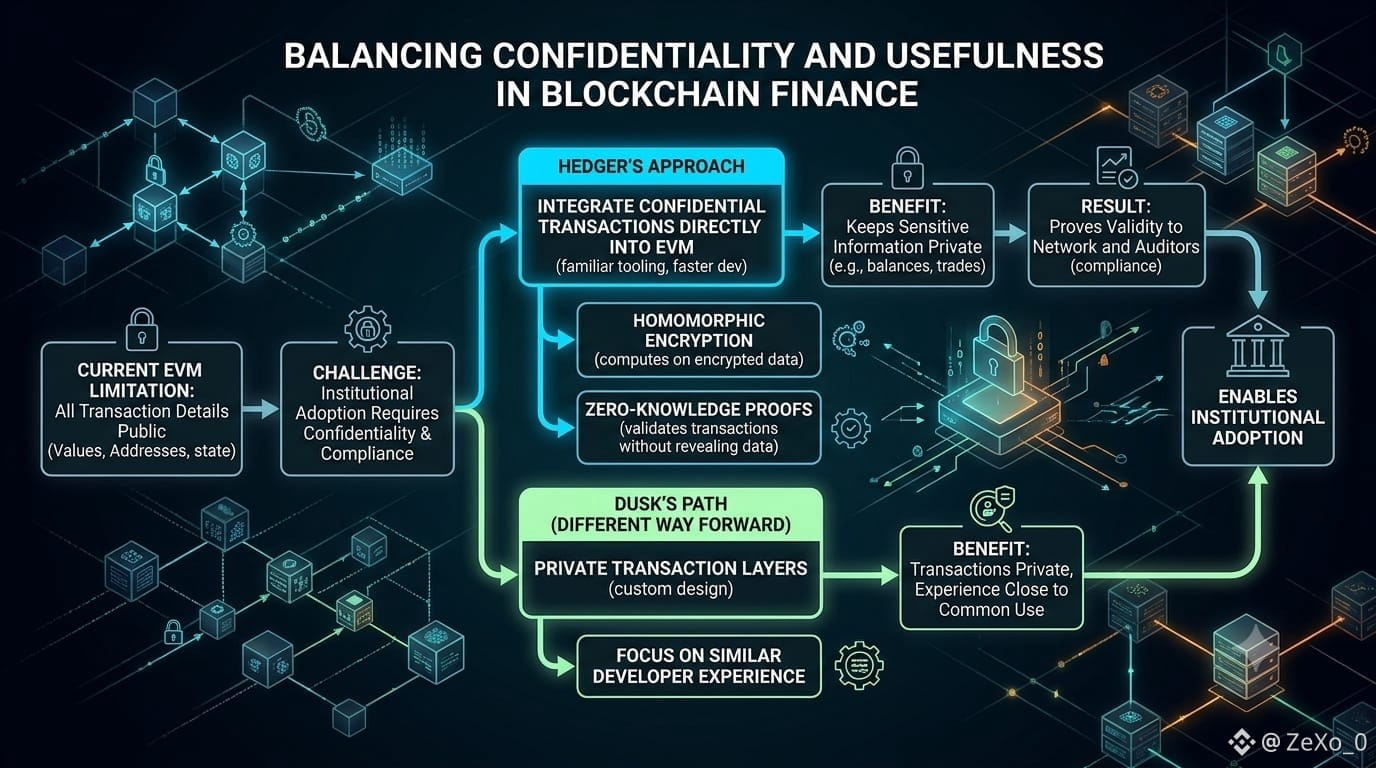
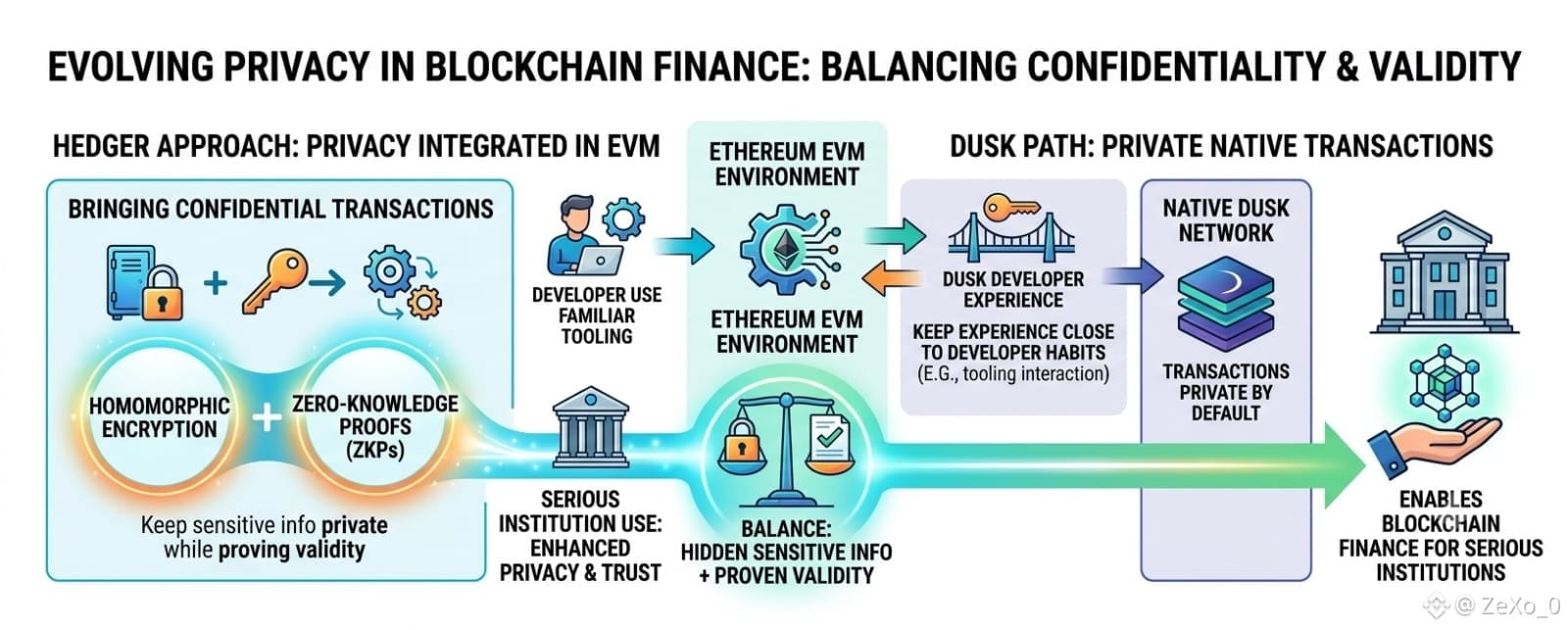
Dusk と Hedger について調べてみたのですが、正直なところ、彼らのプライバシーに対するアプローチはとても理にかなっています。
完全に別の環境でプライバシーを構築するのではなく、Hedger はホモモーフィック暗号化とゼロ知識証明を使って機密トランザクションを EVM へ持ち込もうとしています。
私が良いと思うのは、馴染みのある Ethereum のツールに注目している点です。
開発者はすでに EVM の仕組みを知っています。プライバシーを追加するためだけにまったく新しい環境を学ばせるのは、開発の速度を落としてしまいます。
Dusk は別の道を取っているようです。トランザクションをプライベートにしつつ、開発者がすでに使っているものに近い体験を保つ、という方針です。
たぶん、それがより良い前進の仕方なのかもしれません。
プライバシーは「すべてを隠す」ことを意味する必要はありません。何かが有効であることを証明しつつ、機密情報はプライベートに保つことができます。
このバランスは重要に感じます。特に、ブロックチェーンの金融がより本格的な機関に使われていくならなおさらです。
@Dusk
#dusk #BitcoinOpenInterestFallsToTwoMonthLow #BitcoinRises23.6%Weekly #AIHardwareStocksFallPreMarketAAOIDown11.66% #SP500FuturesFall
$DUSK
$STORJ
$PROM
完全に別の環境でプライバシーを構築するのではなく、Hedger はホモモーフィック暗号化とゼロ知識証明を使って機密トランザクションを EVM へ持ち込もうとしています。
私が良いと思うのは、馴染みのある Ethereum のツールに注目している点です。
開発者はすでに EVM の仕組みを知っています。プライバシーを追加するためだけにまったく新しい環境を学ばせるのは、開発の速度を落としてしまいます。
Dusk は別の道を取っているようです。トランザクションをプライベートにしつつ、開発者がすでに使っているものに近い体験を保つ、という方針です。
たぶん、それがより良い前進の仕方なのかもしれません。
プライバシーは「すべてを隠す」ことを意味する必要はありません。何かが有効であることを証明しつつ、機密情報はプライベートに保つことができます。
このバランスは重要に感じます。特に、ブロックチェーンの金融がより本格的な機関に使われていくならなおさらです。
@Dusk
#dusk #BitcoinOpenInterestFallsToTwoMonthLow #BitcoinRises23.6%Weekly #AIHardwareStocksFallPreMarketAAOIDown11.66% #SP500FuturesFall
$DUSK
$STORJ
$PROM
実際のボトルネックは、ビルダーと機関(インスティテューション)の間にあるギャップかもしれない
最初は、インフラの最大のブレークスルーは、まったく新しいものを作ることから生まれるのだと思っていました。ところがインターネットの進化を見てみると、コアネットワークはその役割を果たし続け、新しいレイヤーが追加されることで、より多くの人がその上に構築しやすくなっていました。最近では、このことがDuskの見方を少し変えています。
Duskは、決済・データ層であるDuskDSと、EVM実行層であるDuskEVMを分離しています。最初は、これは単に馴染みのあるツールによってEthereum開発者を惹きつけることが目的なのだと考えました。しかし読み進めるほど、より深いところにあるトレードオフがいっそう興味深いものだと感じるようになりました。
Duskは、専門性の高い決済、プライバシー、金融インフラをそのまま下層に維持しつつ、EVM環境によってアプリケーション開発をよりアクセスしやすくする可能性があります。しかし、それは同時に調整(コーディネーション)の難題も生みうるかもしれません。
開発者は機関よりも速く動ける可能性がある一方、機関側の導入は、プライバシー、決済の確実性、そして成熟により時間がかかる規制上のワークフローに左右されます。
もしかすると私は的外れなことに注目しているのかもしれませんが、これらのレイヤーの間のインターフェースこそが、最終的には単独のどちらかのレイヤー以上に重要になる可能性があります。ビルダーが、Duskの専門的なインフラへのアクセスを失うことなく、馴染みのあるツールを使えるなら、アーキテクチャは興味深いものになります。
それでも、最も難しい問いは「決済と実行が分離できるかどうか」ではないのではないか、と私は思っています。より深い問いは、両方のレイヤーが、それぞれが独立して進化できるのか、そして最終的に、アプリケーションを作る人々と、それを利用することが期待される機関との間に摩擦が生まれないのか、という点です。
@Dusk
#dusk #BitcoinStrongestWeekSinceMarch2023 #AnthropicIPOCouldTopSpaceXRecordReportsSay #NvidiaAIServerPricesRiseOver15% #BSTREndsCantorSPACGoPublicPlan
$DUSK
$UAI
$TUT
最初は、インフラの最大のブレークスルーは、まったく新しいものを作ることから生まれるのだと思っていました。ところがインターネットの進化を見てみると、コアネットワークはその役割を果たし続け、新しいレイヤーが追加されることで、より多くの人がその上に構築しやすくなっていました。最近では、このことがDuskの見方を少し変えています。
Duskは、決済・データ層であるDuskDSと、EVM実行層であるDuskEVMを分離しています。最初は、これは単に馴染みのあるツールによってEthereum開発者を惹きつけることが目的なのだと考えました。しかし読み進めるほど、より深いところにあるトレードオフがいっそう興味深いものだと感じるようになりました。
Duskは、専門性の高い決済、プライバシー、金融インフラをそのまま下層に維持しつつ、EVM環境によってアプリケーション開発をよりアクセスしやすくする可能性があります。しかし、それは同時に調整(コーディネーション)の難題も生みうるかもしれません。
開発者は機関よりも速く動ける可能性がある一方、機関側の導入は、プライバシー、決済の確実性、そして成熟により時間がかかる規制上のワークフローに左右されます。
もしかすると私は的外れなことに注目しているのかもしれませんが、これらのレイヤーの間のインターフェースこそが、最終的には単独のどちらかのレイヤー以上に重要になる可能性があります。ビルダーが、Duskの専門的なインフラへのアクセスを失うことなく、馴染みのあるツールを使えるなら、アーキテクチャは興味深いものになります。
それでも、最も難しい問いは「決済と実行が分離できるかどうか」ではないのではないか、と私は思っています。より深い問いは、両方のレイヤーが、それぞれが独立して進化できるのか、そして最終的に、アプリケーションを作る人々と、それを利用することが期待される機関との間に摩擦が生まれないのか、という点です。
@Dusk
#dusk #BitcoinStrongestWeekSinceMarch2023 #AnthropicIPOCouldTopSpaceXRecordReportsSay #NvidiaAIServerPricesRiseOver15% #BSTREndsCantorSPACGoPublicPlan
$DUSK
$UAI
$TUT
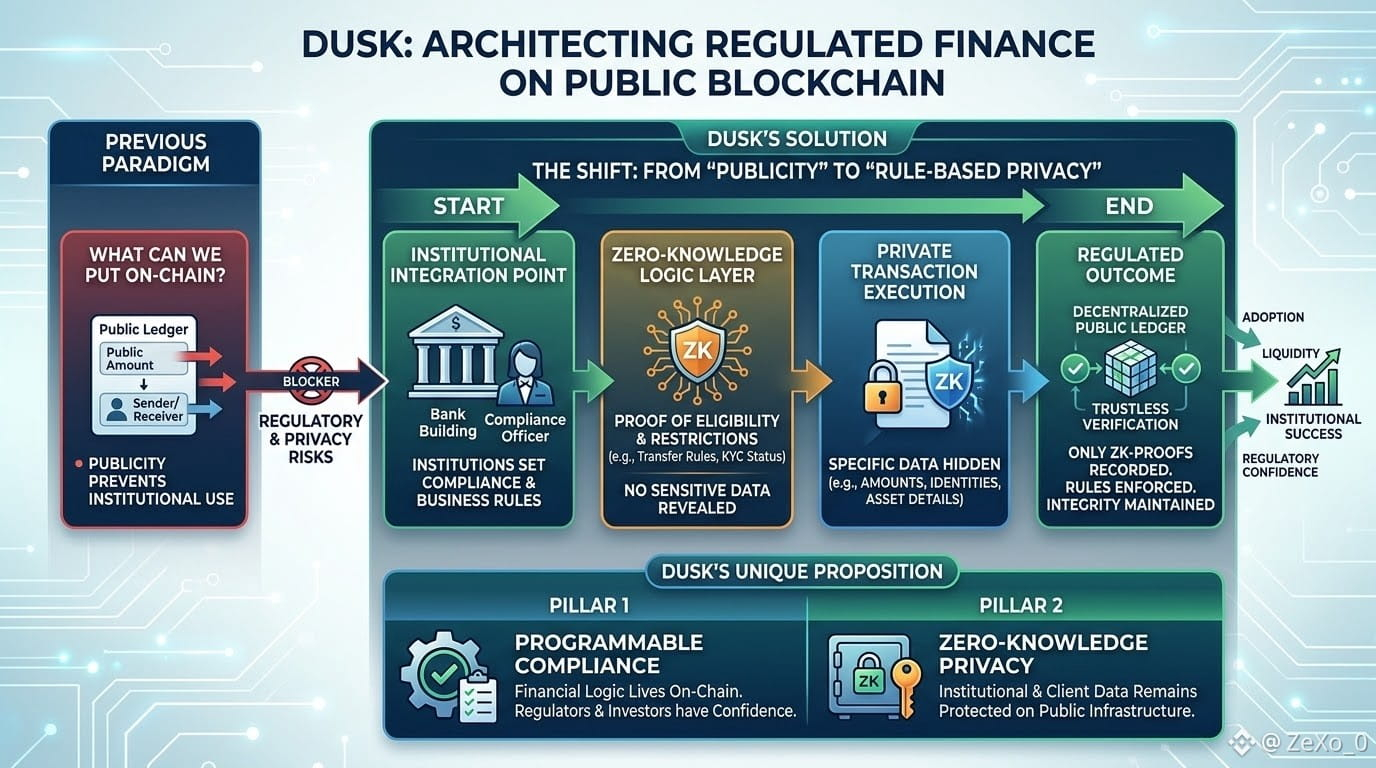
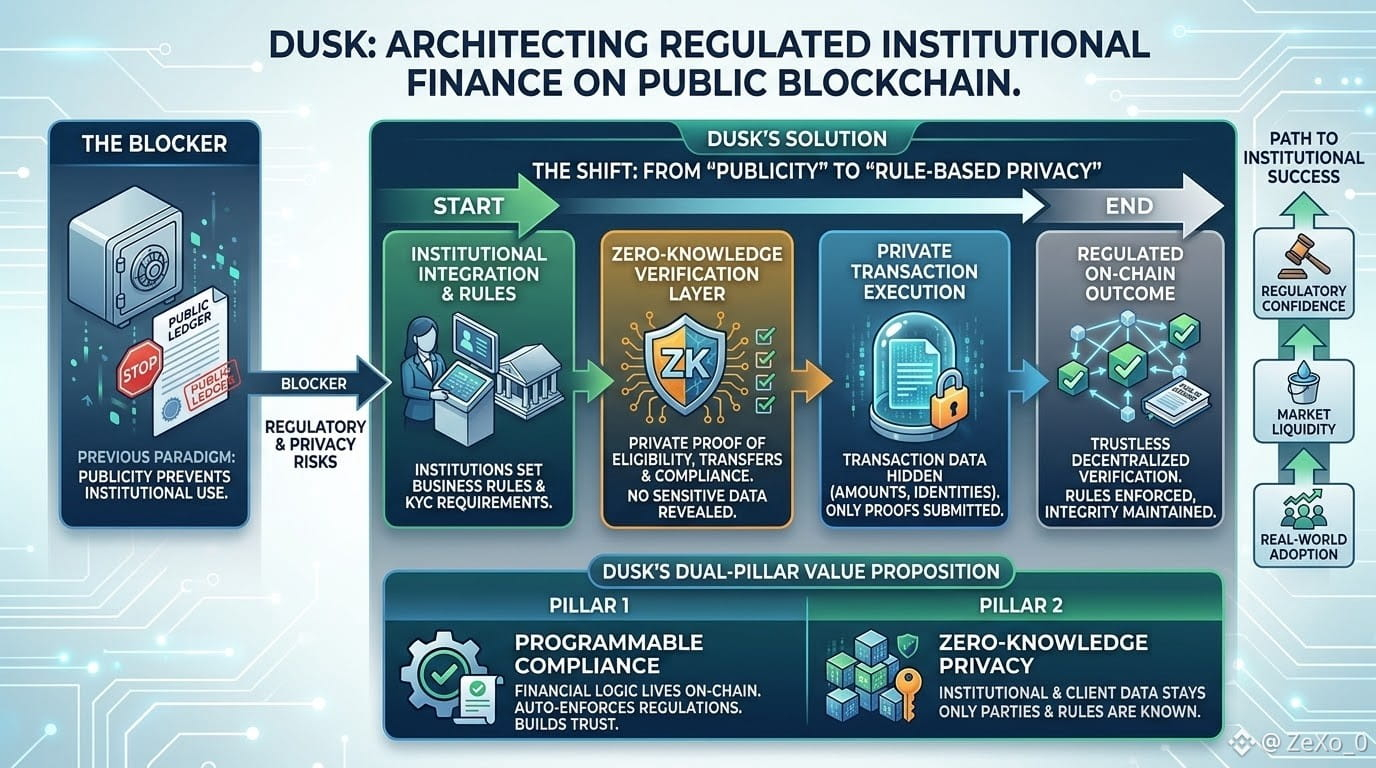
最近のクリプトは何か違う🤷♂️
「オンチェーンに何を載せられるか?」から、より難しい問いである「機関が現実的に何をオンチェーンに載せられるか?」へと関心が移っているのを目にします。
そこで、私の目を引いたのがDuskです。
金融資産にはプライバシーが必要ですが、同時にルールも必要です。投資家は適格性を証明する必要があるかもしれず、送金には制約がかかることもありますし、規制当局は特定の情報を求める可能性があります。すべてを公開のブロックチェーンにそのまま載せるのは現実的ではありません。
Duskのアプローチが興味深いのは、プライバシーとコンプライアンスを対立するものとして扱うのではなく、両立させようとしている点です。
多くの人がそこを見落としていると思います。
Duskは単に「取引をプライベートにしよう」と言っているわけではありません。より大きな賭けは、金融ロジックそのものをオンチェーン上に置きつつ、センシティブな情報は保護されたままにできるということです。
正直に言うと、技術だけではこの市場を勝ち取れないでしょう。機関はすでに許可制のシステムを持っており、彼らに切り替えてもらうには、実際の導入、流動性、信頼性、そして規制面での確信が必要になります。
ただ、私が見てきた限りでは、Duskはプライバシーよりも深い次元で勝負しています。
それは、規制のある金融が、すべてをさらけ出すことなく、公的なブロックチェーン基盤上で実際に運用できるのか?という問いです。
それが実務でうまくいくなら、別の「プライバシー重視」という物語よりも、はるかに重要になるかもしれません。
@Dusk
#dusk #USCanadaTradeTalksCollapseCanadaVowsRetaliation #SP500EndsWeeklyWinStreak #SandboxSANDSuspectedInfiniteMintFlawOnBase #GrayscaleFilesFifthZECETFAmendment
$DUSK
$TRUMP
$ZEC
「オンチェーンに何を載せられるか?」から、より難しい問いである「機関が現実的に何をオンチェーンに載せられるか?」へと関心が移っているのを目にします。
そこで、私の目を引いたのがDuskです。
金融資産にはプライバシーが必要ですが、同時にルールも必要です。投資家は適格性を証明する必要があるかもしれず、送金には制約がかかることもありますし、規制当局は特定の情報を求める可能性があります。すべてを公開のブロックチェーンにそのまま載せるのは現実的ではありません。
Duskのアプローチが興味深いのは、プライバシーとコンプライアンスを対立するものとして扱うのではなく、両立させようとしている点です。
多くの人がそこを見落としていると思います。
Duskは単に「取引をプライベートにしよう」と言っているわけではありません。より大きな賭けは、金融ロジックそのものをオンチェーン上に置きつつ、センシティブな情報は保護されたままにできるということです。
正直に言うと、技術だけではこの市場を勝ち取れないでしょう。機関はすでに許可制のシステムを持っており、彼らに切り替えてもらうには、実際の導入、流動性、信頼性、そして規制面での確信が必要になります。
ただ、私が見てきた限りでは、Duskはプライバシーよりも深い次元で勝負しています。
それは、規制のある金融が、すべてをさらけ出すことなく、公的なブロックチェーン基盤上で実際に運用できるのか?という問いです。
それが実務でうまくいくなら、別の「プライバシー重視」という物語よりも、はるかに重要になるかもしれません。
@Dusk
#dusk #USCanadaTradeTalksCollapseCanadaVowsRetaliation #SP500EndsWeeklyWinStreak #SandboxSANDSuspectedInfiniteMintFlawOnBase #GrayscaleFilesFifthZECETFAmendment
$DUSK
$TRUMP
$ZEC
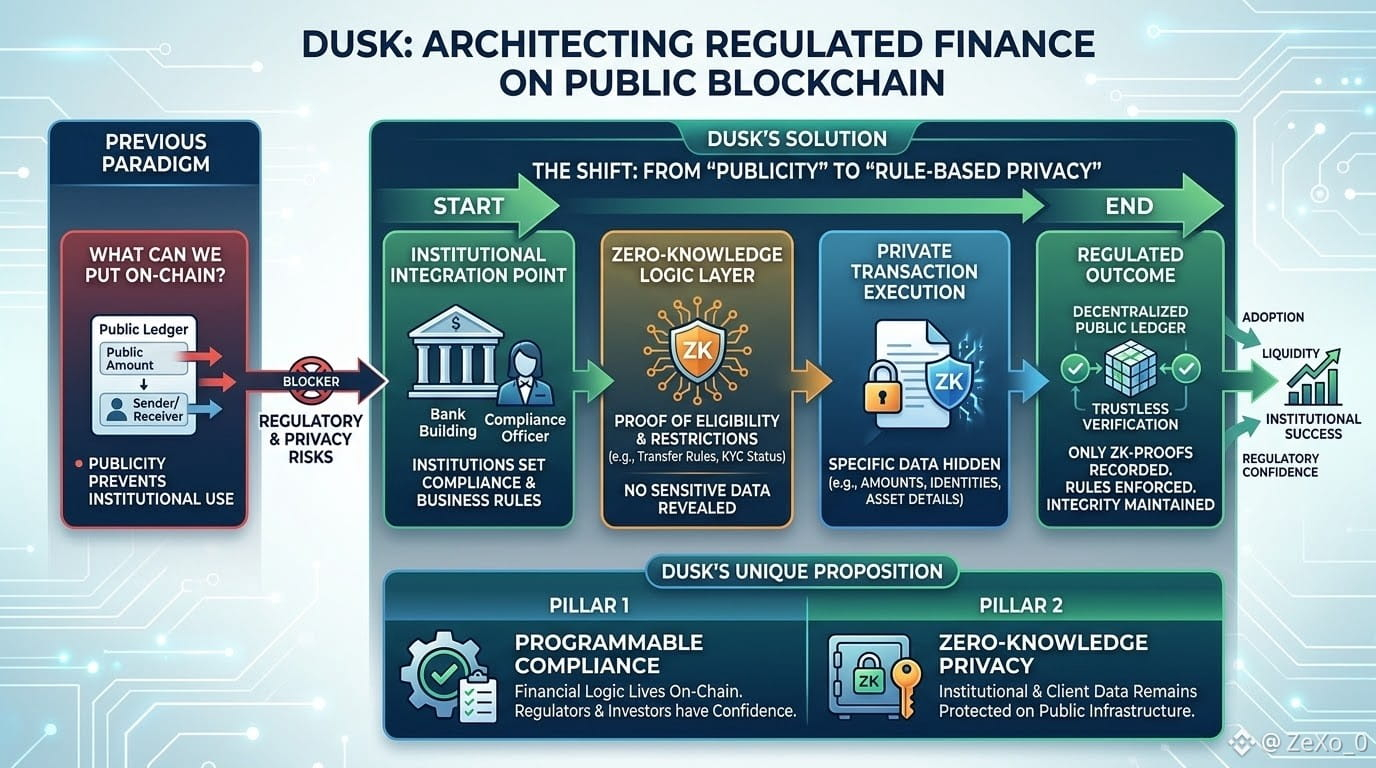
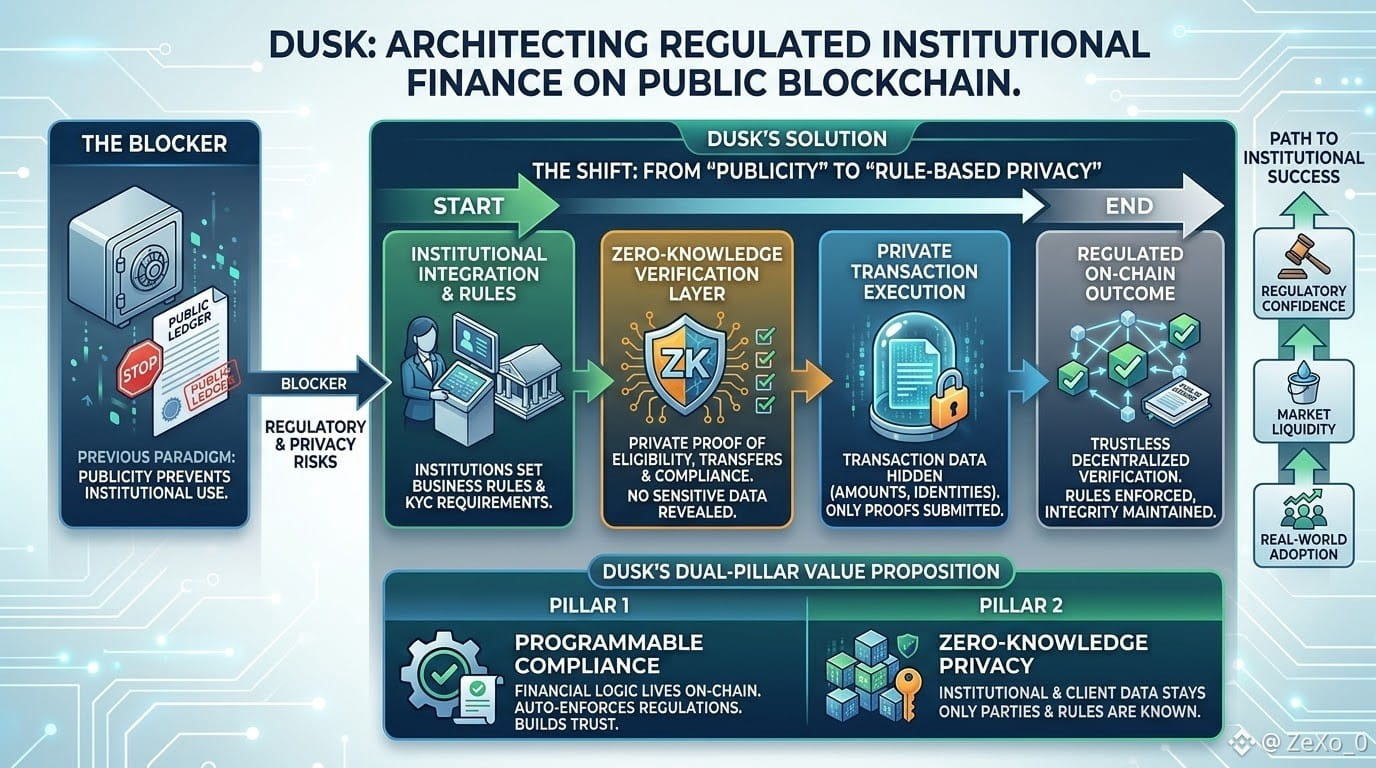
確認済み
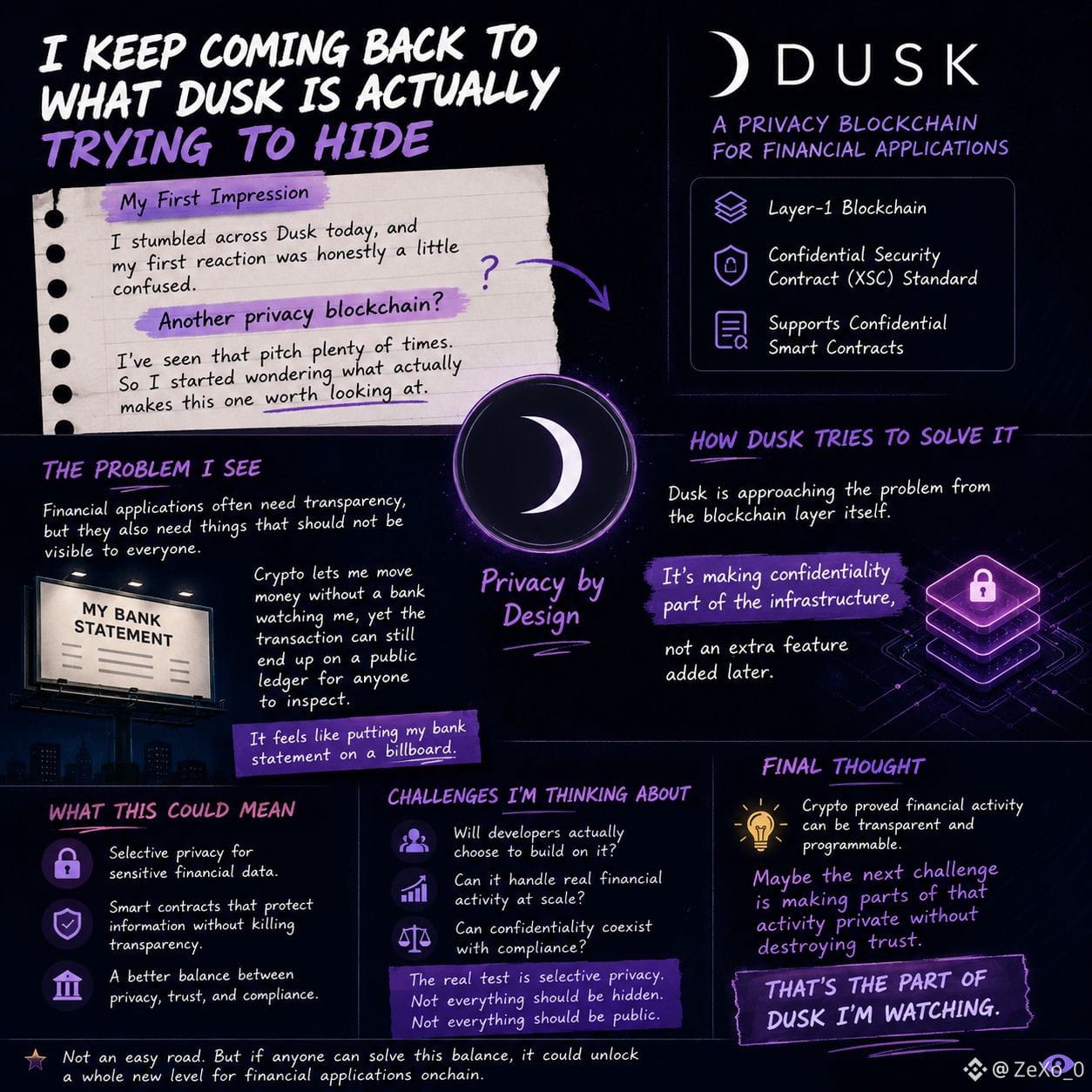
私は「夕暮れ(Dusk)」が実際に隠そうとしているものに、何度も行き着いてしまった
今日、たまたまDuskを見つけて、最初の反応は正直ちょっと戸惑うものだった。
別のプライバシーブロックチェーン?
そんな売り文句は何度も見てきた。だから、結局このプロジェクトのどこが「見る価値」になるのか、考え始めた。
読み進めるほど、あるシンプルな考えに何度も戻ってきた。つまり、金融アプリケーションには透明性が必要だが、誰にでも見えるべきではないものも必要だ、ということ。
それは一見すると当たり前に聞こえる。でも、暗号資産はプライバシーと奇妙な関係を持っている。
銀行に監視されずにお金を動かせる一方で、取引は最終的に誰でも検査できる公開台帳の上に、永久に残ってしまうことがある。
それは、銀行の明細を看板に貼り付けて、「少なくとも私はその看板をコントロールしている」と言うようなものに思える。
Duskは、その問題をブロックチェーンのレイヤー自体から取り組もうとしている。
Duskは金融アプリケーションに焦点を当てたレイヤー1で、機密スマートコントラクトを支えるために設計された「Confidential Security Contract(XSC)」という標準を備えている。
そして、ここが私にとって面白いポイントだった。
この方向性は良いと思う。
ただ、慎重でもある。
プライバシーだけではブロックチェーンは実用にならない。より難しい問いは、開発者が実際にそれを使って構築したいと思っているのか、技術が本当の金融活動に耐えられるのか、そして機密性が、金融アプリケーションが必ず直面するコンプライアンス要件と両立できるのか、ということだ。
その最後の部分こそが、おそらく最大の試練になる。
なぜなら、現実の金融市場が求めるのは単に「全部プライベート」ではないからだ。
必要なのは選択的なプライバシー。
一部の情報は非公開のままであるべきだ。ある部分の情報は検証可能である必要がある。そして規制当局には、システム全体を単なる公開データベースに変えてしまうことなく、コントロールされたアクセスが必要になるかもしれない。
このバランスを取ることは、「プライバシーは重要だ」と言うよりずっと難しい。
だから私は、Duskを見て「次の明確な勝者を見つけた」とは思っていない。
@Dusk
#dusk
$DUSK
今日、たまたまDuskを見つけて、最初の反応は正直ちょっと戸惑うものだった。
別のプライバシーブロックチェーン?
そんな売り文句は何度も見てきた。だから、結局このプロジェクトのどこが「見る価値」になるのか、考え始めた。
読み進めるほど、あるシンプルな考えに何度も戻ってきた。つまり、金融アプリケーションには透明性が必要だが、誰にでも見えるべきではないものも必要だ、ということ。
それは一見すると当たり前に聞こえる。でも、暗号資産はプライバシーと奇妙な関係を持っている。
銀行に監視されずにお金を動かせる一方で、取引は最終的に誰でも検査できる公開台帳の上に、永久に残ってしまうことがある。
それは、銀行の明細を看板に貼り付けて、「少なくとも私はその看板をコントロールしている」と言うようなものに思える。
Duskは、その問題をブロックチェーンのレイヤー自体から取り組もうとしている。
Duskは金融アプリケーションに焦点を当てたレイヤー1で、機密スマートコントラクトを支えるために設計された「Confidential Security Contract(XSC)」という標準を備えている。
そして、ここが私にとって面白いポイントだった。
この方向性は良いと思う。
ただ、慎重でもある。
プライバシーだけではブロックチェーンは実用にならない。より難しい問いは、開発者が実際にそれを使って構築したいと思っているのか、技術が本当の金融活動に耐えられるのか、そして機密性が、金融アプリケーションが必ず直面するコンプライアンス要件と両立できるのか、ということだ。
その最後の部分こそが、おそらく最大の試練になる。
なぜなら、現実の金融市場が求めるのは単に「全部プライベート」ではないからだ。
必要なのは選択的なプライバシー。
一部の情報は非公開のままであるべきだ。ある部分の情報は検証可能である必要がある。そして規制当局には、システム全体を単なる公開データベースに変えてしまうことなく、コントロールされたアクセスが必要になるかもしれない。
このバランスを取ることは、「プライバシーは重要だ」と言うよりずっと難しい。
だから私は、Duskを見て「次の明確な勝者を見つけた」とは思っていない。
@Dusk
#dusk
$DUSK
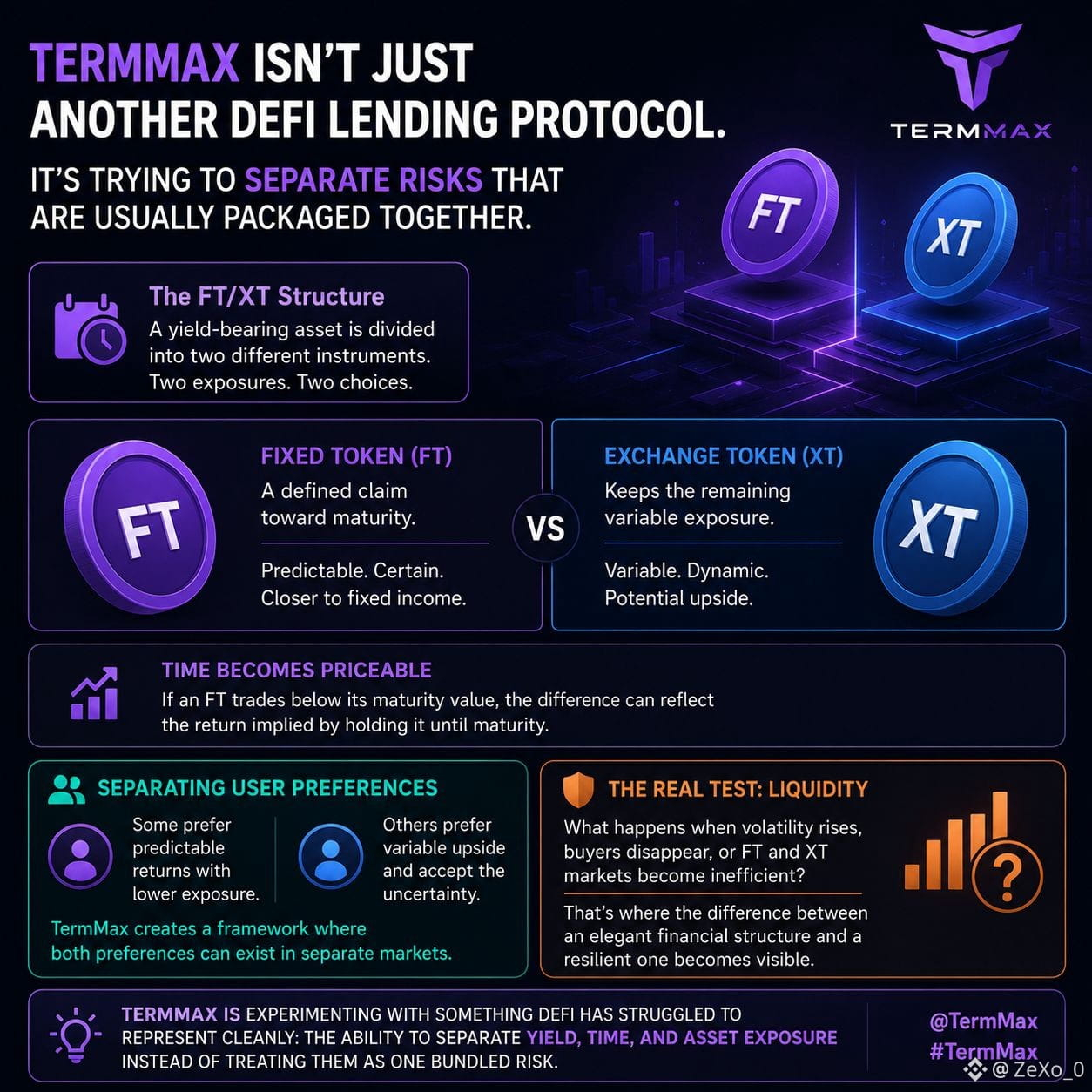
TermMaxを掘り下げてみて見えてきたのは、DeFiにおける借り入れや貸し出しの別のやり方というだけではなく、通常は1つのポジションに束ねられているリスクを分解しようとする試みです。
面白いのはFT/XTモデルのところです。
利回りを生む資産は、2つのエクスポージャーに分けられます。固定トークン(Fixed Token)は満期時に定められた価値に結びつき、取引トークン(Exchange Token)はポジションの変動側を表します。
それによって、利回りを考える別の視点が生まれます。
「資産がどれだけ稼げるか」だけを問うのではなく、「将来決済される請求(クレーム)に対して、市場が今日いくら支払う用意があるのか」を考え始められます。もしFTが満期時の価値を下回って取引されるなら、そのギャップは実質的に、満期まで保有した場合のリターンを表します。
私にとっては、この構造は従来の変動金利型DeFiレンディングよりも、固定利付(フィックスド・インカム)に近い感覚があります。
さらに重要なのは、ユーザーの嗜好を分けられることです。
ある参加者は予測可能なリターンを重視し、別の参加者は変動側のエクスポージャーを取りにいって上振れを狙えます。
ただし、本当の試金石は仕組みそのものではありません。
それは流動性です。
ボラティリティが急上昇し、市場の厚み(マーケット・デプス)が消えたとき、FTとXTの市場は依然として効率的に機能できるのでしょうか?
そこで私はTermMaxを最も注意深く見ていきます。
この興味深い実験は、DeFiが、利回り・時間・資産エクスポージャーを1つにまとめた複合リスクとして扱うのではなく、本当に切り分けられるのかという点です。
@TermMax #TermMax $TMX
面白いのはFT/XTモデルのところです。
利回りを生む資産は、2つのエクスポージャーに分けられます。固定トークン(Fixed Token)は満期時に定められた価値に結びつき、取引トークン(Exchange Token)はポジションの変動側を表します。
それによって、利回りを考える別の視点が生まれます。
「資産がどれだけ稼げるか」だけを問うのではなく、「将来決済される請求(クレーム)に対して、市場が今日いくら支払う用意があるのか」を考え始められます。もしFTが満期時の価値を下回って取引されるなら、そのギャップは実質的に、満期まで保有した場合のリターンを表します。
私にとっては、この構造は従来の変動金利型DeFiレンディングよりも、固定利付(フィックスド・インカム)に近い感覚があります。
さらに重要なのは、ユーザーの嗜好を分けられることです。
ある参加者は予測可能なリターンを重視し、別の参加者は変動側のエクスポージャーを取りにいって上振れを狙えます。
ただし、本当の試金石は仕組みそのものではありません。
それは流動性です。
ボラティリティが急上昇し、市場の厚み(マーケット・デプス)が消えたとき、FTとXTの市場は依然として効率的に機能できるのでしょうか?
そこで私はTermMaxを最も注意深く見ていきます。
この興味深い実験は、DeFiが、利回り・時間・資産エクスポージャーを1つにまとめた複合リスクとして扱うのではなく、本当に切り分けられるのかという点です。
@TermMax #TermMax $TMX
確認済み
#dusk $DUSK @Dusk
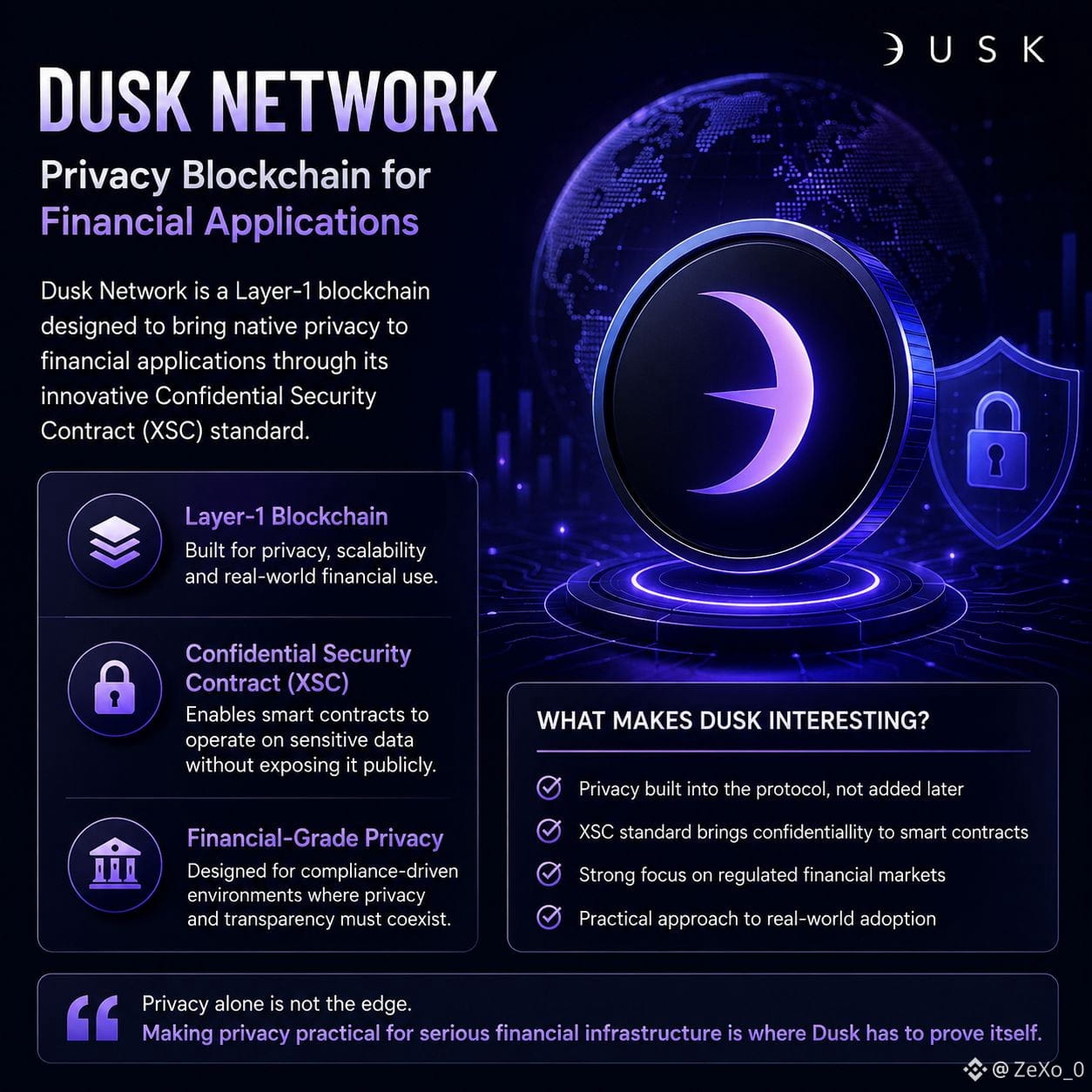
$DUSK Networkは、ブロックチェーンのプライバシーに対して焦点を絞ったアプローチを採用しており、機密性が必須であり、インフラの一部として組み込まれている金融アプリケーションをターゲットにしています。Layer-1の設計とConfidential Security Contract(XSC)標準は、公開せずにセンシティブなデータを扱えるスマートコントラクトの稼働を可能にすることを基盤にしています。
このような位置づけにより、DUSKは一般的なプライバシーの語り口よりも一層興味深いものになります。肝心なのは、その技術が規制された市場で、コンプライアンス、透明性、プライバシーが「競合するのではなく共存しなければならない」領域で、意味のある採用へとつながるかどうかです。
この論旨の最も強い点は、プライバシーを孤立した機能として扱うのではなく、アプリケーションレベルで機密性を「使える」ものにしようとしている点です。ただし、成否は物語よりも実行力に左右されます。ネットワークの稼働状況、開発者の勢い、実世界の金融ユースケース、そしてDUSKに対する継続的な需要が、最終的にエコシステムが持続的な関連性を得られるかを決めます。
プライバシーだけでは十分な強みにはなりません。真剣な金融インフラにとってプライバシーを実用的なものにできるか——それをこそDuskが証明する必要があります。
@Dusk
#dusk
$DUSK
$DUSK Networkは、ブロックチェーンのプライバシーに対して焦点を絞ったアプローチを採用しており、機密性が必須であり、インフラの一部として組み込まれている金融アプリケーションをターゲットにしています。Layer-1の設計とConfidential Security Contract(XSC)標準は、公開せずにセンシティブなデータを扱えるスマートコントラクトの稼働を可能にすることを基盤にしています。
このような位置づけにより、DUSKは一般的なプライバシーの語り口よりも一層興味深いものになります。肝心なのは、その技術が規制された市場で、コンプライアンス、透明性、プライバシーが「競合するのではなく共存しなければならない」領域で、意味のある採用へとつながるかどうかです。
この論旨の最も強い点は、プライバシーを孤立した機能として扱うのではなく、アプリケーションレベルで機密性を「使える」ものにしようとしている点です。ただし、成否は物語よりも実行力に左右されます。ネットワークの稼働状況、開発者の勢い、実世界の金融ユースケース、そしてDUSKに対する継続的な需要が、最終的にエコシステムが持続的な関連性を得られるかを決めます。
プライバシーだけでは十分な強みにはなりません。真剣な金融インフラにとってプライバシーを実用的なものにできるか——それをこそDuskが証明する必要があります。
@Dusk
#dusk
$DUSK
確認済み
#termmax @TermMax 私は8月25日に予定されているTermMaxの$TMX TGEに向けた歩みを見守ってきましたが、私の目に留まるのはその日付だけではありません。
それは実行のスピードです。
5月以来、@TermMax はV2を推し進め、複数のチェーンに展開し、Canton向けに機関投資家に焦点を当てたTermPrimeを導入し、RLUSDバルブで$20Mを突破し、HyperEVMでローンチし、さらにトークン化された株式を担保としてRobinhood Chainに持ち込みました。
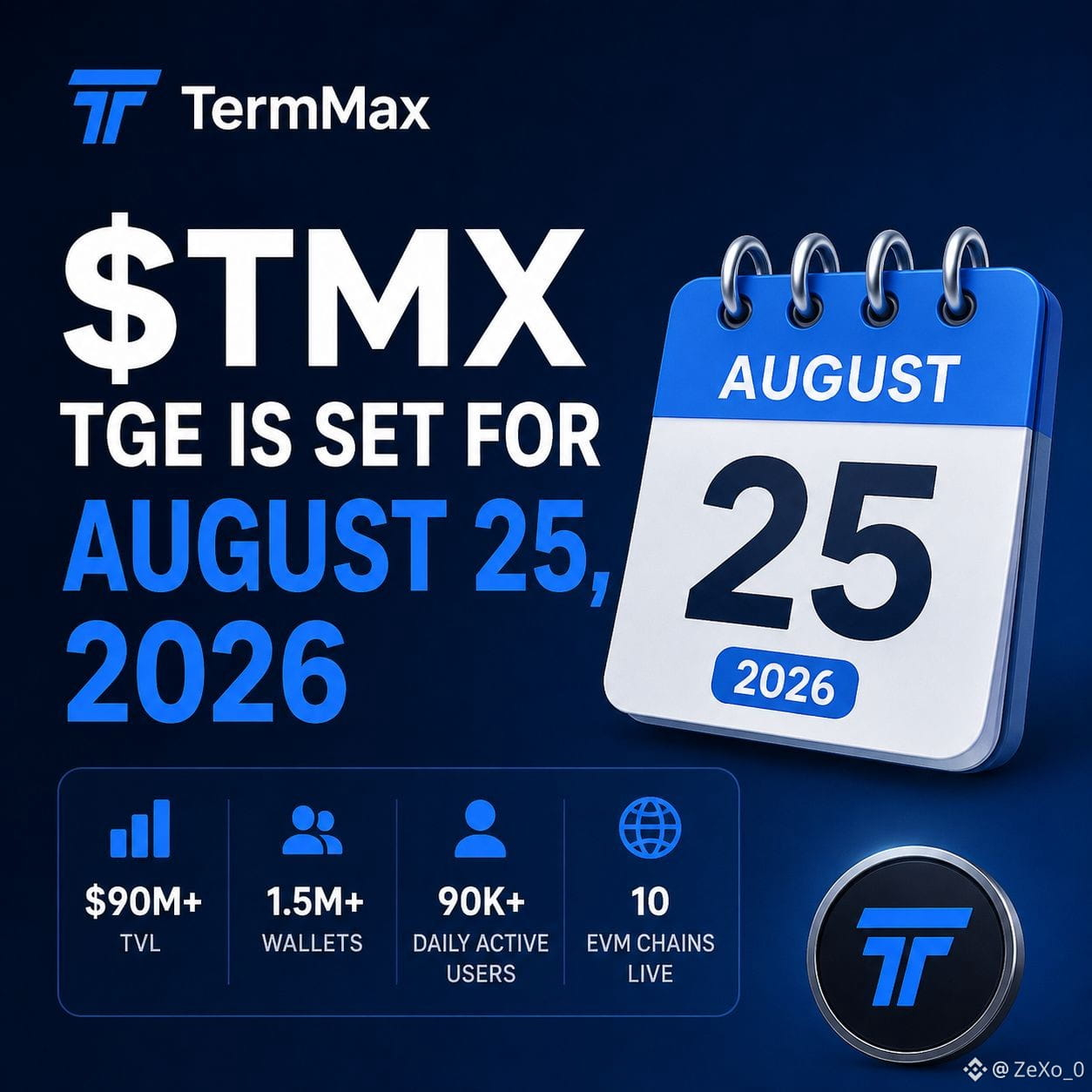
そして、数字もさらに面白くなってきています:
$90M+ TVL
1.5M+ 登録ウォレット
90K+ 日次アクティブユーザー
10のEVMチェーン稼働中
私がより興味深いと思うのは、このプロダクトが単なる固定金利の貸出という物語を超えて動き続けていることです。
貸出のリミット注文、構造化された満期、オプション・バルブ、トークン化された資産、そして機関向けのインフラ——これらはすべて、より広範なフィックストインカム(固定収益)DeFi市場を指し示しています。
$TMX TGEが8月25日に来ることで、次のフェーズはそのマイルストーン自体以上に重要に感じられます。
私にとって本当の問いはシンプルです:TermMaxはこの勢いを、持続可能な流動性と実際のユーザー需要へと変えられるのでしょうか?
それを次に注視していきます。
#TermMax $SKYAI $RE
それは実行のスピードです。
5月以来、@TermMax はV2を推し進め、複数のチェーンに展開し、Canton向けに機関投資家に焦点を当てたTermPrimeを導入し、RLUSDバルブで$20Mを突破し、HyperEVMでローンチし、さらにトークン化された株式を担保としてRobinhood Chainに持ち込みました。
そして、数字もさらに面白くなってきています:
$90M+ TVL
1.5M+ 登録ウォレット
90K+ 日次アクティブユーザー
10のEVMチェーン稼働中
私がより興味深いと思うのは、このプロダクトが単なる固定金利の貸出という物語を超えて動き続けていることです。
貸出のリミット注文、構造化された満期、オプション・バルブ、トークン化された資産、そして機関向けのインフラ——これらはすべて、より広範なフィックストインカム(固定収益)DeFi市場を指し示しています。
$TMX TGEが8月25日に来ることで、次のフェーズはそのマイルストーン自体以上に重要に感じられます。
私にとって本当の問いはシンプルです:TermMaxはこの勢いを、持続可能な流動性と実際のユーザー需要へと変えられるのでしょうか?
それを次に注視していきます。
#TermMax $SKYAI $RE
確認済み
Dusk Networkは、金融アプリケーションがオンチェーンへ移行したときにプライバシーがどのような姿になり得るかを、興味深い形で捉えています。プライバシーをオプション機能として扱うのではなく、DuskはLayer-1アーキテクチャにConfidential Security Contract(XSC)標準と、機密スマートコントラクトのサポートを通じて組み込んでいます。
私が特に注目したのは、ブロックチェーンの透明性と、金融取引がしばしば必要とする機密性のバランスを取ろうとしている点です。これは重要です。というのも、機関投資家や本格的な金融ユーザーは、すべての取引、ポジション、あるいは機微なデータを公開したくない場合があるからです。
本当の問いは、Duskがその技術的アプローチを、ネットワークとトークンに対する有意義な採用と継続的な需要へと結び付けられるかどうかです。プライバシーだけでは不十分です。エコシステムには、役に立つアプリケーション、流動性、開発者、そしてユーザーが必要です。
Duskが機密性を実用的な金融ユーティリティと結び付けられるなら、その価値提案ははるかに魅力的になります。技術は面白いですが、最終的に採用が、物語が本当のネットワーク効果になるかどうかを決めます。
@Dusk #dusk $DUSK
$BTC
$ETH
Dusk Networkのプライバシーチェック 😜
オンチェーンで何を隠してるの?
私が特に注目したのは、ブロックチェーンの透明性と、金融取引がしばしば必要とする機密性のバランスを取ろうとしている点です。これは重要です。というのも、機関投資家や本格的な金融ユーザーは、すべての取引、ポジション、あるいは機微なデータを公開したくない場合があるからです。
本当の問いは、Duskがその技術的アプローチを、ネットワークとトークンに対する有意義な採用と継続的な需要へと結び付けられるかどうかです。プライバシーだけでは不十分です。エコシステムには、役に立つアプリケーション、流動性、開発者、そしてユーザーが必要です。
Duskが機密性を実用的な金融ユーティリティと結び付けられるなら、その価値提案ははるかに魅力的になります。技術は面白いですが、最終的に採用が、物語が本当のネットワーク効果になるかどうかを決めます。
@Dusk #dusk $DUSK
$BTC
$ETH
Dusk Networkのプライバシーチェック 😜
オンチェーンで何を隠してるの?
My bags 😂
0%
My trades 👀
0%
My strategy 🧠
0%
Everything 😎
100%
1 投票 • 投票は終了しました
今日、Duskを見つけて正直なところ、最初に思ったのはこうです。金融ブロックチェーンでのプライバシーは役に立ちそう。でも実際にはどうやって動くの?
調べれば調べるほど、どんどん面白くなってきました。Duskは金融アプリケーションに特化したレイヤー1で、XSC規格による機密スマートコントラクトを使っています。
そして、以前クリプトで見たあるものを思い出しました。透明性は強力だけど、金融データが完全にさらされてしまうと、実際のビジネスが関わってきたときに問題になり得る。
Duskはまさにそのギャップを探っているように見えます。
プライバシーを後回しの“おまけ”として扱うのではなく、インフラ自体に組み込もうとしているんです。
それは理にかなっているように思います。
ただ、私はまだ慎重です。
プライバシーの仕組みは、スケールさせることや規制への対応、さらに一般のユーザーや機関にとって十分使いやすい形にすることが難しい場合があります。
だから、まだ「ブレークスルーだ」とは言いません。
その技術が、良いアイデアを“実際に使われるもの”へと変えられるのか、見守っています。
@Dusk
#dusk #BTC #ETH #StrategySellsStockToRepurchasePreferred #USMemoryStocksExtendGainsSanDiskUp10.5%
$DUSK $BTC
$ETH
Duskを知ってから、こう思うようになりました。暗号資産には本当にここまでプライバシーが必要なの?😂
あなたはどう思いますか?
調べれば調べるほど、どんどん面白くなってきました。Duskは金融アプリケーションに特化したレイヤー1で、XSC規格による機密スマートコントラクトを使っています。
そして、以前クリプトで見たあるものを思い出しました。透明性は強力だけど、金融データが完全にさらされてしまうと、実際のビジネスが関わってきたときに問題になり得る。
Duskはまさにそのギャップを探っているように見えます。
プライバシーを後回しの“おまけ”として扱うのではなく、インフラ自体に組み込もうとしているんです。
それは理にかなっているように思います。
ただ、私はまだ慎重です。
プライバシーの仕組みは、スケールさせることや規制への対応、さらに一般のユーザーや機関にとって十分使いやすい形にすることが難しい場合があります。
だから、まだ「ブレークスルーだ」とは言いません。
その技術が、良いアイデアを“実際に使われるもの”へと変えられるのか、見守っています。
@Dusk
#dusk #BTC #ETH #StrategySellsStockToRepurchasePreferred #USMemoryStocksExtendGainsSanDiskUp10.5%
$DUSK $BTC
$ETH
Duskを知ってから、こう思うようになりました。暗号資産には本当にここまでプライバシーが必要なの?😂
あなたはどう思いますか?
A) Privacy = NEED IT
50%
B) Transparency = KEEP IT
0%
C) Both, please 😎
50%
D) I’m just here for the token
0%
2 投票 • 投票は終了しました
$DUSK NETWORK: ハードな部分はチェーンではない
一見すると、Dusk Networkは新しいように見えますが、パターンは馴染みのあるものです。サイクルを重ねるたびに、時代の市場で支配的な言語に包まれた形で、新しい基盤を築こうとするプロジェクトが生まれます。DeFiは金融インフラを強調しました。スケーラビリティはスループットに焦点を当てました。今、プライバシーと機密実行が、その会話の一部になりつつあります。
しかし、インフラの現実はそれほど面白くありません。新しい基盤を作るのは一つの課題です。実際に意味のある活動がそこへ移ってくるようにするのは、はるかに難しいのです。確立されたネットワークはすでに膨大な量の活動を扱っていますが、その本当の限界が見えてくるのは、需要が偏って到来し、プレッシャーのもとで初めて明確になります。机上での性能は常に条件付きです。
Duskは、機密性が重要な金融ワークロードを狙っています。それにより、通常の取引フローとは異なるワークロードになります。金融活動は急に過熱し、静まり返り、予測不能な挙動を示し得ます。したがって、機密スマートコントラクトとXSC標準を前提に設計されたシステムは、特定のニッチにおいて理論上は筋が通ると言えます。
ですが、アーキテクチャは最終テストではありません。導入が最終テストです。開発者はそこに作るのでしょうか? ユーザーはそこにとどまり続けるのでしょうか? アプリケーションは、持続可能なエコシステムを生み出すほどの十分な活動を生み出すのでしょうか。それとも、参加者は最終的に、より深い流動性と確立されたネットワーク効果を持つシステムへ戻ってしまうのでしょうか?
それではDuskには、明快な試験が残ります。実際のインフラ上のギャップを埋め、必要なだけの重力(影響力)を得るのか。それとも、技術的に興味深い別のシステムで終わり、意味のある導入に到達しないのか。
@Dusk
#dusk
$DUSK $NVDAB
DUSK NETWORK 投票
新しいブロックチェーンを最初に殺すものは何?
一見すると、Dusk Networkは新しいように見えますが、パターンは馴染みのあるものです。サイクルを重ねるたびに、時代の市場で支配的な言語に包まれた形で、新しい基盤を築こうとするプロジェクトが生まれます。DeFiは金融インフラを強調しました。スケーラビリティはスループットに焦点を当てました。今、プライバシーと機密実行が、その会話の一部になりつつあります。
しかし、インフラの現実はそれほど面白くありません。新しい基盤を作るのは一つの課題です。実際に意味のある活動がそこへ移ってくるようにするのは、はるかに難しいのです。確立されたネットワークはすでに膨大な量の活動を扱っていますが、その本当の限界が見えてくるのは、需要が偏って到来し、プレッシャーのもとで初めて明確になります。机上での性能は常に条件付きです。
Duskは、機密性が重要な金融ワークロードを狙っています。それにより、通常の取引フローとは異なるワークロードになります。金融活動は急に過熱し、静まり返り、予測不能な挙動を示し得ます。したがって、機密スマートコントラクトとXSC標準を前提に設計されたシステムは、特定のニッチにおいて理論上は筋が通ると言えます。
ですが、アーキテクチャは最終テストではありません。導入が最終テストです。開発者はそこに作るのでしょうか? ユーザーはそこにとどまり続けるのでしょうか? アプリケーションは、持続可能なエコシステムを生み出すほどの十分な活動を生み出すのでしょうか。それとも、参加者は最終的に、より深い流動性と確立されたネットワーク効果を持つシステムへ戻ってしまうのでしょうか?
それではDuskには、明快な試験が残ります。実際のインフラ上のギャップを埋め、必要なだけの重力(影響力)を得るのか。それとも、技術的に興味深い別のシステムで終わり、意味のある導入に到達しないのか。
@Dusk
#dusk
$DUSK $NVDAB
DUSK NETWORK 投票
新しいブロックチェーンを最初に殺すものは何?
A. No users
0%
B. No liquidity
100%
C. Developers leave
0%
D. All of the above💀
0%
1 投票 • 投票は終了しました
DUSK NETWORK:難しいのはチェーンを作ることではない
Dusk Networkは新しいアイデアのように聞こえますが、パターン自体はおなじみのものです。これまでのサイクルでは、その時代の言語を用いて新たな基盤を築いてきました。DeFiであったり、スケーラビリティであったり、あるいはその他のインフラの物語であったりします。問題として常に難しいのは、実際にそれらに何が乗ってくるのか、という点です。
Duskにおいては、金融アプリケーション向けのプライバシー指向のLayer-1に焦点があります。秘匿型スマートコントラクトと、Confidential Security Contract(機密セキュリティ契約)標準を基盤として構築されています。理論上は、通常のトランザクションの流れだけでは不十分になり得るワークロードを対象としています。金融活動は急に跳ね上がり、静かに保たれ、さらに不均一な挙動を示すことがあるため、専用のインフラが意味を持つのです。
しかし、建築(アーキテクチャ)は物語の半分にすぎません。既存のネットワークはすでに膨大な取引需要を処理できますが、本当の制約は理想的な条件ではなく、不均一な負荷のもとで露呈することが多いのです。
最大の試練は採用です。開発者は機密契約を中心に作るでしょうか?代替手段が利用可能になったとき、ユーザーはそこに留まり続けるでしょうか?
Duskは、本当に埋まるべきギャップを埋めて、持続する重力を獲得するか、さもなければ技術的に興味深いだけの別のシステムになって、重要な採用には決して到達しないかのどちらかです。
@Dusk
#dusk
$DUSK
Dusk Networkは新しいアイデアのように聞こえますが、パターン自体はおなじみのものです。これまでのサイクルでは、その時代の言語を用いて新たな基盤を築いてきました。DeFiであったり、スケーラビリティであったり、あるいはその他のインフラの物語であったりします。問題として常に難しいのは、実際にそれらに何が乗ってくるのか、という点です。
Duskにおいては、金融アプリケーション向けのプライバシー指向のLayer-1に焦点があります。秘匿型スマートコントラクトと、Confidential Security Contract(機密セキュリティ契約)標準を基盤として構築されています。理論上は、通常のトランザクションの流れだけでは不十分になり得るワークロードを対象としています。金融活動は急に跳ね上がり、静かに保たれ、さらに不均一な挙動を示すことがあるため、専用のインフラが意味を持つのです。
しかし、建築(アーキテクチャ)は物語の半分にすぎません。既存のネットワークはすでに膨大な取引需要を処理できますが、本当の制約は理想的な条件ではなく、不均一な負荷のもとで露呈することが多いのです。
最大の試練は採用です。開発者は機密契約を中心に作るでしょうか?代替手段が利用可能になったとき、ユーザーはそこに留まり続けるでしょうか?
Duskは、本当に埋まるべきギャップを埋めて、持続する重力を獲得するか、さもなければ技術的に興味深いだけの別のシステムになって、重要な採用には決して到達しないかのどちらかです。
@Dusk
#dusk
$DUSK
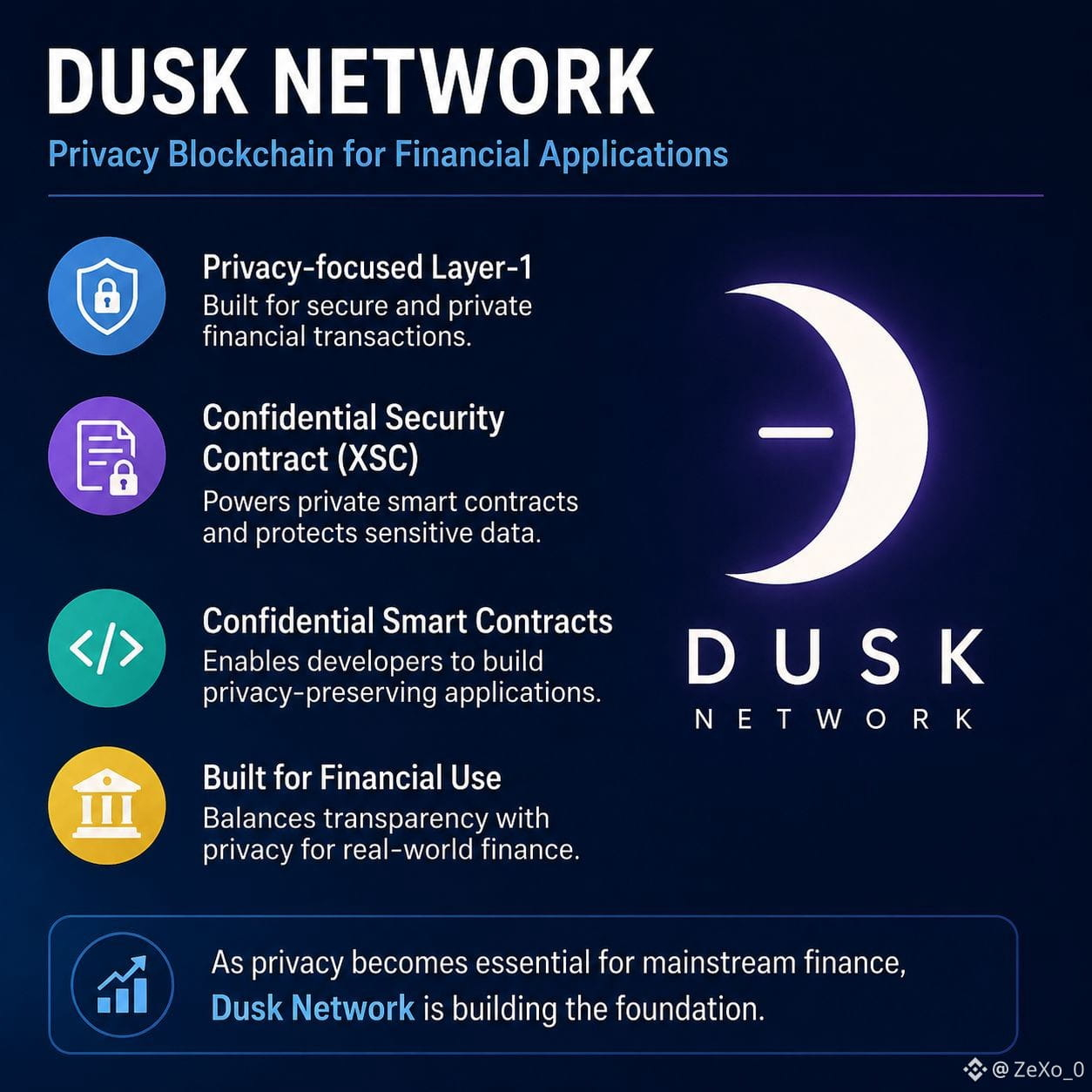
$DUSK ネットワークは、スピードと投機にとりつかれた市場で見落とされがちな理由から面白いのです。それは、金融アプリケーションに役立つ形でプライバシーを実用化しようとしているからです。
レイヤー1として、Duskは Confidential Security Contract(機密セキュリティ契約)という標準を使い、機微な情報をチェーン上に完全に公開せずとも動作できるスマートコントラクトを支えるよう設計されています。
これは重要です。ブロックチェーン導入の次のフェーズは、おそらく「より多くのユーザー」や「より安い取引」だけで推進されるわけではないからです。金融機関には別の課題があります。彼らは透明性と検証可能性を必要としますが、すべての取引を公開データとして扱うこともできません。
そこでこそ、私が考えるにDuskのストーリーがより関連性を持ってくるのです。
本当の問いは、プライバシーが良いものに聞こえるかどうかではありません。市場が競争的になったとき、開発者や企業、そして資本が実際にその周りに基盤を作ることを選ぶのかどうかです。
流動性が、実用的な金融ユースケースを備えたインフラへと回転し始めるなら、Duskは監視リストに入れておきたいプロジェクトの一つです。騒がしさのためではなく、根本の課題が本当に存在するからです。
@Dusk
#dusk
$DUSK
レイヤー1として、Duskは Confidential Security Contract(機密セキュリティ契約)という標準を使い、機微な情報をチェーン上に完全に公開せずとも動作できるスマートコントラクトを支えるよう設計されています。
これは重要です。ブロックチェーン導入の次のフェーズは、おそらく「より多くのユーザー」や「より安い取引」だけで推進されるわけではないからです。金融機関には別の課題があります。彼らは透明性と検証可能性を必要としますが、すべての取引を公開データとして扱うこともできません。
そこでこそ、私が考えるにDuskのストーリーがより関連性を持ってくるのです。
本当の問いは、プライバシーが良いものに聞こえるかどうかではありません。市場が競争的になったとき、開発者や企業、そして資本が実際にその周りに基盤を作ることを選ぶのかどうかです。
流動性が、実用的な金融ユースケースを備えたインフラへと回転し始めるなら、Duskは監視リストに入れておきたいプロジェクトの一つです。騒がしさのためではなく、根本の課題が本当に存在するからです。
@Dusk
#dusk
$DUSK
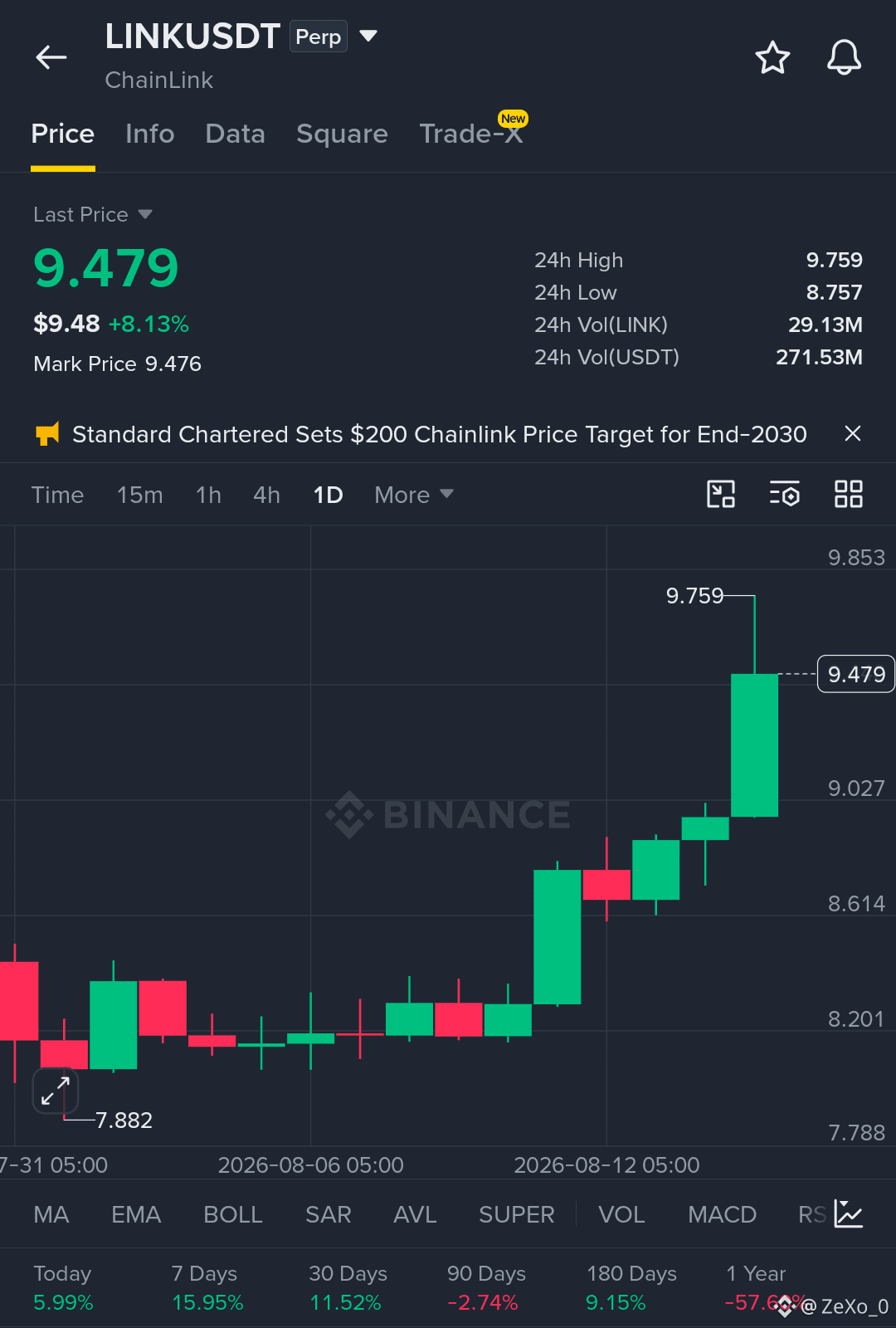
$LINK BREAKOUT RUNNING, BUT $9.76 IS THE TEST
LINKは$9.479で取引されており、過去24時間で+8.13%上昇。USDTの出来高は$271.53Mです。日足チャートでは、$8.20〜$8.60のレンジから強いブレイクアウトが起き、その後は攻勢的な買いが続いています。構造は明確に強気ですが、現在はレジスタンスに接近しています。
サポート:$9.02、$8.61
レジスタンス:$9.76、$9.85
$9.76を明確に上抜けできれば、モメンタムがTG1 $10.20、TG2 $10.60、TG3 $11.00へ伸びる可能性があります。$9.02を失うと仕組みが弱まり、$8.61が露出します。
ロング/ショートの清算(リキッド)数値は提示されていないため、スクイーズを前提にしないでください。
ストップロス:ブレイクアウトの取引では$8.90を下回ったら。
プロトレーダーのヒント:ローソク足を追いかけないでください。ブレイクアウトを待ち、再テストでの確認が取れてからポジションサイズを増やしましょう。
#LINK🔥🔥🔥 #COWRises55.77%In24h #BNBChainToActivatePasteurHardFork #SaudiPIFDiscloses154.1MSpaceXShares #SanDiskRises7%OnRevenueGrowthOutlook
$LINK
$LIT
LINKは$9.479で取引されており、過去24時間で+8.13%上昇。USDTの出来高は$271.53Mです。日足チャートでは、$8.20〜$8.60のレンジから強いブレイクアウトが起き、その後は攻勢的な買いが続いています。構造は明確に強気ですが、現在はレジスタンスに接近しています。
サポート:$9.02、$8.61
レジスタンス:$9.76、$9.85
$9.76を明確に上抜けできれば、モメンタムがTG1 $10.20、TG2 $10.60、TG3 $11.00へ伸びる可能性があります。$9.02を失うと仕組みが弱まり、$8.61が露出します。
ロング/ショートの清算(リキッド)数値は提示されていないため、スクイーズを前提にしないでください。
ストップロス:ブレイクアウトの取引では$8.90を下回ったら。
プロトレーダーのヒント:ローソク足を追いかけないでください。ブレイクアウトを待ち、再テストでの確認が取れてからポジションサイズを増やしましょう。
#LINK🔥🔥🔥 #COWRises55.77%In24h #BNBChainToActivatePasteurHardFork #SaudiPIFDiscloses154.1MSpaceXShares #SanDiskRises7%OnRevenueGrowthOutlook
$LINK
$LIT
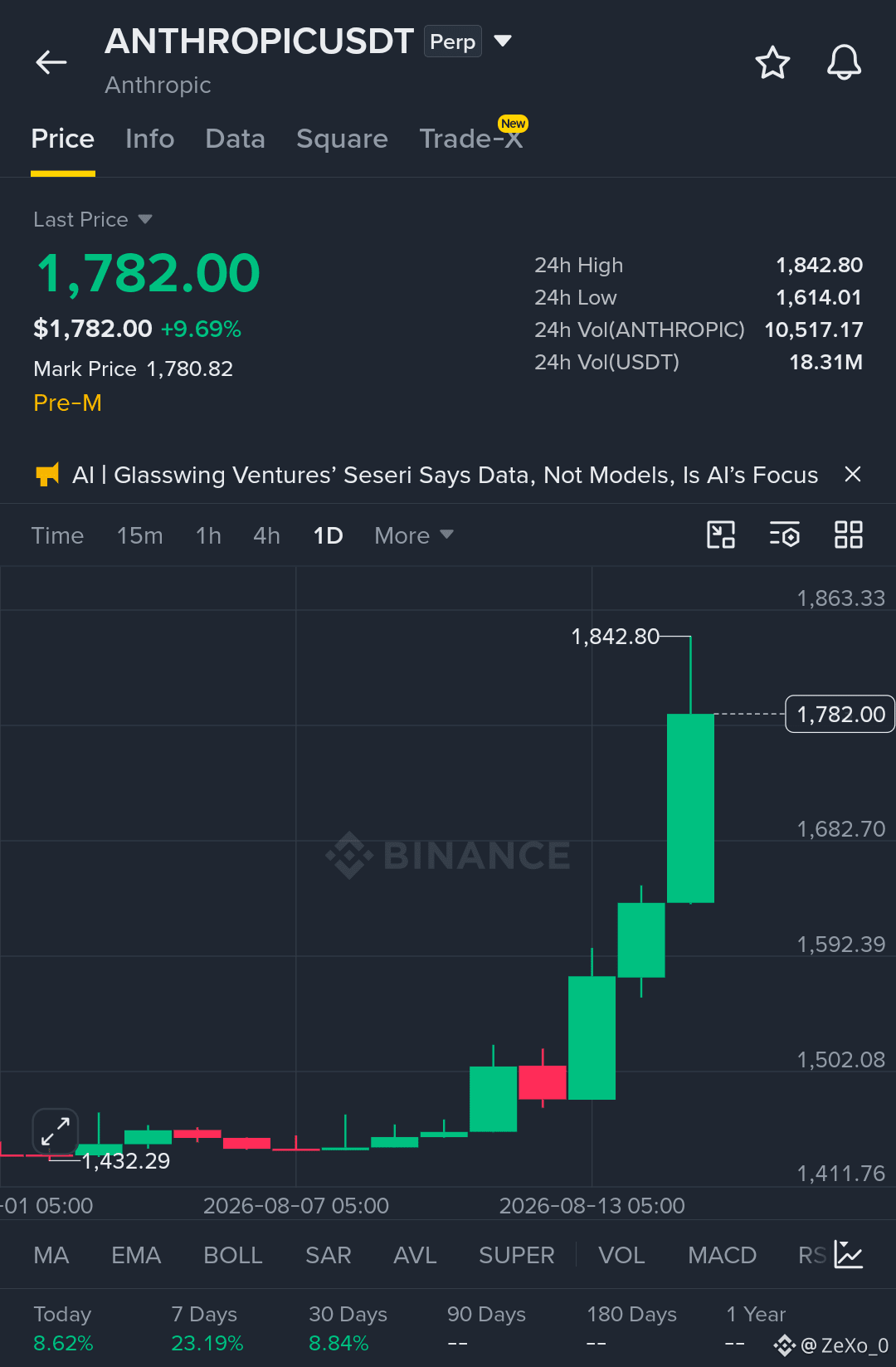
$ANTHROPIC 放物線的ムーブが1,843ドルのレジスタンスに到達
アントロピックは1,782ドルで取引されており、9.69%上昇、出来高は18.31M USDTです。日足の構造は強い強気で、連続する拡大ローソク足が価格を1,500ドル近辺から急速に押し上げています。買い手がモメンタムを明確に支配していますが、この上昇は過熱し始めています。
サポート:$1,683、$1,592
レジスタンス:$1,843、$1,863
$1,843を上抜けして確定すれば、TG1 $1,900、TG2 $1,980、TG3 $2,050が視野に入ります。$1,683が失敗した場合、モメンタムは$1,592方向に落ち着く可能性があります。
ロング/ショートの清算データは提供されていないため、スクイーズ(踏み上げ)圧の確認はできません。
損切り:$1,650を下回ったら。
プロトレーダー・ヒント:急角度の上昇後は、FOMOだけで飛びつくのではなく、押し目を待ってサポートの再確認(リテスト)が成功するのを見てからエントリーしましょう。
#COWRises55.77%In24h #BNBChainToActivatePasteurHardFork #SaudiPIFDiscloses154.1MSpaceXShares #SanDiskRises7%OnRevenueGrowthOutlook
$ANTHROPIC
$AN.US
アントロピックは1,782ドルで取引されており、9.69%上昇、出来高は18.31M USDTです。日足の構造は強い強気で、連続する拡大ローソク足が価格を1,500ドル近辺から急速に押し上げています。買い手がモメンタムを明確に支配していますが、この上昇は過熱し始めています。
サポート:$1,683、$1,592
レジスタンス:$1,843、$1,863
$1,843を上抜けして確定すれば、TG1 $1,900、TG2 $1,980、TG3 $2,050が視野に入ります。$1,683が失敗した場合、モメンタムは$1,592方向に落ち着く可能性があります。
ロング/ショートの清算データは提供されていないため、スクイーズ(踏み上げ)圧の確認はできません。
損切り:$1,650を下回ったら。
プロトレーダー・ヒント:急角度の上昇後は、FOMOだけで飛びつくのではなく、押し目を待ってサポートの再確認(リテスト)が成功するのを見てからエントリーしましょう。
#COWRises55.77%In24h #BNBChainToActivatePasteurHardFork #SaudiPIFDiscloses154.1MSpaceXShares #SanDiskRises7%OnRevenueGrowthOutlook
$ANTHROPIC
$AN.US
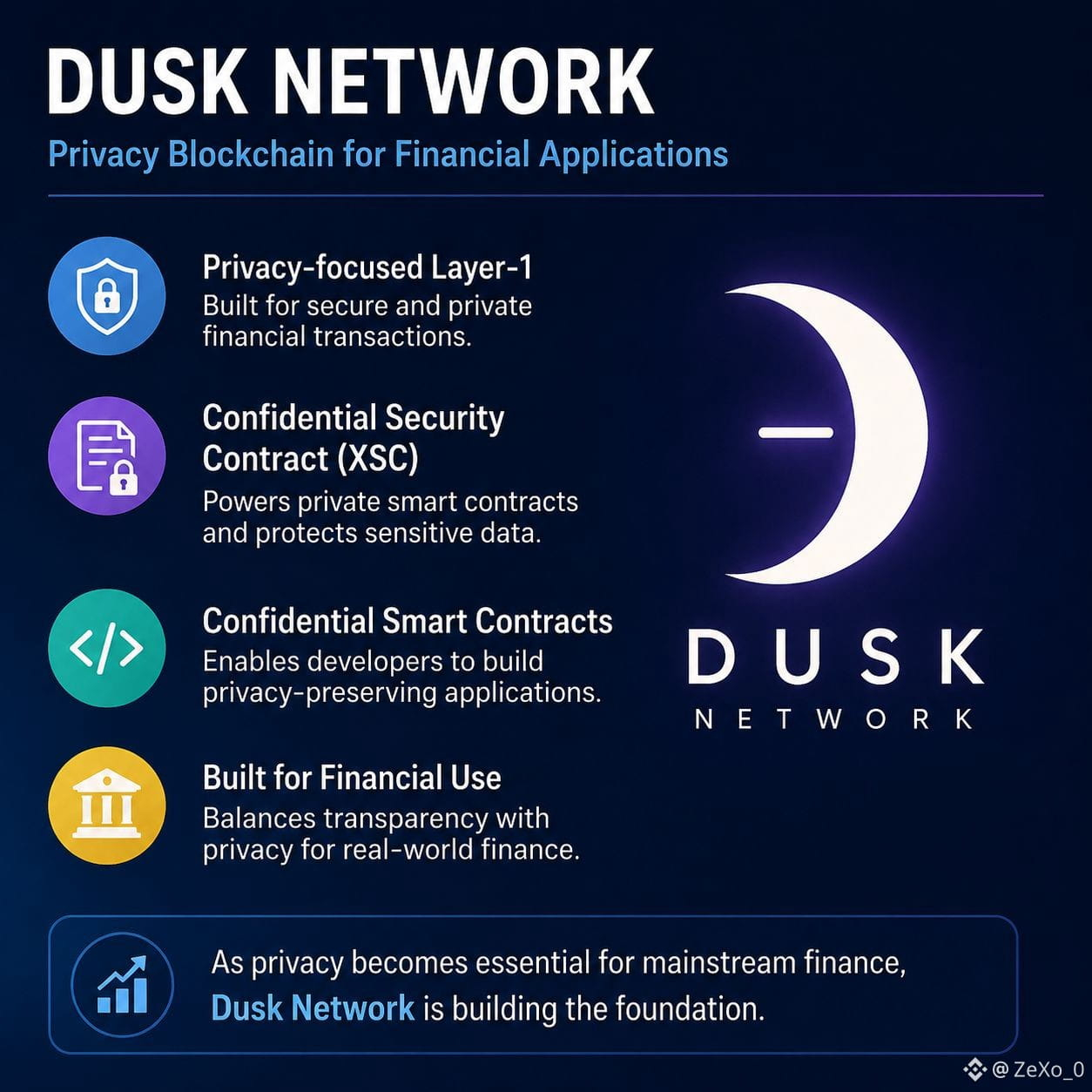
$DUSK は新しいように聞こえますが、パターンは見覚えのあるものです。各サイクルは、その時代の言語に基づいて新しい基盤を築いていきます。Duskは、その考え方をプライバシー重視の金融アプリケーションに適用しています。
簡単なのは、別のレイヤー1を設計することです。難しいのは、実際に意味のあるアクティビティがそこへ移るのかという点です。既存のネットワークでは、実需要が不均一になったり、予測不能になったり、あるいは強い状況になったりすると、性能の見え方が変わることがすでに示されています。
Duskは機密性が重要なワークロードを対象としており、そのようなフローは単純で安定した取引のようには振る舞わないかもしれません。急に跳ね上がったり、速度が落ちたり、待機状態になったりする可能性があり、理論上は専用システムが合理的です。
しかし、アーキテクチャだけでは普及は生まれません。開発者が作り、ユーザーが定着し、既存のネットワークに戻らない理由がアプリに必要です。
そこでDuskにとって明快なテストは1つです。設計は、継続的なアクティビティを惹きつけるほど、実際のギャップを十分に埋められるのか。それとも、重要性を引き寄せるほどの重力がなく、単に技術的に興味深い別のシステムにとどまってしまうのか。
@Dusk
#dusk
$DUSK
簡単なのは、別のレイヤー1を設計することです。難しいのは、実際に意味のあるアクティビティがそこへ移るのかという点です。既存のネットワークでは、実需要が不均一になったり、予測不能になったり、あるいは強い状況になったりすると、性能の見え方が変わることがすでに示されています。
Duskは機密性が重要なワークロードを対象としており、そのようなフローは単純で安定した取引のようには振る舞わないかもしれません。急に跳ね上がったり、速度が落ちたり、待機状態になったりする可能性があり、理論上は専用システムが合理的です。
しかし、アーキテクチャだけでは普及は生まれません。開発者が作り、ユーザーが定着し、既存のネットワークに戻らない理由がアプリに必要です。
そこでDuskにとって明快なテストは1つです。設計は、継続的なアクティビティを惹きつけるほど、実際のギャップを十分に埋められるのか。それとも、重要性を引き寄せるほどの重力がなく、単に技術的に興味深い別のシステムにとどまってしまうのか。
@Dusk
#dusk
$DUSK
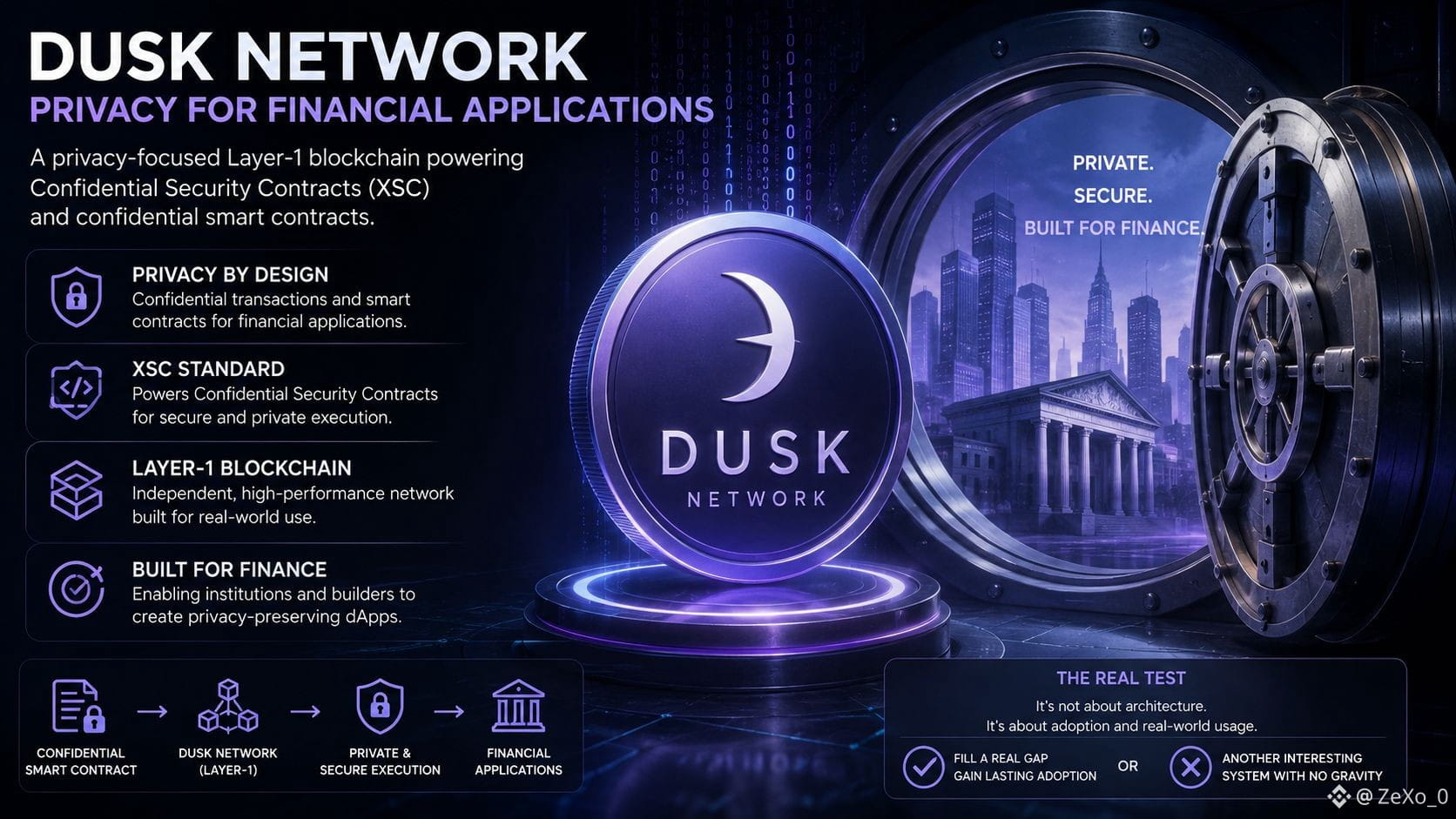
$DUSK ネットワークは、クリプトのナラティブが動きすぎると見落とされがちな理由があって面白いです。
それは金融アプリケーション向けのプライバシーを基盤にしたレイヤー1であり、Confidential Security Contract(XSC)規格によって秘匿型スマートコントラクトを可能にしています。
私の注目点は「プライバシー」という言葉そのものだけではありません。重要なのは市場の方向性です。オンチェーン上で資本が増えていくほど、「透明な決済」が求められるようになっていく一方で、誰もがすべての取引や金融ロジックのあらゆる部分を公開したいわけではない、ということです。
その緊張関係は、もはや無視しづらくなってきています。
Dusk は、そのギャップを埋めるように位置づけています。つまり、コンプライアンス、機密性、そしてオンチェーンでの実行を同時に成立させる必要があるということです。
それが本当に意味のある採用につながるかどうか——それが依然として本当の問いです。ナラティブは注目を集められますが、流動性は通常、実際の利用が現れ始めたところに付いてきます。
プライバシーについては何年も議論されてきました。興味深いのは今、金融市場がついにそれを軸に構築する理由になりつつあるのかどうかです。
@Dusk
#dusk
$DUSK
それは金融アプリケーション向けのプライバシーを基盤にしたレイヤー1であり、Confidential Security Contract(XSC)規格によって秘匿型スマートコントラクトを可能にしています。
私の注目点は「プライバシー」という言葉そのものだけではありません。重要なのは市場の方向性です。オンチェーン上で資本が増えていくほど、「透明な決済」が求められるようになっていく一方で、誰もがすべての取引や金融ロジックのあらゆる部分を公開したいわけではない、ということです。
その緊張関係は、もはや無視しづらくなってきています。
Dusk は、そのギャップを埋めるように位置づけています。つまり、コンプライアンス、機密性、そしてオンチェーンでの実行を同時に成立させる必要があるということです。
それが本当に意味のある採用につながるかどうか——それが依然として本当の問いです。ナラティブは注目を集められますが、流動性は通常、実際の利用が現れ始めたところに付いてきます。
プライバシーについては何年も議論されてきました。興味深いのは今、金融市場がついにそれを軸に構築する理由になりつつあるのかどうかです。
@Dusk
#dusk
$DUSK
$ROBO USDT
ROBOは14.34%上昇し、買いが増加したことで強気の勢いが再燃したことを示しました。この動きは、弱いショートポジションを清算し、ブレイクアウト狙いのトレーダーがトレンドに参加する後押しになった可能性があります。現在、強気派が主導権を握っていますが、価格がレジスタンスに接近しているため、次の動きの前に一時的なレンジ(調整)が発生する可能性があります。TG1: 0.01260。TG2: 0.01320。TG3: 0.01400。0.01180を上回って維持できれば買い手が有利なポジションに留まりますが、サポートを失うとロングの清算が起きやすくなり、売り圧力が高まるかもしれません。強い取引量が、さらなる上昇継続の主な確認材料となります。プロのトレーダーは焦らず、価格がすでに急騰しただけの理由で即入ることはありません。彼らは確認を待ち、規律あるストップロスで資本を守り、厳格なリスク管理ルールに従います。持続的な取引の成功は、興奮ではなく一貫性に左右されます。特に、非常にボラティリティの高い相場セッションではその傾向がより重要です。
#FOMCWatching #SouthKoreaProposesSuspiciousCryptoAccountFreeze #SenatorsReachClarityActEthicsCompromise #SenatorsReachClarityActEthicsCompromise
$ROBO
ROBOは14.34%上昇し、買いが増加したことで強気の勢いが再燃したことを示しました。この動きは、弱いショートポジションを清算し、ブレイクアウト狙いのトレーダーがトレンドに参加する後押しになった可能性があります。現在、強気派が主導権を握っていますが、価格がレジスタンスに接近しているため、次の動きの前に一時的なレンジ(調整)が発生する可能性があります。TG1: 0.01260。TG2: 0.01320。TG3: 0.01400。0.01180を上回って維持できれば買い手が有利なポジションに留まりますが、サポートを失うとロングの清算が起きやすくなり、売り圧力が高まるかもしれません。強い取引量が、さらなる上昇継続の主な確認材料となります。プロのトレーダーは焦らず、価格がすでに急騰しただけの理由で即入ることはありません。彼らは確認を待ち、規律あるストップロスで資本を守り、厳格なリスク管理ルールに従います。持続的な取引の成功は、興奮ではなく一貫性に左右されます。特に、非常にボラティリティの高い相場セッションではその傾向がより重要です。
#FOMCWatching #SouthKoreaProposesSuspiciousCryptoAccountFreeze #SenatorsReachClarityActEthicsCompromise #SenatorsReachClarityActEthicsCompromise
$ROBO
ログインして、さらにコンテンツを読む