
CoinoMedia
11.3k 投稿

CoinoMedia
 厳選トピック確認済+
報告
ユーザーをブロック
Stay updated with Coinomedia, your one-stop destination for the latest cryptocurrency news, blockchain updates, market trends, and in-depth analysis.
0 フォロー
10.5K+ フォロワー
16.8K+ いいね
投稿
·
--

記事
ビットコインの時価総額ランキング、世界14位に後退ビットコインは世界最大の資産のうち14位に後退したと報じられています。
時価総額は約1.39兆ドルに減少しました。
売り圧力が続けば、さらに下落する可能性がありますが、回復の可能性も否定できません。
評価額が約1.39兆ドルに低下したことで、ビットコインは時価総額で世界最大の資産のうち14位に後退したと報じられています。
最新のビットコイン時価総額ランキングは、最近の市場下落を受けて暗号資産が直面している圧力を浮き彫りにしています。
ビットコインの時価総額ランキング、世界14位に後退
ビットコインは世界最大の資産のうち14位に後退したと報じられています。
時価総額は約1.39兆ドルに減少しました。
売り圧力が続けば、さらに下落する可能性がありますが、回復の可能性も否定できません。
評価額が約1.39兆ドルに低下したことで、ビットコインは時価総額で世界最大の資産のうち14位に後退したと報じられています。
最新のビットコイン時価総額ランキングは、最近の市場下落を受けて暗号資産が直面している圧力を浮き彫りにしています。
時価総額は約1.39兆ドルに減少しました。
売り圧力が続けば、さらに下落する可能性がありますが、回復の可能性も否定できません。
評価額が約1.39兆ドルに低下したことで、ビットコインは時価総額で世界最大の資産のうち14位に後退したと報じられています。
最新のビットコイン時価総額ランキングは、最近の市場下落を受けて暗号資産が直面している圧力を浮き彫りにしています。
146
·
--

記事
63億4,000万ドルのハッキングを受けBinanceの準備金証明を更新Binanceは、63億4,000万ドル相当のハッキングが報じられたことを受け、11月12日付の準備金証明の追加スナップショットを公開しました。
ユーザーのBTC保有量は約687,900 BTCに増加し、ETH保有量は348万ETHに達しました。
Binanceは影響を受けた資産を全額補充したと発表しましたが、USDTの保有量は9億2,800万トークン減少しました。
Binanceは、約63億4,000万ドル相当の資産が関与したと報じられた暗号資産ハッキングを受け、新たな準備金証明のスナップショットを公開しました。
11月12日付のBinanceの準備金証明の更新では、ユーザーのBitcoin、Ethereum、Tether、BNBの保有量が改訂されています。
63億4,000万ドルのハッキングを受けBinanceの準備金証明を更新
Binanceは、63億4,000万ドル相当のハッキングが報じられたことを受け、11月12日付の準備金証明の追加スナップショットを公開しました。
ユーザーのBTC保有量は約687,900 BTCに増加し、ETH保有量は348万ETHに達しました。
Binanceは影響を受けた資産を全額補充したと発表しましたが、USDTの保有量は9億2,800万トークン減少しました。
Binanceは、約63億4,000万ドル相当の資産が関与したと報じられた暗号資産ハッキングを受け、新たな準備金証明のスナップショットを公開しました。
11月12日付のBinanceの準備金証明の更新では、ユーザーのBitcoin、Ethereum、Tether、BNBの保有量が改訂されています。
ユーザーのBTC保有量は約687,900 BTCに増加し、ETH保有量は348万ETHに達しました。
Binanceは影響を受けた資産を全額補充したと発表しましたが、USDTの保有量は9億2,800万トークン減少しました。
Binanceは、約63億4,000万ドル相当の資産が関与したと報じられた暗号資産ハッキングを受け、新たな準備金証明のスナップショットを公開しました。
11月12日付のBinanceの準備金証明の更新では、ユーザーのBitcoin、Ethereum、Tether、BNBの保有量が改訂されています。
406
·
--

記事
タイの「WORPT」で観光客は暗号資産をバーツに換えて支払いタイでは、外国人観光客向けの暗号資産決済アプリ「WORPT」が導入されたと報じられています。
訪問者は、対応する暗号資産をタイバーツに換金して、現地の店舗で支払いに利用できます。
このサービスを利用すれば、観光客はタイの銀行口座を開設せずに支払いができます。
タイでは、外国人観光客が滞在中に暗号資産を利用できるよう設計された決済アプリ「WORPT」が導入されたと報じられています。
タイの暗号資産決済サービス「WORPT」を利用すると、旅行者はデジタル資産をタイバーツに換金し、現地の店舗で利用できます。
タイの「WORPT」で観光客は暗号資産をバーツに換えて支払い
タイでは、外国人観光客向けの暗号資産決済アプリ「WORPT」が導入されたと報じられています。
訪問者は、対応する暗号資産をタイバーツに換金して、現地の店舗で支払いに利用できます。
このサービスを利用すれば、観光客はタイの銀行口座を開設せずに支払いができます。
タイでは、外国人観光客が滞在中に暗号資産を利用できるよう設計された決済アプリ「WORPT」が導入されたと報じられています。
タイの暗号資産決済サービス「WORPT」を利用すると、旅行者はデジタル資産をタイバーツに換金し、現地の店舗で利用できます。
訪問者は、対応する暗号資産をタイバーツに換金して、現地の店舗で支払いに利用できます。
このサービスを利用すれば、観光客はタイの銀行口座を開設せずに支払いができます。
タイでは、外国人観光客が滞在中に暗号資産を利用できるよう設計された決済アプリ「WORPT」が導入されたと報じられています。
タイの暗号資産決済サービス「WORPT」を利用すると、旅行者はデジタル資産をタイバーツに換金し、現地の店舗で利用できます。
71
·
--

記事
ビットコインの時価総額、6週間で3,700億ドル減少ビットコインの時価総額は1日で600億ドル以上減少し、約1兆3,700億ドルとなりました。
ビットコインの時価総額は、6週間で約3,700億ドル減少しました。
BTCは6万8,000ドルに近づいており、時価総額は約3カ月ぶりの低水準に達しています。
世界最大の暗号資産であるビットコインは、価格が6万8,000ドルに向けて下落し、再び売り圧力にさらされています。厳しい状況が続いています。
直近のビットコイン時価総額の下落により、わずか24時間で総評価額から600億ドル以上が失われました。
ビットコインの時価総額、6週間で3,700億ドル減少
ビットコインの時価総額は1日で600億ドル以上減少し、約1兆3,700億ドルとなりました。
ビットコインの時価総額は、6週間で約3,700億ドル減少しました。
BTCは6万8,000ドルに近づいており、時価総額は約3カ月ぶりの低水準に達しています。
世界最大の暗号資産であるビットコインは、価格が6万8,000ドルに向けて下落し、再び売り圧力にさらされています。厳しい状況が続いています。
直近のビットコイン時価総額の下落により、わずか24時間で総評価額から600億ドル以上が失われました。
ビットコインの時価総額は、6週間で約3,700億ドル減少しました。
BTCは6万8,000ドルに近づいており、時価総額は約3カ月ぶりの低水準に達しています。
世界最大の暗号資産であるビットコインは、価格が6万8,000ドルに向けて下落し、再び売り圧力にさらされています。厳しい状況が続いています。
直近のビットコイン時価総額の下落により、わずか24時間で総評価額から600億ドル以上が失われました。
1
623
·
--

記事
ビットコイン下落、暗号資産の恐怖・強欲指数は20に暗号資産の恐怖・強欲指数は20に低下し、「極度の恐怖」を示しています。
この指数は、報道によると4か月ぶりの低水準に達しました。
ビットコインが68,000ドルを下回ったことで、暗号資産市場のセンチメントに対する懸念が強まっています。
ビットコインが68,000ドルを下回るなか、暗号資産市場のセンチメントは急速に悪化しています。
暗号資産の恐怖・強欲指数は20に低下し、市場は「極度の恐怖」カテゴリーに明確に入りました。
最新の報告値によると、これは指数にとって4か月ぶりの低水準です。
ビットコイン下落、暗号資産の恐怖・強欲指数は20に
暗号資産の恐怖・強欲指数は20に低下し、「極度の恐怖」を示しています。
この指数は、報道によると4か月ぶりの低水準に達しました。
ビットコインが68,000ドルを下回ったことで、暗号資産市場のセンチメントに対する懸念が強まっています。
ビットコインが68,000ドルを下回るなか、暗号資産市場のセンチメントは急速に悪化しています。
暗号資産の恐怖・強欲指数は20に低下し、市場は「極度の恐怖」カテゴリーに明確に入りました。
最新の報告値によると、これは指数にとって4か月ぶりの低水準です。
この指数は、報道によると4か月ぶりの低水準に達しました。
ビットコインが68,000ドルを下回ったことで、暗号資産市場のセンチメントに対する懸念が強まっています。
ビットコインが68,000ドルを下回るなか、暗号資産市場のセンチメントは急速に悪化しています。
暗号資産の恐怖・強欲指数は20に低下し、市場は「極度の恐怖」カテゴリーに明確に入りました。
最新の報告値によると、これは指数にとって4か月ぶりの低水準です。
170
·
--

記事
翻訳参照
Backpack and Minna Bank Partner to Explore Crypto BankingBackpack has signed a memorandum of understanding with Japan’s Minna Bank.
The agreement will explore integrating cryptocurrency services into digital banking.
The collaboration remains exploratory, with no confirmed launch date or specific crypto products.
Cryptocurrency platform Backpack has signed a memorandum of understanding (MOU) with Japan’s Minna Bank to explore integrating digital asset services into modern banking.
The Backpack Minna Bank partnership represents a potential step toward connecting traditional financial services with cryptocurrency technology.
Minna Bank, described in the announcement as a $400 million Japanese digital banking institution, will explore possible opportunities with Backpack.
The agreement focuses on how cryptocurrency services could fit within digital banking infrastructure.
An MOU generally establishes a framework for discussions and potential cooperation rather than a binding commitment to launch products.
Therefore, the announcement does not mean customers can already access Backpack’s cryptocurrency services through Minna Bank.
Specific products, implementation plans and a launch timeline have not been disclosed.
Why Backpack Minna Bank Partnership Matters
The Backpack Minna Bank partnership highlights growing interest in combining cryptocurrency services with established banking platforms.
Traditional banks provide familiar financial services such as deposits, transfers and payment management.
Cryptocurrency platforms, meanwhile, offer access to blockchain-based assets and related financial tools.
Bringing these services closer together could potentially simplify how customers interact with digital assets.
For example, future integrations might explore easier transfers between banking accounts and cryptocurrency platforms.
However, no specific functionality has been confirmed under the agreement.
Japan is an important market for regulated digital asset businesses, with established requirements for cryptocurrency service providers.
Any future services would need to comply with applicable banking, consumer protection and cryptocurrency regulations.
Security and customer asset protection would also be important considerations.
The partnership’s ultimate impact will depend on whether the companies move beyond discussions and develop services that receive the necessary approvals.
JUST IN: Backpack signs an MOU with Japan’s $400M Minna Bank to explore integrating crypto services into digital banking. pic.twitter.com/BP3gXGT6ux
— Cointelegraph (@Cointelegraph) November 12, 2026
What’s Next for Crypto Banking in Japan?
The Backpack Minna Bank partnership could provide a foundation for further cooperation between cryptocurrency businesses and digital banks.
For Backpack, working with a Japanese banking institution may create opportunities to explore new financial services and customer experiences.
For Minna Bank, the agreement offers a way to evaluate how blockchain-based services could complement its digital banking model.
However, the companies have not announced whether they intend to offer cryptocurrency trading, custody or payment products.
Those details remain uncertain.
Investors and customers will likely watch for updates regarding technical integration, regulatory approvals and potential product launches.
The agreement also reflects a broader industry trend in which financial technology companies are exploring ways to connect traditional banking with digital assets.
For now, Backpack and Minna Bank have agreed to explore cryptocurrency integration, but the partnership has not yet resulted in a confirmed banking product.
Backpack and Minna Bank Partner to Explore Crypto Banking
Backpack has signed a memorandum of understanding with Japan’s Minna Bank.
The agreement will explore integrating cryptocurrency services into digital banking.
The collaboration remains exploratory, with no confirmed launch date or specific crypto products.
Cryptocurrency platform Backpack has signed a memorandum of understanding (MOU) with Japan’s Minna Bank to explore integrating digital asset services into modern banking.
The Backpack Minna Bank partnership represents a potential step toward connecting traditional financial services with cryptocurrency technology.
Minna Bank, described in the announcement as a $400 million Japanese digital banking institution, will explore possible opportunities with Backpack.
The agreement focuses on how cryptocurrency services could fit within digital banking infrastructure.
An MOU generally establishes a framework for discussions and potential cooperation rather than a binding commitment to launch products.
Therefore, the announcement does not mean customers can already access Backpack’s cryptocurrency services through Minna Bank.
Specific products, implementation plans and a launch timeline have not been disclosed.
Why Backpack Minna Bank Partnership Matters
The Backpack Minna Bank partnership highlights growing interest in combining cryptocurrency services with established banking platforms.
Traditional banks provide familiar financial services such as deposits, transfers and payment management.
Cryptocurrency platforms, meanwhile, offer access to blockchain-based assets and related financial tools.
Bringing these services closer together could potentially simplify how customers interact with digital assets.
For example, future integrations might explore easier transfers between banking accounts and cryptocurrency platforms.
However, no specific functionality has been confirmed under the agreement.
Japan is an important market for regulated digital asset businesses, with established requirements for cryptocurrency service providers.
Any future services would need to comply with applicable banking, consumer protection and cryptocurrency regulations.
Security and customer asset protection would also be important considerations.
The partnership’s ultimate impact will depend on whether the companies move beyond discussions and develop services that receive the necessary approvals.
JUST IN: Backpack signs an MOU with Japan’s $400M Minna Bank to explore integrating crypto services into digital banking. pic.twitter.com/BP3gXGT6ux
— Cointelegraph (@Cointelegraph) November 12, 2026
What’s Next for Crypto Banking in Japan?
The Backpack Minna Bank partnership could provide a foundation for further cooperation between cryptocurrency businesses and digital banks.
For Backpack, working with a Japanese banking institution may create opportunities to explore new financial services and customer experiences.
For Minna Bank, the agreement offers a way to evaluate how blockchain-based services could complement its digital banking model.
However, the companies have not announced whether they intend to offer cryptocurrency trading, custody or payment products.
Those details remain uncertain.
Investors and customers will likely watch for updates regarding technical integration, regulatory approvals and potential product launches.
The agreement also reflects a broader industry trend in which financial technology companies are exploring ways to connect traditional banking with digital assets.
For now, Backpack and Minna Bank have agreed to explore cryptocurrency integration, but the partnership has not yet resulted in a confirmed banking product.
The agreement will explore integrating cryptocurrency services into digital banking.
The collaboration remains exploratory, with no confirmed launch date or specific crypto products.
Cryptocurrency platform Backpack has signed a memorandum of understanding (MOU) with Japan’s Minna Bank to explore integrating digital asset services into modern banking.
The Backpack Minna Bank partnership represents a potential step toward connecting traditional financial services with cryptocurrency technology.
Minna Bank, described in the announcement as a $400 million Japanese digital banking institution, will explore possible opportunities with Backpack.
The agreement focuses on how cryptocurrency services could fit within digital banking infrastructure.
An MOU generally establishes a framework for discussions and potential cooperation rather than a binding commitment to launch products.
Therefore, the announcement does not mean customers can already access Backpack’s cryptocurrency services through Minna Bank.
Specific products, implementation plans and a launch timeline have not been disclosed.
Why Backpack Minna Bank Partnership Matters
The Backpack Minna Bank partnership highlights growing interest in combining cryptocurrency services with established banking platforms.
Traditional banks provide familiar financial services such as deposits, transfers and payment management.
Cryptocurrency platforms, meanwhile, offer access to blockchain-based assets and related financial tools.
Bringing these services closer together could potentially simplify how customers interact with digital assets.
For example, future integrations might explore easier transfers between banking accounts and cryptocurrency platforms.
However, no specific functionality has been confirmed under the agreement.
Japan is an important market for regulated digital asset businesses, with established requirements for cryptocurrency service providers.
Any future services would need to comply with applicable banking, consumer protection and cryptocurrency regulations.
Security and customer asset protection would also be important considerations.
The partnership’s ultimate impact will depend on whether the companies move beyond discussions and develop services that receive the necessary approvals.
JUST IN: Backpack signs an MOU with Japan’s $400M Minna Bank to explore integrating crypto services into digital banking. pic.twitter.com/BP3gXGT6ux
— Cointelegraph (@Cointelegraph) November 12, 2026
What’s Next for Crypto Banking in Japan?
The Backpack Minna Bank partnership could provide a foundation for further cooperation between cryptocurrency businesses and digital banks.
For Backpack, working with a Japanese banking institution may create opportunities to explore new financial services and customer experiences.
For Minna Bank, the agreement offers a way to evaluate how blockchain-based services could complement its digital banking model.
However, the companies have not announced whether they intend to offer cryptocurrency trading, custody or payment products.
Those details remain uncertain.
Investors and customers will likely watch for updates regarding technical integration, regulatory approvals and potential product launches.
The agreement also reflects a broader industry trend in which financial technology companies are exploring ways to connect traditional banking with digital assets.
For now, Backpack and Minna Bank have agreed to explore cryptocurrency integration, but the partnership has not yet resulted in a confirmed banking product.
49
·
--

記事
ビットコイン・イーサリアムETF、11月11日の資金流出額は4億4,500万ドル米国の現物ビットコインETFでは、11月11日に純流出額が3億ドルとなりました。
現物イーサリアムETFから1億4,500万ドルが流出し、そのうち1億3,000万ドルはBlackRockのETHAによるものとされています。
Morgan StanleyのMSBTは、個別のビットコインETFの資金流入額で首位となり、896万ドルを集めたと報じられています。
11月11日、米国の現物暗号資産上場投資信託(ETF)では大幅な資金流出が発生し、ビットコインとイーサリアムのファンドの合計純流出額は4億4,500万ドルとなりました。
SoSoValueのデータによると、ビットコインとイーサリアムのETFの資金流出はビットコイン投資商品が主導し、取引時間中に3億ドルが流出しました。
ビットコイン・イーサリアムETF、11月11日の資金流出額は4億4,500万ドル
米国の現物ビットコインETFでは、11月11日に純流出額が3億ドルとなりました。
現物イーサリアムETFから1億4,500万ドルが流出し、そのうち1億3,000万ドルはBlackRockのETHAによるものとされています。
Morgan StanleyのMSBTは、個別のビットコインETFの資金流入額で首位となり、896万ドルを集めたと報じられています。
11月11日、米国の現物暗号資産上場投資信託(ETF)では大幅な資金流出が発生し、ビットコインとイーサリアムのファンドの合計純流出額は4億4,500万ドルとなりました。
SoSoValueのデータによると、ビットコインとイーサリアムのETFの資金流出はビットコイン投資商品が主導し、取引時間中に3億ドルが流出しました。
現物イーサリアムETFから1億4,500万ドルが流出し、そのうち1億3,000万ドルはBlackRockのETHAによるものとされています。
Morgan StanleyのMSBTは、個別のビットコインETFの資金流入額で首位となり、896万ドルを集めたと報じられています。
11月11日、米国の現物暗号資産上場投資信託(ETF)では大幅な資金流出が発生し、ビットコインとイーサリアムのファンドの合計純流出額は4億4,500万ドルとなりました。
SoSoValueのデータによると、ビットコインとイーサリアムのETFの資金流出はビットコイン投資商品が主導し、取引時間中に3億ドルが流出しました。
118
·
--

記事
アダム・バック氏のビットコイン予測:2028年までに100万ドルアダム・バック氏は、ビットコインは強気相場サイクルのまだ初期段階にあると考えています。
BlockstreamのCEOは、2028年後半までにビットコインが100万ドルを超えると個人的に賭けています。
彼の大胆な予測は長期的な楽観論を反映していますが、市場の不確実性は依然として大きいままです。
BlockstreamのCEO、アダム・バック氏はビットコインについて大胆な見通しを示し、現在の市場サイクルが終わる前に、暗号資産の価格が100万ドルを超える可能性を示唆しました。
アダム・バック氏のビットコイン予測では、その節目に達する時期を2028年後半と見込んでおり、強気相場が今後数年間続くと予想していることがうかがえます。
アダム・バック氏のビットコイン予測:2028年までに100万ドル
アダム・バック氏は、ビットコインは強気相場サイクルのまだ初期段階にあると考えています。
BlockstreamのCEOは、2028年後半までにビットコインが100万ドルを超えると個人的に賭けています。
彼の大胆な予測は長期的な楽観論を反映していますが、市場の不確実性は依然として大きいままです。
BlockstreamのCEO、アダム・バック氏はビットコインについて大胆な見通しを示し、現在の市場サイクルが終わる前に、暗号資産の価格が100万ドルを超える可能性を示唆しました。
アダム・バック氏のビットコイン予測では、その節目に達する時期を2028年後半と見込んでおり、強気相場が今後数年間続くと予想していることがうかがえます。
BlockstreamのCEOは、2028年後半までにビットコインが100万ドルを超えると個人的に賭けています。
彼の大胆な予測は長期的な楽観論を反映していますが、市場の不確実性は依然として大きいままです。
BlockstreamのCEO、アダム・バック氏はビットコインについて大胆な見通しを示し、現在の市場サイクルが終わる前に、暗号資産の価格が100万ドルを超える可能性を示唆しました。
アダム・バック氏のビットコイン予測では、その節目に達する時期を2028年後半と見込んでおり、強気相場が今後数年間続くと予想していることがうかがえます。
1
1.7k
·
--

記事
トランプ氏のビットコイン準備金購入も実現か:パトリック・ウィット氏パトリック・ウィット氏、トランプ氏は米国の戦略的ビットコイン準備金向けの購入に引き続き関心
元ホワイトハウスの暗号資産顧問が、ポッドキャスト「What Bitcoin Did」でこの問題について語った。
報じられた発言では、新たなビットコイン購入や資金額、正式なスケジュールは確認されなかった。
元ホワイトハウスの暗号資産顧問パトリック・ウィット氏によると、ドナルド・トランプ大統領は、米国の戦略的ビットコイン準備金向けにビットコインを購入することに引き続き関心を示している。
ウィット氏は、ポッドキャスト「What Bitcoin Did」への出演中にこの最新情報を共有したと報じられている。
トランプ氏のビットコイン準備金購入も実現か:パトリック・ウィット氏
パトリック・ウィット氏、トランプ氏は米国の戦略的ビットコイン準備金向けの購入に引き続き関心
元ホワイトハウスの暗号資産顧問が、ポッドキャスト「What Bitcoin Did」でこの問題について語った。
報じられた発言では、新たなビットコイン購入や資金額、正式なスケジュールは確認されなかった。
元ホワイトハウスの暗号資産顧問パトリック・ウィット氏によると、ドナルド・トランプ大統領は、米国の戦略的ビットコイン準備金向けにビットコインを購入することに引き続き関心を示している。
ウィット氏は、ポッドキャスト「What Bitcoin Did」への出演中にこの最新情報を共有したと報じられている。
元ホワイトハウスの暗号資産顧問が、ポッドキャスト「What Bitcoin Did」でこの問題について語った。
報じられた発言では、新たなビットコイン購入や資金額、正式なスケジュールは確認されなかった。
元ホワイトハウスの暗号資産顧問パトリック・ウィット氏によると、ドナルド・トランプ大統領は、米国の戦略的ビットコイン準備金向けにビットコインを購入することに引き続き関心を示している。
ウィット氏は、ポッドキャスト「What Bitcoin Did」への出演中にこの最新情報を共有したと報じられている。
56
·
--

記事
翻訳参照
Deutsche Bank Digital Asset Custody Service LaunchesDeutsche Bank has reportedly launched a digital asset custody service for clients.
The banking giant’s move signals growing interest in institutional cryptocurrency infrastructure.
Secure storage and regulatory compliance remain essential for institutional digital asset adoption.
German banking giant Deutsche Bank has reportedly launched a digital asset custody service for its clients, marking another development in the relationship between traditional banking and cryptocurrency.
The announcement involves a financial institution described as having approximately $1.7 trillion in assets, highlighting the scale of the bank entering this market.
The new Deutsche Bank digital asset custody service is intended to support clients seeking professional solutions for holding digital assets.
Digital asset custody involves safeguarding cryptocurrencies and other blockchain-based assets on behalf of customers.
Unlike traditional financial assets, cryptocurrencies require specialized security systems to protect the private keys used to authorize transactions.
The launch suggests that Deutsche Bank sees demand for digital asset infrastructure among its clients.
However, the supplied announcement does not specify which cryptocurrencies are supported, which customers are eligible or whether the service is available across all markets.
Why Deutsche Bank Digital Asset Custody Matters
The introduction of Deutsche Bank digital asset custody reflects the growing involvement of established financial institutions in blockchain technology.
Banks traditionally provide custody services for securities, cash and other financial instruments.
Expanding these services to digital assets allows institutions to explore cryptocurrency exposure while relying on familiar financial service providers.
For institutional investors, custody is an important consideration because digital assets can be vulnerable to theft, unauthorized transfers and operational mistakes.
Professional custody providers typically use security measures such as restricted access, transaction authorization controls and secure key management.
Regulatory compliance is another major factor.
Financial institutions offering digital asset services must consider applicable requirements involving customer identification, anti-money laundering controls and asset protection.
A major bank entering this sector may encourage further development of institutional cryptocurrency infrastructure.
However, the launch of a custody service does not necessarily mean Deutsche Bank is purchasing cryptocurrencies for its own treasury.
Custody primarily involves holding and safeguarding assets for customers.
JUST IN: $1.7T Deutsche Bank launches digital asset custody for clients. pic.twitter.com/cxAQwGLuqD
— Cointelegraph (@Cointelegraph) November 11, 2026
What This Means for Institutional Crypto Adoption
The Deutsche Bank digital asset custody launch could make it easier for eligible clients to access professional digital asset storage services.
Institutional investors often require established operational procedures before allocating capital to new asset classes.
These requirements can include security assessments, compliance reviews, reporting systems and independent oversight.
By offering custody infrastructure, traditional banks may help address some of these operational concerns.
The development also reflects a broader trend of financial institutions exploring blockchain-based products and services.
However, the long-term impact will depend on client adoption, supported assets, fees and regulatory conditions.
The announcement alone does not establish how much cryptocurrency Deutsche Bank will hold on behalf of customers.
For now, Deutsche Bank’s reported custody launch represents another step toward integrating digital assets into traditional financial services.
Deutsche Bank Digital Asset Custody Service Launches
Deutsche Bank has reportedly launched a digital asset custody service for clients.
The banking giant’s move signals growing interest in institutional cryptocurrency infrastructure.
Secure storage and regulatory compliance remain essential for institutional digital asset adoption.
German banking giant Deutsche Bank has reportedly launched a digital asset custody service for its clients, marking another development in the relationship between traditional banking and cryptocurrency.
The announcement involves a financial institution described as having approximately $1.7 trillion in assets, highlighting the scale of the bank entering this market.
The new Deutsche Bank digital asset custody service is intended to support clients seeking professional solutions for holding digital assets.
Digital asset custody involves safeguarding cryptocurrencies and other blockchain-based assets on behalf of customers.
Unlike traditional financial assets, cryptocurrencies require specialized security systems to protect the private keys used to authorize transactions.
The launch suggests that Deutsche Bank sees demand for digital asset infrastructure among its clients.
However, the supplied announcement does not specify which cryptocurrencies are supported, which customers are eligible or whether the service is available across all markets.
Why Deutsche Bank Digital Asset Custody Matters
The introduction of Deutsche Bank digital asset custody reflects the growing involvement of established financial institutions in blockchain technology.
Banks traditionally provide custody services for securities, cash and other financial instruments.
Expanding these services to digital assets allows institutions to explore cryptocurrency exposure while relying on familiar financial service providers.
For institutional investors, custody is an important consideration because digital assets can be vulnerable to theft, unauthorized transfers and operational mistakes.
Professional custody providers typically use security measures such as restricted access, transaction authorization controls and secure key management.
Regulatory compliance is another major factor.
Financial institutions offering digital asset services must consider applicable requirements involving customer identification, anti-money laundering controls and asset protection.
A major bank entering this sector may encourage further development of institutional cryptocurrency infrastructure.
However, the launch of a custody service does not necessarily mean Deutsche Bank is purchasing cryptocurrencies for its own treasury.
Custody primarily involves holding and safeguarding assets for customers.
JUST IN: $1.7T Deutsche Bank launches digital asset custody for clients. pic.twitter.com/cxAQwGLuqD
— Cointelegraph (@Cointelegraph) November 11, 2026
What This Means for Institutional Crypto Adoption
The Deutsche Bank digital asset custody launch could make it easier for eligible clients to access professional digital asset storage services.
Institutional investors often require established operational procedures before allocating capital to new asset classes.
These requirements can include security assessments, compliance reviews, reporting systems and independent oversight.
By offering custody infrastructure, traditional banks may help address some of these operational concerns.
The development also reflects a broader trend of financial institutions exploring blockchain-based products and services.
However, the long-term impact will depend on client adoption, supported assets, fees and regulatory conditions.
The announcement alone does not establish how much cryptocurrency Deutsche Bank will hold on behalf of customers.
For now, Deutsche Bank’s reported custody launch represents another step toward integrating digital assets into traditional financial services.
The banking giant’s move signals growing interest in institutional cryptocurrency infrastructure.
Secure storage and regulatory compliance remain essential for institutional digital asset adoption.
German banking giant Deutsche Bank has reportedly launched a digital asset custody service for its clients, marking another development in the relationship between traditional banking and cryptocurrency.
The announcement involves a financial institution described as having approximately $1.7 trillion in assets, highlighting the scale of the bank entering this market.
The new Deutsche Bank digital asset custody service is intended to support clients seeking professional solutions for holding digital assets.
Digital asset custody involves safeguarding cryptocurrencies and other blockchain-based assets on behalf of customers.
Unlike traditional financial assets, cryptocurrencies require specialized security systems to protect the private keys used to authorize transactions.
The launch suggests that Deutsche Bank sees demand for digital asset infrastructure among its clients.
However, the supplied announcement does not specify which cryptocurrencies are supported, which customers are eligible or whether the service is available across all markets.
Why Deutsche Bank Digital Asset Custody Matters
The introduction of Deutsche Bank digital asset custody reflects the growing involvement of established financial institutions in blockchain technology.
Banks traditionally provide custody services for securities, cash and other financial instruments.
Expanding these services to digital assets allows institutions to explore cryptocurrency exposure while relying on familiar financial service providers.
For institutional investors, custody is an important consideration because digital assets can be vulnerable to theft, unauthorized transfers and operational mistakes.
Professional custody providers typically use security measures such as restricted access, transaction authorization controls and secure key management.
Regulatory compliance is another major factor.
Financial institutions offering digital asset services must consider applicable requirements involving customer identification, anti-money laundering controls and asset protection.
A major bank entering this sector may encourage further development of institutional cryptocurrency infrastructure.
However, the launch of a custody service does not necessarily mean Deutsche Bank is purchasing cryptocurrencies for its own treasury.
Custody primarily involves holding and safeguarding assets for customers.
JUST IN: $1.7T Deutsche Bank launches digital asset custody for clients. pic.twitter.com/cxAQwGLuqD
— Cointelegraph (@Cointelegraph) November 11, 2026
What This Means for Institutional Crypto Adoption
The Deutsche Bank digital asset custody launch could make it easier for eligible clients to access professional digital asset storage services.
Institutional investors often require established operational procedures before allocating capital to new asset classes.
These requirements can include security assessments, compliance reviews, reporting systems and independent oversight.
By offering custody infrastructure, traditional banks may help address some of these operational concerns.
The development also reflects a broader trend of financial institutions exploring blockchain-based products and services.
However, the long-term impact will depend on client adoption, supported assets, fees and regulatory conditions.
The announcement alone does not establish how much cryptocurrency Deutsche Bank will hold on behalf of customers.
For now, Deutsche Bank’s reported custody launch represents another step toward integrating digital assets into traditional financial services.
56
·
--

記事
翻訳参照
Crypto ETF Outflows Hit $103.94M on November 10Spot Bitcoin ETFs recorded $95 million in net outflows on November 10.
Ethereum ETFs lost $1.32 million, while XRP ETFs saw $7.62 million in net withdrawals.
Combined crypto ETF outflows across the three assets reached $103.94 million.
U.S. spot cryptocurrency exchange-traded funds (ETFs) recorded widespread net outflows on November 10, with Bitcoin, Ethereum and XRP funds all experiencing withdrawals.
According to the reported data, combined crypto ETF outflows across the three asset categories reached $103.94 million.
Bitcoin ETFs accounted for most of the withdrawals, recording $95 million in net outflows.
Meanwhile, Ethereum ETFs registered $1.32 million in net withdrawals, while XRP ETFs experienced $7.62 million in outflows.
The figures indicate that investors reduced their net exposure across all three cryptocurrency ETF categories during the trading session.
However, a single day of negative flows does not necessarily indicate a lasting shift in institutional sentiment.
ETF flows can change significantly from one trading session to another.
Bitcoin Leads Crypto ETF Outflows
<text weight=”medium”>Spot ETF net flows — November 10</text>
AssetNet flowBitcoin (BTC)-$95.00MEthereum (ETH)-$1.32MXRP-$7.62MTotal-$103.94M
Bitcoin dominated the day’s crypto ETF outflows, representing approximately 91.4% of the combined withdrawals.
This suggests that most of the selling pressure within the reported ETF data was concentrated in Bitcoin investment products.
Ethereum recorded comparatively modest outflows of $1.32 million.
Although smaller in value, the negative figure shows that ETH-focused funds also failed to attract positive net investment during the session.
XRP ETFs experienced $7.62 million in net withdrawals, exceeding Ethereum’s reported outflows.
The difference highlights how investor activity can vary between cryptocurrency investment products.
ETF net flows measure the difference between money entering and leaving funds.
Negative flows indicate net redemptions, but they do not automatically mean that every investor is bearish or that cryptocurrency prices must decline
ETF FLOWS: Spot BTC, ETH, and XRP ETFs saw net outflows on Nov. 10.
BTC: -$95.00M
ETH: -$1.32M
XRP: -$7.62M pic.twitter.com/Tgq2pOaoXY
— Cointelegraph (@Cointelegraph) November 11, 2026
What the ETF Withdrawals Mean for Crypto
The latest crypto ETF outflows suggest a cautious trading session for investors seeking regulated exposure to digital assets.
Spot ETFs allow investors to gain cryptocurrency exposure through traditional brokerage accounts without directly managing digital wallets.
Because these products connect conventional financial markets with digital assets, analysts closely monitor their investment flows.
Sustained inflows can indicate growing demand, while persistent outflows may suggest reduced investor appetite.
However, daily ETF movements are only one part of the broader market picture.
Cryptocurrency prices are also influenced by spot trading activity, derivatives positioning, liquidity and economic developments.
For Bitcoin, the $95 million withdrawal figure will be particularly important to compare with subsequent trading sessions.
If outflows continue, they could signal ongoing weakness in demand for Bitcoin investment products.
Conversely, a return to positive flows could suggest renewed investor interest.
For now, November 10 marked a negative session across Bitcoin, Ethereum and XRP spot ETFs, with combined net outflows of $103.94 million.
Crypto ETF Outflows Hit $103.94M on November 10
Spot Bitcoin ETFs recorded $95 million in net outflows on November 10.
Ethereum ETFs lost $1.32 million, while XRP ETFs saw $7.62 million in net withdrawals.
Combined crypto ETF outflows across the three assets reached $103.94 million.
U.S. spot cryptocurrency exchange-traded funds (ETFs) recorded widespread net outflows on November 10, with Bitcoin, Ethereum and XRP funds all experiencing withdrawals.
According to the reported data, combined crypto ETF outflows across the three asset categories reached $103.94 million.
Bitcoin ETFs accounted for most of the withdrawals, recording $95 million in net outflows.
Meanwhile, Ethereum ETFs registered $1.32 million in net withdrawals, while XRP ETFs experienced $7.62 million in outflows.
The figures indicate that investors reduced their net exposure across all three cryptocurrency ETF categories during the trading session.
However, a single day of negative flows does not necessarily indicate a lasting shift in institutional sentiment.
ETF flows can change significantly from one trading session to another.
Bitcoin Leads Crypto ETF Outflows
<text weight=”medium”>Spot ETF net flows — November 10</text>
AssetNet flowBitcoin (BTC)-$95.00MEthereum (ETH)-$1.32MXRP-$7.62MTotal-$103.94M
Bitcoin dominated the day’s crypto ETF outflows, representing approximately 91.4% of the combined withdrawals.
This suggests that most of the selling pressure within the reported ETF data was concentrated in Bitcoin investment products.
Ethereum recorded comparatively modest outflows of $1.32 million.
Although smaller in value, the negative figure shows that ETH-focused funds also failed to attract positive net investment during the session.
XRP ETFs experienced $7.62 million in net withdrawals, exceeding Ethereum’s reported outflows.
The difference highlights how investor activity can vary between cryptocurrency investment products.
ETF net flows measure the difference between money entering and leaving funds.
Negative flows indicate net redemptions, but they do not automatically mean that every investor is bearish or that cryptocurrency prices must decline
ETF FLOWS: Spot BTC, ETH, and XRP ETFs saw net outflows on Nov. 10.
BTC: -$95.00M
ETH: -$1.32M
XRP: -$7.62M pic.twitter.com/Tgq2pOaoXY
— Cointelegraph (@Cointelegraph) November 11, 2026
What the ETF Withdrawals Mean for Crypto
The latest crypto ETF outflows suggest a cautious trading session for investors seeking regulated exposure to digital assets.
Spot ETFs allow investors to gain cryptocurrency exposure through traditional brokerage accounts without directly managing digital wallets.
Because these products connect conventional financial markets with digital assets, analysts closely monitor their investment flows.
Sustained inflows can indicate growing demand, while persistent outflows may suggest reduced investor appetite.
However, daily ETF movements are only one part of the broader market picture.
Cryptocurrency prices are also influenced by spot trading activity, derivatives positioning, liquidity and economic developments.
For Bitcoin, the $95 million withdrawal figure will be particularly important to compare with subsequent trading sessions.
If outflows continue, they could signal ongoing weakness in demand for Bitcoin investment products.
Conversely, a return to positive flows could suggest renewed investor interest.
For now, November 10 marked a negative session across Bitcoin, Ethereum and XRP spot ETFs, with combined net outflows of $103.94 million.
Ethereum ETFs lost $1.32 million, while XRP ETFs saw $7.62 million in net withdrawals.
Combined crypto ETF outflows across the three assets reached $103.94 million.
U.S. spot cryptocurrency exchange-traded funds (ETFs) recorded widespread net outflows on November 10, with Bitcoin, Ethereum and XRP funds all experiencing withdrawals.
According to the reported data, combined crypto ETF outflows across the three asset categories reached $103.94 million.
Bitcoin ETFs accounted for most of the withdrawals, recording $95 million in net outflows.
Meanwhile, Ethereum ETFs registered $1.32 million in net withdrawals, while XRP ETFs experienced $7.62 million in outflows.
The figures indicate that investors reduced their net exposure across all three cryptocurrency ETF categories during the trading session.
However, a single day of negative flows does not necessarily indicate a lasting shift in institutional sentiment.
ETF flows can change significantly from one trading session to another.
Bitcoin Leads Crypto ETF Outflows
<text weight=”medium”>Spot ETF net flows — November 10</text>
AssetNet flowBitcoin (BTC)-$95.00MEthereum (ETH)-$1.32MXRP-$7.62MTotal-$103.94M
Bitcoin dominated the day’s crypto ETF outflows, representing approximately 91.4% of the combined withdrawals.
This suggests that most of the selling pressure within the reported ETF data was concentrated in Bitcoin investment products.
Ethereum recorded comparatively modest outflows of $1.32 million.
Although smaller in value, the negative figure shows that ETH-focused funds also failed to attract positive net investment during the session.
XRP ETFs experienced $7.62 million in net withdrawals, exceeding Ethereum’s reported outflows.
The difference highlights how investor activity can vary between cryptocurrency investment products.
ETF net flows measure the difference between money entering and leaving funds.
Negative flows indicate net redemptions, but they do not automatically mean that every investor is bearish or that cryptocurrency prices must decline
ETF FLOWS: Spot BTC, ETH, and XRP ETFs saw net outflows on Nov. 10.
BTC: -$95.00M
ETH: -$1.32M
XRP: -$7.62M pic.twitter.com/Tgq2pOaoXY
— Cointelegraph (@Cointelegraph) November 11, 2026
What the ETF Withdrawals Mean for Crypto
The latest crypto ETF outflows suggest a cautious trading session for investors seeking regulated exposure to digital assets.
Spot ETFs allow investors to gain cryptocurrency exposure through traditional brokerage accounts without directly managing digital wallets.
Because these products connect conventional financial markets with digital assets, analysts closely monitor their investment flows.
Sustained inflows can indicate growing demand, while persistent outflows may suggest reduced investor appetite.
However, daily ETF movements are only one part of the broader market picture.
Cryptocurrency prices are also influenced by spot trading activity, derivatives positioning, liquidity and economic developments.
For Bitcoin, the $95 million withdrawal figure will be particularly important to compare with subsequent trading sessions.
If outflows continue, they could signal ongoing weakness in demand for Bitcoin investment products.
Conversely, a return to positive flows could suggest renewed investor interest.
For now, November 10 marked a negative session across Bitcoin, Ethereum and XRP spot ETFs, with combined net outflows of $103.94 million.
120
·
--

記事
590万ETHを保有するBitmine、イーサリアム損失は63億ドルに報道によると、Tom Lee氏のBitmineは8月31日に終了した会計年度に63億ドルの純損失を計上した。
損失の大部分は、保有するイーサリアムの価値の含み損によるものだった。
報道によると、Bitmineは590万ETHを保有しており、これはイーサリアムの流通供給量の約4.9%に相当する。
報道によると、Tom Lee氏のBitmineは8月31日に終了した会計年度に63億ドルという巨額の純損失を計上し、多額の暗号資産を保有することに伴うリスクが浮き彫りになった。
報告されたBitmineのイーサリアム損失は、イーサリアム価格の下落に伴い、同社のETH準備資産の価値が含み損となったことが主な要因だった。
590万ETHを保有するBitmine、イーサリアム損失は63億ドルに
報道によると、Tom Lee氏のBitmineは8月31日に終了した会計年度に63億ドルの純損失を計上した。
損失の大部分は、保有するイーサリアムの価値の含み損によるものだった。
報道によると、Bitmineは590万ETHを保有しており、これはイーサリアムの流通供給量の約4.9%に相当する。
報道によると、Tom Lee氏のBitmineは8月31日に終了した会計年度に63億ドルという巨額の純損失を計上し、多額の暗号資産を保有することに伴うリスクが浮き彫りになった。
報告されたBitmineのイーサリアム損失は、イーサリアム価格の下落に伴い、同社のETH準備資産の価値が含み損となったことが主な要因だった。
損失の大部分は、保有するイーサリアムの価値の含み損によるものだった。
報道によると、Bitmineは590万ETHを保有しており、これはイーサリアムの流通供給量の約4.9%に相当する。
報道によると、Tom Lee氏のBitmineは8月31日に終了した会計年度に63億ドルという巨額の純損失を計上し、多額の暗号資産を保有することに伴うリスクが浮き彫りになった。
報告されたBitmineのイーサリアム損失は、イーサリアム価格の下落に伴い、同社のETH準備資産の価値が含み損となったことが主な要因だった。
115
·
--

記事
SuiハードウェアウォレットのSuiballが事業終了、返金を実施Suiのハードウェアウォレットを手がけるSuiballは、事業を終了すると発表しました。
デバイスを予約注文した顧客には、USDCで返金される見込みです。
Suiballによると、ハードウェアウォレットへの攻撃を受け、Sui Foundationはこのプロジェクトを支援するにはリスクが高すぎると判断したとのことです。
Suiのハードウェアウォレットを手がけるSuiballは、事業を終了すると発表し、物理的な暗号資産保管デバイスを発売する計画に幕を下ろしました。
プロジェクトの発表によると、予約注文した顧客にはUSDCで返金されます。USDCは、米ドル1ドルに近い価値を維持するよう設計されたステーブルコインです。
SuiハードウェアウォレットのSuiballが事業終了、返金を実施
Suiのハードウェアウォレットを手がけるSuiballは、事業を終了すると発表しました。
デバイスを予約注文した顧客には、USDCで返金される見込みです。
Suiballによると、ハードウェアウォレットへの攻撃を受け、Sui Foundationはこのプロジェクトを支援するにはリスクが高すぎると判断したとのことです。
Suiのハードウェアウォレットを手がけるSuiballは、事業を終了すると発表し、物理的な暗号資産保管デバイスを発売する計画に幕を下ろしました。
プロジェクトの発表によると、予約注文した顧客にはUSDCで返金されます。USDCは、米ドル1ドルに近い価値を維持するよう設計されたステーブルコインです。
デバイスを予約注文した顧客には、USDCで返金される見込みです。
Suiballによると、ハードウェアウォレットへの攻撃を受け、Sui Foundationはこのプロジェクトを支援するにはリスクが高すぎると判断したとのことです。
Suiのハードウェアウォレットを手がけるSuiballは、事業を終了すると発表し、物理的な暗号資産保管デバイスを発売する計画に幕を下ろしました。
プロジェクトの発表によると、予約注文した顧客にはUSDCで返金されます。USDCは、米ドル1ドルに近い価値を維持するよう設計されたステーブルコインです。
492
·
--

記事
翻訳参照
IMF Kenya Crypto Regulations Target Money LaunderingThe IMF is urging Kenya to require crypto firms to collect and share sender and recipient information.
The recommendation aims to strengthen anti-money laundering controls and transaction transparency.
Stricter compliance requirements could affect cryptocurrency exchanges and service providers operating in Kenya.
The International Monetary Fund (IMF) is urging Kenya to introduce stronger requirements for cryptocurrency businesses as part of efforts to combat money laundering.
According to the reported recommendation, crypto firms should be required to share identifying information about the senders and recipients of digital asset transfers.
The proposed IMF Kenya crypto regulations would help authorities monitor cryptocurrency transactions and identify potentially suspicious financial activity.
The recommendation reflects growing international attention toward the use of digital assets in financial crime prevention.
Cryptocurrency transactions can move across borders quickly, creating challenges for regulators investigating illicit financial flows.
Although many blockchain transactions are publicly visible, wallet addresses do not automatically reveal the identities of the people controlling them.
Requiring service providers to collect customer information could help bridge that gap.
However, the recommendation does not mean Kenya has already introduced or enforced the proposed requirements.
How IMF Kenya Crypto Regulations Could Work
The proposed IMF Kenya crypto regulations resemble the international compliance framework commonly known as the Travel Rule.
The Travel Rule requires certain financial institutions and virtual asset service providers to obtain and transmit information about parties involved in qualifying transfers.
In the cryptocurrency industry, this can include exchanges, custodians and other businesses that process digital asset transactions.
Under such a framework, firms may need to verify customer identities and maintain records of transaction participants.
Authorities could use this information to investigate suspicious transfers and strengthen anti-money laundering enforcement.
The Financial Action Task Force (FATF), an international financial crime watchdog, has established standards covering virtual asset service providers.
The IMF’s reported recommendation is consistent with the broader objective of improving transaction transparency.
However, specific obligations would depend on how Kenyan authorities choose to implement any new rules.
Details such as reporting thresholds, data protection safeguards and enforcement timelines have not been provided in the supplied report.
LATEST: The IMF urges Kenya to require crypto firms to share sender and recipient details to combat money laundering. pic.twitter.com/Eqo9zKXSI3
— Cointelegraph (@Cointelegraph) November 10, 2026
What the Proposal Means for Kenya’s Crypto Industry
The IMF Kenya crypto regulations recommendation could have important implications for cryptocurrency businesses operating in the country.
If adopted, exchanges and other service providers may need to invest in stronger identity verification, transaction monitoring and compliance systems.
These changes could increase operating costs, particularly for smaller cryptocurrency businesses.
Supporters of stronger oversight argue that better transaction records can help prevent illicit activity and improve trust in digital asset markets.
However, compliance requirements also raise questions about user privacy, data security and implementation costs.
Regulators would need to balance financial crime prevention with the protection of legitimate cryptocurrency users.
For now, the IMF’s recommendation represents a call for stronger oversight rather than confirmation of a new law.
Kenya’s next regulatory decisions will determine whether cryptocurrency firms face mandatory sender and recipient information-sharing requirements.
IMF Kenya Crypto Regulations Target Money Laundering
The IMF is urging Kenya to require crypto firms to collect and share sender and recipient information.
The recommendation aims to strengthen anti-money laundering controls and transaction transparency.
Stricter compliance requirements could affect cryptocurrency exchanges and service providers operating in Kenya.
The International Monetary Fund (IMF) is urging Kenya to introduce stronger requirements for cryptocurrency businesses as part of efforts to combat money laundering.
According to the reported recommendation, crypto firms should be required to share identifying information about the senders and recipients of digital asset transfers.
The proposed IMF Kenya crypto regulations would help authorities monitor cryptocurrency transactions and identify potentially suspicious financial activity.
The recommendation reflects growing international attention toward the use of digital assets in financial crime prevention.
Cryptocurrency transactions can move across borders quickly, creating challenges for regulators investigating illicit financial flows.
Although many blockchain transactions are publicly visible, wallet addresses do not automatically reveal the identities of the people controlling them.
Requiring service providers to collect customer information could help bridge that gap.
However, the recommendation does not mean Kenya has already introduced or enforced the proposed requirements.
How IMF Kenya Crypto Regulations Could Work
The proposed IMF Kenya crypto regulations resemble the international compliance framework commonly known as the Travel Rule.
The Travel Rule requires certain financial institutions and virtual asset service providers to obtain and transmit information about parties involved in qualifying transfers.
In the cryptocurrency industry, this can include exchanges, custodians and other businesses that process digital asset transactions.
Under such a framework, firms may need to verify customer identities and maintain records of transaction participants.
Authorities could use this information to investigate suspicious transfers and strengthen anti-money laundering enforcement.
The Financial Action Task Force (FATF), an international financial crime watchdog, has established standards covering virtual asset service providers.
The IMF’s reported recommendation is consistent with the broader objective of improving transaction transparency.
However, specific obligations would depend on how Kenyan authorities choose to implement any new rules.
Details such as reporting thresholds, data protection safeguards and enforcement timelines have not been provided in the supplied report.
LATEST: The IMF urges Kenya to require crypto firms to share sender and recipient details to combat money laundering. pic.twitter.com/Eqo9zKXSI3
— Cointelegraph (@Cointelegraph) November 10, 2026
What the Proposal Means for Kenya’s Crypto Industry
The IMF Kenya crypto regulations recommendation could have important implications for cryptocurrency businesses operating in the country.
If adopted, exchanges and other service providers may need to invest in stronger identity verification, transaction monitoring and compliance systems.
These changes could increase operating costs, particularly for smaller cryptocurrency businesses.
Supporters of stronger oversight argue that better transaction records can help prevent illicit activity and improve trust in digital asset markets.
However, compliance requirements also raise questions about user privacy, data security and implementation costs.
Regulators would need to balance financial crime prevention with the protection of legitimate cryptocurrency users.
For now, the IMF’s recommendation represents a call for stronger oversight rather than confirmation of a new law.
Kenya’s next regulatory decisions will determine whether cryptocurrency firms face mandatory sender and recipient information-sharing requirements.
The recommendation aims to strengthen anti-money laundering controls and transaction transparency.
Stricter compliance requirements could affect cryptocurrency exchanges and service providers operating in Kenya.
The International Monetary Fund (IMF) is urging Kenya to introduce stronger requirements for cryptocurrency businesses as part of efforts to combat money laundering.
According to the reported recommendation, crypto firms should be required to share identifying information about the senders and recipients of digital asset transfers.
The proposed IMF Kenya crypto regulations would help authorities monitor cryptocurrency transactions and identify potentially suspicious financial activity.
The recommendation reflects growing international attention toward the use of digital assets in financial crime prevention.
Cryptocurrency transactions can move across borders quickly, creating challenges for regulators investigating illicit financial flows.
Although many blockchain transactions are publicly visible, wallet addresses do not automatically reveal the identities of the people controlling them.
Requiring service providers to collect customer information could help bridge that gap.
However, the recommendation does not mean Kenya has already introduced or enforced the proposed requirements.
How IMF Kenya Crypto Regulations Could Work
The proposed IMF Kenya crypto regulations resemble the international compliance framework commonly known as the Travel Rule.
The Travel Rule requires certain financial institutions and virtual asset service providers to obtain and transmit information about parties involved in qualifying transfers.
In the cryptocurrency industry, this can include exchanges, custodians and other businesses that process digital asset transactions.
Under such a framework, firms may need to verify customer identities and maintain records of transaction participants.
Authorities could use this information to investigate suspicious transfers and strengthen anti-money laundering enforcement.
The Financial Action Task Force (FATF), an international financial crime watchdog, has established standards covering virtual asset service providers.
The IMF’s reported recommendation is consistent with the broader objective of improving transaction transparency.
However, specific obligations would depend on how Kenyan authorities choose to implement any new rules.
Details such as reporting thresholds, data protection safeguards and enforcement timelines have not been provided in the supplied report.
LATEST: The IMF urges Kenya to require crypto firms to share sender and recipient details to combat money laundering. pic.twitter.com/Eqo9zKXSI3
— Cointelegraph (@Cointelegraph) November 10, 2026
What the Proposal Means for Kenya’s Crypto Industry
The IMF Kenya crypto regulations recommendation could have important implications for cryptocurrency businesses operating in the country.
If adopted, exchanges and other service providers may need to invest in stronger identity verification, transaction monitoring and compliance systems.
These changes could increase operating costs, particularly for smaller cryptocurrency businesses.
Supporters of stronger oversight argue that better transaction records can help prevent illicit activity and improve trust in digital asset markets.
However, compliance requirements also raise questions about user privacy, data security and implementation costs.
Regulators would need to balance financial crime prevention with the protection of legitimate cryptocurrency users.
For now, the IMF’s recommendation represents a call for stronger oversight rather than confirmation of a new law.
Kenya’s next regulatory decisions will determine whether cryptocurrency firms face mandatory sender and recipient information-sharing requirements.
39
·
--
記事
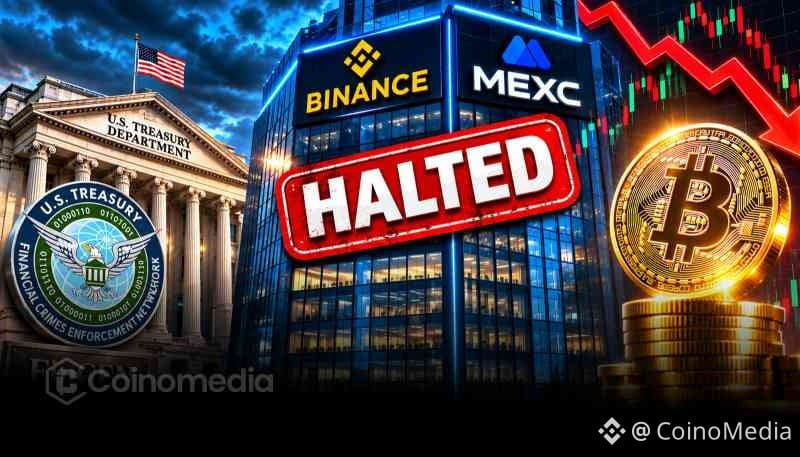
FinCENの措置を受け、BinanceがMEXC関連取引を停止Binanceは11月10日、MEXCおよびその関連会社が関与する取引を停止したと報じられています。
送金は拒否される一方、入金はコンプライアンス審査のため保留される可能性があります。
影響を受けるユーザーは、追加のアカウント制限やサービスの停止に直面する可能性があります。
報道によると、Binanceは暗号資産取引所MEXCおよびその関連事業体が関与する取引の処理を停止すると発表したとされています。
報道で説明された11月10日の発表によると、この決定は、米金融犯罪取締ネットワーク(FinCEN)が最近、MEXCを主要なマネーロンダリング懸念先に指定したことを受けたものです。
FinCENの措置を受け、BinanceがMEXC関連取引を停止
Binanceは11月10日、MEXCおよびその関連会社が関与する取引を停止したと報じられています。
送金は拒否される一方、入金はコンプライアンス審査のため保留される可能性があります。
影響を受けるユーザーは、追加のアカウント制限やサービスの停止に直面する可能性があります。
報道によると、Binanceは暗号資産取引所MEXCおよびその関連事業体が関与する取引の処理を停止すると発表したとされています。
報道で説明された11月10日の発表によると、この決定は、米金融犯罪取締ネットワーク(FinCEN)が最近、MEXCを主要なマネーロンダリング懸念先に指定したことを受けたものです。
送金は拒否される一方、入金はコンプライアンス審査のため保留される可能性があります。
影響を受けるユーザーは、追加のアカウント制限やサービスの停止に直面する可能性があります。
報道によると、Binanceは暗号資産取引所MEXCおよびその関連事業体が関与する取引の処理を停止すると発表したとされています。
報道で説明された11月10日の発表によると、この決定は、米金融犯罪取締ネットワーク(FinCEN)が最近、MEXCを主要なマネーロンダリング懸念先に指定したことを受けたものです。
1
101
·
--
記事
翻訳参照
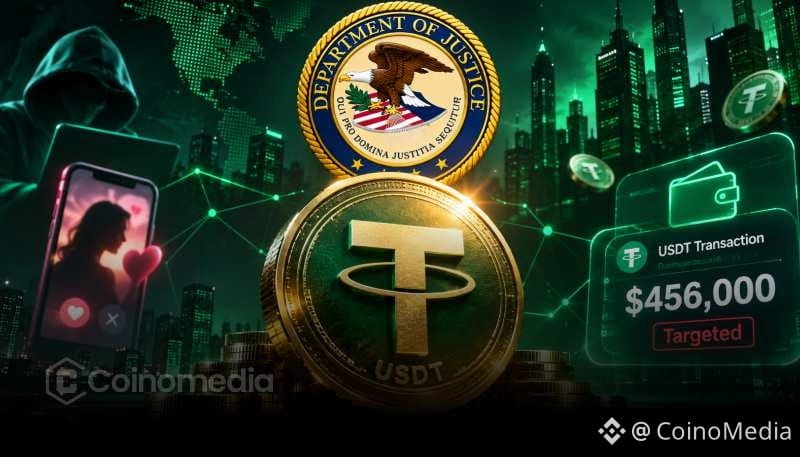
DOJ Crypto Romance Scams: $456K in USDT TargetedThe DOJ filed a civil forfeiture action targeting approximately $456,000 in USDT linked to alleged romance scams.
Victims were reportedly approached through dating websites and Facebook before being directed toward fake cryptocurrency investments.
The legal action aims to recover suspected fraud proceeds, but recovery for victims is not yet guaranteed.
The U.S. Department of Justice (DOJ) has filed a civil forfeiture action seeking to recover approximately $456,000 in Tether’s USDT stablecoin.
The funds are allegedly connected to cryptocurrency investment scams that targeted people through dating platforms and Facebook.
The DOJ crypto romance scams case highlights how criminals can use personal relationships to persuade victims to transfer money into fraudulent investment schemes.
According to the reported allegations, scammers established contact with individuals online before introducing fake cryptocurrency investment opportunities.
These schemes often rely on gaining a victim’s trust before requesting financial transfers.
The money may then be directed toward wallets or platforms controlled by the scammers.
The DOJ’s action seeks to recover assets believed to be connected to this activity.
However, filing a civil forfeiture complaint does not establish that every allegation has been proven in court.
How DOJ Crypto Romance Scams Target Victims
The DOJ crypto romance scams allegations involve a fraud method that combines emotional manipulation with misleading investment promises.
Scammers may initially approach victims through dating websites, social media or messaging platforms.
After developing a relationship, they introduce what appears to be a profitable cryptocurrency investment.
Victims may be directed to websites that imitate legitimate trading platforms.
Some fraudulent platforms display fabricated account balances or investment gains to encourage additional deposits.
When victims attempt to withdraw their funds, they may encounter unexpected fees, delays or demands for further payments.
These are common warning signs of investment fraud.
In this case, the DOJ is seeking approximately $456,000 in USDT allegedly connected to such activity.
USDT is a dollar-pegged stablecoin widely used for cryptocurrency transactions.
Although stablecoins can facilitate legitimate payments, scammers can also misuse them to move fraud proceeds.
The presence of USDT does not make a transaction fraudulent by itself.
TODAY: The DOJ filed a civil forfeiture action to recover about $456K in USDT tied to romance scams that lured victims on dating sites and Facebook into fake crypto investments. pic.twitter.com/P8Y2JURic4
— Cointelegraph (@Cointelegraph) November 10, 2026
Can the DOJ Recover Funds for Victims?
The DOJ crypto romance scams case represents an attempt to use legal procedures to recover suspected criminal proceeds.
Civil forfeiture allows the government to seek ownership of assets allegedly connected to unlawful activity.
If the court approves forfeiture, recovered funds may potentially become available through applicable victim compensation or remission procedures.
However, repayment is not automatic.
The legal process can take time, and the final outcome depends on the evidence and court proceedings.
The case also highlights the importance of recognizing suspicious investment offers.
People should be cautious when someone they meet online quickly introduces cryptocurrency trading opportunities or promises unusually high returns.
Verifying investment platforms independently and avoiding transfers to unfamiliar wallets can help reduce exposure to fraud.
For now, the DOJ’s effort to recover approximately $456,000 in USDT underscores the continuing risks of romance-based cryptocurrency investment scams.
DOJ Crypto Romance Scams: $456K in USDT Targeted
The DOJ filed a civil forfeiture action targeting approximately $456,000 in USDT linked to alleged romance scams.
Victims were reportedly approached through dating websites and Facebook before being directed toward fake cryptocurrency investments.
The legal action aims to recover suspected fraud proceeds, but recovery for victims is not yet guaranteed.
The U.S. Department of Justice (DOJ) has filed a civil forfeiture action seeking to recover approximately $456,000 in Tether’s USDT stablecoin.
The funds are allegedly connected to cryptocurrency investment scams that targeted people through dating platforms and Facebook.
The DOJ crypto romance scams case highlights how criminals can use personal relationships to persuade victims to transfer money into fraudulent investment schemes.
According to the reported allegations, scammers established contact with individuals online before introducing fake cryptocurrency investment opportunities.
These schemes often rely on gaining a victim’s trust before requesting financial transfers.
The money may then be directed toward wallets or platforms controlled by the scammers.
The DOJ’s action seeks to recover assets believed to be connected to this activity.
However, filing a civil forfeiture complaint does not establish that every allegation has been proven in court.
How DOJ Crypto Romance Scams Target Victims
The DOJ crypto romance scams allegations involve a fraud method that combines emotional manipulation with misleading investment promises.
Scammers may initially approach victims through dating websites, social media or messaging platforms.
After developing a relationship, they introduce what appears to be a profitable cryptocurrency investment.
Victims may be directed to websites that imitate legitimate trading platforms.
Some fraudulent platforms display fabricated account balances or investment gains to encourage additional deposits.
When victims attempt to withdraw their funds, they may encounter unexpected fees, delays or demands for further payments.
These are common warning signs of investment fraud.
In this case, the DOJ is seeking approximately $456,000 in USDT allegedly connected to such activity.
USDT is a dollar-pegged stablecoin widely used for cryptocurrency transactions.
Although stablecoins can facilitate legitimate payments, scammers can also misuse them to move fraud proceeds.
The presence of USDT does not make a transaction fraudulent by itself.
TODAY: The DOJ filed a civil forfeiture action to recover about $456K in USDT tied to romance scams that lured victims on dating sites and Facebook into fake crypto investments. pic.twitter.com/P8Y2JURic4
— Cointelegraph (@Cointelegraph) November 10, 2026
Can the DOJ Recover Funds for Victims?
The DOJ crypto romance scams case represents an attempt to use legal procedures to recover suspected criminal proceeds.
Civil forfeiture allows the government to seek ownership of assets allegedly connected to unlawful activity.
If the court approves forfeiture, recovered funds may potentially become available through applicable victim compensation or remission procedures.
However, repayment is not automatic.
The legal process can take time, and the final outcome depends on the evidence and court proceedings.
The case also highlights the importance of recognizing suspicious investment offers.
People should be cautious when someone they meet online quickly introduces cryptocurrency trading opportunities or promises unusually high returns.
Verifying investment platforms independently and avoiding transfers to unfamiliar wallets can help reduce exposure to fraud.
For now, the DOJ’s effort to recover approximately $456,000 in USDT underscores the continuing risks of romance-based cryptocurrency investment scams.
Victims were reportedly approached through dating websites and Facebook before being directed toward fake cryptocurrency investments.
The legal action aims to recover suspected fraud proceeds, but recovery for victims is not yet guaranteed.
The U.S. Department of Justice (DOJ) has filed a civil forfeiture action seeking to recover approximately $456,000 in Tether’s USDT stablecoin.
The funds are allegedly connected to cryptocurrency investment scams that targeted people through dating platforms and Facebook.
The DOJ crypto romance scams case highlights how criminals can use personal relationships to persuade victims to transfer money into fraudulent investment schemes.
According to the reported allegations, scammers established contact with individuals online before introducing fake cryptocurrency investment opportunities.
These schemes often rely on gaining a victim’s trust before requesting financial transfers.
The money may then be directed toward wallets or platforms controlled by the scammers.
The DOJ’s action seeks to recover assets believed to be connected to this activity.
However, filing a civil forfeiture complaint does not establish that every allegation has been proven in court.
How DOJ Crypto Romance Scams Target Victims
The DOJ crypto romance scams allegations involve a fraud method that combines emotional manipulation with misleading investment promises.
Scammers may initially approach victims through dating websites, social media or messaging platforms.
After developing a relationship, they introduce what appears to be a profitable cryptocurrency investment.
Victims may be directed to websites that imitate legitimate trading platforms.
Some fraudulent platforms display fabricated account balances or investment gains to encourage additional deposits.
When victims attempt to withdraw their funds, they may encounter unexpected fees, delays or demands for further payments.
These are common warning signs of investment fraud.
In this case, the DOJ is seeking approximately $456,000 in USDT allegedly connected to such activity.
USDT is a dollar-pegged stablecoin widely used for cryptocurrency transactions.
Although stablecoins can facilitate legitimate payments, scammers can also misuse them to move fraud proceeds.
The presence of USDT does not make a transaction fraudulent by itself.
TODAY: The DOJ filed a civil forfeiture action to recover about $456K in USDT tied to romance scams that lured victims on dating sites and Facebook into fake crypto investments. pic.twitter.com/P8Y2JURic4
— Cointelegraph (@Cointelegraph) November 10, 2026
Can the DOJ Recover Funds for Victims?
The DOJ crypto romance scams case represents an attempt to use legal procedures to recover suspected criminal proceeds.
Civil forfeiture allows the government to seek ownership of assets allegedly connected to unlawful activity.
If the court approves forfeiture, recovered funds may potentially become available through applicable victim compensation or remission procedures.
However, repayment is not automatic.
The legal process can take time, and the final outcome depends on the evidence and court proceedings.
The case also highlights the importance of recognizing suspicious investment offers.
People should be cautious when someone they meet online quickly introduces cryptocurrency trading opportunities or promises unusually high returns.
Verifying investment platforms independently and avoiding transfers to unfamiliar wallets can help reduce exposure to fraud.
For now, the DOJ’s effort to recover approximately $456,000 in USDT underscores the continuing risks of romance-based cryptocurrency investment scams.
97
·
--

記事
ビットコインの4倍に急増した後、アルトコインの取引量が落ち着く9月、アルトコインの取引量はビットコインの4倍に急増したと報じられました。
投機的な急増は、ビットコインが約87,000ドルの局所的な価格ピークに達した時期と重なりました。
その後、アルトコインの取引活動は落ち着いており、投機的な関心の低下を示唆しています。
9月にアルトコインの投機が異例の盛り上がりを見せた後、暗号資産の取引活動には落ち着きの兆しが見られます。
最新の市場観測によると、アルトコインの取引量は、以前にビットコインの取引量の4倍に達した後、より一般的な水準に戻っています。
ビットコインの4倍に急増した後、アルトコインの取引量が落ち着く
9月、アルトコインの取引量はビットコインの4倍に急増したと報じられました。
投機的な急増は、ビットコインが約87,000ドルの局所的な価格ピークに達した時期と重なりました。
その後、アルトコインの取引活動は落ち着いており、投機的な関心の低下を示唆しています。
9月にアルトコインの投機が異例の盛り上がりを見せた後、暗号資産の取引活動には落ち着きの兆しが見られます。
最新の市場観測によると、アルトコインの取引量は、以前にビットコインの取引量の4倍に達した後、より一般的な水準に戻っています。
投機的な急増は、ビットコインが約87,000ドルの局所的な価格ピークに達した時期と重なりました。
その後、アルトコインの取引活動は落ち着いており、投機的な関心の低下を示唆しています。
9月にアルトコインの投機が異例の盛り上がりを見せた後、暗号資産の取引活動には落ち着きの兆しが見られます。
最新の市場観測によると、アルトコインの取引量は、以前にビットコインの取引量の4倍に達した後、より一般的な水準に戻っています。
1
163
·
--

記事
2026年のBTCからDASHへの交換:KYCなしでビットコインをDashに交換する方法(および戻す方法)結論:アカウントを作らずにBTCをDASHに交換する最も簡単な方法は、GhostSwapのようなスワップサービスを利用することです。Sparrow、Electrum、またはハードウェアウォレットからビットコインを送信し、自分のXアドレスでDashを受け取れます。メールアドレスの登録も、本人確認書類のアップロードも不要です。待ち時間のほとんどはビットコインの入金にかかる時間です。その後、Dashは数分で承認されます。
Dashは決済のために作られました。承認が速く、手数料が低く、CoinJoinによるミキシングも任意で利用できます。10年前と比べてDashを取り扱う取引所は減っているため、今ではスワップサービスを使うのが、Dashを入手するにも、ビットコインに戻すにも最も簡単な方法です。
2026年のBTCからDASHへの交換:KYCなしでビットコインをDashに交換する方法(および戻す方法)
結論:アカウントを作らずにBTCをDASHに交換する最も簡単な方法は、GhostSwapのようなスワップサービスを利用することです。Sparrow、Electrum、またはハードウェアウォレットからビットコインを送信し、自分のXアドレスでDashを受け取れます。メールアドレスの登録も、本人確認書類のアップロードも不要です。待ち時間のほとんどはビットコインの入金にかかる時間です。その後、Dashは数分で承認されます。
Dashは決済のために作られました。承認が速く、手数料が低く、CoinJoinによるミキシングも任意で利用できます。10年前と比べてDashを取り扱う取引所は減っているため、今ではスワップサービスを使うのが、Dashを入手するにも、ビットコインに戻すにも最も簡単な方法です。
Dashは決済のために作られました。承認が速く、手数料が低く、CoinJoinによるミキシングも任意で利用できます。10年前と比べてDashを取り扱う取引所は減っているため、今ではスワップサービスを使うのが、Dashを入手するにも、ビットコインに戻すにも最も簡単な方法です。
590
·
--

記事
購入によりStriveのビットコイン保有量は43,153 BTCに報道によると、Striveは約220万ドルでさらに29 BTCを購入しました。
今回の追加購入により、Striveのビットコイン保有量は合計43,153 BTCとなりました。
今回の購入は、ビットコインを中心とする財務戦略への同社の継続的な取り組みを示しています。
報道によると、Striveは約220万ドルでさらに29 BTCを購入し、ビットコインの保有量を増やしました。
報告された数値によると、今回の追加購入により、Striveのビットコイン保有量は合計43,153 BTCとなりました。
今回の購入は、企業の財務戦略の一環としてビットコインを保有することへの同社の継続的な関心を反映しています。
購入によりStriveのビットコイン保有量は43,153 BTCに
報道によると、Striveは約220万ドルでさらに29 BTCを購入しました。
今回の追加購入により、Striveのビットコイン保有量は合計43,153 BTCとなりました。
今回の購入は、ビットコインを中心とする財務戦略への同社の継続的な取り組みを示しています。
報道によると、Striveは約220万ドルでさらに29 BTCを購入し、ビットコインの保有量を増やしました。
報告された数値によると、今回の追加購入により、Striveのビットコイン保有量は合計43,153 BTCとなりました。
今回の購入は、企業の財務戦略の一環としてビットコインを保有することへの同社の継続的な関心を反映しています。
今回の追加購入により、Striveのビットコイン保有量は合計43,153 BTCとなりました。
今回の購入は、ビットコインを中心とする財務戦略への同社の継続的な取り組みを示しています。
報道によると、Striveは約220万ドルでさらに29 BTCを購入し、ビットコインの保有量を増やしました。
報告された数値によると、今回の追加購入により、Striveのビットコイン保有量は合計43,153 BTCとなりました。
今回の購入は、企業の財務戦略の一環としてビットコインを保有することへの同社の継続的な関心を反映しています。
83
·
--

記事
2026年版 TRXからXMRへ:KYCなしでTronをMoneroに交換する方法(および元に戻す方法)結論から言うと、アカウントを作成せずにTRXをMoneroに交換する最も簡単な方法は、GhostSwapのような交換サービスを利用することです。TronLinkまたはTrust WalletからネイティブTRXを送金し、自分のMoneroアドレスでXMRを受け取れます。メールアドレスの登録や本人確認書類の提出は不要です。Tronでは入金が約1分で承認されるため、待ち時間の大半はMonero側の承認にかかります。
Tronは送金手数料が最も安いブロックチェーンの一つで、Moneroはデフォルトでプライバシーが保護されています。この2つの間で交換するのは、残高、送信者、金額が公開される台帳から、それらが見えない台帳へ資産を移す一般的な方法です。また、手数料用のTRXが必要になったときに、元に戻すこともできます。
2026年版 TRXからXMRへ:KYCなしでTronをMoneroに交換する方法(および元に戻す方法)
結論から言うと、アカウントを作成せずにTRXをMoneroに交換する最も簡単な方法は、GhostSwapのような交換サービスを利用することです。TronLinkまたはTrust WalletからネイティブTRXを送金し、自分のMoneroアドレスでXMRを受け取れます。メールアドレスの登録や本人確認書類の提出は不要です。Tronでは入金が約1分で承認されるため、待ち時間の大半はMonero側の承認にかかります。
Tronは送金手数料が最も安いブロックチェーンの一つで、Moneroはデフォルトでプライバシーが保護されています。この2つの間で交換するのは、残高、送信者、金額が公開される台帳から、それらが見えない台帳へ資産を移す一般的な方法です。また、手数料用のTRXが必要になったときに、元に戻すこともできます。
Tronは送金手数料が最も安いブロックチェーンの一つで、Moneroはデフォルトでプライバシーが保護されています。この2つの間で交換するのは、残高、送信者、金額が公開される台帳から、それらが見えない台帳へ資産を移す一般的な方法です。また、手数料用のTRXが必要になったときに、元に戻すこともできます。
263
ログインして、さらにコンテンツを読む
厳選トピックで世界の暗号資産トレーダーの仲間入り
⚡️ 暗号資産に関する最新かつ有益な情報が見つかります。
💬 世界最大の暗号資産取引所から信頼されています。
👍 認証を受けたクリエイターから、有益なインサイトを得られます。
メール / 電話番号