
Bitcoinworld
69k 投稿

Bitcoinworld
 厳選トピック確認済+
報告
ユーザーをブロック
BitcoinWorld is a leading media publication bringing the latest happenings in the Blockchain and Crypto Space.

#BinanceTurns7

Excellence Award (Market Buzz)

Creator of the Year
2 フォロー
100.6K+ フォロワー
287.3K+ いいね
4 バッジ
投稿
すべて
動画
ライブ
·
--
記事
翻訳参照
Nine Months, Seven Applicants, Zero Licences: Vietnam’s Crypto Waiting GameBitcoinWorldNine Months, Seven Applicants, Zero Licences: Vietnam’s Crypto Waiting Game
Key Takeaways
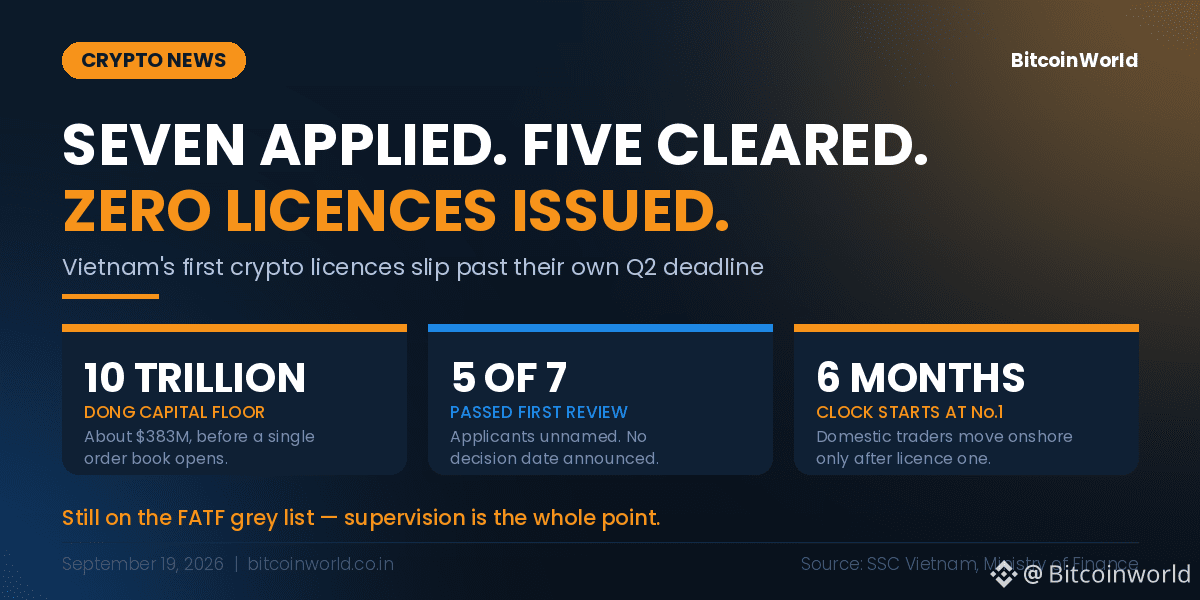
Hanoi says the first crypto licences arrive in 2026. Its own Q2 deadline came and went.
Seven firms applied. Five cleared round one. Nobody has been approved.
The rulebook copies FATF and European supervision for a reason that has nothing to do with optics.
The day licence one is signed, a six-month clock starts pulling Vietnamese traders off foreign platforms.
Deputy Finance Minister Nguyen Duc Chi was in Vienna on September 15, sitting across from Mariana Kühnel, who runs Austria’s Financial Market Authority. He brought the chair of the State Securities Commission, the ambassador, and senior people from the Vietnam Stock Exchange and the clearing corporation. That is a heavy delegation for a meeting written up as an exchange of views.
Commission chair Vu Thi Chan Phuong said the supervisory design leans on FATF recommendations and EU models. Kühnel floated technical workshops and closer contact through IOSCO. All very cordial. The interesting part is what nobody said out loud, which is when the licence actually lands.
How we got here
Resolution 05, signed in September 2025, set up a five-year pilot: everything settles in dong, only licensed firms may operate, and fiat-backed stablecoins are shut out entirely. The ministry then capped the pilot at five operators and, in October 2025, reported nobody had applied. The window finally opened on January 20, 2026, under Decision 96. By April the Prime Minister was publicly ordering a Q2 launch, with seven applications on the desk. On August 30 officials confirmed five had passed a first assessment, named none of them, and offered no decision date. Then on September 1, a decree arrived with fines for anyone operating without a licence. Punishments before permissions. That sequence tells you something.
What is really holding it up
Applicants need 10 trillion dong in charter capital, a Level 4 information-system security appraisal, and sign-off from the Ministry of Public Security before opening a single order book. Vietnam wrote exchange rules as if exchanges were stock exchanges, because in its view they are.
Austria was not a coincidence either. The FMA supervises crypto firms inside the EU machine, so what Hanoi wants is not a statute, it is the habit of enforcing one. The pressure behind that is quieter. Vietnam was still on the FATF grey list after the June 2026 plenary. A licensed, monitored, dong-settled venue reads as a direct answer to that.
What happens next
The six-month transition for domestic traders only begins once the first licence exists, and it does not exist yet. When it does, offshore liquidity gets squeezed quickly. But licensed venues will open without USDT, the pair Vietnamese retail actually trades in. A gap between onshore and offshore prices is close to guaranteed.
Conclusion
This is not a government dragging its feet. It is one spending 2026 collecting credibility before handing out permission. Ignore the launch talk. Watch for the signature on licence one, because nothing binding starts before it.
This post Nine Months, Seven Applicants, Zero Licences: Vietnam’s Crypto Waiting Game first appeared on BitcoinWorld.
Nine Months, Seven Applicants, Zero Licences: Vietnam’s Crypto Waiting Game
BitcoinWorldNine Months, Seven Applicants, Zero Licences: Vietnam’s Crypto Waiting Game
Key Takeaways
Hanoi says the first crypto licences arrive in 2026. Its own Q2 deadline came and went.
Seven firms applied. Five cleared round one. Nobody has been approved.
The rulebook copies FATF and European supervision for a reason that has nothing to do with optics.
The day licence one is signed, a six-month clock starts pulling Vietnamese traders off foreign platforms.
Deputy Finance Minister Nguyen Duc Chi was in Vienna on September 15, sitting across from Mariana Kühnel, who runs Austria’s Financial Market Authority. He brought the chair of the State Securities Commission, the ambassador, and senior people from the Vietnam Stock Exchange and the clearing corporation. That is a heavy delegation for a meeting written up as an exchange of views.
Commission chair Vu Thi Chan Phuong said the supervisory design leans on FATF recommendations and EU models. Kühnel floated technical workshops and closer contact through IOSCO. All very cordial. The interesting part is what nobody said out loud, which is when the licence actually lands.
How we got here
Resolution 05, signed in September 2025, set up a five-year pilot: everything settles in dong, only licensed firms may operate, and fiat-backed stablecoins are shut out entirely. The ministry then capped the pilot at five operators and, in October 2025, reported nobody had applied. The window finally opened on January 20, 2026, under Decision 96. By April the Prime Minister was publicly ordering a Q2 launch, with seven applications on the desk. On August 30 officials confirmed five had passed a first assessment, named none of them, and offered no decision date. Then on September 1, a decree arrived with fines for anyone operating without a licence. Punishments before permissions. That sequence tells you something.
What is really holding it up
Applicants need 10 trillion dong in charter capital, a Level 4 information-system security appraisal, and sign-off from the Ministry of Public Security before opening a single order book. Vietnam wrote exchange rules as if exchanges were stock exchanges, because in its view they are.
Austria was not a coincidence either. The FMA supervises crypto firms inside the EU machine, so what Hanoi wants is not a statute, it is the habit of enforcing one. The pressure behind that is quieter. Vietnam was still on the FATF grey list after the June 2026 plenary. A licensed, monitored, dong-settled venue reads as a direct answer to that.
What happens next
The six-month transition for domestic traders only begins once the first licence exists, and it does not exist yet. When it does, offshore liquidity gets squeezed quickly. But licensed venues will open without USDT, the pair Vietnamese retail actually trades in. A gap between onshore and offshore prices is close to guaranteed.
Conclusion
This is not a government dragging its feet. It is one spending 2026 collecting credibility before handing out permission. Ignore the launch talk. Watch for the signature on licence one, because nothing binding starts before it.
This post Nine Months, Seven Applicants, Zero Licences: Vietnam’s Crypto Waiting Game first appeared on BitcoinWorld.
Key Takeaways
Hanoi says the first crypto licences arrive in 2026. Its own Q2 deadline came and went.
Seven firms applied. Five cleared round one. Nobody has been approved.
The rulebook copies FATF and European supervision for a reason that has nothing to do with optics.
The day licence one is signed, a six-month clock starts pulling Vietnamese traders off foreign platforms.
Deputy Finance Minister Nguyen Duc Chi was in Vienna on September 15, sitting across from Mariana Kühnel, who runs Austria’s Financial Market Authority. He brought the chair of the State Securities Commission, the ambassador, and senior people from the Vietnam Stock Exchange and the clearing corporation. That is a heavy delegation for a meeting written up as an exchange of views.
Commission chair Vu Thi Chan Phuong said the supervisory design leans on FATF recommendations and EU models. Kühnel floated technical workshops and closer contact through IOSCO. All very cordial. The interesting part is what nobody said out loud, which is when the licence actually lands.
How we got here
Resolution 05, signed in September 2025, set up a five-year pilot: everything settles in dong, only licensed firms may operate, and fiat-backed stablecoins are shut out entirely. The ministry then capped the pilot at five operators and, in October 2025, reported nobody had applied. The window finally opened on January 20, 2026, under Decision 96. By April the Prime Minister was publicly ordering a Q2 launch, with seven applications on the desk. On August 30 officials confirmed five had passed a first assessment, named none of them, and offered no decision date. Then on September 1, a decree arrived with fines for anyone operating without a licence. Punishments before permissions. That sequence tells you something.
What is really holding it up
Applicants need 10 trillion dong in charter capital, a Level 4 information-system security appraisal, and sign-off from the Ministry of Public Security before opening a single order book. Vietnam wrote exchange rules as if exchanges were stock exchanges, because in its view they are.
Austria was not a coincidence either. The FMA supervises crypto firms inside the EU machine, so what Hanoi wants is not a statute, it is the habit of enforcing one. The pressure behind that is quieter. Vietnam was still on the FATF grey list after the June 2026 plenary. A licensed, monitored, dong-settled venue reads as a direct answer to that.
What happens next
The six-month transition for domestic traders only begins once the first licence exists, and it does not exist yet. When it does, offshore liquidity gets squeezed quickly. But licensed venues will open without USDT, the pair Vietnamese retail actually trades in. A gap between onshore and offshore prices is close to guaranteed.
Conclusion
This is not a government dragging its feet. It is one spending 2026 collecting credibility before handing out permission. Ignore the launch talk. Watch for the signature on licence one, because nothing binding starts before it.
This post Nine Months, Seven Applicants, Zero Licences: Vietnam’s Crypto Waiting Game first appeared on BitcoinWorld.
1
72
·
--
記事
ARTPRICE NEWS: 世界の本が人工知能のための“鏡”になるBitcoinWorld
ARTPRICE NEWS: ある世界の本が人工知能のための“鏡”になる
OpenAI/Astra、Perplexity、DeepSeek、Google Gemini、そしてxAI/Grokは、同じ仕事に直面しています。メタリーディングの実験が、文学批評を人工知能のための比較実験室に変えるのです。
パリ、2026年9月18日 /PRNewswire/ — 人工知能を理解するために、まったく同じ本を読ませたらどうなるのでしょう?
それが今、「思想家とAIの対話」に寄り添う実験です。
ARTPRICE NEWS: 世界の本が人工知能のための“鏡”になる
BitcoinWorld
ARTPRICE NEWS: ある世界の本が人工知能のための“鏡”になる
OpenAI/Astra、Perplexity、DeepSeek、Google Gemini、そしてxAI/Grokは、同じ仕事に直面しています。メタリーディングの実験が、文学批評を人工知能のための比較実験室に変えるのです。
パリ、2026年9月18日 /PRNewswire/ — 人工知能を理解するために、まったく同じ本を読ませたらどうなるのでしょう?
それが今、「思想家とAIの対話」に寄り添う実験です。
ARTPRICE NEWS: ある世界の本が人工知能のための“鏡”になる
OpenAI/Astra、Perplexity、DeepSeek、Google Gemini、そしてxAI/Grokは、同じ仕事に直面しています。メタリーディングの実験が、文学批評を人工知能のための比較実験室に変えるのです。
パリ、2026年9月18日 /PRNewswire/ — 人工知能を理解するために、まったく同じ本を読ませたらどうなるのでしょう?
それが今、「思想家とAIの対話」に寄り添う実験です。
162
·
--
記事
BC.GAMEのBCエンジン報酬が860万ドル超に到達 エコシステムの成長が加速ビットコインワールド
BC.GAMEのBCエンジン報酬が860万ドル超に到達 エコシステムの成長が加速
BCエンジンの累計報酬は5月下旬以降、4倍以上に成長しました。また、報酬獲得の平均的な日次ペースは、前の期間と比べて約46%増加しています。
ベリーズシティ(ベリーズ)2026年9月18日 /PRNewswire/ — BC.GAMEのBCエンジンがまた新たな主要なマイルストーンを達成しました。対象となる$BC保有者が獲得した累計報酬が8.6百万BCDを超え、これは米国で8.6百万ドル超に相当します。
BC.GAMEのBCエンジン報酬が860万ドル超に到達 エコシステムの成長が加速
ビットコインワールド
BC.GAMEのBCエンジン報酬が860万ドル超に到達 エコシステムの成長が加速
BCエンジンの累計報酬は5月下旬以降、4倍以上に成長しました。また、報酬獲得の平均的な日次ペースは、前の期間と比べて約46%増加しています。
ベリーズシティ(ベリーズ)2026年9月18日 /PRNewswire/ — BC.GAMEのBCエンジンがまた新たな主要なマイルストーンを達成しました。対象となる$BC保有者が獲得した累計報酬が8.6百万BCDを超え、これは米国で8.6百万ドル超に相当します。
BC.GAMEのBCエンジン報酬が860万ドル超に到達 エコシステムの成長が加速
BCエンジンの累計報酬は5月下旬以降、4倍以上に成長しました。また、報酬獲得の平均的な日次ペースは、前の期間と比べて約46%増加しています。
ベリーズシティ(ベリーズ)2026年9月18日 /PRNewswire/ — BC.GAMEのBCエンジンがまた新たな主要なマイルストーンを達成しました。対象となる$BC保有者が獲得した累計報酬が8.6百万BCDを超え、これは米国で8.6百万ドル超に相当します。
2
358
·
--
記事
AIがナチの暗号を解読。仮想通貨Twitterは何もないことで慌てた。BitcoinWorld
AIがナチの暗号を解読。仮想通貨Twitterは何もないことで慌てた。
要点
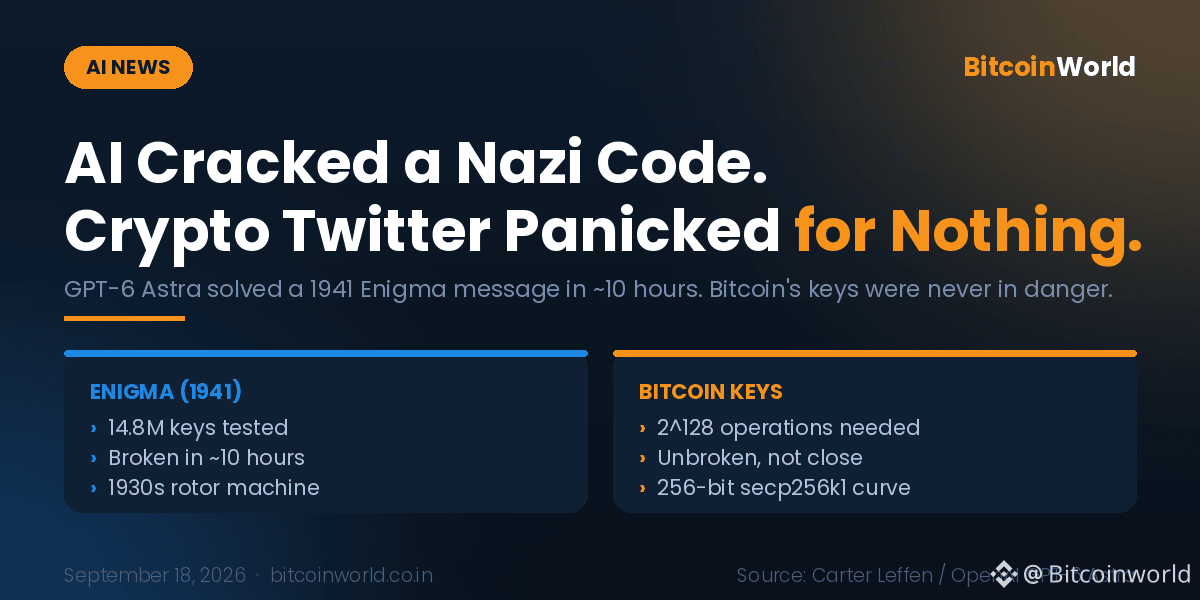
AIが1941年に使われた誰も83年間解けなかったドイツのエニグマ暗号メッセージを破った。
完了まで約10時間かかった。暗号学者ではない男性が全てをやり切った。
あなたのビットコインは大丈夫です。エニグマとビットコインの暗号化は同じ世界の話ではありません。
怖いのは解読の部分ではない。AIが、今や自分だけで本格的なリサーチ業務をできることだ。
1941年7月10日、ドイツの兵士が短い無線メッセージを送った。全82文字。どの道を通ればいいのか知りたくて、ローレノウという町にいると言い、素早い返信を求めた。
AIがナチの暗号を解読。仮想通貨Twitterは何もないことで慌てた。
BitcoinWorld
AIがナチの暗号を解読。仮想通貨Twitterは何もないことで慌てた。
要点
AIが1941年に使われた誰も83年間解けなかったドイツのエニグマ暗号メッセージを破った。
完了まで約10時間かかった。暗号学者ではない男性が全てをやり切った。
あなたのビットコインは大丈夫です。エニグマとビットコインの暗号化は同じ世界の話ではありません。
怖いのは解読の部分ではない。AIが、今や自分だけで本格的なリサーチ業務をできることだ。
1941年7月10日、ドイツの兵士が短い無線メッセージを送った。全82文字。どの道を通ればいいのか知りたくて、ローレノウという町にいると言い、素早い返信を求めた。
AIがナチの暗号を解読。仮想通貨Twitterは何もないことで慌てた。
要点
AIが1941年に使われた誰も83年間解けなかったドイツのエニグマ暗号メッセージを破った。
完了まで約10時間かかった。暗号学者ではない男性が全てをやり切った。
あなたのビットコインは大丈夫です。エニグマとビットコインの暗号化は同じ世界の話ではありません。
怖いのは解読の部分ではない。AIが、今や自分だけで本格的なリサーチ業務をできることだ。
1941年7月10日、ドイツの兵士が短い無線メッセージを送った。全82文字。どの道を通ればいいのか知りたくて、ローレノウという町にいると言い、素早い返信を求めた。
272
·
--
本人確認中
記事
Animoca BrandsへのインタビューBitcoinWorld
Animoca Brandsへのインタビュー
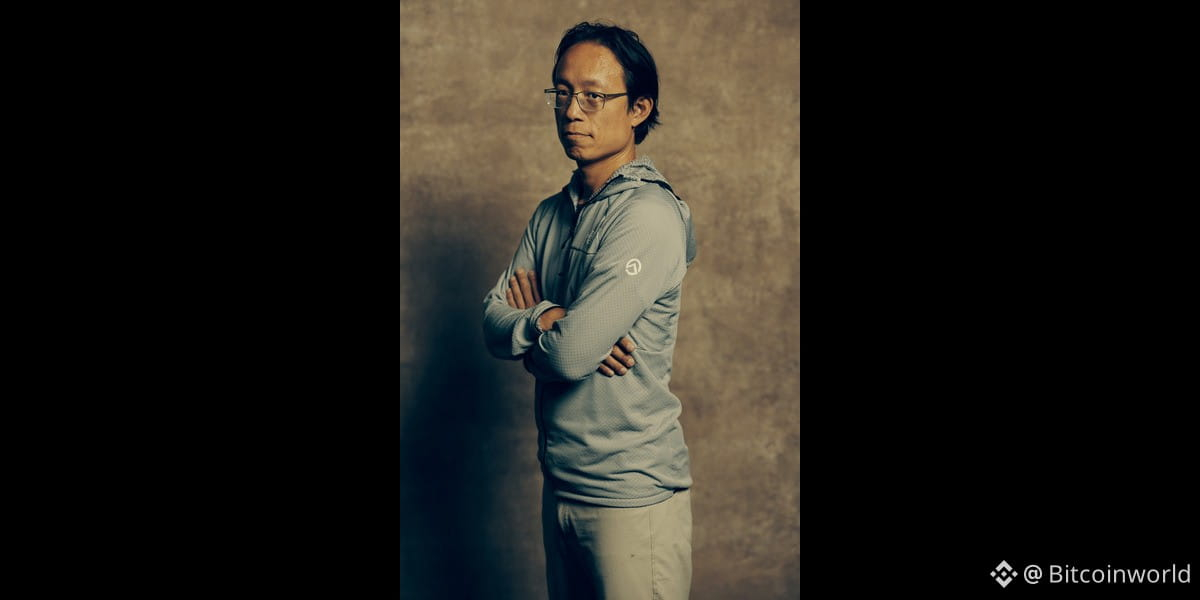
Animoca Brandsのエグゼクティブ・チェアマン兼共同創業者であるYat Siuが、デジタル財産権、規制されたステーブルコイン、オンチェーンの学生ローン、そしてエージェント型のWebがなぜ一般の人々の暗号資産の使い方を変えるのかについて語ります。
Bitcoin World より | 2026年9月14日 | 独占インタビュー
Yat Siu、エグゼクティブ・チェアマン兼共同創業者、Animoca Brands
Animoca Brandsほど広範囲にWeb3の世界観を形作ってきた企業は多くありません。The SandboxやOpen Campusから、香港でのライセンス付きステーブルコインの共同事業、そして最も最近ではMindsというAIエージェント・プラットフォームまで、グループは一貫した賭けに出てきました。それは、人々がデジタル資産、アイデンティティ、データをプラットフォームから借りるのではなく、自ら所有すべきだという考えです。
Animoca Brandsへのインタビュー
BitcoinWorld
Animoca Brandsへのインタビュー
Animoca Brandsのエグゼクティブ・チェアマン兼共同創業者であるYat Siuが、デジタル財産権、規制されたステーブルコイン、オンチェーンの学生ローン、そしてエージェント型のWebがなぜ一般の人々の暗号資産の使い方を変えるのかについて語ります。
Bitcoin World より | 2026年9月14日 | 独占インタビュー
Yat Siu、エグゼクティブ・チェアマン兼共同創業者、Animoca Brands
Animoca Brandsほど広範囲にWeb3の世界観を形作ってきた企業は多くありません。The SandboxやOpen Campusから、香港でのライセンス付きステーブルコインの共同事業、そして最も最近ではMindsというAIエージェント・プラットフォームまで、グループは一貫した賭けに出てきました。それは、人々がデジタル資産、アイデンティティ、データをプラットフォームから借りるのではなく、自ら所有すべきだという考えです。
Animoca Brandsへのインタビュー
Animoca Brandsのエグゼクティブ・チェアマン兼共同創業者であるYat Siuが、デジタル財産権、規制されたステーブルコイン、オンチェーンの学生ローン、そしてエージェント型のWebがなぜ一般の人々の暗号資産の使い方を変えるのかについて語ります。
Bitcoin World より | 2026年9月14日 | 独占インタビュー
Yat Siu、エグゼクティブ・チェアマン兼共同創業者、Animoca Brands
Animoca Brandsほど広範囲にWeb3の世界観を形作ってきた企業は多くありません。The SandboxやOpen Campusから、香港でのライセンス付きステーブルコインの共同事業、そして最も最近ではMindsというAIエージェント・プラットフォームまで、グループは一貫した賭けに出てきました。それは、人々がデジタル資産、アイデンティティ、データをプラットフォームから借りるのではなく、自ら所有すべきだという考えです。
649
·
--

記事
AML RightSourceがデジタル資産コンプライアンスの専門性に関するCobraSightアワードを受賞BitcoinWorld
AML RightSourceがデジタル資産コンプライアンスの専門性に関するCobraSightアワードを受賞
業界からの評価は、進化する暗号資産およびデジタル資産の規制を組織が乗り切るために、AML RightSourceの専門性が重要であることを示しています
HIGHLAND HILLS, Ohio, 2026年9月17日 /PRNewswire/ — 金融犯罪コンプライアンスのマネージドサービスおよびアドバイザリーソリューションを提供するグローバルな専門ソリューション企業、AML RightSourceは、CobraSightにより「Licensing & Compliance(ライセンシング&コンプライアンス)」部門で「2026 Crypto & Digital Assets Growth Partner Award(暗号資産&デジタル資産成長パートナー賞)」を受賞したことが認められました。本賞は、デジタル資産エコシステム内で事業を行う組織を支援するうえで深い専門性、特化、そして経験を有していることを示した企業に授与されます。
AML RightSourceがデジタル資産コンプライアンスの専門性に関するCobraSightアワードを受賞
BitcoinWorld
AML RightSourceがデジタル資産コンプライアンスの専門性に関するCobraSightアワードを受賞
業界からの評価は、進化する暗号資産およびデジタル資産の規制を組織が乗り切るために、AML RightSourceの専門性が重要であることを示しています
HIGHLAND HILLS, Ohio, 2026年9月17日 /PRNewswire/ — 金融犯罪コンプライアンスのマネージドサービスおよびアドバイザリーソリューションを提供するグローバルな専門ソリューション企業、AML RightSourceは、CobraSightにより「Licensing & Compliance(ライセンシング&コンプライアンス)」部門で「2026 Crypto & Digital Assets Growth Partner Award(暗号資産&デジタル資産成長パートナー賞)」を受賞したことが認められました。本賞は、デジタル資産エコシステム内で事業を行う組織を支援するうえで深い専門性、特化、そして経験を有していることを示した企業に授与されます。
AML RightSourceがデジタル資産コンプライアンスの専門性に関するCobraSightアワードを受賞
業界からの評価は、進化する暗号資産およびデジタル資産の規制を組織が乗り切るために、AML RightSourceの専門性が重要であることを示しています
HIGHLAND HILLS, Ohio, 2026年9月17日 /PRNewswire/ — 金融犯罪コンプライアンスのマネージドサービスおよびアドバイザリーソリューションを提供するグローバルな専門ソリューション企業、AML RightSourceは、CobraSightにより「Licensing & Compliance(ライセンシング&コンプライアンス)」部門で「2026 Crypto & Digital Assets Growth Partner Award(暗号資産&デジタル資産成長パートナー賞)」を受賞したことが認められました。本賞は、デジタル資産エコシステム内で事業を行う組織を支援するうえで深い専門性、特化、そして経験を有していることを示した企業に授与されます。
190
·
--

記事
Prosper Links Verifiable Onchain Performance Data With Independently Priced Crypto AssetsBitcoinWorld
Prosper Links Verifiable Onchain Performance Data With Independently Priced Crypto Assets
暗号市場はこれまでずっと、物語性と投機で繁栄してきました。価格は、測定可能な経済的成果よりも、コミュニティの熱狂やソーシャルメディアのセンチメントに基づいて急騰することがよくあります。Pharosネットワーク上で行われる新しいローンチは、この力学を完全に変えようとしているのです。
9月17日、Prosperは公式に「Performance Markets」フレームワークを公開しました。新しい構造では、同社が「MemeRWA」と呼ぶ概念が導入されます。これは、独立して検証可能なオンチェーンの投資戦略を、暗号ネイティブの市場メカニズムに直接つなげます。さらに重要なのは、それが基礎となる資産の所有権を実際にトークン化することなく行われる点です。
Prosper Links Verifiable Onchain Performance Data With Independently Priced Crypto Assets
BitcoinWorld
Prosper Links Verifiable Onchain Performance Data With Independently Priced Crypto Assets
暗号市場はこれまでずっと、物語性と投機で繁栄してきました。価格は、測定可能な経済的成果よりも、コミュニティの熱狂やソーシャルメディアのセンチメントに基づいて急騰することがよくあります。Pharosネットワーク上で行われる新しいローンチは、この力学を完全に変えようとしているのです。
9月17日、Prosperは公式に「Performance Markets」フレームワークを公開しました。新しい構造では、同社が「MemeRWA」と呼ぶ概念が導入されます。これは、独立して検証可能なオンチェーンの投資戦略を、暗号ネイティブの市場メカニズムに直接つなげます。さらに重要なのは、それが基礎となる資産の所有権を実際にトークン化することなく行われる点です。
Prosper Links Verifiable Onchain Performance Data With Independently Priced Crypto Assets
暗号市場はこれまでずっと、物語性と投機で繁栄してきました。価格は、測定可能な経済的成果よりも、コミュニティの熱狂やソーシャルメディアのセンチメントに基づいて急騰することがよくあります。Pharosネットワーク上で行われる新しいローンチは、この力学を完全に変えようとしているのです。
9月17日、Prosperは公式に「Performance Markets」フレームワークを公開しました。新しい構造では、同社が「MemeRWA」と呼ぶ概念が導入されます。これは、独立して検証可能なオンチェーンの投資戦略を、暗号ネイティブの市場メカニズムに直接つなげます。さらに重要なのは、それが基礎となる資産の所有権を実際にトークン化することなく行われる点です。
172
·
--
記事
暗号資産の“ビッグなルールブック”が否決されました――いったい何が起きたのかBitcoinWorld
暗号資産の“ビッグなルールブック”が否決されました――いったい何が起きたのか
要点まとめ
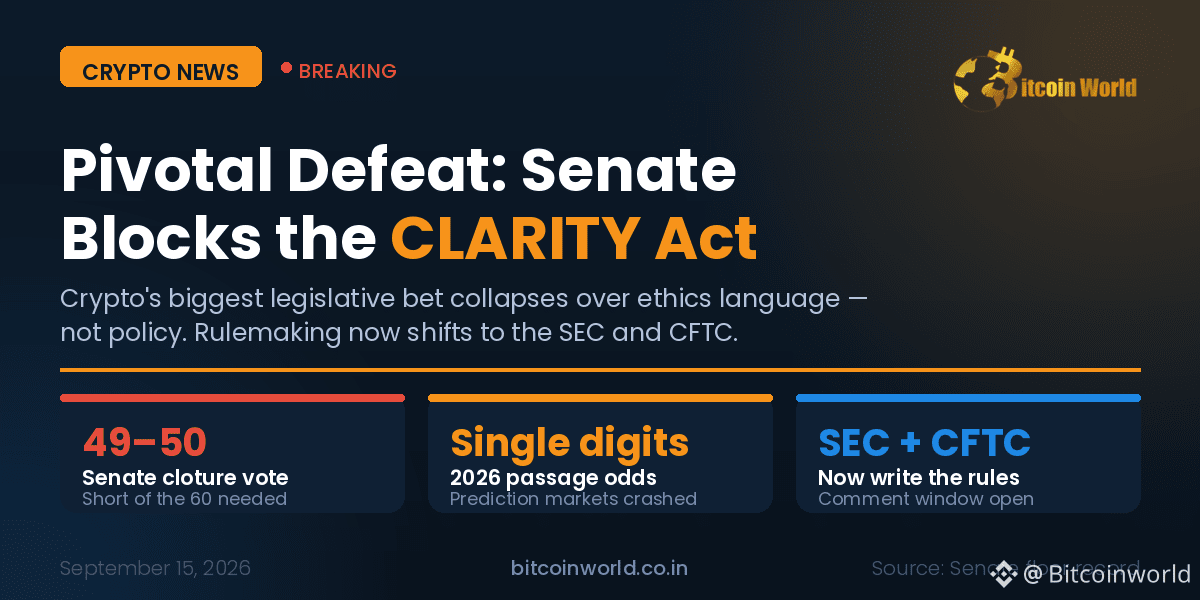
2026年9月15日、上院は「CLARITY法案」を前進させることを拒否しました。投票は49対50で、必要だった60にはまったく届きませんでした。
負けたのは暗号資産(クリプト)のせいではありません。負けたのは、トランプとその家族がクリプトで儲けていることをめぐる争いです。
今年について言えば、この法案は基本的にもうできあがっています。賭けサイトでは、今では一桁台の確率しかないとされています。
議会でルールが行き詰まったため、SECとCFTCは自分たちでルールを書き始めます。
暗号資産の“ビッグなルールブック”が否決されました――いったい何が起きたのか
BitcoinWorld
暗号資産の“ビッグなルールブック”が否決されました――いったい何が起きたのか
要点まとめ
2026年9月15日、上院は「CLARITY法案」を前進させることを拒否しました。投票は49対50で、必要だった60にはまったく届きませんでした。
負けたのは暗号資産(クリプト)のせいではありません。負けたのは、トランプとその家族がクリプトで儲けていることをめぐる争いです。
今年について言えば、この法案は基本的にもうできあがっています。賭けサイトでは、今では一桁台の確率しかないとされています。
議会でルールが行き詰まったため、SECとCFTCは自分たちでルールを書き始めます。
暗号資産の“ビッグなルールブック”が否決されました――いったい何が起きたのか
要点まとめ
2026年9月15日、上院は「CLARITY法案」を前進させることを拒否しました。投票は49対50で、必要だった60にはまったく届きませんでした。
負けたのは暗号資産(クリプト)のせいではありません。負けたのは、トランプとその家族がクリプトで儲けていることをめぐる争いです。
今年について言えば、この法案は基本的にもうできあがっています。賭けサイトでは、今では一桁台の確率しかないとされています。
議会でルールが行き詰まったため、SECとCFTCは自分たちでルールを書き始めます。
1
334
·
--

記事
SPiCE Central Asia 2026まであと1週間:注目すべき市場の動向&表彰されるゲーミングリーダーBitcoinWorld
SPiCE Central Asia 2026まであと1週間:注目すべき市場の動向&表彰されるゲーミングリーダー
来週、第3回年次SPiCE Central Asia 2026がジョージアのトビリシにあるザ・ビルトモア・ホテルに戻り、9月24〜25日に開催されます。中央アジアおよびコーカサス各地から、主要オペレーター、テクノロジープロバイダー、ゲーミングの専門家が一堂に会します。AI、マーケティング、コンプライアンスに関するスペシャリストに加え、業界のシニア代表が、地域での経験に基づく実践的な示唆を共有します。
規制、コンプライアンス、決済、ローカリゼーション、市場参入が事業者にとって重要な検討事項となる中、2日間にわたる議論は、多様な市場で事業を運営する際の現実的なポイントに焦点を当てます。さらに注目度の高いSPiCE Central Asia Awards 2026も、9月24日の夜に開催され、中央アジアのゲーミング業界における優れたプロフェッショナルや組織を表彰します。
SPiCE Central Asia 2026まであと1週間:注目すべき市場の動向&表彰されるゲーミングリーダー
BitcoinWorld
SPiCE Central Asia 2026まであと1週間:注目すべき市場の動向&表彰されるゲーミングリーダー
来週、第3回年次SPiCE Central Asia 2026がジョージアのトビリシにあるザ・ビルトモア・ホテルに戻り、9月24〜25日に開催されます。中央アジアおよびコーカサス各地から、主要オペレーター、テクノロジープロバイダー、ゲーミングの専門家が一堂に会します。AI、マーケティング、コンプライアンスに関するスペシャリストに加え、業界のシニア代表が、地域での経験に基づく実践的な示唆を共有します。
規制、コンプライアンス、決済、ローカリゼーション、市場参入が事業者にとって重要な検討事項となる中、2日間にわたる議論は、多様な市場で事業を運営する際の現実的なポイントに焦点を当てます。さらに注目度の高いSPiCE Central Asia Awards 2026も、9月24日の夜に開催され、中央アジアのゲーミング業界における優れたプロフェッショナルや組織を表彰します。
SPiCE Central Asia 2026まであと1週間:注目すべき市場の動向&表彰されるゲーミングリーダー
来週、第3回年次SPiCE Central Asia 2026がジョージアのトビリシにあるザ・ビルトモア・ホテルに戻り、9月24〜25日に開催されます。中央アジアおよびコーカサス各地から、主要オペレーター、テクノロジープロバイダー、ゲーミングの専門家が一堂に会します。AI、マーケティング、コンプライアンスに関するスペシャリストに加え、業界のシニア代表が、地域での経験に基づく実践的な示唆を共有します。
規制、コンプライアンス、決済、ローカリゼーション、市場参入が事業者にとって重要な検討事項となる中、2日間にわたる議論は、多様な市場で事業を運営する際の現実的なポイントに焦点を当てます。さらに注目度の高いSPiCE Central Asia Awards 2026も、9月24日の夜に開催され、中央アジアのゲーミング業界における優れたプロフェッショナルや組織を表彰します。
152
·
--
記事
BiG Africa Summit 2027は、第13回としてボツワナに戻りますBitcoinWorld
BiG Africa Summit 2027は、第13回としてボツワナに戻ります
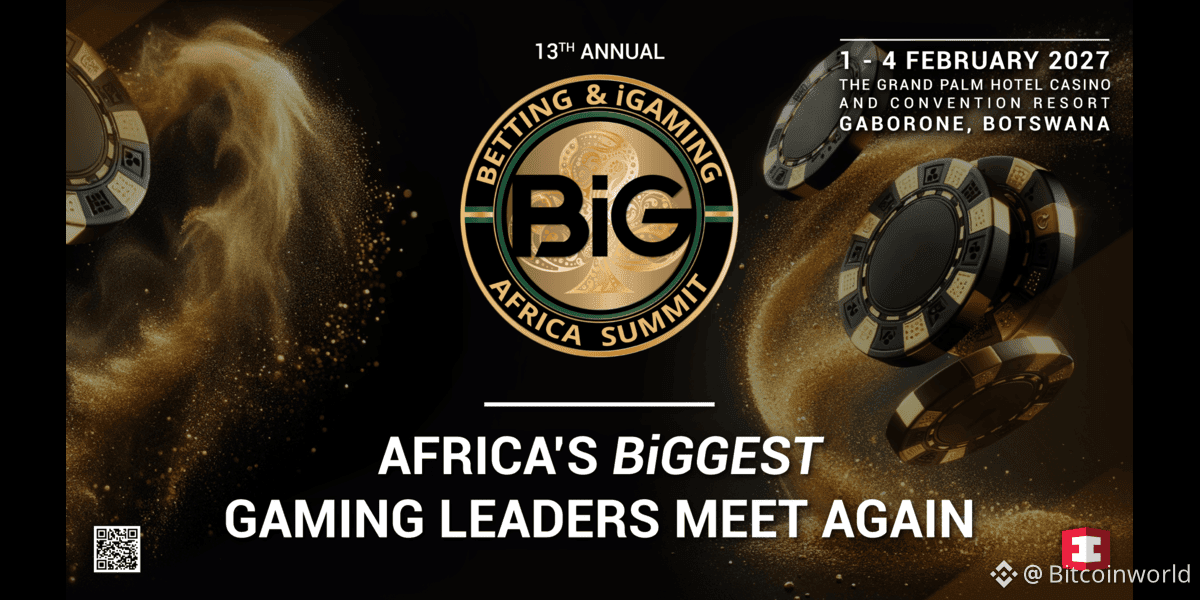
BiG Africa Summit 2027は、2027年2月1日〜4日、ボツワナのガボロネに戻り、第13回となる年次大会を開催します。アフリカ全域のベッティングおよびiGaming業界から、規制当局、オペレーター、業界のシニア関係者を迎え、The Grand Palm Hotel Casino and Convention Resortで行われます。BiG Africa Summit 2027は、第13回としてボツワナに戻ります
2014年の開始以来、BiG Africa Summitは同大陸のゲーミング業界における定着した集まる場へと成長してきました。この4日間のイベントでは、重要なステークホルダーが集い、集中的な議論、市場の洞察、さらなる行動につなげるための場を提供します。
BiG Africa Summit 2027は、第13回としてボツワナに戻ります
BitcoinWorld
BiG Africa Summit 2027は、第13回としてボツワナに戻ります
BiG Africa Summit 2027は、2027年2月1日〜4日、ボツワナのガボロネに戻り、第13回となる年次大会を開催します。アフリカ全域のベッティングおよびiGaming業界から、規制当局、オペレーター、業界のシニア関係者を迎え、The Grand Palm Hotel Casino and Convention Resortで行われます。BiG Africa Summit 2027は、第13回としてボツワナに戻ります
2014年の開始以来、BiG Africa Summitは同大陸のゲーミング業界における定着した集まる場へと成長してきました。この4日間のイベントでは、重要なステークホルダーが集い、集中的な議論、市場の洞察、さらなる行動につなげるための場を提供します。
BiG Africa Summit 2027は、第13回としてボツワナに戻ります
BiG Africa Summit 2027は、2027年2月1日〜4日、ボツワナのガボロネに戻り、第13回となる年次大会を開催します。アフリカ全域のベッティングおよびiGaming業界から、規制当局、オペレーター、業界のシニア関係者を迎え、The Grand Palm Hotel Casino and Convention Resortで行われます。BiG Africa Summit 2027は、第13回としてボツワナに戻ります
2014年の開始以来、BiG Africa Summitは同大陸のゲーミング業界における定着した集まる場へと成長してきました。この4日間のイベントでは、重要なステークホルダーが集い、集中的な議論、市場の洞察、さらなる行動につなげるための場を提供します。
250
·
--
記事
サイバー犯罪対応および安全保障協力への貢献が評価され、韓国国家警察庁に認定されたBybit…BitcoinWorld
サイバー犯罪対応および安全保障協力への貢献が評価され、韓国国家警察庁に認定されたBybit
ISCR 2026での評価は、違法資金の追跡、インテリジェンスの共有、暗号資産に関連するサイバー犯罪へのグローバルな対応力強化に向けた、Bybitの継続的な官憲および規制当局との協働を際立たせるものです
ドバイ(アラブ首長国連邦) 2026年9月16日 /PRNewswire/ — 取引高において世界第2位の暗号資産取引所であるBybitは、サイバー犯罪捜査および国際協力への貢献が評価され、韓国国家警察庁(KNPA)により表彰されました。2026年8月27〜28日にソウルで開催された「第27回サイバー犯罪対応に関する国際シンポジウム(ISCR 2026)」においてKNPAは、両組織間の協力関係を強化すること、特にサイバー犯罪の捜査における貢献が認められ、Bybitに感謝状を授与しました。感謝状は、韓国国家警察庁 代理総監のユ・ジェソン氏が壇上で授与し、Bybitを代表して、Bybitの法執行(Law Enforcement)責任者であるココ・ヘン氏が受領しました。
サイバー犯罪対応および安全保障協力への貢献が評価され、韓国国家警察庁に認定されたBybit…
BitcoinWorld
サイバー犯罪対応および安全保障協力への貢献が評価され、韓国国家警察庁に認定されたBybit
ISCR 2026での評価は、違法資金の追跡、インテリジェンスの共有、暗号資産に関連するサイバー犯罪へのグローバルな対応力強化に向けた、Bybitの継続的な官憲および規制当局との協働を際立たせるものです
ドバイ(アラブ首長国連邦) 2026年9月16日 /PRNewswire/ — 取引高において世界第2位の暗号資産取引所であるBybitは、サイバー犯罪捜査および国際協力への貢献が評価され、韓国国家警察庁(KNPA)により表彰されました。2026年8月27〜28日にソウルで開催された「第27回サイバー犯罪対応に関する国際シンポジウム(ISCR 2026)」においてKNPAは、両組織間の協力関係を強化すること、特にサイバー犯罪の捜査における貢献が認められ、Bybitに感謝状を授与しました。感謝状は、韓国国家警察庁 代理総監のユ・ジェソン氏が壇上で授与し、Bybitを代表して、Bybitの法執行(Law Enforcement)責任者であるココ・ヘン氏が受領しました。
サイバー犯罪対応および安全保障協力への貢献が評価され、韓国国家警察庁に認定されたBybit
ISCR 2026での評価は、違法資金の追跡、インテリジェンスの共有、暗号資産に関連するサイバー犯罪へのグローバルな対応力強化に向けた、Bybitの継続的な官憲および規制当局との協働を際立たせるものです
ドバイ(アラブ首長国連邦) 2026年9月16日 /PRNewswire/ — 取引高において世界第2位の暗号資産取引所であるBybitは、サイバー犯罪捜査および国際協力への貢献が評価され、韓国国家警察庁(KNPA)により表彰されました。2026年8月27〜28日にソウルで開催された「第27回サイバー犯罪対応に関する国際シンポジウム(ISCR 2026)」においてKNPAは、両組織間の協力関係を強化すること、特にサイバー犯罪の捜査における貢献が認められ、Bybitに感謝状を授与しました。感謝状は、韓国国家警察庁 代理総監のユ・ジェソン氏が壇上で授与し、Bybitを代表して、Bybitの法執行(Law Enforcement)責任者であるココ・ヘン氏が受領しました。
256
·
--
記事
メインネット・ローンチでArcに対応し稼働開始:オンチェーン・ファイナンスへのアクセスを拡大ビットコイン・ワールド
メインネット・ローンチでArcに対応し稼働開始:オンチェーン・ファイナンスへのアクセスを拡大
プロビデンス諸島、タークス・カイコス諸島、2026年9月16日 /PRNewswire/ — 信頼を基盤に構築された大手グローバル暗号資産プラットフォームのKuCoinは本日、メインネット・ローンチのパートナーとしてArcで稼働を開始したことを発表しました。これにより、対象となるユーザーは初日からKuCoinとArc間でUSDCを直接送受信できるようになります。
実社会における金融活動がオンチェーンへ移行する中、取引所は、確立された市場と新興の金融ネットワークをつなぐ上で、ますます重要になっています。ローンチ時にArcをサポートすることで、KuCoinはUSDC向けに利用可能なネットワークの選択肢を拡大し、決済、トレジャリー・マネジメント、トークン化された資産、プログラマブル・ファイナンスを中心に構築されたエコシステムへの実用的なアクセス手段を提供します。
メインネット・ローンチでArcに対応し稼働開始:オンチェーン・ファイナンスへのアクセスを拡大
ビットコイン・ワールド
メインネット・ローンチでArcに対応し稼働開始:オンチェーン・ファイナンスへのアクセスを拡大
プロビデンス諸島、タークス・カイコス諸島、2026年9月16日 /PRNewswire/ — 信頼を基盤に構築された大手グローバル暗号資産プラットフォームのKuCoinは本日、メインネット・ローンチのパートナーとしてArcで稼働を開始したことを発表しました。これにより、対象となるユーザーは初日からKuCoinとArc間でUSDCを直接送受信できるようになります。
実社会における金融活動がオンチェーンへ移行する中、取引所は、確立された市場と新興の金融ネットワークをつなぐ上で、ますます重要になっています。ローンチ時にArcをサポートすることで、KuCoinはUSDC向けに利用可能なネットワークの選択肢を拡大し、決済、トレジャリー・マネジメント、トークン化された資産、プログラマブル・ファイナンスを中心に構築されたエコシステムへの実用的なアクセス手段を提供します。
メインネット・ローンチでArcに対応し稼働開始:オンチェーン・ファイナンスへのアクセスを拡大
プロビデンス諸島、タークス・カイコス諸島、2026年9月16日 /PRNewswire/ — 信頼を基盤に構築された大手グローバル暗号資産プラットフォームのKuCoinは本日、メインネット・ローンチのパートナーとしてArcで稼働を開始したことを発表しました。これにより、対象となるユーザーは初日からKuCoinとArc間でUSDCを直接送受信できるようになります。
実社会における金融活動がオンチェーンへ移行する中、取引所は、確立された市場と新興の金融ネットワークをつなぐ上で、ますます重要になっています。ローンチ時にArcをサポートすることで、KuCoinはUSDC向けに利用可能なネットワークの選択肢を拡大し、決済、トレジャリー・マネジメント、トークン化された資産、プログラマブル・ファイナンスを中心に構築されたエコシステムへの実用的なアクセス手段を提供します。
2
1
175
·
--
記事
Binanceは今あなたのプライベートバンクになりたい——そして百万長者たちに狙いを定めているBitcoinWorld
Binanceは今あなたのプライベートバンクになりたい——そして百万長者たちに狙いを定めている
要点
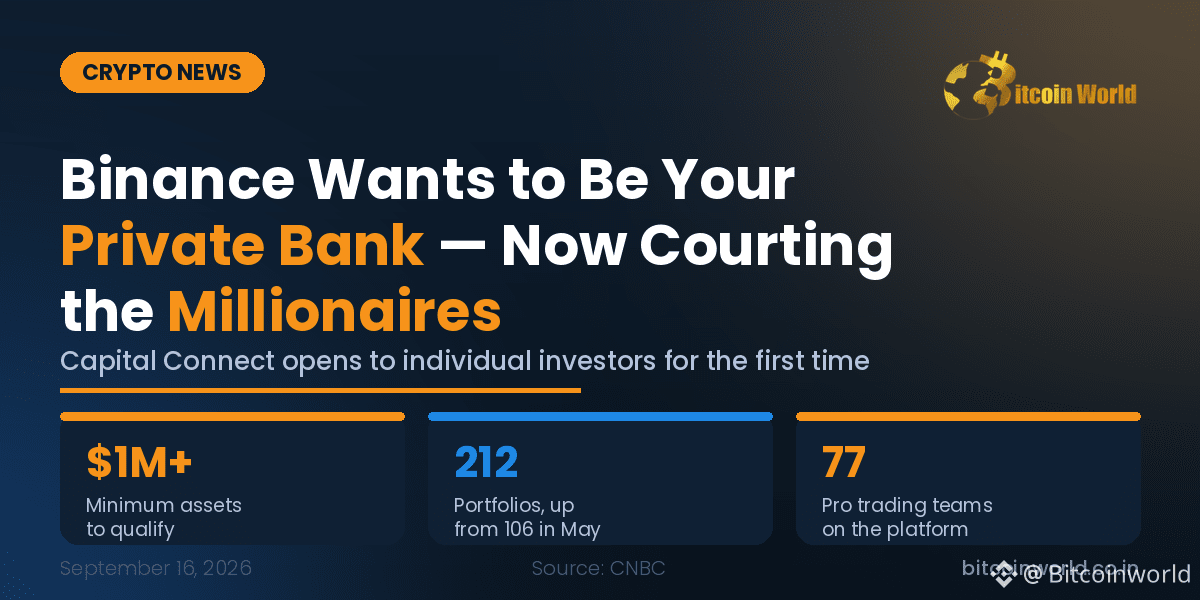
Binanceが個人投資家を初めてCapital Connectに受け入れ始めた——これまで機関投資家だけのためのプラットフォームだった。
参加するには、最低でも資産100万ドルが必要(または取引所でVIP 3ステータス)。
中に入ると、プロのトレーディング戦略を通じて取引でき、好きなものに資金を投じられる。ファンドマネージャーを選ぶのに少し似ている。
本当の見出し:暗号資産最大の取引所が、これまでプライベートバンクが自分たちのものだと考えてきた富裕層顧客を狙いにいっている。
Binanceは今あなたのプライベートバンクになりたい——そして百万長者たちに狙いを定めている
BitcoinWorld
Binanceは今あなたのプライベートバンクになりたい——そして百万長者たちに狙いを定めている
要点
Binanceが個人投資家を初めてCapital Connectに受け入れ始めた——これまで機関投資家だけのためのプラットフォームだった。
参加するには、最低でも資産100万ドルが必要(または取引所でVIP 3ステータス)。
中に入ると、プロのトレーディング戦略を通じて取引でき、好きなものに資金を投じられる。ファンドマネージャーを選ぶのに少し似ている。
本当の見出し:暗号資産最大の取引所が、これまでプライベートバンクが自分たちのものだと考えてきた富裕層顧客を狙いにいっている。
Binanceは今あなたのプライベートバンクになりたい——そして百万長者たちに狙いを定めている
要点
Binanceが個人投資家を初めてCapital Connectに受け入れ始めた——これまで機関投資家だけのためのプラットフォームだった。
参加するには、最低でも資産100万ドルが必要(または取引所でVIP 3ステータス)。
中に入ると、プロのトレーディング戦略を通じて取引でき、好きなものに資金を投じられる。ファンドマネージャーを選ぶのに少し似ている。
本当の見出し:暗号資産最大の取引所が、これまでプライベートバンクが自分たちのものだと考えてきた富裕層顧客を狙いにいっている。
194
·
--
記事
CoinDCXがTether Goldと提携し、トークン化金XAUTをインドの投資家へ提供。INR 100からSIPを開始 …BitcoinWorld
CoinDCX、Tether Goldと提携し、トークン化金XAUTをインドの投資家へ提供。INR 100からSIPを開始
インド、カルナータカ州、バンガロール
インド最大の暗号資産取引所であるCoinDCXは本日、時価総額ベースで世界最大のトークン化金商品であるTether Gold(XAUT)との戦略的コラボレーションを発表し、トークン化された金をインドの投資家がより利用しやすいものにするとしました。コラボレーションの一環として、XAUTはCoinDCXで取引可能になり、さらにXAUT SIPの提供開始により、ユーザーはINR 100からトークン化金への投資を始められるようになります。
CoinDCXがTether Goldと提携し、トークン化金XAUTをインドの投資家へ提供。INR 100からSIPを開始 …
BitcoinWorld
CoinDCX、Tether Goldと提携し、トークン化金XAUTをインドの投資家へ提供。INR 100からSIPを開始
インド、カルナータカ州、バンガロール
インド最大の暗号資産取引所であるCoinDCXは本日、時価総額ベースで世界最大のトークン化金商品であるTether Gold(XAUT)との戦略的コラボレーションを発表し、トークン化された金をインドの投資家がより利用しやすいものにするとしました。コラボレーションの一環として、XAUTはCoinDCXで取引可能になり、さらにXAUT SIPの提供開始により、ユーザーはINR 100からトークン化金への投資を始められるようになります。
CoinDCX、Tether Goldと提携し、トークン化金XAUTをインドの投資家へ提供。INR 100からSIPを開始
インド、カルナータカ州、バンガロール
インド最大の暗号資産取引所であるCoinDCXは本日、時価総額ベースで世界最大のトークン化金商品であるTether Gold(XAUT)との戦略的コラボレーションを発表し、トークン化された金をインドの投資家がより利用しやすいものにするとしました。コラボレーションの一環として、XAUTはCoinDCXで取引可能になり、さらにXAUT SIPの提供開始により、ユーザーはINR 100からトークン化金への投資を始められるようになります。
209
·
--
記事
ViaBTCがMempoolと提携し、BTC取引の加速サービスへのアクセスを拡大BitcoinWorld
ViaBTCがMempoolと提携し、BTC取引の加速サービスへのアクセスを拡大
香港、2026年9月16日 /PRNewswire/ — 世界有数のマルチ暗号通貨マイニングプールであるViaBTCは本日、ビットコインの取引加速サービスへのアクセスを拡大するためにMempoolと提携したと発表しました。この提携に基づき、ViaBTCはビットコインのマイニングプール・インフラと、ブロック構築および取引処理に関する専門性を活用して、対象となる取引を加速し、より多くのユーザーがビットコイン取引をより早く承認(確定)されるよう支援します。
ViaBTCがMempoolと提携し、BTC取引の加速サービスへのアクセスを拡大
BitcoinWorld
ViaBTCがMempoolと提携し、BTC取引の加速サービスへのアクセスを拡大
香港、2026年9月16日 /PRNewswire/ — 世界有数のマルチ暗号通貨マイニングプールであるViaBTCは本日、ビットコインの取引加速サービスへのアクセスを拡大するためにMempoolと提携したと発表しました。この提携に基づき、ViaBTCはビットコインのマイニングプール・インフラと、ブロック構築および取引処理に関する専門性を活用して、対象となる取引を加速し、より多くのユーザーがビットコイン取引をより早く承認(確定)されるよう支援します。
ViaBTCがMempoolと提携し、BTC取引の加速サービスへのアクセスを拡大
香港、2026年9月16日 /PRNewswire/ — 世界有数のマルチ暗号通貨マイニングプールであるViaBTCは本日、ビットコインの取引加速サービスへのアクセスを拡大するためにMempoolと提携したと発表しました。この提携に基づき、ViaBTCはビットコインのマイニングプール・インフラと、ブロック構築および取引処理に関する専門性を活用して、対象となる取引を加速し、より多くのユーザーがビットコイン取引をより早く承認(確定)されるよう支援します。
177
·
--
記事
ARTPRICE NEWS:第18回リヨン・コンテンポラリー・アート・ビエンナーレがいま開幕ビットコインワールド
ARTPRICE NEWS:第18回リヨン・コンテンポラリー・アート・ビエンナーレがいま開幕
Passer d’un rêve à l’autre — ある夢から別の夢へ
2026年9月19日〜12月13日 11会場 • 120人のアーティスト • 約400点の作品
PRNewswire/パリ、2026年9月15日 — 9月19日(土)から、第18回リヨン・コンテンポラリー・アート・ビエンナーレが一般公開されます。2026年12月13日まで、Passer d’un rêve à l’autre(ある夢から別の夢へ)では、リヨンおよび都市圏の11会場に広がる、ゆとりあるビエンナーレを誰もが体験できるようにし、120人のアーティストと、ほぼ400点の作品を結びつけます。
ARTPRICE NEWS:第18回リヨン・コンテンポラリー・アート・ビエンナーレがいま開幕
ビットコインワールド
ARTPRICE NEWS:第18回リヨン・コンテンポラリー・アート・ビエンナーレがいま開幕
Passer d’un rêve à l’autre — ある夢から別の夢へ
2026年9月19日〜12月13日 11会場 • 120人のアーティスト • 約400点の作品
PRNewswire/パリ、2026年9月15日 — 9月19日(土)から、第18回リヨン・コンテンポラリー・アート・ビエンナーレが一般公開されます。2026年12月13日まで、Passer d’un rêve à l’autre(ある夢から別の夢へ)では、リヨンおよび都市圏の11会場に広がる、ゆとりあるビエンナーレを誰もが体験できるようにし、120人のアーティストと、ほぼ400点の作品を結びつけます。
ARTPRICE NEWS:第18回リヨン・コンテンポラリー・アート・ビエンナーレがいま開幕
Passer d’un rêve à l’autre — ある夢から別の夢へ
2026年9月19日〜12月13日 11会場 • 120人のアーティスト • 約400点の作品
PRNewswire/パリ、2026年9月15日 — 9月19日(土)から、第18回リヨン・コンテンポラリー・アート・ビエンナーレが一般公開されます。2026年12月13日まで、Passer d’un rêve à l’autre(ある夢から別の夢へ)では、リヨンおよび都市圏の11会場に広がる、ゆとりあるビエンナーレを誰もが体験できるようにし、120人のアーティストと、ほぼ400点の作品を結びつけます。
205
·
--
記事
Gnosis Safeウォレットが770万ドルを失う——ハッカーは解読する必要がなかったBitcoinWorld
Gnosis Safeウォレットが770万ドルを失う——ハッカーは解読する必要がなかった
要点
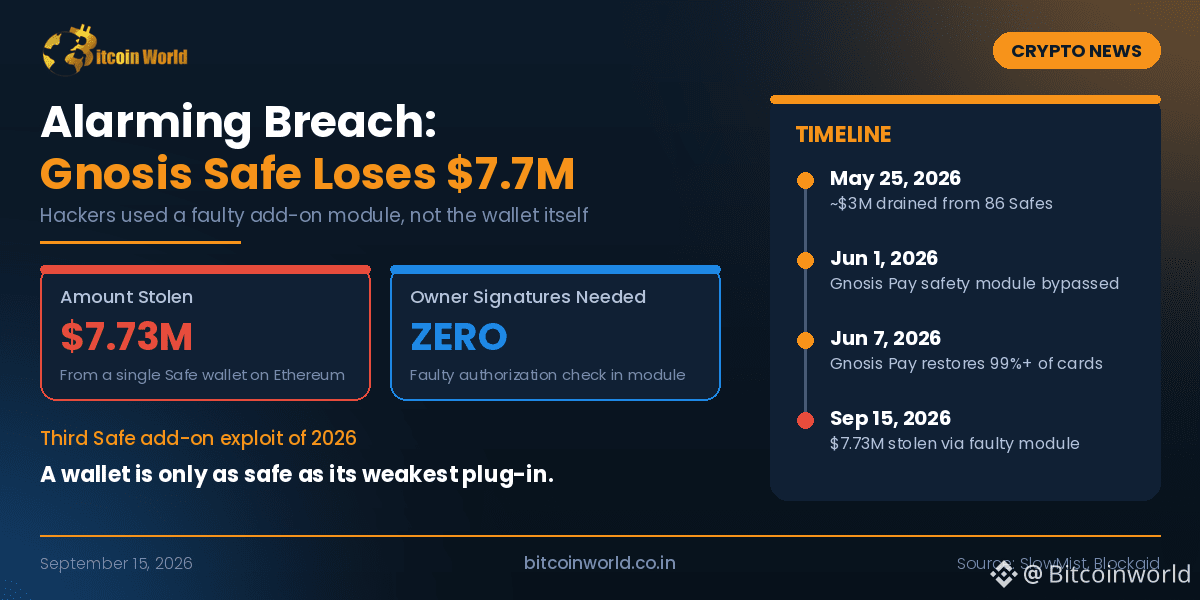
ハッカーは2026年9月15日に、1つのGnosis Safeウォレットから約773万ドルを盗みました。
彼らはウォレット自体は破っていません。ウォレットに接続されているアドオン・ツールを経由して侵入しました。
盗まれた資金は、ハッカーが用意した取引プールを通過したため、追跡がより難しくなりました。
Safeウォレットのアドオンが不正に資金を盗むために使われるのは、今年3回目だ。
まず、Gnosis Safeとは何ですか?
Gnosis Safeを、複数の鍵が必要な銀行の貸金庫だと考えてください。企業や仮想通貨ファンド、裕福な投資家がそれを使うのは、1人だけではお金を動かせないためです。だからこそ、仮想通貨を保管する最も安全な場所の一つとして評判があります。
Gnosis Safeウォレットが770万ドルを失う——ハッカーは解読する必要がなかった
BitcoinWorld
Gnosis Safeウォレットが770万ドルを失う——ハッカーは解読する必要がなかった
要点
ハッカーは2026年9月15日に、1つのGnosis Safeウォレットから約773万ドルを盗みました。
彼らはウォレット自体は破っていません。ウォレットに接続されているアドオン・ツールを経由して侵入しました。
盗まれた資金は、ハッカーが用意した取引プールを通過したため、追跡がより難しくなりました。
Safeウォレットのアドオンが不正に資金を盗むために使われるのは、今年3回目だ。
まず、Gnosis Safeとは何ですか?
Gnosis Safeを、複数の鍵が必要な銀行の貸金庫だと考えてください。企業や仮想通貨ファンド、裕福な投資家がそれを使うのは、1人だけではお金を動かせないためです。だからこそ、仮想通貨を保管する最も安全な場所の一つとして評判があります。
Gnosis Safeウォレットが770万ドルを失う——ハッカーは解読する必要がなかった
要点
ハッカーは2026年9月15日に、1つのGnosis Safeウォレットから約773万ドルを盗みました。
彼らはウォレット自体は破っていません。ウォレットに接続されているアドオン・ツールを経由して侵入しました。
盗まれた資金は、ハッカーが用意した取引プールを通過したため、追跡がより難しくなりました。
Safeウォレットのアドオンが不正に資金を盗むために使われるのは、今年3回目だ。
まず、Gnosis Safeとは何ですか?
Gnosis Safeを、複数の鍵が必要な銀行の貸金庫だと考えてください。企業や仮想通貨ファンド、裕福な投資家がそれを使うのは、1人だけではお金を動かせないためです。だからこそ、仮想通貨を保管する最も安全な場所の一つとして評判があります。
201
·
--
記事
ワシントンの仮想通貨課税法案は「2ドルのガス代問題」を狙い、より厳しい戦いを先送りするBitcoinWorld
ワシントンの仮想通貨課税法案は「2ドルのガス代問題」を狙い、より厳しい戦いを先送りする
要点
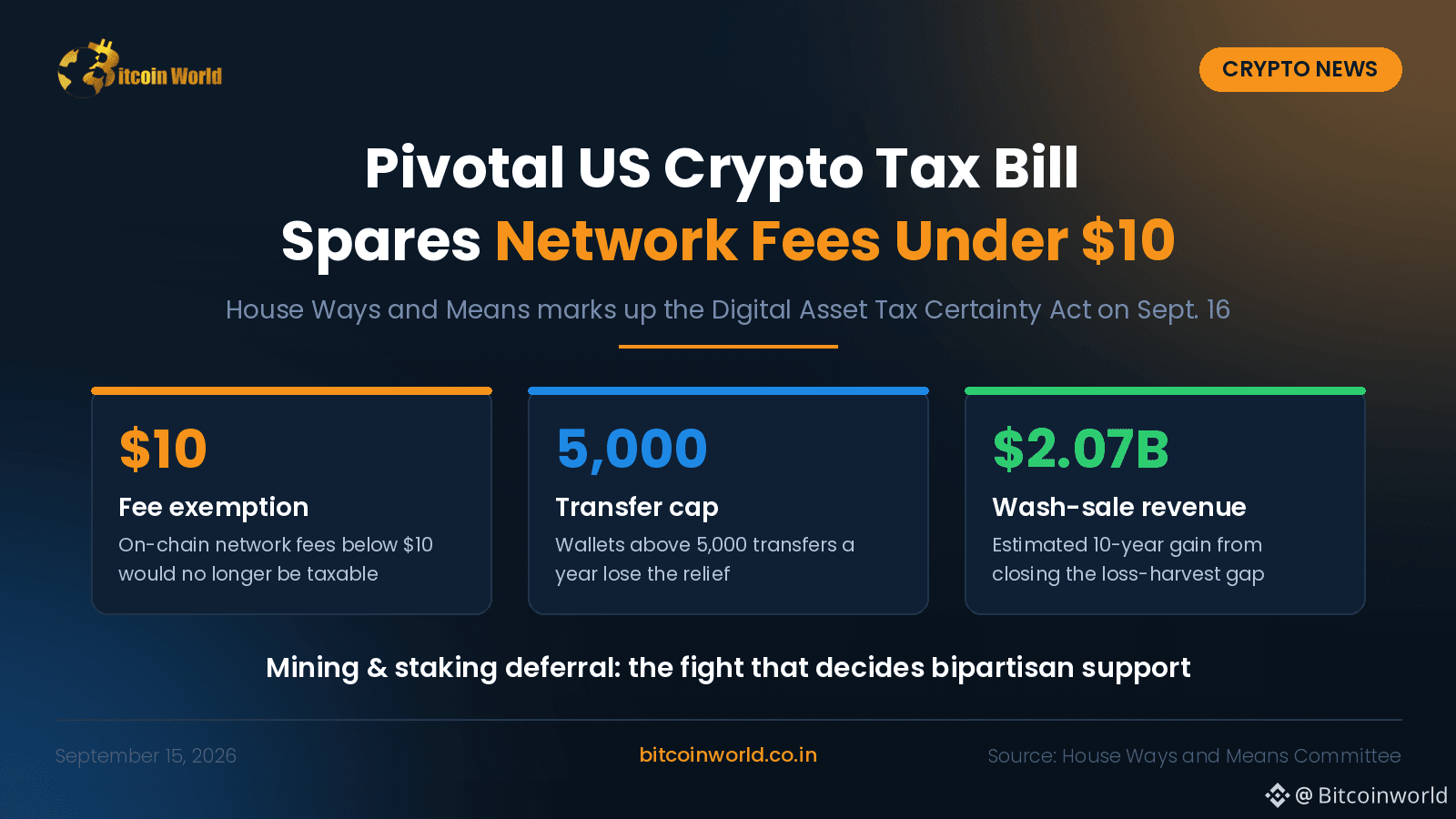
下院歳入委員会は、全114ページの「デジタル・アセット税の確実性法(H.R. 10357)」を公表し、9月16日に条文を修正する予定だ。
10ドル未満のブロックチェーン・ネットワーク手数料では、課税対象となる取引は発生しなくなるが、前年に5,000件を超える送金を行ったウォレットは、この救済措置の対象にならない。
仮想通貨の損益通算(ウォッシュセール)に関する抜け穴を塞げば歳入が増える一方で、マイニングおよびステーキング報酬の課税を繰り延べれば歳入は減る。繰り延べは、削られる可能性が最も高い条項だ。
ワシントンの仮想通貨課税法案は「2ドルのガス代問題」を狙い、より厳しい戦いを先送りする
BitcoinWorld
ワシントンの仮想通貨課税法案は「2ドルのガス代問題」を狙い、より厳しい戦いを先送りする
要点
下院歳入委員会は、全114ページの「デジタル・アセット税の確実性法(H.R. 10357)」を公表し、9月16日に条文を修正する予定だ。
10ドル未満のブロックチェーン・ネットワーク手数料では、課税対象となる取引は発生しなくなるが、前年に5,000件を超える送金を行ったウォレットは、この救済措置の対象にならない。
仮想通貨の損益通算(ウォッシュセール)に関する抜け穴を塞げば歳入が増える一方で、マイニングおよびステーキング報酬の課税を繰り延べれば歳入は減る。繰り延べは、削られる可能性が最も高い条項だ。
ワシントンの仮想通貨課税法案は「2ドルのガス代問題」を狙い、より厳しい戦いを先送りする
要点
下院歳入委員会は、全114ページの「デジタル・アセット税の確実性法(H.R. 10357)」を公表し、9月16日に条文を修正する予定だ。
10ドル未満のブロックチェーン・ネットワーク手数料では、課税対象となる取引は発生しなくなるが、前年に5,000件を超える送金を行ったウォレットは、この救済措置の対象にならない。
仮想通貨の損益通算(ウォッシュセール)に関する抜け穴を塞げば歳入が増える一方で、マイニングおよびステーキング報酬の課税を繰り延べれば歳入は減る。繰り延べは、削られる可能性が最も高い条項だ。
242
·
--
記事
暗号資産の課税タイマーが刻む中、RedotPayが韓国で営業を終了ビットコインワールド
暗号資産の課税タイマーが刻む中、RedotPayが韓国で営業を終了
重要なポイント
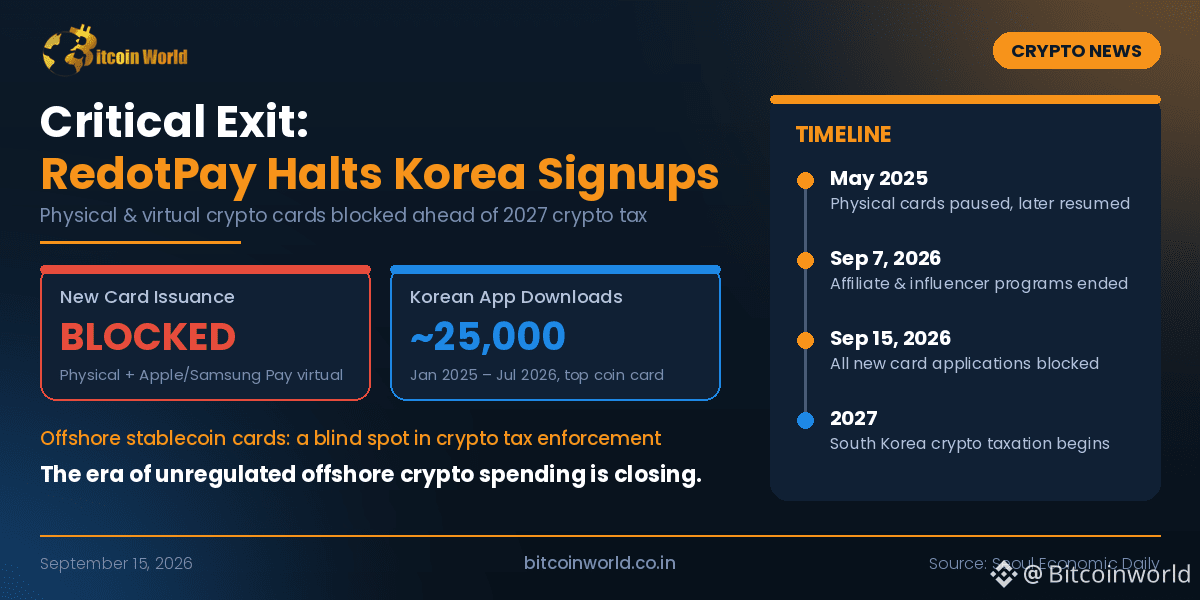
RedotPayは韓国において、新規ユーザー向けに物理型・仮想型の両方の暗号資産カードの発行を停止した。
同社は、同ブロックが表面化する数日前の9月7日、韓国のアフィリエイトおよびインフルエンサー紹介プログラムを終了した。
これは同プラットフォームの韓国での2度目の後退だ。1度目は2025年5月で、対象は物理カードのみだった。
この動きは、韓国で暗号資産の課税制度が始まるわずか数か月前に行われており、国外(オフショア)のステーブルコインカードは、税務執行の盲点として指摘されている。
暗号資産の課税タイマーが刻む中、RedotPayが韓国で営業を終了
ビットコインワールド
暗号資産の課税タイマーが刻む中、RedotPayが韓国で営業を終了
重要なポイント
RedotPayは韓国において、新規ユーザー向けに物理型・仮想型の両方の暗号資産カードの発行を停止した。
同社は、同ブロックが表面化する数日前の9月7日、韓国のアフィリエイトおよびインフルエンサー紹介プログラムを終了した。
これは同プラットフォームの韓国での2度目の後退だ。1度目は2025年5月で、対象は物理カードのみだった。
この動きは、韓国で暗号資産の課税制度が始まるわずか数か月前に行われており、国外(オフショア)のステーブルコインカードは、税務執行の盲点として指摘されている。
暗号資産の課税タイマーが刻む中、RedotPayが韓国で営業を終了
重要なポイント
RedotPayは韓国において、新規ユーザー向けに物理型・仮想型の両方の暗号資産カードの発行を停止した。
同社は、同ブロックが表面化する数日前の9月7日、韓国のアフィリエイトおよびインフルエンサー紹介プログラムを終了した。
これは同プラットフォームの韓国での2度目の後退だ。1度目は2025年5月で、対象は物理カードのみだった。
この動きは、韓国で暗号資産の課税制度が始まるわずか数か月前に行われており、国外(オフショア)のステーブルコインカードは、税務執行の盲点として指摘されている。
1
197
·
--

記事
BRICSデリー宣言2026:私は全120段落を読んだので、あなたは読まなくていいBitcoinWorld
BRICSデリー宣言2026:私は全120段落を読んだので、あなたは読まなくていい
要点
2026年9月12日、指導者たちはインドが議長を務める中、新デリー宣言に署名した。
インドはCBDCのリンクを売り込むのに数か月を費やした。最終文書には「CBDC」という語は入っていない。
第42段落は、違法な仮想資産のフローや、詐欺の積み重ねの後に続く。
第95段落では、金融セクターに対する量子コンピューティングを問題視しているが、まだ誰もそれについて話していない。
みんなが私に「デリー宣言って何ですか」と聞いてくるので、はっきり説明します。これは、ブラジル、ロシア、インド、中国、南アフリカ(BRICS)の首脳たちがバラト・マンタパムで合意した共同声明で、「レジリエンス、イノベーション、協力、持続可能性のための構築」をテーマにしています。長いし、乾いている(退屈です)。そして、これがこの連合の今後12か月間の立場を定めるものです。だから私は見出しに反応するのではなく、ちゃんと読みました。
BRICSデリー宣言2026:私は全120段落を読んだので、あなたは読まなくていい
BitcoinWorld
BRICSデリー宣言2026:私は全120段落を読んだので、あなたは読まなくていい
要点
2026年9月12日、指導者たちはインドが議長を務める中、新デリー宣言に署名した。
インドはCBDCのリンクを売り込むのに数か月を費やした。最終文書には「CBDC」という語は入っていない。
第42段落は、違法な仮想資産のフローや、詐欺の積み重ねの後に続く。
第95段落では、金融セクターに対する量子コンピューティングを問題視しているが、まだ誰もそれについて話していない。
みんなが私に「デリー宣言って何ですか」と聞いてくるので、はっきり説明します。これは、ブラジル、ロシア、インド、中国、南アフリカ(BRICS)の首脳たちがバラト・マンタパムで合意した共同声明で、「レジリエンス、イノベーション、協力、持続可能性のための構築」をテーマにしています。長いし、乾いている(退屈です)。そして、これがこの連合の今後12か月間の立場を定めるものです。だから私は見出しに反応するのではなく、ちゃんと読みました。
BRICSデリー宣言2026:私は全120段落を読んだので、あなたは読まなくていい
要点
2026年9月12日、指導者たちはインドが議長を務める中、新デリー宣言に署名した。
インドはCBDCのリンクを売り込むのに数か月を費やした。最終文書には「CBDC」という語は入っていない。
第42段落は、違法な仮想資産のフローや、詐欺の積み重ねの後に続く。
第95段落では、金融セクターに対する量子コンピューティングを問題視しているが、まだ誰もそれについて話していない。
みんなが私に「デリー宣言って何ですか」と聞いてくるので、はっきり説明します。これは、ブラジル、ロシア、インド、中国、南アフリカ(BRICS)の首脳たちがバラト・マンタパムで合意した共同声明で、「レジリエンス、イノベーション、協力、持続可能性のための構築」をテーマにしています。長いし、乾いている(退屈です)。そして、これがこの連合の今後12か月間の立場を定めるものです。だから私は見出しに反応するのではなく、ちゃんと読みました。
1
510
ログインして、さらにコンテンツを読む
厳選トピックで世界の暗号資産トレーダーの仲間入り
⚡️ 暗号資産に関する最新かつ有益な情報が見つかります。
💬 世界最大の暗号資産取引所から信頼されています。
👍 認証を受けたクリエイターから、有益なインサイトを得られます。
メール / 電話番号
トレンドトピック
BOJRaisesRatesTo31YearHigh
閲覧回数 210
53人が討論中
🚨日銀の奇妙な利上げ...
#bojraisesratesto31yearhigh
日本は政策金利を31年ぶりの高水準に引き上げました。にもかかわらず、円は依然として下落しています。
矛盾して聞こえますが、キャリートレードを見ると腑に落ちます。
日銀は政策金利を25bps引き上げ、1.25%にしました。これは1995年以来の高水準で、7対2の投票でした。さらに、これは3カ月で2回目の利上げでもあります。
それでも決定後、USD/JPYは158.05まで急騰しました。
なぜでしょう?
市場は反対した日銀の2人の政策委員に注目し、予想よりもハト派的だと判断しました。
この違いは日本の枠を超えて重要です。
円はキャリートレードにおける世界的な主要な資金調達通貨の1つです——円で安く借りて、他のより高利回りの資産に振り向けるのです。
つまり実際の流れはこうです:
日銀の引き締め → 円の資金調達コストが上がる
しかし:
円が弱くなる → キャリーのポジションが自動的に投げ売られるわけではない
さらに、ビットコインの反応がこの構図を一段と面白くしています。
BTCは日銀の決定後に急反発し、ロイターによれば約81,000ドルに到達しました。
つまり今日のシグナルは単純にこうではありません:
「日銀の利上げ=BTCは弱気」。
より大きな論点は、日本の引き締めが、キャリートレードの大規模な巻き戻しを強いるほどの持続的な円高を最終的に生み出せるかどうかです。
ひとまず、金利は動いた。
でも、円はついてこなかった。
この点こそが注目すべきところです。
$BTC $XRP
#BoJ #BTCBreaks80K #BTC #JPY
Stink meaner
·いいね:0件
·閲覧回数 28
HKCompletesFirstHKDStablecoinUseCase
閲覧回数 18,129
493人が討論中
VietnamPlansFirstCryptoLicensesIn2026
閲覧回数 12,838
324人が討論中