
BLANK _
21.8k 投稿

BLANK _
 厳選トピック確認済+
報告
ユーザーをブロック
Binance Enthusiast 💠 Crypto Trader 💠Deciphering the Charts,One trade at a time 💠Passionate about Blockchain as Web3 💠 Hustle. Trade. Repeat 💠 👉X::@BLANK53
取引を発注
高頻度トレーダー
2年
289 フォロー
46.0K+ フォロワー
35.3K+ いいね
投稿
ポートフォリオ
すべて
引用
動画
ライブ
PINNED

·
--
ブリッシュ
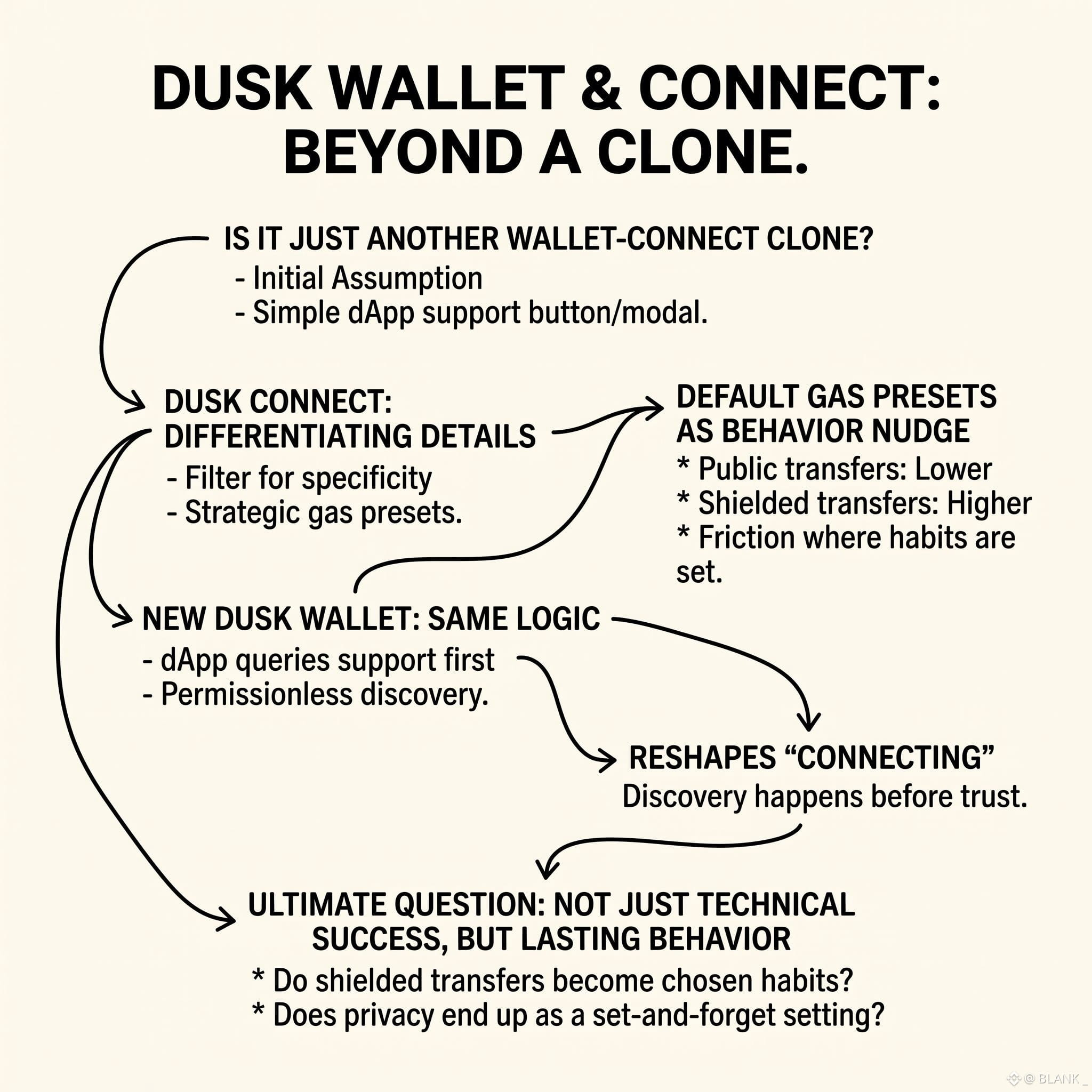
最初は、Dusk Connect はただのウォレットコネクトのクローンだと思っていました。モーダルを開いて dApp 対応と言うだけのボタンです。でも、詳細を見ていくと、もっと具体的なものに絞り込まれていました。デフォルトのガス設定は、公的な送金では低めに、秘匿送金では高めに設定されています。つまり、ユーザーが意識して選ぶ前に、ウォレットが行動の方向性をそっと誘導するわけです。これは中立的な配管ではありません。習慣が固定されるまさにその場所に、摩擦を置いているのです。
新しい Dusk Wallet も同じ論理に従っています。dApp は接続許可が存在する前に、サポートされている内容を照会できます。だから、発見は「信頼と同時」ではなく「信頼の前」に起こるのです。便利ではありますが、その一方で、ユーザーにとって「接続する」とは実際に何を意味するのかを、相手側にも影響させてしまいます。このことは導入が進むことを証明しているわけではありません。摩擦を減らすことは、記憶しやすさを減らすことにも同じように直結し得ます。本当の問いは、秘匿送金が機能するかどうかではありません。デフォルトが外れたあとも誰かがそれを選び続けるのか、それともプライバシーが「一度有効化して二度と触れない設定」になってしまうのか——そこが問題です。
@Dusk_Foundation $DUSK #dusk
最初は、Dusk Connect はただのウォレットコネクトのクローンだと思っていました。モーダルを開いて dApp 対応と言うだけのボタンです。でも、詳細を見ていくと、もっと具体的なものに絞り込まれていました。デフォルトのガス設定は、公的な送金では低めに、秘匿送金では高めに設定されています。つまり、ユーザーが意識して選ぶ前に、ウォレットが行動の方向性をそっと誘導するわけです。これは中立的な配管ではありません。習慣が固定されるまさにその場所に、摩擦を置いているのです。
新しい Dusk Wallet も同じ論理に従っています。dApp は接続許可が存在する前に、サポートされている内容を照会できます。だから、発見は「信頼と同時」ではなく「信頼の前」に起こるのです。便利ではありますが、その一方で、ユーザーにとって「接続する」とは実際に何を意味するのかを、相手側にも影響させてしまいます。このことは導入が進むことを証明しているわけではありません。摩擦を減らすことは、記憶しやすさを減らすことにも同じように直結し得ます。本当の問いは、秘匿送金が機能するかどうかではありません。デフォルトが外れたあとも誰かがそれを選び続けるのか、それともプライバシーが「一度有効化して二度と触れない設定」になってしまうのか——そこが問題です。
@Dusk $DUSK #dusk
新しい Dusk Wallet も同じ論理に従っています。dApp は接続許可が存在する前に、サポートされている内容を照会できます。だから、発見は「信頼と同時」ではなく「信頼の前」に起こるのです。便利ではありますが、その一方で、ユーザーにとって「接続する」とは実際に何を意味するのかを、相手側にも影響させてしまいます。このことは導入が進むことを証明しているわけではありません。摩擦を減らすことは、記憶しやすさを減らすことにも同じように直結し得ます。本当の問いは、秘匿送金が機能するかどうかではありません。デフォルトが外れたあとも誰かがそれを選び続けるのか、それともプライバシーが「一度有効化して二度と触れない設定」になってしまうのか——そこが問題です。
@Dusk $DUSK #dusk
11
18
2k
·
--
ブリッシュ
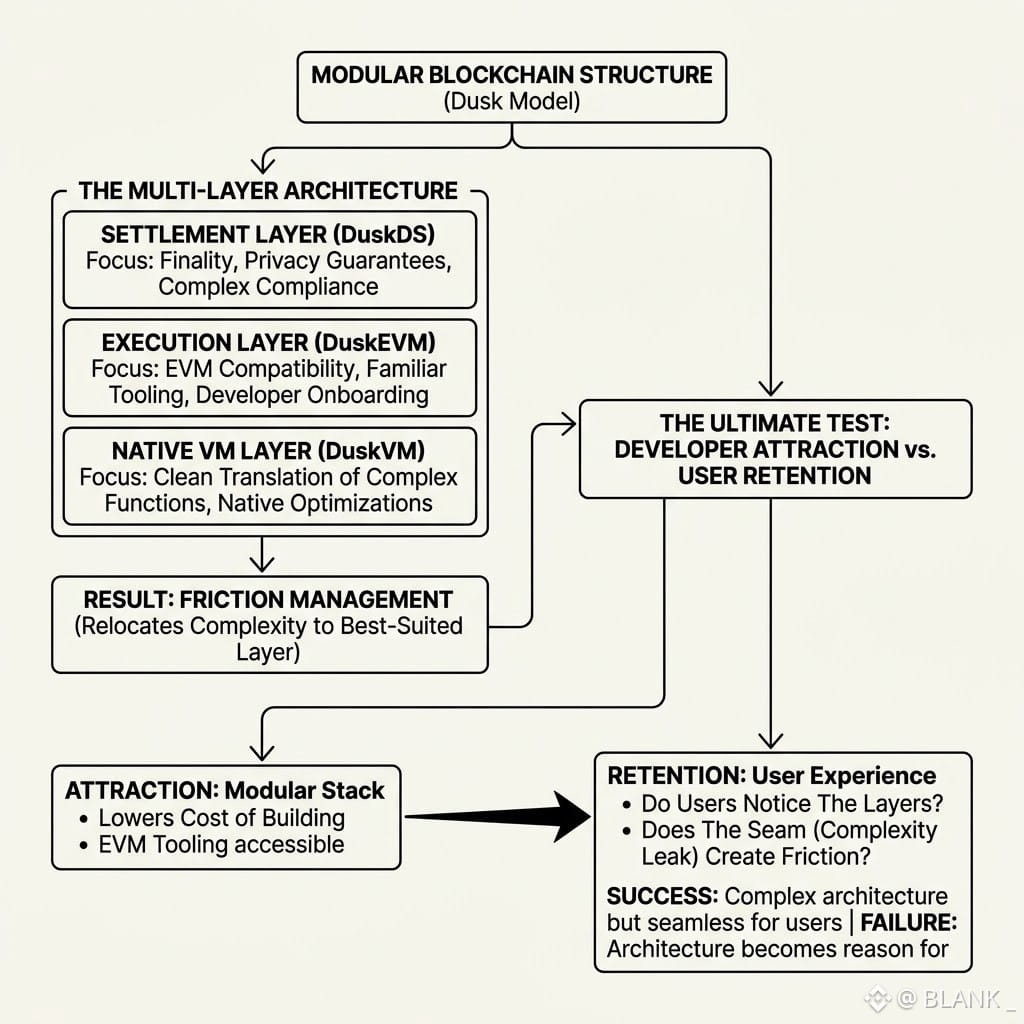
最初は、鎖を3つの層に分割することは、建築が建築のために存在するだけのようなもの――求められていないのに柔軟性を約束する別の図面だと思っていました。 しかし、DuskDS、DuskEVM、DuskVMが並ぶのを見ると、層分けは飾りというより「摩擦の管理」のように見えてきます。決済は最終性とプライバシー保証が必要な場所に留まり、実行は開発者がすでに使い慣れているツール群のある場所へ移り、そしてネイティブVMはEVMの前提にうまく変換できない部分を吸収します。ここで複雑さが消えるわけではありません。ただ、それを漏れ出さないように保持するのに最も適した層へと移しているだけです。見えにくいのは、その下にある「維持(リテンション)の問い」です。モジュラーなスタックは構築コストを下げますが、構築できることと、留まってもらえることは同じではありません。本当の試練は、開発者が3つの層にまたがってデプロイできるかどうかではなく、ユーザーが自分がどの層にいるのかをいつか気づいてしまわないか、あるいはその継ぎ目が離れていく理由になってしまわないかです。
@Dusk_Foundation $DUSK #dusk
最初は、鎖を3つの層に分割することは、建築が建築のために存在するだけのようなもの――求められていないのに柔軟性を約束する別の図面だと思っていました。 しかし、DuskDS、DuskEVM、DuskVMが並ぶのを見ると、層分けは飾りというより「摩擦の管理」のように見えてきます。決済は最終性とプライバシー保証が必要な場所に留まり、実行は開発者がすでに使い慣れているツール群のある場所へ移り、そしてネイティブVMはEVMの前提にうまく変換できない部分を吸収します。ここで複雑さが消えるわけではありません。ただ、それを漏れ出さないように保持するのに最も適した層へと移しているだけです。見えにくいのは、その下にある「維持(リテンション)の問い」です。モジュラーなスタックは構築コストを下げますが、構築できることと、留まってもらえることは同じではありません。本当の試練は、開発者が3つの層にまたがってデプロイできるかどうかではなく、ユーザーが自分がどの層にいるのかをいつか気づいてしまわないか、あるいはその継ぎ目が離れていく理由になってしまわないかです。
@Dusk $DUSK #dusk
@Dusk $DUSK #dusk
13
16
1.7k
·
--
ブリッシュ
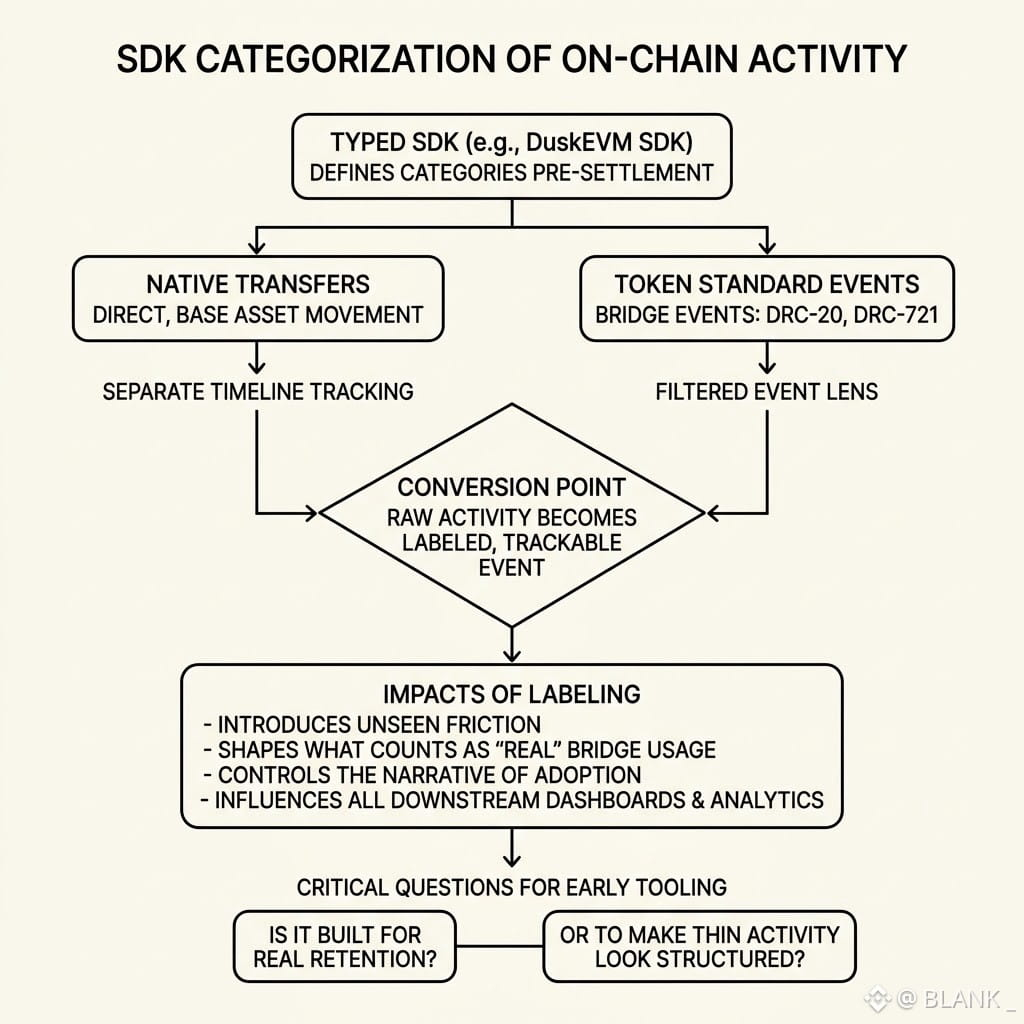
最初は、型付きSDKは主に開発者の利便性を高め、呼び出しをより整理し、バグを減らすためのものだと思っていました。ですが、DuskEVM SDKがネイティブ送金をDRC-20やDRC-721のブリッジイベントとどう切り分けているかを見ていると、別の点が目につきました。型付けは中立ではありません。トランザクションが決着する前から、どんな活動がどのカテゴリに分類されるかを決めてしまい、それが下流で「本物の」ブリッジ利用としてカウントされる内容を静かに形作っているのです。ネイティブの移動は独自のタイムラインで追跡されます。一方で、トークン標準のイベントはまったく別の視点を通してフィルタされます。この分岐は、多くのユーザーには見えない摩擦を生みますが、それでもすべてのダッシュボード、そしてその上に構築されるあらゆる分析レイヤーへと持ち込まれ続けます。
私が注目しているのは、転換点です。生のチェーン活動が、ラベル付けされ、追跡可能なイベントへと変わるその瞬間です。誰がそのラベリングを握っているかが、導入(採用)の物語を左右します。だから考え続けてしまいます――このレベルの粒度に対応するツールがこれほど早い段階で存在するのは、本当の定着(リテンション)を狙っているからなのでしょうか。それとも、実際の需要がまだ到来していないのに、薄い活動を構造化されたものに見せるために作られているのでしょうか?
@Dusk_Foundation $DUSK #dusk
最初は、型付きSDKは主に開発者の利便性を高め、呼び出しをより整理し、バグを減らすためのものだと思っていました。ですが、DuskEVM SDKがネイティブ送金をDRC-20やDRC-721のブリッジイベントとどう切り分けているかを見ていると、別の点が目につきました。型付けは中立ではありません。トランザクションが決着する前から、どんな活動がどのカテゴリに分類されるかを決めてしまい、それが下流で「本物の」ブリッジ利用としてカウントされる内容を静かに形作っているのです。ネイティブの移動は独自のタイムラインで追跡されます。一方で、トークン標準のイベントはまったく別の視点を通してフィルタされます。この分岐は、多くのユーザーには見えない摩擦を生みますが、それでもすべてのダッシュボード、そしてその上に構築されるあらゆる分析レイヤーへと持ち込まれ続けます。
私が注目しているのは、転換点です。生のチェーン活動が、ラベル付けされ、追跡可能なイベントへと変わるその瞬間です。誰がそのラベリングを握っているかが、導入(採用)の物語を左右します。だから考え続けてしまいます――このレベルの粒度に対応するツールがこれほど早い段階で存在するのは、本当の定着(リテンション)を狙っているからなのでしょうか。それとも、実際の需要がまだ到来していないのに、薄い活動を構造化されたものに見せるために作られているのでしょうか?
@Dusk $DUSK #dusk
私が注目しているのは、転換点です。生のチェーン活動が、ラベル付けされ、追跡可能なイベントへと変わるその瞬間です。誰がそのラベリングを握っているかが、導入(採用)の物語を左右します。だから考え続けてしまいます――このレベルの粒度に対応するツールがこれほど早い段階で存在するのは、本当の定着(リテンション)を狙っているからなのでしょうか。それとも、実際の需要がまだ到来していないのに、薄い活動を構造化されたものに見せるために作られているのでしょうか?
@Dusk $DUSK #dusk
10
14
2.7k
·
--
ブリッシュ
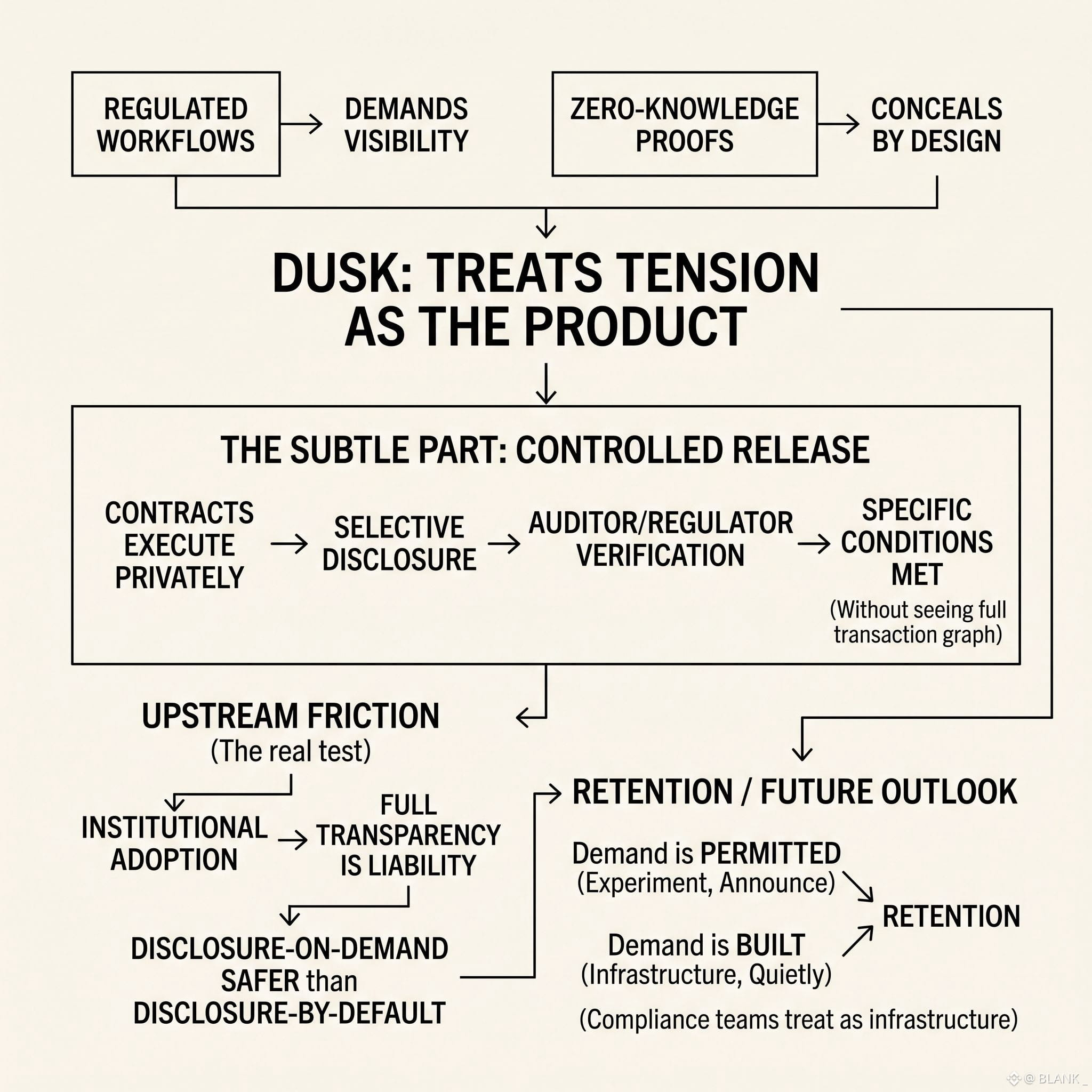
当初私は、規制されたワークフローとゼロ知識証明は自然な対立関係にあるものだと考えていました。ひとつは可視性を要求し、もうひとつは設計上の隠蔽によってそれを覆い隠す。Duskは、その緊張関係を不具合ではなく実際のプロダクトとして扱います。契約はプライベートに実行されますが、選択的開示によって監査人や規制当局は、取引全体のグラフを見ずに、特定の条件だけを検証できるのです。微妙なのはそこで、プライバシーとはデータが存在しないことではなく、適切な鍵を持つ相手に応じて、それを制御しながら必要なタイミングで放出することです。私がより関心を抱くのは、この仕組みが上流側で生む摩擦です。機関がプライバシーのツールを、それ自体のために採用することは稀です。採用するのは、完全な透明性が実際のリスク(責任)になってきたときです。つまり本当の試験は、暗号が成立するかどうかではなく、十分に規制された事業者が「デフォルト開示」よりも「要求に応じた開示(オンデマンド開示)」のほうが安全だと判断するかどうかです。継続的な採用が生まれるかどうかは、ここでの憶測からではなく、コンプライアンス部門がこれを実験ではなくインフラとして扱い始めるかどうかにかかっています。静かに、そしてそれを大々的に告知せずに。すると、本質的な問いが浮かびます。需要が作られているのか、それとも単に許可されているだけなのか?
@Dusk_Foundation $DUSK #dusk
当初私は、規制されたワークフローとゼロ知識証明は自然な対立関係にあるものだと考えていました。ひとつは可視性を要求し、もうひとつは設計上の隠蔽によってそれを覆い隠す。Duskは、その緊張関係を不具合ではなく実際のプロダクトとして扱います。契約はプライベートに実行されますが、選択的開示によって監査人や規制当局は、取引全体のグラフを見ずに、特定の条件だけを検証できるのです。微妙なのはそこで、プライバシーとはデータが存在しないことではなく、適切な鍵を持つ相手に応じて、それを制御しながら必要なタイミングで放出することです。私がより関心を抱くのは、この仕組みが上流側で生む摩擦です。機関がプライバシーのツールを、それ自体のために採用することは稀です。採用するのは、完全な透明性が実際のリスク(責任)になってきたときです。つまり本当の試験は、暗号が成立するかどうかではなく、十分に規制された事業者が「デフォルト開示」よりも「要求に応じた開示(オンデマンド開示)」のほうが安全だと判断するかどうかです。継続的な採用が生まれるかどうかは、ここでの憶測からではなく、コンプライアンス部門がこれを実験ではなくインフラとして扱い始めるかどうかにかかっています。静かに、そしてそれを大々的に告知せずに。すると、本質的な問いが浮かびます。需要が作られているのか、それとも単に許可されているだけなのか?
@Dusk $DUSK #dusk
@Dusk $DUSK #dusk
9
10
2.3k
·
--
ブリッシュ
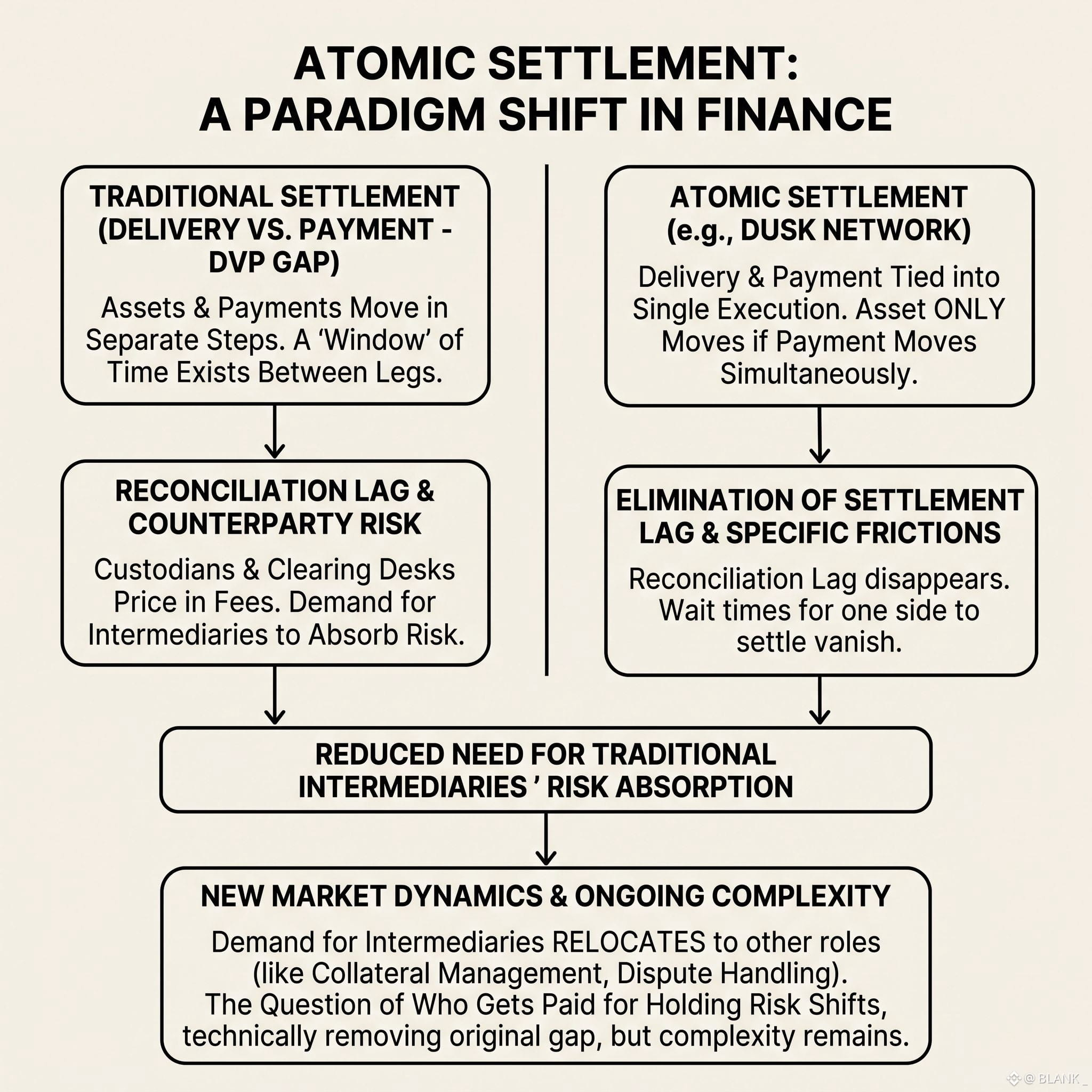
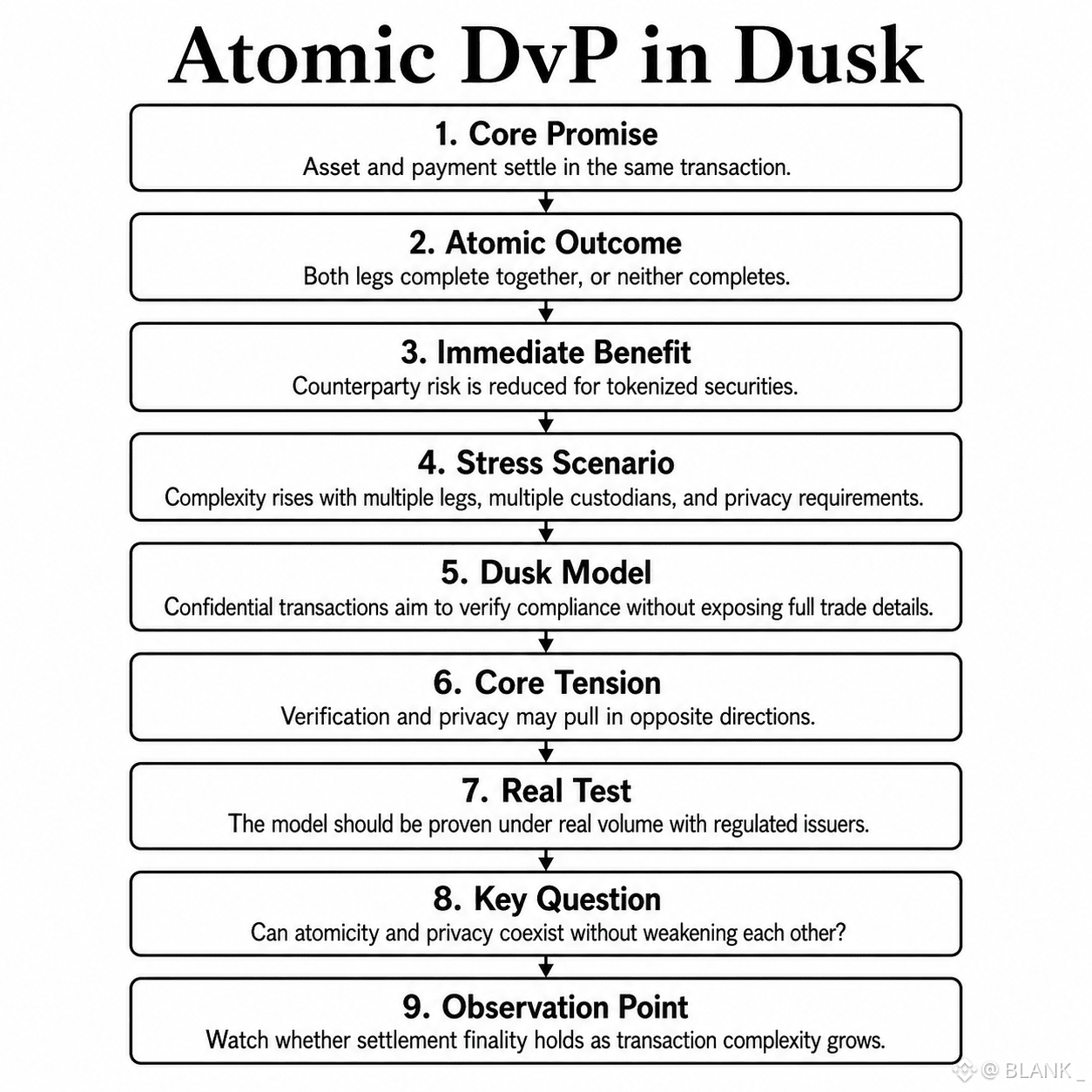
最初、原子的な決済は、主に技術的な付録にすぎないと思っていました。つまり、エンジニアには重要でも、マーケットにはめったに関係しない種類の細部です。ダスクは、デリバリーと支払いを単一の実行ステップに結びつけます。だから、支払いが動かなければ、資産も動きません。片方が決済し、もう片方が待つという猶予期間は存在しないのです。これにより、特定の種類の摩擦が取り除かれます。すなわち、カストディアンやクリアリングデスクが何十年もかけて、手数料にこっそり織り込んできた「レコンサイル(照合)遅延」です。興味深いのは、その遅延とともに何が消えるかという点です。ギャップのリスクを吸収するために、信頼できる仲介者が存在するのはその一部が理由です。では、そのギャップが閉じたとき、その仲介者への需要もそれと同時に閉じるのでしょうか。それとも、担保管理や紛争対応のように、より見えにくい場所へ単に移動するだけなのでしょうか。決済を単純化しても複雑さがなくなるわけではありません。複雑さは、技術的にはもう存在しないリスクを抱えていた(それを保有することで)誰が依然として支払いを受けるのか、という問いの置き場所を変えるだけです。
@Dusk_Foundation $DUSK #dusk
最初、原子的な決済は、主に技術的な付録にすぎないと思っていました。つまり、エンジニアには重要でも、マーケットにはめったに関係しない種類の細部です。ダスクは、デリバリーと支払いを単一の実行ステップに結びつけます。だから、支払いが動かなければ、資産も動きません。片方が決済し、もう片方が待つという猶予期間は存在しないのです。これにより、特定の種類の摩擦が取り除かれます。すなわち、カストディアンやクリアリングデスクが何十年もかけて、手数料にこっそり織り込んできた「レコンサイル(照合)遅延」です。興味深いのは、その遅延とともに何が消えるかという点です。ギャップのリスクを吸収するために、信頼できる仲介者が存在するのはその一部が理由です。では、そのギャップが閉じたとき、その仲介者への需要もそれと同時に閉じるのでしょうか。それとも、担保管理や紛争対応のように、より見えにくい場所へ単に移動するだけなのでしょうか。決済を単純化しても複雑さがなくなるわけではありません。複雑さは、技術的にはもう存在しないリスクを抱えていた(それを保有することで)誰が依然として支払いを受けるのか、という問いの置き場所を変えるだけです。
@Dusk $DUSK #dusk
@Dusk $DUSK #dusk
19
20
2.2k
·
--
ブリッシュ
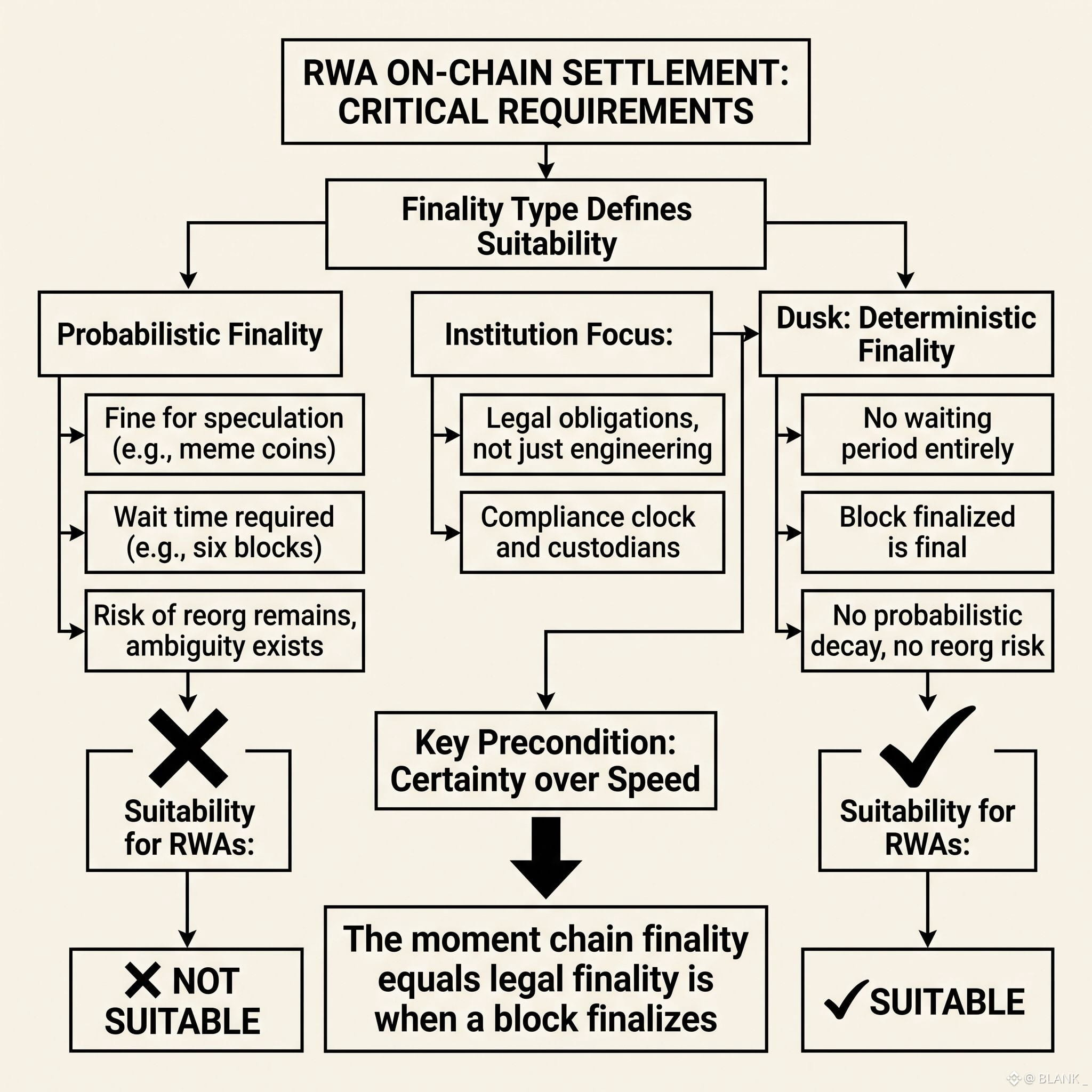
最初、最終性は技術的な脚注だと思っていました。決済エンジニアがユーザーよりも気にする種類のものだ、と。しかし、実際にRWAデスクがどう振る舞うかを見て、その読みが変わりました。確率的な最終性は投機には問題ありません。アセットがミームコインなら、6ブロック待ち程度誰も気にしません。ですが、不動産の権利書、社債のクーポン、そして法的義務に結びついた決済ウィンドウは、その種の曖昧さに耐えられません。リオーグ(再編)の可能性がある取引は、確定していないのではなく保留であり、保留はカストディのコンプライアンス期限を満たしません。Duskの決定論的最終性は、その待機期間をまるごと取り除きます。ブロックが最終化した瞬間、それは確定です。確率的な減衰も、後から入り込む再編リスクもありません。これは機能というより、前提条件です。機関投資家はスピードを価格に織り込んでいるのではありません。確実性を価格に織り込んでいます。確実性こそが、法的な最終性とチェーンの最終性を同じ瞬間に収束させるからです。
本当の問いは、RWAがオンチェーンに乗るかどうかではありません。決済保証が試される場面で、それらが残り続けるかどうかです。
@Dusk_Foundation $DUSK #dusk
最初、最終性は技術的な脚注だと思っていました。決済エンジニアがユーザーよりも気にする種類のものだ、と。しかし、実際にRWAデスクがどう振る舞うかを見て、その読みが変わりました。確率的な最終性は投機には問題ありません。アセットがミームコインなら、6ブロック待ち程度誰も気にしません。ですが、不動産の権利書、社債のクーポン、そして法的義務に結びついた決済ウィンドウは、その種の曖昧さに耐えられません。リオーグ(再編)の可能性がある取引は、確定していないのではなく保留であり、保留はカストディのコンプライアンス期限を満たしません。Duskの決定論的最終性は、その待機期間をまるごと取り除きます。ブロックが最終化した瞬間、それは確定です。確率的な減衰も、後から入り込む再編リスクもありません。これは機能というより、前提条件です。機関投資家はスピードを価格に織り込んでいるのではありません。確実性を価格に織り込んでいます。確実性こそが、法的な最終性とチェーンの最終性を同じ瞬間に収束させるからです。
本当の問いは、RWAがオンチェーンに乗るかどうかではありません。決済保証が試される場面で、それらが残り続けるかどうかです。
@Dusk $DUSK #dusk
本当の問いは、RWAがオンチェーンに乗るかどうかではありません。決済保証が試される場面で、それらが残り続けるかどうかです。
@Dusk $DUSK #dusk
25
27
2.2k
·
--
ブリッシュ
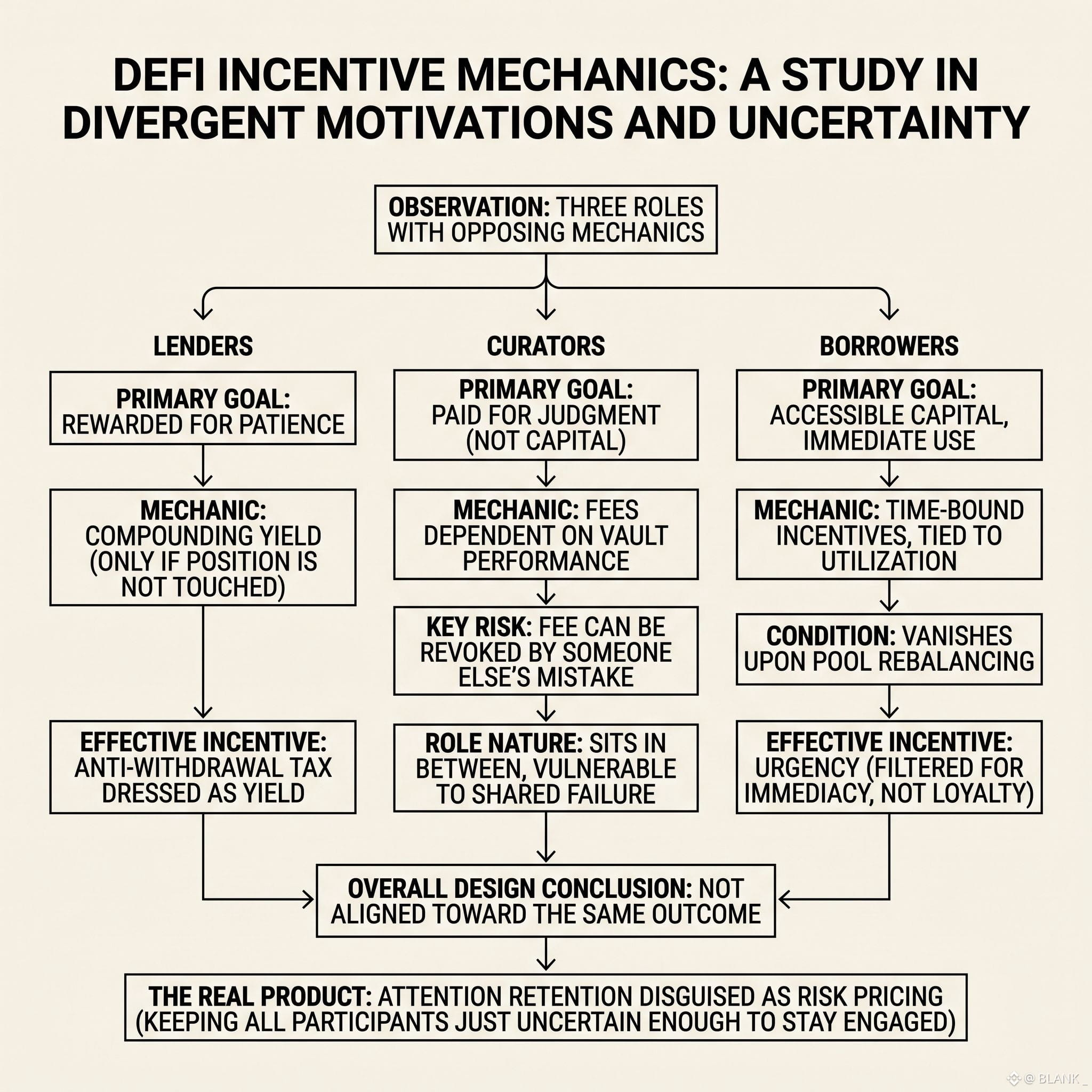
最初は、3つの役割は同じインセンティブ・プールへの入口が違うだけだと思っていました。しかし仕組みは別々の方向へ引っ張ります。貸し手は忍耐に対して報酬を受け取ります。ポジションに触れない限り、その報酬は静かに複利で積み上がるので、実態は利回りを装った“出金抑制の税”です。借り手には逆の圧力がかかります。すべてのインセンティブは期限付きで、利用率に紐づけられ、プールがリバランスされた瞬間に消滅します。行動は、忠誠ではなく切迫感を基準にフィルタされるのです。キュレーターはその間に位置し、資本ではなく判断に対して支払われます。そして、その手数料は、キュレーターが振り向けた先のヴォルトが引き続き機能し続ける限りだけ存続します。これは、別の誰かのミスによってインセンティブが取り消され得る唯一の役割です。これらはどれも同じ結果へ向かって揃っていません。全員がそれぞれ“参加し続けるのに十分な不確実性”を抱えたままになるように揃えられているのです。たぶん本当の商品は、利回りではなく、リスクの値付けに偽装された注意(エンゲージメント)の維持でしょう。
@termmax #TermMax
最初は、3つの役割は同じインセンティブ・プールへの入口が違うだけだと思っていました。しかし仕組みは別々の方向へ引っ張ります。貸し手は忍耐に対して報酬を受け取ります。ポジションに触れない限り、その報酬は静かに複利で積み上がるので、実態は利回りを装った“出金抑制の税”です。借り手には逆の圧力がかかります。すべてのインセンティブは期限付きで、利用率に紐づけられ、プールがリバランスされた瞬間に消滅します。行動は、忠誠ではなく切迫感を基準にフィルタされるのです。キュレーターはその間に位置し、資本ではなく判断に対して支払われます。そして、その手数料は、キュレーターが振り向けた先のヴォルトが引き続き機能し続ける限りだけ存続します。これは、別の誰かのミスによってインセンティブが取り消され得る唯一の役割です。これらはどれも同じ結果へ向かって揃っていません。全員がそれぞれ“参加し続けるのに十分な不確実性”を抱えたままになるように揃えられているのです。たぶん本当の商品は、利回りではなく、リスクの値付けに偽装された注意(エンゲージメント)の維持でしょう。
@TermMax #TermMax
@TermMax #TermMax
19
22
2k
·
--
ブリッシュ
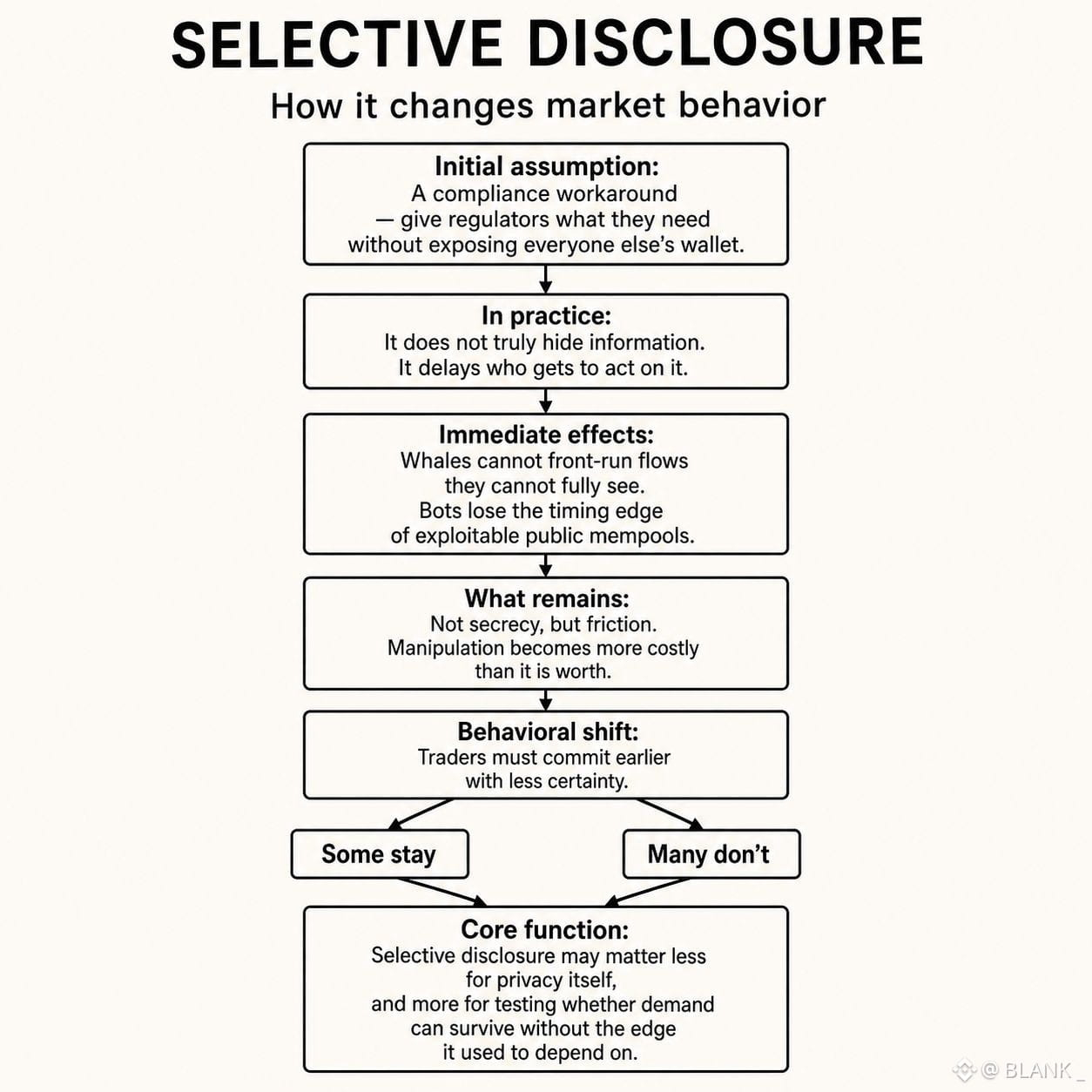
最初私は、選択的開示は単なるコンプライアンス上の抜け道だと考えていました。つまり、他人のウォレットをさらさずに規制当局が必要とするものだけを渡す方法です。しかし実際にそれを見てみると、その効果はそれよりもずっと静かです。それは情報を隠すというより、誰がそれに基づいて行動できるようになるかを遅らせます。クジラは、完全には見えないフローを前もって先回りできません。ボットは、パブリック・メンプールが悪用しやすかったタイミング上の優位性を失います。残るのは秘密ではなく、操作のためのコストが見返りを上回るような摩擦です。奇妙なのは、それが行動をどのように作り変えるかです。かつて漏えいしたデータを手がかりにポジションを取っていたトレーダーたちは、確実性の低い状態で、より早い段階でコミットしなければならなくなります。続ける人もいますが、多くは離れます。選択的開示の本当の役割は、プライバシーをそれ自体のために守ることではなく、かつてそれが依拠していた“優位性”なしでも需要が耐えられるのかを問うことなのかもしれません。
@Dusk_Foundation $DUSK #dusk
最初私は、選択的開示は単なるコンプライアンス上の抜け道だと考えていました。つまり、他人のウォレットをさらさずに規制当局が必要とするものだけを渡す方法です。しかし実際にそれを見てみると、その効果はそれよりもずっと静かです。それは情報を隠すというより、誰がそれに基づいて行動できるようになるかを遅らせます。クジラは、完全には見えないフローを前もって先回りできません。ボットは、パブリック・メンプールが悪用しやすかったタイミング上の優位性を失います。残るのは秘密ではなく、操作のためのコストが見返りを上回るような摩擦です。奇妙なのは、それが行動をどのように作り変えるかです。かつて漏えいしたデータを手がかりにポジションを取っていたトレーダーたちは、確実性の低い状態で、より早い段階でコミットしなければならなくなります。続ける人もいますが、多くは離れます。選択的開示の本当の役割は、プライバシーをそれ自体のために守ることではなく、かつてそれが依拠していた“優位性”なしでも需要が耐えられるのかを問うことなのかもしれません。
@Dusk $DUSK #dusk
@Dusk $DUSK #dusk
46
41
2.3k
·
--
ブリッシュ
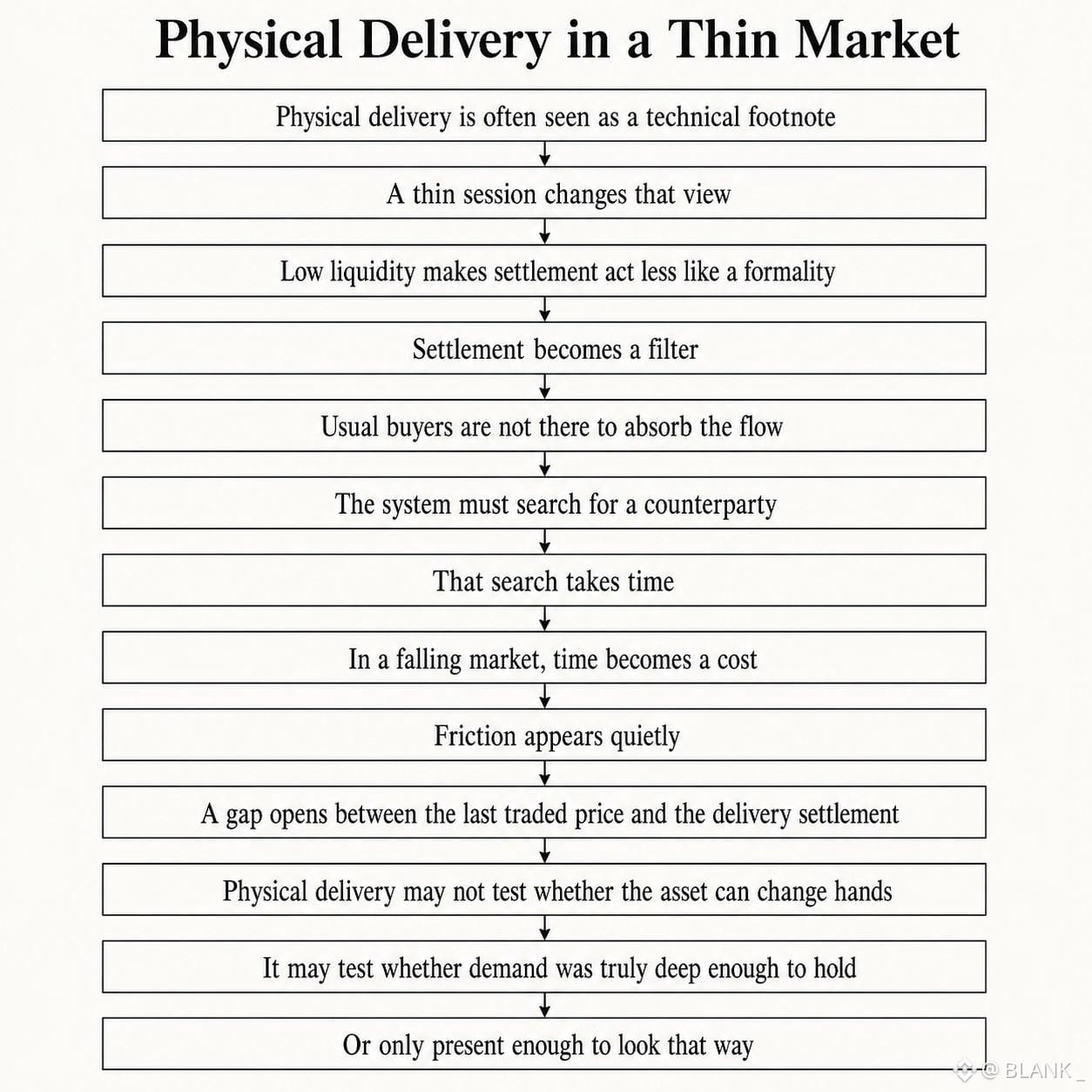
最初は、現物の受け渡しは単なる技術的な注釈のようなものだと思っていました。満期までに決済処理を忘れてしまった取引業者のためのもの、そんなふうに。薄いセッションで、その決済がほどけていく様子を見て、考えが変わりました。流動性が低いと、決済レイヤーは単なる形式として振る舞うのをやめ、フィルターのように働き始めます。通常ならフローを吸収するはずの買い手が、そもそもそこにいないのです。価格で清算するのではなく、システムは相手方を探さなければならず、その探索には時間がかかります。下落局面では、時間そのものが一種のコストになります。私が特に印象に残ったのは、その摩擦がいかに静かに現れるかでした。アラートも警告もなく、ただ、最終約定価格と、現物受け渡しの仕組みが最終的に決着するところとの間にギャップが広がっていくのです。ひょっとすると現物の受け渡しは、その資産を手から手へ移せるかどうかを本当に試しているわけではないのかもしれません。需要が十分に深かったのか、それとも見かけほどには存在していなかったのか——それを試しているのかもしれません。
@termmax #TermMax
最初は、現物の受け渡しは単なる技術的な注釈のようなものだと思っていました。満期までに決済処理を忘れてしまった取引業者のためのもの、そんなふうに。薄いセッションで、その決済がほどけていく様子を見て、考えが変わりました。流動性が低いと、決済レイヤーは単なる形式として振る舞うのをやめ、フィルターのように働き始めます。通常ならフローを吸収するはずの買い手が、そもそもそこにいないのです。価格で清算するのではなく、システムは相手方を探さなければならず、その探索には時間がかかります。下落局面では、時間そのものが一種のコストになります。私が特に印象に残ったのは、その摩擦がいかに静かに現れるかでした。アラートも警告もなく、ただ、最終約定価格と、現物受け渡しの仕組みが最終的に決着するところとの間にギャップが広がっていくのです。ひょっとすると現物の受け渡しは、その資産を手から手へ移せるかどうかを本当に試しているわけではないのかもしれません。需要が十分に深かったのか、それとも見かけほどには存在していなかったのか——それを試しているのかもしれません。
@TermMax #TermMax
@TermMax #TermMax
43
48
10.9k
·
--
ブリッシュ
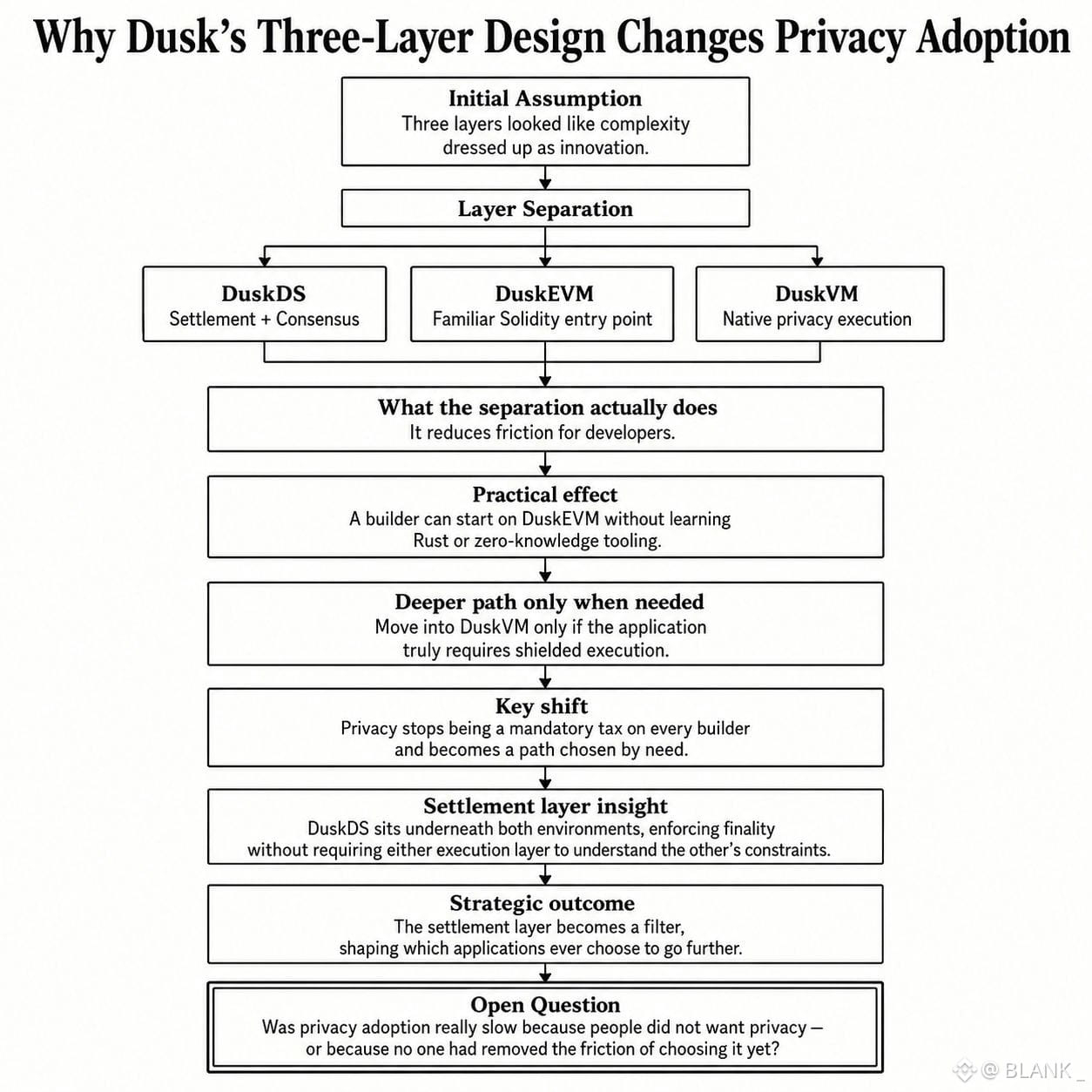
最初は、チェーンを3つのレイヤーに分けることは、革新として装われた複雑さにすぎないと思っていました。DuskDSは決済とコンセンサスを扱い、DuskEVMはSolidity開発者に馴染みのある入口を提供し、DuskVMはネイティブなプライバシー作業のために控えめに用意されています。その分離は一見オーバーヘッドに見えましたが、摩擦(フリクション)がどれだけ減るかに気づいてから印象が変わりました。開発者は、簡単なものをデプロイするだけのためにRustやゼロ知識のツール群を学ぶ必要はありません。まずはDuskEVMで始め、アプリケーションに本当にシールドされた実行が必要になったときだけ、さらに深い領域へ進めばいいのです。プライバシーは、すべてのビルダーに課される“義務の税”ではなくなり、必要に応じて選ぶための道になります。私がより惹かれているのは、その下にある決済レイヤーです。両者の間に静かに存在して、互いの制約を相手の実行環境に理解させることなく、最終性を確実に強制します。これは機能というよりフィルターに近く、どのアプリケーションがさらに先へ進もうとするのかを決めています。私はずっと、プライバシーの導入が遅かったのは、人々がそれを望まなかったからなのか、それとも誰もまだ“それを選ぶ際の摩擦”を取り除いていなかっただけなのか、考え続けています。
@Dusk_Foundation $DUSK #dusk
最初は、チェーンを3つのレイヤーに分けることは、革新として装われた複雑さにすぎないと思っていました。DuskDSは決済とコンセンサスを扱い、DuskEVMはSolidity開発者に馴染みのある入口を提供し、DuskVMはネイティブなプライバシー作業のために控えめに用意されています。その分離は一見オーバーヘッドに見えましたが、摩擦(フリクション)がどれだけ減るかに気づいてから印象が変わりました。開発者は、簡単なものをデプロイするだけのためにRustやゼロ知識のツール群を学ぶ必要はありません。まずはDuskEVMで始め、アプリケーションに本当にシールドされた実行が必要になったときだけ、さらに深い領域へ進めばいいのです。プライバシーは、すべてのビルダーに課される“義務の税”ではなくなり、必要に応じて選ぶための道になります。私がより惹かれているのは、その下にある決済レイヤーです。両者の間に静かに存在して、互いの制約を相手の実行環境に理解させることなく、最終性を確実に強制します。これは機能というよりフィルターに近く、どのアプリケーションがさらに先へ進もうとするのかを決めています。私はずっと、プライバシーの導入が遅かったのは、人々がそれを望まなかったからなのか、それとも誰もまだ“それを選ぶ際の摩擦”を取り除いていなかっただけなのか、考え続けています。
@Dusk $DUSK #dusk
@Dusk $DUSK #dusk
37
31
1.4k
·
--
ブリッシュ
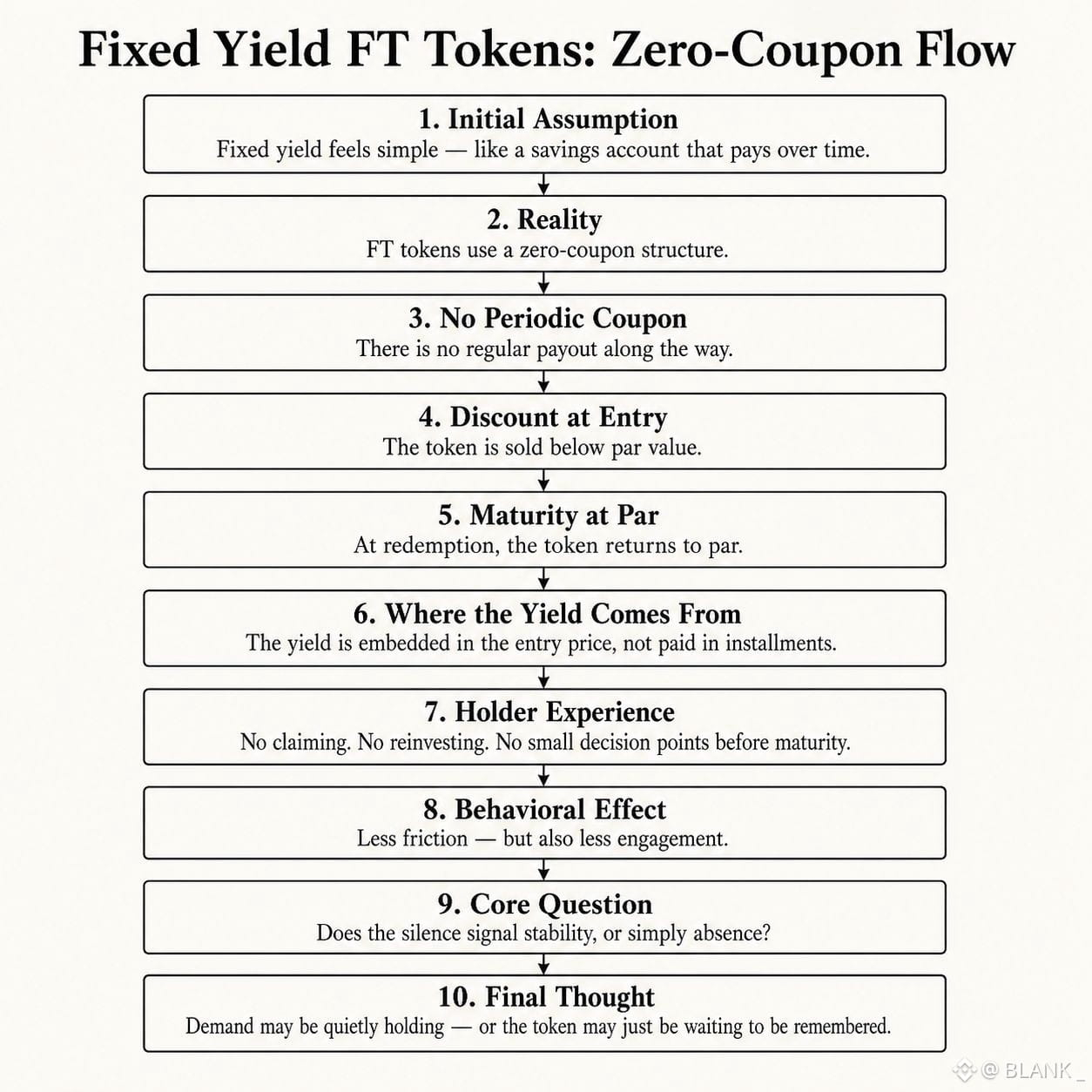
最初は「固定利回り」=単純だと思い込みました。つまり、FTトークンは貯蓄口座のように、時間とともに投資家へ支払い続けるだけなのだと。しかし、ゼロクーポンの仕組みはそれとは違います。クーポンはそもそも存在せず、途中で期待をつなぎ止める定期的な払い出しもありません。代わりに、トークンは割引価格で売られ、満期時に額面で償還されます。利回りは分割払いとして配られるのではなく、エントリー価格の中に組み込まれているのです。これは、私が予想していた以上に行動を変えます。保有者は支払いを確認しているわけではなく、ただ待っています。請求も、再投資もありません。満期が来るまで注意を引きつけるような小さな判断のポイントもありません。摩擦の一層が取り除かれる一方で、参加感の一層も取り除かれるのです。やることがないということは、気づくこともないということになりがちです。本当の問題は、その沈黙が安定を示しているのか、それとも欠如を示しているのか、という点です。償還まであなたに何も求めないトークンは、需要を静かに抱えているのかもしれませんし、ただ「思い出される」のを待っているだけなのかもしれません。\n@termmax #TermMax
最初は「固定利回り」=単純だと思い込みました。つまり、FTトークンは貯蓄口座のように、時間とともに投資家へ支払い続けるだけなのだと。しかし、ゼロクーポンの仕組みはそれとは違います。クーポンはそもそも存在せず、途中で期待をつなぎ止める定期的な払い出しもありません。代わりに、トークンは割引価格で売られ、満期時に額面で償還されます。利回りは分割払いとして配られるのではなく、エントリー価格の中に組み込まれているのです。これは、私が予想していた以上に行動を変えます。保有者は支払いを確認しているわけではなく、ただ待っています。請求も、再投資もありません。満期が来るまで注意を引きつけるような小さな判断のポイントもありません。摩擦の一層が取り除かれる一方で、参加感の一層も取り除かれるのです。やることがないということは、気づくこともないということになりがちです。本当の問題は、その沈黙が安定を示しているのか、それとも欠如を示しているのか、という点です。償還まであなたに何も求めないトークンは、需要を静かに抱えているのかもしれませんし、ただ「思い出される」のを待っているだけなのかもしれません。\n@TermMax #TermMax
31
28
3.1k
·
--
ブリッシュ
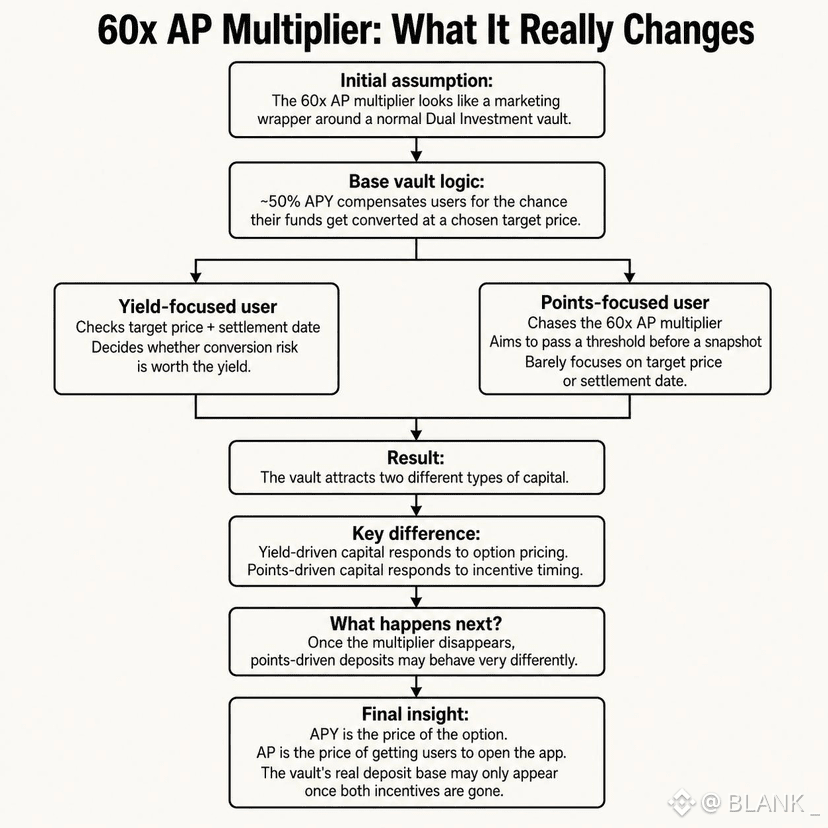
最初は、60倍のAPマルチプライヤーが単に、通常のデュアル・インベストメント・バルートのまわりに付けられたマーケティング用のラッパーにすぎないと思っていました。馴染みのあるストラクチャード商品を、もう一度新しく聞こえるようにするためのものだと。APYはそれ自体で明快な物語を語っていました。つまり、約50%で、資金が自分で選んだターゲットで変換されるチャンスを価格に織り込んでいる、ということです。ところがポイント層が登場すると話が変わります。利回りを最適化するユーザーは、ターゲット価格と決済日を読み取り、その取引が変換リスクを引き受ける価値があるかを判断します。一方、ポイントを最適化するユーザーは、どちらもほとんど見ません。彼らは、価格に対する見通しがあるから預けるのではなく、スナップショットの前に、マルチプライヤーの“60倍”がある閾値を超えるように動かすから預けるのです。これは別種の資本であり、マルチプライヤーが消えた後は挙動も変わります。APYはオプションの価格です。APは、そもそもアプリを開いてもらうための価格。バルートの実際の預金ベースがどれほどのものかは、両方のインセンティブが同時に消えたときまで見えてこない気がします。
@termmax #TermMax
最初は、60倍のAPマルチプライヤーが単に、通常のデュアル・インベストメント・バルートのまわりに付けられたマーケティング用のラッパーにすぎないと思っていました。馴染みのあるストラクチャード商品を、もう一度新しく聞こえるようにするためのものだと。APYはそれ自体で明快な物語を語っていました。つまり、約50%で、資金が自分で選んだターゲットで変換されるチャンスを価格に織り込んでいる、ということです。ところがポイント層が登場すると話が変わります。利回りを最適化するユーザーは、ターゲット価格と決済日を読み取り、その取引が変換リスクを引き受ける価値があるかを判断します。一方、ポイントを最適化するユーザーは、どちらもほとんど見ません。彼らは、価格に対する見通しがあるから預けるのではなく、スナップショットの前に、マルチプライヤーの“60倍”がある閾値を超えるように動かすから預けるのです。これは別種の資本であり、マルチプライヤーが消えた後は挙動も変わります。APYはオプションの価格です。APは、そもそもアプリを開いてもらうための価格。バルートの実際の預金ベースがどれほどのものかは、両方のインセンティブが同時に消えたときまで見えてこない気がします。
@TermMax #TermMax
@TermMax #TermMax
62
45
5.5k
·
--
ブリッシュ
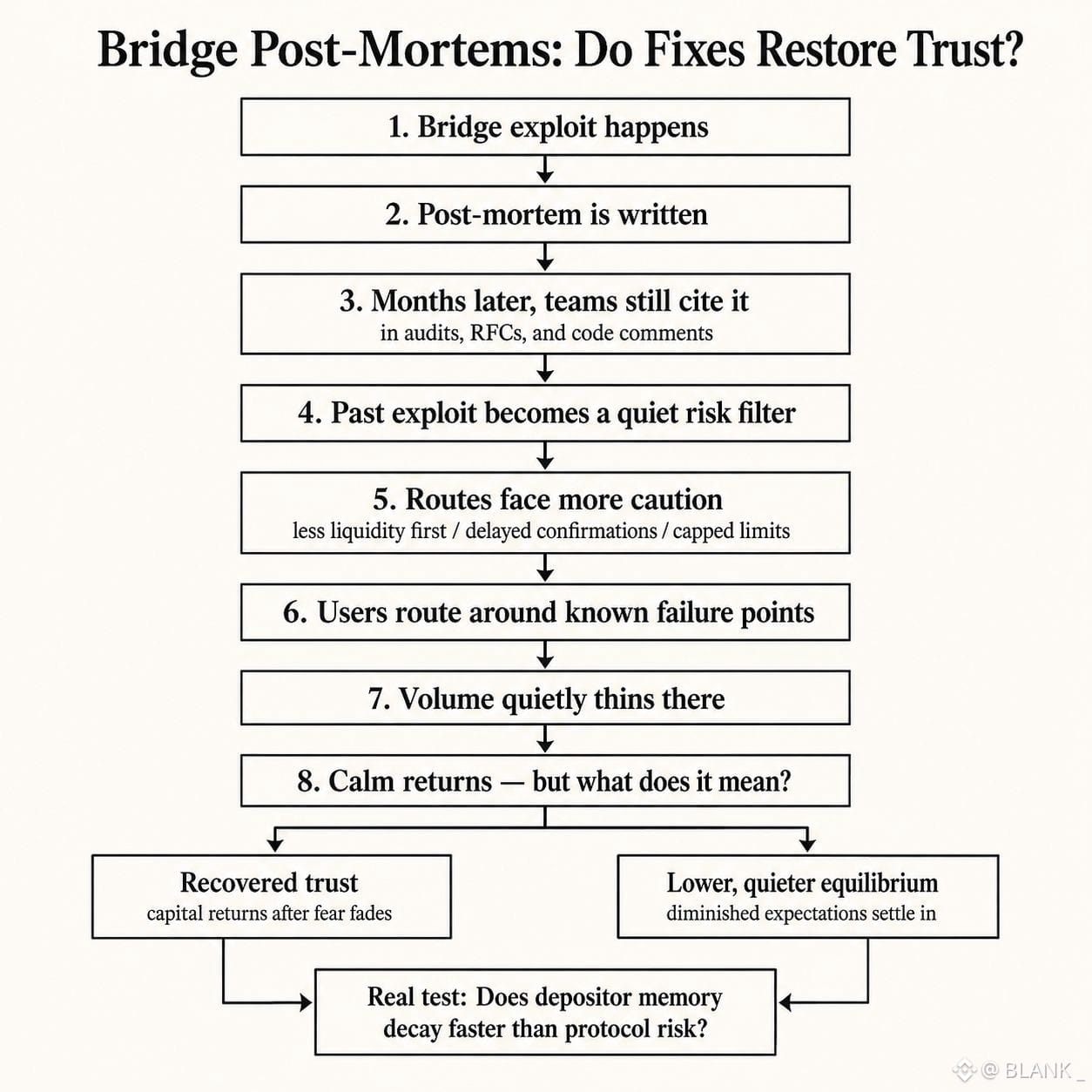
最初は、ブリッジのポストモーテムは主に一度読まれて、その後インシデントスレッドが消えると忘れ去られ、あとは記録としてしまわれるものだと思っていました。ですが、数か月後にチームがそれを引用する様子や、監査での扱い、RFCの議論での登場、そして無言のコードコメントでの参照を見ると、それは「ゆっくり効いてくる摩擦」のように見えます。過去のあらゆるエクスプロイトが、静かなフィルターになります。どのルートに先に流動性が入るのか、どのルートが確認を遅らされるのか、そして誰もが再び信じる前にどのルートが上限を削られるのか。メカニズムが速く変わることは稀です。変わるのは、忍耐、そして既知の失敗ポイントを“なぜそうするのか”を明かさずに回避するユーザーの行動。そして、ボリュームはそこから薄くなっていきます。信頼性は稼働率チャートで証明されるのではありません。“怖い思いをした後に”資本が戻ってくるかどうかで証明されます。ポストモーテムの教訓が直面する本当のテストは、修正が技術的に成立しているかどうかではなく、預金者の記憶の減衰が、プロトコルの減衰(変化)より速いかどうかです。だから、ブリッジがまた落ち着いて見えるとき、それは回復した信頼なのでしょうか。それとも、期待が弱まって、低く静かな均衡へ落ち着いているだけなのでしょうか?
@Dusk_Foundation $DUSK #dusk
最初は、ブリッジのポストモーテムは主に一度読まれて、その後インシデントスレッドが消えると忘れ去られ、あとは記録としてしまわれるものだと思っていました。ですが、数か月後にチームがそれを引用する様子や、監査での扱い、RFCの議論での登場、そして無言のコードコメントでの参照を見ると、それは「ゆっくり効いてくる摩擦」のように見えます。過去のあらゆるエクスプロイトが、静かなフィルターになります。どのルートに先に流動性が入るのか、どのルートが確認を遅らされるのか、そして誰もが再び信じる前にどのルートが上限を削られるのか。メカニズムが速く変わることは稀です。変わるのは、忍耐、そして既知の失敗ポイントを“なぜそうするのか”を明かさずに回避するユーザーの行動。そして、ボリュームはそこから薄くなっていきます。信頼性は稼働率チャートで証明されるのではありません。“怖い思いをした後に”資本が戻ってくるかどうかで証明されます。ポストモーテムの教訓が直面する本当のテストは、修正が技術的に成立しているかどうかではなく、預金者の記憶の減衰が、プロトコルの減衰(変化)より速いかどうかです。だから、ブリッジがまた落ち着いて見えるとき、それは回復した信頼なのでしょうか。それとも、期待が弱まって、低く静かな均衡へ落ち着いているだけなのでしょうか?
@Dusk $DUSK #dusk
@Dusk $DUSK #dusk
63
51
3.1k
·
--
ブリッシュ
確認済み
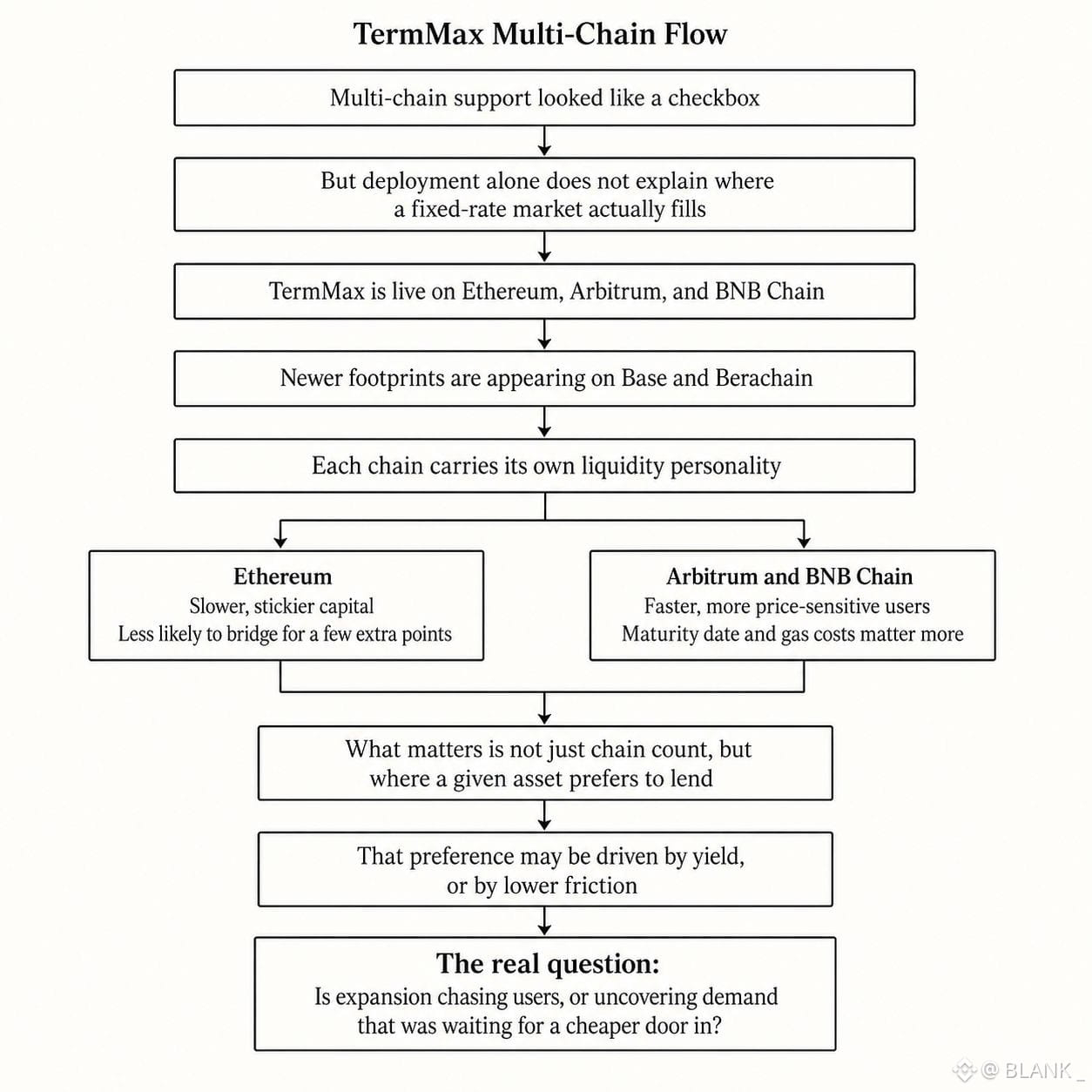
最初は、マルチチェーン対応は主にチェックボックスのようなものだと思っていました。つまり、プロトコルが完全に見えるように「対応している」と一覧に載せるだけの話です。TermMaxはイーサリアム、アービトラム、BNBチェーン上で稼働しており、さらにベラチェーンやBaseのようなチェーンでも新たな拠点を広げています。しかし、固定金利のマーケットが実際にどこで約定しているのか(単にデプロイされている場所ではなく)を観察すると、読み取り方が変わります。
各チェーンには独自の流動性の性格があります。イーサリアムは、ブリッジを越えて追加で数ポイントを得るために利回りを追いかけないような、より遅くて粘り強い資本を抱えがちです。アービトラムとBNBチェーンは、より速く、価格に敏感なユーザーを引き寄せます。つまり、コミットする前に、ガスコストと満期日を天秤にかけるような人たちです。興味深いのはチェーン数ではありません。特定の資産がこっそりと「貸し出し先として好む」チェーンがどこか、そしてその選好が本当に利回りのためなのか、それとも摩擦のためなのかです。だから本質的な問いは、プロトコルが何チェーンに到達するかではなく、拡大がユーザーを追いかけているのか、それとも、より安い入口で待っていた需要を掘り起こしているだけなのかです。
@termmax #TermMax
最初は、マルチチェーン対応は主にチェックボックスのようなものだと思っていました。つまり、プロトコルが完全に見えるように「対応している」と一覧に載せるだけの話です。TermMaxはイーサリアム、アービトラム、BNBチェーン上で稼働しており、さらにベラチェーンやBaseのようなチェーンでも新たな拠点を広げています。しかし、固定金利のマーケットが実際にどこで約定しているのか(単にデプロイされている場所ではなく)を観察すると、読み取り方が変わります。
各チェーンには独自の流動性の性格があります。イーサリアムは、ブリッジを越えて追加で数ポイントを得るために利回りを追いかけないような、より遅くて粘り強い資本を抱えがちです。アービトラムとBNBチェーンは、より速く、価格に敏感なユーザーを引き寄せます。つまり、コミットする前に、ガスコストと満期日を天秤にかけるような人たちです。興味深いのはチェーン数ではありません。特定の資産がこっそりと「貸し出し先として好む」チェーンがどこか、そしてその選好が本当に利回りのためなのか、それとも摩擦のためなのかです。だから本質的な問いは、プロトコルが何チェーンに到達するかではなく、拡大がユーザーを追いかけているのか、それとも、より安い入口で待っていた需要を掘り起こしているだけなのかです。
@TermMax #TermMax
各チェーンには独自の流動性の性格があります。イーサリアムは、ブリッジを越えて追加で数ポイントを得るために利回りを追いかけないような、より遅くて粘り強い資本を抱えがちです。アービトラムとBNBチェーンは、より速く、価格に敏感なユーザーを引き寄せます。つまり、コミットする前に、ガスコストと満期日を天秤にかけるような人たちです。興味深いのはチェーン数ではありません。特定の資産がこっそりと「貸し出し先として好む」チェーンがどこか、そしてその選好が本当に利回りのためなのか、それとも摩擦のためなのかです。だから本質的な問いは、プロトコルが何チェーンに到達するかではなく、拡大がユーザーを追いかけているのか、それとも、より安い入口で待っていた需要を掘り起こしているだけなのかです。
@TermMax #TermMax
88
71
1.6k
·
--
ブリッシュ
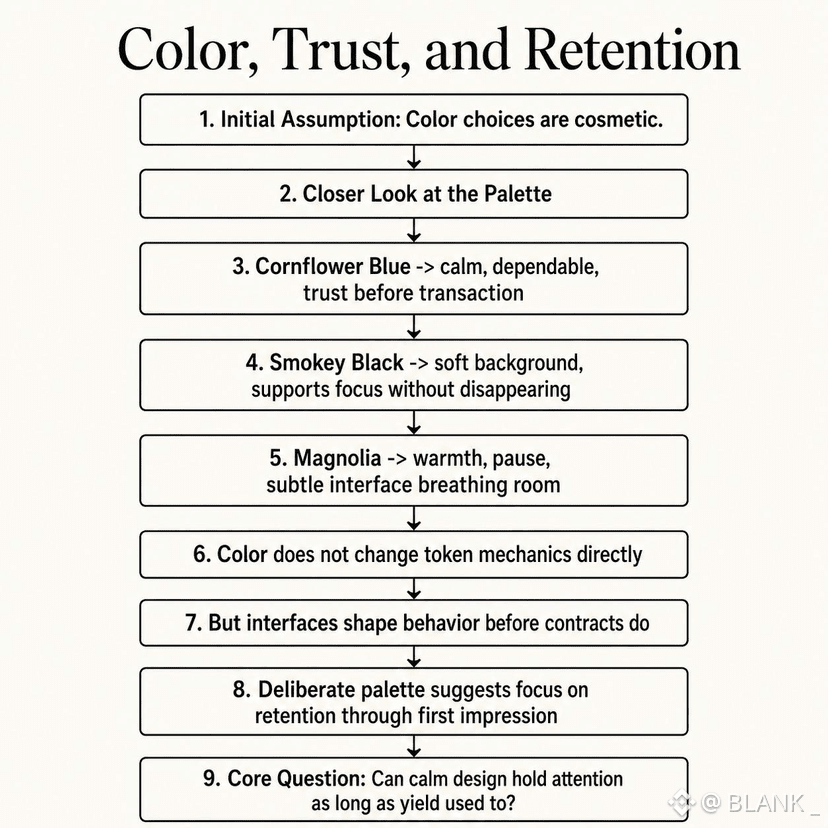
最初、色の選択は化粧的なものだと思いました。つまり、設計チームが最後に決めるもので、プロトコルのロジックがすでに固まったあとに入ってくる類のものです。ですが、もう一度パレットを見直しました。コーンフラワーブルーは落ち着きと信頼性を読み取らせます。取引の前に、人々に「信頼」を連想してほしい色であって、取引のあとに出てくるようなものではありません。スモーキーブラックは、純粋な黒として振る舞いません。もっと柔らかく、絶対的ではなく、ほかの要素が注意を引きつけるための背景のようで、それ自体は消えてしまわずに存在感を保ちます。マグノリアは白と温かさの間に位置するような色で、自己主張しすぎず、インターフェースが「ひと息つく」ために必要な場所に現れるアクセントです。これらは直接的にトークンのメカニクスを変えるものではありません。けれども、インターフェースは契約より先にふるまいを形作ります。このように意図がはっきりしたパレットは、単なるインセンティブ設計だけでなく、初見の段階でのリテンションを考えるチームを示唆しています。肝心なのは、この色が魅力的かどうかではありません。落ち着いたデザインが、かつてのイールドがそうだったように、どれくらいのあいだ注意を保てるかどうかです。
@Dusk_Foundation $DUSK #dusk
最初、色の選択は化粧的なものだと思いました。つまり、設計チームが最後に決めるもので、プロトコルのロジックがすでに固まったあとに入ってくる類のものです。ですが、もう一度パレットを見直しました。コーンフラワーブルーは落ち着きと信頼性を読み取らせます。取引の前に、人々に「信頼」を連想してほしい色であって、取引のあとに出てくるようなものではありません。スモーキーブラックは、純粋な黒として振る舞いません。もっと柔らかく、絶対的ではなく、ほかの要素が注意を引きつけるための背景のようで、それ自体は消えてしまわずに存在感を保ちます。マグノリアは白と温かさの間に位置するような色で、自己主張しすぎず、インターフェースが「ひと息つく」ために必要な場所に現れるアクセントです。これらは直接的にトークンのメカニクスを変えるものではありません。けれども、インターフェースは契約より先にふるまいを形作ります。このように意図がはっきりしたパレットは、単なるインセンティブ設計だけでなく、初見の段階でのリテンションを考えるチームを示唆しています。肝心なのは、この色が魅力的かどうかではありません。落ち着いたデザインが、かつてのイールドがそうだったように、どれくらいのあいだ注意を保てるかどうかです。
@Dusk $DUSK #dusk
@Dusk $DUSK #dusk
50
46
672
·
--
ブリッシュ
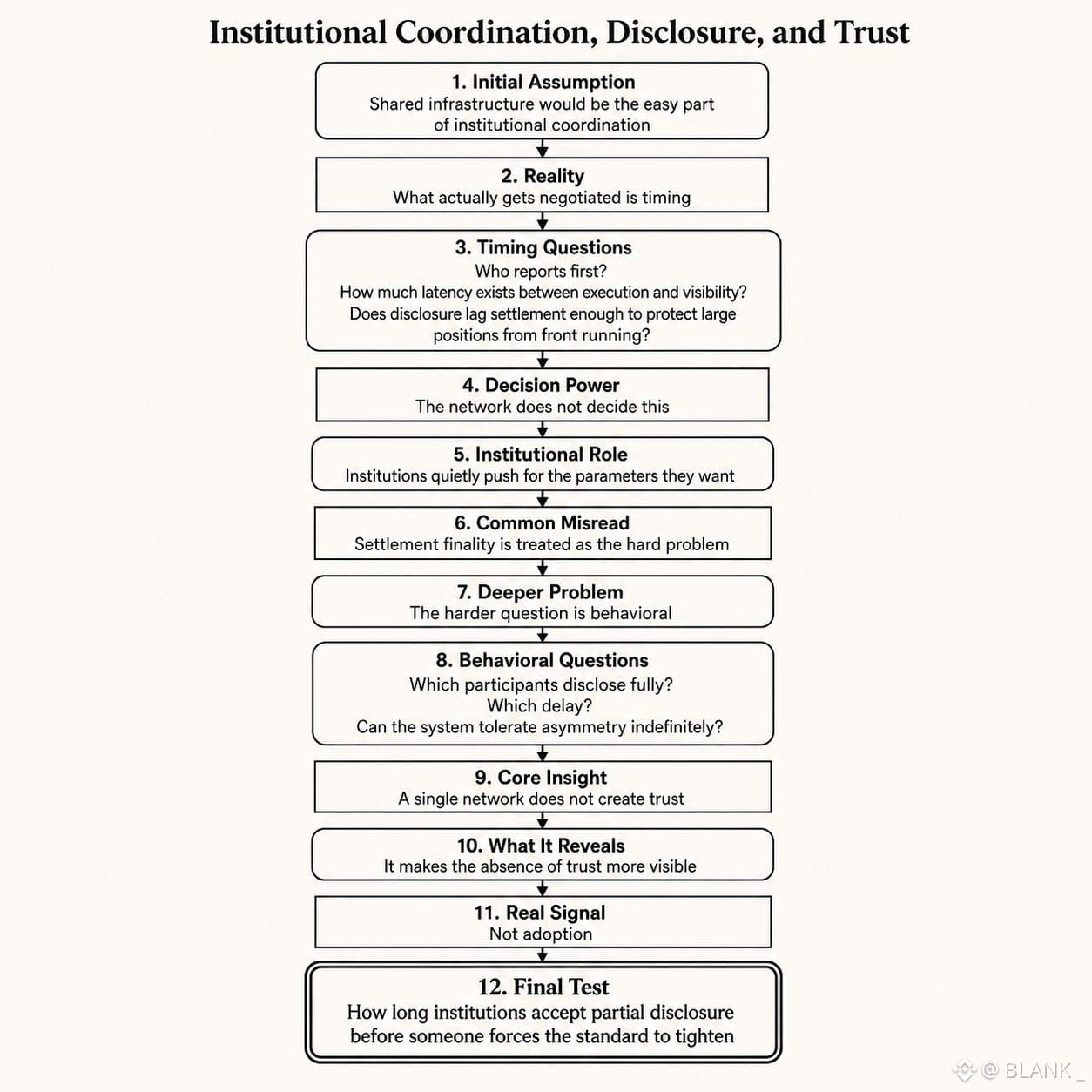
当初、共有インフラは制度間の調整における簡単な部分で、全員が一つのネットワークに落ち着けば、開示ルールも自然に後から付いてくると思っていました。けれども実際はそうなりません。実際に交渉されるのは「タイミング」です。誰が先に報告するのか、実行と可視化の間にどれほどの遅延があるのか、そしてフロントランニングから大口ポジションを十分に守れるほど、開示が決着(セトルメント)から遅れるのか。これはネットワークが決めるものではありません。決めるのは、機関そのものです。彼らは静かに、自分たちが押し出すパラメータを通じて決めます。決着の確定性(ファイナリティ)を難問として扱うものの、通常それは早い段階で解決されます。より難しいのは行動面です。つまり、誰が完全に開示するのか、誰が遅らせるのか、そしてシステムが非対称性をいつまでも許容するのか。単一のネットワークが信頼を生み出すわけではありません。信頼がないことを、ただより鮮明に見せるだけです。重要なシグナルは、採用(導入)そのものではありません。機関が「部分的な開示」をどれほどの期間許容するかであり、誰かが標準をより厳格にするよう強制するまで、どれくらい耐えられるかです。
@Dusk_Foundation $DUSK #dusk
当初、共有インフラは制度間の調整における簡単な部分で、全員が一つのネットワークに落ち着けば、開示ルールも自然に後から付いてくると思っていました。けれども実際はそうなりません。実際に交渉されるのは「タイミング」です。誰が先に報告するのか、実行と可視化の間にどれほどの遅延があるのか、そしてフロントランニングから大口ポジションを十分に守れるほど、開示が決着(セトルメント)から遅れるのか。これはネットワークが決めるものではありません。決めるのは、機関そのものです。彼らは静かに、自分たちが押し出すパラメータを通じて決めます。決着の確定性(ファイナリティ)を難問として扱うものの、通常それは早い段階で解決されます。より難しいのは行動面です。つまり、誰が完全に開示するのか、誰が遅らせるのか、そしてシステムが非対称性をいつまでも許容するのか。単一のネットワークが信頼を生み出すわけではありません。信頼がないことを、ただより鮮明に見せるだけです。重要なシグナルは、採用(導入)そのものではありません。機関が「部分的な開示」をどれほどの期間許容するかであり、誰かが標準をより厳格にするよう強制するまで、どれくらい耐えられるかです。
@Dusk $DUSK #dusk
@Dusk $DUSK #dusk
66
52
561
·
--
ブリッシュ
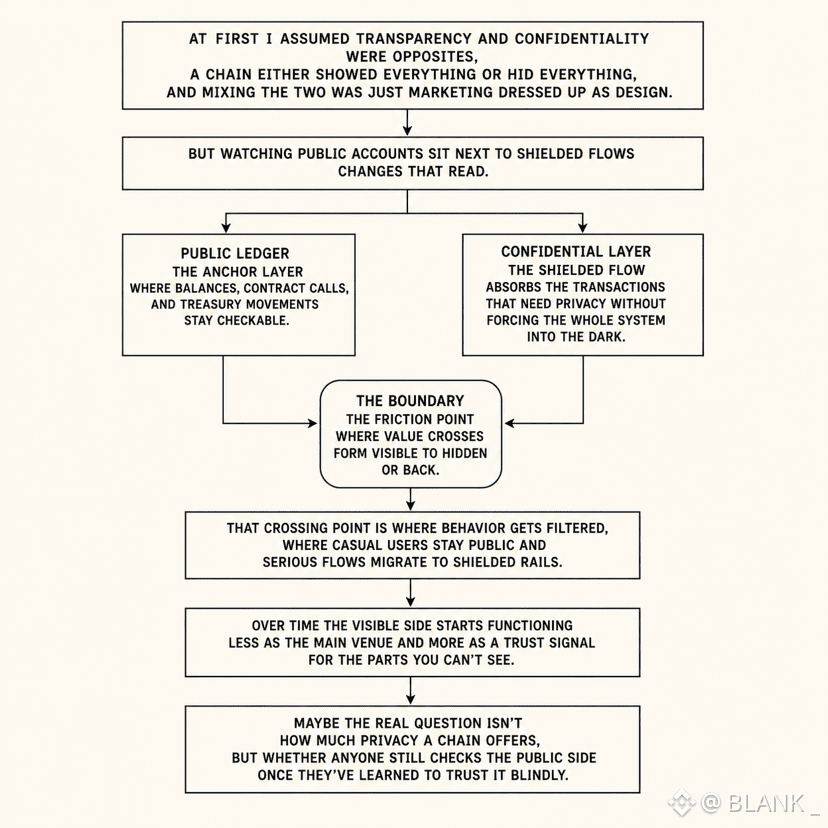
最初は、透明性と機密性は両立できないものだと思っていました。つまり、あるチェーンはすべてを見せるか、すべてを隠すかのどちらかで、両者を混ぜるのはデザインとして装ったただのマーケティングにすぎない、と。 でも、公開アカウントとシールドされたフローが並んでいるのを見て、その考えは変わりました。公開台帳は一種の“錨”のようになり、残高、コントラクト呼び出し、そして国庫の動きが検証可能な形で保たれます。一方、機密レイヤーは、プライバシーが必要な取引を吸収し、システム全体を暗闇に閉じ込めることなく処理してくれます。 興味深いのは、その境界にある“摩擦”です。価値が、見える状態から隠れた状態へ、あるいはその逆へと移る瞬間。その切り替えポイントこそが、挙動がフィルタリングされる場所で、カジュアルなユーザーは公開側にとどまり、より本格的なフローはシールドされたレールへと移行します。 時が経つにつれて、見える側は主要な舞台として機能するというより、見えない部分を信頼してもらうための“信頼のシグナル”として働き始めます。 おそらく本当の問いは、チェーンがどれほどのプライバシーを提供するかではなく、一度それを“盲目的に”信じると学んだあとでも、誰かが公開側を本当にチェックし続けるのかどうか、ということではないでしょうか。
@Dusk_Foundation $DUSK #dusk
最初は、透明性と機密性は両立できないものだと思っていました。つまり、あるチェーンはすべてを見せるか、すべてを隠すかのどちらかで、両者を混ぜるのはデザインとして装ったただのマーケティングにすぎない、と。 でも、公開アカウントとシールドされたフローが並んでいるのを見て、その考えは変わりました。公開台帳は一種の“錨”のようになり、残高、コントラクト呼び出し、そして国庫の動きが検証可能な形で保たれます。一方、機密レイヤーは、プライバシーが必要な取引を吸収し、システム全体を暗闇に閉じ込めることなく処理してくれます。 興味深いのは、その境界にある“摩擦”です。価値が、見える状態から隠れた状態へ、あるいはその逆へと移る瞬間。その切り替えポイントこそが、挙動がフィルタリングされる場所で、カジュアルなユーザーは公開側にとどまり、より本格的なフローはシールドされたレールへと移行します。 時が経つにつれて、見える側は主要な舞台として機能するというより、見えない部分を信頼してもらうための“信頼のシグナル”として働き始めます。 おそらく本当の問いは、チェーンがどれほどのプライバシーを提供するかではなく、一度それを“盲目的に”信じると学んだあとでも、誰かが公開側を本当にチェックし続けるのかどうか、ということではないでしょうか。
@Dusk $DUSK #dusk
@Dusk $DUSK #dusk
89
69
1.5k
·
--
ブリッシュ
最初は、シタデルはただのチェーンに後付けされた別のアイデンティティ層、監査向けの“形だけの”コンプライアンスを満たすための箱の一つだと思っていました。しかし、資格情報がどのように流れていくのかを見ていくほど、そこには別の何かがあるように感じたのです。これは金庫ではなく、フィルターです。システムはデータを渡すよう求めません。主張を証明するよう求め、その後すぐに細部を忘れてしまうのです。これは見えにくい種類の摩擦で、負担は開示から、認証(アテステーション)へと移ります。ここにはタイミングも重要です。一度検証された資格情報は、資産として留まりません。元になっている主張がまだ成り立っていない限り、すぐに無関係へと失効します。興味深いのはプライバシーではありません。むしろ、この仕組みが生む“保持”の圧力です。ユーザーは利便性によってつながれ続けるのではなく、他の場所で改めて証明し直すコストによってつながれ続けます。そこで本当の問いが浮かびます。こうした検証システムへの需要は、信頼によって生まれるのか、それとも、そこを離れるのがどれほど高くつくかによって生まれるのか。
@Dusk_Foundation $DUSK #dusk
最初は、シタデルはただのチェーンに後付けされた別のアイデンティティ層、監査向けの“形だけの”コンプライアンスを満たすための箱の一つだと思っていました。しかし、資格情報がどのように流れていくのかを見ていくほど、そこには別の何かがあるように感じたのです。これは金庫ではなく、フィルターです。システムはデータを渡すよう求めません。主張を証明するよう求め、その後すぐに細部を忘れてしまうのです。これは見えにくい種類の摩擦で、負担は開示から、認証(アテステーション)へと移ります。ここにはタイミングも重要です。一度検証された資格情報は、資産として留まりません。元になっている主張がまだ成り立っていない限り、すぐに無関係へと失効します。興味深いのはプライバシーではありません。むしろ、この仕組みが生む“保持”の圧力です。ユーザーは利便性によってつながれ続けるのではなく、他の場所で改めて証明し直すコストによってつながれ続けます。そこで本当の問いが浮かびます。こうした検証システムへの需要は、信頼によって生まれるのか、それとも、そこを離れるのがどれほど高くつくかによって生まれるのか。
@Dusk $DUSK #dusk
@Dusk $DUSK #dusk
211
98
2.7k
·
--
ブリッシュ
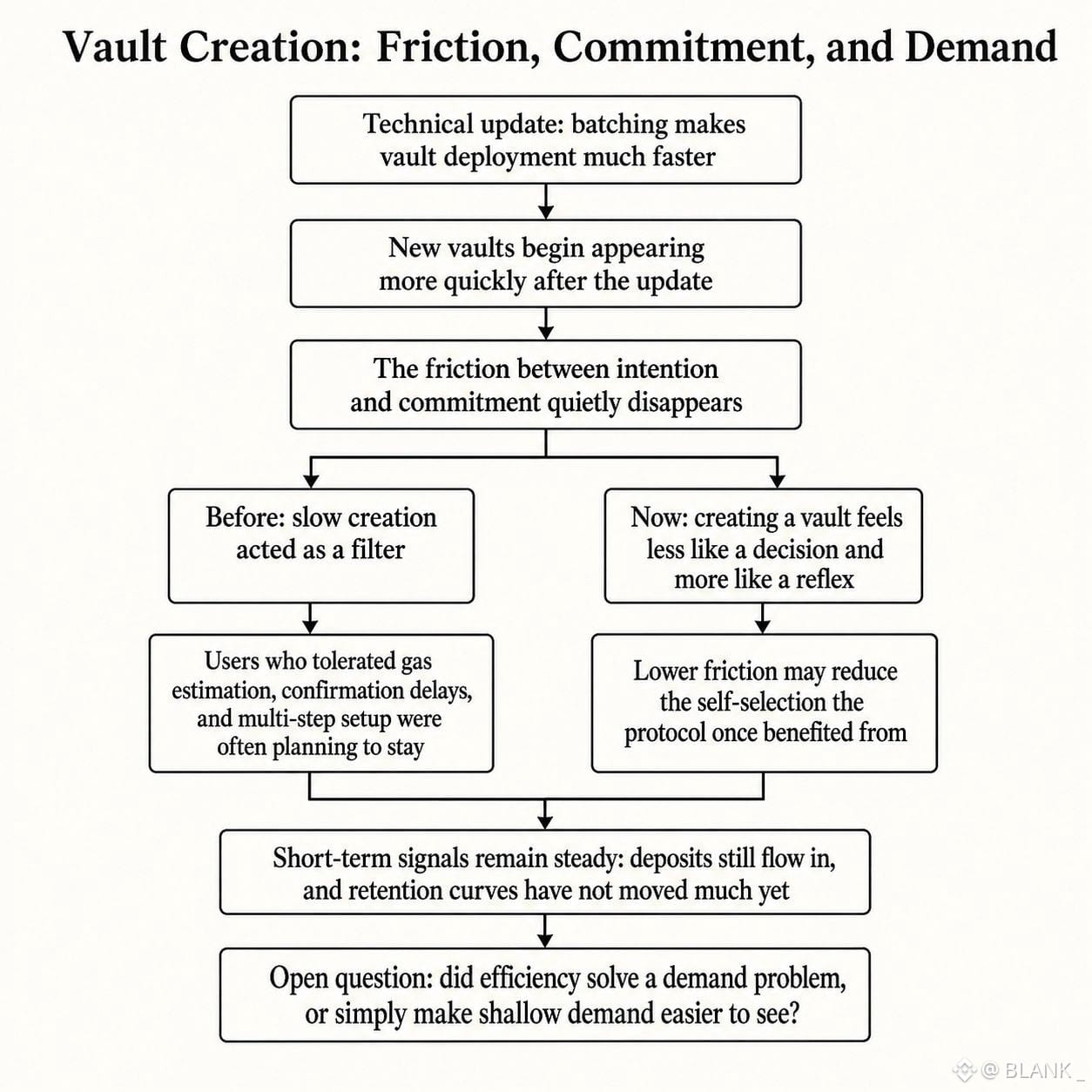
最初は、このブレークスルーは完全に技術的なものだと思っていた。つまり、バッチ処理を賢く工夫することで、金庫(バル ト)のデプロイにかかる秒数を削れたのだと。しかしアップデート後に新しい金庫がどれだけ速く出現し始めたかを見ていると、別の要素にも気づいた。意図とコミットの間にあった摩擦が、いつの間にか静かに消えていたのだ。作成が遅いことが、これまでフィルターとして働いていた。ガス見積もり、確認の遅延、そして複数ステップのセットアップを待ち通した人たちは、だいたい定着するつもりのある人たちだった。だが今はプロセスが一瞬で終わる。金庫はもはや、決断というより反射のように感じられる。入金は相変わらず流れ込んでいるし、リテンションのカーブはまだ大きくは動いていない。けれども、あの摩擦を取り除くことで、プロトコルが気づかないうちに頼りにしていた一種のセルフセレクションまで消してしまったのではないか、とずっと考えてしまう。効率化はUXの課題を解決した。需要の課題まで解決したのか、それとも浅い需要をただ見えやすくしただけなのか——その点はまだはっきりしていないままだ。
@babylonlabs_io $BABY #baby
最初は、このブレークスルーは完全に技術的なものだと思っていた。つまり、バッチ処理を賢く工夫することで、金庫(バル ト)のデプロイにかかる秒数を削れたのだと。しかしアップデート後に新しい金庫がどれだけ速く出現し始めたかを見ていると、別の要素にも気づいた。意図とコミットの間にあった摩擦が、いつの間にか静かに消えていたのだ。作成が遅いことが、これまでフィルターとして働いていた。ガス見積もり、確認の遅延、そして複数ステップのセットアップを待ち通した人たちは、だいたい定着するつもりのある人たちだった。だが今はプロセスが一瞬で終わる。金庫はもはや、決断というより反射のように感じられる。入金は相変わらず流れ込んでいるし、リテンションのカーブはまだ大きくは動いていない。けれども、あの摩擦を取り除くことで、プロトコルが気づかないうちに頼りにしていた一種のセルフセレクションまで消してしまったのではないか、とずっと考えてしまう。効率化はUXの課題を解決した。需要の課題まで解決したのか、それとも浅い需要をただ見えやすくしただけなのか——その点はまだはっきりしていないままだ。
@BabylonLabs_io $BABY #baby
@BabylonLabs_io $BABY #baby
178
90
15.5k
ログインして、さらにコンテンツを読む
厳選トピックで世界の暗号資産トレーダーの仲間入り
⚡️ 暗号資産に関する最新かつ有益な情報が見つかります。
💬 世界最大の暗号資産取引所から信頼されています。
👍 認証を受けたクリエイターから、有益なインサイトを得られます。
メール / 電話番号
トレンドトピック
FedRateWatch
閲覧回数 1.2M
5,681人が討論中
トレンドハッシュタグキャンペーンで「シェア&ウィン」交通(トラフィック)報酬を獲得しよう
✨トピック:FOMC 9月、「次のFRBの一手」は?
👉参加方法:
ハッシュタグ #FedRateWatch を付けて短い投稿または記事を投稿してください
以下の観点に基づいてコンテンツを作成してください:
- 8月のコアCPIは前月比0.3%上昇し、今週の25bp利上げの確率は現在約90%です。今週、利上げはあると思いますか?それは一時的なものですか、それともより長い利上げサイクルの始まりでしょうか?
- 利上げが実施された場合、BTC、テック株、ゴールドはどのように動きますか?強気(ブル)か弱気(ベア)か?
- 次の取引はどう計画していますか?取引共有ウィジェットを使って、BTC、株、またはゴールドの取引/保有を共有してください。
⏰キャンペーン期間:
- 2026-09-15 11:00 - 2026-09-17 3:00 UTC
🎁報酬:
- 上記のガイドラインを満たし、かつ100語を超える適格な投稿は審査され、抽選で500〜3,000ビューのランダムなトラフィック増加が付与される場合があります。投稿が選ばれた場合、フィードの事務局から通知が届きます。
- 記事がBinance Square Officialで特集されるチャンス
投稿のアイデアが必要ですか?トピックページ #FedRateWatch へアクセスするか、 Square Guide on How to Post for Better Reach をご覧ください。
Binance Square Official
·いいね:599件
·閲覧回数 1.4M
ZcashRises6%
閲覧回数 9,169
212人が討論中
XRPSinks10%
閲覧回数 5,093
136人が討論中