

ArslanOnChain — Day 2/30
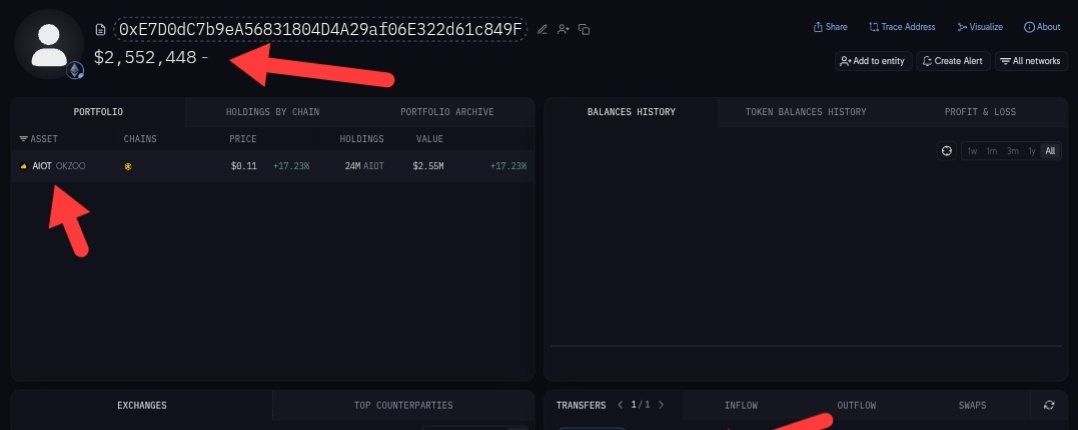
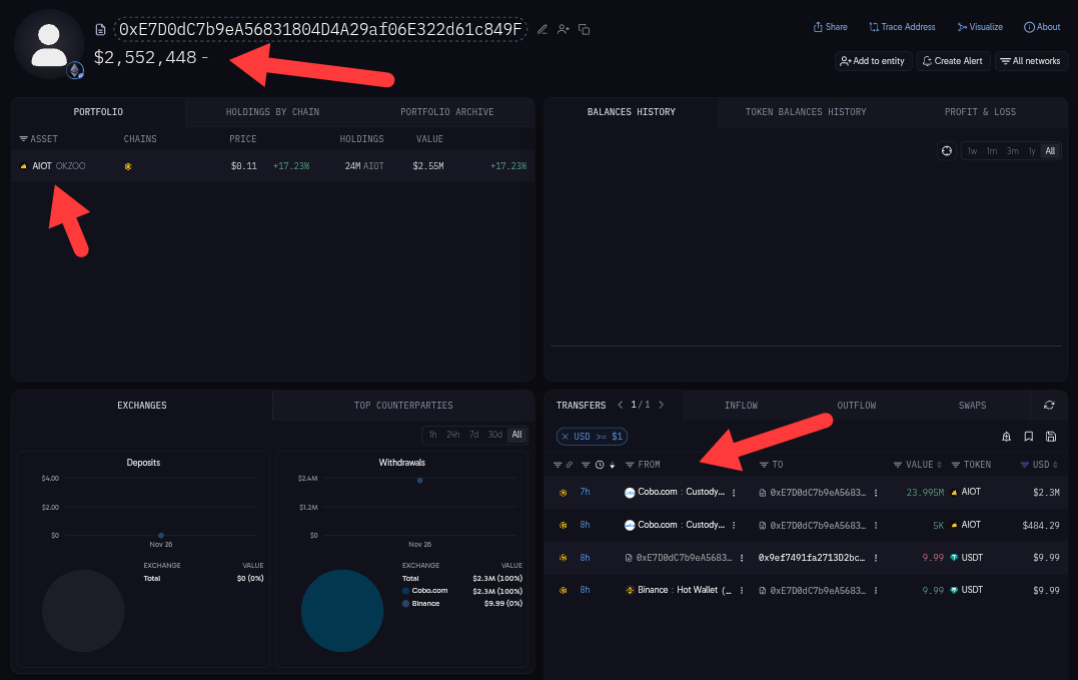
You can track a wallet, see its entire transaction history and check millions of dollars in holdings.
But here's something many beginners get wrong:
A crypto wallet doesn't actually store your crypto. 👀
Your crypto exists as records on the blockchain. A wallet is the tool that lets you access and control the funds associated with your addresses.
Let's break that down.
1. What is a crypto wallet?
A crypto wallet manages two important things:
- Public address: The address people can use to send you crypto. Think of it like an account number.
- Private key: A secret cryptographic key that allows you to authorize transactions from that address.
For example:
"0xABC123..."
Anyone can look up a public blockchain address and investigate its activity.
They can see:
- Its token balances.
- Incoming and outgoing transactions.
- Which addresses it interacts with.
- When funds move and where they go.
But they cannot simply move your funds because they know your public address.
2. Why is the private key so important?
Think of your public address as your bank account number and your private key as the authority to approve transactions.
When you send crypto, your wallet uses the private key to digitally sign the transaction.
That's how the blockchain verifies that the transaction was authorized.
Never share your private key or recovery phrase. Anyone who gets control of them may be able to access your funds.
3. Two types of wallets you should know
Non-custodial wallets
You control the private keys yourself.
Examples: MetaMask and Trust Wallet.
You are responsible for keeping your recovery phrase and keys safe.
Custodial wallets
A third party controls the private keys on your behalf.
Examples: Binance and Bybit accounts.
You access your funds through your exchange account rather than directly controlling the underlying private keys.
4. Why does this matter for on-chain analysis?
This is where things get interesting.
When we investigate a wallet, we can follow its public activity without knowing the identity of the person behind it.
We can investigate:
- Where its funds came from.
- Which tokens it received.
- Where it sent those tokens.
- Whether it interacts with exchanges.
- Whether it repeatedly accumulates or distributes a particular token.
This is the foundation of wallet tracking.
One important distinction: an address is not automatically proof of someone's identity. We need evidence before connecting a wallet to a person, exchange or organization.
Your Day 2 Challenge 🧠
Imagine you find a wallet holding 2M worth of a token.
Answer these three questions:
1. Can you see its balance and transaction history using its public address?
2. Can you move its funds just because you know the public address?
3. What would you need to authorize a transaction from that wallet?
Drop your answers in the replies. 👇
Tomorrow:
Day 3 — What Is a Blockchain Transaction?
We'll break down what actually happens when crypto moves from one address to another.
Wallet To Track: 0xE7D0dC7b9eA56831804D4A29af06E322d61c849F